
What to Check Before Choosing an Online Process Monitoring System Supplier




What to Check Before Choosing an Online Process Monitoring System Supplier
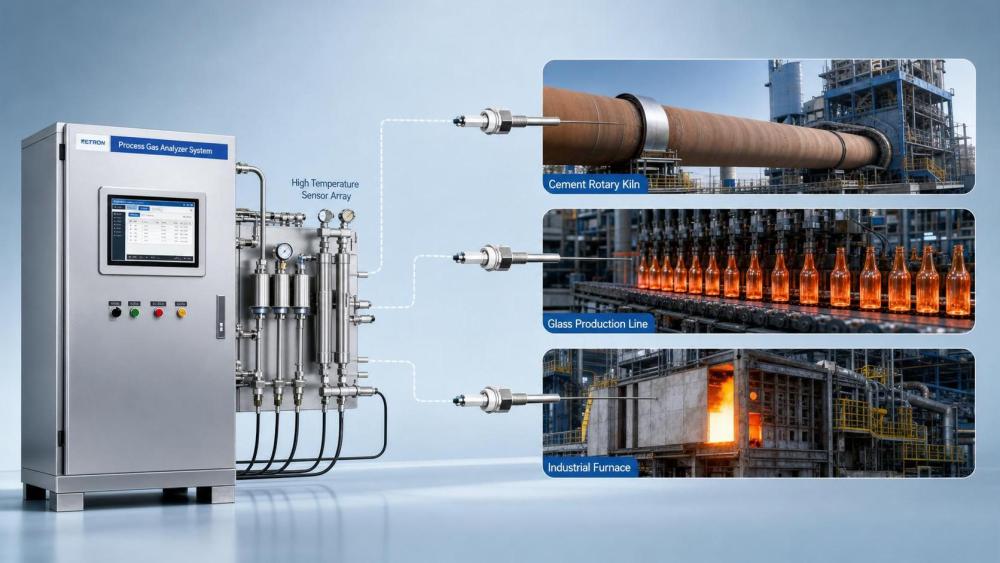
Choosing the right online process monitoring system supplier can shape uptime, quality control, compliance, and maintenance spending for years.
That is especially true in cement, glass, industrial kilns, refractory production, and new building material extrusion.
In these sectors, process variation is expensive, and delayed signals often turn small deviations into major losses.
So the supplier decision should go far beyond unit price.
A capable online process monitoring system supplier helps convert live plant data into faster decisions and fewer unplanned shutdowns.
A weak supplier may deliver hardware, but leave gaps in integration, calibration, support, or long-term reliability.
From a purchasing perspective, the goal is simple: reduce technical risk and control lifecycle cost.
The checkpoints below make that evaluation more practical and more defensible.
Start With Process Fit, Not Product Brochures
Every online process monitoring system supplier claims accuracy, visibility, and smart analytics.
What matters first is whether the system matches the actual process environment.
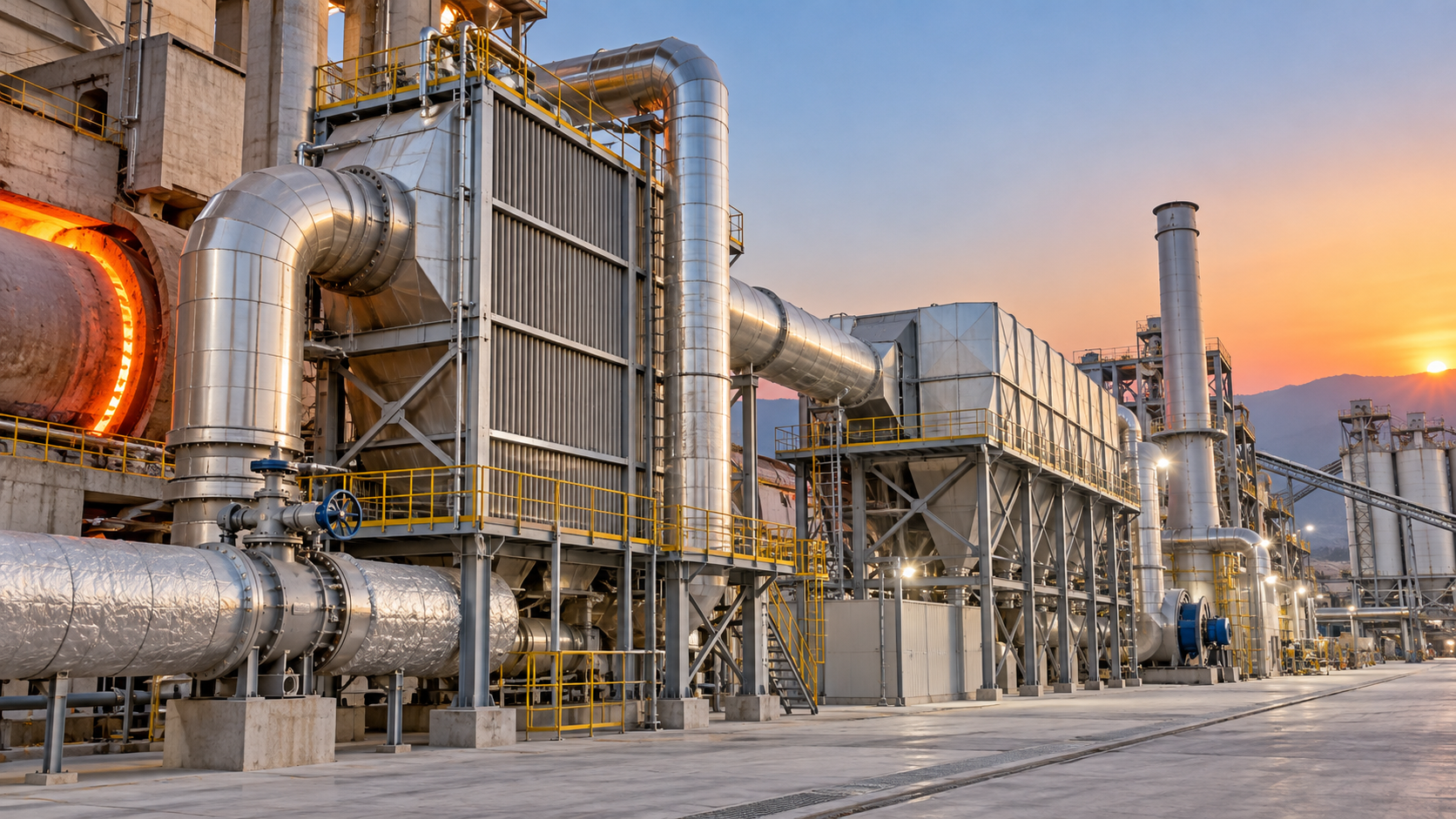
In rotary kilns, dust load, heat stress, and variable fuel conditions create very different monitoring demands than float glass lines.
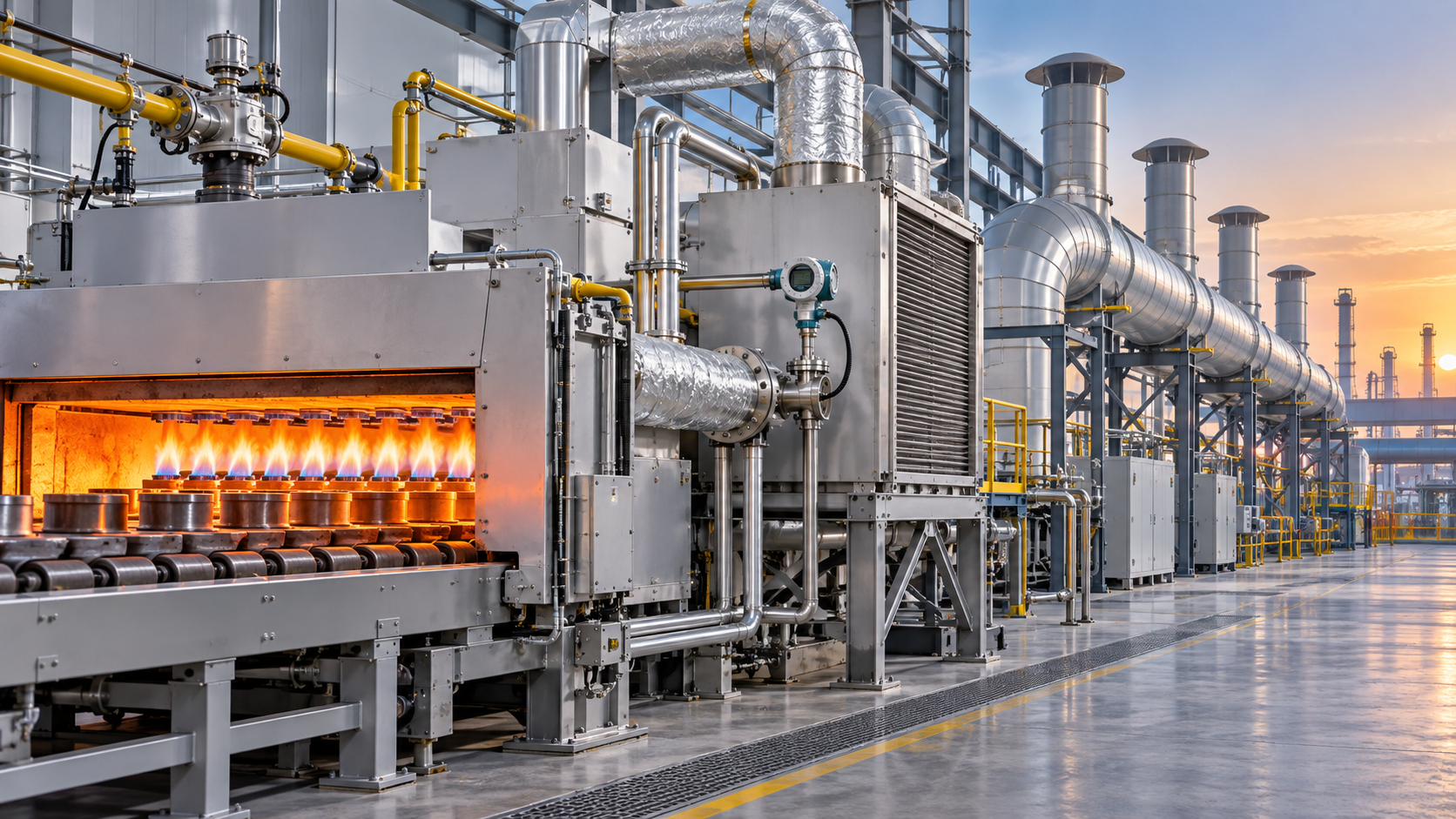
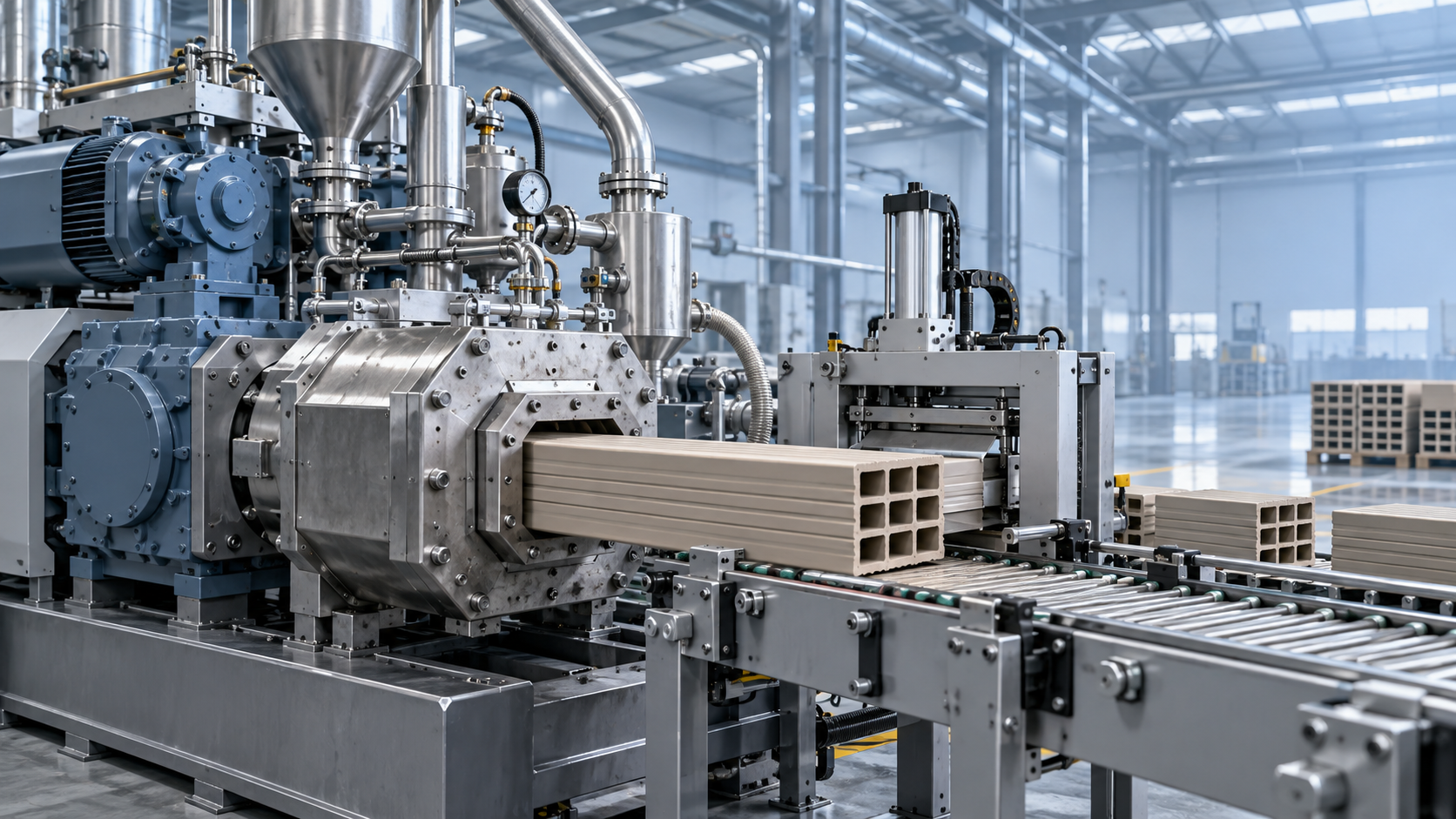
Refractory lines may need thermal profile tracking, while extrusion plants may prioritize pressure stability and screw performance.
This means the first screening step should focus on application history.
Ask each online process monitoring system supplier for references in similar temperature ranges, material conditions, and control architectures.
Generic industrial experience is helpful, but it is not enough.
You want evidence that the supplier understands your failure points, sensor fouling risks, and operator response needs.
Questions worth asking early
- Which plants in my industry use this system today?
- What process variables are measured directly, and which are inferred?
- How does the system perform under dust, vibration, corrosive gas, or radiant heat?
- What operating limits affect measurement quality?
Verify Data Quality Before Comparing Prices
Price comparisons become misleading when data quality is unclear.
A lower quote from an online process monitoring system supplier may hide weaker sensors, lower sampling rates, or unstable analytics.
In process monitoring, poor data often costs more than expensive equipment.
Focus on accuracy, repeatability, drift behavior, response speed, and false alarm rates.
If the supplier uses predictive models, ask how those models were trained and validated.
This is a critical point in high-temperature industries, where process disturbances can escalate quickly.
A credible online process monitoring system supplier should be ready to share calibration routines, confidence ranges, and diagnostic logic.
More importantly, they should explain how data remains trustworthy over time, not only during factory acceptance tests.
Data quality checkpoints
- Request sample trend reports from operating sites.
- Review calibration frequency and drift compensation methods.
- Check alarm logic against real process events.
- Confirm whether raw data is accessible for independent review.
Check Integration With Existing Control and IT Systems
Even a strong monitoring platform loses value if it does not fit the plant’s digital environment.
That is why integration should be reviewed before commercial negotiation goes too far.
An experienced online process monitoring system supplier should support common PLC, DCS, SCADA, historian, and MES connections.
Protocol compatibility matters, but so does implementation effort.
In practice, hidden integration work often delays commissioning and raises total project cost.
Ask whether the system supports open standards, edge processing, remote diagnostics, and role-based data access.
Also verify cybersecurity controls, especially when cloud dashboards or vendor remote access are included.
A reliable online process monitoring system supplier should present a clear integration map, not vague compatibility promises.
Look for these integration details
- Supported protocols such as OPC UA, Modbus, or Profibus
- Data ownership and export options
- Cybersecurity update process and access control
- Expected commissioning timeline and plant downtime needs
Assess Service Capacity Across the Full Lifecycle
This is where many purchasing decisions become too narrow.
The right online process monitoring system supplier is not just a seller of sensors and software.
They are a service partner for commissioning, tuning, training, maintenance, and upgrades.
This becomes even more important when the monitored process is continuous and shutdown windows are short.
A supplier may look competitive at purchase stage, yet become costly when spare parts are slow or local support is weak.
So evaluate service coverage with the same discipline used for technical review.
Ask how many field engineers they have, where they are located, and how quickly they respond to breakdowns.
A mature online process monitoring system supplier should also offer operator training and periodic performance audits.
Service topics to document
Calculate Total Cost of Ownership, Not Just Purchase Cost
Procurement decisions often start with capital budget, but they should end with lifecycle economics.
A low-cost online process monitoring system supplier may still become the expensive option over five years.
Common cost drivers include calibration labor, consumables, license fees, software updates, false alarms, and unplanned downtime.
In energy-intensive plants, even minor efficiency gains can offset a higher upfront price.
That is why commercial evaluation should connect system cost with expected operational value.
A strong online process monitoring system supplier should help quantify reduced fuel waste, improved product consistency, and fewer emergency interventions.
When suppliers avoid this conversation, it usually means the return case is weak or poorly understood.
Include these cost items in comparison
- Initial hardware, software, and installation
- Annual service, licensing, and support charges
- Calibration tools, consumables, and replacement parts
- Downtime risk during maintenance or failure
- Process savings from better control and earlier fault detection
Review Supplier Credibility, Roadmap, and Industry Understanding
Technology fit is important, but supplier stability also matters.
An online process monitoring system supplier should have a visible roadmap for upgrades, security patches, and analytics improvement.
That matters because monitoring systems are long-term assets, not short-term purchases.
It is also useful to test how well the supplier understands current industry pressures.
For example, tighter emissions rules, decarbonization targets, and higher energy costs are changing monitoring priorities.
A serious online process monitoring system supplier should connect their solution to those business realities.
That includes better combustion visibility, thermal efficiency tracking, process traceability, and predictive maintenance support.
Suppliers with strong domain knowledge usually ask sharper questions and propose fewer irrelevant features.
Build a Practical Supplier Selection Framework
In real purchasing work, decisions move faster when criteria are scored in a structured way.
A simple framework helps compare each online process monitoring system supplier on the same basis.
That usually means weighting technical fit, data reliability, integration ease, service capacity, and total cost of ownership.
Site references and trial results should carry more weight than presentation quality.
Where possible, include operations, maintenance, automation, and environmental teams in the review.
That cross-functional view usually exposes hidden risks earlier.
A practical shortlist method
- Define the exact process problem to be solved.
- Filter each online process monitoring system supplier by industry fit.
- Score technical and commercial requirements separately.
- Request references, sample data, and service commitments in writing.
- Run a final comparison using lifecycle value, not only quoted price.
The best online process monitoring system supplier is rarely the one with the cheapest offer or the broadest brochure.
It is the supplier that proves process fit, dependable data, workable integration, and sustained service support.
When those elements are verified early, purchasing decisions become clearer and far less risky.
Before moving to final negotiation, use these checkpoints to challenge assumptions, tighten specifications, and select an online process monitoring system supplier that can deliver value well beyond installation day.
Related News
 Thermal Energy ArchitectHow to Specify Heavy Industrial Process Systems for High-Temperature PlantsHeavy industrial processes systems: learn how to specify high-temperature plants for efficiency, emissions control, maintainability, and lifecycle performance.Oct 02, 2026
 Structural Material AnalystHow Sustainable Material Extrusion Can Improve Wall Panel Durability and Design FlexibilityDiscover how sustainable material extrusion for wall panels improves durability, moisture resistance, design flexibility, and installation consistency for high-performing wall systems.Oct 01, 2026
 Thermal Energy ArchitectHow to Evaluate a High-Temperature Materials Manufacturer for Furnace ApplicationsChoose a high-temperature materials manufacturer with confidence: compare thermal performance, chemical resistance, quality controls, installation support, and lifecycle cost.Sep 30, 2026
 Ms. Elena RodriguezHow to Structure Global Specification Data for Faster Industrial Product EvaluationGlobal specification-oriented product information helps industrial teams compare capacity, energy, emissions, automation, and lifecycle data on a like-for-like basis for faster, confident equipment decisions.Sep 29, 2026
 Thermal Energy ArchitectHow to Specify High-Temperature Process Systems for Continuous Thermal OperationsHigh-temperature process engineering systems: learn how to specify resilient continuous thermal operations for efficiency, compliance, reliable uptime, and long-term performance.Sep 28, 2026
 Thermal Energy ArchitectHow to Evaluate a Thermal Engineering Contractor for High-Temperature Plant ProjectsChoose a thermal engineering contractor with proven process expertise, lifecycle value, emissions control, and delivery discipline for reliable high-temperature plant performance.Sep 27, 2026
 Silicate Process EngineerHow Latin American Cement Plants Can Reduce Dust Emissions in Kilns and Transfer PointsCement plant dust control Latin America: reduce kiln and transfer-point emissions with practical airflow, filtration, monitoring, and maintenance strategies.Sep 26, 2026
 Material Heat-Resist ExpertHow to Evaluate Refractory Production Lines for Output, Quality, and Energy UseRefractory production lines: learn how to assess qualified output, consistent quality, and total energy use for smarter, lower-risk investment decisions.Sep 25, 2026
 Dr. Alistair VaughnHow Waste Recycling Technology Improves Material Recovery in Industrial PlantsWaste recycling technology improves material recovery through source segregation, smart separation, thermal treatment, and quality control for industrial plants.Sep 24, 2026
 Optical Glass Tech FellowHow to Specify Glass Annealing Equipment for European Quality and Energy RequirementsGlass annealing equipment Europe: learn how to specify lehrs for consistent glass quality, energy efficiency, compliance, automation, and reliable long-term performance.Sep 23, 2026
 Optical Glass Tech FellowSilicate Process Automation: Improving Batch Consistency and Energy ControlSilicate process automation improves batch consistency, energy control, traceability, and operator confidence across high-temperature manufacturing operations.Sep 22, 2026
 Optical Glass Tech FellowHow Silicate Industrial Processes Control Viscosity, Energy Use, and Product QualitySilicate industrial processes: learn how viscosity, chemistry, heat transfer, and atmosphere control reduce energy use, improve stability, and protect product quality.Sep 21, 2026
 Thermal Energy ArchitectHow European Plants Can Evaluate Energy Recovery Equipment for High-Temperature ProcessesIndustrial energy recovery equipment Europe: learn how high-temperature plants can assess waste-heat sources, integration risks, lifecycle value, and reliable recovery routes.Sep 20, 2026
 Thermal Energy ArchitectIndustrial Furnace Process Optimization: Reducing Fuel Use Without Sacrificing ThroughputIndustrial process optimization furnace strategies that cut fuel use while protecting throughput. Explore combustion control, heat recovery, refractory performance, and data-driven efficiency gains.Sep 19, 2026
 Ms. Elena RodriguezWhat Drives High-Pressure Extrusion Equipment Cost in Industrial Projects?High pressure extrusion equipment cost explained: compare pressure, die design, automation, wear, energy, and installation factors for smarter industrial investments.Sep 18, 2026
 Thermal Energy ArchitectHow to Size a Waste Heat Recovery Exchanger for High-Temperature Kiln Exhaust?Waste heat recovery exchanger sizing for high-temperature kiln exhaust: balance recoverable duty, fouling, corrosion limits, pressure drop, and reliable heat use.Sep 17, 2026
 Thermal Energy ArchitectWhy Heat-Resistant Materials Lose Abrasion Resistance at High TemperaturesHeat-resistant materials abrasion resistance can decline at high temperatures. Discover the thermal, chemical, and mechanical causes of wear—and how to choose longer-lasting linings.Sep 16, 2026
 Thermal Energy ArchitectHow to Evaluate a Thermal Energy Optimization Company for High-Temperature PlantsChoose a thermal energy optimization company with proven process expertise, measurable savings, and reliable delivery for high-temperature plants. Learn what to assess.Sep 15, 2026
 Thermal Energy ArchitectRotary Kiln Efficiency: How Feed Rate, Fuel Use, and Heat Loss Affect OutputRotary kiln efficiency explained: discover how feed rate, fuel use, heat loss, combustion, and cooling performance shape output, quality, and energy costs.Sep 14, 2026
 Thermal Energy ArchitectHow to Select Heat-Resistant Materials That Maintain Abrasion Resistance in KilnsHeat-resistant materials abrasion resistance: learn how to select kiln linings that withstand heat, wear, thermal cycling, and chemical attack for longer service life.Sep 13, 2026

Related News
- 00
0000-00
How to Structure Global Specification Data for Faster Industrial Product Evaluation - 00
0000-00
What Drives High-Pressure Extrusion Equipment Cost in Industrial Projects? - 00
0000-00
How Should Buyers Evaluate Building Material Industry Intelligence Pricing? - 00
0000-00
How to Use Building Material Intelligence Data for Market and Investment Decisions - 00
0000-00
How to Evaluate a Silicate Processing Equipment Manufacturer for Plant Projects
Weekly Insights
Stay ahead with our curated technology reports delivered every Monday.