
What an Industrial Equipment Knowledge Base Should Include for Faster Fault Diagnosis




Why does an industrial equipment knowledge base matter so much during fault diagnosis?
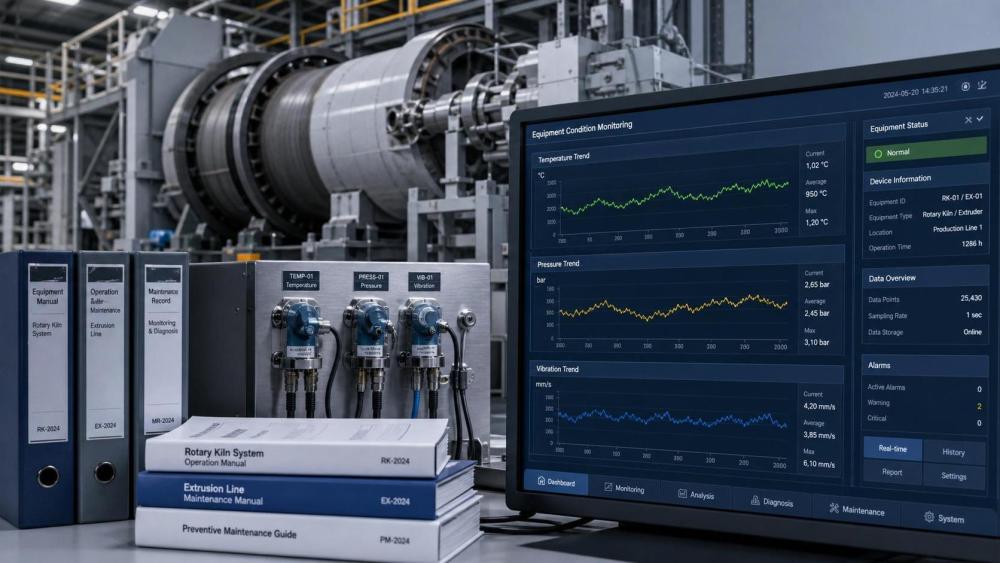
An industrial equipment knowledge base is not just a storage folder for manuals.
In real plants, faults rarely appear as neat textbook failures.
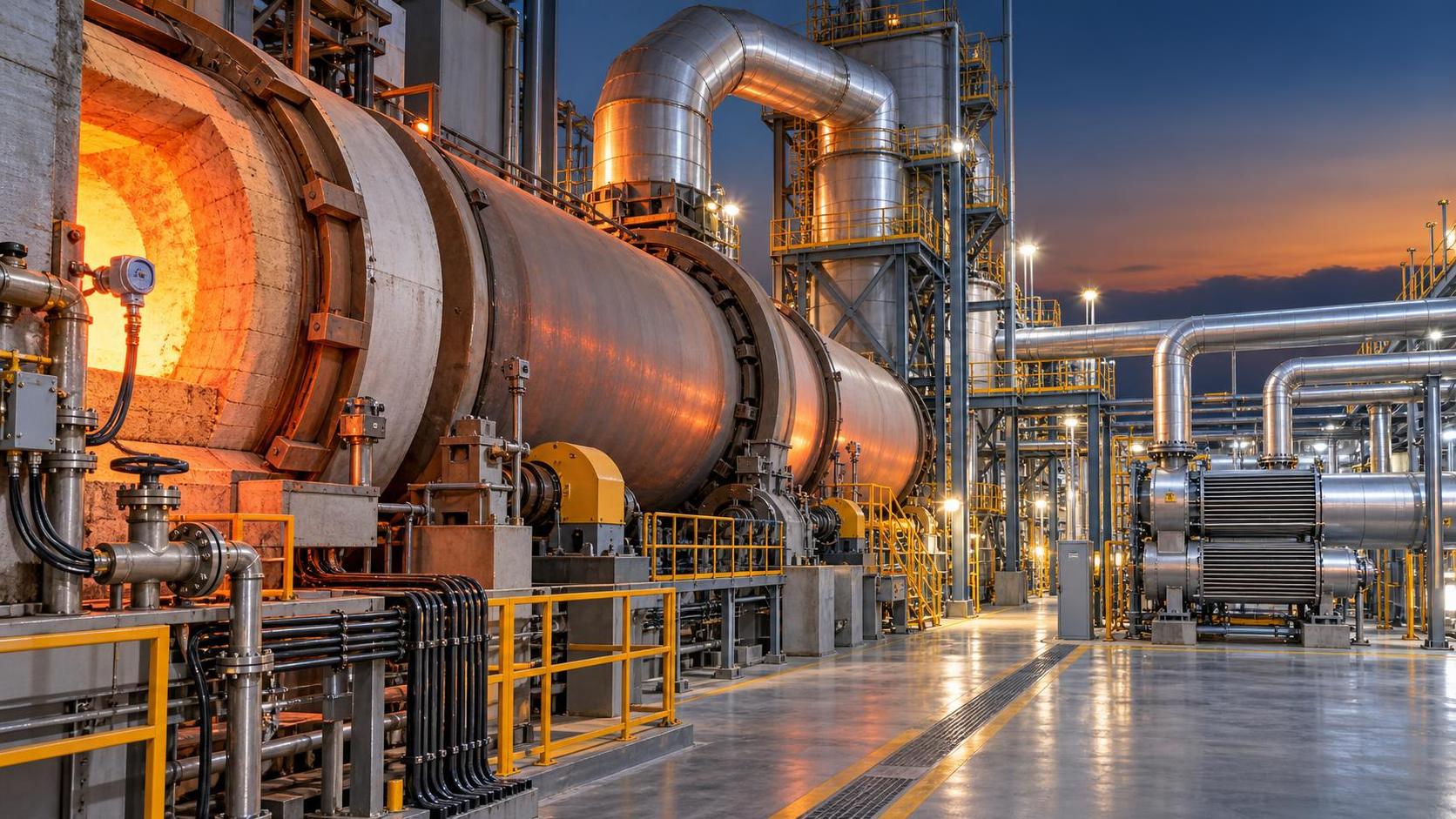
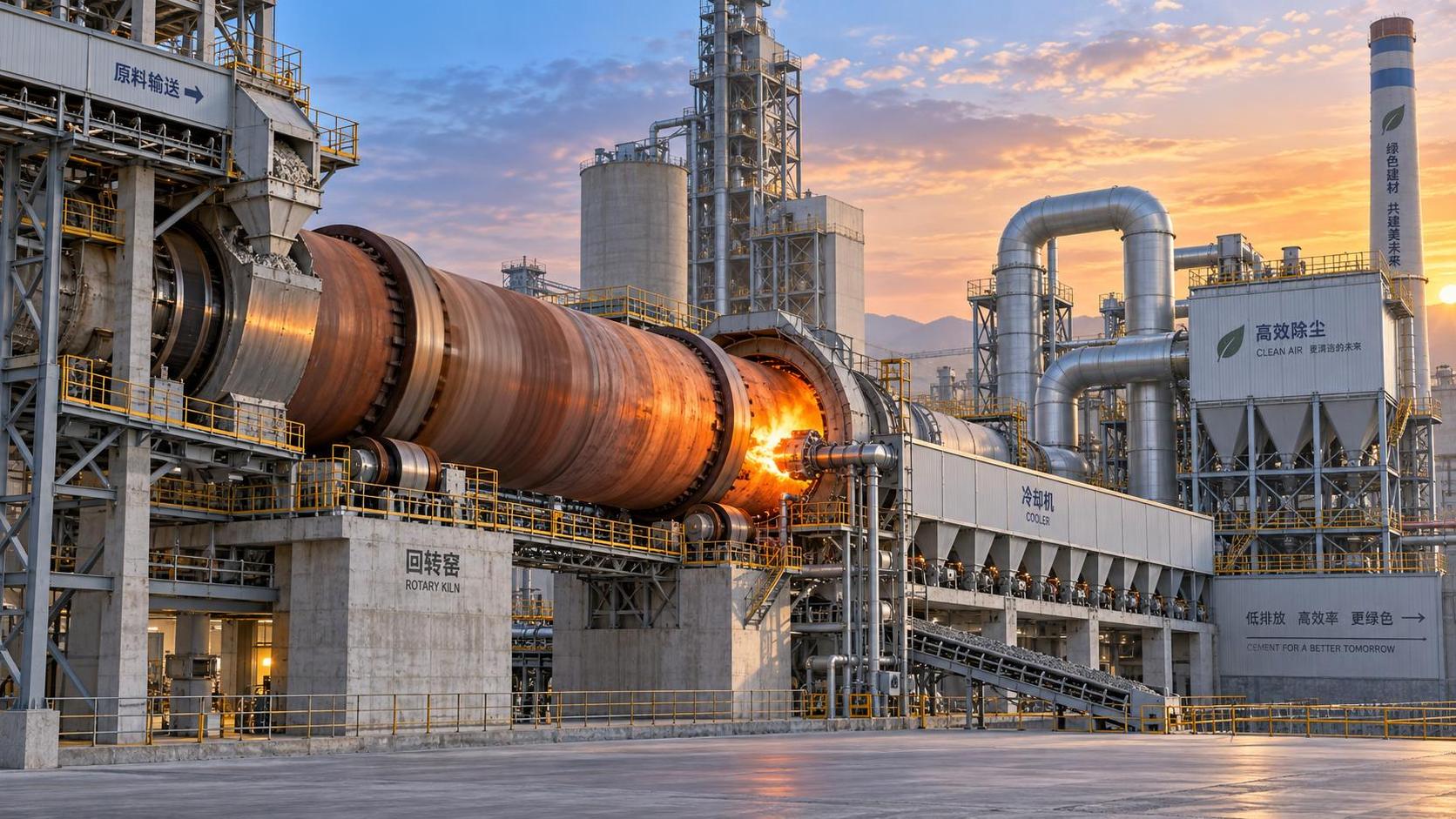
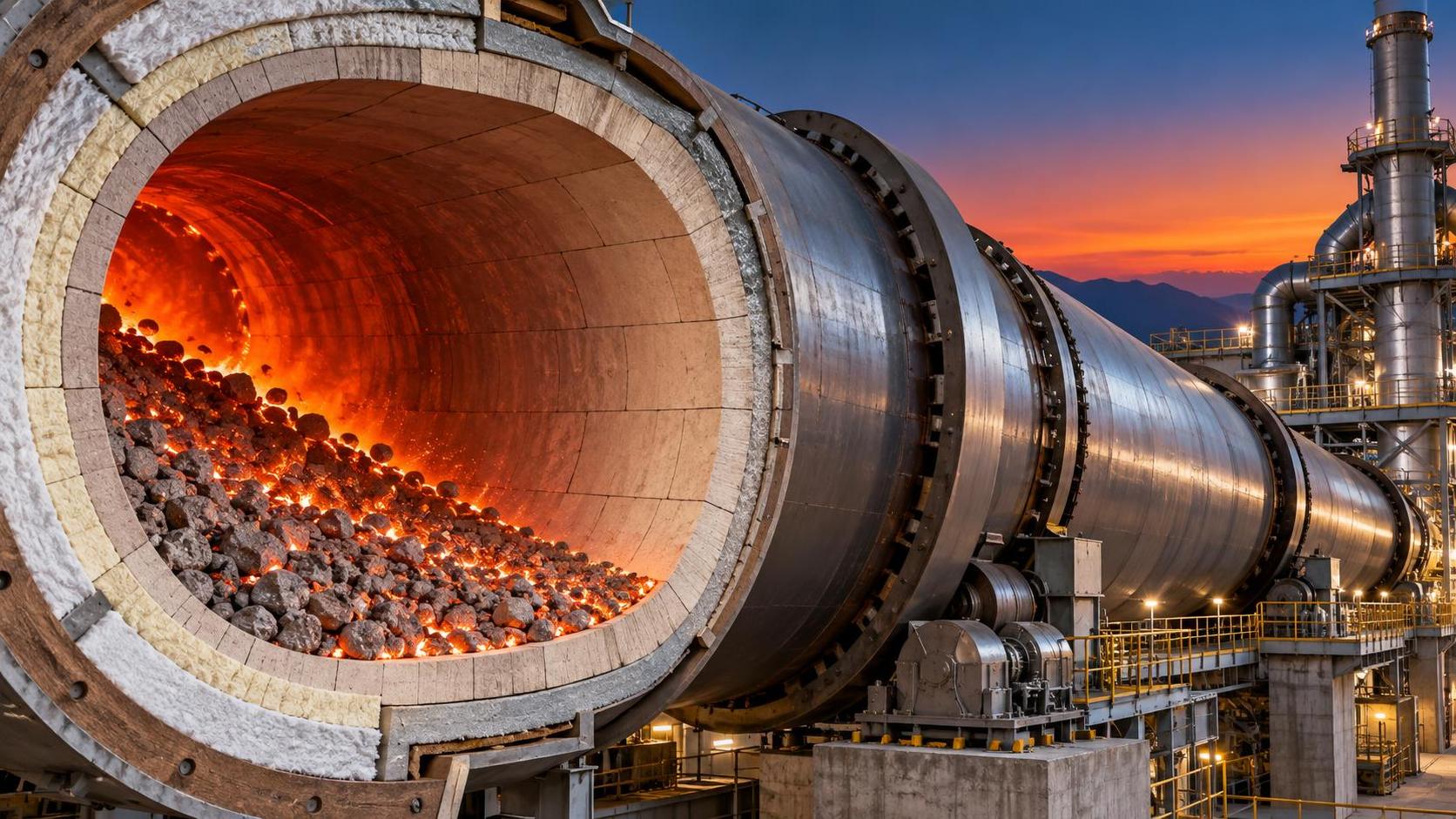
A kiln may show unstable draft, rising shell temperature, and inconsistent feed behavior at the same time.
An extrusion line may present vibration, pressure fluctuation, and poor product shape within one shift.
When diagnosis depends only on memory, response speed becomes inconsistent.
That is where a well-built industrial equipment knowledge base changes the outcome.
It connects alarm history, maintenance records, process data, operator notes, and failure patterns into one searchable structure.
The result is faster troubleshooting, fewer repeated mistakes, and safer decisions under pressure.
This matters even more in heat-intensive sectors.
Cement plants, glass lines, industrial incineration systems, refractory production, and new material extrusion all run with tight thermal margins.
A missed clue can lead to energy loss, lining damage, unstable quality, or unplanned shutdown.
That is why platforms such as CF-Elite focus on linking process intelligence with field use.
The useful value is not abstract information.
It is actionable knowledge that helps interpret high-temperature behavior, equipment wear, reaction conditions, and environmental constraints together.
What should an industrial equipment knowledge base include first?
The first layer should answer one practical question: what failed, where, when, and under which operating condition?
Without that structure, even a large industrial equipment knowledge base becomes difficult to use.
A strong foundation usually includes these records:
- Equipment hierarchy, from plant area to subsystem and component.
- Asset identity, including model, revision, supplier, and major retrofit history.
- Alarm and trip logs with time stamps and operating load.
- Observed symptoms, not only final failure codes.
- Root cause findings, temporary actions, and permanent corrective actions.
- Process variables captured before, during, and after the event.
This distinction is important because symptoms and causes are not the same thing.
For example, high motor current may be the symptom.
The cause may be bearing damage, material buildup, misalignment, or unstable feed moisture.
A useful industrial equipment knowledge base keeps those layers separate but linked.
It should also contain visual references.
Annotated photos of cracked refractory, burner flame patterns, worn screw elements, or dust collector leakage often speed diagnosis more than text alone.
In thermal industries, trend charts are equally valuable.
Seeing how temperature, pressure, oxygen, and vibration moved before the fault often reveals the sequence of events.
How do you organize knowledge so people can actually find the right answer fast?
This is where many systems become slow despite having plenty of content.
A searchable industrial equipment knowledge base needs more than document uploads.
It needs a retrieval logic built around field questions.
A practical method is to index each case from several directions at once.
In practice, the best search entry is often symptom plus process state.
For example, “high CO during kiln startup” is more useful than “combustion issue.”
The same applies to glass furnaces, incinerators, or extrusion systems.
A knowledge base should also highlight confidence level.
Some fixes are confirmed by repeated cases.
Others are hypotheses that need verification.
That difference prevents overconfident troubleshooting.
Which content is often missing, even in a large industrial equipment knowledge base?
The missing piece is usually context.
Many records say what was repaired, but not what conditions led to the failure.
That makes future comparison much harder.
A better industrial equipment knowledge base captures surrounding factors such as fuel quality, ambient changes, feed chemistry, load level, and recent parameter adjustments.
This is especially useful in sectors covered by CF-Elite.
High-temperature equipment rarely fails because of one isolated mechanical cause.
Thermal stress, reaction kinetics, airflow balance, and material behavior often interact.
For instance, refractory damage may be linked to coating instability, burner tuning, and chemistry shifts together.
Another commonly missing element is decision history.
Why was one action chosen over another?
Was the team protecting safety, production continuity, emissions compliance, or equipment life?
Those notes help later teams understand trade-offs, not just outcomes.
Digital references also deserve a place.
If a plant uses online monitoring, thermal imaging, or digital twin simulation, those findings should connect back to the same case record.
Otherwise, valuable insight stays trapped in separate systems.
How can you tell whether the knowledge base is helping diagnosis or just collecting documents?
A simple test is to follow an actual fault scenario.
If a draft fan trips, can the system quickly show similar events, likely causes, safe checks, and recovery steps?
If not, the structure needs work.
The strongest industrial equipment knowledge base usually improves these areas:
- Time needed to move from symptom to first probable cause.
- Consistency between shifts during similar events.
- Quality of escalation notes sent to maintenance or engineering.
- Reduction in repeat failures caused by incomplete learning.
- Safer handling of faults with thermal, combustion, or emissions risk.
One useful indicator is whether near-miss cases are captured.
These cases often contain the best early warning patterns.
Another indicator is whether older lessons remain searchable after upgrades or line modifications.
Knowledge loses value when version control is weak.
That is why revision dates, equipment changes, and parameter baselines should always be visible.
What mistakes make an industrial equipment knowledge base less useful over time?
The most common mistake is treating every document as equal.
A scanned manual, a shift note, and a validated root cause report do not carry the same diagnostic weight.
The second mistake is writing records too vaguely.
Phrases like “checked system” or “resolved issue” are nearly useless later.
A better note states what was checked, what changed, and what evidence supported the conclusion.
Another weak point is ignoring cross-disciplinary links.
Mechanical, thermal, electrical, and process faults often overlap in heavy industrial systems.
Separating them too rigidly slows diagnosis.
A final issue is poor maintenance of the knowledge base itself.
If entries are not reviewed after shutdowns, retrofits, or fuel strategy changes, recommendations become outdated.
In sectors facing carbon reduction pressure, this matters even more.
New operating targets can change failure modes, combustion behavior, and acceptable process windows.
A current industrial equipment knowledge base should reflect those shifts, not preserve old assumptions.
Where should the next improvement start?
Start with one high-impact asset group and one repeat fault pattern.
That approach is usually more effective than trying to document the whole plant at once.
Build the industrial equipment knowledge base around real diagnostic paths.
Map symptoms, confirm critical data points, define safe checks, and record what actually solved the issue.
Then review whether the structure supports quick use during a live event.
For thermal and process-heavy systems, it helps to combine field records with wider intelligence.
That is where industry sources like CF-Elite become relevant.
Not as advertising material, but as a reference layer for process interactions, refractory monitoring, kiln co-processing, glass digital twins, and energy-efficiency trends.
A strong industrial equipment knowledge base works best when local experience and sector intelligence support each other.
If the goal is faster fault diagnosis, the priority is clear.
Capture better context, organize by real search behavior, and keep lessons tied to changing operating conditions.
That is what turns stored information into usable judgment.
Related News
 Structural Material AnalystHow Sustainable Material Extrusion Can Improve Wall Panel Durability and Design FlexibilityDiscover how sustainable material extrusion for wall panels improves durability, moisture resistance, design flexibility, and installation consistency for high-performing wall systems.Oct 01, 2026
 Thermal Energy ArchitectHow to Evaluate a High-Temperature Materials Manufacturer for Furnace ApplicationsChoose a high-temperature materials manufacturer with confidence: compare thermal performance, chemical resistance, quality controls, installation support, and lifecycle cost.Sep 30, 2026
 Ms. Elena RodriguezHow to Structure Global Specification Data for Faster Industrial Product EvaluationGlobal specification-oriented product information helps industrial teams compare capacity, energy, emissions, automation, and lifecycle data on a like-for-like basis for faster, confident equipment decisions.Sep 29, 2026
 Thermal Energy ArchitectHow to Specify High-Temperature Process Systems for Continuous Thermal OperationsHigh-temperature process engineering systems: learn how to specify resilient continuous thermal operations for efficiency, compliance, reliable uptime, and long-term performance.Sep 28, 2026
 Thermal Energy ArchitectHow to Evaluate a Thermal Engineering Contractor for High-Temperature Plant ProjectsChoose a thermal engineering contractor with proven process expertise, lifecycle value, emissions control, and delivery discipline for reliable high-temperature plant performance.Sep 27, 2026
 Silicate Process EngineerHow Latin American Cement Plants Can Reduce Dust Emissions in Kilns and Transfer PointsCement plant dust control Latin America: reduce kiln and transfer-point emissions with practical airflow, filtration, monitoring, and maintenance strategies.Sep 26, 2026
 Material Heat-Resist ExpertHow to Evaluate Refractory Production Lines for Output, Quality, and Energy UseRefractory production lines: learn how to assess qualified output, consistent quality, and total energy use for smarter, lower-risk investment decisions.Sep 25, 2026
 Dr. Alistair VaughnHow Waste Recycling Technology Improves Material Recovery in Industrial PlantsWaste recycling technology improves material recovery through source segregation, smart separation, thermal treatment, and quality control for industrial plants.Sep 24, 2026
 Optical Glass Tech FellowHow to Specify Glass Annealing Equipment for European Quality and Energy RequirementsGlass annealing equipment Europe: learn how to specify lehrs for consistent glass quality, energy efficiency, compliance, automation, and reliable long-term performance.Sep 23, 2026
 Optical Glass Tech FellowSilicate Process Automation: Improving Batch Consistency and Energy ControlSilicate process automation improves batch consistency, energy control, traceability, and operator confidence across high-temperature manufacturing operations.Sep 22, 2026
 Optical Glass Tech FellowHow Silicate Industrial Processes Control Viscosity, Energy Use, and Product QualitySilicate industrial processes: learn how viscosity, chemistry, heat transfer, and atmosphere control reduce energy use, improve stability, and protect product quality.Sep 21, 2026
 Thermal Energy ArchitectHow European Plants Can Evaluate Energy Recovery Equipment for High-Temperature ProcessesIndustrial energy recovery equipment Europe: learn how high-temperature plants can assess waste-heat sources, integration risks, lifecycle value, and reliable recovery routes.Sep 20, 2026
 Thermal Energy ArchitectIndustrial Furnace Process Optimization: Reducing Fuel Use Without Sacrificing ThroughputIndustrial process optimization furnace strategies that cut fuel use while protecting throughput. Explore combustion control, heat recovery, refractory performance, and data-driven efficiency gains.Sep 19, 2026
 Ms. Elena RodriguezWhat Drives High-Pressure Extrusion Equipment Cost in Industrial Projects?High pressure extrusion equipment cost explained: compare pressure, die design, automation, wear, energy, and installation factors for smarter industrial investments.Sep 18, 2026
 Thermal Energy ArchitectHow to Size a Waste Heat Recovery Exchanger for High-Temperature Kiln Exhaust?Waste heat recovery exchanger sizing for high-temperature kiln exhaust: balance recoverable duty, fouling, corrosion limits, pressure drop, and reliable heat use.Sep 17, 2026
 Thermal Energy ArchitectWhy Heat-Resistant Materials Lose Abrasion Resistance at High TemperaturesHeat-resistant materials abrasion resistance can decline at high temperatures. Discover the thermal, chemical, and mechanical causes of wear—and how to choose longer-lasting linings.Sep 16, 2026
 Thermal Energy ArchitectHow to Evaluate a Thermal Energy Optimization Company for High-Temperature PlantsChoose a thermal energy optimization company with proven process expertise, measurable savings, and reliable delivery for high-temperature plants. Learn what to assess.Sep 15, 2026
 Thermal Energy ArchitectRotary Kiln Efficiency: How Feed Rate, Fuel Use, and Heat Loss Affect OutputRotary kiln efficiency explained: discover how feed rate, fuel use, heat loss, combustion, and cooling performance shape output, quality, and energy costs.Sep 14, 2026
 Thermal Energy ArchitectHow to Select Heat-Resistant Materials That Maintain Abrasion Resistance in KilnsHeat-resistant materials abrasion resistance: learn how to select kiln linings that withstand heat, wear, thermal cycling, and chemical attack for longer service life.Sep 13, 2026
 Thermal Energy ArchitectHow Rotary Kiln Automation Improves Temperature Control and Fuel EfficiencyRotary kiln technology automation enhances temperature control, stabilizes combustion, and improves fuel efficiency with smarter data, predictive control, and safer operations.Sep 12, 2026


Related News
- 00
0000-00
How to Structure Global Specification Data for Faster Industrial Product Evaluation - 00
0000-00
What Drives High-Pressure Extrusion Equipment Cost in Industrial Projects? - 00
0000-00
How Should Buyers Evaluate Building Material Industry Intelligence Pricing? - 00
0000-00
How to Use Building Material Intelligence Data for Market and Investment Decisions - 00
0000-00
How to Evaluate a Silicate Processing Equipment Manufacturer for Plant Projects
Weekly Insights
Stay ahead with our curated technology reports delivered every Monday.