
High Temperature Kiln Materials Explained: How to Compare Thermal Shock and Service Life




High Temperature Kiln Materials Explained: How to Compare Thermal Shock and Service Life
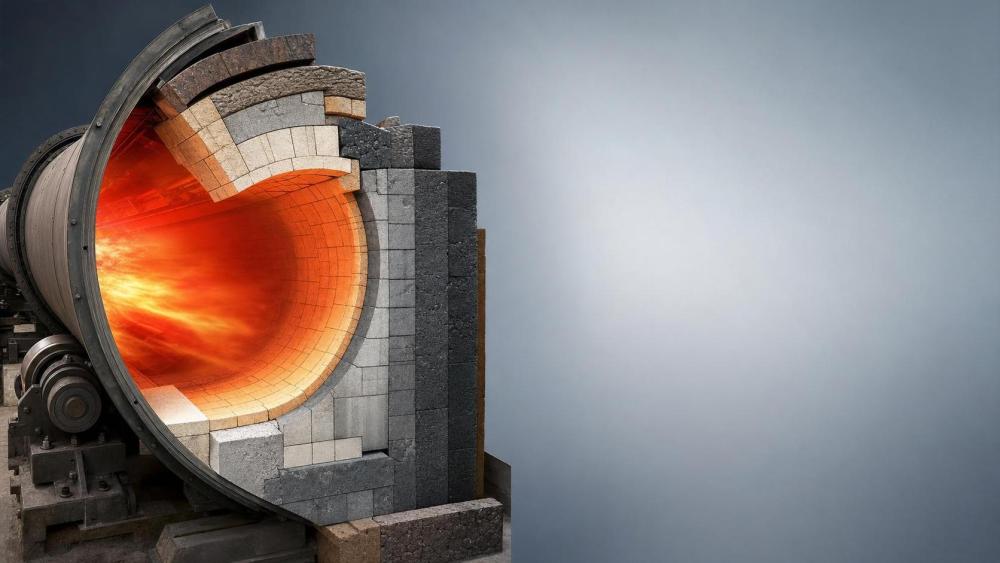
Choosing high temperature kiln materials is not just a purchasing step. It shapes uptime, energy use, repair frequency, and long-term asset risk.
That is why thermal shock resistance and service life deserve a side-by-side review, not a quick catalog comparison.
In cement, glass, incineration, and refractory processing, failure rarely comes from one temperature number alone.
Real performance depends on heating rate, cooling pattern, alkali attack, mechanical stress, and installation quality.
For teams managing kiln upgrades or new lines, the practical question is simple: which high temperature kiln materials survive real operating swings with the lowest lifecycle cost?
The answer starts with understanding what thermal shock means in operating terms, and how it links to service life.
Why Thermal Shock Matters More Than Peak Temperature
Many specifications focus first on maximum service temperature. That number matters, but it is often not the main failure driver.
Thermal shock happens when material surfaces heat or cool much faster than the core. Stress builds before the structure can equalize.
That stress can open microcracks, weaken bonding phases, and accelerate spalling. Once that starts, service life drops quickly.
This is common in burner zones, kiln inlets, cooler transitions, incinerator doors, and shutdown-restart cycles.
So when evaluating high temperature kiln materials, temperature cycling data usually deserves equal weight with static temperature capacity.
Key Thermal Shock Triggers
- Rapid startup after maintenance or weather exposure
- Unstable burner control and flame impingement
- Cold air infiltration through seals or joints
- Frequent process interruptions and emergency stops
- Sudden feed chemistry changes that alter heat distribution
From a project perspective, these triggers should shape the material decision before tenders are finalized.
How to Compare High Temperature Kiln Materials in Practice
A useful comparison starts with material family, but should never end there.
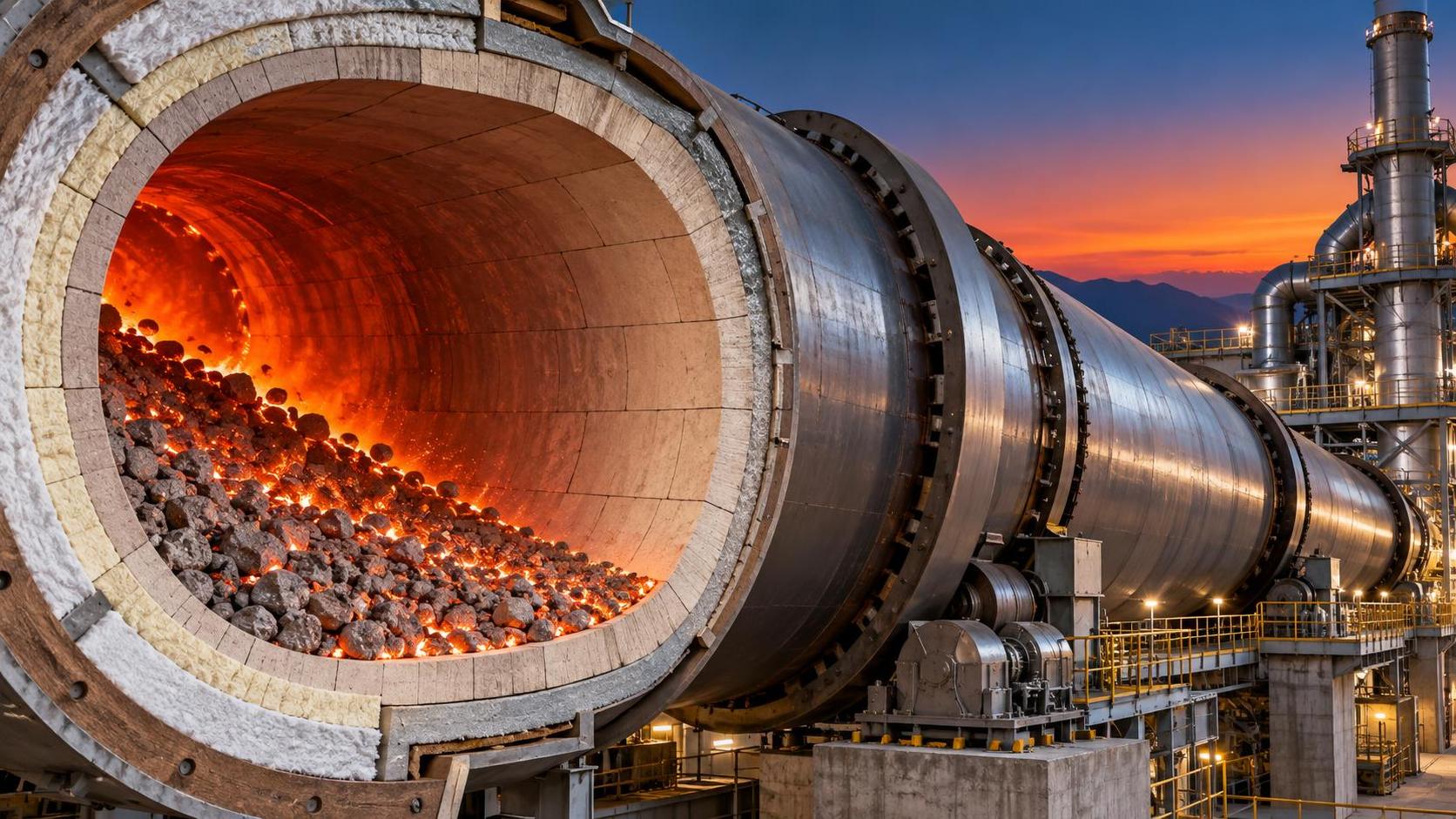
Common high temperature kiln materials include alumina brick, mullite products, silicon carbide, magnesia-based refractories, castables, and insulating layers.
Each option solves a different balance of heat load, corrosion resistance, thermal conductivity, and repair strategy.
Compare These Six Factors
- Maximum continuous service temperature under actual atmosphere
- Thermal shock resistance under repeated cycling
- Hot modulus of rupture and load-bearing stability
- Chemical resistance to alkali, sulfur, slag, and ash
- Thermal conductivity and impact on shell temperature
- Repairability, installation sensitivity, and dry-out requirements
In actual business decisions, these factors should be weighted by zone, not averaged across the whole kiln.
For example, silicon carbide can offer excellent thermal shock behavior and abrasion resistance, but cost and oxidation limits must be checked carefully.
High alumina brick may perform well in stable areas, yet under sharp cycling it may underdeliver if porosity and bonding are not optimized.
That also means the best high temperature kiln materials are often a zone-based system, not a single universal product.
Quick Reference Table
Service Life Is a System Outcome, Not a Catalog Claim
Service life should be treated as a site-specific result. Vendor averages can guide selection, but they cannot replace operating evidence.
Two plants may install the same high temperature kiln materials and still see very different wear rates.
The reason is straightforward. Material life reflects both the refractory and the process around it.
What Shortens Service Life
- Improper anchoring or joint design
- Weak dry-out control in castable linings
- Shell distortion or misalignment
- Fuel changes that shift flame shape and chemistry
- Unexpected ash, clinker, or slag build-up
- Delayed hot repair during early damage signals
A more reliable method is to connect material choice with maintenance data, shell scans, failure mapping, and shutdown history.
That is where many teams gain a clearer view of lifecycle value.
A lower-priced lining may look attractive at tender stage. Yet repeated stoppages can erase that saving within one operating quarter.
How to Evaluate High Temperature Kiln Materials by Operating Zone
Zone-based specification is one of the most practical ways to improve outcomes.
Different sections face different thermal and chemical loads. The lining should reflect that reality.
Typical Zone Logic
In preheating or inlet sections, thermal cycling and alkali attack often dominate. Dense strength alone is rarely enough.
In burning zones, coating behavior, flame temperature, and hot load strength become more critical.
In cooler and discharge areas, abrasion and repeated cooling shocks can become the main wear drivers.
For incineration systems, gas composition and ash chemistry can change fast, so corrosion resistance must be reviewed alongside thermal shock.
This also explains why comparing high temperature kiln materials without zone mapping often leads to overspecification in one area and underperformance in another.
Questions Worth Asking Suppliers
- What test method supports the thermal shock claim?
- Which atmosphere was used in service temperature validation?
- What failure modes were seen in similar kiln zones?
- How sensitive is the material to installation variation?
- What is the expected repair approach after partial damage?
A Practical Decision Framework for Better Lifecycle Results
A strong selection process does not need to be complicated. It needs to be disciplined and linked to plant reality.
Start with process data, not brochures. Map temperature swings, shutdown frequency, chemistry exposure, and historical failure locations.
Then compare high temperature kiln materials by zone, using lifecycle cost instead of unit price as the main filter.
The most useful shortlist usually combines technical fit, stable supply, installation support, and credible field references.
Recommended Evaluation Steps
- Segment the kiln or furnace by thermal and chemical duty
- Rank each zone by failure consequence and maintenance difficulty
- Request test-backed data for thermal shock and corrosion behavior
- Review installation method, curing, and dry-out constraints
- Estimate total downtime cost from likely service intervals
- Build feedback loops from inspection and monitoring data
For organizations following market and technology signals, this approach aligns well with the broader industrial shift toward energy efficiency and predictable asset performance.
At that point, high temperature kiln materials stop being a basic purchase line. They become a managed lever for uptime, carbon control, and operating resilience.
The practical takeaway is clear: compare thermal shock resistance and service life together, zone by zone, and validate every claim against actual operating conditions before final selection.
Related News
 Structural Material AnalystHow Sustainable Material Extrusion Can Improve Wall Panel Durability and Design FlexibilityDiscover how sustainable material extrusion for wall panels improves durability, moisture resistance, design flexibility, and installation consistency for high-performing wall systems.Oct 01, 2026
 Thermal Energy ArchitectHow to Evaluate a High-Temperature Materials Manufacturer for Furnace ApplicationsChoose a high-temperature materials manufacturer with confidence: compare thermal performance, chemical resistance, quality controls, installation support, and lifecycle cost.Sep 30, 2026
 Ms. Elena RodriguezHow to Structure Global Specification Data for Faster Industrial Product EvaluationGlobal specification-oriented product information helps industrial teams compare capacity, energy, emissions, automation, and lifecycle data on a like-for-like basis for faster, confident equipment decisions.Sep 29, 2026
 Thermal Energy ArchitectHow to Specify High-Temperature Process Systems for Continuous Thermal OperationsHigh-temperature process engineering systems: learn how to specify resilient continuous thermal operations for efficiency, compliance, reliable uptime, and long-term performance.Sep 28, 2026
 Thermal Energy ArchitectHow to Evaluate a Thermal Engineering Contractor for High-Temperature Plant ProjectsChoose a thermal engineering contractor with proven process expertise, lifecycle value, emissions control, and delivery discipline for reliable high-temperature plant performance.Sep 27, 2026
 Silicate Process EngineerHow Latin American Cement Plants Can Reduce Dust Emissions in Kilns and Transfer PointsCement plant dust control Latin America: reduce kiln and transfer-point emissions with practical airflow, filtration, monitoring, and maintenance strategies.Sep 26, 2026
 Material Heat-Resist ExpertHow to Evaluate Refractory Production Lines for Output, Quality, and Energy UseRefractory production lines: learn how to assess qualified output, consistent quality, and total energy use for smarter, lower-risk investment decisions.Sep 25, 2026
 Dr. Alistair VaughnHow Waste Recycling Technology Improves Material Recovery in Industrial PlantsWaste recycling technology improves material recovery through source segregation, smart separation, thermal treatment, and quality control for industrial plants.Sep 24, 2026
 Optical Glass Tech FellowHow to Specify Glass Annealing Equipment for European Quality and Energy RequirementsGlass annealing equipment Europe: learn how to specify lehrs for consistent glass quality, energy efficiency, compliance, automation, and reliable long-term performance.Sep 23, 2026
 Optical Glass Tech FellowSilicate Process Automation: Improving Batch Consistency and Energy ControlSilicate process automation improves batch consistency, energy control, traceability, and operator confidence across high-temperature manufacturing operations.Sep 22, 2026
 Optical Glass Tech FellowHow Silicate Industrial Processes Control Viscosity, Energy Use, and Product QualitySilicate industrial processes: learn how viscosity, chemistry, heat transfer, and atmosphere control reduce energy use, improve stability, and protect product quality.Sep 21, 2026
 Thermal Energy ArchitectHow European Plants Can Evaluate Energy Recovery Equipment for High-Temperature ProcessesIndustrial energy recovery equipment Europe: learn how high-temperature plants can assess waste-heat sources, integration risks, lifecycle value, and reliable recovery routes.Sep 20, 2026
 Thermal Energy ArchitectIndustrial Furnace Process Optimization: Reducing Fuel Use Without Sacrificing ThroughputIndustrial process optimization furnace strategies that cut fuel use while protecting throughput. Explore combustion control, heat recovery, refractory performance, and data-driven efficiency gains.Sep 19, 2026
 Ms. Elena RodriguezWhat Drives High-Pressure Extrusion Equipment Cost in Industrial Projects?High pressure extrusion equipment cost explained: compare pressure, die design, automation, wear, energy, and installation factors for smarter industrial investments.Sep 18, 2026
 Thermal Energy ArchitectHow to Size a Waste Heat Recovery Exchanger for High-Temperature Kiln Exhaust?Waste heat recovery exchanger sizing for high-temperature kiln exhaust: balance recoverable duty, fouling, corrosion limits, pressure drop, and reliable heat use.Sep 17, 2026
 Thermal Energy ArchitectWhy Heat-Resistant Materials Lose Abrasion Resistance at High TemperaturesHeat-resistant materials abrasion resistance can decline at high temperatures. Discover the thermal, chemical, and mechanical causes of wear—and how to choose longer-lasting linings.Sep 16, 2026
 Thermal Energy ArchitectHow to Evaluate a Thermal Energy Optimization Company for High-Temperature PlantsChoose a thermal energy optimization company with proven process expertise, measurable savings, and reliable delivery for high-temperature plants. Learn what to assess.Sep 15, 2026
 Thermal Energy ArchitectRotary Kiln Efficiency: How Feed Rate, Fuel Use, and Heat Loss Affect OutputRotary kiln efficiency explained: discover how feed rate, fuel use, heat loss, combustion, and cooling performance shape output, quality, and energy costs.Sep 14, 2026
 Thermal Energy ArchitectHow to Select Heat-Resistant Materials That Maintain Abrasion Resistance in KilnsHeat-resistant materials abrasion resistance: learn how to select kiln linings that withstand heat, wear, thermal cycling, and chemical attack for longer service life.Sep 13, 2026
 Thermal Energy ArchitectHow Rotary Kiln Automation Improves Temperature Control and Fuel EfficiencyRotary kiln technology automation enhances temperature control, stabilizes combustion, and improves fuel efficiency with smarter data, predictive control, and safer operations.Sep 12, 2026


Related News
- 00
0000-00
How to Evaluate a High-Temperature Materials Manufacturer for Furnace Applications - 00
0000-00
How to Specify High-Temperature Process Systems for Continuous Thermal Operations - 00
0000-00
How to Evaluate a Thermal Engineering Contractor for High-Temperature Plant Projects - 00
0000-00
How European Plants Can Evaluate Energy Recovery Equipment for High-Temperature Processes - 00
0000-00
Industrial Furnace Process Optimization: Reducing Fuel Use Without Sacrificing Throughput
Weekly Insights
Stay ahead with our curated technology reports delivered every Monday.