
Rotary Kilns Price Guide: What Determines Cost and How to Compare Quotes?




Why does rotary kilns price vary so much from one quote to another?
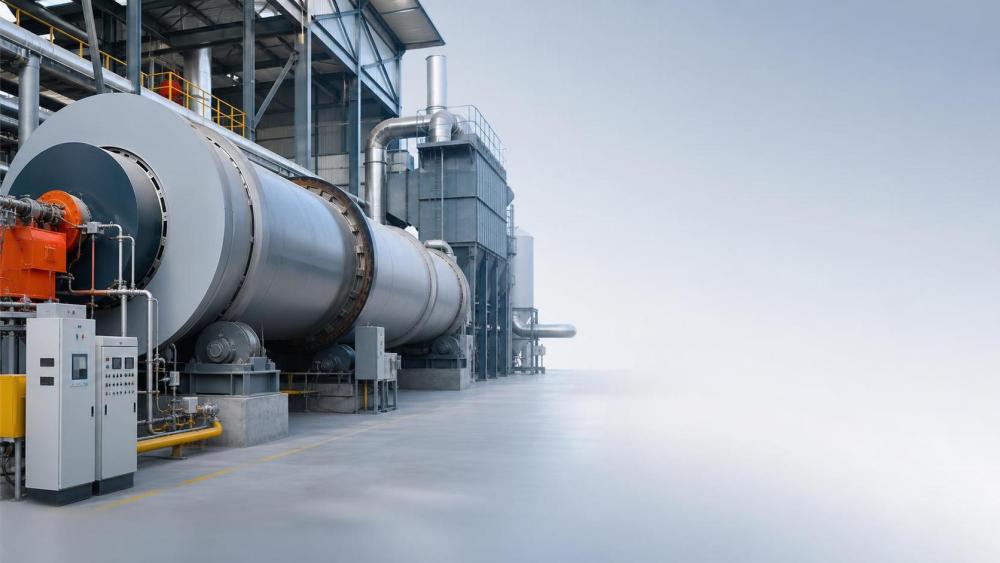
Rotary kilns price rarely comes down to shell diameter and length alone.
In real projects, the quoted figure reflects thermal duty, raw material behavior, emissions targets, and expected operating stability.
That is why two kilns with similar capacity can still show a wide cost gap.
A line handling cement clinker faces different demands from one processing waste-derived feed, calcined minerals, or specialty refractory materials.
At CF-Elite, rotary kiln analysis is usually tied to the wider thermal ecosystem.
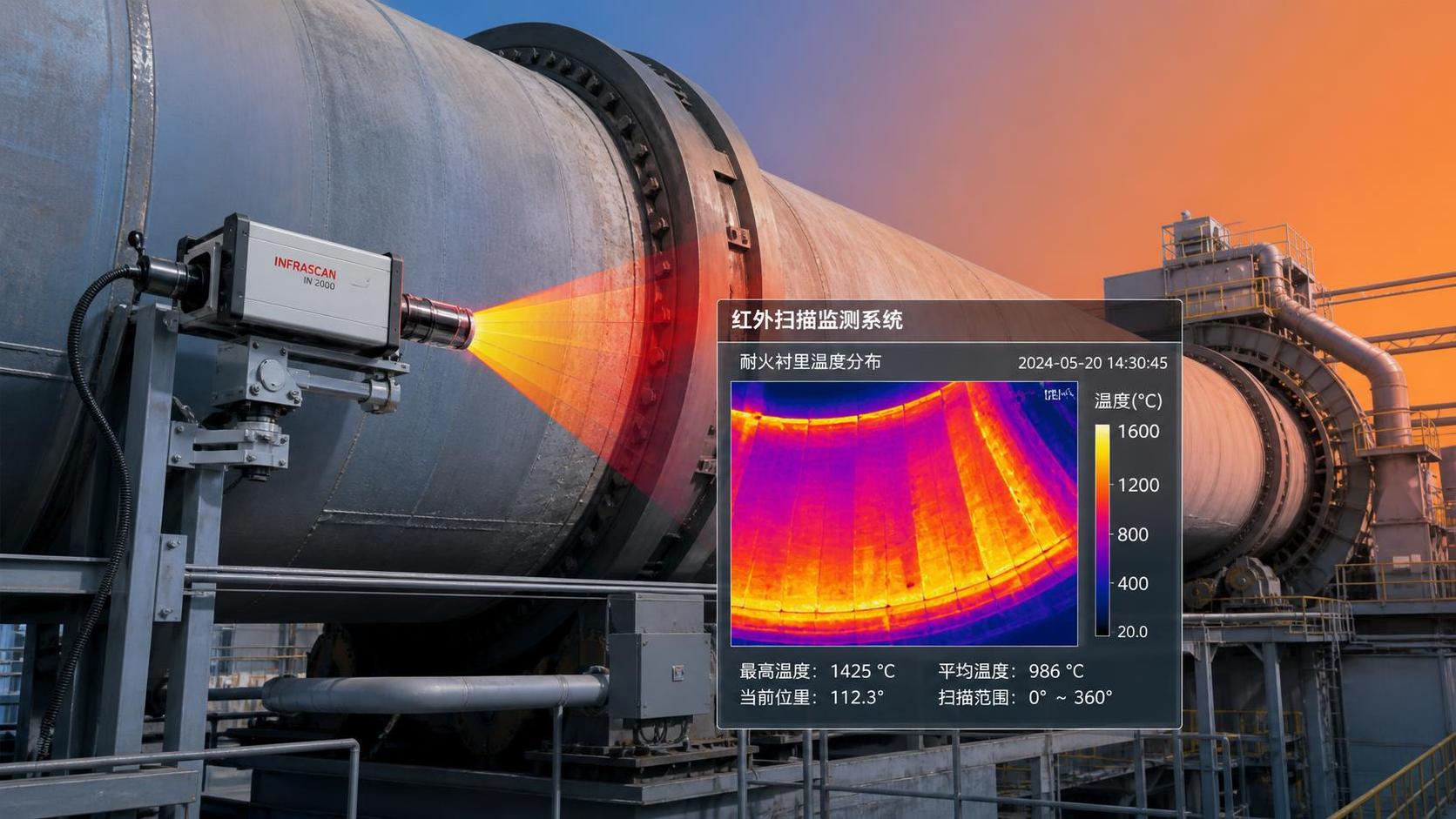
Fuel flexibility, refractory life, dust control, and carbon reduction strategy all influence capital cost and long-term value.
A lower initial quote may exclude support equipment, advanced monitoring, or lining specifications needed for stable high-temperature operation.
A higher quote may include better burners, stronger drive systems, or automation that reduces shutdown frequency.
So the more useful question is not only, “What is the rotary kilns price?”
It is also, “What exactly is being priced, and what future cost is being avoided?”
Which technical factors usually have the biggest impact on rotary kilns price?
Several variables move the number quickly, and they do not carry equal weight.
In most heavy thermal projects, the strongest price drivers are these:
- Capacity and throughput window, especially when the kiln must hold stable output under variable feed conditions.
- Process temperature and retention time, which affect shell design, burner selection, and refractory grade.
- Fuel type, including gas, coal, oil, alternative fuels, or mixed-fuel systems.
- Feed chemistry and abrasiveness, which influence lining wear, ring formation risk, and internal component design.
- Emission control obligations, particularly in markets with tighter dust, NOx, SOx, or CO monitoring rules.
- Automation depth, from basic instrumentation to integrated controls and predictive maintenance functions.
More specialized requirements often push price faster than size alone.
For example, a kiln prepared for co-processing industrial waste may need upgraded seals, combustion control, and more robust safety logic.
Likewise, kilns used in refractory or advanced silicate lines may demand tighter thermal uniformity than standard bulk production systems.
This is where quote review should move beyond list price and into process fit.
A quote that matches the actual reaction kinetics and thermal profile often protects lifecycle cost far better.
A quick comparison table helps separate major cost drivers from optional upgrades
This type of side-by-side review is often more useful than asking for a single benchmark rotary kilns price.
When a quote looks cheap, what may be missing?
The lowest offer often becomes expensive after technical clarification.
In practice, low rotary kilns price quotes may exclude items that are essential for commissioning or stable operation.
Common omissions include inlet and outlet seals, refractory installation, burner management logic, field supervision, and hot commissioning support.
Sometimes the supplier prices the kiln body, but not the complete thermal system.
That can leave gaps in fans, ducts, combustion air equipment, or instrumentation.
Another blind spot is design basis.
If one quote assumes steady feed and another assumes wide feed variability, the numbers are not directly comparable.
Lead time can also distort price judgment.
A cheaper unit with a long delivery schedule may delay an expansion project and raise overall project cost elsewhere.
A practical way to test a quote is to ask whether it includes performance guarantees, spare parts logic, and boundary conditions for acceptance.
If those points remain vague, the quoted rotary kilns price is incomplete information.
How should different suppliers be compared without getting lost in line items?
A structured comparison usually works better than chasing every minor difference.
Start with process alignment, then move to cost visibility, then check execution reliability.
In other words, a quote should be technically suitable before it is commercially attractive.
- Compare the thermal duty basis, not only the listed capacity.
- Check whether fuel assumptions match local supply and future energy strategy.
- Review refractory zones and wear expectations against actual raw mix behavior.
- Ask how the supplier handles emissions, heat recovery, and control integration.
- Evaluate aftermarket support, commissioning depth, and spare parts response time.
This is especially relevant in sectors CF-Elite tracks closely.
Cement, industrial incineration, refractory production, and green building materials all place different pressure on kiln design decisions.
A supplier experienced in one segment may still be a weak fit in another.
That is why market intelligence matters alongside engineering review.
The best comparison process combines commercial detail with awareness of regulatory direction, fuel transition risk, and carbon performance expectations.
A simple evaluation frame for quote review
Is the lowest rotary kilns price ever the right choice?
Sometimes, but only under narrow conditions.
If the process is simple, the feed is stable, regulations are moderate, and uptime risk is acceptable, a leaner configuration may be justified.
More often, the better decision comes from total ownership cost.
That includes fuel efficiency, refractory campaign length, maintenance labor, spare availability, and production loss during stoppages.
For high-temperature lines, a few points of thermal efficiency or several extra months of lining life can outweigh a modest initial price difference.
The same applies where carbon reduction targets are beginning to shape equipment strategy.
A kiln prepared for better combustion control, digital monitoring, or waste-derived fuel adaptation may cost more today.
Yet it may fit future compliance and energy transition needs much better.
That broader view is central to the intelligence approach CF-Elite promotes across silicate and thermal industries.
What should be clarified before asking for final pricing?
Better inputs usually create better quotations.
Before requesting final offers, it helps to define a tighter technical and commercial brief.
- State feed composition, moisture, particle size, and expected variability.
- Define target output, operating hours, and required turndown capability.
- List preferred fuels and any planned future fuel switch.
- Clarify local emission obligations and reporting expectations.
- Request a detailed scope matrix, including exclusions and interface points.
- Ask for estimated refractory life, energy consumption, and spare parts recommendations.
- Require schedule detail from manufacturing through commissioning.
When these items are aligned, rotary kilns price becomes easier to interpret and compare.
The conversation also shifts from bargaining over one number to judging technical fit and future operating resilience.
That usually leads to cleaner negotiations and fewer surprises after contract award.
In the end, rotary kilns price is a decision signal, not a decision by itself.
The strongest quote is the one that makes process assumptions visible, lifecycle cost understandable, and project risk manageable.
The next useful step is to build a comparison sheet around thermal duty, scope boundaries, refractory strategy, emissions compliance, and support commitments.
With that structure in place, quote review becomes clearer, faster, and much more defensible.
Related News
 Ms. Elena RodriguezHow to Use Building Material Intelligence Data for Market and Investment DecisionsBuilding material industry intelligence data helps leaders evaluate demand, costs, regulation, capacity, and technology to make smarter market and investment decisions.Sep 05, 2026
 Thermal Energy ArchitectHow PLC Control Improves Energy Efficiency and Temperature Stability in KilnsEnergy efficient kilns PLC control improves temperature stability, cuts fuel waste, and optimizes combustion, draft, and material flow. Explore proven strategies for smarter kiln modernization.Sep 04, 2026
 Optical Glass Tech FellowEuropean Glass Melting Processes: Furnace Choices, Energy Use, and Quality ControlGlass melting process Europe: explore furnace choices, energy efficiency, cullet strategy, and quality control to improve output, compliance, and long-term glass performance.Sep 03, 2026
 Thermal Energy ArchitectWhat Determines Refractory Lining Monitoring Price for Industrial Kilns?Refractory lining monitoring price depends on kiln size, sensor technology, installation, software, and support. Compare total lifecycle costs and choose the right solution.Sep 02, 2026
 Silicate Process EngineerCement Production System Costs: A Plant Buyer’s Guide to Budgeting and ROICement production systems cost planning made clear: compare CAPEX, operating costs, compliance, and ROI to build a resilient, profitable cement plant investment.Sep 01, 2026
 Dr. Alistair VaughnWhat Should a Process Technology Database Track for High-Temperature Plants?Process technology database essentials for high-temperature plants: track thermal profiles, feed chemistry, refractory wear, emissions, energy, and maintenance for safer, data-driven decisions.Aug 31, 2026
 Ms. Elena RodriguezHow to Evaluate a Silicate Processing Equipment Manufacturer for Plant ProjectsSilicate processing equipment manufacturer selection: assess process fit, guarantees, energy, compliance, delivery risk, and lifecycle support for dependable plant performance.Aug 30, 2026
 Dr. Alistair VaughnHow to Specify Custom Agricultural Processing Equipment for Throughput and HygieneEquipment customization services for agricultural processing: learn to specify hygienic, high-throughput lines that improve yield, reliability, and long-term efficiency.Aug 29, 2026
 Dr. Alistair VaughnHow to Select Process Plant Equipment for High-Temperature, Abrasive Production LinesProcess plant equipment selection for high-temperature, abrasive lines: reduce downtime, improve durability, and optimize lifecycle performance.Aug 28, 2026
 Silicate Process EngineerHow Kiln Heat Recovery Systems Cut Fuel Use in Cement and Lime ProductionKiln heat recovery helps cement and lime plants cut fuel use, improve thermal stability, and build practical, reliable decarbonization strategies.Aug 27, 2026
 Ms. Elena RodriguezProcess Equipment Comparison: Which Metrics Matter Most for Reliable Selection?Process equipment comparison made practical: discover which metrics truly drive reliable selection, from energy efficiency and control stability to wear life, maintainability, and uptime.Aug 26, 2026
 Ms. Elena RodriguezWhat Buyers Should Check Before Sourcing Precision Alloy Bars for Critical PartsPrecision Alloy Bars buyers should verify grade, chemistry, tolerances, surface quality, traceability, and lead time before sourcing for critical parts. Learn what prevents costly machining and reliability risks.Aug 27, 2026
 Ms. Elena RodriguezHow to Evaluate Thermal Management Solutions Insulation for High-Heat Industrial SystemsThermal management solutions insulation: learn how to assess high-heat industrial systems by thermal performance, durability, lifecycle cost, and supplier data for smarter decisions.Aug 25, 2026
 Ms. Elena RodriguezWhat Drives Waste Recycling Cost in Industrial Projects and How to Estimate It?Waste recycling cost in industrial projects depends on composition, moisture, transport, pre-treatment, and compliance. Learn how to estimate it accurately and compare suppliers with confidence.Aug 24, 2026
 Silicate Process EngineerHow to Evaluate Cement Production Plants in the Middle East for Capacity, Fuel Flexibility, and ROIcement production plants Middle East: Learn how to assess true capacity, fuel flexibility, and ROI risks to identify resilient assets and smarter investment opportunities.Aug 23, 2026
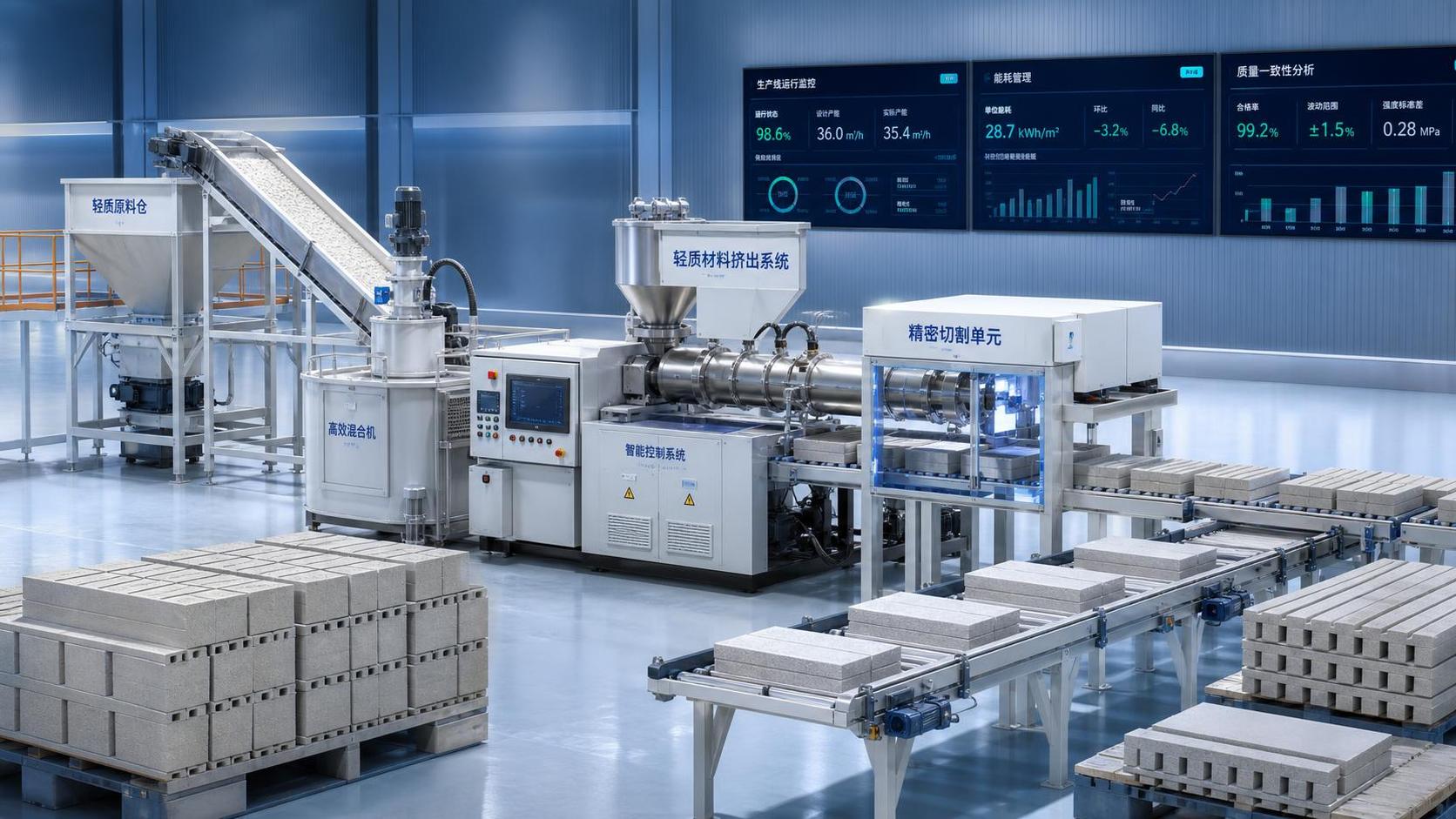
 Structural Material AnalystHow to Evaluate Lightweight Material Machinery for Output, Energy Use, and Product QualityLightweight material machinery evaluation guide: compare stable output, energy use, and product quality to choose equipment that cuts waste, lowers costs, and improves production confidence.Aug 22, 2026
 Material Heat-Resist ExpertWhat Determines Refractory Production Line Price in a Turnkey Plant Project?Refractory production line price depends on raw materials, forming method, kiln and drying design, automation, utilities, and scope. Learn what really drives turnkey plant cost before you invest.Aug 21, 2026
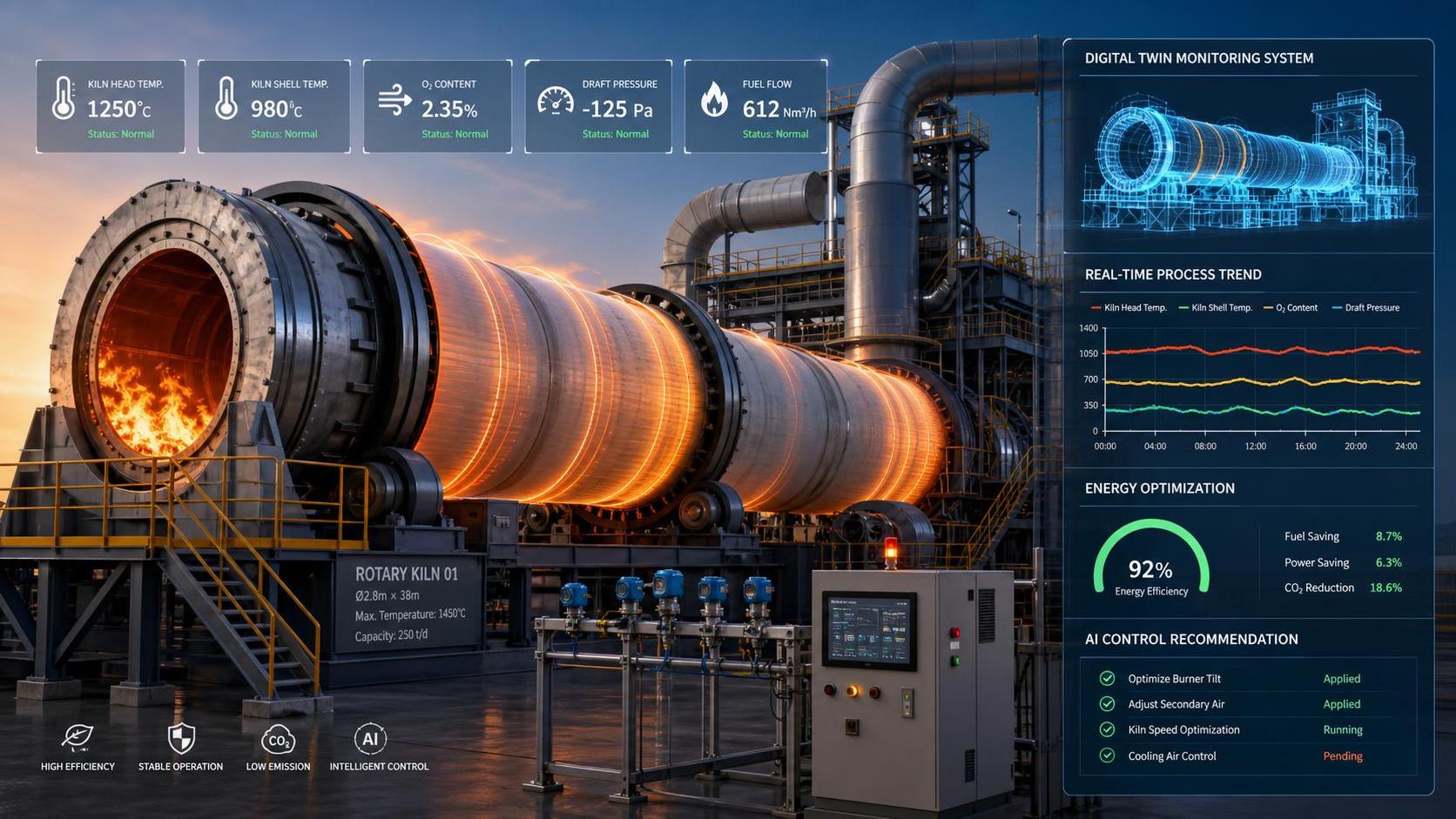
 Thermal Energy ArchitectHow Digital Twin Simulations Help Kiln Operators Cut Fuel Use and Stabilize OutputDigital twin simulations for kilns help operators cut fuel use, reduce overcorrection, and stabilize output by testing process changes safely before they impact quality and cost.Aug 20, 2026
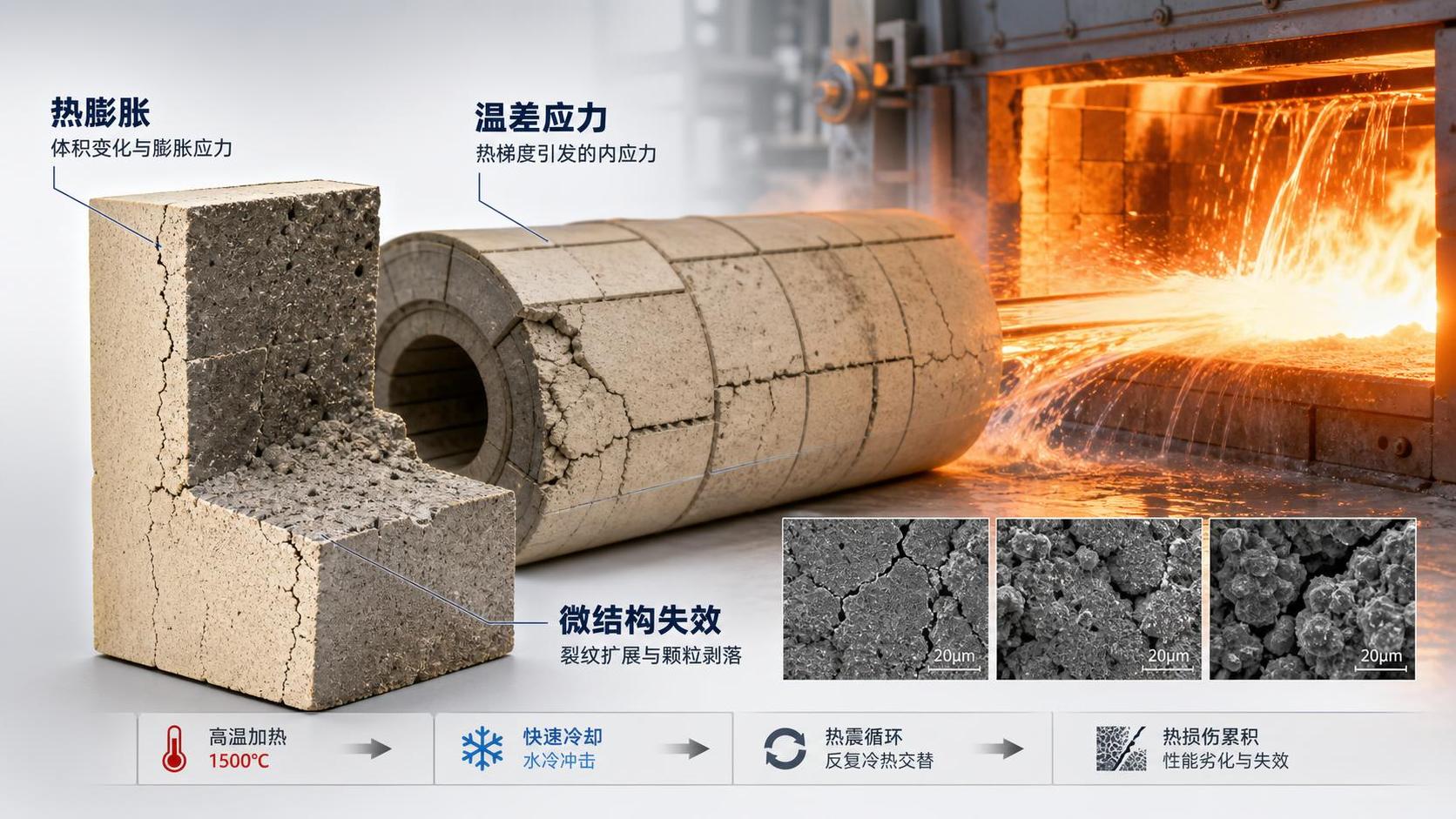
 Dr. Alistair VaughnWhat Causes Thermal Shock Failure in Heat-Resistant Materials During Development?Heat-resistant material development thermal shock failures often stem from expansion mismatch, weak microstructure, and residual stress. Learn the real causes and smarter evaluation steps.Aug 19, 2026
 Ms. Elena RodriguezWhat Is a Real Time Digital Twin and Where Does It Deliver Measurable Value?Real time digital twin explained: discover where it delivers measurable value in energy, quality, maintenance, and carbon performance for industrial operations.Aug 18, 2026
Related News
- 00
0000-00
How PLC Control Improves Energy Efficiency and Temperature Stability in Kilns - 00
0000-00
What Determines Refractory Lining Monitoring Price for Industrial Kilns? - 00
0000-00
How Digital Twin Simulations Help Kiln Operators Cut Fuel Use and Stabilize Output - 00
0000-00
What to Evaluate in a Rotary Kiln Technology Manufacturer for High-Temperature Process Projects - 00
0000-00
How to Evaluate an Incineration Equipment Exporter for Compliance, Capacity, and After-Sales Support
Weekly Insights
Stay ahead with our curated technology reports delivered every Monday.