
How to Choose Industrial Energy Recovery Equipment for High-Temperature Processes




How to Choose Industrial Energy Recovery Equipment for High-Temperature Processes

Choosing the right industrial energy recovery equipment starts with process reality, not brochure performance.
In high-temperature operations, heat is never just heat. Temperature level, gas chemistry, dust loading, and operating rhythm all shape the right decision.
That matters across cement plants, glass lines, incineration systems, refractory production, and building material extrusion.
A technically sound choice improves thermal efficiency, cuts waste heat loss, and reduces carbon exposure without creating new maintenance headaches.
The best industrial energy recovery equipment is usually the one that fits the process window, utility demand, and reliability target at the same time.
This guide focuses on the selection logic that supports better technical evaluation and stronger capital planning.
Start with the Heat Source, Not the Equipment Catalog
A common mistake is comparing industrial energy recovery equipment before defining the real heat source profile.
First, map the process by temperature range, flow stability, pressure condition, and exhaust composition.
High-temperature processes rarely behave like stable utility systems. They cycle, drift, foul, and surprise operators.
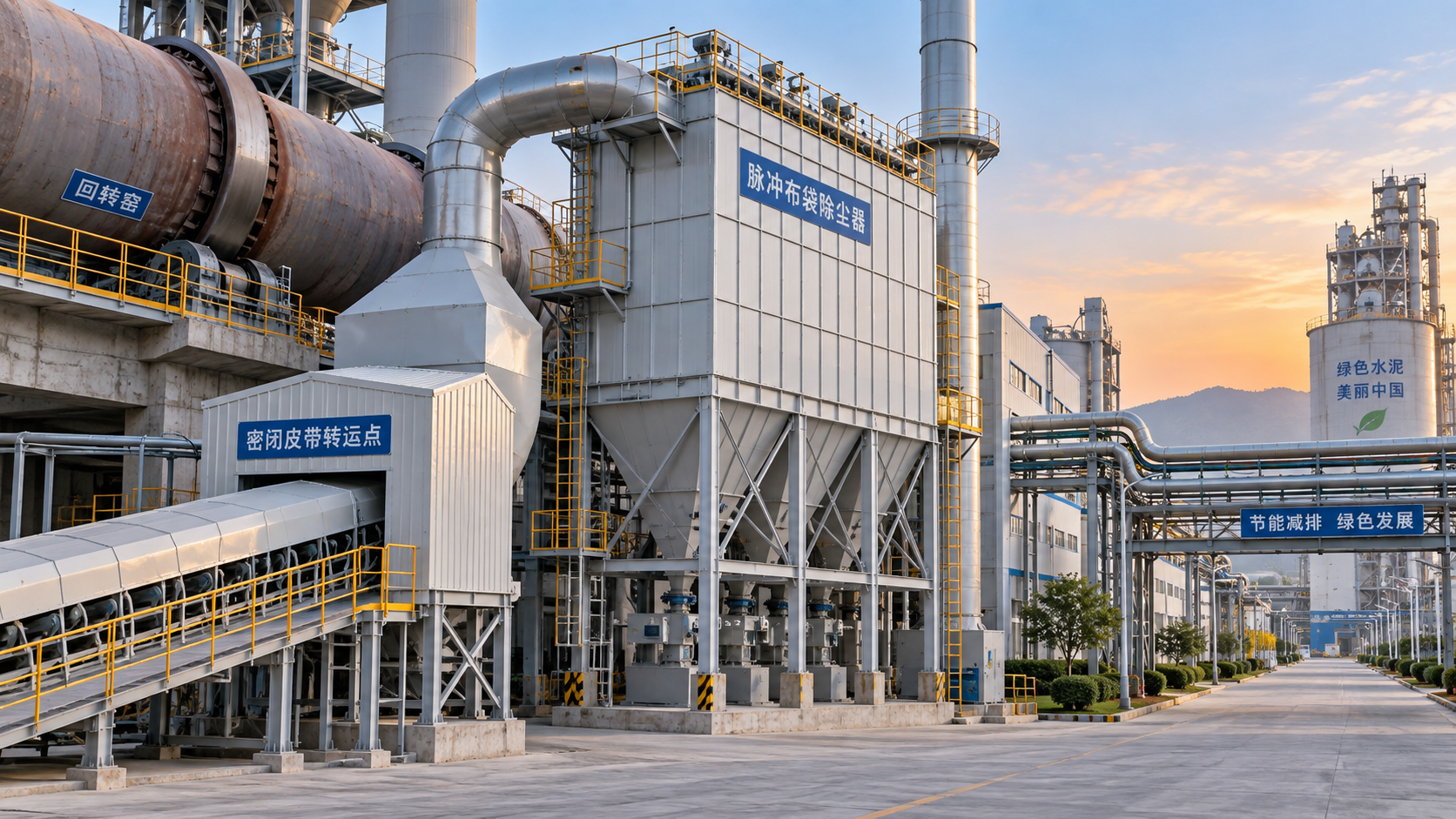
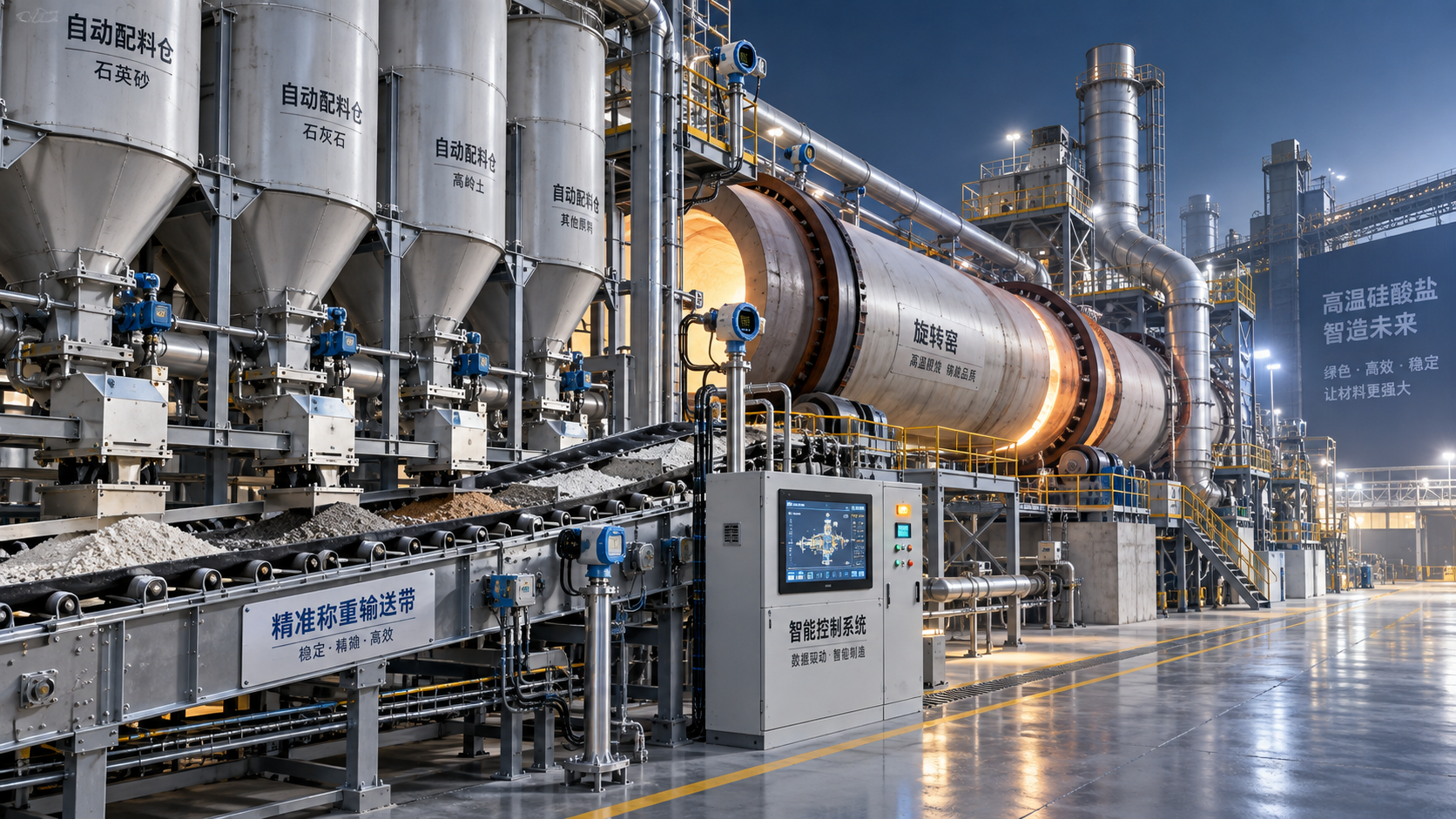
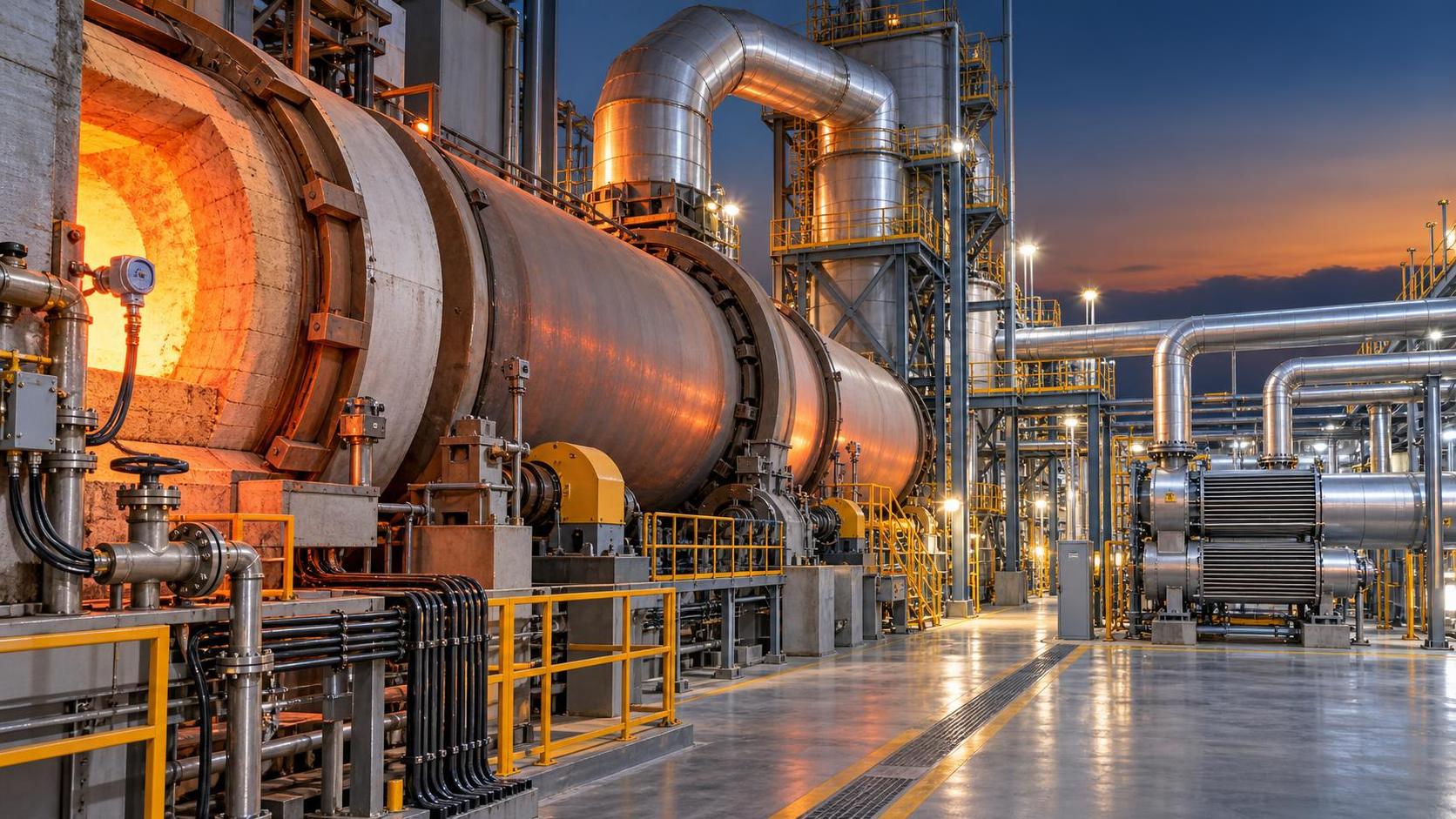
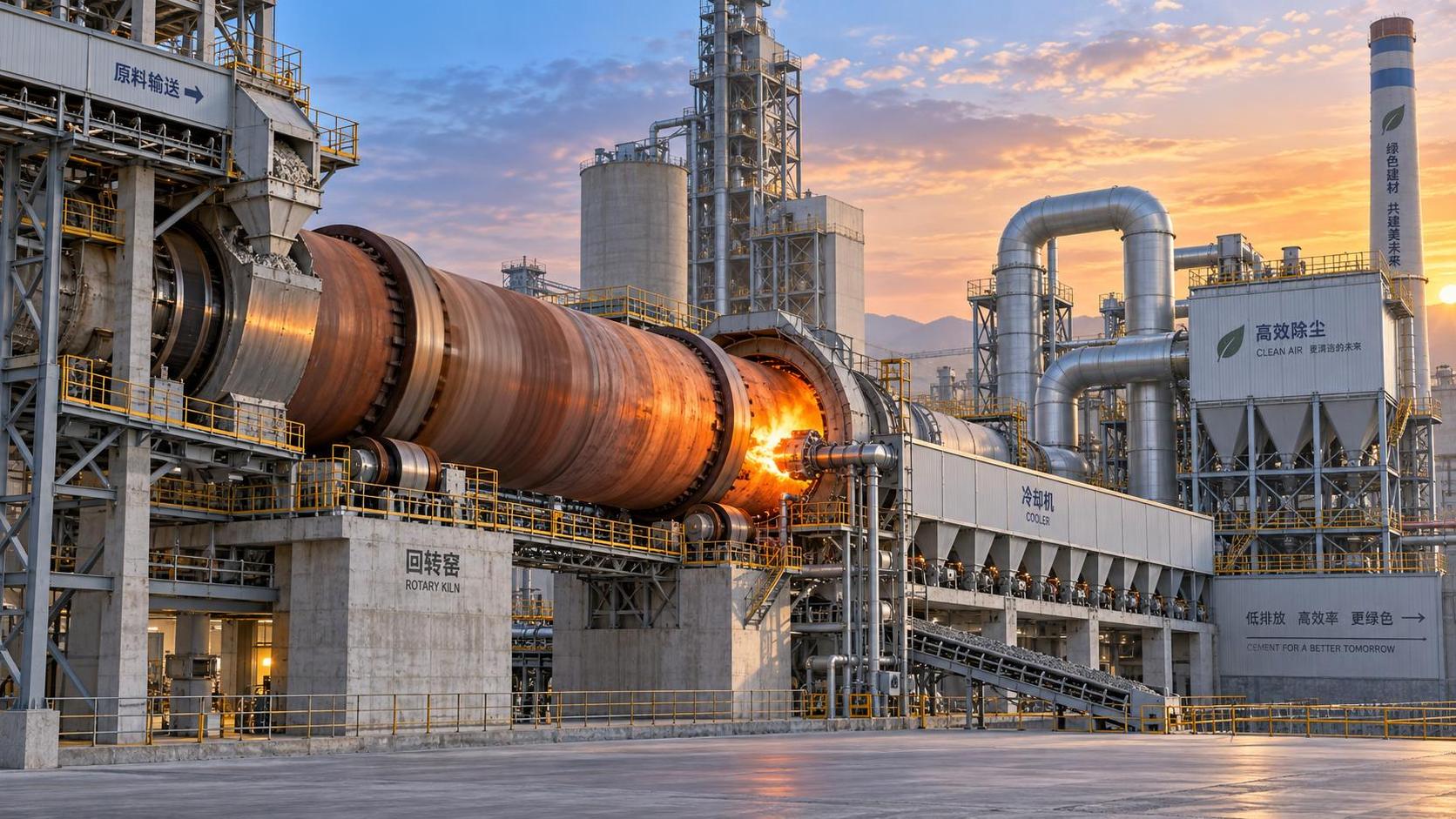
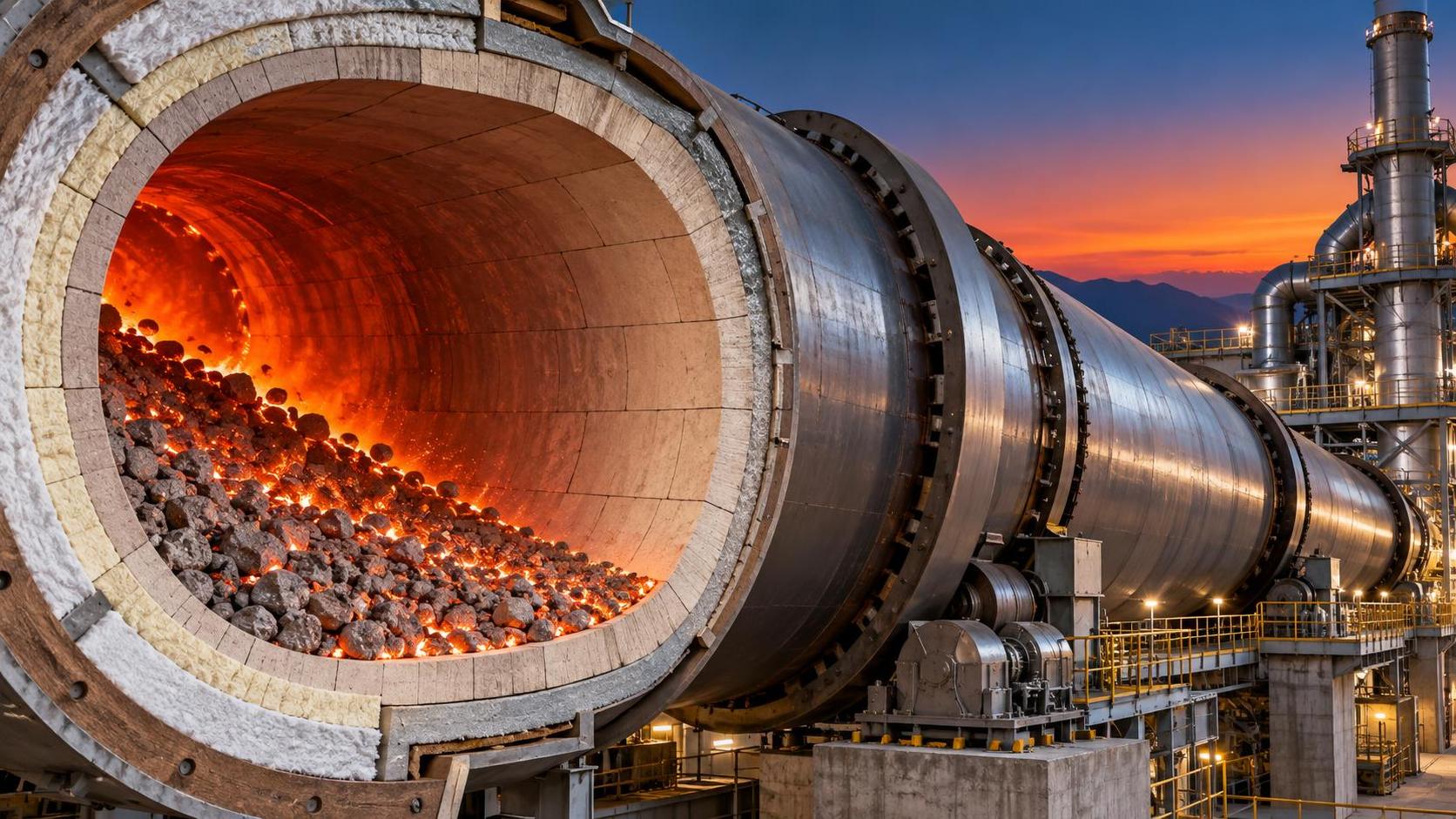
For example, a rotary kiln exhaust stream may offer attractive thermal value, but dust burden and corrosive species can quickly limit technology choices.
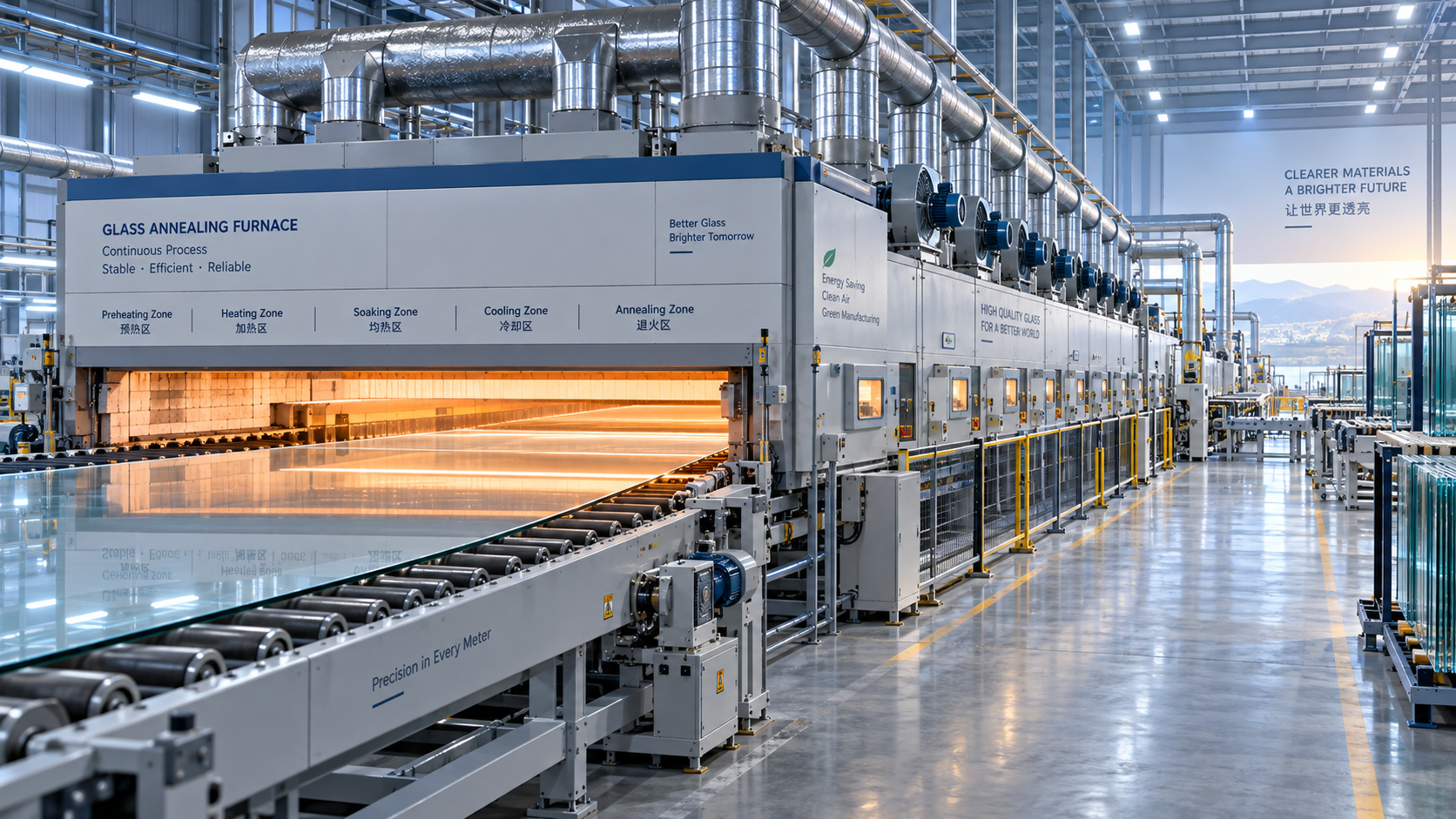
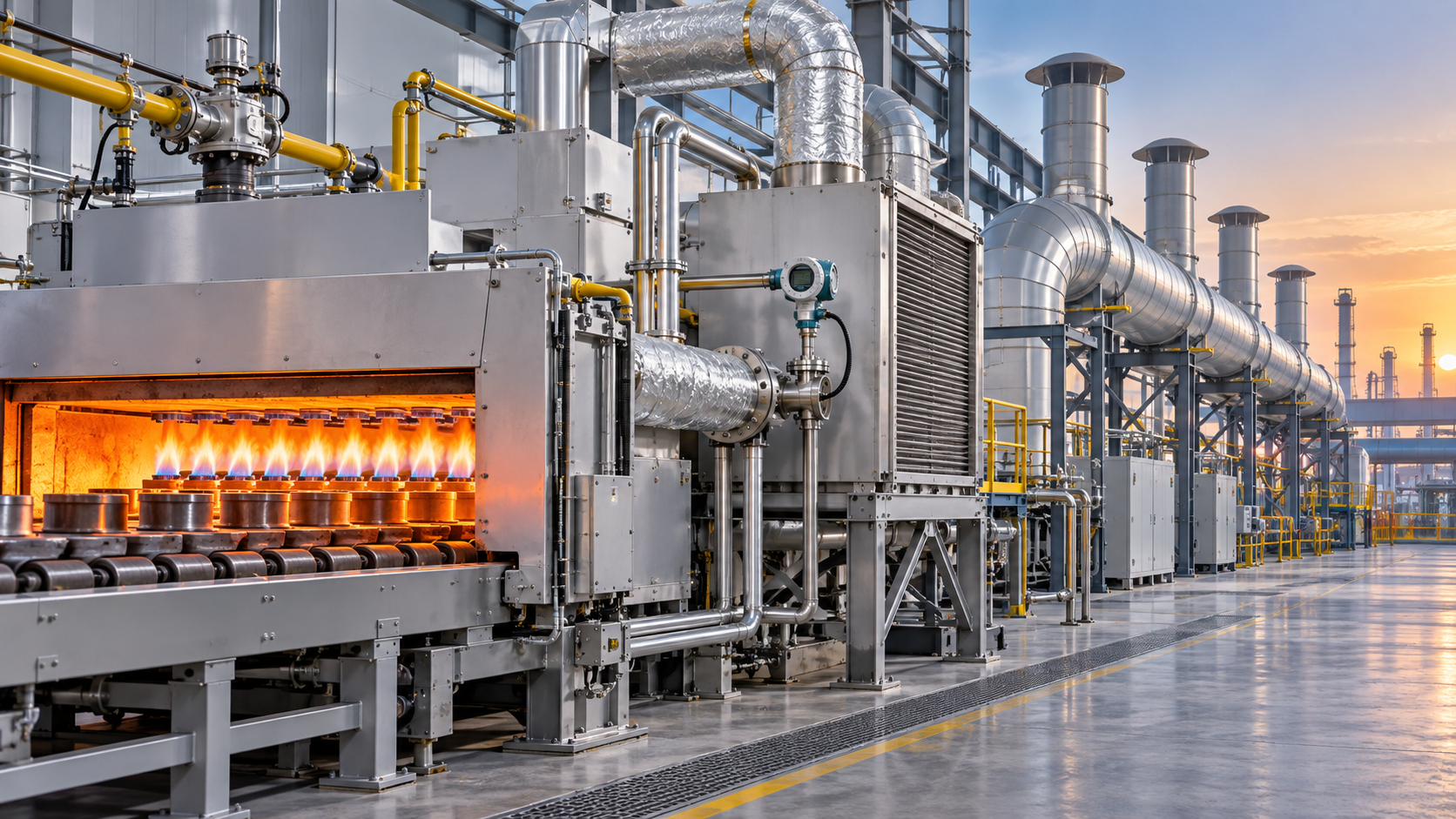
A glass furnace may present cleaner gas, yet tighter temperature control and continuous uptime create different constraints.
Before shortlisting industrial energy recovery equipment, document these four variables:
- Available temperature at the recovery point and minimum allowable outlet temperature.
- Gas composition, including sulfur, chlorine, alkalis, moisture, and condensable compounds.
- Dust particle size, loading level, stickiness, and expected fouling behavior.
- Operating pattern, including steady load, start-stop frequency, and upset conditions.
This baseline prevents overrating heat value and underrating operational risk.
Match Recovery Technology to the End Use of Energy
Not every plant should recover heat in the same form.
The right industrial energy recovery equipment depends on what the plant can actually use after recovery.
In practical terms, recovered energy usually serves one of four destinations.
- Preheating combustion air for burners or thermal oxidizers.
- Generating steam or hot water for plant utilities.
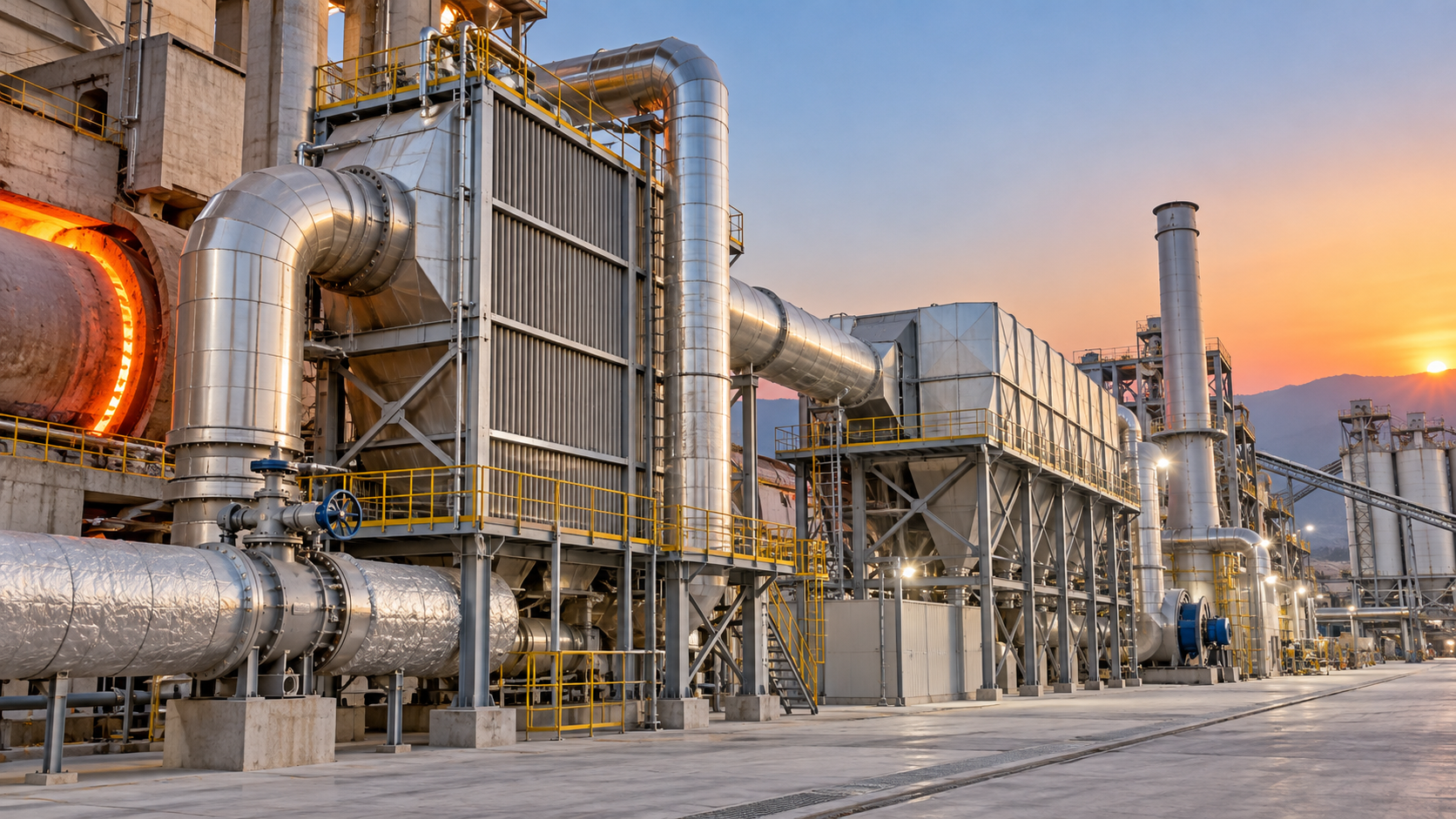
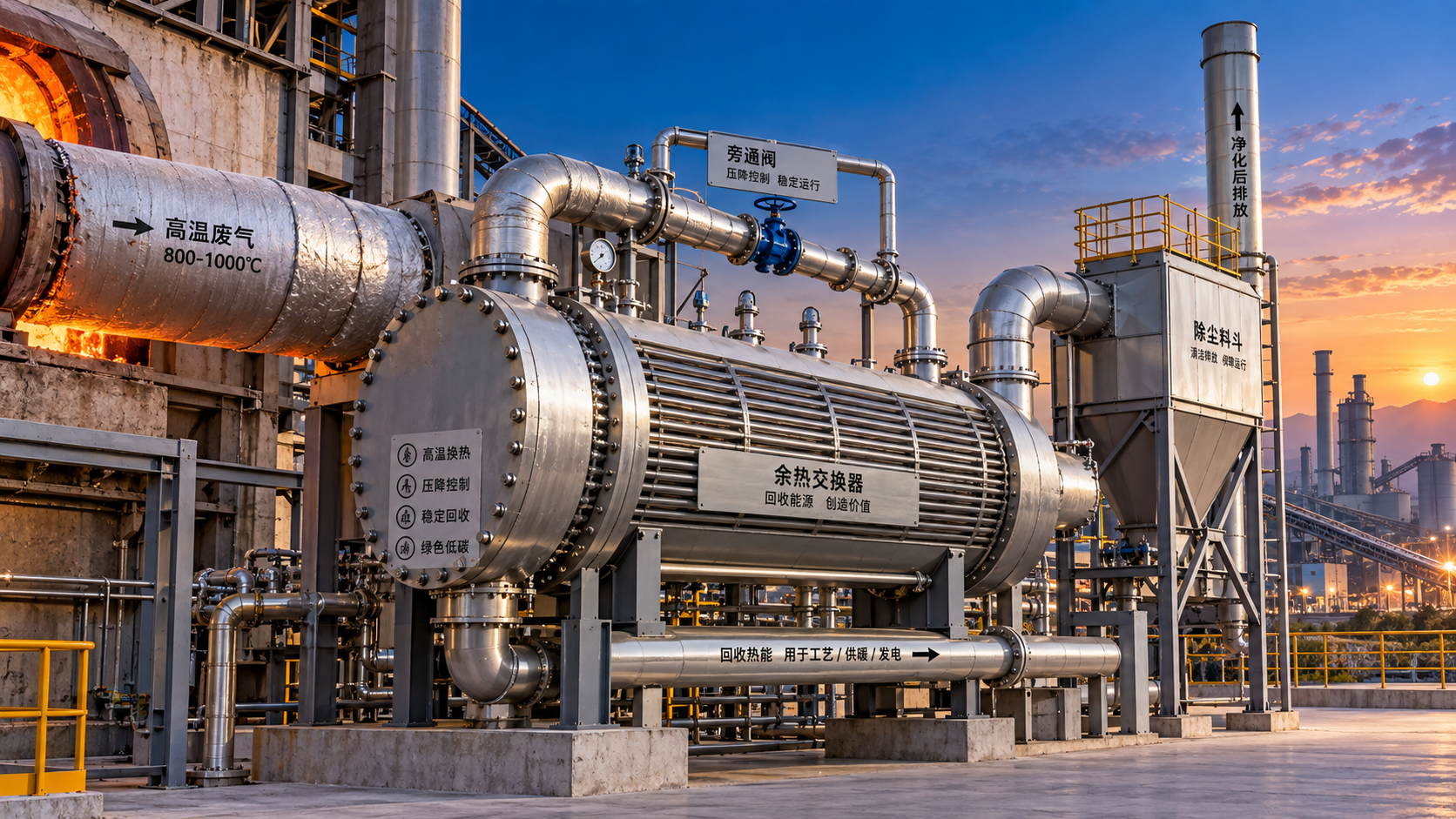
- Producing power through waste heat recovery systems.
- Supporting drying, curing, or upstream material conditioning.
This is where selection becomes more strategic.
If the plant lacks steady steam demand, a boiler-based option may look efficient on paper but underperform in annual utilization.
If power prices are low, a power block may struggle to justify complexity.
By contrast, direct air preheating can deliver faster value when burners operate continuously.
So the question is not only which industrial energy recovery equipment captures the most heat.
The better question is which option converts recovered heat into useful, bankable plant performance.
Evaluate Materials, Corrosion, and Fouling Risk Early
Many industrial energy recovery equipment projects fail slowly, not suddenly.
The initial heat balance may be correct, yet material degradation, ash buildup, or acid condensation gradually erode value.
That is why material selection deserves the same attention as thermal efficiency.
In incineration and waste-derived fuel applications, chloride and sulfur compounds often create aggressive corrosion conditions.
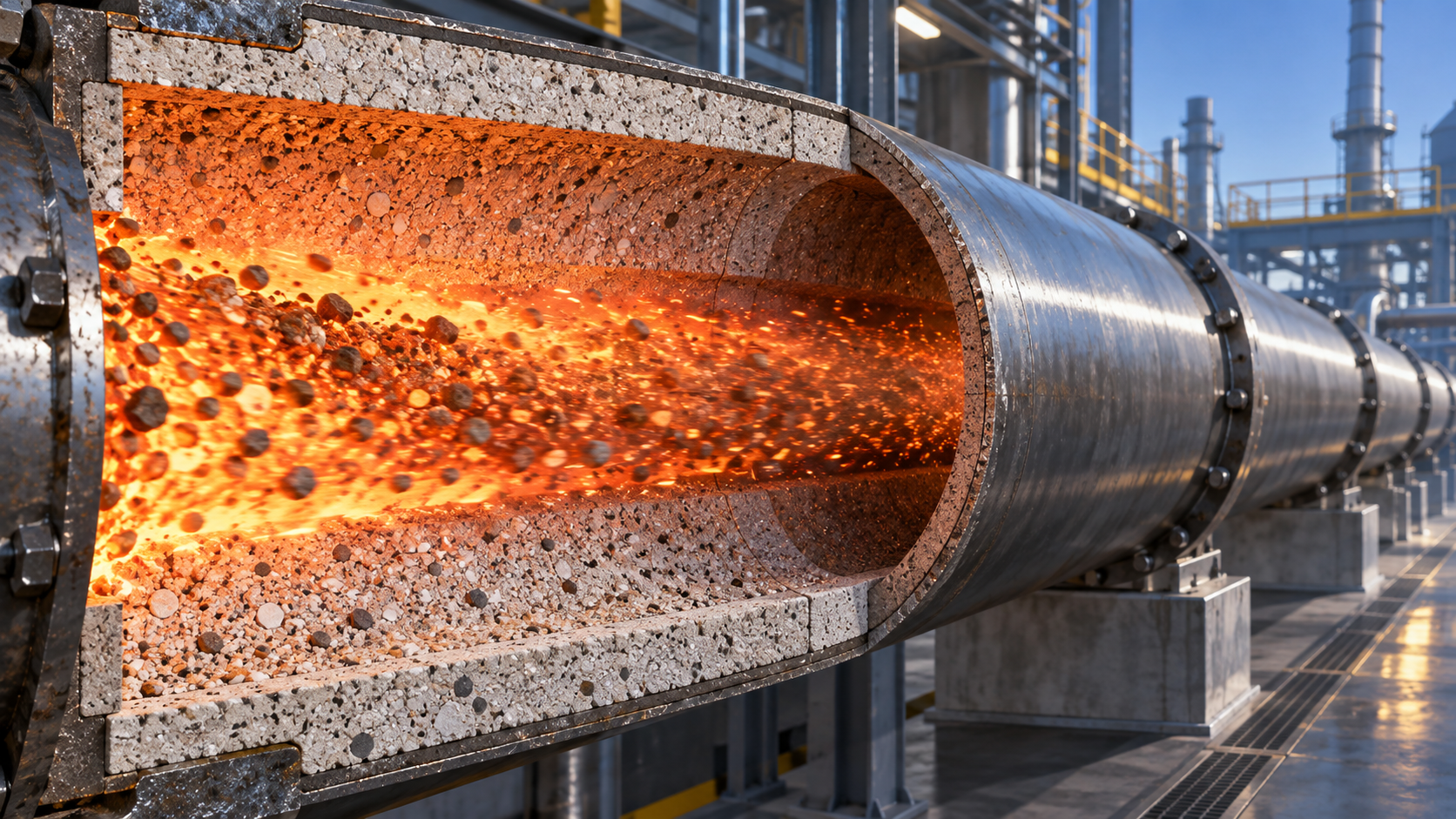
In cement and refractory lines, particulate loading can cause abrasion and plugging.
For this reason, technical evaluation should review more than nominal alloy grades.
- Check tube, plate, lining, and expansion-joint materials against actual gas chemistry.
- Review cleaning strategy, including soot blowing, rapping, or online washing.
- Confirm gas-side velocity limits to balance heat transfer and erosion risk.
- Identify low-temperature zones where acid dew point corrosion may occur.
More importantly, ask suppliers for similar references under comparable fuel and gas conditions.
Industrial energy recovery equipment that performs well in clean natural gas service may not survive mixed-fuel exhaust.
Look Beyond Peak Efficiency to Annual Reliability
High nameplate efficiency can be misleading.
For most plants, the best industrial energy recovery equipment is the one that keeps delivering recoverable value across real operating hours.
That shifts attention from design-point performance to annual availability.
In actual business conditions, three questions matter a lot:
- How often will the system need cleaning or inspection?
- What happens during partial load, bypass mode, or process upset?
- Can maintenance be done without disrupting the main production line?
These factors usually decide lifecycle value more than laboratory heat transfer numbers.
A slightly less efficient design with cleaner access, stronger bypass logic, and stable controls often wins over time.
This is especially true where kiln, furnace, or melter uptime drives revenue.
When comparing industrial energy recovery equipment, ask vendors for annual performance assumptions, not only peak values.
Compare Options with a Decision Matrix
A structured matrix helps separate technically attractive ideas from practical decisions.
For industrial energy recovery equipment, a weighted comparison usually creates better alignment across engineering, operations, and finance.
This method also improves vendor discussions.
Instead of asking who has the best industrial energy recovery equipment, you can ask who has the best answer for this process case.
Consider Carbon Strategy and Future Plant Changes
From recent market changes, a clearer signal is emerging.
Industrial energy recovery equipment is no longer evaluated only through fuel savings.
It is increasingly linked to decarbonization planning, emissions disclosure, and future retrofit flexibility.
That means the selection process should include questions about expansion, electrification, and digital monitoring.
For example, will the chosen system still work if fuel mix changes?
Can the controls connect with plant historians or energy management platforms?
Will future production increases overload the recovery unit?
These are not side issues. They directly affect asset life and investment quality.
For organizations following sectors such as cement, glass, kilns, and refractory systems, this broader view is becoming standard.
A Practical Shortlist for Better Selection
Before final approval, keep the shortlist disciplined.
A reliable industrial energy recovery equipment decision usually comes down to a few hard checks.
- Verify the heat source with measured plant data, not assumed averages.
- Tie the recovery concept to a stable internal energy demand.
- Screen aggressively for corrosion, fouling, and maintenance access.
- Model part-load behavior and upset scenarios.
- Check references from similar high-temperature applications.
- Include carbon value, not only direct fuel savings, in project justification.
In the end, strong selection is less about finding a universal answer.
It is about matching industrial energy recovery equipment to the real thermal, chemical, and operational character of the plant.
When that match is accurate, efficiency gains become more durable, waste heat losses shrink, and capital decisions hold up under real operating pressure.
That is the standard worth applying to every high-temperature process investment.
Related News
 Structural Material AnalystHow Sustainable Material Extrusion Can Improve Wall Panel Durability and Design FlexibilityDiscover how sustainable material extrusion for wall panels improves durability, moisture resistance, design flexibility, and installation consistency for high-performing wall systems.Oct 01, 2026
 Thermal Energy ArchitectHow to Evaluate a High-Temperature Materials Manufacturer for Furnace ApplicationsChoose a high-temperature materials manufacturer with confidence: compare thermal performance, chemical resistance, quality controls, installation support, and lifecycle cost.Sep 30, 2026
 Ms. Elena RodriguezHow to Structure Global Specification Data for Faster Industrial Product EvaluationGlobal specification-oriented product information helps industrial teams compare capacity, energy, emissions, automation, and lifecycle data on a like-for-like basis for faster, confident equipment decisions.Sep 29, 2026
 Thermal Energy ArchitectHow to Specify High-Temperature Process Systems for Continuous Thermal OperationsHigh-temperature process engineering systems: learn how to specify resilient continuous thermal operations for efficiency, compliance, reliable uptime, and long-term performance.Sep 28, 2026
 Thermal Energy ArchitectHow to Evaluate a Thermal Engineering Contractor for High-Temperature Plant ProjectsChoose a thermal engineering contractor with proven process expertise, lifecycle value, emissions control, and delivery discipline for reliable high-temperature plant performance.Sep 27, 2026
 Silicate Process EngineerHow Latin American Cement Plants Can Reduce Dust Emissions in Kilns and Transfer PointsCement plant dust control Latin America: reduce kiln and transfer-point emissions with practical airflow, filtration, monitoring, and maintenance strategies.Sep 26, 2026
 Material Heat-Resist ExpertHow to Evaluate Refractory Production Lines for Output, Quality, and Energy UseRefractory production lines: learn how to assess qualified output, consistent quality, and total energy use for smarter, lower-risk investment decisions.Sep 25, 2026
 Dr. Alistair VaughnHow Waste Recycling Technology Improves Material Recovery in Industrial PlantsWaste recycling technology improves material recovery through source segregation, smart separation, thermal treatment, and quality control for industrial plants.Sep 24, 2026
 Optical Glass Tech FellowHow to Specify Glass Annealing Equipment for European Quality and Energy RequirementsGlass annealing equipment Europe: learn how to specify lehrs for consistent glass quality, energy efficiency, compliance, automation, and reliable long-term performance.Sep 23, 2026
 Optical Glass Tech FellowSilicate Process Automation: Improving Batch Consistency and Energy ControlSilicate process automation improves batch consistency, energy control, traceability, and operator confidence across high-temperature manufacturing operations.Sep 22, 2026
 Optical Glass Tech FellowHow Silicate Industrial Processes Control Viscosity, Energy Use, and Product QualitySilicate industrial processes: learn how viscosity, chemistry, heat transfer, and atmosphere control reduce energy use, improve stability, and protect product quality.Sep 21, 2026
 Thermal Energy ArchitectHow European Plants Can Evaluate Energy Recovery Equipment for High-Temperature ProcessesIndustrial energy recovery equipment Europe: learn how high-temperature plants can assess waste-heat sources, integration risks, lifecycle value, and reliable recovery routes.Sep 20, 2026
 Thermal Energy ArchitectIndustrial Furnace Process Optimization: Reducing Fuel Use Without Sacrificing ThroughputIndustrial process optimization furnace strategies that cut fuel use while protecting throughput. Explore combustion control, heat recovery, refractory performance, and data-driven efficiency gains.Sep 19, 2026
 Ms. Elena RodriguezWhat Drives High-Pressure Extrusion Equipment Cost in Industrial Projects?High pressure extrusion equipment cost explained: compare pressure, die design, automation, wear, energy, and installation factors for smarter industrial investments.Sep 18, 2026
 Thermal Energy ArchitectHow to Size a Waste Heat Recovery Exchanger for High-Temperature Kiln Exhaust?Waste heat recovery exchanger sizing for high-temperature kiln exhaust: balance recoverable duty, fouling, corrosion limits, pressure drop, and reliable heat use.Sep 17, 2026
 Thermal Energy ArchitectWhy Heat-Resistant Materials Lose Abrasion Resistance at High TemperaturesHeat-resistant materials abrasion resistance can decline at high temperatures. Discover the thermal, chemical, and mechanical causes of wear—and how to choose longer-lasting linings.Sep 16, 2026
 Thermal Energy ArchitectHow to Evaluate a Thermal Energy Optimization Company for High-Temperature PlantsChoose a thermal energy optimization company with proven process expertise, measurable savings, and reliable delivery for high-temperature plants. Learn what to assess.Sep 15, 2026
 Thermal Energy ArchitectRotary Kiln Efficiency: How Feed Rate, Fuel Use, and Heat Loss Affect OutputRotary kiln efficiency explained: discover how feed rate, fuel use, heat loss, combustion, and cooling performance shape output, quality, and energy costs.Sep 14, 2026
 Thermal Energy ArchitectHow to Select Heat-Resistant Materials That Maintain Abrasion Resistance in KilnsHeat-resistant materials abrasion resistance: learn how to select kiln linings that withstand heat, wear, thermal cycling, and chemical attack for longer service life.Sep 13, 2026
 Thermal Energy ArchitectHow Rotary Kiln Automation Improves Temperature Control and Fuel EfficiencyRotary kiln technology automation enhances temperature control, stabilizes combustion, and improves fuel efficiency with smarter data, predictive control, and safer operations.Sep 12, 2026


Related News
- 00
0000-00
How to Evaluate a High-Temperature Materials Manufacturer for Furnace Applications - 00
0000-00
How to Specify High-Temperature Process Systems for Continuous Thermal Operations - 00
0000-00
How to Evaluate a Thermal Engineering Contractor for High-Temperature Plant Projects - 00
0000-00
How European Plants Can Evaluate Energy Recovery Equipment for High-Temperature Processes - 00
0000-00
Industrial Furnace Process Optimization: Reducing Fuel Use Without Sacrificing Throughput
Weekly Insights
Stay ahead with our curated technology reports delivered every Monday.