
Sustainable Material Extrusion vs Traditional Forming: What Should Manufacturers Compare?




Comparing sustainable material extrusion with traditional forming is no longer a narrow equipment choice. It is a production strategy question tied to energy use, raw material flexibility, thermal behavior, compliance pressure, and long-term plant economics.
In sectors linked to cement, glass, refractories, incineration, and new building materials, the comparison matters because process decisions now shape both margin and carbon profile. Output still matters, but it is only one part of the evaluation.
That is why sustainable material extrusion is gaining attention across high-temperature industries. It offers a different path for shaping material, controlling moisture, reducing waste, and aligning production with stricter environmental expectations.
Why this comparison is moving to the center of industrial decisions
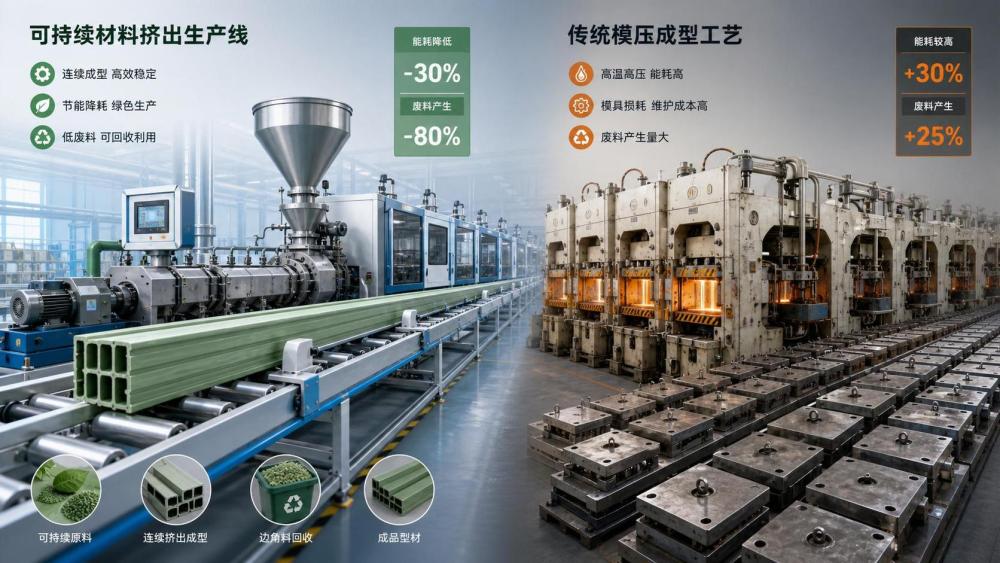
Traditional forming remains deeply established because it is familiar, proven, and often supported by mature tooling chains. Pressing, casting, and conventional molding still serve many products well, especially where geometry and cycle stability are fixed.
Yet the operating context has changed. Fuel costs fluctuate, dust control rules are tighter, recycled feedstocks are less uniform, and decarbonization targets are influencing capital planning.
Under these conditions, sustainable material extrusion deserves closer review because it can connect shaping efficiency with broader process optimization. In some lines, the real advantage appears upstream and downstream, not only at the forming stage.
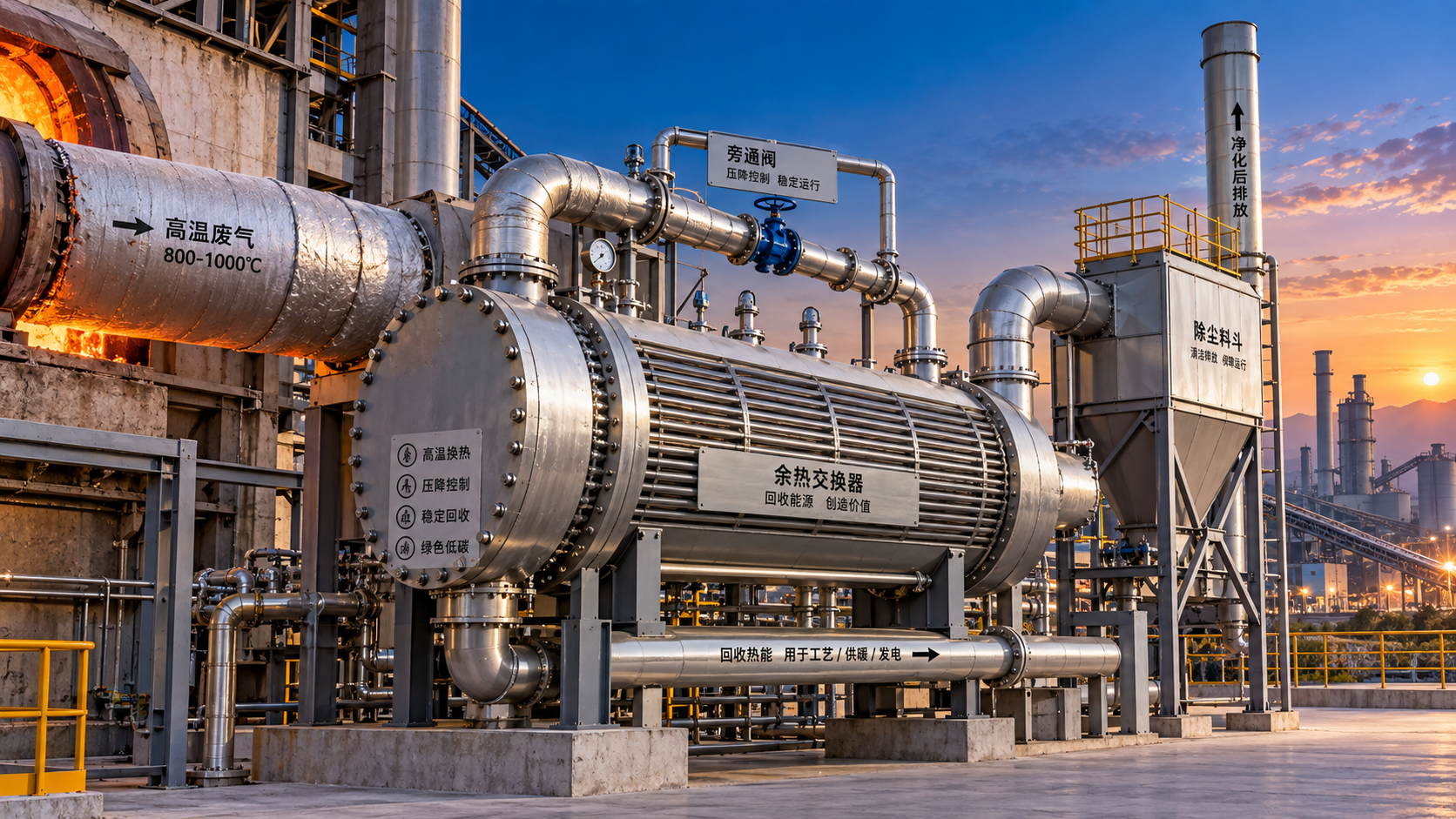
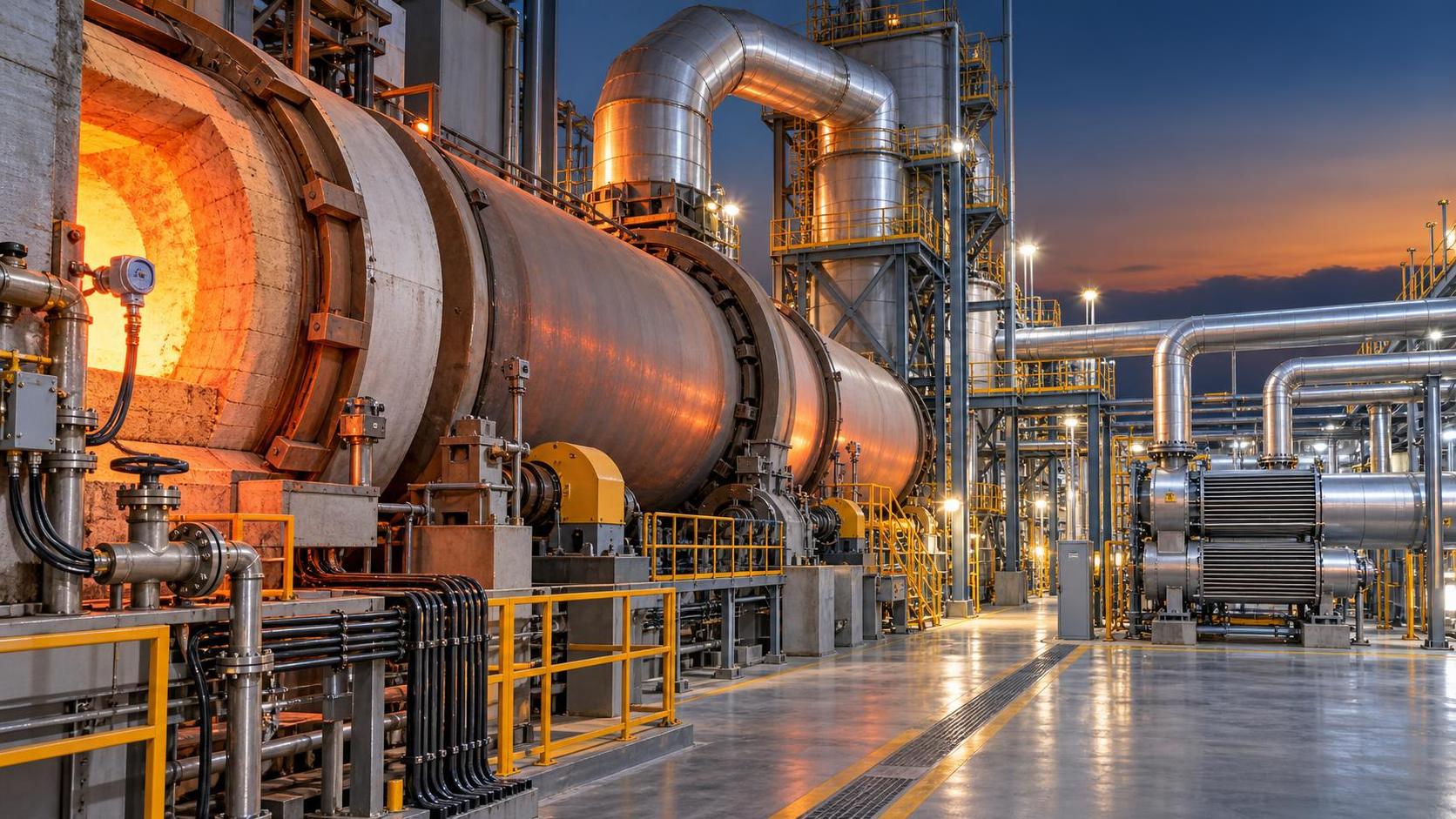
This is especially relevant in the industrial landscape tracked by CF-Elite, where thermal management, reaction kinetics, and resource circularity are tightly linked. A forming method cannot be judged in isolation from drying, firing, dust handling, waste reuse, or heat recovery.
What sustainable material extrusion really changes
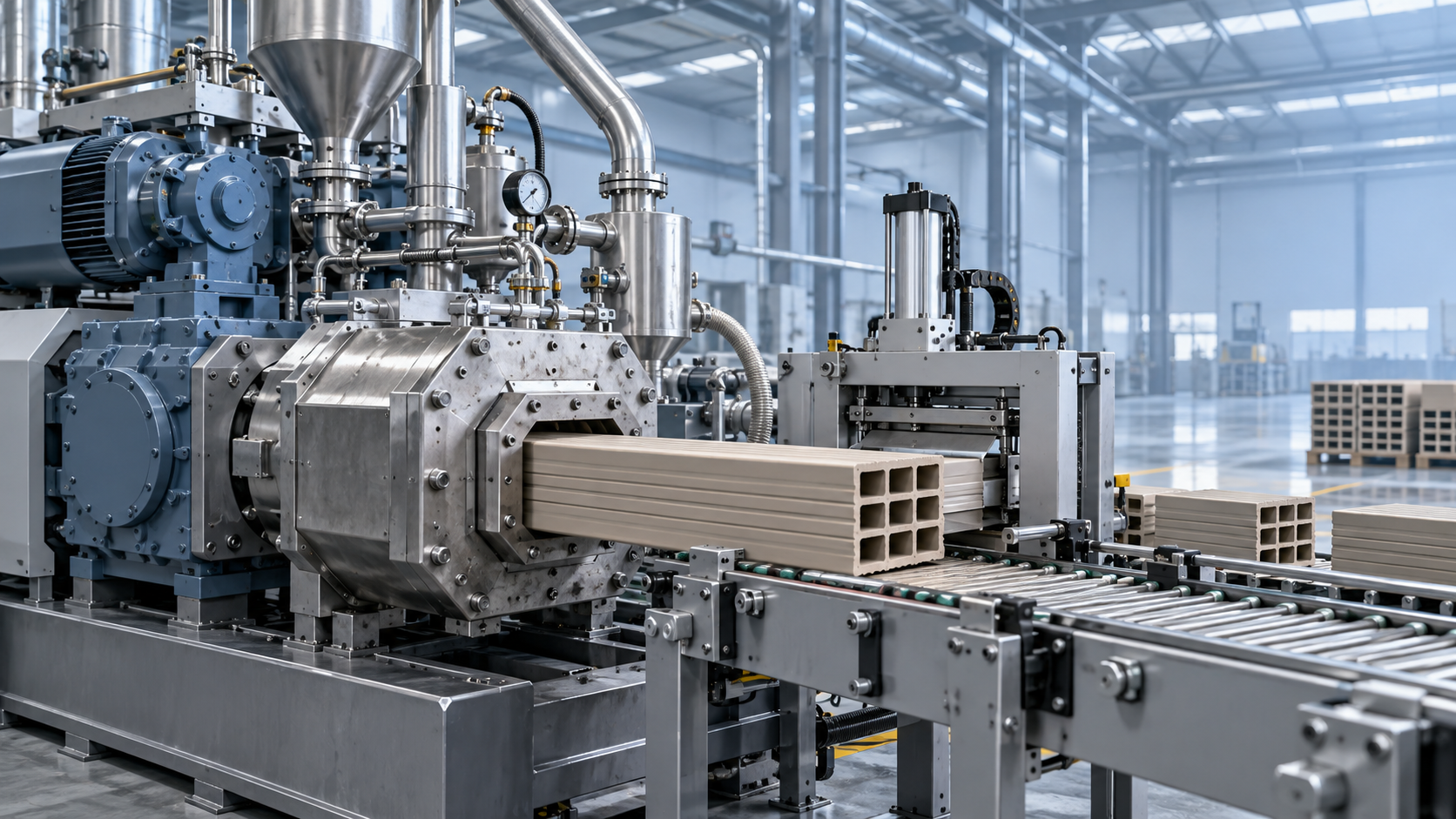
At a basic level, extrusion shapes material through controlled pressure and continuous flow. The sustainable dimension comes from how the process is designed to reduce energy intensity, lower scrap, accept alternative inputs, and improve lifecycle performance.
That may include better moisture management, lower binder demand, improved green strength, and steadier dimensional consistency. In building materials, it may also support lightweight structures that reduce downstream transport and installation loads.
Traditional forming can still outperform extrusion in certain cases. Thick-wall parts, intricate discrete shapes, or products needing long-established molds may remain better suited to older methods.
So the comparison is not about replacing one universal solution with another. It is about matching material behavior and plant objectives to the most efficient shaping route.
A useful way to frame the choice
The strongest evaluations compare forming methods as part of a complete production chain. That means asking how each option affects preparation, thermal load, maintenance, emissions, and final product performance.
The metrics that matter more than nameplate capacity
When sustainable material extrusion is compared with conventional routes, nameplate throughput can be misleading. A faster line is not automatically the better line if energy use, reject rate, and kiln loading move in the wrong direction.
Several metrics usually provide a clearer picture.
Specific energy consumption
Look at electricity and thermal energy per qualified ton, not just machine power draw. Extrusion may consume more mechanical power in forming, yet still reduce total line energy by improving density control and drying efficiency.
Raw material adaptability
This is becoming critical where recycled minerals, industrial residues, or variable clays enter the mix. Sustainable material extrusion often performs best when formulation and screw design are tuned together.
Traditional forming may struggle if the feed changes frequently or responds poorly to fixed mold conditions. The cost of stabilizing raw material can quietly erase any apparent equipment savings.
Thermal performance downstream
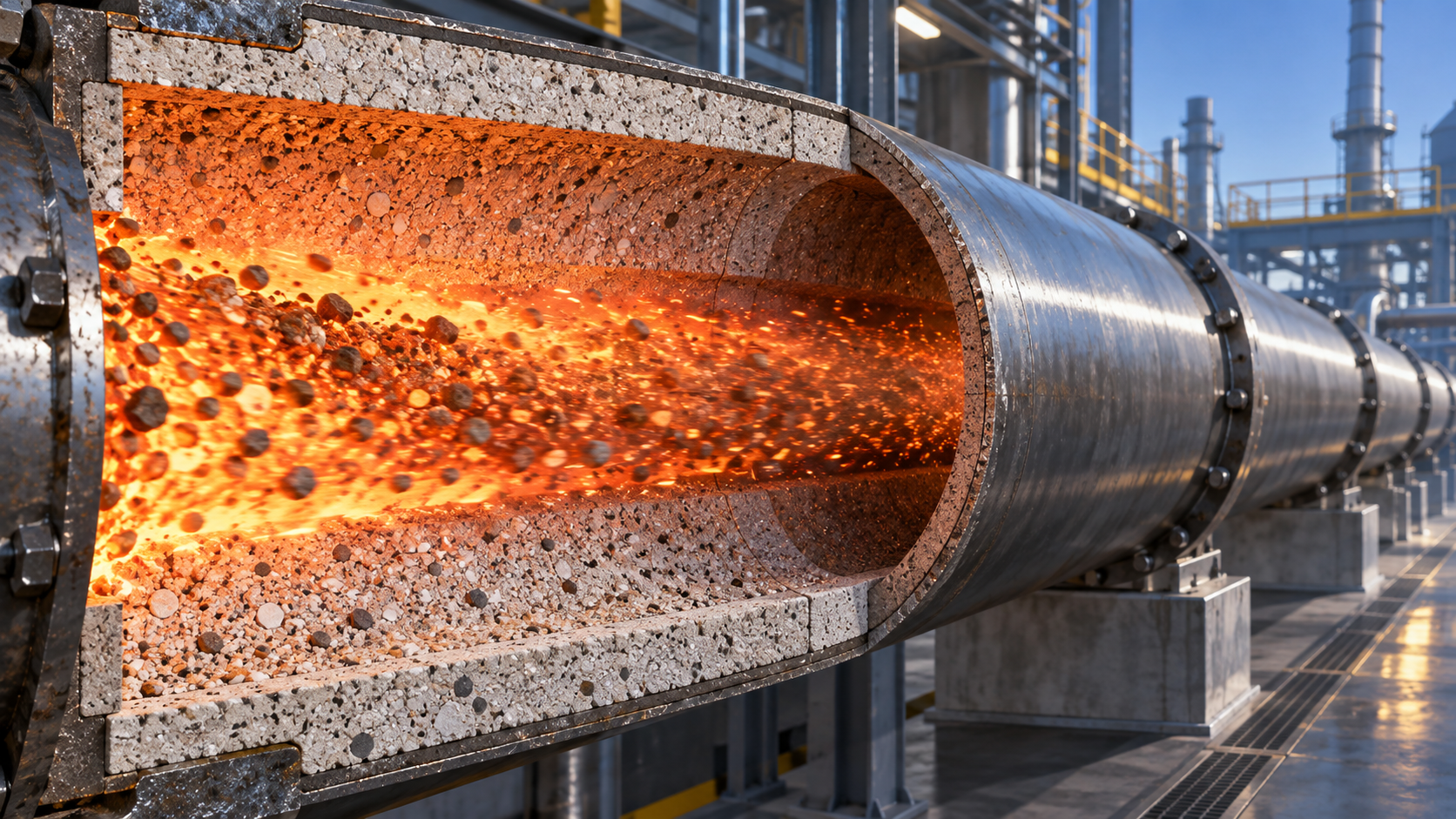
In high-temperature industries, shaping affects more than shape. It influences porosity, moisture distribution, drying cracks, firing curves, and even refractory stress behavior.
This is one reason CF-Elite places process intelligence at the center of evaluation. Forming quality cannot be separated from thermal management logic.
Lifecycle cost and uptime
A low initial equipment price may hide expensive wear parts, unstable product quality, or high cleaning frequency. A fair comparison includes maintenance intervals, die or mold replacement, line stoppages, and operator adjustment needs.
Where the comparison becomes practical
The best way to understand sustainable material extrusion is to place it in real industrial contexts. Its value changes depending on product geometry, thermal path, and compliance pressure.
New building material lines
This is one of the clearest application areas. Continuous shaping supports hollow sections, lightweight blocks, insulation components, and green wall materials with tight dimensional repeatability.
In these lines, sustainable material extrusion can improve material efficiency while supporting lower-embodied-carbon product design.
Refractory and heat-resistant products
For selected profiles and linings, extrusion can offer consistent density and better control over thermal barrier characteristics. However, highly specialized shapes may still justify traditional forming routes.
Waste-derived and circular feed systems
Where industrial residues are reused, process stability becomes a major concern. Sustainable material extrusion may create a more manageable pathway when moisture, particle size, and binder interactions are actively monitored.
That aligns with the broader CF-Elite view of linking waste utilization, thermal efficiency, and industrial decarbonization.
Questions that sharpen the evaluation
A practical review usually becomes clearer when the comparison is built around a short set of decision questions.
- Does the product require continuous profiles or discrete molded shapes?
- How variable is the raw material, and what does stabilization cost?
- What happens to drying time, kiln load, and reject rate after forming?
- Which option better supports dust control, waste reduction, and emissions targets?
- How quickly can the line respond to product redesign or regulatory change?
These questions prevent a narrow machine-to-machine comparison. They push the analysis toward plant performance, which is where the financial and environmental differences usually appear.
How to move from comparison to decision
A sound decision does not start with broad claims about innovation or tradition. It starts with process mapping.
List the current feed characteristics, shaping tolerances, drying profile, firing conditions, maintenance burden, and compliance constraints. Then test how sustainable material extrusion changes those variables across the full line.
It also helps to compare scenarios rather than single averages. One scenario may prioritize energy savings. Another may prioritize recycled feed intake. A third may focus on dimensional stability for premium products.
That is where industry intelligence becomes useful. Data on kiln co-processing, digital simulation, refractory monitoring, and green material demand can reveal whether a forming change supports the wider plant strategy.
In many cases, the strongest next step is not choosing a side too early. It is building a comparison matrix that links forming method, thermal behavior, material flexibility, and carbon impact in the same decision frame.
When that matrix is clear, sustainable material extrusion can be judged for what it really is: not a trend label, but a process option whose value depends on measurable fit, system efficiency, and long-term industrial direction.
Related News
 Optical Glass Tech FellowHow Silicate Industrial Processes Control Viscosity, Energy Use, and Product QualitySilicate industrial processes: learn how viscosity, chemistry, heat transfer, and atmosphere control reduce energy use, improve stability, and protect product quality.Sep 21, 2026
 Thermal Energy ArchitectHow European Plants Can Evaluate Energy Recovery Equipment for High-Temperature ProcessesIndustrial energy recovery equipment Europe: learn how high-temperature plants can assess waste-heat sources, integration risks, lifecycle value, and reliable recovery routes.Sep 20, 2026
 Thermal Energy ArchitectIndustrial Furnace Process Optimization: Reducing Fuel Use Without Sacrificing ThroughputIndustrial process optimization furnace strategies that cut fuel use while protecting throughput. Explore combustion control, heat recovery, refractory performance, and data-driven efficiency gains.Sep 19, 2026
 Ms. Elena RodriguezWhat Drives High-Pressure Extrusion Equipment Cost in Industrial Projects?High pressure extrusion equipment cost explained: compare pressure, die design, automation, wear, energy, and installation factors for smarter industrial investments.Sep 18, 2026
 Thermal Energy ArchitectHow to Size a Waste Heat Recovery Exchanger for High-Temperature Kiln Exhaust?Waste heat recovery exchanger sizing for high-temperature kiln exhaust: balance recoverable duty, fouling, corrosion limits, pressure drop, and reliable heat use.Sep 17, 2026
 Thermal Energy ArchitectWhy Heat-Resistant Materials Lose Abrasion Resistance at High TemperaturesHeat-resistant materials abrasion resistance can decline at high temperatures. Discover the thermal, chemical, and mechanical causes of wear—and how to choose longer-lasting linings.Sep 16, 2026
 Thermal Energy ArchitectHow to Evaluate a Thermal Energy Optimization Company for High-Temperature PlantsChoose a thermal energy optimization company with proven process expertise, measurable savings, and reliable delivery for high-temperature plants. Learn what to assess.Sep 15, 2026
 Thermal Energy ArchitectRotary Kiln Efficiency: How Feed Rate, Fuel Use, and Heat Loss Affect OutputRotary kiln efficiency explained: discover how feed rate, fuel use, heat loss, combustion, and cooling performance shape output, quality, and energy costs.Sep 14, 2026
 Thermal Energy ArchitectHow to Select Heat-Resistant Materials That Maintain Abrasion Resistance in KilnsHeat-resistant materials abrasion resistance: learn how to select kiln linings that withstand heat, wear, thermal cycling, and chemical attack for longer service life.Sep 13, 2026
 Thermal Energy ArchitectHow Rotary Kiln Automation Improves Temperature Control and Fuel EfficiencyRotary kiln technology automation enhances temperature control, stabilizes combustion, and improves fuel efficiency with smarter data, predictive control, and safer operations.Sep 12, 2026
 Silicate Process EngineerCement Plant Emission Control: Selecting Systems for Dust, NOx, and SO2 LimitsCement plant emission control guide: compare dust collectors, NOx reduction, and SO2 systems for reliable compliance across kiln modes, fuel changes, and operating upsets.Sep 11, 2026
 Thermal Energy ArchitectSelecting Abrasion-Resistant High-Temperature Materials for Kiln and Conveyor Wear ZonesHigh-temp material engineering guide to abrasion-resistant kiln and conveyor solutions—match wear, heat, chemistry, and installation design for longer service life.Sep 10, 2026
 Dr. Alistair VaughnIndustrial Process Engineering: How to Map Processes for Safer, More Efficient PlantsIndustrial process engineering reveals bottlenecks, safety risks, and energy losses through practical process mapping for safer, more efficient plants.Sep 09, 2026
 Optical Glass Tech FellowHow to Evaluate a Glass Annealing Equipment Manufacturer for Production StabilityChoose a glass annealing equipment manufacturer with proven thermal uniformity, reliable controls, lifecycle value, and responsive service for stable production.Sep 08, 2026
 Prof. Marcus ChenThermal Energy Architecture in North America: Strategies for Lower Building Energy UseThermal energy architecture North America helps project leaders cut building energy use through stronger envelopes, right-sized HVAC, storage, and smart commissioning.Sep 07, 2026
 Ms. Elena RodriguezHow Should Buyers Evaluate Building Material Industry Intelligence Pricing?Building material industry intelligence pricing: learn how to compare coverage, technical depth, and ROI to choose intelligence that reduces procurement risk.Sep 07, 2026
 Ms. Elena RodriguezHow to Use Building Material Intelligence Data for Market and Investment DecisionsBuilding material industry intelligence data helps leaders evaluate demand, costs, regulation, capacity, and technology to make smarter market and investment decisions.Sep 05, 2026
 Thermal Energy ArchitectHow PLC Control Improves Energy Efficiency and Temperature Stability in KilnsEnergy efficient kilns PLC control improves temperature stability, cuts fuel waste, and optimizes combustion, draft, and material flow. Explore proven strategies for smarter kiln modernization.Sep 04, 2026
 Optical Glass Tech FellowEuropean Glass Melting Processes: Furnace Choices, Energy Use, and Quality ControlGlass melting process Europe: explore furnace choices, energy efficiency, cullet strategy, and quality control to improve output, compliance, and long-term glass performance.Sep 03, 2026
 Thermal Energy ArchitectWhat Determines Refractory Lining Monitoring Price for Industrial Kilns?Refractory lining monitoring price depends on kiln size, sensor technology, installation, software, and support. Compare total lifecycle costs and choose the right solution.Sep 02, 2026



Related News
- 00
0000-00
How to Evaluate Lightweight Material Machinery for Output, Energy Use, and Product Quality - 00
0000-00
What Thermal Barrier Technology Works Best for Lightweight Industrial Panels? - 00
0000-00
Advanced Ceramic Processing for Honeycomb: Which Methods Improve Strength and Thermal Shock Resistance? - 00
0000-00
Building Material Extrusion Equipment Supplier Selection: 7 Parameters That Affect Line Performance - 00
0000-00
High Pressure Extruder Selection Guide: Output, Material Compatibility, and Wear
Weekly Insights
Stay ahead with our curated technology reports delivered every Monday.