
What Are Green Building Materials and How Do They Affect LEED Project Choices?




Green building materials now shape far more than product catalogs. They influence how LEED teams read energy use, embodied carbon, indoor health, sourcing risk, and long-term building value across commercial and industrial projects.
That shift matters because material selection no longer sits at the end of design. It starts earlier, often where process data, manufacturing methods, and environmental documentation begin to affect project choices.
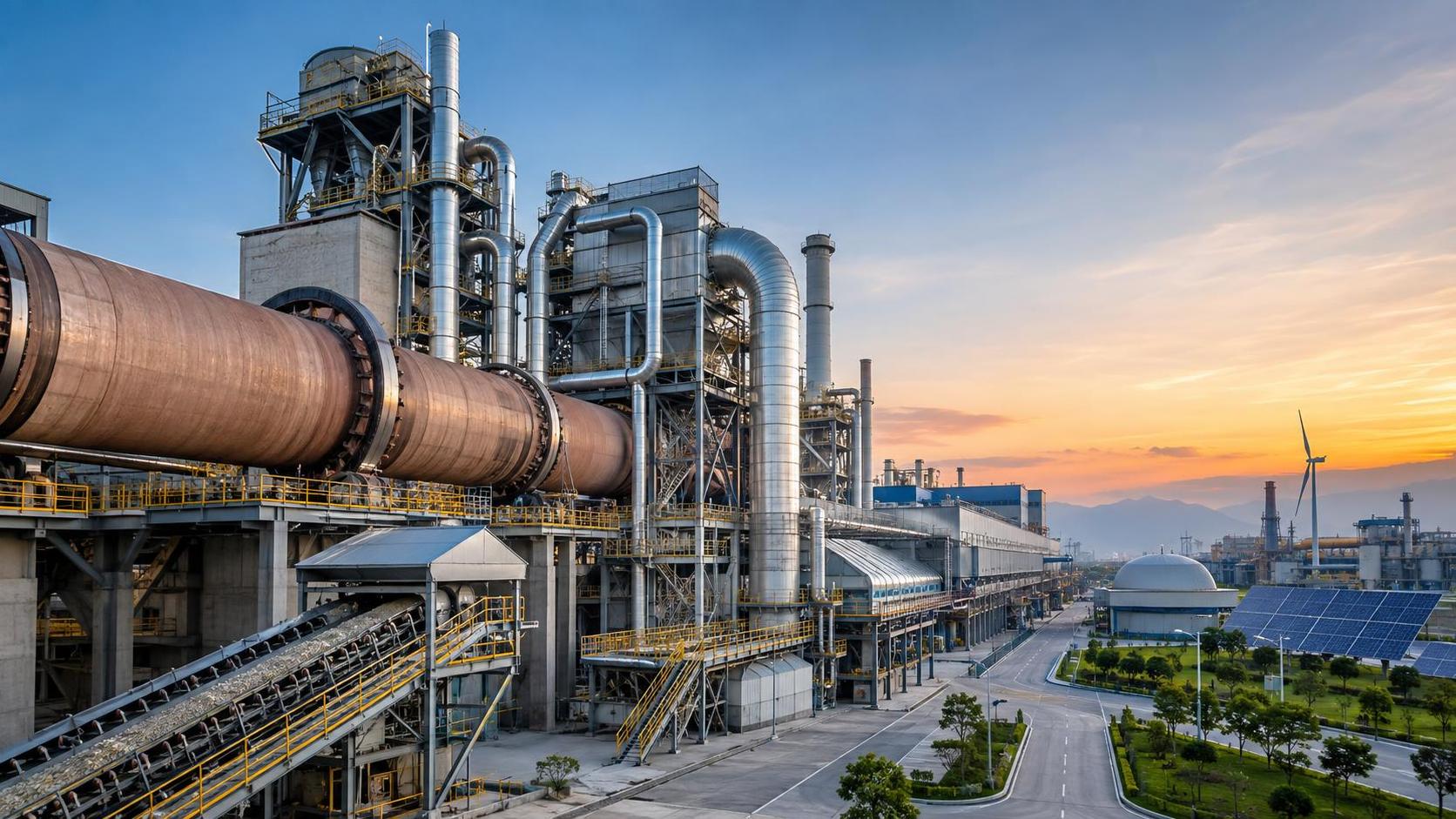
In this context, green building materials connect construction goals with upstream systems such as cement plants, glass lines, industrial kilns, refractory production, and lightweight material extrusion.
What green building materials really mean in LEED projects
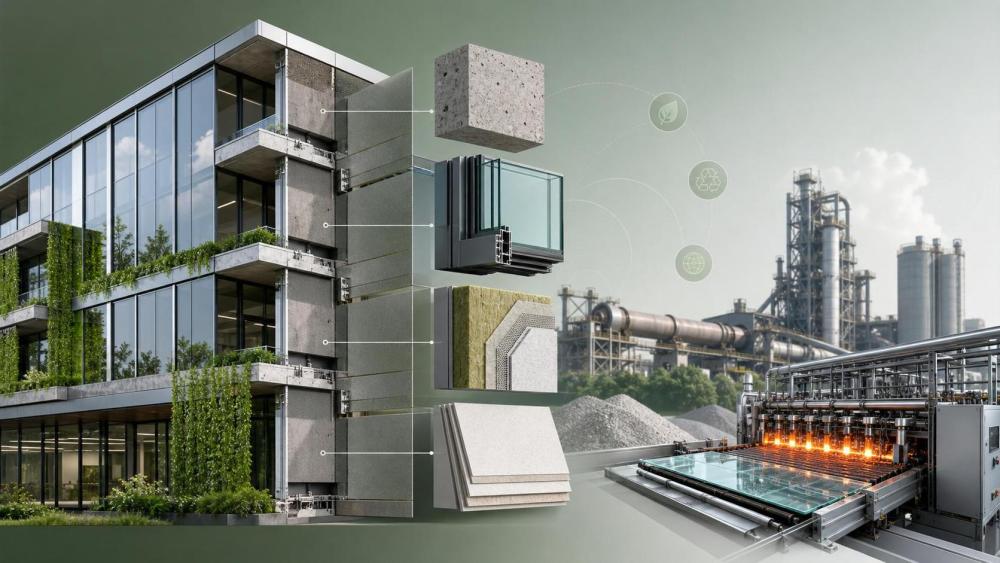
The term sounds simple, but it covers several performance layers. Green building materials are products chosen to reduce environmental burden while still meeting structural, thermal, safety, and operational needs.
In practice, LEED does not treat a material as “green” because of one claim alone. Recycled content helps, but so do durability, emissions performance, responsible extraction, lifecycle impact, and regional supply conditions.
This is why low-carbon cement blends, high-performance glazing, recycled insulation inputs, low-emitting interior finishes, and lightweight extruded wall components often enter the same conversation.
A useful way to understand green building materials is to ask three connected questions: how they are made, how they perform, and what evidence supports their claims.
More than a label
A material may be marketed as sustainable, yet still create trade-offs. High recycled content can be positive, but poor thermal performance or limited service life may weaken its LEED value.
That is why credible declarations matter. Environmental Product Declarations, Health Product Declarations, VOC test data, and responsible sourcing records support better specification decisions.
Why the topic matters more now
The pressure on buildings has changed. Developers and design teams now face operational carbon targets, embodied carbon disclosure demands, volatile energy prices, and tighter environmental rules.
LEED projects sit directly inside this transition. Materials affect credits, but they also shape maintenance cycles, occupant comfort, climate resilience, and the public credibility of a green building claim.
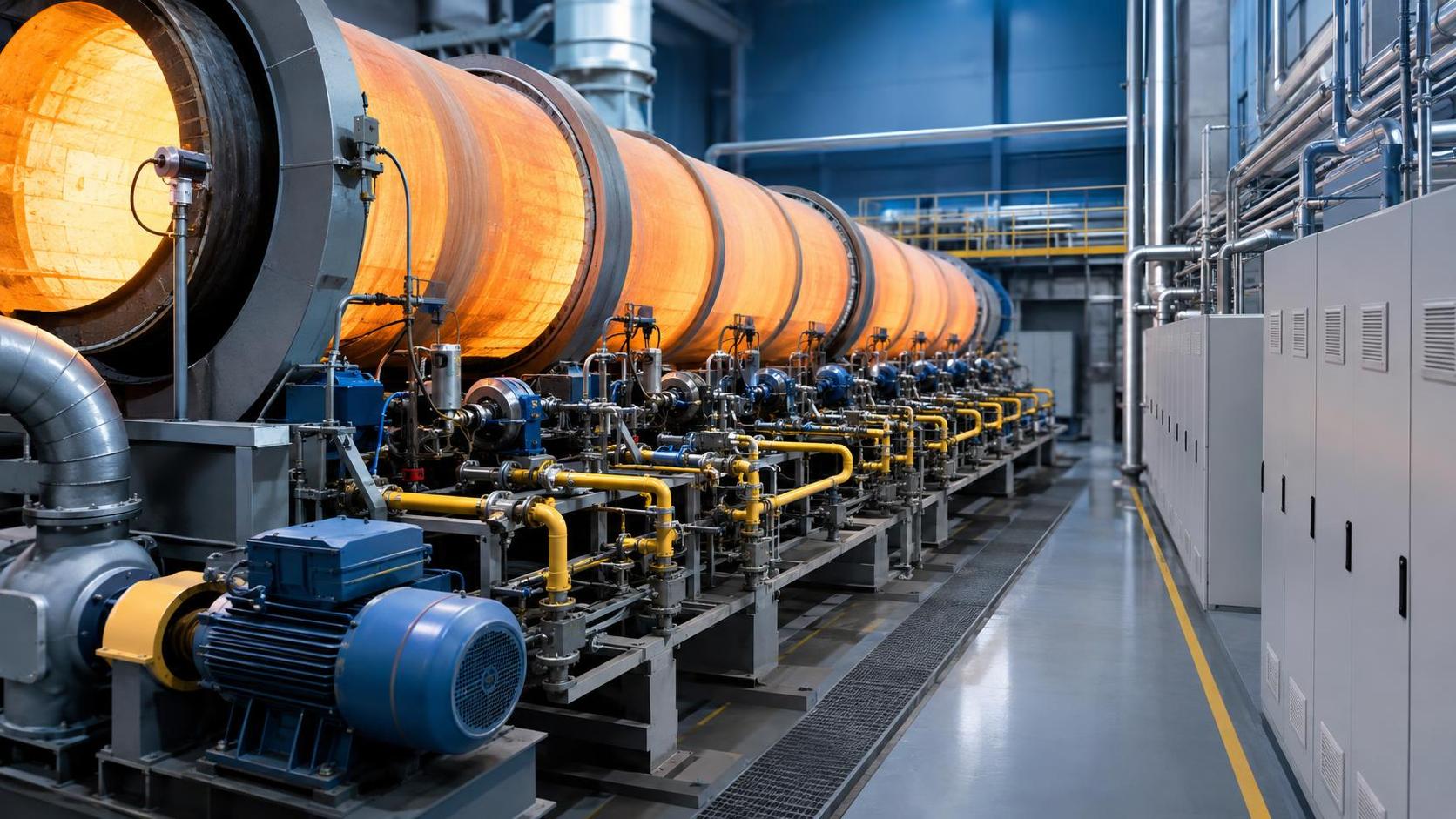
From an industry intelligence perspective, this is also an upstream manufacturing story. Material performance depends on kiln efficiency, fuel substitution, melting control, extrusion precision, and thermal management.
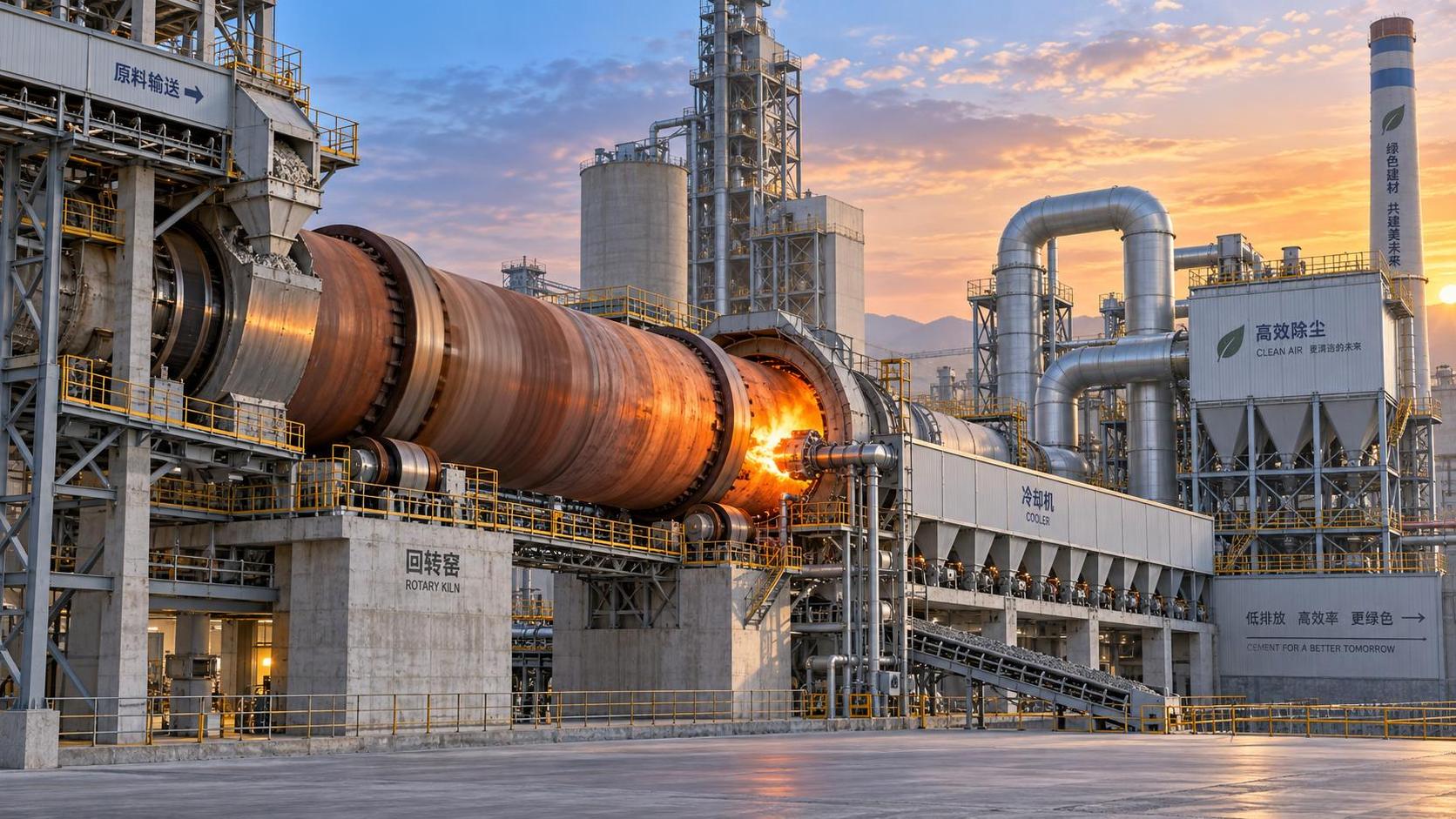
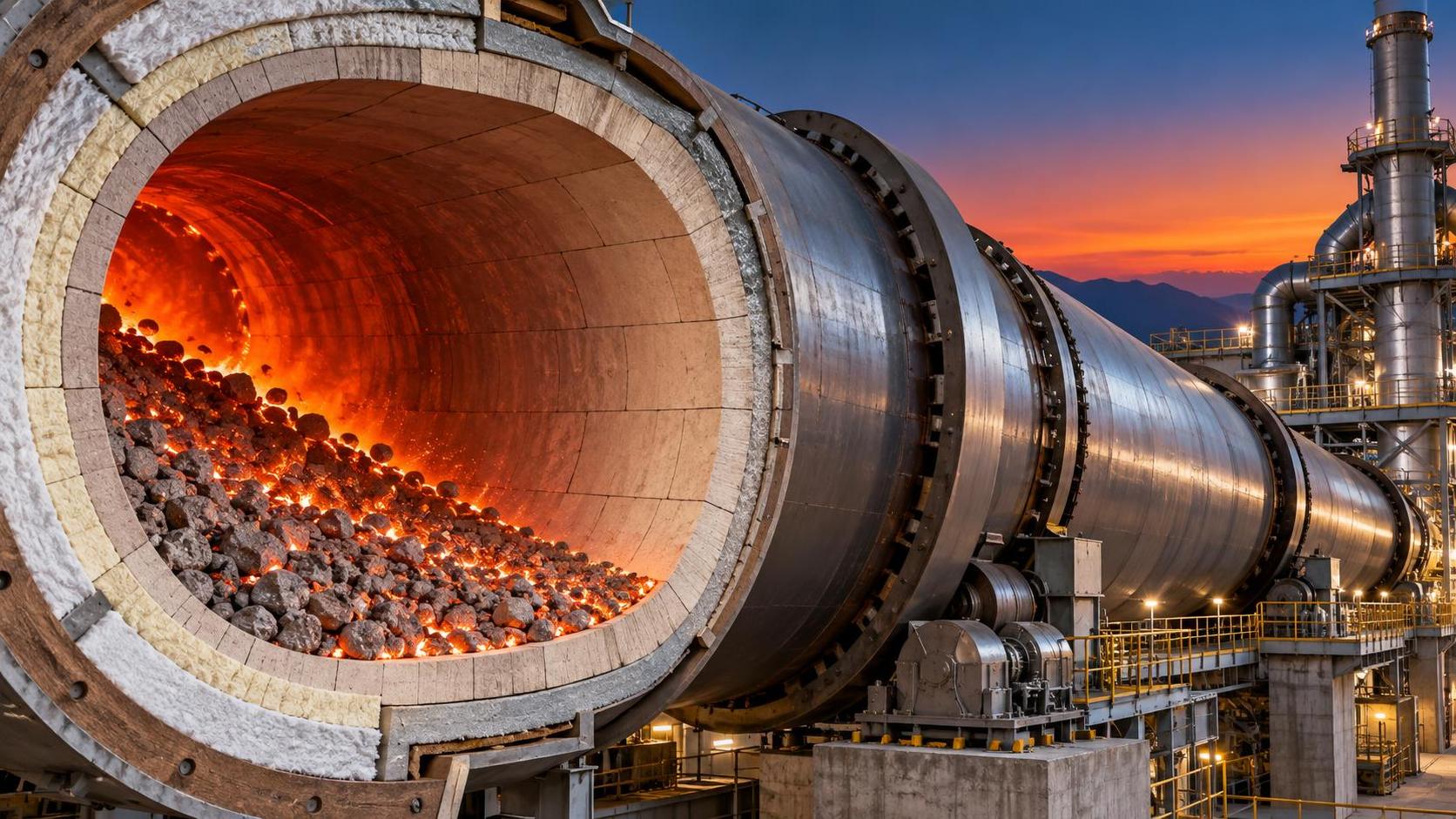
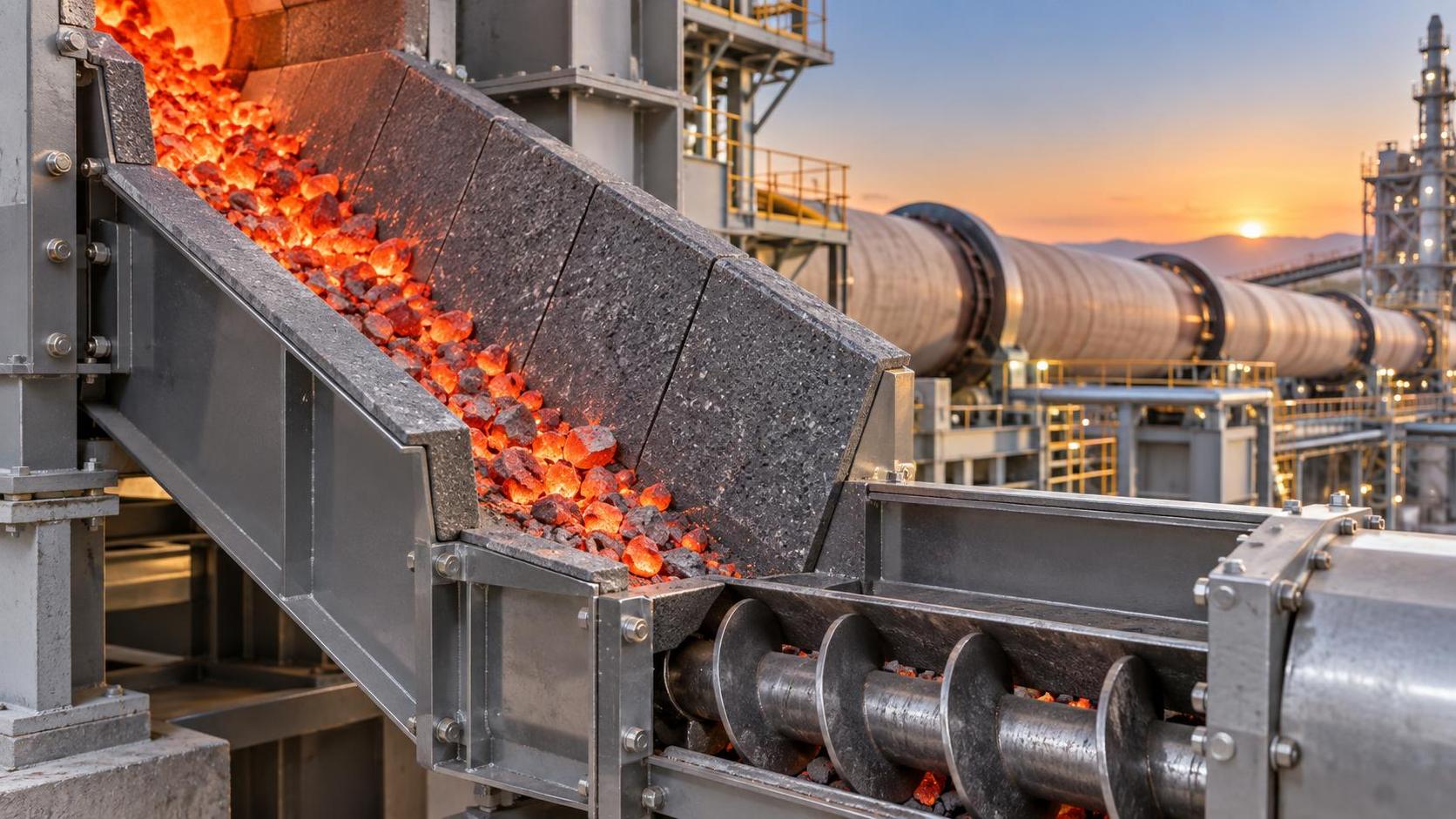
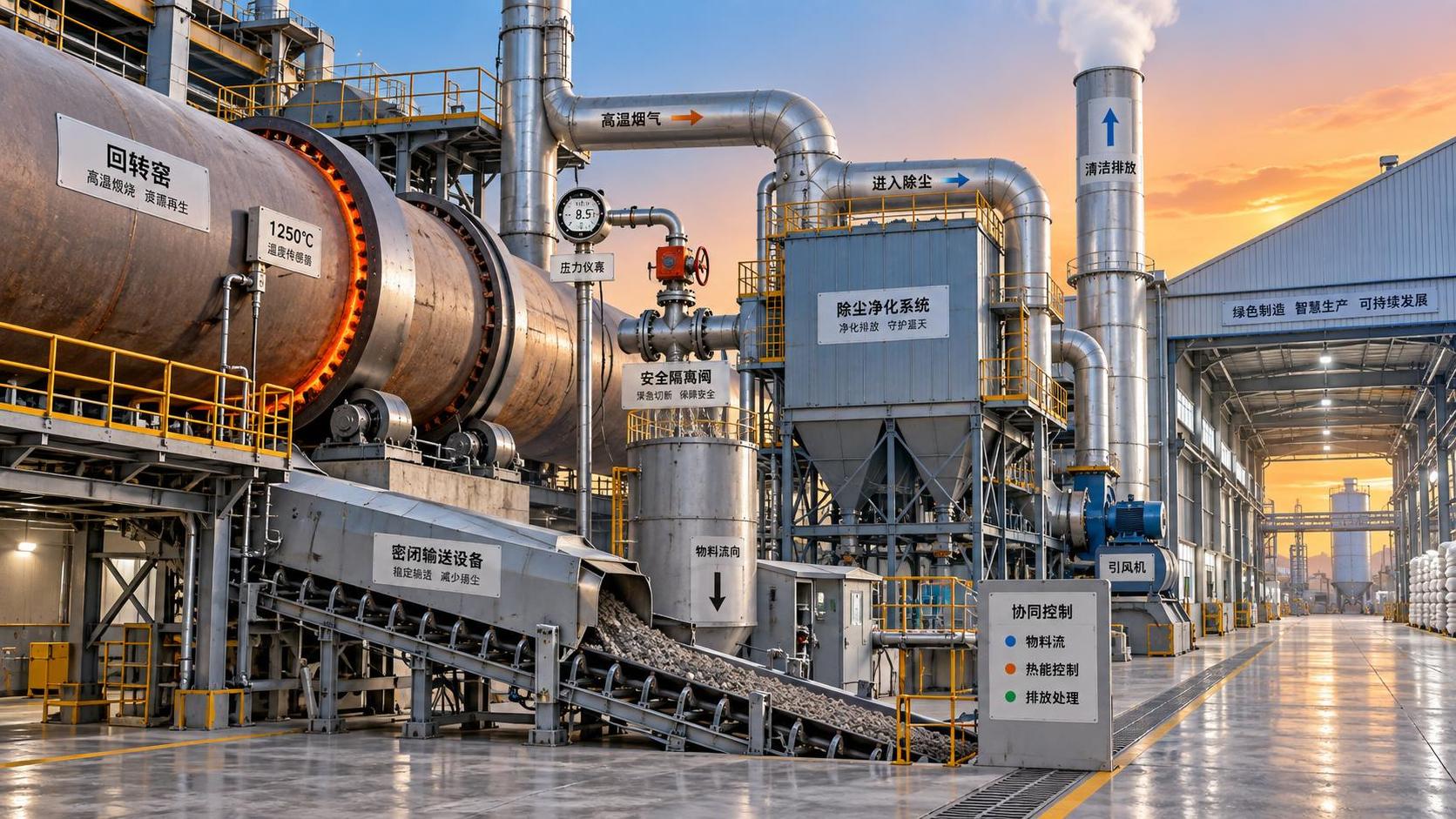
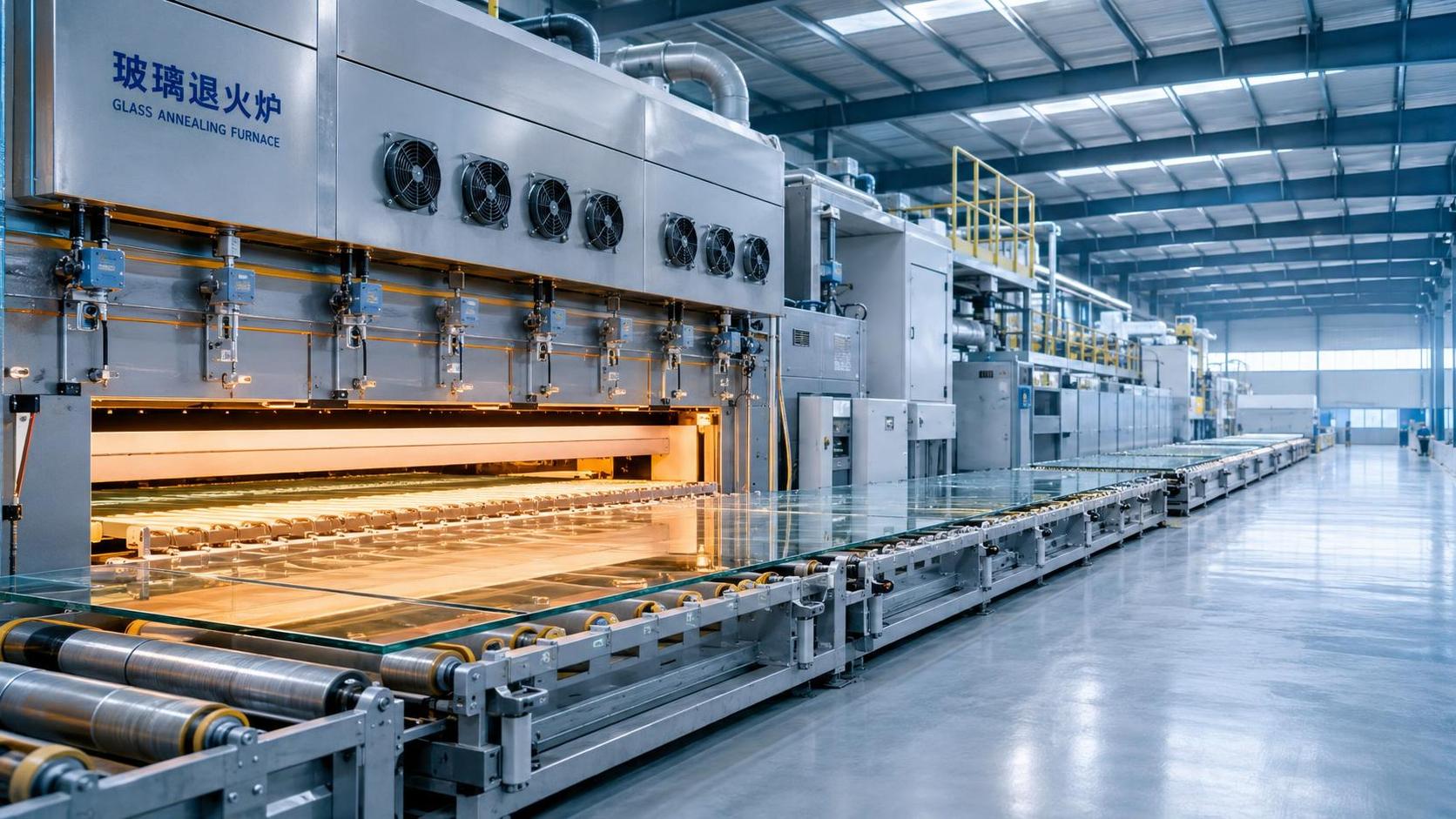
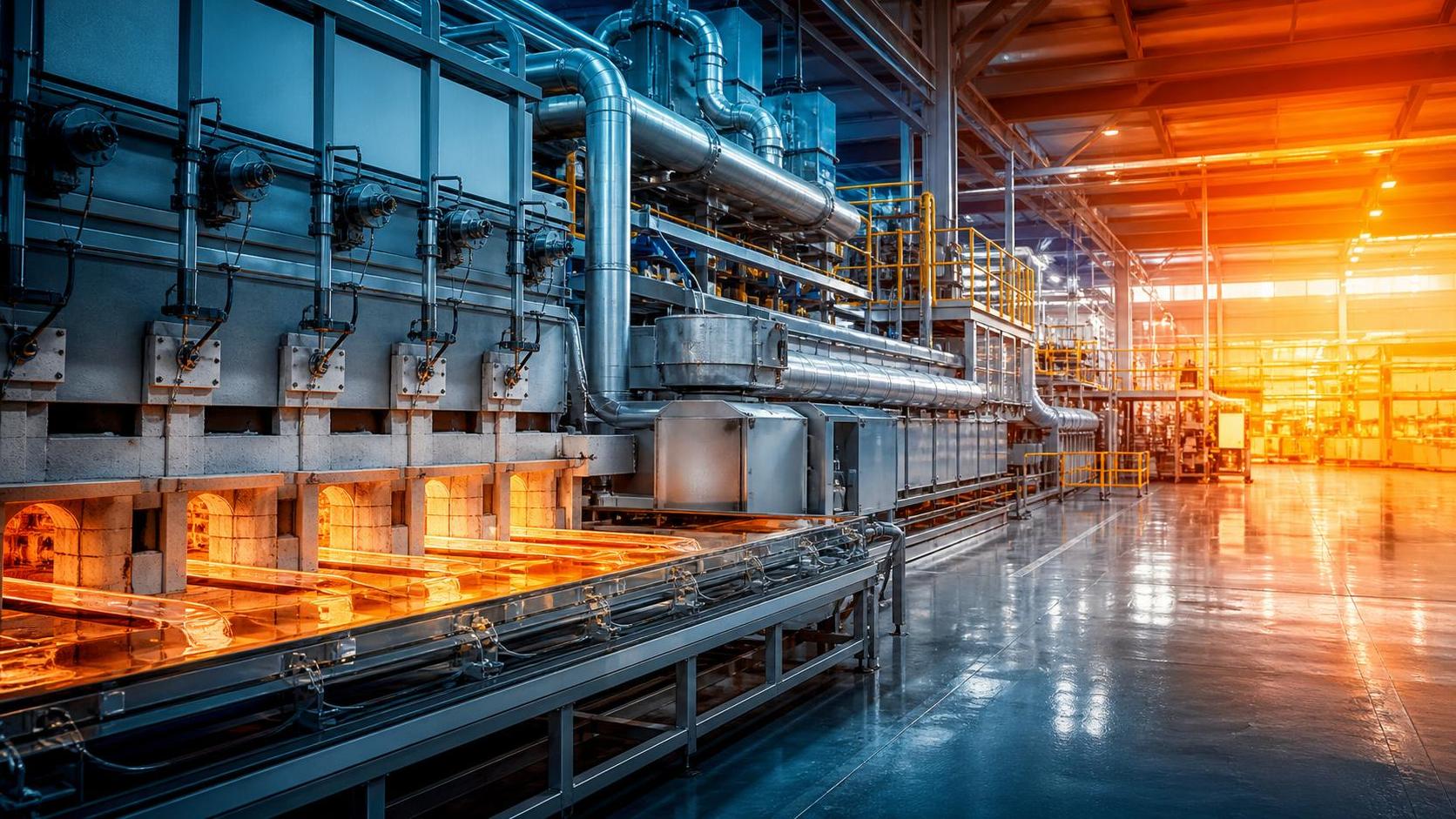
That broader view is important in sectors observed by CF-Elite. A cleaner cement production line or a more efficient glass annealing system can influence the environmental profile of finished building products downstream.
In other words, green building materials are not just an architectural trend. They are tied to industrial decarbonization, process optimization, and cross-border supply chain transparency.
How green building materials affect LEED project choices
LEED decisions are rarely based on one product in isolation. Teams compare materials by asking how each option supports multiple project goals at once.
A material may help with embodied carbon reduction, but its real influence grows if it also improves energy efficiency, indoor air quality, or lifecycle durability.
This explains why teams often avoid the cheapest compliant option. A product with stronger documentation and better thermal behavior may create more stable project value.
Credits are only part of the picture
LEED credits matter, but they do not replace engineering judgment. Some materials look attractive on paper, yet introduce installation complexity, moisture risk, or supply uncertainty during construction.
The stronger choice is usually the one that balances certification support with real project execution.
Where these materials show up most clearly
The impact of green building materials becomes clearer when viewed by building system rather than by marketing category.
Structural and envelope systems
Concrete, masonry units, extruded lightweight panels, insulation, and high-performance glazing strongly influence both embodied and operational results.
For example, lower-carbon cement formulations can reduce emissions at the structural level, while advanced glass can improve solar control and daylight performance.
Interior systems
Flooring, paints, adhesives, partitions, and ceiling systems matter because indoor air quality is visible to occupants almost immediately.
In LEED terms, low-emitting characteristics often become a practical filter before aesthetic preferences are finalized.
High-temperature and industrially linked materials
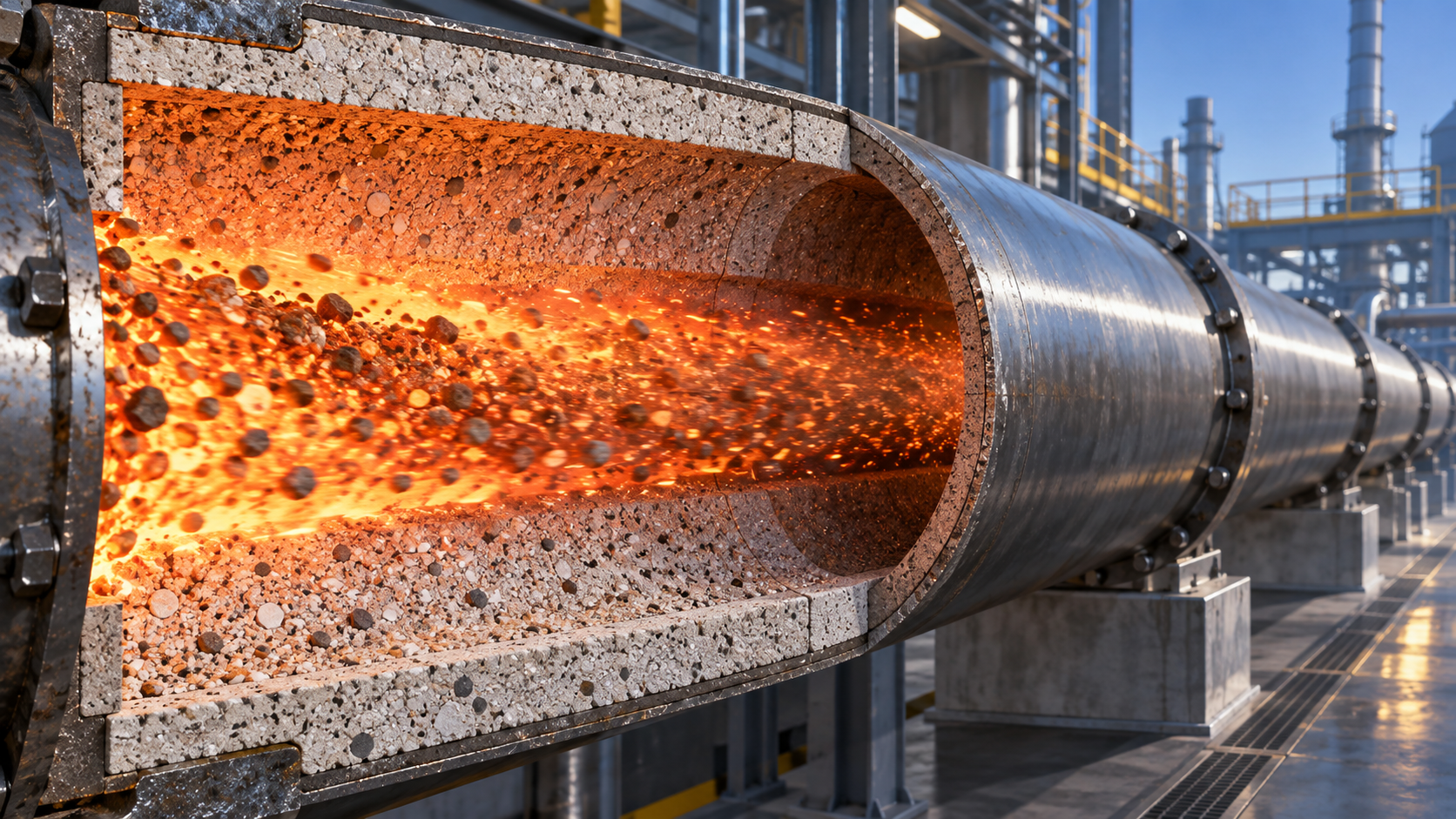
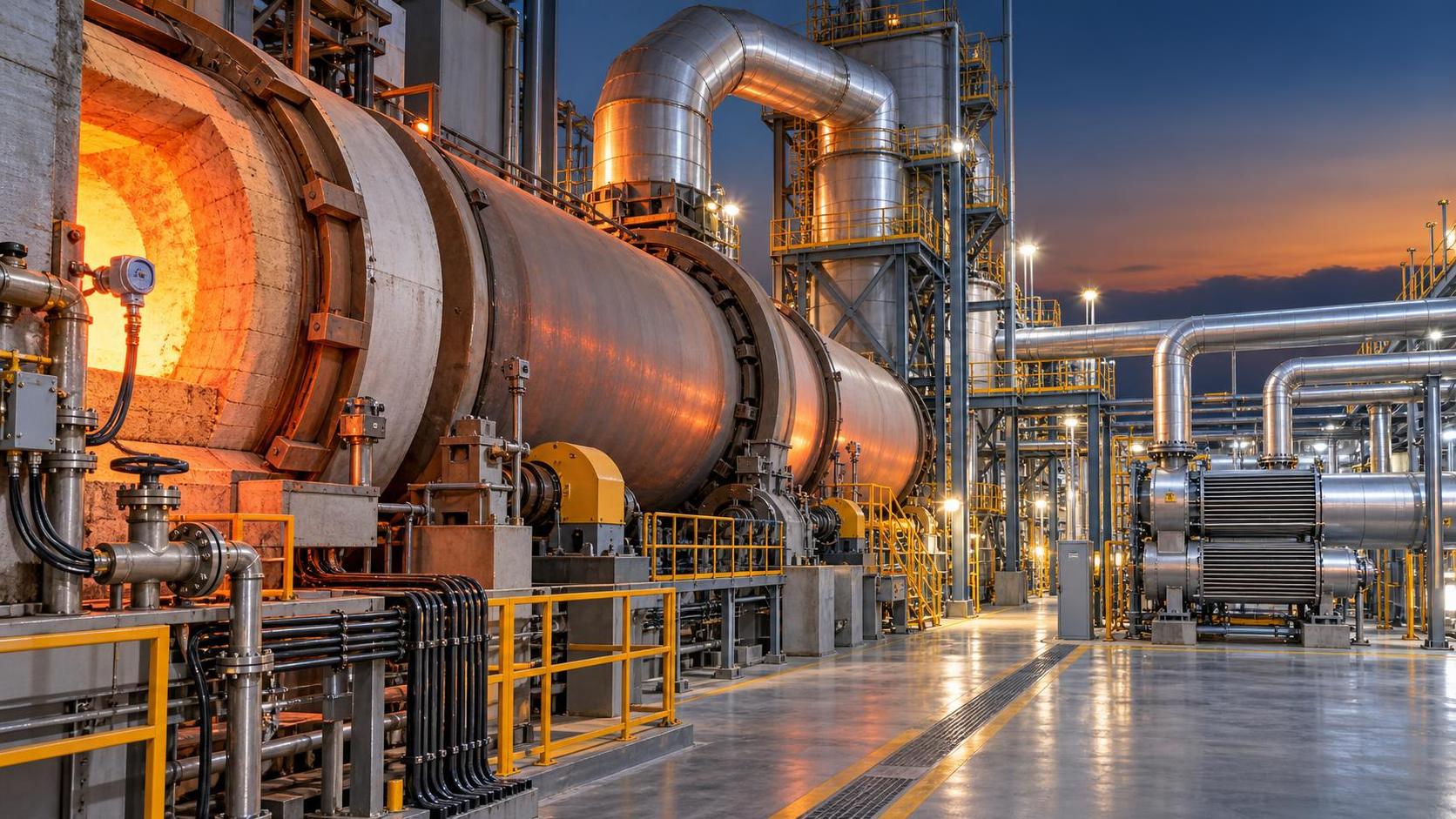
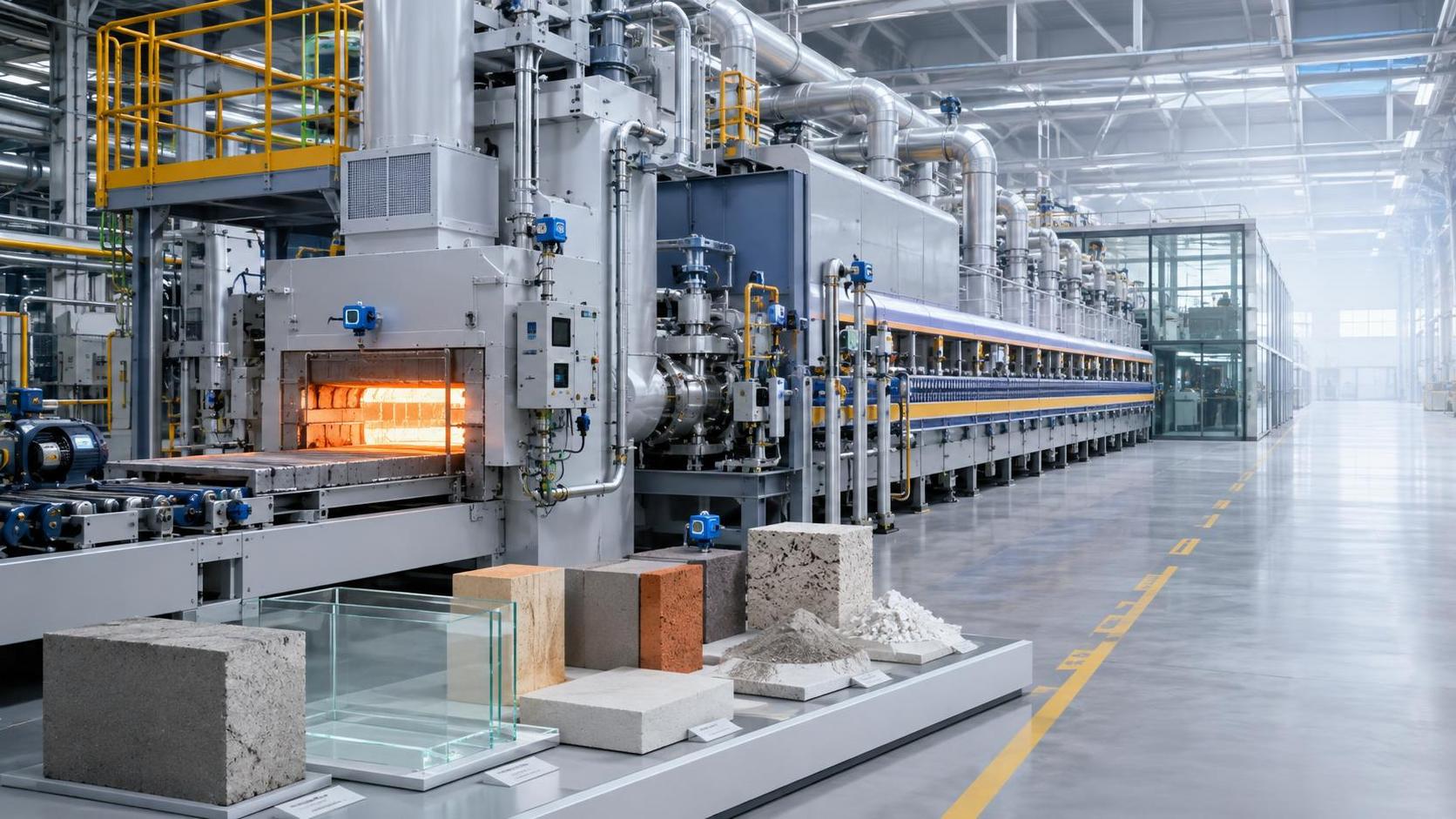
This category receives less public attention, yet it matters. Refractories, kiln-fired products, specialty glass, and thermally engineered components carry large process-energy footprints.
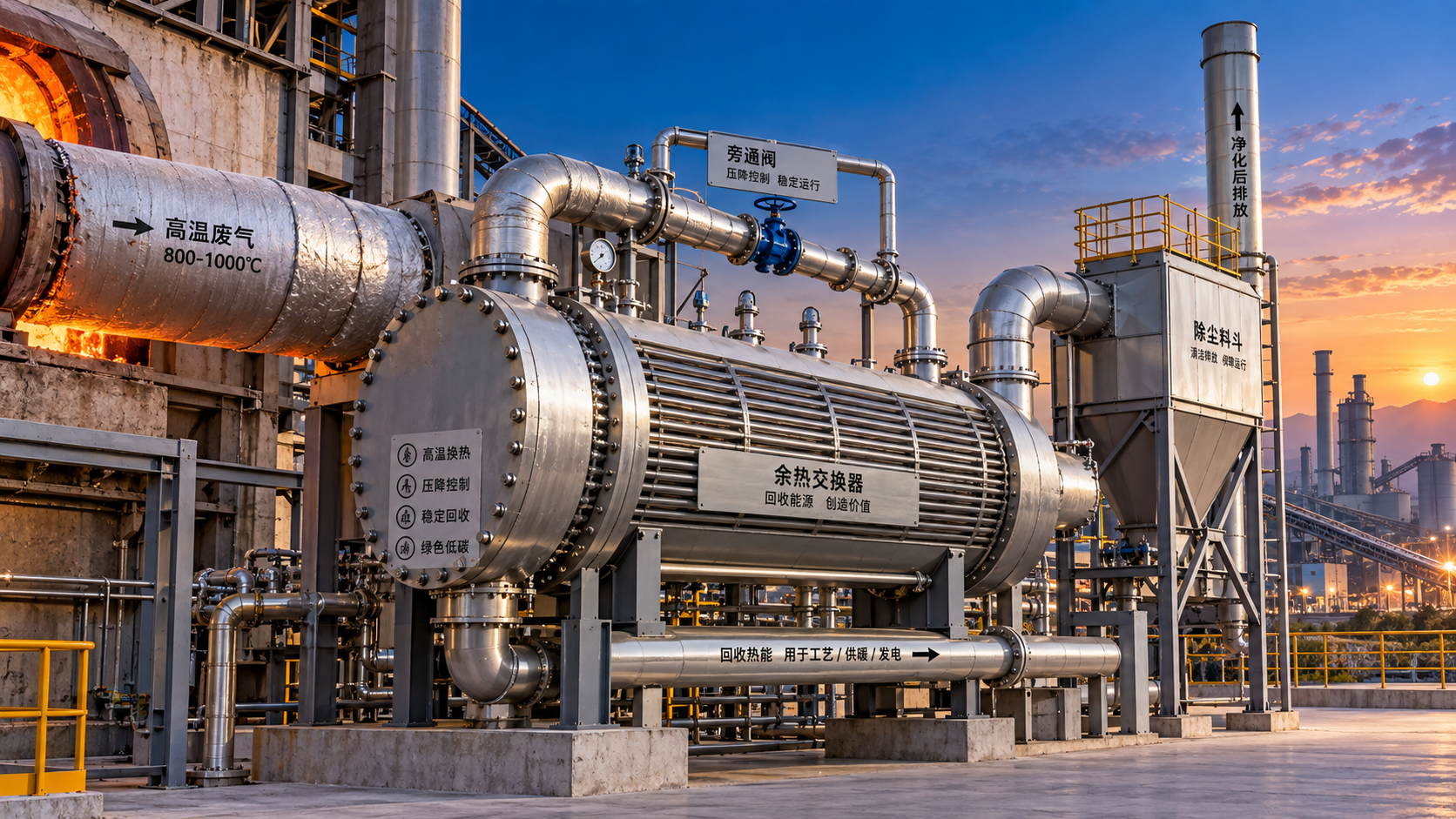
Here, insight from platforms like CF-Elite becomes useful. Understanding firing efficiency, waste heat reuse, co-processing, and digital monitoring helps interpret the real background of material sustainability claims.
What to examine before calling a material “green”
Material decisions improve when teams compare evidence, not slogans. Several checkpoints usually reveal whether a product supports a serious LEED strategy.
- Check manufacturing intensity, especially for cementitious, glass, and kiln-fired products.
- Review EPDs and emissions data instead of relying on generic sustainability claims.
- Test whether the product improves thermal performance, not only recycled content.
- Assess durability in local climate and maintenance conditions.
- Compare supply chain stability, transport distance, and documentation readiness.
- Look for compatibility with other systems to avoid performance trade-offs.
Usually, the best green building materials are not those with the most dramatic marketing language. They are the ones that perform consistently across carbon, health, cost, and service life criteria.
Common misunderstandings in project evaluation
One common mistake is assuming that natural materials are automatically better. Some require heavy transport, chemical treatment, or frequent replacement, which weakens their lifecycle advantage.
Another mistake is treating LEED documentation as proof of overall sustainability. Documentation is essential, but it does not replace performance in service.
There is also a tendency to separate building design from industrial production. That gap is narrowing. Process improvements in kilns, extruders, and thermal systems increasingly influence material rankings.
For this reason, green building materials should be evaluated across the whole chain, from feedstock and firing conditions to installation and building operation.
A practical way to move from research to decision
A useful next step is to build a short comparison framework for each major material category in a project.
List the candidate materials, then compare embodied carbon data, thermal impact, indoor emissions, durability, documentation quality, and supply risk side by side.
That approach helps reveal whether a material is merely compliant or genuinely strategic. It also supports more informed reading of market intelligence from sectors such as cement, glass, refractory systems, and advanced extrusion.
As green building standards continue to mature, better decisions will come from linking building performance with upstream production reality. That is where green building materials become not just a specification issue, but a sharper lens for future project choice.
Related News
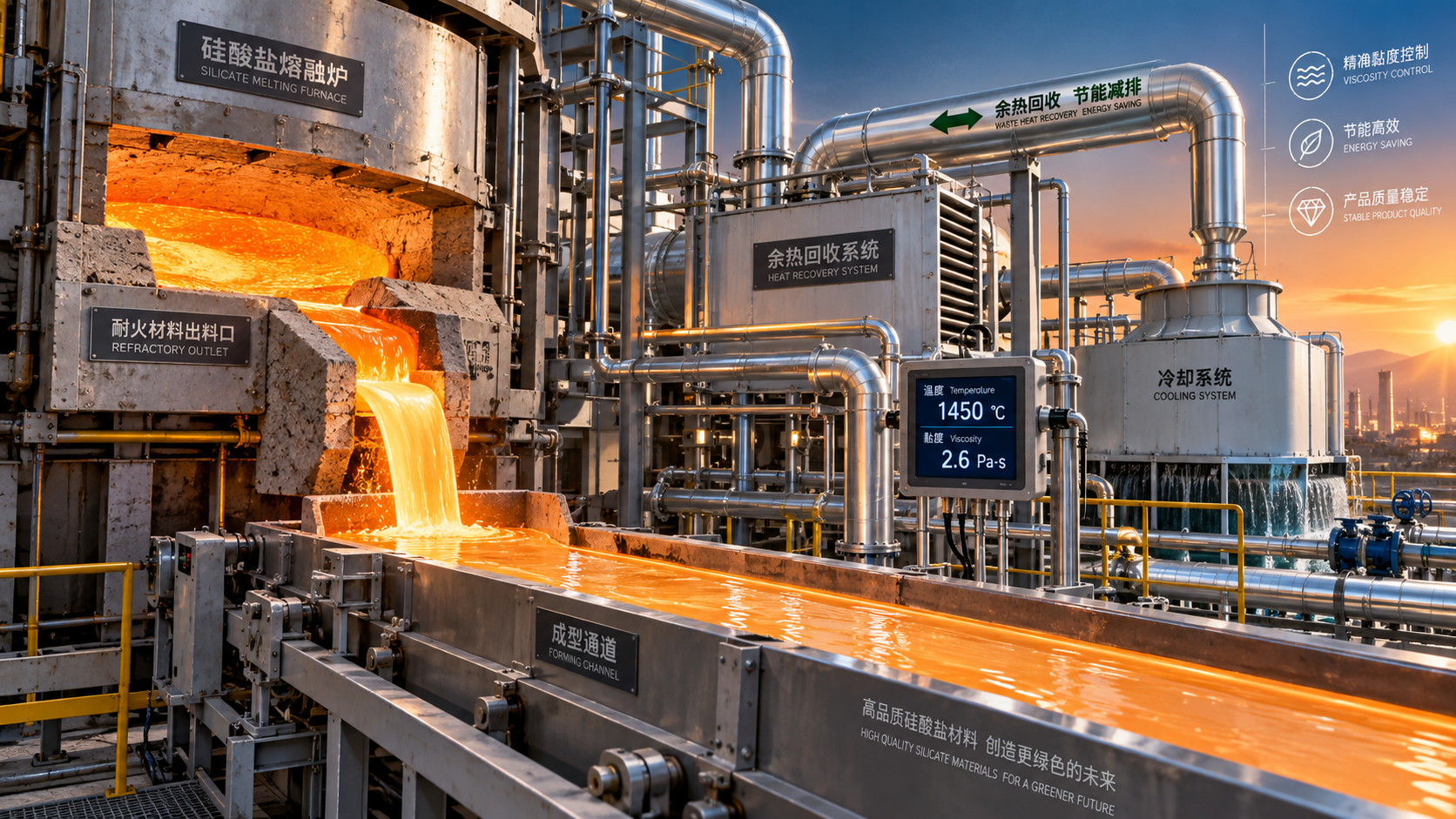
 Optical Glass Tech FellowHow Silicate Industrial Processes Control Viscosity, Energy Use, and Product QualitySilicate industrial processes: learn how viscosity, chemistry, heat transfer, and atmosphere control reduce energy use, improve stability, and protect product quality.Sep 21, 2026
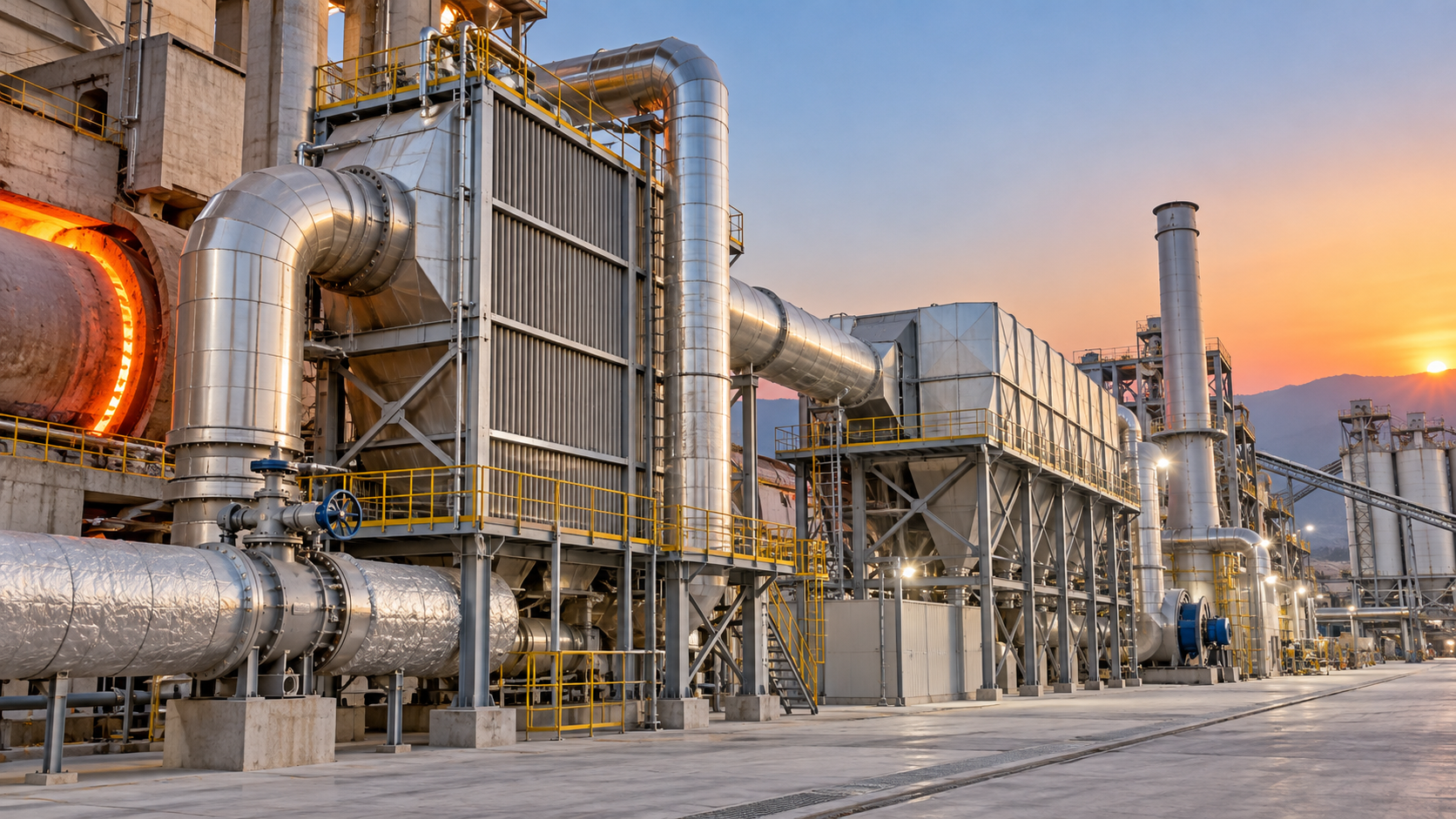
 Thermal Energy ArchitectHow European Plants Can Evaluate Energy Recovery Equipment for High-Temperature ProcessesIndustrial energy recovery equipment Europe: learn how high-temperature plants can assess waste-heat sources, integration risks, lifecycle value, and reliable recovery routes.Sep 20, 2026
 Thermal Energy ArchitectIndustrial Furnace Process Optimization: Reducing Fuel Use Without Sacrificing ThroughputIndustrial process optimization furnace strategies that cut fuel use while protecting throughput. Explore combustion control, heat recovery, refractory performance, and data-driven efficiency gains.Sep 19, 2026
 Ms. Elena RodriguezWhat Drives High-Pressure Extrusion Equipment Cost in Industrial Projects?High pressure extrusion equipment cost explained: compare pressure, die design, automation, wear, energy, and installation factors for smarter industrial investments.Sep 18, 2026
 Thermal Energy ArchitectHow to Size a Waste Heat Recovery Exchanger for High-Temperature Kiln Exhaust?Waste heat recovery exchanger sizing for high-temperature kiln exhaust: balance recoverable duty, fouling, corrosion limits, pressure drop, and reliable heat use.Sep 17, 2026
 Thermal Energy ArchitectWhy Heat-Resistant Materials Lose Abrasion Resistance at High TemperaturesHeat-resistant materials abrasion resistance can decline at high temperatures. Discover the thermal, chemical, and mechanical causes of wear—and how to choose longer-lasting linings.Sep 16, 2026
 Thermal Energy ArchitectHow to Evaluate a Thermal Energy Optimization Company for High-Temperature PlantsChoose a thermal energy optimization company with proven process expertise, measurable savings, and reliable delivery for high-temperature plants. Learn what to assess.Sep 15, 2026
 Thermal Energy ArchitectRotary Kiln Efficiency: How Feed Rate, Fuel Use, and Heat Loss Affect OutputRotary kiln efficiency explained: discover how feed rate, fuel use, heat loss, combustion, and cooling performance shape output, quality, and energy costs.Sep 14, 2026
 Thermal Energy ArchitectHow to Select Heat-Resistant Materials That Maintain Abrasion Resistance in KilnsHeat-resistant materials abrasion resistance: learn how to select kiln linings that withstand heat, wear, thermal cycling, and chemical attack for longer service life.Sep 13, 2026
 Thermal Energy ArchitectHow Rotary Kiln Automation Improves Temperature Control and Fuel EfficiencyRotary kiln technology automation enhances temperature control, stabilizes combustion, and improves fuel efficiency with smarter data, predictive control, and safer operations.Sep 12, 2026
 Silicate Process EngineerCement Plant Emission Control: Selecting Systems for Dust, NOx, and SO2 LimitsCement plant emission control guide: compare dust collectors, NOx reduction, and SO2 systems for reliable compliance across kiln modes, fuel changes, and operating upsets.Sep 11, 2026
 Thermal Energy ArchitectSelecting Abrasion-Resistant High-Temperature Materials for Kiln and Conveyor Wear ZonesHigh-temp material engineering guide to abrasion-resistant kiln and conveyor solutions—match wear, heat, chemistry, and installation design for longer service life.Sep 10, 2026
 Dr. Alistair VaughnIndustrial Process Engineering: How to Map Processes for Safer, More Efficient PlantsIndustrial process engineering reveals bottlenecks, safety risks, and energy losses through practical process mapping for safer, more efficient plants.Sep 09, 2026
 Optical Glass Tech FellowHow to Evaluate a Glass Annealing Equipment Manufacturer for Production StabilityChoose a glass annealing equipment manufacturer with proven thermal uniformity, reliable controls, lifecycle value, and responsive service for stable production.Sep 08, 2026
 Prof. Marcus ChenThermal Energy Architecture in North America: Strategies for Lower Building Energy UseThermal energy architecture North America helps project leaders cut building energy use through stronger envelopes, right-sized HVAC, storage, and smart commissioning.Sep 07, 2026
 Ms. Elena RodriguezHow Should Buyers Evaluate Building Material Industry Intelligence Pricing?Building material industry intelligence pricing: learn how to compare coverage, technical depth, and ROI to choose intelligence that reduces procurement risk.Sep 07, 2026
 Ms. Elena RodriguezHow to Use Building Material Intelligence Data for Market and Investment DecisionsBuilding material industry intelligence data helps leaders evaluate demand, costs, regulation, capacity, and technology to make smarter market and investment decisions.Sep 05, 2026
 Thermal Energy ArchitectHow PLC Control Improves Energy Efficiency and Temperature Stability in KilnsEnergy efficient kilns PLC control improves temperature stability, cuts fuel waste, and optimizes combustion, draft, and material flow. Explore proven strategies for smarter kiln modernization.Sep 04, 2026
 Optical Glass Tech FellowEuropean Glass Melting Processes: Furnace Choices, Energy Use, and Quality ControlGlass melting process Europe: explore furnace choices, energy efficiency, cullet strategy, and quality control to improve output, compliance, and long-term glass performance.Sep 03, 2026
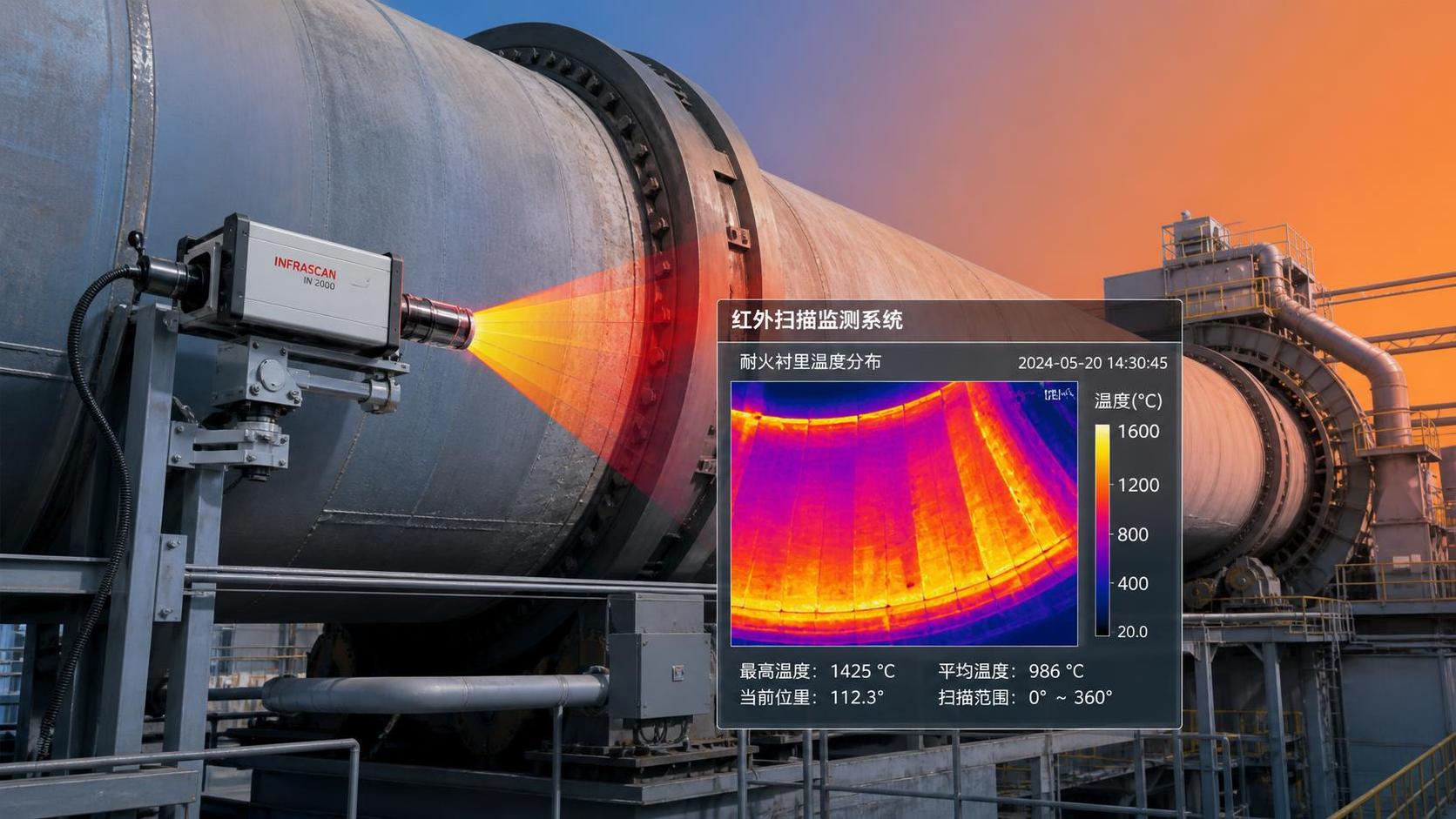
 Thermal Energy ArchitectWhat Determines Refractory Lining Monitoring Price for Industrial Kilns?Refractory lining monitoring price depends on kiln size, sensor technology, installation, software, and support. Compare total lifecycle costs and choose the right solution.Sep 02, 2026




Related News
- 00
0000-00
How to Evaluate Lightweight Material Machinery for Output, Energy Use, and Product Quality - 00
0000-00
What Thermal Barrier Technology Works Best for Lightweight Industrial Panels? - 00
0000-00
Advanced Ceramic Processing for Honeycomb: Which Methods Improve Strength and Thermal Shock Resistance? - 00
0000-00
Building Material Extrusion Equipment Supplier Selection: 7 Parameters That Affect Line Performance - 00
0000-00
High Pressure Extruder Selection Guide: Output, Material Compatibility, and Wear
Weekly Insights
Stay ahead with our curated technology reports delivered every Monday.