
Sustainable Material Production Compliance: Key Standards, Risks, and Audit Checks




Why sustainable material production compliance now sits at the center of plant control
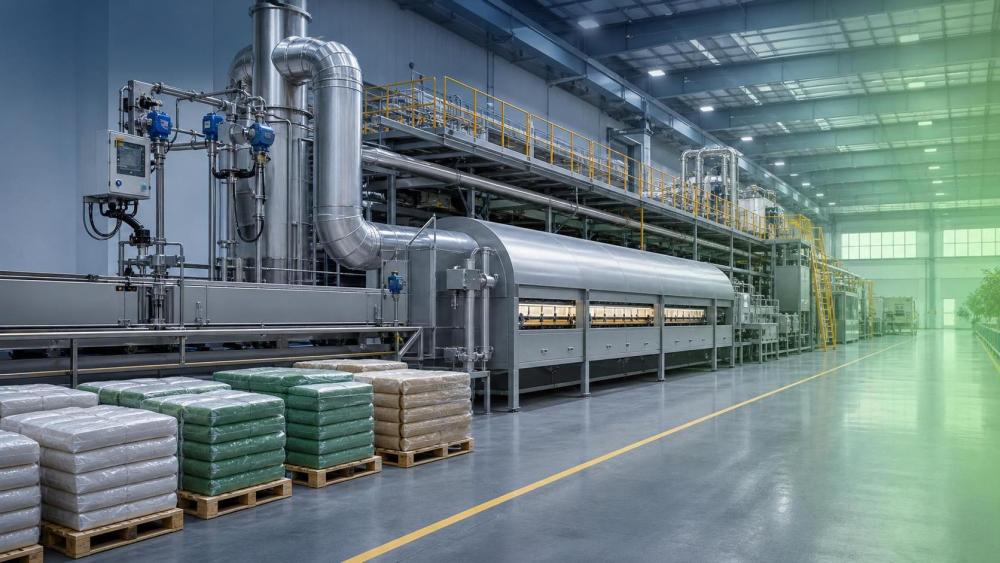
Sustainable material production compliance has moved beyond permit filing and routine inspection paperwork.
In cement, glass, refractory, incineration, and extrusion operations, it now affects export access, insurance exposure, shutdown risk, and customer trust.
That shift is especially visible in high-temperature industries, where emissions, fuel substitution, raw material traceability, and worker safety are tightly connected.
A plant can meet output targets yet still fail sustainable material production compliance because dust capture records are weak, waste inputs are misclassified, or energy data cannot be verified.
The practical question is no longer whether compliance matters.
It is how to align standards, daily controls, and audit evidence before a regulator, buyer, or certification body asks difficult questions.
CF-Elite follows this intersection closely because thermal process performance, reaction stability, and carbon reduction targets increasingly share the same data trail.
When that trail is broken, both compliance and process reliability suffer.
Which standards usually define sustainable material production compliance?
There is no single global rulebook.
Most sustainable material production compliance programs are built from overlapping layers of legal, technical, environmental, and management requirements.
In practice, the standards that matter most usually fall into four groups.
- Environmental management frameworks, such as ISO 14001, for permit control, aspect review, and corrective action discipline.
- Energy and emissions systems, including ISO 50001, GHG accounting protocols, and local carbon reporting rules.
- Occupational health and process safety requirements, often linked to ISO 45001, hazardous substance handling, and confined-space controls.
- Product and sourcing expectations, including recycled content claims, chain-of-custody evidence, and region-specific green building criteria.
For silicate and thermal processing lines, sector-specific permits often carry more operational weight than headline certifications.
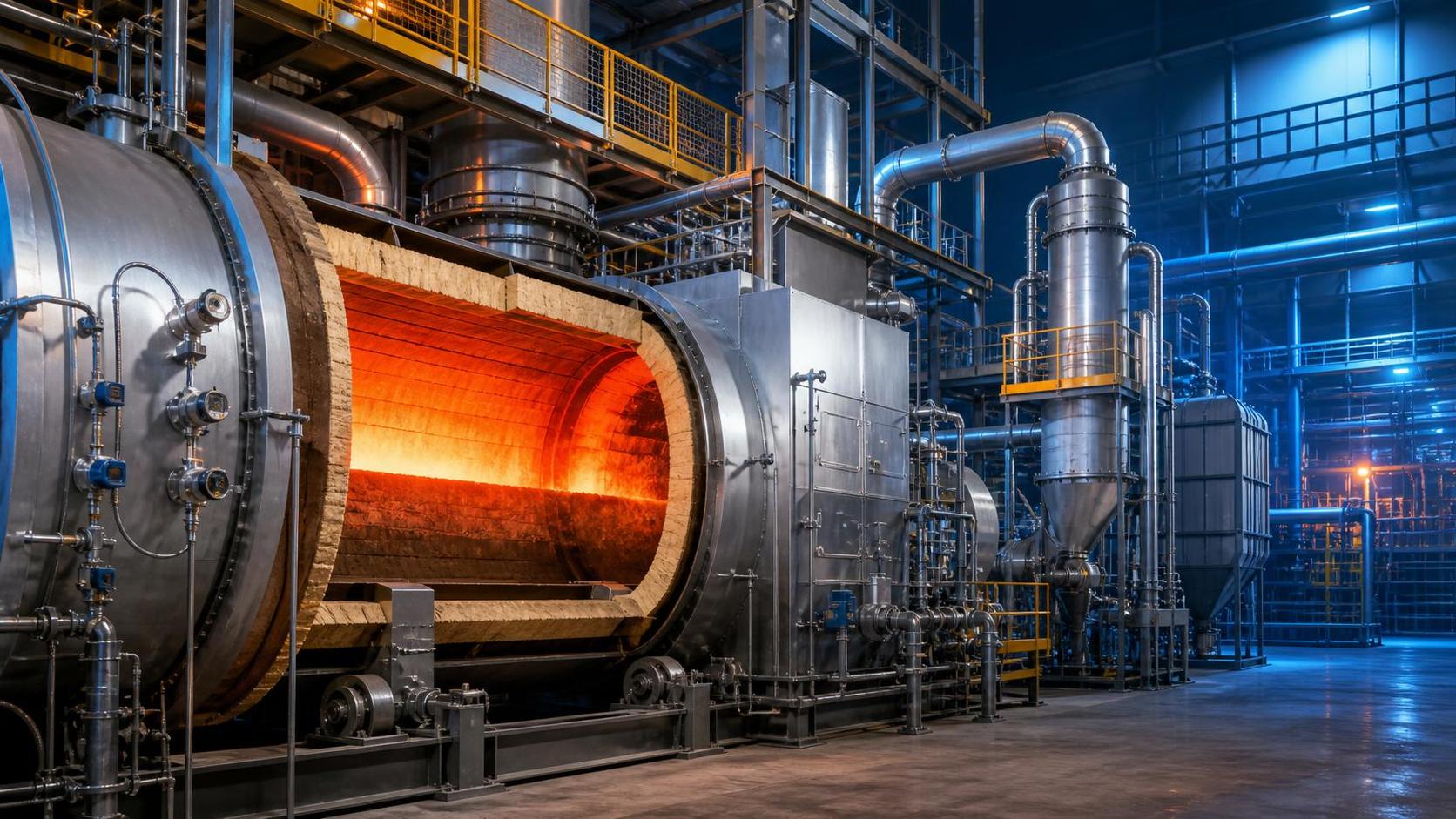
A kiln using alternative fuels, for example, may face stricter conditions on feed consistency, stack monitoring, ash characterization, and emergency response readiness.
A float glass line may be judged more heavily on furnace energy intensity, cullet control, and air emissions from melting and coating steps.
The useful approach is to map each requirement to an actual process point, not just to a policy document.
That is where sustainable material production compliance becomes auditable rather than aspirational.
A quick way to sort the main compliance lenses
The table below helps separate broad themes from the checks usually requested during reviews.
Where do plants usually fail, even when they believe controls are in place?
The failures are rarely dramatic at first.
More often, sustainable material production compliance weakens through small gaps that accumulate across procurement, production, maintenance, and EHS reporting.
One recurring issue is data fragmentation.
Fuel consumption sits in one system, stack readings in another, and recycled input declarations in supplier emails.
When an auditor asks for one month of traceable evidence, the story does not reconcile cleanly.
Another weak point is change management.
A new alternative raw material, burner setting, binder composition, or waste-derived fuel may improve cost or carbon numbers.
Yet the approval route, risk review, and monitoring plan often lag behind the operational change.
That creates a compliance gap even if product quality remains stable.
Claim management is another area of risk.
Terms like low-carbon, recycled, circular, or cleaner production sound simple.
They become risky when underlying methods are undefined, regional rules differ, or marketing language outruns technical evidence.
In actual audits, the problem is not the ambition.
It is the missing calculation method, unsupported boundary, or absent retention record.
Signals that deserve immediate review
- Permit conditions are stored as PDFs, but no live obligation tracker exists.
- Supplier sustainability declarations are accepted without incoming verification.
- Deviation reports close quickly, but root causes remain unchanged for months.
- Meter calibration and laboratory validation schedules drift during shutdown planning.
- Production teams optimize throughput without updating environmental risk assessments.
These patterns matter because sustainable material production compliance is judged through evidence continuity, not policy intent.
What should a serious compliance audit check in cement, glass, refractory, and thermal lines?
A strong audit does more than sample documents.
It follows material, energy, and control points through the plant.
That is especially important for CF-Elite’s focus areas, where process stability and compliance exposure are physically linked.
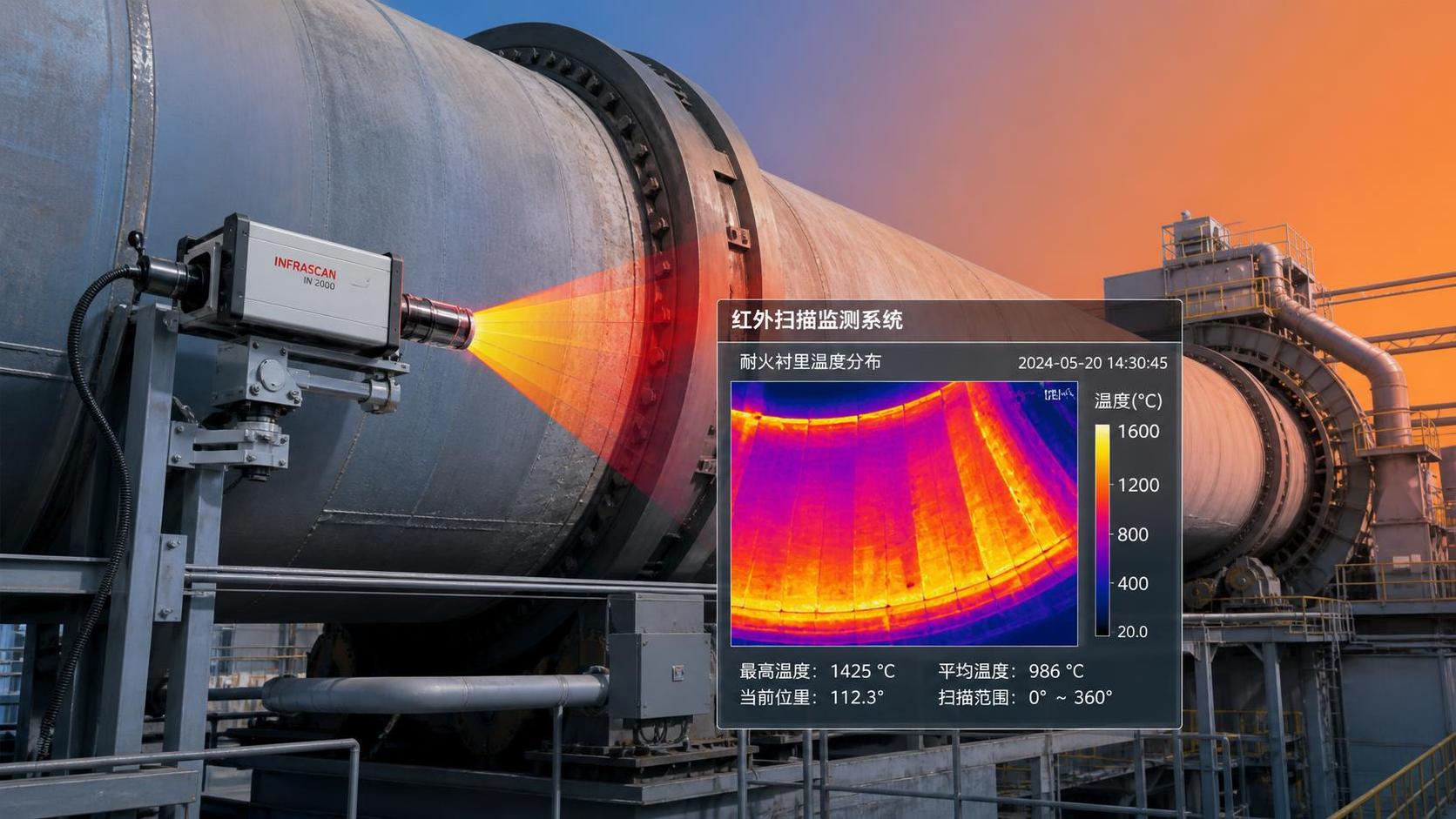
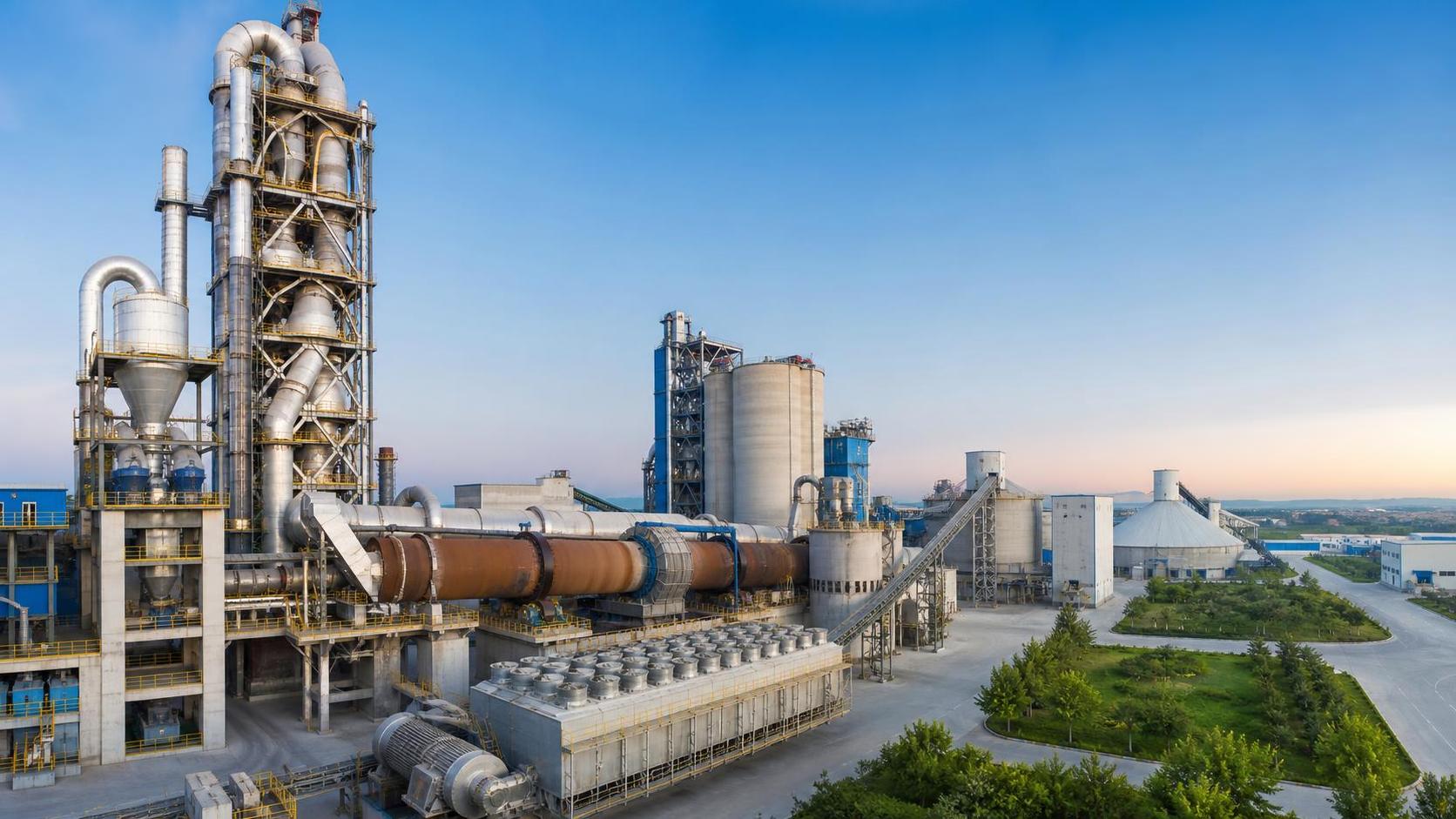
For cement and incineration systems, the audit should examine raw feed acceptance, kiln fuel switching, bypass dust handling, continuous emission monitoring, and upset-condition reporting.
For glass plants, priority checks often include cullet contamination control, furnace energy data, NOx and particulate trends, annealing consistency, and coating line chemical management.
For refractory and extrusion lines, traceability of mineral inputs, binder storage conditions, curing or firing profiles, scrap reuse rules, and occupational exposure controls become central.
The most useful audit sequence usually looks like this.
- Confirm legal and customer requirements against current process configuration.
- Trace one product batch and one waste stream from entry to exit.
- Verify that instruments, lab methods, and data retention rules support reported claims.
- Inspect operator practice on the floor, especially during startup, cleaning, and changeover.
- Test whether corrective actions changed controls, not just paperwork.
In real plants, audit quality improves when thermal engineers, process teams, and compliance staff review the same evidence together.
That reduces blind spots between chemistry, equipment behavior, and reporting assumptions.
How can teams judge whether a compliance claim is truly defensible?
A defensible claim survives three tests.
It is clearly defined, consistently measured, and independently traceable.
Take a recycled content statement.
The claim should specify whether it refers to pre-consumer material, post-consumer material, or internally reprocessed scrap.
The calculation basis should match batch records, storage segregation, and mass balance logic.
The same principle applies to carbon, waste recovery, and safer-material claims.
A useful internal question is simple: if an external reviewer asks for proof within one hour, can the plant show the method, source data, approvals, and exception history?
If not, sustainable material production compliance remains exposed.
This is where intelligence-led benchmarking helps.
CF-Elite’s sector tracking is relevant because evolving regulations often reshape what counts as acceptable evidence.
A claim considered adequate in one market may fail in another due to carbon boundary rules, waste classification differences, or digital reporting obligations.
A practical decision screen
What is the most realistic next step if the compliance system feels scattered?
Start with a focused gap map, not a full program rewrite.
List the top obligations by risk, then match each one to owner, data source, review frequency, and on-site proof.
That exercise usually reveals whether sustainable material production compliance is strong, partial, or mostly document-deep.
The next move is to test one critical path end to end.
Choose a high-impact flow such as alternative fuel use, recycled mineral input, cullet handling, dust recovery, or hazardous residue disposal.
Follow it from supplier approval to batch use, emissions effect, final reporting, and corrective action closure.
If the chain holds, scale the method.
If it breaks, the evidence will point to the right repair.
Sustainable material production compliance works best when linked to actual thermal performance, material balance, and safe operating discipline.
That is also why sector intelligence matters.
In industries shaped by kilns, furnaces, lining systems, and extrusion lines, regulatory change often arrives through technical detail rather than broad slogans.
A practical next step is to review standards, permit conditions, and internal audit checks against the latest process realities, then close the gaps with traceable controls.
That is how compliance becomes a working operating system instead of a file archive.
Related News
 Thermal Energy ArchitectWhat Determines Refractory Lining Monitoring Price for Industrial Kilns?Refractory lining monitoring price depends on kiln size, sensor technology, installation, software, and support. Compare total lifecycle costs and choose the right solution.Sep 02, 2026
 Silicate Process EngineerCement Production System Costs: A Plant Buyer’s Guide to Budgeting and ROICement production systems cost planning made clear: compare CAPEX, operating costs, compliance, and ROI to build a resilient, profitable cement plant investment.Sep 01, 2026
 Dr. Alistair VaughnWhat Should a Process Technology Database Track for High-Temperature Plants?Process technology database essentials for high-temperature plants: track thermal profiles, feed chemistry, refractory wear, emissions, energy, and maintenance for safer, data-driven decisions.Aug 31, 2026
 Ms. Elena RodriguezHow to Evaluate a Silicate Processing Equipment Manufacturer for Plant ProjectsSilicate processing equipment manufacturer selection: assess process fit, guarantees, energy, compliance, delivery risk, and lifecycle support for dependable plant performance.Aug 30, 2026
 Dr. Alistair VaughnHow to Specify Custom Agricultural Processing Equipment for Throughput and HygieneEquipment customization services for agricultural processing: learn to specify hygienic, high-throughput lines that improve yield, reliability, and long-term efficiency.Aug 29, 2026
 Dr. Alistair VaughnHow to Select Process Plant Equipment for High-Temperature, Abrasive Production LinesProcess plant equipment selection for high-temperature, abrasive lines: reduce downtime, improve durability, and optimize lifecycle performance.Aug 28, 2026
 Silicate Process EngineerHow Kiln Heat Recovery Systems Cut Fuel Use in Cement and Lime ProductionKiln heat recovery helps cement and lime plants cut fuel use, improve thermal stability, and build practical, reliable decarbonization strategies.Aug 27, 2026
 Ms. Elena RodriguezProcess Equipment Comparison: Which Metrics Matter Most for Reliable Selection?Process equipment comparison made practical: discover which metrics truly drive reliable selection, from energy efficiency and control stability to wear life, maintainability, and uptime.Aug 26, 2026
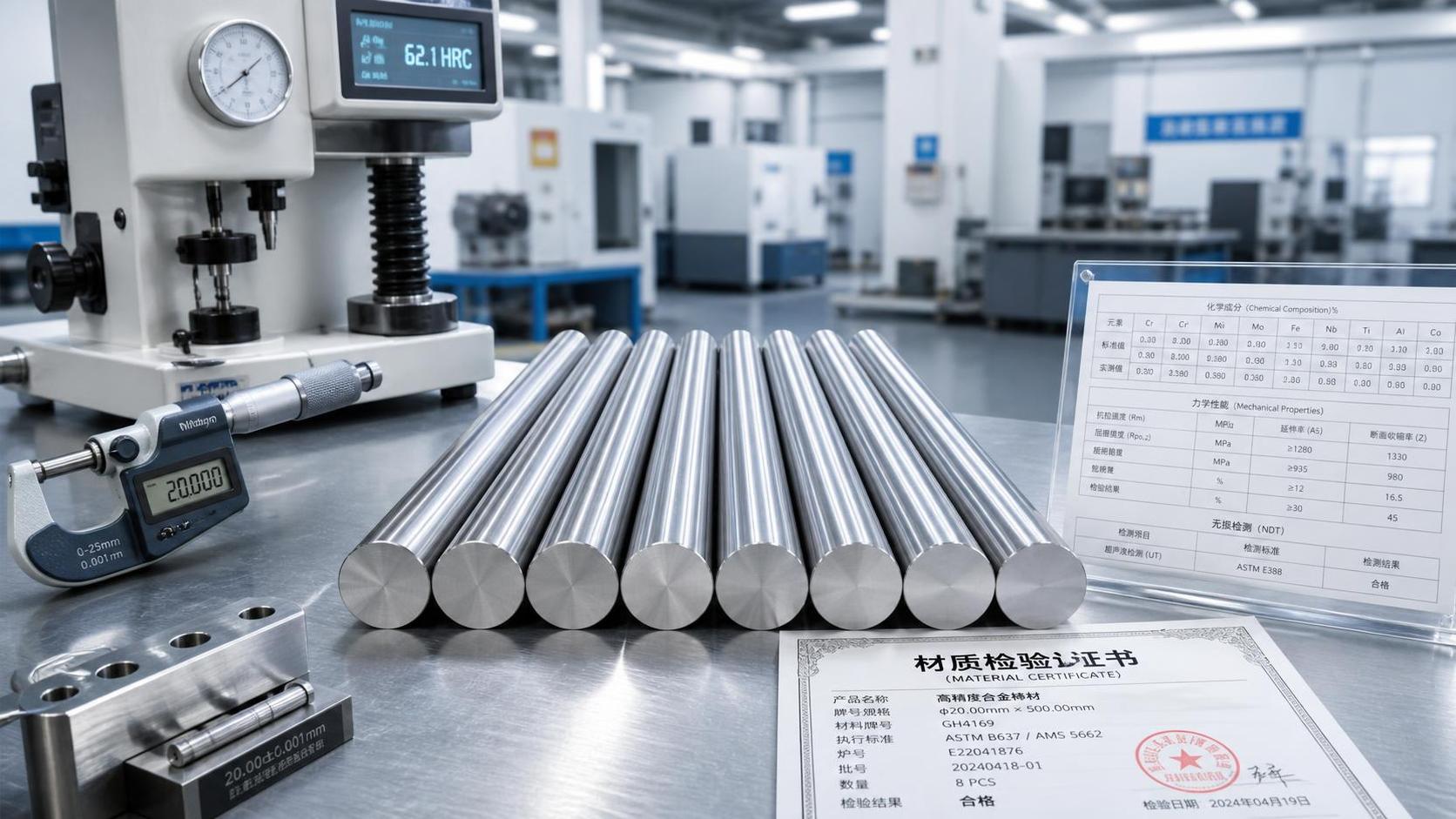
 Ms. Elena RodriguezWhat Buyers Should Check Before Sourcing Precision Alloy Bars for Critical PartsPrecision Alloy Bars buyers should verify grade, chemistry, tolerances, surface quality, traceability, and lead time before sourcing for critical parts. Learn what prevents costly machining and reliability risks.Aug 27, 2026
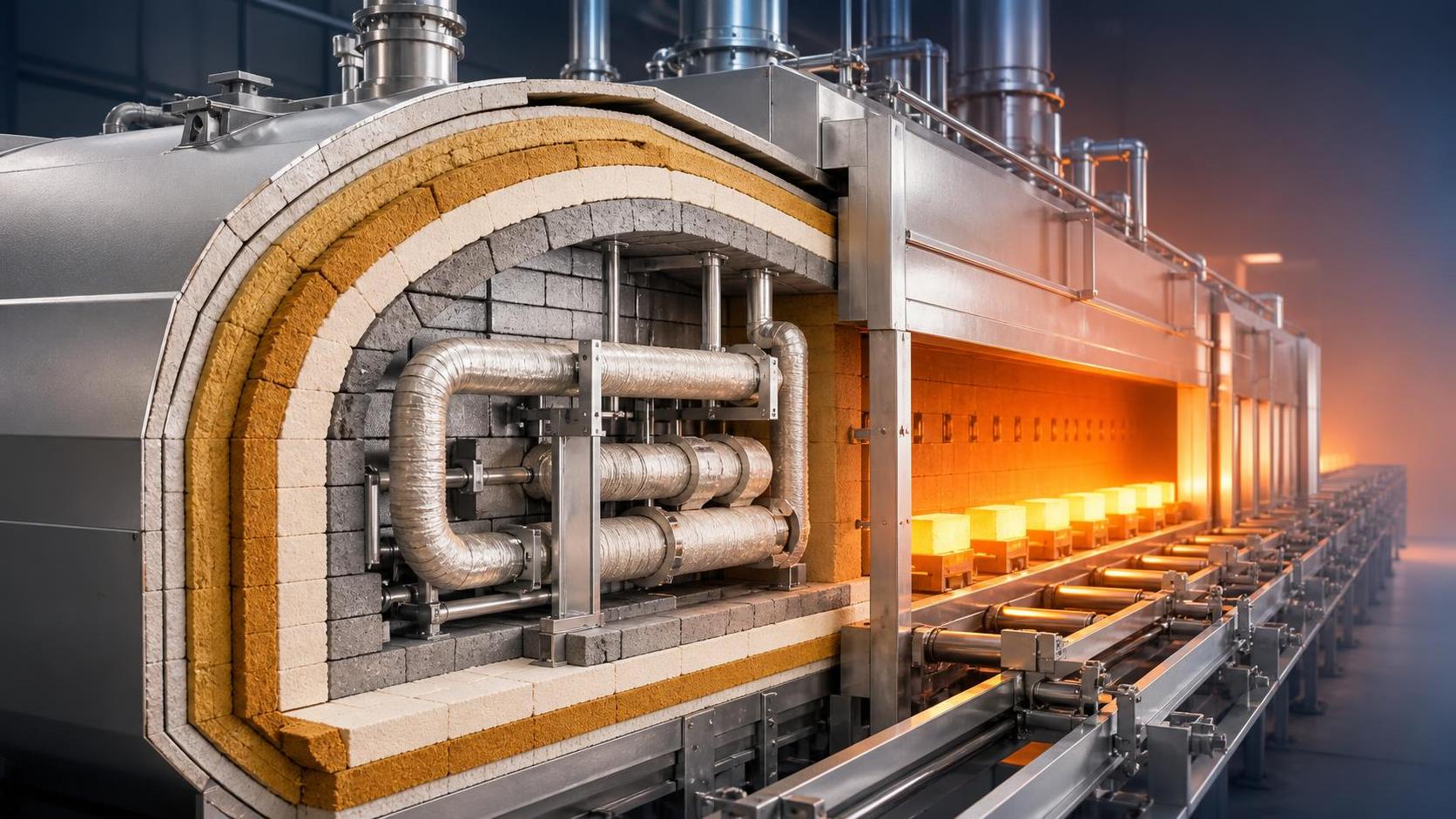
 Ms. Elena RodriguezHow to Evaluate Thermal Management Solutions Insulation for High-Heat Industrial SystemsThermal management solutions insulation: learn how to assess high-heat industrial systems by thermal performance, durability, lifecycle cost, and supplier data for smarter decisions.Aug 25, 2026
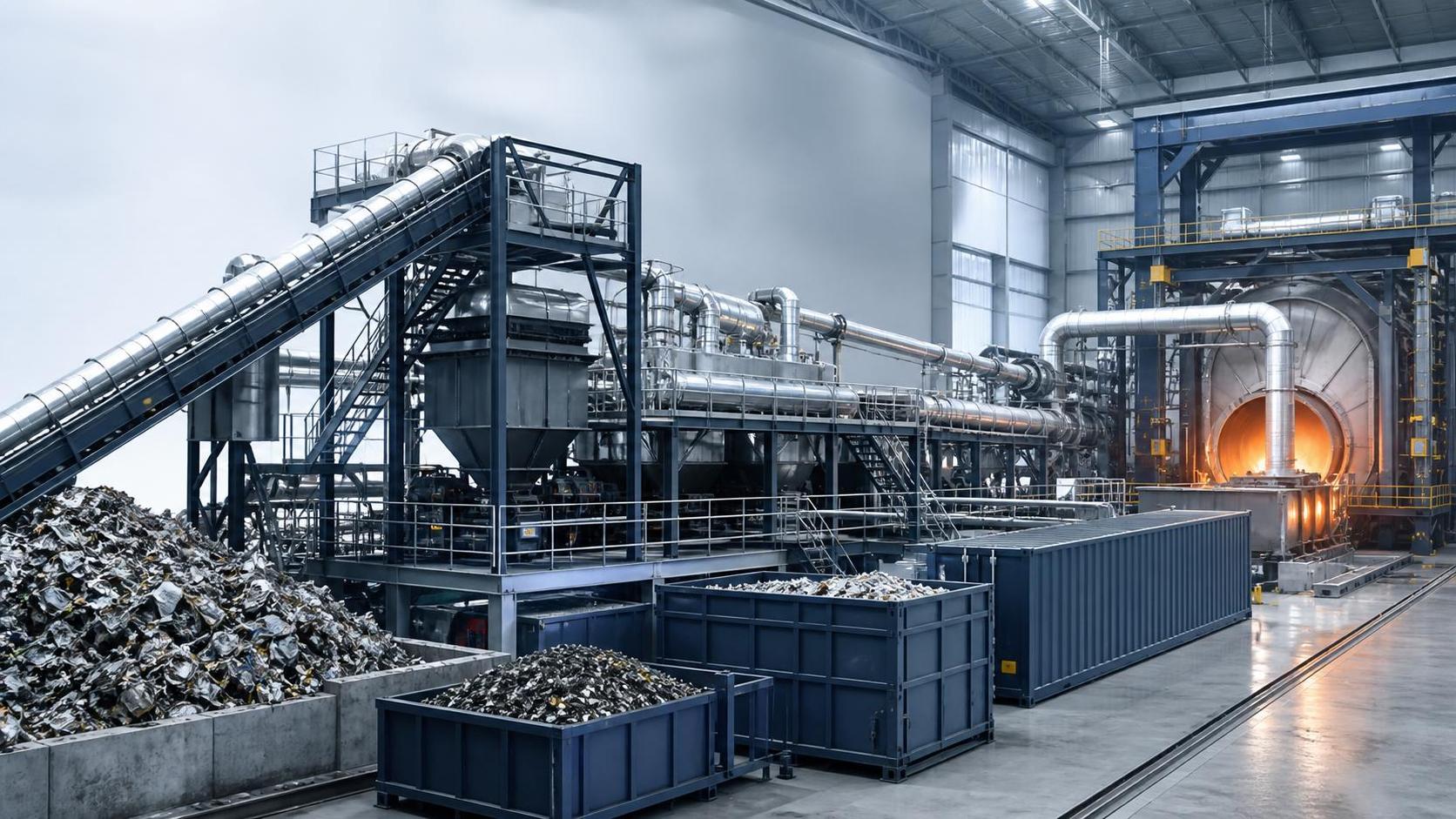
 Ms. Elena RodriguezWhat Drives Waste Recycling Cost in Industrial Projects and How to Estimate It?Waste recycling cost in industrial projects depends on composition, moisture, transport, pre-treatment, and compliance. Learn how to estimate it accurately and compare suppliers with confidence.Aug 24, 2026
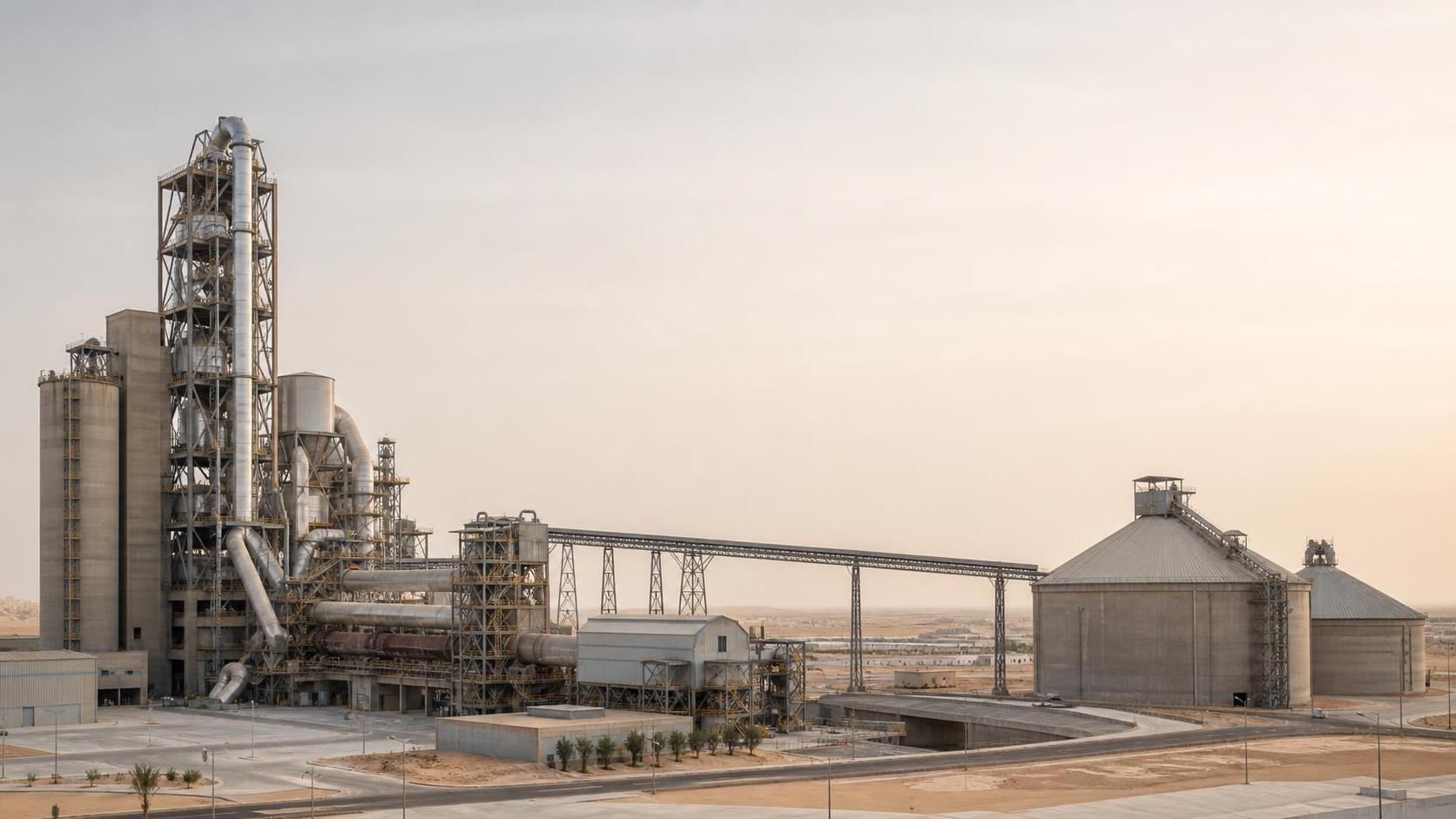
 Silicate Process EngineerHow to Evaluate Cement Production Plants in the Middle East for Capacity, Fuel Flexibility, and ROIcement production plants Middle East: Learn how to assess true capacity, fuel flexibility, and ROI risks to identify resilient assets and smarter investment opportunities.Aug 23, 2026
 Structural Material AnalystHow to Evaluate Lightweight Material Machinery for Output, Energy Use, and Product QualityLightweight material machinery evaluation guide: compare stable output, energy use, and product quality to choose equipment that cuts waste, lowers costs, and improves production confidence.Aug 22, 2026
 Material Heat-Resist ExpertWhat Determines Refractory Production Line Price in a Turnkey Plant Project?Refractory production line price depends on raw materials, forming method, kiln and drying design, automation, utilities, and scope. Learn what really drives turnkey plant cost before you invest.Aug 21, 2026
 Thermal Energy ArchitectHow Digital Twin Simulations Help Kiln Operators Cut Fuel Use and Stabilize OutputDigital twin simulations for kilns help operators cut fuel use, reduce overcorrection, and stabilize output by testing process changes safely before they impact quality and cost.Aug 20, 2026
 Dr. Alistair VaughnWhat Causes Thermal Shock Failure in Heat-Resistant Materials During Development?Heat-resistant material development thermal shock failures often stem from expansion mismatch, weak microstructure, and residual stress. Learn the real causes and smarter evaluation steps.Aug 19, 2026
 Ms. Elena RodriguezWhat Is a Real Time Digital Twin and Where Does It Deliver Measurable Value?Real time digital twin explained: discover where it delivers measurable value in energy, quality, maintenance, and carbon performance for industrial operations.Aug 18, 2026
 Structural Material AnalystWhat Thermal Barrier Technology Works Best for Lightweight Industrial Panels?Thermal barrier technology lightweight industrial panels use works best when fire safety, heat stability, and weight are balanced. Compare mineral wool, silicate, ceramic, and hybrid options.Aug 17, 2026
 Prof. Marcus ChenHow to Evaluate a Green Material Production Line for Energy Use, Output, and Product QualityGreen material production line evaluation made simple: compare energy use, stable output, and product quality with practical checks that help you choose the right line.Aug 16, 2026
 Optical Glass Tech FellowHow Glass Melting Furnace Design Impacts Energy Use and Glass QualityGlass melting process furnace design directly impacts energy use and glass quality. Learn the key design factors that cut fuel costs, improve melt stability, and boost production results.Aug 15, 2026



Related News
- 00
0000-00
How to Evaluate a Silicate Processing Equipment Manufacturer for Plant Projects - 00
0000-00
Process Equipment Comparison: Which Metrics Matter Most for Reliable Selection? - 00
0000-00
What Buyers Should Check Before Sourcing Precision Alloy Bars for Critical Parts - 00
0000-00
How to Evaluate Thermal Management Solutions Insulation for High-Heat Industrial Systems - 00
0000-00
What Drives Waste Recycling Cost in Industrial Projects and How to Estimate It?
Weekly Insights
Stay ahead with our curated technology reports delivered every Monday.