
Rotary Kiln Technology Manufacturer Selection: Which Technical Capabilities Should You Verify?




Why does rotary kiln technology manufacturer selection need deeper verification?
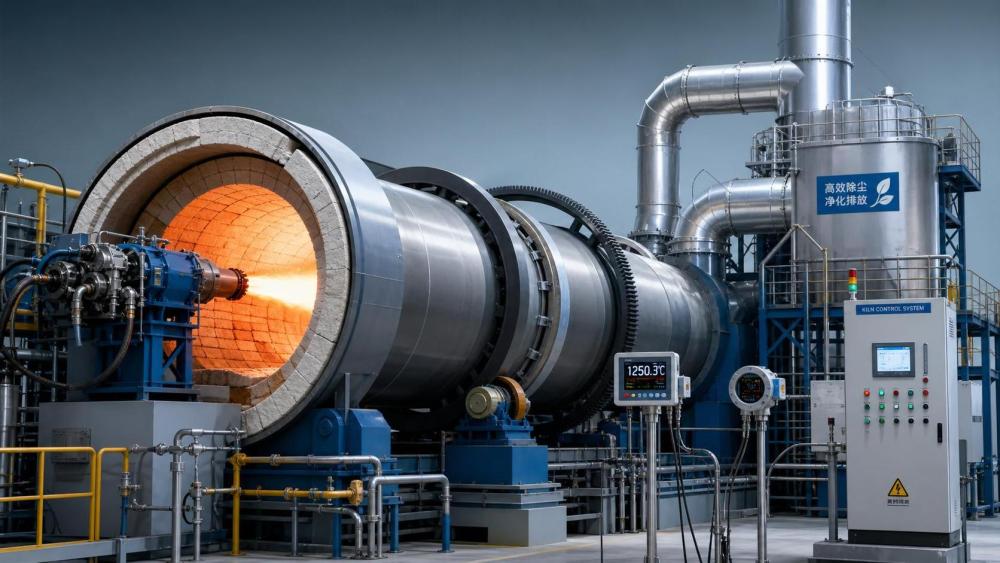
Choosing a rotary kiln technology manufacturer usually starts with capacity, fuel type, and budget. That is rarely enough for a reliable decision.
A rotary kiln sits at the center of heat transfer, residence time, material conversion, and emissions behavior. Small design weaknesses often become large operating losses.
This is why the better question is not only who can supply equipment, but who can prove stable process performance under real production conditions.
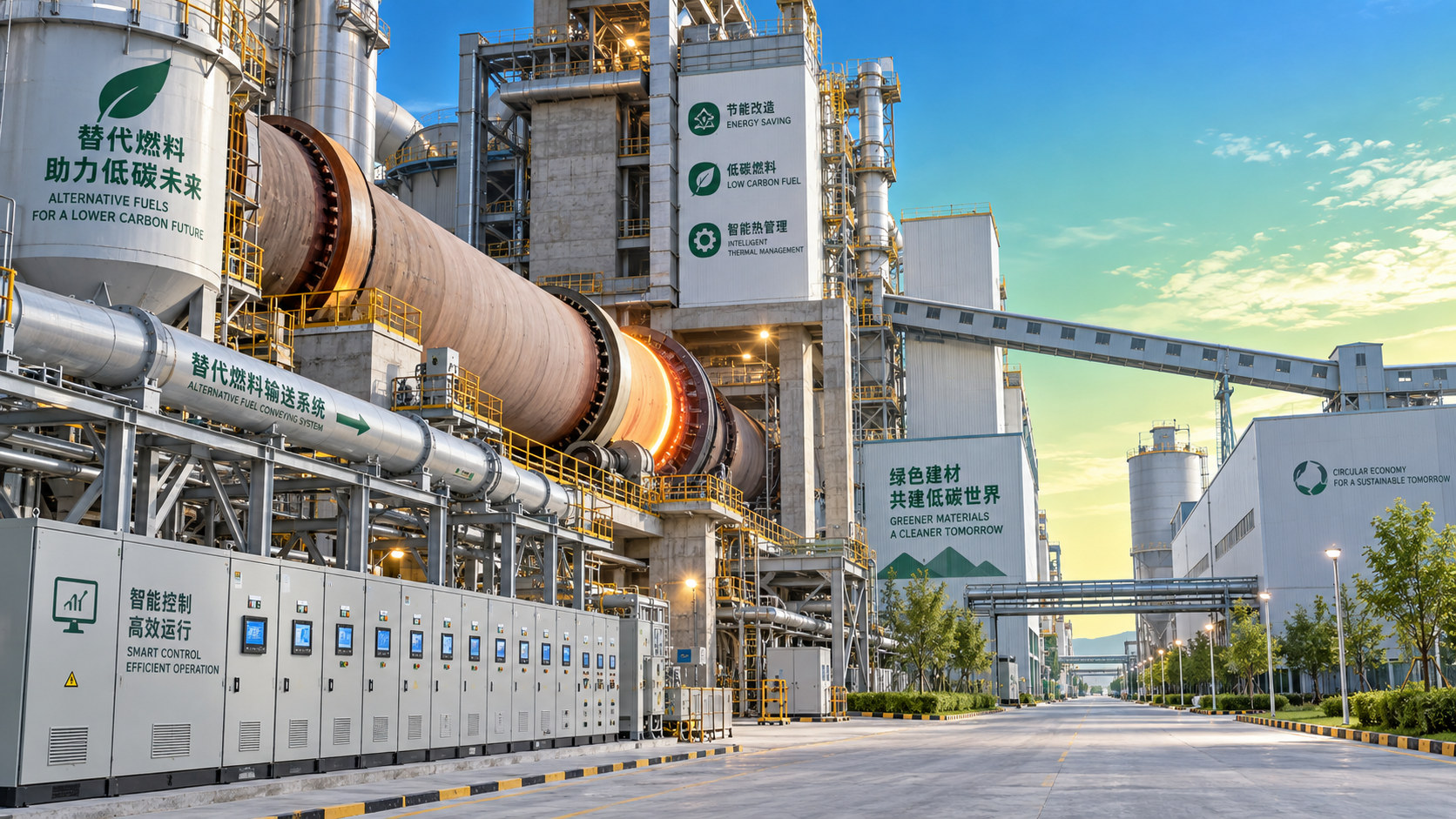
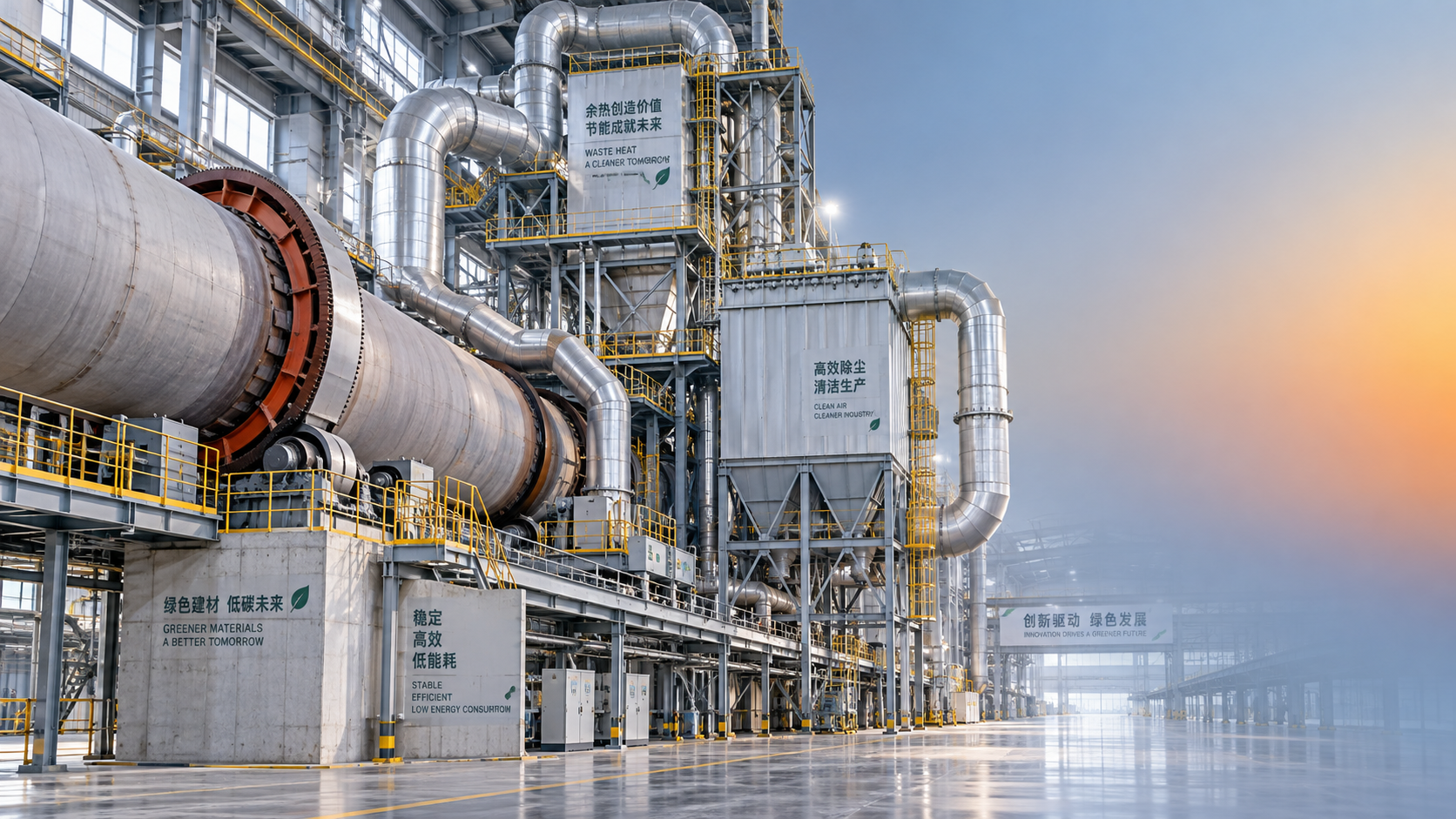
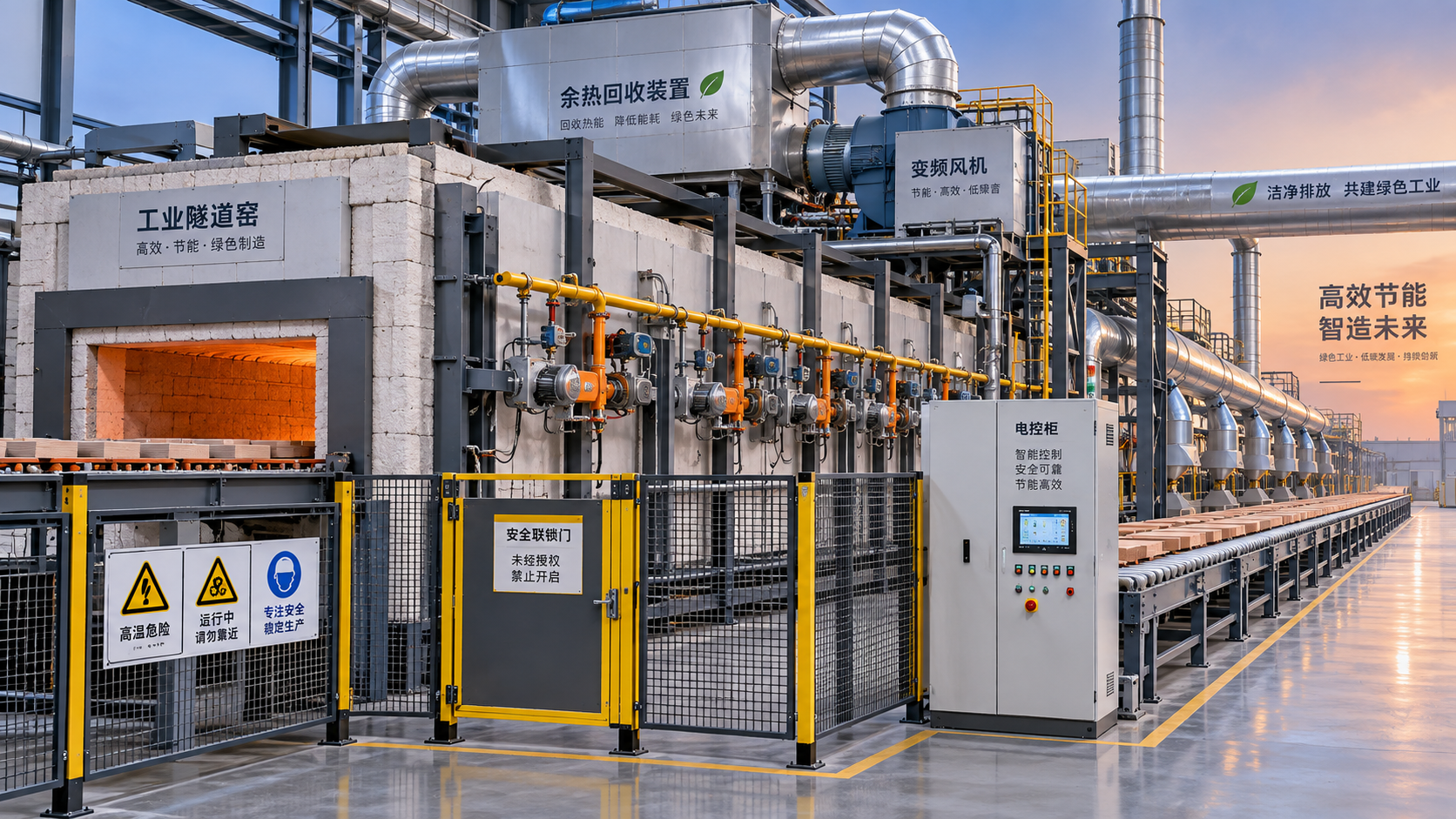
In cement, incineration, refractory, glass-related thermal systems, and new building materials, the same pattern appears. Thermal efficiency and lining life shape economics more than initial quotation gaps.
CF-Elite often tracks this through a wider lens. High-temperature projects are no longer judged by output alone, but by energy balance, compliance resilience, digital visibility, and decarbonization readiness.
So when comparing a rotary kiln technology manufacturer, the practical goal is simple. Verify engineering depth before contract depth.
What technical capabilities matter most before you shortlist a supplier?
The strongest rotary kiln technology manufacturer usually explains the process first and the machine second. That order matters because kiln hardware only works when process assumptions are correct.
A useful early screen is whether the supplier can connect feed chemistry, moisture variability, throughput range, fuel characteristics, and emissions targets into one coherent design basis.
The technical checkpoints below help separate surface-level vendors from real process partners.
- Thermal design capability, including heat balance, shell temperature control, and combustion stability.
- Material behavior knowledge, especially drying, calcination, sintering, or waste co-processing reactions.
- Refractory integration, not just brick supply recommendations, but lining zoning, anchoring logic, and failure analysis.
- Mechanical reliability, including tire support design, drive alignment, shell stress, and sealing arrangements.
- Environmental control coordination with burners, secondary air, dust systems, and continuous monitoring interfaces.
- Commissioning and lifecycle support, especially performance testing, remote diagnostics, and shutdown planning.
If a rotary kiln technology manufacturer cannot show how these items interact, technical risk remains hidden. That risk usually appears later as fuel overuse, unstable product quality, or repeated refractory shutdowns.
How can you tell whether process know-how is real, not just well presented?
Presentation quality is easy to buy. Process credibility is harder to fake.
A credible rotary kiln technology manufacturer should be able to discuss past projects in terms of operating envelopes, not just installed quantities.
Ask for examples where raw material variation, alternative fuels, corrosive volatiles, or difficult ash behavior changed the original design assumptions. The answer should include corrections, not marketing language.
Another good signal is whether the supplier uses simulation and field data together. Digital models are useful, but only when calibrated against shell scanning, burner performance, draft response, and lining wear history.
This is also where intelligence-led evaluation becomes useful. CF-Elite’s sector view shows that in heavy thermal industries, the better suppliers increasingly combine process modeling with online monitoring and service feedback loops.
In practical terms, verify these four points:
That table often reveals more than a brochure. Strong engineering tends to answer with boundaries, assumptions, and measured evidence.
Where do many rotary kiln projects fail after purchase?
The common failures are rarely dramatic on day one. More often, they build slowly through unstable operation.
One frequent mistake is selecting a rotary kiln technology manufacturer based on mechanical scope while underchecking process integration. A kiln can be fabricated well and still perform poorly.
Another weak point is refractory design. Many teams verify shell dimensions carefully, yet spend too little time on lining zoning, alkali attack risk, thermal shock exposure, and maintenance access.
Seal performance is also underestimated. Poor sealing raises false air, disturbs combustion, increases fuel use, and complicates emissions control.
In incineration and co-processing lines, the bigger trap is assuming waste variability can be handled by burner capacity alone. In reality, feed fluctuation changes residence behavior, ash chemistry, and corrosion patterns.
More advanced suppliers will discuss these risks early because they have seen the cost of unplanned shutdowns. That level of transparency is usually a positive sign.
- Do not treat fuel flexibility claims as proven without reference cases.
- Do not accept lining life estimates without operating assumptions.
- Do not separate emissions compliance from kiln thermal behavior.
- Do not ignore startup and shutdown procedures during technical review.
How should you compare manufacturers when efficiency, compliance, and service all matter?
A balanced comparison needs more than price and delivery time. It should combine performance risk, operating cost, and support quality across the full asset life.
For most projects, a rotary kiln technology manufacturer should be scored in three linked layers: process capability, equipment reliability, and service continuity.
Process capability answers whether the line can stay stable under realistic feed and fuel variation. Equipment reliability asks how long the system can hold that stability. Service continuity tests whether problems can be corrected quickly.
This matters even more as carbon pressure rises. Across cement, thermal treatment, and advanced materials, energy waste now carries both direct cost and strategic exposure.
A practical comparison sheet often includes the following criteria:
- Specific heat consumption under guaranteed feed conditions.
- Throughput turndown range without major quality loss.
- Expected refractory campaign life by kiln zone.
- Seal leakage control and shell temperature monitoring method.
- NOx, SOx, dust, and continuous compliance interface capability.
- Spare parts criticality, lead time, and field response commitment.
- Commissioning test protocol and post-start optimization window.
When these criteria are scored together, the cheapest rotary kiln technology manufacturer often stops looking cheap.
What should be clarified before final technical approval?
By the last review stage, the focus should shift from promises to verification language.
Start with design basis documents. Check that raw material range, fuel envelope, moisture band, ambient assumptions, and target emissions are written clearly.
Then review interfaces. A rotary kiln technology manufacturer may perform well on kiln scope but leave gaps around fans, preheating sections, dust collection, or automation signals.
Acceptance testing deserves special attention. Performance guarantees should state test duration, stabilization rules, feed conditions, measurement methods, and correction formulas.
It is also worth confirming how the supplier handles deviation cases. If output is met but fuel use is high, what happens? If emissions pass at reduced throughput, does that count?
These details shape commercial outcomes later. They also show whether the rotary kiln technology manufacturer understands long-cycle industrial accountability.
A disciplined final checklist usually covers documents, guarantees, shutdown support, training depth, instrumentation scope, and spare strategy. That is where many avoidable disputes can be prevented.
What is the smartest next step if several suppliers still look similar?
When proposals appear close, the next step is usually not another generic meeting. It is a structured technical clarification round.
Send the same operating scenarios to each rotary kiln technology manufacturer. Include difficult feed cases, target fuel shifts, maintenance constraints, and emissions limits. Then compare how each supplier adjusts assumptions.
This method reveals design maturity quickly. Strong suppliers tend to answer with scenario logic, measurable limits, and lifecycle implications.
In complex sectors followed by CF-Elite, from silicate processing to thermal waste treatment, the best decisions usually come from linking equipment review with broader intelligence on energy trends, lining performance, and regulatory direction.
That broader context helps explain why one rotary kiln technology manufacturer may be technically acceptable today but less resilient over the next operating cycle.
In the end, selection should favor the supplier that can keep thermal efficiency, process stability, refractory health, and compliance performance aligned over time.
Before moving forward, organize a decision sheet around operating data, guarantee definitions, service response, and hidden lifecycle costs. That usually produces a clearer answer than another price comparison.
Related News
 Ms. Elena RodriguezHigh-Pressure Molding Innovations: How Automation and Tooling Affect PriceExplore the high-pressure molding innovations price equation: compare automation, tooling, and ownership costs to find upgrades that cut waste and deliver measurable value.Oct 13, 2026
 Ms. Elena RodriguezIndustrial Process Optimization: Where to Target Energy, Yield, and Throughput LossesIndustrial process optimization: identify energy, yield, and throughput losses to improve plant stability, reduce costs, and unlock measurable performance gains.Oct 12, 2026
 Ms. Elena RodriguezGlass Market Intelligence: How to Assess Demand, Capacity, and Regional Growth RisksGlass market intelligence for evaluating demand, effective capacity, energy exposure, trade dynamics, and regional growth risks before investing in glass manufacturing.Oct 11, 2026
 Structural Material AnalystWhich Sustainable Construction Materials Are Suitable for Extrusion?Which sustainable construction materials are suitable for extrusion? Explore recycled clay, cementitious mixes, geopolymers, and bio-composites for reliable, lower-impact building products.Oct 12, 2026
 Optical Glass Tech FellowWhat Should a Glass Furnace Energy Specification Include?What should be included in a glass furnace energy specification? Explore performance, fuel flexibility, heat recovery, emissions, and monitoring essentials.Oct 11, 2026
 Dr. Alistair VaughnHow Process Technology Platforms Improve Control Across Multi-Line ManufacturingDiscover how a process technology platform strengthens cross-line control, connects operational data, and improves energy, quality, and maintenance decisions.Oct 10, 2026
 Optical Glass Tech FellowHow Glass Furnace Emissions Are Measured and Controlled for Regulatory ComplianceGlass furnace emissions: learn how to measure, monitor, and control NOx, SOx, particulate, CO, and CO2 for reliable regulatory compliance.Oct 08, 2026
 Prof. Marcus ChenIndustrial Decarbonization Strategies in Europe: A Roadmap for Energy-Intensive PlantsIndustrial decarbonization strategies Europe: explore practical pathways for energy-intensive plants to cut emissions, improve efficiency, and protect performance.Oct 07, 2026
 Thermal Energy ArchitectEnergy-Efficient Silicate Production Lines: What to Compare Before SelectionSilicate production lines energy efficient selection guide: compare thermal performance, stability, emissions, controls, and lifecycle value before investing.Oct 06, 2026
 Optical Glass Tech FellowHow to Evaluate Automated Float Glass Lines for Capacity, Quality, and Energy UseEvaluate automated float glass lines for net capacity, consistent quality, energy efficiency, automation reliability, and lifecycle value. Explore key criteria for smarter investment decisions.Oct 05, 2026
 Thermal Energy ArchitectWhat Does CE Marking Require for an Energy-Efficient Industrial Kiln?Energy efficient kiln CE requirements explained: assess safety, technical files, energy performance, and EU compliance before purchase or commissioning.Oct 04, 2026
 Thermal Energy ArchitectRefractory Manufacturing Solutions for Brick Plants: How to Extend Kiln LifeRefractory manufacturing solutions for brick plant operations: discover proven strategies to extend kiln life, reduce heat loss, prevent lining failures, and plan cost-effective repairs.Oct 03, 2026
 Thermal Energy ArchitectHow to Specify Heavy Industrial Process Systems for High-Temperature PlantsHeavy industrial processes systems: learn how to specify high-temperature plants for efficiency, emissions control, maintainability, and lifecycle performance.Oct 02, 2026
 Structural Material AnalystHow Sustainable Material Extrusion Can Improve Wall Panel Durability and Design FlexibilityDiscover how sustainable material extrusion for wall panels improves durability, moisture resistance, design flexibility, and installation consistency for high-performing wall systems.Oct 01, 2026
 Thermal Energy ArchitectHow to Evaluate a High-Temperature Materials Manufacturer for Furnace ApplicationsChoose a high-temperature materials manufacturer with confidence: compare thermal performance, chemical resistance, quality controls, installation support, and lifecycle cost.Sep 30, 2026
 Ms. Elena RodriguezHow to Structure Global Specification Data for Faster Industrial Product EvaluationGlobal specification-oriented product information helps industrial teams compare capacity, energy, emissions, automation, and lifecycle data on a like-for-like basis for faster, confident equipment decisions.Sep 29, 2026
 Thermal Energy ArchitectHow to Specify High-Temperature Process Systems for Continuous Thermal OperationsHigh-temperature process engineering systems: learn how to specify resilient continuous thermal operations for efficiency, compliance, reliable uptime, and long-term performance.Sep 28, 2026
 Thermal Energy ArchitectHow to Evaluate a Thermal Engineering Contractor for High-Temperature Plant ProjectsChoose a thermal engineering contractor with proven process expertise, lifecycle value, emissions control, and delivery discipline for reliable high-temperature plant performance.Sep 27, 2026
 Silicate Process EngineerHow Latin American Cement Plants Can Reduce Dust Emissions in Kilns and Transfer PointsCement plant dust control Latin America: reduce kiln and transfer-point emissions with practical airflow, filtration, monitoring, and maintenance strategies.Sep 26, 2026
 Material Heat-Resist ExpertHow to Evaluate Refractory Production Lines for Output, Quality, and Energy UseRefractory production lines: learn how to assess qualified output, consistent quality, and total energy use for smarter, lower-risk investment decisions.Sep 25, 2026

Related News
- 00
0000-00
Energy-Efficient Silicate Production Lines: What to Compare Before Selection - 00
0000-00
What Does CE Marking Require for an Energy-Efficient Industrial Kiln? - 00
0000-00
Refractory Manufacturing Solutions for Brick Plants: How to Extend Kiln Life - 00
0000-00
How to Specify Heavy Industrial Process Systems for High-Temperature Plants - 00
0000-00
How to Evaluate a High-Temperature Materials Manufacturer for Furnace Applications
Weekly Insights
Stay ahead with our curated technology reports delivered every Monday.