
Industrial Co-Processing Solutions Turnkey: What Is Included From Design to Commissioning?




Why turnkey co-processing now draws closer scrutiny
Industrial co-processing solutions turnkey projects sit at the intersection of waste treatment, thermal engineering, plant reliability, and compliance.
They are no longer viewed as simple equipment packages.
In cement lines, industrial kilns, incineration systems, refractory production, and some extrusion-linked thermal applications, scope definition now determines long-term performance.
That matters because feed variability, energy pricing, emissions regulation, and carbon targets can quickly turn a promising concept into a difficult retrofit.
A credible turnkey path connects process design, civil interfaces, automation, environmental control, startup logic, and operating stability.
For sectors tracked by CF-Elite, this integration is especially relevant.
Large-scale silicate production and high-temperature processing depend on precise heat balance, reaction kinetics, refractory behavior, and resource circularity.
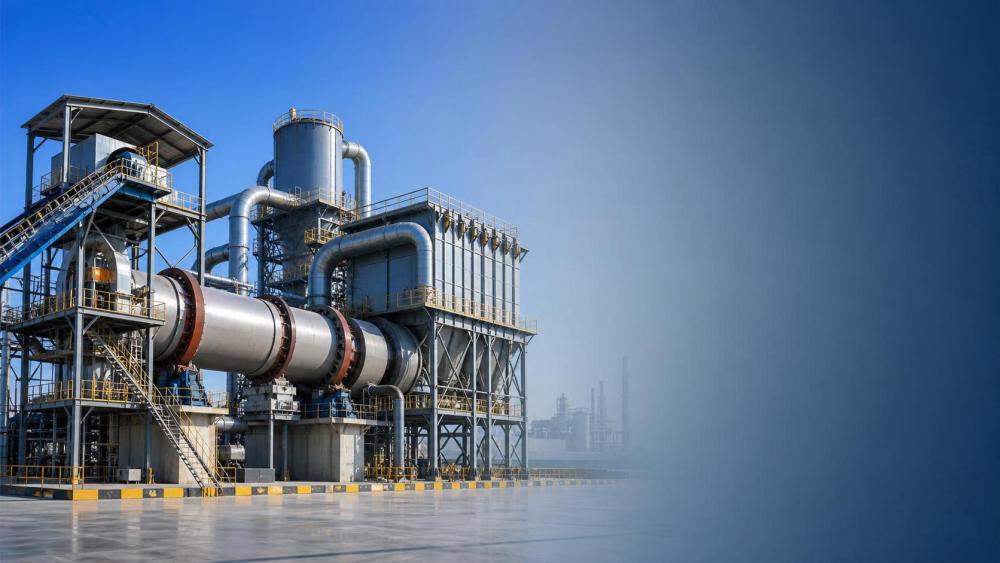
Seen from that angle, industrial co-processing solutions turnkey delivery is really a method for converting technical complexity into an operable industrial asset.
What a turnkey scope usually means
The term covers more than design-build responsibility.
It generally means one coordinated delivery framework from feasibility through commissioning and performance validation.
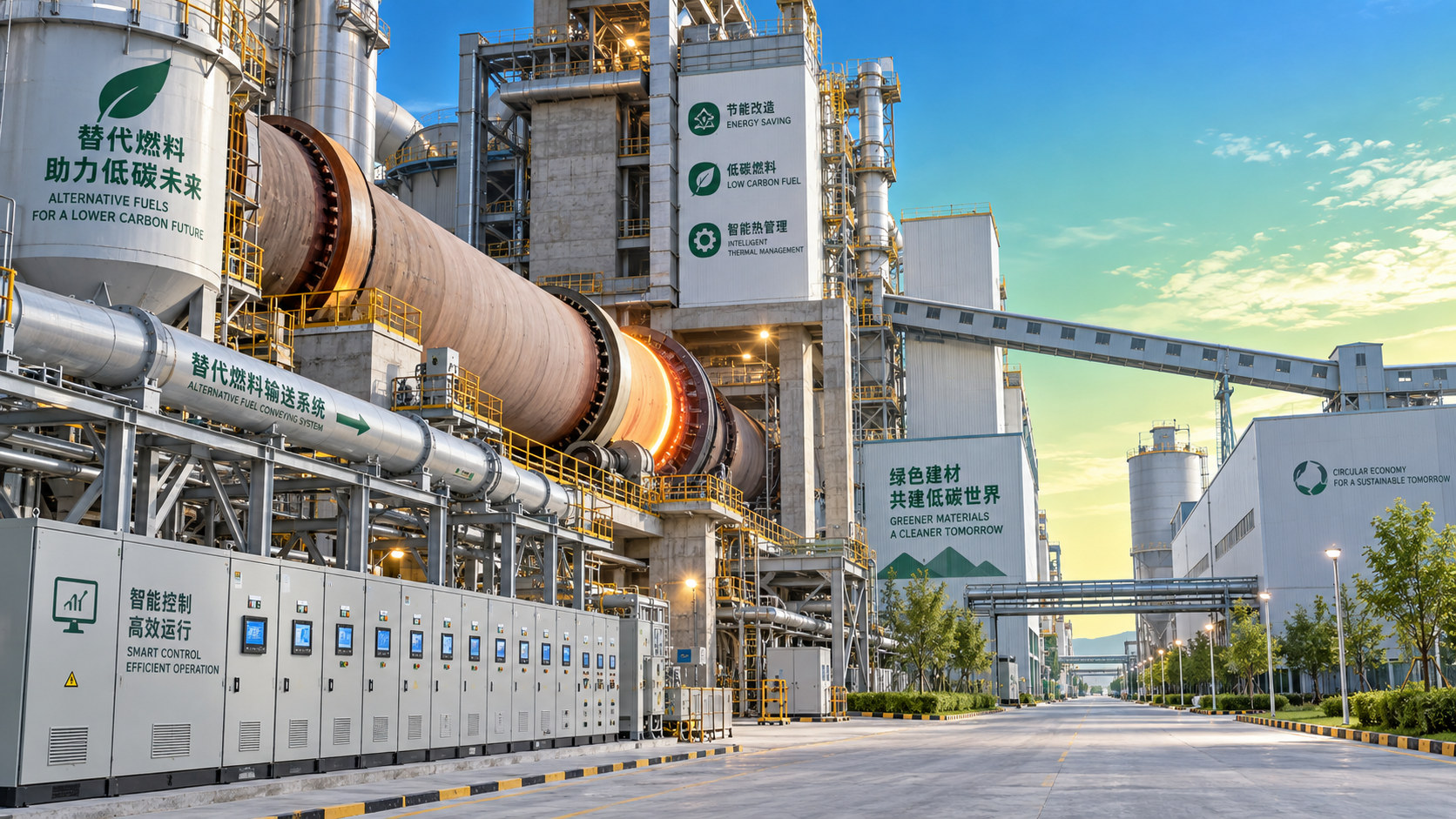
In co-processing, the objective is to use alternative fuels, industrial residues, sludge, hazardous fractions, or by-products within an existing thermal process.
The target is not disposal alone.
The target is controlled substitution, energy recovery, stable clinker or product quality, and compliant emissions.
That is why the scope often includes process engineering, material handling, dosing, combustion modification, flue gas treatment, instrumentation, controls, training, and startup support.
When industrial co-processing solutions turnkey is specified well, contractual boundaries become clearer.
When it is specified loosely, interface gaps appear between OEMs, EPC contractors, utilities, and plant operations.
The design phase sets the real project trajectory
Early design work is where technical risk is either exposed or buried.
A serious package starts with feedstock characterization.
That includes calorific value, moisture, ash, chlorine, sulfur, heavy metals, particle size, storage behavior, and variability over time.
The process study then tests how those inputs affect kiln temperature profile, residence time, burnout, ring formation, bypass demand, and stack emissions.
For glass, refractory, and specialty thermal lines, the equivalent concern is product integrity and furnace stability.
Basic engineering usually defines layout, utility load, control philosophy, equipment list, mass and heat balance, and environmental design basis.
At this point, digital simulation is increasingly useful.
CF-Elite frequently highlights digital twin logic because it helps predict thermal disturbances before steel is cut or refractory is installed.
Typical design deliverables
- Feasibility study with technical and economic cases
- Feedstock acceptance matrix and exclusion criteria
- Mass and energy balance under multiple operating scenarios
- Process flow diagrams and P&IDs
- General arrangement, civil load data, and utility interfaces
- HAZOP or equivalent risk review
- Emissions compliance basis and permitting inputs
Procurement is about compatibility, not just buying hardware
Once the design basis is set, procurement has to protect it.
That means vendor selection should reflect process duty, wear environment, maintainability, and control integration.
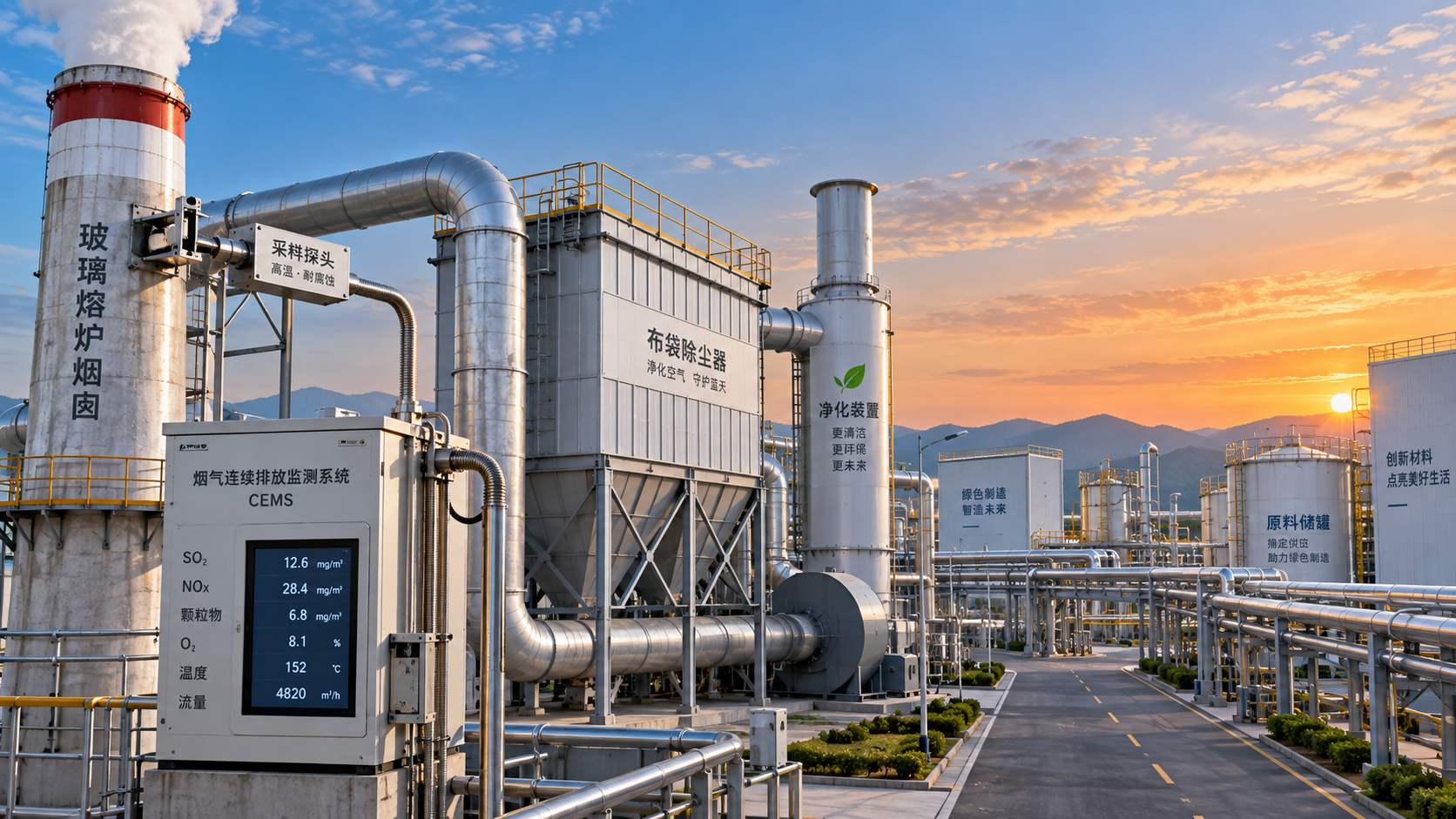
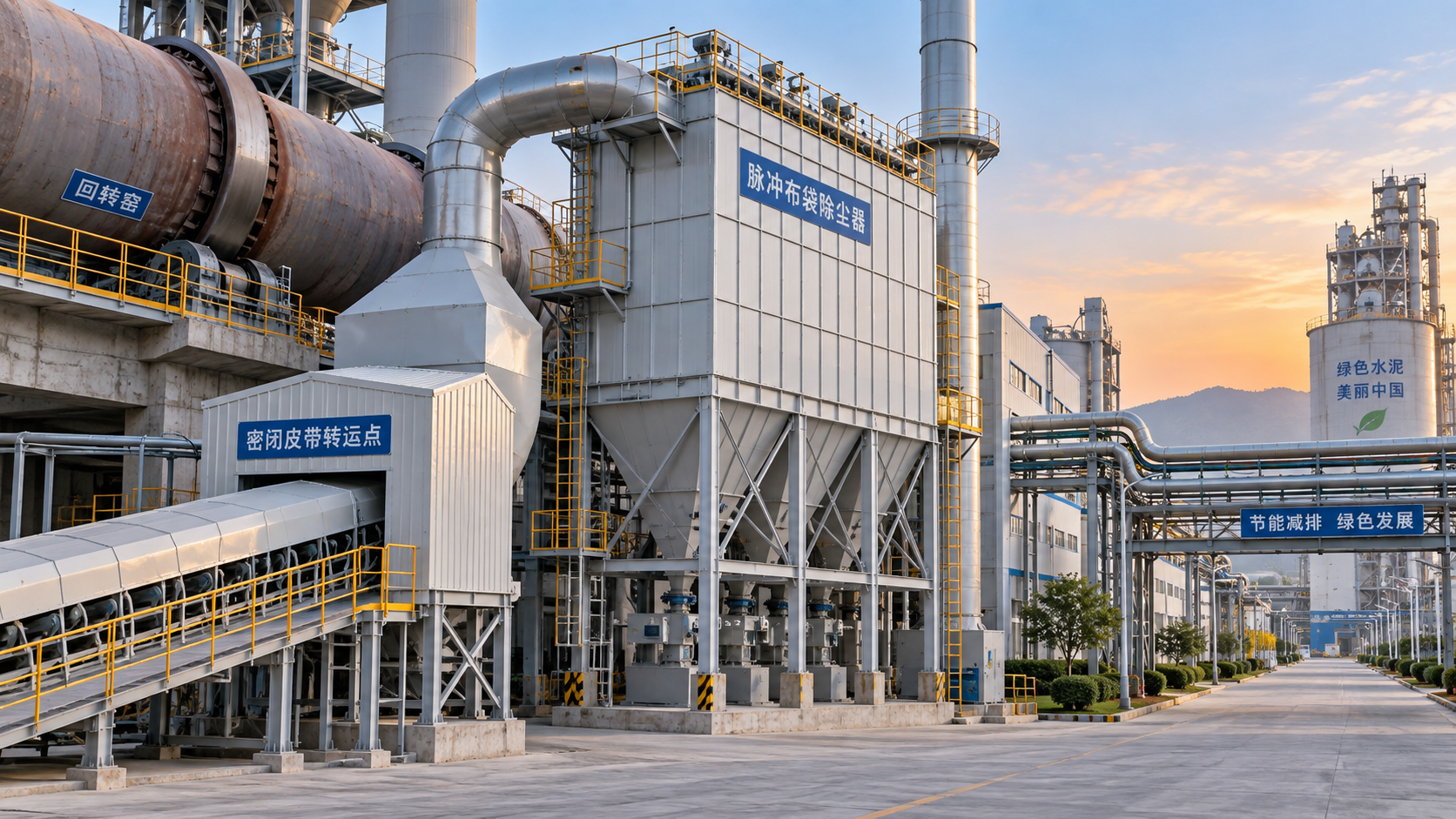
In industrial co-processing solutions turnkey projects, common supply packages include receiving systems, shredding or preparation units, covered storage, dosing skids, burners, conveyors, analyzers, fans, bag filters, and PLC or DCS extensions.
The hidden challenge is often interface discipline.
A well-managed procurement stage locks technical specifications, inspection plans, spare parts philosophy, documentation standards, and delivery sequence.
It also resolves who owns tie-ins to existing foundations, electrical rooms, compressed air, fire suppression, and environmental monitoring.
Installation, integration, and pre-commissioning
Site execution is where schedule pressure usually peaks.
Mechanical erection may look straightforward on paper, yet most delays come from tie-ins and operating plant constraints.
Shutdown windows, hot work permits, refractory curing, cable routing, and dust isolation all have to align.
Pre-commissioning normally includes loop checks, interlock testing, instrument calibration, motor solo runs, leak testing, and control narrative verification.
This phase is often underestimated in industrial co-processing solutions turnkey budgets.
Yet it is the bridge between installed equipment and reliable process behavior.
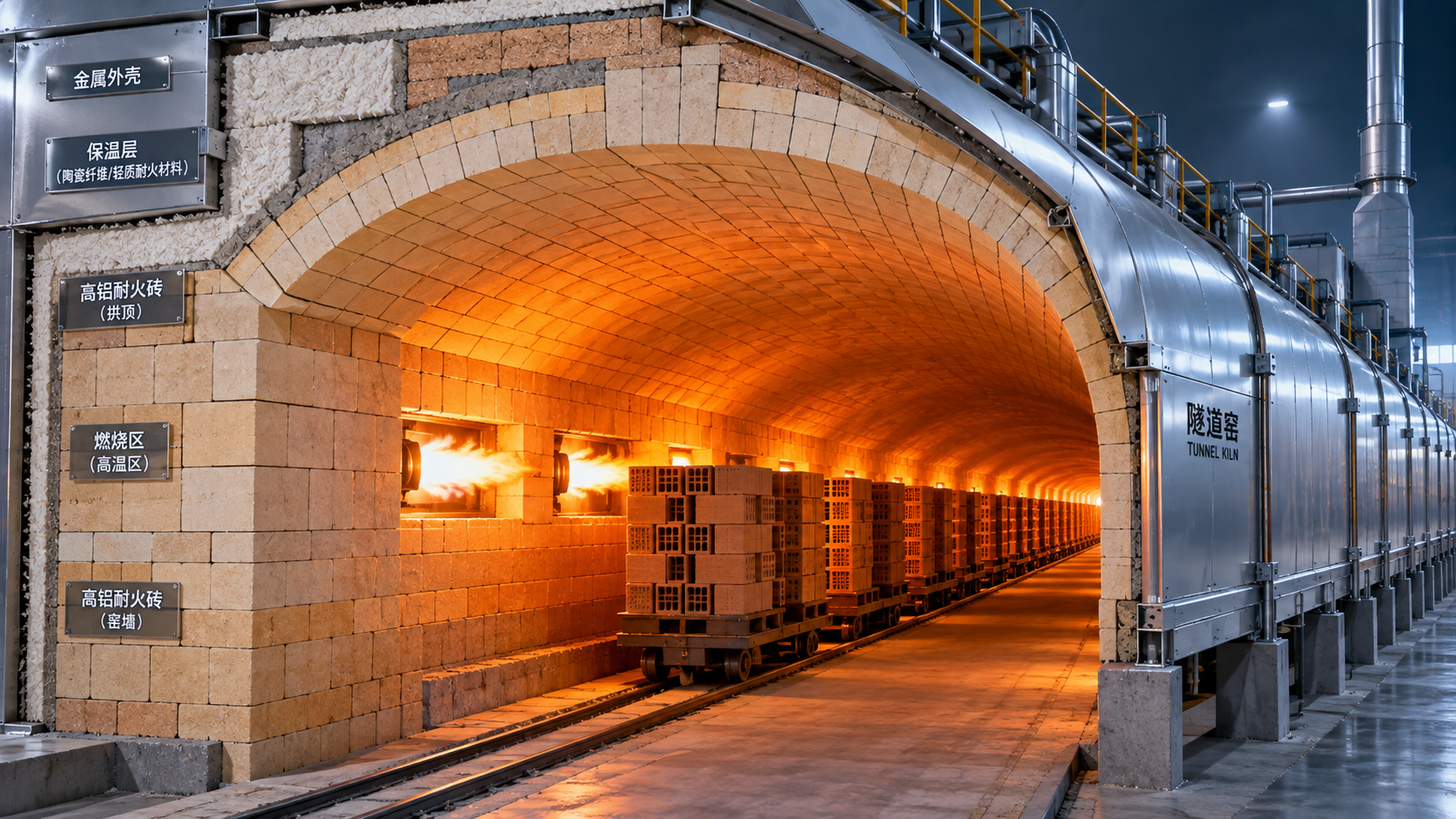
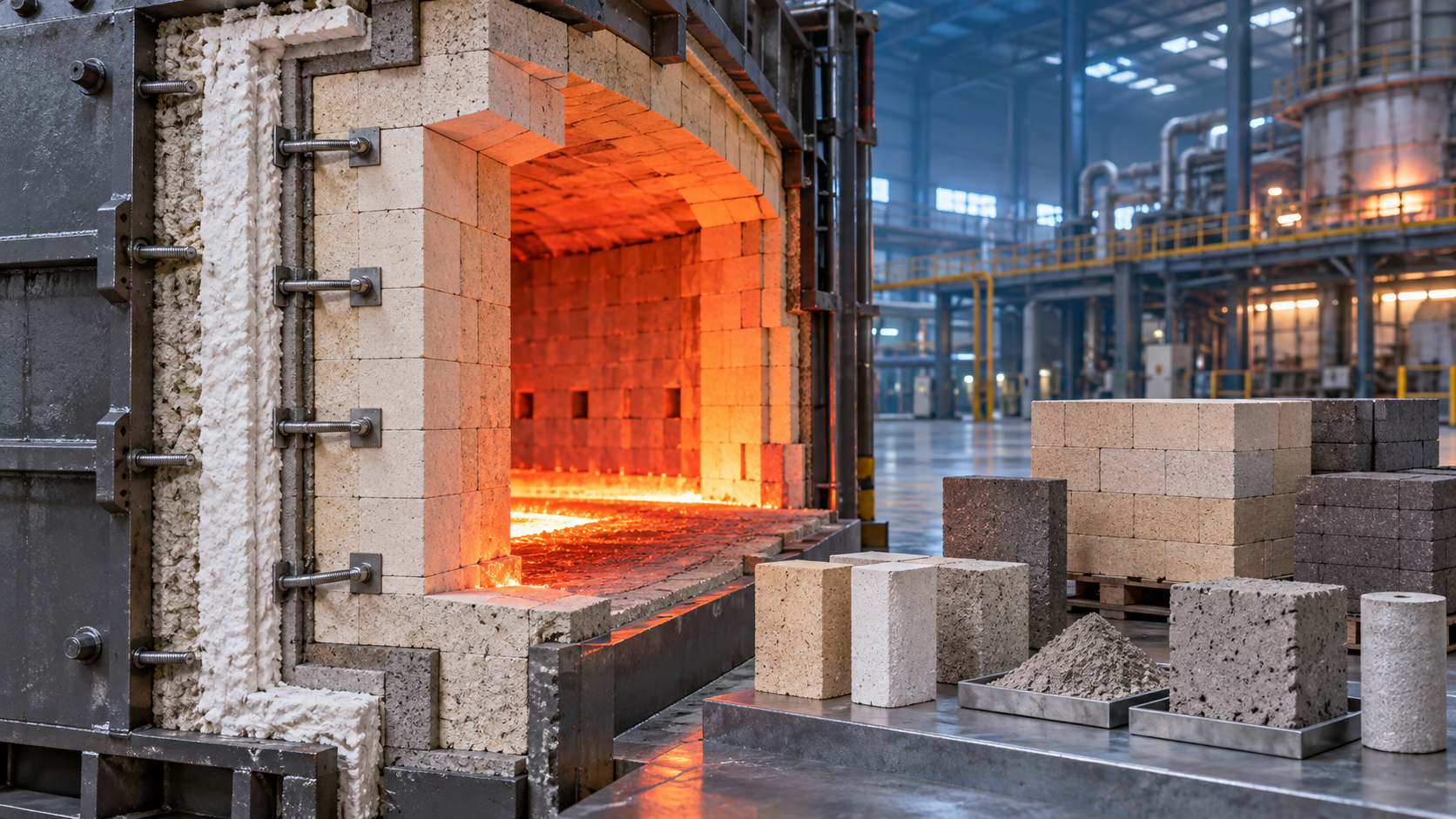
For high-temperature sectors, thermal barriers and refractory condition deserve special attention.
Minor defects here can distort performance data for months.
Commissioning is not the same as startup
A line can start and still fail commissioning objectives.
True commissioning proves that the system performs under defined operating conditions.
That usually includes feed acceptance trials, substitution rate ramps, emissions measurement, throughput confirmation, control tuning, and product quality checks.
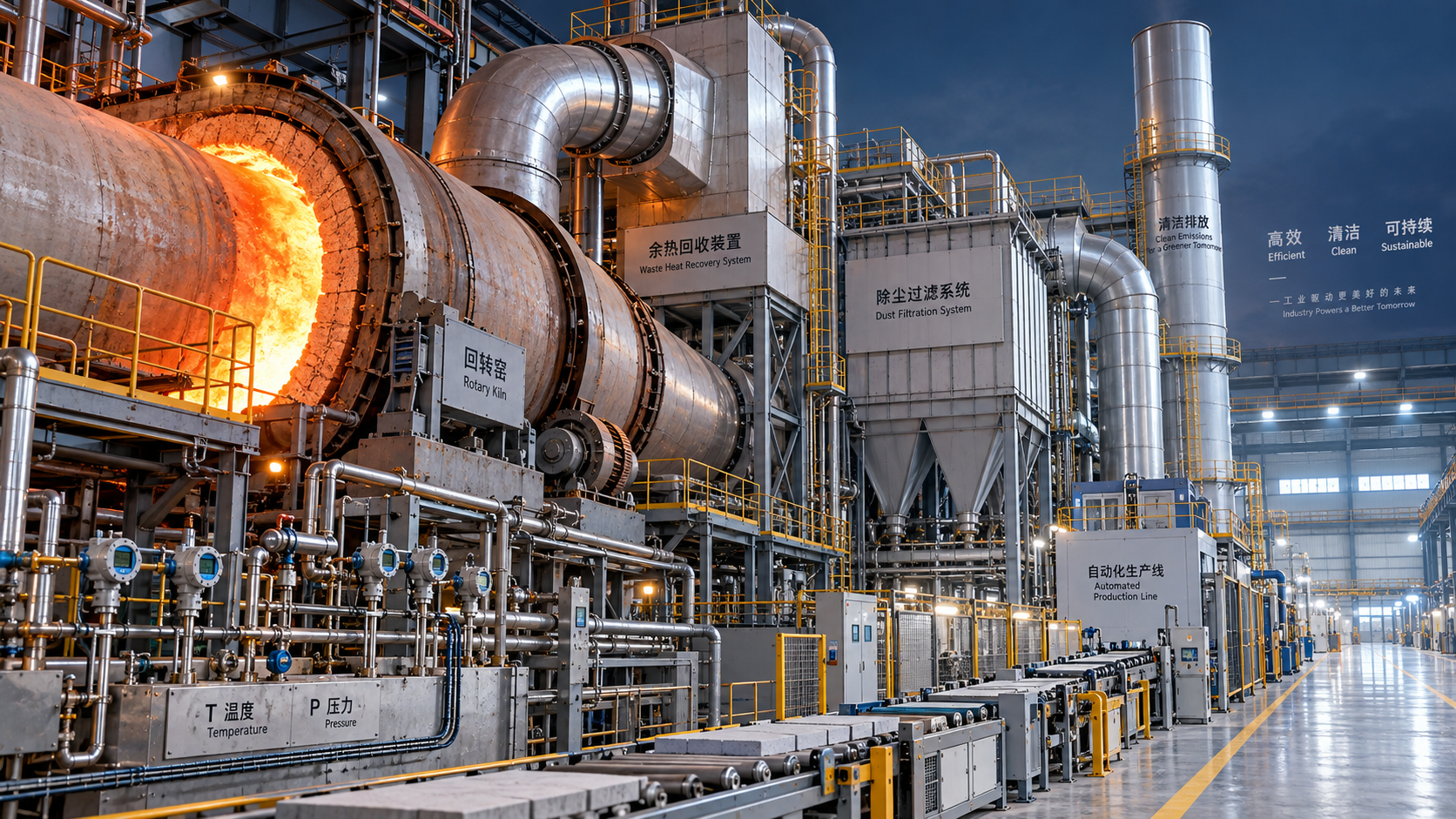
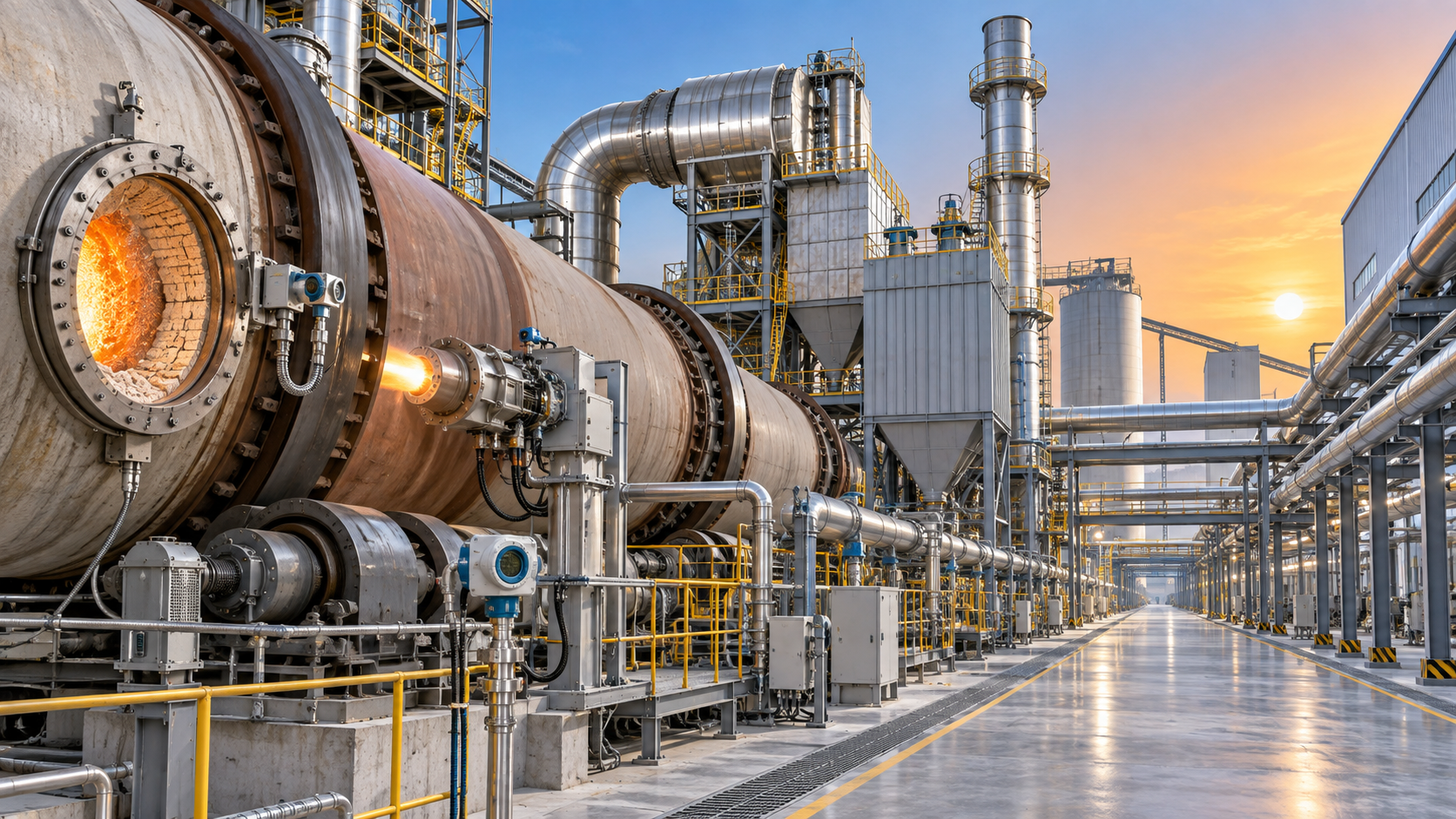
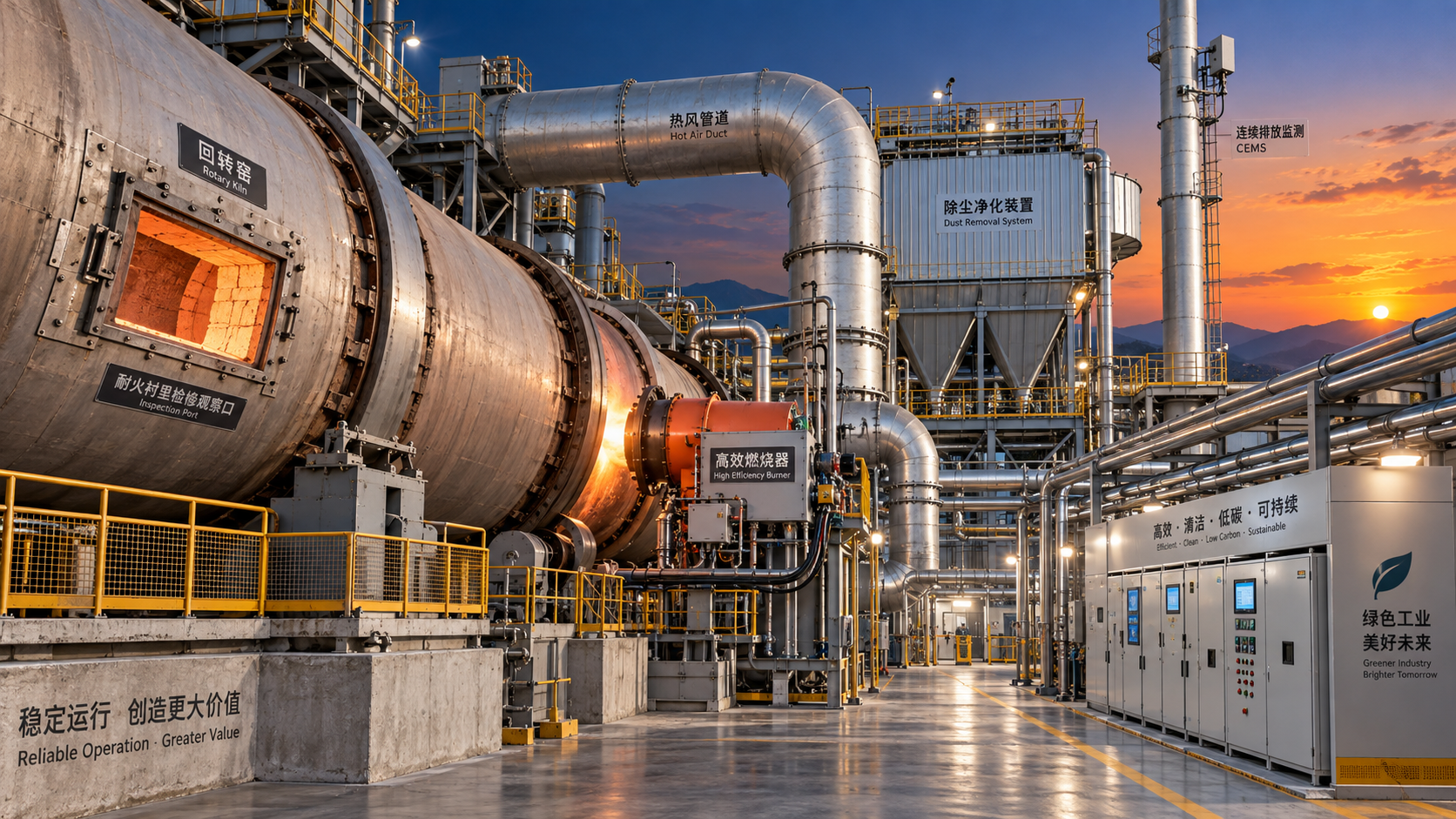
In rotary kiln applications, operators want to know how the alternative feed affects flame shape, kiln draft, coating stability, free lime, and specific heat consumption.
In other thermal processes, the same logic applies through different quality indicators.
Industrial co-processing solutions turnkey contractors should also provide training, SOP refinement, alarm rationalization, and a punch-list closure path.
Without that, the plant may depend too heavily on supplier presence during the first disturbances.
What should be proven before handover
- Stable operation across agreed feed ranges
- Compliance with emissions and safety requirements
- No unacceptable impact on product quality
- Documented operator procedures and maintenance routines
- Clear baseline for performance guarantees and exclusions
Where project value is created or lost
The business case for industrial co-processing solutions turnkey rarely depends on one variable.
Gate fees, fossil fuel substitution, avoided disposal cost, carbon intensity, plant uptime, and maintenance burden all shape the result.
A lower capex package can become expensive if it increases unscheduled stops or forces conservative feed rates.
A more complete turnkey scope may cost more upfront but reduce interface disputes and shorten stabilization time.
This is one reason market intelligence matters.
CF-Elite’s coverage of environmental regulation, refractory monitoring, decarbonization, and equipment demand reflects a real procurement shift.
Plants increasingly compare suppliers not only on hardware quality, but on data visibility, thermal efficiency, and lifecycle predictability.
A practical way to evaluate the next proposal
A useful review starts by separating declared scope from assumed scope.
Then test whether the proposal addresses feed variability, emissions responsibility, automation detail, refractory implications, and performance test conditions.
It is also worth checking how the supplier handles operator training and the first ninety days after commissioning.
Industrial co-processing solutions turnkey succeeds when technical, commercial, and operational assumptions are visible early.
The next step is usually not a purchase decision.
It is a better decision framework.
Map the full process chain, define non-negotiable performance criteria, and compare bidders against commissioning reality rather than brochure completeness.
That approach gives industrial co-processing solutions turnkey projects a stronger chance of delivering both compliance and durable operating value.
Related News
 Ms. Elena RodriguezIndustrial Process Optimization: Where to Target Energy, Yield, and Throughput LossesIndustrial process optimization: identify energy, yield, and throughput losses to improve plant stability, reduce costs, and unlock measurable performance gains.Oct 12, 2026
 Ms. Elena RodriguezGlass Market Intelligence: How to Assess Demand, Capacity, and Regional Growth RisksGlass market intelligence for evaluating demand, effective capacity, energy exposure, trade dynamics, and regional growth risks before investing in glass manufacturing.Oct 11, 2026
 Structural Material AnalystWhich Sustainable Construction Materials Are Suitable for Extrusion?Which sustainable construction materials are suitable for extrusion? Explore recycled clay, cementitious mixes, geopolymers, and bio-composites for reliable, lower-impact building products.Oct 12, 2026
 Optical Glass Tech FellowWhat Should a Glass Furnace Energy Specification Include?What should be included in a glass furnace energy specification? Explore performance, fuel flexibility, heat recovery, emissions, and monitoring essentials.Oct 11, 2026
 Dr. Alistair VaughnHow Process Technology Platforms Improve Control Across Multi-Line ManufacturingDiscover how a process technology platform strengthens cross-line control, connects operational data, and improves energy, quality, and maintenance decisions.Oct 10, 2026
 Optical Glass Tech FellowHow Glass Furnace Emissions Are Measured and Controlled for Regulatory ComplianceGlass furnace emissions: learn how to measure, monitor, and control NOx, SOx, particulate, CO, and CO2 for reliable regulatory compliance.Oct 08, 2026
 Prof. Marcus ChenIndustrial Decarbonization Strategies in Europe: A Roadmap for Energy-Intensive PlantsIndustrial decarbonization strategies Europe: explore practical pathways for energy-intensive plants to cut emissions, improve efficiency, and protect performance.Oct 07, 2026
 Thermal Energy ArchitectEnergy-Efficient Silicate Production Lines: What to Compare Before SelectionSilicate production lines energy efficient selection guide: compare thermal performance, stability, emissions, controls, and lifecycle value before investing.Oct 06, 2026
 Optical Glass Tech FellowHow to Evaluate Automated Float Glass Lines for Capacity, Quality, and Energy UseEvaluate automated float glass lines for net capacity, consistent quality, energy efficiency, automation reliability, and lifecycle value. Explore key criteria for smarter investment decisions.Oct 05, 2026
 Thermal Energy ArchitectWhat Does CE Marking Require for an Energy-Efficient Industrial Kiln?Energy efficient kiln CE requirements explained: assess safety, technical files, energy performance, and EU compliance before purchase or commissioning.Oct 04, 2026
 Thermal Energy ArchitectRefractory Manufacturing Solutions for Brick Plants: How to Extend Kiln LifeRefractory manufacturing solutions for brick plant operations: discover proven strategies to extend kiln life, reduce heat loss, prevent lining failures, and plan cost-effective repairs.Oct 03, 2026
 Thermal Energy ArchitectHow to Specify Heavy Industrial Process Systems for High-Temperature PlantsHeavy industrial processes systems: learn how to specify high-temperature plants for efficiency, emissions control, maintainability, and lifecycle performance.Oct 02, 2026
 Structural Material AnalystHow Sustainable Material Extrusion Can Improve Wall Panel Durability and Design FlexibilityDiscover how sustainable material extrusion for wall panels improves durability, moisture resistance, design flexibility, and installation consistency for high-performing wall systems.Oct 01, 2026
 Thermal Energy ArchitectHow to Evaluate a High-Temperature Materials Manufacturer for Furnace ApplicationsChoose a high-temperature materials manufacturer with confidence: compare thermal performance, chemical resistance, quality controls, installation support, and lifecycle cost.Sep 30, 2026
 Ms. Elena RodriguezHow to Structure Global Specification Data for Faster Industrial Product EvaluationGlobal specification-oriented product information helps industrial teams compare capacity, energy, emissions, automation, and lifecycle data on a like-for-like basis for faster, confident equipment decisions.Sep 29, 2026
 Thermal Energy ArchitectHow to Specify High-Temperature Process Systems for Continuous Thermal OperationsHigh-temperature process engineering systems: learn how to specify resilient continuous thermal operations for efficiency, compliance, reliable uptime, and long-term performance.Sep 28, 2026
 Thermal Energy ArchitectHow to Evaluate a Thermal Engineering Contractor for High-Temperature Plant ProjectsChoose a thermal engineering contractor with proven process expertise, lifecycle value, emissions control, and delivery discipline for reliable high-temperature plant performance.Sep 27, 2026
 Silicate Process EngineerHow Latin American Cement Plants Can Reduce Dust Emissions in Kilns and Transfer PointsCement plant dust control Latin America: reduce kiln and transfer-point emissions with practical airflow, filtration, monitoring, and maintenance strategies.Sep 26, 2026
 Material Heat-Resist ExpertHow to Evaluate Refractory Production Lines for Output, Quality, and Energy UseRefractory production lines: learn how to assess qualified output, consistent quality, and total energy use for smarter, lower-risk investment decisions.Sep 25, 2026
 Dr. Alistair VaughnHow Waste Recycling Technology Improves Material Recovery in Industrial PlantsWaste recycling technology improves material recovery through source segregation, smart separation, thermal treatment, and quality control for industrial plants.Sep 24, 2026




Related News
- 00
0000-00
Energy-Efficient Silicate Production Lines: What to Compare Before Selection - 00
0000-00
What Does CE Marking Require for an Energy-Efficient Industrial Kiln? - 00
0000-00
Refractory Manufacturing Solutions for Brick Plants: How to Extend Kiln Life - 00
0000-00
How to Specify Heavy Industrial Process Systems for High-Temperature Plants - 00
0000-00
How to Evaluate a High-Temperature Materials Manufacturer for Furnace Applications
Weekly Insights
Stay ahead with our curated technology reports delivered every Monday.