
How to Choose a Thermal Management Solutions Supplier for High-Temperature Industrial Lines




How to Choose a Thermal Management Solutions Supplier for High-Temperature Industrial Lines

Choosing the right thermal management solutions supplier can shape line stability, fuel efficiency, compliance results, and long-term maintenance cost.
That is especially true in cement, glass, refractory, incineration, kiln, and extrusion operations, where heat is both a production driver and a risk source.
In practice, supplier evaluation goes far beyond catalog performance.
A capable partner must understand thermal profiles, refractory interaction, process chemistry, emission targets, and service response under real plant conditions.
For high-temperature industrial lines, weak supplier selection often leads to repeated shutdowns, unstable product quality, and hidden energy loss.
A stronger thermal management solutions supplier helps reduce those risks with sound engineering, measurable support, and lifecycle visibility.
This guide focuses on the criteria that matter when decisions must hold up technically, commercially, and operationally.
Start with Process Fit, Not Product Claims
A thermal management solutions supplier should first be evaluated against the actual process window of the line.
That includes peak temperature, thermal cycling frequency, atmosphere composition, dust loading, residence time, and insulation constraints.
A supplier with strong performance in glass melting may not automatically fit rotary kiln preheater zones or hazardous waste co-processing lines.
This is where many comparisons go wrong.
Standard brochures usually highlight temperature resistance, but they rarely show how the system performs under chemical attack, vibration, or fluctuating load.
Ask for application-specific references in lines similar to yours.
The best thermal management solutions supplier will explain where its solution works well, where limits appear, and what design tradeoffs were made.
- Map the supplier’s case studies to your exact process section.
- Verify operating temperature bands, not just maximum ratings.
- Check resistance to alkali, chlorine, sulfur, ash, or abrasive dust.
- Review performance during startups, shutdowns, and emergency conditions.
This early screening saves time and removes suppliers that look strong on paper but lack process relevance.
Check Engineering Depth Behind the Proposal
A reliable thermal management solutions supplier should be able to translate plant conditions into a clear engineering proposal.
That means more than offering modules, panels, linings, cooling systems, or heat recovery units with generic specifications.
Look for evidence of thermal modeling, material selection logic, interface analysis, and failure-mode review.
More importantly, check whether the supplier can explain these points in plain terms.
When engineering is solid, the proposal usually includes heat-loss estimates, expected service life, inspection intervals, and installation assumptions.
It should also state which site data is still missing.
That level of transparency is often a better signal than polished sales language.
Questions that expose technical credibility
- What plant data did you use to size the solution?
- Which assumptions drive your thermal calculations?
- How does the design respond to thermal shock or uneven heat distribution?
- What are the most common failure points in similar installations?
- How do you monitor performance after commissioning?
A thermal management solutions supplier that answers precisely is usually easier to trust during project execution.
Evaluate Lifecycle Cost, Not Just Purchase Price
The lowest quote is rarely the lowest-cost choice over the life of a high-temperature line.
An effective thermal management solutions supplier should help quantify total cost of ownership with realistic operating assumptions.
That includes energy consumption, installation duration, planned maintenance, spare parts, lost production risk, and replacement intervals.
In sectors like cement and incineration, even small thermal inefficiencies can compound into major annual cost leakage.
A more robust design may cost more upfront, yet pay back faster through reduced fuel use and fewer stoppages.
This also matters for carbon accounting.
A thermal management solutions supplier that can estimate heat-loss reduction and energy savings adds real value to internal approval discussions.
When the cost model is clear, supplier comparisons become much more defensible.
Review Compliance, Safety, and Decarbonization Readiness
High-temperature industrial lines now face tighter environmental and safety expectations across most regions.
Because of that, a thermal management solutions supplier must be assessed for compliance support, not only hardware supply.
This includes documentation quality, material traceability, operating limits, and support for local or international standards.
More obvious now is the link between thermal management and carbon reduction strategy.
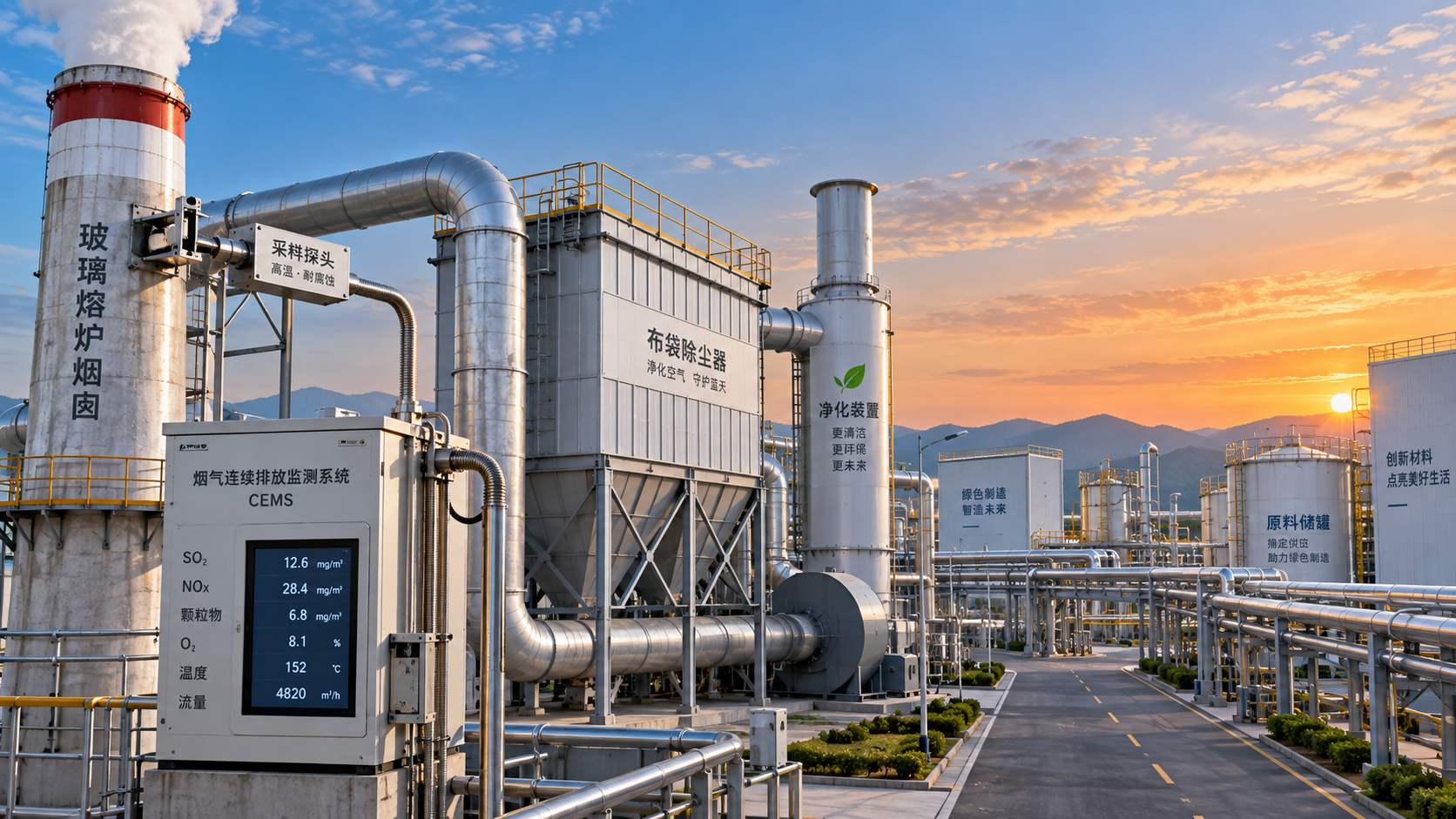
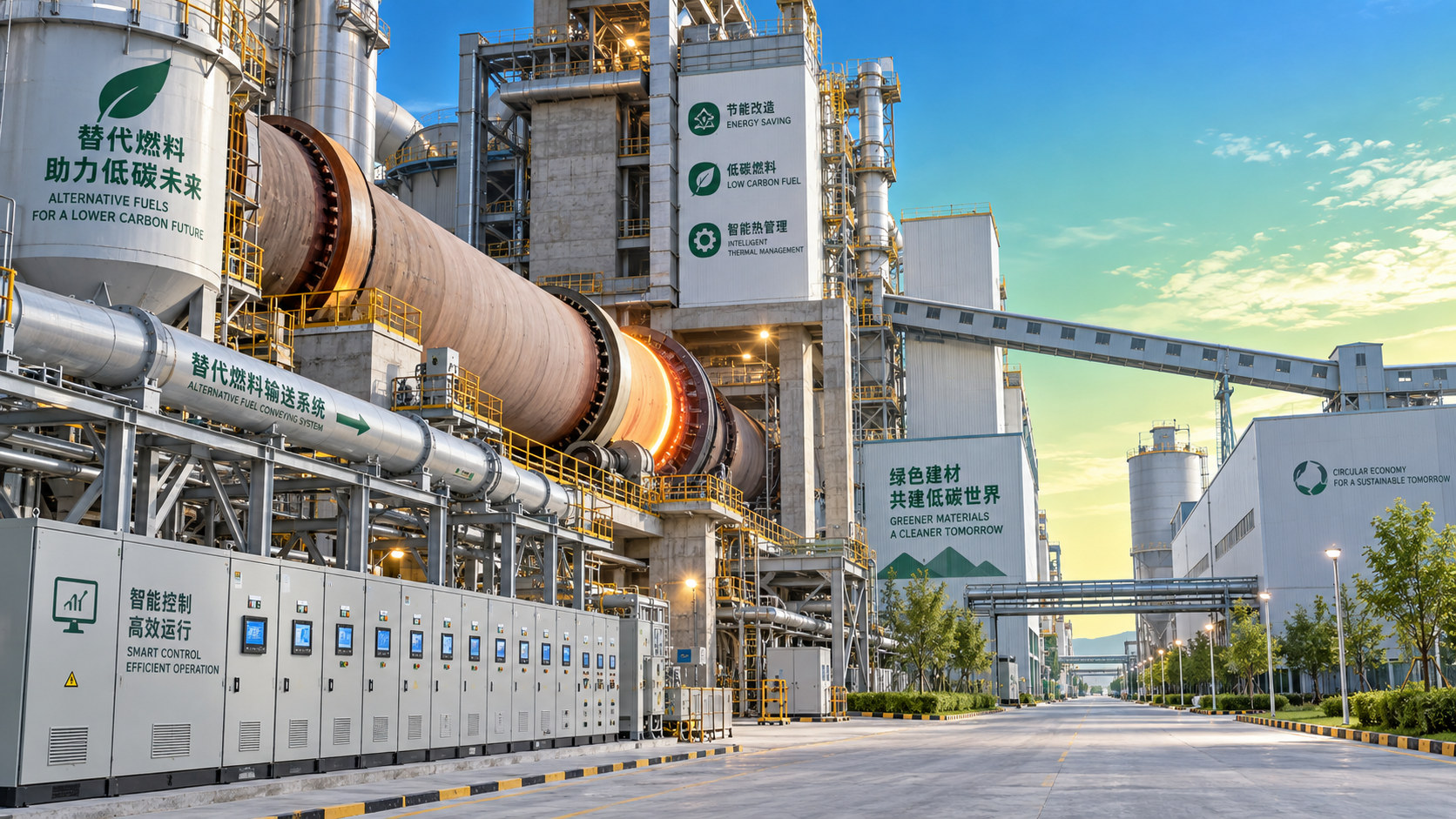
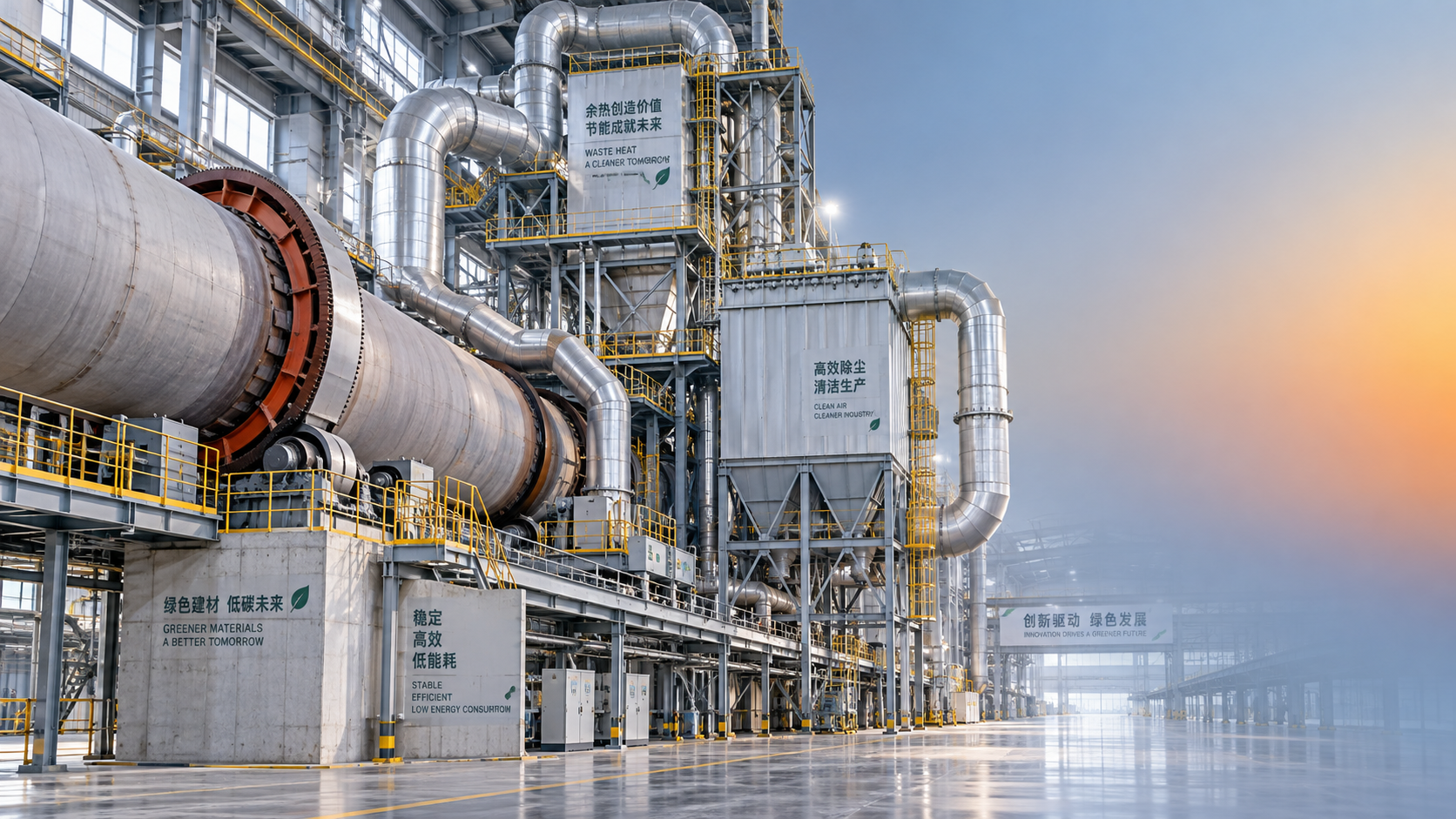
Plants need suppliers that can support lower fuel intensity, waste heat utilization, and digital monitoring for energy performance.
For groups aligning with modernization goals, this is no longer optional.
A thermal management solutions supplier with decarbonization awareness can support both current compliance and future retrofit planning.
- Confirm certifications, test reports, and quality system evidence.
- Check whether the supplier supports emission reduction analysis.
- Review digital monitoring options for temperature and heat-loss trends.
- Ask how the solution fits future efficiency upgrades.
This part of the review often separates strategic partners from simple vendors.
Verify Service Capability and Supply Reliability
Even a well-designed system can underperform if support is slow or fragmented.
That is why service capability should be a core part of thermal management solutions supplier evaluation.
Look closely at response time, field service coverage, spare parts access, commissioning support, and outage coordination.
In real operations, delays during shutdown windows can cost more than the original equipment difference.
Supply reliability matters just as much.
A thermal management solutions supplier should explain manufacturing capacity, critical raw material sources, lead times, and contingency planning.
For multinational projects, local support structure and customs experience can reduce considerable friction.
Operational checks worth adding to the shortlist stage
- Request typical lead times for standard and custom items.
- Ask for escalation contacts during emergency shutdowns.
- Review regional inventory or service partner availability.
- Check whether commissioning teams have direct process experience.
The stronger the support model, the lower the execution risk after award.
Use a Structured Final Comparison
Once the shortlist is defined, use a scorecard that reflects business reality.
A good thermal management solutions supplier should score well across technical fit, lifecycle economics, compliance, service, and execution confidence.
Avoid giving price an oversized weight when downtime risk is high.
It is usually better to compare on weighted value than on line-item totals alone.
From a decision perspective, the most useful supplier is the one that reduces uncertainty.
That means fewer assumptions, clearer performance evidence, and stronger post-installation accountability.
For sectors covered by CF-Elite, including cement plants, glass manufacturing gear, industrial kilns, refractory lines, and material extrusion systems, the pattern is consistent.
The best thermal management solutions supplier is not simply the lowest bidder, but the partner most capable of protecting heat efficiency, process continuity, and long-term competitiveness.
A practical next step is to build a supplier review sheet using the criteria above, then validate claims through references, technical clarifications, and site-specific data.
That approach keeps the decision grounded, faster to defend internally, and more likely to deliver stable results in the field.
Related News
 Ms. Elena RodriguezHigh-Pressure Molding Innovations: How Automation and Tooling Affect PriceExplore the high-pressure molding innovations price equation: compare automation, tooling, and ownership costs to find upgrades that cut waste and deliver measurable value.Oct 13, 2026
 Ms. Elena RodriguezIndustrial Process Optimization: Where to Target Energy, Yield, and Throughput LossesIndustrial process optimization: identify energy, yield, and throughput losses to improve plant stability, reduce costs, and unlock measurable performance gains.Oct 12, 2026
 Ms. Elena RodriguezGlass Market Intelligence: How to Assess Demand, Capacity, and Regional Growth RisksGlass market intelligence for evaluating demand, effective capacity, energy exposure, trade dynamics, and regional growth risks before investing in glass manufacturing.Oct 11, 2026
 Structural Material AnalystWhich Sustainable Construction Materials Are Suitable for Extrusion?Which sustainable construction materials are suitable for extrusion? Explore recycled clay, cementitious mixes, geopolymers, and bio-composites for reliable, lower-impact building products.Oct 12, 2026
 Optical Glass Tech FellowWhat Should a Glass Furnace Energy Specification Include?What should be included in a glass furnace energy specification? Explore performance, fuel flexibility, heat recovery, emissions, and monitoring essentials.Oct 11, 2026
 Dr. Alistair VaughnHow Process Technology Platforms Improve Control Across Multi-Line ManufacturingDiscover how a process technology platform strengthens cross-line control, connects operational data, and improves energy, quality, and maintenance decisions.Oct 10, 2026
 Optical Glass Tech FellowHow Glass Furnace Emissions Are Measured and Controlled for Regulatory ComplianceGlass furnace emissions: learn how to measure, monitor, and control NOx, SOx, particulate, CO, and CO2 for reliable regulatory compliance.Oct 08, 2026
 Prof. Marcus ChenIndustrial Decarbonization Strategies in Europe: A Roadmap for Energy-Intensive PlantsIndustrial decarbonization strategies Europe: explore practical pathways for energy-intensive plants to cut emissions, improve efficiency, and protect performance.Oct 07, 2026
 Thermal Energy ArchitectEnergy-Efficient Silicate Production Lines: What to Compare Before SelectionSilicate production lines energy efficient selection guide: compare thermal performance, stability, emissions, controls, and lifecycle value before investing.Oct 06, 2026
 Optical Glass Tech FellowHow to Evaluate Automated Float Glass Lines for Capacity, Quality, and Energy UseEvaluate automated float glass lines for net capacity, consistent quality, energy efficiency, automation reliability, and lifecycle value. Explore key criteria for smarter investment decisions.Oct 05, 2026
 Thermal Energy ArchitectWhat Does CE Marking Require for an Energy-Efficient Industrial Kiln?Energy efficient kiln CE requirements explained: assess safety, technical files, energy performance, and EU compliance before purchase or commissioning.Oct 04, 2026
 Thermal Energy ArchitectRefractory Manufacturing Solutions for Brick Plants: How to Extend Kiln LifeRefractory manufacturing solutions for brick plant operations: discover proven strategies to extend kiln life, reduce heat loss, prevent lining failures, and plan cost-effective repairs.Oct 03, 2026
 Thermal Energy ArchitectHow to Specify Heavy Industrial Process Systems for High-Temperature PlantsHeavy industrial processes systems: learn how to specify high-temperature plants for efficiency, emissions control, maintainability, and lifecycle performance.Oct 02, 2026
 Structural Material AnalystHow Sustainable Material Extrusion Can Improve Wall Panel Durability and Design FlexibilityDiscover how sustainable material extrusion for wall panels improves durability, moisture resistance, design flexibility, and installation consistency for high-performing wall systems.Oct 01, 2026
 Thermal Energy ArchitectHow to Evaluate a High-Temperature Materials Manufacturer for Furnace ApplicationsChoose a high-temperature materials manufacturer with confidence: compare thermal performance, chemical resistance, quality controls, installation support, and lifecycle cost.Sep 30, 2026
 Ms. Elena RodriguezHow to Structure Global Specification Data for Faster Industrial Product EvaluationGlobal specification-oriented product information helps industrial teams compare capacity, energy, emissions, automation, and lifecycle data on a like-for-like basis for faster, confident equipment decisions.Sep 29, 2026
 Thermal Energy ArchitectHow to Specify High-Temperature Process Systems for Continuous Thermal OperationsHigh-temperature process engineering systems: learn how to specify resilient continuous thermal operations for efficiency, compliance, reliable uptime, and long-term performance.Sep 28, 2026
 Thermal Energy ArchitectHow to Evaluate a Thermal Engineering Contractor for High-Temperature Plant ProjectsChoose a thermal engineering contractor with proven process expertise, lifecycle value, emissions control, and delivery discipline for reliable high-temperature plant performance.Sep 27, 2026
 Silicate Process EngineerHow Latin American Cement Plants Can Reduce Dust Emissions in Kilns and Transfer PointsCement plant dust control Latin America: reduce kiln and transfer-point emissions with practical airflow, filtration, monitoring, and maintenance strategies.Sep 26, 2026
 Material Heat-Resist ExpertHow to Evaluate Refractory Production Lines for Output, Quality, and Energy UseRefractory production lines: learn how to assess qualified output, consistent quality, and total energy use for smarter, lower-risk investment decisions.Sep 25, 2026



Related News
- 00
0000-00
High-Pressure Molding Innovations: How Automation and Tooling Affect Price - 00
0000-00
Industrial Process Optimization: Where to Target Energy, Yield, and Throughput Losses - 00
0000-00
Glass Market Intelligence: How to Assess Demand, Capacity, and Regional Growth Risks - 00
0000-00
How to Structure Global Specification Data for Faster Industrial Product Evaluation - 00
0000-00
What Drives High-Pressure Extrusion Equipment Cost in Industrial Projects?
Weekly Insights
Stay ahead with our curated technology reports delivered every Monday.