
What Determines Incineration Equipment Price? A Cost Breakdown for Industrial Projects




What Determines Incineration Equipment Price? A Cost Breakdown for Industrial Projects
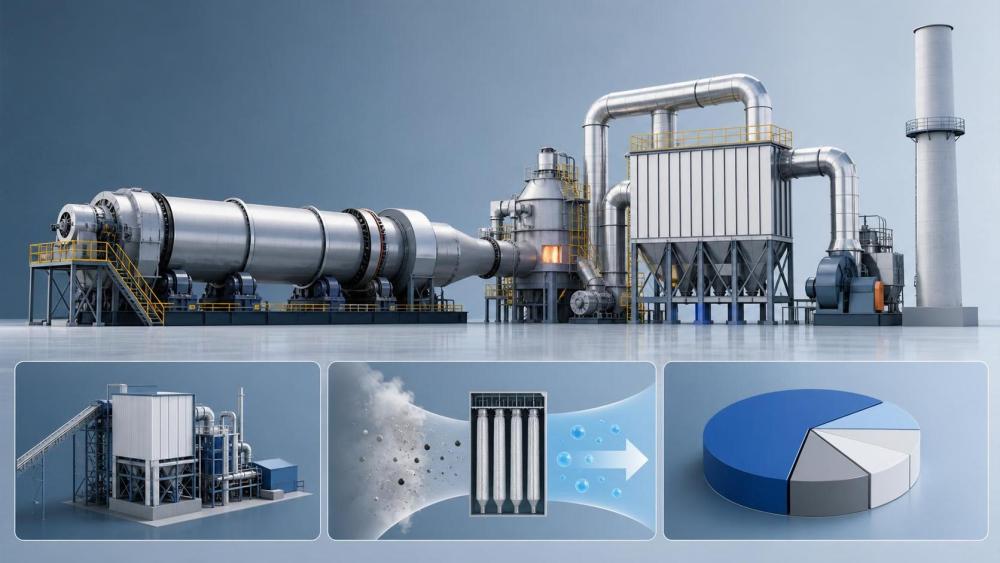
For industrial waste treatment projects, incineration equipment price rarely comes down to one machine.
The visible quote is only the starting point.
Real project cost depends on capacity, emissions control, heat recovery, automation, civil works, and regulatory scope.
That is why similar projects can show very different numbers during supplier comparison.
In practice, the best procurement decisions compare total lifecycle cost, not just purchase price.
For heavy industrial systems, a lower upfront quote can create higher operating and compliance costs later.
This matters even more when shutdowns, permit delays, or fuel waste affect production continuity.
A useful incineration equipment price review should answer two questions.
Where does the budget actually go, and which cost items create long-term financial risk?
Why Incineration Equipment Price Varies So Much
The first driver is process type.
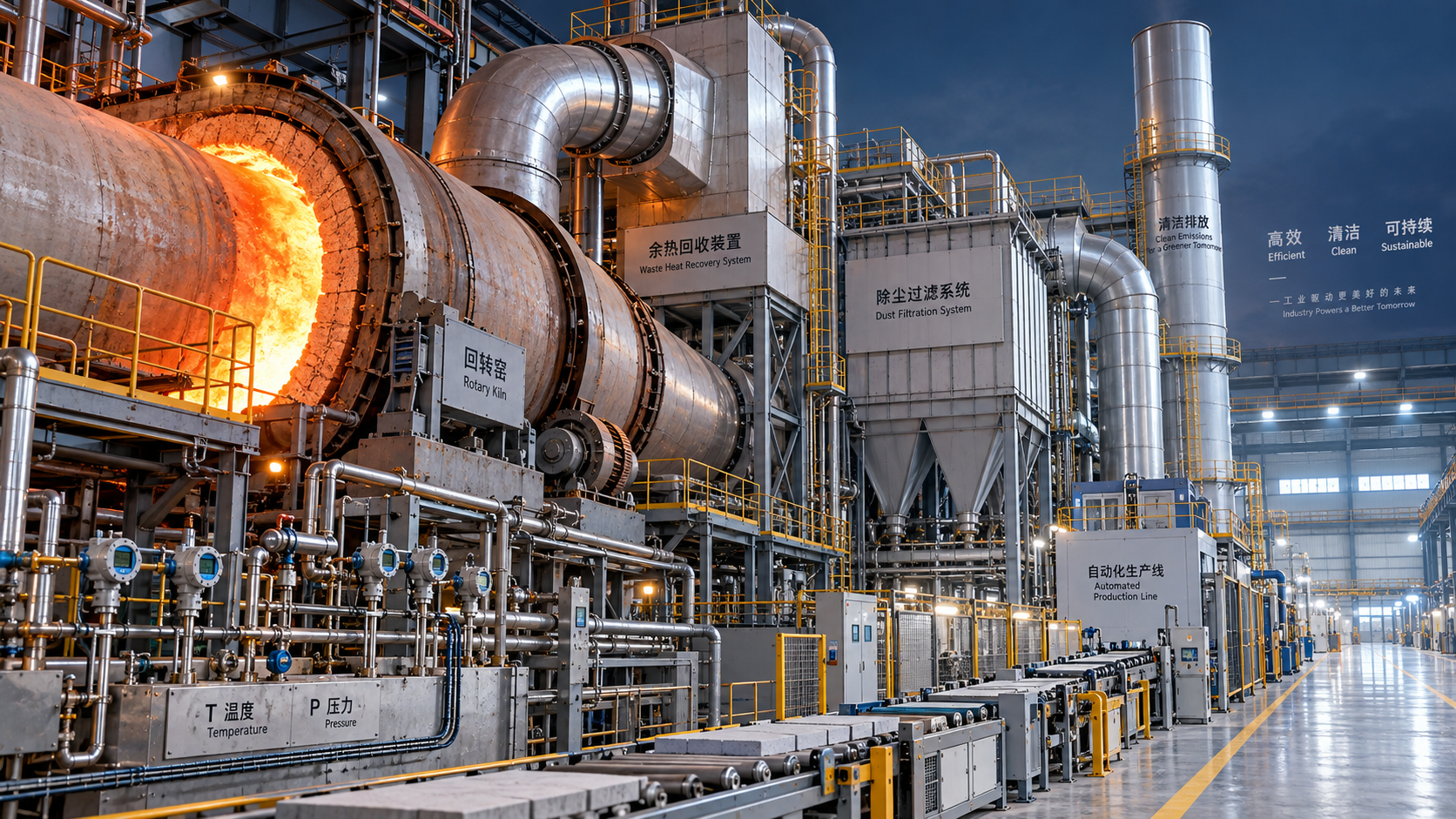
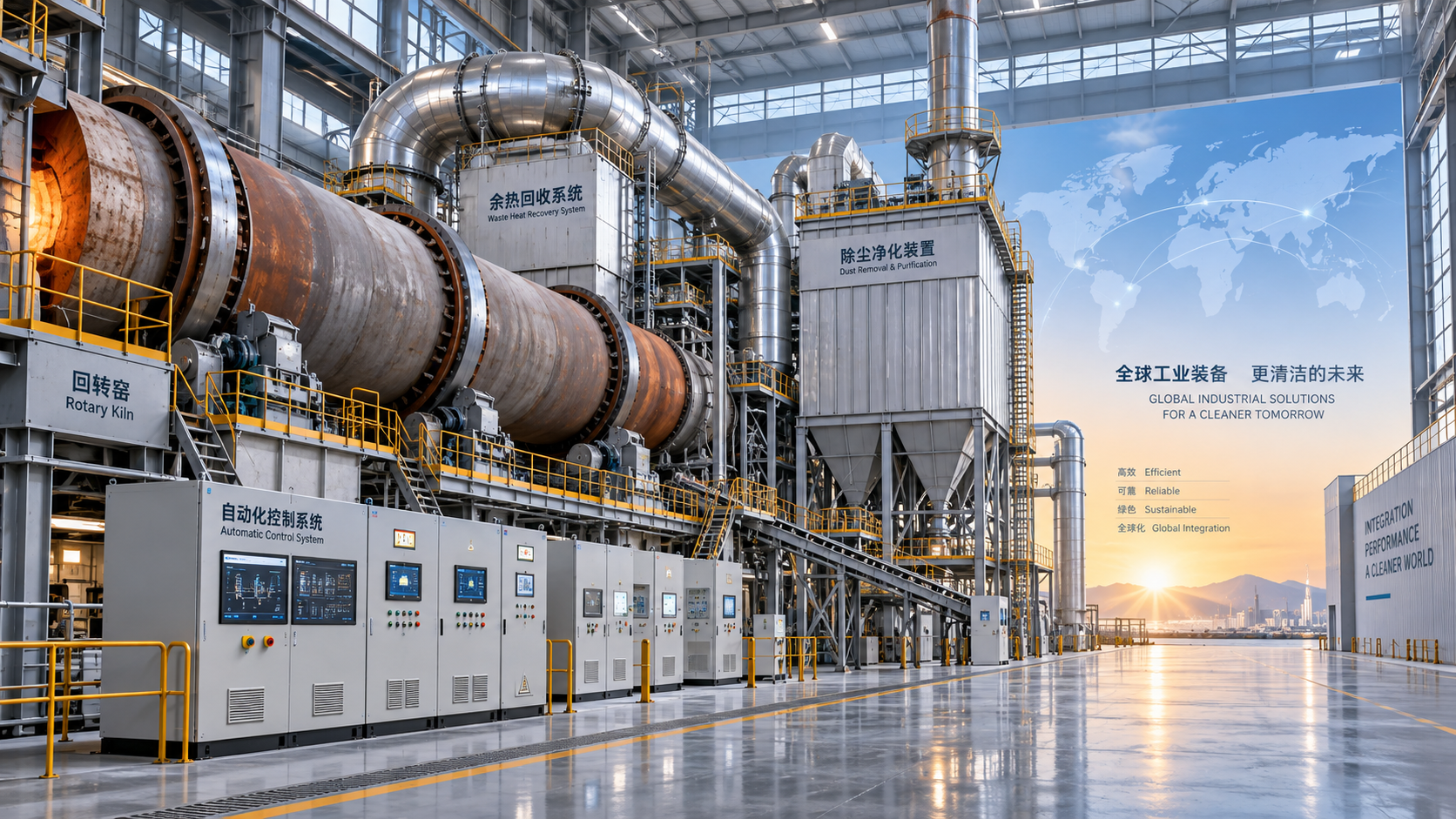
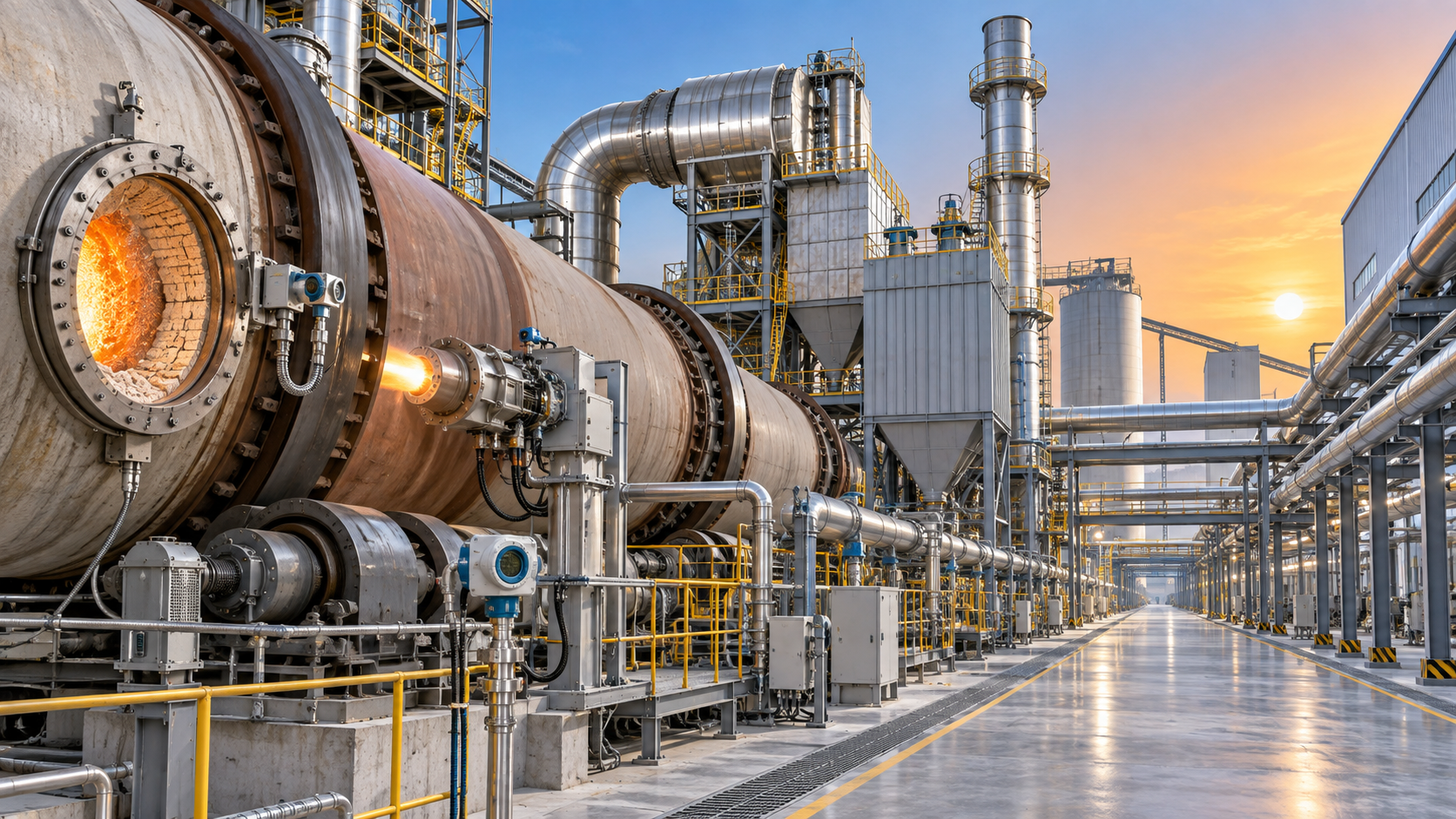
A rotary kiln system, a fluidized bed unit, and a modular medical waste incinerator have different structures and cost logic.
Rotary kiln projects usually cost more because they handle mixed waste streams and tougher thermal conditions.
The second driver is daily throughput.
Higher tons per day require larger chambers, stronger feeding systems, more robust burners, and broader gas treatment capacity.
The third driver is emissions compliance.
This is where incineration equipment price often rises faster than expected.
A basic flue gas package is far cheaper than a full system for dioxins, acid gases, particulates, heavy metals, and continuous monitoring.
The gap becomes larger when local standards approach EU or other strict international benchmarks.
Core Cost Components in an Industrial Project
A clear cost breakdown makes supplier quotations easier to compare.
Most industrial projects include the following budget layers.
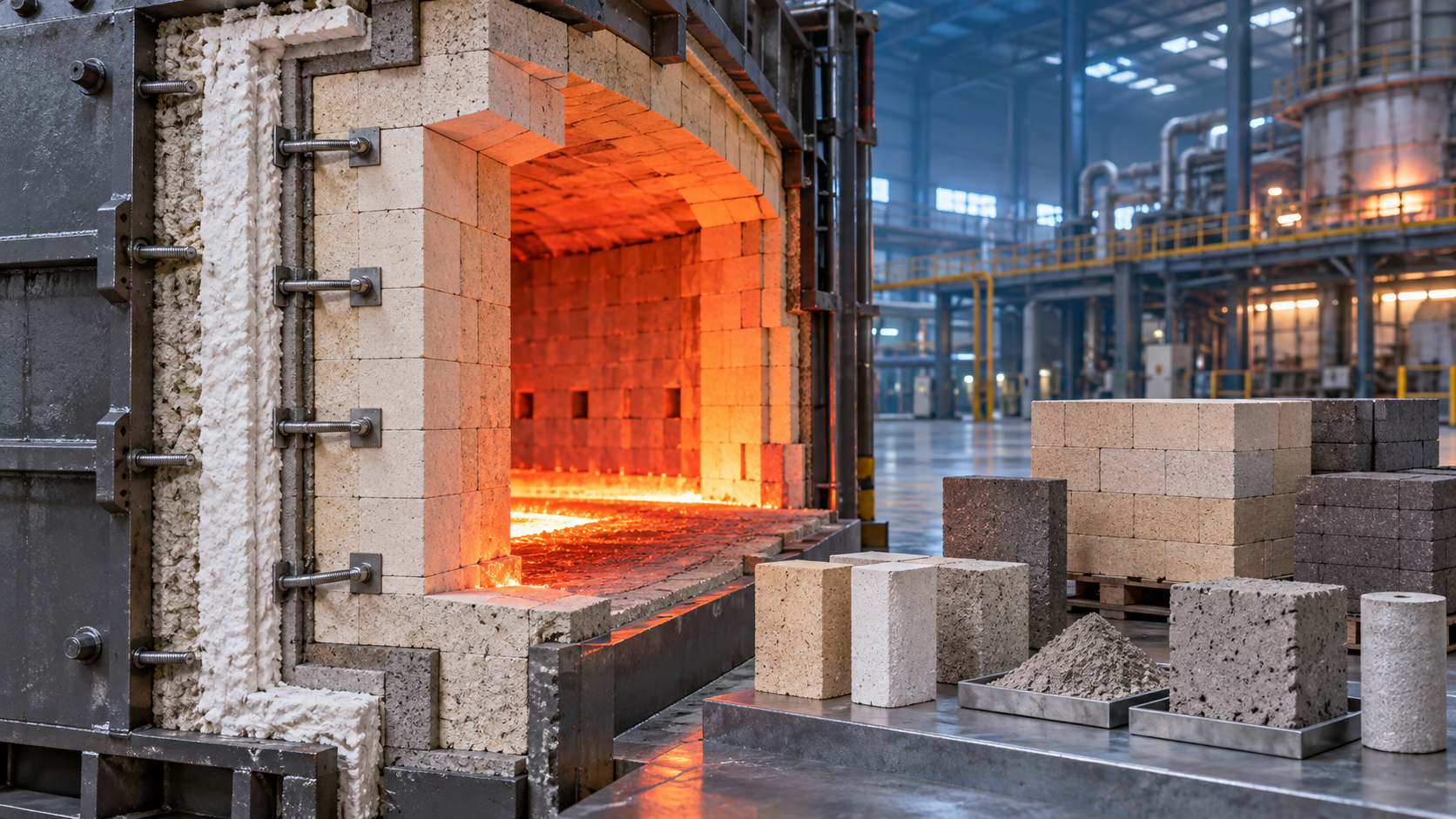
- Main furnace system: combustion chamber, kiln shell, refractory lining, burners, feeding, ash discharge.
- Secondary combustion and residence control: needed for complete destruction and stable emissions performance.
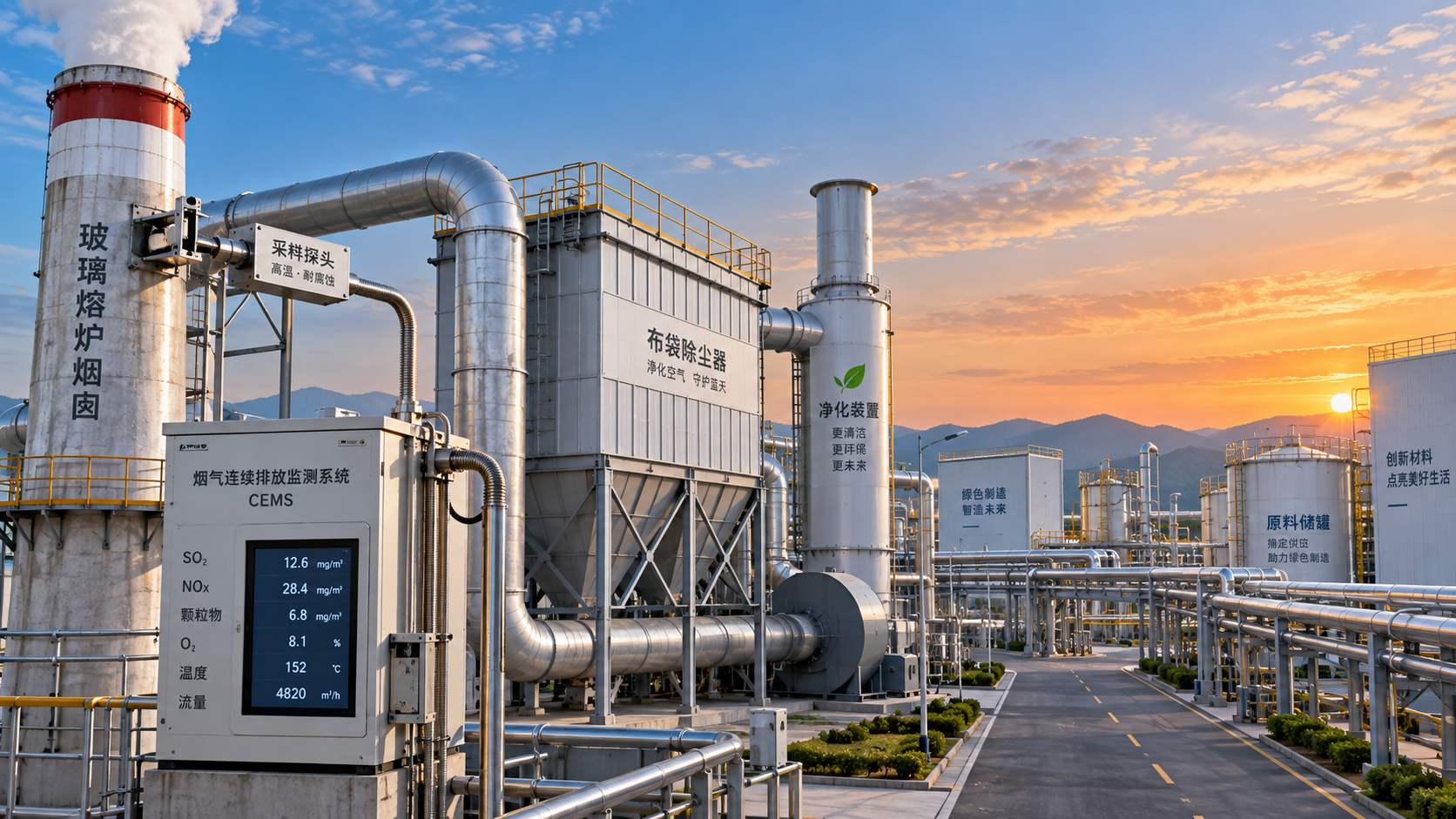
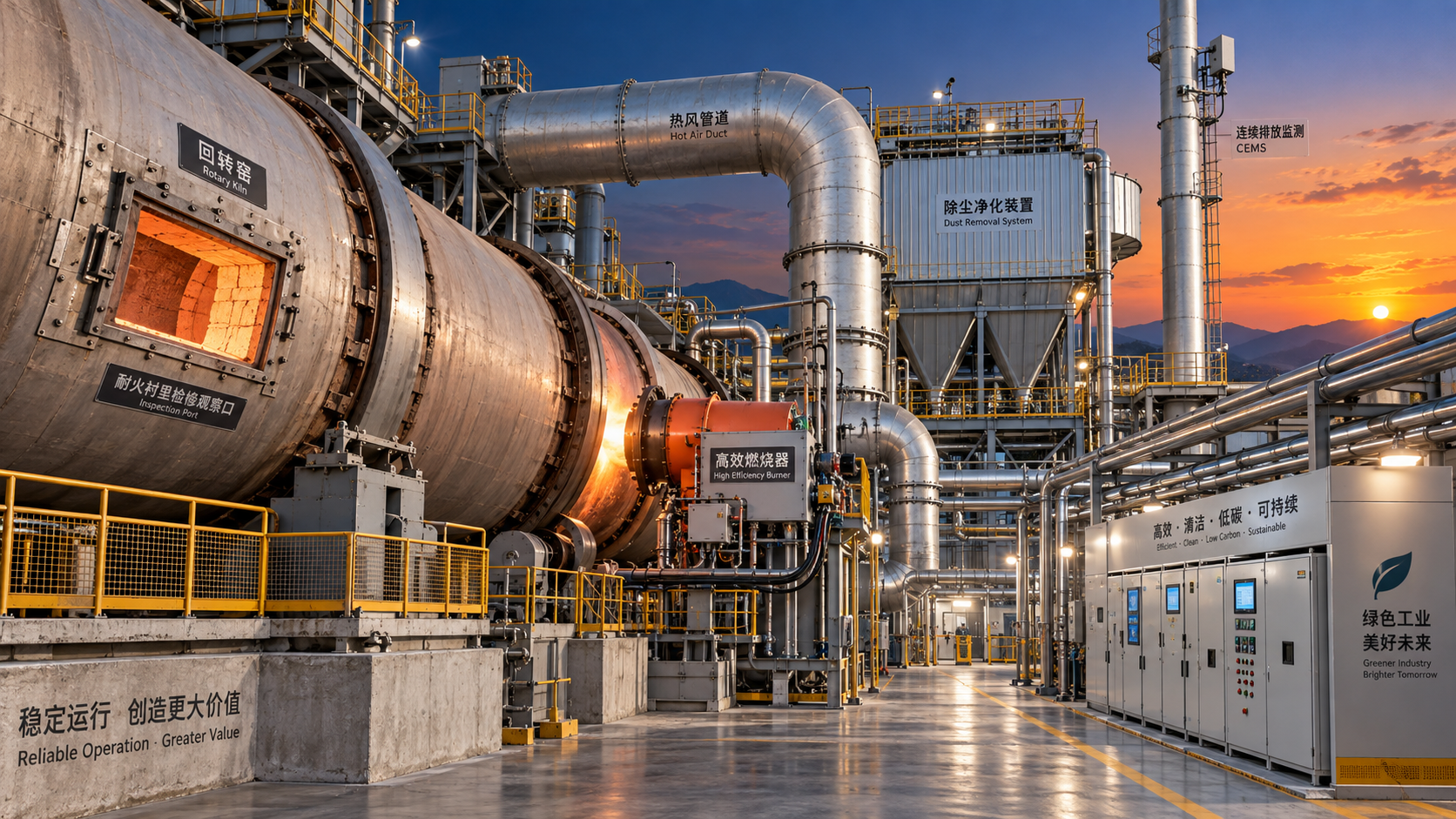
- Flue gas treatment: quench, scrubber, bag filter, activated carbon, SNCR or SCR, induced draft fan, stack.
- Heat recovery options: waste heat boiler, steam generation, hot water integration, energy utilization controls.
- Electrical and automation: PLC, HMI, sensors, analyzers, interlocks, remote diagnostics, data logging.
- Installation scope: steel structure, ducting, piping, cable trays, commissioning, startup support.
- Site works: foundation, utilities, storage, crane access, drainage, fire protection, control room adaptation.
- Compliance services: documentation, testing, operator training, validation, permit support.
When a quotation looks low, one or more of these elements may be excluded.
That is often the simplest explanation for unusual incineration equipment price differences between suppliers.
How Capacity and Waste Type Influence Price
Capacity affects nearly every major component.
But waste type often affects price even more.
Projects handling hazardous waste, sludge, solvents, contaminated packaging, or medical waste need tighter temperature and residence control.
They also require stronger feeding isolation, corrosion resistance, and more advanced off-gas treatment.
Moisture level also changes cost.
High-moisture waste raises fuel consumption and may justify pre-drying, blending, or heat recovery investments.
Calorific value matters too.
Low-calorie waste needs more auxiliary fuel, while high-calorie waste may require better combustion stability control.
So when evaluating incineration equipment price, waste profile data should be treated as a pricing input, not a secondary detail.
The Biggest Hidden Cost: Emission Control
Many industrial buyers underestimate the cost of clean gas treatment.
Yet this section can account for a major share of total incineration equipment price.
A simple application may need dust and temperature control only.
A stricter project may need rapid quenching, reagent dosing, activated carbon injection, and continuous emissions monitoring.
That change affects both capital and operating cost.
Reagents, filter media, fan power, analyzer calibration, spare parts, and compliance reporting all add ongoing expense.
Recent market signals make this more important.
Environmental standards are tightening, and retrofit costs are usually higher than first-time integration costs.
A lower initial incineration equipment price may therefore create a weaker business case over five to ten years.
Installation, Engineering, and Local Scope Gaps
Another common pricing mistake is comparing equipment-only quotes with turnkey project offers.
The numbers will never align cleanly.
For industrial projects, local construction conditions can heavily reshape total cost.
Foundation depth, utility extension, steel support, insulation, chimney height, and crane access all affect the final budget.
Imported systems may also face freight, customs, inland transport, and localized electrical adaptation costs.
Some suppliers quote aggressively, then leave interface engineering outside contract scope.
That pushes extra design, coordination, and commissioning risk onto the buyer.
A serious incineration equipment price review should separate delivered equipment cost from installed and operational project cost.
A Practical Comparison Table for Supplier Evaluation
This approach turns incineration equipment price comparison into a disciplined investment review.
How to Control Total Cost Without Underbuying
Cost control starts with better definition, not harder negotiation.
Suppliers price uncertainty conservatively, or they leave items out.
Both outcomes weaken budget accuracy.
- Prepare a detailed waste specification, including moisture, calorific value, ash, chlorine, sulfur, and expected variability.
- Request a unified scope sheet so every bidder prices the same boundaries.
- Ask for guaranteed fuel consumption, emissions performance, and refractory life.
- Model annual operating cost beside the initial incineration equipment price.
- Include spare parts, operator training, and compliance testing in the first budget round.
- Check local permit risk before selecting a low-cost emissions package.
This also creates better internal approval logic.
A stronger investment memo explains not only the chosen incineration equipment price, but the avoided future cost.
Final Takeaway for Industrial Budget Decisions
Incineration equipment price is really a combined measure of process fit, compliance strength, operating efficiency, and project scope clarity.
That is the more useful way to read supplier quotations.
When the evaluation stays focused on machine cost alone, hidden liabilities move into operations, maintenance, and environmental exposure.
A better decision framework compares installed cost, annual cost, compliance resilience, and service support together.
In current industrial markets, that broader view is not optional.
It is the clearest path to stronger budget control and lower lifecycle risk.
For complex thermal projects, the most reliable incineration equipment price is the one supported by transparent scope, realistic operating data, and verifiable long-term performance.
Related News
 Ms. Elena RodriguezGlass Market Intelligence: How to Assess Demand, Capacity, and Regional Growth RisksGlass market intelligence for evaluating demand, effective capacity, energy exposure, trade dynamics, and regional growth risks before investing in glass manufacturing.Oct 11, 2026
 Optical Glass Tech FellowWhat Should a Glass Furnace Energy Specification Include?What should be included in a glass furnace energy specification? Explore performance, fuel flexibility, heat recovery, emissions, and monitoring essentials.Oct 11, 2026
 Dr. Alistair VaughnHow Process Technology Platforms Improve Control Across Multi-Line ManufacturingDiscover how a process technology platform strengthens cross-line control, connects operational data, and improves energy, quality, and maintenance decisions.Oct 10, 2026
 Optical Glass Tech FellowHow Glass Furnace Emissions Are Measured and Controlled for Regulatory ComplianceGlass furnace emissions: learn how to measure, monitor, and control NOx, SOx, particulate, CO, and CO2 for reliable regulatory compliance.Oct 08, 2026
 Prof. Marcus ChenIndustrial Decarbonization Strategies in Europe: A Roadmap for Energy-Intensive PlantsIndustrial decarbonization strategies Europe: explore practical pathways for energy-intensive plants to cut emissions, improve efficiency, and protect performance.Oct 07, 2026
 Thermal Energy ArchitectEnergy-Efficient Silicate Production Lines: What to Compare Before SelectionSilicate production lines energy efficient selection guide: compare thermal performance, stability, emissions, controls, and lifecycle value before investing.Oct 06, 2026
 Optical Glass Tech FellowHow to Evaluate Automated Float Glass Lines for Capacity, Quality, and Energy UseEvaluate automated float glass lines for net capacity, consistent quality, energy efficiency, automation reliability, and lifecycle value. Explore key criteria for smarter investment decisions.Oct 05, 2026
 Thermal Energy ArchitectWhat Does CE Marking Require for an Energy-Efficient Industrial Kiln?Energy efficient kiln CE requirements explained: assess safety, technical files, energy performance, and EU compliance before purchase or commissioning.Oct 04, 2026
 Thermal Energy ArchitectRefractory Manufacturing Solutions for Brick Plants: How to Extend Kiln LifeRefractory manufacturing solutions for brick plant operations: discover proven strategies to extend kiln life, reduce heat loss, prevent lining failures, and plan cost-effective repairs.Oct 03, 2026
 Thermal Energy ArchitectHow to Specify Heavy Industrial Process Systems for High-Temperature PlantsHeavy industrial processes systems: learn how to specify high-temperature plants for efficiency, emissions control, maintainability, and lifecycle performance.Oct 02, 2026
 Structural Material AnalystHow Sustainable Material Extrusion Can Improve Wall Panel Durability and Design FlexibilityDiscover how sustainable material extrusion for wall panels improves durability, moisture resistance, design flexibility, and installation consistency for high-performing wall systems.Oct 01, 2026
 Thermal Energy ArchitectHow to Evaluate a High-Temperature Materials Manufacturer for Furnace ApplicationsChoose a high-temperature materials manufacturer with confidence: compare thermal performance, chemical resistance, quality controls, installation support, and lifecycle cost.Sep 30, 2026
 Ms. Elena RodriguezHow to Structure Global Specification Data for Faster Industrial Product EvaluationGlobal specification-oriented product information helps industrial teams compare capacity, energy, emissions, automation, and lifecycle data on a like-for-like basis for faster, confident equipment decisions.Sep 29, 2026
 Thermal Energy ArchitectHow to Specify High-Temperature Process Systems for Continuous Thermal OperationsHigh-temperature process engineering systems: learn how to specify resilient continuous thermal operations for efficiency, compliance, reliable uptime, and long-term performance.Sep 28, 2026
 Thermal Energy ArchitectHow to Evaluate a Thermal Engineering Contractor for High-Temperature Plant ProjectsChoose a thermal engineering contractor with proven process expertise, lifecycle value, emissions control, and delivery discipline for reliable high-temperature plant performance.Sep 27, 2026
 Silicate Process EngineerHow Latin American Cement Plants Can Reduce Dust Emissions in Kilns and Transfer PointsCement plant dust control Latin America: reduce kiln and transfer-point emissions with practical airflow, filtration, monitoring, and maintenance strategies.Sep 26, 2026
 Material Heat-Resist ExpertHow to Evaluate Refractory Production Lines for Output, Quality, and Energy UseRefractory production lines: learn how to assess qualified output, consistent quality, and total energy use for smarter, lower-risk investment decisions.Sep 25, 2026
 Dr. Alistair VaughnHow Waste Recycling Technology Improves Material Recovery in Industrial PlantsWaste recycling technology improves material recovery through source segregation, smart separation, thermal treatment, and quality control for industrial plants.Sep 24, 2026
 Optical Glass Tech FellowHow to Specify Glass Annealing Equipment for European Quality and Energy RequirementsGlass annealing equipment Europe: learn how to specify lehrs for consistent glass quality, energy efficiency, compliance, automation, and reliable long-term performance.Sep 23, 2026
 Optical Glass Tech FellowSilicate Process Automation: Improving Batch Consistency and Energy ControlSilicate process automation improves batch consistency, energy control, traceability, and operator confidence across high-temperature manufacturing operations.Sep 22, 2026
Related News
- 00
0000-00
Energy-Efficient Silicate Production Lines: What to Compare Before Selection - 00
0000-00
What Does CE Marking Require for an Energy-Efficient Industrial Kiln? - 00
0000-00
Refractory Manufacturing Solutions for Brick Plants: How to Extend Kiln Life - 00
0000-00
How to Specify Heavy Industrial Process Systems for High-Temperature Plants - 00
0000-00
How to Evaluate a High-Temperature Materials Manufacturer for Furnace Applications
Weekly Insights
Stay ahead with our curated technology reports delivered every Monday.