
Silicate Process Automation Explained: Key Control Points, Sensors, and Integration Limits




Silicate Process Automation Explained: Key Control Points, Sensors, and Integration Limits
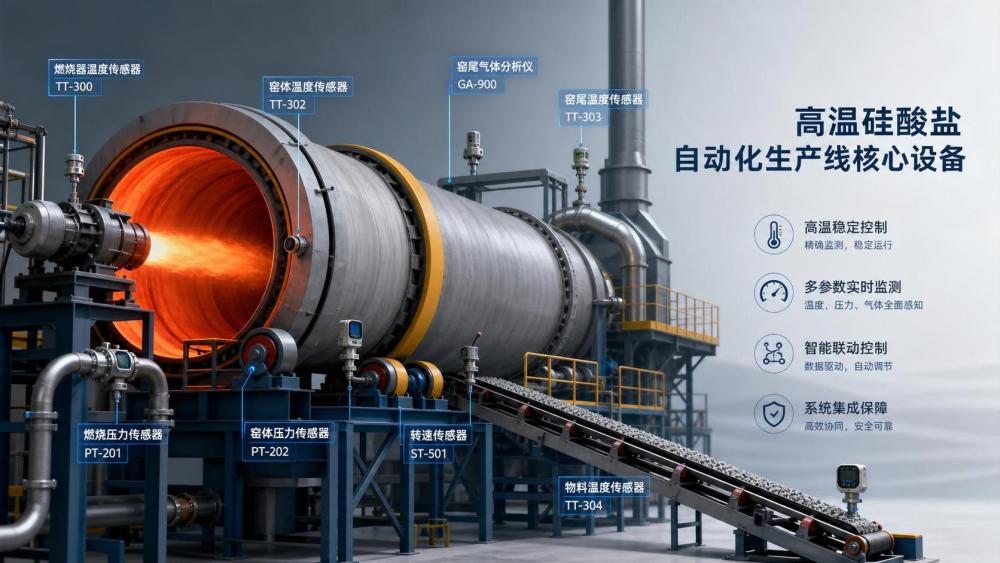
Silicate process automation has moved from a support tool to a daily operating requirement.
In cement, glass, refractory, and extrusion lines, stable control now affects energy use, quality, emissions, and maintenance windows.
That shift is especially visible across high-temperature operations tracked by CF-Elite.
The basic idea sounds simple: automate what can be measured, corrected, and repeated.
In practice, silicate process automation works only when operators understand where control really matters and where systems still hit hard limits.
This matters because silicate processes are not steady like water treatment or packaging.
Raw mix variability, thermal lag, dust load, refractory wear, and changing fuel quality all distort the signal.
So the goal is not perfect automation.
The goal is controlled variability, faster response, and fewer blind spots across the line.
Why Silicate Process Automation Starts with Control Points
The most useful automation projects begin with control points, not software features.
A control point is any location where a process variable changes output quality, throughput, safety, or fuel demand.
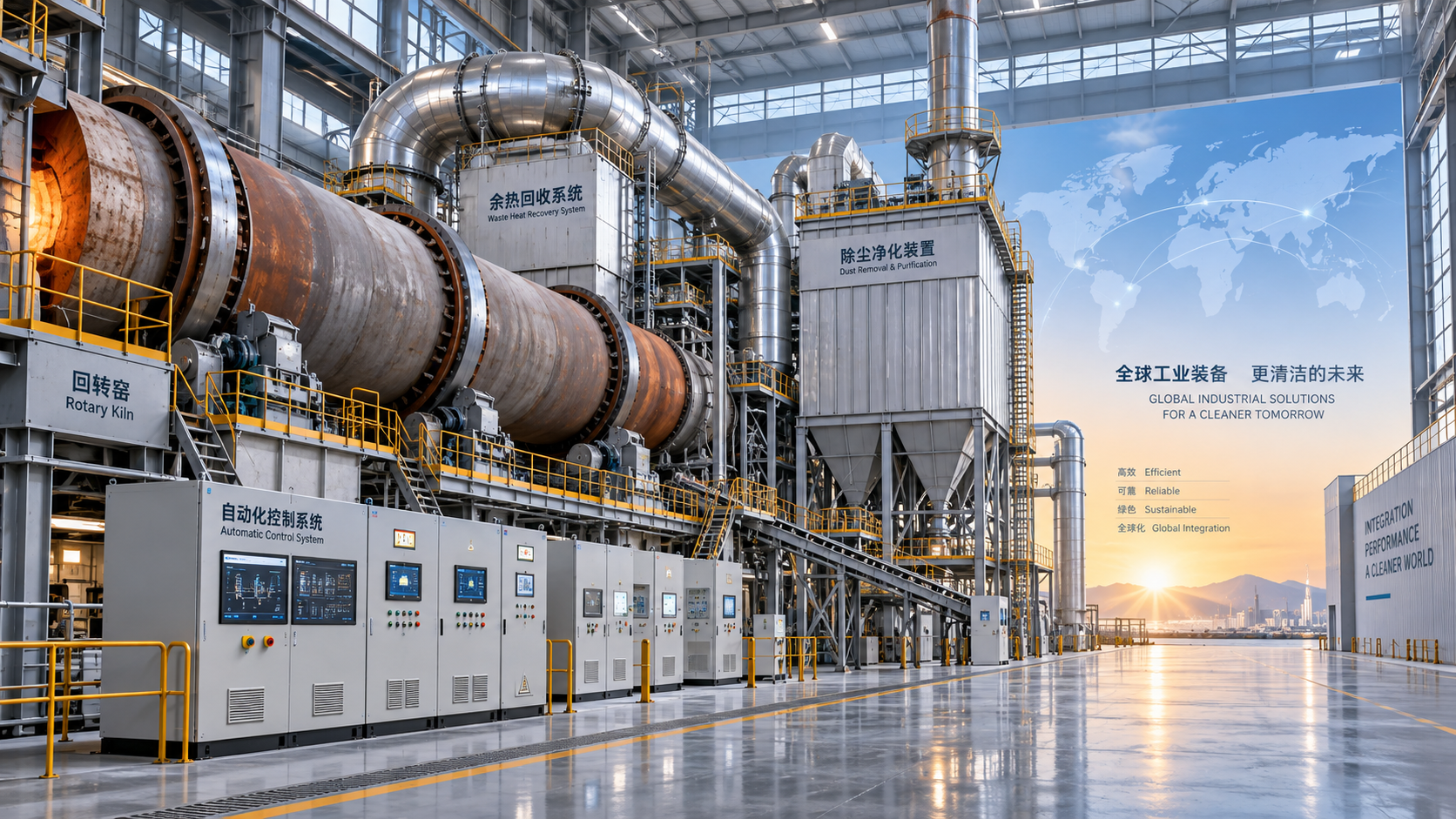
In silicate process automation, these points usually sit around material feed, combustion, temperature profile, pressure balance, and discharge condition.
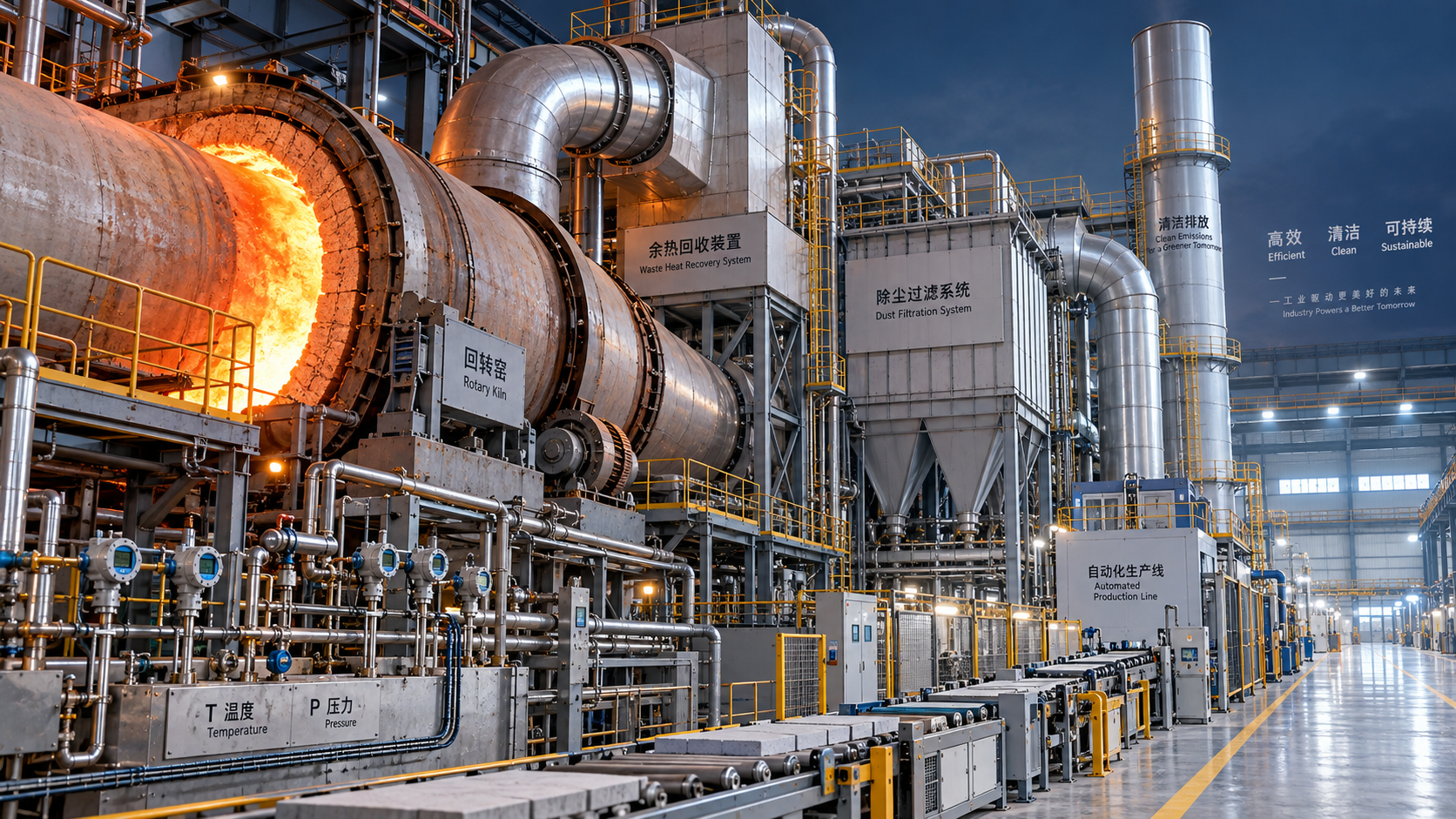
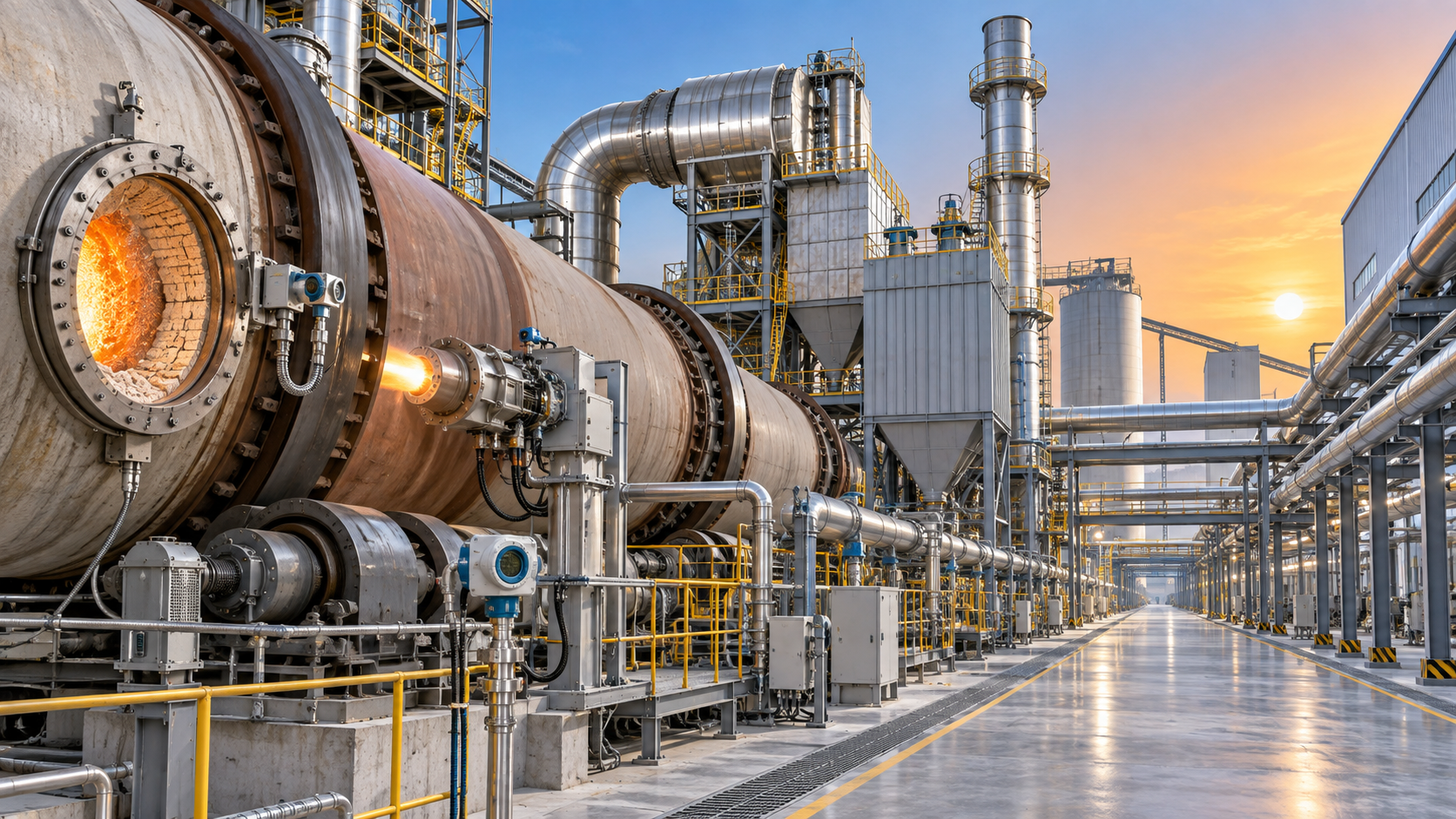
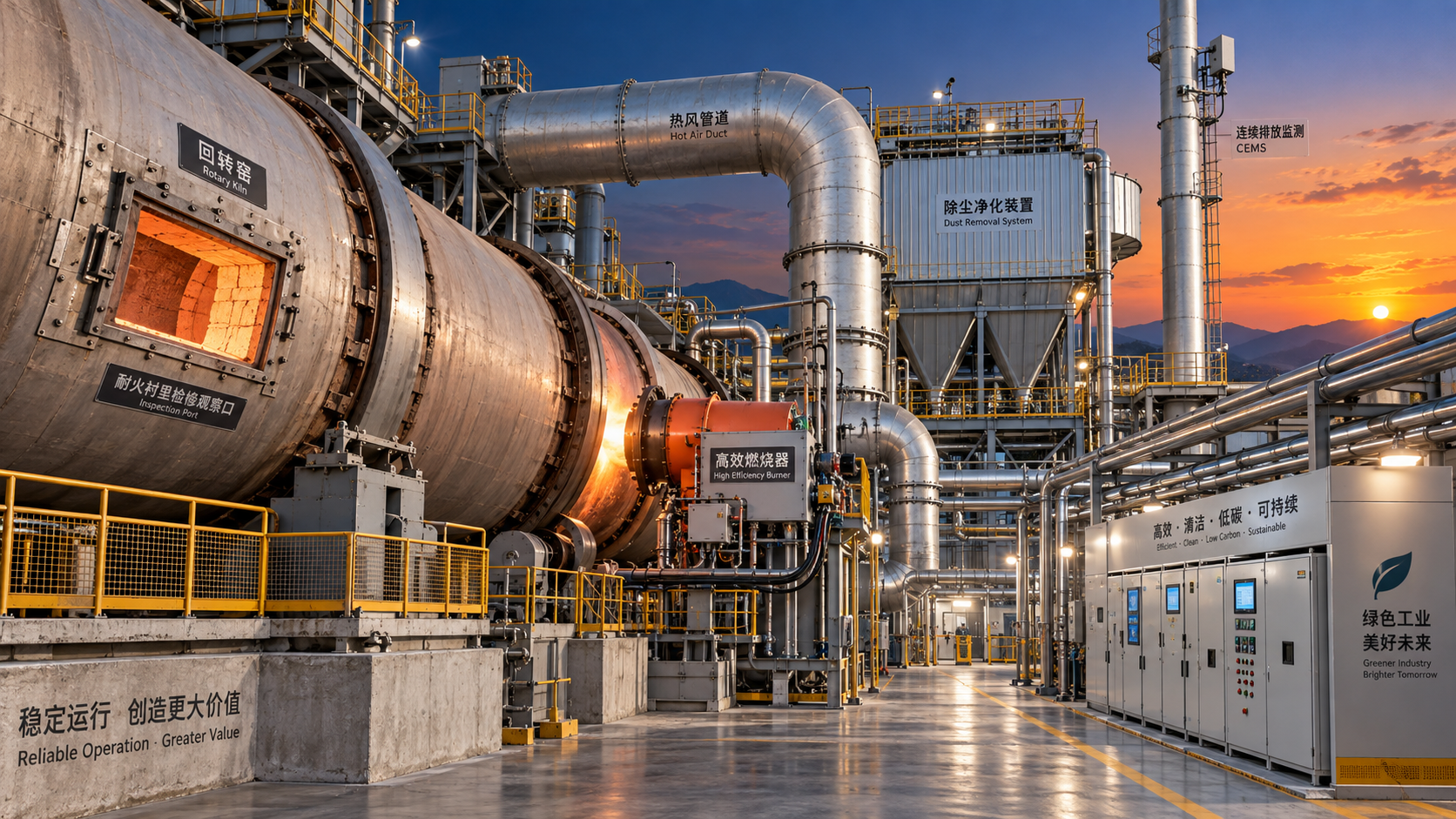
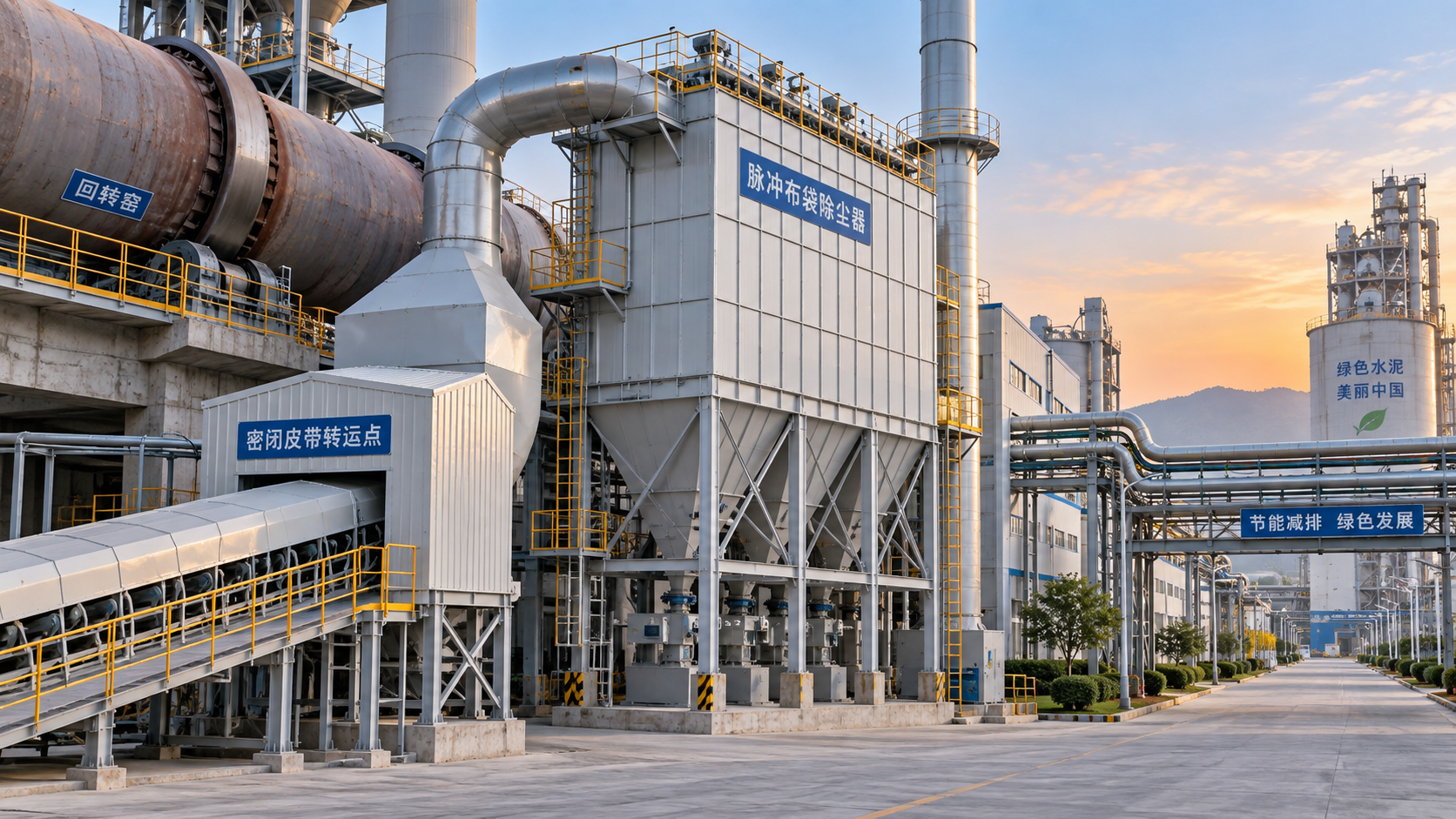
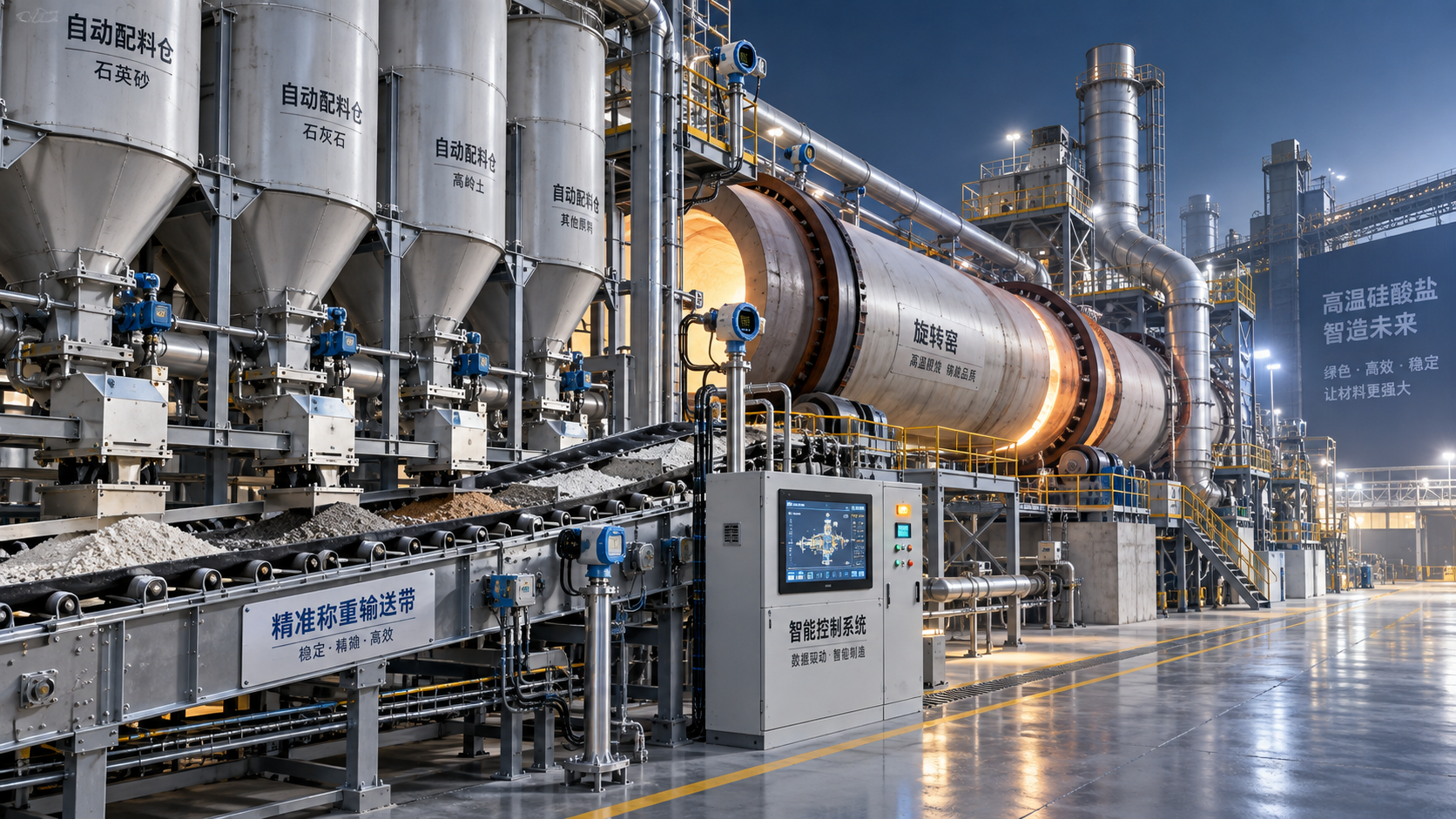
For a rotary kiln, feed stability comes first.
If the raw feed rate swings, the burning zone will drift later, even when burner settings stay unchanged.
That delay is one reason silicate process automation often frustrates teams during commissioning.
The loop looks correct on screen, but the process response arrives late and uneven.
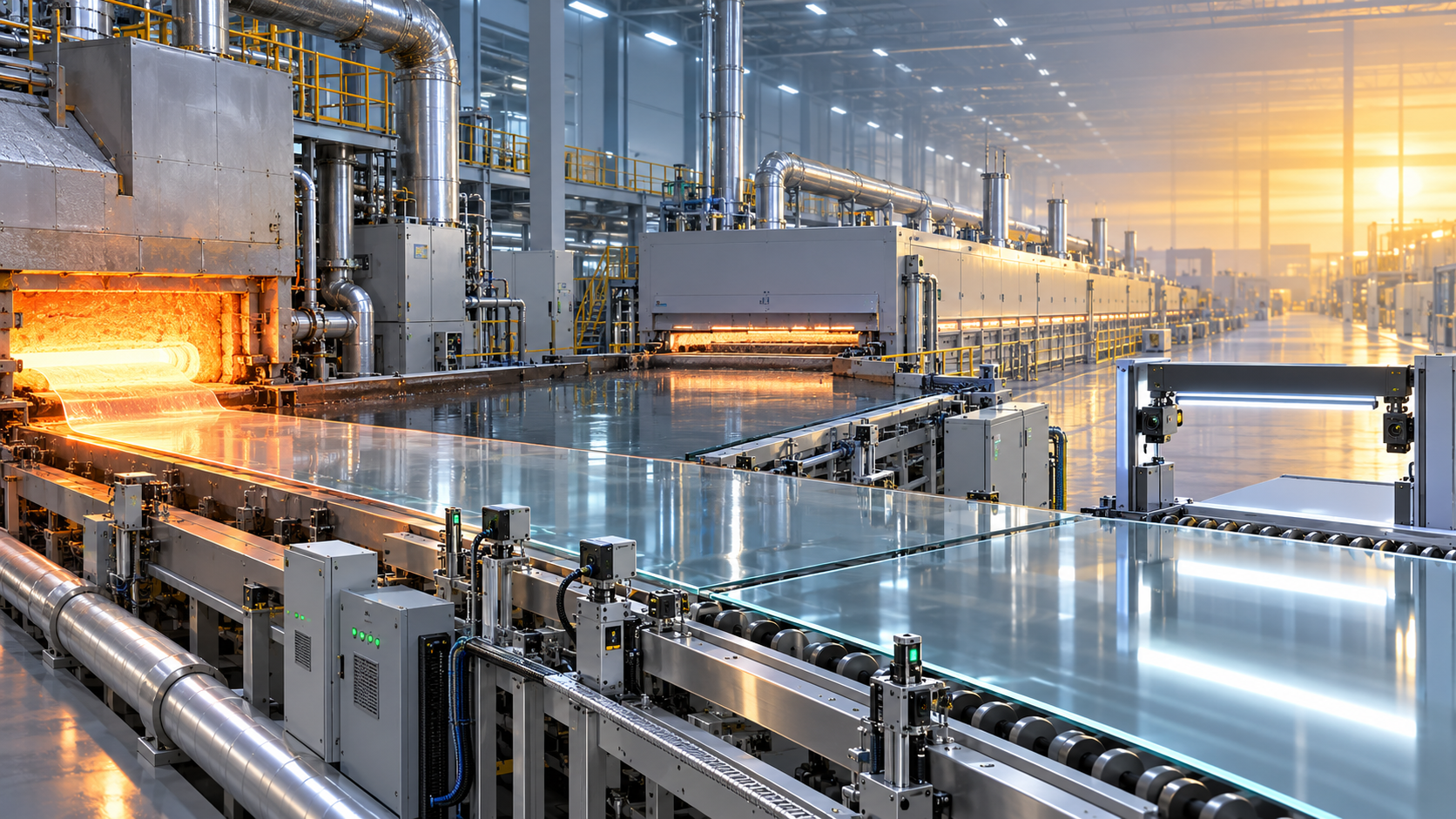
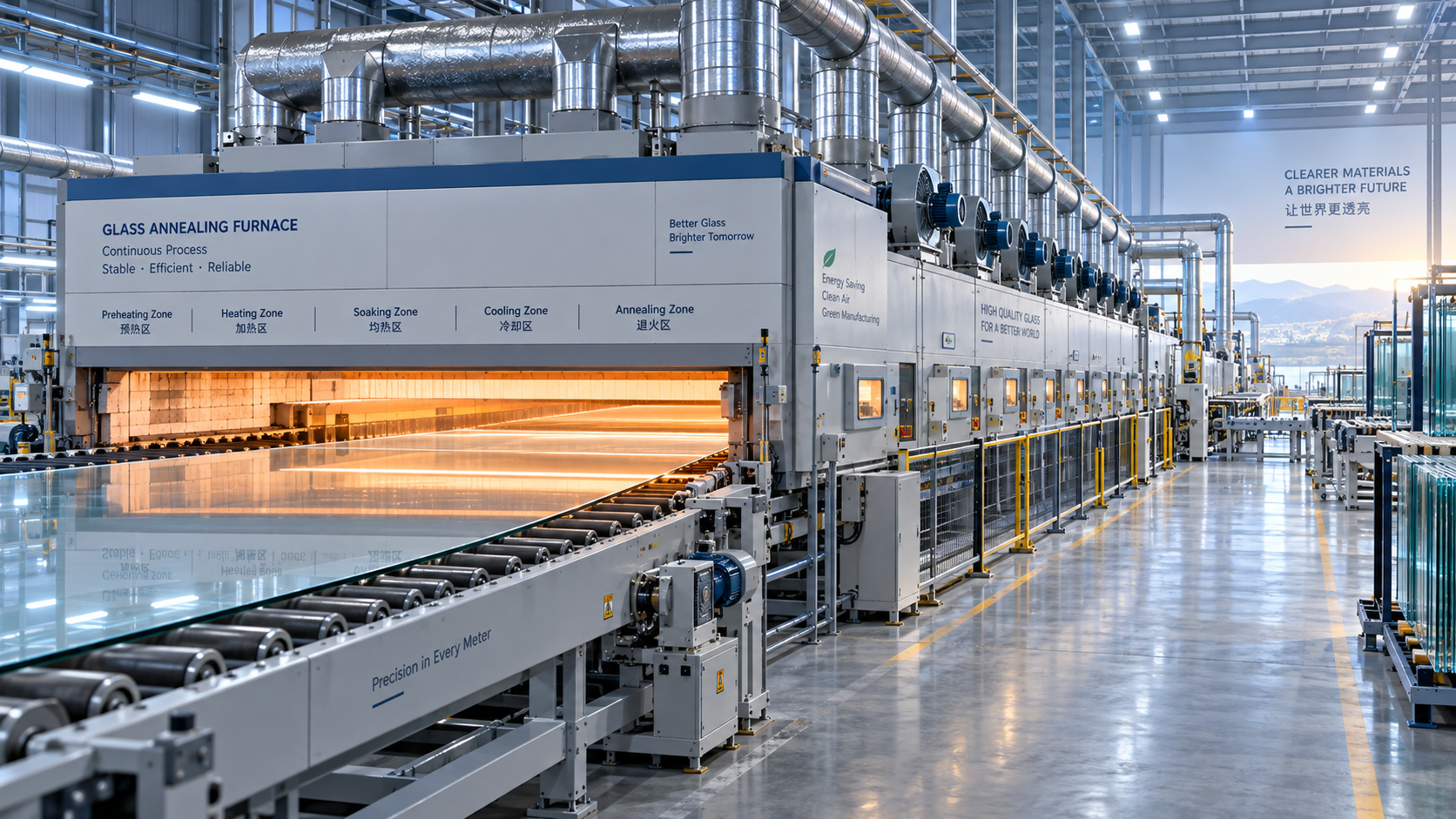
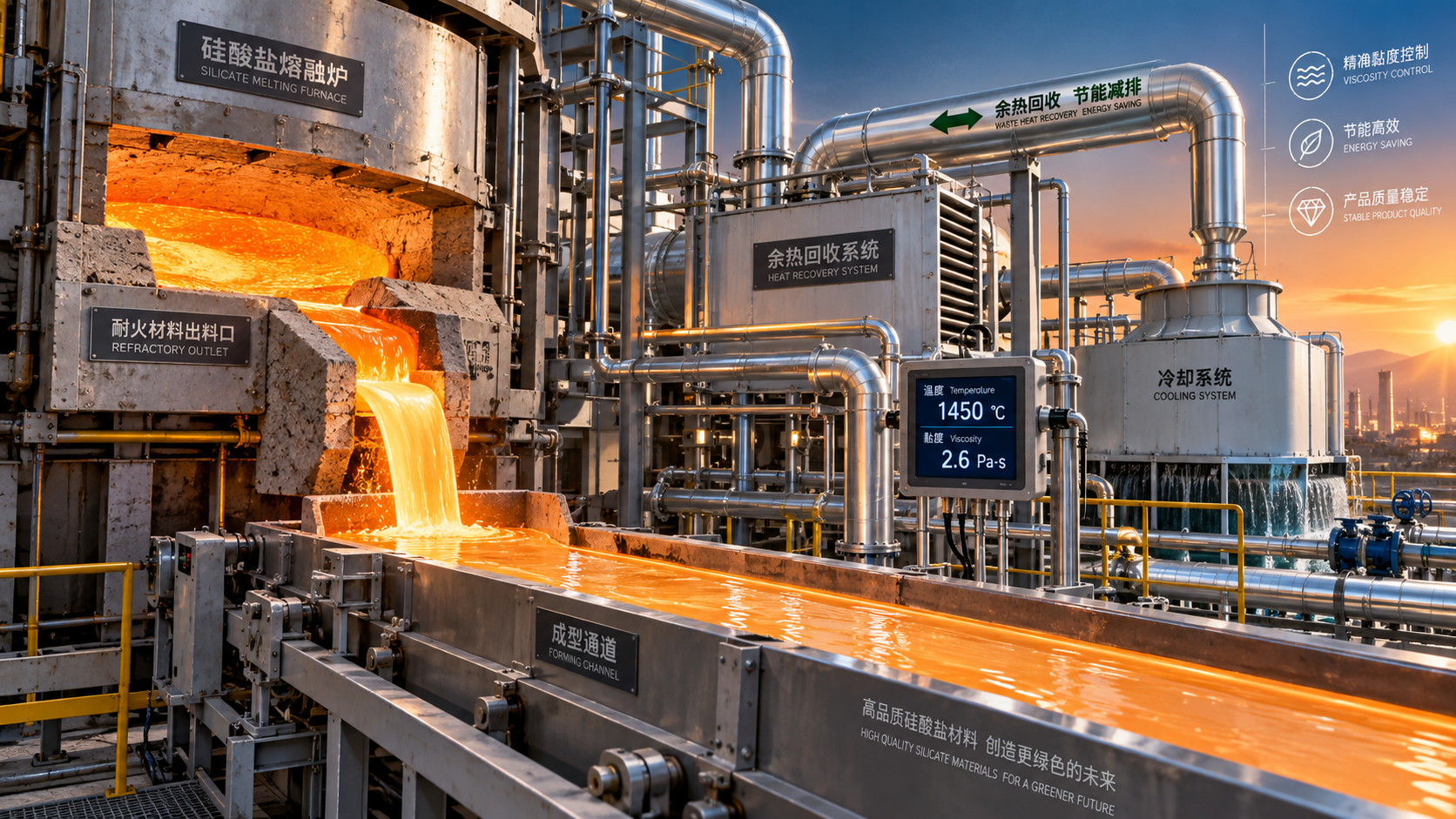
The same pattern appears in glass melting furnaces.
Batch charging, crown temperature, furnace pressure, and forehearth temperature must move together.
If one loop reacts faster than the others, defects increase before alarms clearly explain why.
High-Value Control Points to Watch
- Raw material feed rate and feeder consistency
- Moisture variation before drying or firing
- Primary and secondary air flow balance
- Burner fuel flow, atomization, and flame shape
- Kiln or furnace pressure stability
- Burning zone or melt zone temperature profile
- Cooling section temperature drop and discharge condition
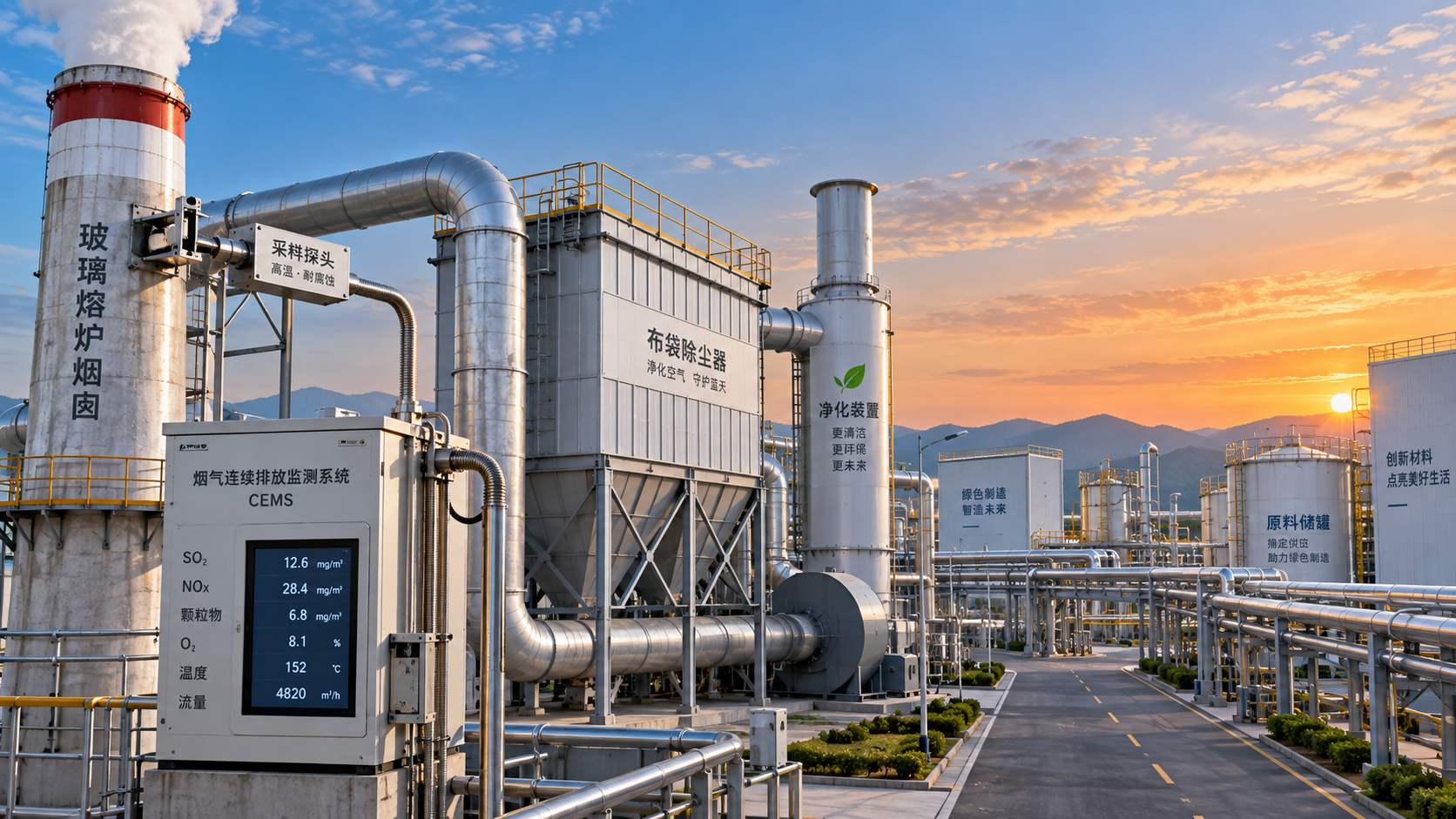
- Stack oxygen, CO, NOx, and dust behavior
These are not isolated numbers.
They form the operating logic behind effective silicate process automation.
The Sensor Layer: What the System Can Actually See
No automation strategy is better than its sensor layer.
This is where many silicate process automation upgrades become either reliable or misleading.
Operators usually see values in the control room.
What matters more is how those values are produced, filtered, delayed, and maintained.
Temperature is the most familiar example.
A thermocouple near a high-dust zone may drift, foul, or survive only part of a campaign.
An infrared scanner can cover wider areas, but emissivity changes may distort readings.
Gas analysis has similar limits.
Oxygen and CO analyzers are useful for combustion control, but sampling lines must stay clean, heated, and leak-free.
Otherwise, silicate process automation starts correcting for false conditions.
Common Sensor Types in Silicate Lines
- Thermocouples for local temperature measurement
- Pyrometers and thermal cameras for non-contact hot zone monitoring
- Pressure transmitters for draft and furnace balance
- Flow meters for gas, air, fuel oil, and cooling media
- Load cells and belt weigh feeders for raw mix control
- Moisture analyzers before drying or shaping steps
- Gas analyzers for O2, CO, CO2, NOx, and SO2
- Vibration and current sensors for rotating equipment health
A good rule is simple.
If a sensor cannot be trusted during dust peaks, heat shocks, or maintenance drift, it should not drive aggressive control logic.
How Control Loops Work in Real Silicate Process Automation
The next layer is control structure.
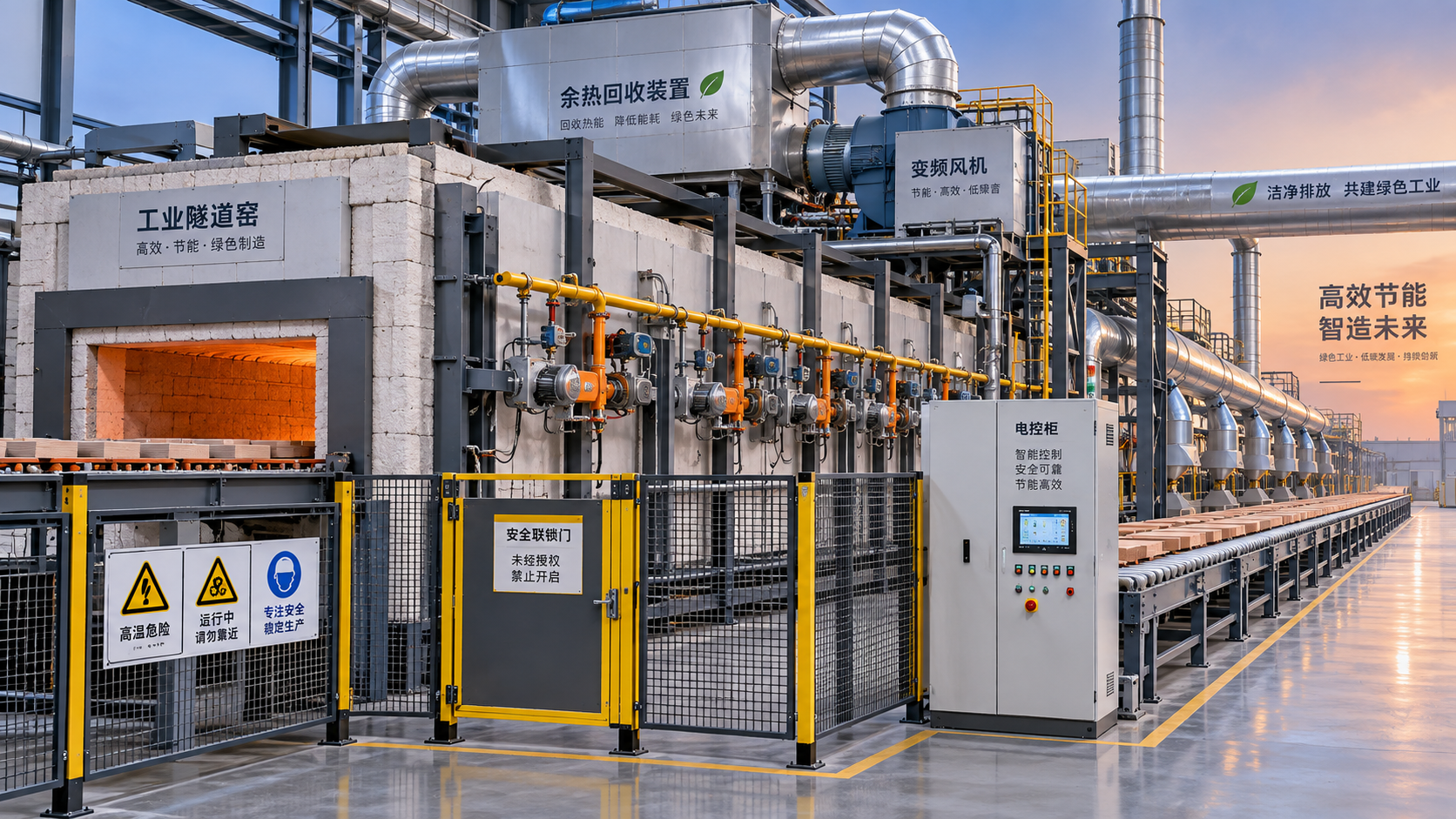
In real plants, silicate process automation usually combines basic PID loops, ratio control, interlocks, and operator supervision.
Advanced process control may sit above that stack, but it still depends on stable fundamentals.
For example, burner fuel flow should not be tuned alone.
It should be linked to combustion air, kiln draft, feed condition, and target temperature trend.
That is where feedforward logic helps.
When raw feed moisture rises, the control system can prepare for higher thermal demand before temperature actually drops.
This makes silicate process automation more proactive and less reactive.
Still, no loop should hide process reality.
If the burner nozzle is worn, the best tuning will not restore flame quality.
Practical Signs a Loop Needs Attention
- The value oscillates even during steady production.
- The controller output stays near maximum or minimum for long periods.
- Operators keep switching the loop to manual.
- Quality shifts appear long before alarms trigger.
- Field inspection contradicts the displayed process condition.
Those are not just tuning issues.
They often point to deeper sensor, mechanical, or material problems inside the silicate process automation chain.
Integration Limits: Where Silicate Process Automation Still Falls Short
This is the part many project brochures skip.
Silicate process automation has real integration limits, especially in mixed-age plants and harsh thermal environments.
Legacy PLCs may not communicate cleanly with newer analyzers or plant historians.
Old instruments may provide signals, but not stable diagnostics.
Sampling delays can break the logic of fast control actions.
And some process states remain difficult to measure directly.
Refractory condition is a good example.
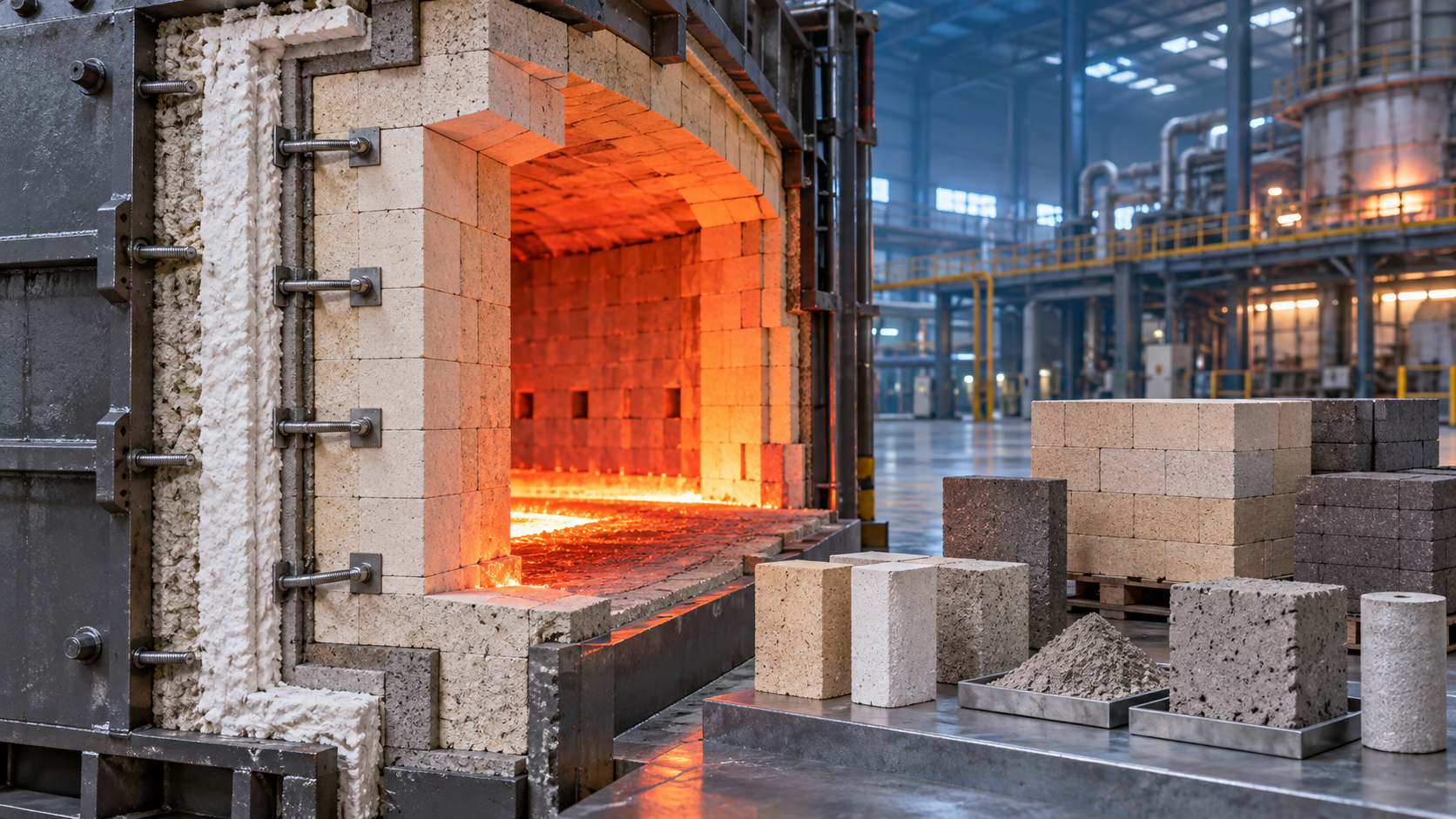
External shell scanners can estimate hot spots, but they do not fully describe internal wear geometry.
Melt chemistry also creates limits.
Glass composition or ash variability may shift behavior faster than online models can adapt.
That means silicate process automation should support judgment, not replace it.
Typical Integration Barriers
- Different vendor protocols across generations of equipment
- Slow or unreliable data from sampling-based analyzers
- Incomplete tag naming and weak alarm rationalization
- Poor maintenance access for sensors in hot or dusty zones
- Model mismatch during fuel, feedstock, or product change
- Cybersecurity constraints on remote visibility and cloud links
From an operating view, these limits are manageable when they are acknowledged early.
They become expensive only when automation is treated like a universal fix.
What Better Daily Operation Looks Like
Better silicate process automation shows up in routines, not slogans.
A stable line usually has clean sensor validation, disciplined loop reviews, and clear rules for manual intervention.
It also has a strong handoff between operations, maintenance, and process engineering.
That cross-check matters in every high-temperature sector followed by CF-Elite.
Cement plants need tighter fuel and draft coordination.
Glass lines need stronger thermal balance and forehearth consistency.
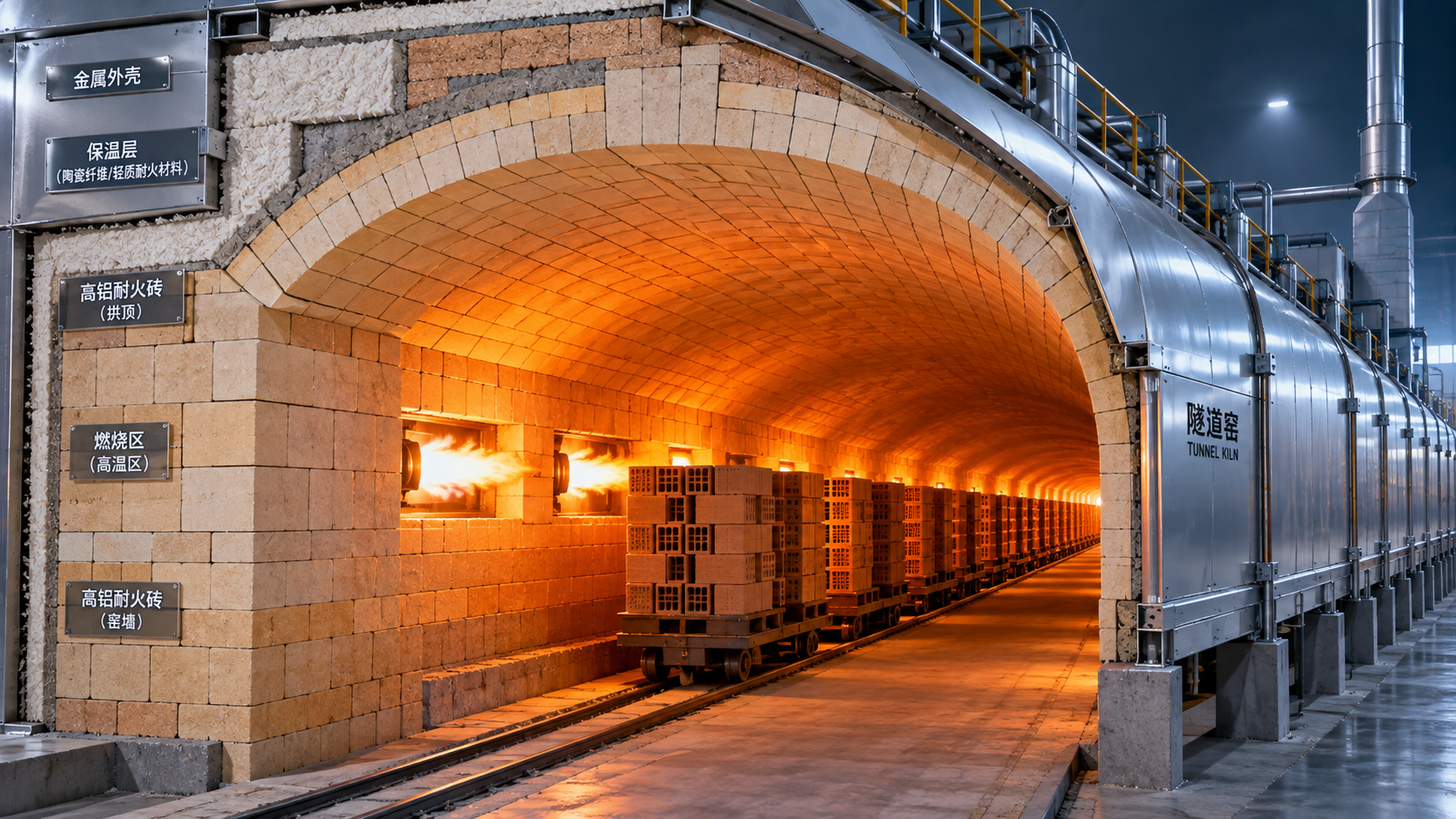
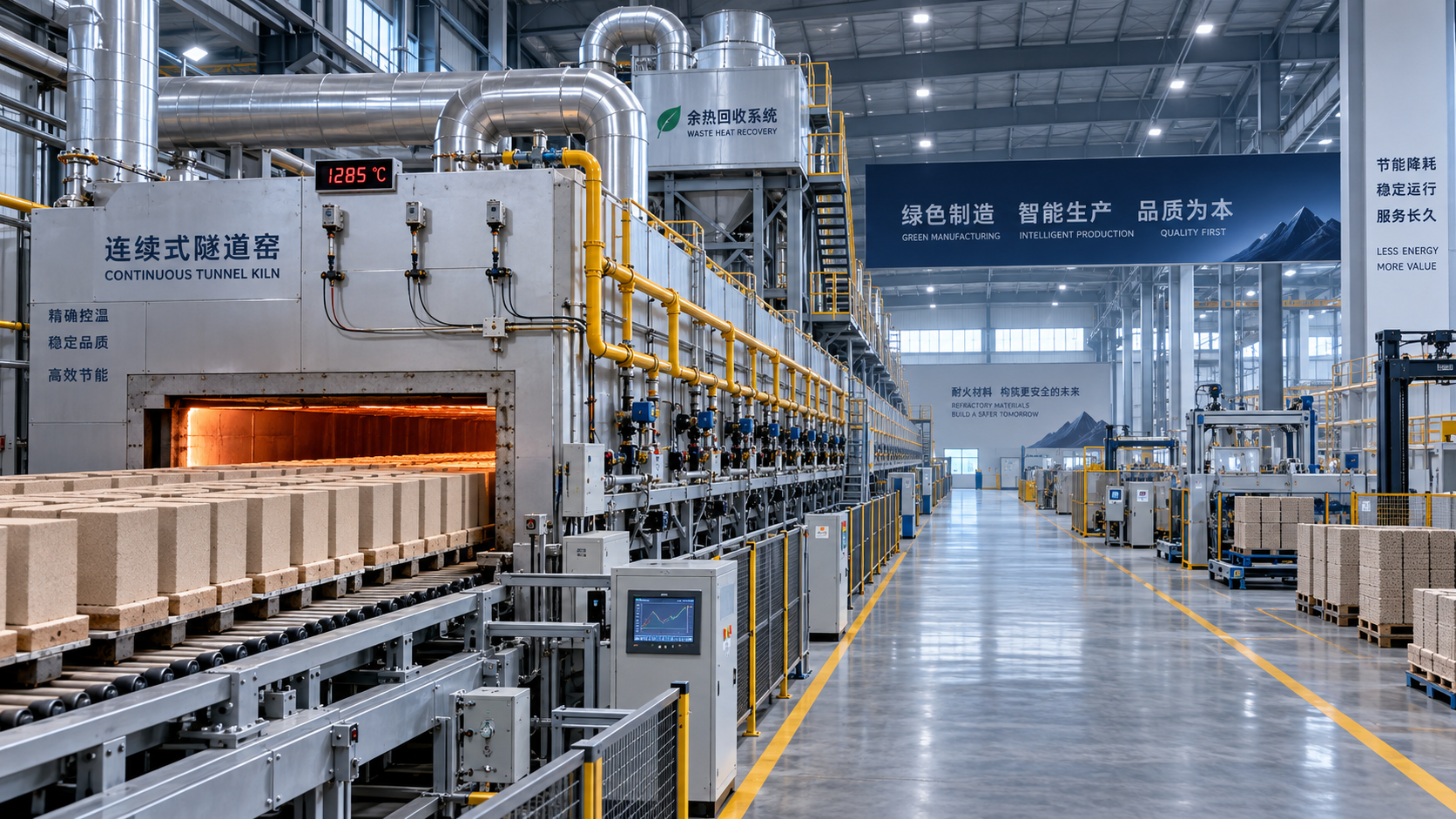
Refractory production needs firing repeatability.
Extrusion lines need moisture, pressure, and shaping stability before defects spread downstream.
A Practical Checklist
When this checklist becomes routine, silicate process automation starts delivering measurable gains.
Those gains usually include steadier quality, lower specific energy use, and fewer surprise shutdowns.
A Realistic Way Forward
The most effective silicate process automation is not the most complex version.
It is the version that matches process physics, sensor reliability, and operating discipline.
That usually means starting with high-impact control points, validating field instruments, and tightening weak loops before adding advanced layers.
It also means accepting that some decisions still require direct observation and process experience.
Across cement plants, glass manufacturing gear, industrial kilns, incineration systems, refractory lines, and new building material extrusion, the same principle holds.
Silicate process automation works best when it sharpens visibility, shortens reaction time, and supports cleaner thermal control.
Use that lens to review each loop, each sensor, and each integration gap.
That is usually where the next practical improvement becomes visible.
Related News
 Optical Glass Tech FellowHow Glass Furnace Emissions Are Measured and Controlled for Regulatory ComplianceGlass furnace emissions: learn how to measure, monitor, and control NOx, SOx, particulate, CO, and CO2 for reliable regulatory compliance.Oct 08, 2026
 Prof. Marcus ChenIndustrial Decarbonization Strategies in Europe: A Roadmap for Energy-Intensive PlantsIndustrial decarbonization strategies Europe: explore practical pathways for energy-intensive plants to cut emissions, improve efficiency, and protect performance.Oct 07, 2026
 Thermal Energy ArchitectEnergy-Efficient Silicate Production Lines: What to Compare Before SelectionSilicate production lines energy efficient selection guide: compare thermal performance, stability, emissions, controls, and lifecycle value before investing.Oct 06, 2026
 Optical Glass Tech FellowHow to Evaluate Automated Float Glass Lines for Capacity, Quality, and Energy UseEvaluate automated float glass lines for net capacity, consistent quality, energy efficiency, automation reliability, and lifecycle value. Explore key criteria for smarter investment decisions.Oct 05, 2026
 Thermal Energy ArchitectWhat Does CE Marking Require for an Energy-Efficient Industrial Kiln?Energy efficient kiln CE requirements explained: assess safety, technical files, energy performance, and EU compliance before purchase or commissioning.Oct 04, 2026
 Thermal Energy ArchitectRefractory Manufacturing Solutions for Brick Plants: How to Extend Kiln LifeRefractory manufacturing solutions for brick plant operations: discover proven strategies to extend kiln life, reduce heat loss, prevent lining failures, and plan cost-effective repairs.Oct 03, 2026
 Thermal Energy ArchitectHow to Specify Heavy Industrial Process Systems for High-Temperature PlantsHeavy industrial processes systems: learn how to specify high-temperature plants for efficiency, emissions control, maintainability, and lifecycle performance.Oct 02, 2026
 Structural Material AnalystHow Sustainable Material Extrusion Can Improve Wall Panel Durability and Design FlexibilityDiscover how sustainable material extrusion for wall panels improves durability, moisture resistance, design flexibility, and installation consistency for high-performing wall systems.Oct 01, 2026
 Thermal Energy ArchitectHow to Evaluate a High-Temperature Materials Manufacturer for Furnace ApplicationsChoose a high-temperature materials manufacturer with confidence: compare thermal performance, chemical resistance, quality controls, installation support, and lifecycle cost.Sep 30, 2026
 Ms. Elena RodriguezHow to Structure Global Specification Data for Faster Industrial Product EvaluationGlobal specification-oriented product information helps industrial teams compare capacity, energy, emissions, automation, and lifecycle data on a like-for-like basis for faster, confident equipment decisions.Sep 29, 2026
 Thermal Energy ArchitectHow to Specify High-Temperature Process Systems for Continuous Thermal OperationsHigh-temperature process engineering systems: learn how to specify resilient continuous thermal operations for efficiency, compliance, reliable uptime, and long-term performance.Sep 28, 2026
 Thermal Energy ArchitectHow to Evaluate a Thermal Engineering Contractor for High-Temperature Plant ProjectsChoose a thermal engineering contractor with proven process expertise, lifecycle value, emissions control, and delivery discipline for reliable high-temperature plant performance.Sep 27, 2026
 Silicate Process EngineerHow Latin American Cement Plants Can Reduce Dust Emissions in Kilns and Transfer PointsCement plant dust control Latin America: reduce kiln and transfer-point emissions with practical airflow, filtration, monitoring, and maintenance strategies.Sep 26, 2026
 Material Heat-Resist ExpertHow to Evaluate Refractory Production Lines for Output, Quality, and Energy UseRefractory production lines: learn how to assess qualified output, consistent quality, and total energy use for smarter, lower-risk investment decisions.Sep 25, 2026
 Dr. Alistair VaughnHow Waste Recycling Technology Improves Material Recovery in Industrial PlantsWaste recycling technology improves material recovery through source segregation, smart separation, thermal treatment, and quality control for industrial plants.Sep 24, 2026
 Optical Glass Tech FellowHow to Specify Glass Annealing Equipment for European Quality and Energy RequirementsGlass annealing equipment Europe: learn how to specify lehrs for consistent glass quality, energy efficiency, compliance, automation, and reliable long-term performance.Sep 23, 2026
 Optical Glass Tech FellowSilicate Process Automation: Improving Batch Consistency and Energy ControlSilicate process automation improves batch consistency, energy control, traceability, and operator confidence across high-temperature manufacturing operations.Sep 22, 2026
 Optical Glass Tech FellowHow Silicate Industrial Processes Control Viscosity, Energy Use, and Product QualitySilicate industrial processes: learn how viscosity, chemistry, heat transfer, and atmosphere control reduce energy use, improve stability, and protect product quality.Sep 21, 2026
 Thermal Energy ArchitectHow European Plants Can Evaluate Energy Recovery Equipment for High-Temperature ProcessesIndustrial energy recovery equipment Europe: learn how high-temperature plants can assess waste-heat sources, integration risks, lifecycle value, and reliable recovery routes.Sep 20, 2026
 Thermal Energy ArchitectIndustrial Furnace Process Optimization: Reducing Fuel Use Without Sacrificing ThroughputIndustrial process optimization furnace strategies that cut fuel use while protecting throughput. Explore combustion control, heat recovery, refractory performance, and data-driven efficiency gains.Sep 19, 2026

Related News
- 00
0000-00
How Glass Furnace Emissions Are Measured and Controlled for Regulatory Compliance - 00
0000-00
How to Evaluate Automated Float Glass Lines for Capacity, Quality, and Energy Use - 00
0000-00
How to Specify Glass Annealing Equipment for European Quality and Energy Requirements - 00
0000-00
Silicate Process Automation: Improving Batch Consistency and Energy Control - 00
0000-00
How Silicate Industrial Processes Control Viscosity, Energy Use, and Product Quality
Weekly Insights
Stay ahead with our curated technology reports delivered every Monday.