
What ISO Certification Means for Refractory Processing Equipment Quality and Plant Compliance




In refractory production, ISO certification is not a decorative label. It is a practical signal that equipment has been designed, built, documented, and controlled against recognized requirements.
That matters because refractory processing sits inside demanding thermal systems, where inconsistency in mixing, shaping, drying, or firing can quickly become a quality issue and a compliance issue.
A refractory processing equipment ISO certified approach supports repeatable output, safer operation, and more credible audit records. For plants under pressure to reduce risk, that connection is becoming harder to ignore.
Why ISO certification carries weight in refractory equipment decisions
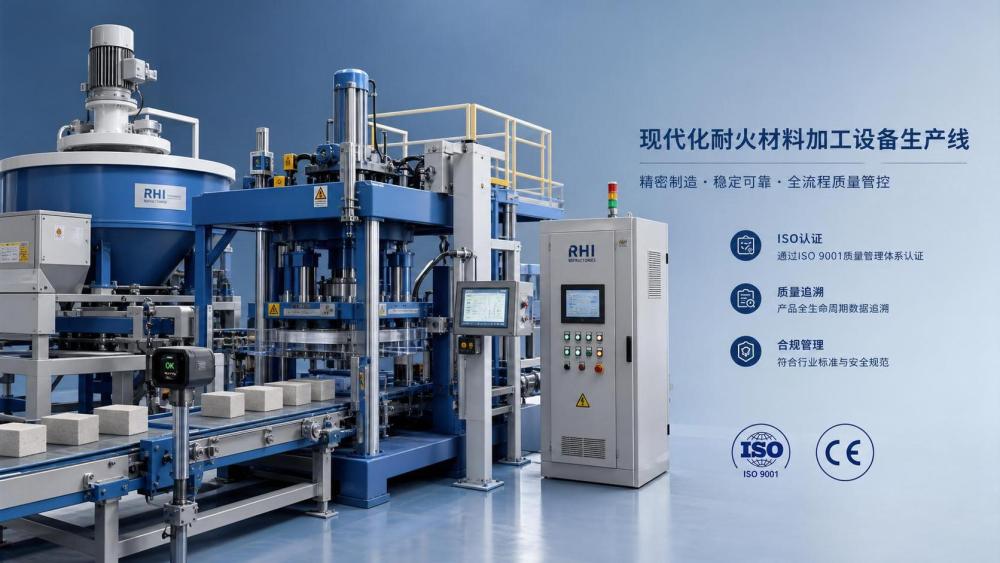
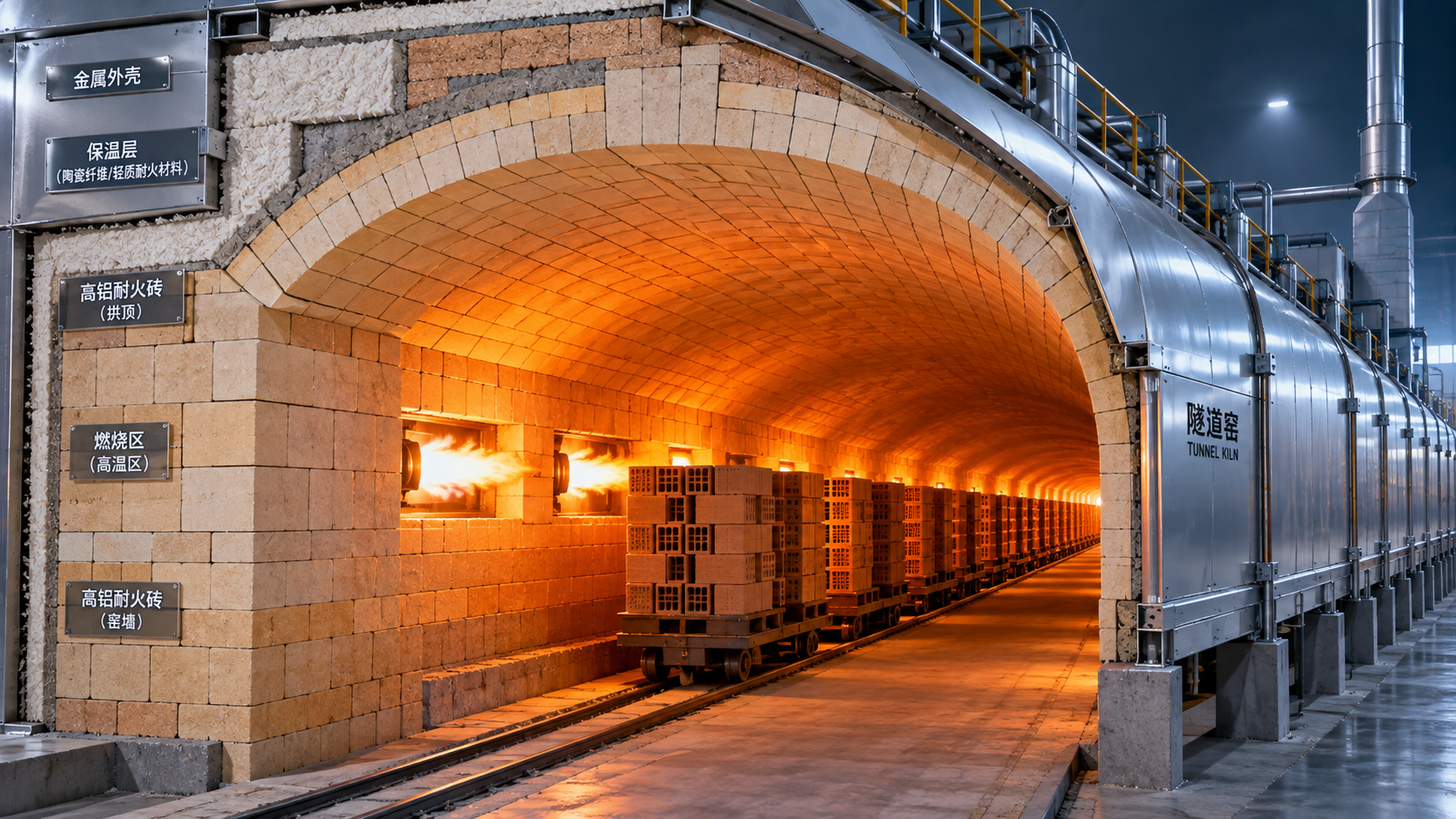
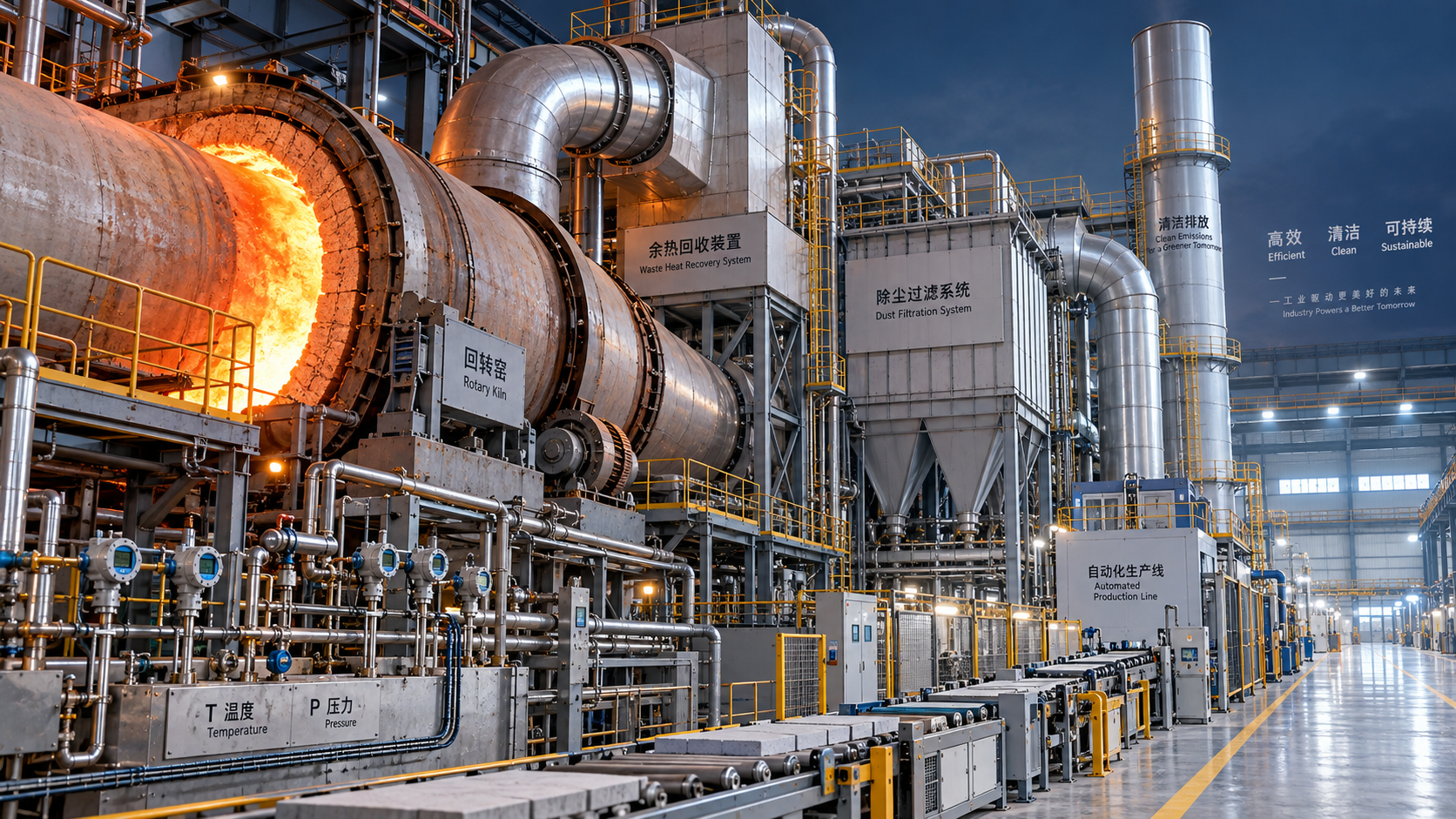
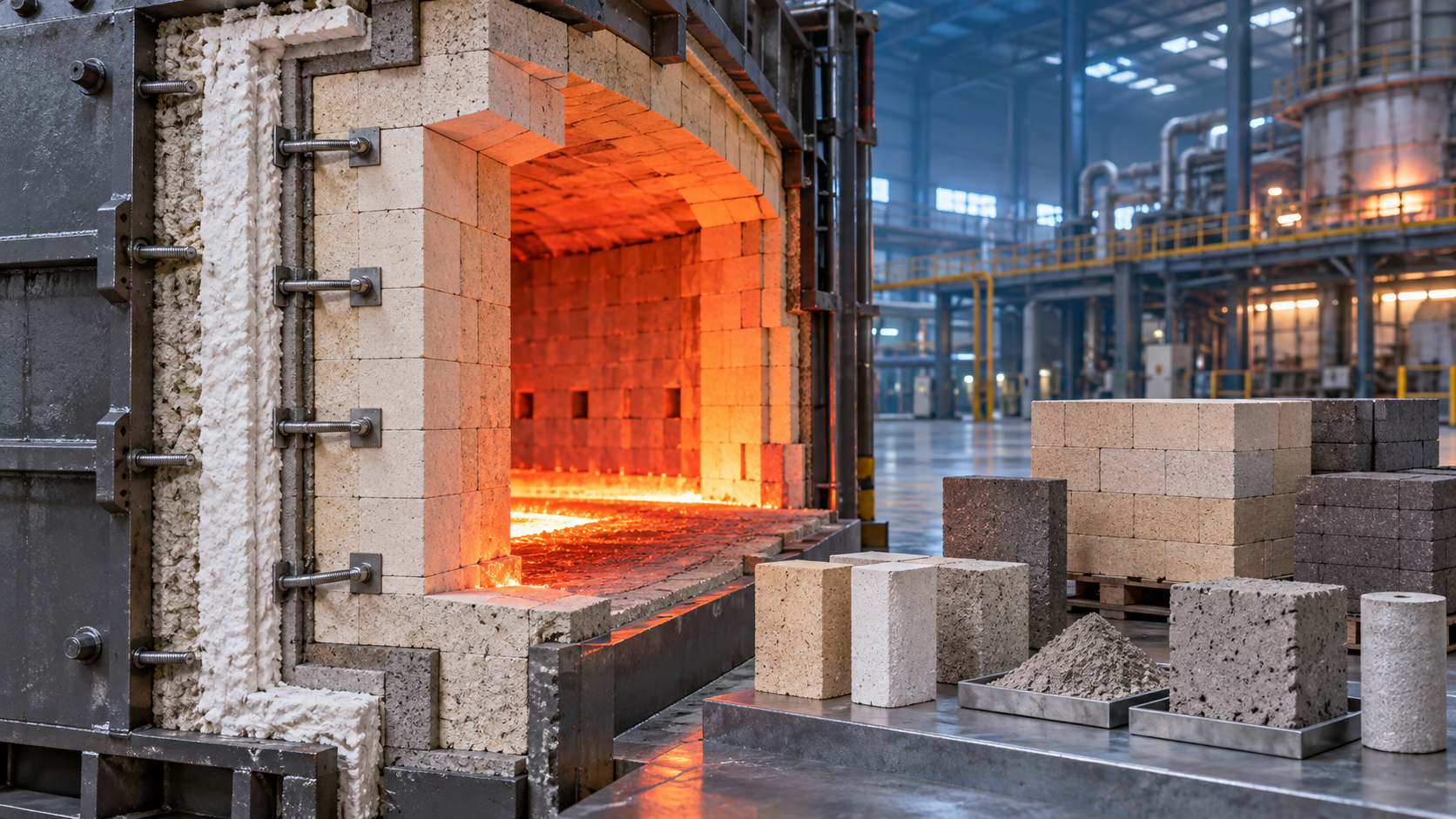
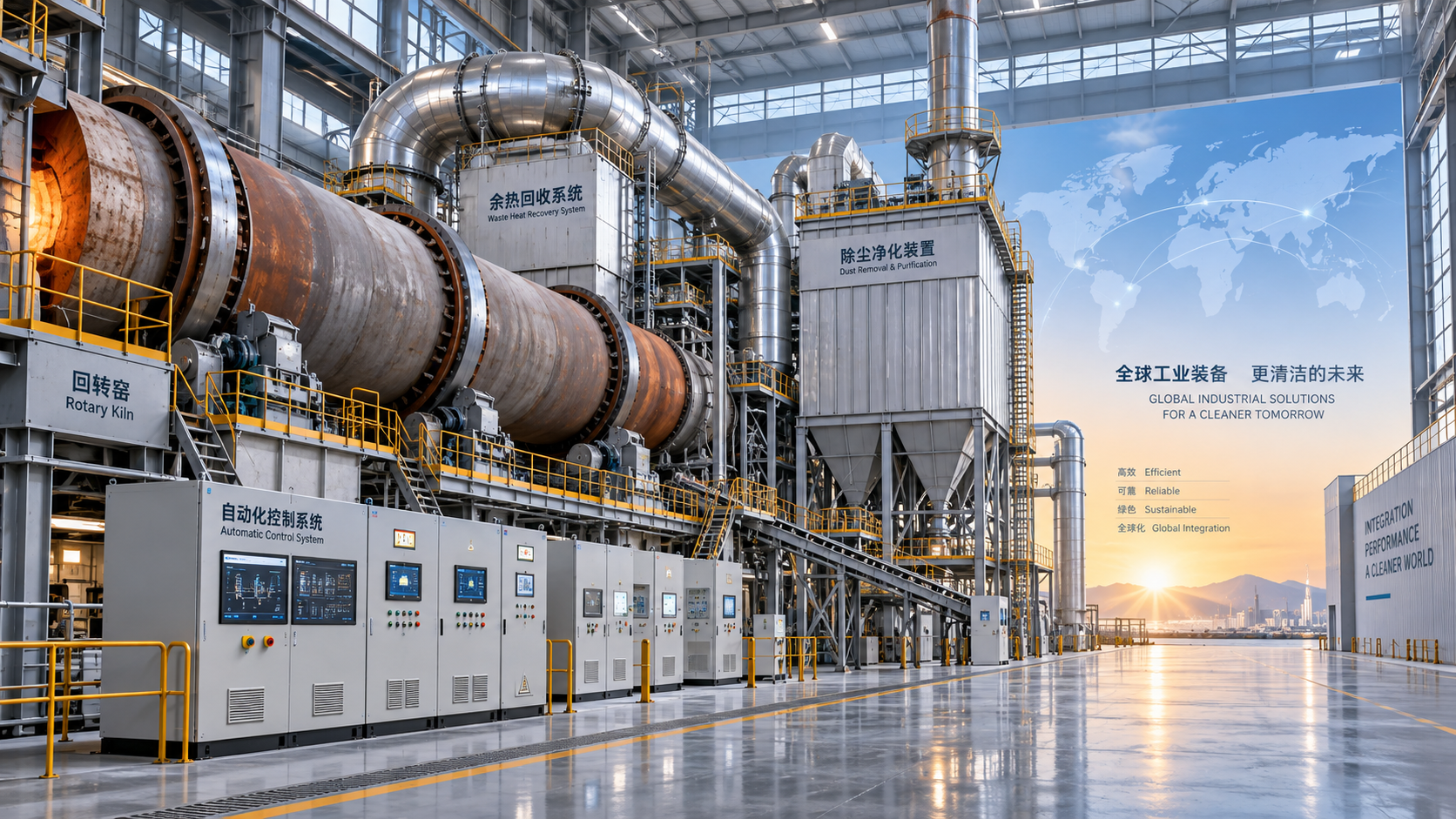
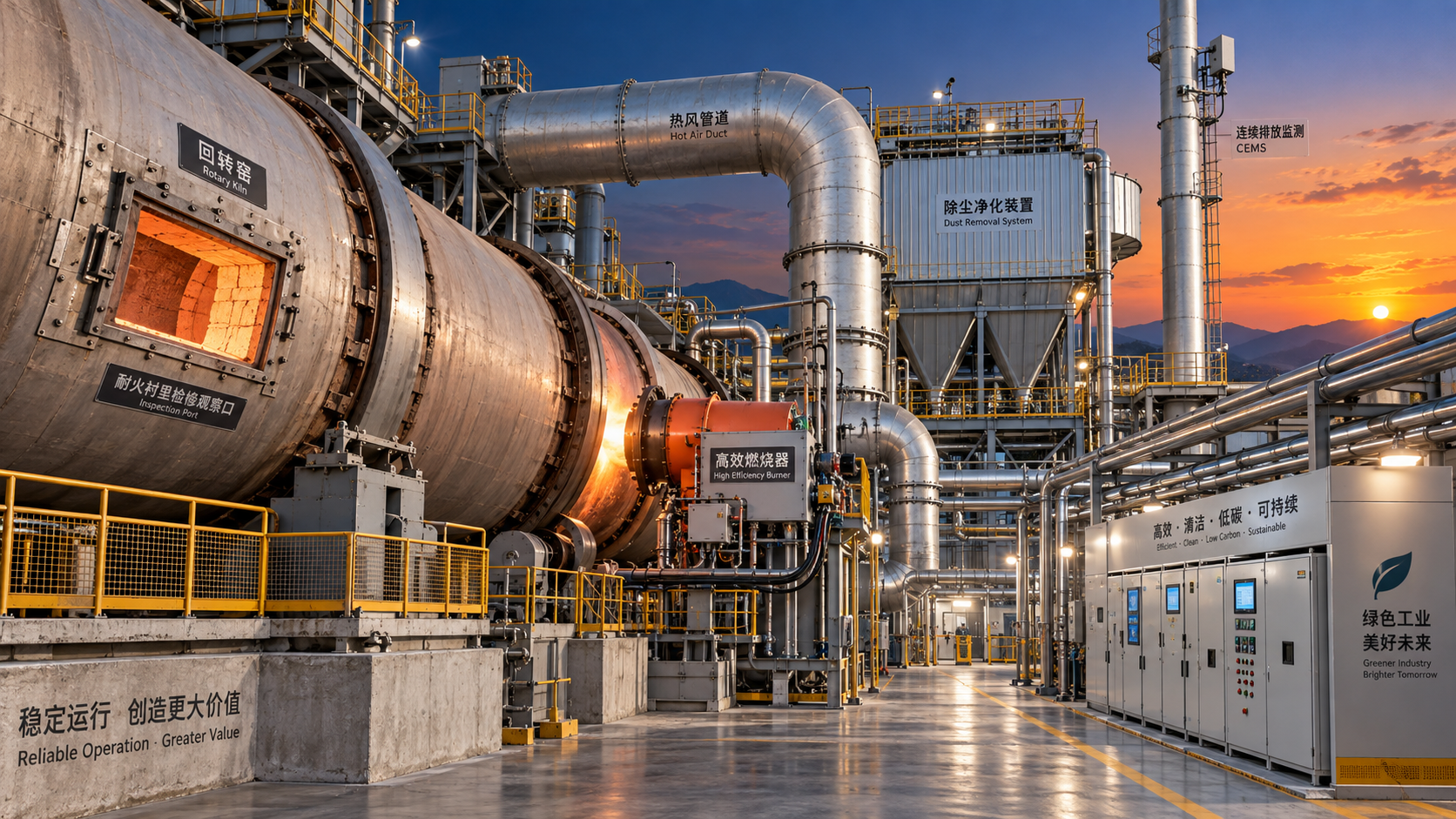
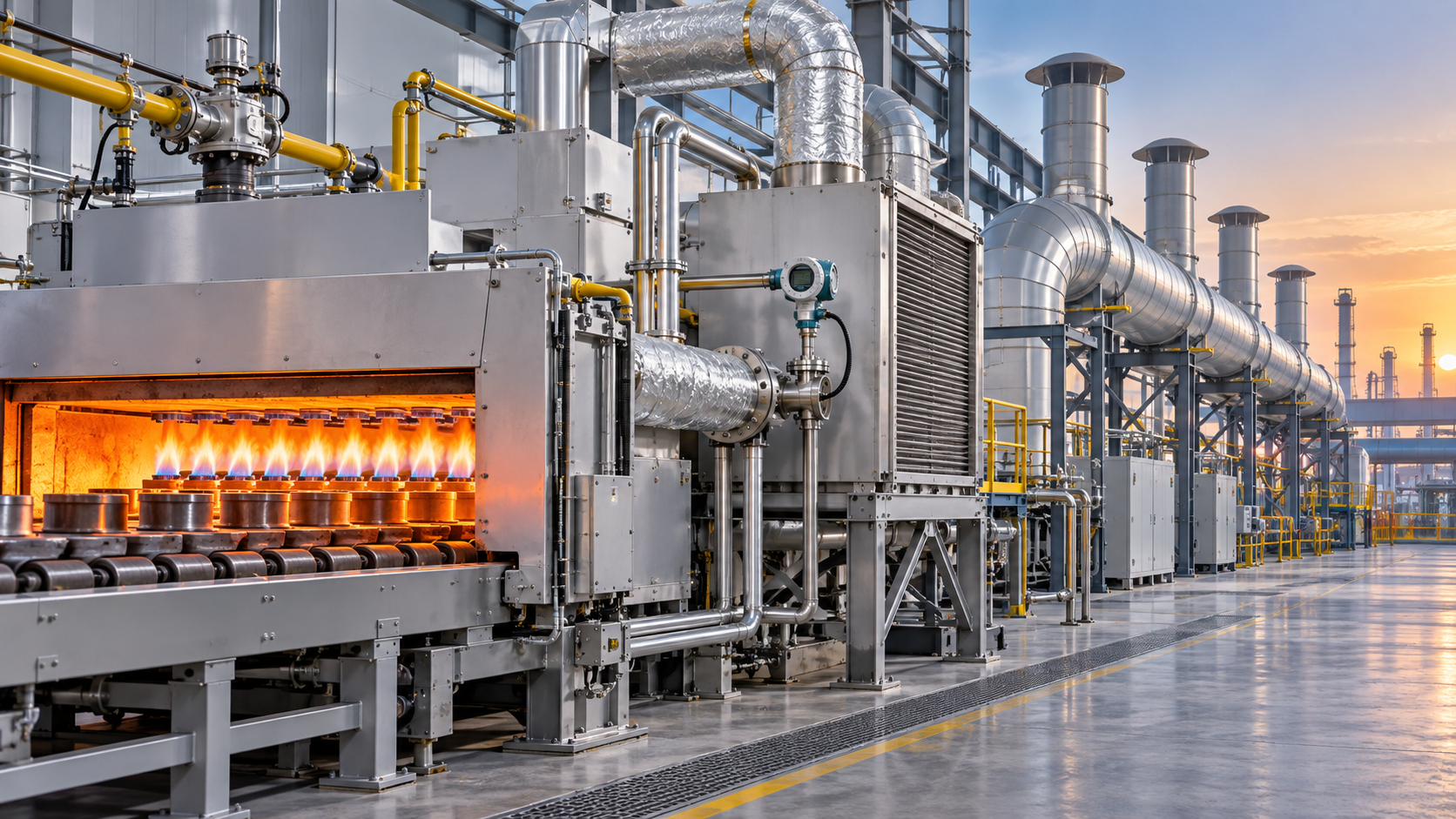
The image fits this discussion because certification value becomes visible at the equipment level, not only in supplier brochures.
Refractory lines work with abrasive raw materials, high temperatures, strict batch control, and narrow process windows. Small deviations can affect density, porosity, strength, and thermal shock resistance.
ISO certification helps translate those process risks into controlled manufacturing practice. It does not guarantee perfect performance, but it reduces uncertainty in how equipment is produced and verified.
In practical terms, refractory processing equipment ISO certified often indicates stronger document control, traceable components, inspection records, corrective action procedures, and more disciplined supplier management.
For facilities handling kiln furniture, monolithic materials, bricks, or specialty heat-resistant products, those controls affect both product quality and plant governance.
What “ISO certified” usually means in this context
The phrase is often used loosely, so it deserves a careful reading. Certification may apply to the manufacturer’s quality management system, specific fabrication processes, or broader environmental and safety practices.
The most common reference point is ISO 9001. That standard focuses on process consistency, documentation, nonconformance control, and continuous improvement.
Depending on the project, related standards may also matter. ISO 14001 can support environmental management. ISO 45001 may strengthen occupational health and safety discipline.
So when a supplier says refractory processing equipment ISO certified, the useful question is not whether a certificate exists. The useful question is what scope the certificate covers and how it links to the equipment being purchased.
The quality link: from fabrication discipline to refractory performance
Equipment quality affects refractory quality long before finished products reach a furnace, ladle, calciner, or incineration unit.
A mixer with poor consistency control can create uneven binder distribution. A press with unstable force delivery can alter bulk density. A dryer with unreliable temperature control can increase cracking risk.
This is where refractory processing equipment ISO certified brings practical value. The certification framework encourages repeatable manufacturing and verification of the machine itself.
Repeatability matters across several checkpoints:
- Raw material dosing accuracy
- Mixer speed and residence time consistency
- Molding pressure stability
- Drying and firing control interfaces
- Sensor calibration and data logging integrity
When those basics are controlled, downstream quality deviations become easier to diagnose. Plants spend less time arguing over whether the problem came from material chemistry or equipment variability.
Why compliance pressure is increasing across thermal industries
Refractory production no longer operates in isolation. It sits inside a wider industrial environment shaped by emissions rules, workplace safety expectations, energy efficiency targets, and tighter customer audits.
That broader picture is central to CF-Elite’s market view. Across cement plants, glass lines, industrial kilns, incineration systems, and new building material extrusion, thermal equipment is being judged more rigorously.
The same trend reaches refractory lines because they support the thermal barriers used by steel, metallurgy, waste treatment, and silicate manufacturing.
In many facilities, compliance now involves more than passing a final inspection. It requires process evidence, maintenance records, equipment traceability, and confidence that operational changes are controlled.
A refractory processing equipment ISO certified procurement strategy fits that environment. It gives plants a stronger starting point when regulators, customers, or internal auditors ask how reliability and risk are being managed.
Where the pressure shows up first
The first signs usually appear in documentation gaps, inconsistent maintenance logs, undocumented component substitutions, and weak calibration history.
Those gaps may seem administrative, yet they often become the root cause of shutdowns, rejected batches, or compliance findings.
Typical scenarios where certified equipment makes a visible difference
The benefit is easier to understand when tied to real operating situations rather than general claims.
Line expansion or modernization
When adding mixers, presses, extrusion units, or curing systems, plants need compatibility with existing controls and quality systems.
A refractory processing equipment ISO certified supplier is more likely to provide controlled drawings, acceptance criteria, and structured commissioning records.
Cross-border supply and multi-site standardization
International projects often struggle with uneven documentation between factories or subcontractors. ISO-based systems help normalize inspection language and approval practice.
Audit preparation after an incident
If a batch defect, dust release, or operator safety event occurs, traceable equipment records shorten the path from suspicion to evidence.
Energy and carbon performance reviews
CF-Elite’s intelligence focus on decarbonization is relevant here. Stable equipment operation supports thermal efficiency, lower waste, and fewer corrective cycles.
How to judge a refractory processing equipment ISO certified claim
The safest approach is to evaluate the claim through evidence, not marketing language.
- Check whether the certificate belongs to the equipment manufacturer, not only a parent company.
- Review the certified scope and compare it with the machine category being supplied.
- Ask for factory acceptance test protocols and sample nonconformance reports.
- Confirm calibration control for load cells, temperature instruments, and pressure sensors.
- Verify spare parts traceability and revision control for electrical and mechanical assemblies.
- Look at how field modifications are documented after commissioning.
These checks are especially useful when comparing similar offers. Two machines may look identical in specification sheets, yet differ sharply in control discipline and audit readiness.
What ISO certification does not solve by itself
Certification is a strong filter, but it is not a substitute for application review. Refractory processes vary by material recipe, throughput, automation level, and downstream thermal duty.
A refractory processing equipment ISO certified machine can still be the wrong choice if residence time is mismatched, wear surfaces are underspecified, or dust extraction is poorly integrated.
That is why process context matters. Equipment should be judged against actual plant conditions, including abrasive load, temperature exposure, utility stability, maintenance access, and data reporting needs.
The more complex the line, the more important it becomes to connect certification with process engineering, not treat it as a standalone badge.
A practical next step for plant evaluation
A useful next move is to build an internal review sheet that links supplier certification, equipment criticality, and plant compliance priorities.
Start with the machines that most directly affect product uniformity, dust control, thermal stability, or operator exposure.
Then compare each offer using the same evidence set: certificate scope, inspection records, calibration practice, change control, and integration readiness.
For organizations tracking wider thermal industry shifts, CF-Elite’s intelligence model offers a helpful lens. It places refractory equipment decisions inside the larger movement toward decarbonization, digital monitoring, and tighter industrial accountability.
Seen that way, refractory processing equipment ISO certified is not only a procurement phrase. It becomes a workable standard for judging whether equipment can support stable output, defensible compliance, and long-term operational control.
Related News
 Prof. Marcus ChenIndustrial Decarbonization Strategies in Europe: A Roadmap for Energy-Intensive PlantsIndustrial decarbonization strategies Europe: explore practical pathways for energy-intensive plants to cut emissions, improve efficiency, and protect performance.Oct 07, 2026
 Thermal Energy ArchitectEnergy-Efficient Silicate Production Lines: What to Compare Before SelectionSilicate production lines energy efficient selection guide: compare thermal performance, stability, emissions, controls, and lifecycle value before investing.Oct 06, 2026
 Optical Glass Tech FellowHow to Evaluate Automated Float Glass Lines for Capacity, Quality, and Energy UseEvaluate automated float glass lines for net capacity, consistent quality, energy efficiency, automation reliability, and lifecycle value. Explore key criteria for smarter investment decisions.Oct 05, 2026
 Thermal Energy ArchitectWhat Does CE Marking Require for an Energy-Efficient Industrial Kiln?Energy efficient kiln CE requirements explained: assess safety, technical files, energy performance, and EU compliance before purchase or commissioning.Oct 04, 2026
 Thermal Energy ArchitectRefractory Manufacturing Solutions for Brick Plants: How to Extend Kiln LifeRefractory manufacturing solutions for brick plant operations: discover proven strategies to extend kiln life, reduce heat loss, prevent lining failures, and plan cost-effective repairs.Oct 03, 2026
 Thermal Energy ArchitectHow to Specify Heavy Industrial Process Systems for High-Temperature PlantsHeavy industrial processes systems: learn how to specify high-temperature plants for efficiency, emissions control, maintainability, and lifecycle performance.Oct 02, 2026
 Structural Material AnalystHow Sustainable Material Extrusion Can Improve Wall Panel Durability and Design FlexibilityDiscover how sustainable material extrusion for wall panels improves durability, moisture resistance, design flexibility, and installation consistency for high-performing wall systems.Oct 01, 2026
 Thermal Energy ArchitectHow to Evaluate a High-Temperature Materials Manufacturer for Furnace ApplicationsChoose a high-temperature materials manufacturer with confidence: compare thermal performance, chemical resistance, quality controls, installation support, and lifecycle cost.Sep 30, 2026
 Ms. Elena RodriguezHow to Structure Global Specification Data for Faster Industrial Product EvaluationGlobal specification-oriented product information helps industrial teams compare capacity, energy, emissions, automation, and lifecycle data on a like-for-like basis for faster, confident equipment decisions.Sep 29, 2026
 Thermal Energy ArchitectHow to Specify High-Temperature Process Systems for Continuous Thermal OperationsHigh-temperature process engineering systems: learn how to specify resilient continuous thermal operations for efficiency, compliance, reliable uptime, and long-term performance.Sep 28, 2026
 Thermal Energy ArchitectHow to Evaluate a Thermal Engineering Contractor for High-Temperature Plant ProjectsChoose a thermal engineering contractor with proven process expertise, lifecycle value, emissions control, and delivery discipline for reliable high-temperature plant performance.Sep 27, 2026
 Silicate Process EngineerHow Latin American Cement Plants Can Reduce Dust Emissions in Kilns and Transfer PointsCement plant dust control Latin America: reduce kiln and transfer-point emissions with practical airflow, filtration, monitoring, and maintenance strategies.Sep 26, 2026
 Material Heat-Resist ExpertHow to Evaluate Refractory Production Lines for Output, Quality, and Energy UseRefractory production lines: learn how to assess qualified output, consistent quality, and total energy use for smarter, lower-risk investment decisions.Sep 25, 2026
 Dr. Alistair VaughnHow Waste Recycling Technology Improves Material Recovery in Industrial PlantsWaste recycling technology improves material recovery through source segregation, smart separation, thermal treatment, and quality control for industrial plants.Sep 24, 2026
 Optical Glass Tech FellowHow to Specify Glass Annealing Equipment for European Quality and Energy RequirementsGlass annealing equipment Europe: learn how to specify lehrs for consistent glass quality, energy efficiency, compliance, automation, and reliable long-term performance.Sep 23, 2026
 Optical Glass Tech FellowSilicate Process Automation: Improving Batch Consistency and Energy ControlSilicate process automation improves batch consistency, energy control, traceability, and operator confidence across high-temperature manufacturing operations.Sep 22, 2026
 Optical Glass Tech FellowHow Silicate Industrial Processes Control Viscosity, Energy Use, and Product QualitySilicate industrial processes: learn how viscosity, chemistry, heat transfer, and atmosphere control reduce energy use, improve stability, and protect product quality.Sep 21, 2026
 Thermal Energy ArchitectHow European Plants Can Evaluate Energy Recovery Equipment for High-Temperature ProcessesIndustrial energy recovery equipment Europe: learn how high-temperature plants can assess waste-heat sources, integration risks, lifecycle value, and reliable recovery routes.Sep 20, 2026
 Thermal Energy ArchitectIndustrial Furnace Process Optimization: Reducing Fuel Use Without Sacrificing ThroughputIndustrial process optimization furnace strategies that cut fuel use while protecting throughput. Explore combustion control, heat recovery, refractory performance, and data-driven efficiency gains.Sep 19, 2026
 Ms. Elena RodriguezWhat Drives High-Pressure Extrusion Equipment Cost in Industrial Projects?High pressure extrusion equipment cost explained: compare pressure, die design, automation, wear, energy, and installation factors for smarter industrial investments.Sep 18, 2026



Related News
- 00
0000-00
How to Evaluate Refractory Production Lines for Output, Quality, and Energy Use - 00
0000-00
What Determines Refractory Production Line Price in a Turnkey Plant Project? - 00
0000-00
How to Evaluate a Silicate Production Line for Capacity, Energy Use, and Product Quality - 00
0000-00
Silicate Production Line Process Explained: Key Stages, Equipment, and Quality Control - 00
0000-00
How to Evaluate a Refractory Production Line in Southeast Asia: Capacity, Fuel, and Raw Material Factors
Weekly Insights
Stay ahead with our curated technology reports delivered every Monday.