
How to Choose Alumina-Based Advanced Refractory Materials for High-Heat Furnaces




Choosing advanced refractory materials alumina based for high-heat furnaces starts with a practical truth: a temperature label alone says very little about service life.
In cement, glass, incineration, metallurgy, and extrusion lines, the lining faces heat, load, abrasion, alkali attack, thermal cycling, and unplanned shutdown risk at the same time.
That is why material selection now sits closer to process strategy than basic procurement. A wrong grade can raise fuel use, distort thermal profiles, and shorten campaign life.
A better choice supports stable operation, cleaner heat transfer, lower maintenance frequency, and more credible decarbonization results across energy-intensive production systems.
Why Alumina-Based Refractories Matter More Now
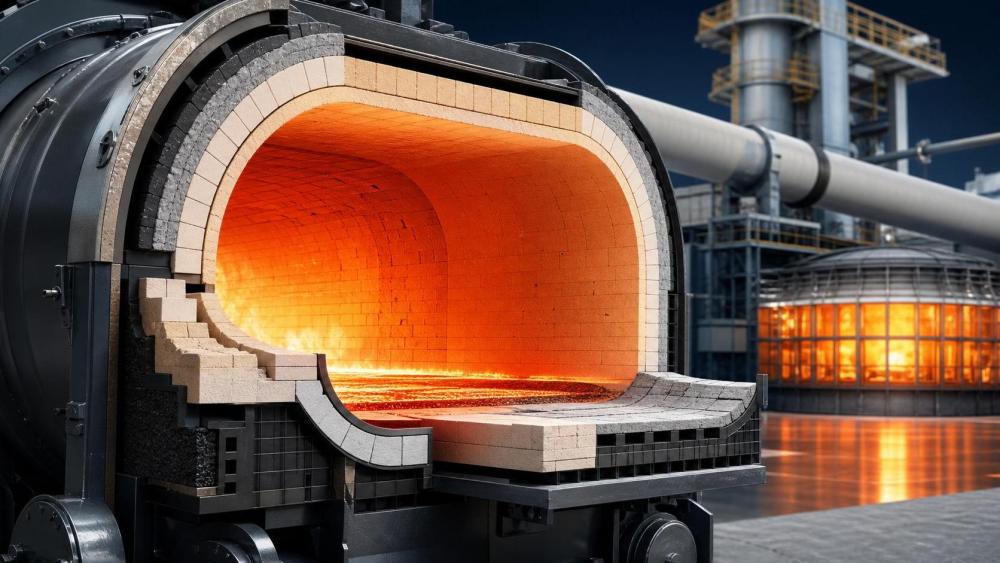
Alumina-based refractories remain central because they offer a broad balance of refractoriness, strength, corrosion resistance, and installation versatility across many furnace designs.
That balance matters in mixed industrial settings. Few plants run under ideal laboratory conditions, and most thermal units experience variable feed chemistry and uneven operating rhythms.
Within the CF-Elite view of thermal management, the issue is wider than lining durability. Refractory choice links process stability, chemical kinetics, energy intensity, and emissions performance.
In rotary kilns, float glass lines, waste-to-energy systems, and refractory production lines, advanced refractory materials alumina based influence how heat is stored, transferred, and protected.
More plants are also operating under tighter environmental controls. That shifts attention toward lifecycle efficiency, not only emergency replacement cost or first-purchase price.
What “Advanced” Really Means in This Category
Not every alumina brick or castable qualifies as advanced. The term usually points to engineered purity, particle grading, bonding systems, microstructure control, and application-specific performance.
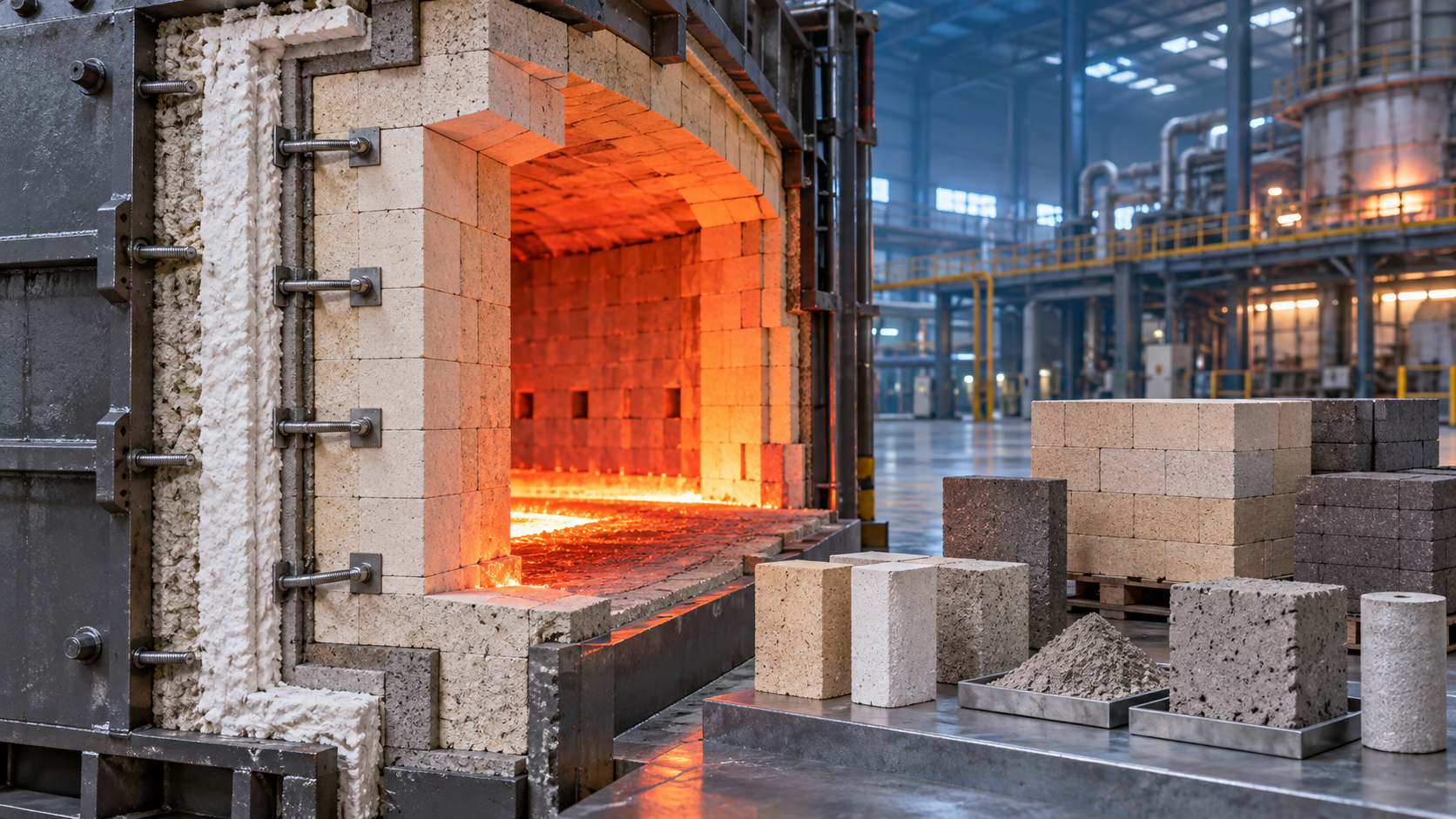
Typical options include dense high-alumina bricks, low-cement castables, ultra-low cement castables, self-flow mixes, spinel-forming systems, and abrasion-resistant monolithics.
The alumina content matters, but so do porosity, cold crushing strength, modulus of rupture, permanent linear change, and thermal conductivity.
A 70% alumina product and an 85% alumina product may behave very differently, yet the higher number is not automatically the better commercial decision.
Selection improves when composition is read together with service environment, anchoring design, installation method, and maintenance philosophy.
Key Performance Dimensions
- Maximum service temperature under load, not only theoretical melting resistance.
- Thermal shock tolerance during startup, shutdown, and process fluctuation.
- Slag, alkali, ash, or glass contact resistance in the actual chemical atmosphere.
- Mechanical integrity under abrasion, impact, and structural stress.
- Installation sensitivity, curing behavior, and dry-out requirements.
The Furnace Environment Should Lead the Decision
The most reliable way to choose advanced refractory materials alumina based is to begin with the furnace, not the catalog.
A burner zone, charging area, kiln inlet, slag line, or transition chamber can each demand a different refractory logic.
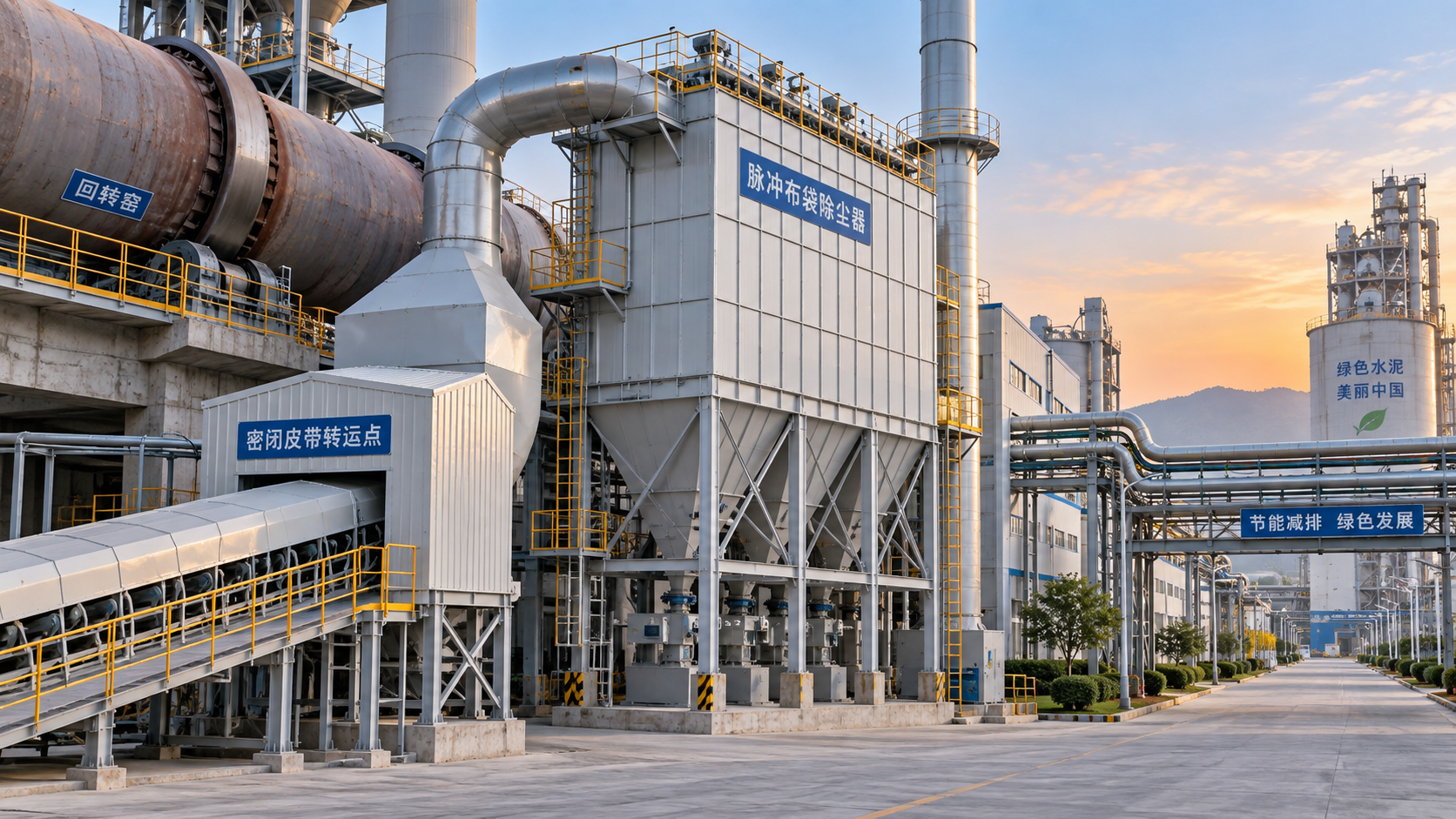
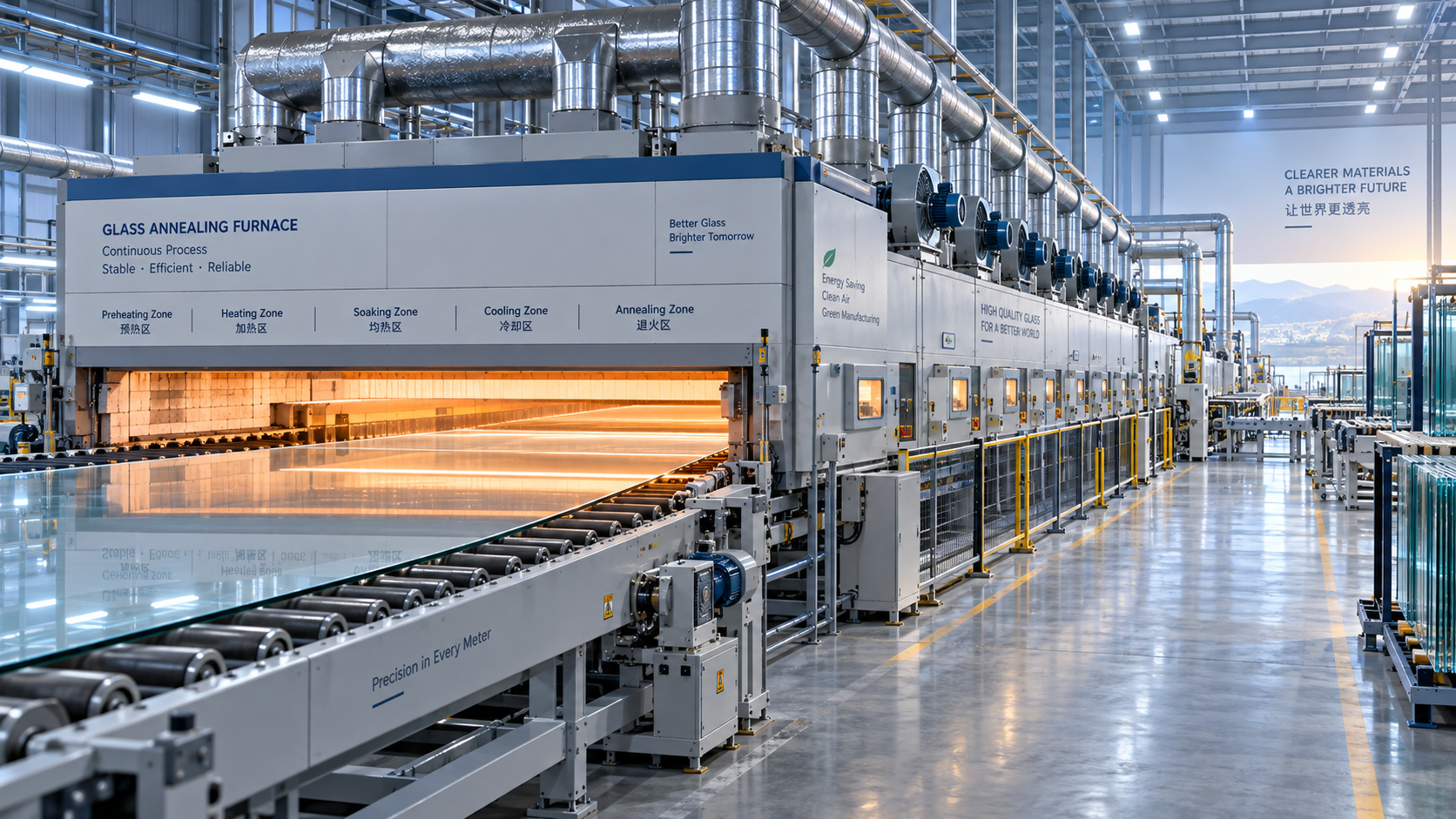
In cement systems, alkali circulation and coating behavior often dominate. In glass equipment, contact contamination and thermal precision become more important.
In industrial incineration, ash chemistry, chlorides, and aggressive cycling can quickly defeat materials chosen only for nominal heat resistance.
For extrusion or specialty thermal equipment, mechanical wear and dimensional stability may decide performance more than peak temperature itself.
A Useful Screening Matrix
Material Tradeoffs That Often Decide Outcomes
Higher density often improves corrosion resistance and load-bearing strength. It can also reduce thermal shock tolerance if cycling is severe.
Lower porosity may protect against penetration, but installation quality becomes more critical. Small placement errors can create weak zones that fail early.
Low-cement and ultra-low cement systems usually deliver better high-temperature properties, though they demand disciplined water control and dry-out management.
Some advanced refractory materials alumina based include spinel or other additives to improve thermal shock or slag resistance. Those benefits depend on exact furnace chemistry.
This is where many evaluations go off course. Data sheets are useful, but compatibility testing and field history deserve equal weight.
Questions Worth Asking Before Approval
- Which failure mode has dominated previous campaigns: spalling, chemical attack, erosion, or structural collapse?
- Is the process becoming hotter, more variable, or more fuel-flexible than before?
- Will the selected lining require new anchoring, curing, or dry-out controls?
- Is the expected gain based on lab properties or verified service data from comparable units?
Where Application Context Changes the Best Choice
A single alumina strategy rarely fits every thermal asset. The best grade depends on process objective as much as heat level.
Cement kilns often need resistance to alkali attack, coating interaction, and mechanical stress around transitions. Glass systems need cleaner surfaces and dimensional stability.
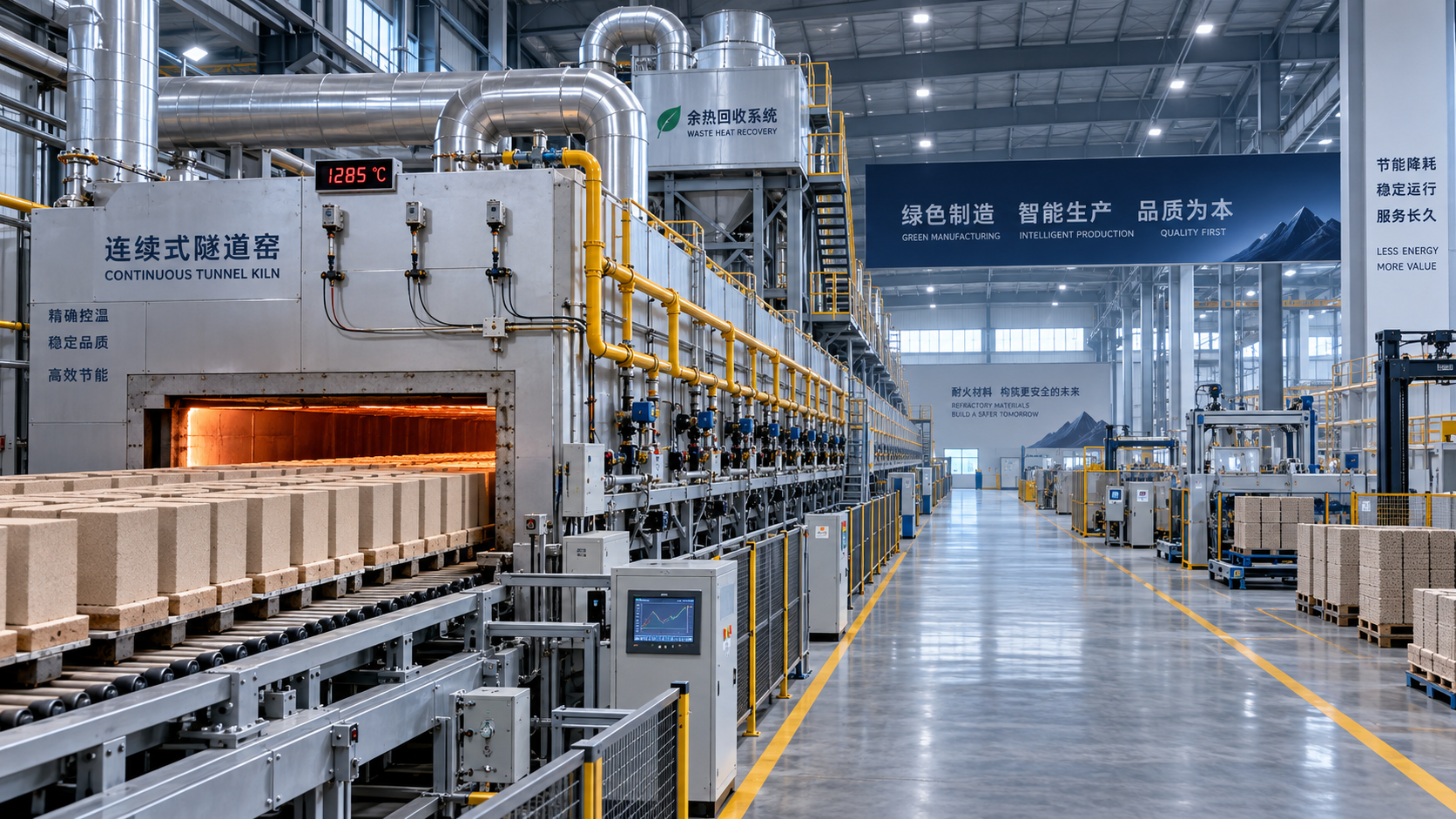
Waste incineration units may prioritize resistance to corrosive ash and rapid cycle fatigue. Refractory manufacturing lines often care about repeatability and predictable sintering behavior.
Across these sectors, advanced refractory materials alumina based remain relevant because they can be tailored without losing industrial scalability.
That adaptability explains why CF-Elite tracks them alongside kiln co-processing, lining monitoring, and digital performance analysis across high-temperature industries.
Lifecycle Thinking Is Now Part of Material Selection
A cheaper lining can become the expensive option if it raises shutdown frequency or weakens thermal efficiency over a long campaign.
Evaluation should include installation labor, dry-out time, repair intervals, heat loss, shell temperature impact, and the consequence of unscheduled stoppages.
This matters even more under carbon-reduction pressure. Refractory performance affects fuel demand, process stability, and the efficiency of waste heat recovery strategies.
In other words, lining choice is increasingly tied to plant-level energy and emissions performance, not simply maintenance budgeting.
Practical Indicators Beyond Purchase Price
- Campaign length under actual feed and fuel conditions
- Mean time between hot repairs or emergency patching
- Heat loss trend and shell temperature profile
- Sensitivity to operational fluctuation and restart cycles
- Total installed cost per operating day
A Sensible Next Step for Evaluation
Start with a furnace-zone map and match each area to its dominant wear mechanism. That prevents broad, unfocused comparison across unsuitable grades.
Then compare advanced refractory materials alumina based using three layers: composition and structure, service data in similar duty, and installation discipline required on site.
Where uncertainty remains, pilot use in the highest-risk zone often produces better insight than a full conversion based only on brochure claims.
It also helps to connect refractory decisions with process analytics, shell monitoring, and maintenance records. Material performance becomes clearer when seen through operating evidence.
For teams following CF-Elite’s thermal intelligence approach, the strongest decisions usually come from linking chemistry, heat flow, operational rhythm, and decarbonization targets into one selection standard.
That framework gives advanced refractory materials alumina based their proper context: not as isolated products, but as working assets inside the economics of high-heat production.
Related News
 Thermal Energy ArchitectWhat Does CE Marking Require for an Energy-Efficient Industrial Kiln?Energy efficient kiln CE requirements explained: assess safety, technical files, energy performance, and EU compliance before purchase or commissioning.Oct 04, 2026
 Thermal Energy ArchitectRefractory Manufacturing Solutions for Brick Plants: How to Extend Kiln LifeRefractory manufacturing solutions for brick plant operations: discover proven strategies to extend kiln life, reduce heat loss, prevent lining failures, and plan cost-effective repairs.Oct 03, 2026
 Thermal Energy ArchitectHow to Specify Heavy Industrial Process Systems for High-Temperature PlantsHeavy industrial processes systems: learn how to specify high-temperature plants for efficiency, emissions control, maintainability, and lifecycle performance.Oct 02, 2026
 Structural Material AnalystHow Sustainable Material Extrusion Can Improve Wall Panel Durability and Design FlexibilityDiscover how sustainable material extrusion for wall panels improves durability, moisture resistance, design flexibility, and installation consistency for high-performing wall systems.Oct 01, 2026
 Thermal Energy ArchitectHow to Evaluate a High-Temperature Materials Manufacturer for Furnace ApplicationsChoose a high-temperature materials manufacturer with confidence: compare thermal performance, chemical resistance, quality controls, installation support, and lifecycle cost.Sep 30, 2026
 Ms. Elena RodriguezHow to Structure Global Specification Data for Faster Industrial Product EvaluationGlobal specification-oriented product information helps industrial teams compare capacity, energy, emissions, automation, and lifecycle data on a like-for-like basis for faster, confident equipment decisions.Sep 29, 2026
 Thermal Energy ArchitectHow to Specify High-Temperature Process Systems for Continuous Thermal OperationsHigh-temperature process engineering systems: learn how to specify resilient continuous thermal operations for efficiency, compliance, reliable uptime, and long-term performance.Sep 28, 2026
 Thermal Energy ArchitectHow to Evaluate a Thermal Engineering Contractor for High-Temperature Plant ProjectsChoose a thermal engineering contractor with proven process expertise, lifecycle value, emissions control, and delivery discipline for reliable high-temperature plant performance.Sep 27, 2026
 Silicate Process EngineerHow Latin American Cement Plants Can Reduce Dust Emissions in Kilns and Transfer PointsCement plant dust control Latin America: reduce kiln and transfer-point emissions with practical airflow, filtration, monitoring, and maintenance strategies.Sep 26, 2026
 Material Heat-Resist ExpertHow to Evaluate Refractory Production Lines for Output, Quality, and Energy UseRefractory production lines: learn how to assess qualified output, consistent quality, and total energy use for smarter, lower-risk investment decisions.Sep 25, 2026
 Dr. Alistair VaughnHow Waste Recycling Technology Improves Material Recovery in Industrial PlantsWaste recycling technology improves material recovery through source segregation, smart separation, thermal treatment, and quality control for industrial plants.Sep 24, 2026
 Optical Glass Tech FellowHow to Specify Glass Annealing Equipment for European Quality and Energy RequirementsGlass annealing equipment Europe: learn how to specify lehrs for consistent glass quality, energy efficiency, compliance, automation, and reliable long-term performance.Sep 23, 2026
 Optical Glass Tech FellowSilicate Process Automation: Improving Batch Consistency and Energy ControlSilicate process automation improves batch consistency, energy control, traceability, and operator confidence across high-temperature manufacturing operations.Sep 22, 2026
 Optical Glass Tech FellowHow Silicate Industrial Processes Control Viscosity, Energy Use, and Product QualitySilicate industrial processes: learn how viscosity, chemistry, heat transfer, and atmosphere control reduce energy use, improve stability, and protect product quality.Sep 21, 2026
 Thermal Energy ArchitectHow European Plants Can Evaluate Energy Recovery Equipment for High-Temperature ProcessesIndustrial energy recovery equipment Europe: learn how high-temperature plants can assess waste-heat sources, integration risks, lifecycle value, and reliable recovery routes.Sep 20, 2026
 Thermal Energy ArchitectIndustrial Furnace Process Optimization: Reducing Fuel Use Without Sacrificing ThroughputIndustrial process optimization furnace strategies that cut fuel use while protecting throughput. Explore combustion control, heat recovery, refractory performance, and data-driven efficiency gains.Sep 19, 2026
 Ms. Elena RodriguezWhat Drives High-Pressure Extrusion Equipment Cost in Industrial Projects?High pressure extrusion equipment cost explained: compare pressure, die design, automation, wear, energy, and installation factors for smarter industrial investments.Sep 18, 2026
 Thermal Energy ArchitectHow to Size a Waste Heat Recovery Exchanger for High-Temperature Kiln Exhaust?Waste heat recovery exchanger sizing for high-temperature kiln exhaust: balance recoverable duty, fouling, corrosion limits, pressure drop, and reliable heat use.Sep 17, 2026
 Thermal Energy ArchitectWhy Heat-Resistant Materials Lose Abrasion Resistance at High TemperaturesHeat-resistant materials abrasion resistance can decline at high temperatures. Discover the thermal, chemical, and mechanical causes of wear—and how to choose longer-lasting linings.Sep 16, 2026
 Thermal Energy ArchitectHow to Evaluate a Thermal Energy Optimization Company for High-Temperature PlantsChoose a thermal energy optimization company with proven process expertise, measurable savings, and reliable delivery for high-temperature plants. Learn what to assess.Sep 15, 2026

Related News
- 00
0000-00
How to Evaluate Refractory Production Lines for Output, Quality, and Energy Use - 00
0000-00
What Determines Refractory Production Line Price in a Turnkey Plant Project? - 00
0000-00
How to Evaluate a Silicate Production Line for Capacity, Energy Use, and Product Quality - 00
0000-00
Silicate Production Line Process Explained: Key Stages, Equipment, and Quality Control - 00
0000-00
How to Evaluate a Refractory Production Line in Southeast Asia: Capacity, Fuel, and Raw Material Factors
Weekly Insights
Stay ahead with our curated technology reports delivered every Monday.