
What Is Industrial Co-Processing? Process, Acceptable Waste Types, and Kiln Use Cases




Industrial co-processing has become a practical answer to two pressures moving at the same time: stricter environmental control and rising demand for thermal efficiency. In cement and other high-temperature sectors, it turns waste streams into partial fuel or mineral input inside existing process systems. That combination makes it relevant well beyond disposal policy.
The topic matters because waste recovery in kilns is not simply an incineration story. It affects flame stability, clinker chemistry, emissions control, refractory wear, alternative fuel economics, and carbon strategy. For sectors watched closely by CF-Elite, industrial co-processing sits at the intersection of process engineering, compliance, and long-cycle equipment planning.
What industrial co-processing actually means in thermal industries
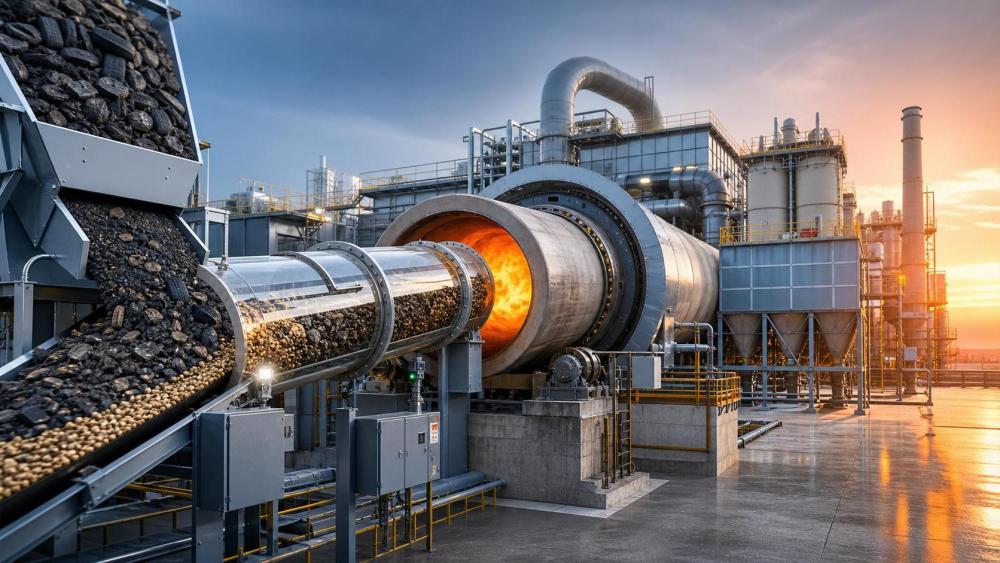
At its core, industrial co-processing means using suitable waste materials in an industrial process where both their energy content and material content can be recovered. The best-known setting is the cement rotary kiln, though the concept also informs broader kiln and incineration system design.
This is different from simple waste burning. In industrial co-processing, the host process already needs very high temperatures and mineral transformation. Waste is introduced only when it can support that process without undermining product quality or emissions limits.
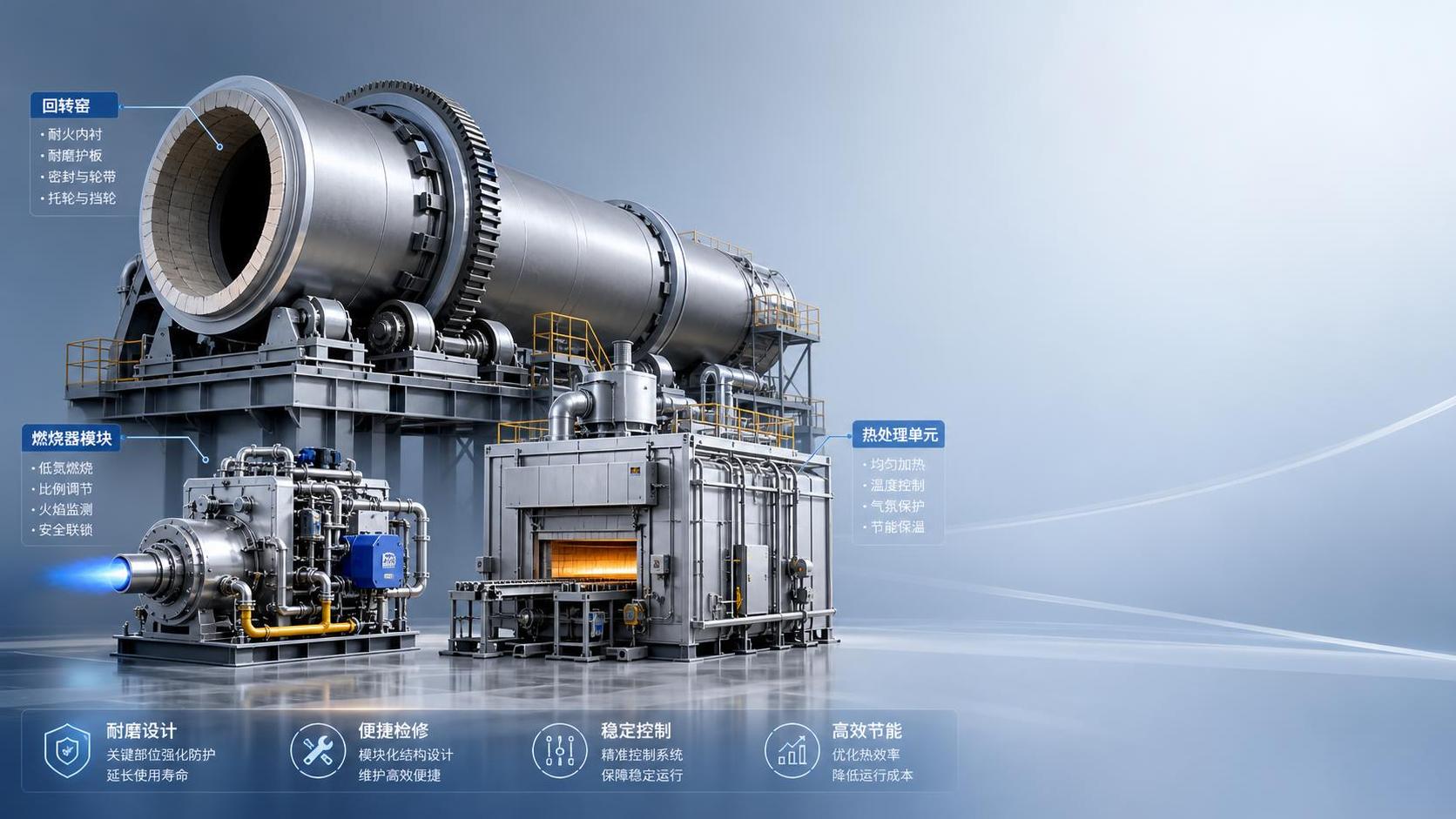
That distinction is why rotary kilns attract so much attention. They provide long residence time, high combustion temperature, alkaline conditions, and ash incorporation into clinker. In many cases, these features create better resource recovery than stand-alone destruction.
From a silicate industry perspective, the attraction is clear. A kiln can reduce fossil fuel dependence, divert difficult waste from landfill, and capture mineral residue in product formation. That aligns with the wider resource circularity and decarbonization focus seen across global foundation material industries.
Why the subject is getting more attention now
Interest in industrial co-processing has expanded because energy costs, carbon accounting, and waste regulation now influence plant competitiveness as much as raw throughput. The question is no longer whether alternative inputs are possible. It is whether they can be managed without compromising kiln performance.
Cement plants are under particular pressure. They operate energy-intensive systems, face direct process emissions, and often sit within stricter public scrutiny. That makes co-processing attractive, but only when feeding systems, monitoring, and combustion control are robust enough.
The same conversation also touches industrial incineration and related thermal lines. Operators increasingly compare dedicated treatment capacity with integrated recovery models. As a result, industrial co-processing is now discussed not only as a waste option, but as a strategic operating model.
This is where intelligence platforms such as CF-Elite add value. Decisions depend on kiln temperature profiles, reaction kinetics, refractory behavior, emissions trends, and regional policy signals. Good judgment comes from linking those variables, not from treating waste substitution as a simple procurement change.
How the process works from receipt to kiln injection
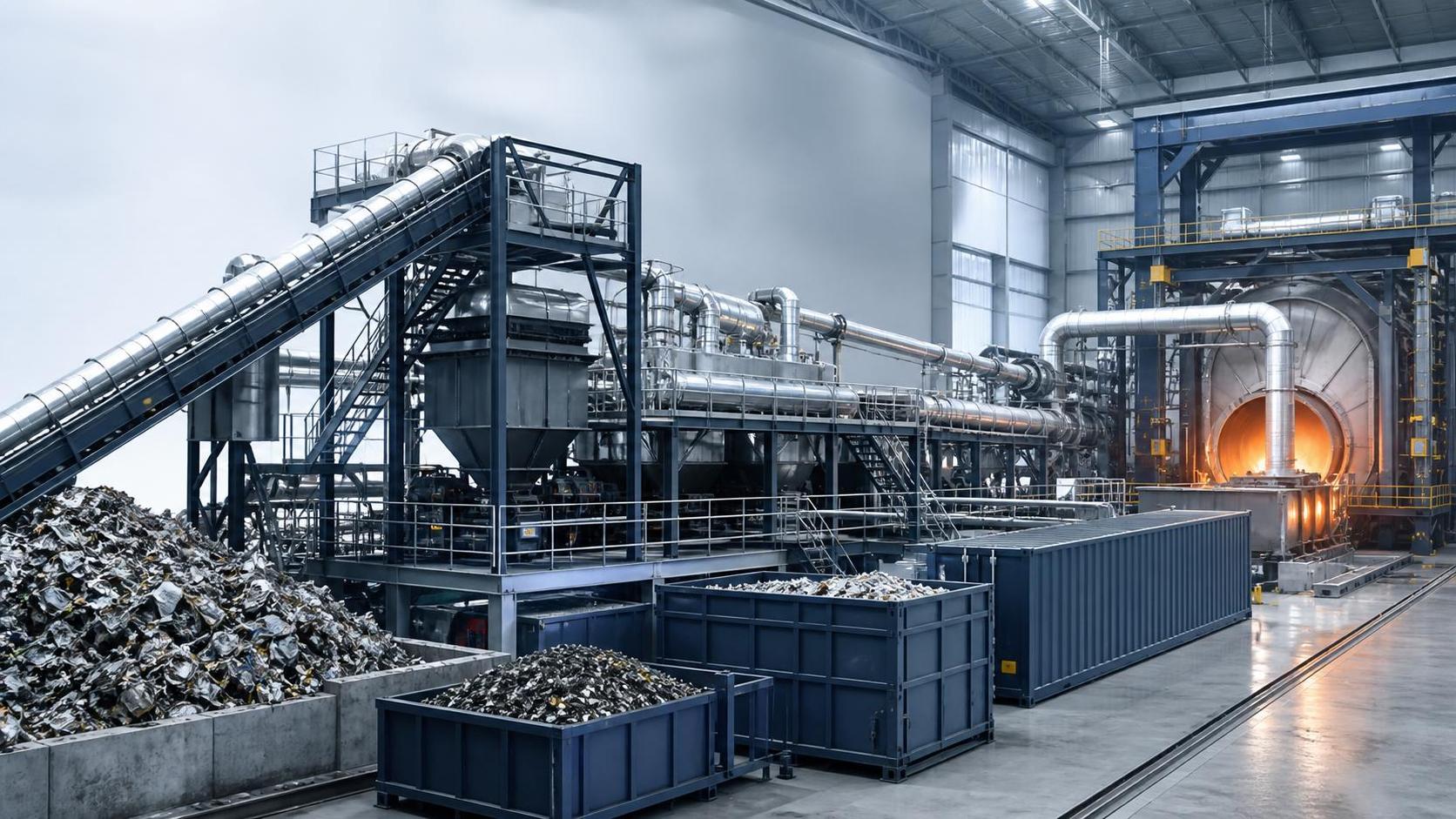
In practice, industrial co-processing begins well before material enters the burner. Screening, sampling, storage, blending, and feed preparation determine whether the waste stream can behave like a controlled process input rather than an unpredictable disturbance.
1. Qualification and characterization
Each waste stream is checked for calorific value, moisture, ash, chlorine, sulfur, heavy metals, particle size, viscosity, and consistency. The goal is to understand both thermal contribution and chemical impact on the kiln system.
2. Pre-processing and homogenization
Materials may be shredded, dewatered, pelletized, blended, or converted into liquid alternative fuel. Stable feed quality is crucial. Even suitable waste can create operating problems if the composition swings too sharply from batch to batch.
3. Controlled feeding to the right point
The injection point depends on fuel characteristics and process intent. Main burner, calciner, kiln inlet, riser duct, or mid-kiln feeding may all be used. Each location has different temperature, oxygen, and residence-time conditions.
4. Combustion, mineral integration, and monitoring
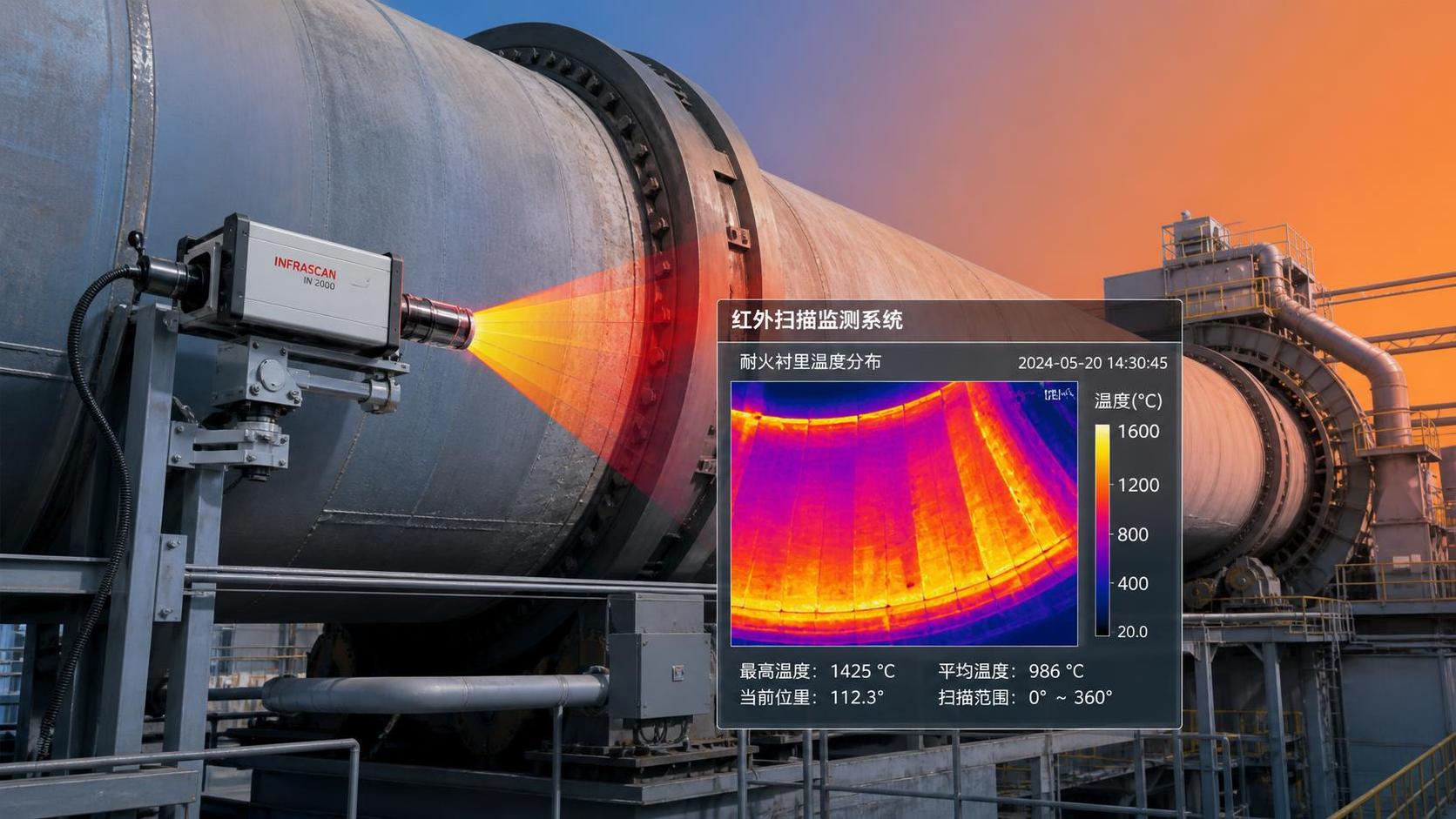
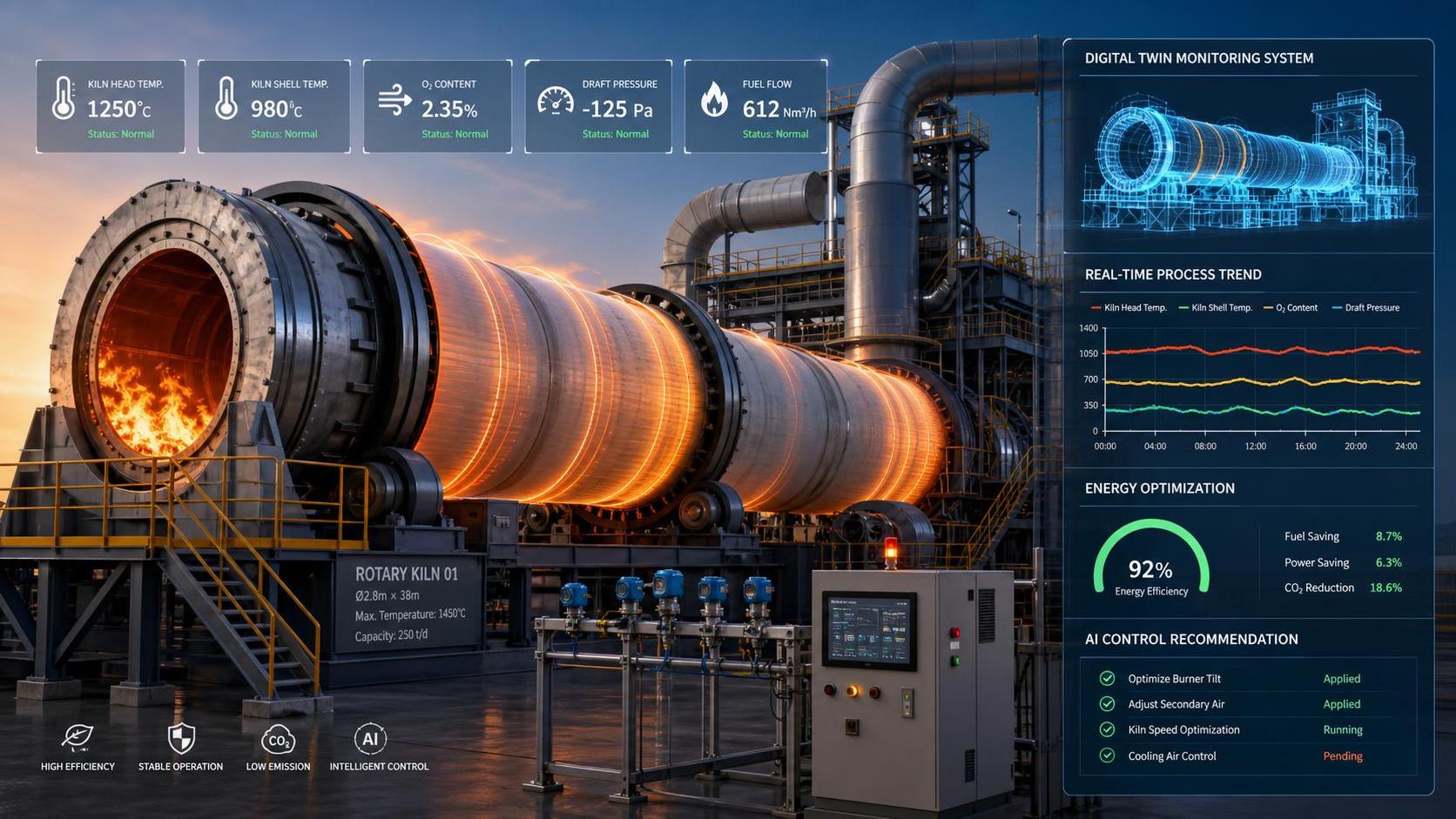
Once introduced, the waste must burn or decompose completely. Its inorganic fraction should integrate safely into clinker or remain within acceptable residue behavior. Continuous monitoring then tracks NOx, SOx, CO, TOC, dust, HCl, and heavy metal performance.
This sequence explains why industrial co-processing is often more demanding than it appears. The process is operationally attractive only when laboratory control, feed design, and online measurement work as one system.
Acceptable waste types depend on chemistry, stability, and local rules
There is no universal approved list for every facility. Acceptable waste types depend on plant design, product specification, permit conditions, emissions equipment, and national regulation. Still, several categories commonly appear in industrial co-processing programs.
Some hazardous waste streams may also be accepted, but only under tightly controlled permitting and treatment protocols. The deciding issue is not whether a material is called waste. It is whether its thermal and chemical behavior fits the kiln system safely.
Materials with excessive chlorine, volatile metals, or unstable moisture often create the hardest trade-offs. They can increase buildups, corrosion, bypass demand, or emissions risk. In other words, an acceptable waste type on paper may still be unsuitable in a specific kiln line.
Where kiln use cases are strongest
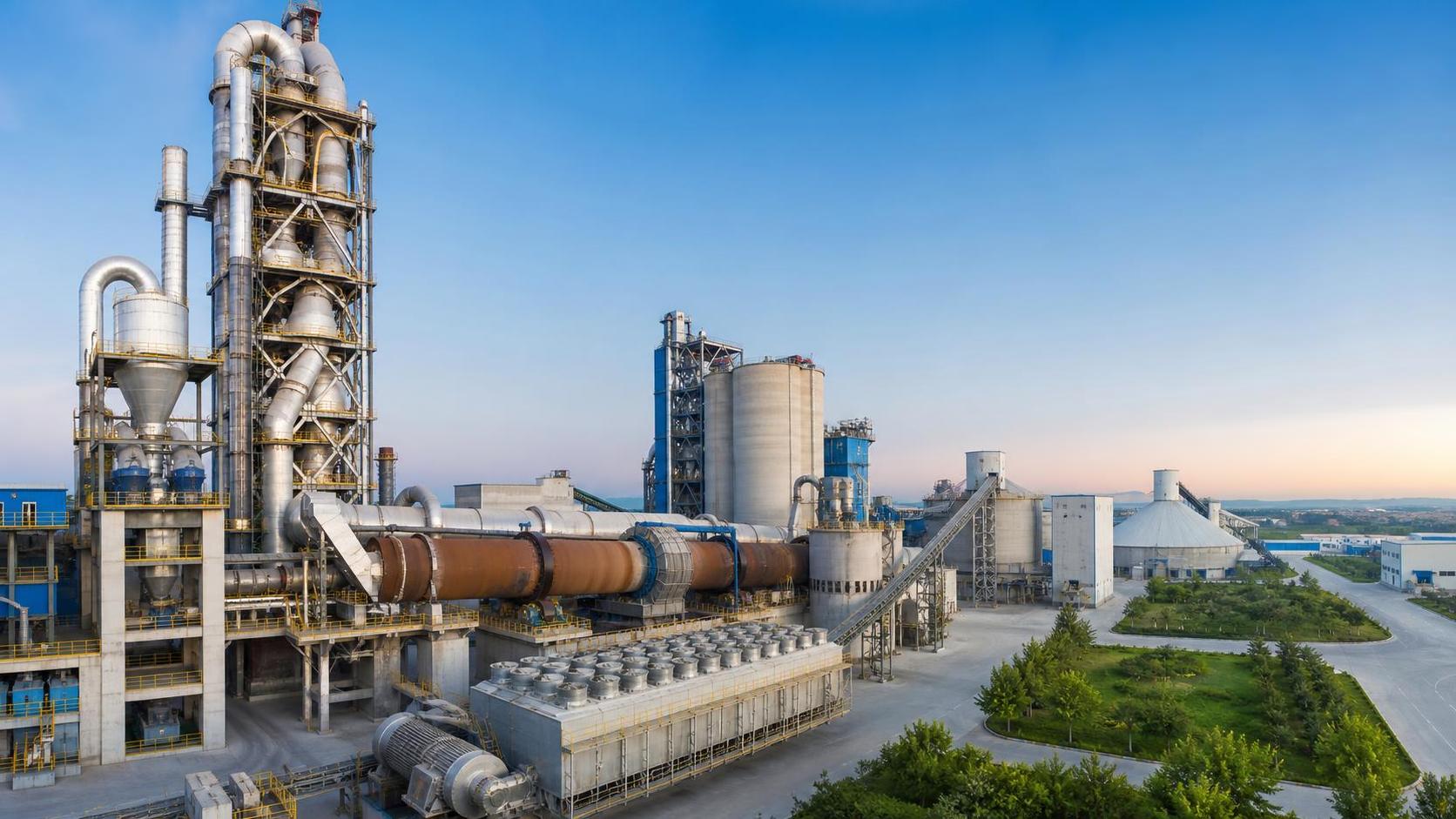
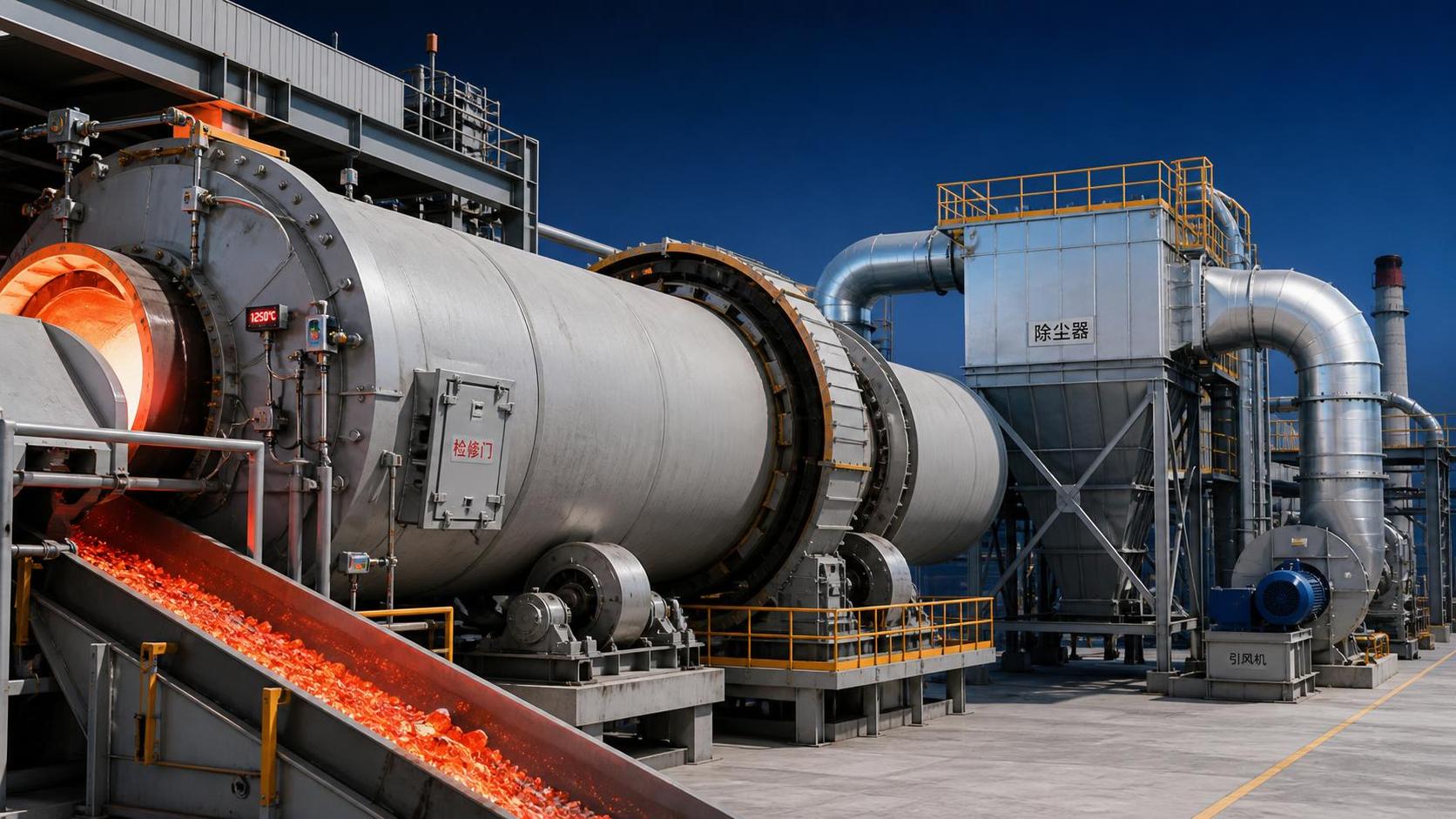
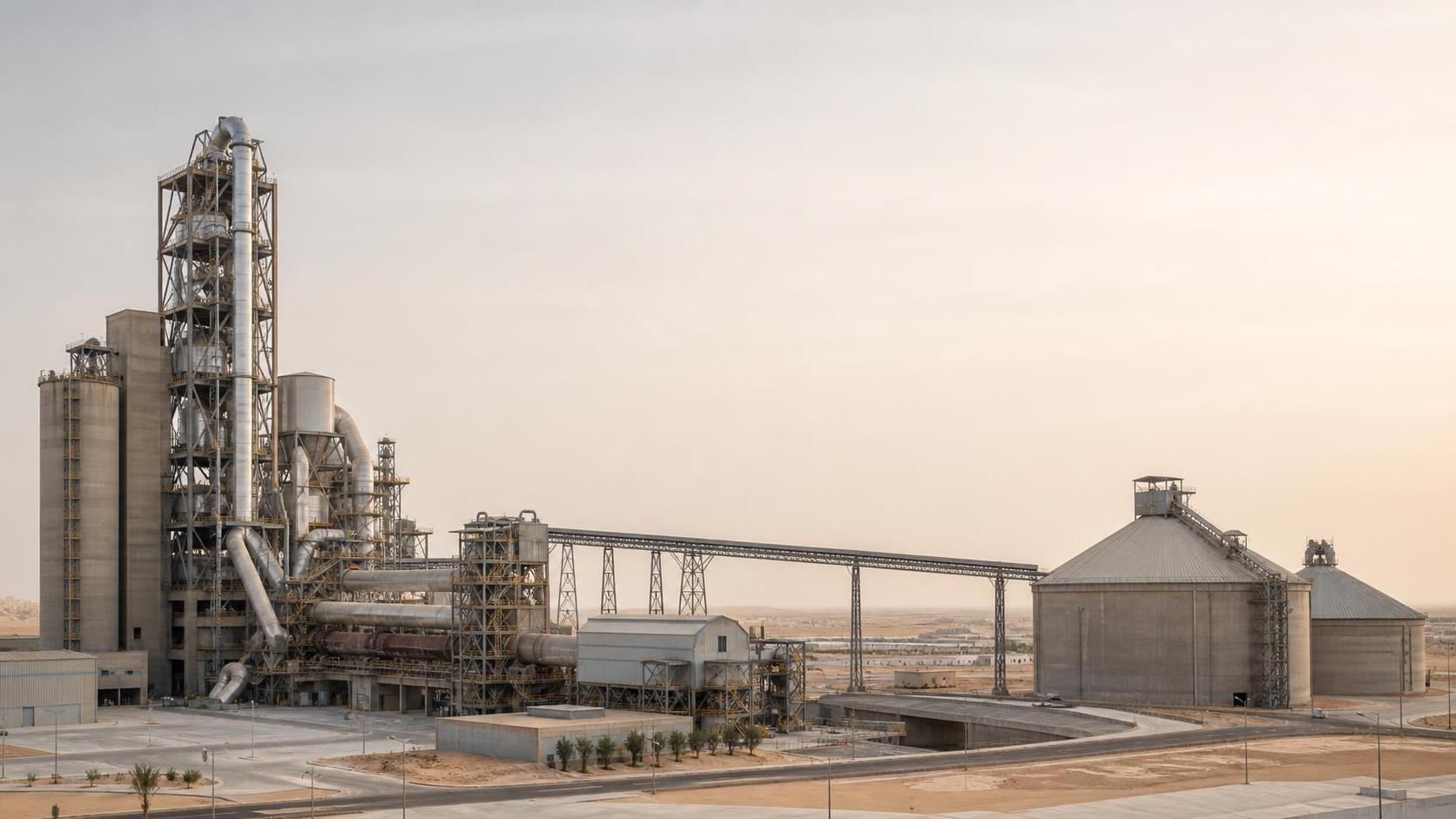
The most established use case for industrial co-processing is the cement rotary kiln. It combines high flame temperature with a mineral product that can absorb part of the residual ash. That dual recovery model is difficult for many other thermal systems to match.
Cement clinker lines
These lines are the benchmark application. Alternative fuels can replace a portion of coal, petcoke, or gas, while selected mineral residues become part of the clinker matrix. This is why industrial co-processing is often discussed first in relation to cement.
Calciner-dominant systems
Precalciner kilns allow more flexibility for certain fuel fractions because combustion can be staged. However, not every waste type belongs in the calciner. Burnout efficiency and emission formation must still be validated carefully.
Specialized thermal treatment combinations
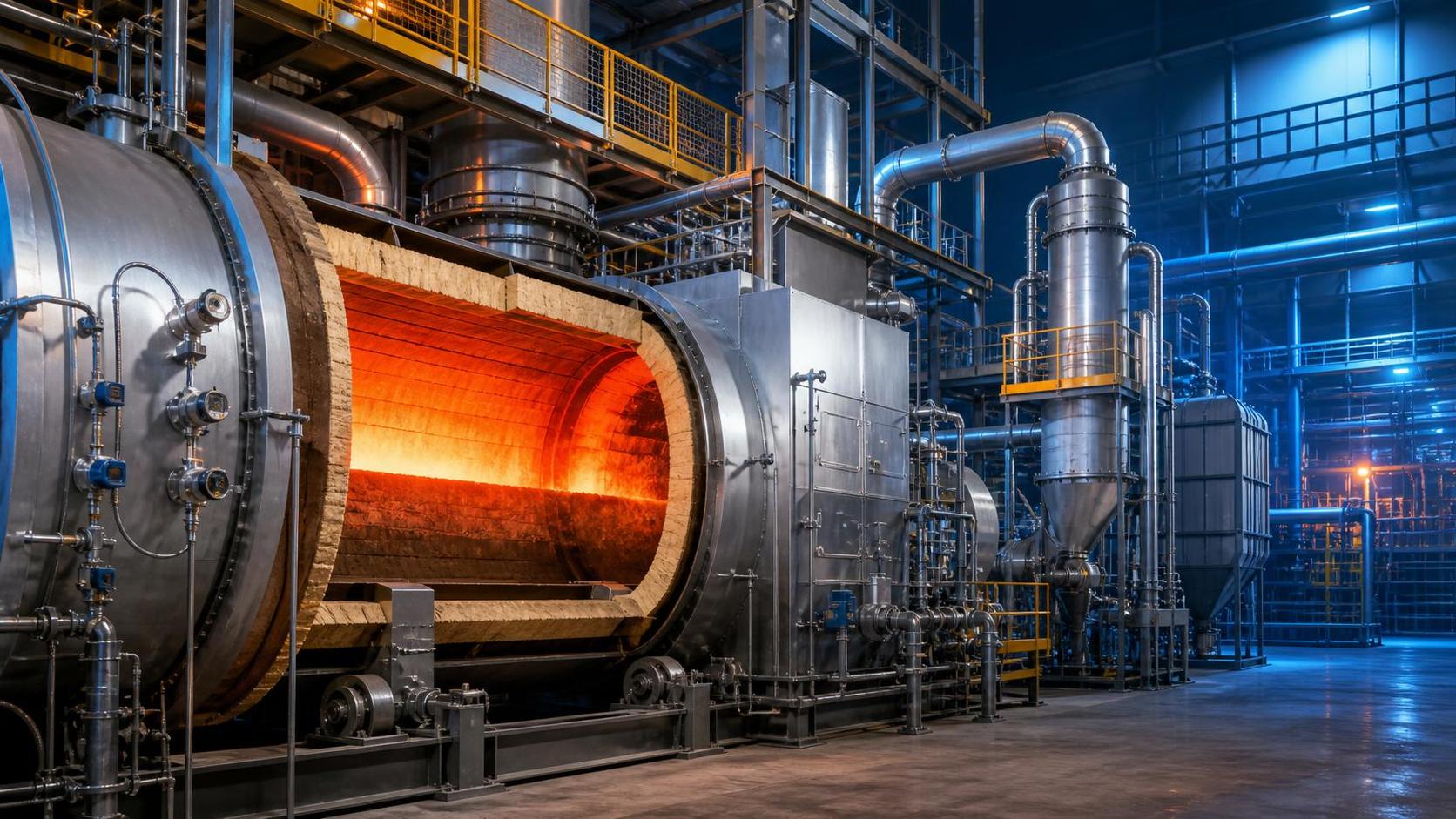
In some industrial networks, co-processing works alongside dedicated incineration or pre-treatment facilities. One site may stabilize or blend waste, while another site provides final high-temperature recovery. This creates a broader regional resource loop.
Use cases are weaker when a process has narrow product purity requirements, lower combustion temperature, or limited emissions flexibility. That is one reason glass and refractory sectors often evaluate the concept differently from cement, even when facing similar energy pressures.
What to evaluate before calling a program successful
A strong industrial co-processing program is measured by more than substitution rate. High headline numbers can hide unstable operation, rising maintenance cost, or inconsistent product quality. The more useful approach is to judge the entire process balance.
- Thermal stability: flame shape, kiln temperature profile, and complete burnout.
- Chemical compatibility: chlorine cycle, sulfur balance, alkali behavior, and ash contribution.
- Product impact: clinker quality, free lime, strength development, and variability.
- Equipment effect: refractory life, buildup frequency, feed system wear, and bypass demand.
- Compliance performance: stack emissions, trace contaminants, and permit adherence.
- Economic outcome: fuel savings, preprocessing cost, handling complexity, and downtime risk.
This broader view reflects the way CF-Elite frames high-temperature intelligence. Plant decisions work better when fuel substitution, digital monitoring, refractory condition, and market regulation are assessed together rather than treated as separate topics.
A practical way to read the next set of opportunities
Industrial co-processing is likely to expand, but growth will favor facilities that can manage complexity with discipline. The best candidates are not always the plants with the most available waste nearby. They are the plants with strong process control, clear feed specifications, and credible environmental data.
For any evaluation, start with the kiln system itself. Then review waste consistency, local regulation, emissions margins, and material balance limits. After that, compare whether the opportunity improves the full operating picture rather than one isolated KPI.
That approach keeps industrial co-processing in its proper context: not as a symbolic sustainability label, but as a technically selective tool for resource recovery, carbon strategy, and thermal efficiency. Where the fit is real, it can reshape how high-temperature industries think about waste, energy, and production value.
Related News
 Thermal Energy ArchitectWhat Determines Refractory Lining Monitoring Price for Industrial Kilns?Refractory lining monitoring price depends on kiln size, sensor technology, installation, software, and support. Compare total lifecycle costs and choose the right solution.Sep 02, 2026
 Silicate Process EngineerCement Production System Costs: A Plant Buyer’s Guide to Budgeting and ROICement production systems cost planning made clear: compare CAPEX, operating costs, compliance, and ROI to build a resilient, profitable cement plant investment.Sep 01, 2026
 Dr. Alistair VaughnWhat Should a Process Technology Database Track for High-Temperature Plants?Process technology database essentials for high-temperature plants: track thermal profiles, feed chemistry, refractory wear, emissions, energy, and maintenance for safer, data-driven decisions.Aug 31, 2026
 Ms. Elena RodriguezHow to Evaluate a Silicate Processing Equipment Manufacturer for Plant ProjectsSilicate processing equipment manufacturer selection: assess process fit, guarantees, energy, compliance, delivery risk, and lifecycle support for dependable plant performance.Aug 30, 2026
 Dr. Alistair VaughnHow to Specify Custom Agricultural Processing Equipment for Throughput and HygieneEquipment customization services for agricultural processing: learn to specify hygienic, high-throughput lines that improve yield, reliability, and long-term efficiency.Aug 29, 2026
 Dr. Alistair VaughnHow to Select Process Plant Equipment for High-Temperature, Abrasive Production LinesProcess plant equipment selection for high-temperature, abrasive lines: reduce downtime, improve durability, and optimize lifecycle performance.Aug 28, 2026
 Silicate Process EngineerHow Kiln Heat Recovery Systems Cut Fuel Use in Cement and Lime ProductionKiln heat recovery helps cement and lime plants cut fuel use, improve thermal stability, and build practical, reliable decarbonization strategies.Aug 27, 2026
 Ms. Elena RodriguezProcess Equipment Comparison: Which Metrics Matter Most for Reliable Selection?Process equipment comparison made practical: discover which metrics truly drive reliable selection, from energy efficiency and control stability to wear life, maintainability, and uptime.Aug 26, 2026
 Ms. Elena RodriguezWhat Buyers Should Check Before Sourcing Precision Alloy Bars for Critical PartsPrecision Alloy Bars buyers should verify grade, chemistry, tolerances, surface quality, traceability, and lead time before sourcing for critical parts. Learn what prevents costly machining and reliability risks.Aug 27, 2026
 Ms. Elena RodriguezHow to Evaluate Thermal Management Solutions Insulation for High-Heat Industrial SystemsThermal management solutions insulation: learn how to assess high-heat industrial systems by thermal performance, durability, lifecycle cost, and supplier data for smarter decisions.Aug 25, 2026
 Ms. Elena RodriguezWhat Drives Waste Recycling Cost in Industrial Projects and How to Estimate It?Waste recycling cost in industrial projects depends on composition, moisture, transport, pre-treatment, and compliance. Learn how to estimate it accurately and compare suppliers with confidence.Aug 24, 2026
 Silicate Process EngineerHow to Evaluate Cement Production Plants in the Middle East for Capacity, Fuel Flexibility, and ROIcement production plants Middle East: Learn how to assess true capacity, fuel flexibility, and ROI risks to identify resilient assets and smarter investment opportunities.Aug 23, 2026
 Structural Material AnalystHow to Evaluate Lightweight Material Machinery for Output, Energy Use, and Product QualityLightweight material machinery evaluation guide: compare stable output, energy use, and product quality to choose equipment that cuts waste, lowers costs, and improves production confidence.Aug 22, 2026
 Material Heat-Resist ExpertWhat Determines Refractory Production Line Price in a Turnkey Plant Project?Refractory production line price depends on raw materials, forming method, kiln and drying design, automation, utilities, and scope. Learn what really drives turnkey plant cost before you invest.Aug 21, 2026
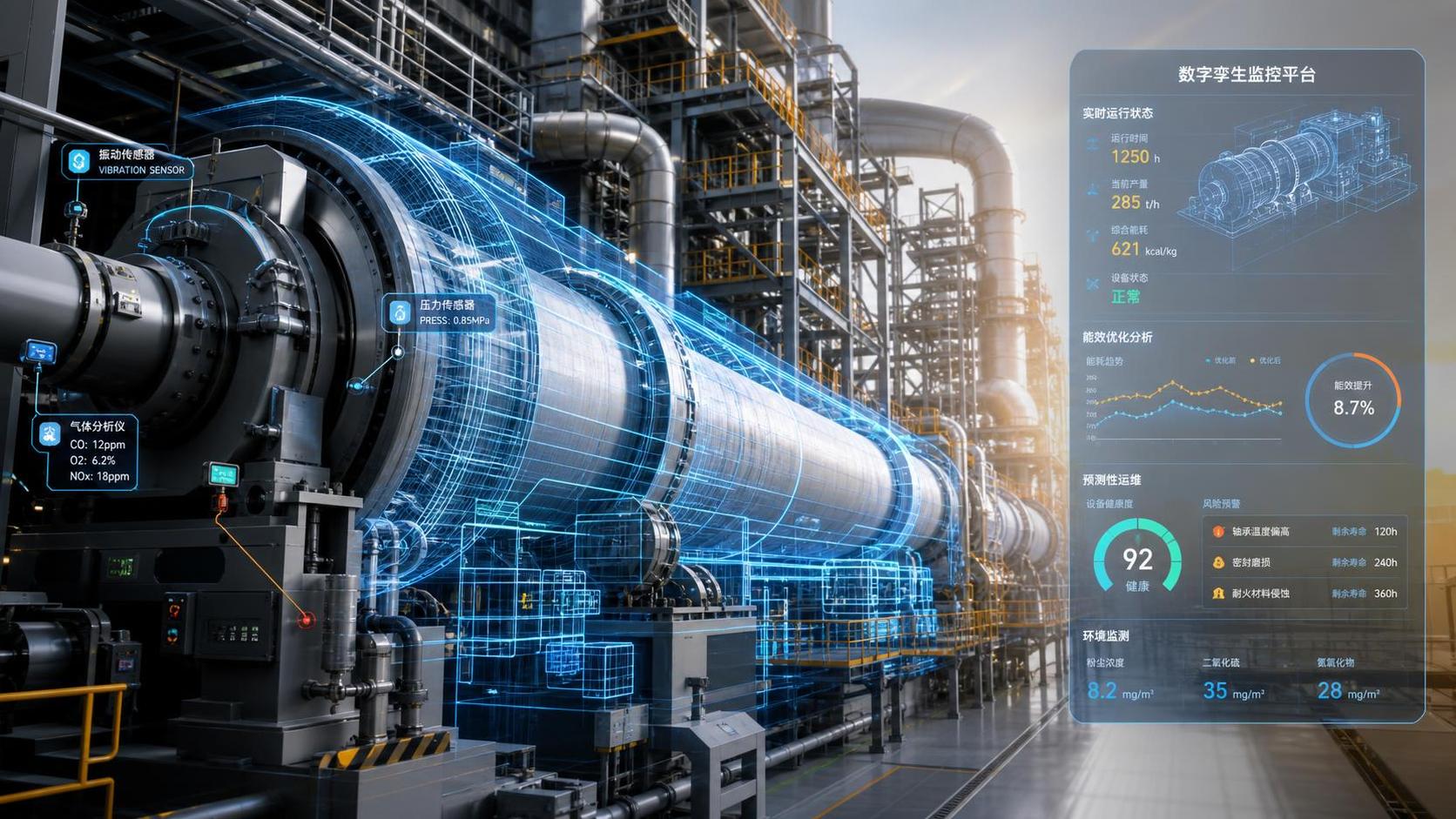
 Thermal Energy ArchitectHow Digital Twin Simulations Help Kiln Operators Cut Fuel Use and Stabilize OutputDigital twin simulations for kilns help operators cut fuel use, reduce overcorrection, and stabilize output by testing process changes safely before they impact quality and cost.Aug 20, 2026
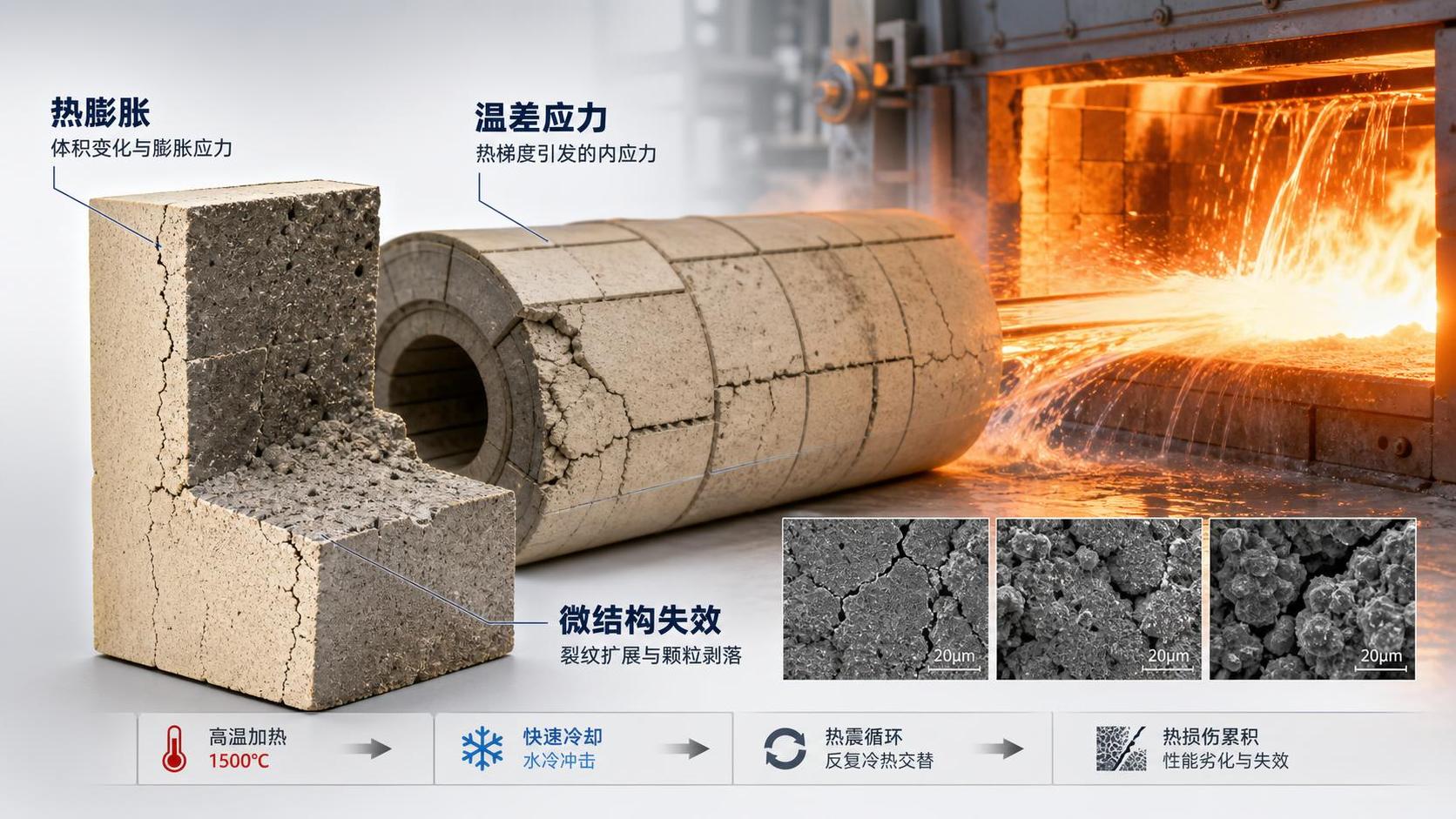
 Dr. Alistair VaughnWhat Causes Thermal Shock Failure in Heat-Resistant Materials During Development?Heat-resistant material development thermal shock failures often stem from expansion mismatch, weak microstructure, and residual stress. Learn the real causes and smarter evaluation steps.Aug 19, 2026
 Ms. Elena RodriguezWhat Is a Real Time Digital Twin and Where Does It Deliver Measurable Value?Real time digital twin explained: discover where it delivers measurable value in energy, quality, maintenance, and carbon performance for industrial operations.Aug 18, 2026
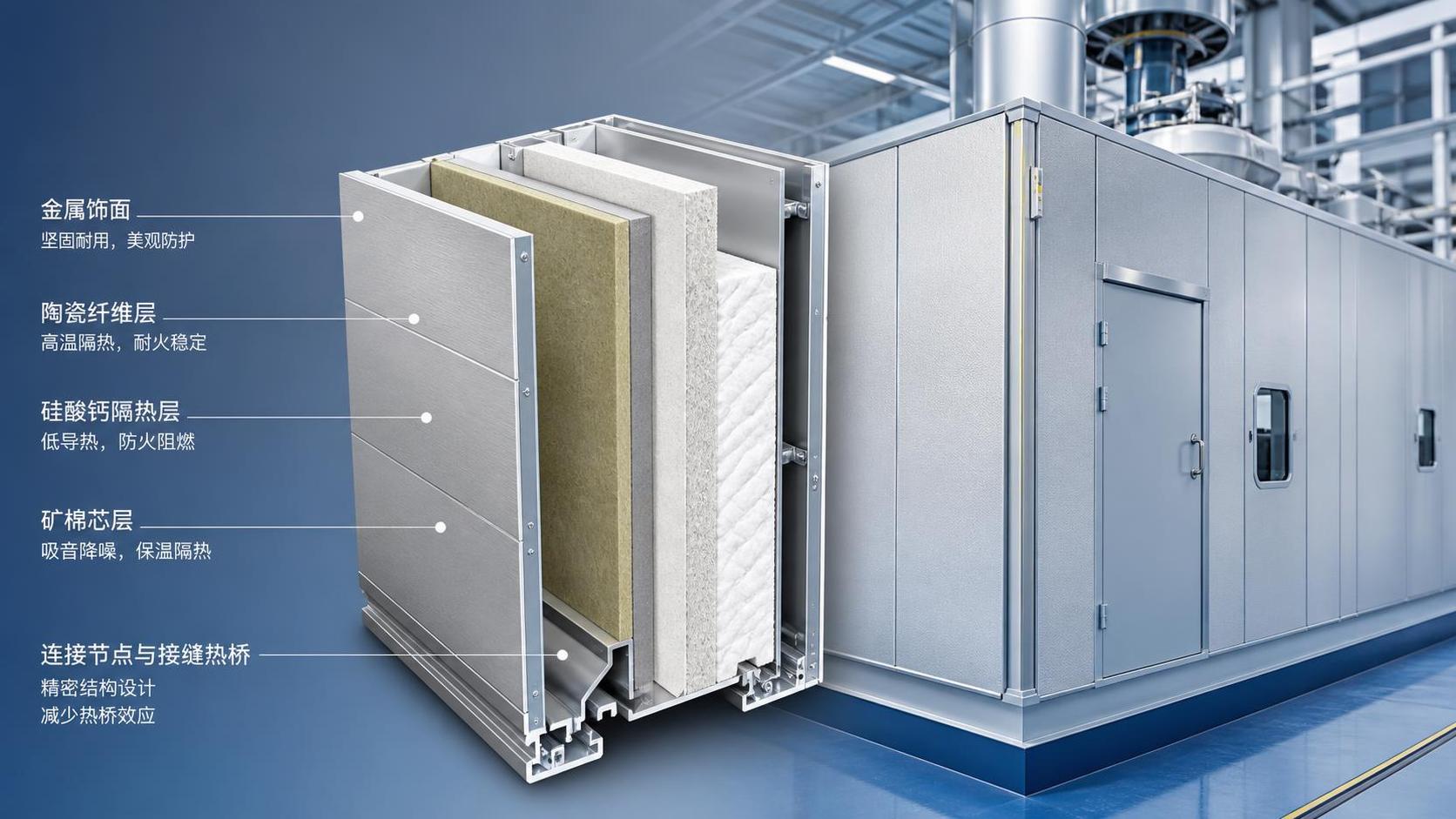
 Structural Material AnalystWhat Thermal Barrier Technology Works Best for Lightweight Industrial Panels?Thermal barrier technology lightweight industrial panels use works best when fire safety, heat stability, and weight are balanced. Compare mineral wool, silicate, ceramic, and hybrid options.Aug 17, 2026
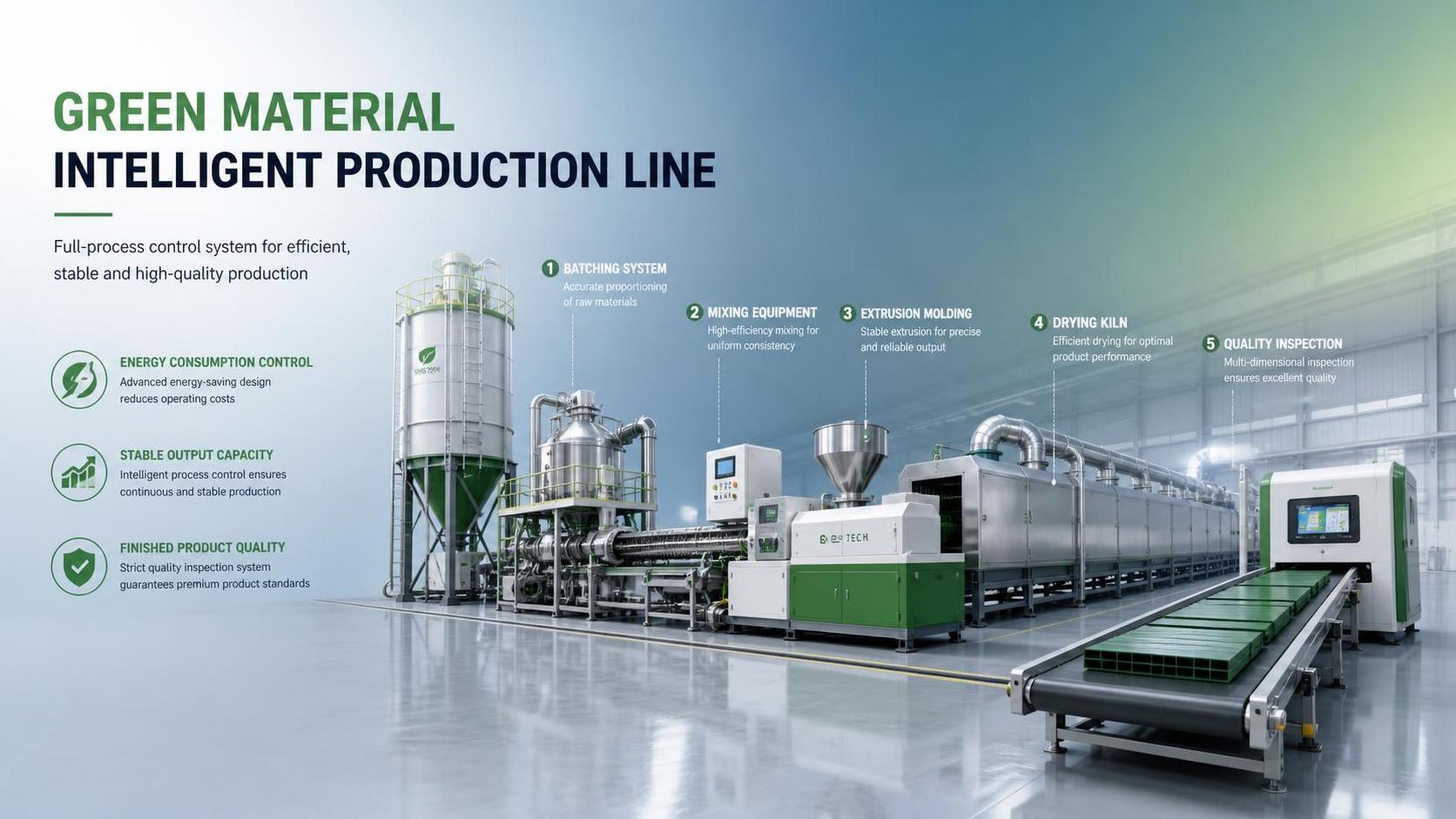
 Prof. Marcus ChenHow to Evaluate a Green Material Production Line for Energy Use, Output, and Product QualityGreen material production line evaluation made simple: compare energy use, stable output, and product quality with practical checks that help you choose the right line.Aug 16, 2026
 Optical Glass Tech FellowHow Glass Melting Furnace Design Impacts Energy Use and Glass QualityGlass melting process furnace design directly impacts energy use and glass quality. Learn the key design factors that cut fuel costs, improve melt stability, and boost production results.Aug 15, 2026
Related News
- 00
0000-00
What Determines Refractory Lining Monitoring Price for Industrial Kilns? - 00
0000-00
How Digital Twin Simulations Help Kiln Operators Cut Fuel Use and Stabilize Output - 00
0000-00
What to Evaluate in a Rotary Kiln Technology Manufacturer for High-Temperature Process Projects - 00
0000-00
How to Evaluate an Incineration Equipment Exporter for Compliance, Capacity, and After-Sales Support - 00
0000-00
What Drives High-Temperature Process Engineering Cost in Kiln and Furnace Projects?
Weekly Insights
Stay ahead with our curated technology reports delivered every Monday.