
How to Evaluate Green Building Material Equipment Suppliers in Europe?




How to Evaluate Green Building Material Equipment Suppliers in Europe
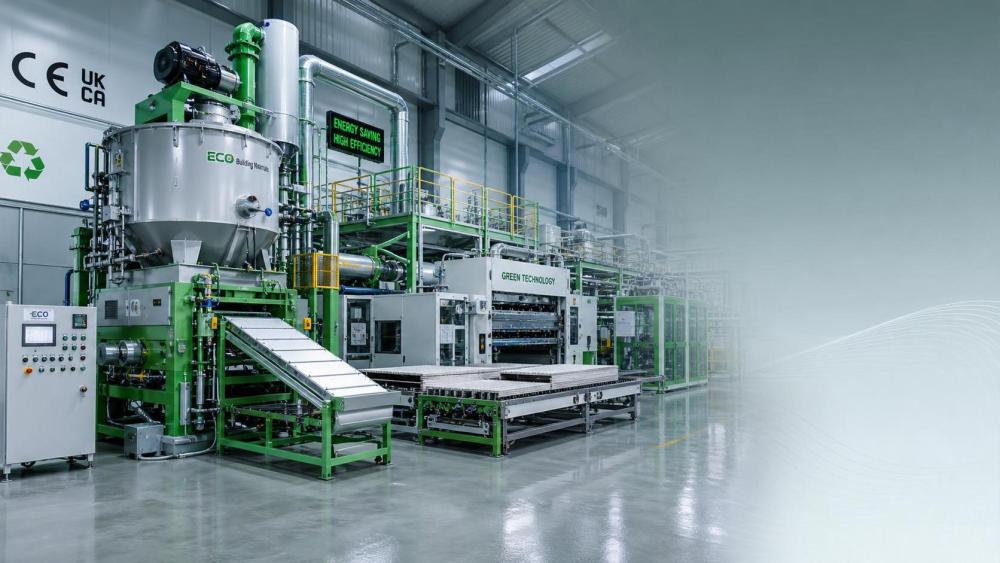
Choosing the right green building material equipment Europe supplier is no longer just a purchasing task. It shapes compliance, energy use, total cost, and long-term competitiveness.
That is why a simple price comparison rarely works. In Europe, supplier quality is closely tied to regulation, process stability, documentation, and service depth.
For buyers in heavy industrial systems, this matters even more. Equipment for green blocks, lightweight panels, recycled aggregates, and thermal materials affects output quality for years.
From recent market shifts, one signal is clear. European manufacturers are being judged not only by machine performance, but by carbon efficiency, traceability, and lifecycle support.
In practical sourcing work, the best decision comes from structured evaluation. You need commercial discipline, technical review, and risk control in the same process.
Start with the Real Scope of Green Building Material Equipment Europe
Not every supplier defines green equipment the same way. Some focus on lower energy consumption. Others focus on recycled raw materials, dust reduction, or process automation.
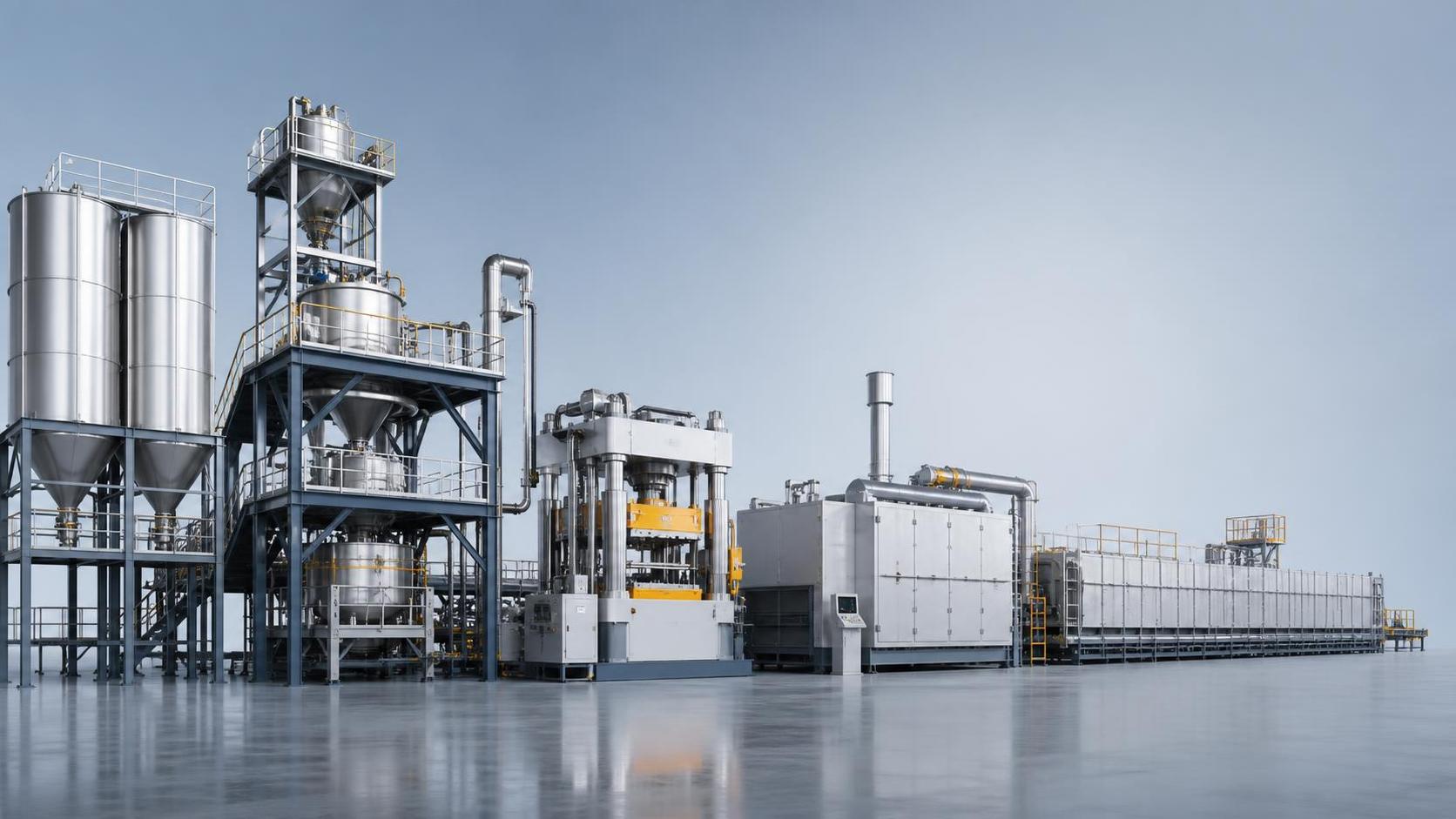
Before screening vendors, define your production target clearly. Are you buying extrusion lines, curing systems, mixers, kilns, material handling units, or complete turnkey plants?
This step avoids a common problem. A supplier may look strong on paper, yet lack experience in your exact product category or plant scale.
For green building material equipment Europe projects, define these points first:
- Target material type and formulation range
- Required hourly or daily output
- Energy consumption targets per ton
- Emission and workplace safety limits
- Space, utilities, and local installation conditions
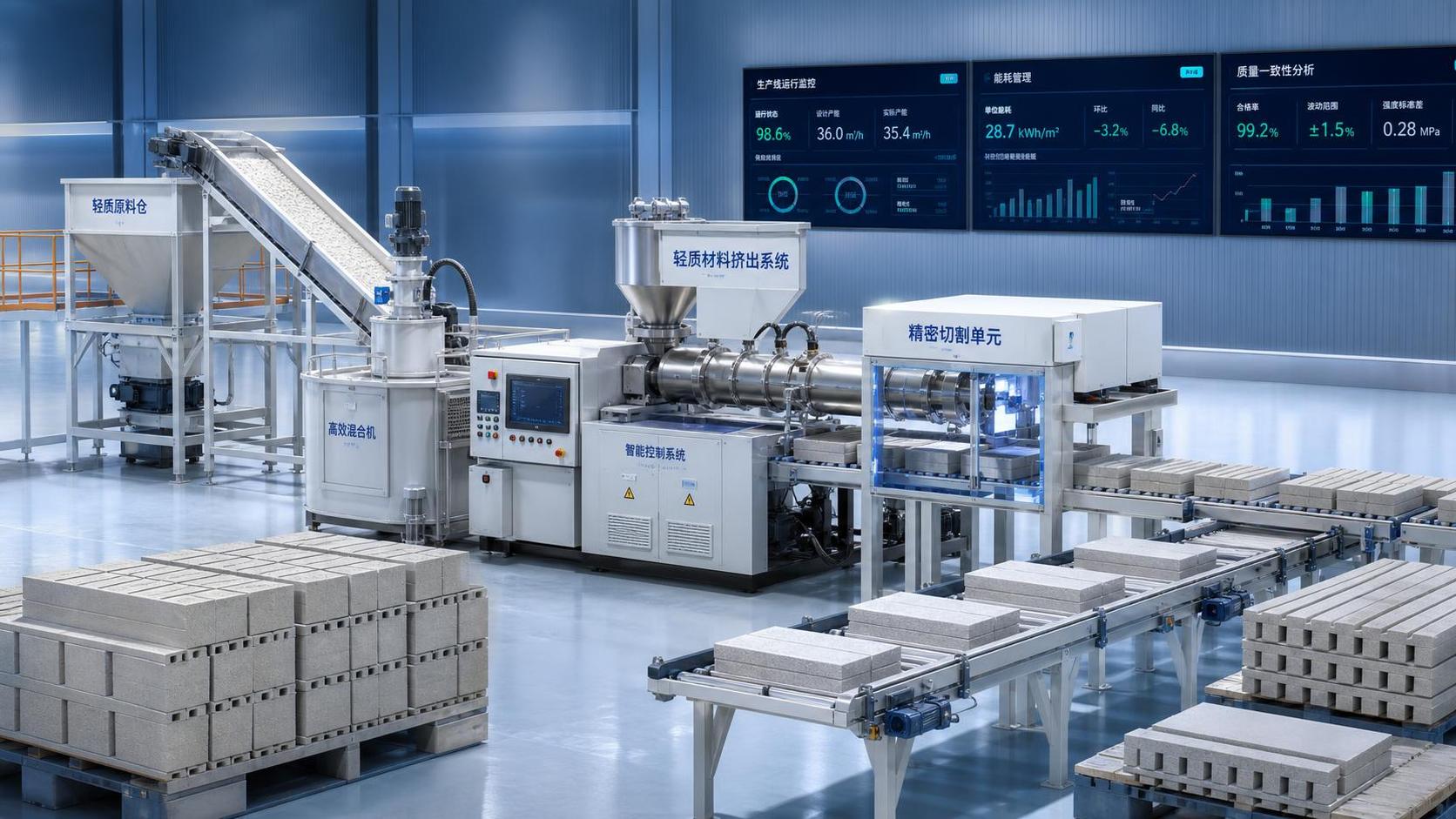
- Expected automation level and data visibility
Once the scope is fixed, supplier evaluation becomes much more objective. You can compare capability against actual plant needs, not marketing language.
Check Technical Fit Before Commercial Terms
A low quotation means little if the line cannot hold stable quality. In green building material equipment Europe sourcing, technical fit should come before price negotiation.
Start with process capability. Ask whether the supplier has proven cases using similar raw materials, moisture levels, additives, and recycling ratios.
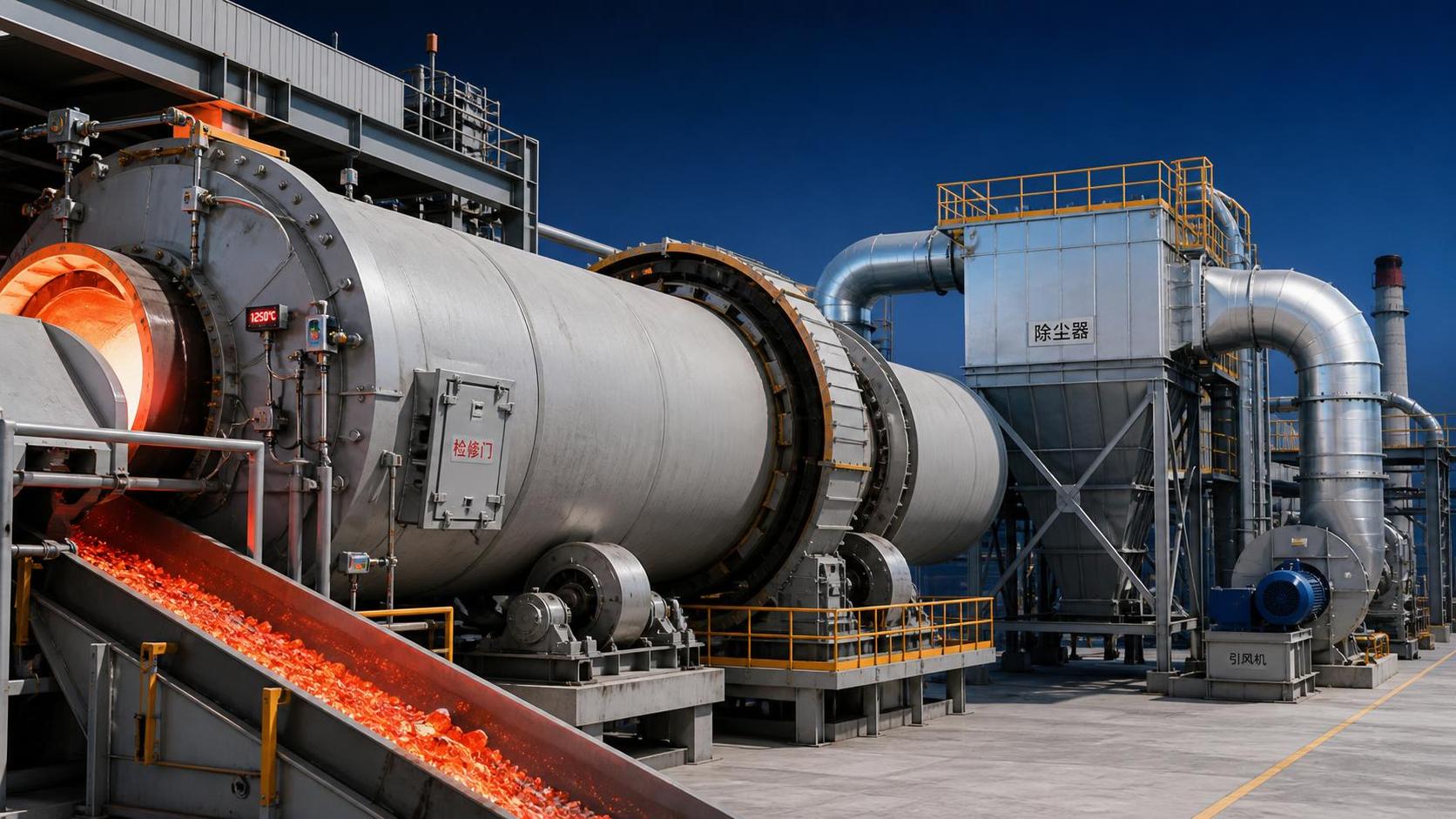
This is especially important for extrusion and thermal systems. Small changes in feed consistency or firing profile can change product density, strength, and reject rates.
Useful technical checkpoints include:
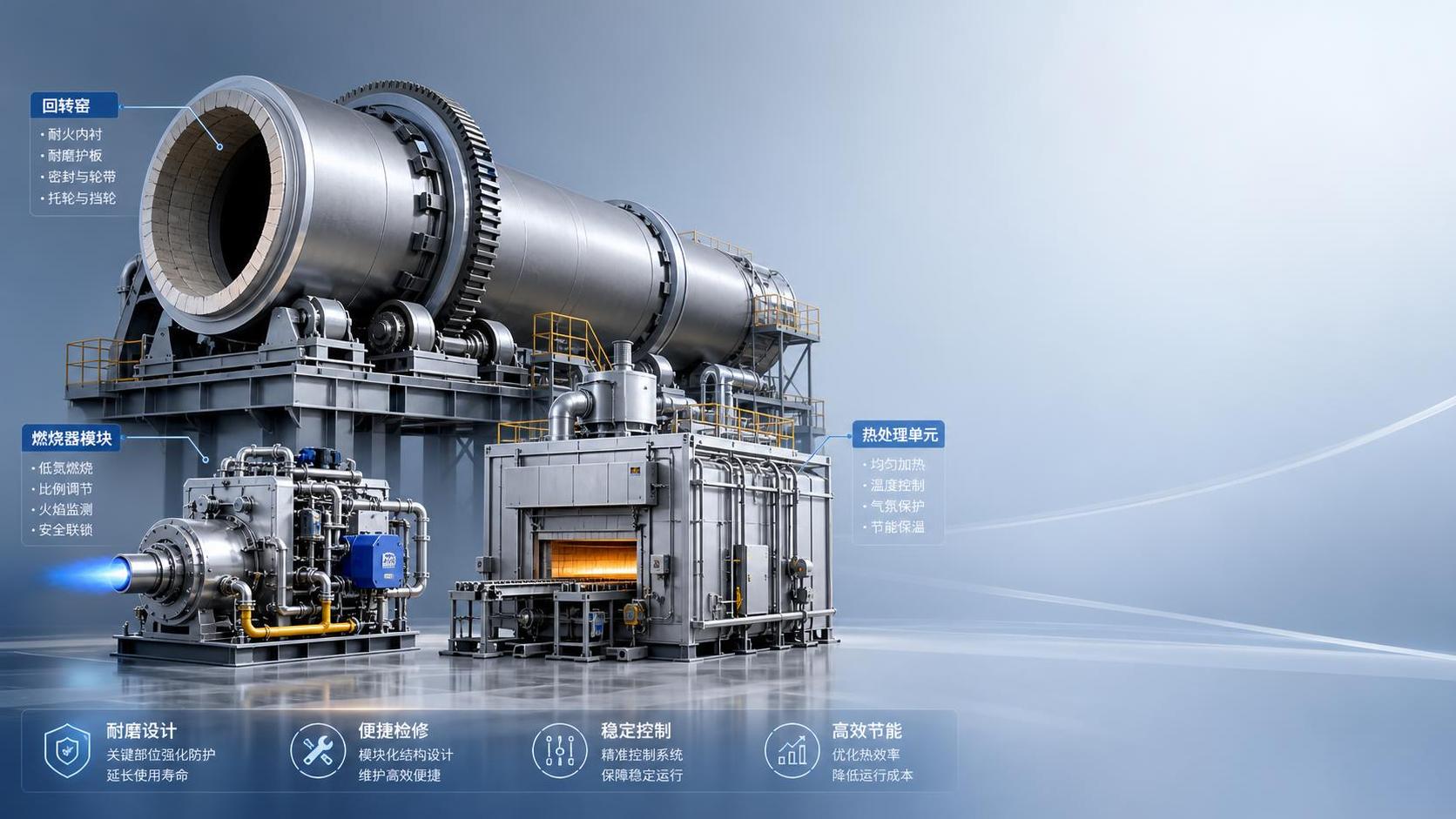
- Core machine design and material durability
- Tolerance control and product consistency
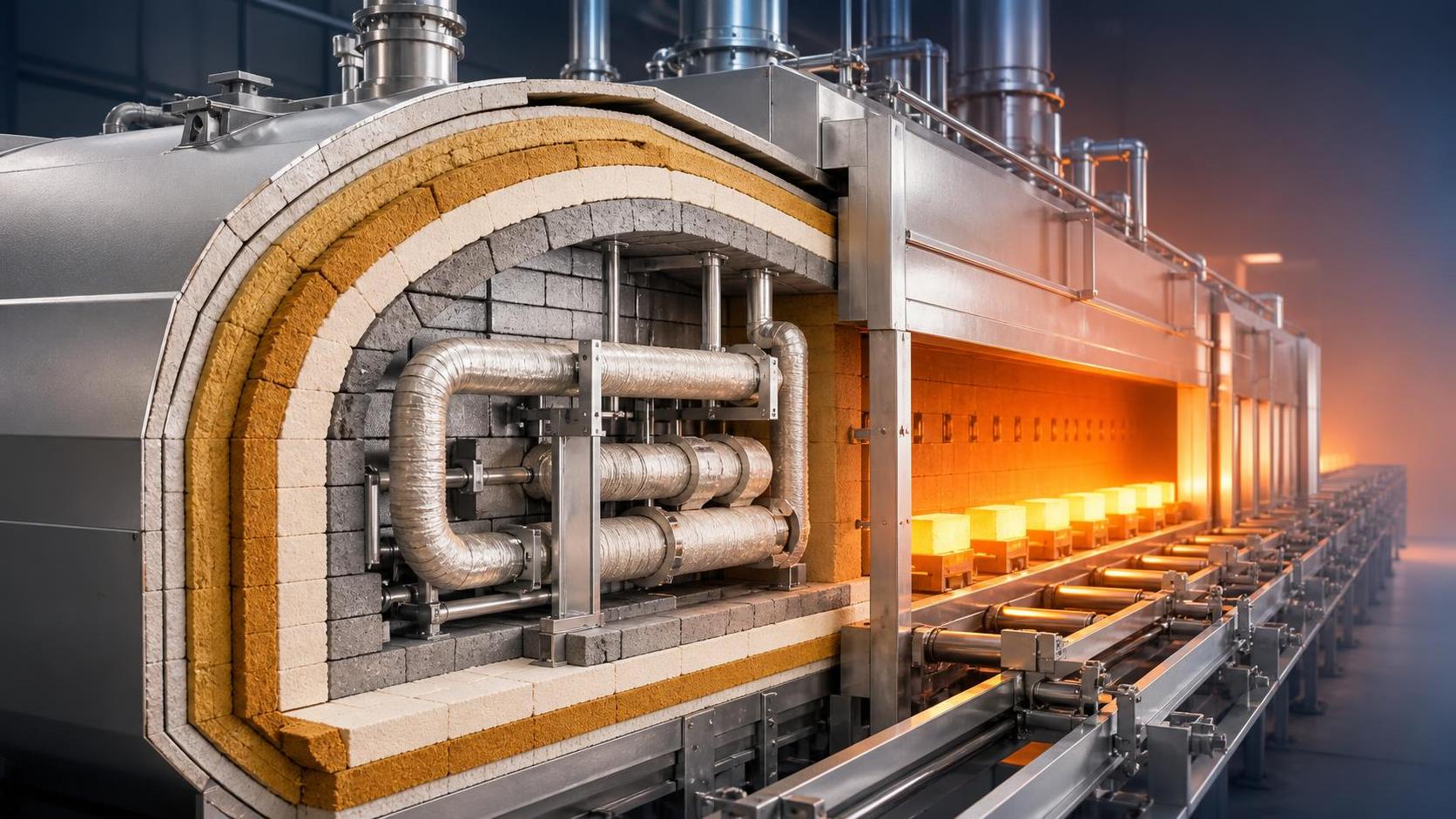
- Energy recovery, insulation, and heat efficiency
- Dust, noise, and waste handling performance
- Control system compatibility with your plant
- Spare parts standardization and wear life
In actual procurement reviews, requesting reference layouts, utility balance sheets, and trial data often reveals more than glossy brochures do.
Verify Certifications, Compliance, and Environmental Readiness
European sourcing cannot be separated from compliance. A supplier of green building material equipment Europe solutions must show that documentation is complete and current.
At minimum, check CE conformity where applicable, machinery safety documentation, electrical standards, and environmental performance records tied to the supplied system.
More importantly, do not stop at certificates alone. Ask how the equipment helps your site meet emission control, energy reporting, and sustainability disclosure requirements.
A stronger supplier will usually provide:
- Clear technical files and operating manuals
- Energy consumption benchmarks
- Emission mitigation options
- Safety interlock descriptions
- Maintenance and inspection protocols
- Support for audits or authority review
This also affects future expansion. If your market moves toward stricter carbon rules, a compliant supplier today becomes a lower-risk partner tomorrow.
Compare Total Cost of Ownership, Not Just Purchase Price
This is where many sourcing decisions fail. The cheapest green building material equipment Europe offer may become the most expensive after commissioning.
A realistic comparison should include capital cost, freight, installation, utilities, spare parts, operator training, maintenance labor, and downtime exposure.
Energy use deserves special attention. In thermal and extrusion equipment, even a modest efficiency gap can create a major cost difference over five to ten years.
Use a simple comparison table during evaluation:
This approach changes the conversation. It pushes suppliers to defend value using data, not just discounts.
Audit Delivery Strength and After-Sales Support
Even technically strong suppliers can become weak partners if delivery control is poor. Large equipment projects usually fail in execution, not in presentation.
Ask how the supplier manages engineering milestones, manufacturing inspection, shipping coordination, site installation, and commissioning responsibility.
For green building material equipment Europe procurement, after-sales support is often the hidden separator between average and reliable suppliers.
Focus on practical service questions:
- Is remote diagnostics available?
- Are local or regional service engineers assigned?
- What is the guaranteed response time?
- Which spare parts are stocked in Europe?
- What training is included for operators and maintenance teams?
- How are warranty disputes handled?
A supplier with a slightly higher quote but better service coverage can reduce startup delays and long shutdowns. That often saves far more than the initial premium.
Assess Supplier Intelligence, Not Only Equipment
The stronger suppliers in Europe are no longer simple machine sellers. They contribute process insight, market awareness, and efficiency recommendations over time.
This is where industry intelligence platforms such as CF-Elite become useful in parallel. They help buyers compare suppliers against broader technical and market signals.
For sectors linked to silicate production, thermal management, refractory systems, and new material extrusion, this wider view is valuable.
It helps verify whether a supplier understands:
- Carbon reduction pressure across Europe
- Digital monitoring and process visibility trends
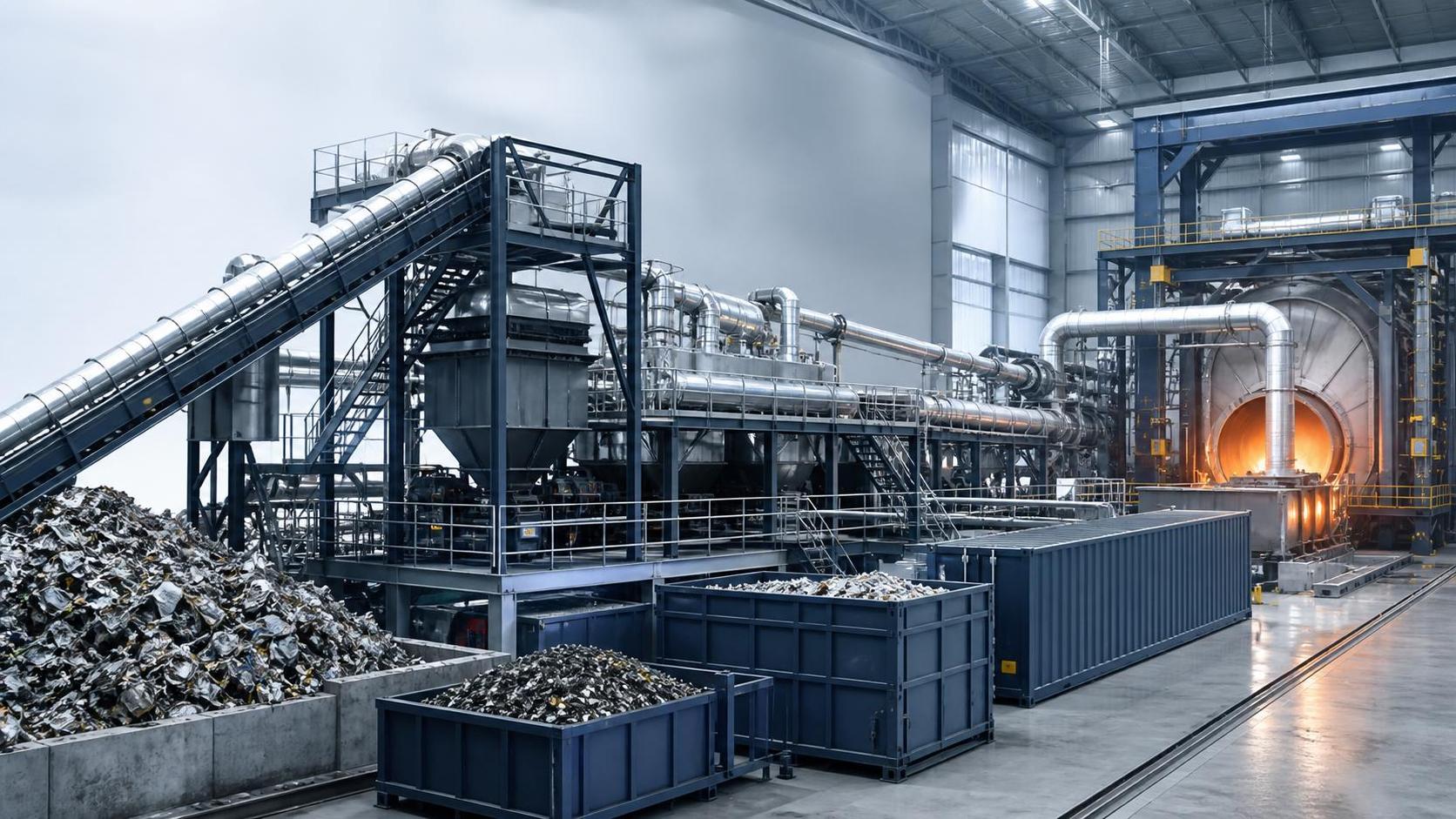
- Co-processing and waste-to-resource direction
- Raw material volatility and adaptation needs
- Long-cycle investment logic in heavy equipment trade
In other words, the best green building material equipment Europe supplier should strengthen your decision quality, not just deliver a machine list.
Build a Practical Evaluation Scorecard
A scorecard makes final selection easier, especially when multiple departments are involved. It also reduces bias during technical and commercial review meetings.
A simple weighted model for green building material equipment Europe sourcing could look like this:
- Technical fit: 30%
- Compliance and documentation: 15%
- Total cost of ownership: 20%
- Delivery and project management: 10%
- After-sales capability: 15%
- Strategic value and innovation: 10%
Use evidence for every score. That means references, test reports, drawings, energy data, service commitments, and contractual terms.
When a supplier scores well across these areas, the decision is usually more resilient. It supports both near-term purchasing targets and longer-term operational goals.
Final Takeaway for Better Supplier Decisions
Evaluating green building material equipment Europe suppliers requires a broader lens than cost alone. Technical reliability, compliance readiness, service depth, and energy performance all matter.
The market is moving toward smarter, cleaner, and more traceable production. That means supplier quality now affects both factory economics and strategic positioning.
A disciplined scorecard, backed by process data and industry intelligence, gives buyers a stronger basis for negotiation and final approval.
For teams comparing green building material equipment Europe options, the smartest purchase is usually the one that performs well long after installation is complete.
That is the standard worth applying in every serious sourcing round across Europe’s fast-changing green materials landscape.
Related News
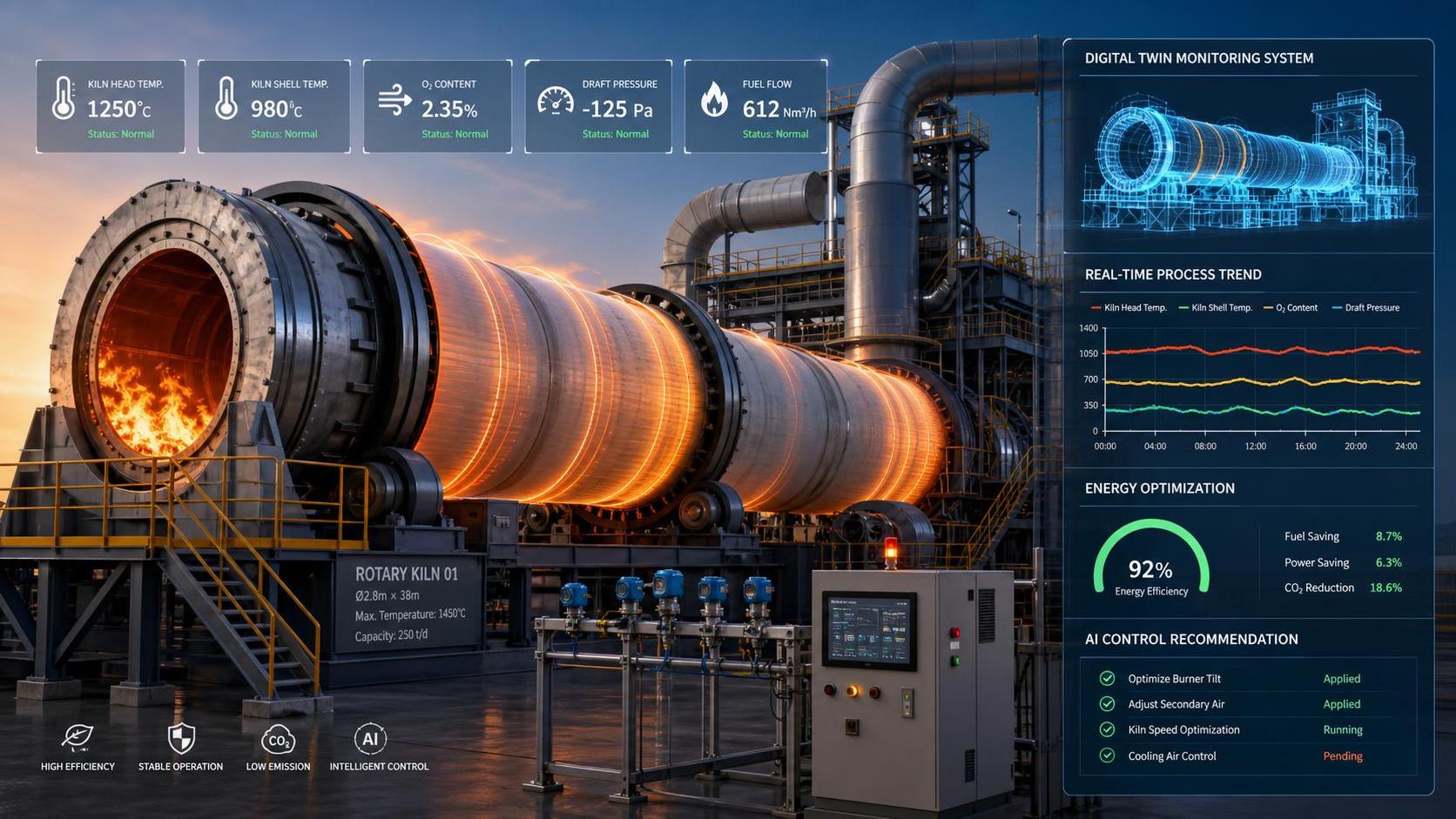
 Thermal Energy ArchitectHow PLC Control Improves Energy Efficiency and Temperature Stability in KilnsEnergy efficient kilns PLC control improves temperature stability, cuts fuel waste, and optimizes combustion, draft, and material flow. Explore proven strategies for smarter kiln modernization.Sep 04, 2026
 Optical Glass Tech FellowEuropean Glass Melting Processes: Furnace Choices, Energy Use, and Quality ControlGlass melting process Europe: explore furnace choices, energy efficiency, cullet strategy, and quality control to improve output, compliance, and long-term glass performance.Sep 03, 2026
 Thermal Energy ArchitectWhat Determines Refractory Lining Monitoring Price for Industrial Kilns?Refractory lining monitoring price depends on kiln size, sensor technology, installation, software, and support. Compare total lifecycle costs and choose the right solution.Sep 02, 2026
 Silicate Process EngineerCement Production System Costs: A Plant Buyer’s Guide to Budgeting and ROICement production systems cost planning made clear: compare CAPEX, operating costs, compliance, and ROI to build a resilient, profitable cement plant investment.Sep 01, 2026
 Dr. Alistair VaughnWhat Should a Process Technology Database Track for High-Temperature Plants?Process technology database essentials for high-temperature plants: track thermal profiles, feed chemistry, refractory wear, emissions, energy, and maintenance for safer, data-driven decisions.Aug 31, 2026
 Ms. Elena RodriguezHow to Evaluate a Silicate Processing Equipment Manufacturer for Plant ProjectsSilicate processing equipment manufacturer selection: assess process fit, guarantees, energy, compliance, delivery risk, and lifecycle support for dependable plant performance.Aug 30, 2026
 Dr. Alistair VaughnHow to Specify Custom Agricultural Processing Equipment for Throughput and HygieneEquipment customization services for agricultural processing: learn to specify hygienic, high-throughput lines that improve yield, reliability, and long-term efficiency.Aug 29, 2026
 Dr. Alistair VaughnHow to Select Process Plant Equipment for High-Temperature, Abrasive Production LinesProcess plant equipment selection for high-temperature, abrasive lines: reduce downtime, improve durability, and optimize lifecycle performance.Aug 28, 2026
 Silicate Process EngineerHow Kiln Heat Recovery Systems Cut Fuel Use in Cement and Lime ProductionKiln heat recovery helps cement and lime plants cut fuel use, improve thermal stability, and build practical, reliable decarbonization strategies.Aug 27, 2026
 Ms. Elena RodriguezProcess Equipment Comparison: Which Metrics Matter Most for Reliable Selection?Process equipment comparison made practical: discover which metrics truly drive reliable selection, from energy efficiency and control stability to wear life, maintainability, and uptime.Aug 26, 2026
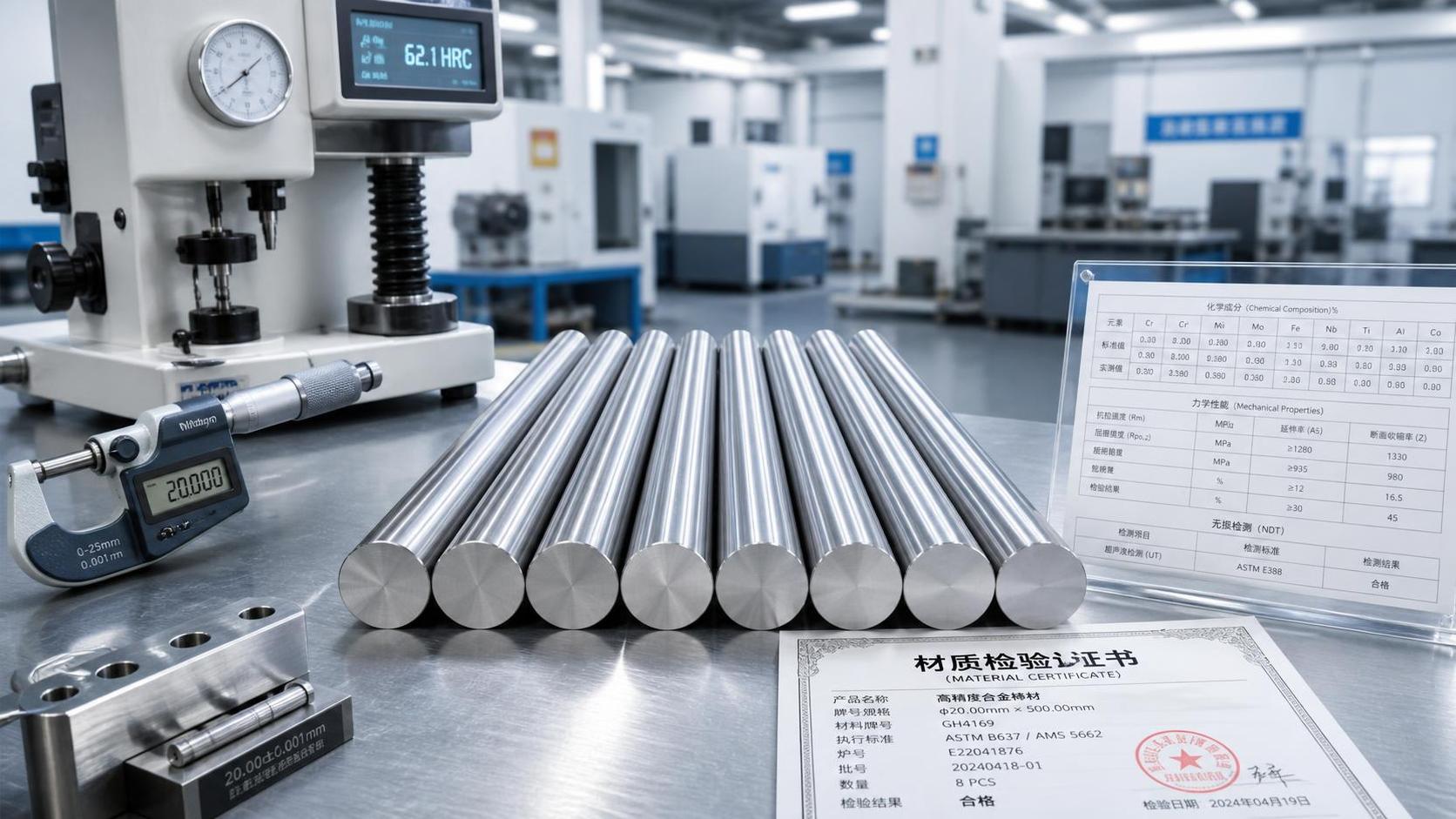
 Ms. Elena RodriguezWhat Buyers Should Check Before Sourcing Precision Alloy Bars for Critical PartsPrecision Alloy Bars buyers should verify grade, chemistry, tolerances, surface quality, traceability, and lead time before sourcing for critical parts. Learn what prevents costly machining and reliability risks.Aug 27, 2026
 Ms. Elena RodriguezHow to Evaluate Thermal Management Solutions Insulation for High-Heat Industrial SystemsThermal management solutions insulation: learn how to assess high-heat industrial systems by thermal performance, durability, lifecycle cost, and supplier data for smarter decisions.Aug 25, 2026
 Ms. Elena RodriguezWhat Drives Waste Recycling Cost in Industrial Projects and How to Estimate It?Waste recycling cost in industrial projects depends on composition, moisture, transport, pre-treatment, and compliance. Learn how to estimate it accurately and compare suppliers with confidence.Aug 24, 2026
 Silicate Process EngineerHow to Evaluate Cement Production Plants in the Middle East for Capacity, Fuel Flexibility, and ROIcement production plants Middle East: Learn how to assess true capacity, fuel flexibility, and ROI risks to identify resilient assets and smarter investment opportunities.Aug 23, 2026
 Structural Material AnalystHow to Evaluate Lightweight Material Machinery for Output, Energy Use, and Product QualityLightweight material machinery evaluation guide: compare stable output, energy use, and product quality to choose equipment that cuts waste, lowers costs, and improves production confidence.Aug 22, 2026
 Material Heat-Resist ExpertWhat Determines Refractory Production Line Price in a Turnkey Plant Project?Refractory production line price depends on raw materials, forming method, kiln and drying design, automation, utilities, and scope. Learn what really drives turnkey plant cost before you invest.Aug 21, 2026
 Thermal Energy ArchitectHow Digital Twin Simulations Help Kiln Operators Cut Fuel Use and Stabilize OutputDigital twin simulations for kilns help operators cut fuel use, reduce overcorrection, and stabilize output by testing process changes safely before they impact quality and cost.Aug 20, 2026
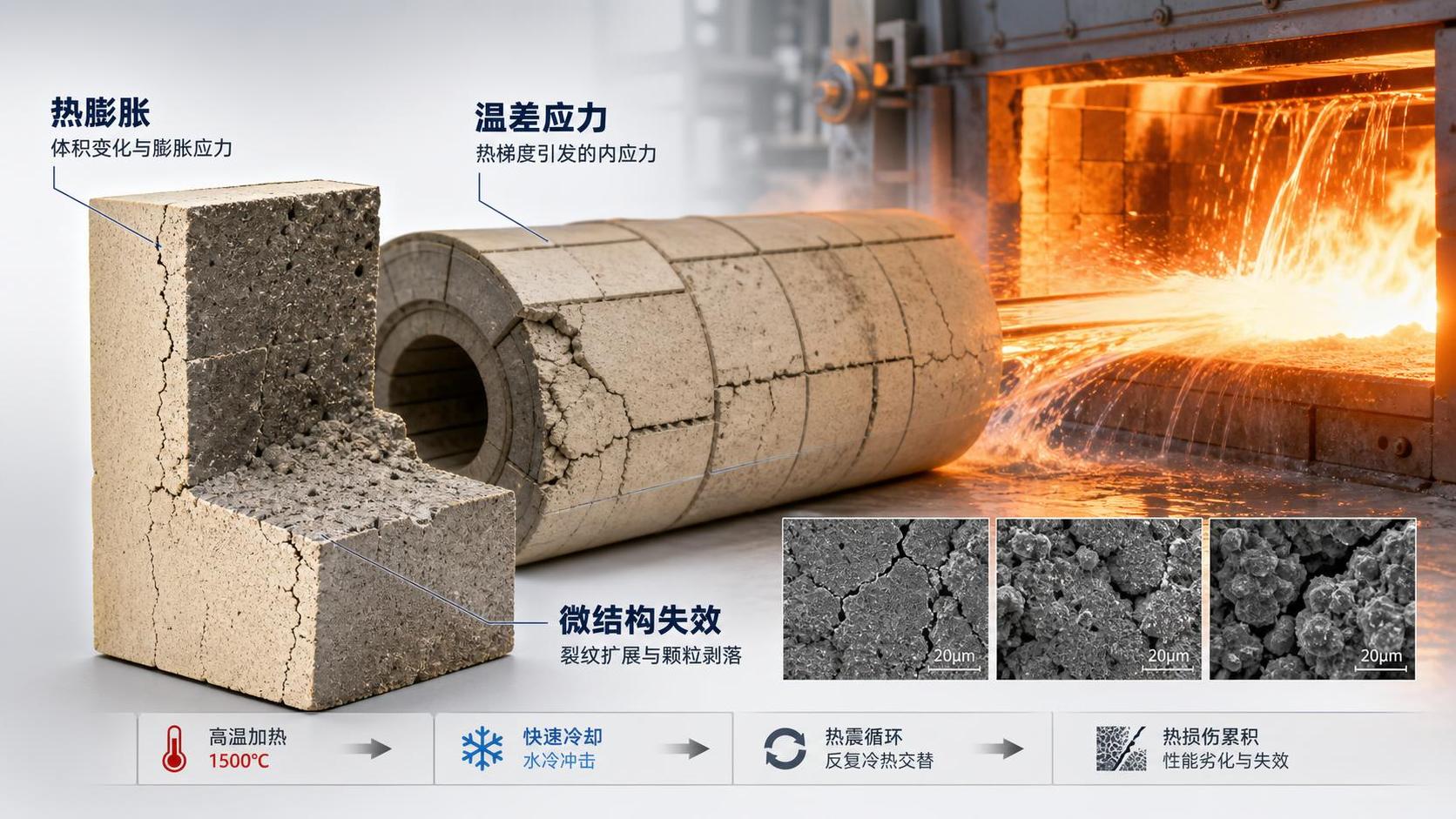
 Dr. Alistair VaughnWhat Causes Thermal Shock Failure in Heat-Resistant Materials During Development?Heat-resistant material development thermal shock failures often stem from expansion mismatch, weak microstructure, and residual stress. Learn the real causes and smarter evaluation steps.Aug 19, 2026
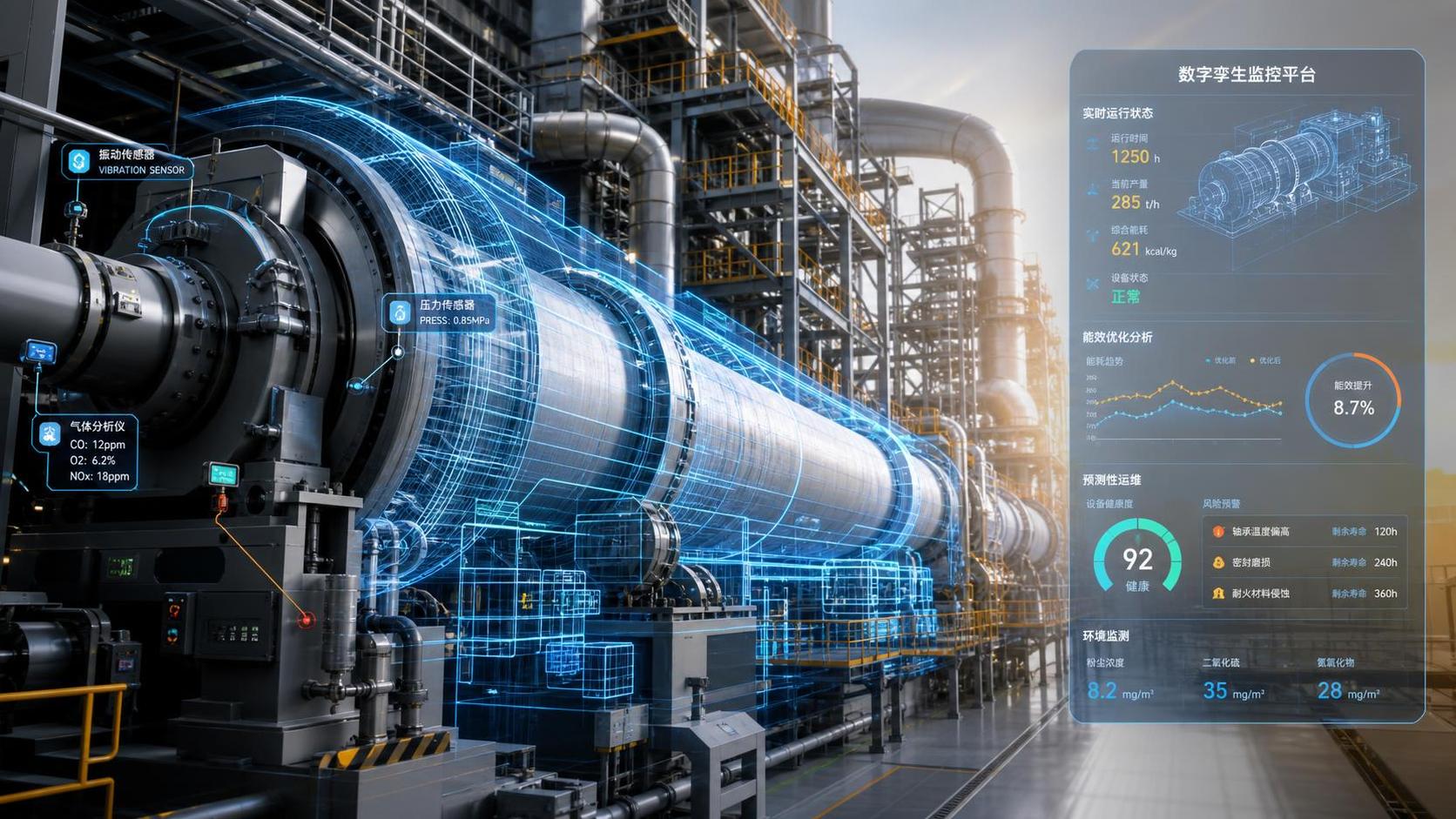
 Ms. Elena RodriguezWhat Is a Real Time Digital Twin and Where Does It Deliver Measurable Value?Real time digital twin explained: discover where it delivers measurable value in energy, quality, maintenance, and carbon performance for industrial operations.Aug 18, 2026
 Structural Material AnalystWhat Thermal Barrier Technology Works Best for Lightweight Industrial Panels?Thermal barrier technology lightweight industrial panels use works best when fire safety, heat stability, and weight are balanced. Compare mineral wool, silicate, ceramic, and hybrid options.Aug 17, 2026
Related News
- 00
0000-00
How to Evaluate a Silicate Processing Equipment Manufacturer for Plant Projects - 00
0000-00
Process Equipment Comparison: Which Metrics Matter Most for Reliable Selection? - 00
0000-00
What Buyers Should Check Before Sourcing Precision Alloy Bars for Critical Parts - 00
0000-00
How to Evaluate Thermal Management Solutions Insulation for High-Heat Industrial Systems - 00
0000-00
What Drives Waste Recycling Cost in Industrial Projects and How to Estimate It?
Weekly Insights
Stay ahead with our curated technology reports delivered every Monday.