
Global Material Price Trends: What Drives Cost Swings in Cement, Glass, and Refractories?




Global material price trends now shape far more than monthly purchasing budgets. In cement, glass, and refractories, cost swings can quickly change project viability, supplier stability, and investment timing across high-temperature industrial chains.
That matters because these materials sit inside infrastructure, energy recovery, manufacturing, and green building transitions. When fuel costs jump, freight tightens, or carbon rules harden, the impact moves from plant economics to commercial risk.
Viewed through the CF-Elite lens, the issue is not only commodity pricing. It is also about thermal efficiency, process design, emissions compliance, and the resilience of equipment-linked supply networks.
Why material prices no longer move in isolation

The old assumption was simple: raw material input prices rise, finished materials follow. That view is now incomplete.
Global material price trends are increasingly shaped by linked pressures. Energy markets, environmental policy, shipping availability, and plant operating rates now interact in real time.
Cement depends heavily on kiln fuel, clinker capacity, and regional construction demand. Glass pricing reacts sharply to natural gas, furnace utilization, and product mix. Refractories add another layer through minerals, firing intensity, and steel-linked demand cycles.
In practice, this means a stable raw feedstock market does not guarantee stable delivered pricing. Processing, energy conversion, and compliance costs can easily dominate the final number.
The main drivers behind cost swings
Several forces explain most global material price trends across these three segments. Each one affects margins differently.
Energy remains the fastest transmission channel
Cement kilns, glass furnaces, and refractory firing lines are energy-intensive systems. Fuel cost changes often reach pricing faster than raw mineral shifts.
Gas markets are especially important for glass. Coal, petcoke, alternative fuels, and electricity matter more for cement and refractory production, depending on geography and plant configuration.
Raw material quality is as important as raw material availability
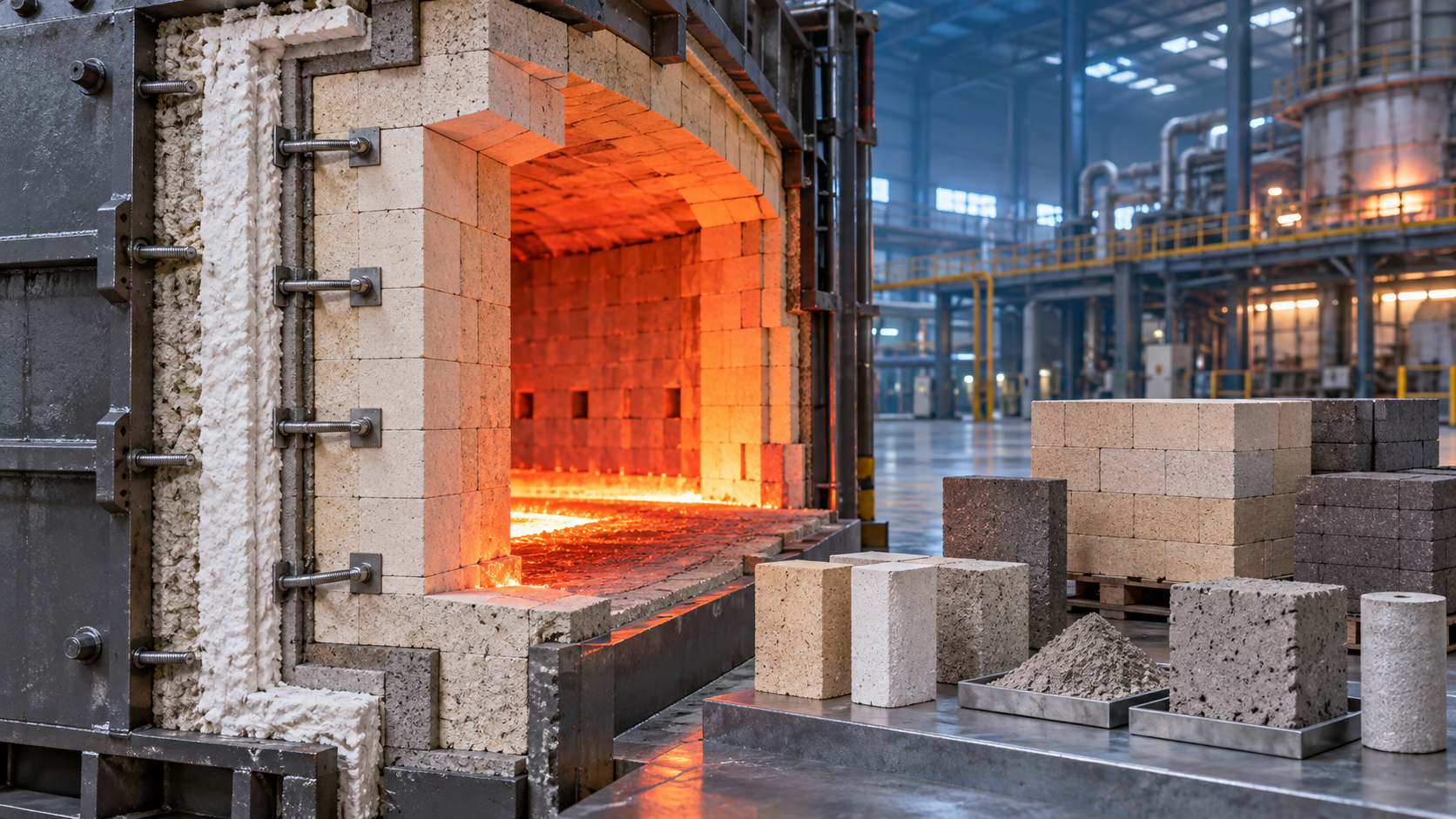
Limestone, silica sand, alumina, bauxite, magnesia, zircon, and clay are not interchangeable at industrial scale. Purity, particle distribution, moisture, and impurity levels directly affect usable yield.
When high-grade sources tighten, processors may face higher rejection rates, more energy use, or product quality constraints. That pushes pricing beyond simple extraction costs.
Carbon policy is becoming a direct cost item
Carbon pricing, emissions reporting, fuel switching mandates, and border adjustment measures now influence contract structures. This is especially visible in regions with aggressive decarbonization targets.
For global material price trends, carbon costs act like a second energy bill. They reward efficient lines and penalize older assets with weaker thermal control.
Logistics still decides the delivered number
Bulk materials are highly sensitive to freight. Ocean rates, inland trucking shortages, port congestion, and packaging choices can change competitiveness even when ex-works prices stay flat.
This is one reason regional market intelligence matters. A low-cost supplier may stop being low-cost after transit, customs, and delivery risk are included.
Why cement, glass, and refractories behave differently
These three sectors belong to the same high-temperature industrial ecosystem, but their pricing logic is not identical.
Cement is often more regional because transport costs are heavy relative to unit value. Glass can be more exposed to furnace continuity and energy spikes. Refractories carry smaller volumes but higher technical sensitivity.
That distinction matters when reading global material price trends. A broad market headline may hide very different drivers underneath each category.
What current market signals deserve closer attention
Short-term volatility often distracts from structural change. The more useful signals usually sit one level deeper.
- Fuel mix transitions in cement kilns, including alternative fuels and waste-derived inputs.
- Furnace rebuild cycles in glass, which affect supply availability and cost recovery periods.
- Export controls or permitting pressure on refractory minerals and processed inputs.
- Carbon disclosure requirements that reshape supplier qualification standards.
- Digital monitoring adoption, which improves refractory life prediction and reduces unplanned replacements.
CF-Elite tracks these shifts because pricing rarely moves alone. Equipment efficiency, thermal management, and line modernization often explain who can absorb cost pressure and who passes it on.
How to interpret price movement in real business terms
A useful reading of global material price trends goes beyond asking whether prices are rising or falling. The better question is what kind of cost movement is taking place.
Temporary spikes
These usually come from fuel shocks, freight disruption, weather, or abrupt outages. They can reverse quickly, but they still affect tender timing and working capital.
Structural resets
These come from emissions rules, permanent energy cost changes, resource depletion, or major capacity exits. Once established, the new price floor tends to hold.
Quality-driven divergence
Premium products may rise while lower grades stagnate. This is common when tighter specifications meet scarce high-quality inputs or rising defect sensitivity.
This distinction helps separate noise from investable change. It also improves supplier comparison, especially in long-cycle projects where replacement is expensive.
Practical evaluation points across supply chains
For practical use, price analysis works best when paired with process and asset context. A lower quote may mask future exposure.
- Check the supplier’s energy intensity and fuel flexibility.
- Review raw material sourcing depth, not only listed origin.
- Assess whether carbon costs are embedded, deferred, or contractually adjustable.
- Map logistics dependency, including ports, inland routes, and packaging constraints.
- Compare quality consistency, service life, and downtime impact against unit price.
In refractories especially, a cheaper unit price can raise total cost if campaign life shortens. In glass, energy instability can matter more than nominal sand costs. In cement, delivered cost often decides competitiveness.
Where intelligence platforms add real value
Global material price trends are easier to read when market data is connected to process knowledge. That is where specialized intelligence becomes more useful than generic commodity headlines.
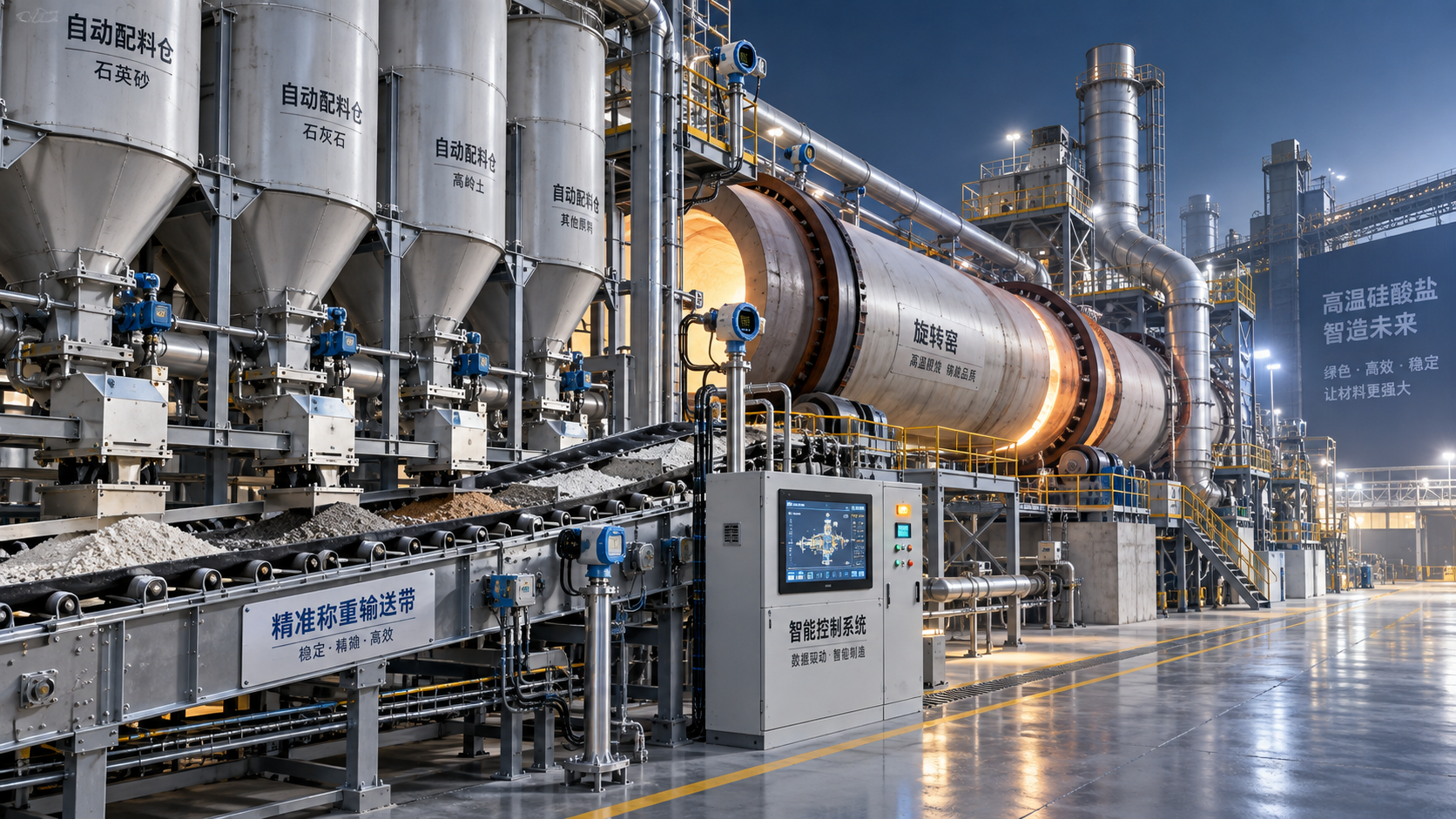
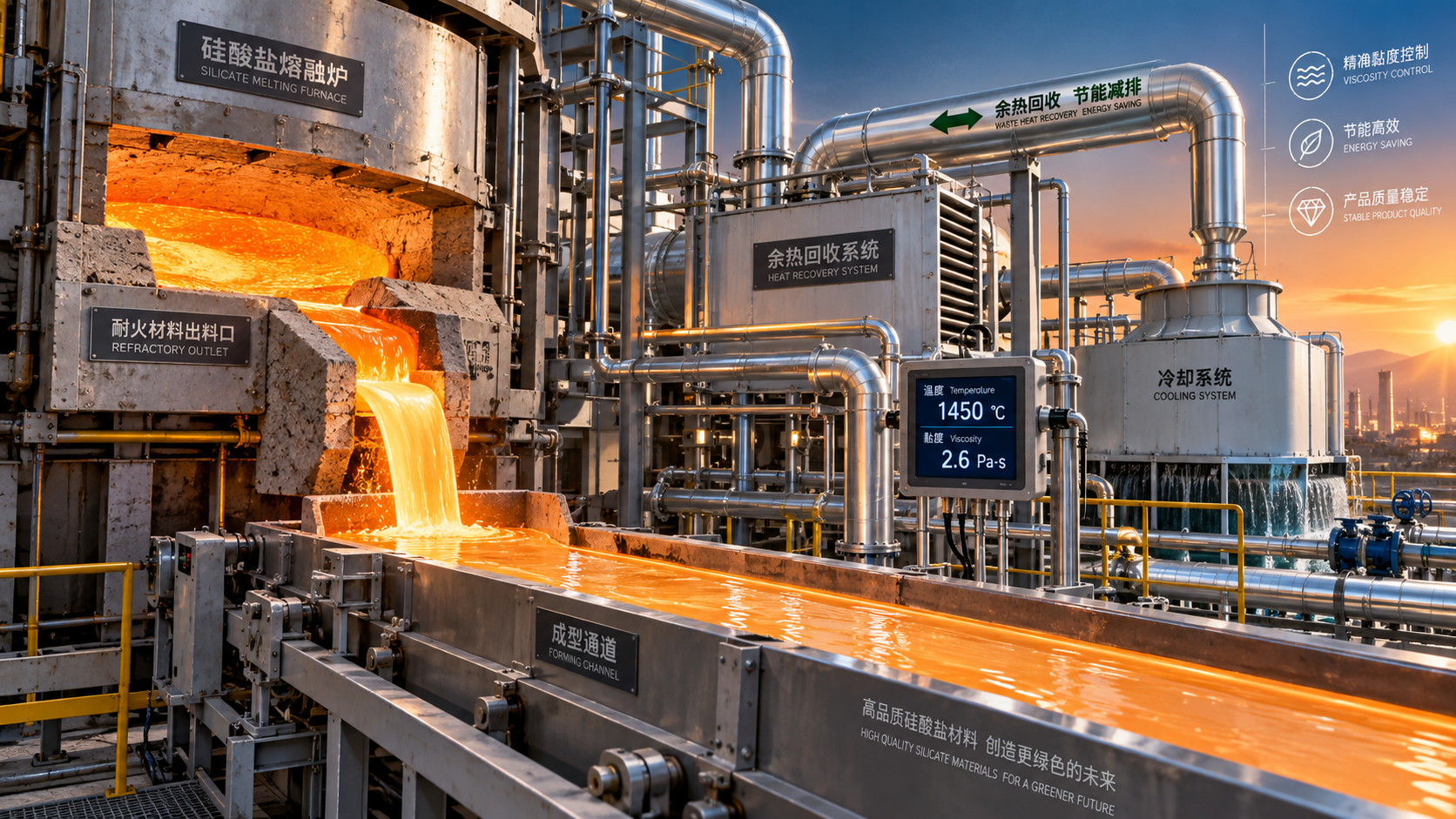
CF-Elite’s focus on cement production plants, glass manufacturing systems, industrial kilns, refractory lines, and new material extrusion gives a broader basis for judgment. Price movement can then be read alongside thermal efficiency, line upgrades, co-processing trends, and emissions pressure.
That combined view supports sharper decisions on supplier resilience, equipment demand, and timing of capital commitments. It also helps identify when a price rise reflects genuine structural tightening rather than short-lived market noise.
A more disciplined next step
The most reliable response to global material price trends is to build a decision frame, not a single forecast. Track energy exposure, raw material quality risk, carbon cost transfer, and logistics vulnerability together.
Then compare those signals by material category and by region. Cement, glass, and refractories do not move for the same reasons, even when they react to the same headline event.
A clearer view usually starts with better questions: which costs are cyclical, which are structural, and which are tied to process efficiency. That is the basis for more resilient planning across high-temperature industrial value chains.
Related News
 Structural Material AnalystHow Sustainable Material Extrusion Can Improve Wall Panel Durability and Design FlexibilityDiscover how sustainable material extrusion for wall panels improves durability, moisture resistance, design flexibility, and installation consistency for high-performing wall systems.Oct 01, 2026
 Thermal Energy ArchitectHow to Evaluate a High-Temperature Materials Manufacturer for Furnace ApplicationsChoose a high-temperature materials manufacturer with confidence: compare thermal performance, chemical resistance, quality controls, installation support, and lifecycle cost.Sep 30, 2026
 Ms. Elena RodriguezHow to Structure Global Specification Data for Faster Industrial Product EvaluationGlobal specification-oriented product information helps industrial teams compare capacity, energy, emissions, automation, and lifecycle data on a like-for-like basis for faster, confident equipment decisions.Sep 29, 2026
 Thermal Energy ArchitectHow to Specify High-Temperature Process Systems for Continuous Thermal OperationsHigh-temperature process engineering systems: learn how to specify resilient continuous thermal operations for efficiency, compliance, reliable uptime, and long-term performance.Sep 28, 2026
 Thermal Energy ArchitectHow to Evaluate a Thermal Engineering Contractor for High-Temperature Plant ProjectsChoose a thermal engineering contractor with proven process expertise, lifecycle value, emissions control, and delivery discipline for reliable high-temperature plant performance.Sep 27, 2026
 Silicate Process EngineerHow Latin American Cement Plants Can Reduce Dust Emissions in Kilns and Transfer PointsCement plant dust control Latin America: reduce kiln and transfer-point emissions with practical airflow, filtration, monitoring, and maintenance strategies.Sep 26, 2026
 Material Heat-Resist ExpertHow to Evaluate Refractory Production Lines for Output, Quality, and Energy UseRefractory production lines: learn how to assess qualified output, consistent quality, and total energy use for smarter, lower-risk investment decisions.Sep 25, 2026
 Dr. Alistair VaughnHow Waste Recycling Technology Improves Material Recovery in Industrial PlantsWaste recycling technology improves material recovery through source segregation, smart separation, thermal treatment, and quality control for industrial plants.Sep 24, 2026
 Optical Glass Tech FellowHow to Specify Glass Annealing Equipment for European Quality and Energy RequirementsGlass annealing equipment Europe: learn how to specify lehrs for consistent glass quality, energy efficiency, compliance, automation, and reliable long-term performance.Sep 23, 2026
 Optical Glass Tech FellowSilicate Process Automation: Improving Batch Consistency and Energy ControlSilicate process automation improves batch consistency, energy control, traceability, and operator confidence across high-temperature manufacturing operations.Sep 22, 2026
 Optical Glass Tech FellowHow Silicate Industrial Processes Control Viscosity, Energy Use, and Product QualitySilicate industrial processes: learn how viscosity, chemistry, heat transfer, and atmosphere control reduce energy use, improve stability, and protect product quality.Sep 21, 2026
 Thermal Energy ArchitectHow European Plants Can Evaluate Energy Recovery Equipment for High-Temperature ProcessesIndustrial energy recovery equipment Europe: learn how high-temperature plants can assess waste-heat sources, integration risks, lifecycle value, and reliable recovery routes.Sep 20, 2026
 Thermal Energy ArchitectIndustrial Furnace Process Optimization: Reducing Fuel Use Without Sacrificing ThroughputIndustrial process optimization furnace strategies that cut fuel use while protecting throughput. Explore combustion control, heat recovery, refractory performance, and data-driven efficiency gains.Sep 19, 2026
 Ms. Elena RodriguezWhat Drives High-Pressure Extrusion Equipment Cost in Industrial Projects?High pressure extrusion equipment cost explained: compare pressure, die design, automation, wear, energy, and installation factors for smarter industrial investments.Sep 18, 2026
 Thermal Energy ArchitectHow to Size a Waste Heat Recovery Exchanger for High-Temperature Kiln Exhaust?Waste heat recovery exchanger sizing for high-temperature kiln exhaust: balance recoverable duty, fouling, corrosion limits, pressure drop, and reliable heat use.Sep 17, 2026
 Thermal Energy ArchitectWhy Heat-Resistant Materials Lose Abrasion Resistance at High TemperaturesHeat-resistant materials abrasion resistance can decline at high temperatures. Discover the thermal, chemical, and mechanical causes of wear—and how to choose longer-lasting linings.Sep 16, 2026
 Thermal Energy ArchitectHow to Evaluate a Thermal Energy Optimization Company for High-Temperature PlantsChoose a thermal energy optimization company with proven process expertise, measurable savings, and reliable delivery for high-temperature plants. Learn what to assess.Sep 15, 2026
 Thermal Energy ArchitectRotary Kiln Efficiency: How Feed Rate, Fuel Use, and Heat Loss Affect OutputRotary kiln efficiency explained: discover how feed rate, fuel use, heat loss, combustion, and cooling performance shape output, quality, and energy costs.Sep 14, 2026
 Thermal Energy ArchitectHow to Select Heat-Resistant Materials That Maintain Abrasion Resistance in KilnsHeat-resistant materials abrasion resistance: learn how to select kiln linings that withstand heat, wear, thermal cycling, and chemical attack for longer service life.Sep 13, 2026
 Thermal Energy ArchitectHow Rotary Kiln Automation Improves Temperature Control and Fuel EfficiencyRotary kiln technology automation enhances temperature control, stabilizes combustion, and improves fuel efficiency with smarter data, predictive control, and safer operations.Sep 12, 2026




Related News
- 00
0000-00
Thermal Energy Architecture in North America: Strategies for Lower Building Energy Use - 00
0000-00
How to Evaluate a Green Material Production Line for Energy Use, Output, and Product Quality - 00
0000-00
Silicate Technology Trends: What New Process Upgrades Matter for Refractory and Cement Plants? - 00
0000-00
Thermal Engineering Optimization: Which Process Parameters Most Affect Energy Use? - 00
0000-00
Material Extrusion Technology in Europe: Which Materials and Production Goals Fit Best?
Weekly Insights
Stay ahead with our curated technology reports delivered every Monday.