
Industrial Energy Efficiency in Europe: What Rising Compliance Costs Mean for Plant Upgrades




Industrial energy efficiency Europe has moved from engineering detail to capital strategy
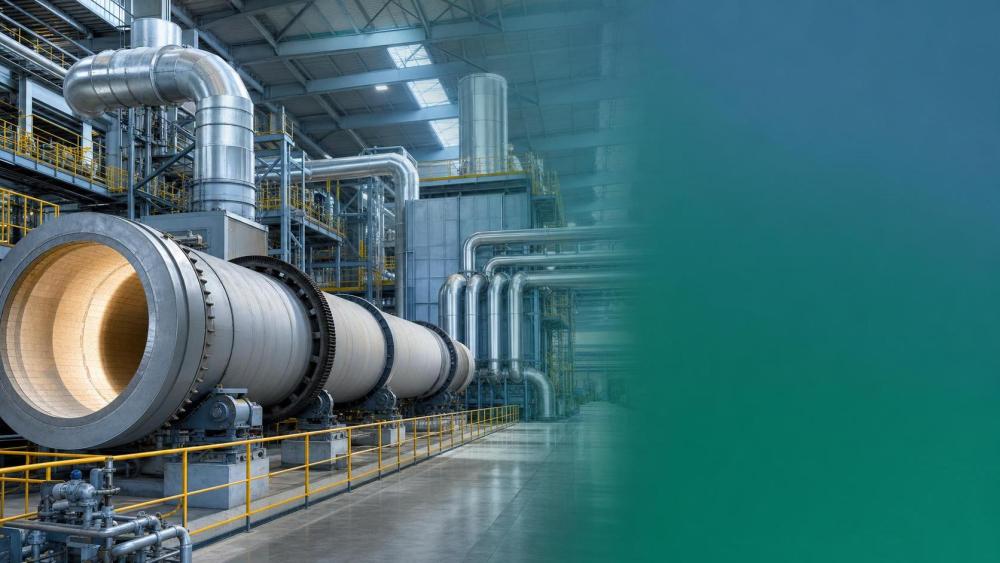
Across the EU, compliance costs are rising faster than many upgrade budgets expected. That shift is changing how heavy industry evaluates every furnace, kiln, line, and utility system.
Industrial energy efficiency Europe now sits at the intersection of regulation, margin control, and asset resilience. It is no longer enough to treat efficiency as a maintenance-side optimization topic.
For energy-intensive operations, especially high-temperature processes, the commercial question has become sharper. Which upgrades reduce exposure not only to fuel prices, but also to carbon-linked cost escalation?
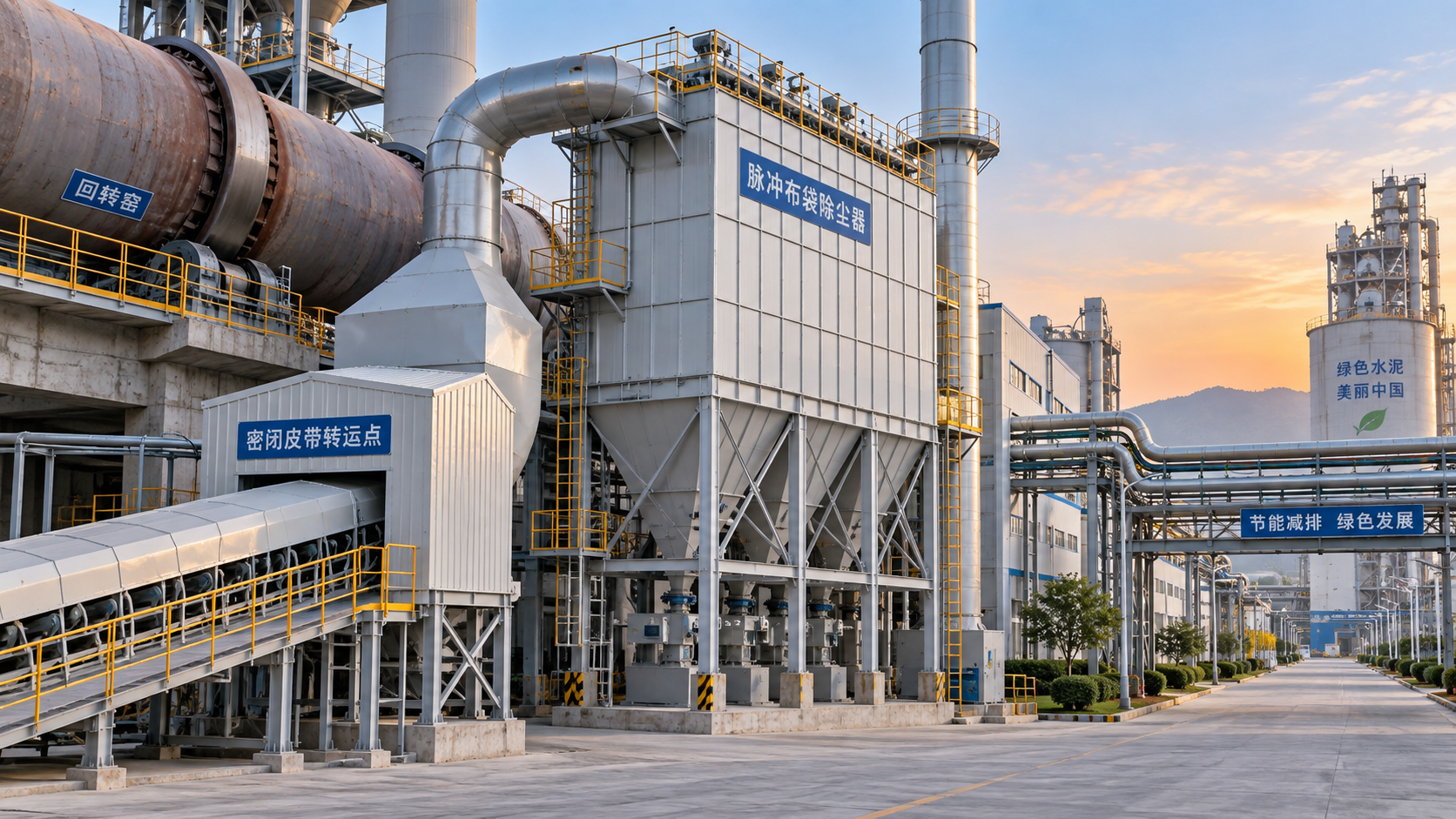
This is particularly visible in cement, glass, industrial incineration, refractory production, and extrusion-based building materials. These sectors operate with long asset lives and limited room for reactive change.
From CF-Elite’s observation of foundation materials and thermal management, the strongest signal is clear. Compliance pressure is no longer an external issue around the plant. It is shaping the core upgrade logic inside it.
Why the pressure is becoming more visible now
The immediate trigger is not a single rule. It is the layering of carbon pricing, emissions thresholds, energy reporting, and performance verification across multiple industrial activities.
That layering matters because compliance costs compound. A plant may face higher allowance costs, tighter monitoring obligations, and greater financing scrutiny at the same time.
Industrial energy efficiency Europe is therefore becoming a hedge against regulatory volatility. Better thermal performance now protects both operating cost and strategic flexibility.
Another reason is timing. Many European plants are operating equipment installed under a very different energy and policy environment, when fuel economics mattered more than carbon-adjusted efficiency.
That gap is now expensive. Legacy combustion systems, heat losses, unstable process control, and weak data visibility all translate into avoidable compliance exposure.
The main forces behind the shift
- Carbon cost pass-through is increasingly affecting production economics, especially in thermal-intensive lines.
- Energy audits and reporting standards are making inefficiency more measurable and harder to defer.
- Lenders and insurers are paying closer attention to plant modernization readiness and transition risk.
- Customers in construction and advanced manufacturing are asking for lower embedded emissions in materials.
- Digital monitoring tools now expose process instability that older review methods often missed.
The impact does not stop at the utility bill
A narrow reading of industrial energy efficiency Europe focuses on electricity and fuel consumption. The broader reality is more strategic, because compliance costs travel through several business layers.
First, there is direct operating pressure. Higher specific energy use raises production cost at the same moment carbon accountability is becoming more granular.
Second, there is asset valuation pressure. Plants with outdated thermal systems may still run, yet become less attractive in financing, partnership, or cross-border expansion decisions.
Third, there is operational risk. Once compliance reporting is tied closely to actual process performance, unstable lines create both efficiency loss and governance risk.
In high-temperature sectors, these pressures reinforce one another. Poor refractory condition, uneven heat distribution, or weak burner control can affect emissions, output quality, and maintenance cycles together.
Upgrade decisions are shifting toward systems, not isolated equipment
A notable change in industrial energy efficiency Europe is the move away from single-point fixes. Replacing one component helps, but it rarely solves the real compliance-cost problem.
What matters more is system interaction. Burner performance, raw material variation, refractory integrity, draft control, and digital feedback loops often determine whether savings persist.
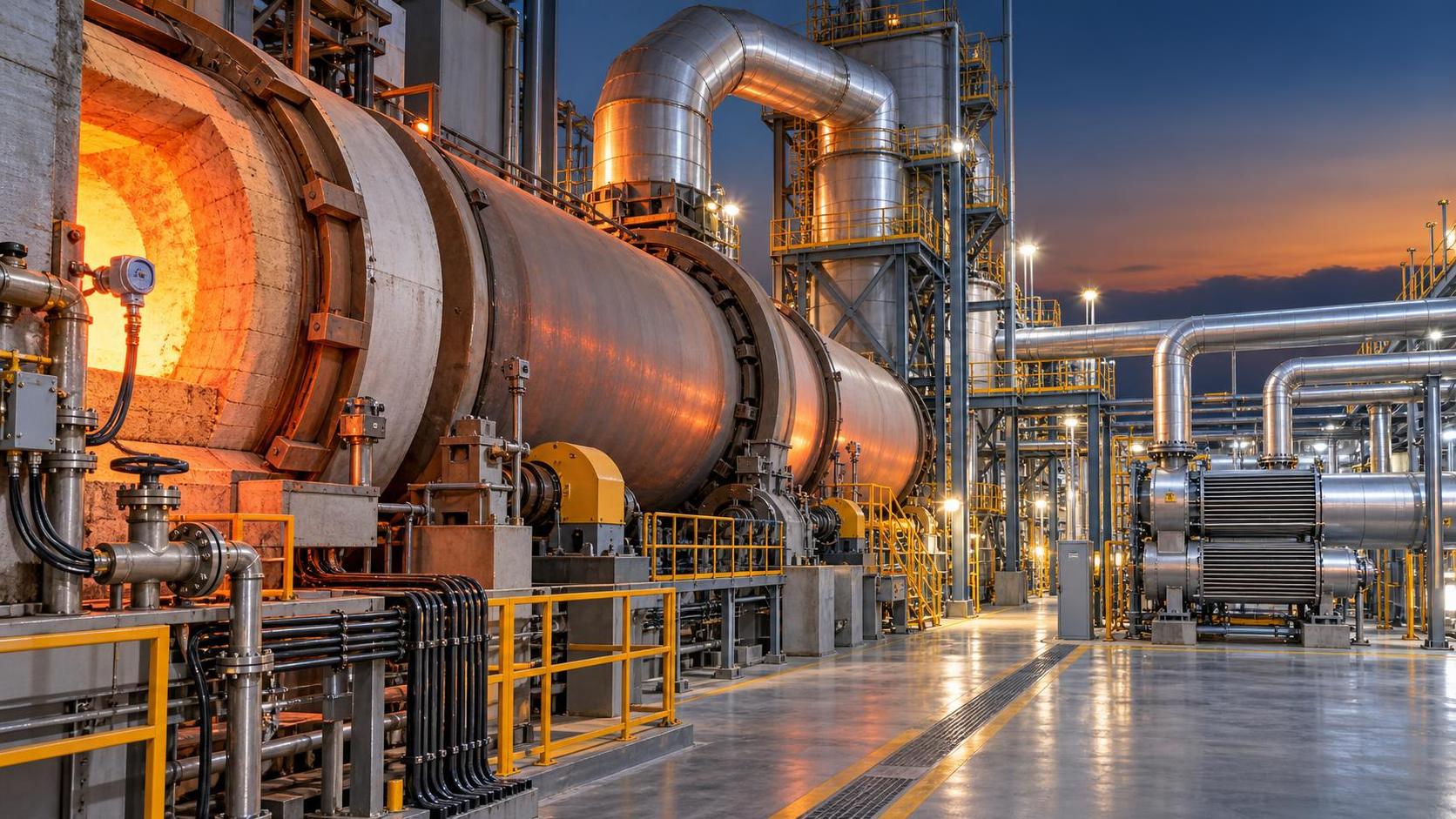
In cement and lime-style thermal environments, a modest kiln improvement may underperform if preheating instability remains unresolved. In glass, furnace control and heat balance usually matter as much as furnace hardware.
Industrial incineration shows the same pattern. Energy recovery economics improve only when feed variability, combustion stability, and emissions control are treated as one operating framework.
This is why the stronger projects now combine process engineering with compliance forecasting. They ask how an upgrade performs under future rules, not only under today’s energy bill.
Where demand is becoming more selective
From recent market signals, retrofit demand is becoming more disciplined. Capital is moving toward upgrades that improve measurable thermal efficiency and documentable carbon performance together.
- High-efficiency burners with tighter control windows
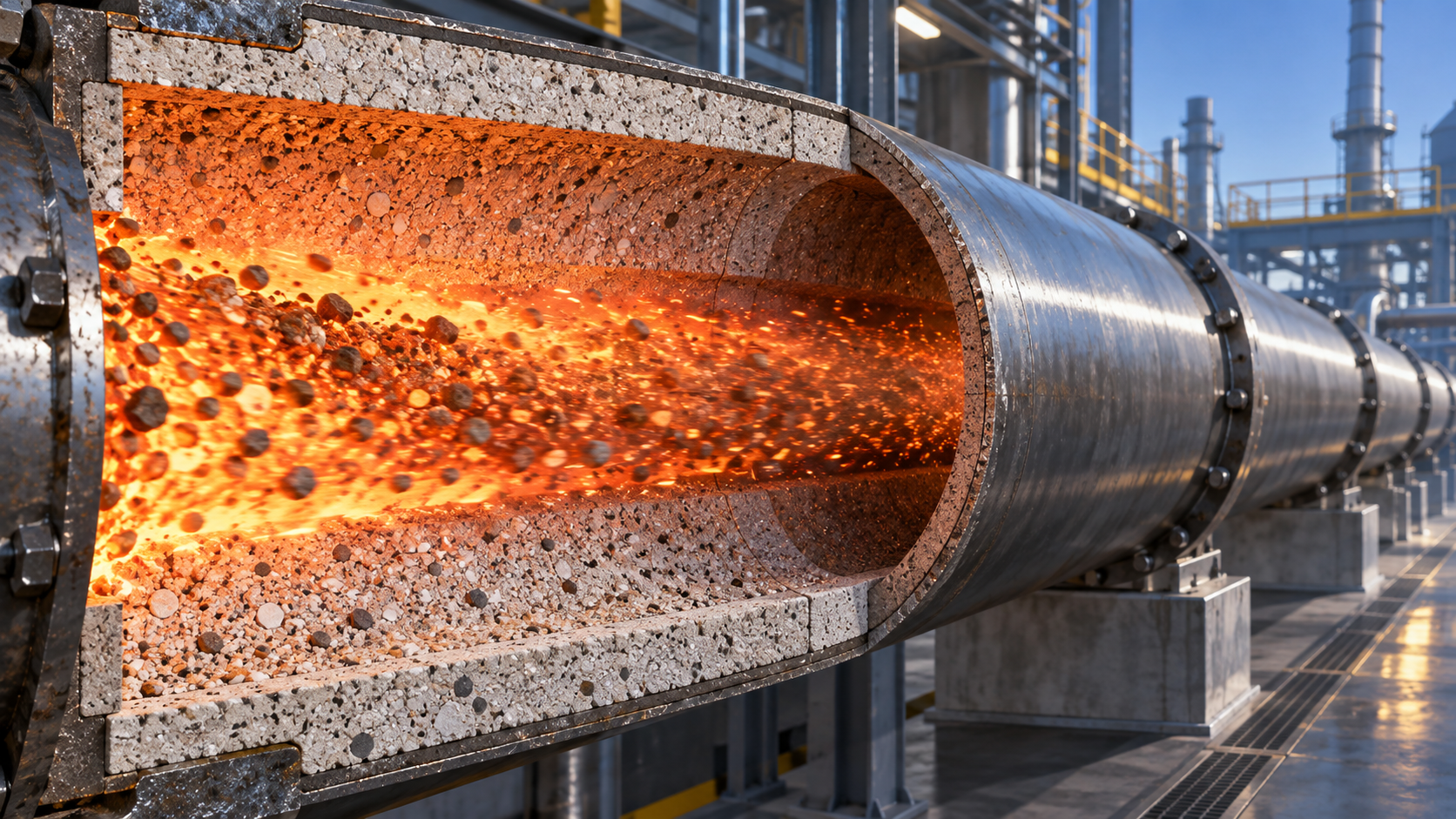
- Refractory solutions designed for lower heat loss and longer stable campaigns
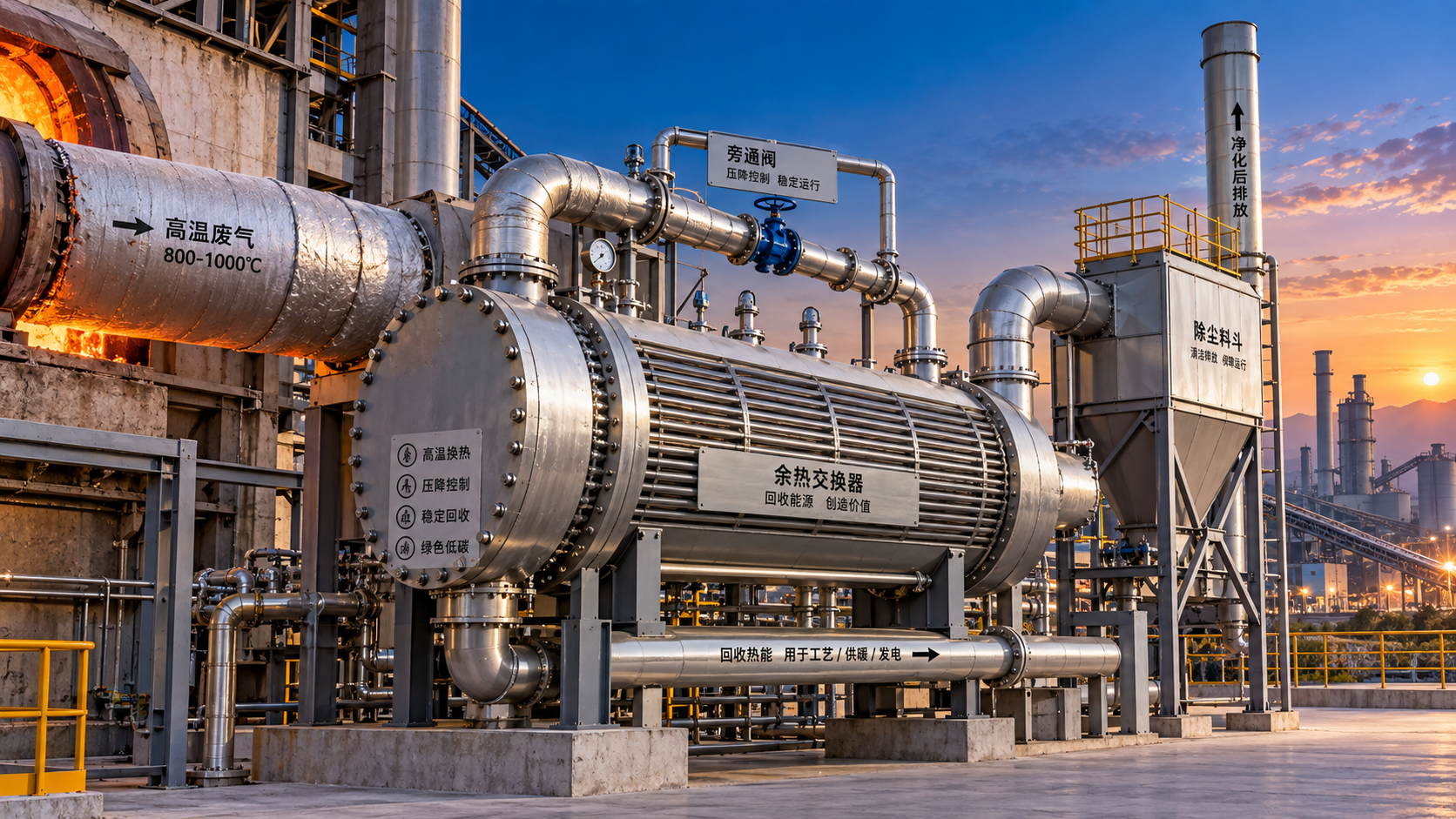
- Waste heat recovery matched to actual process profiles, not generic assumptions
- Digital twins and online monitoring that support auditability and intervention timing
- Flexible systems prepared for alternative fuels or mixed feed conditions
Different industrial segments are feeling the shift in different ways
Not every facility faces the same upgrade path. Industrial energy efficiency Europe has a common policy backdrop, but plant-level priorities still depend on process architecture and product economics.
Cement plants are under pressure to combine fuel substitution, clinker efficiency, dust control, and carbon cost management. The best modernization logic links those variables instead of treating them separately.
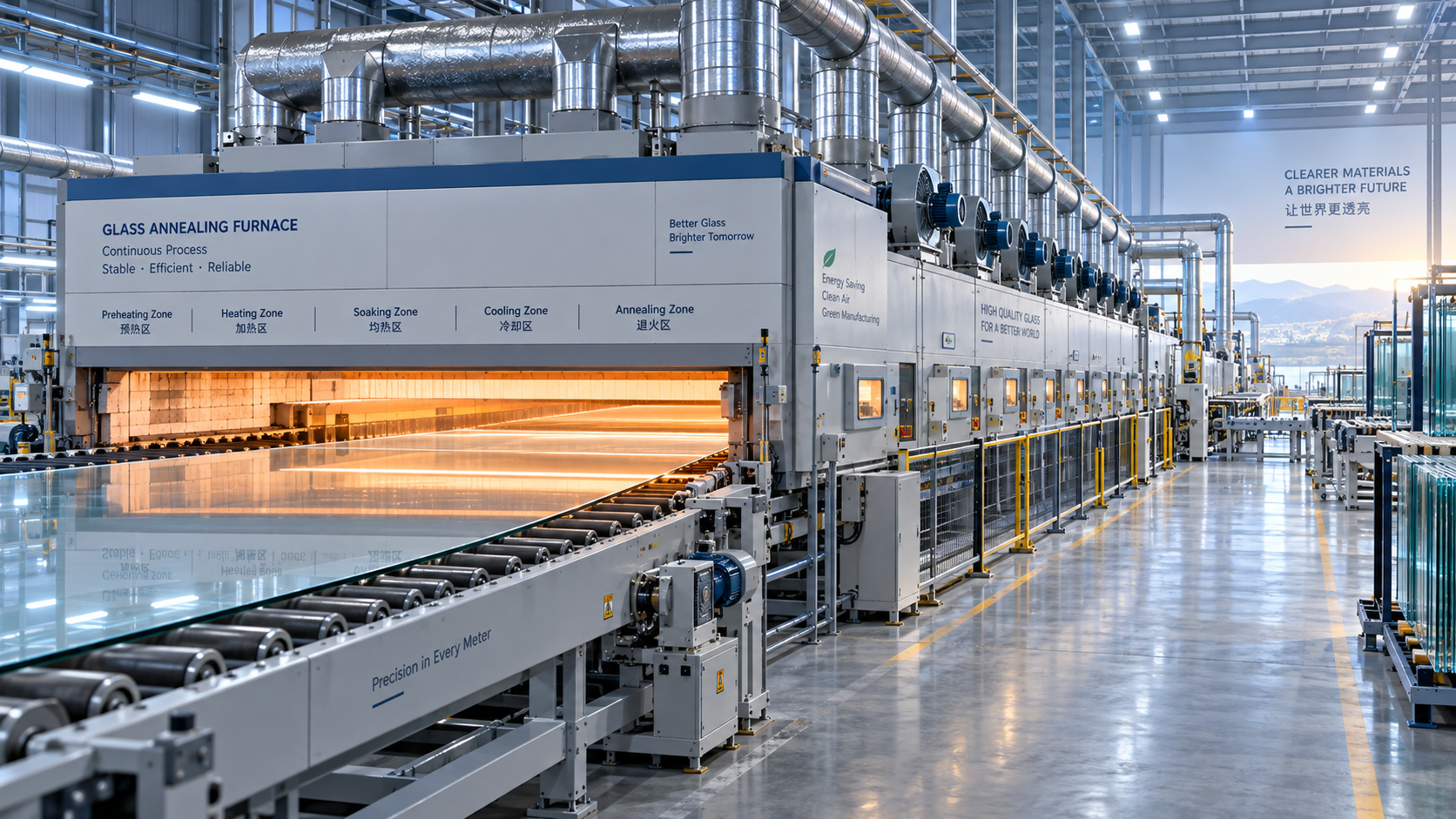
Glass lines face a different constraint. Efficiency gains must protect temperature precision, surface quality, and furnace campaign life, which makes data-driven control particularly valuable.
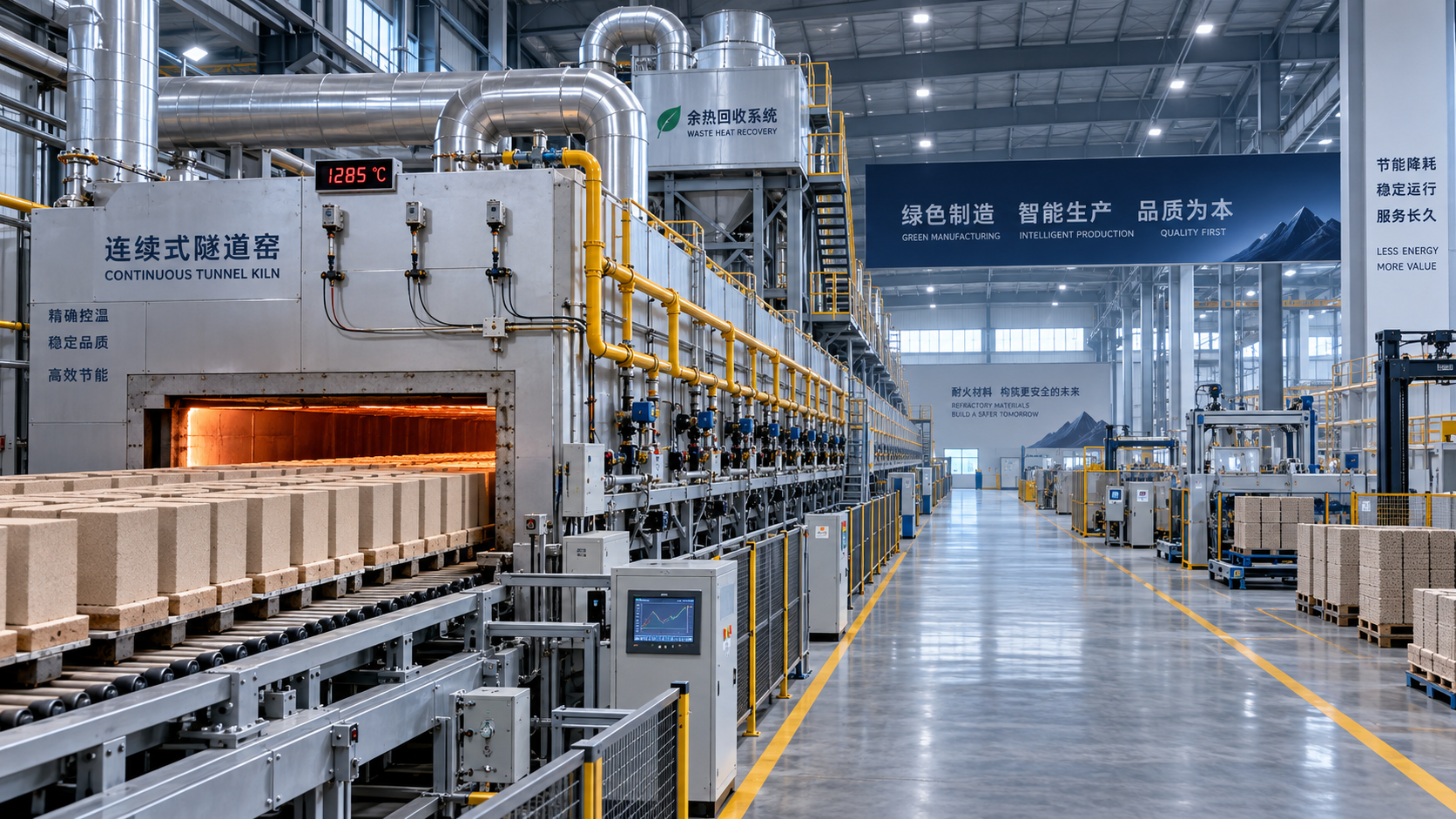
Refractory production lines sit in an interesting middle ground. Their own thermal performance matters, yet they also support the wider efficiency performance of steel, cement, and metallurgical assets.
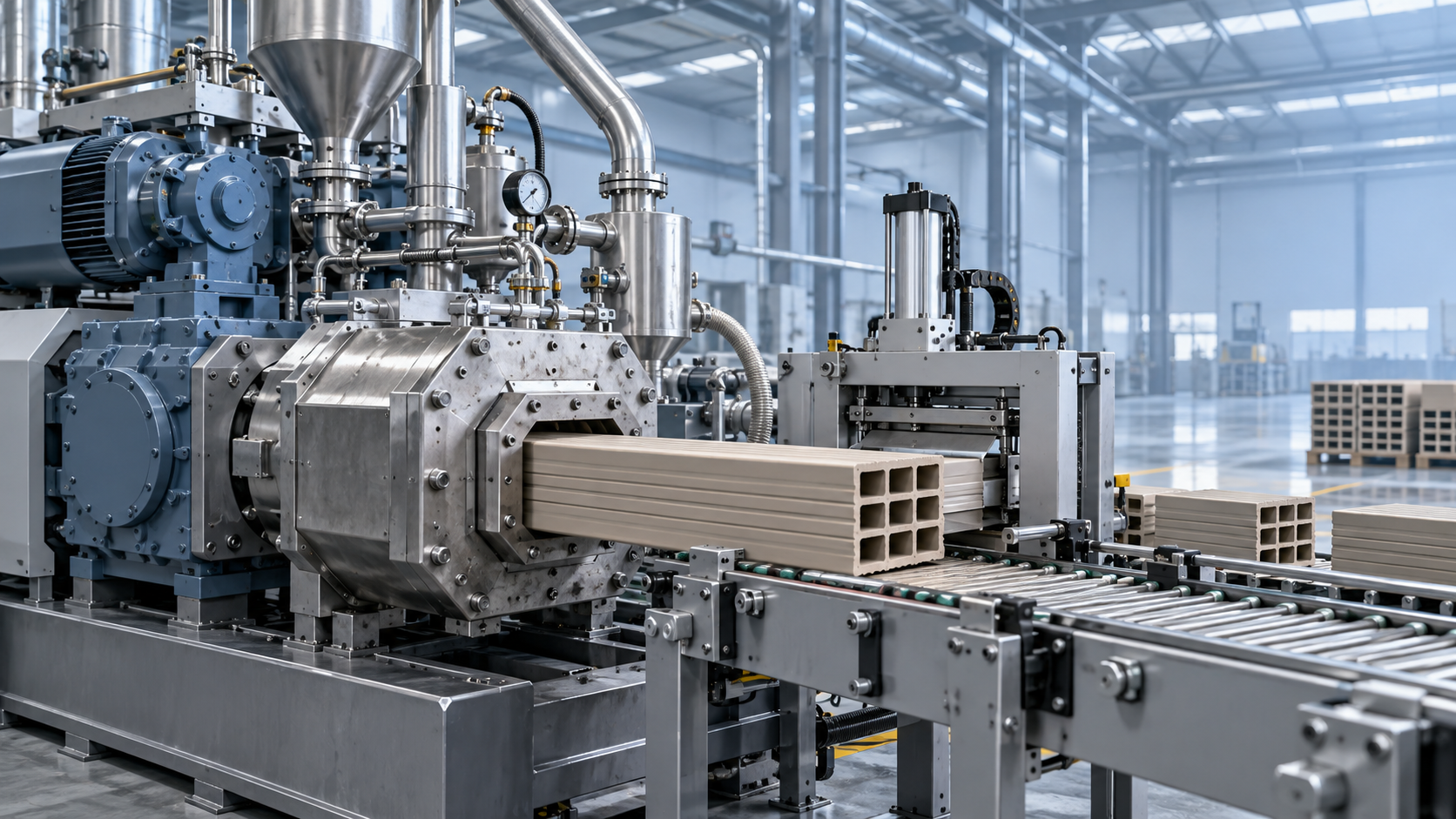
New building material extrusion adds another layer. Here, pressure comes from both plant efficiency and downstream demand for lower-carbon construction materials.
This cross-sector view is where CF-Elite’s intelligence model has practical value. It connects thermal parameters, reaction kinetics, market movement, and carbon strategy into one industrial reading.
What deserves closer attention over the next planning cycle
The next phase of industrial energy efficiency Europe will reward plants that treat compliance costs as a design input. Waiting for full regulatory certainty is becoming an expensive form of delay.
A useful starting point is to separate visible energy losses from structural efficiency constraints. Metered consumption shows symptoms, but thermal bottlenecks often sit deeper in the process chain.
It is also worth testing upgrade decisions against multiple future conditions. Fuel price swings, emissions accounting changes, and customer carbon disclosure requests can alter project payback faster than before.
More advanced operators are building phased roadmaps. They combine quick operational wins with larger modernization steps such as heat recovery, advanced control, or line redesign.
Practical checkpoints for the next move
- Map compliance-sensitive cost drivers by line, not only by site.
- Reassess thermal losses where refractory wear or unstable combustion is already visible.
- Compare upgrade options using carbon-adjusted operating scenarios.
- Strengthen process data capture before large capital decisions.
- Build modernization stages that preserve optionality for future standards and fuels.
The broader direction is not difficult to read. Industrial energy efficiency Europe is becoming a measure of whether a plant can stay cost-competitive under tighter rules, not merely whether it can save energy.
That means the strongest responses will come from disciplined technical diagnosis, realistic market timing, and upgrade choices grounded in long-cycle industrial intelligence. In this environment, better efficiency is also better strategic positioning.
Related News
 Ms. Elena RodriguezHow to Structure Global Specification Data for Faster Industrial Product EvaluationGlobal specification-oriented product information helps industrial teams compare capacity, energy, emissions, automation, and lifecycle data on a like-for-like basis for faster, confident equipment decisions.Sep 29, 2026
 Thermal Energy ArchitectHow to Specify High-Temperature Process Systems for Continuous Thermal OperationsHigh-temperature process engineering systems: learn how to specify resilient continuous thermal operations for efficiency, compliance, reliable uptime, and long-term performance.Sep 28, 2026
 Thermal Energy ArchitectHow to Evaluate a Thermal Engineering Contractor for High-Temperature Plant ProjectsChoose a thermal engineering contractor with proven process expertise, lifecycle value, emissions control, and delivery discipline for reliable high-temperature plant performance.Sep 27, 2026
 Silicate Process EngineerHow Latin American Cement Plants Can Reduce Dust Emissions in Kilns and Transfer PointsCement plant dust control Latin America: reduce kiln and transfer-point emissions with practical airflow, filtration, monitoring, and maintenance strategies.Sep 26, 2026
 Material Heat-Resist ExpertHow to Evaluate Refractory Production Lines for Output, Quality, and Energy UseRefractory production lines: learn how to assess qualified output, consistent quality, and total energy use for smarter, lower-risk investment decisions.Sep 25, 2026
 Dr. Alistair VaughnHow Waste Recycling Technology Improves Material Recovery in Industrial PlantsWaste recycling technology improves material recovery through source segregation, smart separation, thermal treatment, and quality control for industrial plants.Sep 24, 2026
 Optical Glass Tech FellowHow to Specify Glass Annealing Equipment for European Quality and Energy RequirementsGlass annealing equipment Europe: learn how to specify lehrs for consistent glass quality, energy efficiency, compliance, automation, and reliable long-term performance.Sep 23, 2026
 Optical Glass Tech FellowSilicate Process Automation: Improving Batch Consistency and Energy ControlSilicate process automation improves batch consistency, energy control, traceability, and operator confidence across high-temperature manufacturing operations.Sep 22, 2026
 Optical Glass Tech FellowHow Silicate Industrial Processes Control Viscosity, Energy Use, and Product QualitySilicate industrial processes: learn how viscosity, chemistry, heat transfer, and atmosphere control reduce energy use, improve stability, and protect product quality.Sep 21, 2026
 Thermal Energy ArchitectHow European Plants Can Evaluate Energy Recovery Equipment for High-Temperature ProcessesIndustrial energy recovery equipment Europe: learn how high-temperature plants can assess waste-heat sources, integration risks, lifecycle value, and reliable recovery routes.Sep 20, 2026
 Thermal Energy ArchitectIndustrial Furnace Process Optimization: Reducing Fuel Use Without Sacrificing ThroughputIndustrial process optimization furnace strategies that cut fuel use while protecting throughput. Explore combustion control, heat recovery, refractory performance, and data-driven efficiency gains.Sep 19, 2026
 Ms. Elena RodriguezWhat Drives High-Pressure Extrusion Equipment Cost in Industrial Projects?High pressure extrusion equipment cost explained: compare pressure, die design, automation, wear, energy, and installation factors for smarter industrial investments.Sep 18, 2026
 Thermal Energy ArchitectHow to Size a Waste Heat Recovery Exchanger for High-Temperature Kiln Exhaust?Waste heat recovery exchanger sizing for high-temperature kiln exhaust: balance recoverable duty, fouling, corrosion limits, pressure drop, and reliable heat use.Sep 17, 2026
 Thermal Energy ArchitectWhy Heat-Resistant Materials Lose Abrasion Resistance at High TemperaturesHeat-resistant materials abrasion resistance can decline at high temperatures. Discover the thermal, chemical, and mechanical causes of wear—and how to choose longer-lasting linings.Sep 16, 2026
 Thermal Energy ArchitectHow to Evaluate a Thermal Energy Optimization Company for High-Temperature PlantsChoose a thermal energy optimization company with proven process expertise, measurable savings, and reliable delivery for high-temperature plants. Learn what to assess.Sep 15, 2026
 Thermal Energy ArchitectRotary Kiln Efficiency: How Feed Rate, Fuel Use, and Heat Loss Affect OutputRotary kiln efficiency explained: discover how feed rate, fuel use, heat loss, combustion, and cooling performance shape output, quality, and energy costs.Sep 14, 2026
 Thermal Energy ArchitectHow to Select Heat-Resistant Materials That Maintain Abrasion Resistance in KilnsHeat-resistant materials abrasion resistance: learn how to select kiln linings that withstand heat, wear, thermal cycling, and chemical attack for longer service life.Sep 13, 2026
 Thermal Energy ArchitectHow Rotary Kiln Automation Improves Temperature Control and Fuel EfficiencyRotary kiln technology automation enhances temperature control, stabilizes combustion, and improves fuel efficiency with smarter data, predictive control, and safer operations.Sep 12, 2026
 Silicate Process EngineerCement Plant Emission Control: Selecting Systems for Dust, NOx, and SO2 LimitsCement plant emission control guide: compare dust collectors, NOx reduction, and SO2 systems for reliable compliance across kiln modes, fuel changes, and operating upsets.Sep 11, 2026
 Thermal Energy ArchitectSelecting Abrasion-Resistant High-Temperature Materials for Kiln and Conveyor Wear ZonesHigh-temp material engineering guide to abrasion-resistant kiln and conveyor solutions—match wear, heat, chemistry, and installation design for longer service life.Sep 10, 2026


Related News
- 00
0000-00
Thermal Energy Architecture in North America: Strategies for Lower Building Energy Use - 00
0000-00
How to Evaluate a Green Material Production Line for Energy Use, Output, and Product Quality - 00
0000-00
Silicate Technology Trends: What New Process Upgrades Matter for Refractory and Cement Plants? - 00
0000-00
Thermal Engineering Optimization: Which Process Parameters Most Affect Energy Use? - 00
0000-00
Material Extrusion Technology in Europe: Which Materials and Production Goals Fit Best?
Weekly Insights
Stay ahead with our curated technology reports delivered every Monday.