
Global Material Trends in 2025: Supply Risks, Price Drivers, and Sourcing Priorities




Global material trends in 2025 are becoming less predictable, but more readable

In 2025, global material trends are no longer shaped by one dominant force.
Price direction now reflects a tighter mix of freight exposure, power costs, carbon rules, and regional project timing.
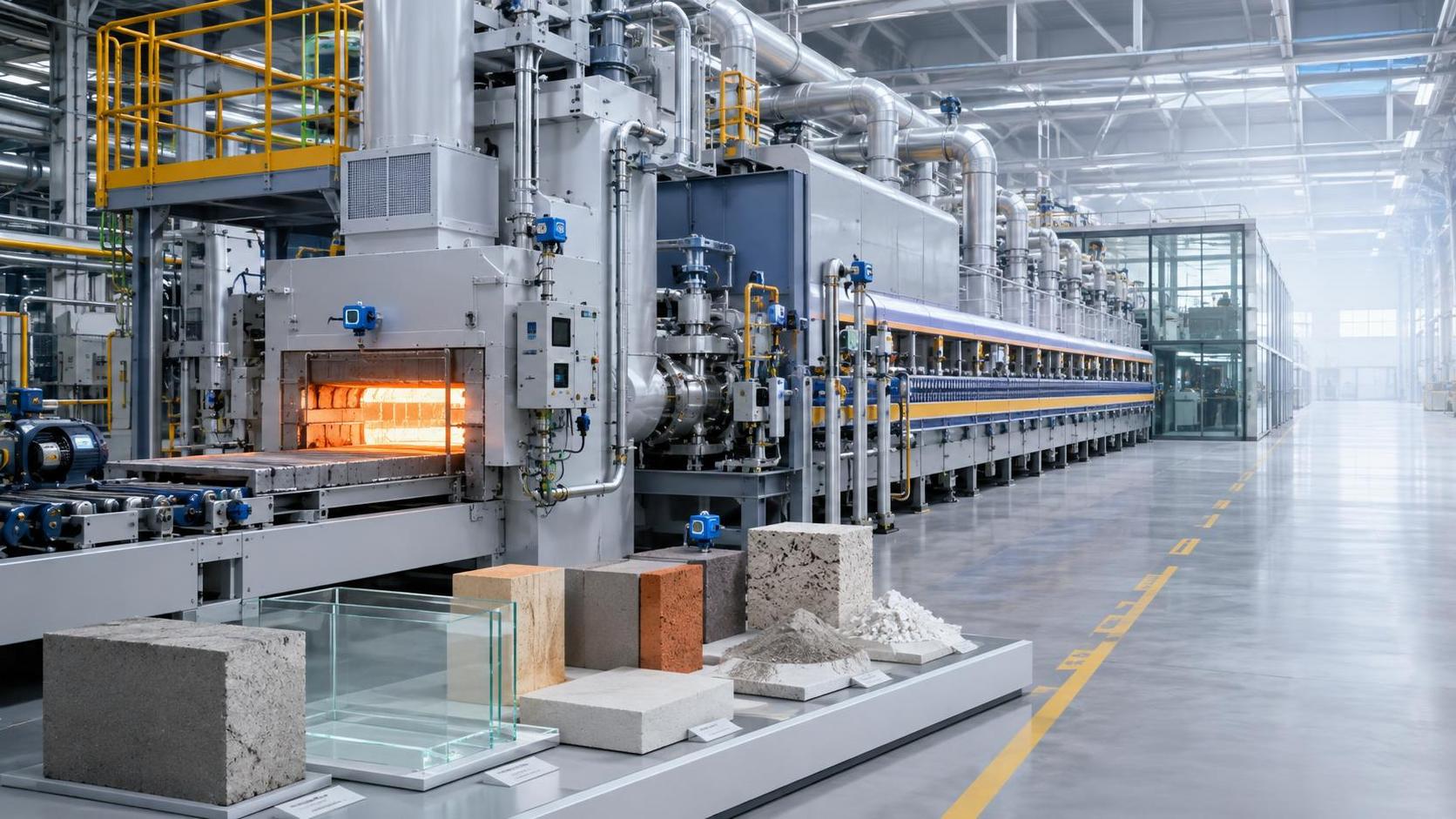
That matters across industrial and construction value chains, especially where cement, glass, refractories, fuels, and engineered minerals intersect.
The more useful reading of global material trends is not whether prices move up or down.
It is where volatility starts, how fast it travels, and which materials become difficult before they become expensive.
That shift is especially visible in high-temperature industries observed by CF-Elite.
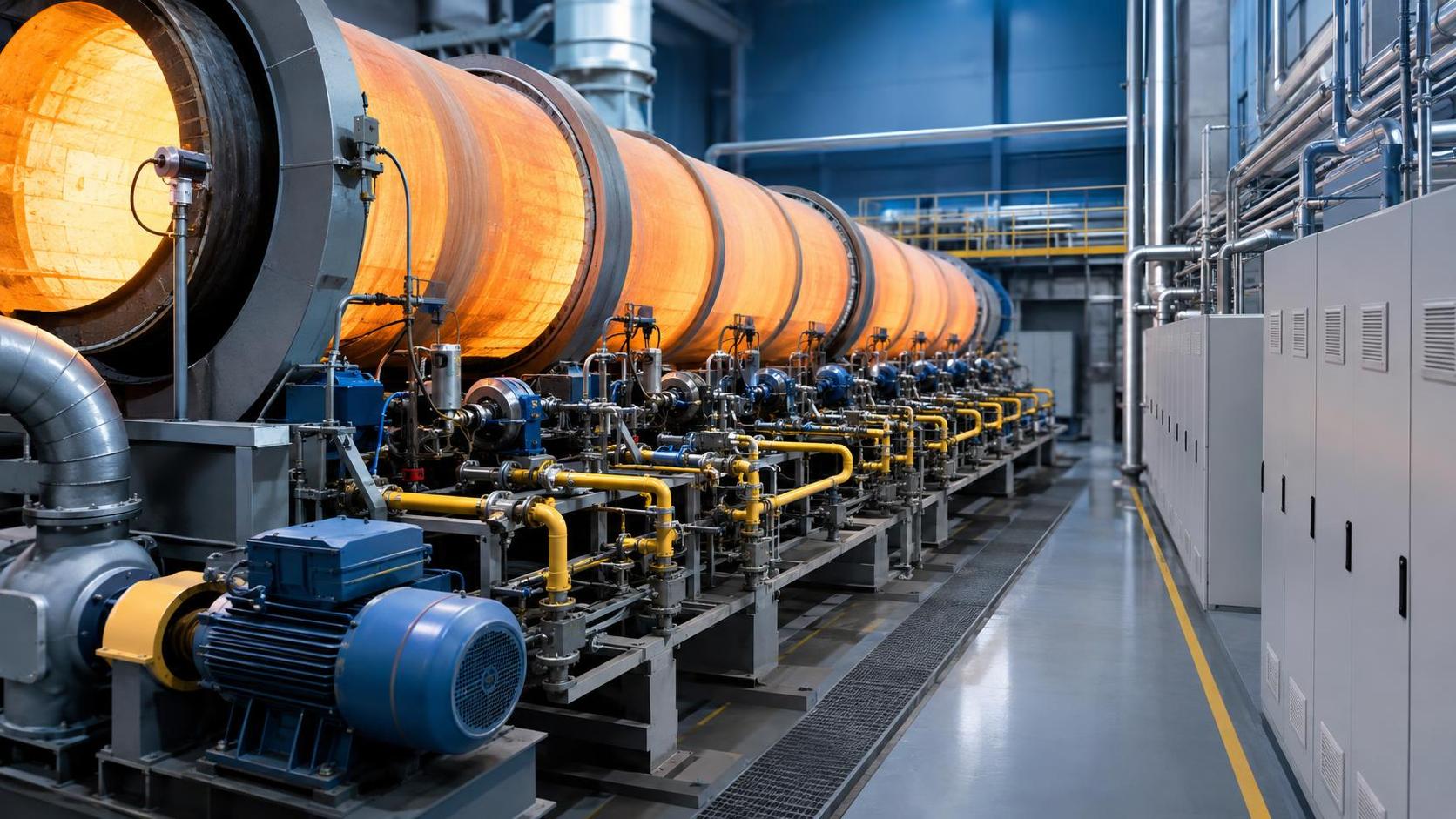
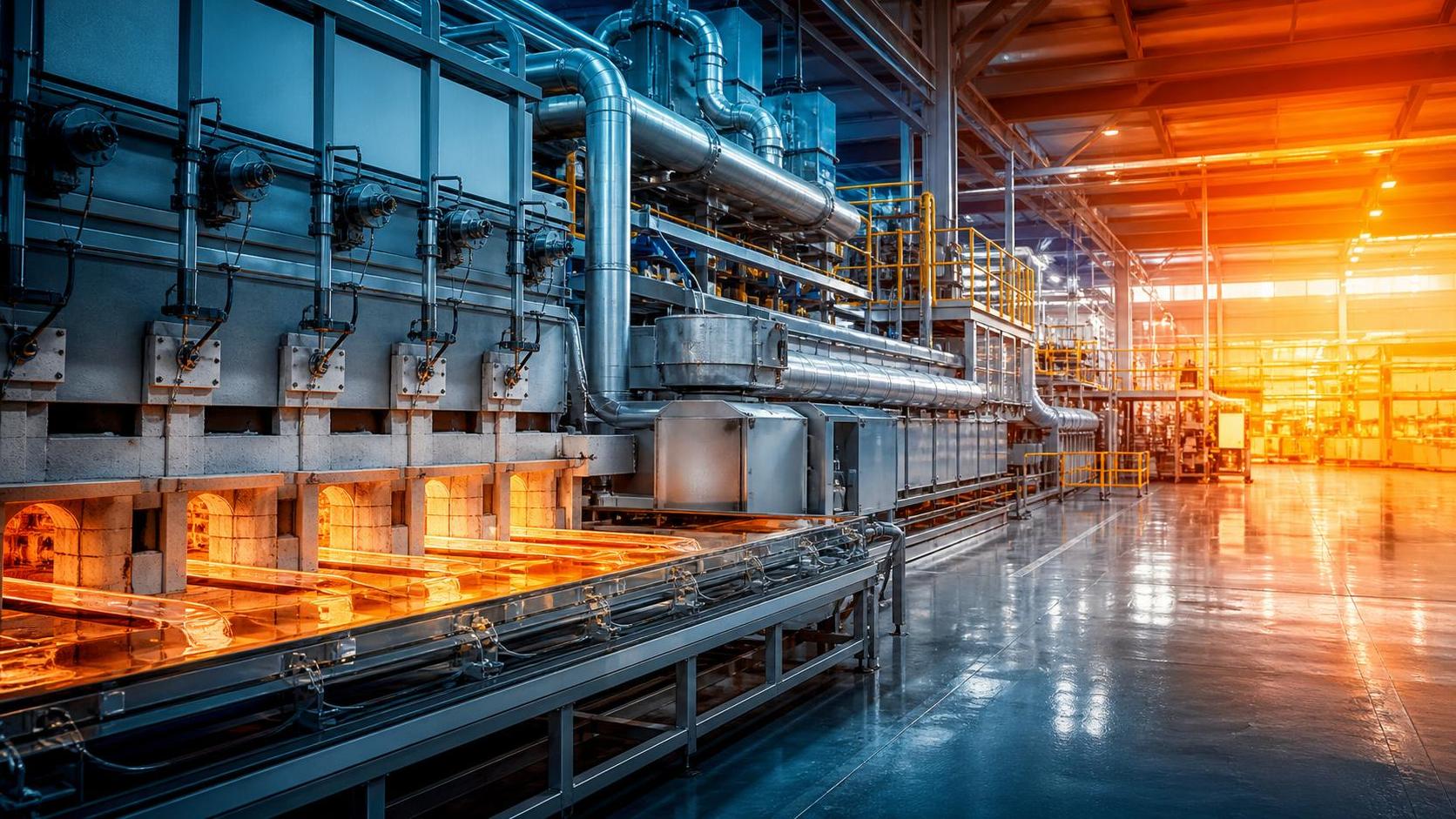
Rotary kilns, float lines, refractory systems, and extrusion platforms all convert material risk into operating risk very quickly.
For that reason, business evaluation now depends on understanding supply resilience, not only headline commodity prices.
The market signal is shifting from spot price watching to constraint mapping
One clear feature of global material trends is the return of uneven availability.
Some materials remain technically available, yet lead times, purity bands, or freight conditions reduce their practical usability.
This is more visible in industrial minerals, calcined inputs, specialty clays, alumina-bearing materials, and temperature-resistant components.
In cement and glass systems, a small interruption upstream can delay maintenance windows, alter batch consistency, or raise energy consumption.
In refractory production, the issue is often not total shortage.
It is the narrowing of acceptable grades under higher thermal stress and longer service expectations.
So, global material trends in 2025 should be read through constraint mapping.
The critical question is which dependency can trigger cost escalation, downtime, or process instability first.
The pressure points are becoming more layered
- Energy-intensive materials still carry delayed cost pass-through from gas, electricity, and fuel switching.
- Maritime disruptions continue to affect bulk minerals differently from high-value technical inputs.
- Environmental compliance adds cost unevenly, especially where emissions disclosure reaches plant-level operations.
- Regional demand recovery remains fragmented, making allocation decisions less stable than many forecasts suggested.
Why price drivers now reach beyond raw extraction
A useful mistake in reading global material trends is to focus only on mining output or macro demand.
In 2025, pricing is increasingly decided in processing, conversion, and compliance stages.
For many silicate and thermal materials, processing intensity matters as much as feedstock access.
Drying, calcining, melting, firing, and cooling all embed energy risk into material cost structures.
That is why sectors tracked by CF-Elite offer an unusually sharp view of underlying market movement.
They sit exactly where chemistry, heat balance, equipment wear, and carbon pressure meet.
This also explains why nominally cheaper sources may become less competitive after energy, yield loss, and qualification delays are included.
Demand is not disappearing; it is being redistributed
Another important feature in global material trends is the changing map of demand quality.
Volume still matters, but specification discipline matters more.
Urban renewal, energy infrastructure, waste treatment, PV glass, and greener building products are not pulling on the same inputs equally.
Some markets need more low-carbon clinker substitutes.
Others need cleaner cullet streams, higher-grade refractories, or extrusion-ready lightweight material systems.
This is why broad commodity assumptions often miss what is happening on the ground.
From recent project activity, demand has become more selective rather than uniformly weak or strong.
Where the redistribution is most visible
Cement systems are under pressure to balance clinker reduction with stable line performance.
Glass operations are watching energy efficiency, furnace life, and raw mix consistency more closely than pure input cost.
Incineration and co-processing lines are gaining relevance as waste valorization becomes part of material and fuel strategy.
Refractory lines are seeing value migrate toward durability, monitoring, and service predictability.
Extrusion-based new building materials benefit where lightweight construction and carbon accountability move together.
The sourcing priority is changing from cheapest origin to best-fit resilience
This is probably the most actionable reading of global material trends for 2025.
A low price no longer means a low-risk decision.
In thermal and process-heavy sectors, small material inconsistencies can amplify operating losses faster than buyers expect.
That is why sourcing priorities are moving toward fit, resilience, and traceability.
- Check whether substitute materials preserve thermal behavior, not only chemical labels.
- Compare suppliers on energy exposure and emissions intensity, not only delivered price.
- Review route flexibility for bulk and critical inputs before disruption appears.
- Build qualification pathways for second sources earlier than contract renewal cycles.
- Track maintenance implications where material variation shortens equipment life.
In practice, the strongest sourcing position now combines engineering awareness with market intelligence.
That is where platforms like CF-Elite become relevant without turning the conversation into a sales pitch.
The value lies in connecting material movement with kiln behavior, line efficiency, refractory wear, and decarbonization pressure.
What deserves closer attention through the rest of 2025
The next phase of global material trends will likely be less about sudden universal shortages.
It will be more about selective tightness, regional cost divergence, and performance-linked premiums.
Materials tied to high-temperature processing may face the strongest differentiation.
The reason is simple: these supply chains absorb energy shocks, carbon reporting, and uptime risk at the same time.
More careful evaluation should focus on a few signals.
- Whether regional policy raises the cost of carbon-intensive conversion stages.
- Whether alternative materials improve resilience without lowering process stability.
- Whether demand from infrastructure, PV, waste treatment, and green construction changes grade requirements.
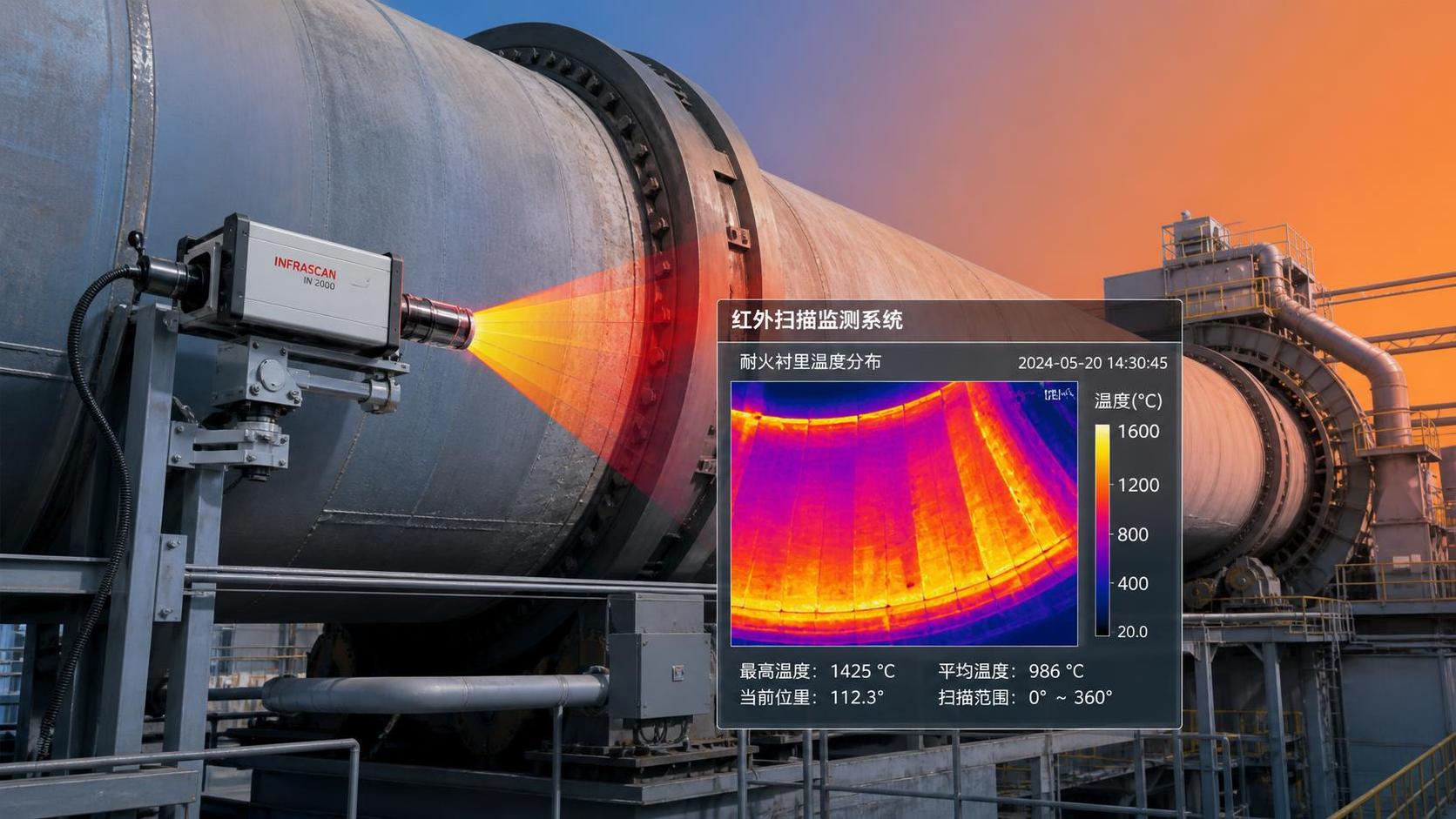
- Whether digital monitoring reduces uncertainty in refractory life, fuel mix, or line performance.
The broader lesson is that global material trends now reward earlier interpretation.
Waiting for price confirmation often means missing the earlier signal in energy, quality, logistics, or compliance.
A practical next step is to update material risk reviews using both market data and process sensitivity.
That includes comparing alternate sources, checking key thermal parameters, and watching policy changes that alter real delivered cost.
In 2025, the most useful response to global material trends is not a bigger forecast.
It is a sharper filter for deciding which signals deserve action, and which apparent bargains may carry deeper operational risk.
Related News
 Thermal Energy ArchitectHow European Plants Can Evaluate Energy Recovery Equipment for High-Temperature ProcessesIndustrial energy recovery equipment Europe: learn how high-temperature plants can assess waste-heat sources, integration risks, lifecycle value, and reliable recovery routes.Sep 20, 2026
 Thermal Energy ArchitectIndustrial Furnace Process Optimization: Reducing Fuel Use Without Sacrificing ThroughputIndustrial process optimization furnace strategies that cut fuel use while protecting throughput. Explore combustion control, heat recovery, refractory performance, and data-driven efficiency gains.Sep 19, 2026
 Ms. Elena RodriguezWhat Drives High-Pressure Extrusion Equipment Cost in Industrial Projects?High pressure extrusion equipment cost explained: compare pressure, die design, automation, wear, energy, and installation factors for smarter industrial investments.Sep 18, 2026
 Thermal Energy ArchitectHow to Size a Waste Heat Recovery Exchanger for High-Temperature Kiln Exhaust?Waste heat recovery exchanger sizing for high-temperature kiln exhaust: balance recoverable duty, fouling, corrosion limits, pressure drop, and reliable heat use.Sep 17, 2026
 Thermal Energy ArchitectWhy Heat-Resistant Materials Lose Abrasion Resistance at High TemperaturesHeat-resistant materials abrasion resistance can decline at high temperatures. Discover the thermal, chemical, and mechanical causes of wear—and how to choose longer-lasting linings.Sep 16, 2026
 Thermal Energy ArchitectHow to Evaluate a Thermal Energy Optimization Company for High-Temperature PlantsChoose a thermal energy optimization company with proven process expertise, measurable savings, and reliable delivery for high-temperature plants. Learn what to assess.Sep 15, 2026
 Thermal Energy ArchitectRotary Kiln Efficiency: How Feed Rate, Fuel Use, and Heat Loss Affect OutputRotary kiln efficiency explained: discover how feed rate, fuel use, heat loss, combustion, and cooling performance shape output, quality, and energy costs.Sep 14, 2026
 Thermal Energy ArchitectHow to Select Heat-Resistant Materials That Maintain Abrasion Resistance in KilnsHeat-resistant materials abrasion resistance: learn how to select kiln linings that withstand heat, wear, thermal cycling, and chemical attack for longer service life.Sep 13, 2026
 Thermal Energy ArchitectHow Rotary Kiln Automation Improves Temperature Control and Fuel EfficiencyRotary kiln technology automation enhances temperature control, stabilizes combustion, and improves fuel efficiency with smarter data, predictive control, and safer operations.Sep 12, 2026
 Silicate Process EngineerCement Plant Emission Control: Selecting Systems for Dust, NOx, and SO2 LimitsCement plant emission control guide: compare dust collectors, NOx reduction, and SO2 systems for reliable compliance across kiln modes, fuel changes, and operating upsets.Sep 11, 2026
 Thermal Energy ArchitectSelecting Abrasion-Resistant High-Temperature Materials for Kiln and Conveyor Wear ZonesHigh-temp material engineering guide to abrasion-resistant kiln and conveyor solutions—match wear, heat, chemistry, and installation design for longer service life.Sep 10, 2026
 Dr. Alistair VaughnIndustrial Process Engineering: How to Map Processes for Safer, More Efficient PlantsIndustrial process engineering reveals bottlenecks, safety risks, and energy losses through practical process mapping for safer, more efficient plants.Sep 09, 2026
 Optical Glass Tech FellowHow to Evaluate a Glass Annealing Equipment Manufacturer for Production StabilityChoose a glass annealing equipment manufacturer with proven thermal uniformity, reliable controls, lifecycle value, and responsive service for stable production.Sep 08, 2026
 Prof. Marcus ChenThermal Energy Architecture in North America: Strategies for Lower Building Energy UseThermal energy architecture North America helps project leaders cut building energy use through stronger envelopes, right-sized HVAC, storage, and smart commissioning.Sep 07, 2026
 Ms. Elena RodriguezHow Should Buyers Evaluate Building Material Industry Intelligence Pricing?Building material industry intelligence pricing: learn how to compare coverage, technical depth, and ROI to choose intelligence that reduces procurement risk.Sep 07, 2026
 Ms. Elena RodriguezHow to Use Building Material Intelligence Data for Market and Investment DecisionsBuilding material industry intelligence data helps leaders evaluate demand, costs, regulation, capacity, and technology to make smarter market and investment decisions.Sep 05, 2026
 Thermal Energy ArchitectHow PLC Control Improves Energy Efficiency and Temperature Stability in KilnsEnergy efficient kilns PLC control improves temperature stability, cuts fuel waste, and optimizes combustion, draft, and material flow. Explore proven strategies for smarter kiln modernization.Sep 04, 2026
 Optical Glass Tech FellowEuropean Glass Melting Processes: Furnace Choices, Energy Use, and Quality ControlGlass melting process Europe: explore furnace choices, energy efficiency, cullet strategy, and quality control to improve output, compliance, and long-term glass performance.Sep 03, 2026
 Thermal Energy ArchitectWhat Determines Refractory Lining Monitoring Price for Industrial Kilns?Refractory lining monitoring price depends on kiln size, sensor technology, installation, software, and support. Compare total lifecycle costs and choose the right solution.Sep 02, 2026
 Silicate Process EngineerCement Production System Costs: A Plant Buyer’s Guide to Budgeting and ROICement production systems cost planning made clear: compare CAPEX, operating costs, compliance, and ROI to build a resilient, profitable cement plant investment.Sep 01, 2026



Related News
- 00
0000-00
Thermal Energy Architecture in North America: Strategies for Lower Building Energy Use - 00
0000-00
How to Evaluate a Green Material Production Line for Energy Use, Output, and Product Quality - 00
0000-00
Silicate Technology Trends: What New Process Upgrades Matter for Refractory and Cement Plants? - 00
0000-00
Thermal Engineering Optimization: Which Process Parameters Most Affect Energy Use? - 00
0000-00
Material Extrusion Technology in Europe: Which Materials and Production Goals Fit Best?
Weekly Insights
Stay ahead with our curated technology reports delivered every Monday.