
Advanced Refractory Materials Explained: Types, Temperature Limits, and Best Uses




Advanced Refractory Materials Explained: Types, Temperature Limits, and Best Uses
For technical decisions in high-temperature systems, material choice is rarely a minor detail.
Advanced refractory materials shape uptime, fuel use, lining life, safety margins, and maintenance cycles.
That matters across cement kilns, glass furnaces, incinerators, steel vessels, and thermal processing equipment.
This guide reviews the main advanced refractory materials, their realistic temperature limits, and where each option performs best.
The goal is simple: help specification work become more accurate, practical, and risk-aware.
Why Advanced Refractory Materials Matter in Modern Thermal Systems
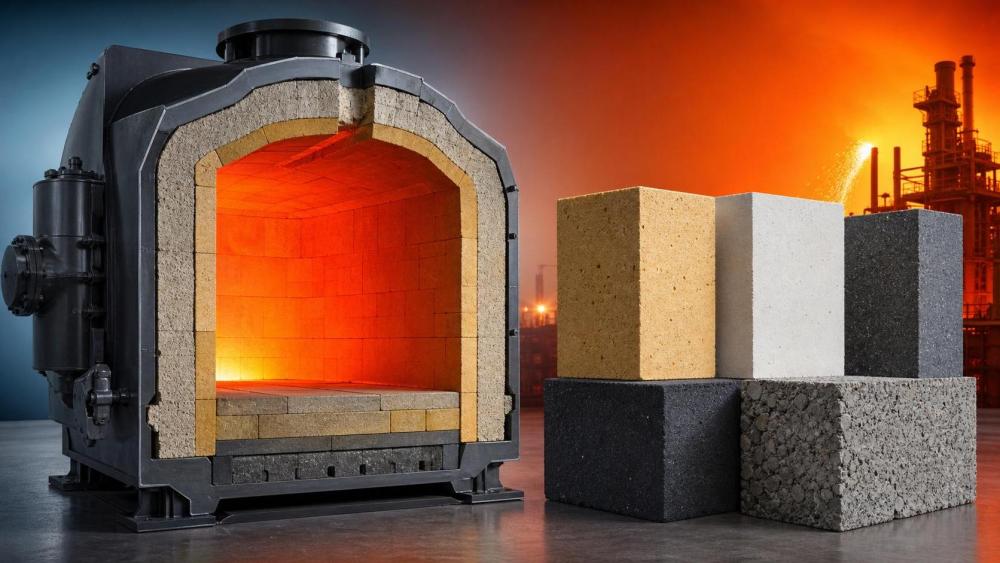
Traditional lining selection often focused on peak temperature alone.
Today, that approach is too narrow for real operating conditions.
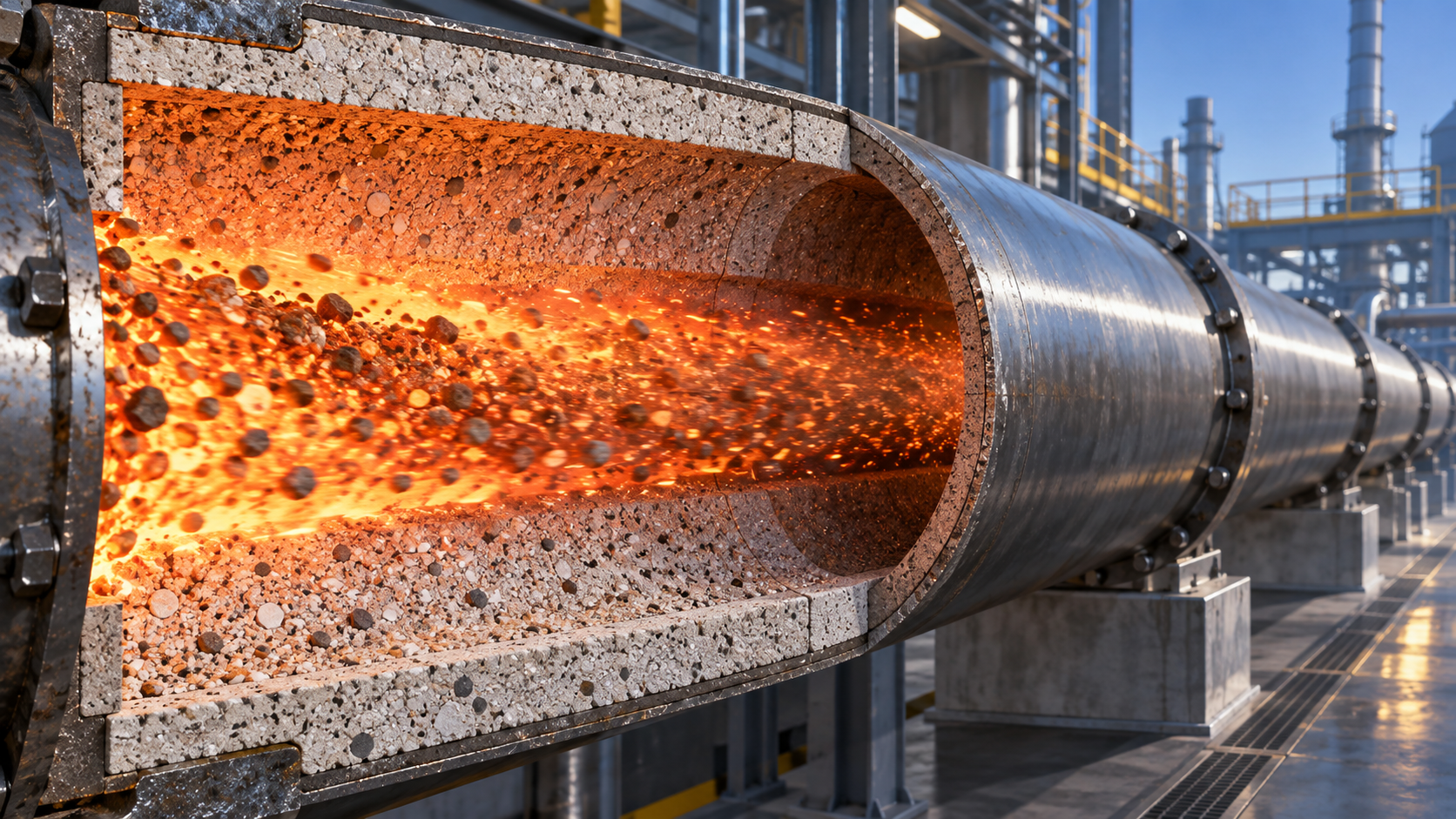
Advanced refractory materials must handle thermal shock, abrasion, alkali attack, slag chemistry, mechanical stress, and changing fuel mixes.
In waste-to-energy and co-processing, chemical volatility raises the selection risk even further.
More importantly, lining performance now links directly to decarbonization goals.
A better refractory design can reduce shell losses, stabilize process temperatures, and extend campaign life.
That also means fewer shutdowns, lower repair waste, and more predictable asset planning.
Main Types of Advanced Refractory Materials
Not all advanced refractory materials solve the same problem.
The best choice depends on chemistry, heat profile, installation method, and expected wear mechanism.
High-Alumina Refractories
High-alumina products are among the most widely used advanced refractory materials.
They typically contain over 45% alumina, with premium grades exceeding 80% or 90%.
These materials offer strong refractoriness, decent mechanical strength, and good resistance to many slags.
They are common in rotary kilns, ladles, furnace roofs, and burner zones.
Magnesia-Based Refractories
Magnesia and magnesia-carbon grades perform well in basic slag environments.
They are classic advanced refractory materials for steelmaking and severe metallurgical service.
Their strengths include high hot strength and strong resistance to lime-rich chemistry.
Their weakness is lower resistance to hydration and some thermal cycling conditions.
Silicon Carbide Refractories
Silicon carbide stands out for abrasion resistance, thermal conductivity, and thermal shock performance.
That makes it useful in incinerators, kiln furniture, waste handling sections, and some non-ferrous applications.
As advanced refractory materials go, it is often chosen where erosion matters more than pure insulation.
Zirconia and Zircon Refractories
Zirconia-based advanced refractory materials are premium solutions for extreme temperatures and aggressive melts.
They are especially relevant in glass contact zones and specialty high-purity processes.
Their cost is high, but so is their stability in demanding service.
Low-Cement and Ultra-Low-Cement Castables
Monolithic systems are now central to advanced refractory materials selection.
Low-cement castables improve density, hot strength, and corrosion resistance compared with older castable designs.
They also support faster maintenance strategies when brick replacement is less practical.
Practical Temperature Limits: What the Numbers Really Mean
Published limits can be misleading if they are read without process context.
A material rated for a high laboratory temperature may still fail early in service.
The real limit depends on load, atmosphere, cycling frequency, infiltration, and local mechanical damage.
These values are directional, not absolute guarantees.
In actual evaluations, interface temperature often matters more than flame temperature.
That is why advanced refractory materials should be reviewed with thermal maps, not only datasheets.
Best Uses by Industrial Scenario
The best-use question is usually more valuable than the highest-temperature question.
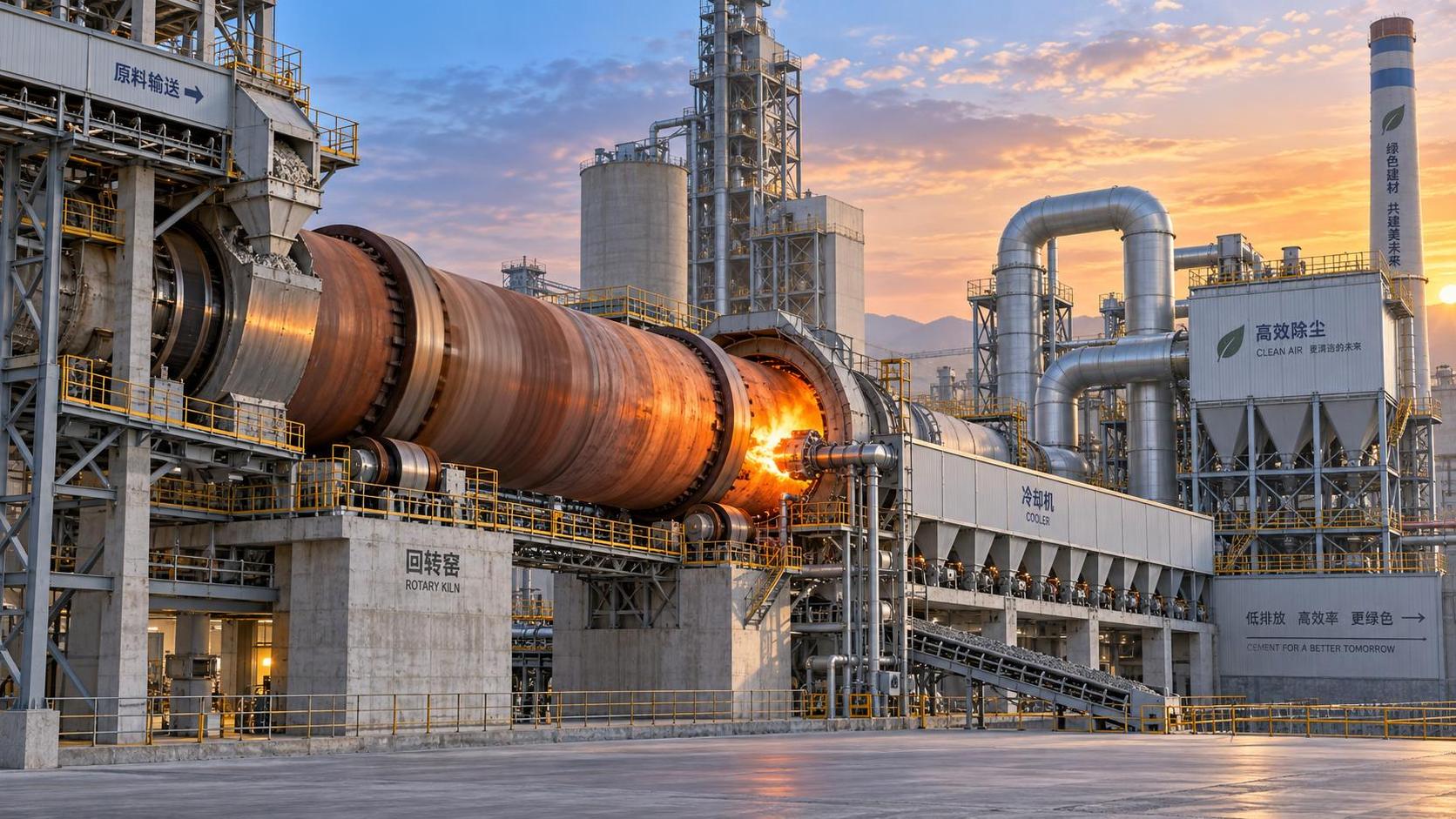
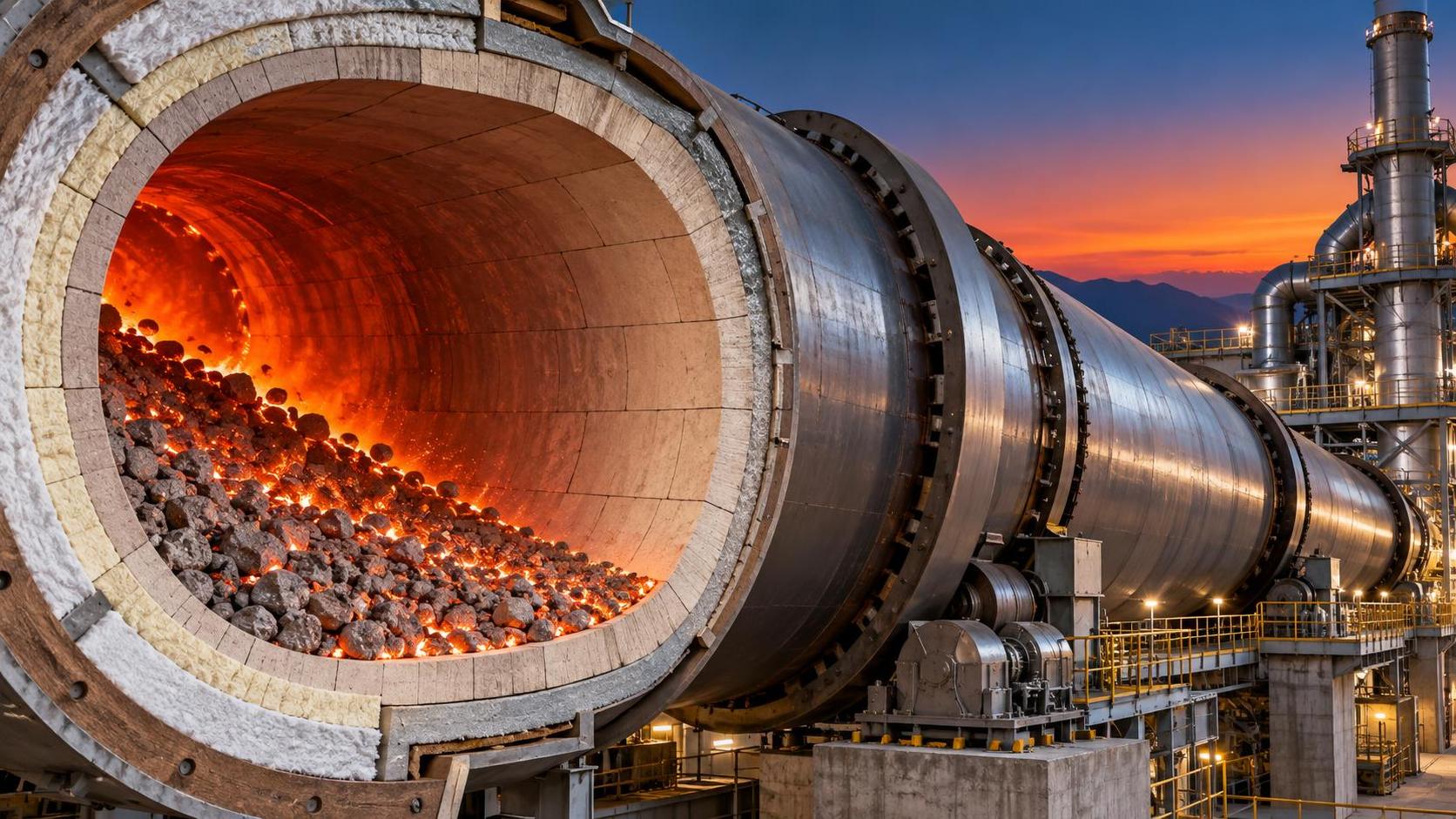
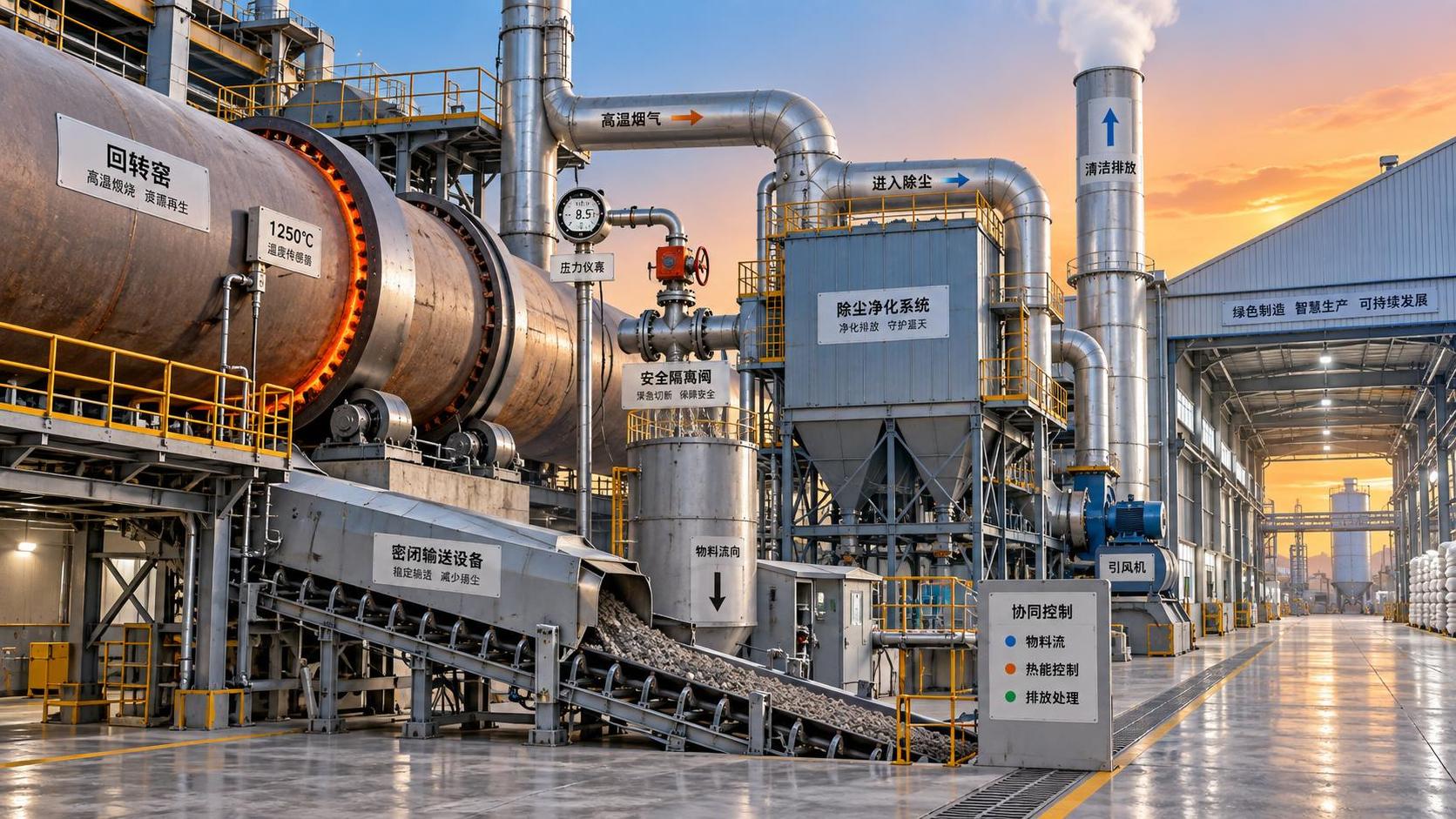
Cement and Lime Kilns
Here, advanced refractory materials must resist alkali attack, coating variation, and mechanical stress from rotation.
High-alumina bricks and specialized spinel or magnesia-based zones are common choices.
Monolithic repairs also help shorten outage windows.
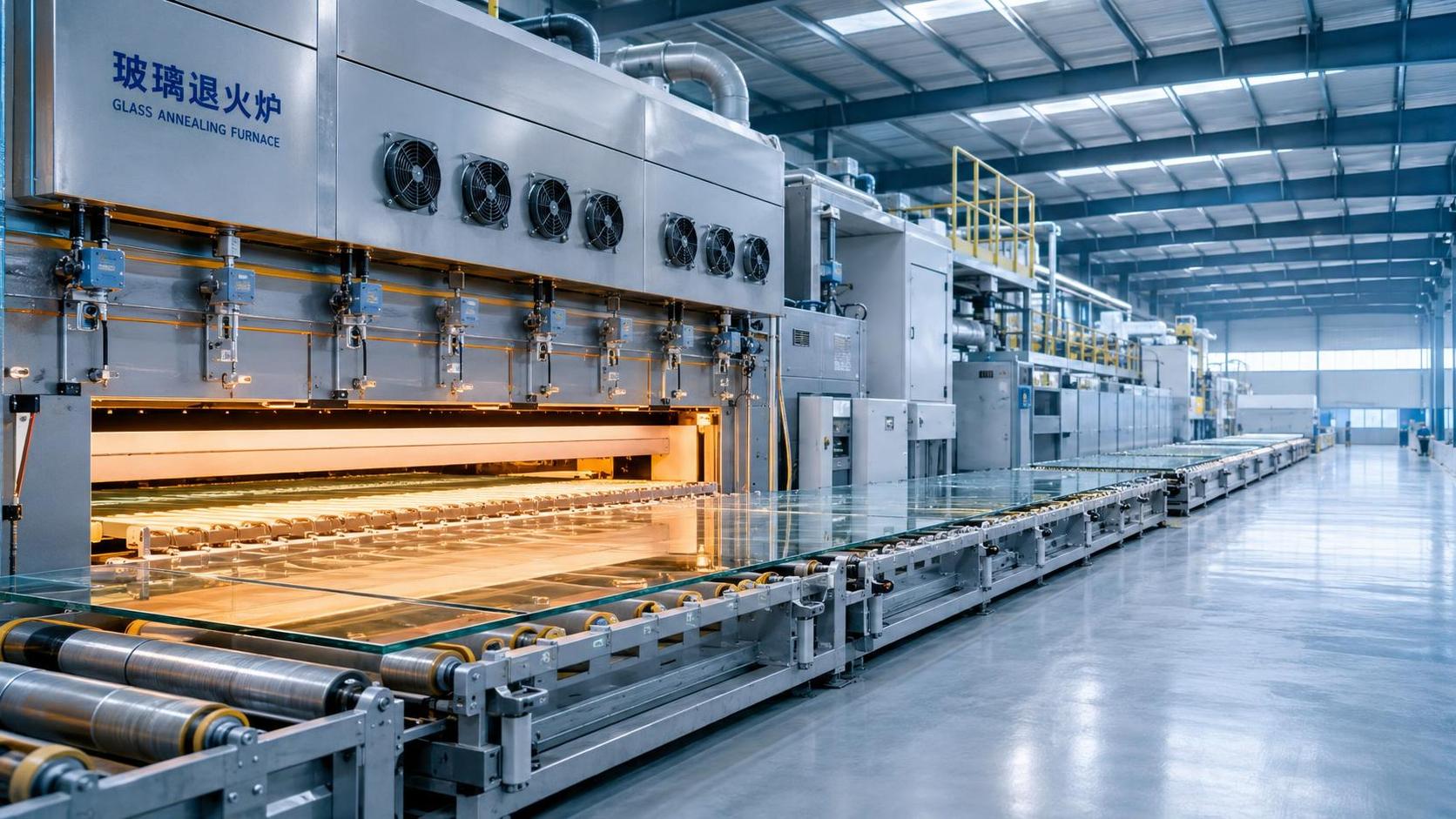
Glass Furnaces
In glass applications, contamination risk is as important as thermal resistance.
Zircon and zirconia-rich advanced refractory materials are often selected for contact areas.
The goal is stable chemistry, long campaign life, and minimal defect generation.
Incinerators and Waste-to-Energy Lines
These systems face volatile feed, chlorine compounds, abrasion, and rapid cycling.
Silicon carbide and corrosion-resistant castables are often more practical than generic dense linings.
The lining must match local chemistry zone by zone.
Steel and Metallurgy
Basic slag service pushes advanced refractory materials toward magnesia, magnesia-carbon, and related engineered systems.
Selection should also consider oxygen potential, slag carryover, and tapping practice.
How to Evaluate Advanced Refractory Materials Correctly
A strong evaluation process goes beyond reading product brochures.
It connects material science with operating reality.
- Map each wear zone by temperature, chemistry, velocity, and shutdown frequency.
- Check whether failure is driven by corrosion, spalling, abrasion, infiltration, or anchor problems.
- Review dry-out and installation limits for monolithic advanced refractory materials.
- Compare laboratory ratings with actual shell temperatures and process upset conditions.
- Ask for lifecycle cost, not only purchase price.
This is where many decisions improve quickly.
A cheaper lining with poor dry-out control can become the most expensive option on site.
Likewise, over-specifying advanced refractory materials can raise cost without adding useful service life.
Common Risks and Selection Mistakes
Several mistakes appear again and again in refractory assessments.
- Choosing by peak temperature only.
- Ignoring atmosphere changes during startup and shutdown.
- Using one lining logic for every zone.
- Underestimating anchor design in castable systems.
- Skipping post-mortem analysis after lining failure.
Each mistake can shorten service life dramatically.
In practical terms, the most reliable advanced refractory materials program is data-driven and zone-specific.
Final Takeaway for Better Refractory Decisions
Advanced refractory materials are not defined by temperature resistance alone.
They are defined by fitness for a specific thermal, chemical, and mechanical duty.
The better path is to evaluate material type, realistic limit, installation method, and operating variability together.
That approach supports longer lining life, steadier process control, and lower total thermal risk.
When reviewing advanced refractory materials for a new project or retrofit, start with wear mechanisms first, then match the material system to the zone.
In high-temperature operations, that single shift usually leads to better outcomes than chasing the highest datasheet number.
Related News
 Dr. Alistair VaughnHow Waste Recycling Technology Improves Material Recovery in Industrial PlantsWaste recycling technology improves material recovery through source segregation, smart separation, thermal treatment, and quality control for industrial plants.Sep 24, 2026
 Optical Glass Tech FellowHow to Specify Glass Annealing Equipment for European Quality and Energy RequirementsGlass annealing equipment Europe: learn how to specify lehrs for consistent glass quality, energy efficiency, compliance, automation, and reliable long-term performance.Sep 23, 2026
 Optical Glass Tech FellowSilicate Process Automation: Improving Batch Consistency and Energy ControlSilicate process automation improves batch consistency, energy control, traceability, and operator confidence across high-temperature manufacturing operations.Sep 22, 2026
 Optical Glass Tech FellowHow Silicate Industrial Processes Control Viscosity, Energy Use, and Product QualitySilicate industrial processes: learn how viscosity, chemistry, heat transfer, and atmosphere control reduce energy use, improve stability, and protect product quality.Sep 21, 2026
 Thermal Energy ArchitectHow European Plants Can Evaluate Energy Recovery Equipment for High-Temperature ProcessesIndustrial energy recovery equipment Europe: learn how high-temperature plants can assess waste-heat sources, integration risks, lifecycle value, and reliable recovery routes.Sep 20, 2026
 Thermal Energy ArchitectIndustrial Furnace Process Optimization: Reducing Fuel Use Without Sacrificing ThroughputIndustrial process optimization furnace strategies that cut fuel use while protecting throughput. Explore combustion control, heat recovery, refractory performance, and data-driven efficiency gains.Sep 19, 2026
 Ms. Elena RodriguezWhat Drives High-Pressure Extrusion Equipment Cost in Industrial Projects?High pressure extrusion equipment cost explained: compare pressure, die design, automation, wear, energy, and installation factors for smarter industrial investments.Sep 18, 2026
 Thermal Energy ArchitectHow to Size a Waste Heat Recovery Exchanger for High-Temperature Kiln Exhaust?Waste heat recovery exchanger sizing for high-temperature kiln exhaust: balance recoverable duty, fouling, corrosion limits, pressure drop, and reliable heat use.Sep 17, 2026
 Thermal Energy ArchitectWhy Heat-Resistant Materials Lose Abrasion Resistance at High TemperaturesHeat-resistant materials abrasion resistance can decline at high temperatures. Discover the thermal, chemical, and mechanical causes of wear—and how to choose longer-lasting linings.Sep 16, 2026
 Thermal Energy ArchitectHow to Evaluate a Thermal Energy Optimization Company for High-Temperature PlantsChoose a thermal energy optimization company with proven process expertise, measurable savings, and reliable delivery for high-temperature plants. Learn what to assess.Sep 15, 2026
 Thermal Energy ArchitectRotary Kiln Efficiency: How Feed Rate, Fuel Use, and Heat Loss Affect OutputRotary kiln efficiency explained: discover how feed rate, fuel use, heat loss, combustion, and cooling performance shape output, quality, and energy costs.Sep 14, 2026
 Thermal Energy ArchitectHow to Select Heat-Resistant Materials That Maintain Abrasion Resistance in KilnsHeat-resistant materials abrasion resistance: learn how to select kiln linings that withstand heat, wear, thermal cycling, and chemical attack for longer service life.Sep 13, 2026
 Thermal Energy ArchitectHow Rotary Kiln Automation Improves Temperature Control and Fuel EfficiencyRotary kiln technology automation enhances temperature control, stabilizes combustion, and improves fuel efficiency with smarter data, predictive control, and safer operations.Sep 12, 2026
 Silicate Process EngineerCement Plant Emission Control: Selecting Systems for Dust, NOx, and SO2 LimitsCement plant emission control guide: compare dust collectors, NOx reduction, and SO2 systems for reliable compliance across kiln modes, fuel changes, and operating upsets.Sep 11, 2026
 Thermal Energy ArchitectSelecting Abrasion-Resistant High-Temperature Materials for Kiln and Conveyor Wear ZonesHigh-temp material engineering guide to abrasion-resistant kiln and conveyor solutions—match wear, heat, chemistry, and installation design for longer service life.Sep 10, 2026
 Dr. Alistair VaughnIndustrial Process Engineering: How to Map Processes for Safer, More Efficient PlantsIndustrial process engineering reveals bottlenecks, safety risks, and energy losses through practical process mapping for safer, more efficient plants.Sep 09, 2026
 Optical Glass Tech FellowHow to Evaluate a Glass Annealing Equipment Manufacturer for Production StabilityChoose a glass annealing equipment manufacturer with proven thermal uniformity, reliable controls, lifecycle value, and responsive service for stable production.Sep 08, 2026
 Prof. Marcus ChenThermal Energy Architecture in North America: Strategies for Lower Building Energy UseThermal energy architecture North America helps project leaders cut building energy use through stronger envelopes, right-sized HVAC, storage, and smart commissioning.Sep 07, 2026
 Ms. Elena RodriguezHow Should Buyers Evaluate Building Material Industry Intelligence Pricing?Building material industry intelligence pricing: learn how to compare coverage, technical depth, and ROI to choose intelligence that reduces procurement risk.Sep 07, 2026
 Ms. Elena RodriguezHow to Use Building Material Intelligence Data for Market and Investment DecisionsBuilding material industry intelligence data helps leaders evaluate demand, costs, regulation, capacity, and technology to make smarter market and investment decisions.Sep 05, 2026



Related News
- 00
0000-00
What Determines Refractory Production Line Price in a Turnkey Plant Project? - 00
0000-00
How to Evaluate a Silicate Production Line for Capacity, Energy Use, and Product Quality - 00
0000-00
Silicate Production Line Process Explained: Key Stages, Equipment, and Quality Control - 00
0000-00
How to Evaluate a Refractory Production Line in Southeast Asia: Capacity, Fuel, and Raw Material Factors - 00
0000-00
How to Evaluate a Silicate Production Lines Supplier for Capacity, Automation, and Raw Material Fit
Weekly Insights
Stay ahead with our curated technology reports delivered every Monday.