
Industrial Decarbonization Insights: Where Energy, Emissions, and ROI Matter Most




Industrial decarbonization insights are moving from compliance topic to operating logic
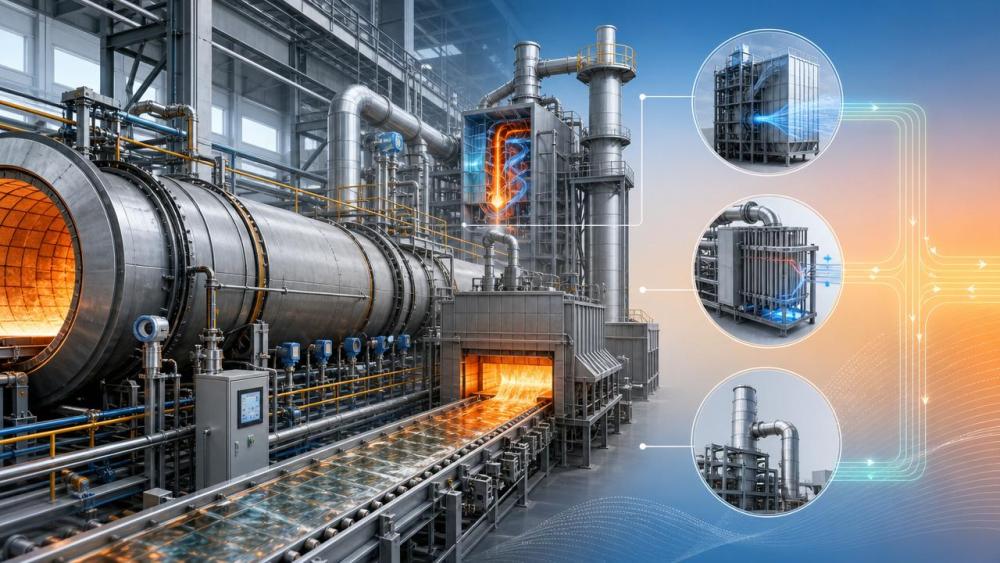
Industrial decarbonization insights now shape daily decisions across energy-intensive production, not just annual sustainability reports.
That shift is especially visible in cement, glass, industrial kilns, refractory lines, and building material extrusion.
The pressure is familiar, yet the context has changed.
Energy prices remain volatile, emissions rules are tightening, and capital approval now depends on measurable operational return.
What matters most is no longer carbon in isolation.
The real issue is where fuel use, process stability, maintenance cycles, and emissions intensity intersect.
This is why industrial decarbonization insights have become strategically valuable.
They help translate technical variables into business judgment.
For high-temperature sectors, that translation is rarely simple.
A small thermal imbalance can affect fuel consumption, refractory wear, product quality, and environmental performance at the same time.
CF-Elite has built its industry perspective around this exact reality.
Its intelligence focus on foundation materials and thermal management reflects where decarbonization actually succeeds or fails.
Why the current signal is becoming harder to ignore
From recent market behavior, one clear signal stands out.
Plants are no longer evaluating upgrades only by nameplate efficiency.
They are asking how each intervention changes energy intensity, emissions exposure, uptime, and payback timing together.
That change comes from several forces converging at once.
- Carbon regulation is shifting from broad commitments to site-level accountability and traceable performance data.
- Heavy industry investment cycles are longer, making delayed decisions more expensive than imperfect but informed action.
- Alternative fuels and circular inputs create opportunity, but they also increase process complexity.
- Customers and financiers increasingly compare suppliers through energy and emissions resilience, not output alone.
More importantly, the easiest carbon gains have largely been captured in many mature facilities.
The next phase is more operationally demanding.
It involves combustion tuning, heat recovery, raw material adaptation, digital process visibility, and lining life optimization.
That is where industrial decarbonization insights become less theoretical and more investment-critical.
The biggest gains are concentrated in a few high-impact decision zones
Not every decarbonization lever carries equal value.
In practice, the strongest ROI often appears in areas where heat, chemistry, and equipment durability are tightly linked.
CF-Elite’s intelligence model is relevant here because these decision zones do not behave independently.
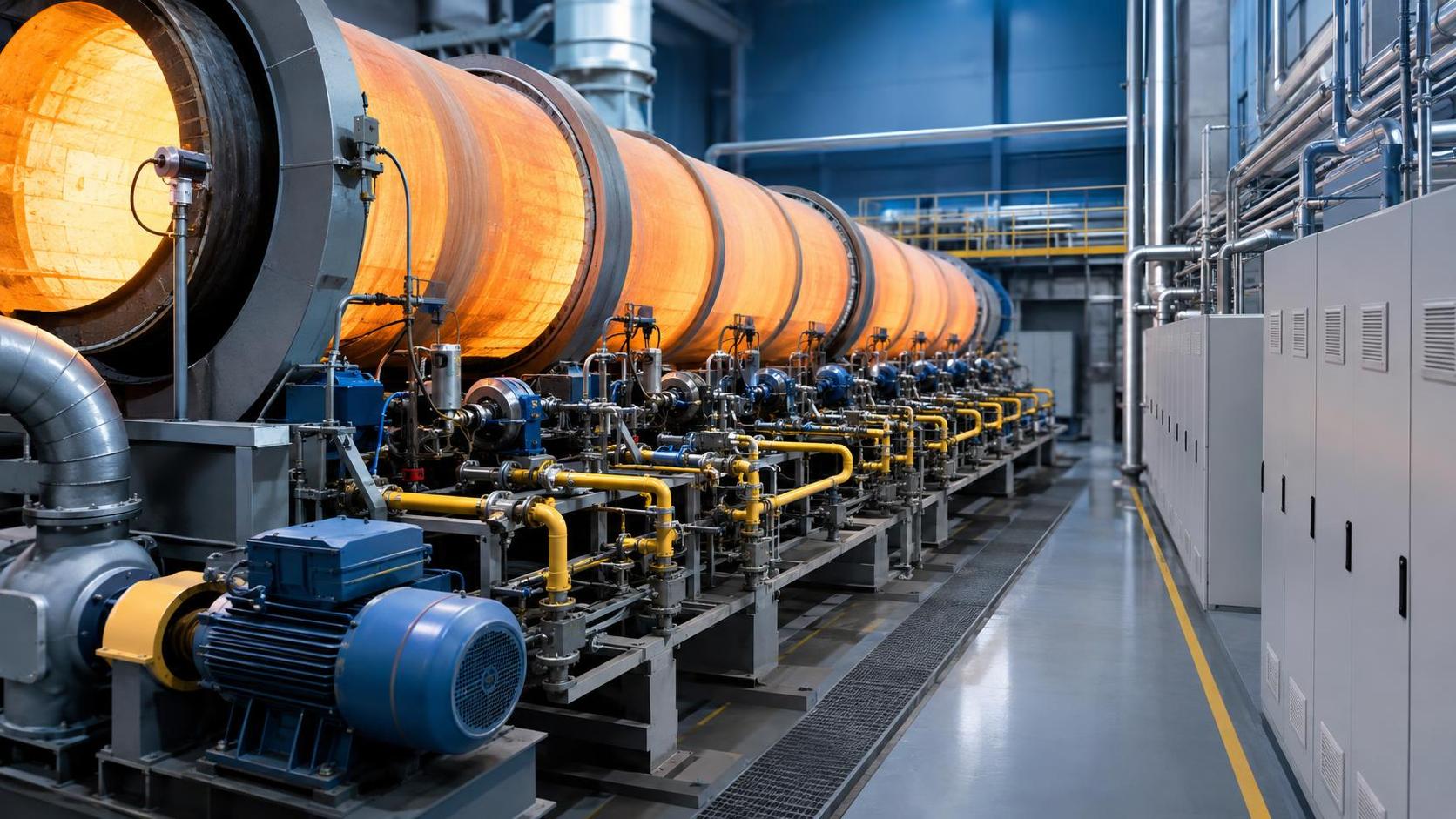
In a rotary kiln or float line, a change in one parameter can quickly ripple into several cost categories.
The impact does not stop at the furnace boundary
A common mistake is treating decarbonization as an energy department issue.
The wider impact is usually commercial and operational.
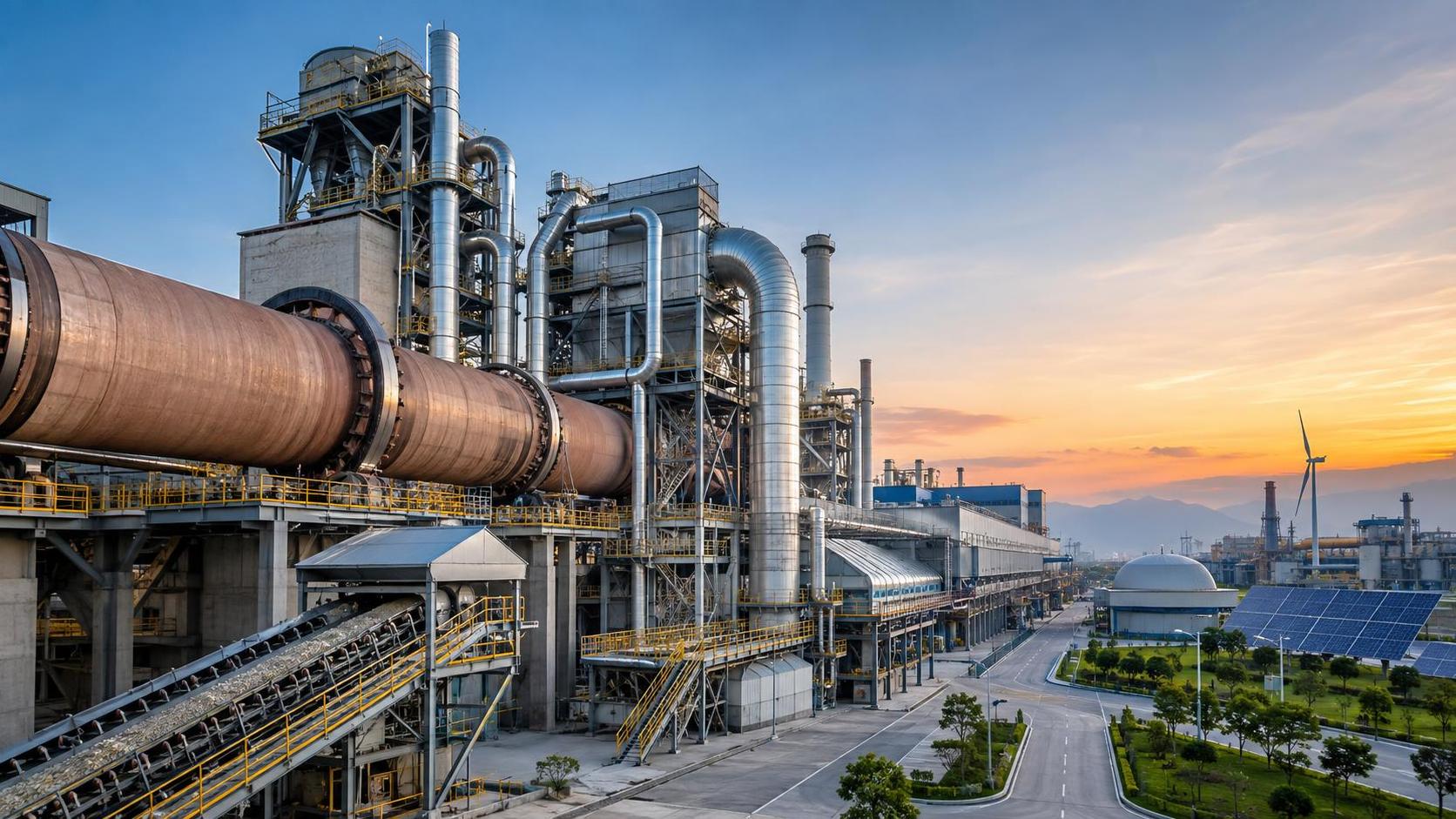
In cement production, lower clinker factor strategies change both emissions intensity and supply chain decisions.
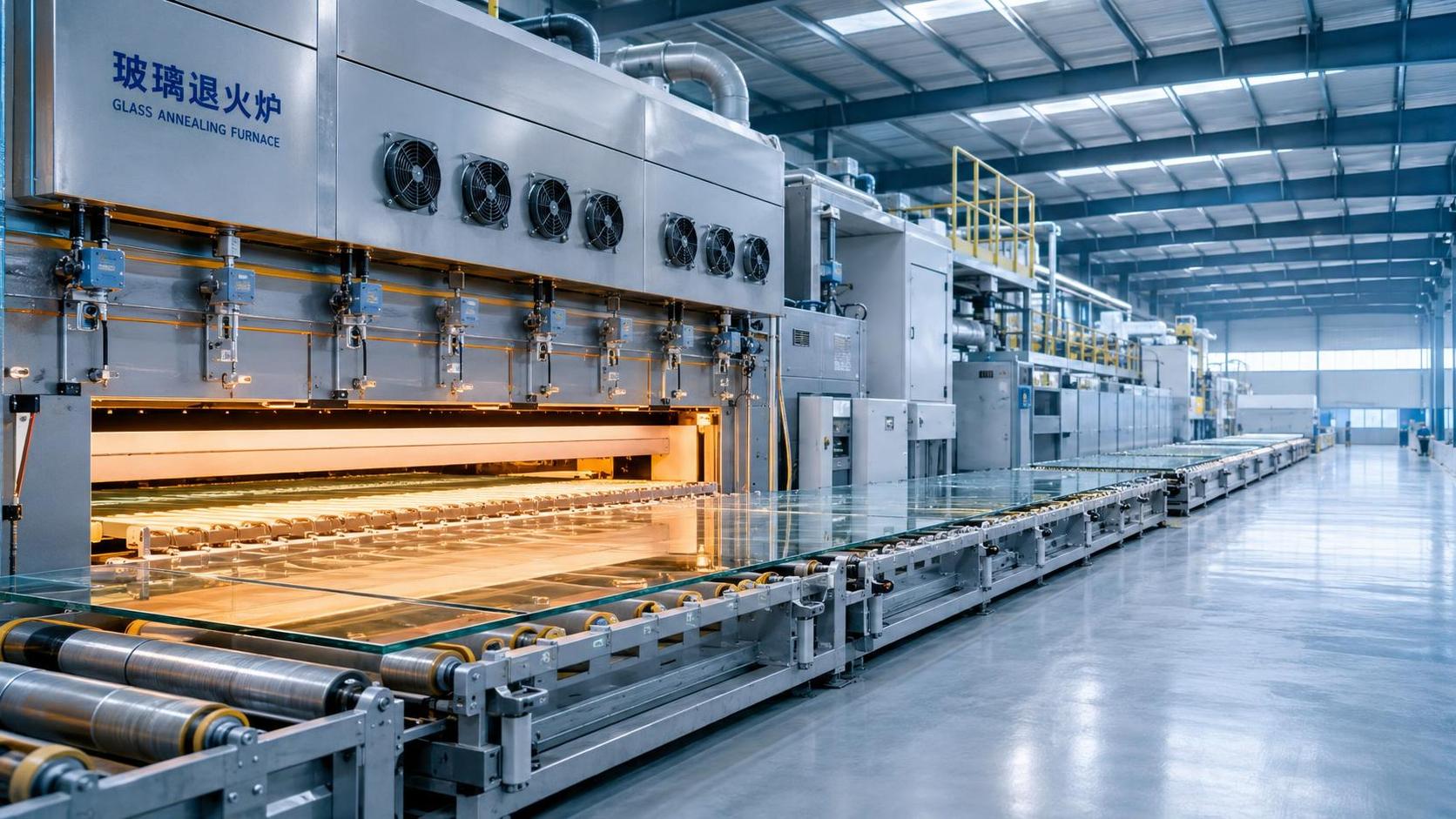
In glass manufacturing, tighter furnace efficiency targets affect melting behavior, defect rates, and throughput discipline.
In industrial incineration, energy recovery logic increasingly determines whether waste treatment is viewed as a cost center or asset.
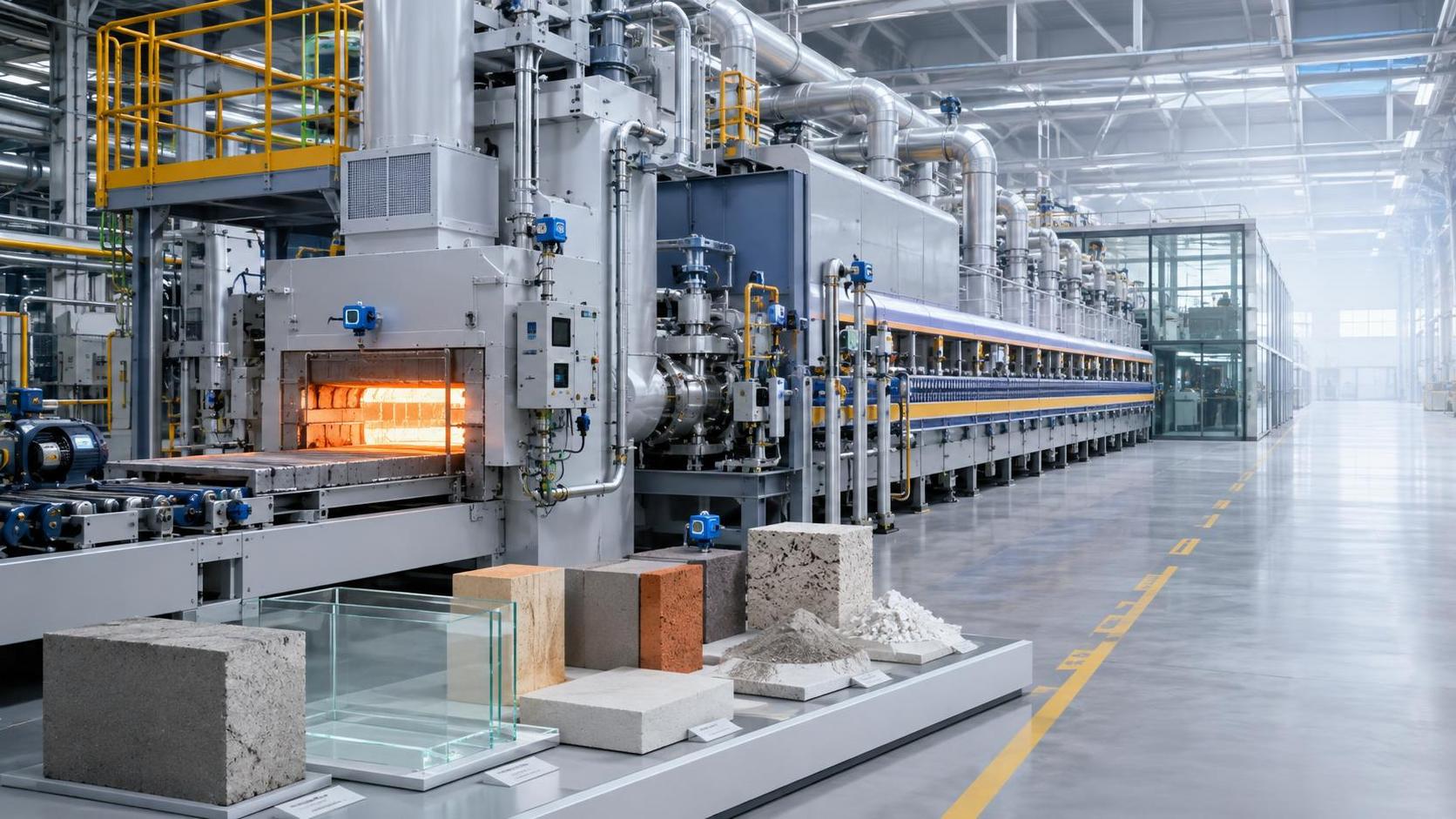
In refractory production, the decarbonization story is partly about enabling others to run hotter, longer, and with fewer losses.
In extrusion for new building materials, lower embodied carbon is becoming a design and market access variable.
This broader influence explains why industrial decarbonization insights are increasingly tied to competitive positioning.
Facilities that understand cross-functional impacts can sequence upgrades more intelligently.
Those that do not often face hidden trade-offs, such as improved emissions with weaker uptime or lower fuel cost with unstable product quality.
What sharper operators are watching more closely now
The more revealing indicators are often not headline carbon numbers.
They are the operational metrics that predict whether carbon plans will survive real production conditions.
- Thermal stability under changing fuel or raw mix conditions.
- Emission performance during ramp-up, shutdown, and non-ideal feed periods.
- Campaign life of refractory systems under more aggressive decarbonization strategies.
- Real payback after maintenance, downtime, and process adaptation costs are included.
- Data quality from sensors, digital twins, and online monitoring before capex is committed.
This is also where intelligence platforms gain practical value.
CF-Elite’s coverage of co-processing, glass simulation, and refractory monitoring reflects a deeper market reality.
Industrial decarbonization insights are strongest when they connect operating data with technology pathways and market direction.
A single benchmark is rarely enough.
What matters is the stitched view across process physics, regulation, and asset economics.
The next phase will reward disciplined sequencing, not isolated projects
The next wave of industrial decarbonization will probably be less about bold announcements and more about execution discipline.
That means choosing the order of interventions carefully.
In many cases, process visibility should come before major equipment replacement.
In others, refractory modernization or burner optimization may unlock better value than larger headline projects.
It also means aligning emissions goals with plant-specific constraints.
Sites with variable feedstocks, aging kilns, or unstable heat profiles require different pathways than newer, digitally mature lines.
A useful next step is to map opportunities into three layers.
- Immediate operational gains from control tuning, monitoring, and heat-loss reduction.
- Medium-term upgrades with clear payback, such as recovery systems or combustion modifications.
- Longer-horizon bets linked to new materials, fuel transitions, or structural process redesign.
That kind of phased approach keeps ROI visible while reducing transition risk.
It also creates a stronger base for future investment discussions.
Where to focus next if energy, emissions, and capital must move together
The most useful industrial decarbonization insights are rarely the loudest ones.
They usually come from careful observation of where heat efficiency, process chemistry, and asset durability meet.
Across cement, glass, kilns, incineration, refractories, and extrusion, the pattern is becoming clearer.
Decarbonization works best when it is treated as operating strategy, not as a separate environmental layer.
That is why industry intelligence matters more than ever.
The value lies in identifying which thermal variables, equipment constraints, and market shifts deserve attention first.
A practical response is to review plant-level energy intensity, compare emissions exposure by process step, and test ROI assumptions against real operating conditions.
From there, it becomes easier to compare technology pathways, track regulatory signals, and build a staged response plan.
For sectors shaped by extreme heat and long asset lives, better judgment often starts with better industrial decarbonization insights.
Related News
 Thermal Energy ArchitectHow to Select Heat-Resistant Materials That Maintain Abrasion Resistance in KilnsHeat-resistant materials abrasion resistance: learn how to select kiln linings that withstand heat, wear, thermal cycling, and chemical attack for longer service life.Sep 13, 2026
 Thermal Energy ArchitectHow Rotary Kiln Automation Improves Temperature Control and Fuel EfficiencyRotary kiln technology automation enhances temperature control, stabilizes combustion, and improves fuel efficiency with smarter data, predictive control, and safer operations.Sep 12, 2026
 Silicate Process EngineerCement Plant Emission Control: Selecting Systems for Dust, NOx, and SO2 LimitsCement plant emission control guide: compare dust collectors, NOx reduction, and SO2 systems for reliable compliance across kiln modes, fuel changes, and operating upsets.Sep 11, 2026
 Thermal Energy ArchitectSelecting Abrasion-Resistant High-Temperature Materials for Kiln and Conveyor Wear ZonesHigh-temp material engineering guide to abrasion-resistant kiln and conveyor solutions—match wear, heat, chemistry, and installation design for longer service life.Sep 10, 2026
 Dr. Alistair VaughnIndustrial Process Engineering: How to Map Processes for Safer, More Efficient PlantsIndustrial process engineering reveals bottlenecks, safety risks, and energy losses through practical process mapping for safer, more efficient plants.Sep 09, 2026
 Optical Glass Tech FellowHow to Evaluate a Glass Annealing Equipment Manufacturer for Production StabilityChoose a glass annealing equipment manufacturer with proven thermal uniformity, reliable controls, lifecycle value, and responsive service for stable production.Sep 08, 2026
 Prof. Marcus ChenThermal Energy Architecture in North America: Strategies for Lower Building Energy UseThermal energy architecture North America helps project leaders cut building energy use through stronger envelopes, right-sized HVAC, storage, and smart commissioning.Sep 07, 2026
 Ms. Elena RodriguezHow Should Buyers Evaluate Building Material Industry Intelligence Pricing?Building material industry intelligence pricing: learn how to compare coverage, technical depth, and ROI to choose intelligence that reduces procurement risk.Sep 07, 2026
 Ms. Elena RodriguezHow to Use Building Material Intelligence Data for Market and Investment DecisionsBuilding material industry intelligence data helps leaders evaluate demand, costs, regulation, capacity, and technology to make smarter market and investment decisions.Sep 05, 2026
 Thermal Energy ArchitectHow PLC Control Improves Energy Efficiency and Temperature Stability in KilnsEnergy efficient kilns PLC control improves temperature stability, cuts fuel waste, and optimizes combustion, draft, and material flow. Explore proven strategies for smarter kiln modernization.Sep 04, 2026
 Optical Glass Tech FellowEuropean Glass Melting Processes: Furnace Choices, Energy Use, and Quality ControlGlass melting process Europe: explore furnace choices, energy efficiency, cullet strategy, and quality control to improve output, compliance, and long-term glass performance.Sep 03, 2026
 Thermal Energy ArchitectWhat Determines Refractory Lining Monitoring Price for Industrial Kilns?Refractory lining monitoring price depends on kiln size, sensor technology, installation, software, and support. Compare total lifecycle costs and choose the right solution.Sep 02, 2026
 Silicate Process EngineerCement Production System Costs: A Plant Buyer’s Guide to Budgeting and ROICement production systems cost planning made clear: compare CAPEX, operating costs, compliance, and ROI to build a resilient, profitable cement plant investment.Sep 01, 2026
 Dr. Alistair VaughnWhat Should a Process Technology Database Track for High-Temperature Plants?Process technology database essentials for high-temperature plants: track thermal profiles, feed chemistry, refractory wear, emissions, energy, and maintenance for safer, data-driven decisions.Aug 31, 2026
 Ms. Elena RodriguezHow to Evaluate a Silicate Processing Equipment Manufacturer for Plant ProjectsSilicate processing equipment manufacturer selection: assess process fit, guarantees, energy, compliance, delivery risk, and lifecycle support for dependable plant performance.Aug 30, 2026
 Dr. Alistair VaughnHow to Specify Custom Agricultural Processing Equipment for Throughput and HygieneEquipment customization services for agricultural processing: learn to specify hygienic, high-throughput lines that improve yield, reliability, and long-term efficiency.Aug 29, 2026
 Dr. Alistair VaughnHow to Select Process Plant Equipment for High-Temperature, Abrasive Production LinesProcess plant equipment selection for high-temperature, abrasive lines: reduce downtime, improve durability, and optimize lifecycle performance.Aug 28, 2026
 Silicate Process EngineerHow Kiln Heat Recovery Systems Cut Fuel Use in Cement and Lime ProductionKiln heat recovery helps cement and lime plants cut fuel use, improve thermal stability, and build practical, reliable decarbonization strategies.Aug 27, 2026
 Ms. Elena RodriguezProcess Equipment Comparison: Which Metrics Matter Most for Reliable Selection?Process equipment comparison made practical: discover which metrics truly drive reliable selection, from energy efficiency and control stability to wear life, maintainability, and uptime.Aug 26, 2026
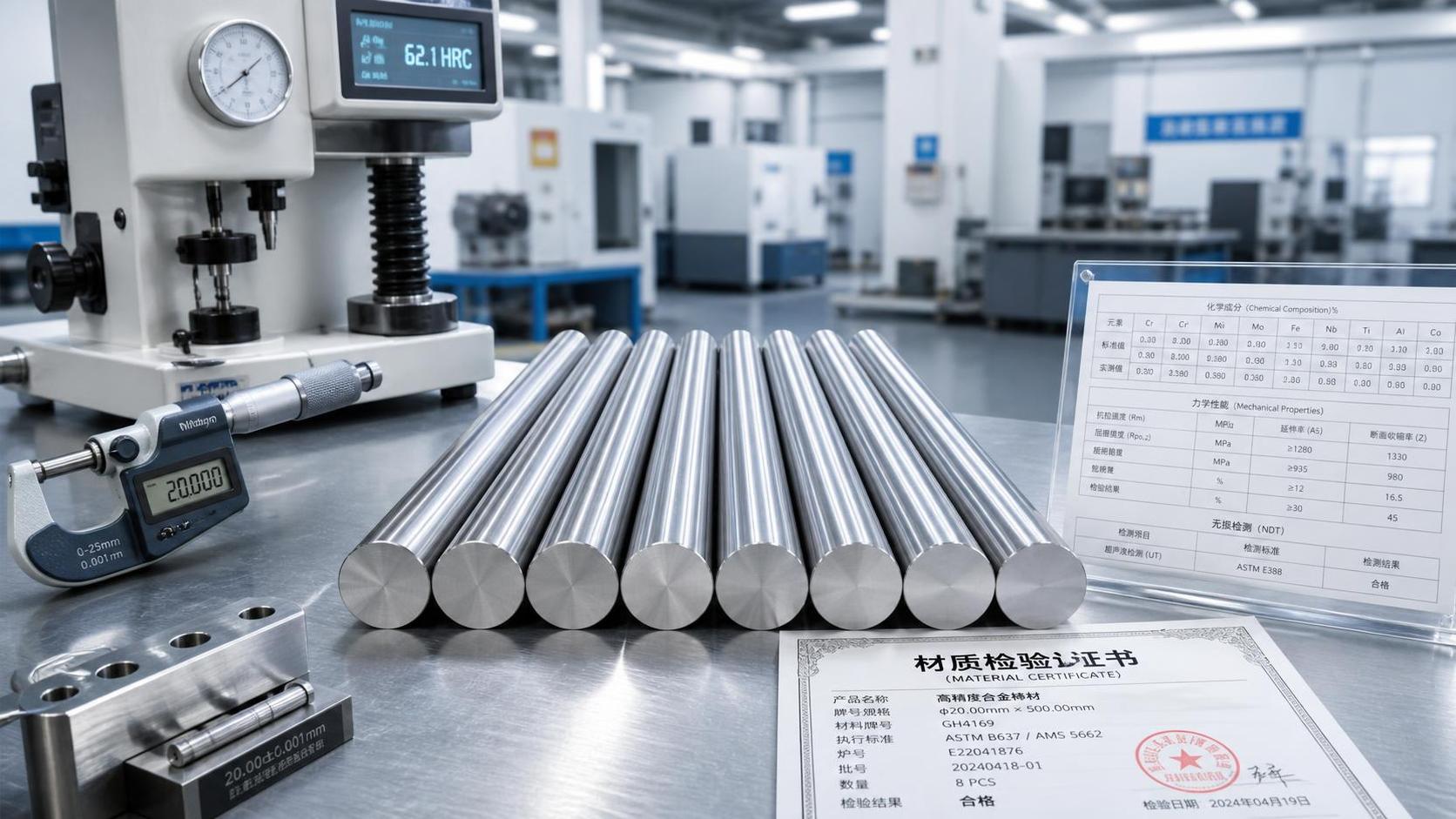
 Ms. Elena RodriguezWhat Buyers Should Check Before Sourcing Precision Alloy Bars for Critical PartsPrecision Alloy Bars buyers should verify grade, chemistry, tolerances, surface quality, traceability, and lead time before sourcing for critical parts. Learn what prevents costly machining and reliability risks.Aug 27, 2026



Related News
- 00
0000-00
Thermal Energy Architecture in North America: Strategies for Lower Building Energy Use - 00
0000-00
How to Evaluate a Green Material Production Line for Energy Use, Output, and Product Quality - 00
0000-00
Silicate Technology Trends: What New Process Upgrades Matter for Refractory and Cement Plants? - 00
0000-00
Thermal Engineering Optimization: Which Process Parameters Most Affect Energy Use? - 00
0000-00
Material Extrusion Technology in Europe: Which Materials and Production Goals Fit Best?
Weekly Insights
Stay ahead with our curated technology reports delivered every Monday.