
Industrial Decarbonization Solutions: Comparing Fuel Switching and Heat Recovery




As carbon costs, energy volatility, and stricter emissions rules reshape heavy industry, enterprise leaders must choose industrial decarbonization solutions that deliver measurable impact without disrupting production.
For cement plants, glass lines, kilns, incinerators, refractory systems, and extrusion operations, two strategies often lead the discussion: fuel switching and heat recovery.
This article compares their technical logic, investment priorities, and operational value to help decision-makers identify the most practical pathway toward lower emissions and stronger thermal resilience.
Why Industrial Decarbonization Solutions Need a Checklist
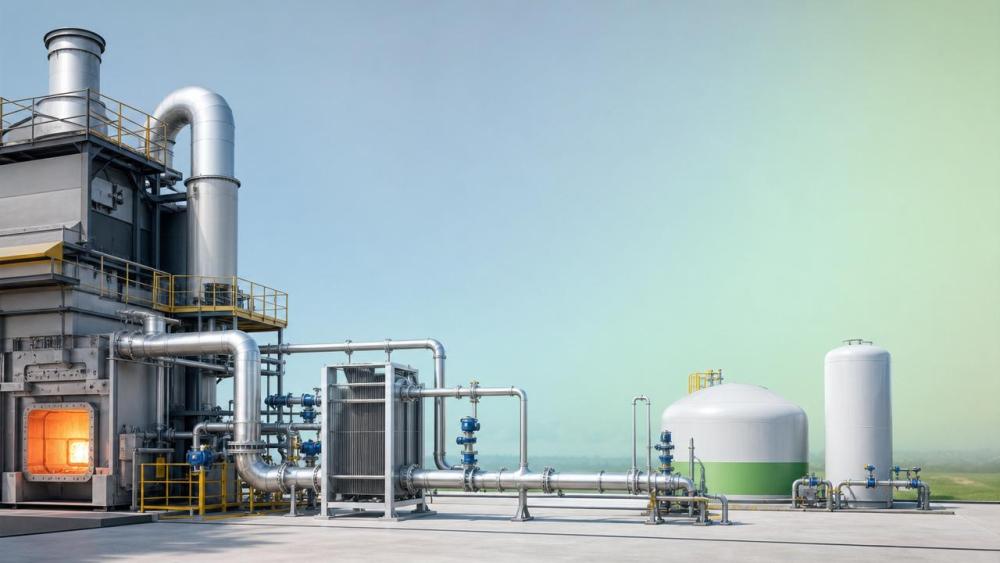
High-temperature production is rarely changed by a single equipment upgrade. Combustion chemistry, heat transfer, raw material behavior, and product quality are tightly connected.
A checklist prevents narrow decisions. It helps compare industrial decarbonization solutions by emissions impact, production risk, payback logic, maintenance burden, and regulatory value.
Fuel switching changes the energy source. Heat recovery captures energy already produced. Both can work, but they solve different problems inside thermal systems.
In cement, glass, incineration, refractory, and extrusion operations, the best industrial decarbonization solutions often combine both approaches in a staged roadmap.
Core Checklist for Comparing Fuel Switching and Heat Recovery
- Map current thermal demand by zone, load profile, product recipe, and operating hours before selecting industrial decarbonization solutions for any production line.
- Measure direct fuel emissions, indirect power emissions, flue gas losses, and process emissions to separate combustion savings from chemistry-related carbon.
- Test alternative fuels against flame temperature, heat flux, burner stability, refractory compatibility, and atmosphere control requirements.
- Audit waste heat streams by temperature, dust loading, corrosion potential, continuity, and distance from useful heat sinks.
- Compare capital cost with downtime windows, civil work, control integration, permitting effort, and operator retraining requirements.
- Validate product quality risks through pilot trials, kiln audits, glass defect tracking, extrusion stability checks, and material property testing.
- Prioritize projects that improve both energy intensity and emissions intensity, not only reported carbon accounting.
- Build a phased plan that starts with low-risk recovery projects, then advances toward fuel switching when supply and controls mature.
Fuel Switching: When It Works Best
Fuel switching replaces carbon-intensive fuel with lower-carbon alternatives. Options include biomass, biogas, hydrogen blends, electrification, refuse-derived fuel, or synthetic fuels.
It can be one of the most visible industrial decarbonization solutions because emissions reductions are easier to communicate and often align with policy incentives.
However, fuel switching is not simply a procurement decision. It changes combustion behavior, burner design, flame luminosity, and sometimes product chemistry.
Checklist for Fuel Switching Readiness
- Confirm fuel availability through multi-year contracts, logistics routes, storage limits, seasonal variation, and supplier quality assurance.
- Simulate combustion performance under minimum load, peak load, start-up, shutdown, and emergency operating conditions.
- Review burner materials, safety interlocks, gas trains, valves, pressure control, and explosion protection before modifying fuel systems.
- Check whether ash, chlorine, sulfur, alkali, or moisture may damage refractory linings or change product characteristics.
- Update emissions monitoring for NOx, CO, particulates, volatile compounds, and greenhouse gas reporting boundaries.
Fuel switching fits facilities with strong fuel supply chains, modern automation, and tolerance for process tuning. It is especially relevant where policy rewards low-carbon fuel use.
It becomes risky when alternative fuel quality is unstable. In high-temperature sectors, unstable heat release can create coating issues, glass defects, or refractory wear.
Heat Recovery: When Efficiency Comes First
Heat recovery captures thermal energy from exhaust gas, cooling air, hot products, condensate, or radiation losses, then returns it to useful plant demand.
Among industrial decarbonization solutions, heat recovery often has lower process risk because it improves efficiency without changing the core fuel immediately.
Typical applications include combustion air preheating, waste heat boilers, organic Rankine cycle systems, dryer heating, batch preheating, and district heat export.
Checklist for Heat Recovery Potential
- Identify stable heat sources above practical recovery thresholds, especially exhaust streams with continuous flow and predictable temperature.
- Match recovered heat with real demand, such as drying, preheating, steam generation, space heating, or feedwater heating.
- Assess fouling, dust abrasion, acid dew point, and cleaning access before installing heat exchangers in dirty gas streams.
- Calculate annual savings using operating hours, bypass periods, maintenance stops, seasonal demand, and electricity price variation.
- Integrate sensors and controls so recovery equipment does not disturb draft balance, kiln pressure, furnace stability, or product cooling.
Heat recovery is powerful in plants with large thermal losses. It also supports industrial decarbonization solutions by lowering total fuel demand before deeper fuel changes.
The main limitation is temperature quality. Low-grade heat may require heat pumps, nearby demand, or process redesign to become economically useful.
Scenario Notes Across High-Temperature Industries
Cement Production Plants
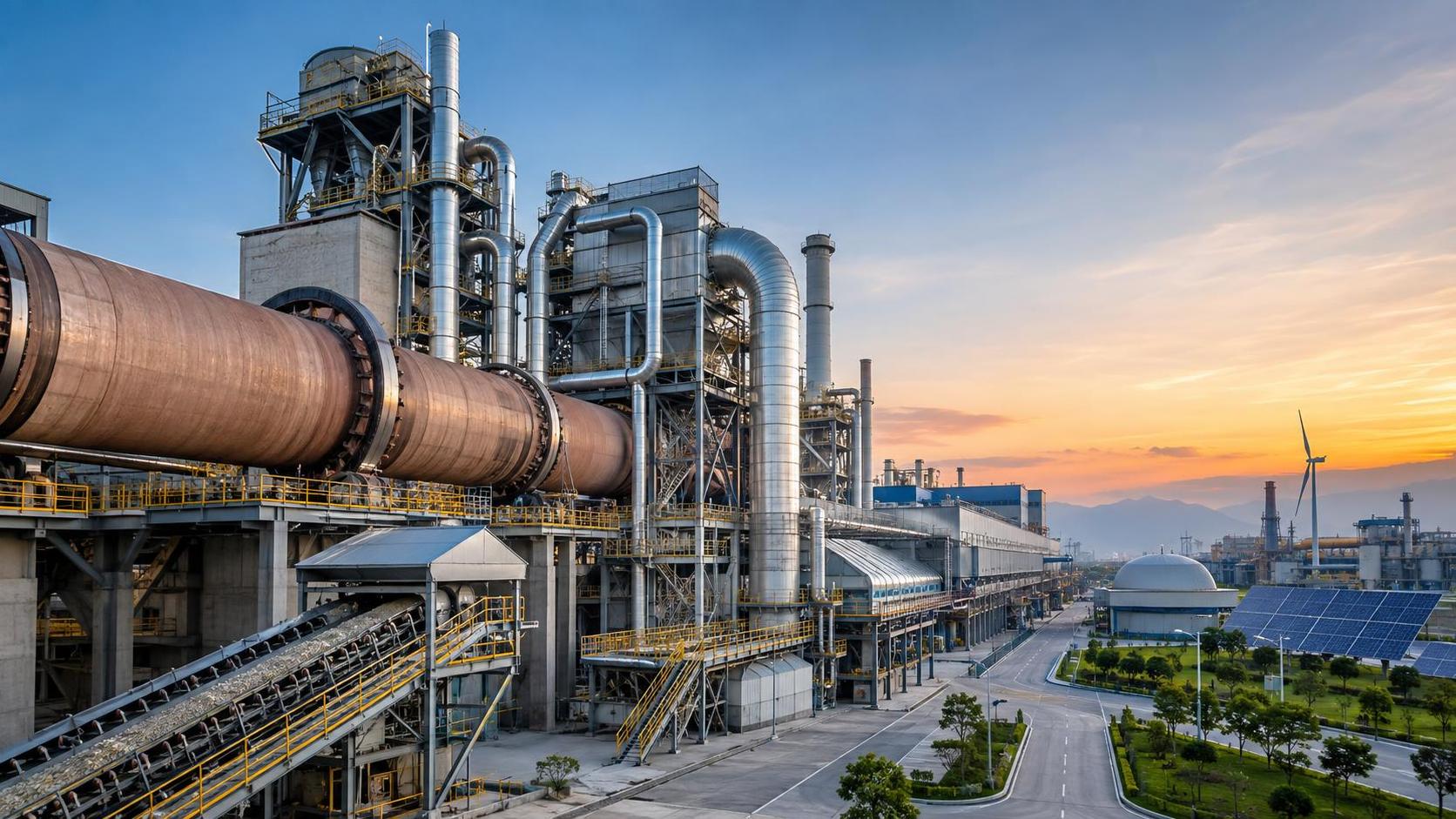
Cement has both fuel emissions and process emissions from calcination. Fuel switching helps, but it cannot remove all carbon from clinker production.
Industrial decarbonization solutions for cement often combine alternative fuels, preheater optimization, cooler heat recovery, clinker factor reduction, and future carbon capture planning.
Glass Manufacturing Lines
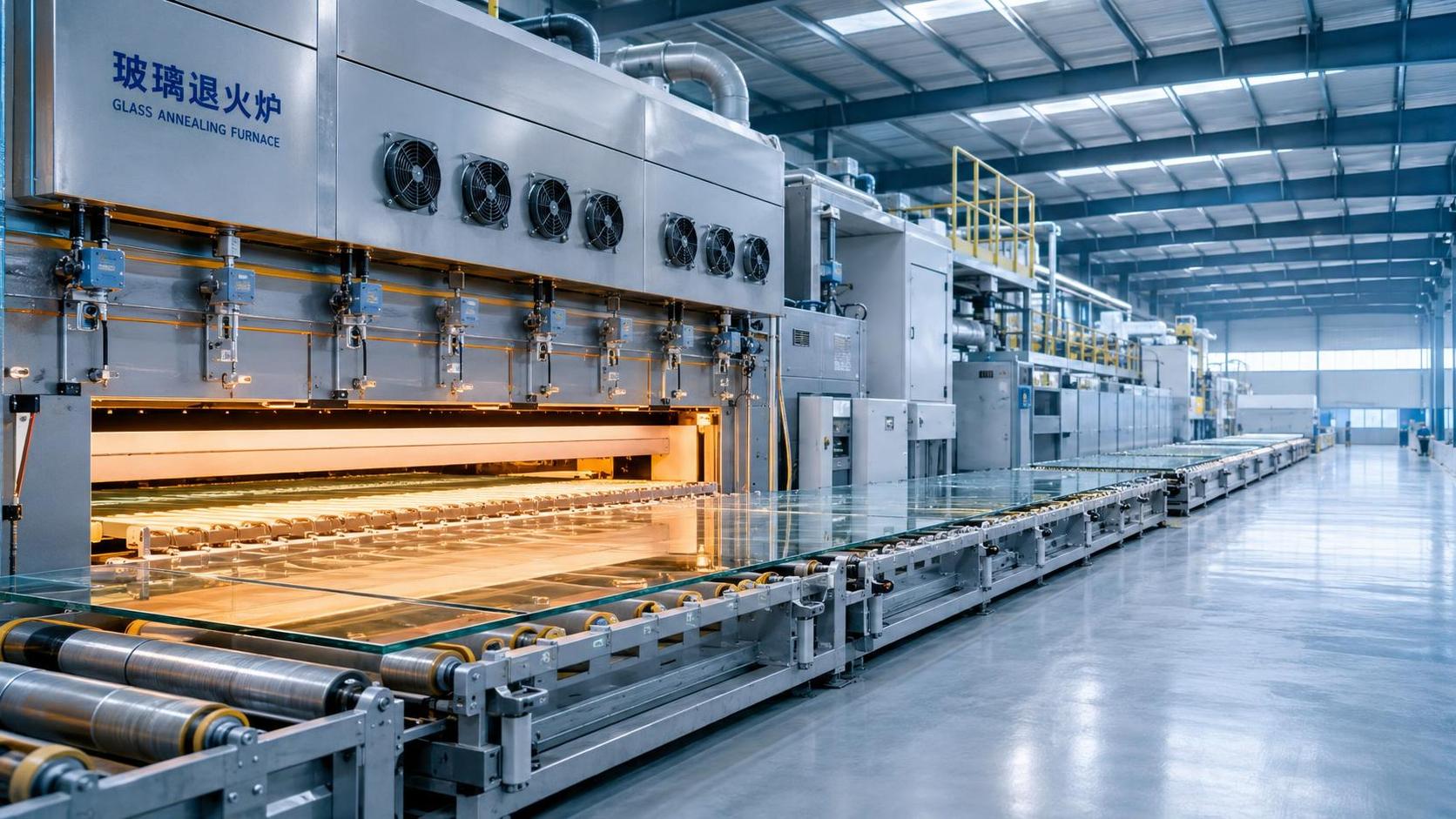
Glass furnaces demand stable melting conditions. Fuel switching must protect flame quality, furnace crown temperature, batch chemistry, and optical defect control.
Heat recovery through regenerators, recuperators, batch preheating, and waste heat power can improve performance without disturbing melting logic.
Industrial Kilns and Incineration
Incineration systems already handle variable fuel. Their opportunity lies in energy recovery, flue gas treatment efficiency, and stable steam or power generation.
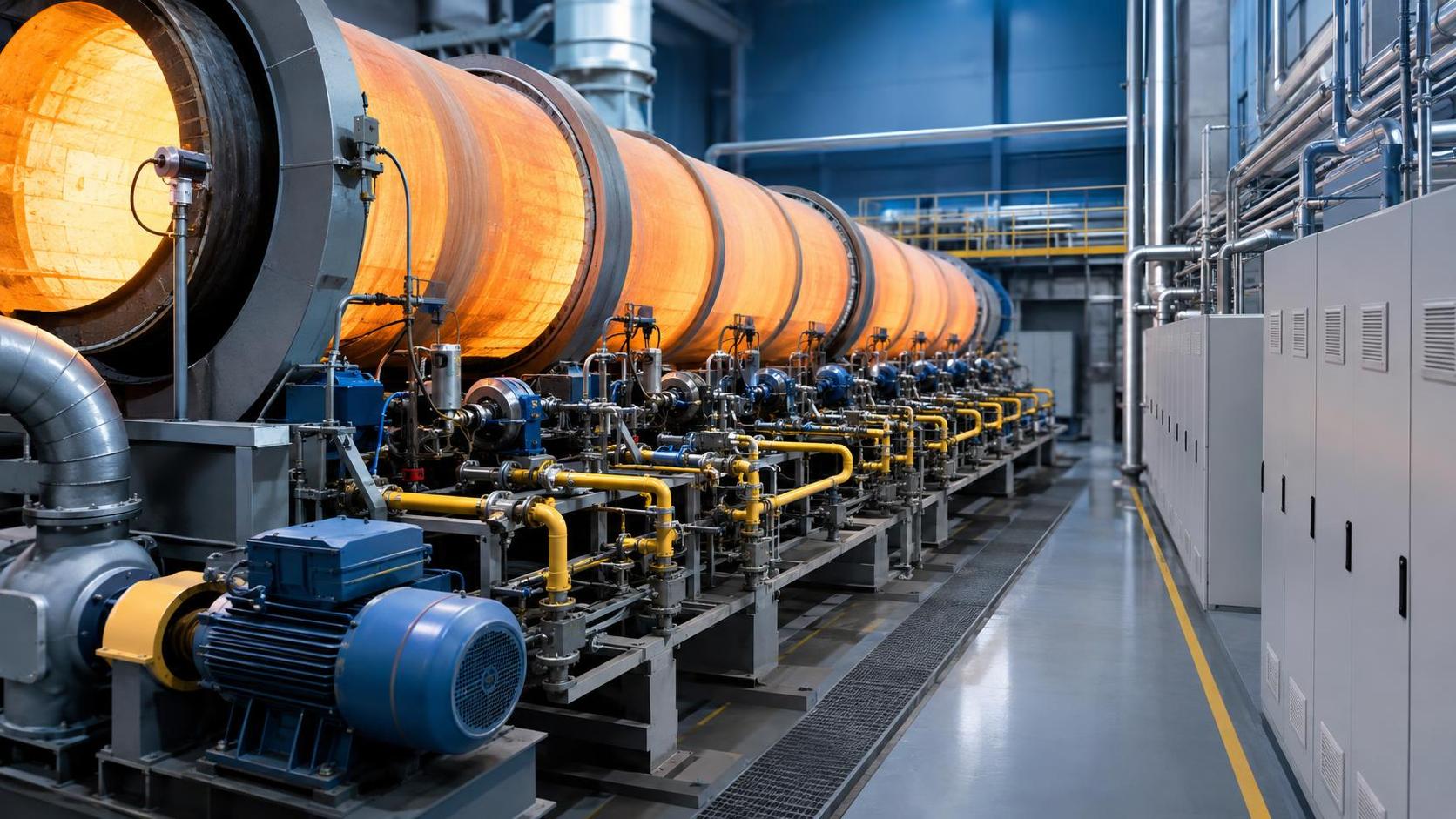
For rotary kilns, industrial decarbonization solutions must consider residence time, secondary combustion, ash behavior, and emissions compliance under fluctuating feed composition.
Refractory and Extrusion Operations
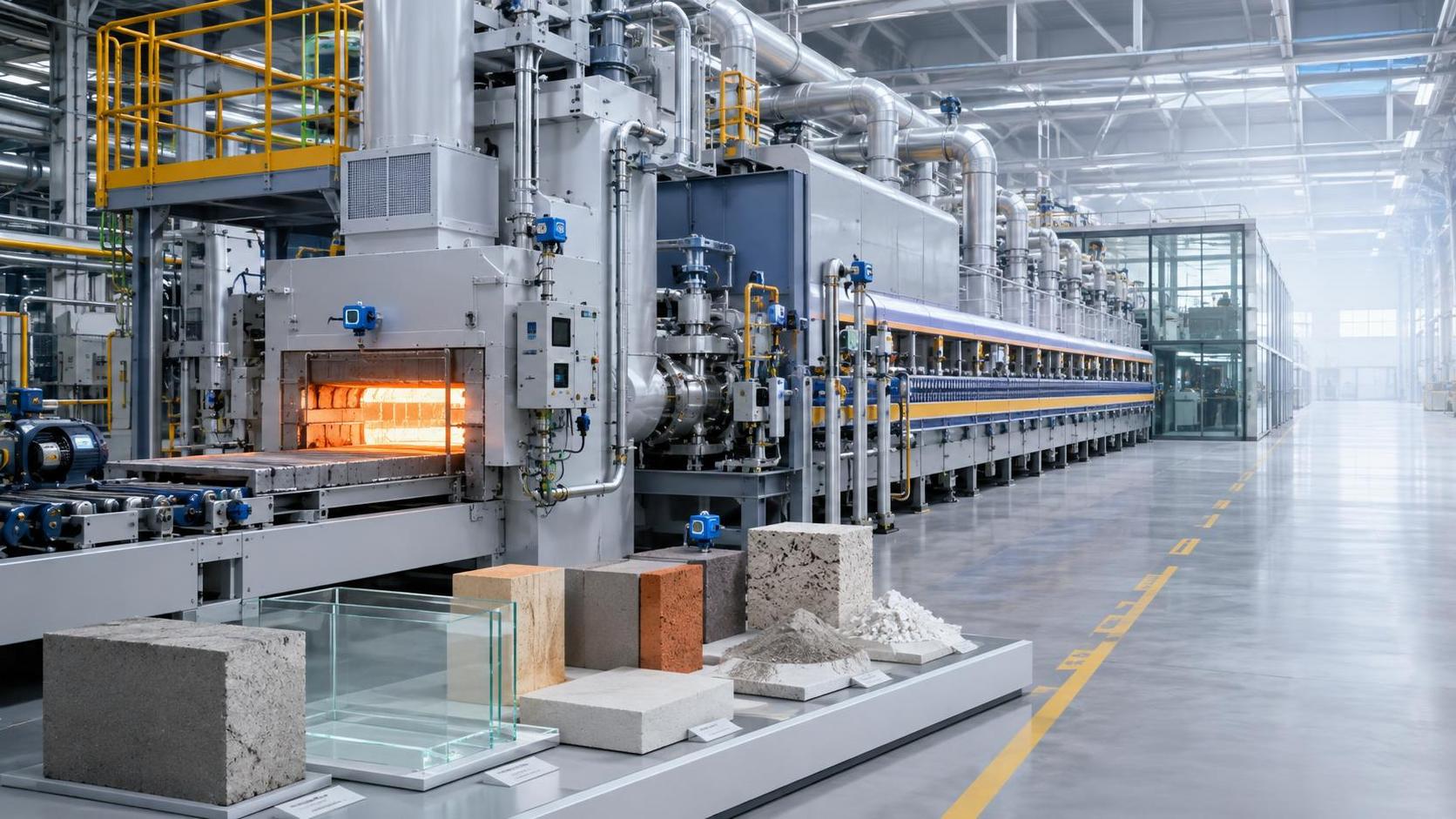
Refractory firing depends on controlled temperature curves. Fuel changes must not compromise sintering, porosity, thermal shock resistance, or dimensional stability.
Extrusion facilities usually gain from dryer heat recovery, optimized curing, electric drives, and improved insulation before high-risk fuel transformation.
Common Overlooked Risks
Ignoring baseline data. Without reliable metering, industrial decarbonization solutions become assumptions. Install fuel, power, airflow, temperature, and emissions measurement before major investment.
Underestimating downtime. Even efficient upgrades can fail commercially if installation interrupts peak production, seasonal demand, or long-cycle customer commitments.
Treating fuels as identical. Low-carbon fuels may alter moisture, flame speed, calorific value, ash chemistry, or safety requirements across storage and combustion.
Recovering heat without a user. A heat exchanger creates value only when recovered energy replaces purchased fuel or electricity at useful timing.
Forgetting maintenance access. Dusty, corrosive, or high-temperature streams require cleaning space, bypass design, spare parts, and inspection routines.
Separating carbon and quality teams. Industrial decarbonization solutions must protect output quality, because rejected product can erase carbon savings through rework and waste.
Practical Execution Roadmap
- Start with an energy and carbon balance for each line, not only the total plant utility bill.
- Rank heat recovery projects by temperature, continuity, end-use match, fouling risk, and payback confidence.
- Run controlled fuel trials with temporary monitoring, conservative blending ratios, and clear product quality acceptance criteria.
- Use digital models to test draft, flame shape, heat distribution, and recovery equipment before physical installation.
- Create a staged investment plan linking quick efficiency gains with medium-term fuel switching and long-term electrification or capture.
The strongest industrial decarbonization solutions are rarely chosen by headline emissions numbers alone. They are selected through plant-specific evidence and operating discipline.
For many facilities, heat recovery should be the first move. It reduces fuel demand, improves resilience, and prepares the process for cleaner energy sources.
Fuel switching then becomes more efficient because the plant needs less energy overall. Smaller fuel demand can reduce supply risk and conversion cost.
Summary and Next Action
Fuel switching and heat recovery are not competing ideas. They are complementary industrial decarbonization solutions for different stages of thermal transformation.
Use fuel switching when supply security, combustion control, safety systems, and product validation are strong. Use heat recovery when waste energy is stable and usable.
The next step is a site-level checklist review. Define baseline emissions, rank heat losses, screen fuel alternatives, and build a phased roadmap.
With disciplined evaluation, industrial decarbonization solutions can cut carbon, lower energy exposure, and strengthen long-cycle competitiveness across foundation materials and thermal management industries.
Related News
 Thermal Energy ArchitectHow to Select Heat-Resistant Materials That Maintain Abrasion Resistance in KilnsHeat-resistant materials abrasion resistance: learn how to select kiln linings that withstand heat, wear, thermal cycling, and chemical attack for longer service life.Sep 13, 2026
 Thermal Energy ArchitectHow Rotary Kiln Automation Improves Temperature Control and Fuel EfficiencyRotary kiln technology automation enhances temperature control, stabilizes combustion, and improves fuel efficiency with smarter data, predictive control, and safer operations.Sep 12, 2026
 Silicate Process EngineerCement Plant Emission Control: Selecting Systems for Dust, NOx, and SO2 LimitsCement plant emission control guide: compare dust collectors, NOx reduction, and SO2 systems for reliable compliance across kiln modes, fuel changes, and operating upsets.Sep 11, 2026
 Thermal Energy ArchitectSelecting Abrasion-Resistant High-Temperature Materials for Kiln and Conveyor Wear ZonesHigh-temp material engineering guide to abrasion-resistant kiln and conveyor solutions—match wear, heat, chemistry, and installation design for longer service life.Sep 10, 2026
 Dr. Alistair VaughnIndustrial Process Engineering: How to Map Processes for Safer, More Efficient PlantsIndustrial process engineering reveals bottlenecks, safety risks, and energy losses through practical process mapping for safer, more efficient plants.Sep 09, 2026
 Optical Glass Tech FellowHow to Evaluate a Glass Annealing Equipment Manufacturer for Production StabilityChoose a glass annealing equipment manufacturer with proven thermal uniformity, reliable controls, lifecycle value, and responsive service for stable production.Sep 08, 2026
 Prof. Marcus ChenThermal Energy Architecture in North America: Strategies for Lower Building Energy UseThermal energy architecture North America helps project leaders cut building energy use through stronger envelopes, right-sized HVAC, storage, and smart commissioning.Sep 07, 2026
 Ms. Elena RodriguezHow Should Buyers Evaluate Building Material Industry Intelligence Pricing?Building material industry intelligence pricing: learn how to compare coverage, technical depth, and ROI to choose intelligence that reduces procurement risk.Sep 07, 2026
 Ms. Elena RodriguezHow to Use Building Material Intelligence Data for Market and Investment DecisionsBuilding material industry intelligence data helps leaders evaluate demand, costs, regulation, capacity, and technology to make smarter market and investment decisions.Sep 05, 2026
 Thermal Energy ArchitectHow PLC Control Improves Energy Efficiency and Temperature Stability in KilnsEnergy efficient kilns PLC control improves temperature stability, cuts fuel waste, and optimizes combustion, draft, and material flow. Explore proven strategies for smarter kiln modernization.Sep 04, 2026
 Optical Glass Tech FellowEuropean Glass Melting Processes: Furnace Choices, Energy Use, and Quality ControlGlass melting process Europe: explore furnace choices, energy efficiency, cullet strategy, and quality control to improve output, compliance, and long-term glass performance.Sep 03, 2026
 Thermal Energy ArchitectWhat Determines Refractory Lining Monitoring Price for Industrial Kilns?Refractory lining monitoring price depends on kiln size, sensor technology, installation, software, and support. Compare total lifecycle costs and choose the right solution.Sep 02, 2026
 Silicate Process EngineerCement Production System Costs: A Plant Buyer’s Guide to Budgeting and ROICement production systems cost planning made clear: compare CAPEX, operating costs, compliance, and ROI to build a resilient, profitable cement plant investment.Sep 01, 2026
 Dr. Alistair VaughnWhat Should a Process Technology Database Track for High-Temperature Plants?Process technology database essentials for high-temperature plants: track thermal profiles, feed chemistry, refractory wear, emissions, energy, and maintenance for safer, data-driven decisions.Aug 31, 2026
 Ms. Elena RodriguezHow to Evaluate a Silicate Processing Equipment Manufacturer for Plant ProjectsSilicate processing equipment manufacturer selection: assess process fit, guarantees, energy, compliance, delivery risk, and lifecycle support for dependable plant performance.Aug 30, 2026
 Dr. Alistair VaughnHow to Specify Custom Agricultural Processing Equipment for Throughput and HygieneEquipment customization services for agricultural processing: learn to specify hygienic, high-throughput lines that improve yield, reliability, and long-term efficiency.Aug 29, 2026
 Dr. Alistair VaughnHow to Select Process Plant Equipment for High-Temperature, Abrasive Production LinesProcess plant equipment selection for high-temperature, abrasive lines: reduce downtime, improve durability, and optimize lifecycle performance.Aug 28, 2026
 Silicate Process EngineerHow Kiln Heat Recovery Systems Cut Fuel Use in Cement and Lime ProductionKiln heat recovery helps cement and lime plants cut fuel use, improve thermal stability, and build practical, reliable decarbonization strategies.Aug 27, 2026
 Ms. Elena RodriguezProcess Equipment Comparison: Which Metrics Matter Most for Reliable Selection?Process equipment comparison made practical: discover which metrics truly drive reliable selection, from energy efficiency and control stability to wear life, maintainability, and uptime.Aug 26, 2026
 Ms. Elena RodriguezWhat Buyers Should Check Before Sourcing Precision Alloy Bars for Critical PartsPrecision Alloy Bars buyers should verify grade, chemistry, tolerances, surface quality, traceability, and lead time before sourcing for critical parts. Learn what prevents costly machining and reliability risks.Aug 27, 2026



Related News
- 00
0000-00
Thermal Energy Architecture in North America: Strategies for Lower Building Energy Use - 00
0000-00
How to Evaluate a Green Material Production Line for Energy Use, Output, and Product Quality - 00
0000-00
Silicate Technology Trends: What New Process Upgrades Matter for Refractory and Cement Plants? - 00
0000-00
Thermal Engineering Optimization: Which Process Parameters Most Affect Energy Use? - 00
0000-00
Material Extrusion Technology in Europe: Which Materials and Production Goals Fit Best?
Weekly Insights
Stay ahead with our curated technology reports delivered every Monday.