
Industrial Material Trends in 2025: Which Inputs Face Price Pressure and Supply Risk?




As 2025 redraws sourcing maps, industrial material trends are no longer a background topic. They now shape cost assumptions, lead times, equipment economics, and even the bankability of industrial projects.
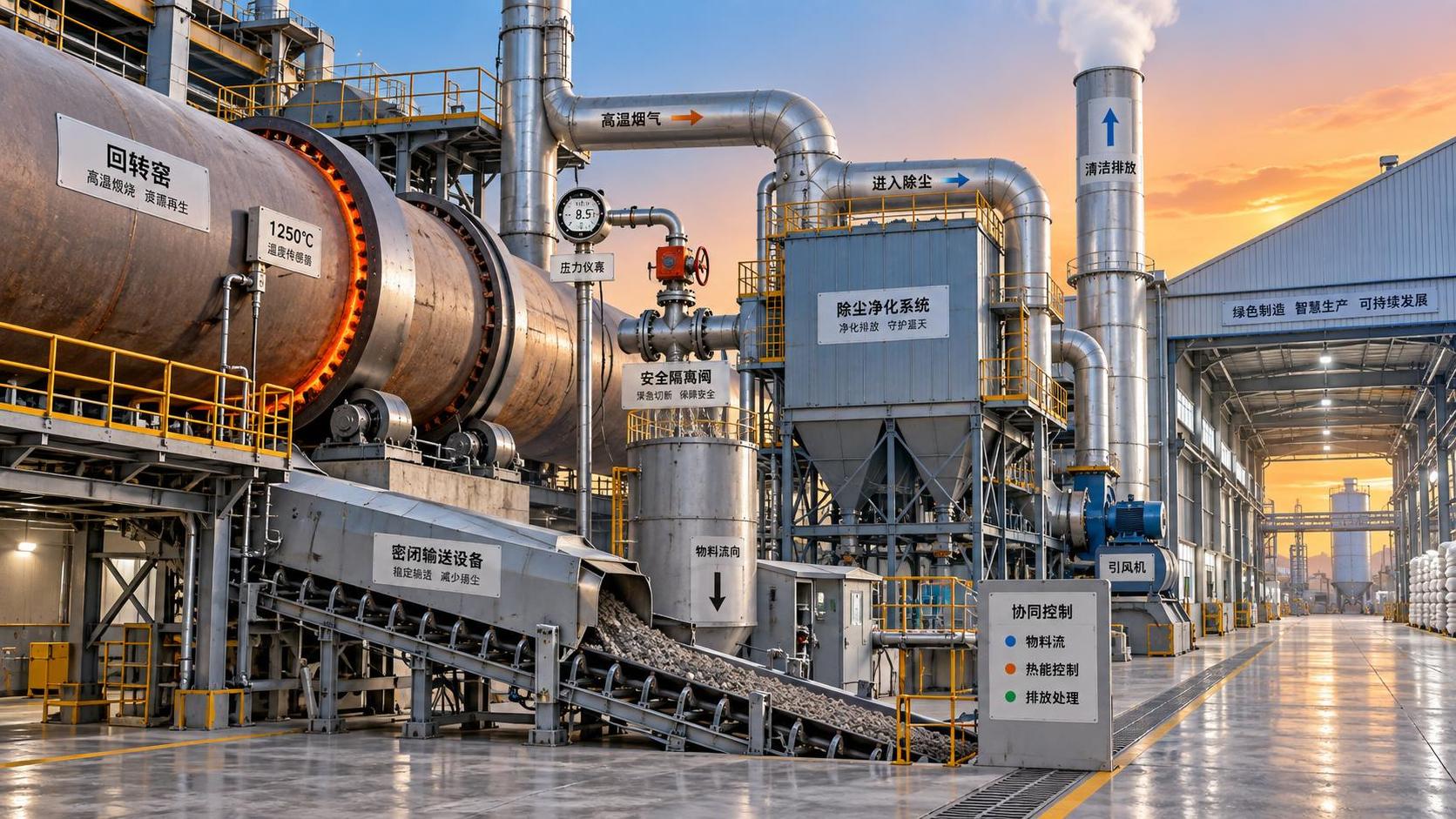
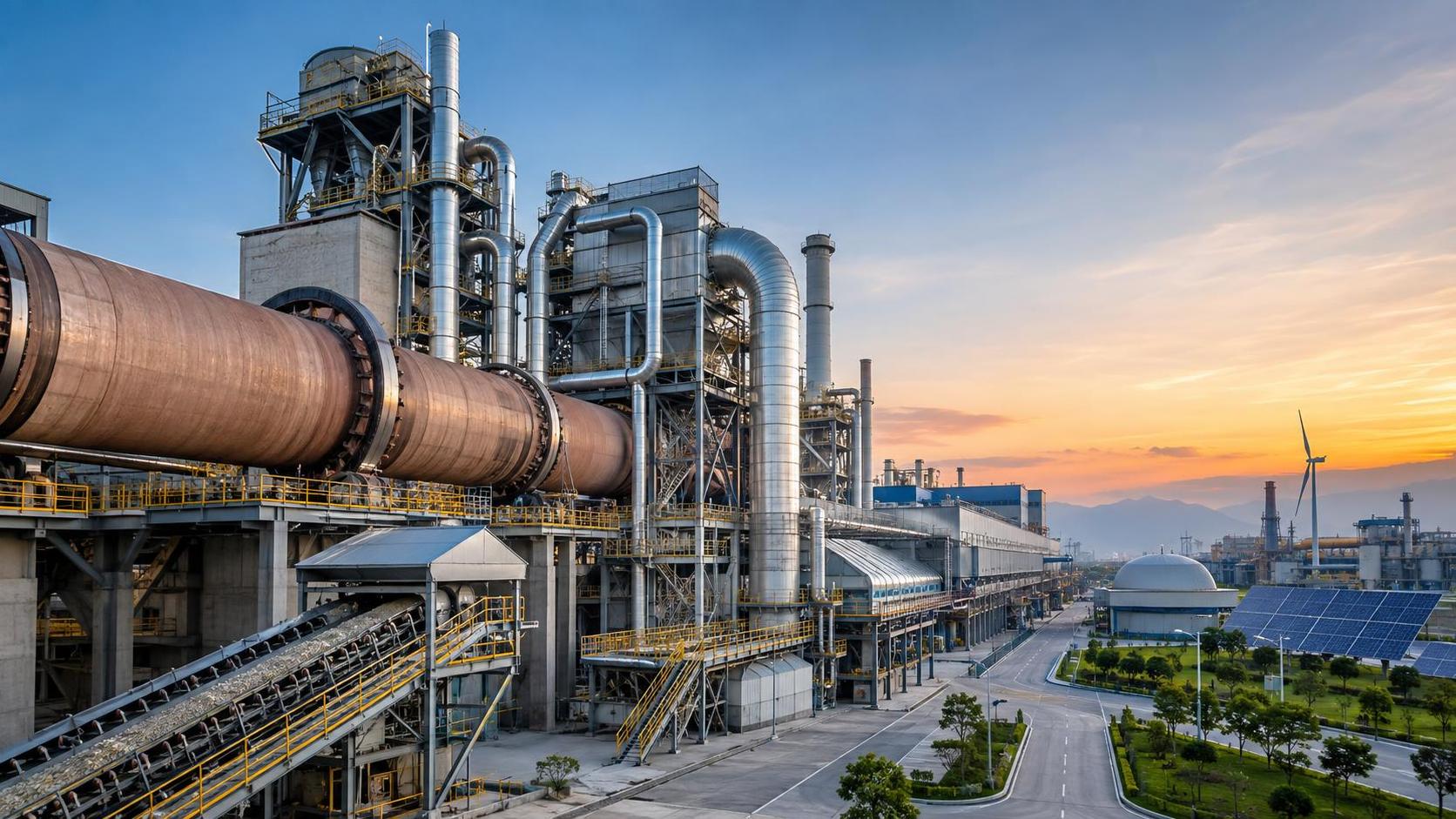
That shift is especially visible in heat-intensive value chains. Cement, glass, refractory, incineration, and extrusion operations all depend on inputs whose prices are influenced by energy, geopolitics, emissions policy, and concentrated mining capacity.
In practical terms, the key question is not whether volatility exists. It is which materials are most exposed, how that exposure spreads across production systems, and what signals deserve closer tracking before contracts are signed.
Why 2025 looks different for industrial inputs
Several forces are converging at once. Freight routes remain vulnerable, electricity costs are uneven, and carbon rules are becoming more operational rather than merely declarative.
This matters because many industrial material trends begin outside the plant gate. A quarry permit delay, a gas supply restriction, or export controls on minerals can quickly become a furnace scheduling problem.
For sectors observed by CF-Elite, the risk is amplified by temperature intensity. When a rotary kiln, float line, or refractory line runs continuously, material substitution is rarely simple or immediate.
A minor change in raw material chemistry can alter melting behavior, lining wear, fuel efficiency, or product quality. That is why industrial material trends in 2025 deserve interpretation through both market logic and process logic.
The inputs most likely to face price pressure
Not all materials carry the same risk profile. Some are energy-sensitive. Some are regionally concentrated. Others face environmental compliance costs that are rising faster than demand expectations.
Refractory minerals and thermal barrier materials
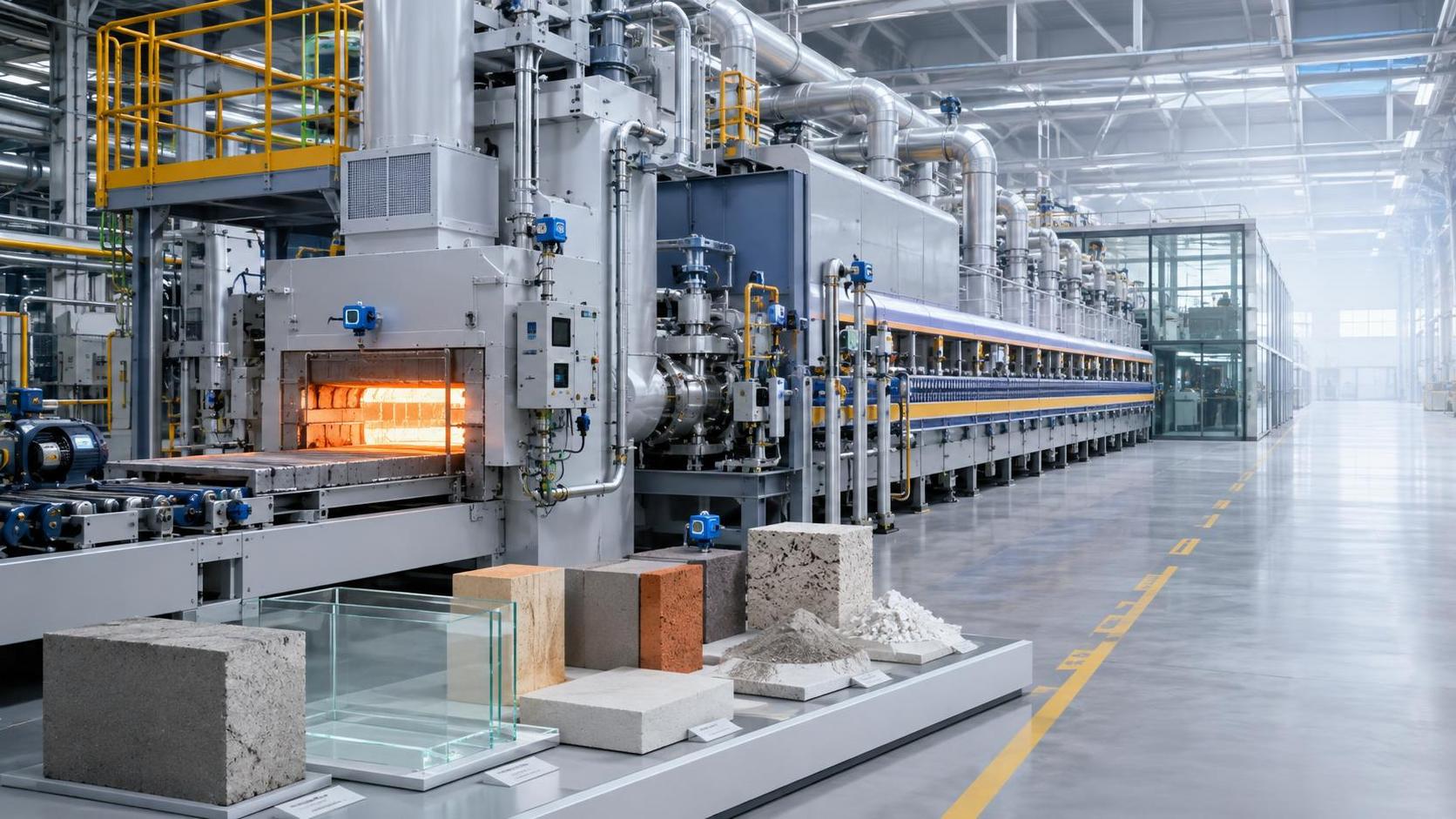
Bauxite, magnesia, tabular alumina, brown fused alumina, graphite, and selected binders remain high on the watchlist. These materials sit close to the core of furnace uptime and campaign life.
Price pressure here often comes from energy-intensive calcination, environmental restrictions on mining and processing, and supply concentration in limited geographies.
In 2025, industrial material trends suggest that refractory inputs with strict purity requirements may tighten faster than general industrial minerals.
Glassmaking and silicate feedstocks
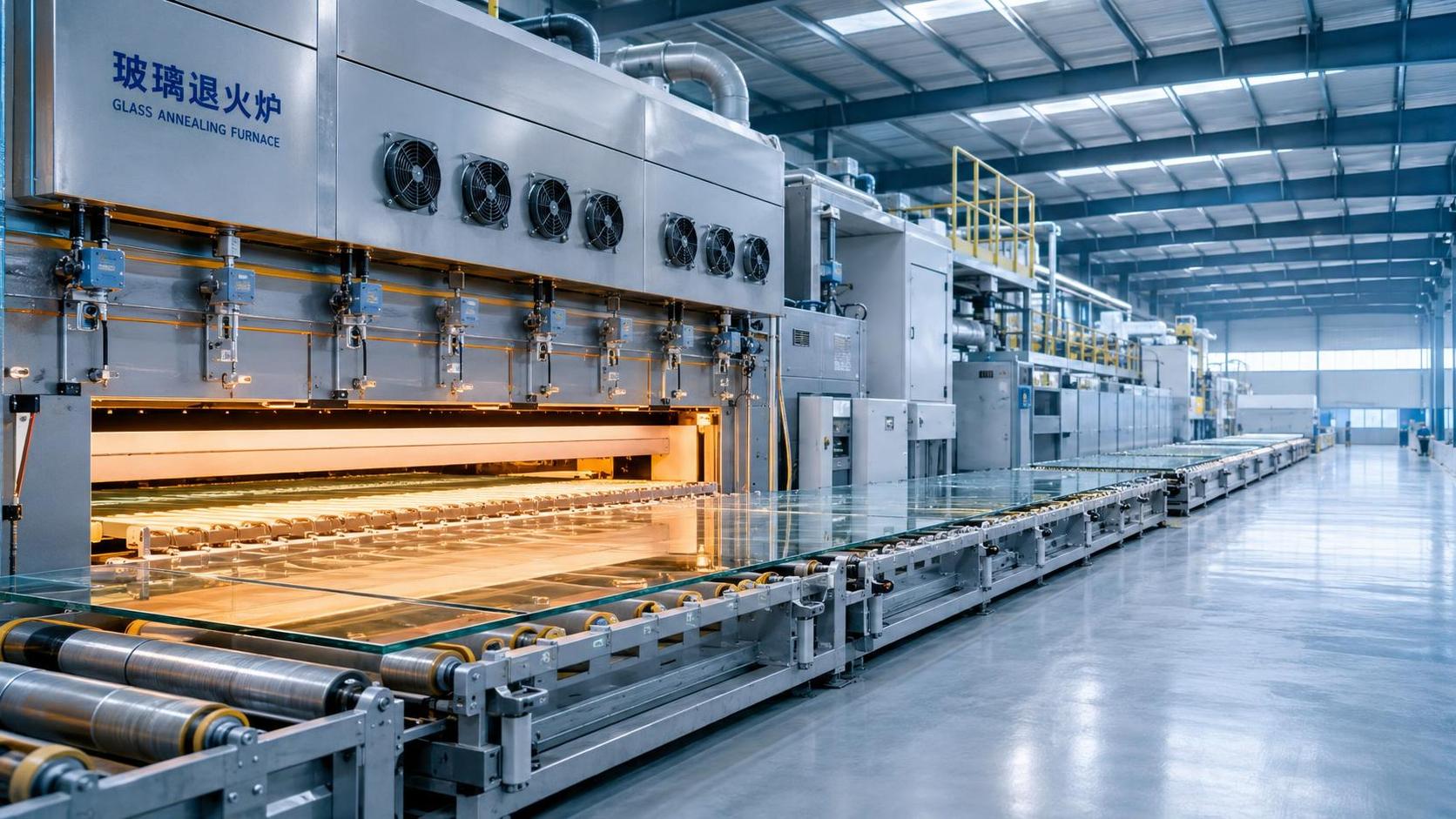
High-grade silica sand, soda ash, dolomite, feldspar, limestone, and specialty additives remain structurally important. For float glass and technical glass, consistency can matter more than nominal price.
Soda ash deserves special attention. It is exposed to energy costs, production concentration, and demand from glass, detergents, and chemical chains.
When quality windows are narrow, buyers may absorb higher prices rather than switch sources. That keeps pressure elevated even when broad commodity markets soften.
Fuel-linked industrial feedstocks
Petroleum coke, natural gas, coal-derived materials, alternative fuels, and certain chemical additives are still tightly linked to energy market dislocations.
This category affects more than fuel bills. It changes clinker cost curves, incineration economics, thermal balance, and the feasibility of co-processing strategies.
In other words, some industrial material trends are really thermal management trends disguised as procurement issues.
Where supply risk is highest
Supply risk should be judged through four lenses at the same time: source concentration, logistics complexity, process substitutability, and regulatory friction.
The most exposed materials are often not the largest by spend. They are the hardest to replace without process consequences.
That distinction is essential when reading industrial material trends. A low-volume input can carry an outsized risk if it controls temperature resistance, melt quality, emissions performance, or product certification.
How these trends affect industrial decisions
The business effect goes beyond input inflation. Material stress changes the logic of project screening, maintenance planning, and supplier qualification.
For example, a new refractory line may look competitive on equipment cost, yet become less attractive if key minerals show persistent availability risk. A glass expansion project may face margin pressure if batch chemistry depends on narrow supplier pools.
This is where the CF-Elite perspective becomes useful. High-temperature industries cannot evaluate markets in isolation from process kinetics, energy architecture, and decarbonization pathways.
A carbon rule that raises fuel costs may also accelerate alternative fuel demand. That can reshape industrial material trends for combustion systems, refractory wear patterns, and online monitoring needs at the same time.
Signals worth monitoring in 2025
- Export restrictions or environmental inspections in key mineral-processing countries.
- Power price spikes affecting calcined, fused, or sintered material production.
- Longer qualification times for replacement suppliers or substitute chemistries.
- Policy changes tied to waste co-processing, fuel blending, and industrial emissions.
- Divergence between headline commodity prices and delivered plant-ready material costs.
A practical way to read industrial material trends
A useful approach is to classify each critical input by two questions. How hard is it to replace? How far upstream does the risk begin?
If a material is difficult to substitute and exposed far upstream, it deserves strategic review rather than routine purchasing treatment.
This method works especially well in cement plants, glass lines, incineration systems, refractory production, and extrusion-based building material operations.
It also sharpens comparisons between offers. A lower-priced supply option may carry hidden costs through higher energy use, unstable throughput, or shorter lining life.
Key checkpoints before making a commitment
- Map the top ten inputs by operational criticality, not only by annual spend.
- Separate commodity volatility from specification-sensitive supply risk.
- Test whether alternative materials change thermal efficiency or emissions performance.
- Review supplier depth, route diversity, and local compliance exposure.
- Connect sourcing assumptions to maintenance intervals and production continuity.
What deserves attention next
The most relevant industrial material trends in 2025 will not come from price charts alone. They will emerge from the interaction between energy, chemistry, logistics, and regulation.
For businesses exposed to high-temperature processes, the stronger position comes from linking material intelligence with plant realities. That means tracking not only what costs more, but what becomes harder to secure without operational compromise.
A sensible next step is to build an input risk sheet across core materials, substitute options, source regions, and thermal performance implications. From there, investment assumptions and supply decisions become easier to challenge with evidence rather than optimism.
That is the real value of reading industrial material trends well in 2025: better timing, better risk filtering, and fewer surprises in long-cycle industrial planning.
Related News
 Thermal Energy ArchitectHow to Evaluate a Thermal Energy Optimization Company for High-Temperature PlantsChoose a thermal energy optimization company with proven process expertise, measurable savings, and reliable delivery for high-temperature plants. Learn what to assess.Sep 15, 2026
 Thermal Energy ArchitectRotary Kiln Efficiency: How Feed Rate, Fuel Use, and Heat Loss Affect OutputRotary kiln efficiency explained: discover how feed rate, fuel use, heat loss, combustion, and cooling performance shape output, quality, and energy costs.Sep 14, 2026
 Thermal Energy ArchitectHow to Select Heat-Resistant Materials That Maintain Abrasion Resistance in KilnsHeat-resistant materials abrasion resistance: learn how to select kiln linings that withstand heat, wear, thermal cycling, and chemical attack for longer service life.Sep 13, 2026
 Thermal Energy ArchitectHow Rotary Kiln Automation Improves Temperature Control and Fuel EfficiencyRotary kiln technology automation enhances temperature control, stabilizes combustion, and improves fuel efficiency with smarter data, predictive control, and safer operations.Sep 12, 2026
 Silicate Process EngineerCement Plant Emission Control: Selecting Systems for Dust, NOx, and SO2 LimitsCement plant emission control guide: compare dust collectors, NOx reduction, and SO2 systems for reliable compliance across kiln modes, fuel changes, and operating upsets.Sep 11, 2026
 Thermal Energy ArchitectSelecting Abrasion-Resistant High-Temperature Materials for Kiln and Conveyor Wear ZonesHigh-temp material engineering guide to abrasion-resistant kiln and conveyor solutions—match wear, heat, chemistry, and installation design for longer service life.Sep 10, 2026
 Dr. Alistair VaughnIndustrial Process Engineering: How to Map Processes for Safer, More Efficient PlantsIndustrial process engineering reveals bottlenecks, safety risks, and energy losses through practical process mapping for safer, more efficient plants.Sep 09, 2026
 Optical Glass Tech FellowHow to Evaluate a Glass Annealing Equipment Manufacturer for Production StabilityChoose a glass annealing equipment manufacturer with proven thermal uniformity, reliable controls, lifecycle value, and responsive service for stable production.Sep 08, 2026
 Prof. Marcus ChenThermal Energy Architecture in North America: Strategies for Lower Building Energy UseThermal energy architecture North America helps project leaders cut building energy use through stronger envelopes, right-sized HVAC, storage, and smart commissioning.Sep 07, 2026
 Ms. Elena RodriguezHow Should Buyers Evaluate Building Material Industry Intelligence Pricing?Building material industry intelligence pricing: learn how to compare coverage, technical depth, and ROI to choose intelligence that reduces procurement risk.Sep 07, 2026
 Ms. Elena RodriguezHow to Use Building Material Intelligence Data for Market and Investment DecisionsBuilding material industry intelligence data helps leaders evaluate demand, costs, regulation, capacity, and technology to make smarter market and investment decisions.Sep 05, 2026
 Thermal Energy ArchitectHow PLC Control Improves Energy Efficiency and Temperature Stability in KilnsEnergy efficient kilns PLC control improves temperature stability, cuts fuel waste, and optimizes combustion, draft, and material flow. Explore proven strategies for smarter kiln modernization.Sep 04, 2026
 Optical Glass Tech FellowEuropean Glass Melting Processes: Furnace Choices, Energy Use, and Quality ControlGlass melting process Europe: explore furnace choices, energy efficiency, cullet strategy, and quality control to improve output, compliance, and long-term glass performance.Sep 03, 2026
 Thermal Energy ArchitectWhat Determines Refractory Lining Monitoring Price for Industrial Kilns?Refractory lining monitoring price depends on kiln size, sensor technology, installation, software, and support. Compare total lifecycle costs and choose the right solution.Sep 02, 2026
 Silicate Process EngineerCement Production System Costs: A Plant Buyer’s Guide to Budgeting and ROICement production systems cost planning made clear: compare CAPEX, operating costs, compliance, and ROI to build a resilient, profitable cement plant investment.Sep 01, 2026
 Dr. Alistair VaughnWhat Should a Process Technology Database Track for High-Temperature Plants?Process technology database essentials for high-temperature plants: track thermal profiles, feed chemistry, refractory wear, emissions, energy, and maintenance for safer, data-driven decisions.Aug 31, 2026
 Ms. Elena RodriguezHow to Evaluate a Silicate Processing Equipment Manufacturer for Plant ProjectsSilicate processing equipment manufacturer selection: assess process fit, guarantees, energy, compliance, delivery risk, and lifecycle support for dependable plant performance.Aug 30, 2026
 Dr. Alistair VaughnHow to Specify Custom Agricultural Processing Equipment for Throughput and HygieneEquipment customization services for agricultural processing: learn to specify hygienic, high-throughput lines that improve yield, reliability, and long-term efficiency.Aug 29, 2026
 Dr. Alistair VaughnHow to Select Process Plant Equipment for High-Temperature, Abrasive Production LinesProcess plant equipment selection for high-temperature, abrasive lines: reduce downtime, improve durability, and optimize lifecycle performance.Aug 28, 2026
 Silicate Process EngineerHow Kiln Heat Recovery Systems Cut Fuel Use in Cement and Lime ProductionKiln heat recovery helps cement and lime plants cut fuel use, improve thermal stability, and build practical, reliable decarbonization strategies.Aug 27, 2026



Related News
- 00
0000-00
Thermal Energy Architecture in North America: Strategies for Lower Building Energy Use - 00
0000-00
How to Evaluate a Green Material Production Line for Energy Use, Output, and Product Quality - 00
0000-00
Silicate Technology Trends: What New Process Upgrades Matter for Refractory and Cement Plants? - 00
0000-00
Thermal Engineering Optimization: Which Process Parameters Most Affect Energy Use? - 00
0000-00
Material Extrusion Technology in Europe: Which Materials and Production Goals Fit Best?
Weekly Insights
Stay ahead with our curated technology reports delivered every Monday.