
Can industrial decarbonization pay for itself?




For finance and capital approval teams, industrial decarbonization is no longer only a compliance cost. It can become a measurable lever for energy savings, risk reduction, and long-term asset competitiveness.
In high-temperature sectors, the financial case depends on fuel efficiency, heat recovery, carbon exposure, and equipment modernization. The question is not whether emissions matter, but when savings become bankable.
Can industrial decarbonization pay for itself?
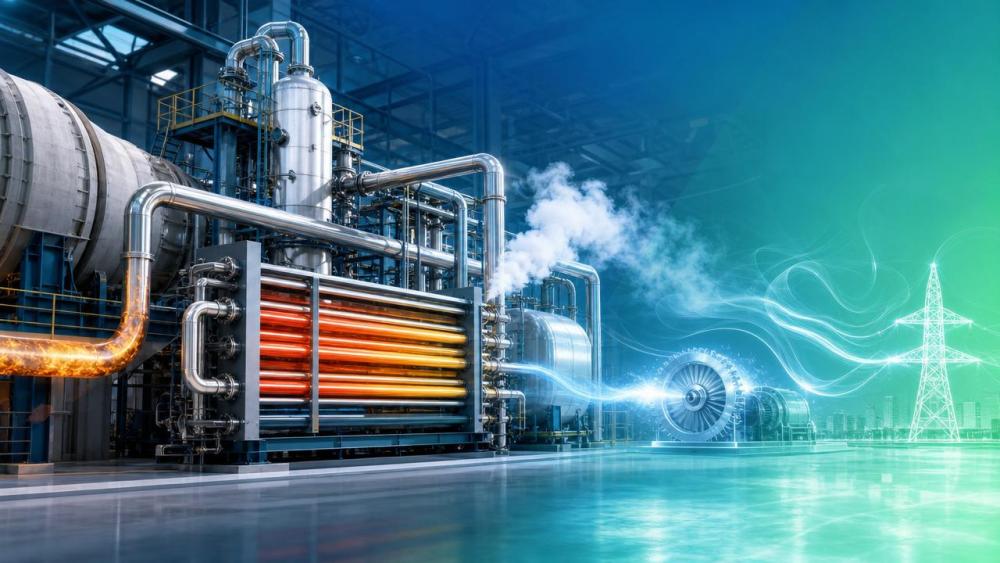
Yes, industrial decarbonization can pay for itself when projects reduce energy loss, stabilize production, and avoid future carbon costs.
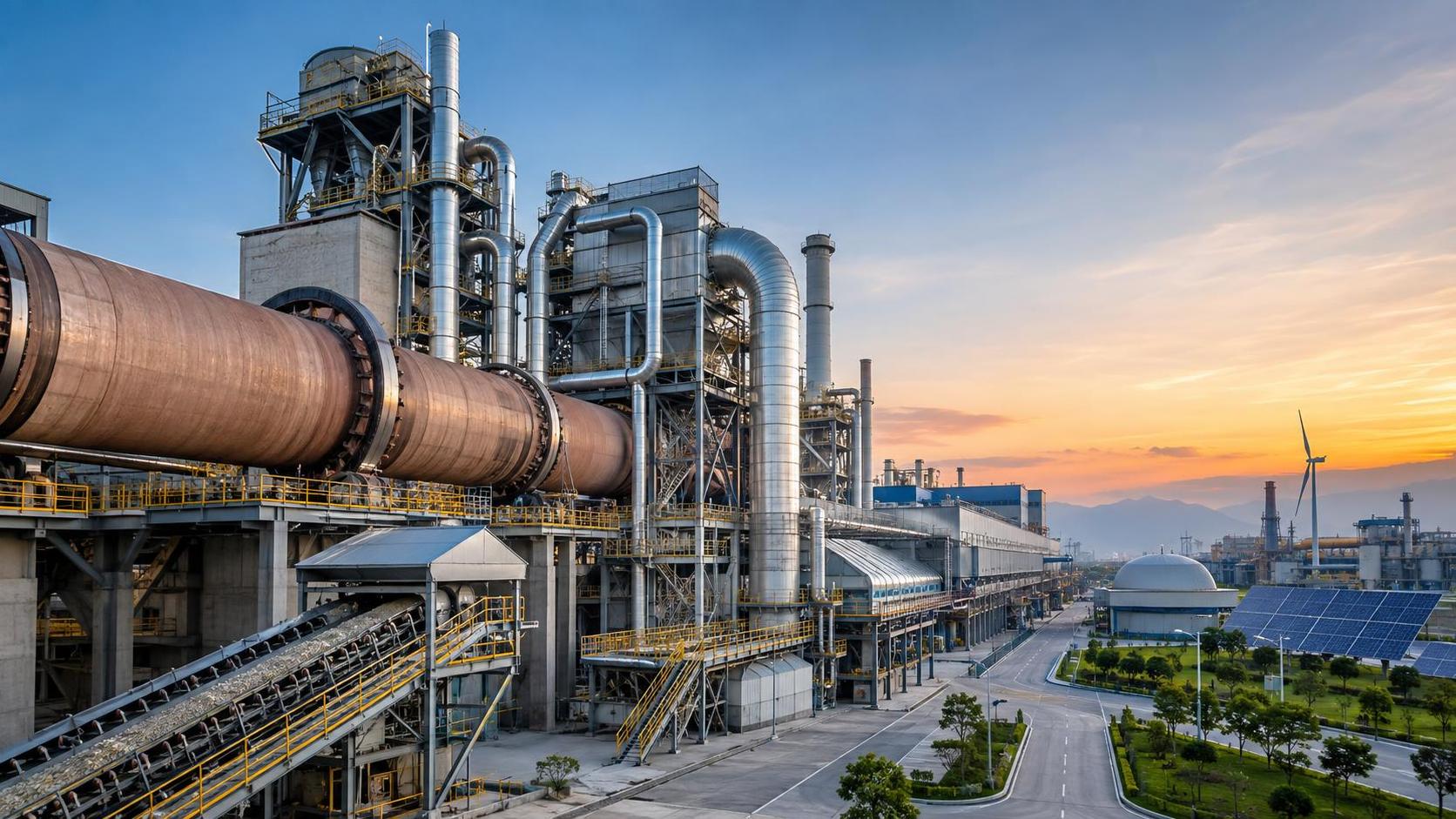
The answer is strongest in cement plants, glass furnaces, industrial kilns, refractory lines, and extrusion systems with high thermal demand.
These assets consume fuel continuously. Even small efficiency gains can compound into substantial annual savings across long operating cycles.
However, industrial decarbonization is not automatically self-funding. Payback depends on baseline performance, energy prices, operating hours, and retrofit complexity.
A poorly scoped project may cut emissions but fail financially. A well-scoped project improves both carbon intensity and asset productivity.
What does “pay for itself” really mean?
In capital planning, “pay for itself” means project benefits exceed investment, maintenance, downtime, and financing costs within an acceptable period.
For industrial decarbonization, benefits include lower fuel use, recovered heat, avoided carbon charges, higher uptime, and stronger market access.
A narrow payback view may miss strategic value. Carbon restrictions, green procurement rules, and export requirements can change project economics quickly.
The most reliable approach combines short-term cash savings with long-term risk-adjusted value. That gives industrial decarbonization a clearer investment logic.
Which industrial decarbonization projects usually create the fastest returns?
The fastest returns usually come from measures that reduce wasted heat or improve combustion stability without redesigning the entire production line.
In large-scale silicate production, thermal losses often hide in exhaust gases, inefficient burners, damaged linings, and poorly coordinated process controls.
- Waste heat recovery from kiln exhaust, glass furnace flue gas, or incineration systems.
- Advanced burner controls for stable flame temperature and lower excess air.
- Refractory lining upgrades that reduce heat leakage and unplanned shutdowns.
- Variable-speed drives for fans, compressors, conveyors, and extrusion auxiliaries.
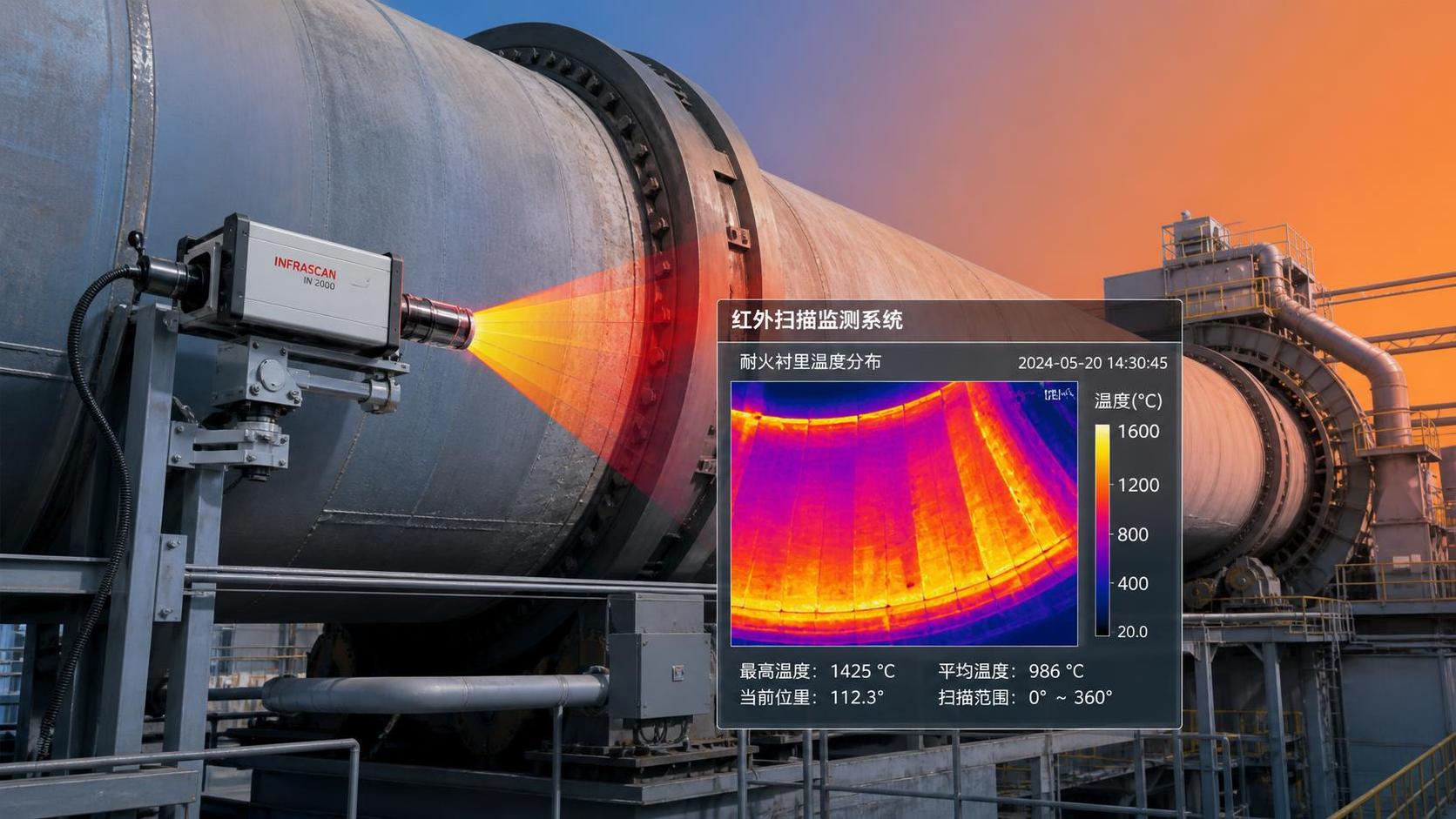
- Digital monitoring that detects drift before energy waste becomes routine.
These projects often support industrial decarbonization because they attack physical inefficiency rather than relying only on external offsets.
For example, a cement kiln with unstable feed chemistry may burn extra fuel to protect clinker quality. Better control reduces both emissions and cost.
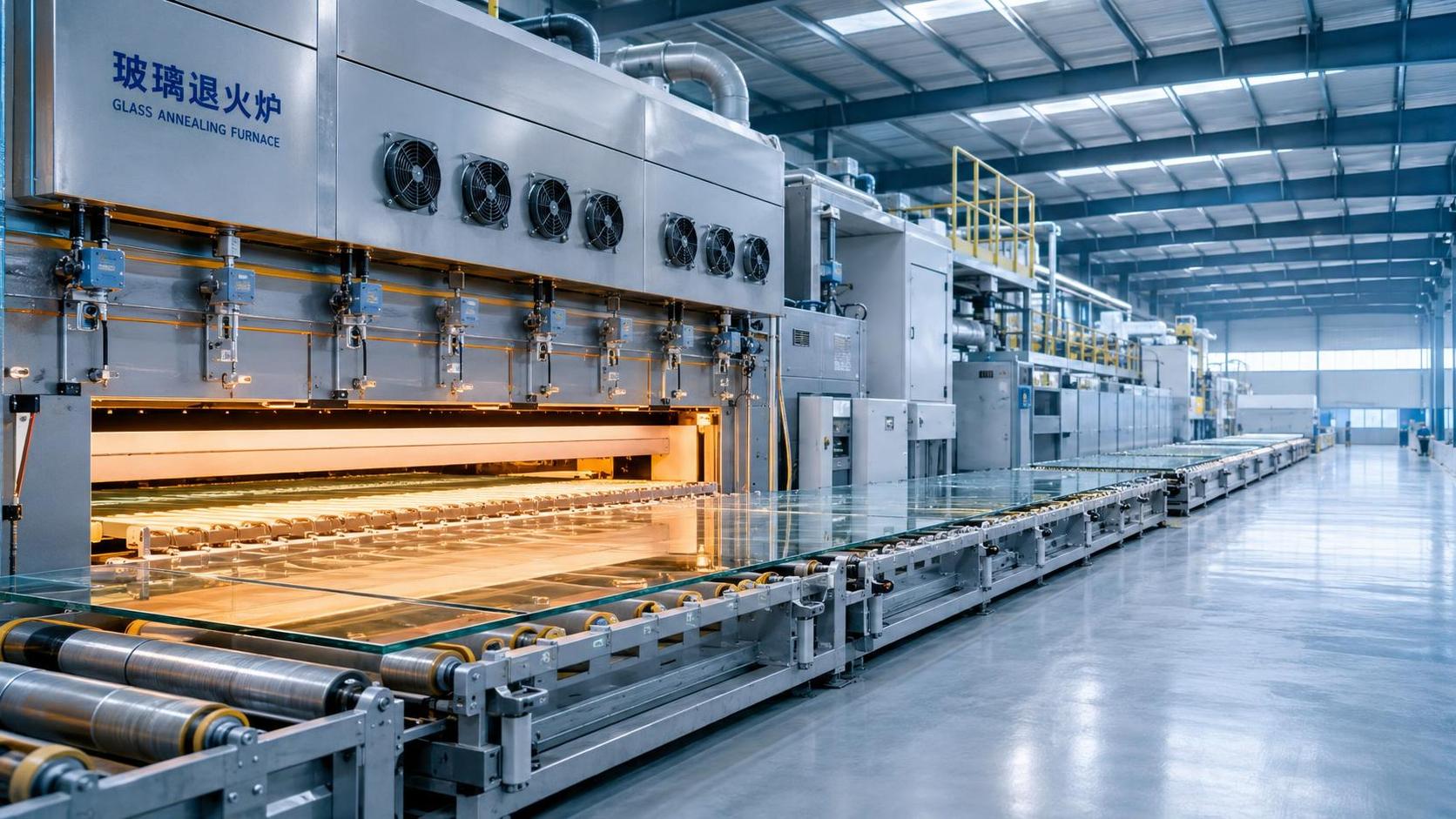
A glass line with uneven furnace temperature may face higher rejection rates. Thermal optimization saves energy and protects product yield.
In incineration, industrial decarbonization can also improve energy recovery. Cleaner combustion can increase useful steam output and reduce auxiliary fuel demand.
When does fuel switching make financial sense?
Fuel switching can support industrial decarbonization, but its economics vary more than efficiency projects. The key issue is total delivered energy cost.
Switching from coal or heavy fuel oil to natural gas may reduce emissions and maintenance. Yet price volatility can weaken the payback case.
Biomass, alternative fuels, hydrogen blends, and electrification each require careful review. Feedstock security and process compatibility matter as much as emissions.
In cement production, alternative fuels may lower fossil carbon exposure. But they can affect flame behavior, clinker chemistry, and kiln stability.
In glass manufacturing, electrification can reduce direct emissions. It may also require grid capacity, furnace redesign, and new refractory strategies.
For refractory production and extrusion lines, electric heating can be attractive when temperature profiles are controllable and electricity is low carbon.
A practical fuel-switching checklist
- Compare energy cost per useful heat unit, not only fuel price per ton.
- Model carbon price exposure under current and expected regulation.
- Confirm process impacts on quality, throughput, corrosion, and maintenance.
- Assess supply contracts, storage requirements, and local infrastructure limits.
- Include downtime, permitting, training, and safety upgrades in the business case.
Fuel switching pays when carbon reduction aligns with reliable production. Industrial decarbonization fails financially when energy security is underestimated.
How should carbon pricing and regulation be included in ROI?
Carbon pricing changes the value of industrial decarbonization. It converts emissions reduction from an environmental metric into a financial variable.
The analysis should include direct carbon taxes, emissions trading costs, border adjustment exposure, and customer requirements for lower-carbon materials.
A project with a modest fuel-saving return may become attractive once avoided carbon costs are added to annual benefits.
For export-oriented cement, glass, or building material operations, carbon intensity can affect competitiveness beyond the domestic market.
Industrial decarbonization also reduces exposure to sudden regulatory tightening. This risk reduction is difficult to see in simple payback calculations.
A robust ROI model should test several carbon price scenarios. Industrial decarbonization decisions improve when uncertainty is made visible.
What risks can undermine the financial case?
The biggest risk is treating industrial decarbonization as a single technology purchase. High-temperature systems behave as connected thermal ecosystems.
Changing burners may affect refractory wear. Changing fuel may affect ash chemistry. Adding heat recovery may alter draft balance.
Therefore, savings estimates must be linked to process physics, material behavior, and control response. Generic benchmarks are not enough.
Common pitfalls to avoid
- Overlooking baseline measurement before approving an industrial decarbonization project.
- Separating emissions goals from throughput, quality, and maintenance indicators.
- Selecting equipment without checking integration with existing thermal controls.
- Underestimating refractory compatibility under new temperature or chemical conditions.
- Using average energy prices instead of contract-specific marginal costs.
Another risk is delaying action until regulation is unavoidable. Late projects often face higher costs, rushed engineering, and shorter commissioning windows.
Measured pilots can reduce this risk. They show whether industrial decarbonization benefits are theoretical or repeatable under real production conditions.
How can a stronger business case be built?
A strong business case begins with a heat and mass balance. This reveals where energy enters, transforms, escapes, or damages production value.
Next, emissions should be mapped by source. Separate combustion emissions, process emissions, purchased power, and waste-related impacts.
Then, rank measures by financial value, operational complexity, and implementation speed. Not every industrial decarbonization action deserves the same priority.
- Establish a verified baseline for energy, emissions, yield, and downtime.
- Identify low-disruption efficiency measures before major process conversion.
- Model carbon cost, fuel volatility, maintenance savings, and asset life.
- Test solutions in pilots or phased retrofits where production risk is high.
- Connect monitoring systems to financial indicators, not only engineering dashboards.
Digital twins and online monitoring can strengthen evidence. They help compare expected savings with actual furnace, kiln, or extruder performance.
For CF-Elite’s focus areas, this connection is central. Foundation materials and thermal management require intelligence across chemistry, heat transfer, and markets.
Industrial decarbonization becomes easier to approve when technical assumptions are translated into cash flow, risk exposure, and competitive positioning.
FAQ: practical questions on industrial decarbonization payback
The most useful question is not whether industrial decarbonization is expensive. The better question is which emissions are also avoidable losses.
If emissions come from wasted heat, unstable combustion, or avoidable downtime, the financial case can be strong and measurable.
If reductions require deep process transformation, the case may still be valid. It needs broader valuation, longer horizons, and stronger scenario planning.
Conclusion: turning carbon reduction into industrial value
Industrial decarbonization can pay for itself when it is built on measured inefficiency, credible carbon assumptions, and realistic integration planning.
The best opportunities often sit where energy performance, maintenance reliability, and emissions reduction overlap. High-temperature industries are rich with these intersections.
A practical next step is to audit thermal losses, rank decarbonization options, and test payback under multiple fuel and carbon scenarios.
Through intelligence on kilns, furnaces, refractory systems, and extrusion lines, CF-Elite supports clearer decisions for green materials and energy-efficient production.
When evidence links heat, chemistry, regulation, and finance, industrial decarbonization becomes more than compliance. It becomes an asset strategy.
Related News
 Thermal Energy ArchitectHow to Select Heat-Resistant Materials That Maintain Abrasion Resistance in KilnsHeat-resistant materials abrasion resistance: learn how to select kiln linings that withstand heat, wear, thermal cycling, and chemical attack for longer service life.Sep 13, 2026
 Thermal Energy ArchitectHow Rotary Kiln Automation Improves Temperature Control and Fuel EfficiencyRotary kiln technology automation enhances temperature control, stabilizes combustion, and improves fuel efficiency with smarter data, predictive control, and safer operations.Sep 12, 2026
 Silicate Process EngineerCement Plant Emission Control: Selecting Systems for Dust, NOx, and SO2 LimitsCement plant emission control guide: compare dust collectors, NOx reduction, and SO2 systems for reliable compliance across kiln modes, fuel changes, and operating upsets.Sep 11, 2026
 Thermal Energy ArchitectSelecting Abrasion-Resistant High-Temperature Materials for Kiln and Conveyor Wear ZonesHigh-temp material engineering guide to abrasion-resistant kiln and conveyor solutions—match wear, heat, chemistry, and installation design for longer service life.Sep 10, 2026
 Dr. Alistair VaughnIndustrial Process Engineering: How to Map Processes for Safer, More Efficient PlantsIndustrial process engineering reveals bottlenecks, safety risks, and energy losses through practical process mapping for safer, more efficient plants.Sep 09, 2026
 Optical Glass Tech FellowHow to Evaluate a Glass Annealing Equipment Manufacturer for Production StabilityChoose a glass annealing equipment manufacturer with proven thermal uniformity, reliable controls, lifecycle value, and responsive service for stable production.Sep 08, 2026
 Prof. Marcus ChenThermal Energy Architecture in North America: Strategies for Lower Building Energy UseThermal energy architecture North America helps project leaders cut building energy use through stronger envelopes, right-sized HVAC, storage, and smart commissioning.Sep 07, 2026
 Ms. Elena RodriguezHow Should Buyers Evaluate Building Material Industry Intelligence Pricing?Building material industry intelligence pricing: learn how to compare coverage, technical depth, and ROI to choose intelligence that reduces procurement risk.Sep 07, 2026
 Ms. Elena RodriguezHow to Use Building Material Intelligence Data for Market and Investment DecisionsBuilding material industry intelligence data helps leaders evaluate demand, costs, regulation, capacity, and technology to make smarter market and investment decisions.Sep 05, 2026
 Thermal Energy ArchitectHow PLC Control Improves Energy Efficiency and Temperature Stability in KilnsEnergy efficient kilns PLC control improves temperature stability, cuts fuel waste, and optimizes combustion, draft, and material flow. Explore proven strategies for smarter kiln modernization.Sep 04, 2026
 Optical Glass Tech FellowEuropean Glass Melting Processes: Furnace Choices, Energy Use, and Quality ControlGlass melting process Europe: explore furnace choices, energy efficiency, cullet strategy, and quality control to improve output, compliance, and long-term glass performance.Sep 03, 2026
 Thermal Energy ArchitectWhat Determines Refractory Lining Monitoring Price for Industrial Kilns?Refractory lining monitoring price depends on kiln size, sensor technology, installation, software, and support. Compare total lifecycle costs and choose the right solution.Sep 02, 2026
 Silicate Process EngineerCement Production System Costs: A Plant Buyer’s Guide to Budgeting and ROICement production systems cost planning made clear: compare CAPEX, operating costs, compliance, and ROI to build a resilient, profitable cement plant investment.Sep 01, 2026
 Dr. Alistair VaughnWhat Should a Process Technology Database Track for High-Temperature Plants?Process technology database essentials for high-temperature plants: track thermal profiles, feed chemistry, refractory wear, emissions, energy, and maintenance for safer, data-driven decisions.Aug 31, 2026
 Ms. Elena RodriguezHow to Evaluate a Silicate Processing Equipment Manufacturer for Plant ProjectsSilicate processing equipment manufacturer selection: assess process fit, guarantees, energy, compliance, delivery risk, and lifecycle support for dependable plant performance.Aug 30, 2026
 Dr. Alistair VaughnHow to Specify Custom Agricultural Processing Equipment for Throughput and HygieneEquipment customization services for agricultural processing: learn to specify hygienic, high-throughput lines that improve yield, reliability, and long-term efficiency.Aug 29, 2026
 Dr. Alistair VaughnHow to Select Process Plant Equipment for High-Temperature, Abrasive Production LinesProcess plant equipment selection for high-temperature, abrasive lines: reduce downtime, improve durability, and optimize lifecycle performance.Aug 28, 2026
 Silicate Process EngineerHow Kiln Heat Recovery Systems Cut Fuel Use in Cement and Lime ProductionKiln heat recovery helps cement and lime plants cut fuel use, improve thermal stability, and build practical, reliable decarbonization strategies.Aug 27, 2026
 Ms. Elena RodriguezProcess Equipment Comparison: Which Metrics Matter Most for Reliable Selection?Process equipment comparison made practical: discover which metrics truly drive reliable selection, from energy efficiency and control stability to wear life, maintainability, and uptime.Aug 26, 2026
 Ms. Elena RodriguezWhat Buyers Should Check Before Sourcing Precision Alloy Bars for Critical PartsPrecision Alloy Bars buyers should verify grade, chemistry, tolerances, surface quality, traceability, and lead time before sourcing for critical parts. Learn what prevents costly machining and reliability risks.Aug 27, 2026



Related News
- 00
0000-00
Thermal Energy Architecture in North America: Strategies for Lower Building Energy Use - 00
0000-00
How to Evaluate a Green Material Production Line for Energy Use, Output, and Product Quality - 00
0000-00
Silicate Technology Trends: What New Process Upgrades Matter for Refractory and Cement Plants? - 00
0000-00
Thermal Engineering Optimization: Which Process Parameters Most Affect Energy Use? - 00
0000-00
Material Extrusion Technology in Europe: Which Materials and Production Goals Fit Best?
Weekly Insights
Stay ahead with our curated technology reports delivered every Monday.