
Is advanced silicate processing worth the energy cost?




For technical evaluators, the question is no longer whether advanced silicate processing can improve product performance, but whether its thermal intensity, equipment complexity, and control requirements justify the energy cost.
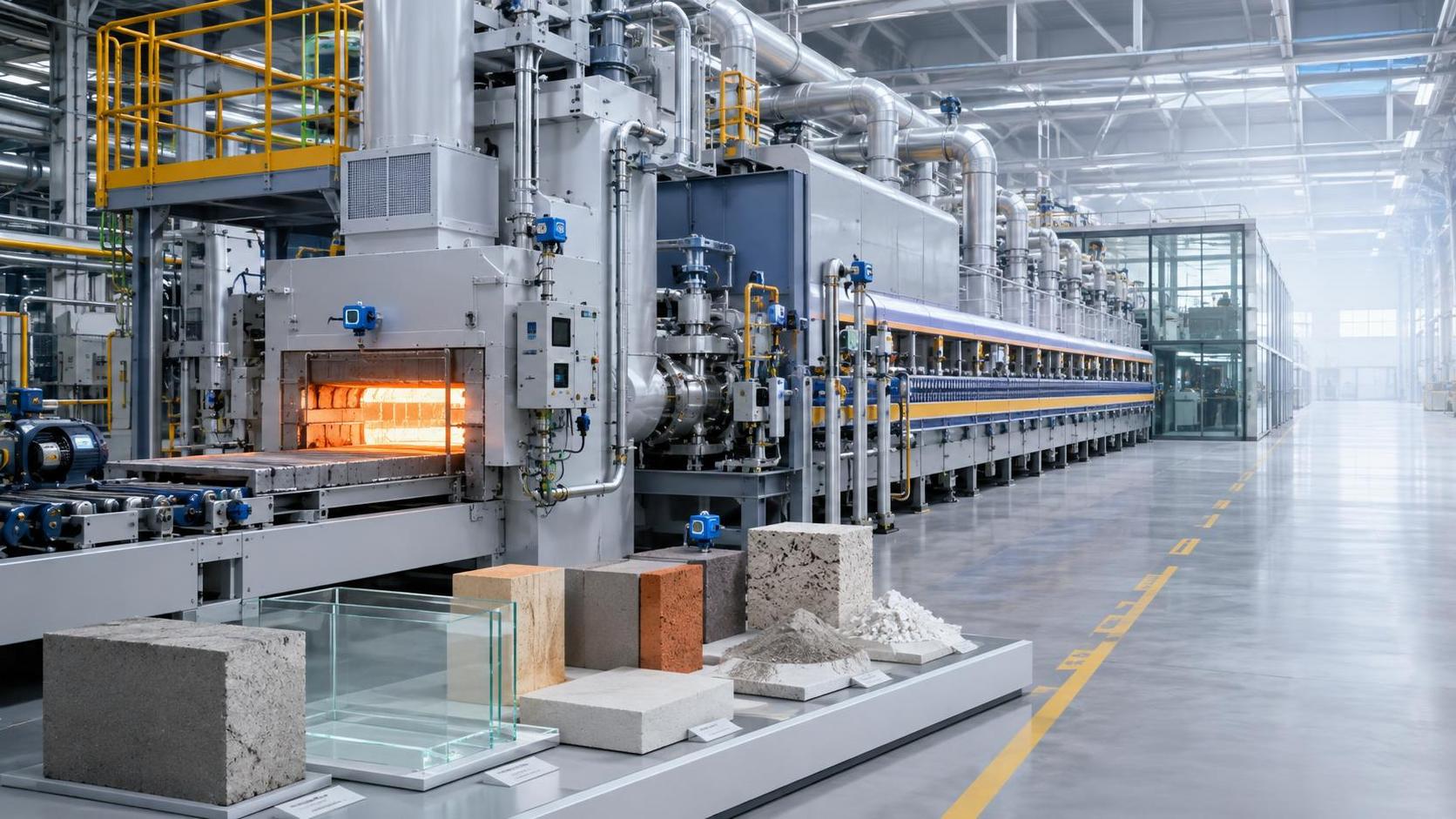
From cement kilns and float glass lines to refractory systems and new building material extrusion, every efficiency gain must be weighed against fuel consumption, emissions exposure, and lifecycle value.
This article examines how data-driven process intelligence, heat recovery, digital monitoring, and carbon-reduction priorities reshape the cost-benefit equation for high-temperature silicate operations.
Advanced Silicate Processing Is Moving From Output Logic To Energy Logic
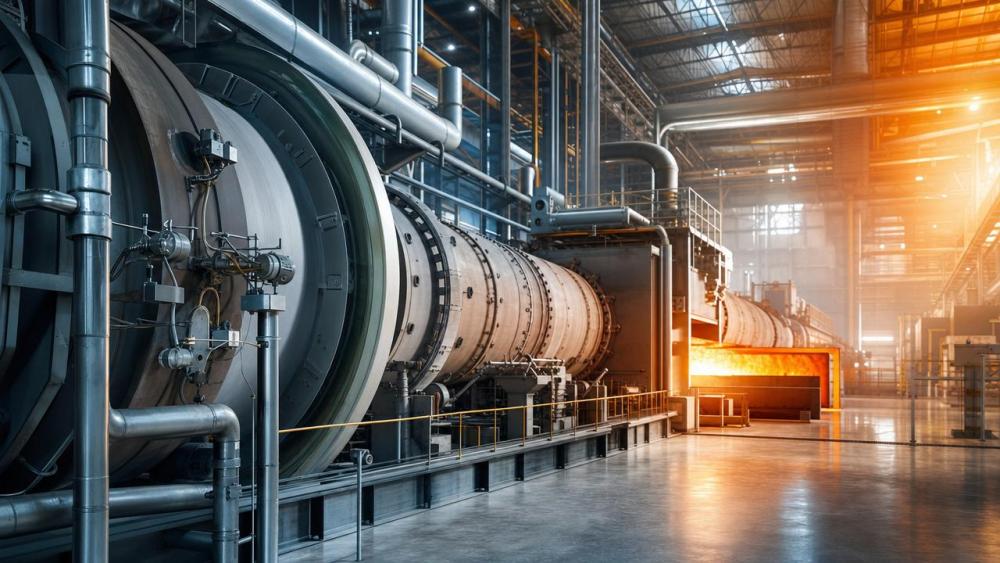
Advanced silicate processing once meant higher throughput, tighter particle control, better melting stability, and stronger fired properties.
That definition is changing as energy prices, carbon rules, and thermal equipment risks reshape investment decisions.
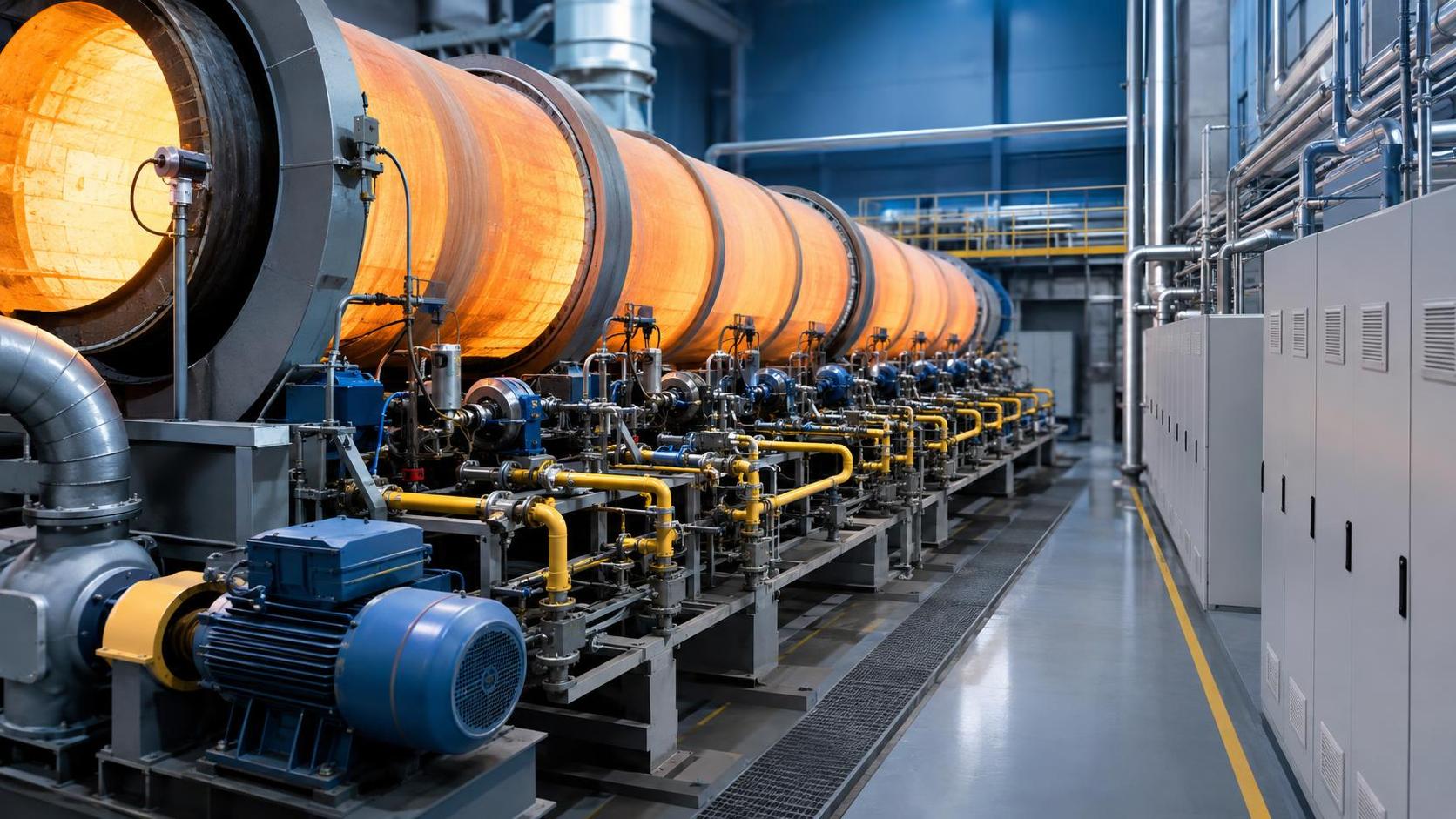
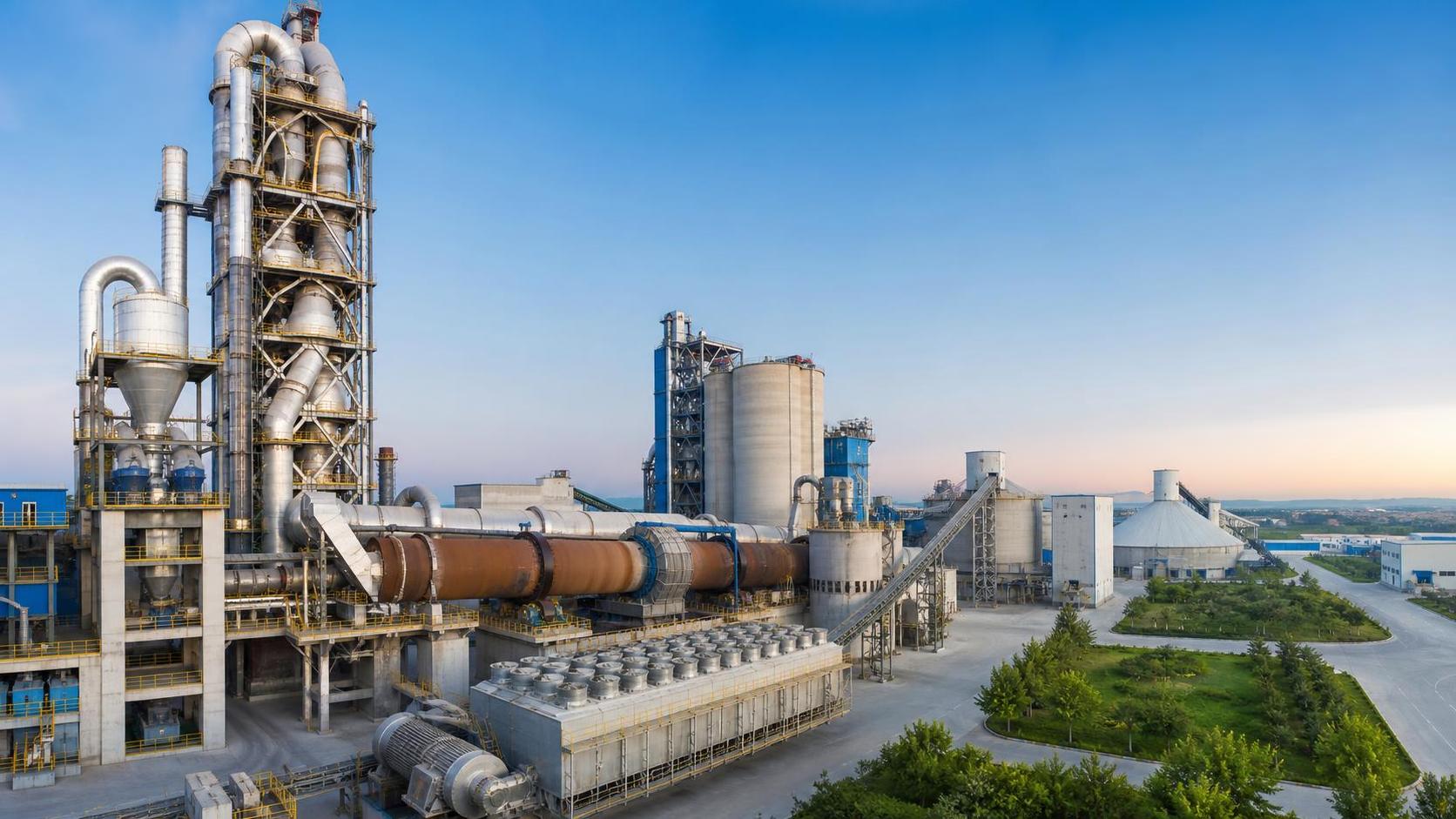
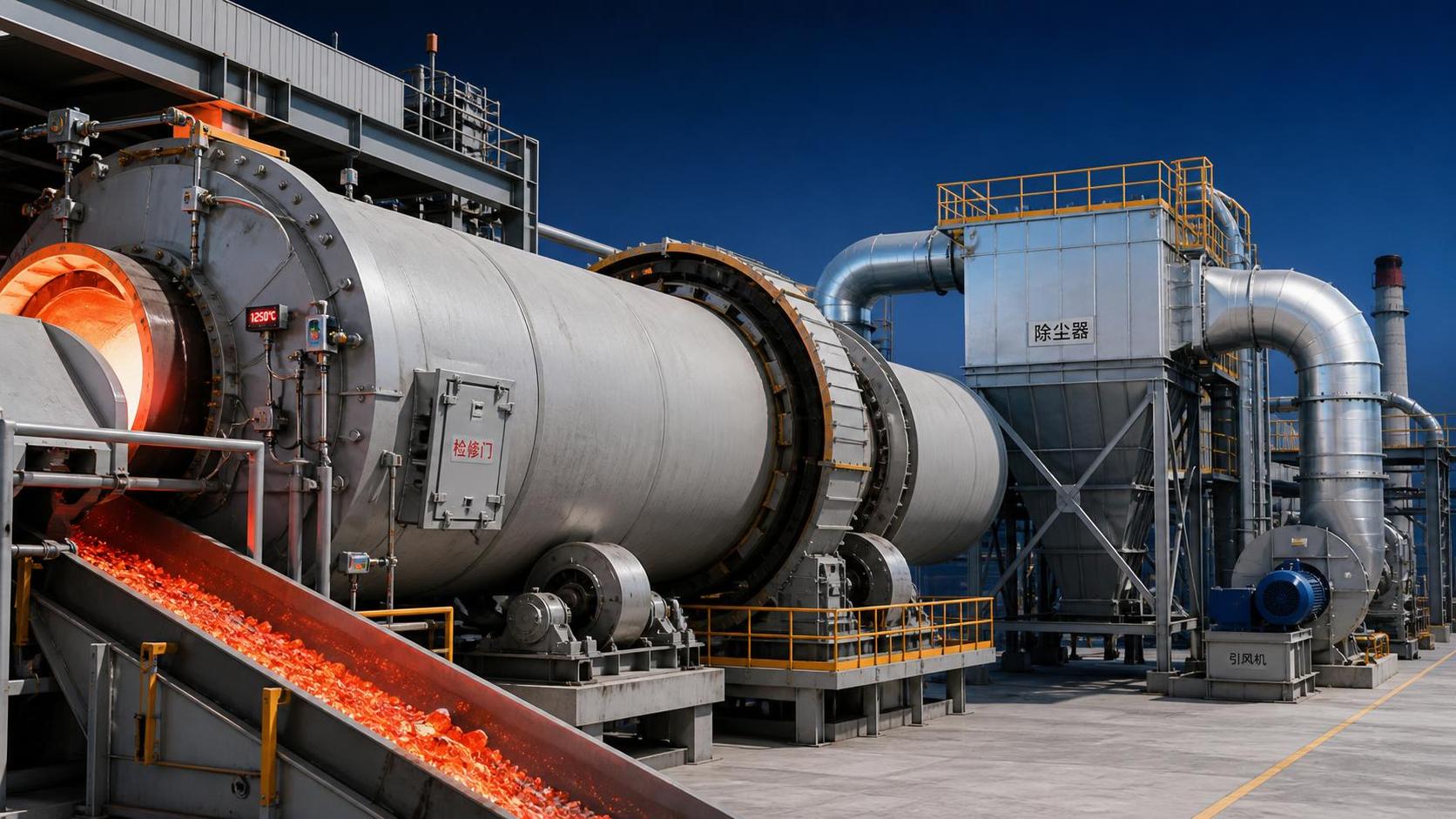
In cement production, advanced silicate processing supports improved clinker reactivity, alternative fuel use, and reduced dust losses.
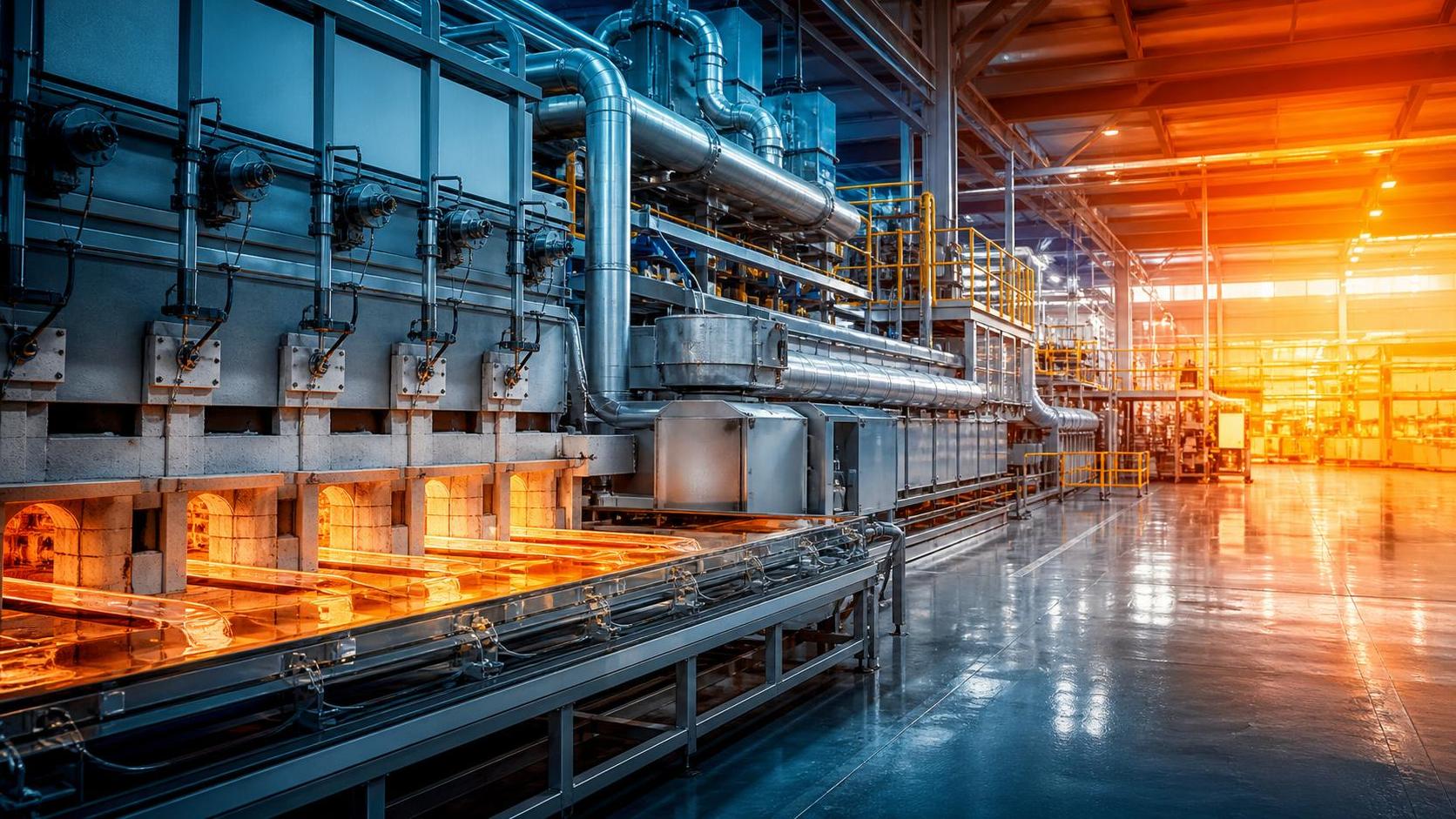
In glass manufacturing, it enables precise melting, homogenization, fining, annealing, and forming for demanding downstream applications.
In refractories, advanced silicate processing helps stabilize thermal shock resistance, density, corrosion behavior, and service life.
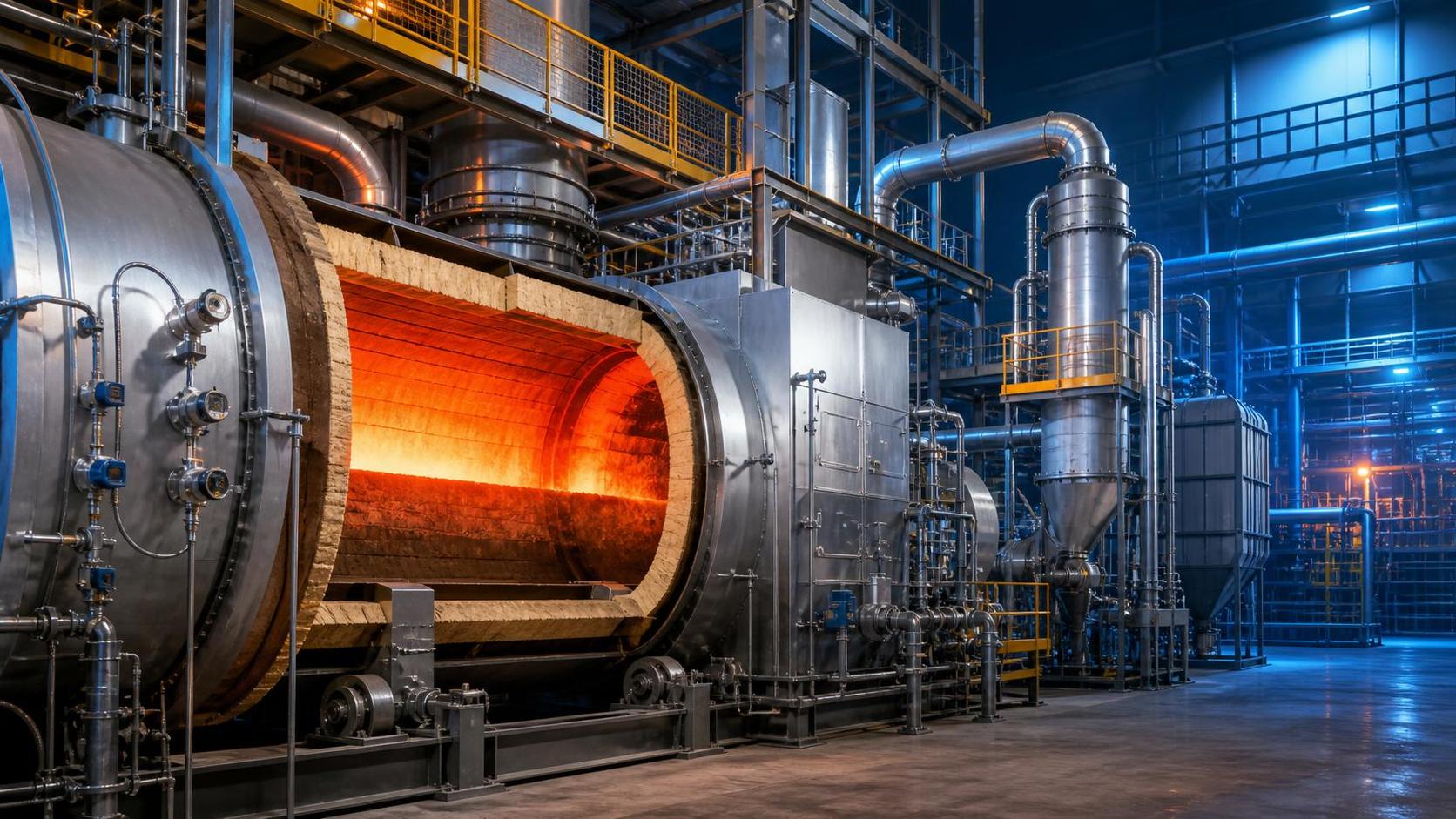
Yet each benefit depends on heat, residence time, atmosphere control, and equipment integrity.
The strategic question is therefore direct: does the added energy create measurable value beyond the furnace wall?
Trend Signals Show A Harder Cost-Benefit Test
Several industry signals suggest advanced silicate processing faces a stricter economic and environmental review.
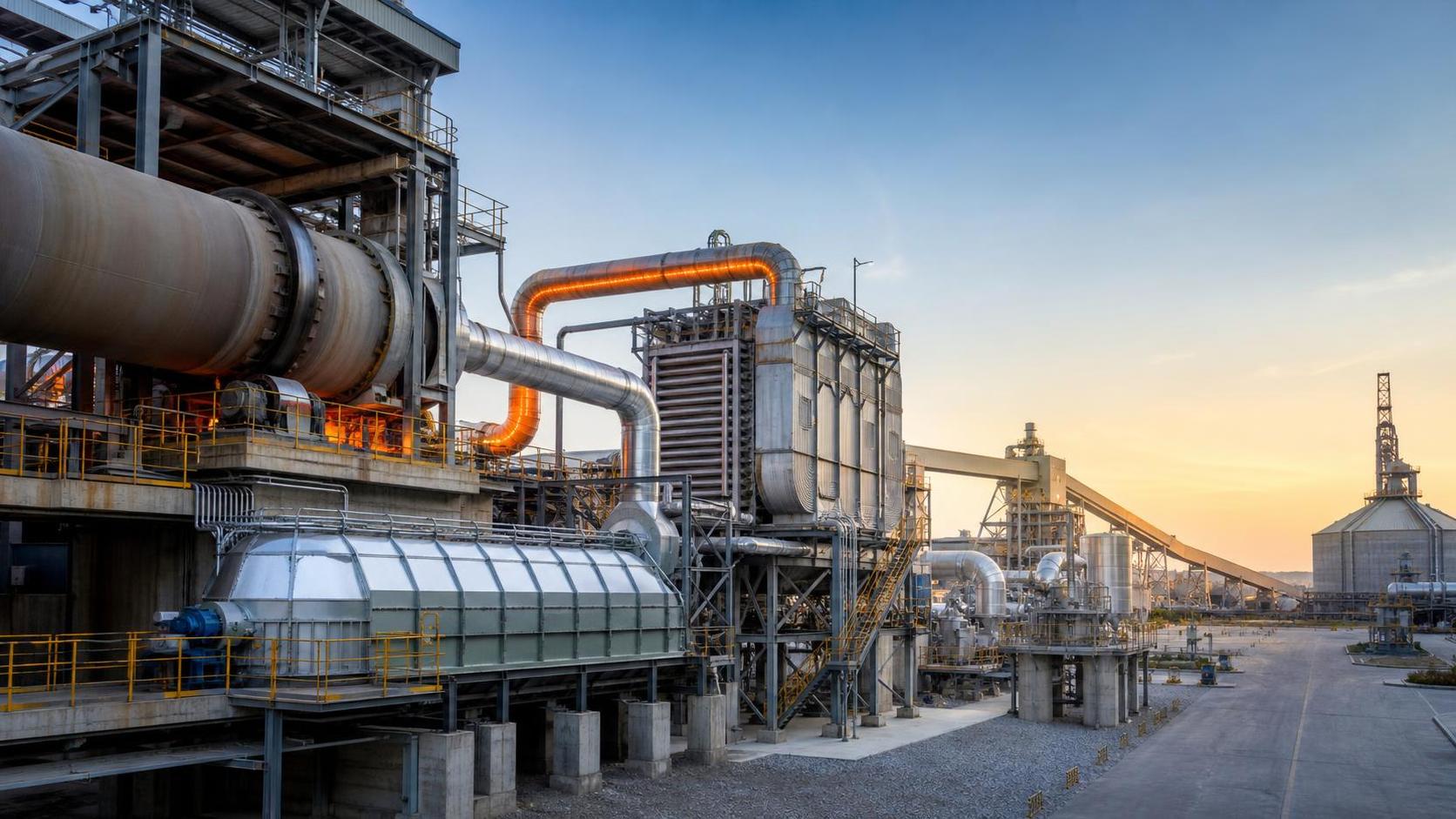
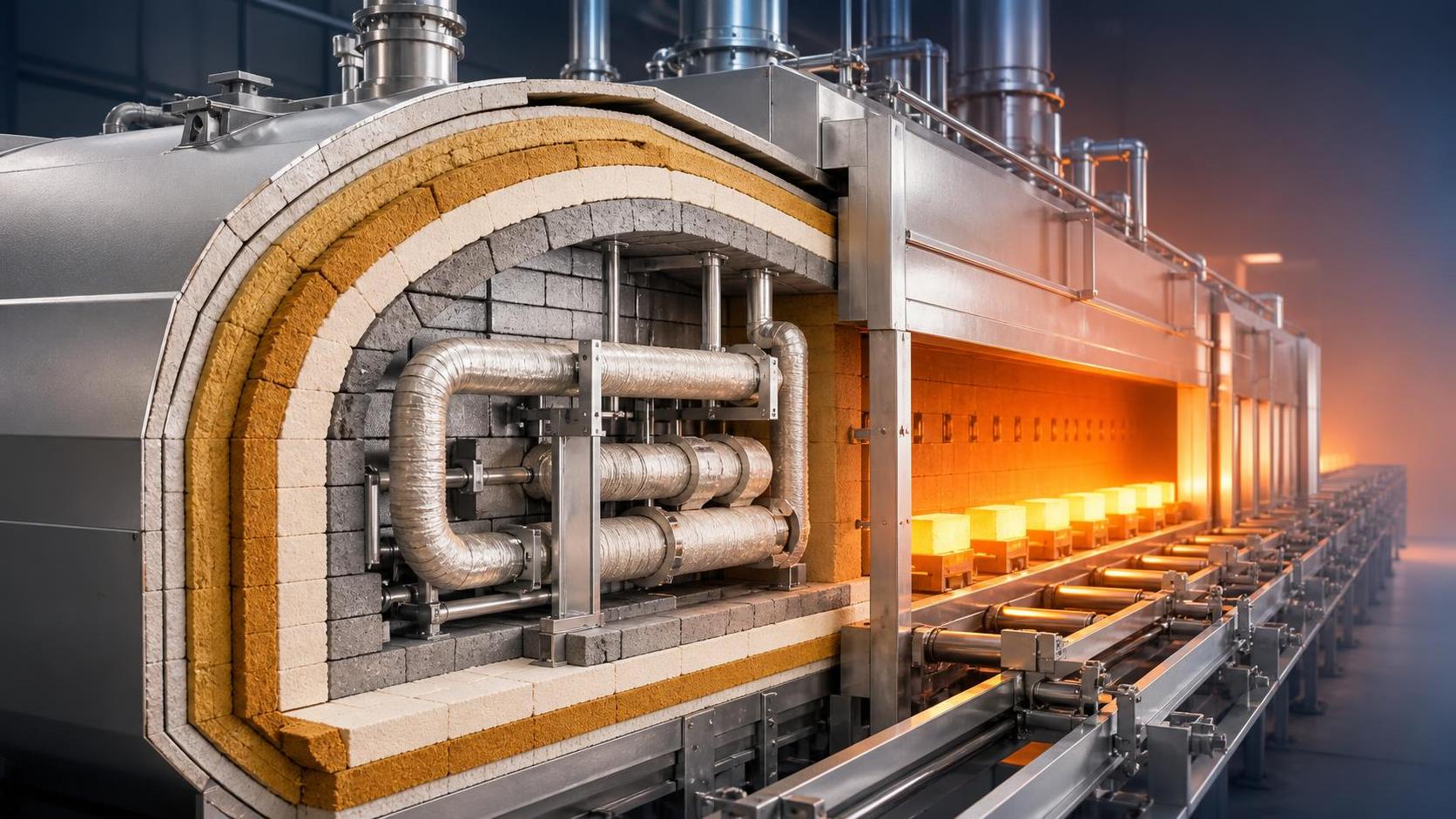
Fuel volatility has made thermal planning less predictable, especially for rotary kilns, glass tanks, tunnel kilns, and continuous dryers.
Carbon pricing and emissions reporting now convert inefficient heat use into financial exposure.
At the same time, green construction, photovoltaic glass, lightweight panels, and durable refractories demand higher material consistency.
This creates a paradox for advanced silicate processing: the market wants better materials, but accepts less wasted heat.
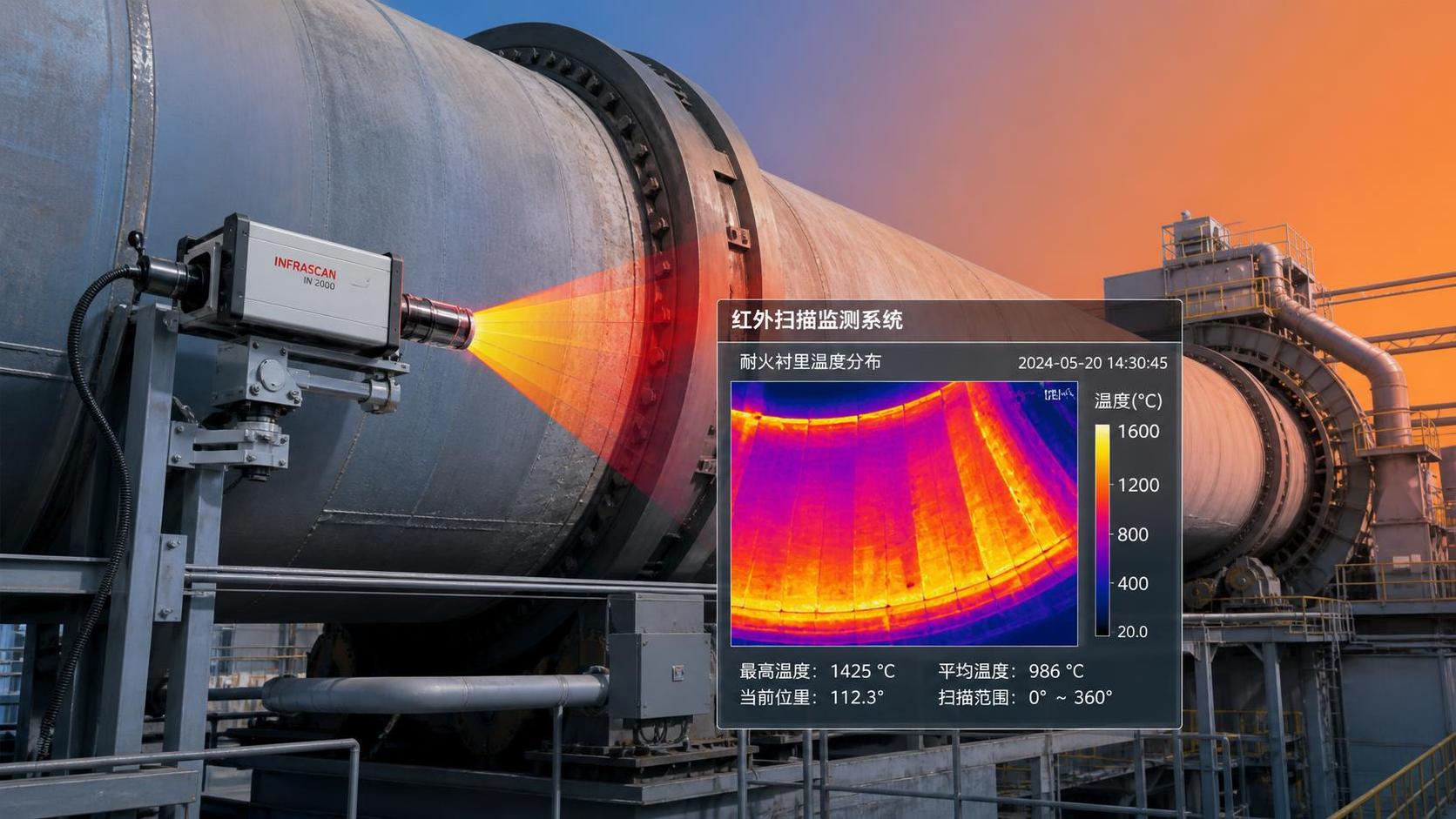
Digital systems are making the paradox visible through real-time thermal maps, oxygen balance, vibration trends, and lining wear models.
As visibility improves, inefficient operating habits become harder to justify.
Why The Energy Cost Keeps Rising In Strategic Importance
The energy burden of advanced silicate processing is not caused by one factor.
It emerges from interacting technical, regulatory, and commercial pressures across the high-temperature value chain.
These drivers do not eliminate the case for advanced silicate processing.
They make the case more conditional, measurable, and dependent on system-level optimization.
Where Advanced Silicate Processing Creates Defensible Value
Advanced silicate processing is worth the energy cost when heat produces value that cannot be achieved through simpler methods.
The strongest cases appear where quality failure, lifecycle risk, or downstream losses are more expensive than controlled thermal input.
Cement And Clinker Systems
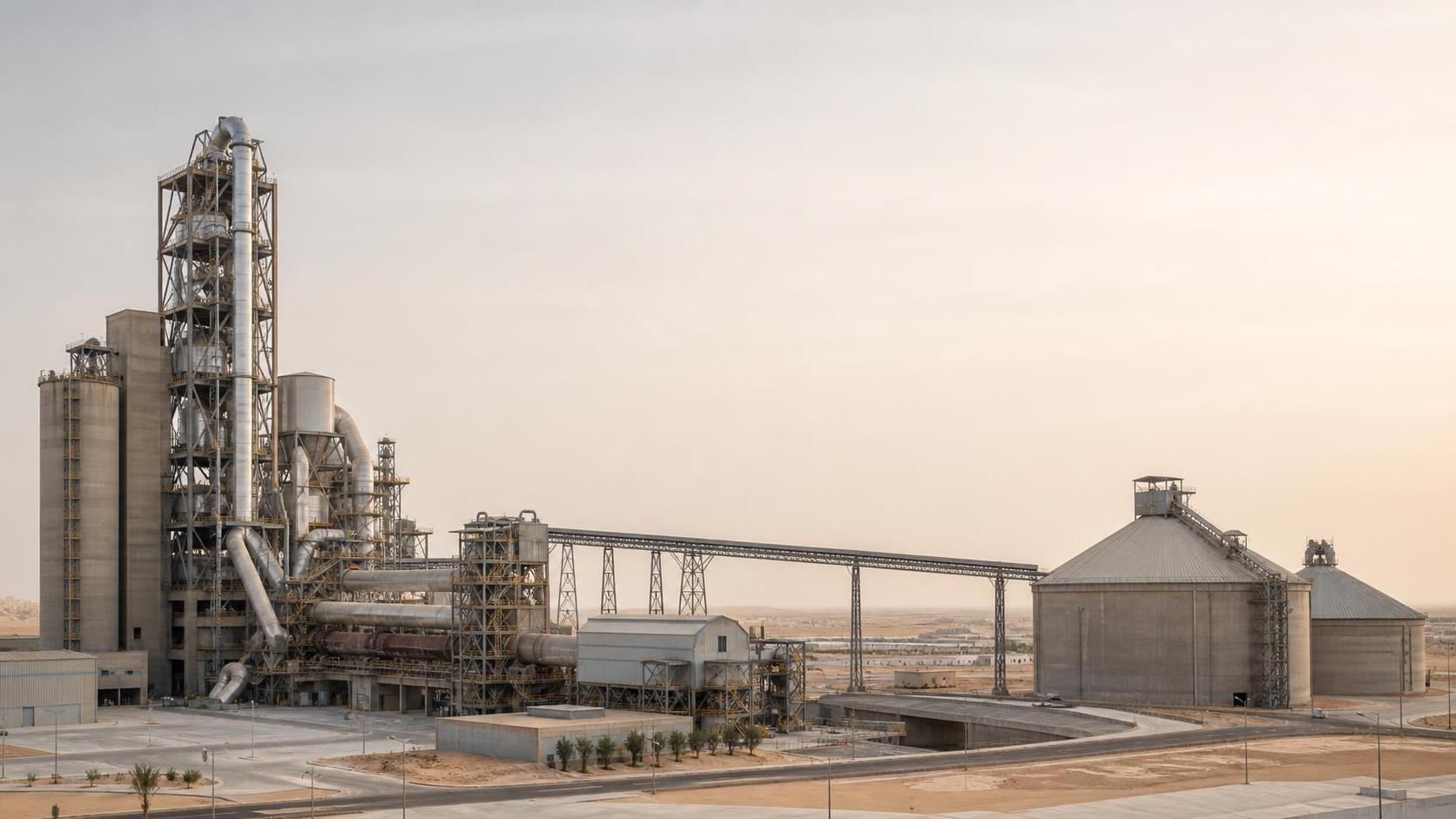
In cement plants, advanced silicate processing can improve mineral formation, reduce overburning, and support alternative raw materials.
However, poor kiln stability can erase gains through excess fuel, ring formation, dust recirculation, and unstable emissions.
The best results come from linking feed chemistry, flame shape, kiln speed, and preheater performance.
Glass Melting And Annealing
In glass lines, advanced silicate processing supports bubble reduction, composition uniformity, optical clarity, and forming stability.
Its energy cost becomes defensible for photovoltaic glass, display glass, specialty containers, and high-transparency architectural products.
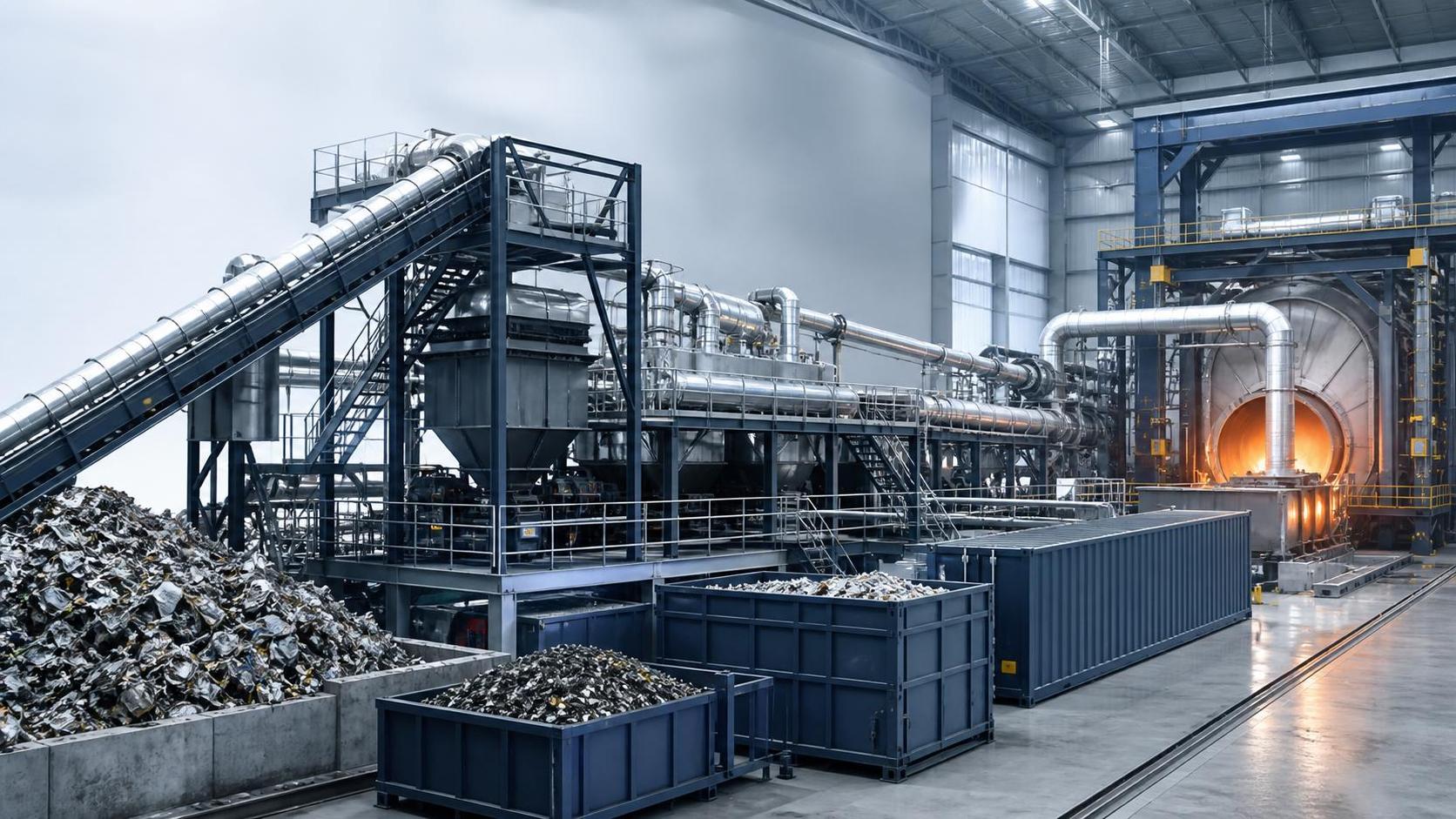
Waste heat recovery, electric boosting, batch preheating, and digital furnace balancing improve the payback profile.
Refractories And Thermal Barriers
For refractory production, advanced silicate processing helps control phase development, porosity, mechanical strength, and corrosion resistance.
The value is visible when longer lining life reduces shutdowns in steel, cement, glass, and waste-to-energy systems.
New Building Material Extrusion
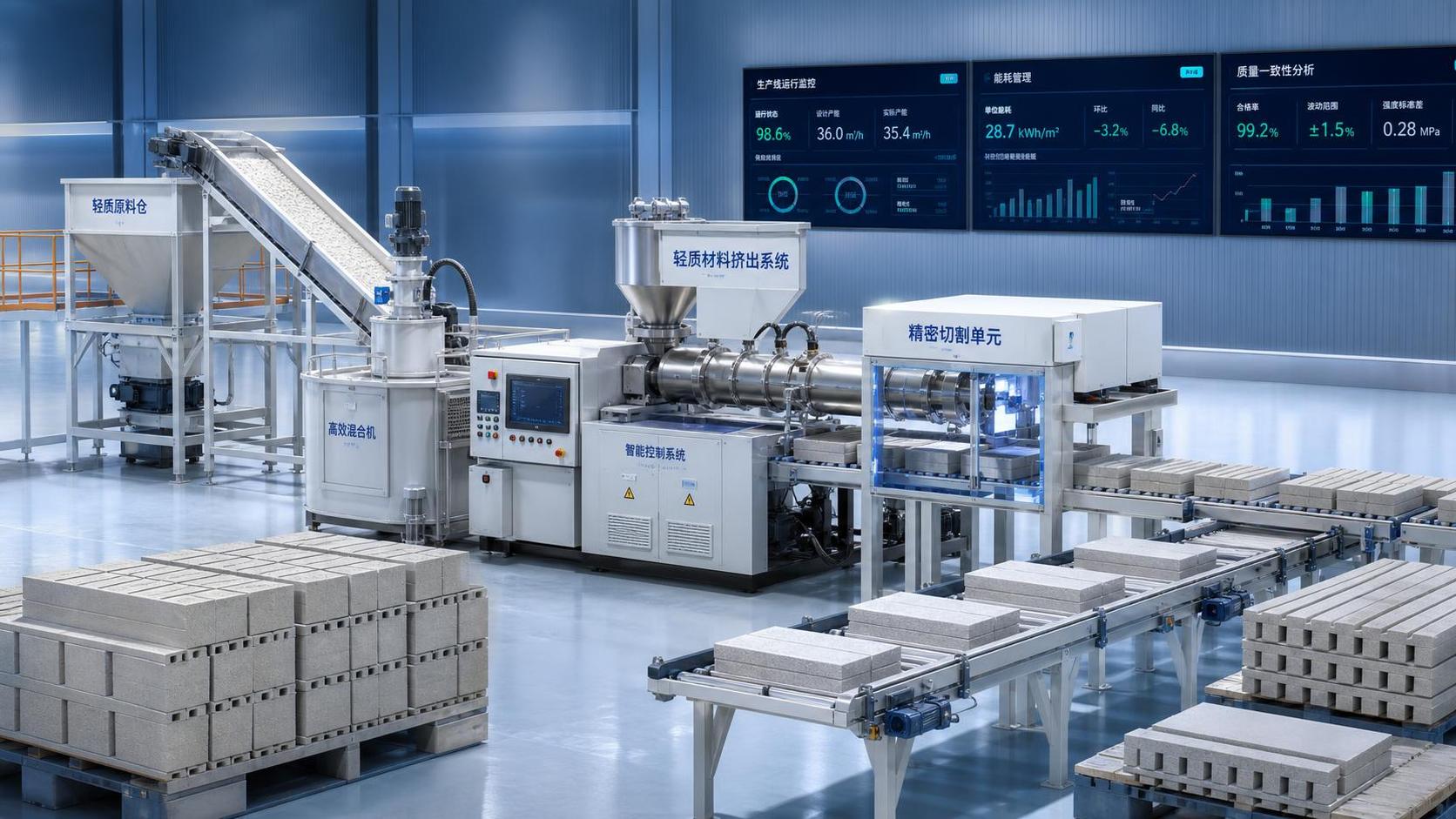
In extruded green building materials, advanced silicate processing supports lightweight structures, dimensional stability, and controlled curing behavior.
Energy value depends on moisture control, drying curves, extrusion pressure, binder chemistry, and reject reduction.
Where The Energy Cost Becomes Difficult To Defend
Advanced silicate processing becomes questionable when process complexity exceeds product value.
This often happens in operations with weak instrumentation, inconsistent feedstocks, poor maintenance, or low product differentiation.
- Thermal profiles are adjusted by habit rather than data.
- Heat recovery equipment operates below design performance.
- Refractory damage is discovered only after visible failure.
- Material quality gains are not linked to pricing power.
- Carbon exposure is excluded from investment calculations.
In these cases, advanced silicate processing may become an expensive label for uncontrolled heat intensity.
The energy bill rises, while product consistency and emissions performance remain fragile.
Digital Intelligence Changes The Payback Boundary
The economics of advanced silicate processing improve when thermal decisions are based on live evidence.
Digital twins, infrared monitoring, online gas analysis, acoustic sensing, and predictive maintenance reduce hidden inefficiencies.
These systems do not make heat cheap.
They make heat accountable, traceable, and easier to convert into verified material value.
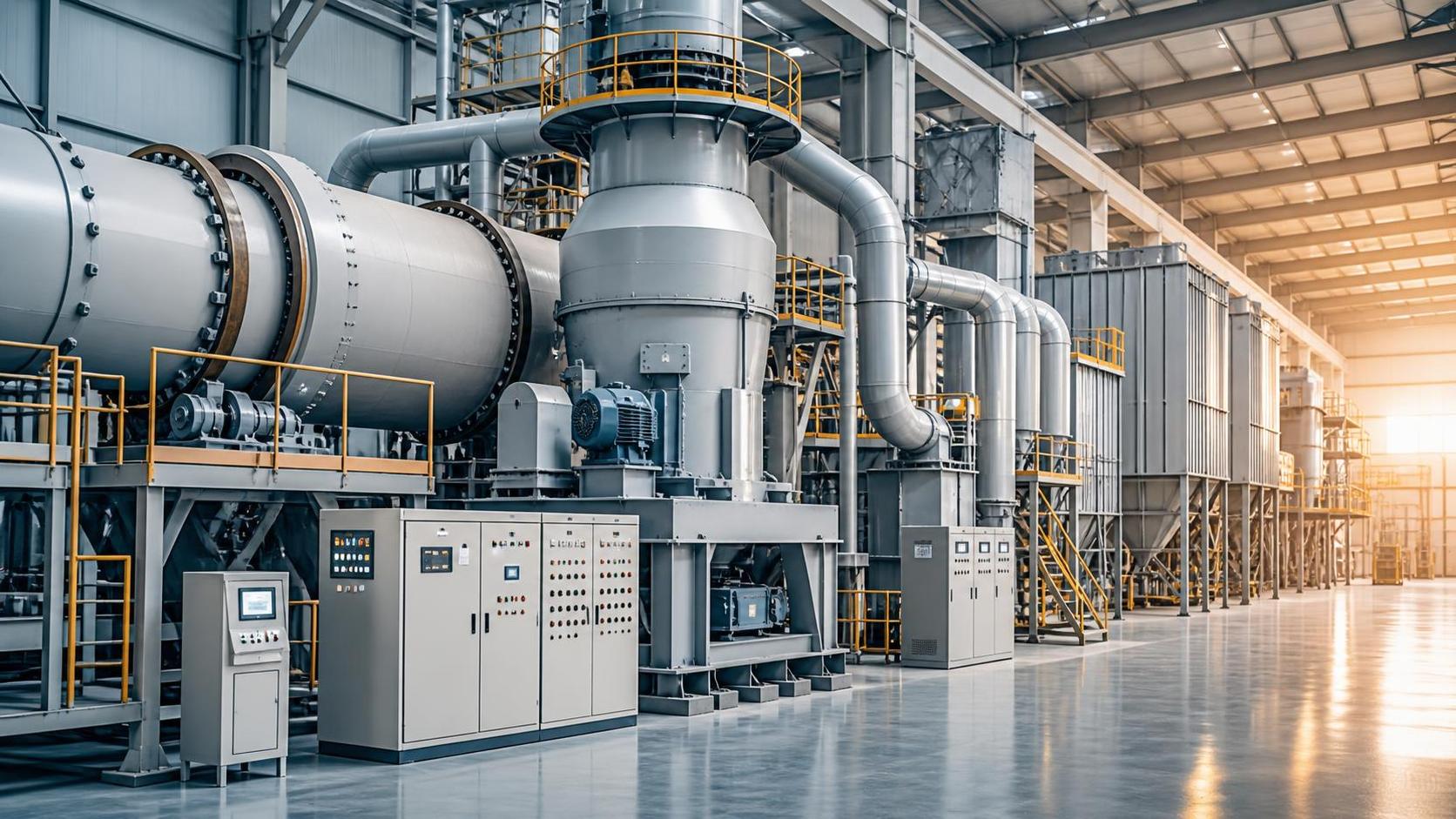
For rotary kilns, digital models can connect feed composition, flame behavior, shell temperature, and clinker quality.
For glass tanks, simulations can identify cold spots, overheating zones, residence-time problems, and refractory corrosion risks.
For extrusion lines, sensors can connect moisture, pressure, die wear, drying defects, and final dimensional accuracy.
This intelligence turns advanced silicate processing from a furnace-centric activity into a whole-line optimization strategy.
Impacts Across Production, Equipment, And Commercial Strategy
The energy-cost debate affects more than furnace operation.
It influences equipment design, maintenance planning, product positioning, and long-cycle investment timing.
- Production: tighter control is required for raw mix, temperature, atmosphere, residence time, and cooling.
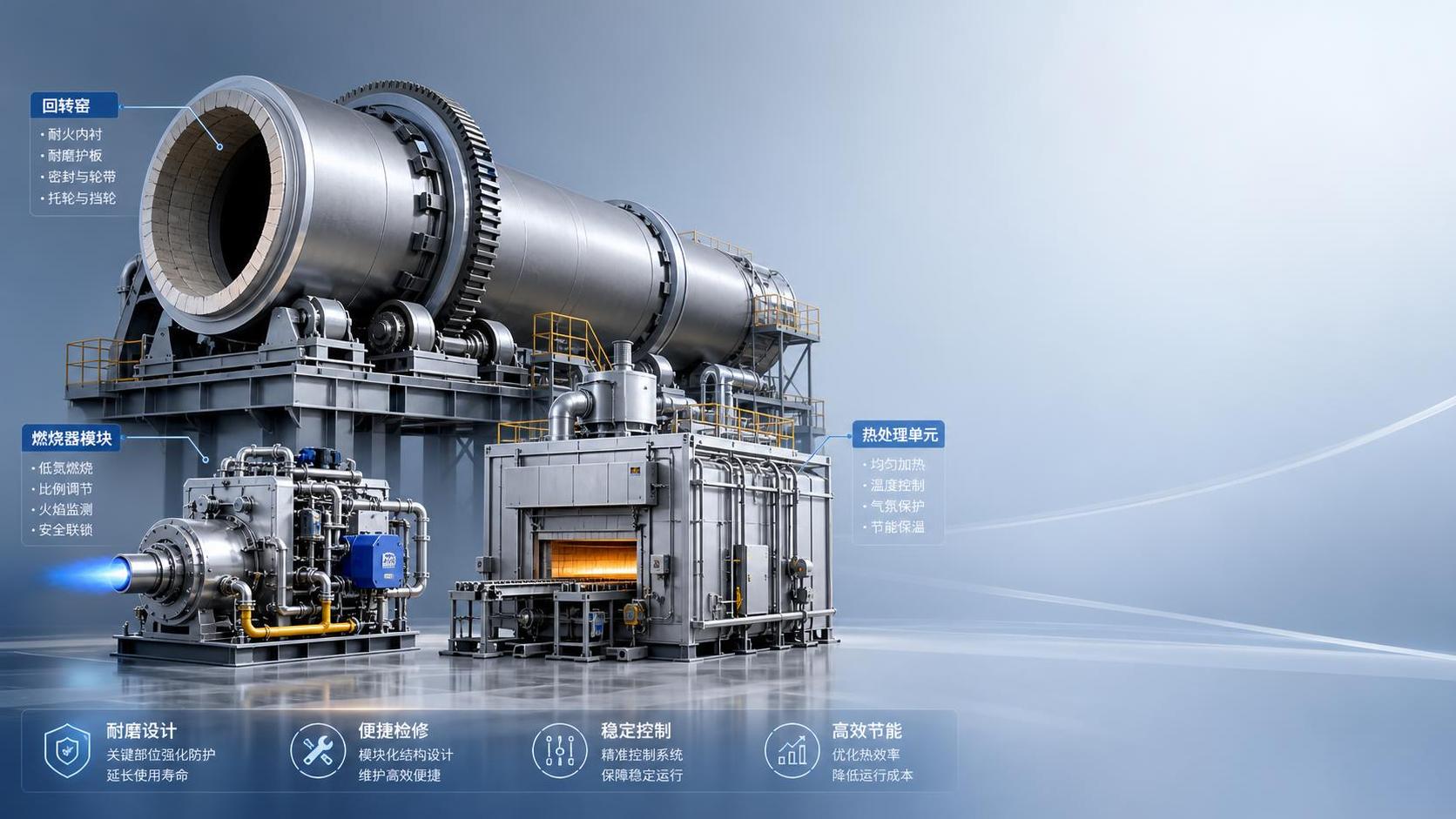
- Equipment: kilns, furnaces, dryers, burners, extruders, and linings need efficiency-centered selection.
- Maintenance: predictive inspection becomes part of energy management, not only reliability management.
- Commercial planning: premium products must show a clear link between performance, emissions, and lifecycle value.
Advanced silicate processing therefore changes the language of competitiveness.
The winning argument is not simply higher temperature or more sophisticated equipment.
It is verified conversion of energy into quality, durability, circularity, and lower total operating risk.
Key Points To Watch Before Expanding Thermal Intensity
Before expanding advanced silicate processing capacity, several indicators deserve close attention.
- Calculate energy per qualified unit, not only energy per ton.
- Measure reject rates, rework, shutdown losses, and product claims.
- Include carbon cost, reporting burden, and regulatory exposure.
- Assess whether heat recovery can support drying, preheating, or auxiliary systems.
- Validate whether digital monitoring can detect drift before quality failure.
- Compare product margins against the added thermal and maintenance burden.
These checks prevent advanced silicate processing from becoming a capital-intensive assumption.
They force the operation to prove that every additional thermal step has a measurable purpose.
A Practical Decision Framework For The Next Investment Cycle
A balanced view of advanced silicate processing requires technical, environmental, and commercial scoring.
The following framework helps compare opportunities without relying only on equipment specifications.
If most signals are positive, advanced silicate processing can be a defensible strategic upgrade.
If warning signals dominate, the first investment should target measurement, recovery, maintenance, and process discipline.
Final Judgment: Worth It Only When Heat Becomes Intelligence
Advanced silicate processing is not automatically worth the energy cost.
It is worth it when thermal energy produces verified improvements in yield, durability, emissions intensity, and product value.
The strongest direction is not simply hotter kilns, larger furnaces, or more complex extrusion lines.
The stronger direction is intelligent heat: measured, recovered, modeled, and linked to lifecycle outcomes.
For operations facing carbon pressure and quality escalation, advanced silicate processing can become a competitive foundation.
For operations without data discipline, it can become an expensive thermal habit.
The next step is practical: audit energy per qualified unit, map heat losses, inspect refractory risk, and connect process data with commercial value.
CF-Elite continues tracking how advanced silicate processing, thermal management, and carbon strategy converge across foundation materials worldwide.
Related News
 Optical Glass Tech FellowHow to Evaluate a Glass Annealing Equipment Manufacturer for Production StabilityChoose a glass annealing equipment manufacturer with proven thermal uniformity, reliable controls, lifecycle value, and responsive service for stable production.Sep 08, 2026
 Prof. Marcus ChenThermal Energy Architecture in North America: Strategies for Lower Building Energy UseThermal energy architecture North America helps project leaders cut building energy use through stronger envelopes, right-sized HVAC, storage, and smart commissioning.Sep 07, 2026
 Ms. Elena RodriguezHow Should Buyers Evaluate Building Material Industry Intelligence Pricing?Building material industry intelligence pricing: learn how to compare coverage, technical depth, and ROI to choose intelligence that reduces procurement risk.Sep 07, 2026
 Ms. Elena RodriguezHow to Use Building Material Intelligence Data for Market and Investment DecisionsBuilding material industry intelligence data helps leaders evaluate demand, costs, regulation, capacity, and technology to make smarter market and investment decisions.Sep 05, 2026
 Thermal Energy ArchitectHow PLC Control Improves Energy Efficiency and Temperature Stability in KilnsEnergy efficient kilns PLC control improves temperature stability, cuts fuel waste, and optimizes combustion, draft, and material flow. Explore proven strategies for smarter kiln modernization.Sep 04, 2026
 Optical Glass Tech FellowEuropean Glass Melting Processes: Furnace Choices, Energy Use, and Quality ControlGlass melting process Europe: explore furnace choices, energy efficiency, cullet strategy, and quality control to improve output, compliance, and long-term glass performance.Sep 03, 2026
 Thermal Energy ArchitectWhat Determines Refractory Lining Monitoring Price for Industrial Kilns?Refractory lining monitoring price depends on kiln size, sensor technology, installation, software, and support. Compare total lifecycle costs and choose the right solution.Sep 02, 2026
 Silicate Process EngineerCement Production System Costs: A Plant Buyer’s Guide to Budgeting and ROICement production systems cost planning made clear: compare CAPEX, operating costs, compliance, and ROI to build a resilient, profitable cement plant investment.Sep 01, 2026
 Dr. Alistair VaughnWhat Should a Process Technology Database Track for High-Temperature Plants?Process technology database essentials for high-temperature plants: track thermal profiles, feed chemistry, refractory wear, emissions, energy, and maintenance for safer, data-driven decisions.Aug 31, 2026
 Ms. Elena RodriguezHow to Evaluate a Silicate Processing Equipment Manufacturer for Plant ProjectsSilicate processing equipment manufacturer selection: assess process fit, guarantees, energy, compliance, delivery risk, and lifecycle support for dependable plant performance.Aug 30, 2026
 Dr. Alistair VaughnHow to Specify Custom Agricultural Processing Equipment for Throughput and HygieneEquipment customization services for agricultural processing: learn to specify hygienic, high-throughput lines that improve yield, reliability, and long-term efficiency.Aug 29, 2026
 Dr. Alistair VaughnHow to Select Process Plant Equipment for High-Temperature, Abrasive Production LinesProcess plant equipment selection for high-temperature, abrasive lines: reduce downtime, improve durability, and optimize lifecycle performance.Aug 28, 2026
 Silicate Process EngineerHow Kiln Heat Recovery Systems Cut Fuel Use in Cement and Lime ProductionKiln heat recovery helps cement and lime plants cut fuel use, improve thermal stability, and build practical, reliable decarbonization strategies.Aug 27, 2026
 Ms. Elena RodriguezProcess Equipment Comparison: Which Metrics Matter Most for Reliable Selection?Process equipment comparison made practical: discover which metrics truly drive reliable selection, from energy efficiency and control stability to wear life, maintainability, and uptime.Aug 26, 2026
 Ms. Elena RodriguezWhat Buyers Should Check Before Sourcing Precision Alloy Bars for Critical PartsPrecision Alloy Bars buyers should verify grade, chemistry, tolerances, surface quality, traceability, and lead time before sourcing for critical parts. Learn what prevents costly machining and reliability risks.Aug 27, 2026
 Ms. Elena RodriguezHow to Evaluate Thermal Management Solutions Insulation for High-Heat Industrial SystemsThermal management solutions insulation: learn how to assess high-heat industrial systems by thermal performance, durability, lifecycle cost, and supplier data for smarter decisions.Aug 25, 2026
 Ms. Elena RodriguezWhat Drives Waste Recycling Cost in Industrial Projects and How to Estimate It?Waste recycling cost in industrial projects depends on composition, moisture, transport, pre-treatment, and compliance. Learn how to estimate it accurately and compare suppliers with confidence.Aug 24, 2026
 Silicate Process EngineerHow to Evaluate Cement Production Plants in the Middle East for Capacity, Fuel Flexibility, and ROIcement production plants Middle East: Learn how to assess true capacity, fuel flexibility, and ROI risks to identify resilient assets and smarter investment opportunities.Aug 23, 2026
 Structural Material AnalystHow to Evaluate Lightweight Material Machinery for Output, Energy Use, and Product QualityLightweight material machinery evaluation guide: compare stable output, energy use, and product quality to choose equipment that cuts waste, lowers costs, and improves production confidence.Aug 22, 2026
 Material Heat-Resist ExpertWhat Determines Refractory Production Line Price in a Turnkey Plant Project?Refractory production line price depends on raw materials, forming method, kiln and drying design, automation, utilities, and scope. Learn what really drives turnkey plant cost before you invest.Aug 21, 2026
Related News
- 00
0000-00
Thermal Energy Architecture in North America: Strategies for Lower Building Energy Use - 00
0000-00
How to Evaluate a Green Material Production Line for Energy Use, Output, and Product Quality - 00
0000-00
Silicate Technology Trends: What New Process Upgrades Matter for Refractory and Cement Plants? - 00
0000-00
Thermal Engineering Optimization: Which Process Parameters Most Affect Energy Use? - 00
0000-00
Material Extrusion Technology in Europe: Which Materials and Production Goals Fit Best?
Weekly Insights
Stay ahead with our curated technology reports delivered every Monday.