
Why silicate industrial intelligence is gaining ground




As decarbonization, energy volatility, and tighter environmental rules reshape heavy industry, silicate industrial intelligence is becoming a strategic advantage for enterprise decision makers.
From cement plants and glass lines to kilns, incineration systems, refractory production, and material extrusion, connected insight now matters more than fragmented updates.
This article explains why silicate industrial intelligence is gaining ground, and how it supports resilience, competitiveness, and long-term industrial value.
Why silicate industrial intelligence is gaining ground
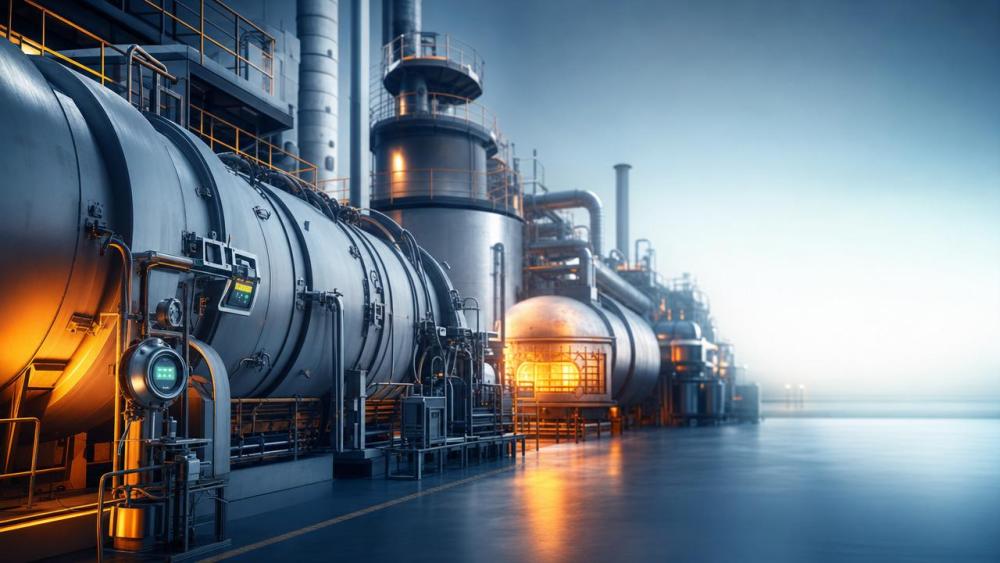
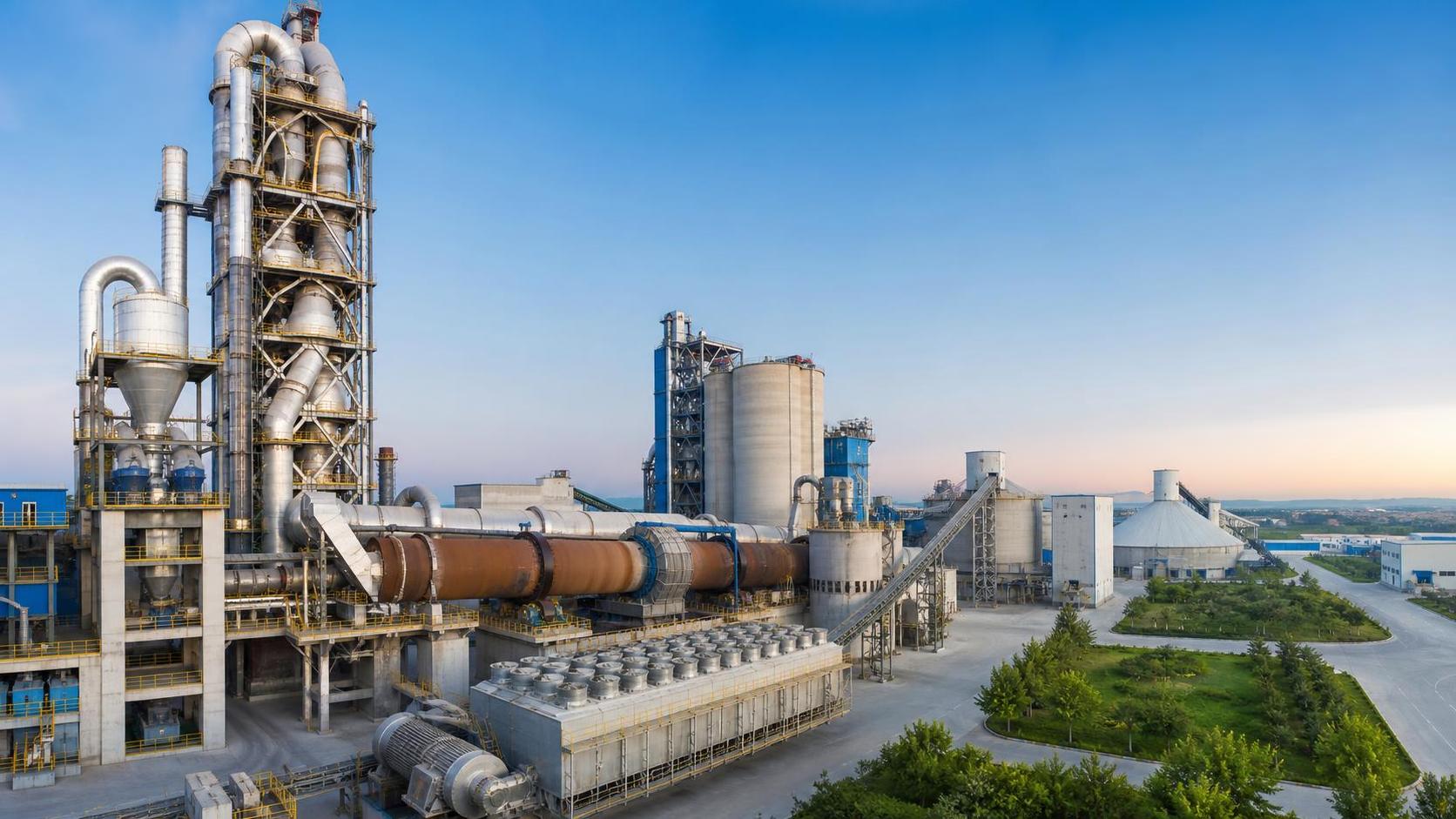
Silicate industries shape the physical base of modern economies. Cement, glass, refractory products, ceramics, and building materials define infrastructure quality.
They also consume vast energy, operate under high temperatures, and face complex chemical reactions that are difficult to simplify.
Silicate industrial intelligence connects technical data, market signals, policy changes, and equipment evolution into a practical decision framework.
It does not replace engineering judgment. It strengthens judgment by reducing blind spots across production, compliance, investment, and energy management.
For high-temperature sectors, timing is critical. A delayed kiln upgrade or missed emissions rule can affect margins for years.
That is why silicate industrial intelligence is moving from a research function into a core operating capability.
A practical definition for high-temperature industries
In practical terms, silicate industrial intelligence means structured knowledge about processes, equipment, materials, regulations, and market demand.
It combines production indicators with external signals, then turns them into guidance for planning and execution.
The concept is especially relevant where physical parameters are extreme and operational errors are costly.
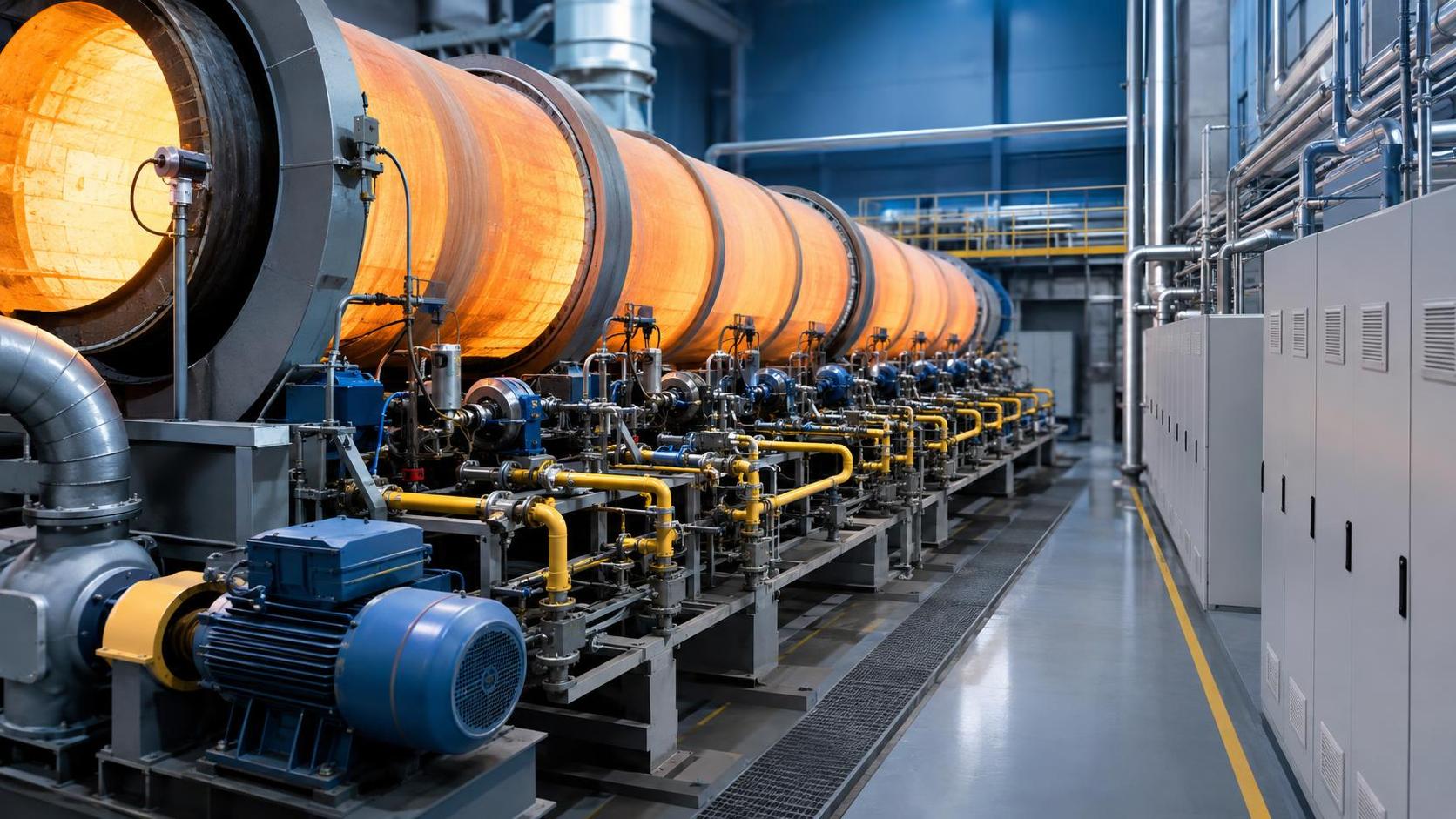
A cement kiln, float glass line, industrial incinerator, or refractory tunnel kiln cannot be managed by price news alone.
Each asset depends on fuel quality, feed chemistry, heat transfer, automation, maintenance intervals, and environmental performance.
Silicate industrial intelligence joins these factors into one view, helping strategy align with the realities of thermal production.
Core components of the intelligence model
- Process intelligence covering temperature profiles, reaction kinetics, throughput, and product stability.
- Equipment intelligence covering kiln systems, burners, coolers, furnaces, extruders, and monitoring devices.
- Regulatory intelligence covering emissions limits, carbon pricing, waste co-processing, and safety standards.
- Market intelligence covering urban renewal, green building demand, photovoltaic glass, and infrastructure cycles.
- Commercial intelligence covering supplier risk, lifecycle cost, capacity expansion, and technical barriers.
Industry signals accelerating adoption
Several forces are making silicate industrial intelligence more valuable across the broader industrial economy.
Energy costs remain volatile. Fuel substitution is expanding, yet alternative fuels change combustion behavior and emissions profiles.
Carbon reduction targets are also becoming more measurable. Environmental compliance now requires proof, traceability, and reliable operational data.
At the same time, product performance expectations are rising. Glass must be thinner, stronger, clearer, and more energy efficient.
Cement and new building materials must support lower clinker factors, reduced dust, and stable construction performance.
These signals explain why silicate industrial intelligence is becoming a practical requirement rather than an optional research layer.
Business value across the silicate value chain
The value of silicate industrial intelligence appears when decisions cross departmental and technical boundaries.
A fuel change affects kiln atmosphere, refractory wear, emissions, product quality, and maintenance scheduling.
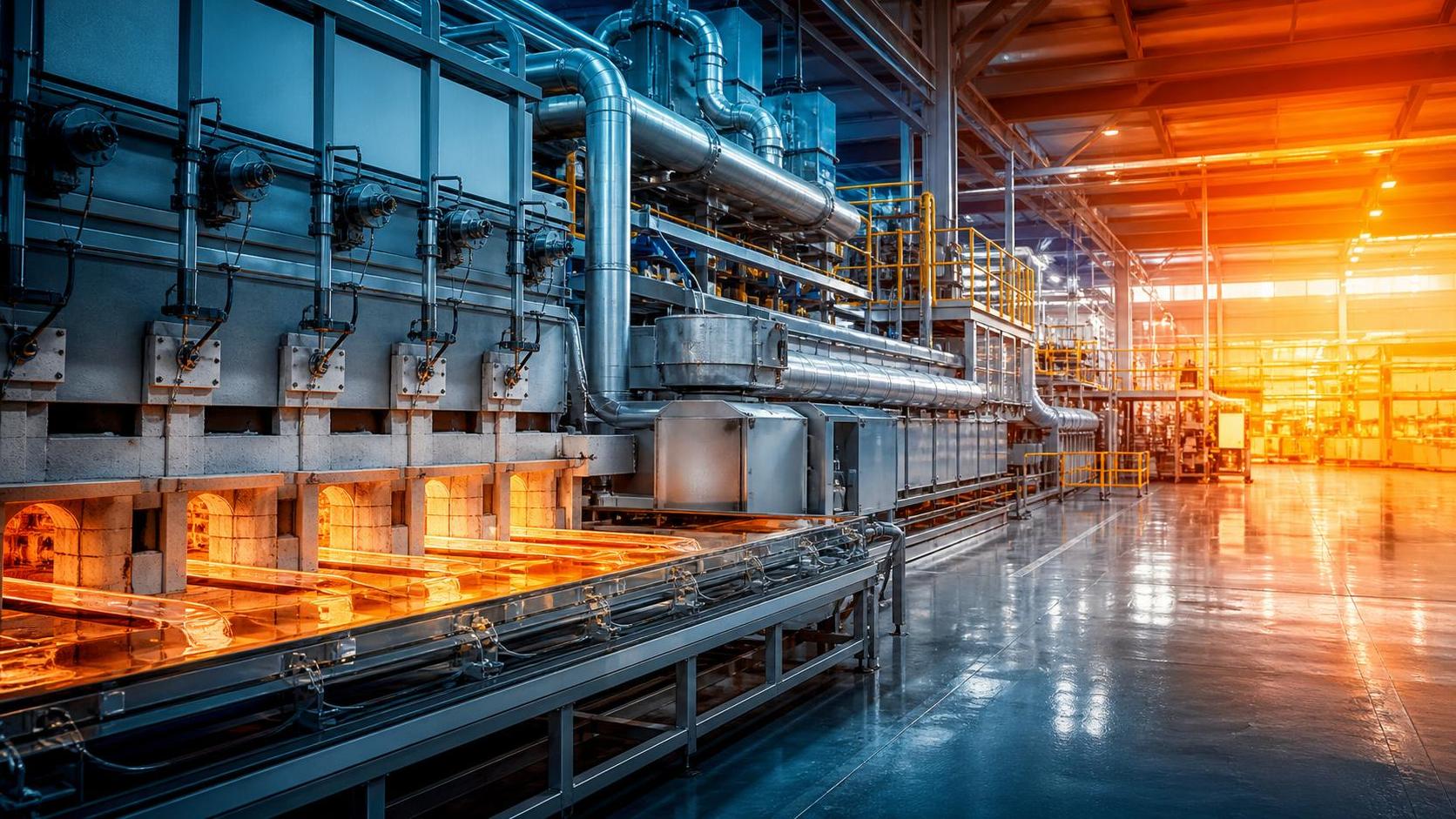
A glass furnace upgrade affects melting quality, energy intensity, line availability, and capital payback assumptions.
A new extrusion line affects formulation, pressure control, curing logic, material density, and downstream construction applications.
Without connected intelligence, these decisions can be optimized locally but weakened systemwide.
Silicate industrial intelligence supports better sequencing. It helps determine what to upgrade, when to invest, and where risk is concentrated.
Key areas of measurable value
- Energy efficiency through benchmarking of heat balance, combustion logic, and recovery systems.
- Carbon reduction through data-backed pathways for alternative fuels and process optimization.
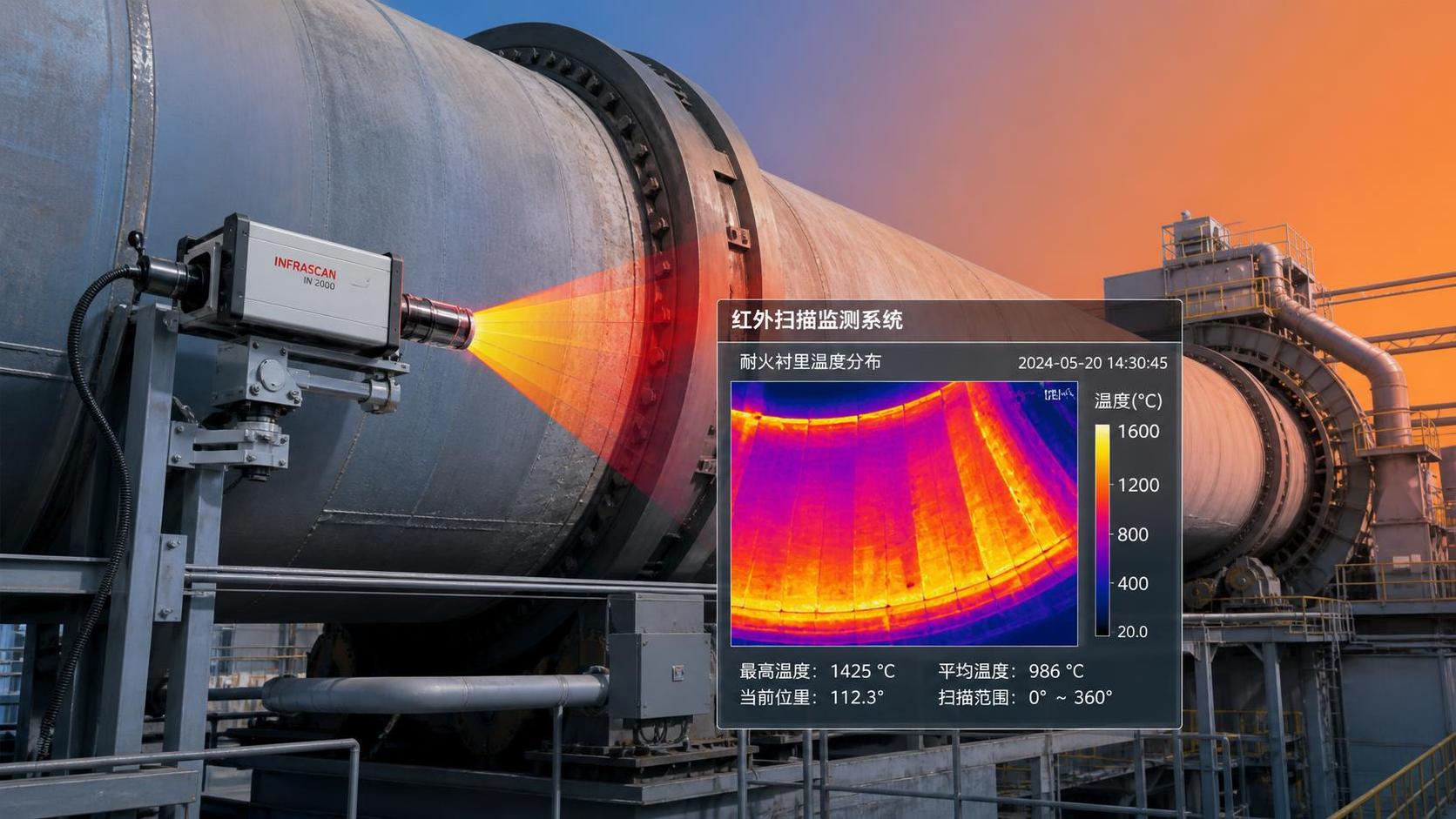
- Asset reliability through monitoring of refractory linings, bearings, burners, and thermal stress points.
- Market resilience through early reading of demand shifts in glass, cement, and green materials.
- Commercial strength through clearer evaluation of equipment lifecycle cost and technical differentiation.
When applied consistently, silicate industrial intelligence converts scattered information into a repeatable decision discipline.
Typical application scenarios and focus objects
Silicate industrial intelligence applies across several production systems, each with different technical and commercial priorities.
The common thread is high-temperature transformation, where material chemistry and energy behavior directly determine business outcomes.
This classification shows why silicate industrial intelligence must be both technical and strategic.
It must understand furnaces and kilns, but also capital cycles, regulation, and global demand patterns.
The role of connected intelligence platforms
Platforms such as the Global Cera-Forge Hub, known as CF-Elite, reflect this shift toward connected industrial knowledge.
The platform focuses on foundation materials and thermal management, linking process engineering with market, environmental, and commercial insight.
Its strategic intelligence approach is relevant because high-temperature industries rarely change through one isolated technology.
Progress usually comes from coordinated improvements in burners, linings, feedstock, automation, monitoring, and operating discipline.
Silicate industrial intelligence helps interpret those improvements in context, rather than treating every innovation as a standalone headline.
What a strong intelligence system should provide
- Reliable updates on sector news, market fluctuations, and environmental regulations.
- Trend analysis for rotary kiln co-processing, glass digital twins, and refractory monitoring.
- Commercial insight into equipment demand, retrofit timing, and long-cycle procurement risks.
- Cross-industry comparison between cement, glass, incineration, refractories, and extrusion.
- Actionable interpretation, not just raw information or isolated technical notes.
In this sense, silicate industrial intelligence becomes the decision brain for high-temperature transformation.
Practical steps for building an intelligence-driven framework
Adopting silicate industrial intelligence should begin with clear questions, not with data accumulation for its own sake.
The most useful frameworks connect technical indicators to decisions that influence cost, reliability, compliance, and growth.
- Map critical assets, including kilns, furnaces, extruders, dryers, coolers, and filtration systems.
- Define decision points, such as fuel changes, retrofit timing, line expansion, and emissions investment.
- Connect internal data with external intelligence on regulation, demand, technology, and supplier capability.
- Use benchmarks carefully, adjusting for feedstock, energy mix, product grade, and local compliance requirements.
- Review assumptions regularly, especially when carbon rules, energy prices, or construction demand shifts.
A strong framework should also separate signals from noise. Not every new system fits every plant or process route.
Silicate industrial intelligence is most useful when it filters options through feasibility, risk, payback, and operational readiness.
Common points requiring caution
- Avoid comparing energy intensity without confirming product mix and thermal process boundaries.
- Avoid selecting equipment based only on nameplate capacity or short-term price.
- Avoid treating carbon reduction as separate from quality, uptime, and maintenance.
- Avoid ignoring refractory performance when planning higher alternative fuel ratios.
- Avoid relying on market news without technical interpretation and scenario analysis.
Long-term outlook for silicate industrial intelligence
The next stage of industrial competitiveness will be shaped by energy efficiency, green materials, and resource circularity.
Silicate industrial intelligence will become more important as digital twins, online sensors, and predictive maintenance mature.
It will also support smarter investment in carbon capture, waste heat recovery, electrification, and hybrid fuel systems.
The strongest value will come from stitching knowledge across disciplines that previously operated in separate information channels.
Process engineers, thermal specialists, material experts, and commercial teams all need a shared view of industrial reality.
That shared view is the reason silicate industrial intelligence is gaining ground across foundation material sectors.
Actionable next steps
Begin with one strategic production area, such as kiln efficiency, glass line stability, refractory life, or extrusion quality.
Identify the decisions that have the largest effect on energy, emissions, reliability, and future investment.
Then build an intelligence map that links process data, market signals, regulation, and equipment options.
For organizations following high-temperature industry transformation, CF-Elite offers a focused reference point for structured, technical, and commercial insight.
By applying silicate industrial intelligence consistently, enterprises can turn uncertainty into clearer priorities and stronger long-cycle decisions.
The future of silicate-based production will belong to systems that see heat, materials, carbon, and markets as one connected equation.
Related News
 Optical Glass Tech FellowHow to Evaluate a Glass Annealing Equipment Manufacturer for Production StabilityChoose a glass annealing equipment manufacturer with proven thermal uniformity, reliable controls, lifecycle value, and responsive service for stable production.Sep 08, 2026
 Prof. Marcus ChenThermal Energy Architecture in North America: Strategies for Lower Building Energy UseThermal energy architecture North America helps project leaders cut building energy use through stronger envelopes, right-sized HVAC, storage, and smart commissioning.Sep 07, 2026
 Ms. Elena RodriguezHow Should Buyers Evaluate Building Material Industry Intelligence Pricing?Building material industry intelligence pricing: learn how to compare coverage, technical depth, and ROI to choose intelligence that reduces procurement risk.Sep 07, 2026
 Ms. Elena RodriguezHow to Use Building Material Intelligence Data for Market and Investment DecisionsBuilding material industry intelligence data helps leaders evaluate demand, costs, regulation, capacity, and technology to make smarter market and investment decisions.Sep 05, 2026
 Thermal Energy ArchitectHow PLC Control Improves Energy Efficiency and Temperature Stability in KilnsEnergy efficient kilns PLC control improves temperature stability, cuts fuel waste, and optimizes combustion, draft, and material flow. Explore proven strategies for smarter kiln modernization.Sep 04, 2026
 Optical Glass Tech FellowEuropean Glass Melting Processes: Furnace Choices, Energy Use, and Quality ControlGlass melting process Europe: explore furnace choices, energy efficiency, cullet strategy, and quality control to improve output, compliance, and long-term glass performance.Sep 03, 2026
 Thermal Energy ArchitectWhat Determines Refractory Lining Monitoring Price for Industrial Kilns?Refractory lining monitoring price depends on kiln size, sensor technology, installation, software, and support. Compare total lifecycle costs and choose the right solution.Sep 02, 2026
 Silicate Process EngineerCement Production System Costs: A Plant Buyer’s Guide to Budgeting and ROICement production systems cost planning made clear: compare CAPEX, operating costs, compliance, and ROI to build a resilient, profitable cement plant investment.Sep 01, 2026
 Dr. Alistair VaughnWhat Should a Process Technology Database Track for High-Temperature Plants?Process technology database essentials for high-temperature plants: track thermal profiles, feed chemistry, refractory wear, emissions, energy, and maintenance for safer, data-driven decisions.Aug 31, 2026
 Ms. Elena RodriguezHow to Evaluate a Silicate Processing Equipment Manufacturer for Plant ProjectsSilicate processing equipment manufacturer selection: assess process fit, guarantees, energy, compliance, delivery risk, and lifecycle support for dependable plant performance.Aug 30, 2026
 Dr. Alistair VaughnHow to Specify Custom Agricultural Processing Equipment for Throughput and HygieneEquipment customization services for agricultural processing: learn to specify hygienic, high-throughput lines that improve yield, reliability, and long-term efficiency.Aug 29, 2026
 Dr. Alistair VaughnHow to Select Process Plant Equipment for High-Temperature, Abrasive Production LinesProcess plant equipment selection for high-temperature, abrasive lines: reduce downtime, improve durability, and optimize lifecycle performance.Aug 28, 2026
 Silicate Process EngineerHow Kiln Heat Recovery Systems Cut Fuel Use in Cement and Lime ProductionKiln heat recovery helps cement and lime plants cut fuel use, improve thermal stability, and build practical, reliable decarbonization strategies.Aug 27, 2026
 Ms. Elena RodriguezProcess Equipment Comparison: Which Metrics Matter Most for Reliable Selection?Process equipment comparison made practical: discover which metrics truly drive reliable selection, from energy efficiency and control stability to wear life, maintainability, and uptime.Aug 26, 2026
 Ms. Elena RodriguezWhat Buyers Should Check Before Sourcing Precision Alloy Bars for Critical PartsPrecision Alloy Bars buyers should verify grade, chemistry, tolerances, surface quality, traceability, and lead time before sourcing for critical parts. Learn what prevents costly machining and reliability risks.Aug 27, 2026
 Ms. Elena RodriguezHow to Evaluate Thermal Management Solutions Insulation for High-Heat Industrial SystemsThermal management solutions insulation: learn how to assess high-heat industrial systems by thermal performance, durability, lifecycle cost, and supplier data for smarter decisions.Aug 25, 2026
 Ms. Elena RodriguezWhat Drives Waste Recycling Cost in Industrial Projects and How to Estimate It?Waste recycling cost in industrial projects depends on composition, moisture, transport, pre-treatment, and compliance. Learn how to estimate it accurately and compare suppliers with confidence.Aug 24, 2026
 Silicate Process EngineerHow to Evaluate Cement Production Plants in the Middle East for Capacity, Fuel Flexibility, and ROIcement production plants Middle East: Learn how to assess true capacity, fuel flexibility, and ROI risks to identify resilient assets and smarter investment opportunities.Aug 23, 2026
 Structural Material AnalystHow to Evaluate Lightweight Material Machinery for Output, Energy Use, and Product QualityLightweight material machinery evaluation guide: compare stable output, energy use, and product quality to choose equipment that cuts waste, lowers costs, and improves production confidence.Aug 22, 2026
 Material Heat-Resist ExpertWhat Determines Refractory Production Line Price in a Turnkey Plant Project?Refractory production line price depends on raw materials, forming method, kiln and drying design, automation, utilities, and scope. Learn what really drives turnkey plant cost before you invest.Aug 21, 2026

Related News
- 00
0000-00
Thermal Energy Architecture in North America: Strategies for Lower Building Energy Use - 00
0000-00
How to Evaluate a Green Material Production Line for Energy Use, Output, and Product Quality - 00
0000-00
Silicate Technology Trends: What New Process Upgrades Matter for Refractory and Cement Plants? - 00
0000-00
Thermal Engineering Optimization: Which Process Parameters Most Affect Energy Use? - 00
0000-00
Material Extrusion Technology in Europe: Which Materials and Production Goals Fit Best?
Weekly Insights
Stay ahead with our curated technology reports delivered every Monday.