



As high-temperature industries accelerate toward decarbonization, digital control, and circular resource use, the material science trends shaping 2026 will directly influence how cement plants, glass lines, kilns, refractories, and extrusion systems are designed and operated.
For information researchers tracking industrial transformation, the key is not only identifying new materials, but understanding which innovations can withstand extreme heat, reduce emissions, improve lifecycle efficiency, and support scalable manufacturing across global foundation-material supply chains.
What researchers should watch first in 2026
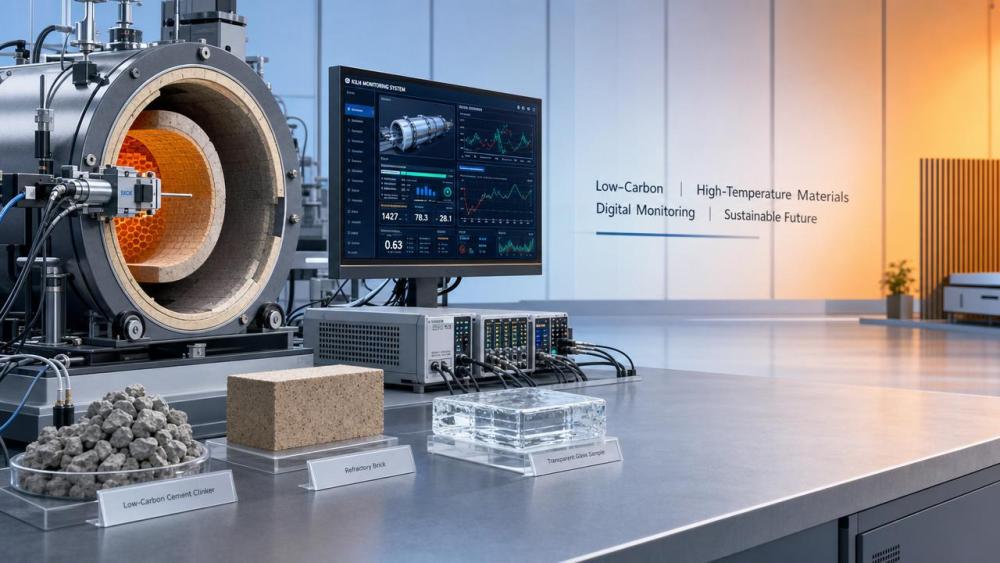
The most important material science trends in 2026 are those connecting laboratory performance with industrial durability, energy efficiency, and regulatory pressure.
For cement, glass, refractory, kiln, incineration, and extrusion sectors, useful trends must survive thermal cycling, chemical attack, abrasion, and cost scrutiny.
This means researchers should prioritize materials that reduce carbon intensity, extend equipment life, improve process control, or enable circular feedstock use.
Nanomaterials, smart coatings, bio-based polymers, and quantum materials will attract attention, but not all will matter equally for heavy industry.
The strongest signals are coming from low-carbon binders, advanced refractories, digital material characterization, thermal barrier systems, and recyclable composite formulations.
Trend 1: Low-carbon cementitious materials move from option to necessity
Among all material science trends, low-carbon cementitious systems may have the most immediate industrial impact in 2026.
Cement remains essential to urbanization, yet its process emissions make it a central target for carbon policy and investor pressure.
The key trend is not one replacement material, but a broader shift toward blended binders, calcined clays, limestone systems, and alternative silicate chemistry.
Supplementary cementitious materials are becoming strategic because they reduce clinker factors without requiring a complete redesign of construction practice.
Researchers should track availability, regional chemistry, grindability, setting behavior, durability, and compatibility with existing kiln and milling assets.
Alkali-activated materials and geopolymers also deserve attention, especially where industrial byproducts are stable and quality control can be maintained.
However, their adoption depends on standards, curing requirements, raw material consistency, and confidence from engineers, contractors, and insurers.
For industrial decision-makers, the practical question is whether new binder systems can match performance while lowering lifecycle emissions and compliance risk.
Trend 2: Refractories become smarter, longer-lasting thermal infrastructure
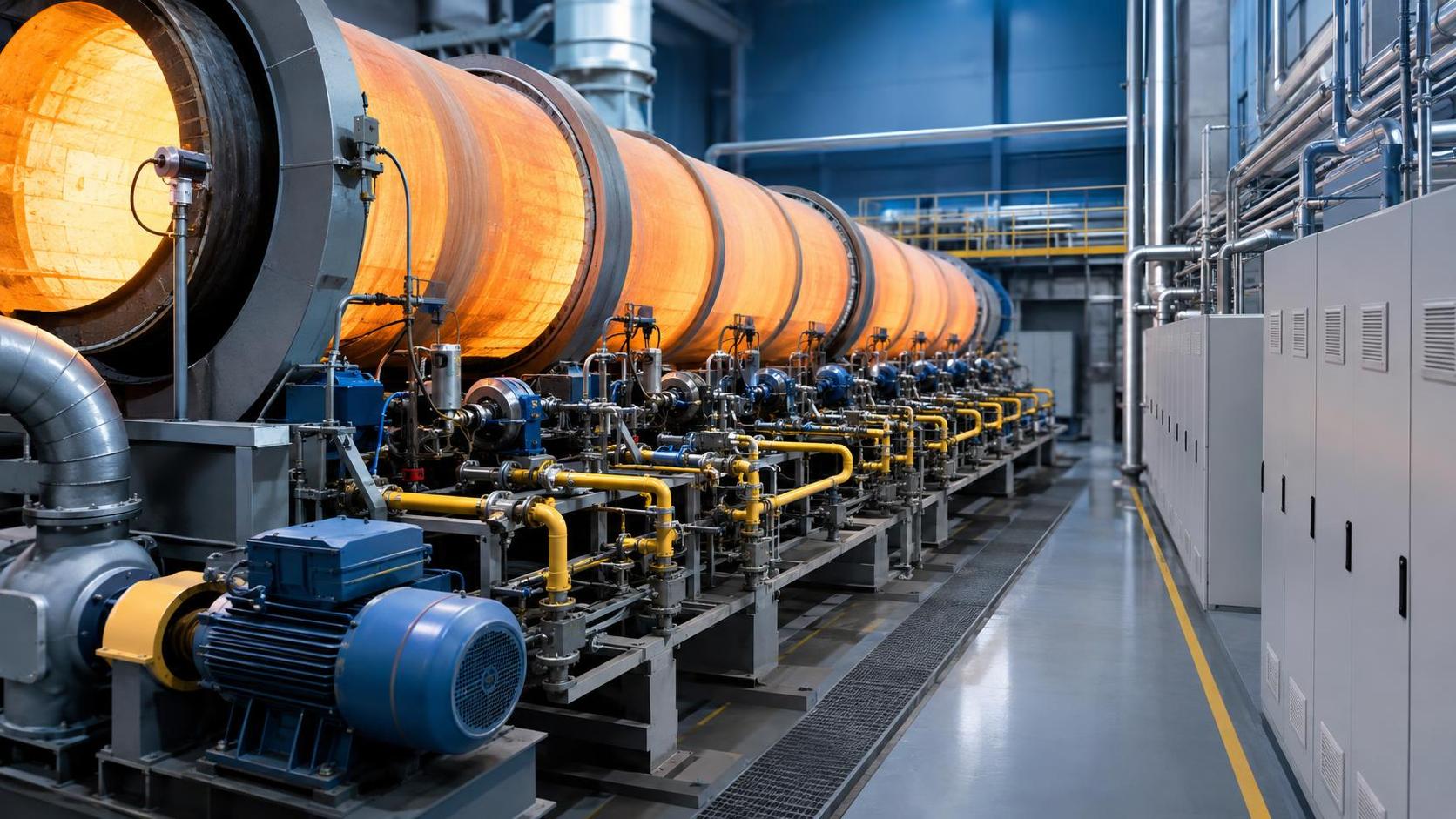
In high-temperature industries, refractories are no longer passive linings; they are becoming engineered thermal management systems.
Steel, glass, cement, waste-to-energy, and nonferrous processes all depend on refractory materials that resist heat, slag, alkalis, and mechanical stress.
In 2026, the most relevant advances include low-cement castables, spinel-containing systems, improved bonding phases, and corrosion-resistant ceramic composites.
The business value is clear: longer campaign life, fewer shutdowns, better energy retention, and lower risk of catastrophic lining failure.
Researchers should look beyond maximum service temperature and examine thermal shock resistance, installation behavior, dry-out schedules, and degradation mechanisms.
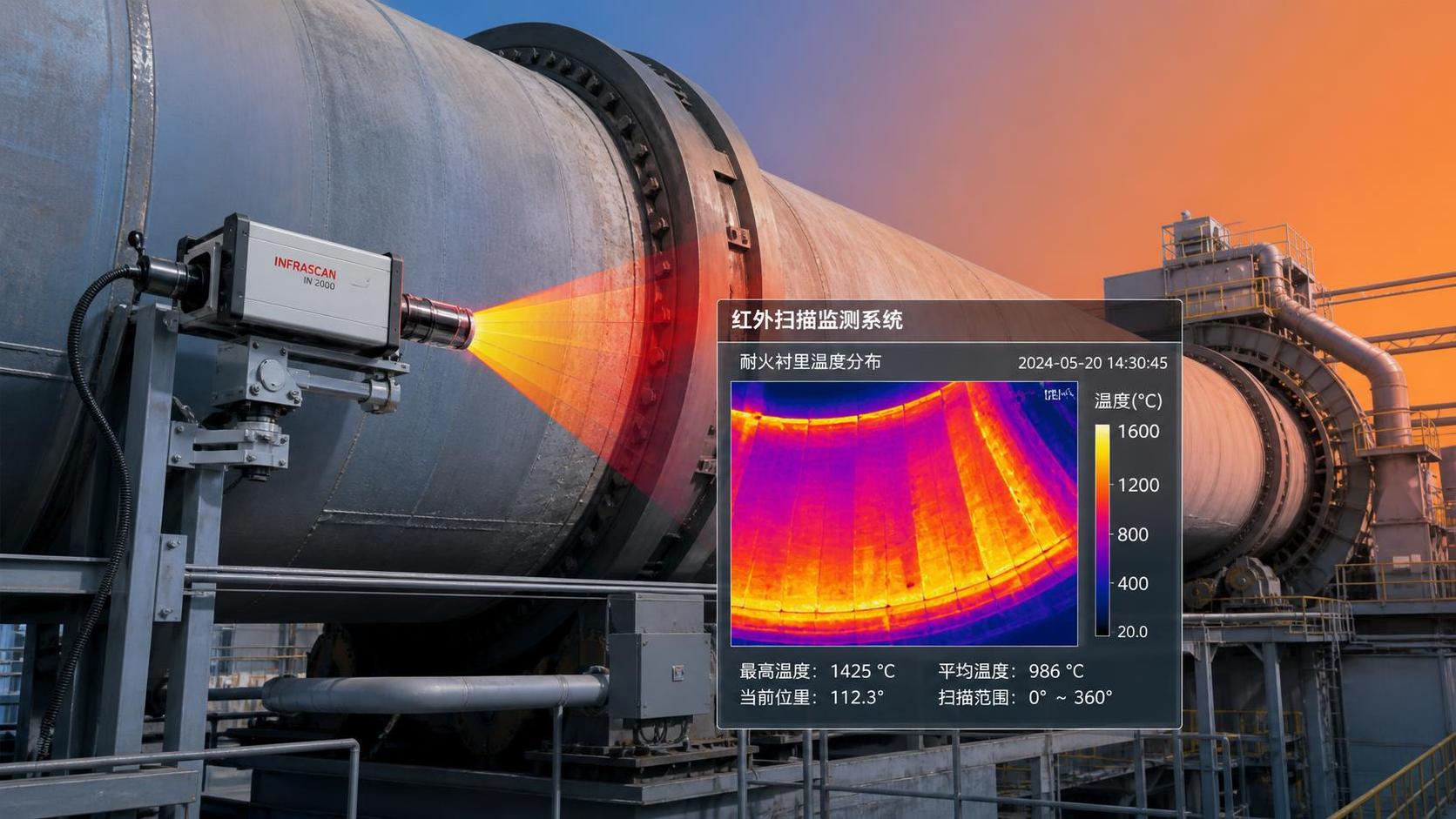
Online monitoring also changes the role of refractory materials by linking wear patterns with process data and predictive maintenance models.
This makes materials intelligence more valuable, because operators can compare lining design, operating regime, and failure probability in near real time.
The leading refractories trend is therefore not only composition innovation, but the combination of material design and measurable operational feedback.
Trend 3: Thermal barrier coatings and surface engineering gain industrial relevance
Surface engineering is becoming essential wherever heat, corrosion, fouling, and abrasion reduce equipment efficiency or shorten maintenance intervals.
Thermal barrier coatings, ceramic coatings, and functional surface layers can protect kiln components, glass handling systems, burners, ducts, and metal fixtures.
In 2026, researchers should track coatings that combine insulation, oxidation resistance, adhesion stability, and tolerance to repeated temperature changes.
For industrial kilns and incineration systems, coatings can also reduce deposits, improve cleaning cycles, and protect exposed metallic components.
The adoption challenge is not concept validation; it is ensuring repeatable application quality, reliable inspection, and economic justification over operating cycles.
Promising coating materials include yttria-stabilized zirconia variants, alumina-based systems, silicon carbide layers, and hybrid ceramic-metal architectures.
For information researchers, the key indicator is whether a coating improves total system performance rather than merely achieving attractive laboratory metrics.
Useful evaluation should compare downtime reduction, fuel savings, component replacement intervals, and resistance to plant-specific chemical atmospheres.
Trend 4: Glass materials evolve for energy transition and high-precision manufacturing
Glass manufacturing is being reshaped by solar energy, advanced displays, architectural efficiency, electronics, and stricter energy requirements.
Material science trends in glass are especially important because small composition changes can influence melting energy, forming behavior, strength, and optical quality.
In 2026, PV glass, ultra-thin display glass, low-iron formulations, and specialty coated glass will continue receiving strong market attention.
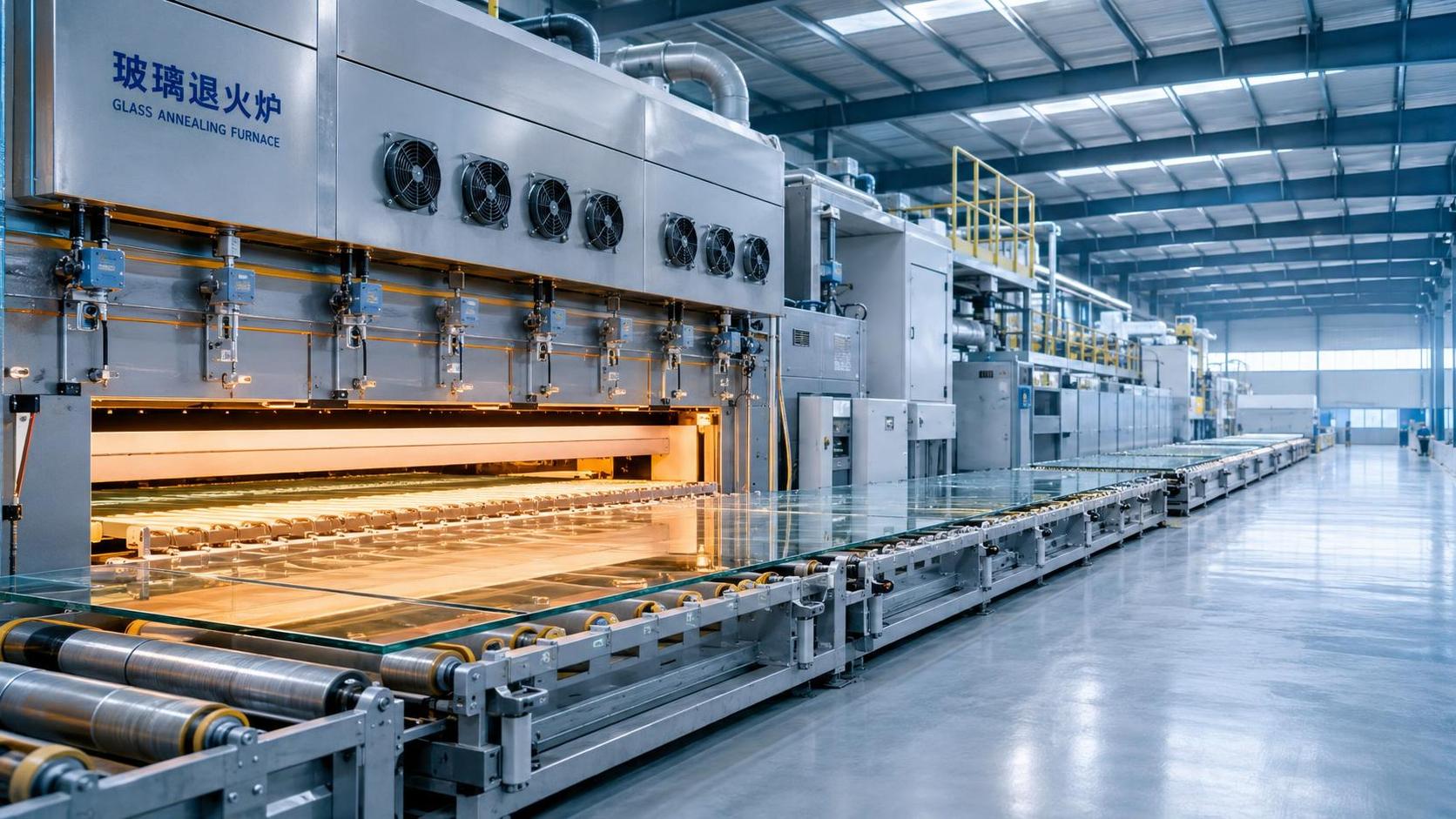
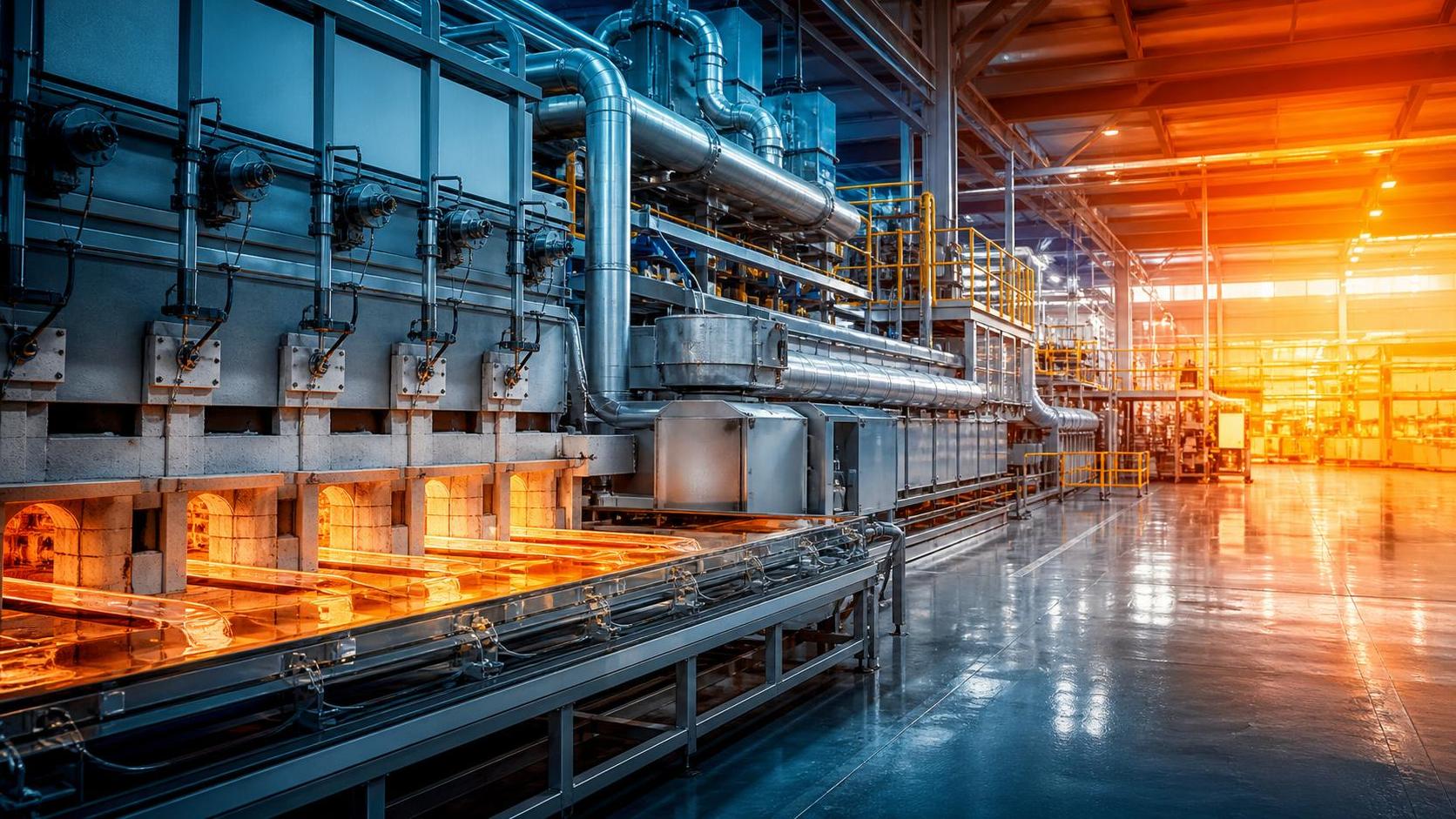
For manufacturers, the material trend is tied directly to furnace design, annealing control, defect detection, and batch chemistry stability.
Researchers should evaluate whether new glass compositions reduce melting temperatures, improve transmittance, resist surface damage, or support thinner profiles.
Low-carbon glass production also depends on cullet quality, electrification, hydrogen-ready furnaces, and compatibility between melt chemistry and refractory linings.
The most valuable insights will connect material performance with float line control, energy consumption, optical inspection, and downstream processing yield.
In this sector, successful materials innovation must be measured by production stability as much as by product differentiation.
Trend 5: Circular materials and waste valorization become core feedstock strategy
Circularity is moving from sustainability reporting into daily material strategy for heavy industries and construction product manufacturing.
Industrial byproducts, demolition waste, slags, ashes, glass cullet, ceramic scrap, and mineral residues are increasingly viewed as engineered feedstocks.
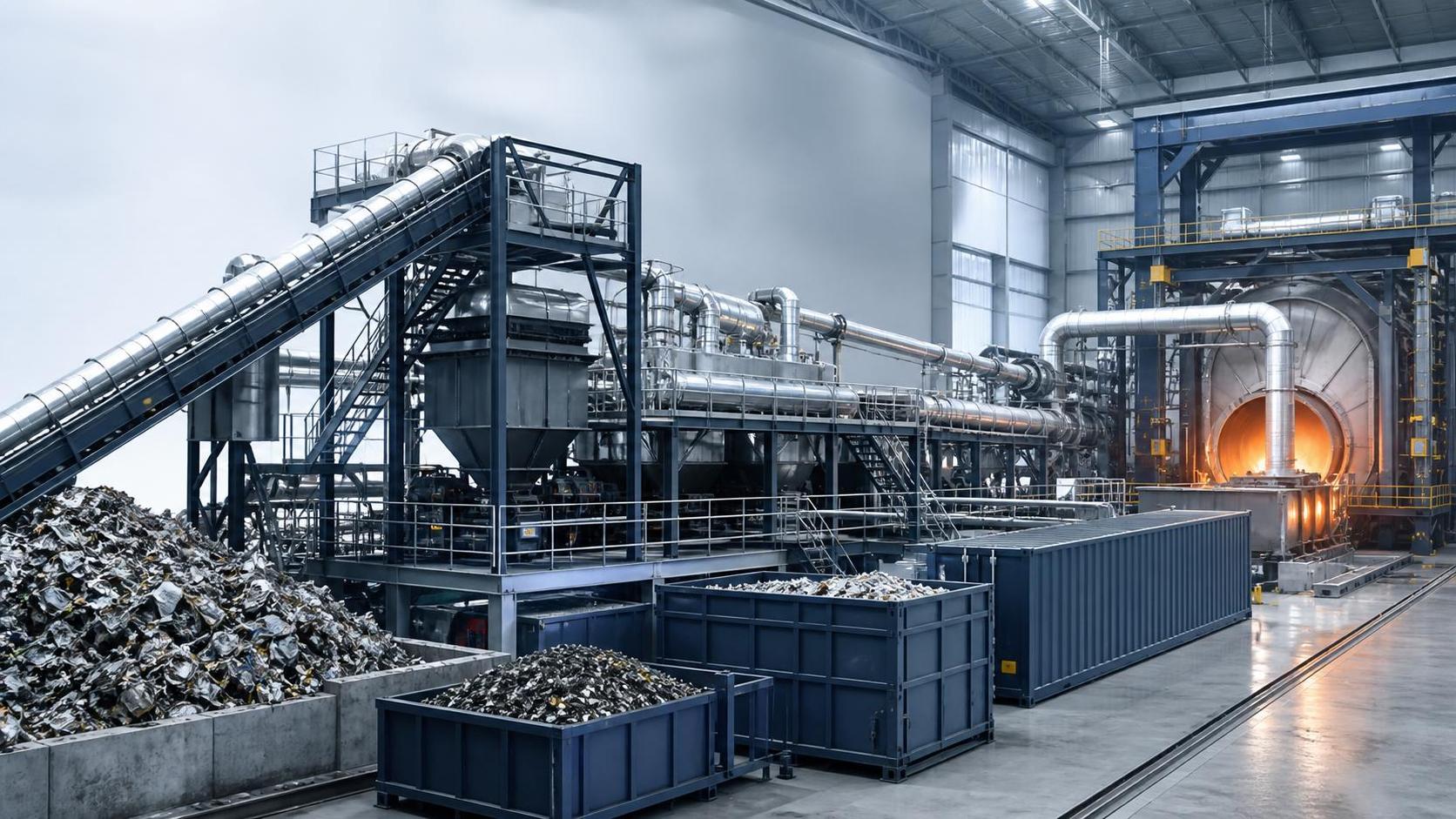
For cement kilns and incineration systems, co-processing waste can recover energy while incorporating mineral fractions into useful material cycles.
However, this trend requires strict control of chlorine, sulfur, heavy metals, moisture, calorific value, particle size, and process stability.
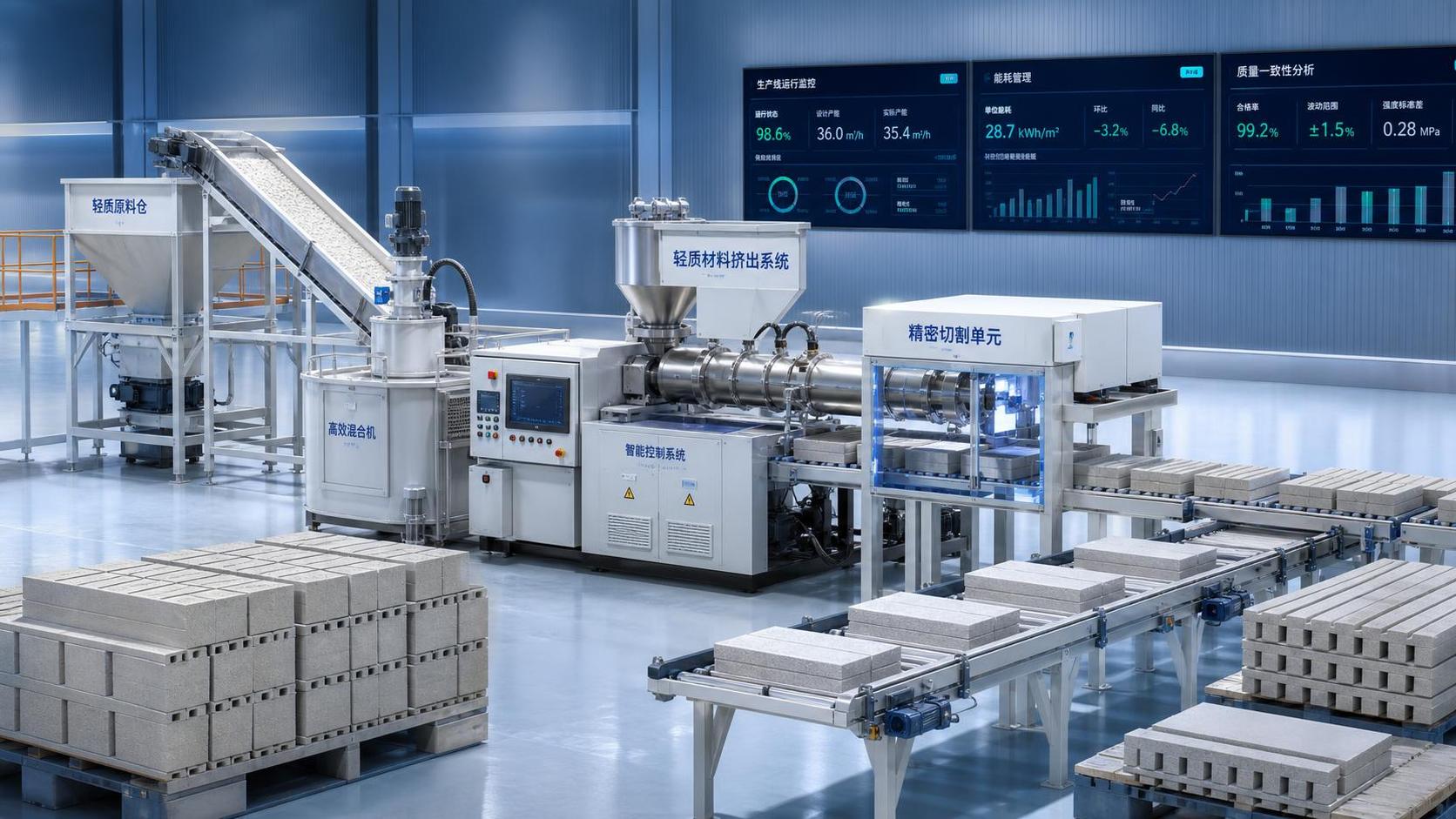
In building material extrusion, recycled mineral fillers and lightweight aggregates can support lower embodied carbon and resource-efficient product design.
The most important research question is whether recycled inputs can deliver predictable performance at industrial scale, not merely environmental appeal.
Material characterization, pre-treatment, sorting technology, and digital quality records will determine how far circular feedstocks can penetrate production.
For researchers, circularity should be assessed through lifecycle emissions, contamination risk, supply reliability, certification barriers, and equipment adaptation costs.
Trend 6: Digital materials intelligence changes how materials are selected
Digitalization is becoming one of the most practical material science trends because it shortens the path from data to operational decisions.
Material databases, simulation tools, digital twins, and AI-assisted characterization help engineers compare composition, processing conditions, and performance outcomes.
For cement plants, this can mean better prediction of clinker quality, additive behavior, grinding response, and emissions performance.
For glass lines, digital twins can connect melt chemistry, furnace temperature fields, bubble formation, viscosity, and annealing schedules.
For refractories, digital models can estimate wear zones, thermal gradients, crack risk, and remaining service life under changing process conditions.
The best systems are not generic dashboards; they combine materials science, process engineering, and plant-specific sensor data.
Researchers should watch for platforms that support traceable decisions, validated models, and integration with procurement, maintenance, and quality systems.
Digital materials intelligence matters because it turns material selection from periodic supplier comparison into continuous lifecycle optimization.
Trend 7: Advanced composites and lightweight construction materials expand carefully
Advanced composites will remain important in 2026, but their relevance differs across aerospace, electronics, infrastructure, and building materials.
For foundation-material industries, the biggest opportunities are lightweight panels, fiber-reinforced boards, extruded profiles, and durable mineral-polymer hybrids.
These materials can reduce structural weight, improve insulation, accelerate installation, and support modular construction or renovation projects.
Yet researchers should separate promising formulations from scalable systems that can meet fire, moisture, impact, and long-term durability requirements.
New building material extrusion lines need materials that process consistently under pressure, hold shape, cure predictably, and minimize waste.
Bio-based additives, recycled fillers, fiber reinforcement, and low-emission binders can all improve environmental performance when properly engineered.
The value case depends on total building performance, not just material novelty, including insulation, transport efficiency, maintenance, and end-of-life options.
In 2026, the winners will be composite systems that combine processability, code acceptance, cost discipline, and measurable lifecycle benefits.
Trend 8: Extreme-environment materials support electrification and decarbonized heat
Industrial decarbonization is pushing material requirements into harsher and less familiar operating conditions.
Electrified kilns, hydrogen combustion, oxy-fuel systems, carbon capture integration, and waste-derived fuels all change heat transfer and chemical exposure.
Materials used in burners, linings, seals, ducts, heat exchangers, and sensors must tolerate new atmospheres and thermal profiles.
Hydrogen, for example, can influence flame behavior, water vapor content, corrosion mechanisms, and refractory interaction in specific environments.
Electrification may reduce combustion emissions, but it introduces requirements for electrical insulation, high-temperature conductors, and precise thermal uniformity.
Carbon capture systems also require materials that resist solvents, acidic gases, particulates, and high-moisture exhaust streams.
Researchers should track materials qualified under realistic industrial atmospheres, not only under simplified laboratory conditions.
This trend matters because decarbonized heat cannot scale unless supporting materials maintain reliability, safety, and predictable maintenance economics.
How to judge which material science trends truly matter
Information researchers should use a practical filter when ranking material science trends for 2026.
First, evaluate industrial readiness, including pilot evidence, supplier capacity, process compatibility, certification status, and operator learning requirements.
Second, assess carbon impact through lifecycle analysis rather than headline claims about recycled content or reduced process temperature.
Third, examine economic resilience, including raw material availability, energy costs, maintenance savings, downtime avoidance, and regulatory incentives.
Fourth, consider integration difficulty because heavy industrial plants cannot adopt every new material without redesigning equipment or operating procedures.
Fifth, identify data maturity, since credible adoption increasingly requires performance monitoring, quality traceability, and failure analysis.
This framework helps separate structural trends from temporary hype and supports better decisions across procurement, strategy, engineering, and market research.
A material trend matters most when it solves multiple problems simultaneously: emissions, durability, energy efficiency, compliance, and scalable production.
What this means for cement, glass, kiln, refractory, and extrusion sectors
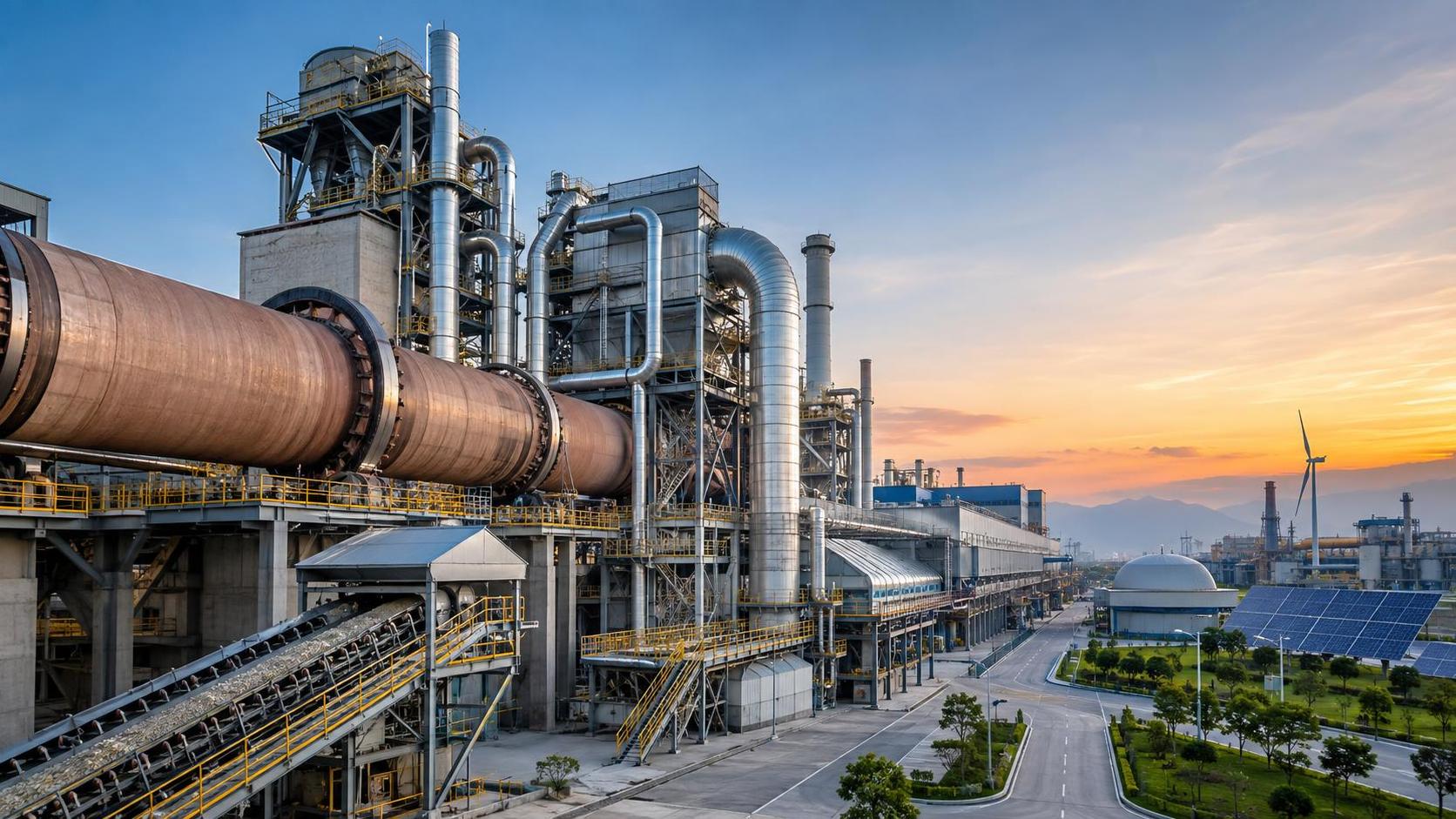
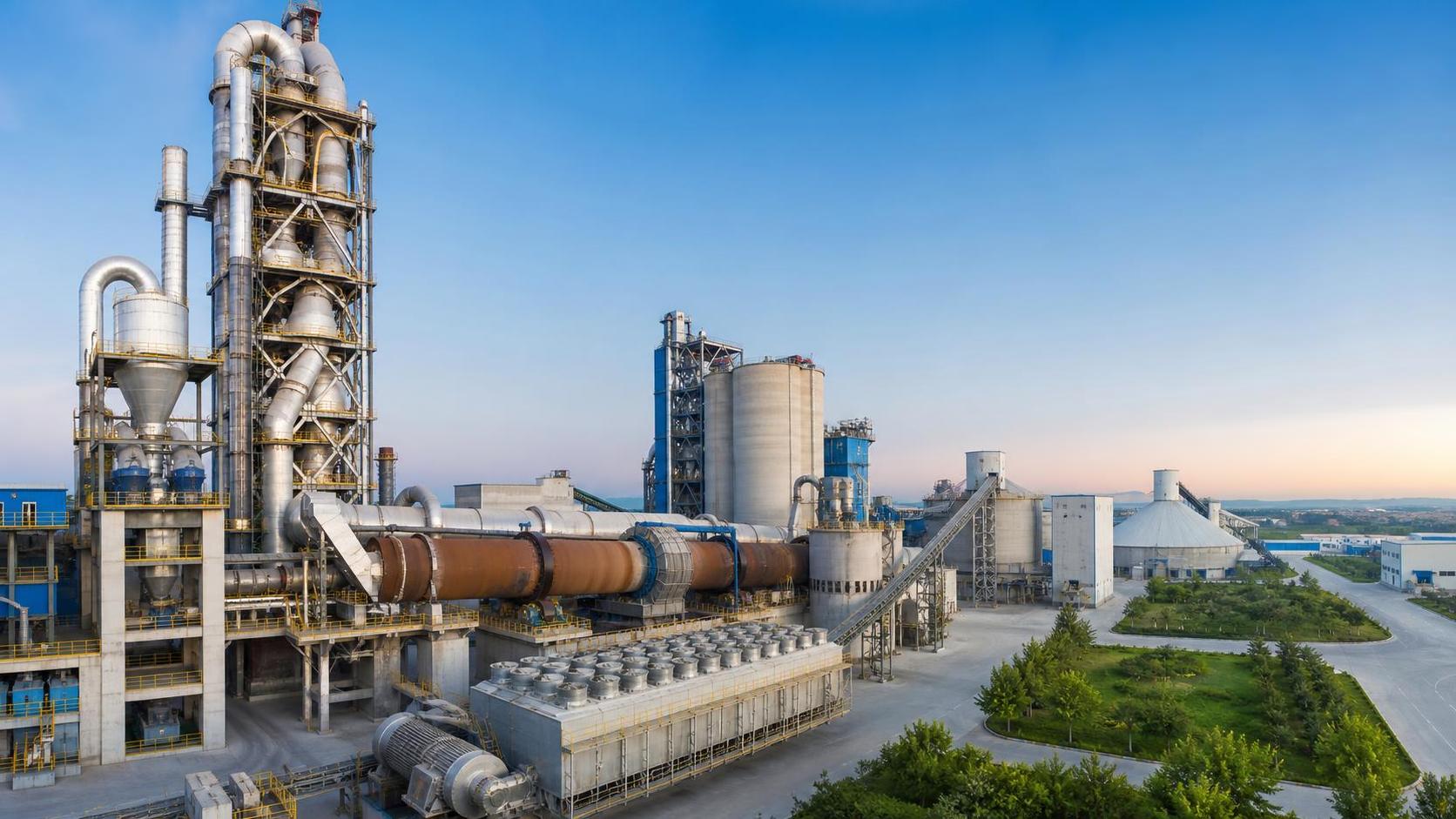
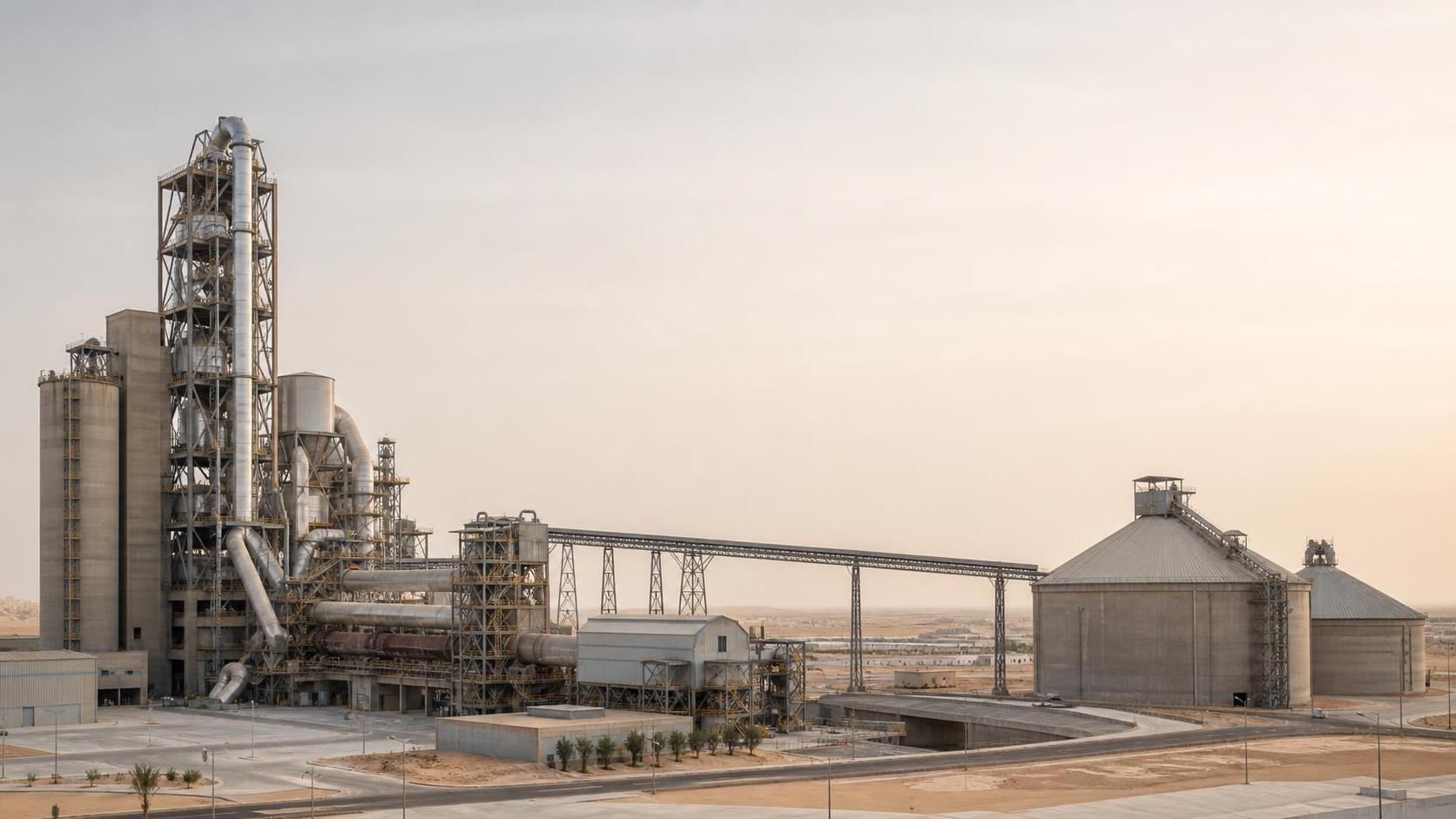
For cement producers, the priority is low-carbon binders, alternative fuels, kiln-compatible feedstocks, dust control, and digitally optimized process chemistry.
For glass manufacturers, the decisive issues are melt efficiency, product precision, furnace compatibility, refractory interaction, and low-carbon energy pathways.
For industrial kiln and incineration operators, material innovation must support thermal stability, emissions control, waste valorization, and safer maintenance cycles.
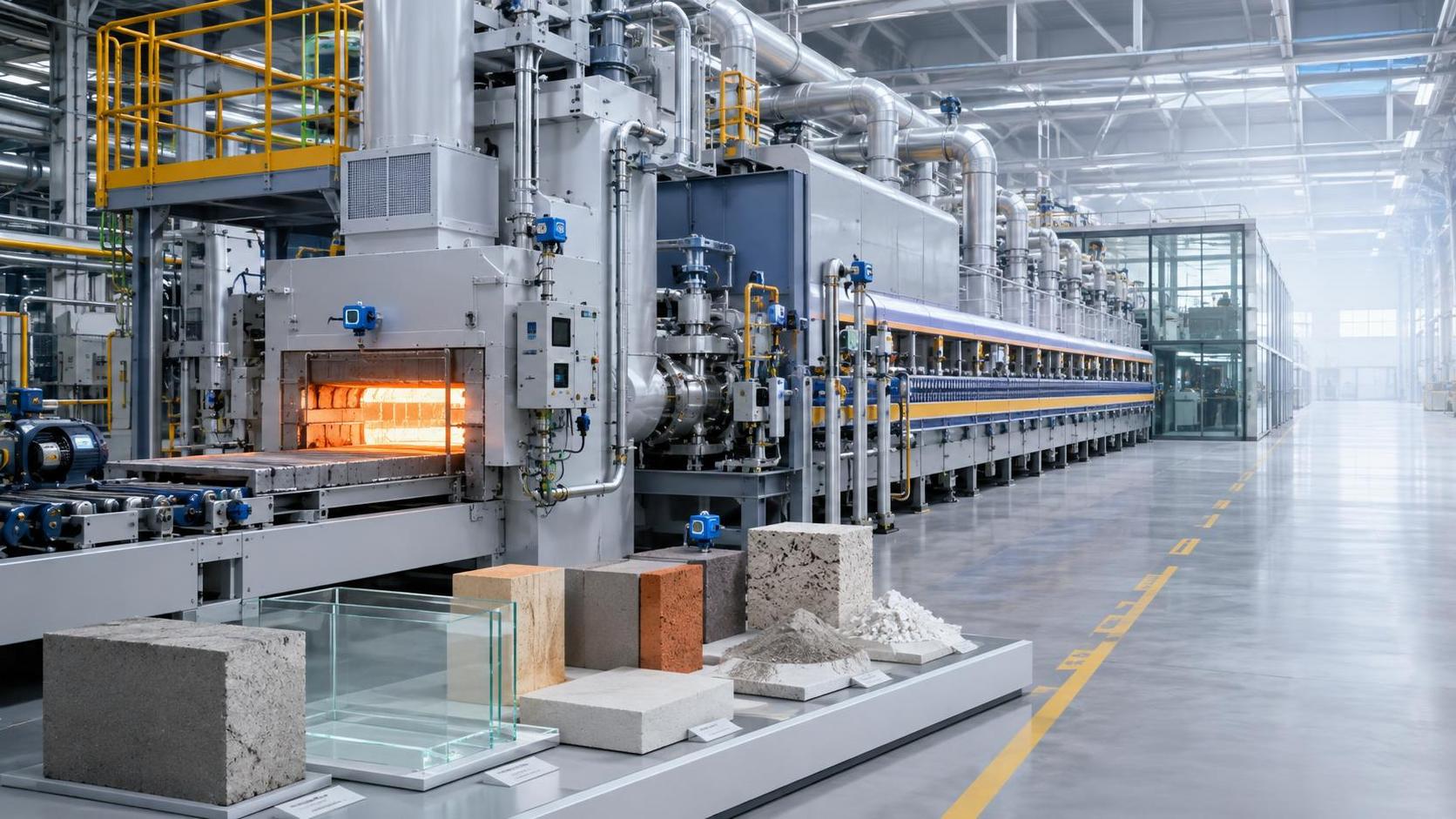
For refractory manufacturers, value will come from longer campaign life, smarter monitoring, improved corrosion resistance, and application-specific lining design.
For extrusion equipment users, the opportunity lies in lightweight, green building materials that process efficiently and meet performance codes.
Across all sectors, the common theme is that materials are becoming strategic levers rather than isolated technical inputs.
Companies that understand this shift can align equipment investment, material sourcing, product development, and sustainability strategy more effectively.
For researchers, the best intelligence will connect chemistry, processing, equipment design, regulation, and market demand in one integrated view.
Conclusion: the trends that matter are the ones that scale
The material science trends that matter most in 2026 are not simply the newest or most technically impressive discoveries.
They are the trends that can survive industrial heat, reduce carbon intensity, improve asset reliability, and fit real production economics.
Low-carbon cementitious materials, advanced refractories, thermal coatings, specialty glass, circular feedstocks, and digital materials intelligence deserve priority attention.
Extreme-environment materials and scalable lightweight composites will also shape how high-temperature and construction-material sectors evolve.
For information researchers, the useful question is not whether a material is innovative, but where it creates measurable operational advantage.
In 2026, the strongest material strategies will connect decarbonization, resource circularity, digital control, and long-life thermal performance.
That integrated perspective is essential for understanding the future of foundation materials and the equipment systems that produce them.