
Why industrial process intelligence matters in daily operations




In daily plant routines, industrial process intelligence turns scattered data into clear action for operators. From cement and glass lines to kilns, incineration, refractory systems, and extrusion equipment, it helps teams spot inefficiencies, stabilize thermal performance, reduce downtime, and support safer, lower-carbon production. Understanding why it matters is the first step toward smarter, more reliable operations.
Why industrial process intelligence needs a checklist mindset
Daily operations rarely fail because of one dramatic event. Most losses come from small deviations in heat balance, feed consistency, draft pressure, vibration, or emissions.
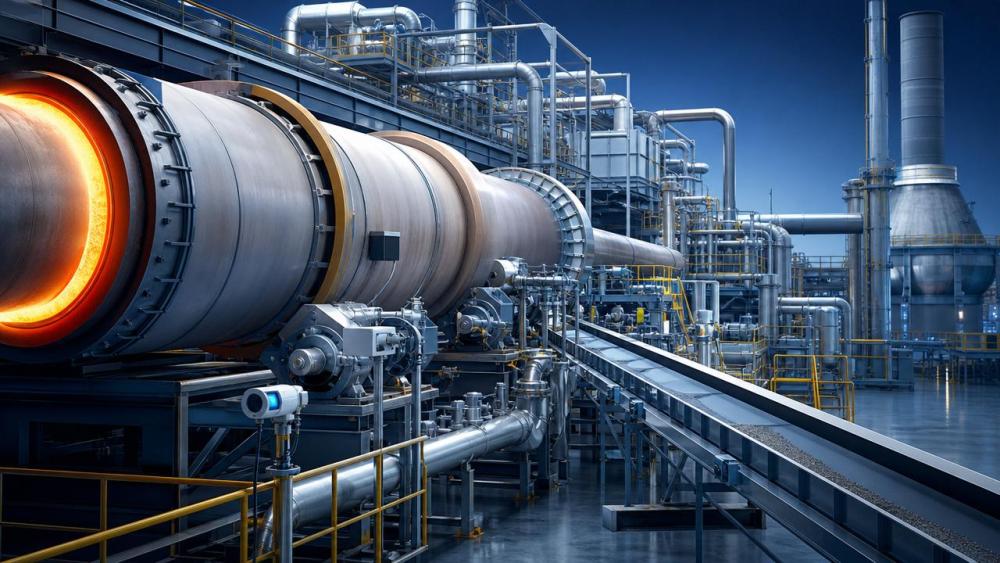
That is why industrial process intelligence works best with a checklist approach. It converts complex signals into repeatable checks, faster decisions, and measurable actions.
For integrated industries covered by CF-Elite, this matters even more. High-temperature assets behave differently under changing fuel mix, raw material quality, ambient conditions, and environmental constraints.
Without structured review, teams react too late. With industrial process intelligence, they can identify drift early, protect throughput, and support carbon reduction without sacrificing product quality.
Core checklist for daily operational control
Use the following checklist to make industrial process intelligence practical in routine monitoring, troubleshooting, and shift-level improvement.
- Track critical thermal variables at fixed intervals, including temperature profile, fuel input, draft pressure, and cooling performance, then compare live values against normal operating envelopes.
- Verify data quality before acting, because unreliable sensors, delayed historian tags, or inconsistent calibration can create false alarms and hide the real process constraint.
- Review material variability every shift, especially moisture, particle size, chemistry, and feed rate, since upstream inconsistency often appears later as energy waste or unstable output.
- Check equipment interaction instead of single-machine performance, linking burners, fans, conveyors, refractory condition, and control loops to understand system-wide process behavior.
- Flag slow drift patterns, not only sudden trips, because gradual changes in heat transfer, wear, fouling, or airflow can reduce efficiency long before alarms activate.
- Connect process data with quality results, so operators can see whether stable temperatures, residence time, and mixing conditions are producing consistent final product properties.
- Prioritize energy intensity and emissions together, using industrial process intelligence to balance throughput, specific fuel consumption, CO2 performance, and regulatory compliance.
- Document every correction clearly, including parameter change, timestamp, root cause, and outcome, so future shifts can learn what worked and avoid repeated trial-and-error.
- Escalate abnormalities based on impact, separating urgent risks such as refractory hot spots or unstable combustion from minor deviations that need trend observation.
- Review yesterday’s exceptions before starting today’s run, because continuous learning is the difference between raw data collection and real industrial process intelligence.
How it applies across major operating scenarios
Cement and silicate production lines
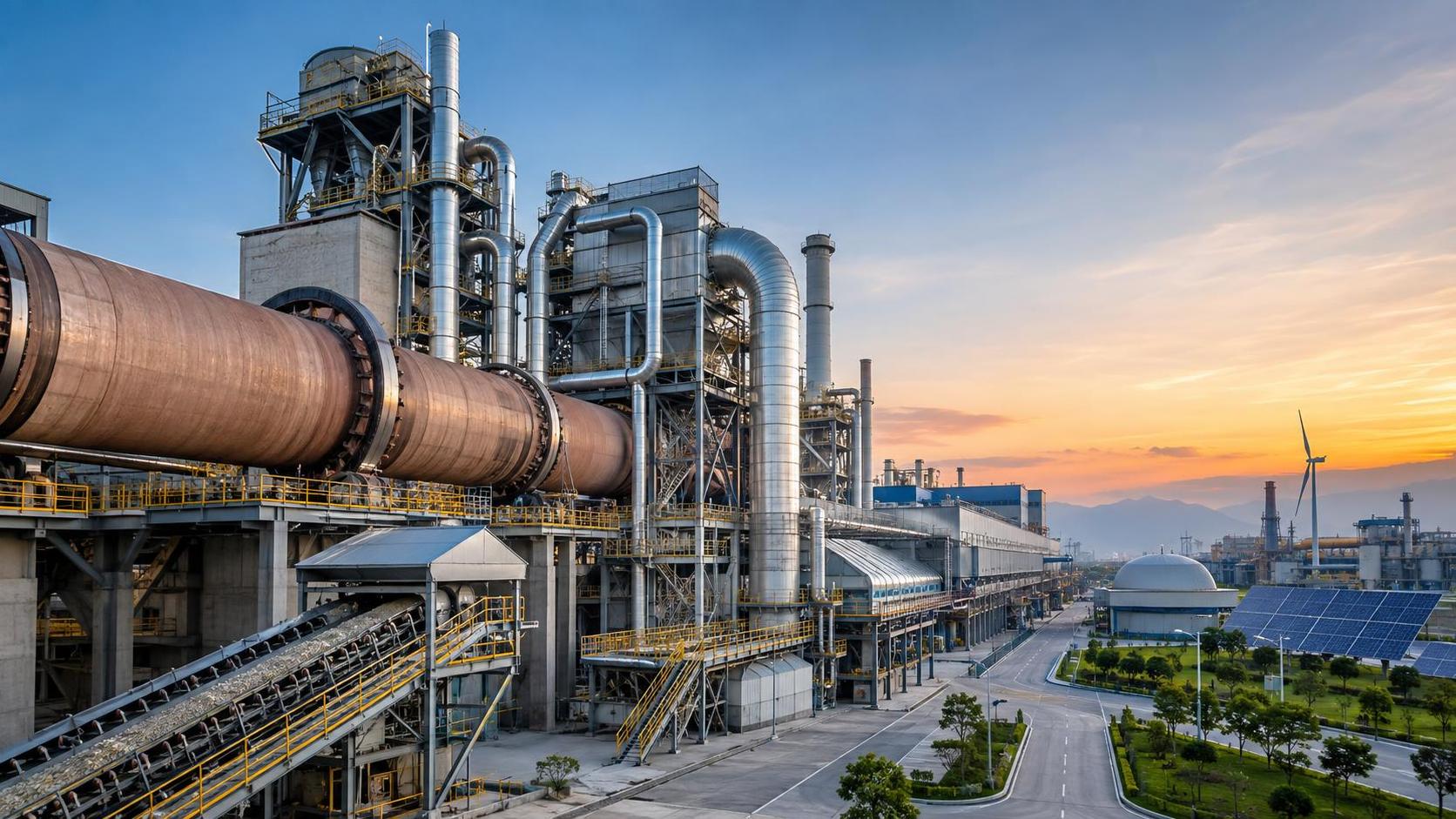
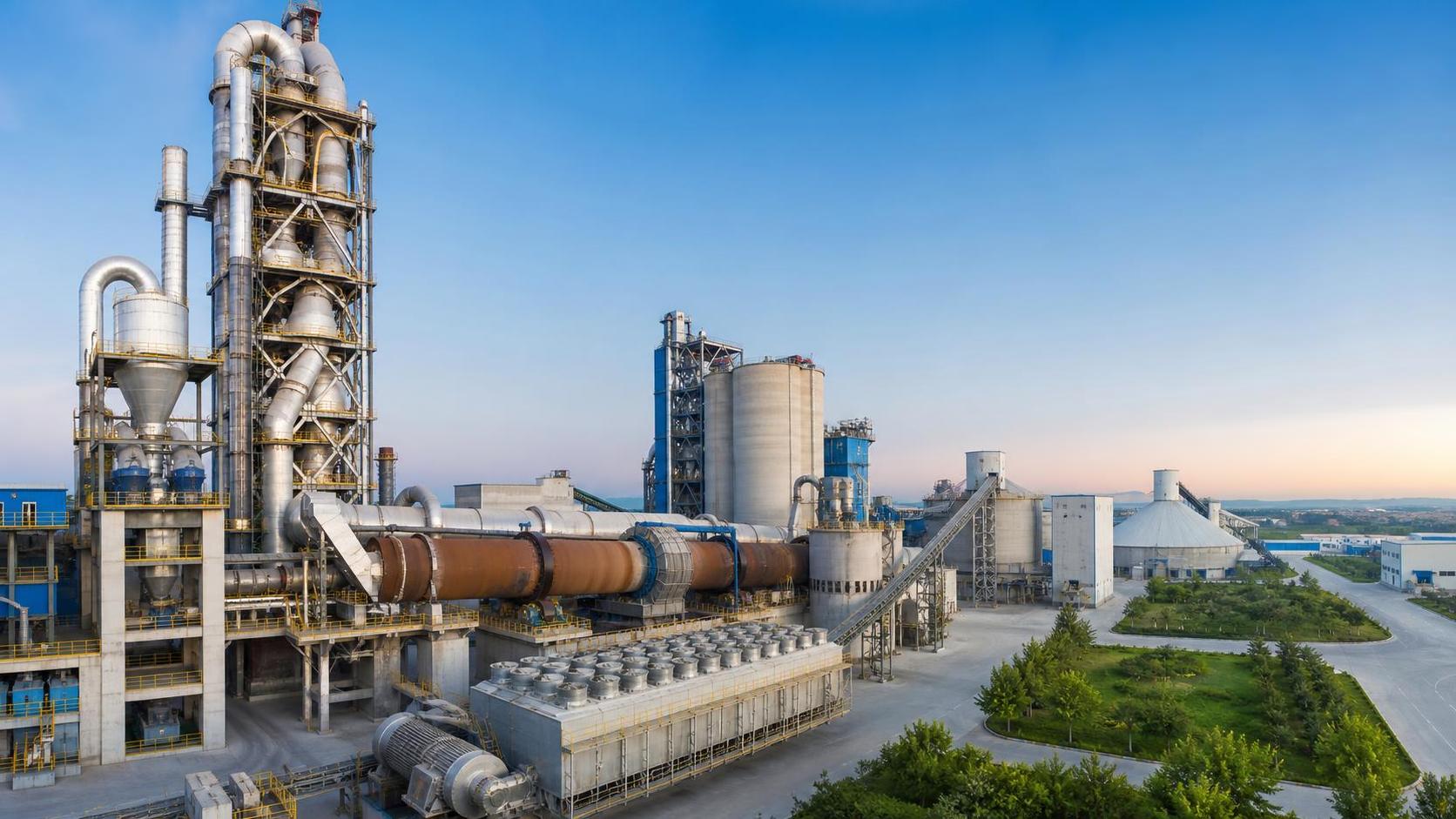
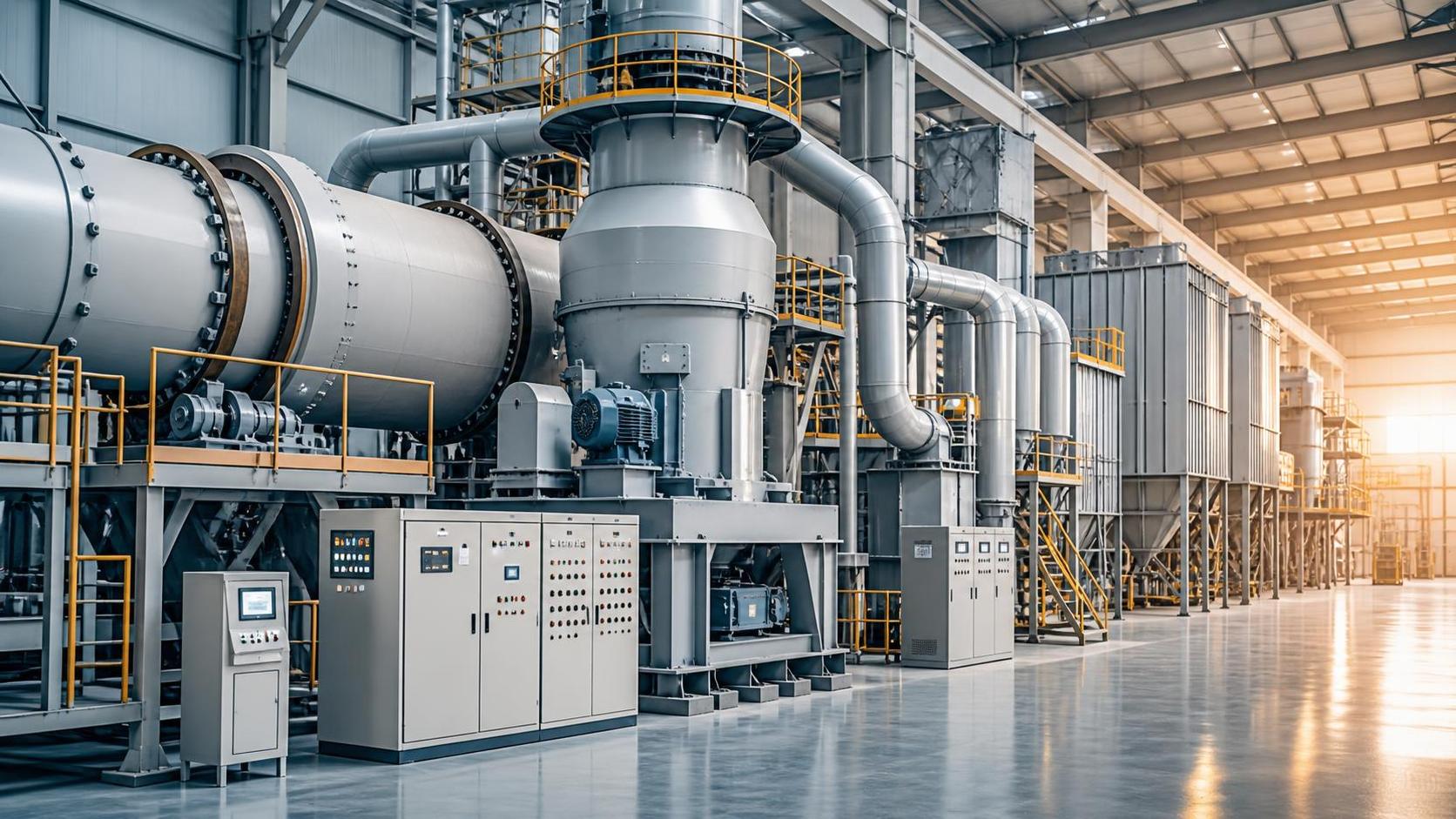
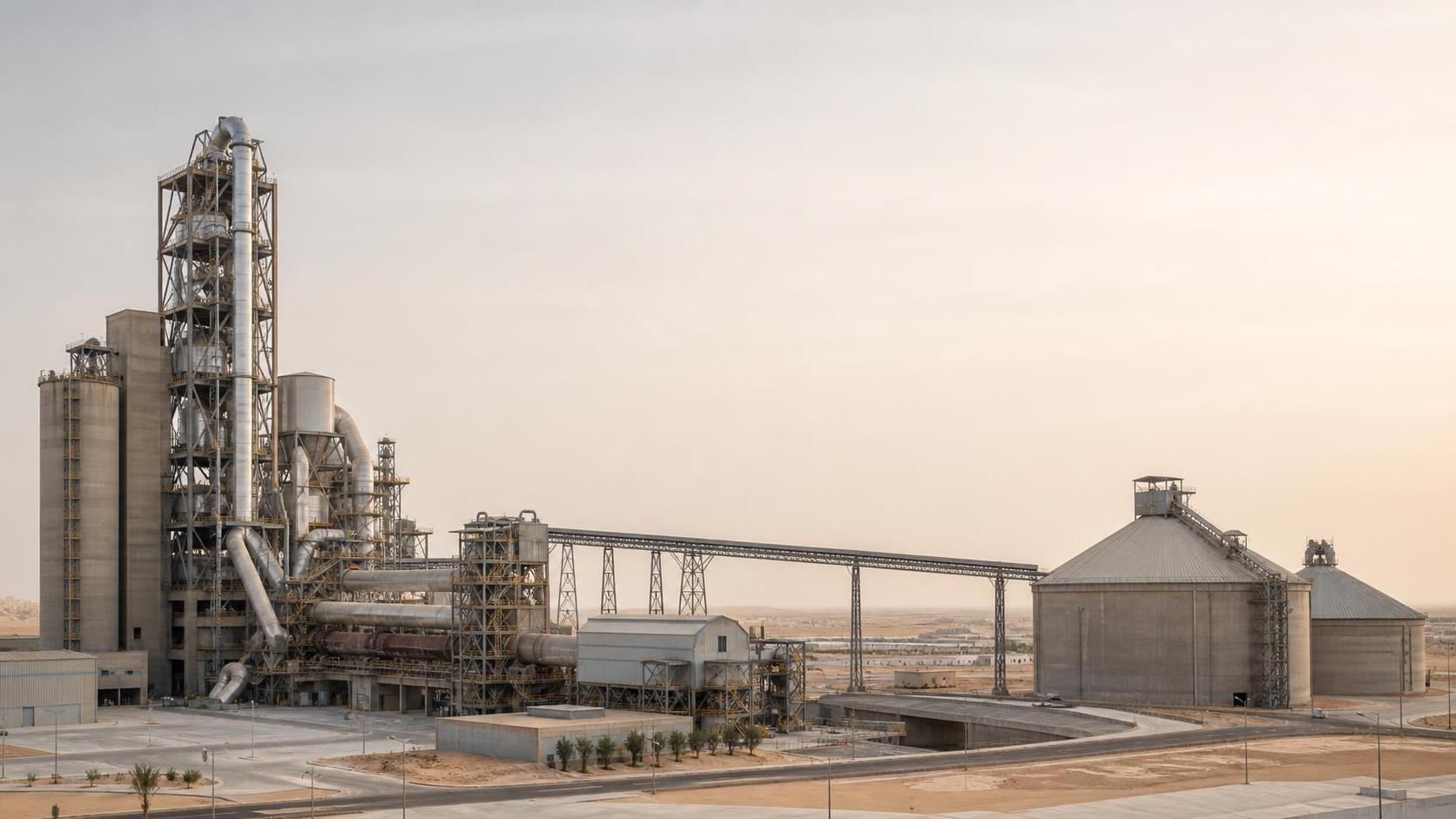
In cement plants, industrial process intelligence helps stabilize kiln feed, burning zone temperature, clinker quality, and cooler efficiency. It reveals whether heat losses come from draft imbalance, fuel inconsistency, or coating behavior.
It also improves dust control and energy performance. When raw mill, preheater, kiln, and cooler data are connected, teams can reduce avoidable stop-start cycles and improve thermal efficiency.
Glass manufacturing equipment
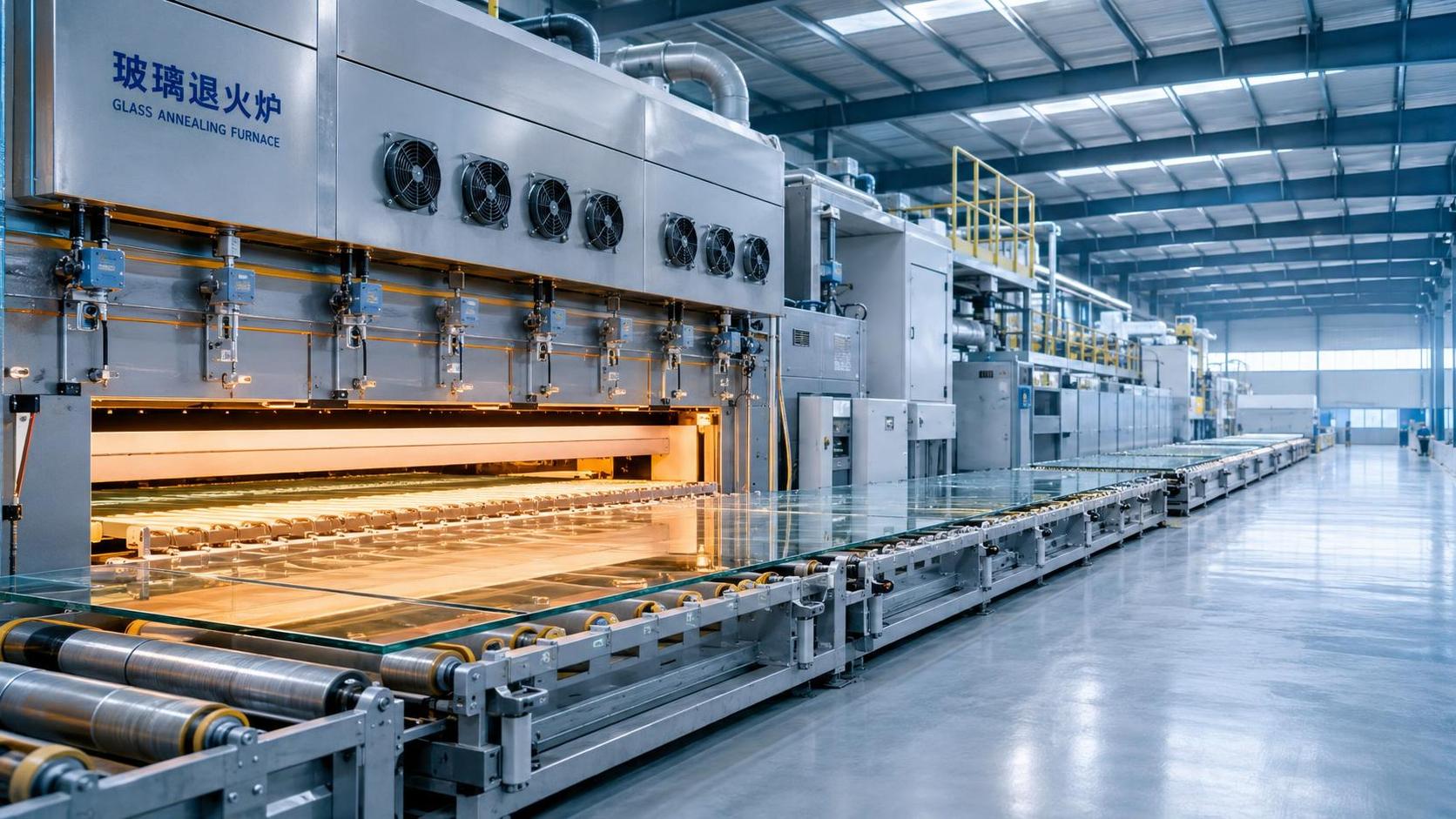
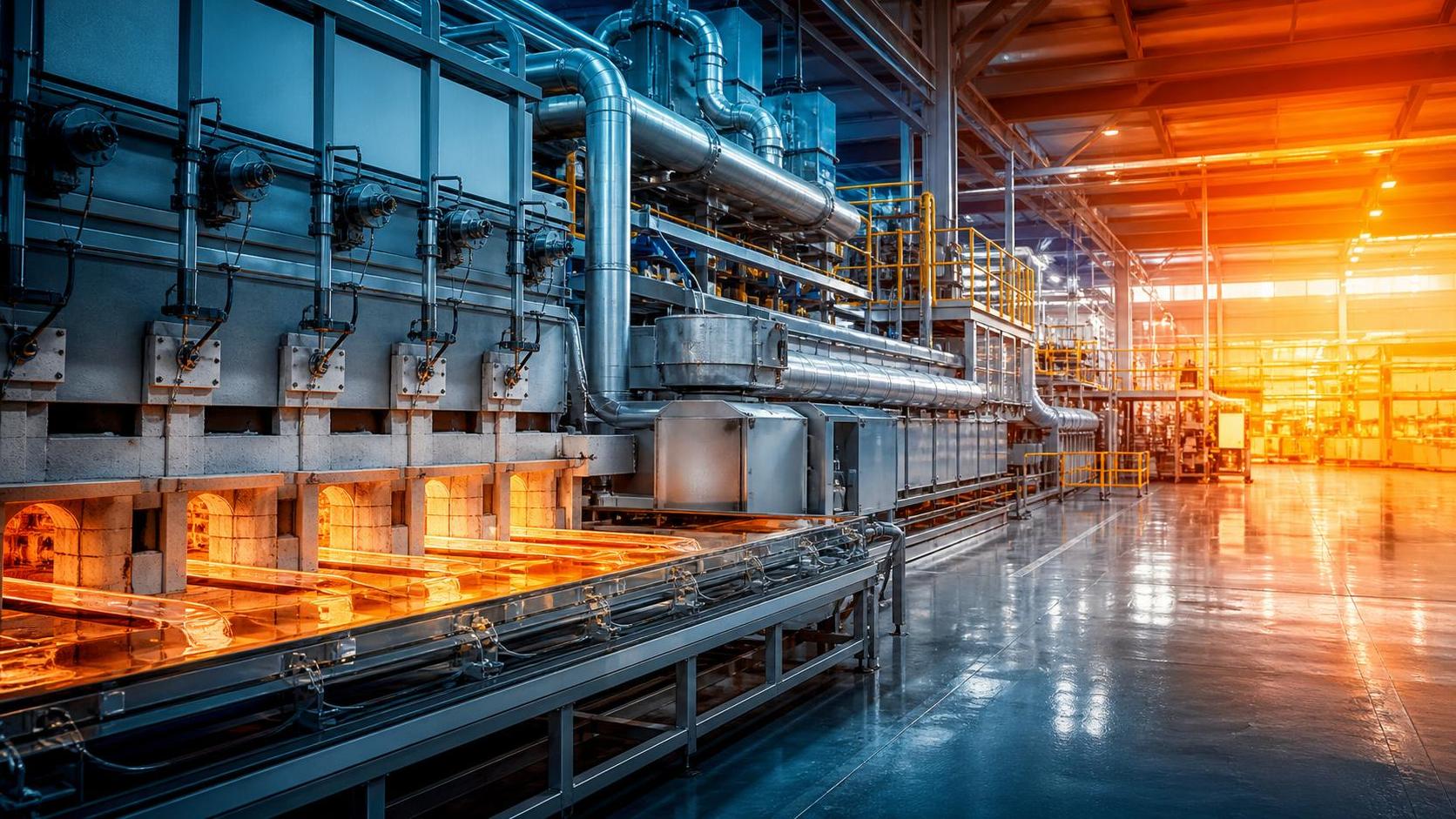
For glass lines, small thermal deviations can distort melt quality, forming stability, and annealing results. Industrial process intelligence supports tighter control of furnace balance, pull rate, and defect-related process conditions.
When linked with digital models or historical trend analysis, it becomes easier to predict where temperature non-uniformity may create stress, optical defects, or excessive fuel consumption.
Industrial kilns and incineration systems
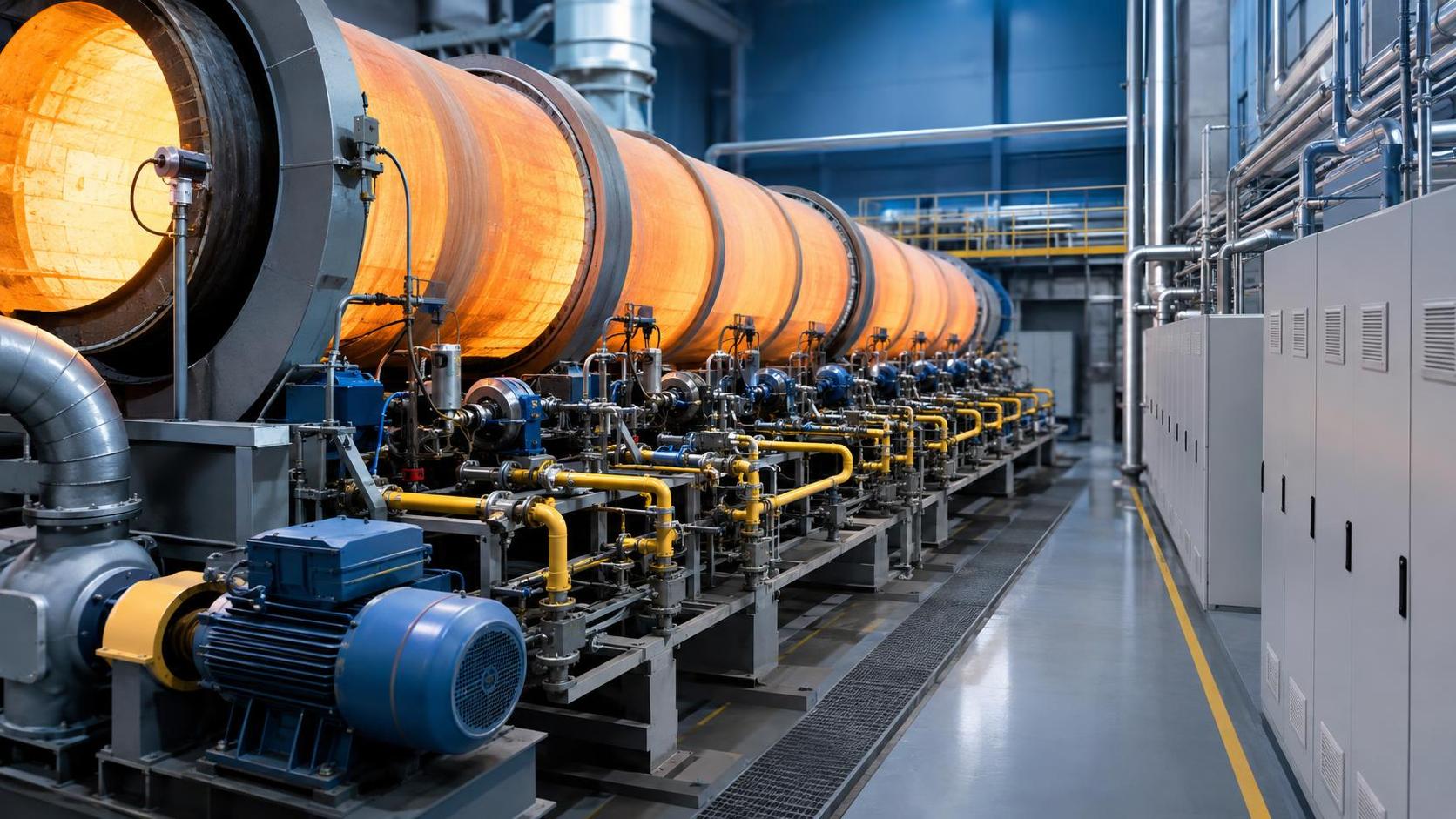
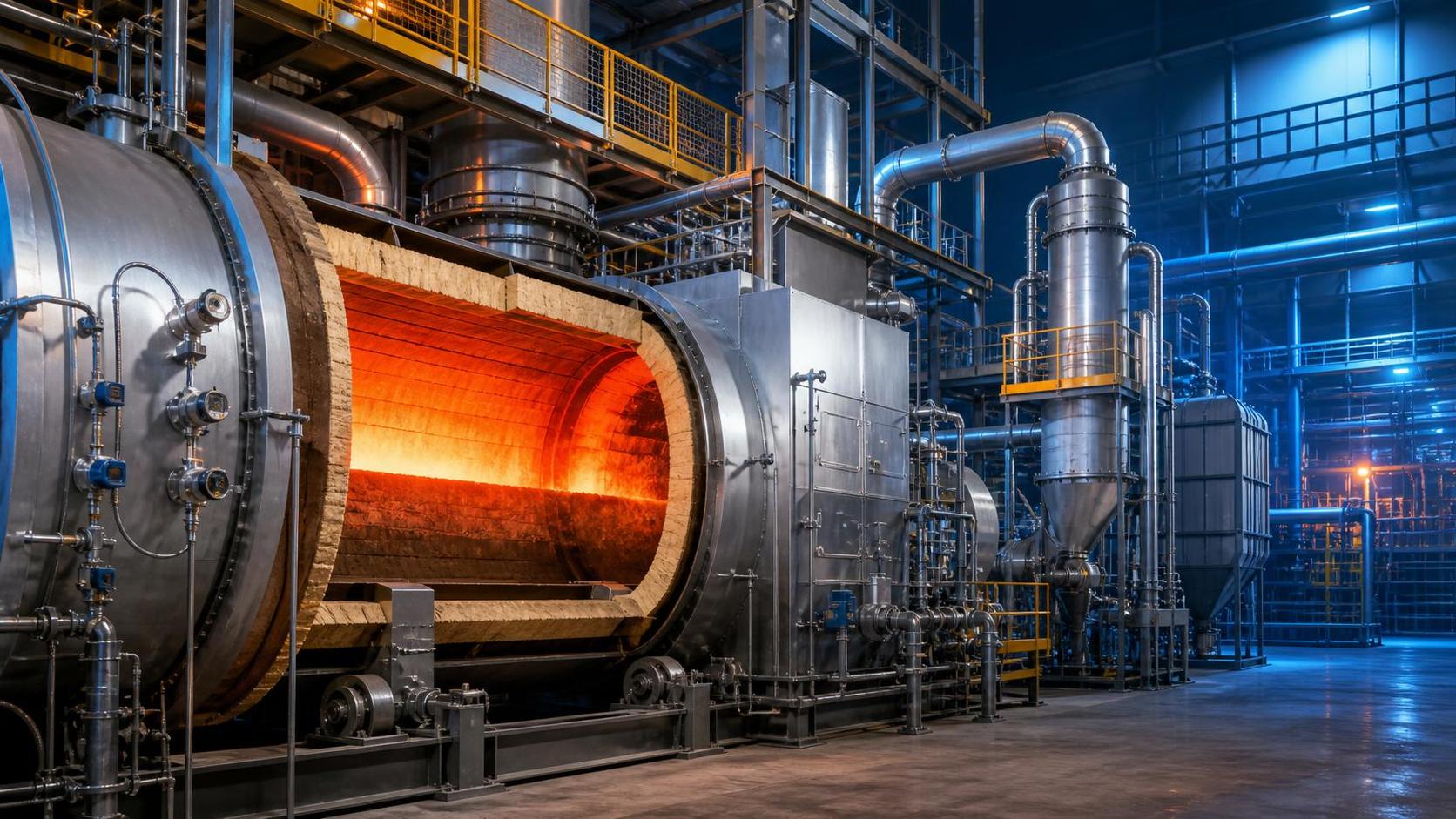
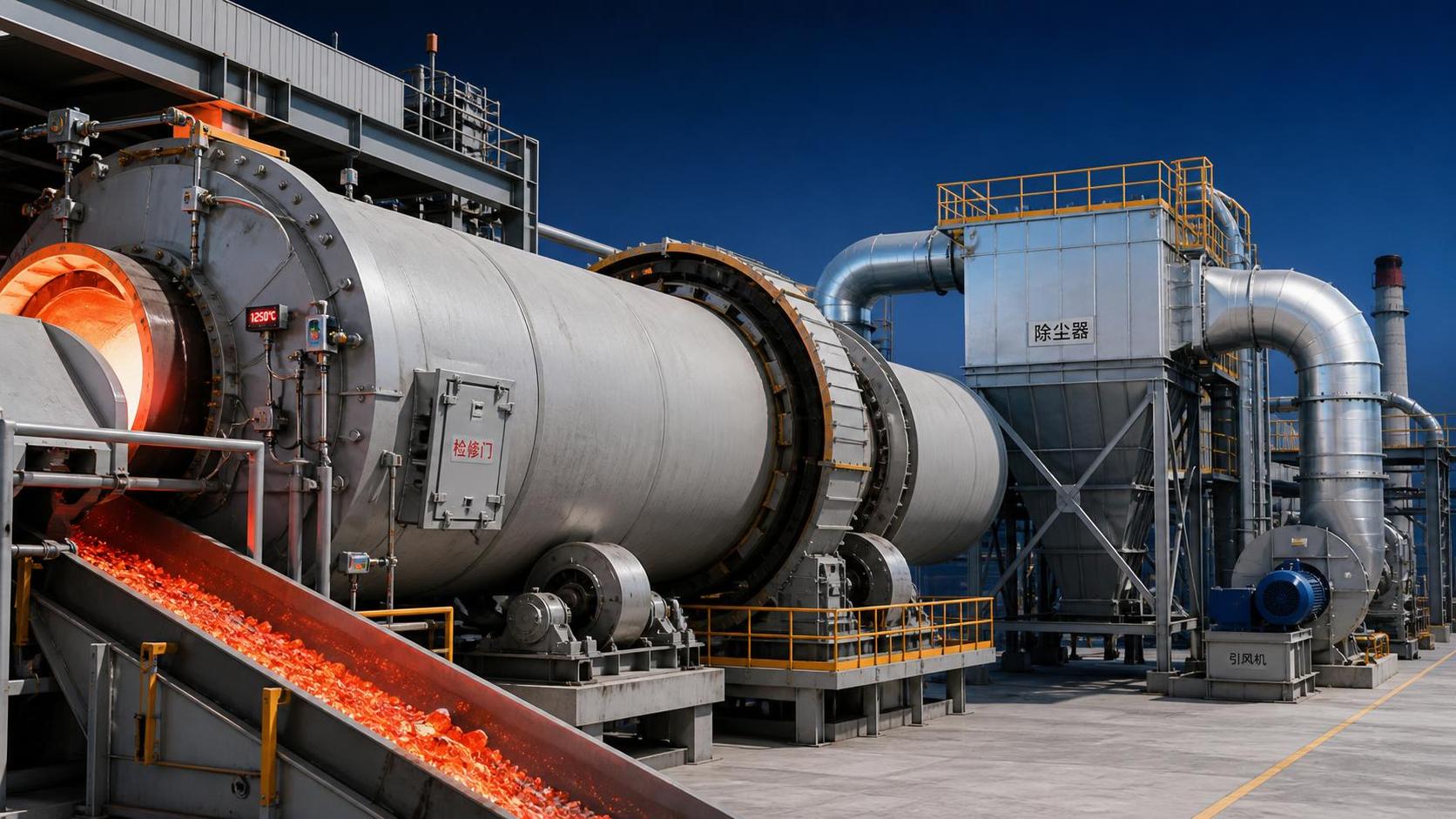
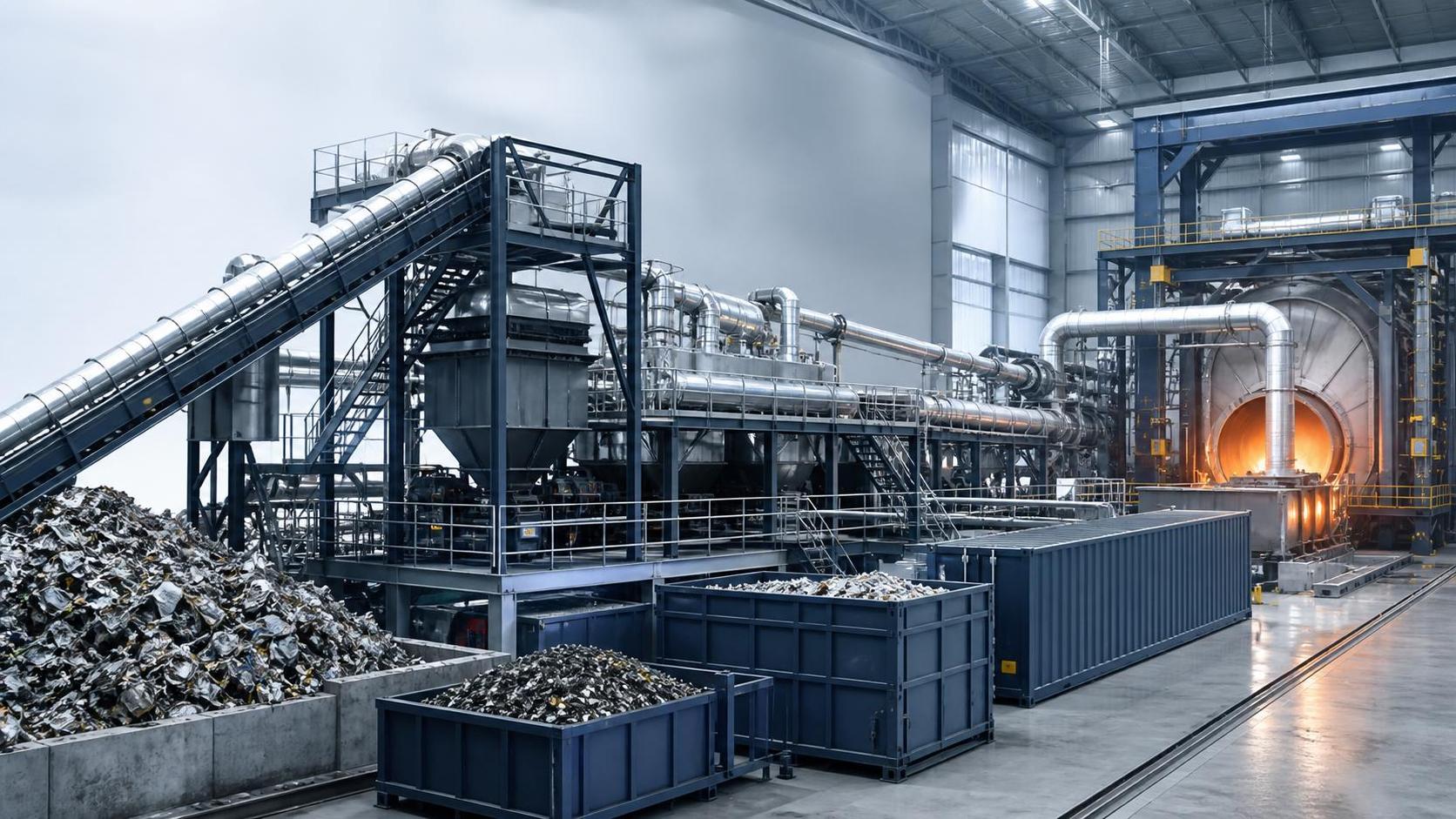
In incineration and rotary kiln applications, feed composition changes constantly. Industrial process intelligence helps maintain combustion stability, burnout quality, residence time, and emissions compliance under fluctuating operating conditions.
It is especially valuable for co-processing and waste-to-energy tasks, where moisture, calorific value, and ash behavior can shift quickly and affect both thermal recovery and environmental performance.
Refractory and extrusion processes
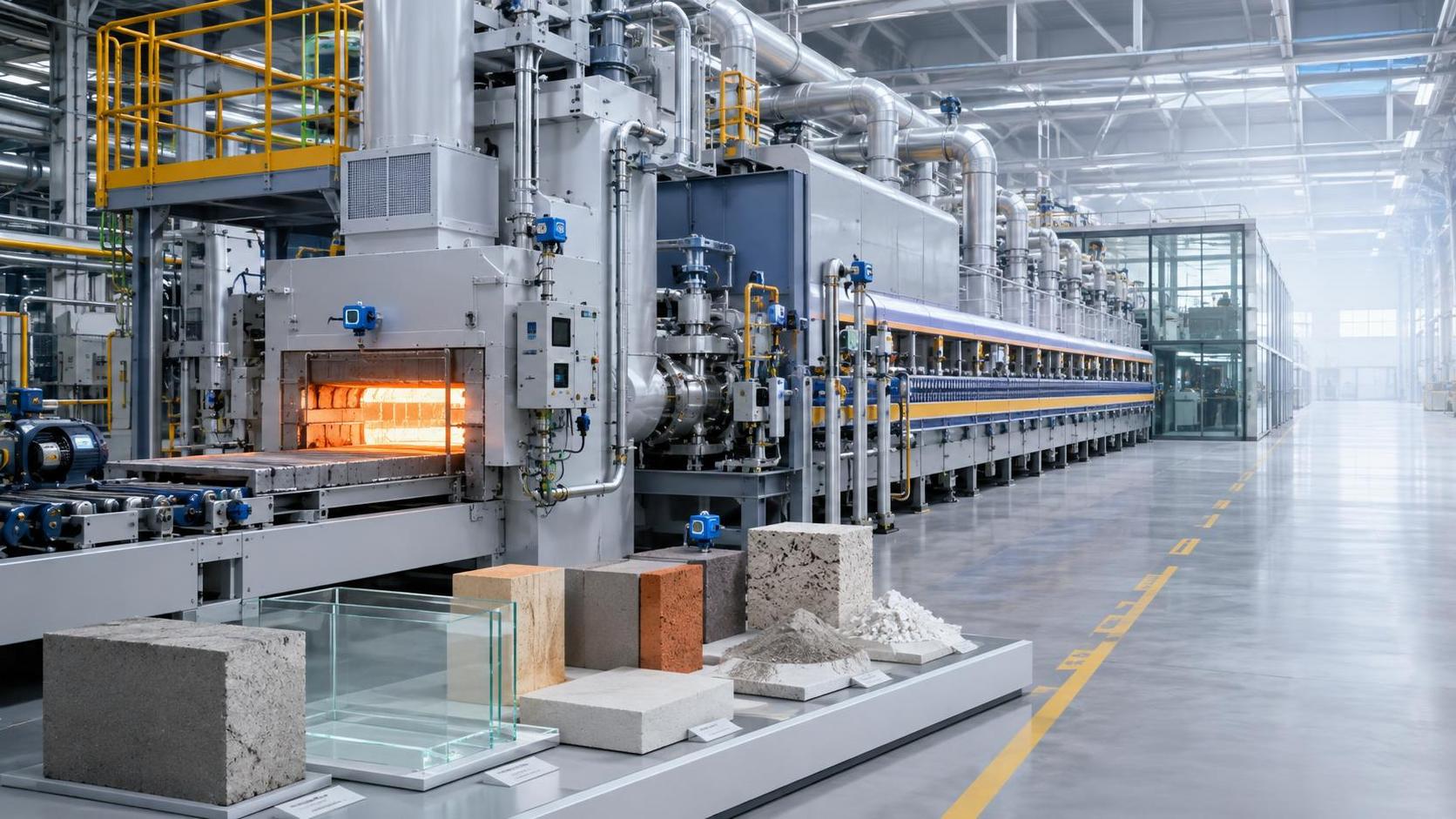
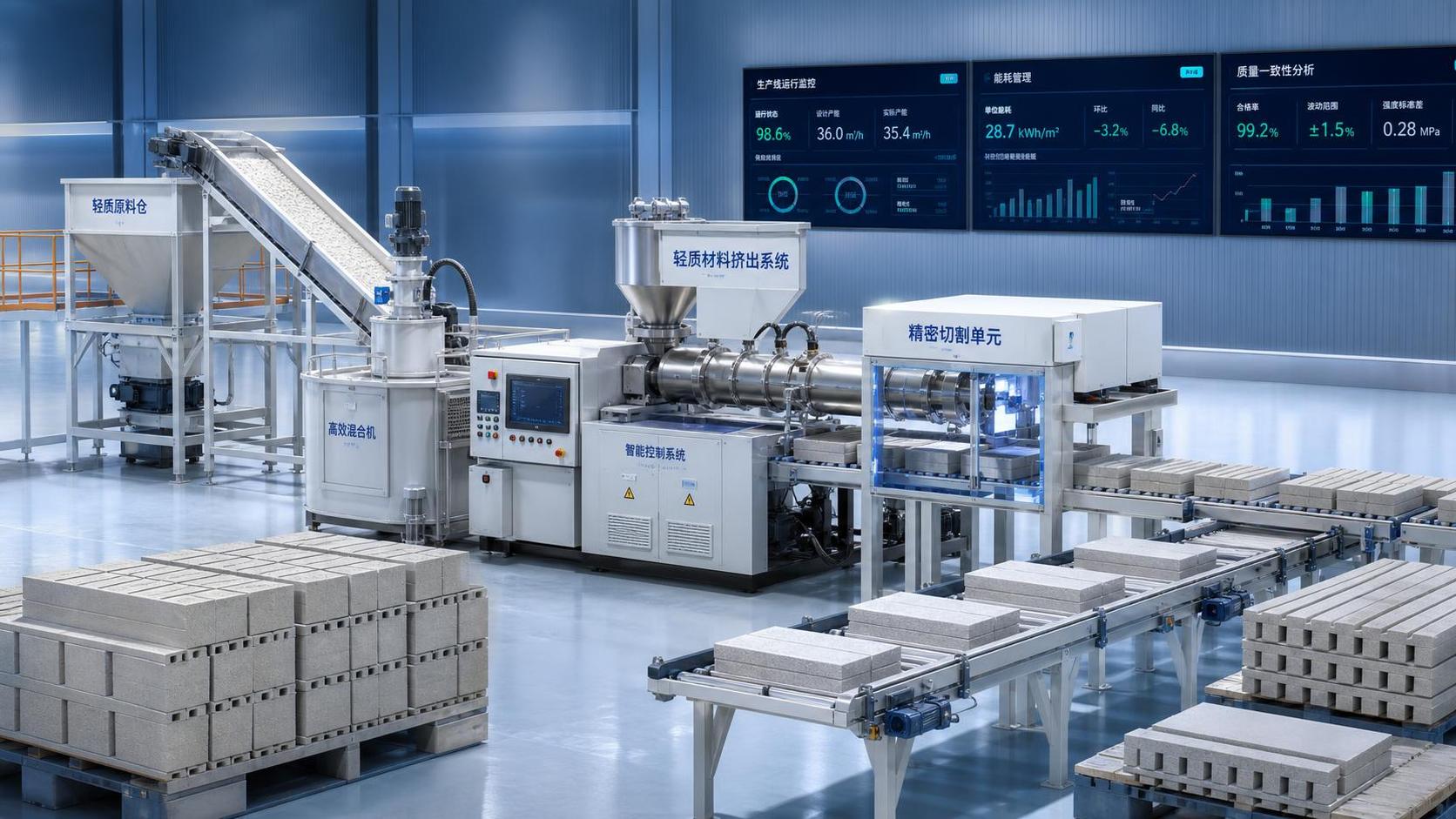
For refractory production and building material extrusion, process stability depends on temperature control, forming pressure, drying conditions, and line synchronization. Industrial process intelligence exposes bottlenecks that visual inspection often misses.
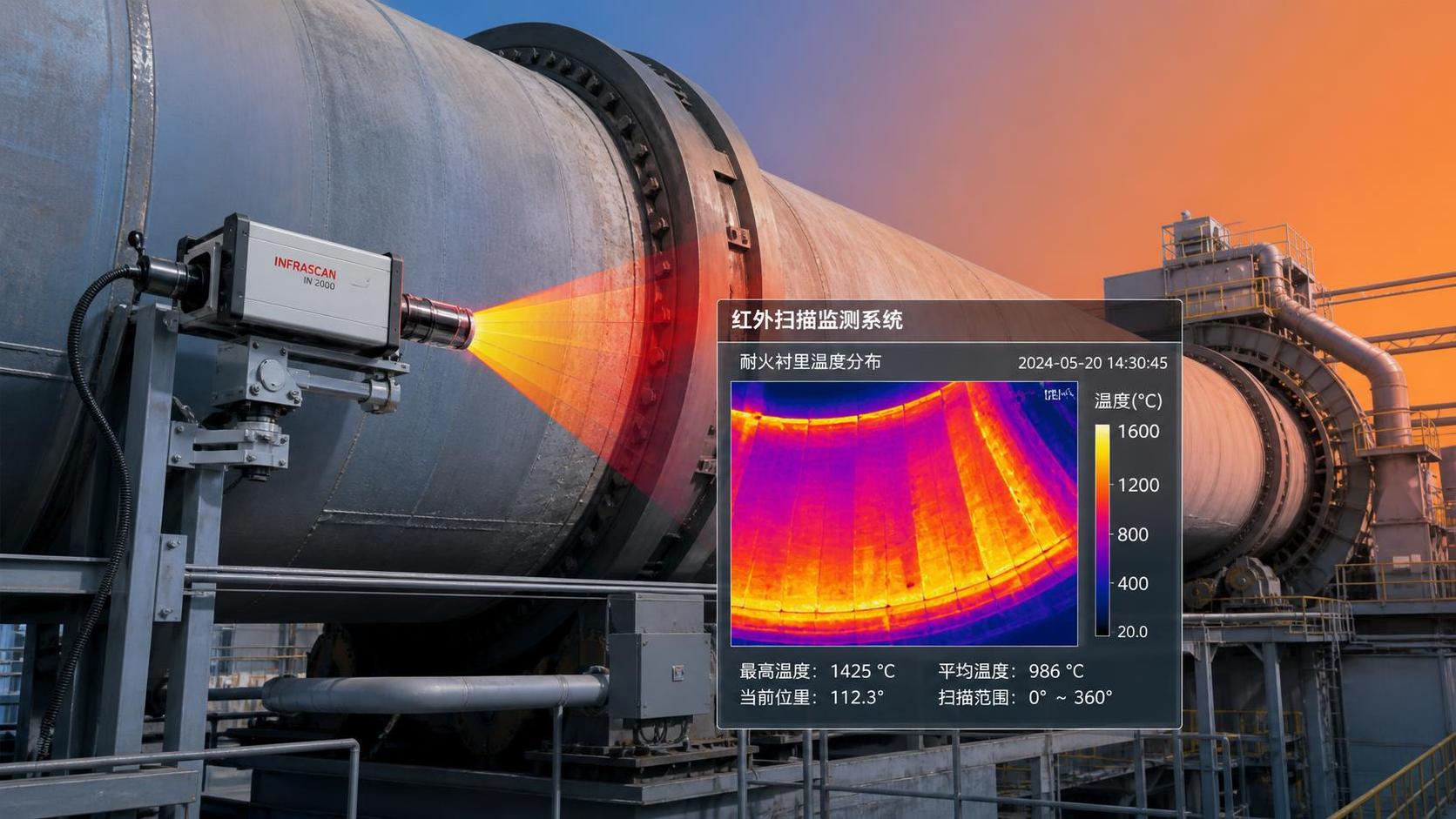
It also supports maintenance timing. Abnormal thermal signatures, pressure fluctuation, or motor load drift can indicate wear, plugging, or misalignment before product rejection increases.
Common blind spots that weaken daily decision-making
Treating dashboards as intelligence
A screen full of trends is not enough. Industrial process intelligence requires context, thresholds, and action logic. If no one knows what a deviation means, the dashboard becomes decoration.
Ignoring cross-process relationships
Many losses start upstream and appear downstream. A change in raw mix moisture may later look like burner instability. Effective analysis must connect causes across the full process chain.
Overreacting to single-point alarms
Not every spike needs immediate intervention. Without trend comparison and process understanding, teams may create instability by chasing noise instead of addressing persistent operating drift.
Separating energy goals from process control
Energy efficiency should not be a monthly report only. Industrial process intelligence is most useful when fuel rate, thermal losses, and emissions are reviewed alongside product and uptime metrics.
Practical steps to execute better every day
- Define five to eight critical operating variables for each line, then assign normal range, review frequency, and required response for every deviation.
- Build shift handover notes around exceptions, causes, and corrective results, instead of only listing production totals and basic equipment status.
- Combine process historians, laboratory data, and maintenance records, so industrial process intelligence reflects both operating reality and asset condition.
- Use weekly review sessions to identify recurring instability, then convert lessons into standard operating checks and alarm response rules.
- Start small if needed, focusing first on the biggest thermal or quality bottleneck before expanding to full-line optimization.
Conclusion and next action
Industrial process intelligence matters in daily operations because it turns complexity into disciplined action. It helps plants run steadier, waste less energy, reduce unplanned downtime, and support safer compliance-focused production.
For sectors observed by CF-Elite, from cement and glass to kilns, incineration, refractory lines, and extrusion systems, the value is clear: better visibility leads to better control.
The next step is simple. Select one critical line, apply a daily checklist, verify data quality, and track recurring deviations for two weeks. That is where industrial process intelligence begins to deliver measurable operational results.
Related News
 Optical Glass Tech FellowHow to Evaluate a Glass Annealing Equipment Manufacturer for Production StabilityChoose a glass annealing equipment manufacturer with proven thermal uniformity, reliable controls, lifecycle value, and responsive service for stable production.Sep 08, 2026
 Prof. Marcus ChenThermal Energy Architecture in North America: Strategies for Lower Building Energy UseThermal energy architecture North America helps project leaders cut building energy use through stronger envelopes, right-sized HVAC, storage, and smart commissioning.Sep 07, 2026
 Ms. Elena RodriguezHow Should Buyers Evaluate Building Material Industry Intelligence Pricing?Building material industry intelligence pricing: learn how to compare coverage, technical depth, and ROI to choose intelligence that reduces procurement risk.Sep 07, 2026
 Ms. Elena RodriguezHow to Use Building Material Intelligence Data for Market and Investment DecisionsBuilding material industry intelligence data helps leaders evaluate demand, costs, regulation, capacity, and technology to make smarter market and investment decisions.Sep 05, 2026
 Thermal Energy ArchitectHow PLC Control Improves Energy Efficiency and Temperature Stability in KilnsEnergy efficient kilns PLC control improves temperature stability, cuts fuel waste, and optimizes combustion, draft, and material flow. Explore proven strategies for smarter kiln modernization.Sep 04, 2026
 Optical Glass Tech FellowEuropean Glass Melting Processes: Furnace Choices, Energy Use, and Quality ControlGlass melting process Europe: explore furnace choices, energy efficiency, cullet strategy, and quality control to improve output, compliance, and long-term glass performance.Sep 03, 2026
 Thermal Energy ArchitectWhat Determines Refractory Lining Monitoring Price for Industrial Kilns?Refractory lining monitoring price depends on kiln size, sensor technology, installation, software, and support. Compare total lifecycle costs and choose the right solution.Sep 02, 2026
 Silicate Process EngineerCement Production System Costs: A Plant Buyer’s Guide to Budgeting and ROICement production systems cost planning made clear: compare CAPEX, operating costs, compliance, and ROI to build a resilient, profitable cement plant investment.Sep 01, 2026
 Dr. Alistair VaughnWhat Should a Process Technology Database Track for High-Temperature Plants?Process technology database essentials for high-temperature plants: track thermal profiles, feed chemistry, refractory wear, emissions, energy, and maintenance for safer, data-driven decisions.Aug 31, 2026
 Ms. Elena RodriguezHow to Evaluate a Silicate Processing Equipment Manufacturer for Plant ProjectsSilicate processing equipment manufacturer selection: assess process fit, guarantees, energy, compliance, delivery risk, and lifecycle support for dependable plant performance.Aug 30, 2026
 Dr. Alistair VaughnHow to Specify Custom Agricultural Processing Equipment for Throughput and HygieneEquipment customization services for agricultural processing: learn to specify hygienic, high-throughput lines that improve yield, reliability, and long-term efficiency.Aug 29, 2026
 Dr. Alistair VaughnHow to Select Process Plant Equipment for High-Temperature, Abrasive Production LinesProcess plant equipment selection for high-temperature, abrasive lines: reduce downtime, improve durability, and optimize lifecycle performance.Aug 28, 2026
 Silicate Process EngineerHow Kiln Heat Recovery Systems Cut Fuel Use in Cement and Lime ProductionKiln heat recovery helps cement and lime plants cut fuel use, improve thermal stability, and build practical, reliable decarbonization strategies.Aug 27, 2026
 Ms. Elena RodriguezProcess Equipment Comparison: Which Metrics Matter Most for Reliable Selection?Process equipment comparison made practical: discover which metrics truly drive reliable selection, from energy efficiency and control stability to wear life, maintainability, and uptime.Aug 26, 2026
 Ms. Elena RodriguezWhat Buyers Should Check Before Sourcing Precision Alloy Bars for Critical PartsPrecision Alloy Bars buyers should verify grade, chemistry, tolerances, surface quality, traceability, and lead time before sourcing for critical parts. Learn what prevents costly machining and reliability risks.Aug 27, 2026
 Ms. Elena RodriguezHow to Evaluate Thermal Management Solutions Insulation for High-Heat Industrial SystemsThermal management solutions insulation: learn how to assess high-heat industrial systems by thermal performance, durability, lifecycle cost, and supplier data for smarter decisions.Aug 25, 2026
 Ms. Elena RodriguezWhat Drives Waste Recycling Cost in Industrial Projects and How to Estimate It?Waste recycling cost in industrial projects depends on composition, moisture, transport, pre-treatment, and compliance. Learn how to estimate it accurately and compare suppliers with confidence.Aug 24, 2026
 Silicate Process EngineerHow to Evaluate Cement Production Plants in the Middle East for Capacity, Fuel Flexibility, and ROIcement production plants Middle East: Learn how to assess true capacity, fuel flexibility, and ROI risks to identify resilient assets and smarter investment opportunities.Aug 23, 2026
 Structural Material AnalystHow to Evaluate Lightweight Material Machinery for Output, Energy Use, and Product QualityLightweight material machinery evaluation guide: compare stable output, energy use, and product quality to choose equipment that cuts waste, lowers costs, and improves production confidence.Aug 22, 2026
 Material Heat-Resist ExpertWhat Determines Refractory Production Line Price in a Turnkey Plant Project?Refractory production line price depends on raw materials, forming method, kiln and drying design, automation, utilities, and scope. Learn what really drives turnkey plant cost before you invest.Aug 21, 2026

Related News
- 00
0000-00
Thermal Energy Architecture in North America: Strategies for Lower Building Energy Use - 00
0000-00
How to Evaluate a Green Material Production Line for Energy Use, Output, and Product Quality - 00
0000-00
Silicate Technology Trends: What New Process Upgrades Matter for Refractory and Cement Plants? - 00
0000-00
Thermal Engineering Optimization: Which Process Parameters Most Affect Energy Use? - 00
0000-00
Material Extrusion Technology in Europe: Which Materials and Production Goals Fit Best?
Weekly Insights
Stay ahead with our curated technology reports delivered every Monday.