
Which industrial decarbonization strategies pay off first?




For enterprise decision-makers, the key question is not whether to decarbonize, but which industrial decarbonization strategies deliver measurable returns first. In energy-intensive sectors such as cement, glass, kilns, refractory production, and advanced building materials, early gains often come from efficiency upgrades, waste heat recovery, digital monitoring, and process optimization. This article explores where carbon reduction and commercial value align fastest, helping leaders prioritize investments with both operational and strategic impact.
Why a checklist works for industrial decarbonization strategies
Industrial decarbonization strategies often compete for capital with maintenance, expansion, and compliance projects. A checklist forces decisions around payback, technical risk, downtime, and plant-specific constraints.
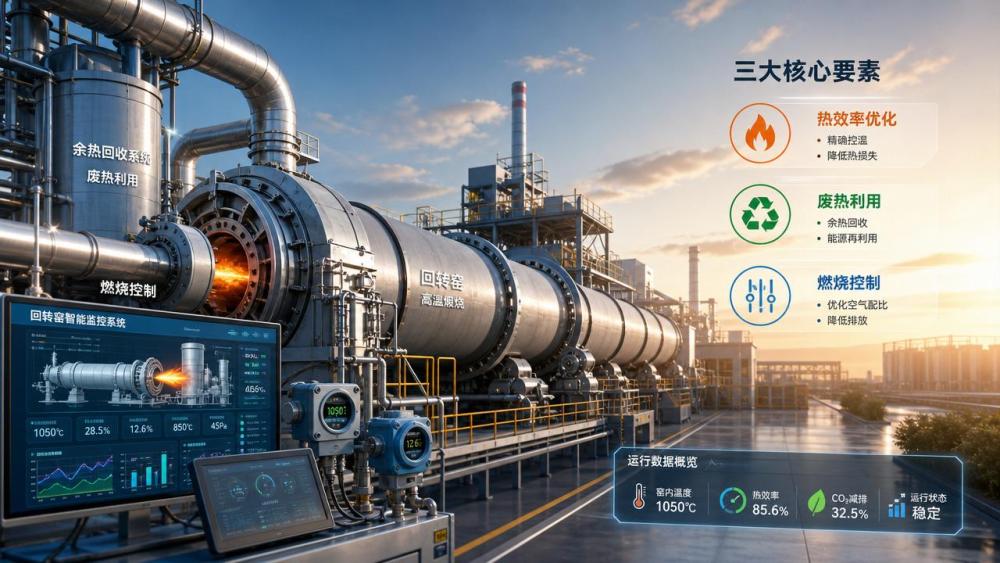
This matters most in high-temperature industries, where fuel mix, kiln stability, heat loss, and product quality are tightly linked. The best first moves usually improve both carbon intensity and operating margin.
Across cement, glass, industrial incineration, refractory lines, and extrusion systems, the fastest-paying industrial decarbonization strategies are rarely the most dramatic. They are usually the most measurable.
Priority checklist: which industrial decarbonization strategies pay off first
Use the following checklist to rank opportunities before committing to larger fuel-switching or electrification programs.
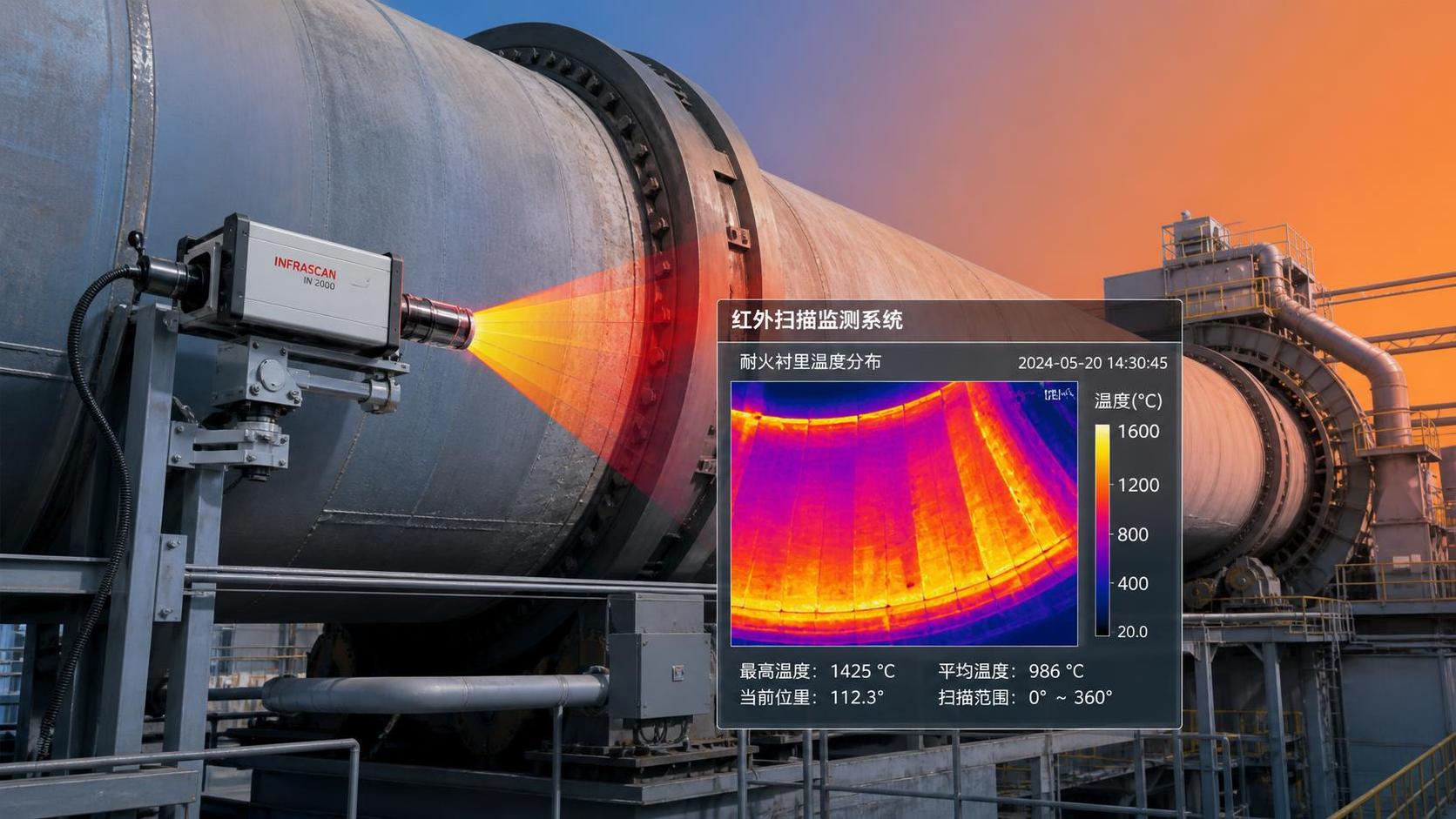
- Audit thermal losses first, including shell radiation, hot gas leakage, poor insulation, and burner imbalance, because heat escaping the process is often the cheapest carbon reduction to capture.
- Upgrade combustion controls and sensors to stabilize excess oxygen, flame shape, and temperature profile, reducing fuel waste while protecting clinker quality, glass homogeneity, or kiln residence time.
- Recover waste heat from exhaust streams, clinker coolers, flue gas, or annealing sections, then redirect it to power generation, drying, preheating, or combustion air support.
- Digitize energy monitoring by line, zone, and product recipe so hidden losses become visible in real time, enabling targeted corrective action instead of broad, slow manual troubleshooting.
- Optimize process setpoints before replacing core equipment, since many industrial decarbonization strategies fail when baseline process discipline is weak and control windows are poorly defined.
- Reduce unplanned stoppages because every unstable restart, off-spec batch, and reheating cycle adds avoidable emissions, maintenance burden, and energy cost across thermal operations.
- Improve refractory selection and lining management to lower heat loss, extend campaign life, and maintain thermal efficiency in kilns, furnaces, calciners, and incineration chambers.
- Evaluate alternative fuels only after confirming feed consistency, burner adaptability, emissions controls, and process tolerance, because substitution without stability can destroy expected returns.
- Target high-emission utilities such as compressed air, fans, pumps, and drives, where variable speed control and leak reduction can generate fast savings with limited production disruption.
- Link every project to a plant-level marginal abatement cost view, so industrial decarbonization strategies are ranked by cost per ton avoided and by operational value created.
Where the first returns usually appear
Cement production plants
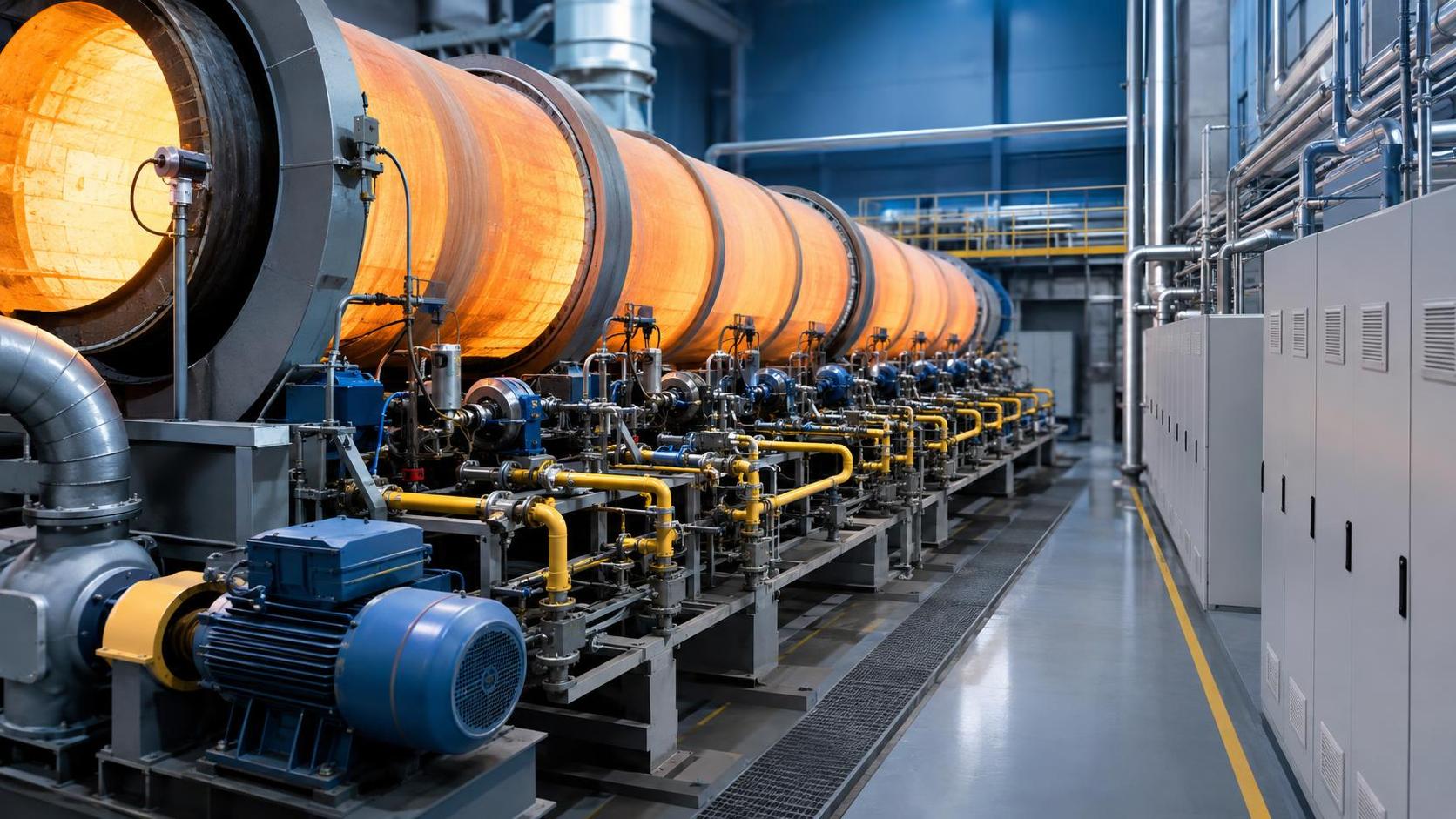
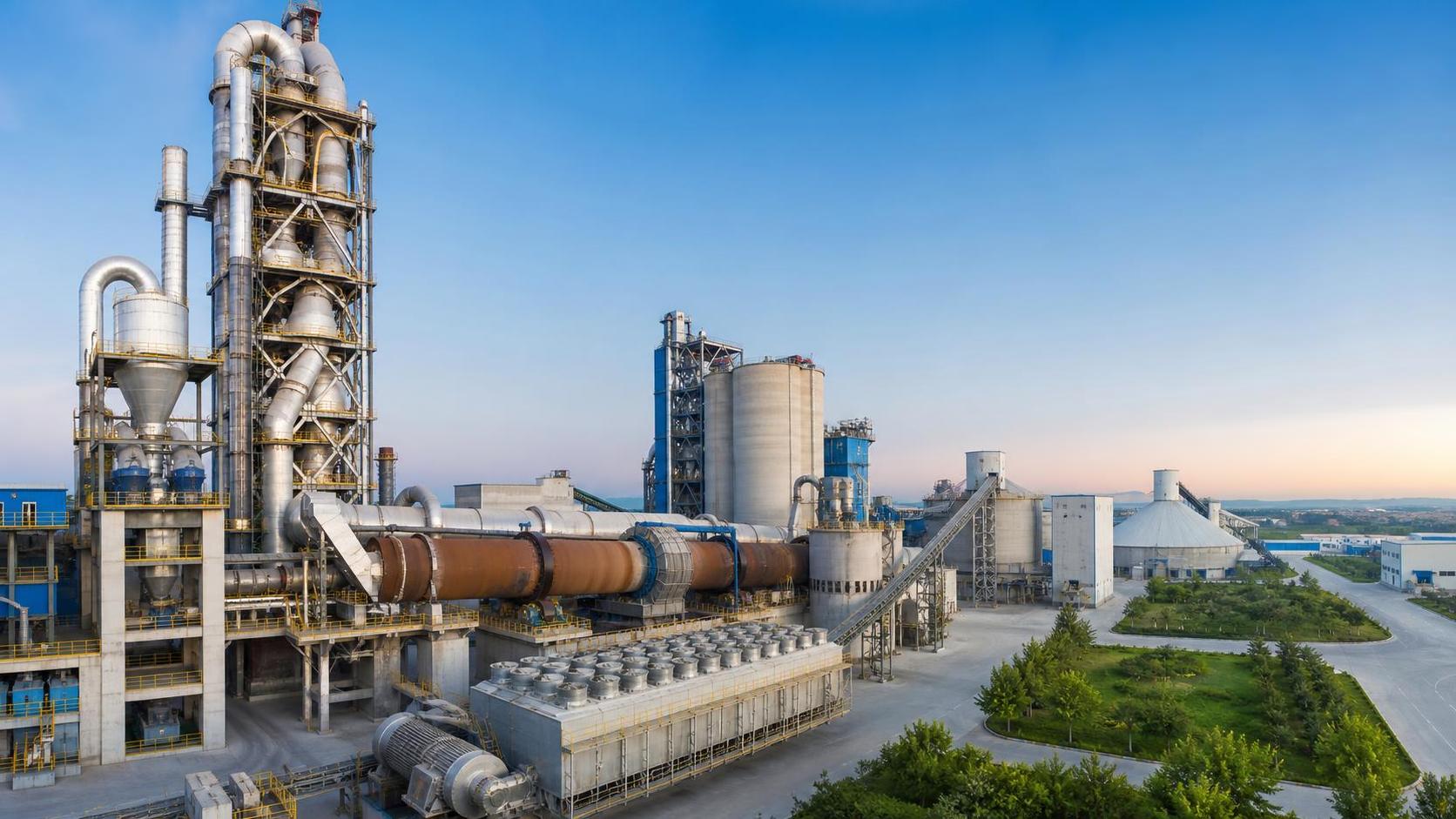
In cement, the earliest returns often come from kiln and preheater optimization. Better combustion control, false air reduction, and cooler efficiency can cut fuel use without major process redesign.
Waste heat recovery also ranks high where exhaust temperatures are stable enough. Digital monitoring of fan loads, draft balance, and specific heat consumption strengthens these industrial decarbonization strategies.
Glass manufacturing equipment
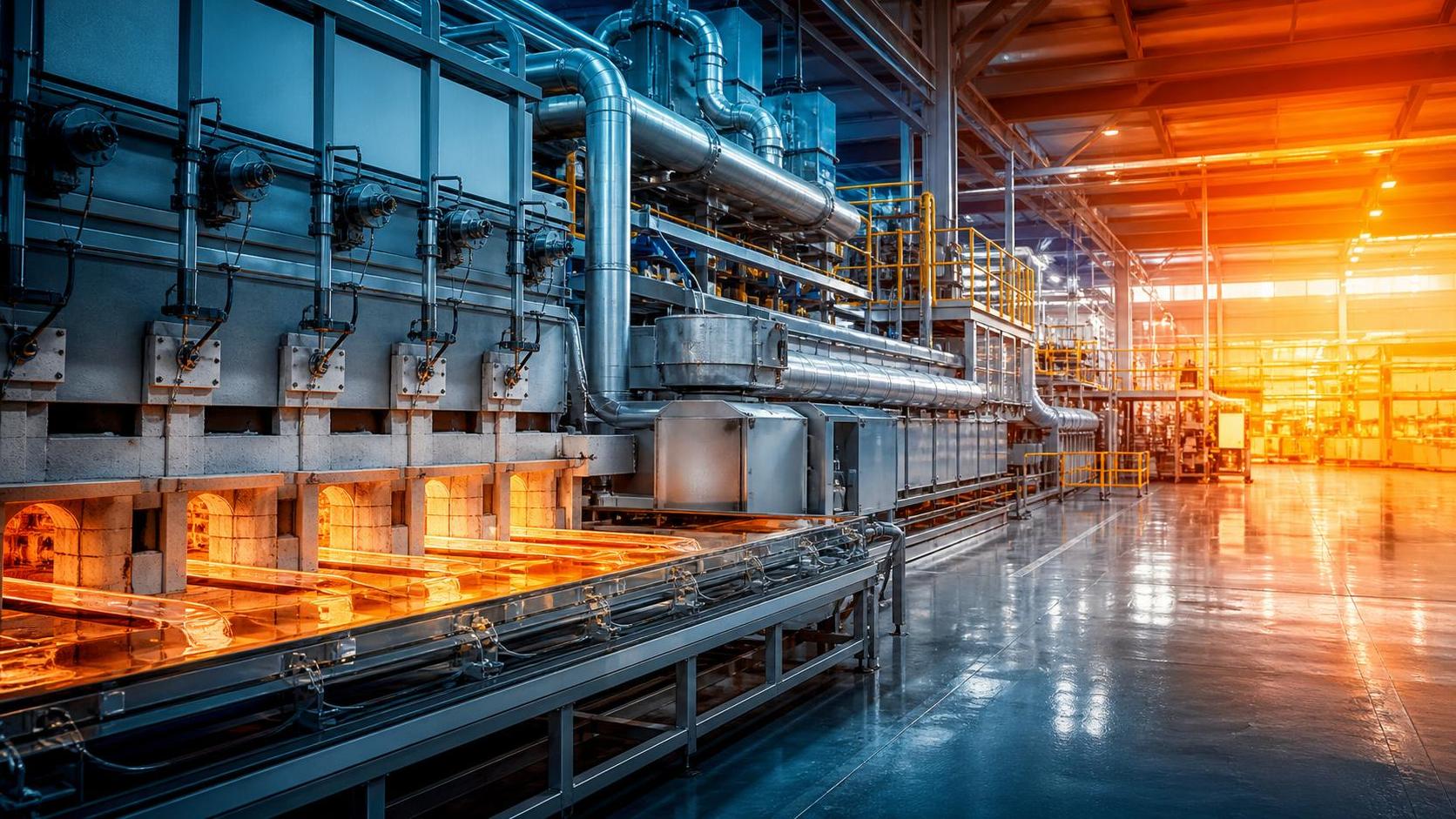
For glass lines, furnace efficiency and thermal uniformity dominate the business case. Burner tuning, crown insulation, regenerator maintenance, and pull-rate optimization often outperform expensive breakthrough options in the short term.
Advanced sensors and digital twin models can reduce overheating, improve melt control, and lower reject rates. That makes these industrial decarbonization strategies commercially attractive beyond direct fuel savings.
Industrial kilns and incineration
In kilns and incinerators, payback often starts with residence-time control, excess air management, and heat recovery from exhaust streams. Stable destruction efficiency and energy reuse create a dual return.
Co-processing systems require careful feed variability control. Without it, alternative fuel programs may increase emissions volatility, refractory wear, and maintenance frequency despite strong theoretical carbon benefits.
Refractory production lines and material extrusion
For refractory and extrusion operations, dryer efficiency, firing profile optimization, and motor system improvements usually pay off first. These are practical industrial decarbonization strategies with manageable engineering complexity.
Thermal leakage, poor moisture control, and overdesigned cycle times quietly raise both energy intensity and scrap. Correcting those basics can unlock faster returns than large-scale equipment replacement.
What companies often miss when selecting industrial decarbonization strategies
- Ignoring baseline quality losses. A project that saves fuel but raises reject rates may worsen total carbon per saleable ton.
- Overestimating fuel-switch benefits. New fuels can require burner redesign, storage systems, emissions treatment, and operator retraining.
- Treating data visibility as optional. Without line-level energy data, industrial decarbonization strategies become assumptions instead of managed improvements.
- Skipping refractory and insulation reviews. Heat-intensive assets lose efficiency gradually, so hidden degradation often escapes annual budget discussions.
- Undervaluing uptime. Decarbonization projects that reduce stoppages frequently outperform projects focused only on nameplate efficiency metrics.
Another common mistake is chasing flagship technologies before fixing process discipline. Carbon capture, hydrogen, and deep electrification may become essential, but weak baseline control delays their economics.
A practical sequence for execution
A staged approach makes industrial decarbonization strategies easier to finance and validate. It also reduces the risk of disrupting output in continuous thermal processes.
- Measure current energy, emissions, and quality performance by asset, product, and shift.
- Fix operational instability, leaks, control drift, and maintenance backlog.
- Implement low-capex efficiency projects with short shutdown windows.
- Add waste heat recovery and deeper digital optimization where profiles support them.
- Test alternative fuels or electrified subsystems only after process stability is proven.
- Re-rank the next investment wave using updated abatement and operating data.
How to judge payoff beyond simple payback
Simple payback is useful, but incomplete. The strongest industrial decarbonization strategies also improve resilience against volatile fuel prices, tighter emissions rules, and customer pressure on embodied carbon.
A stronger decision screen includes four questions: Does the project cut specific energy use? Does it protect throughput? Does it improve quality consistency? Does it create a platform for deeper decarbonization later?
If the answer is yes to at least three, the project often deserves priority. In many plants, that points first to controls, heat recovery, monitoring, refractory performance, and utility optimization.
Conclusion: start with the industrial decarbonization strategies that tighten operations
The industrial decarbonization strategies that pay off first are usually the ones that tighten thermal control, recover wasted energy, and expose hidden inefficiencies. They cut emissions by improving how the plant already runs.
For high-temperature sectors covered by CF-Elite, that means starting with measurable actions: audit heat loss, stabilize combustion, digitize energy visibility, improve refractory integrity, and rank projects by abatement value.
The next step is practical: build a site-specific shortlist of five projects, estimate downtime and carbon impact, and move the best one into execution within the current planning cycle.
Related News
 Optical Glass Tech FellowHow to Evaluate a Glass Annealing Equipment Manufacturer for Production StabilityChoose a glass annealing equipment manufacturer with proven thermal uniformity, reliable controls, lifecycle value, and responsive service for stable production.Sep 08, 2026
 Prof. Marcus ChenThermal Energy Architecture in North America: Strategies for Lower Building Energy UseThermal energy architecture North America helps project leaders cut building energy use through stronger envelopes, right-sized HVAC, storage, and smart commissioning.Sep 07, 2026
 Ms. Elena RodriguezHow Should Buyers Evaluate Building Material Industry Intelligence Pricing?Building material industry intelligence pricing: learn how to compare coverage, technical depth, and ROI to choose intelligence that reduces procurement risk.Sep 07, 2026
 Ms. Elena RodriguezHow to Use Building Material Intelligence Data for Market and Investment DecisionsBuilding material industry intelligence data helps leaders evaluate demand, costs, regulation, capacity, and technology to make smarter market and investment decisions.Sep 05, 2026
 Thermal Energy ArchitectHow PLC Control Improves Energy Efficiency and Temperature Stability in KilnsEnergy efficient kilns PLC control improves temperature stability, cuts fuel waste, and optimizes combustion, draft, and material flow. Explore proven strategies for smarter kiln modernization.Sep 04, 2026
 Optical Glass Tech FellowEuropean Glass Melting Processes: Furnace Choices, Energy Use, and Quality ControlGlass melting process Europe: explore furnace choices, energy efficiency, cullet strategy, and quality control to improve output, compliance, and long-term glass performance.Sep 03, 2026
 Thermal Energy ArchitectWhat Determines Refractory Lining Monitoring Price for Industrial Kilns?Refractory lining monitoring price depends on kiln size, sensor technology, installation, software, and support. Compare total lifecycle costs and choose the right solution.Sep 02, 2026
 Silicate Process EngineerCement Production System Costs: A Plant Buyer’s Guide to Budgeting and ROICement production systems cost planning made clear: compare CAPEX, operating costs, compliance, and ROI to build a resilient, profitable cement plant investment.Sep 01, 2026
 Dr. Alistair VaughnWhat Should a Process Technology Database Track for High-Temperature Plants?Process technology database essentials for high-temperature plants: track thermal profiles, feed chemistry, refractory wear, emissions, energy, and maintenance for safer, data-driven decisions.Aug 31, 2026
 Ms. Elena RodriguezHow to Evaluate a Silicate Processing Equipment Manufacturer for Plant ProjectsSilicate processing equipment manufacturer selection: assess process fit, guarantees, energy, compliance, delivery risk, and lifecycle support for dependable plant performance.Aug 30, 2026
 Dr. Alistair VaughnHow to Specify Custom Agricultural Processing Equipment for Throughput and HygieneEquipment customization services for agricultural processing: learn to specify hygienic, high-throughput lines that improve yield, reliability, and long-term efficiency.Aug 29, 2026
 Dr. Alistair VaughnHow to Select Process Plant Equipment for High-Temperature, Abrasive Production LinesProcess plant equipment selection for high-temperature, abrasive lines: reduce downtime, improve durability, and optimize lifecycle performance.Aug 28, 2026
 Silicate Process EngineerHow Kiln Heat Recovery Systems Cut Fuel Use in Cement and Lime ProductionKiln heat recovery helps cement and lime plants cut fuel use, improve thermal stability, and build practical, reliable decarbonization strategies.Aug 27, 2026
 Ms. Elena RodriguezProcess Equipment Comparison: Which Metrics Matter Most for Reliable Selection?Process equipment comparison made practical: discover which metrics truly drive reliable selection, from energy efficiency and control stability to wear life, maintainability, and uptime.Aug 26, 2026
 Ms. Elena RodriguezWhat Buyers Should Check Before Sourcing Precision Alloy Bars for Critical PartsPrecision Alloy Bars buyers should verify grade, chemistry, tolerances, surface quality, traceability, and lead time before sourcing for critical parts. Learn what prevents costly machining and reliability risks.Aug 27, 2026
 Ms. Elena RodriguezHow to Evaluate Thermal Management Solutions Insulation for High-Heat Industrial SystemsThermal management solutions insulation: learn how to assess high-heat industrial systems by thermal performance, durability, lifecycle cost, and supplier data for smarter decisions.Aug 25, 2026
 Ms. Elena RodriguezWhat Drives Waste Recycling Cost in Industrial Projects and How to Estimate It?Waste recycling cost in industrial projects depends on composition, moisture, transport, pre-treatment, and compliance. Learn how to estimate it accurately and compare suppliers with confidence.Aug 24, 2026
 Silicate Process EngineerHow to Evaluate Cement Production Plants in the Middle East for Capacity, Fuel Flexibility, and ROIcement production plants Middle East: Learn how to assess true capacity, fuel flexibility, and ROI risks to identify resilient assets and smarter investment opportunities.Aug 23, 2026
 Structural Material AnalystHow to Evaluate Lightweight Material Machinery for Output, Energy Use, and Product QualityLightweight material machinery evaluation guide: compare stable output, energy use, and product quality to choose equipment that cuts waste, lowers costs, and improves production confidence.Aug 22, 2026
 Material Heat-Resist ExpertWhat Determines Refractory Production Line Price in a Turnkey Plant Project?Refractory production line price depends on raw materials, forming method, kiln and drying design, automation, utilities, and scope. Learn what really drives turnkey plant cost before you invest.Aug 21, 2026

Related News
- 00
0000-00
Thermal Energy Architecture in North America: Strategies for Lower Building Energy Use - 00
0000-00
How to Evaluate a Green Material Production Line for Energy Use, Output, and Product Quality - 00
0000-00
Silicate Technology Trends: What New Process Upgrades Matter for Refractory and Cement Plants? - 00
0000-00
Thermal Engineering Optimization: Which Process Parameters Most Affect Energy Use? - 00
0000-00
Material Extrusion Technology in Europe: Which Materials and Production Goals Fit Best?
Weekly Insights
Stay ahead with our curated technology reports delivered every Monday.