
Thermal energy management mistakes still raise plant costs




Rising fuel bills, unstable process conditions, and avoidable downtime often trace back to overlooked thermal energy management gaps. For decision-makers in cement, glass, kilns, incineration, and refractory production, improving thermal energy management is no longer just an engineering task—it is a strategic lever for cost control, carbon reduction, and long-term competitiveness.
For most companies searching this topic, the real question is not whether heat losses exist. It is which thermal energy management mistakes are silently eroding margins, increasing operational risk, and delaying decarbonization goals across high-temperature production assets.
Business leaders usually care less about textbook definitions and more about practical decisions. They want to know where costs are leaking, which fixes produce measurable returns, how to prioritize upgrades, and when poor thermal control becomes a strategic threat rather than a maintenance issue.
That is why the most useful way to approach thermal energy management is through a decision lens. The issue spans fuel efficiency, refractory life, process stability, product quality, emissions exposure, and capital planning across energy-intensive plants.
The core problem: thermal energy management is still treated as a utility issue, not a profit driver
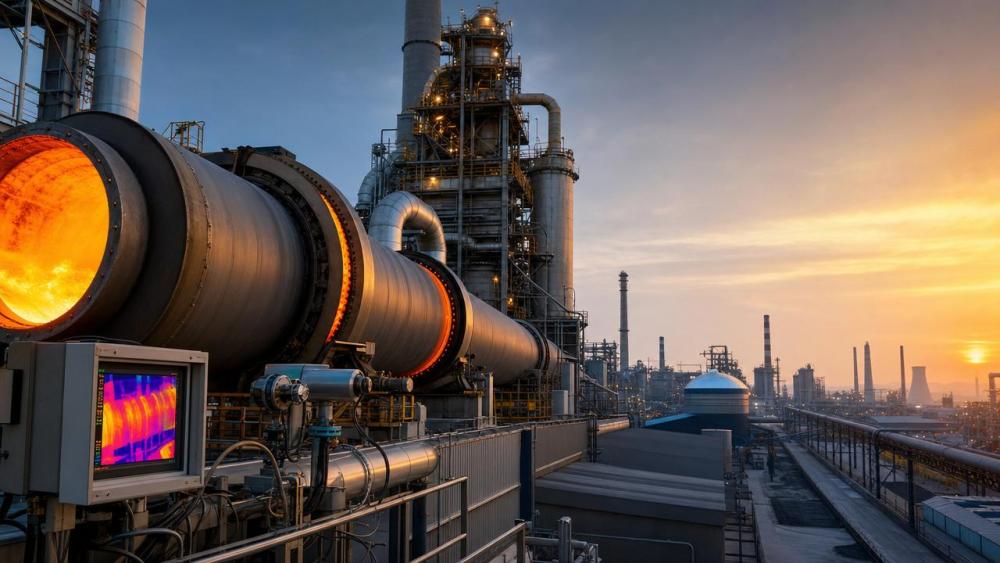
In many plants, thermal energy management is still delegated too narrowly to operations or maintenance teams. That organizational habit is one of the biggest mistakes because heat performance directly influences output, quality consistency, and financial resilience.
When management sees thermal losses only as an engineering concern, investment decisions become reactive. Plants then respond after abnormal fuel consumption, hot spots, refractory failures, or process instability have already raised costs and disrupted production schedules.
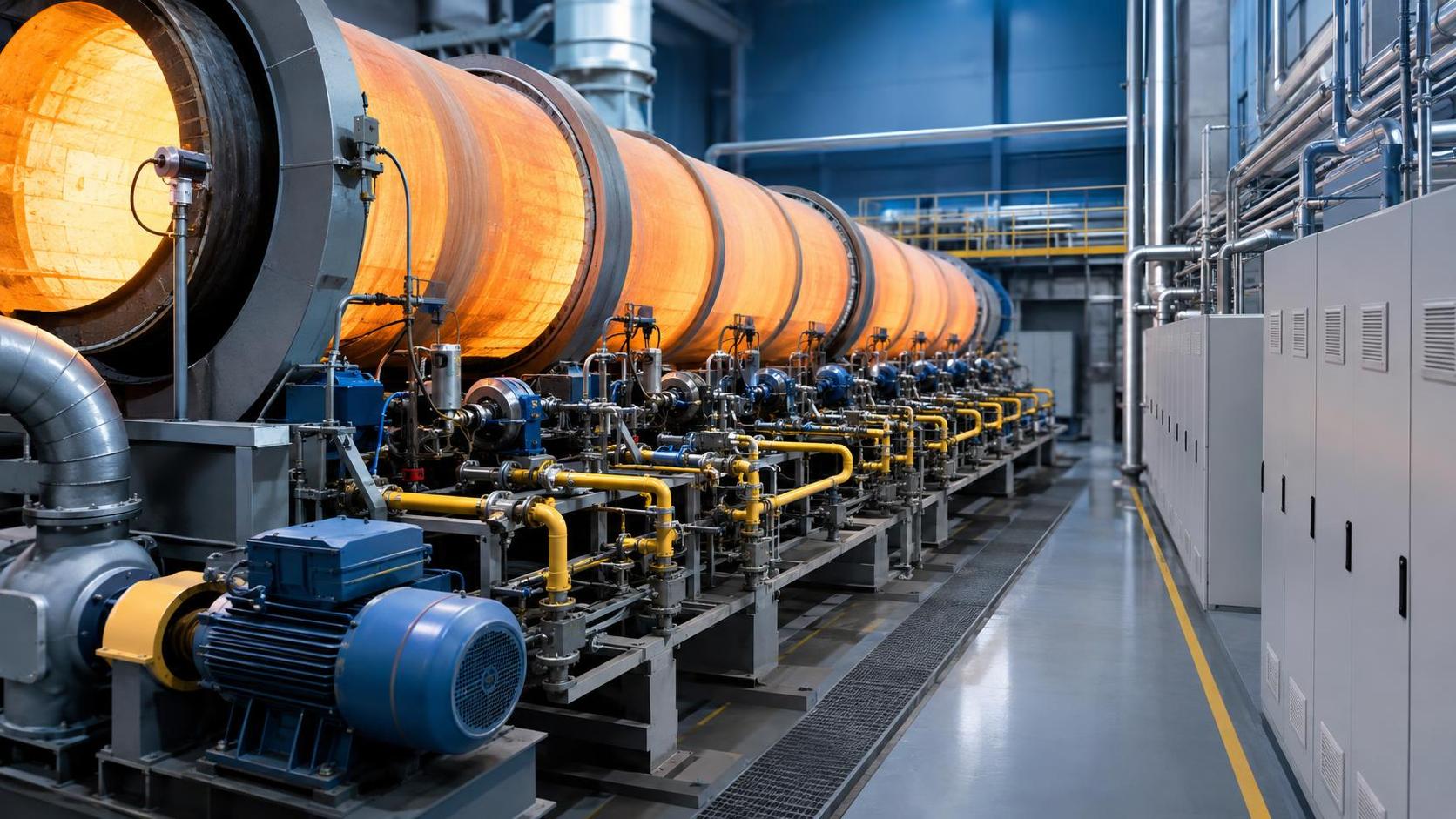
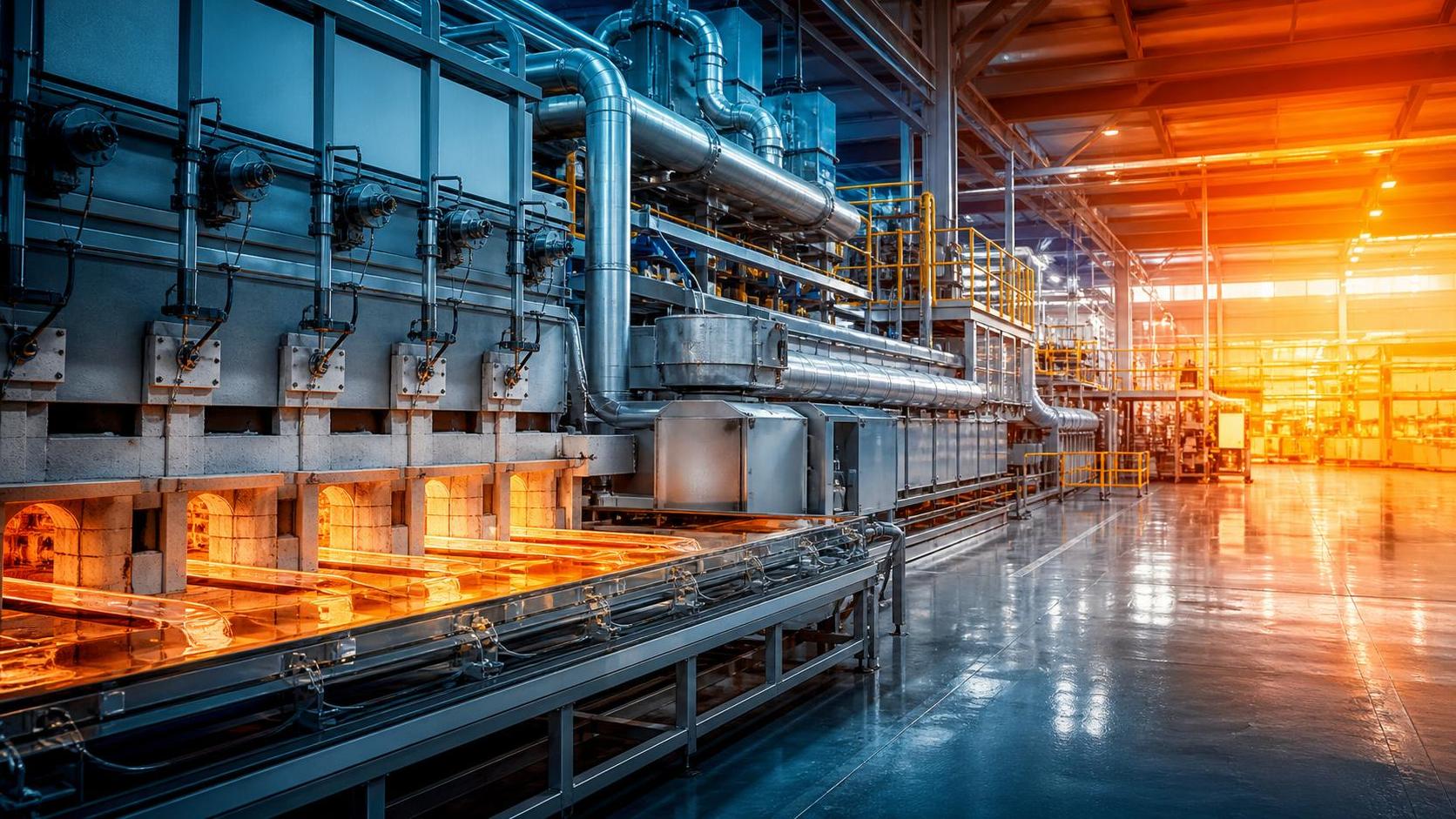
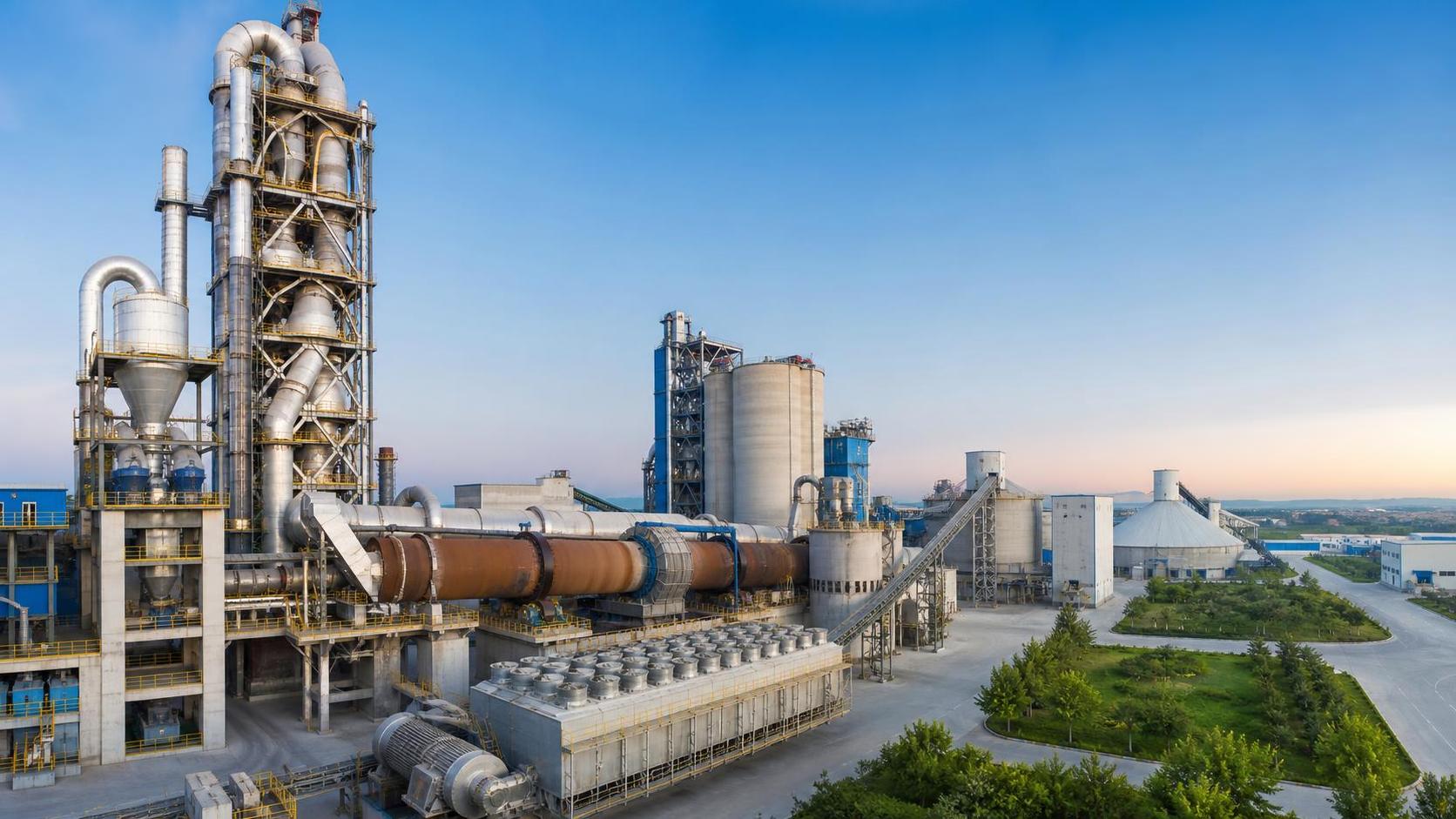
In cement plants, poor thermal balance can reduce kiln efficiency, destabilize clinker quality, and increase fan power demand. In glass manufacturing, uneven heat profiles affect melt quality, pull rates, and annealing outcomes, with scrap and rework following quickly.
Industrial kilns and incineration systems face similar risks. Heat leakage, weak combustion control, and poor recovery design can lower destruction efficiency, raise auxiliary fuel use, and create compliance pressure under tightening environmental standards.
Refractory production lines and extrusion systems also depend on disciplined heat control. Temperature deviations change material behavior, affect dimensional accuracy, shorten lining life, and increase energy intensity at a time when margins are already under pressure.
For executives, the conclusion is simple. Thermal energy management is not a background technical discipline. It is a cross-functional value lever that influences EBITDA, asset life, carbon performance, and the reliability of customer commitments.
Which thermal energy management mistakes usually cost the most
The costliest mistakes are rarely dramatic. They are often small, repeated failures in measurement, control, and governance that remain invisible because production continues, even while efficiency and thermal discipline gradually deteriorate.
A common mistake is relying on average plant energy intensity instead of equipment-level thermal visibility. A site may appear acceptable on monthly fuel metrics while one burner zone, furnace section, or kiln shell is performing far below standard.
Another expensive mistake is treating insulation and refractory health as shutdown-only concerns. By the time severe hot spots appear, the plant has usually already absorbed months of extra fuel use, thermal stress, and avoidable wear.
Many facilities also underestimate the financial impact of poor combustion tuning. Excess air, unstable flame geometry, suboptimal burner settings, or inconsistent fuel quality can all waste energy while creating downstream process variability.
Heat recovery is another area where plants leave money on the table. Waste heat systems are sometimes installed but not optimized, or they are ignored entirely because managers assume savings will be too complex to validate.
Data fragmentation creates another major issue. When temperature readings, fuel rates, maintenance records, and quality results are stored in separate systems, decision-makers cannot connect thermal inefficiency with production losses in a credible way.
Finally, many companies make the budgeting mistake of waiting for a major equipment replacement before addressing thermal performance. In practice, many improvements come from staged actions in controls, monitoring, sealing, lining, and heat reuse.
What decision-makers should examine first before approving any upgrade
Before approving thermal projects, leaders need a baseline that ties thermal behavior to business outcomes. Without that link, teams may present technically sound ideas that still struggle to compete for capital inside a broader investment portfolio.
The first question is where the largest value leakage occurs. Is the plant losing money through direct fuel waste, unstable output, shortened refractory campaigns, poor product quality, or downtime caused by thermal excursions and emergency interventions?
The second question is whether the issue is structural or operational. Structural issues include outdated kiln design, weak sealing, poor insulation, or missing recovery systems. Operational issues include control drift, tuning problems, or inconsistent standard procedures.
The third question is how quickly the plant can capture measurable gains. Some thermal energy management actions deliver fast payback through burner tuning, air-fuel balancing, and leak reduction. Others require longer timelines but reshape strategic competitiveness.
Leaders should also ask whether the plant has trustworthy instrumentation. If temperature mapping, oxygen analysis, shell scanning, pressure monitoring, or flow measurement is weak, the company may invest in hardware before it truly understands root causes.
It is equally important to assess production sensitivity. In sectors such as glass, advanced refractories, and specialty materials, minor thermal variations can damage quality far more than fuel savings alone would suggest. That changes the investment logic.
A final screen is execution capability. The best thermal energy management plan still fails if maintenance, process, procurement, and digital teams do not share ownership. Governance matters as much as technical design when savings must be sustained.
Why process stability matters as much as fuel savings
Many companies pursue thermal projects mainly to reduce fuel consumption. That is sensible, but incomplete. In continuous high-temperature industries, process stability often creates equal or greater value because instability multiplies losses across the entire plant.
When thermal profiles drift, operators compensate in ways that may protect throughput temporarily but worsen efficiency elsewhere. They may increase fuel input, change line speed, alter air settings, or tolerate wider quality variation just to keep production moving.
Those short-term responses have hidden costs. They increase wear on burners and fans, raise emissions risk, complicate maintenance planning, and can create a cycle where the plant appears operational but performs below its real economic potential.
Stable thermal energy management supports predictable chemistry, controlled residence time, and repeatable product properties. In cement and incineration, that affects burnout and conversion efficiency. In glass and extrusion, it supports uniformity and lower rejection rates.
From a boardroom perspective, stability is valuable because it improves planning confidence. Plants with tighter thermal control usually forecast output better, schedule shutdowns more rationally, and face fewer emergency interruptions that disrupt customer delivery.
That is why management should avoid evaluating thermal projects only through a narrow energy-saving percentage. A project that modestly reduces fuel but sharply improves control may outperform one with a larger theoretical efficiency gain but weak operational impact.
How thermal energy management supports carbon strategy and regulatory resilience
For energy-intensive industries, thermal energy management is now inseparable from decarbonization. Every avoidable unit of heat loss increases direct emissions, weakens the economics of alternative fuels, and raises the cost of complying with stricter policy frameworks.
This is especially relevant where carbon pricing, emissions disclosure, or green procurement standards are strengthening. Plants with weak thermal discipline often discover that their carbon strategy fails not because targets are unrealistic, but because thermal fundamentals remain unresolved.
Alternative fuels provide a clear example. Co-processing in rotary kilns or fuel switching in thermal systems can support carbon reduction, but poor combustion control and uneven heat transfer can offset part of the expected benefit.
Waste heat recovery also carries strategic value beyond utility savings. It can improve site-level energy resilience, support power generation or preheating functions, and strengthen the business case for broader energy transition investments.
For decision-makers, this means thermal energy management should be embedded into ESG planning, not handled as a separate technical agenda. The same measures that reduce losses often improve audit readiness, emissions credibility, and investor communication.
In practical terms, companies that address heat efficiency early usually gain more flexibility later. They can adopt digital optimization, fuel diversification, and carbon reduction programs from a stronger operational baseline, with fewer surprises and lower execution risk.
Where the best returns often come from in high-temperature plants
Not every plant needs a major rebuild to improve thermal performance. In many cases, the strongest returns come from targeted actions chosen through clear diagnosis rather than broad capital spending justified by generic efficiency claims.
Low- to mid-capex gains often start with combustion optimization, leakage reduction, insulation repair, seal improvement, and tighter control logic. These measures can deliver meaningful savings quickly when they are supported by reliable data and operator discipline.
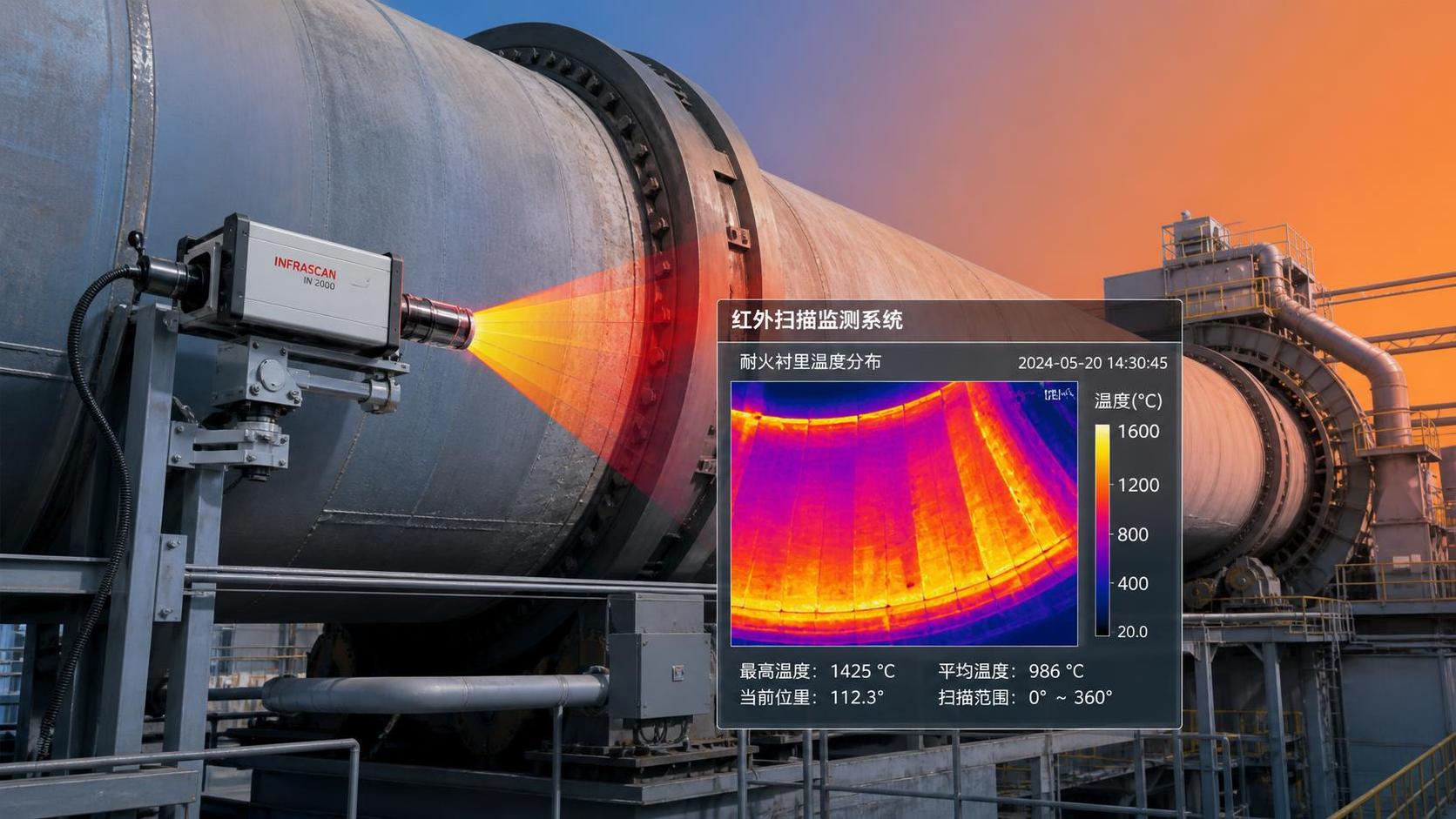
Instrumentation upgrades frequently deserve high priority. Better thermal imaging, continuous gas analysis, shell monitoring, and real-time performance dashboards help plants move from assumption-based troubleshooting to evidence-based intervention.
For some facilities, refractory strategy creates the biggest return. Material selection, installation quality, lining thickness, and campaign planning directly affect heat retention, maintenance frequency, and risk of unplanned outages during peak demand periods.
Waste heat utilization can be attractive where process conditions are suitable and utilization pathways are clear. The key is not to treat recovery as a prestige project, but as part of a full-site thermal architecture with realistic load and reliability analysis.
Digital tools are increasingly valuable as well. Simulation, trend analysis, and digital twin approaches can reveal thermal imbalances earlier, especially in complex systems where heat transfer, chemistry, and mechanical constraints interact dynamically.
The highest returns usually come when plants sequence these measures intelligently. Quick operational fixes create early savings, improved monitoring sharpens diagnosis, and larger investments are then directed toward the bottlenecks that matter most.
A practical framework for evaluating thermal energy management decisions
Executives do not need to become thermal specialists, but they do need a disciplined framework. Strong decisions usually begin with five questions that turn technical findings into clear business priorities and investment logic.
First, what is the quantified cost of current thermal underperformance? That should include fuel, quality loss, refractory wear, downtime exposure, maintenance burden, and any carbon or compliance costs linked to inefficient heat use.
Second, how certain is the diagnosis? If root causes are still unclear, the next investment may need to be better measurement and analytics rather than a larger equipment package presented as a universal solution.
Third, what is the payback profile under realistic operating conditions? Leaders should test projected savings against actual production variability, maintenance capability, and fuel price scenarios instead of relying on ideal design assumptions.
Fourth, what operational behavior is required to sustain results? Many thermal energy management improvements fail financially because process discipline, calibration practices, and accountability structures are not upgraded along with the equipment.
Fifth, how does the decision align with the plant’s longer-term roadmap? The right project should support not only present savings but also future flexibility in decarbonization, digitalization, throughput growth, and product quality positioning.
This framework helps management avoid two common traps: underinvesting in thermal fundamentals because they appear technical, and overinvesting in fashionable solutions before the plant has fixed basic inefficiencies that undermine every later initiative.
Conclusion: the plants that win treat heat as strategy, not background infrastructure
Thermal energy management mistakes still raise plant costs because they often remain hidden inside routine operations. Fuel overuse, unstable production, shortened lining life, and compliance pressure are not isolated symptoms. They are usually connected.
For business leaders in cement, glass, industrial kilns, incineration, refractory production, and advanced building materials, the message is clear. Better thermal energy management is one of the most direct ways to strengthen margin, resilience, and carbon performance.
The companies that move first are not simply buying efficiency. They are building better operational visibility, more stable processes, stronger investment discipline, and a more credible pathway toward lower-cost, lower-carbon high-temperature manufacturing.
If your plant is facing rising energy costs or recurring thermal instability, the right starting point is not a generic retrofit list. It is a focused review of where heat losses are creating business risk, and which corrections will pay back fastest.
In today’s industrial environment, heat is too expensive, carbon is too visible, and downtime is too disruptive to treat thermal performance as a secondary issue. Plants that manage heat strategically will make better decisions long before competitors do.
Related News
 Optical Glass Tech FellowHow to Evaluate a Glass Annealing Equipment Manufacturer for Production StabilityChoose a glass annealing equipment manufacturer with proven thermal uniformity, reliable controls, lifecycle value, and responsive service for stable production.Sep 08, 2026
 Prof. Marcus ChenThermal Energy Architecture in North America: Strategies for Lower Building Energy UseThermal energy architecture North America helps project leaders cut building energy use through stronger envelopes, right-sized HVAC, storage, and smart commissioning.Sep 07, 2026
 Ms. Elena RodriguezHow Should Buyers Evaluate Building Material Industry Intelligence Pricing?Building material industry intelligence pricing: learn how to compare coverage, technical depth, and ROI to choose intelligence that reduces procurement risk.Sep 07, 2026
 Ms. Elena RodriguezHow to Use Building Material Intelligence Data for Market and Investment DecisionsBuilding material industry intelligence data helps leaders evaluate demand, costs, regulation, capacity, and technology to make smarter market and investment decisions.Sep 05, 2026
 Thermal Energy ArchitectHow PLC Control Improves Energy Efficiency and Temperature Stability in KilnsEnergy efficient kilns PLC control improves temperature stability, cuts fuel waste, and optimizes combustion, draft, and material flow. Explore proven strategies for smarter kiln modernization.Sep 04, 2026
 Optical Glass Tech FellowEuropean Glass Melting Processes: Furnace Choices, Energy Use, and Quality ControlGlass melting process Europe: explore furnace choices, energy efficiency, cullet strategy, and quality control to improve output, compliance, and long-term glass performance.Sep 03, 2026
 Thermal Energy ArchitectWhat Determines Refractory Lining Monitoring Price for Industrial Kilns?Refractory lining monitoring price depends on kiln size, sensor technology, installation, software, and support. Compare total lifecycle costs and choose the right solution.Sep 02, 2026
 Silicate Process EngineerCement Production System Costs: A Plant Buyer’s Guide to Budgeting and ROICement production systems cost planning made clear: compare CAPEX, operating costs, compliance, and ROI to build a resilient, profitable cement plant investment.Sep 01, 2026
 Dr. Alistair VaughnWhat Should a Process Technology Database Track for High-Temperature Plants?Process technology database essentials for high-temperature plants: track thermal profiles, feed chemistry, refractory wear, emissions, energy, and maintenance for safer, data-driven decisions.Aug 31, 2026
 Ms. Elena RodriguezHow to Evaluate a Silicate Processing Equipment Manufacturer for Plant ProjectsSilicate processing equipment manufacturer selection: assess process fit, guarantees, energy, compliance, delivery risk, and lifecycle support for dependable plant performance.Aug 30, 2026
 Dr. Alistair VaughnHow to Specify Custom Agricultural Processing Equipment for Throughput and HygieneEquipment customization services for agricultural processing: learn to specify hygienic, high-throughput lines that improve yield, reliability, and long-term efficiency.Aug 29, 2026
 Dr. Alistair VaughnHow to Select Process Plant Equipment for High-Temperature, Abrasive Production LinesProcess plant equipment selection for high-temperature, abrasive lines: reduce downtime, improve durability, and optimize lifecycle performance.Aug 28, 2026
 Silicate Process EngineerHow Kiln Heat Recovery Systems Cut Fuel Use in Cement and Lime ProductionKiln heat recovery helps cement and lime plants cut fuel use, improve thermal stability, and build practical, reliable decarbonization strategies.Aug 27, 2026
 Ms. Elena RodriguezProcess Equipment Comparison: Which Metrics Matter Most for Reliable Selection?Process equipment comparison made practical: discover which metrics truly drive reliable selection, from energy efficiency and control stability to wear life, maintainability, and uptime.Aug 26, 2026
 Ms. Elena RodriguezWhat Buyers Should Check Before Sourcing Precision Alloy Bars for Critical PartsPrecision Alloy Bars buyers should verify grade, chemistry, tolerances, surface quality, traceability, and lead time before sourcing for critical parts. Learn what prevents costly machining and reliability risks.Aug 27, 2026
 Ms. Elena RodriguezHow to Evaluate Thermal Management Solutions Insulation for High-Heat Industrial SystemsThermal management solutions insulation: learn how to assess high-heat industrial systems by thermal performance, durability, lifecycle cost, and supplier data for smarter decisions.Aug 25, 2026
 Ms. Elena RodriguezWhat Drives Waste Recycling Cost in Industrial Projects and How to Estimate It?Waste recycling cost in industrial projects depends on composition, moisture, transport, pre-treatment, and compliance. Learn how to estimate it accurately and compare suppliers with confidence.Aug 24, 2026
 Silicate Process EngineerHow to Evaluate Cement Production Plants in the Middle East for Capacity, Fuel Flexibility, and ROIcement production plants Middle East: Learn how to assess true capacity, fuel flexibility, and ROI risks to identify resilient assets and smarter investment opportunities.Aug 23, 2026
 Structural Material AnalystHow to Evaluate Lightweight Material Machinery for Output, Energy Use, and Product QualityLightweight material machinery evaluation guide: compare stable output, energy use, and product quality to choose equipment that cuts waste, lowers costs, and improves production confidence.Aug 22, 2026
 Material Heat-Resist ExpertWhat Determines Refractory Production Line Price in a Turnkey Plant Project?Refractory production line price depends on raw materials, forming method, kiln and drying design, automation, utilities, and scope. Learn what really drives turnkey plant cost before you invest.Aug 21, 2026

Related News
- 00
0000-00
Thermal Energy Architecture in North America: Strategies for Lower Building Energy Use - 00
0000-00
How to Evaluate a Green Material Production Line for Energy Use, Output, and Product Quality - 00
0000-00
Silicate Technology Trends: What New Process Upgrades Matter for Refractory and Cement Plants? - 00
0000-00
Thermal Engineering Optimization: Which Process Parameters Most Affect Energy Use? - 00
0000-00
Material Extrusion Technology in Europe: Which Materials and Production Goals Fit Best?
Weekly Insights
Stay ahead with our curated technology reports delivered every Monday.