
Why silicate industrial intelligence matters in 2026




In 2026, silicate industrial intelligence is no longer optional for enterprise leaders navigating rising energy costs, stricter carbon policies, and faster equipment upgrades.
From cement and glass to kilns, refractories, and extrusion lines, connected insight now drives operational speed, energy discipline, and better capital timing.
For CF-Elite, silicate industrial intelligence means linking process data, thermal behavior, policy signals, and equipment trends into usable industrial judgment.
That matters because heavy thermal industries no longer compete on output alone. They compete on efficiency, resilience, compliance, and the quality of decisions.
Why 2026 creates a new decision scenario for silicate industrial intelligence
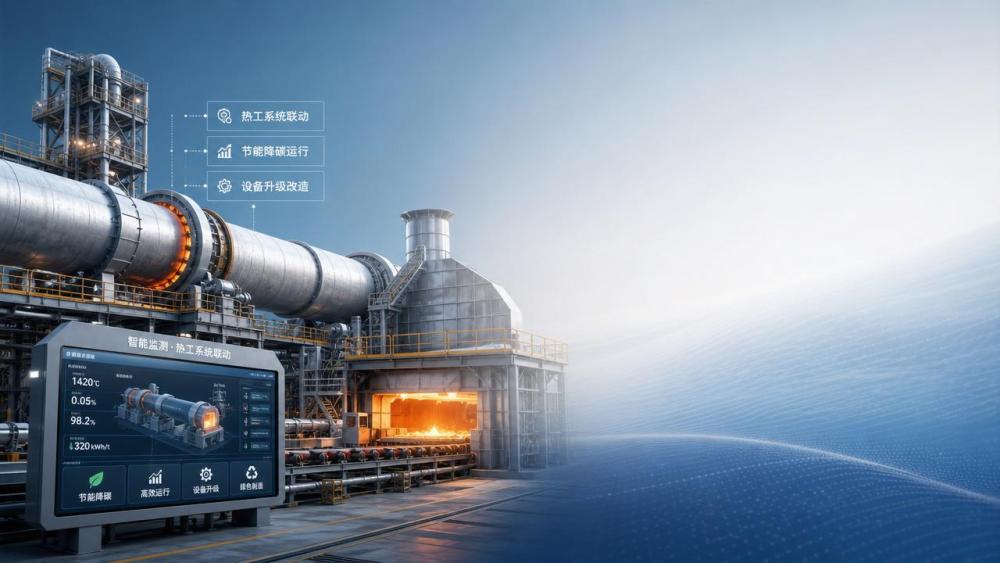
The industrial environment in 2026 is defined by unstable fuel pricing, stricter emissions oversight, and faster digital retrofits across high-temperature production systems.
In this setting, silicate industrial intelligence becomes a practical framework for seeing process risks before they become cost events.
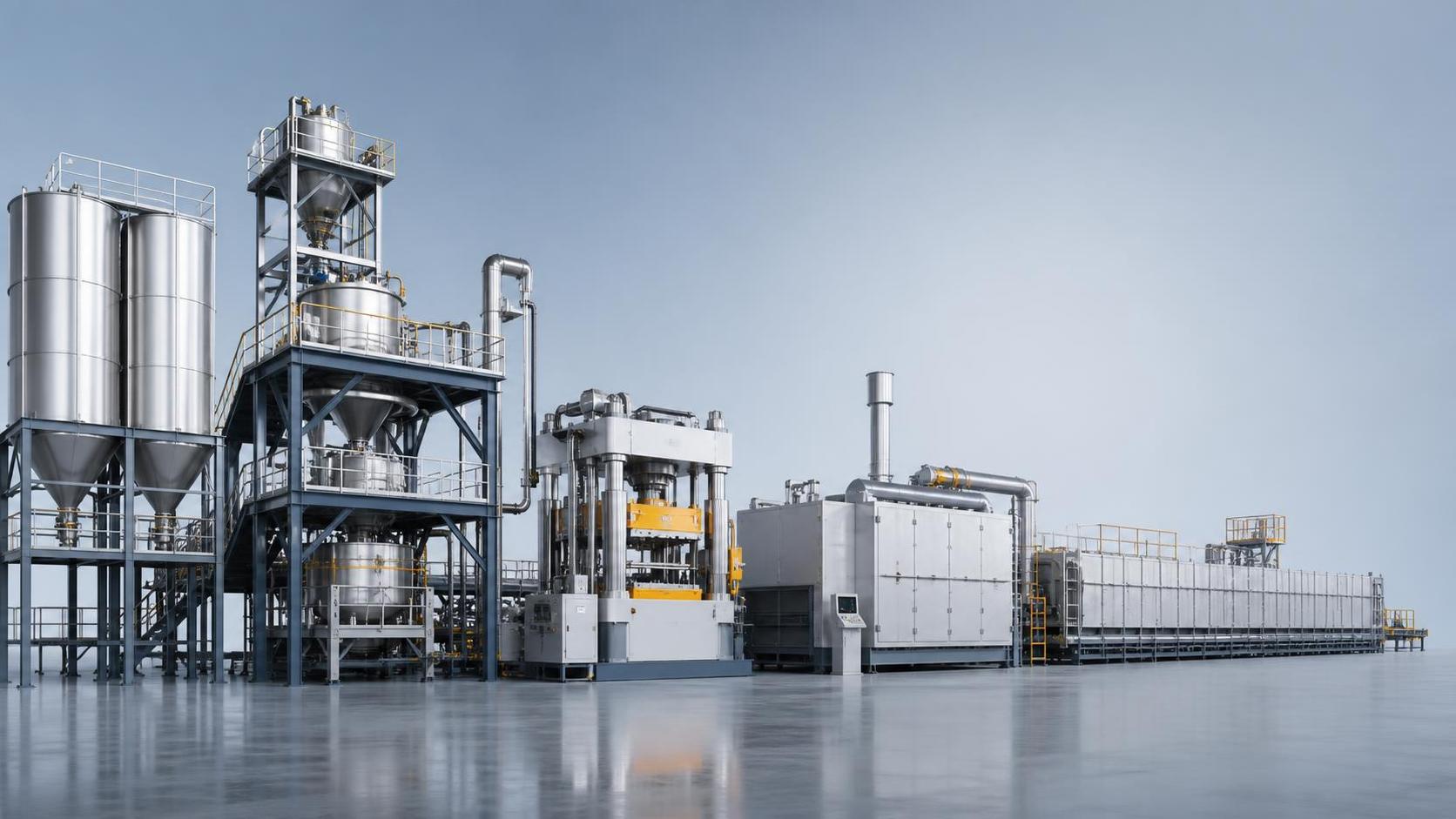
A rotary kiln, float glass furnace, refractory tunnel kiln, or extrusion line creates massive thermal and material complexity.
Without stitched intelligence, data stays fragmented between engineering, operations, maintenance, compliance, and market planning.
CF-Elite addresses this gap by observing foundation materials and thermal management through technical, commercial, and policy-linked signals.
That is why silicate industrial intelligence matters in 2026. It turns separate indicators into coordinated action.
When cement and clinker scenarios demand faster intelligence loops
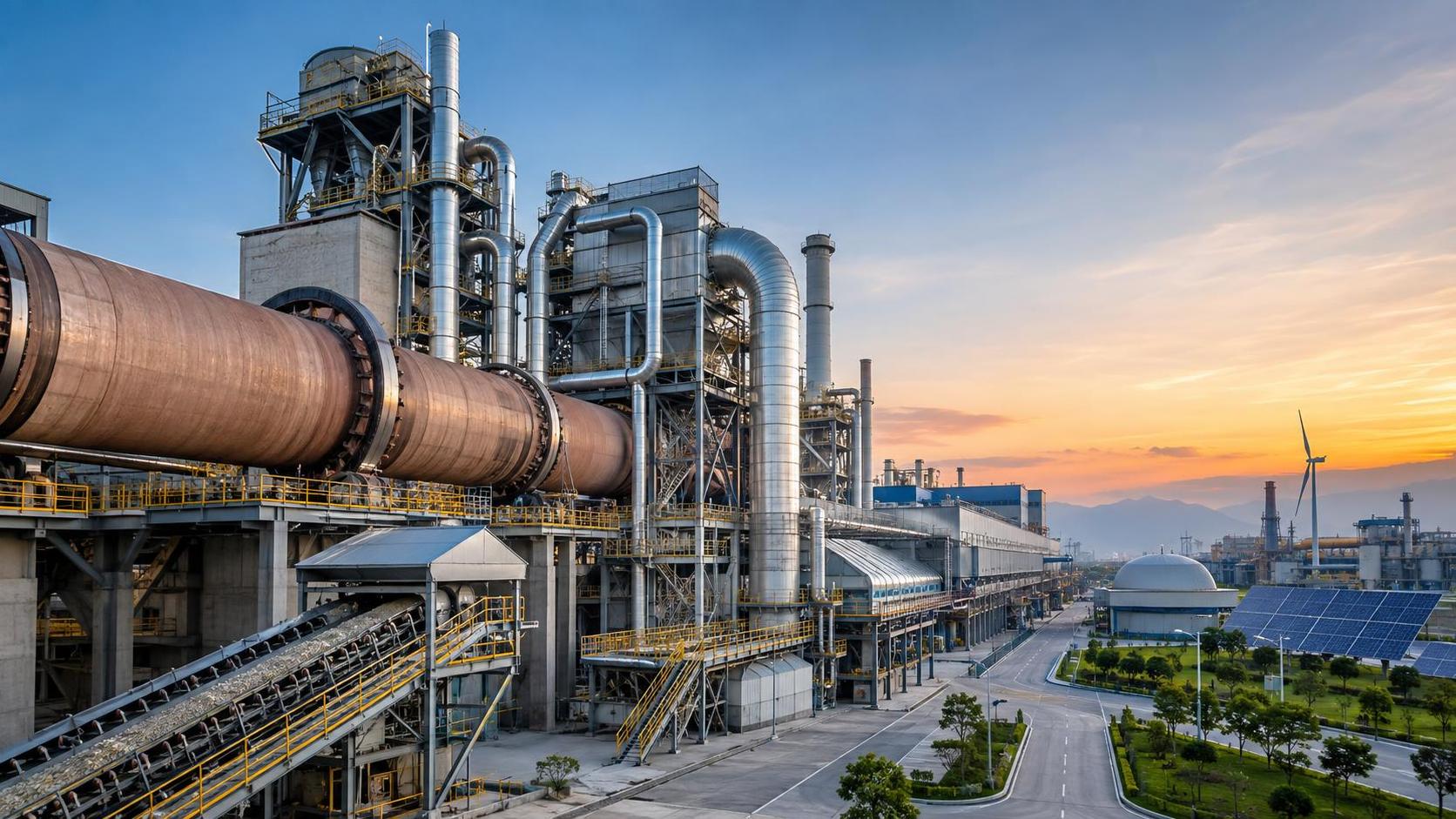
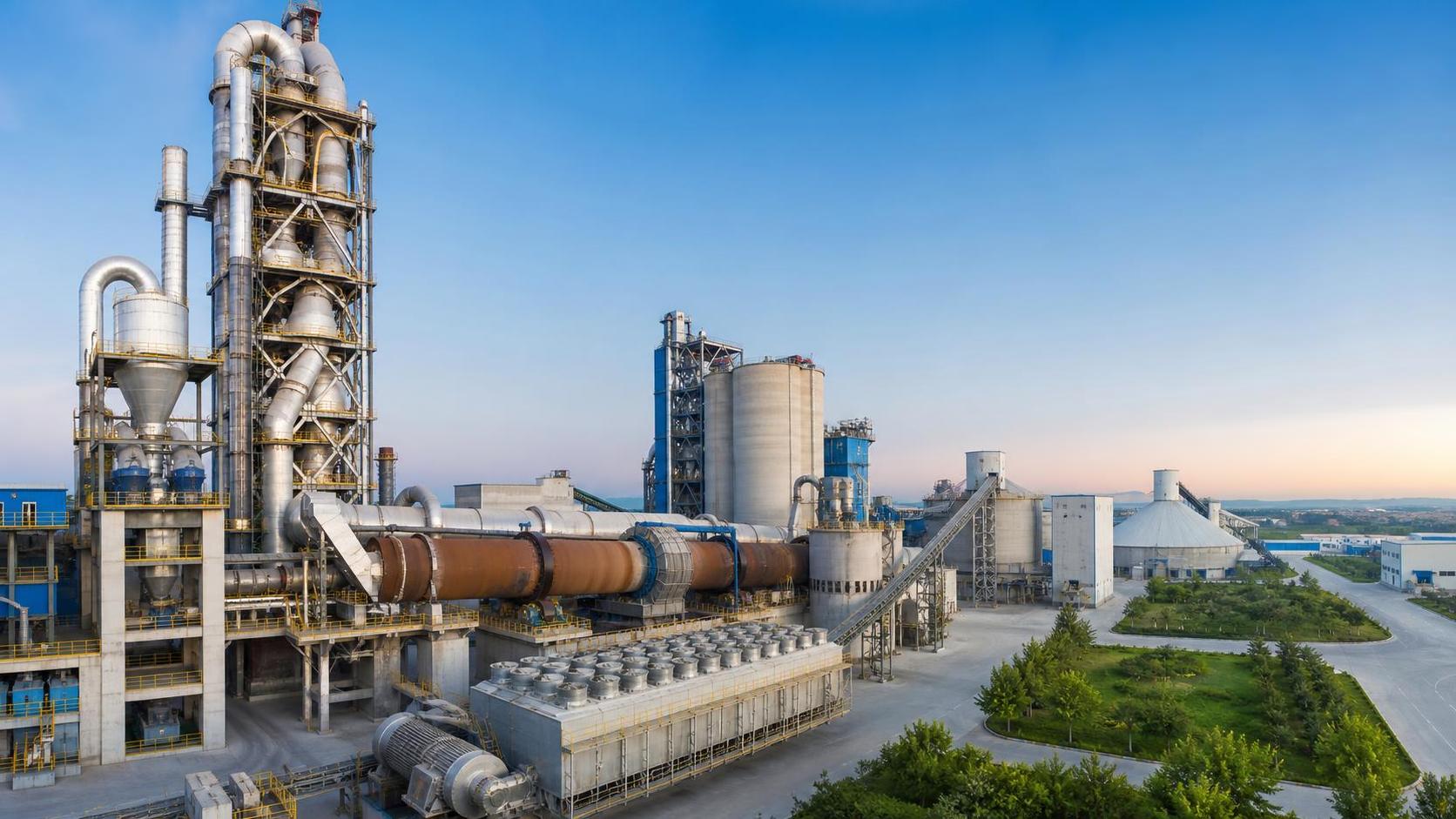
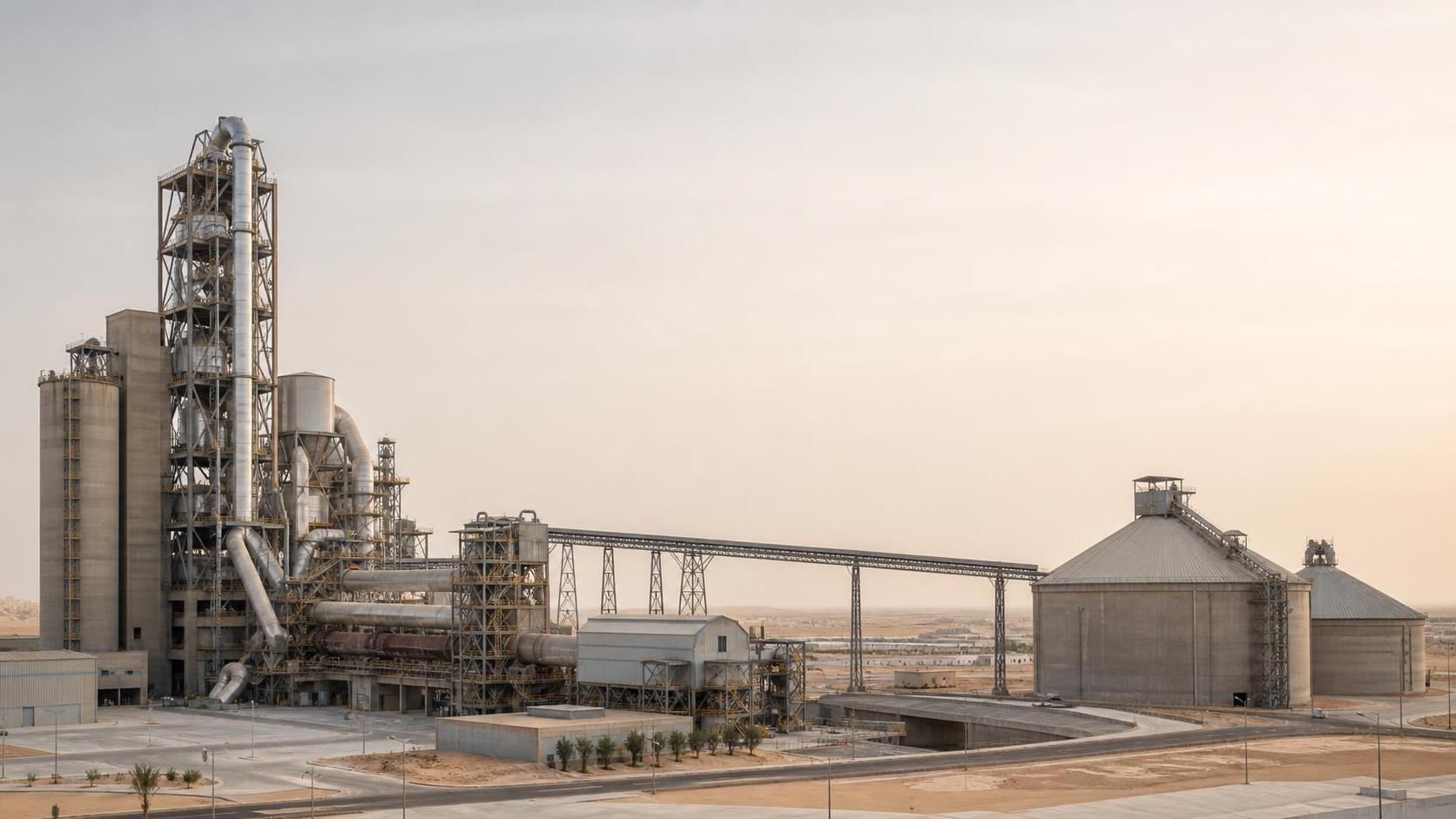
Cement production plants face a difficult balance between throughput, fuel substitution, dust control, and carbon intensity.
In this scenario, silicate industrial intelligence helps compare thermal efficiency, raw mix stability, and co-processing performance in one decision layer.
Core judgment points in cement operations
- How fuel changes affect kiln stability and specific heat consumption
- Whether dust collection upgrades match production expansion plans
- How carbon reporting rules alter equipment investment timing
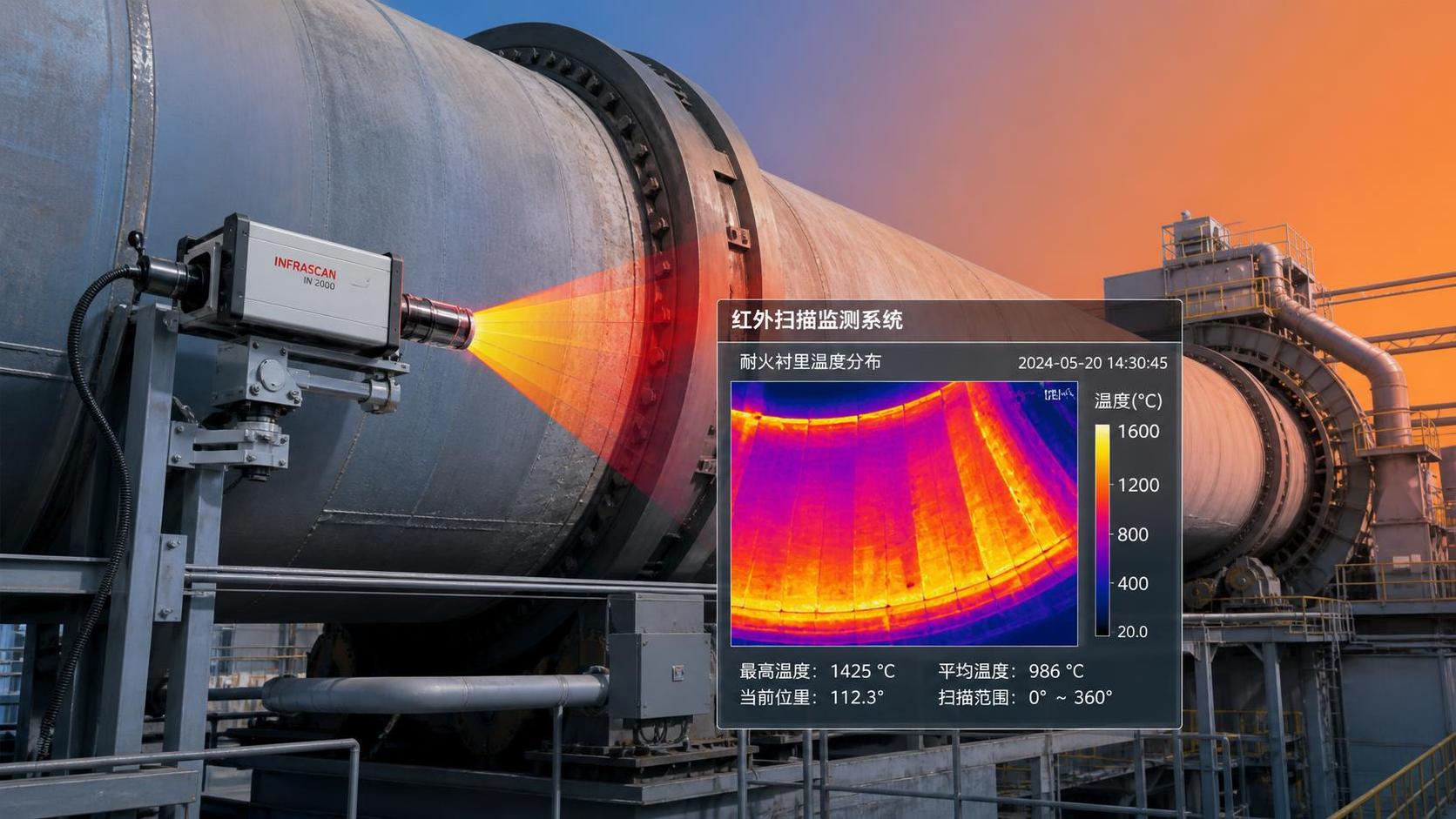
- Whether refractory wear data signals unplanned shutdown risk
The value is not only reporting. It is using sector intelligence to support decisions on kiln optimization, line modernization, and compliance cost control.
Where glass manufacturing needs silicate industrial intelligence most
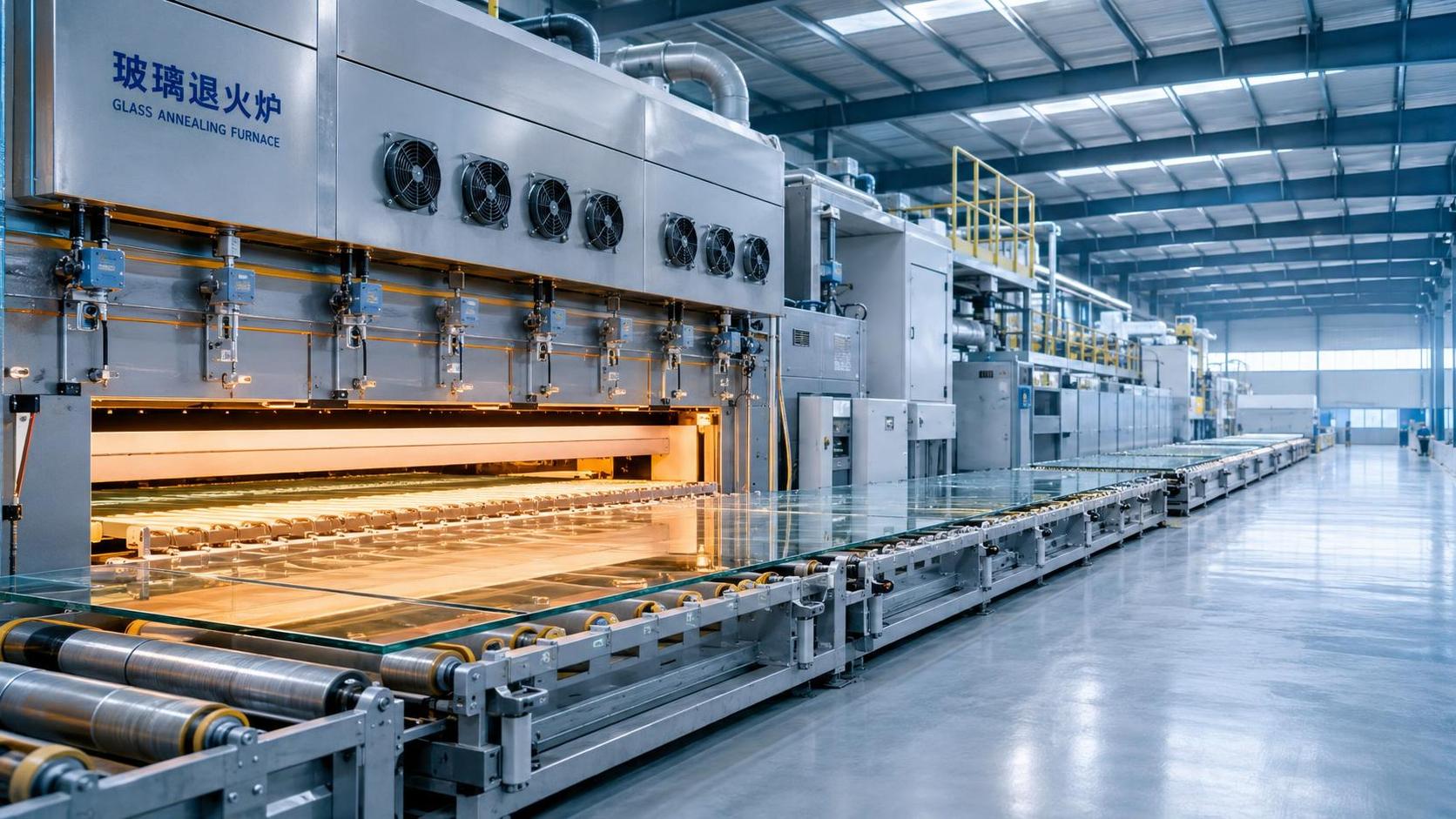
Glass manufacturing gear operates under tight quality tolerances, high melting loads, and sensitive annealing conditions.
In 2026, the challenge is no longer isolated furnace performance. It is total line coordination from melting to forming to downstream quality yield.
Silicate industrial intelligence supports this by connecting furnace energy behavior, batch variation, defect trends, and market demand for specialty glass categories.
Typical high-value glass scenarios
PV glass lines need insight into energy intensity, thickness consistency, and scaling opportunities tied to renewable demand cycles.
Ultra-thin glass scenarios need closer monitoring of thermal uniformity, annealing precision, and quality loss from minor process drift.
Digital twin simulation becomes more valuable when paired with real market intelligence, not used as a standalone engineering tool.
How kiln, incineration, and waste-to-energy scenarios change the intelligence requirement
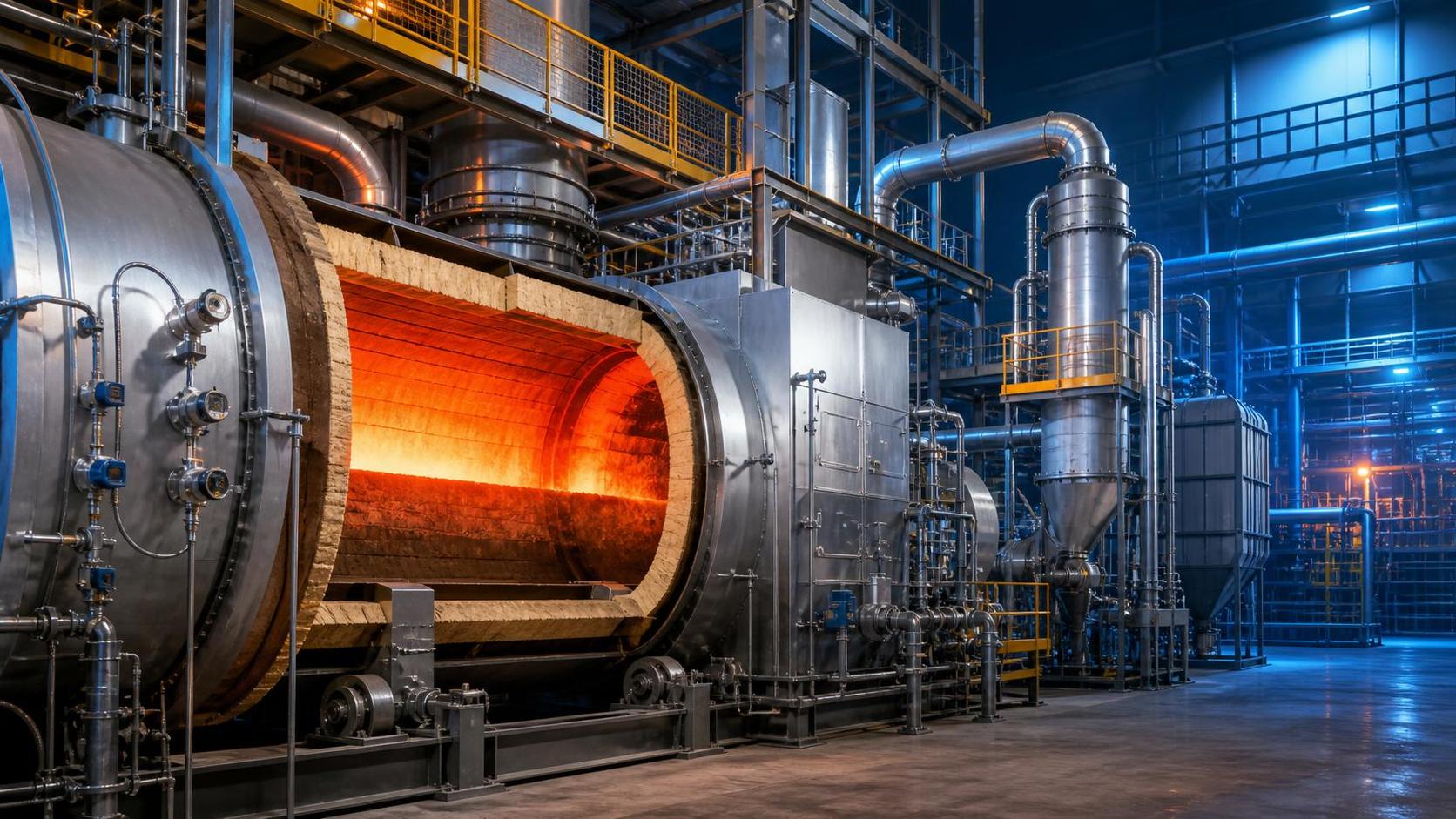
Industrial kilns and incineration systems now sit at the intersection of waste treatment, energy recovery, and environmental scrutiny.
That creates a distinct scenario where silicate industrial intelligence must combine process safety, combustion stability, ash behavior, and emission control intelligence.
The key question is not simply whether a system burns efficiently. It is whether the full line remains stable under changing feedstock conditions.
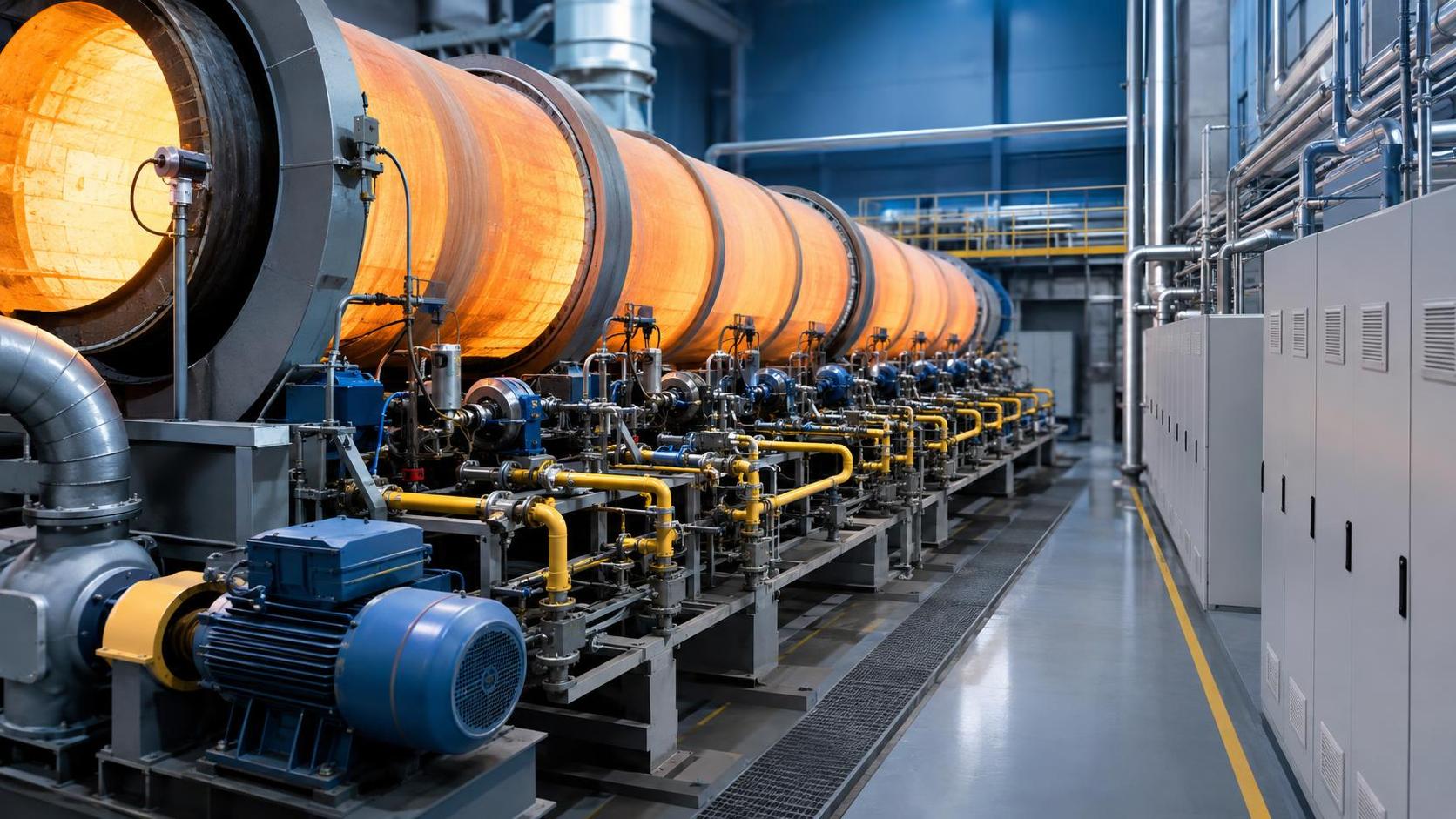
CF-Elite tracks co-processing technology in rotary kilns because feed variability can alter heat balance, lining life, and compliance outcomes.
- Mixed waste feed increases monitoring complexity
- Secondary combustion design affects thermal recovery potential
- Lining condition influences uptime and maintenance economics
Why refractory and extrusion lines need a different intelligence model
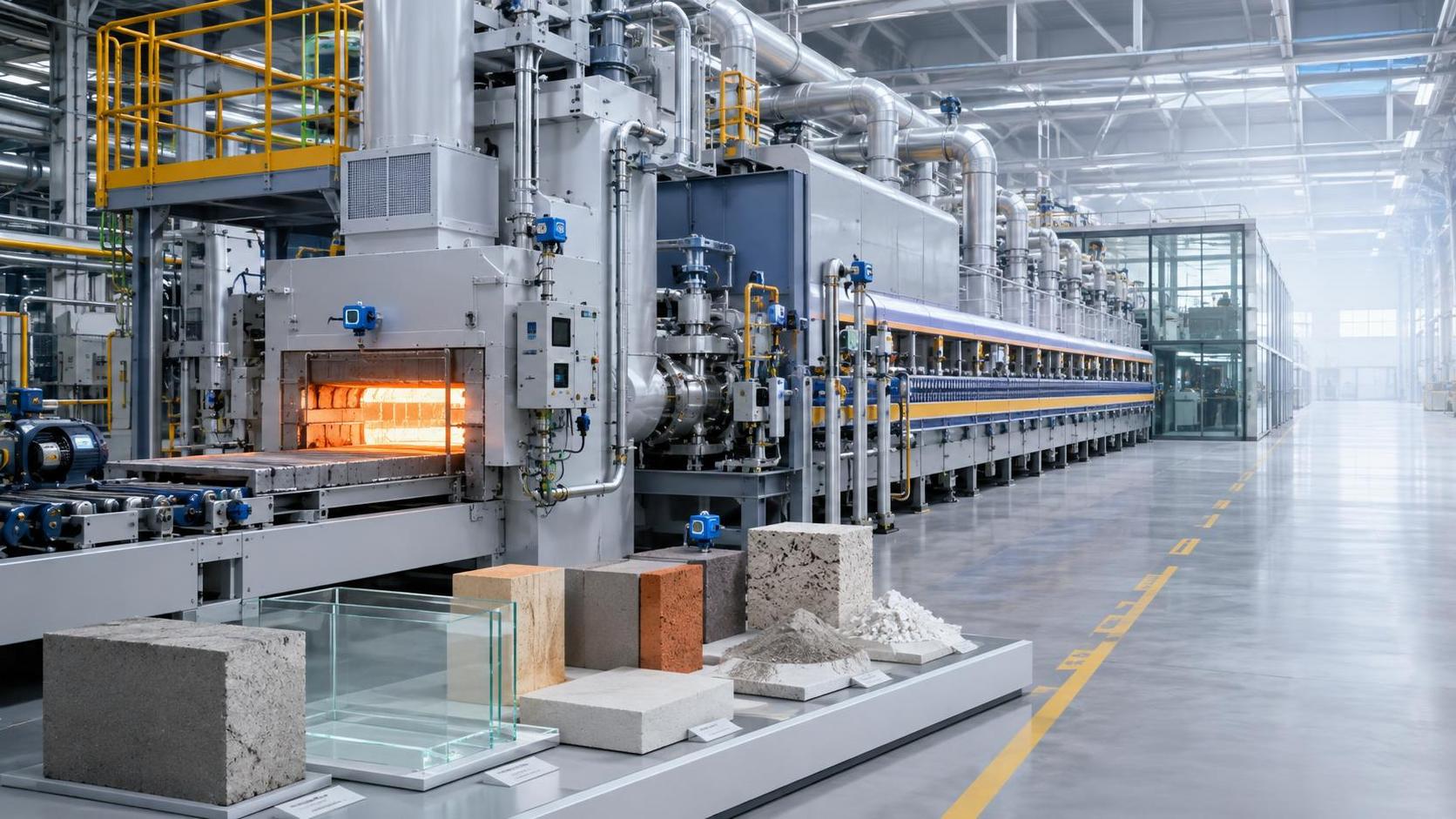
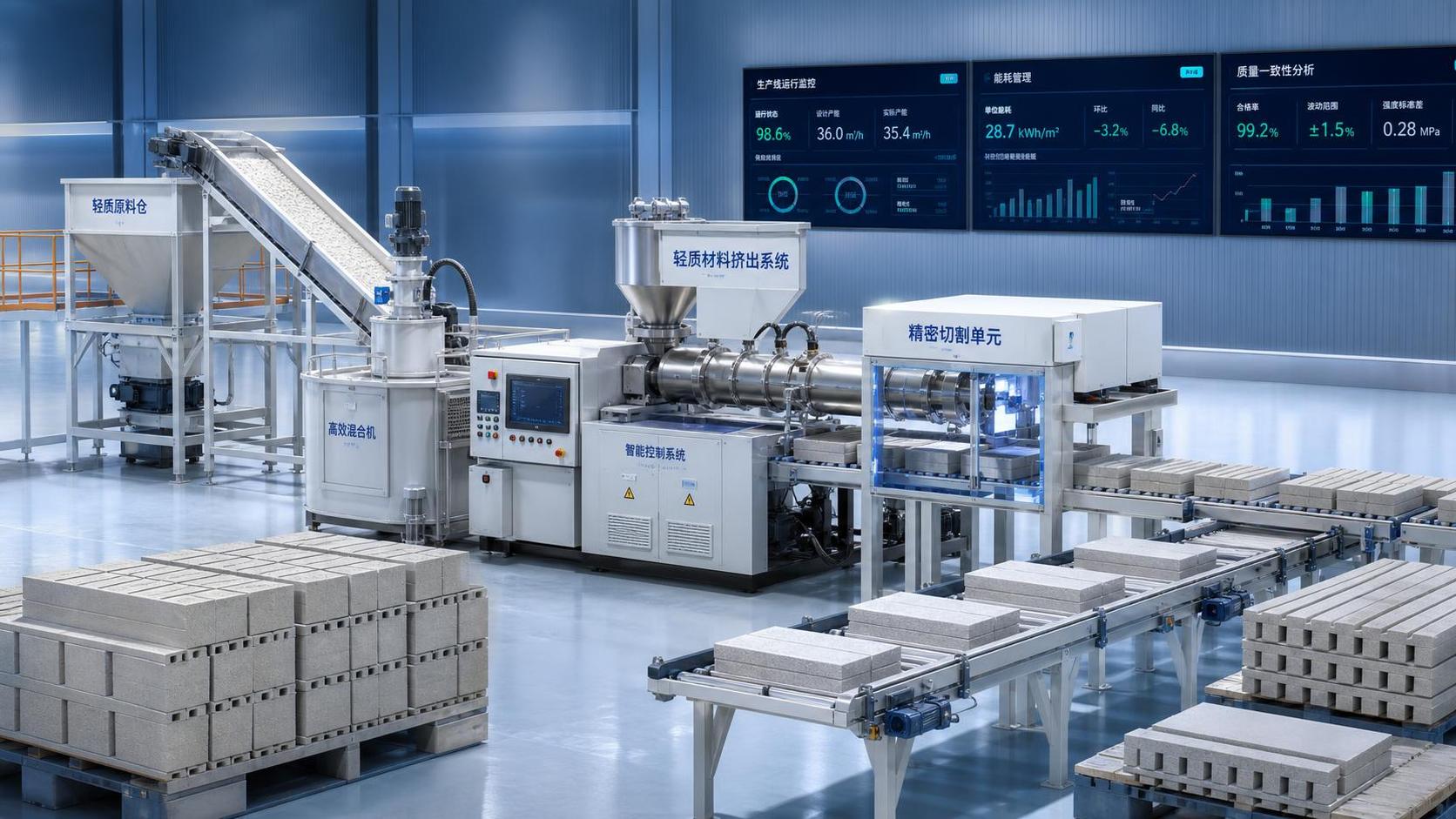
Refractory production lines and new building material extrusion systems operate with different priorities from cement or glass.
Their pressure points often include thermal shock resistance, molding consistency, curing behavior, and product adaptation for green construction demand.
Silicate industrial intelligence matters here because product quality and equipment suitability are tightly connected.
A small mismatch between material formulation and extrusion pressure can trigger scrap, instability, or downstream performance issues.
Online monitoring systems for refractory linings also create a separate value layer by extending service life and improving shutdown planning.
How scenario differences reshape demand for silicate industrial intelligence
Different high-temperature industries do not need the same intelligence package, even when they share thermal and material fundamentals.
Practical ways to match silicate industrial intelligence to each scenario
Effective use of silicate industrial intelligence starts with matching information depth to operational exposure.
- Map the line’s main thermal bottleneck before adding dashboards or reports.
- Track regulations that directly change energy, dust, or carbon costs.
- Compare equipment upgrades against lifecycle efficiency, not purchase price alone.
- Use market intelligence to prioritize lines with stronger long-cycle demand.
- Integrate maintenance signals with process and commercial planning.
CF-Elite is built for this scenario-based approach, combining sector news, evolutionary trend analysis, and commercial insight for heavy equipment environments.
Common misjudgments that weaken silicate industrial intelligence value
One common mistake is treating silicate industrial intelligence as a reporting product instead of a decision system.
Another is focusing only on plant data while ignoring policy timing, spare part constraints, and market shifts.
A third error appears when digital projects are launched without clear links to thermal efficiency or product quality outcomes.
- Ignoring refractory health until shutdown risk becomes visible
- Undervaluing co-processing intelligence in kilns
- Separating engineering insight from commercial timing
- Using generic benchmarks across very different line types
The strongest silicate industrial intelligence models avoid these gaps by linking plant physics with market reality.
What to do next if 2026 pressures are already visible
Start with one scenario that has the highest energy, compliance, or uptime exposure.
Then build an intelligence view that combines process indicators, thermal management signals, regulatory updates, and equipment evolution trends.
For organizations working across cement, glass, kilns, refractories, or extrusion, this integrated view becomes a strategic advantage.
CF-Elite supports that path by translating complex high-temperature industry signals into clearer planning, stronger technical positioning, and better timing.
In 2026, silicate industrial intelligence matters because better information now protects efficiency, supports decarbonization, and strengthens every major industrial decision.
Related News
 Optical Glass Tech FellowHow to Evaluate a Glass Annealing Equipment Manufacturer for Production StabilityChoose a glass annealing equipment manufacturer with proven thermal uniformity, reliable controls, lifecycle value, and responsive service for stable production.Sep 08, 2026
 Prof. Marcus ChenThermal Energy Architecture in North America: Strategies for Lower Building Energy UseThermal energy architecture North America helps project leaders cut building energy use through stronger envelopes, right-sized HVAC, storage, and smart commissioning.Sep 07, 2026
 Ms. Elena RodriguezHow Should Buyers Evaluate Building Material Industry Intelligence Pricing?Building material industry intelligence pricing: learn how to compare coverage, technical depth, and ROI to choose intelligence that reduces procurement risk.Sep 07, 2026
 Ms. Elena RodriguezHow to Use Building Material Intelligence Data for Market and Investment DecisionsBuilding material industry intelligence data helps leaders evaluate demand, costs, regulation, capacity, and technology to make smarter market and investment decisions.Sep 05, 2026
 Thermal Energy ArchitectHow PLC Control Improves Energy Efficiency and Temperature Stability in KilnsEnergy efficient kilns PLC control improves temperature stability, cuts fuel waste, and optimizes combustion, draft, and material flow. Explore proven strategies for smarter kiln modernization.Sep 04, 2026
 Optical Glass Tech FellowEuropean Glass Melting Processes: Furnace Choices, Energy Use, and Quality ControlGlass melting process Europe: explore furnace choices, energy efficiency, cullet strategy, and quality control to improve output, compliance, and long-term glass performance.Sep 03, 2026
 Thermal Energy ArchitectWhat Determines Refractory Lining Monitoring Price for Industrial Kilns?Refractory lining monitoring price depends on kiln size, sensor technology, installation, software, and support. Compare total lifecycle costs and choose the right solution.Sep 02, 2026
 Silicate Process EngineerCement Production System Costs: A Plant Buyer’s Guide to Budgeting and ROICement production systems cost planning made clear: compare CAPEX, operating costs, compliance, and ROI to build a resilient, profitable cement plant investment.Sep 01, 2026
 Dr. Alistair VaughnWhat Should a Process Technology Database Track for High-Temperature Plants?Process technology database essentials for high-temperature plants: track thermal profiles, feed chemistry, refractory wear, emissions, energy, and maintenance for safer, data-driven decisions.Aug 31, 2026
 Ms. Elena RodriguezHow to Evaluate a Silicate Processing Equipment Manufacturer for Plant ProjectsSilicate processing equipment manufacturer selection: assess process fit, guarantees, energy, compliance, delivery risk, and lifecycle support for dependable plant performance.Aug 30, 2026
 Dr. Alistair VaughnHow to Specify Custom Agricultural Processing Equipment for Throughput and HygieneEquipment customization services for agricultural processing: learn to specify hygienic, high-throughput lines that improve yield, reliability, and long-term efficiency.Aug 29, 2026
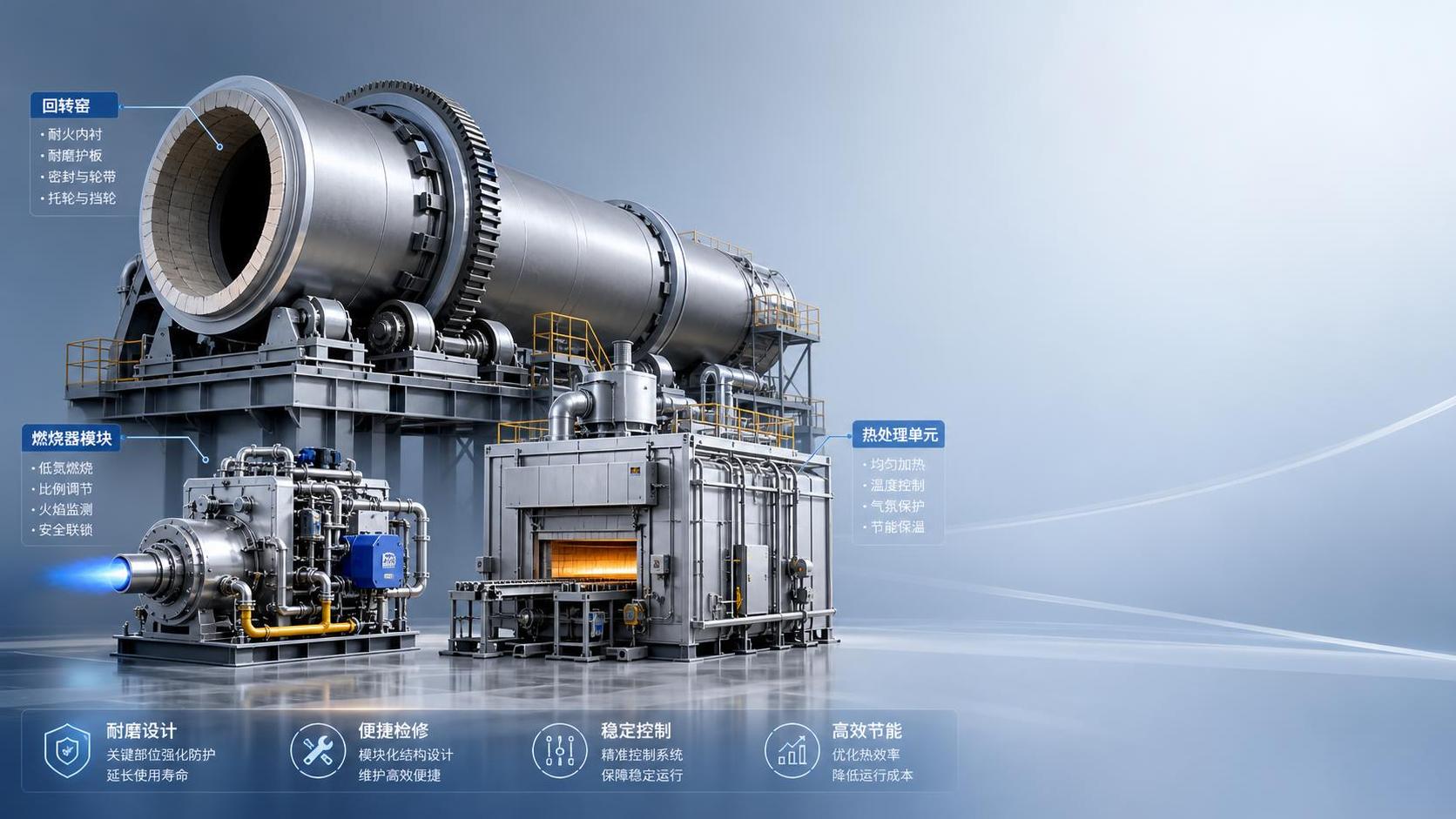
 Dr. Alistair VaughnHow to Select Process Plant Equipment for High-Temperature, Abrasive Production LinesProcess plant equipment selection for high-temperature, abrasive lines: reduce downtime, improve durability, and optimize lifecycle performance.Aug 28, 2026
 Silicate Process EngineerHow Kiln Heat Recovery Systems Cut Fuel Use in Cement and Lime ProductionKiln heat recovery helps cement and lime plants cut fuel use, improve thermal stability, and build practical, reliable decarbonization strategies.Aug 27, 2026
 Ms. Elena RodriguezProcess Equipment Comparison: Which Metrics Matter Most for Reliable Selection?Process equipment comparison made practical: discover which metrics truly drive reliable selection, from energy efficiency and control stability to wear life, maintainability, and uptime.Aug 26, 2026
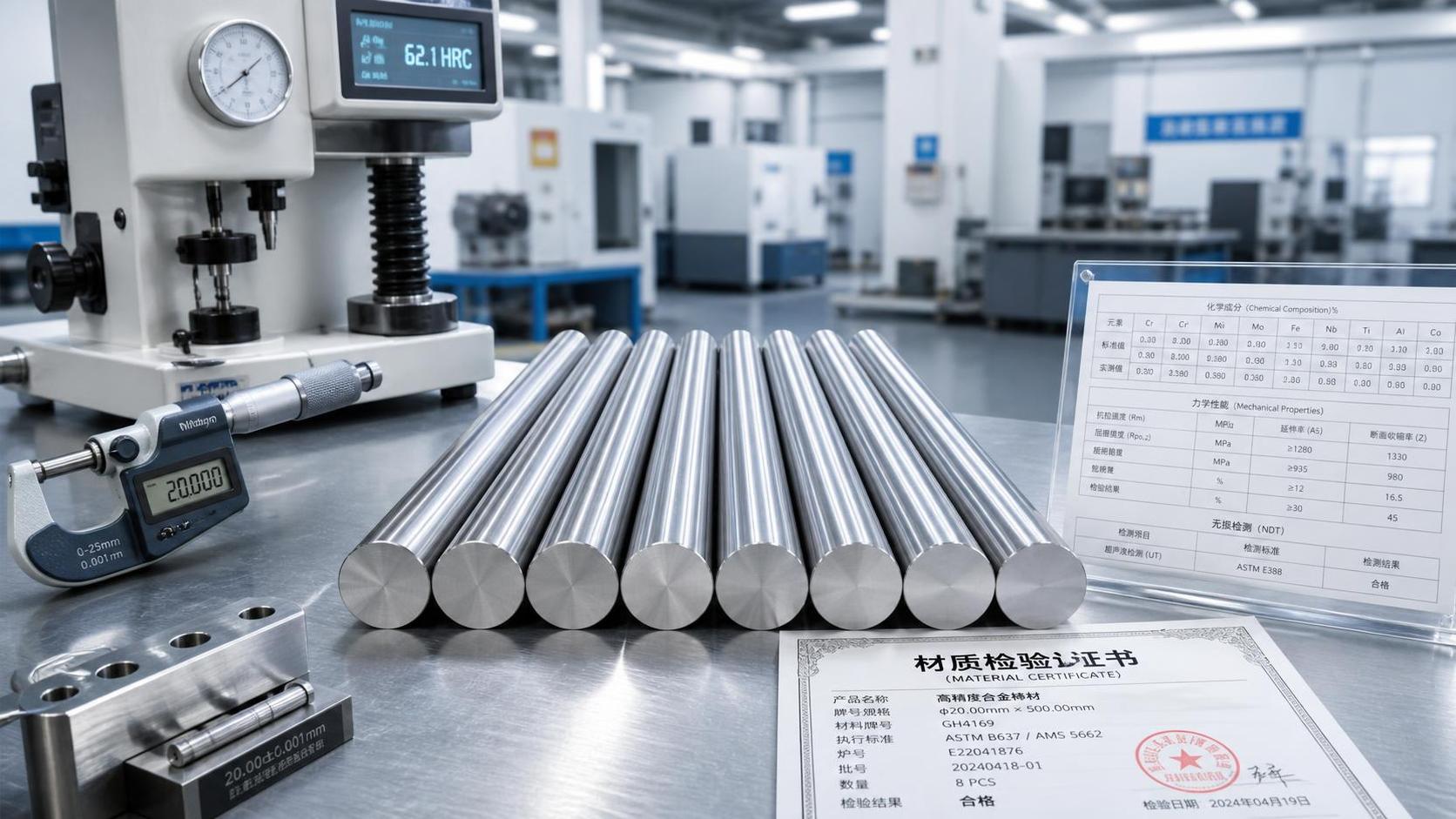
 Ms. Elena RodriguezWhat Buyers Should Check Before Sourcing Precision Alloy Bars for Critical PartsPrecision Alloy Bars buyers should verify grade, chemistry, tolerances, surface quality, traceability, and lead time before sourcing for critical parts. Learn what prevents costly machining and reliability risks.Aug 27, 2026
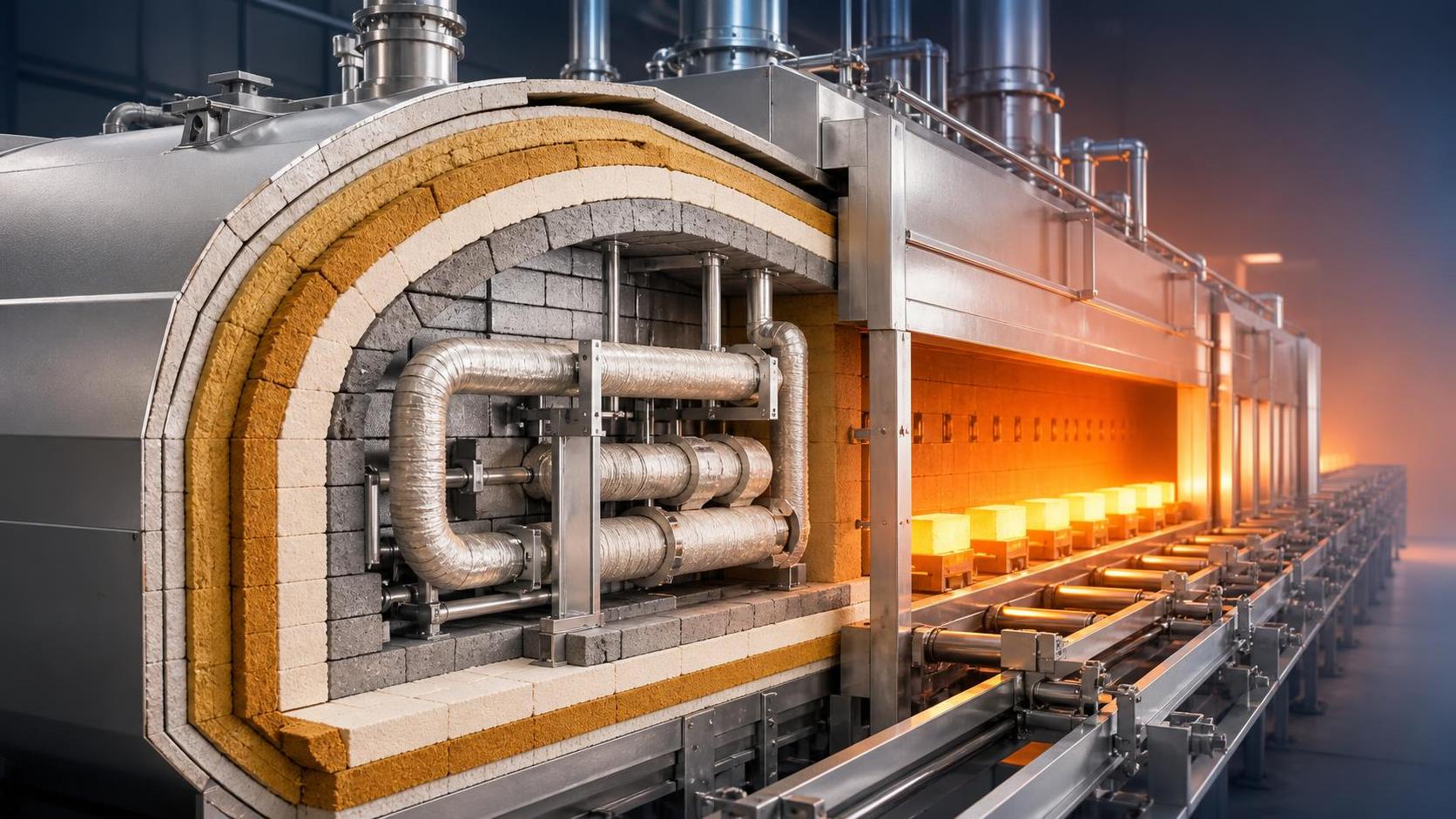
 Ms. Elena RodriguezHow to Evaluate Thermal Management Solutions Insulation for High-Heat Industrial SystemsThermal management solutions insulation: learn how to assess high-heat industrial systems by thermal performance, durability, lifecycle cost, and supplier data for smarter decisions.Aug 25, 2026
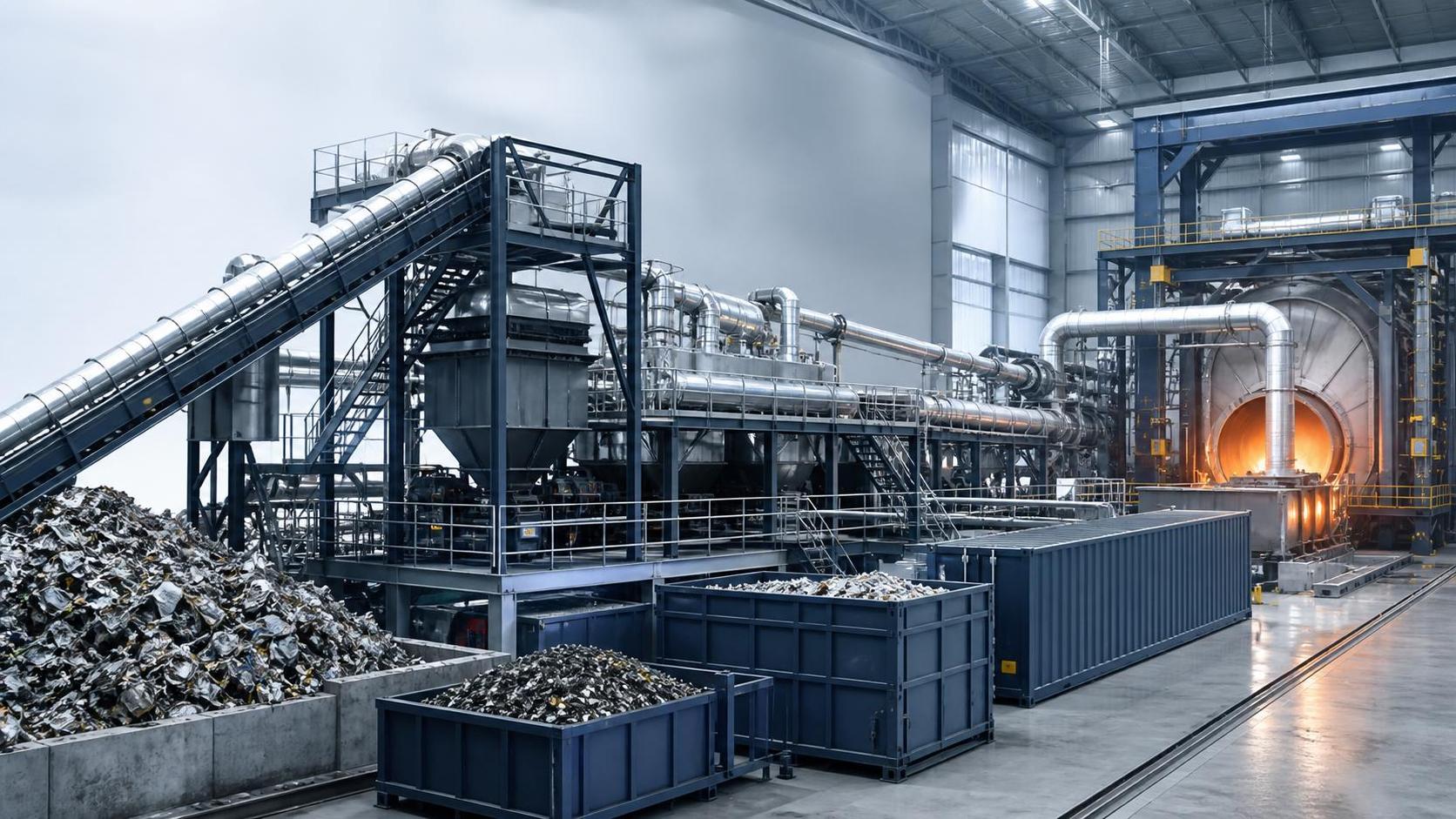
 Ms. Elena RodriguezWhat Drives Waste Recycling Cost in Industrial Projects and How to Estimate It?Waste recycling cost in industrial projects depends on composition, moisture, transport, pre-treatment, and compliance. Learn how to estimate it accurately and compare suppliers with confidence.Aug 24, 2026
 Silicate Process EngineerHow to Evaluate Cement Production Plants in the Middle East for Capacity, Fuel Flexibility, and ROIcement production plants Middle East: Learn how to assess true capacity, fuel flexibility, and ROI risks to identify resilient assets and smarter investment opportunities.Aug 23, 2026
 Structural Material AnalystHow to Evaluate Lightweight Material Machinery for Output, Energy Use, and Product QualityLightweight material machinery evaluation guide: compare stable output, energy use, and product quality to choose equipment that cuts waste, lowers costs, and improves production confidence.Aug 22, 2026
 Material Heat-Resist ExpertWhat Determines Refractory Production Line Price in a Turnkey Plant Project?Refractory production line price depends on raw materials, forming method, kiln and drying design, automation, utilities, and scope. Learn what really drives turnkey plant cost before you invest.Aug 21, 2026


Related News
- 00
0000-00
Thermal Energy Architecture in North America: Strategies for Lower Building Energy Use - 00
0000-00
How to Evaluate a Green Material Production Line for Energy Use, Output, and Product Quality - 00
0000-00
Silicate Technology Trends: What New Process Upgrades Matter for Refractory and Cement Plants? - 00
0000-00
Thermal Engineering Optimization: Which Process Parameters Most Affect Energy Use? - 00
0000-00
Material Extrusion Technology in Europe: Which Materials and Production Goals Fit Best?
Weekly Insights
Stay ahead with our curated technology reports delivered every Monday.