
Can digital twin simulations reduce project delays?




Project delays in high-temperature industries rarely come from one visible mistake. They usually grow from hidden thermal risks, fragmented engineering data, and slow responses to design conflicts.
That is why digital twin simulations are attracting serious attention across cement, glass, kiln, incineration, and advanced material extrusion projects.
Used well, digital twin simulations can test operating scenarios before installation, expose bottlenecks early, and support faster decisions across design, commissioning, and optimization.
Still, the answer is not simply yes. Digital twin simulations reduce delays in specific project conditions, while offering limited value in others.
For intelligence-led industrial platforms such as CF-Elite, the real question is practical: which scenarios justify digital twin simulations, and what project outcomes can realistically improve?
When project delay risk is structural, digital twin simulations become more valuable
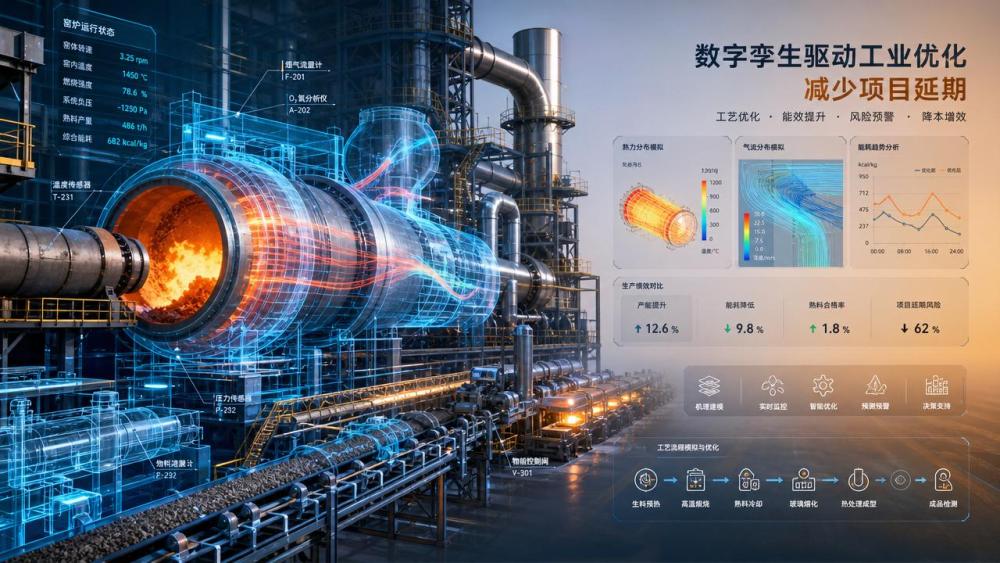
Not every project needs the same level of simulation. Delay risk rises when thermal processes, mechanical systems, emissions controls, and automation must interact without failure.
In these environments, digital twin simulations act as a decision layer. They connect design assumptions with likely operational behavior before expensive field corrections begin.
This matters especially in long-cycle heavy equipment projects. A single mismatch in burner sizing, airflow balance, refractory behavior, or line speed can trigger weeks of rework.
Digital twin simulations are most useful when a project includes:
- High-temperature process coupling across several systems
- Frequent late-stage engineering changes
- Tight startup windows with limited commissioning time
- Strict energy, emissions, or product quality targets
- Cross-border equipment integration and supplier coordination
Where these conditions exist, digital twin simulations often reduce uncertainty before it becomes a schedule problem.
In cement production projects, delay reduction depends on process interaction depth
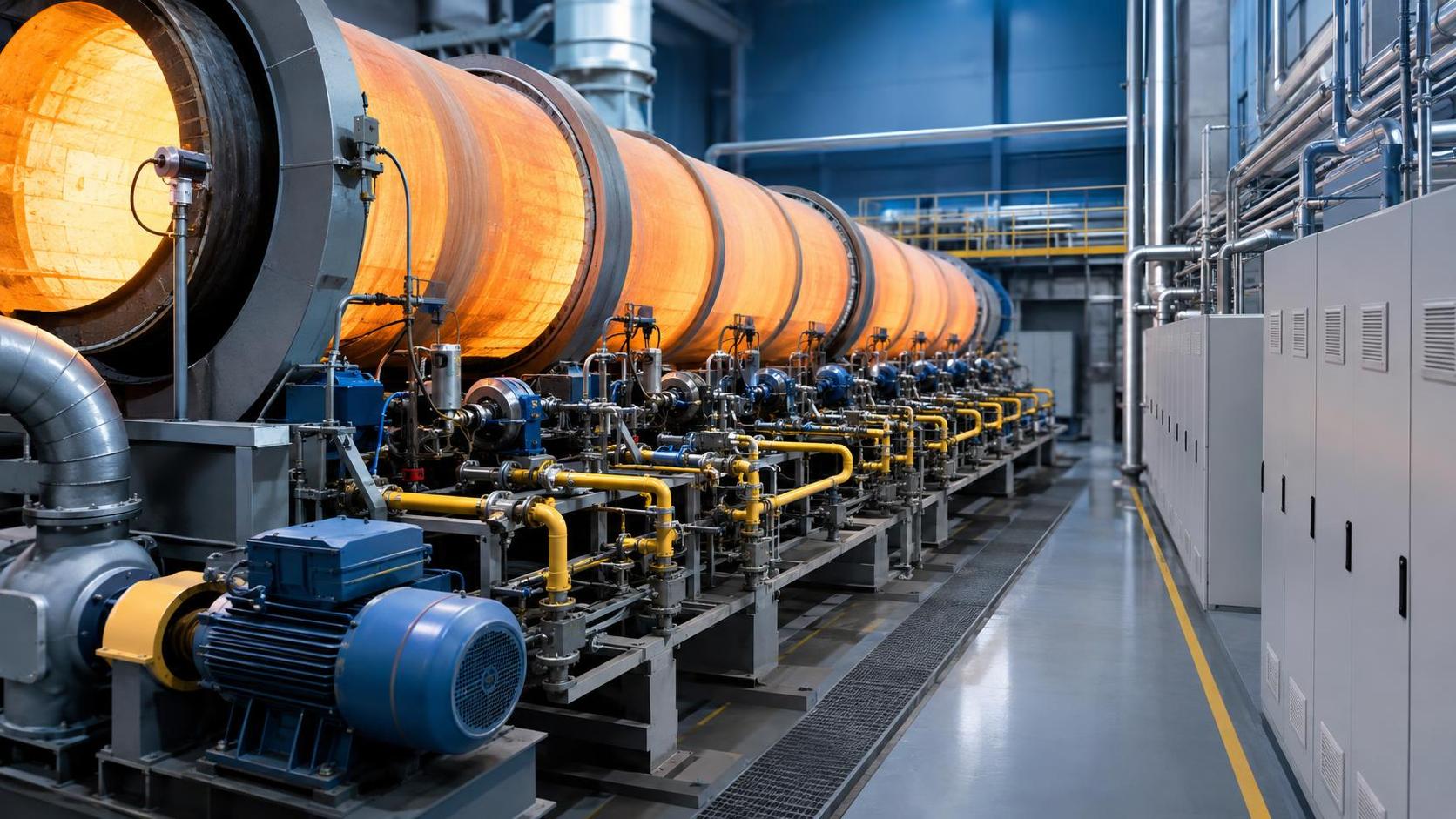
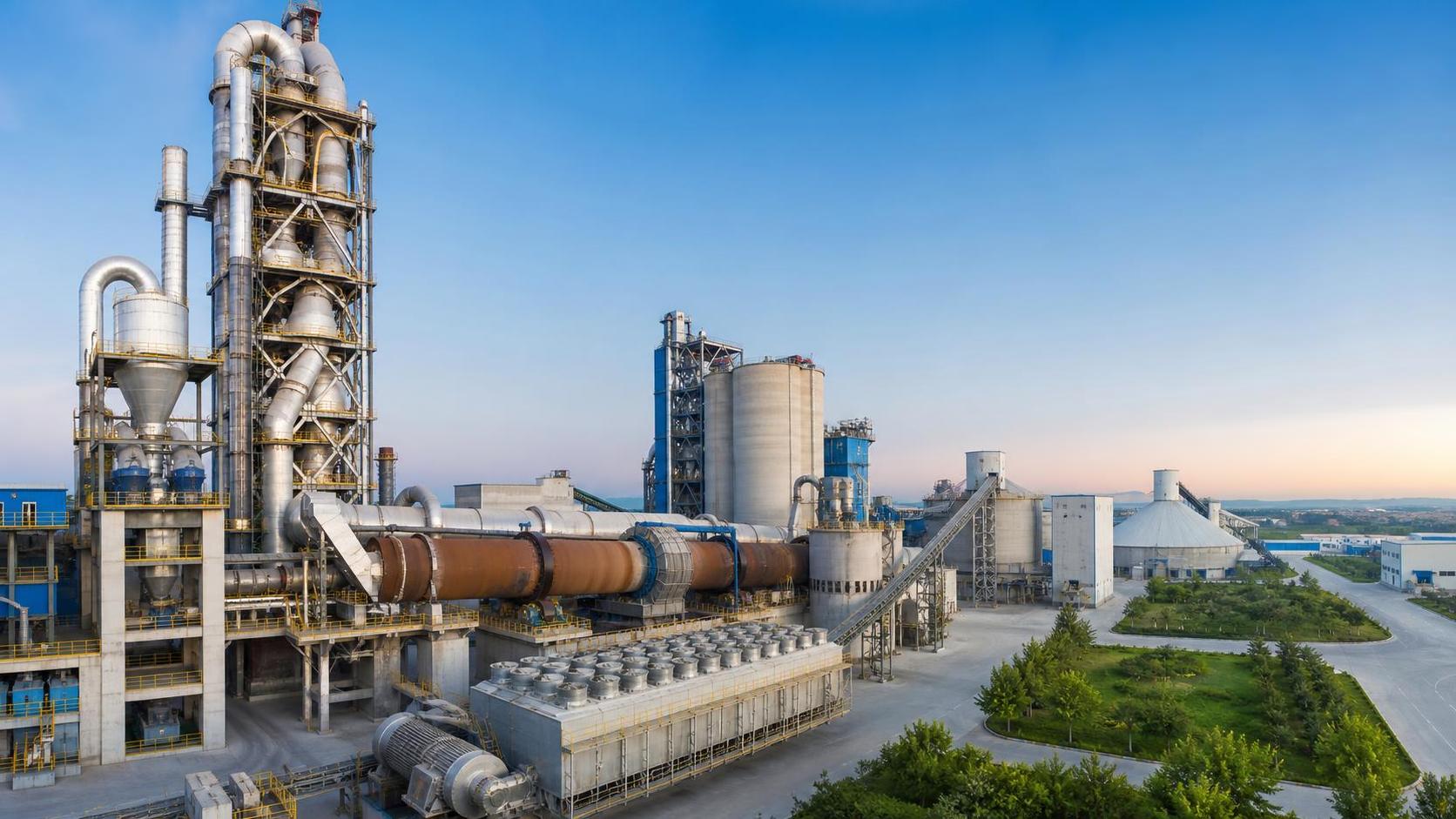
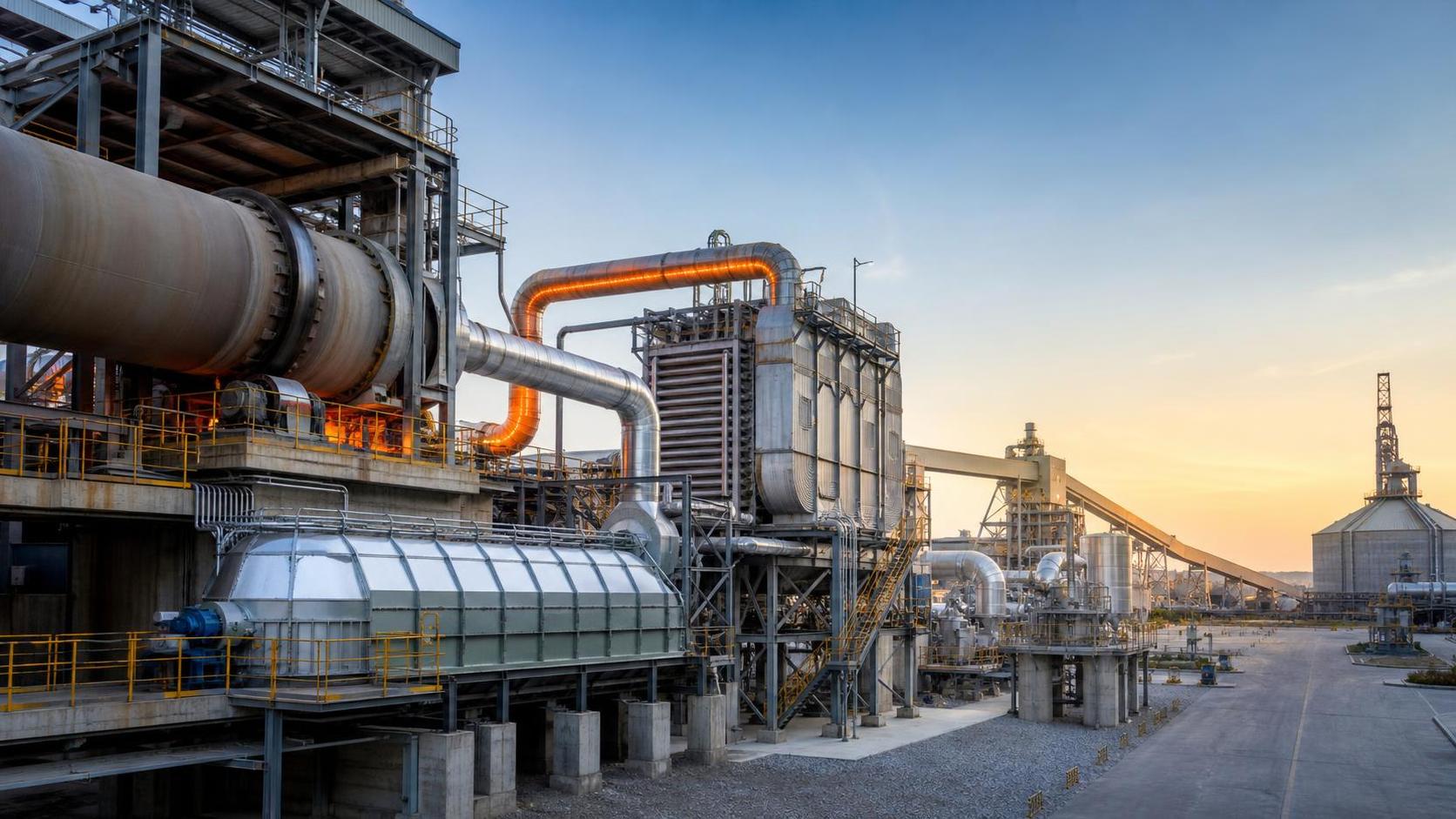
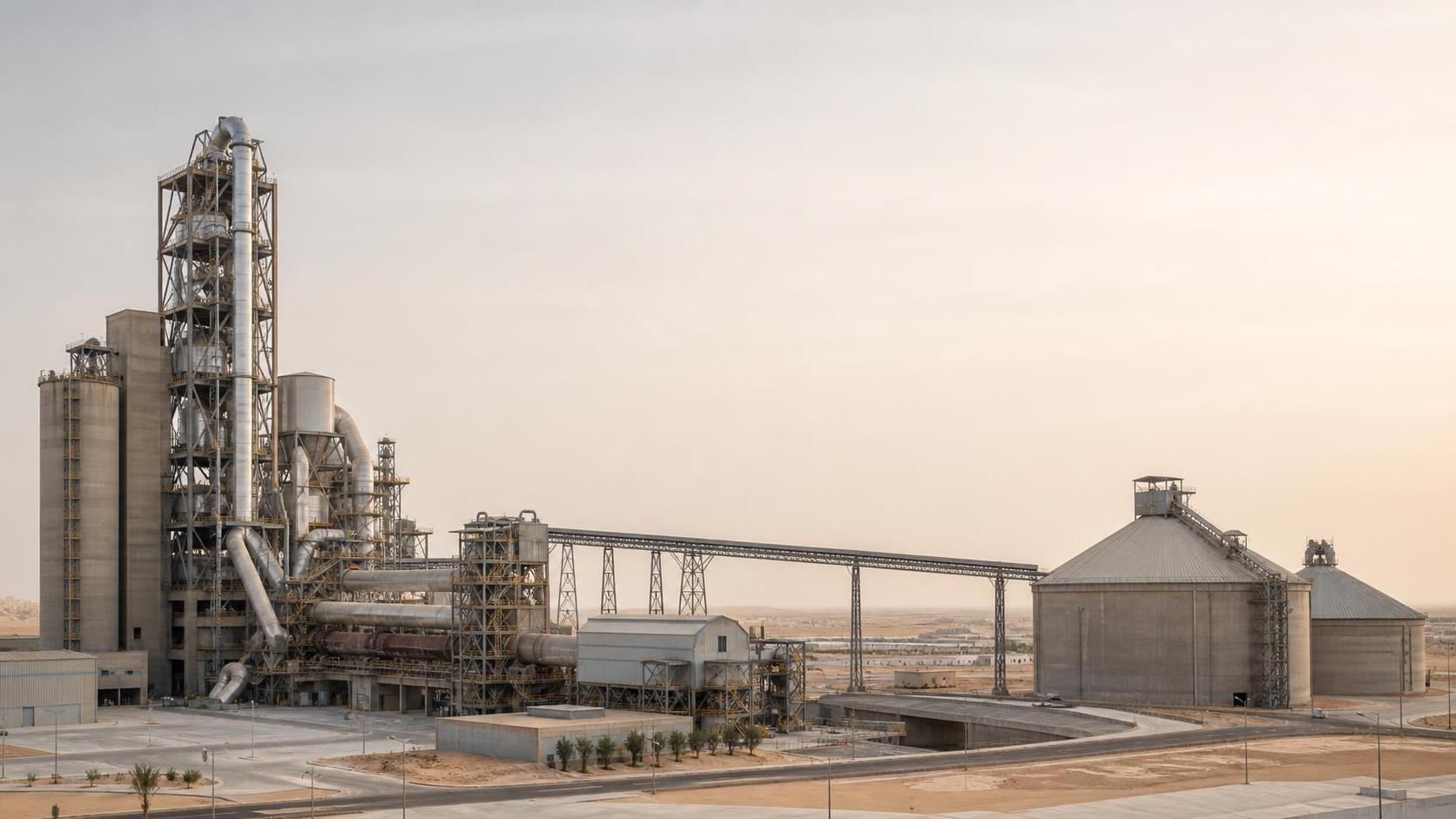
Cement plants involve raw meal handling, preheaters, rotary kilns, coolers, dedusting systems, and energy recovery equipment. Delays often emerge from linked process imbalances.
Digital twin simulations help by modeling heat transfer, gas flow, throughput limits, and fuel variation before startup. This reduces trial-and-error during commissioning.
A common use case is preheater and kiln coordination. If pressure drop, residence time, or alternative fuel behavior is misjudged, commissioning can slow dramatically.
With digital twin simulations, teams can compare scenarios early:
- Raw material variability effects on thermal stability
- Alternative fuel impacts on flame profile and emissions
- Cooler efficiency limits under target throughput
- Dust recirculation risks affecting output consistency
In this scenario, digital twin simulations reduce delays not by replacing engineering, but by improving the quality of engineering decisions before site execution.
In glass manufacturing lines, digital twin simulations are strongest before quality-related rework begins
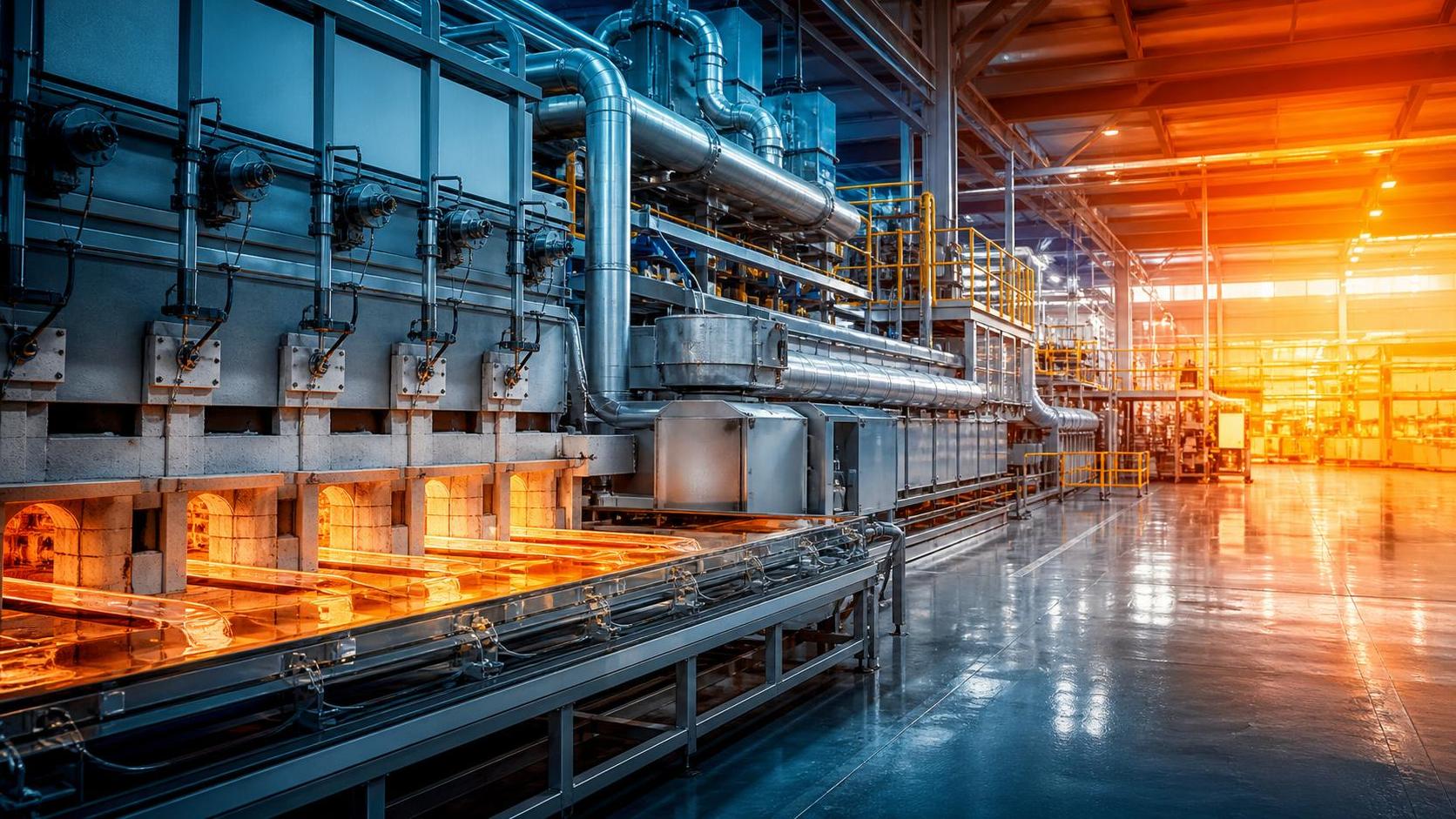
Glass projects face a different pattern. Delays are often tied to furnace performance, thermal uniformity, line speed synchronization, and annealing consistency.
Because product quality is highly sensitive, design errors can appear late, after installation costs have already been absorbed.
Digital twin simulations are especially useful when they simulate the relationship between melting conditions, heat distribution, forming stability, and downstream handling.
For float glass, PV glass, or specialty thin glass lines, digital twin simulations can identify likely trouble points before line acceptance:
- Uneven furnace temperature zones
- Annealing profile mismatch with target thickness
- Bottlenecks between forming and inspection stages
- Energy intensity spikes under throughput increases
In these cases, digital twin simulations shorten timelines by preventing quality failures that would otherwise force schedule-resetting adjustments.
Kiln, incineration, and refractory projects need digital twin simulations for risk-heavy transitions
Industrial kilns and incineration systems often operate under changing feedstock, strict emissions limits, and aggressive thermal cycles. Their delay risks cluster around compliance and stability.
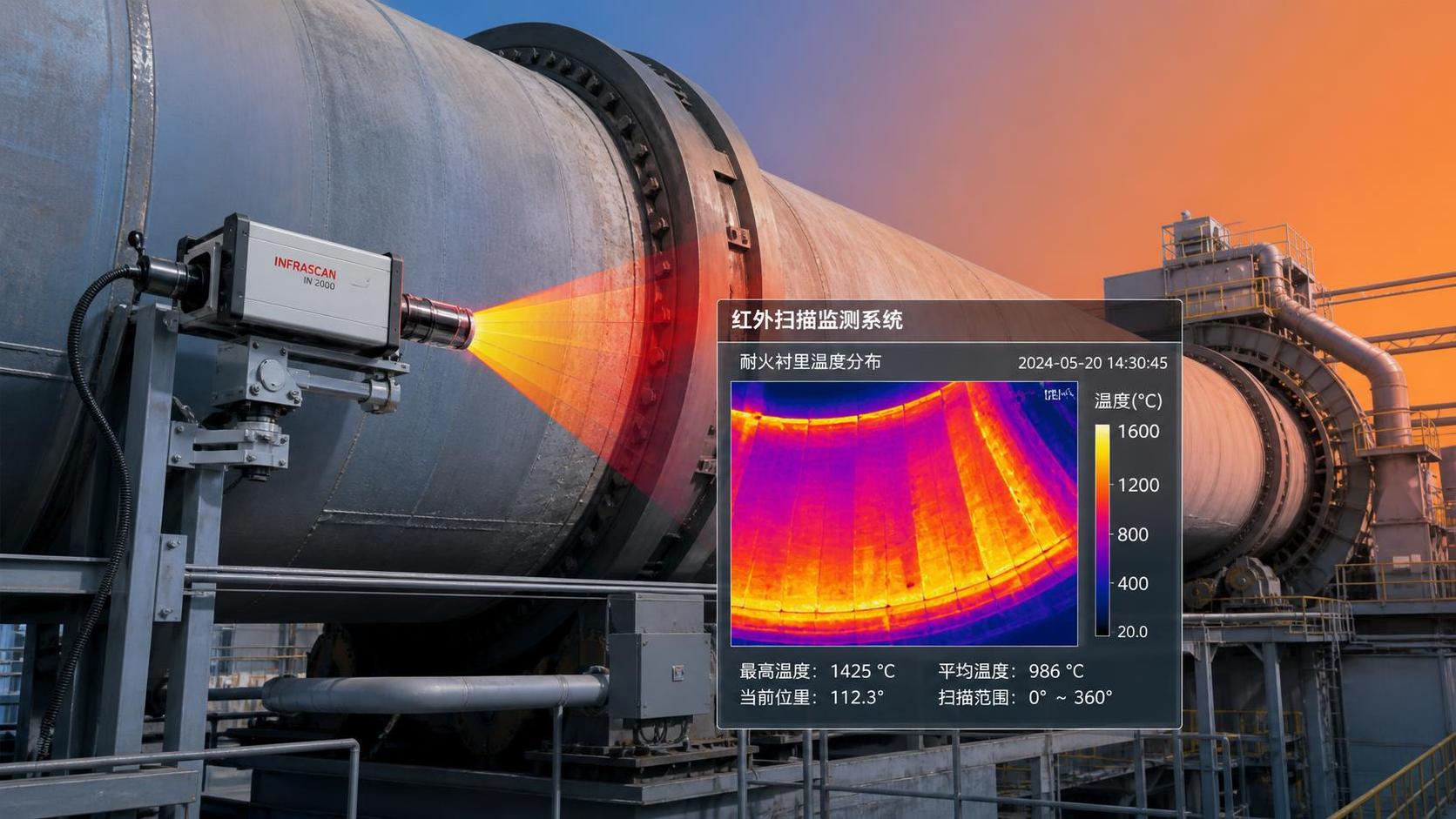
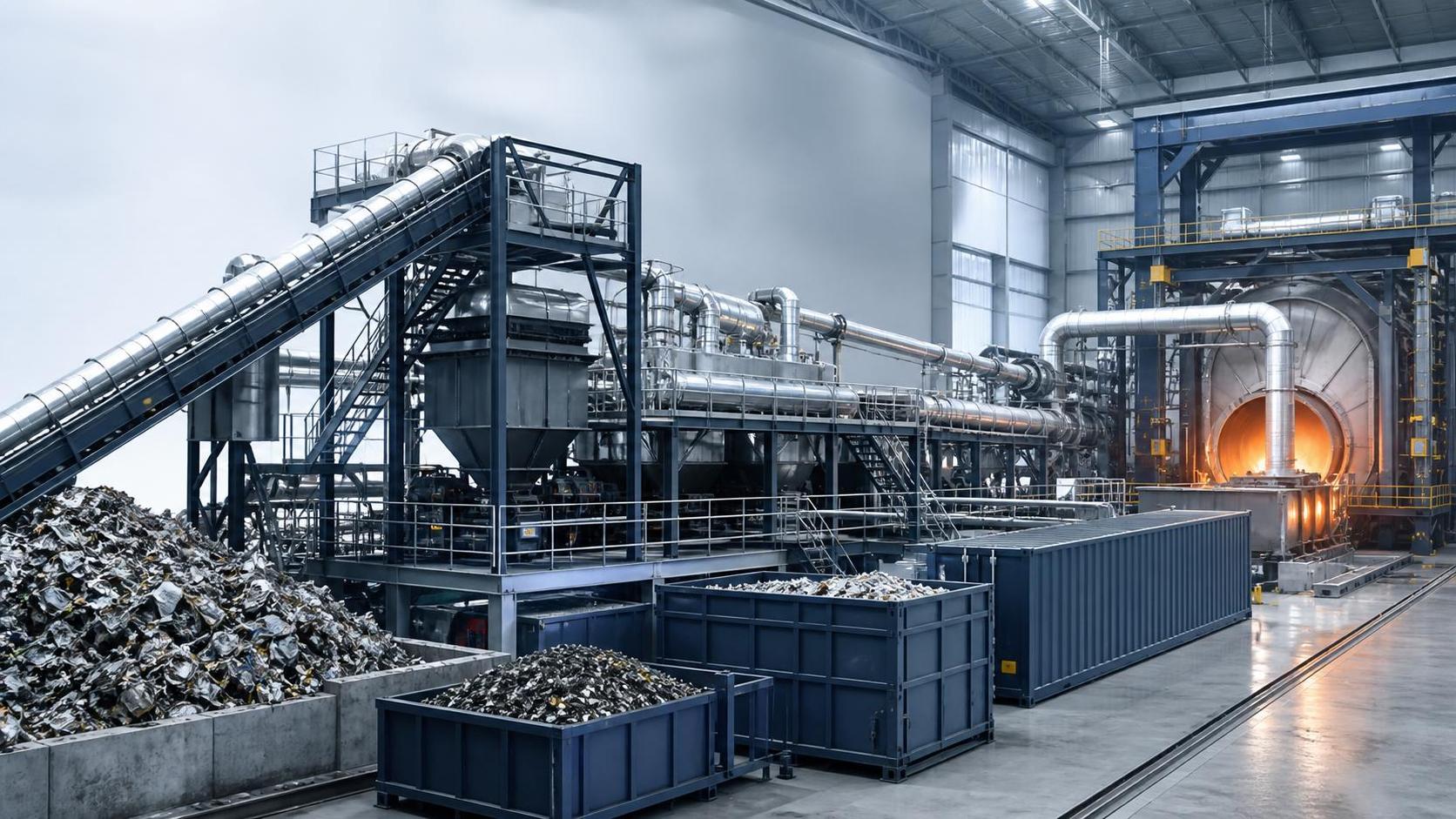
Digital twin simulations help teams assess combustion behavior, residence time, refractory stress, and heat recovery performance before site testing begins.
This becomes critical during fuel switching, co-processing upgrades, or waste-to-energy modifications. Those transitions often look manageable on paper, but fail under real thermal loads.
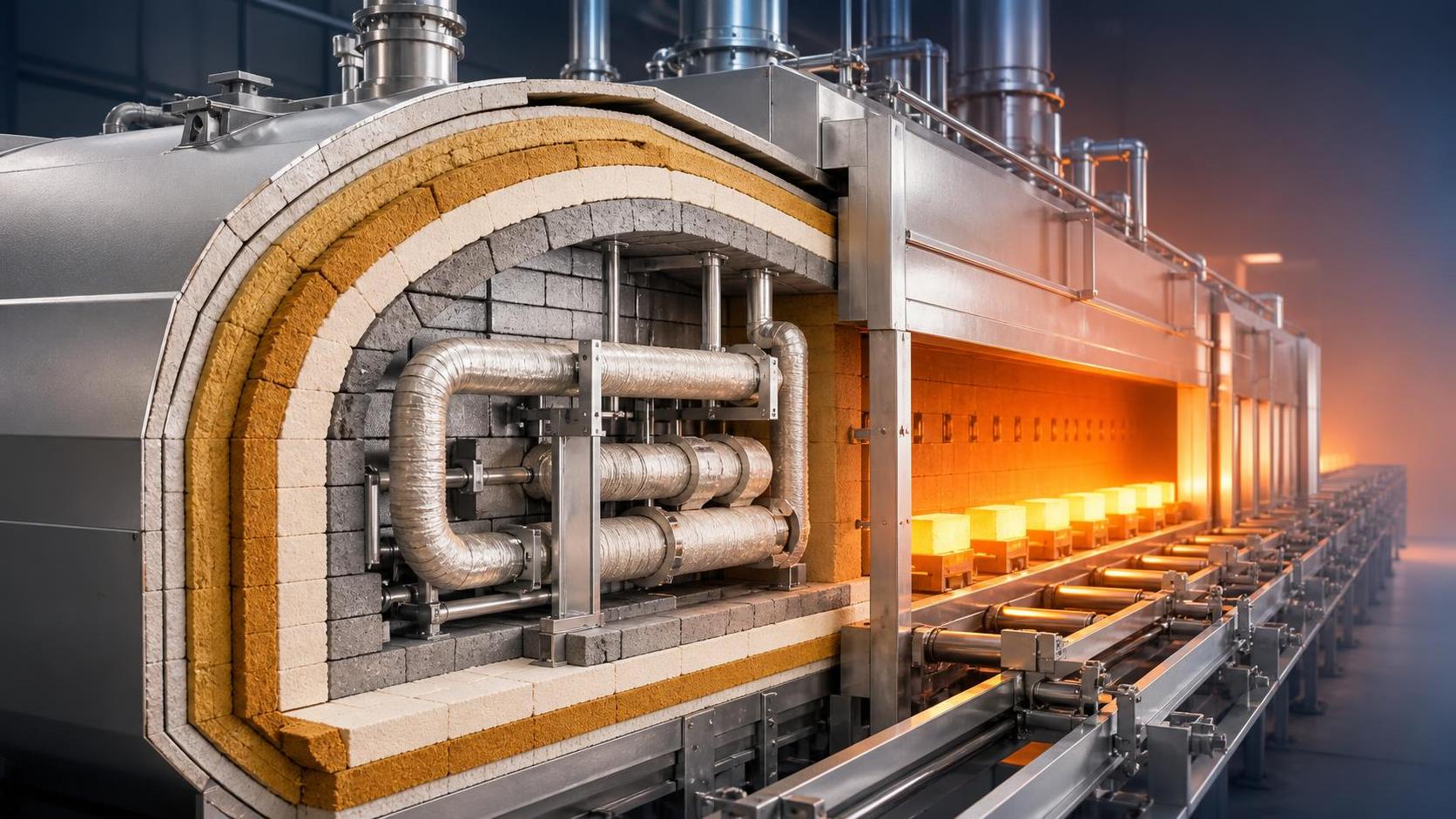
For refractory production lines, digital twin simulations can also reduce delays by predicting thermal expansion, firing curve sensitivity, and capacity impacts across kiln zones.
The key value here is not only schedule control. It is avoiding project pauses caused by safety concerns, emissions exceedance, or premature lining failure.
New building material extrusion projects benefit when digital twin simulations connect equipment and output targets
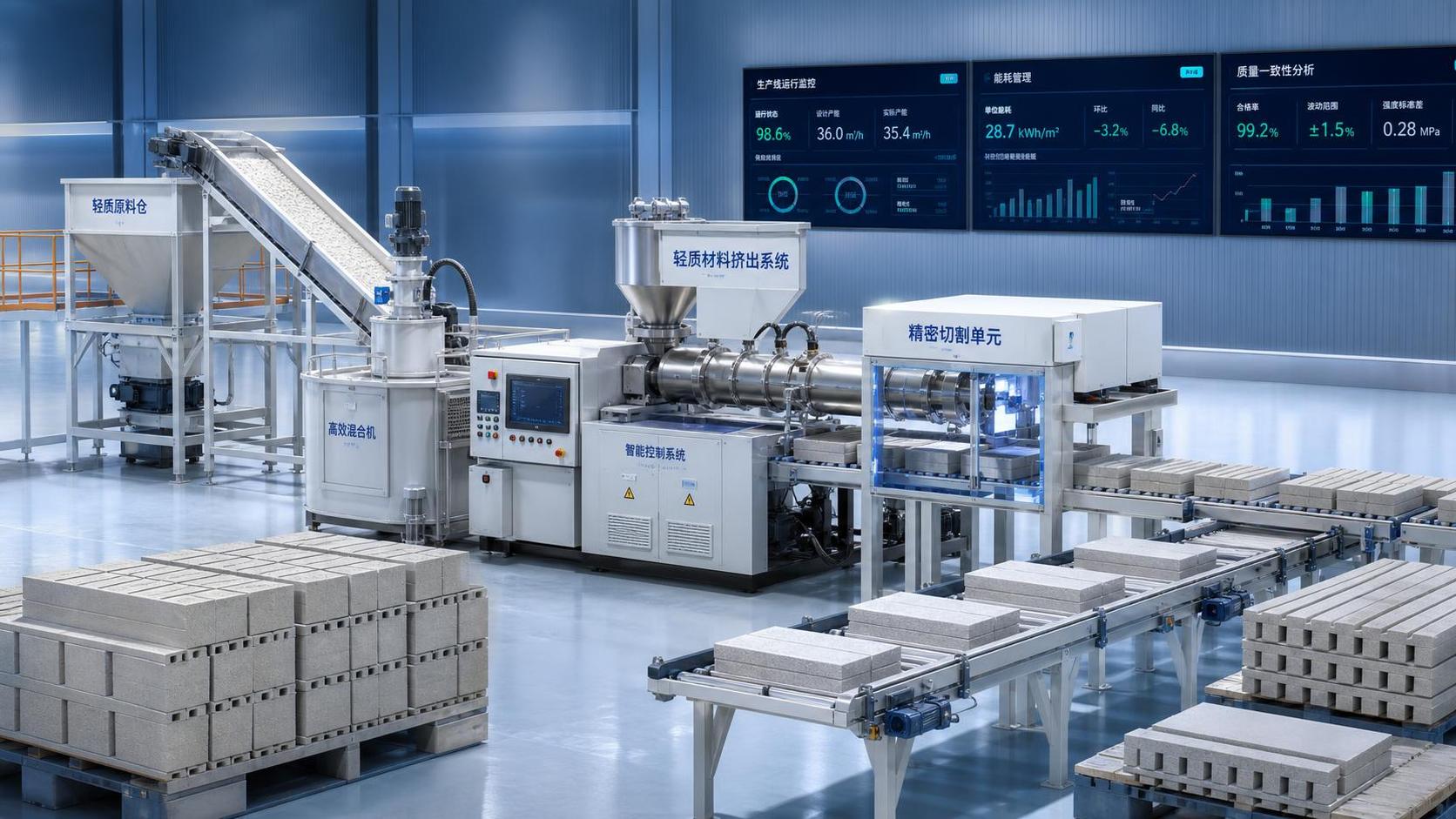
Extrusion lines for lightweight and green building materials usually involve pressure control, material rheology, moisture management, and continuous forming stability.
Here, delays often come from underestimating how material behavior changes under scale-up conditions.
Digital twin simulations can test throughput assumptions, die behavior, drying interactions, and energy demand before full production ramp-up.
That makes them valuable in projects introducing new formulations, unfamiliar equipment combinations, or compressed launch schedules.
When digital twin simulations are linked with process monitoring plans, startup becomes more predictable and less dependent on repeated manual correction.
Different scenarios require different expectations from digital twin simulations
The biggest mistake is treating digital twin simulations as a universal delay cure. Their impact depends on project maturity, data quality, and process complexity.
How to judge whether digital twin simulations fit a project
A practical evaluation should focus on timing, data, and decision use. Digital twin simulations deliver stronger returns when they influence choices early enough to matter.
Use these judgment points before investing deeply:
- Is the project still flexible enough for design changes?
- Are process data and equipment parameters reliable?
- Will simulation outputs affect procurement or commissioning decisions?
- Are schedule risks driven by process behavior, not only logistics?
- Can the simulation connect with future monitoring and optimization?
If most answers are yes, digital twin simulations are more likely to reduce project delays in a measurable way.
Common misjudgments that limit delay reduction
Several projects overestimate what digital twin simulations can solve. The technology does not fix poor governance, incomplete specifications, or weak supplier coordination by itself.
Common mistakes include:
- Starting digital twin simulations after major procurement is locked
- Using incomplete thermal or material data
- Modeling isolated equipment without upstream and downstream context
- Expecting simulation outputs to replace field validation entirely
- Ignoring organizational response speed after risks are identified
In other words, digital twin simulations reveal risk faster. They only reduce delays when teams are ready to act on that visibility.
The next step: use digital twin simulations where schedule risk is highest
So, can digital twin simulations reduce project delays? In many high-temperature industrial scenarios, yes—especially where process interaction, thermal uncertainty, and startup pressure are high.
Their strongest value appears before rework begins, before commissioning stalls, and before quality or compliance failures disrupt the timeline.
A useful first move is to map delay history across recent projects. Then identify where digital twin simulations could have exposed the risk earlier.
For sectors tracked by CF-Elite, that means focusing on the most delay-sensitive points: kiln transitions, glass thermal consistency, refractory firing stability, incineration compliance, and extrusion scale-up behavior.
When digital twin simulations are applied to the right scenario, they do more than model equipment. They help protect timelines, capital efficiency, and long-term operational confidence.
Related News
 Optical Glass Tech FellowHow to Evaluate a Glass Annealing Equipment Manufacturer for Production StabilityChoose a glass annealing equipment manufacturer with proven thermal uniformity, reliable controls, lifecycle value, and responsive service for stable production.Sep 08, 2026
 Prof. Marcus ChenThermal Energy Architecture in North America: Strategies for Lower Building Energy UseThermal energy architecture North America helps project leaders cut building energy use through stronger envelopes, right-sized HVAC, storage, and smart commissioning.Sep 07, 2026
 Ms. Elena RodriguezHow Should Buyers Evaluate Building Material Industry Intelligence Pricing?Building material industry intelligence pricing: learn how to compare coverage, technical depth, and ROI to choose intelligence that reduces procurement risk.Sep 07, 2026
 Ms. Elena RodriguezHow to Use Building Material Intelligence Data for Market and Investment DecisionsBuilding material industry intelligence data helps leaders evaluate demand, costs, regulation, capacity, and technology to make smarter market and investment decisions.Sep 05, 2026
 Thermal Energy ArchitectHow PLC Control Improves Energy Efficiency and Temperature Stability in KilnsEnergy efficient kilns PLC control improves temperature stability, cuts fuel waste, and optimizes combustion, draft, and material flow. Explore proven strategies for smarter kiln modernization.Sep 04, 2026
 Optical Glass Tech FellowEuropean Glass Melting Processes: Furnace Choices, Energy Use, and Quality ControlGlass melting process Europe: explore furnace choices, energy efficiency, cullet strategy, and quality control to improve output, compliance, and long-term glass performance.Sep 03, 2026
 Thermal Energy ArchitectWhat Determines Refractory Lining Monitoring Price for Industrial Kilns?Refractory lining monitoring price depends on kiln size, sensor technology, installation, software, and support. Compare total lifecycle costs and choose the right solution.Sep 02, 2026
 Silicate Process EngineerCement Production System Costs: A Plant Buyer’s Guide to Budgeting and ROICement production systems cost planning made clear: compare CAPEX, operating costs, compliance, and ROI to build a resilient, profitable cement plant investment.Sep 01, 2026
 Dr. Alistair VaughnWhat Should a Process Technology Database Track for High-Temperature Plants?Process technology database essentials for high-temperature plants: track thermal profiles, feed chemistry, refractory wear, emissions, energy, and maintenance for safer, data-driven decisions.Aug 31, 2026
 Ms. Elena RodriguezHow to Evaluate a Silicate Processing Equipment Manufacturer for Plant ProjectsSilicate processing equipment manufacturer selection: assess process fit, guarantees, energy, compliance, delivery risk, and lifecycle support for dependable plant performance.Aug 30, 2026
 Dr. Alistair VaughnHow to Specify Custom Agricultural Processing Equipment for Throughput and HygieneEquipment customization services for agricultural processing: learn to specify hygienic, high-throughput lines that improve yield, reliability, and long-term efficiency.Aug 29, 2026
 Dr. Alistair VaughnHow to Select Process Plant Equipment for High-Temperature, Abrasive Production LinesProcess plant equipment selection for high-temperature, abrasive lines: reduce downtime, improve durability, and optimize lifecycle performance.Aug 28, 2026
 Silicate Process EngineerHow Kiln Heat Recovery Systems Cut Fuel Use in Cement and Lime ProductionKiln heat recovery helps cement and lime plants cut fuel use, improve thermal stability, and build practical, reliable decarbonization strategies.Aug 27, 2026
 Ms. Elena RodriguezProcess Equipment Comparison: Which Metrics Matter Most for Reliable Selection?Process equipment comparison made practical: discover which metrics truly drive reliable selection, from energy efficiency and control stability to wear life, maintainability, and uptime.Aug 26, 2026
 Ms. Elena RodriguezWhat Buyers Should Check Before Sourcing Precision Alloy Bars for Critical PartsPrecision Alloy Bars buyers should verify grade, chemistry, tolerances, surface quality, traceability, and lead time before sourcing for critical parts. Learn what prevents costly machining and reliability risks.Aug 27, 2026
 Ms. Elena RodriguezHow to Evaluate Thermal Management Solutions Insulation for High-Heat Industrial SystemsThermal management solutions insulation: learn how to assess high-heat industrial systems by thermal performance, durability, lifecycle cost, and supplier data for smarter decisions.Aug 25, 2026
 Ms. Elena RodriguezWhat Drives Waste Recycling Cost in Industrial Projects and How to Estimate It?Waste recycling cost in industrial projects depends on composition, moisture, transport, pre-treatment, and compliance. Learn how to estimate it accurately and compare suppliers with confidence.Aug 24, 2026
 Silicate Process EngineerHow to Evaluate Cement Production Plants in the Middle East for Capacity, Fuel Flexibility, and ROIcement production plants Middle East: Learn how to assess true capacity, fuel flexibility, and ROI risks to identify resilient assets and smarter investment opportunities.Aug 23, 2026
 Structural Material AnalystHow to Evaluate Lightweight Material Machinery for Output, Energy Use, and Product QualityLightweight material machinery evaluation guide: compare stable output, energy use, and product quality to choose equipment that cuts waste, lowers costs, and improves production confidence.Aug 22, 2026
 Material Heat-Resist ExpertWhat Determines Refractory Production Line Price in a Turnkey Plant Project?Refractory production line price depends on raw materials, forming method, kiln and drying design, automation, utilities, and scope. Learn what really drives turnkey plant cost before you invest.Aug 21, 2026

Related News
- 00
0000-00
Thermal Energy Architecture in North America: Strategies for Lower Building Energy Use - 00
0000-00
How to Evaluate a Green Material Production Line for Energy Use, Output, and Product Quality - 00
0000-00
Silicate Technology Trends: What New Process Upgrades Matter for Refractory and Cement Plants? - 00
0000-00
Thermal Engineering Optimization: Which Process Parameters Most Affect Energy Use? - 00
0000-00
Material Extrusion Technology in Europe: Which Materials and Production Goals Fit Best?
Weekly Insights
Stay ahead with our curated technology reports delivered every Monday.