
What industrial decarbonization insights matter most in 2026?




In 2026, industrial decarbonization insights will matter most where energy intensity, process complexity, and regulation converge. For information researchers tracking cement, glass, kilns, refractories, and advanced building materials, the real value lies in connecting carbon policy, thermal efficiency, digital monitoring, and equipment innovation into actionable signals. This article highlights the trends, metrics, and strategic questions shaping high-temperature industries worldwide.
For B2B decision support, the challenge is no longer finding isolated news items. The harder task is identifying which signals are material within a 12–36 month planning window, which technologies are commercially realistic, and which operating metrics can change procurement priorities across heat-intensive production assets.
That is especially true in sectors observed by CF-Elite, where rotary kilns, float lines, incineration systems, refractory production, and extrusion equipment sit at the intersection of fuel choice, process chemistry, lining life, emissions control, and capital discipline.
Why industrial decarbonization insights are becoming more decision-critical in 2026
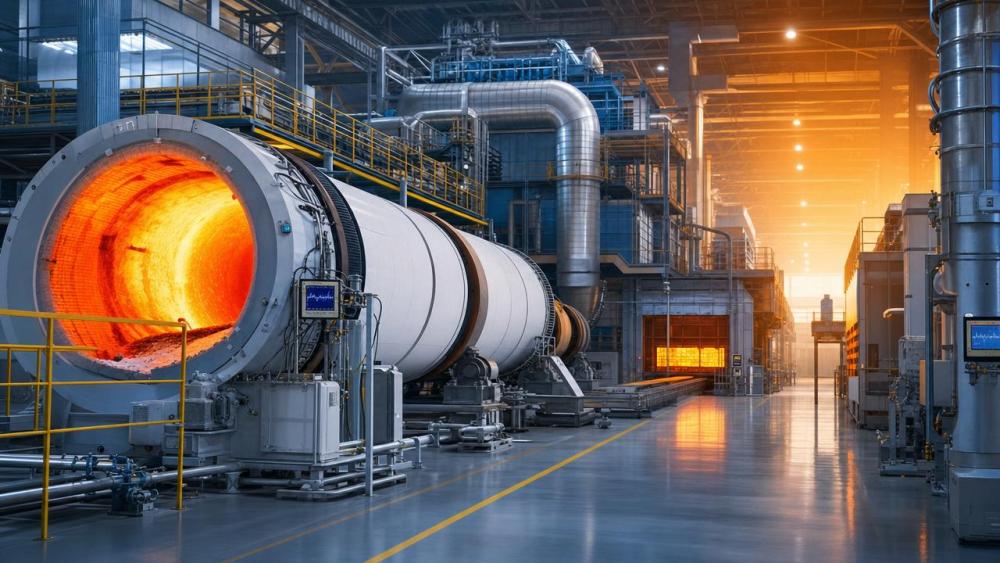
In 2026, industrial decarbonization insights are moving from sustainability reporting into plant-level decision logic. In high-temperature industries, a 1%–3% thermal efficiency gain, a 5% alternative fuel substitution increase, or a 6–12 month extension in refractory campaign life can materially affect both emissions intensity and operating cost.
Researchers should therefore watch four converging forces: tighter carbon accounting, rising electrification pressure, more demanding product quality control, and faster digital instrumentation deployment. None of these trends works in isolation. Their impact is strongest when they reshape investment timing or operating constraints.
The sectors where carbon pressure is hardest to avoid
Cement plants remain under the heaviest structural pressure because emissions come from both fuel combustion and calcination chemistry. Glass manufacturing faces a different problem: melting stability, energy continuity, and product defect sensitivity make deep decarbonization technically demanding, particularly on lines requiring 24/7 thermal balance.
Industrial kilns and waste co-processing systems are affected by fuel variability, chlorine and alkali circulation, and compliance risk around stack emissions. Refractory lines and new material extrusion plants may look less carbon-intensive at first glance, yet they still depend on drying, firing, or heat-treatment steps that can dominate site energy consumption.
What researchers should measure first
A useful starting framework is to separate carbon exposure into three layers: process emissions, thermal energy demand, and controllability. Plants with temperatures above 900°C, continuous operation cycles above 20 hours per day, or frequent quality-related thermal deviations should rank high on any industrial decarbonization insights watchlist.
- Specific thermal energy use per ton of output
- Alternative fuel or secondary material substitution rate
- Unplanned shutdown frequency per quarter
- Refractory wear rate and lining inspection interval
- Dust, NOx, SOx, and CO monitoring stability
- Digital visibility of critical heating zones
These indicators often reveal more than broad carbon targets do. A site with moderate emissions intensity but weak process control can become a higher-risk investment than a site with higher baseline emissions and stronger digital optimization capacity.
The 2026 trend map: where the most valuable industrial decarbonization insights are emerging
The most valuable industrial decarbonization insights in 2026 are emerging where carbon reduction can be linked to operating resilience. For information researchers, that means focusing less on abstract pledges and more on technologies, process windows, and asset strategies that plants can adopt within 1–3 budget cycles.
Trend 1: Fuel switching is becoming a process stability question
In cement and incineration systems, fuel switching is no longer only about replacing coal or petcoke. It is about flame shape, ash behavior, chlorine load, and burn-out efficiency. A substitution rate moving from 15% to 35% may look positive on paper, but if kiln ring formation rises or clinker quality drifts, the carbon benefit may come with expensive reliability trade-offs.
What to watch
- Secondary fuel moisture range and particle consistency
- Residence time adequacy in the main burning zone
- Impact on coating stability, build-up, and cleaning frequency
- Changes in baghouse load and emission fluctuations
Trend 2: Electrification remains selective, not universal
Electrification will expand in 2026, but unevenly. It is more realistic in auxiliary heating, batch preheating, drying, and some specialty material processing than in every ultra-high-temperature continuous line. Researchers should distinguish between direct furnace electrification, hybrid heating, and electric support systems such as fans, drives, and controls.
The important insight is not whether electrification is possible in theory. It is whether grid reliability, power pricing, and thermal profile requirements make it practical within a 3–7 year payback window.
Trend 3: Digital monitoring is becoming the shortest path to measurable gains
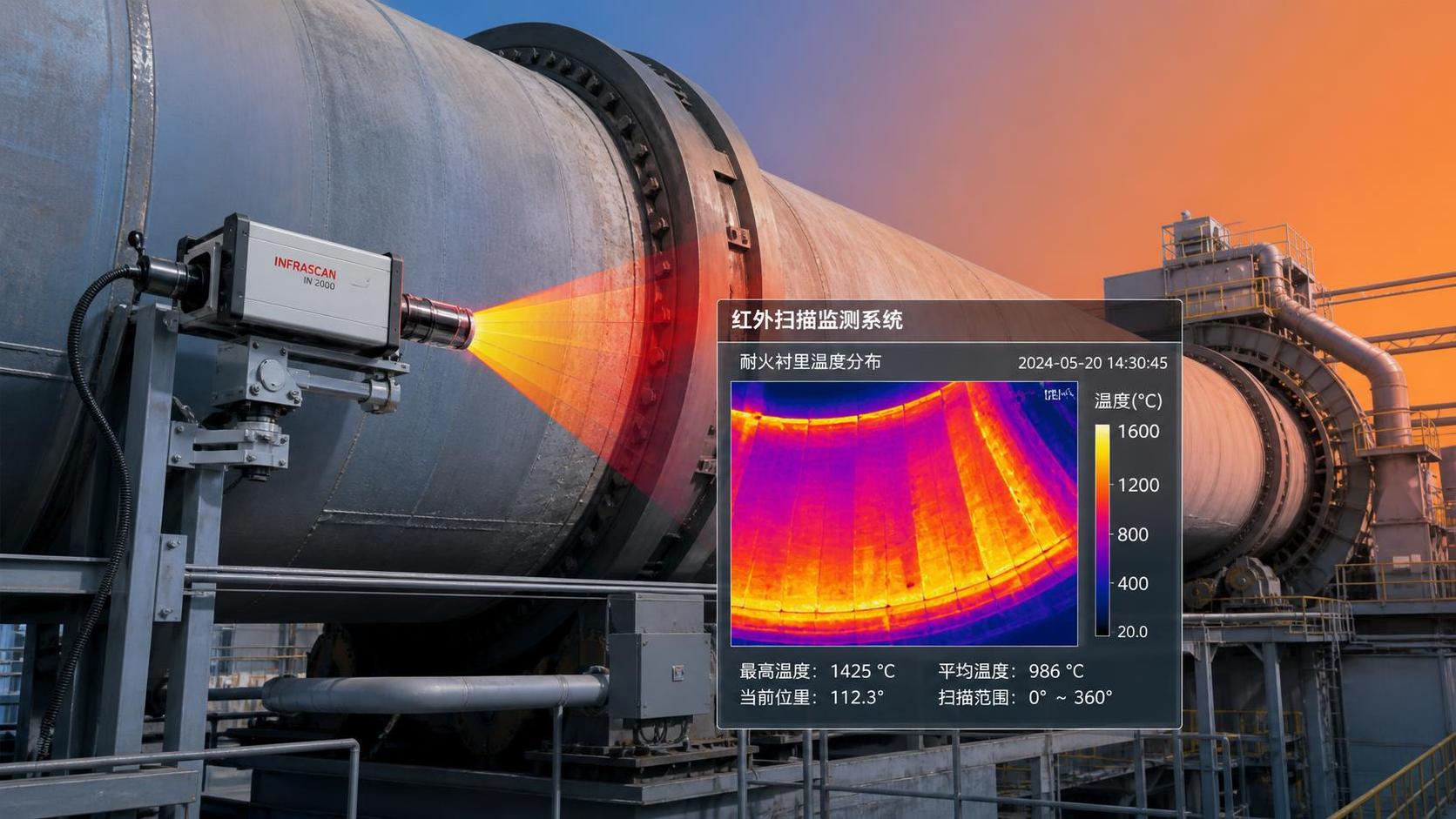
Among all industrial decarbonization insights, digital instrumentation is often the fastest to monetize. Online monitoring of kiln shell temperature, combustion conditions, refractory wear, and exhaust composition can reduce hidden thermal losses without requiring a full line rebuild.
Plants that install 4–6 additional critical measurement points often improve decision speed far more than plants that add generic dashboards. In glass and refractory lines, digital twins can also shorten optimization cycles by simulating heat distribution, pull rate shifts, or annealing changes before they disrupt production.
The table below shows where 2026 decarbonization attention is likely to concentrate across major high-temperature segments.
The key conclusion is that decarbonization attention is shifting toward controllable variables. In 2026, the most useful industrial decarbonization insights will come from understanding where process control improvements can produce both carbon and throughput benefits.
How to evaluate decarbonization opportunities across cement, glass, kilns, and advanced materials
Information researchers often face a familiar problem: too many technology claims, too little comparability. A practical way to evaluate opportunities is to use a four-part screen covering carbon impact, process disruption, capital intensity, and monitoring requirements.
A four-part screening method
- Estimate the emissions source split: combustion, process chemistry, electricity, and logistics.
- Assess whether the proposed measure changes product quality risk, throughput, or maintenance burden.
- Map implementation complexity across 3 stages: pilot, scale-up, and stable operation.
- Check whether the plant has enough instrumentation to verify results within 30–90 days.
This method matters because not all low-carbon measures are equal. A heat recovery project may have a slower installation cycle but low product risk. A fuel mix change may offer faster emissions reduction but higher operating volatility. A digital combustion upgrade may deliver modest carbon savings yet improve OEE and maintenance planning at the same time.
What a good comparison framework looks like
The table below provides a practical comparison structure for researchers reviewing industrial decarbonization insights across multiple technologies and plant types.
The comparison shows why researchers should avoid ranking solutions by carbon reduction alone. The best option is often the one that can be measured, stabilized, and expanded without creating hidden process losses.
A note on refractory and lining intelligence
One underappreciated category in industrial decarbonization insights is refractory performance. In kilns, furnaces, and incineration chambers, thermal leakage, shell hotspots, and premature lining failure can quietly erode energy efficiency. Extending a lining campaign by even 10%–15% may reduce shutdown frequency, maintenance emissions, and heat loss at the same time.
That is why online lining monitoring, shell scanning, and maintenance interval analysis deserve closer attention from researchers following high-temperature sectors. Decarbonization is not only about fuels; it is also about preserving the thermal barrier that makes efficient heat use possible.
Common research blind spots and how to avoid weak conclusions
A large share of weak industrial decarbonization insights comes from reading announcements without checking process implications. In 2026, the most common blind spot will be confusing technical feasibility with operational readiness.
Blind spot 1: Treating all carbon reductions as equal
A 5% reduction achieved through stable process tuning is often more durable than a headline 20% target dependent on uncertain feedstock, new permitting, or grid upgrades. Researchers should rank claims by repeatability, not only by ambition.
Blind spot 2: Ignoring product quality constraints
In glass, advanced ceramics, and specialty building materials, thermal precision matters as much as energy intensity. If a decarbonization measure increases bubbles, color instability, warping, or dimensional variability beyond accepted tolerance, the net sustainability outcome may worsen through scrap or reprocessing.
Blind spot 3: Overlooking measurement maturity
Many plants still lack consistent real-time visibility across only 3–5 critical thermal variables. Without stable sensor architecture, a site cannot prove whether an emissions improvement came from process optimization, reduced throughput, weather, fuel mix, or reporting method changes.
Three practical checks for stronger research
- Check whether the plant discloses operational boundaries, not just annual carbon goals.
- Look for evidence of monitoring upgrades, maintenance logic, or process model validation.
- Compare carbon strategy with product category, furnace type, and operating continuity.
For CF-Elite readers, this matters because silicate and thermal-process industries rarely decarbonize through one dramatic switch. Most gains come from stitched intelligence: linking combustion data, kiln behavior, material chemistry, refractory conditions, and regulatory timing into a realistic action map.
What information researchers should prioritize next
If your goal is to extract decision-grade industrial decarbonization insights in 2026, prioritize questions that connect policy direction with plant mechanics. Ask which assets face the highest carbon cost exposure in the next 24 months, which lines have the weakest thermal visibility, and which upgrade paths can be implemented without compromising output quality.
Across cement, glass, incineration, refractory production, and advanced building material extrusion, the strongest signals usually come from measurable process improvements rather than broad narratives. Monitor energy intensity, substitution rates, lining life, thermal stability, and digital observability together. That combination offers a far better basis for market intelligence, equipment evaluation, and strategic sourcing.
CF-Elite is positioned for exactly this kind of analysis: turning high-temperature operating data, material-process relationships, and global carbon transition trends into structured intelligence for researchers, distributors, and industry decision teams. To explore tailored insights, compare solution paths, or review segment-specific decarbonization opportunities, contact us today and learn more about practical solutions for thermal-intensive industries.
Related News
 Optical Glass Tech FellowHow to Evaluate a Glass Annealing Equipment Manufacturer for Production StabilityChoose a glass annealing equipment manufacturer with proven thermal uniformity, reliable controls, lifecycle value, and responsive service for stable production.Sep 08, 2026
 Prof. Marcus ChenThermal Energy Architecture in North America: Strategies for Lower Building Energy UseThermal energy architecture North America helps project leaders cut building energy use through stronger envelopes, right-sized HVAC, storage, and smart commissioning.Sep 07, 2026
 Ms. Elena RodriguezHow Should Buyers Evaluate Building Material Industry Intelligence Pricing?Building material industry intelligence pricing: learn how to compare coverage, technical depth, and ROI to choose intelligence that reduces procurement risk.Sep 07, 2026
 Ms. Elena RodriguezHow to Use Building Material Intelligence Data for Market and Investment DecisionsBuilding material industry intelligence data helps leaders evaluate demand, costs, regulation, capacity, and technology to make smarter market and investment decisions.Sep 05, 2026
 Thermal Energy ArchitectHow PLC Control Improves Energy Efficiency and Temperature Stability in KilnsEnergy efficient kilns PLC control improves temperature stability, cuts fuel waste, and optimizes combustion, draft, and material flow. Explore proven strategies for smarter kiln modernization.Sep 04, 2026
 Optical Glass Tech FellowEuropean Glass Melting Processes: Furnace Choices, Energy Use, and Quality ControlGlass melting process Europe: explore furnace choices, energy efficiency, cullet strategy, and quality control to improve output, compliance, and long-term glass performance.Sep 03, 2026
 Thermal Energy ArchitectWhat Determines Refractory Lining Monitoring Price for Industrial Kilns?Refractory lining monitoring price depends on kiln size, sensor technology, installation, software, and support. Compare total lifecycle costs and choose the right solution.Sep 02, 2026
 Silicate Process EngineerCement Production System Costs: A Plant Buyer’s Guide to Budgeting and ROICement production systems cost planning made clear: compare CAPEX, operating costs, compliance, and ROI to build a resilient, profitable cement plant investment.Sep 01, 2026
 Dr. Alistair VaughnWhat Should a Process Technology Database Track for High-Temperature Plants?Process technology database essentials for high-temperature plants: track thermal profiles, feed chemistry, refractory wear, emissions, energy, and maintenance for safer, data-driven decisions.Aug 31, 2026
 Ms. Elena RodriguezHow to Evaluate a Silicate Processing Equipment Manufacturer for Plant ProjectsSilicate processing equipment manufacturer selection: assess process fit, guarantees, energy, compliance, delivery risk, and lifecycle support for dependable plant performance.Aug 30, 2026
 Dr. Alistair VaughnHow to Specify Custom Agricultural Processing Equipment for Throughput and HygieneEquipment customization services for agricultural processing: learn to specify hygienic, high-throughput lines that improve yield, reliability, and long-term efficiency.Aug 29, 2026
 Dr. Alistair VaughnHow to Select Process Plant Equipment for High-Temperature, Abrasive Production LinesProcess plant equipment selection for high-temperature, abrasive lines: reduce downtime, improve durability, and optimize lifecycle performance.Aug 28, 2026
 Silicate Process EngineerHow Kiln Heat Recovery Systems Cut Fuel Use in Cement and Lime ProductionKiln heat recovery helps cement and lime plants cut fuel use, improve thermal stability, and build practical, reliable decarbonization strategies.Aug 27, 2026
 Ms. Elena RodriguezProcess Equipment Comparison: Which Metrics Matter Most for Reliable Selection?Process equipment comparison made practical: discover which metrics truly drive reliable selection, from energy efficiency and control stability to wear life, maintainability, and uptime.Aug 26, 2026
 Ms. Elena RodriguezWhat Buyers Should Check Before Sourcing Precision Alloy Bars for Critical PartsPrecision Alloy Bars buyers should verify grade, chemistry, tolerances, surface quality, traceability, and lead time before sourcing for critical parts. Learn what prevents costly machining and reliability risks.Aug 27, 2026
 Ms. Elena RodriguezHow to Evaluate Thermal Management Solutions Insulation for High-Heat Industrial SystemsThermal management solutions insulation: learn how to assess high-heat industrial systems by thermal performance, durability, lifecycle cost, and supplier data for smarter decisions.Aug 25, 2026
 Ms. Elena RodriguezWhat Drives Waste Recycling Cost in Industrial Projects and How to Estimate It?Waste recycling cost in industrial projects depends on composition, moisture, transport, pre-treatment, and compliance. Learn how to estimate it accurately and compare suppliers with confidence.Aug 24, 2026
 Silicate Process EngineerHow to Evaluate Cement Production Plants in the Middle East for Capacity, Fuel Flexibility, and ROIcement production plants Middle East: Learn how to assess true capacity, fuel flexibility, and ROI risks to identify resilient assets and smarter investment opportunities.Aug 23, 2026
 Structural Material AnalystHow to Evaluate Lightweight Material Machinery for Output, Energy Use, and Product QualityLightweight material machinery evaluation guide: compare stable output, energy use, and product quality to choose equipment that cuts waste, lowers costs, and improves production confidence.Aug 22, 2026
 Material Heat-Resist ExpertWhat Determines Refractory Production Line Price in a Turnkey Plant Project?Refractory production line price depends on raw materials, forming method, kiln and drying design, automation, utilities, and scope. Learn what really drives turnkey plant cost before you invest.Aug 21, 2026

Related News
- 00
0000-00
Thermal Energy Architecture in North America: Strategies for Lower Building Energy Use - 00
0000-00
How to Evaluate a Green Material Production Line for Energy Use, Output, and Product Quality - 00
0000-00
Silicate Technology Trends: What New Process Upgrades Matter for Refractory and Cement Plants? - 00
0000-00
Thermal Engineering Optimization: Which Process Parameters Most Affect Energy Use? - 00
0000-00
Material Extrusion Technology in Europe: Which Materials and Production Goals Fit Best?
Weekly Insights
Stay ahead with our curated technology reports delivered every Monday.