
What sustainable construction materials save long term




Choosing sustainable construction materials is no longer just an environmental decision—it is a long-term procurement strategy that shapes lifecycle cost, compliance, and supply resilience. For buyers evaluating future-ready building solutions, understanding which materials reduce energy use, maintenance needs, and carbon exposure can unlock stronger project value. This guide explores what truly saves long term and how informed sourcing supports both performance and profitability.
Why do sustainable construction materials save more over time?
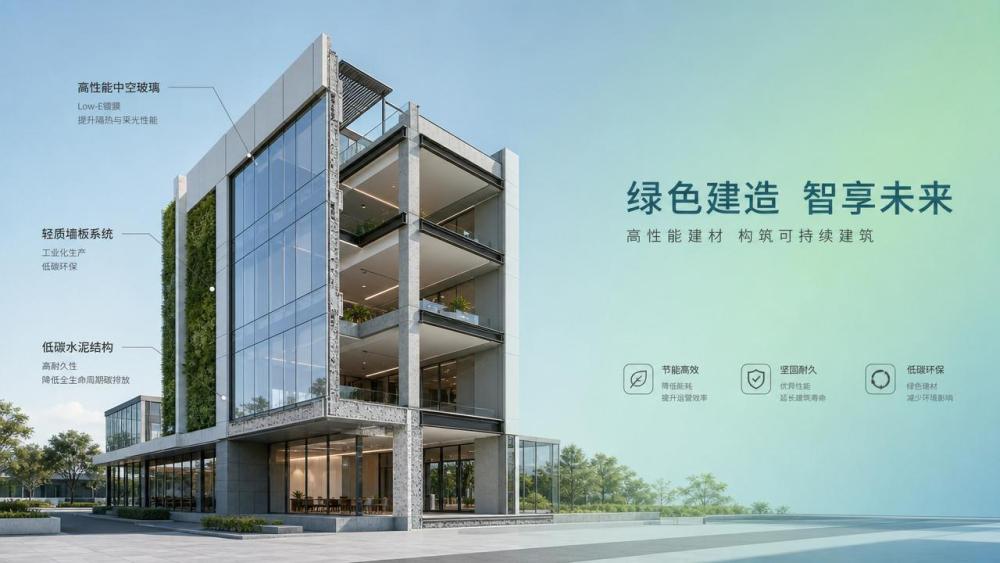
For procurement teams, the real question is not whether sustainable construction materials cost more at purchase. It is whether they reduce total ownership cost across design life, operations, maintenance, compliance, and replacement cycles.
In many projects, material selection influences thermal efficiency, structural load, transportation expense, installation speed, waste generation, and future retrofit needs. A lower invoice price can still become the more expensive decision after five or ten years.
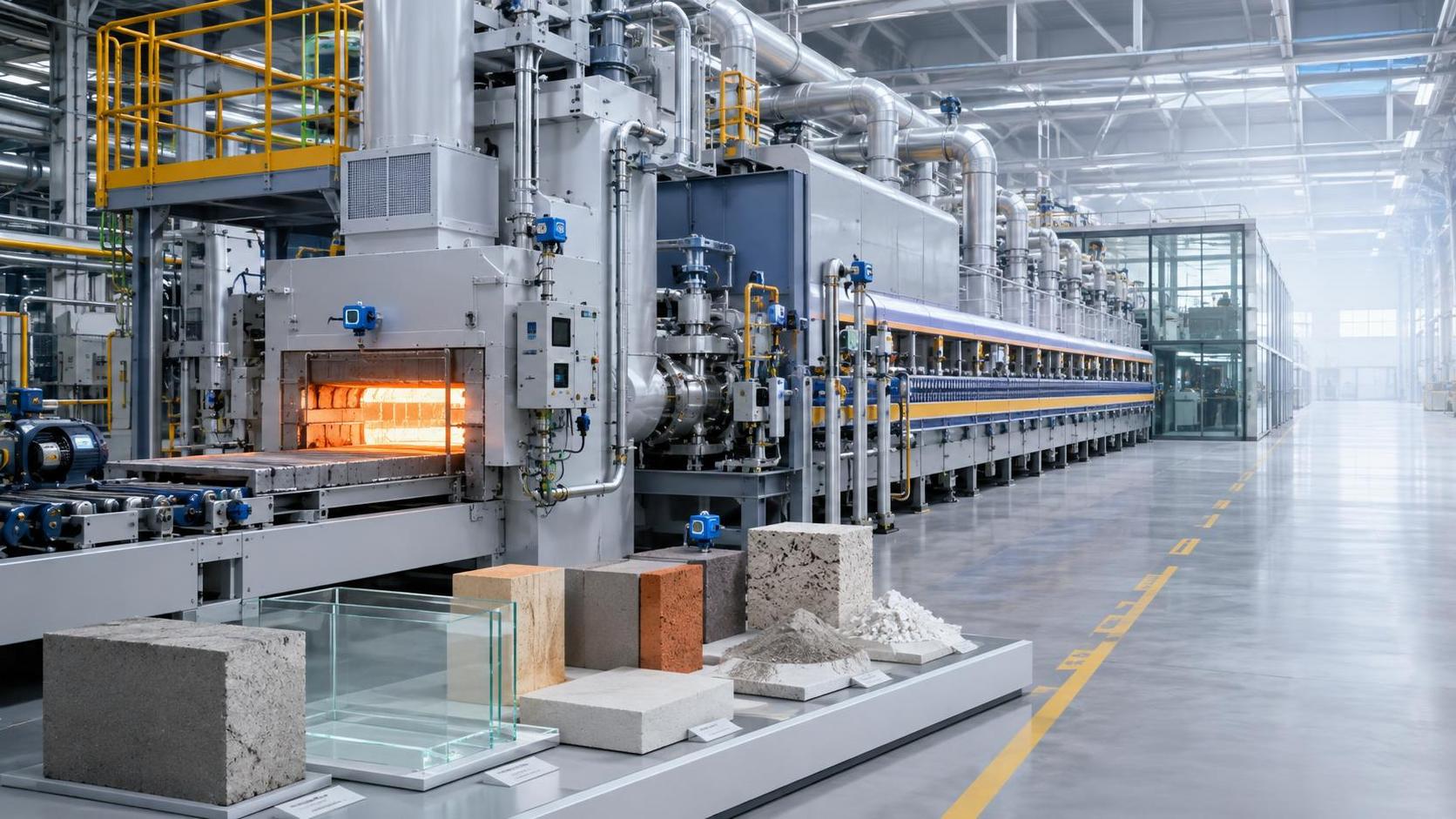
This is especially relevant in sectors connected to silicates, thermal processing, and heavy building systems. CF-Elite tracks how cement, glass, refractory, and extruded building materials perform under pressure from carbon regulation, fuel cost volatility, and tighter durability expectations.
From that perspective, sustainable construction materials save long term when they deliver one or more of the following outcomes:
- Lower operational energy demand through better insulation, thermal mass, or solar control performance.
- Reduced maintenance frequency because of higher chemical, moisture, or heat resistance.
- Less material usage through lightweight design or optimized structural performance.
- Better compliance readiness under green building standards, emissions disclosure, and embodied carbon reporting.
- Improved supply resilience when materials are locally available, recycled, or manufactured with stable process control.
Procurement risk often hides beyond unit price
Buyers are often measured on budget discipline and delivery timelines, so low upfront price can look attractive. Yet long-term value depends on failure rates, thermal behavior, waste percentage, and compatibility with local standards and climate conditions.
CF-Elite’s intelligence model is useful here because it links raw material systems, high-temperature processing logic, and downstream construction performance. That connection matters when comparing low-carbon cement blends, insulated glass, recycled-content products, or extruded lightweight panels.
Which sustainable construction materials usually deliver the best long-term savings?
Not every green material produces the same return. The best choice depends on building type, climate, labor cost, energy profile, and expected service life. The table below helps buyers compare major categories of sustainable construction materials from a long-term savings perspective.
For most buyers, insulated glazing and lightweight panel systems produce faster operational or installation savings, while low-clinker cement and recycled-content systems help reduce carbon exposure and future compliance risk. The right mix depends on whether your project is energy-driven, schedule-driven, or reporting-driven.
Where CF-Elite adds decision value
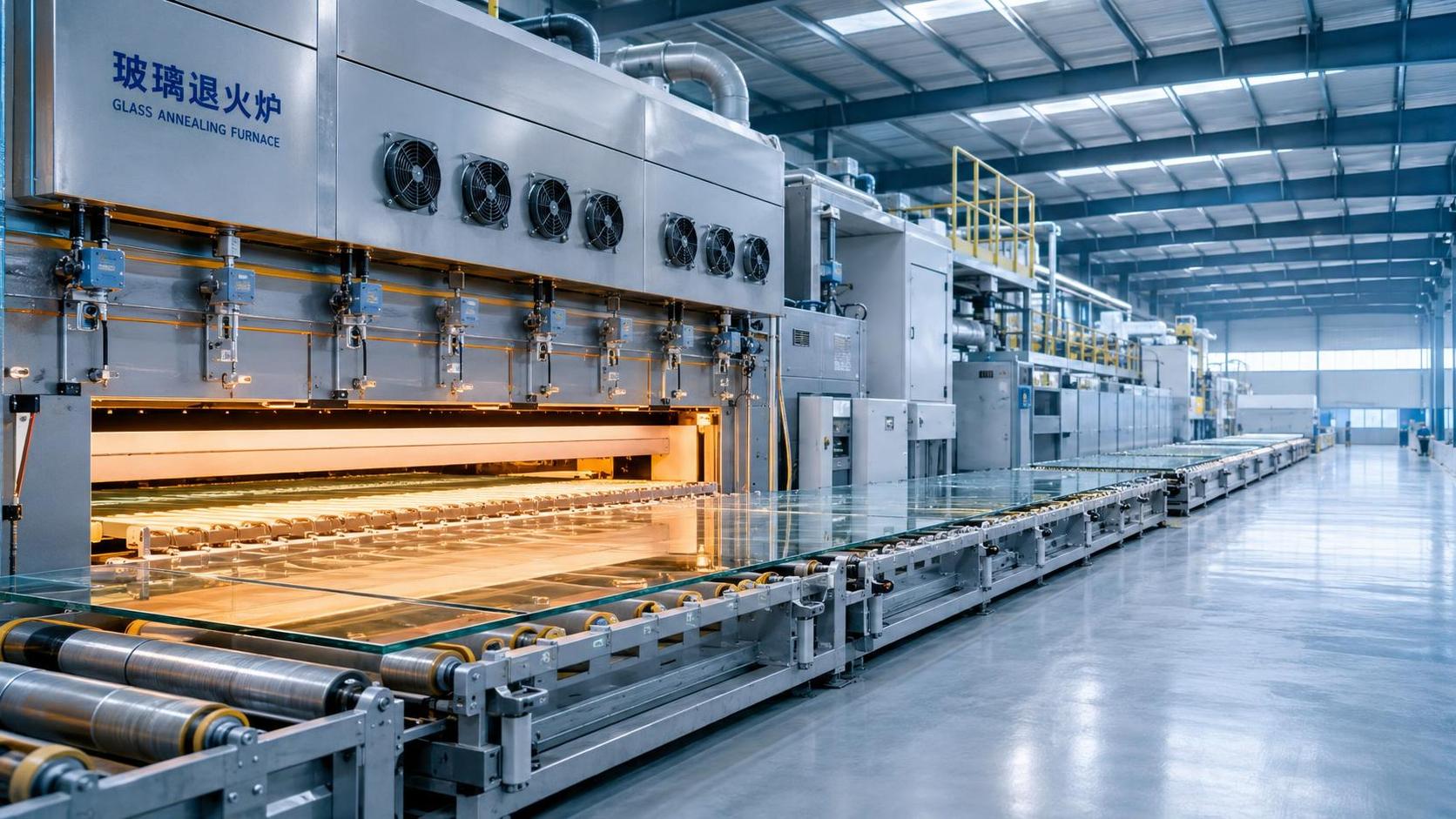
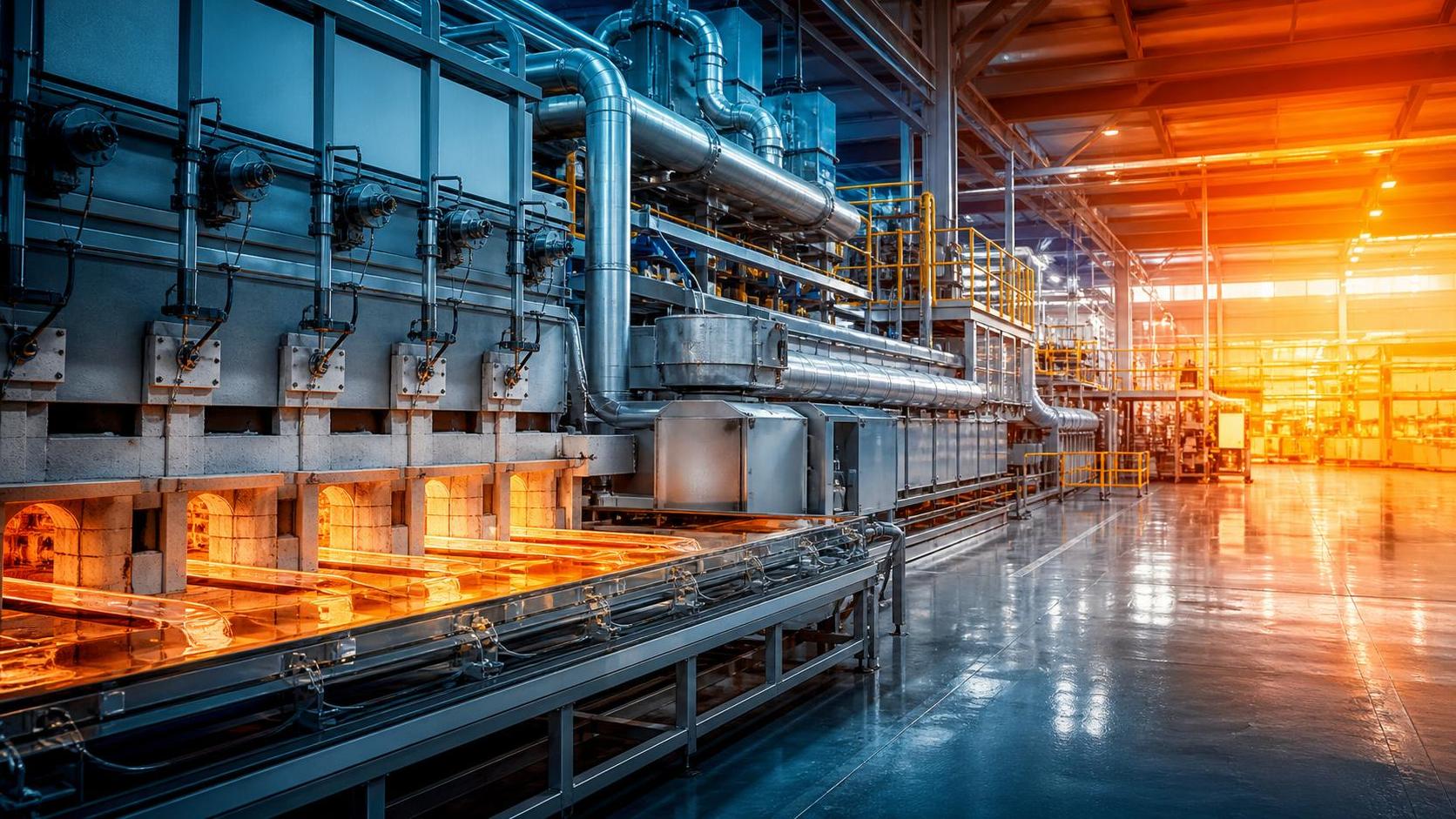
CF-Elite monitors production lines behind these materials, not just the finished product labels. That means buyers can better understand whether a supplier’s process stability, kiln efficiency, glass annealing control, or extrusion consistency supports reliable long-term performance.
How should buyers compare cost, performance, and carbon impact?
A common mistake in sustainable construction materials sourcing is evaluating only purchase price and basic specification sheets. Long-term savings come from a broader matrix that combines technical function with financial and compliance outcomes.
Use the following comparison framework when screening options across multiple suppliers or material systems.
This comparison is useful because a sustainable construction material can perform well in one category and poorly in another. For example, a low-carbon mix may need curing adjustments, while a premium glass unit may only pay back quickly in energy-intensive buildings or hot climates.
A practical procurement checklist
- Request verified technical data, not only marketing claims, especially for thermal, mechanical, and durability indicators.
- Check whether the material requires new installation practices, curing windows, or specialist subcontractors.
- Estimate savings over the service life rather than focusing only on bid-stage material cost.
- Review supply chain concentration and regional production capability to reduce delivery disruption risk.
- Confirm whether environmental documentation matches the tender’s reporting or certification requirements.
Which application scenarios benefit most from sustainable construction materials?
Long-term savings vary by project type. Buyers should match sustainable construction materials to operational pressure points, not select them only because they are labeled green.
Commercial buildings with high energy loads
Office towers, retail centers, and mixed-use developments often benefit most from high-performance glass, better insulation layers, and low-thermal-bridge envelope systems. These materials reduce HVAC demand and improve comfort without constant equipment oversizing.
Industrial and process-adjacent facilities
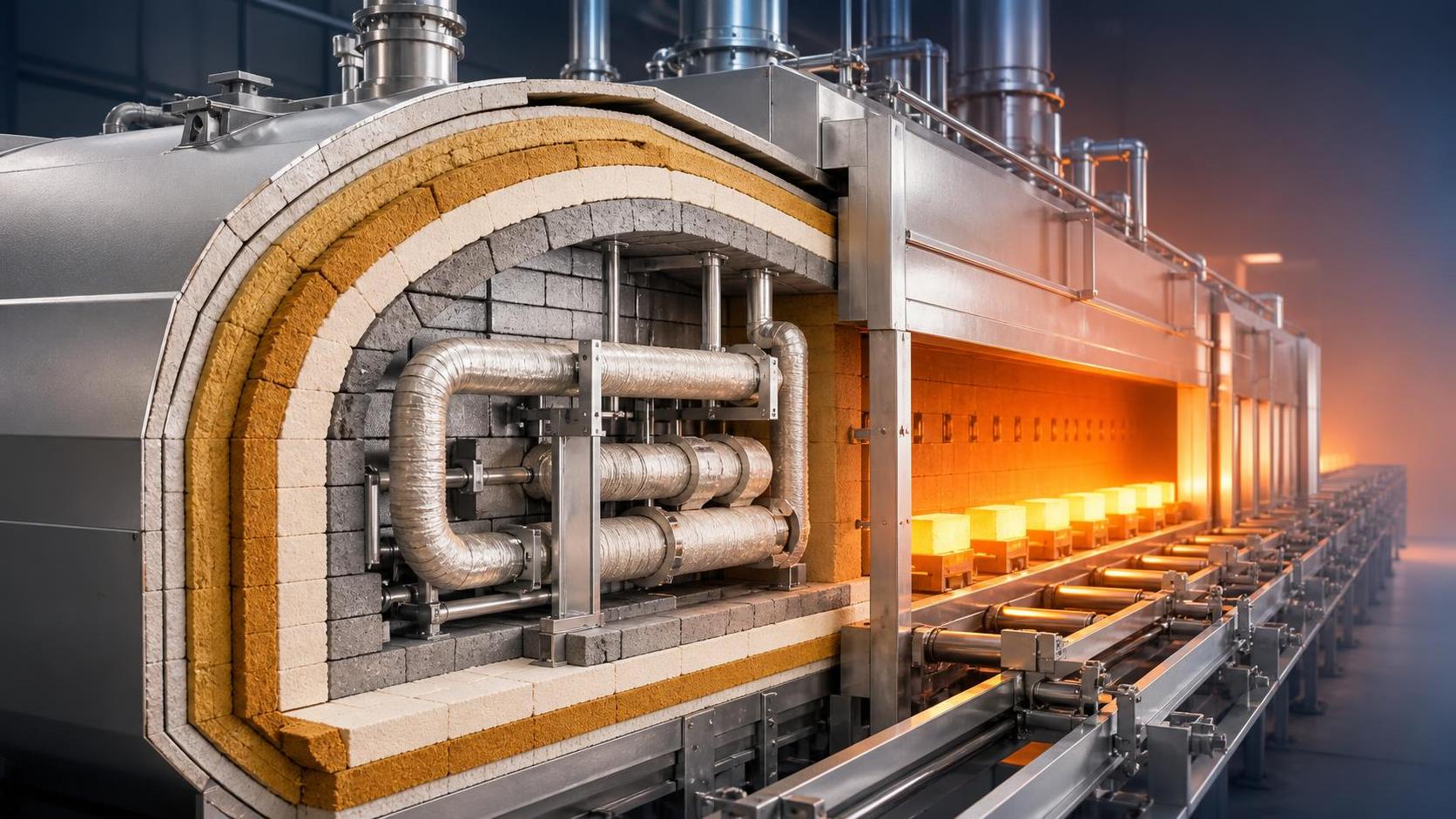
Plants near high-temperature operations need materials that balance thermal resistance, durability, and maintenance access. Here, refractory-backed thermal systems, specialized panels, and durable cementitious solutions can reduce shutdown-related repairs and heat loss.
Fast-track urban projects
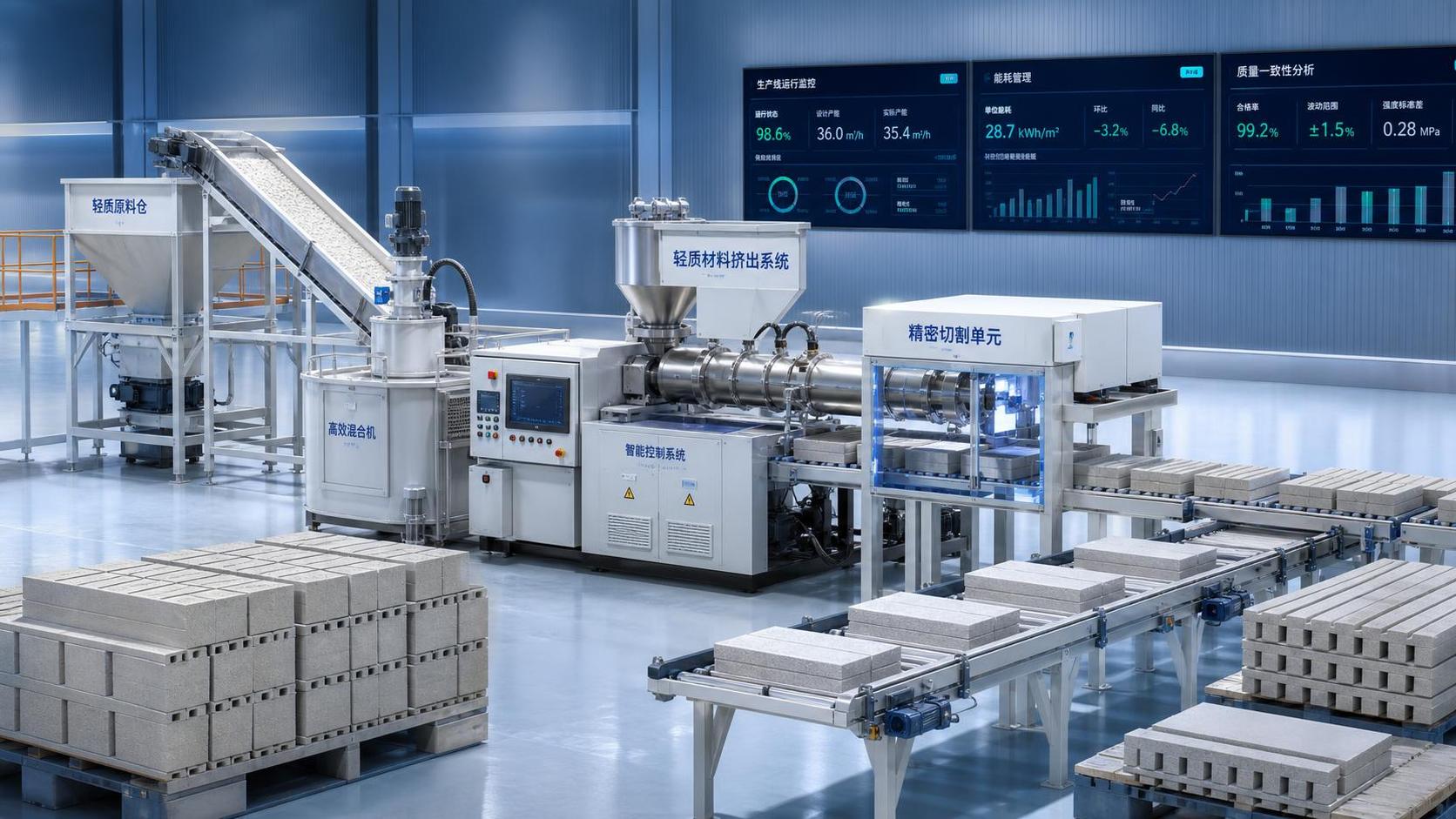
Lightweight extruded materials and modular wall systems often create the strongest savings in compressed schedules. They reduce transport weight, crane demand, and wet-trade dependency. For procurement teams, this means better predictability under labor shortages.
Public or compliance-sensitive projects
Schools, healthcare projects, and government-funded developments increasingly require environmental reporting. Sustainable construction materials with clear declarations and traceable manufacturing data help avoid bid disqualification or redesign.
What standards and documentation should buyers request?
Procurement decisions become stronger when sustainability claims are supported by recognized documentation. Not every project needs the same documents, but several are widely useful across material categories.
- Environmental Product Declarations for embodied carbon and lifecycle transparency.
- Fire, thermal, acoustic, or structural test reports relevant to the intended application.
- Quality management and process consistency records where supply reliability is critical.
- Statements on recycled content, responsible sourcing, or regional manufacturing where project criteria require them.
For buyers in complex international sourcing environments, CF-Elite’s market and process intelligence can help interpret whether documents reflect real manufacturing capability or only bid-stage packaging. That matters in categories such as cement, glass, refractory, and new extruded building materials, where process discipline strongly affects final performance.
Watch for these documentation gaps
- Test reports that do not match the exact product configuration offered in the quote.
- Environmental claims without third-party declaration or clear methodology.
- Performance data that ignores local climate, installation method, or substrate conditions.
Common mistakes when sourcing sustainable construction materials
Even experienced buyers can lose long-term value when selection criteria are too narrow. Several recurring mistakes appear across building and industrial procurement.
- Treating all sustainable construction materials as interchangeable, even though energy, structural, and moisture behaviors differ significantly.
- Ignoring installation learning curves that create hidden labor cost and schedule delay.
- Focusing only on embodied carbon while overlooking maintenance frequency or replacement intervals.
- Assuming local supply is guaranteed, when some low-carbon inputs or specialty glass products face periodic availability swings.
- Failing to align material choice with the project’s actual value driver, whether energy savings, speed, durability, or regulatory compliance.
The most resilient procurement strategy is scenario-based. It asks what will happen if fuel prices rise, carbon reporting expands, repair access becomes difficult, or future renovation standards tighten. Materials that perform under those pressures usually save more long term.
FAQ: what buyers ask most about sustainable construction materials
Do sustainable construction materials always cost more upfront?
Not always. Some do carry a premium, especially advanced glazing or highly engineered panel systems. Others, such as certain blended cement options or lightweight systems that reduce transport and labor, may be cost-neutral or even cheaper at installed level. The key is to compare installed cost and lifecycle impact, not list price alone.
Which materials usually pay back the fastest?
In many buildings, insulated glass, envelope insulation upgrades, and lightweight prefabricated panels show faster payback because they influence energy use or construction speed immediately. In infrastructure or long-life assets, durable cement systems and corrosion-resistant materials may create slower but larger cumulative savings.
How can procurement teams verify long-term value before purchase?
Ask for technical test data, expected maintenance intervals, environmental declarations, and project-specific performance assumptions. Then compare suppliers against energy, durability, logistics, and compliance criteria. Where process quality is critical, review manufacturing capability, not just brochures.
Are sustainable construction materials suitable for industrial environments?
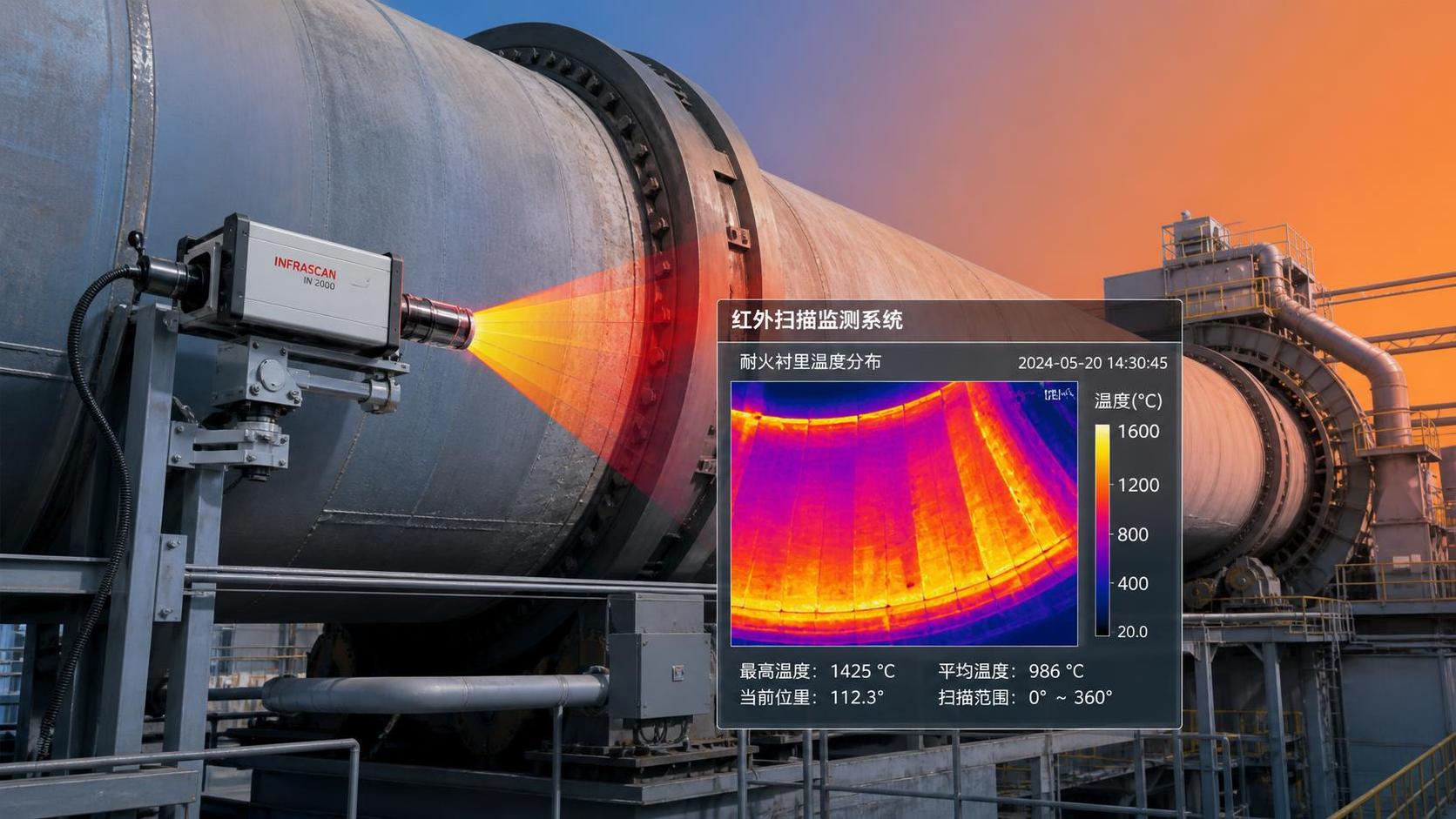
Yes, but selection must be more precise. Industrial settings often involve heat, abrasion, chemical exposure, and frequent maintenance access issues. Sustainable value in these cases comes from high durability, thermal management, and low downtime rather than only low embodied carbon. That is why insight into refractory systems, kiln-adjacent materials, and thermal barriers is important.
Why work with CF-Elite when evaluating long-term material value?
Procurement teams often receive fragmented information: one supplier talks price, another talks carbon, and another talks performance. CF-Elite helps connect those layers through industrial intelligence rooted in silicate processing, thermal systems, and advanced building material production.
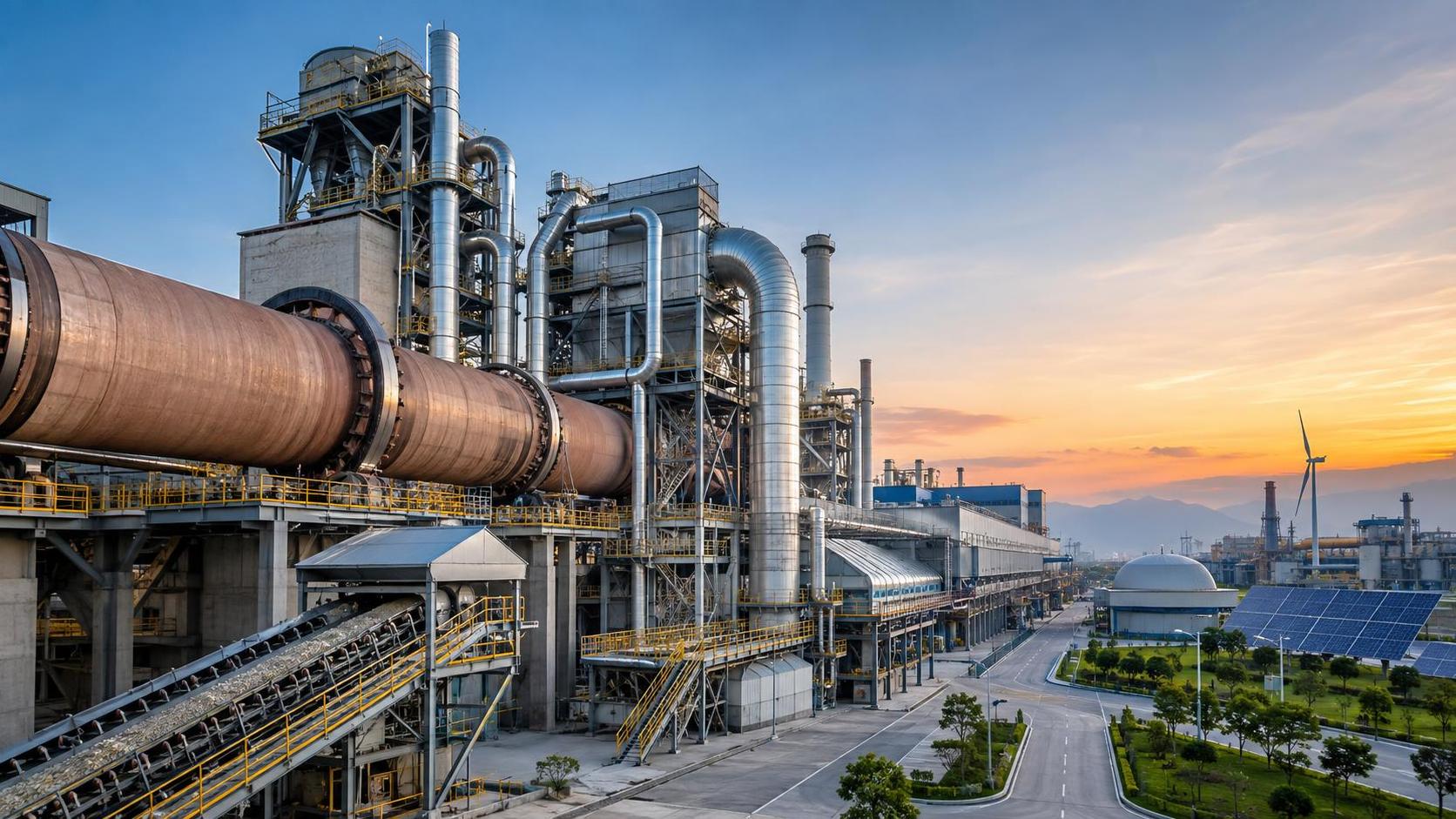
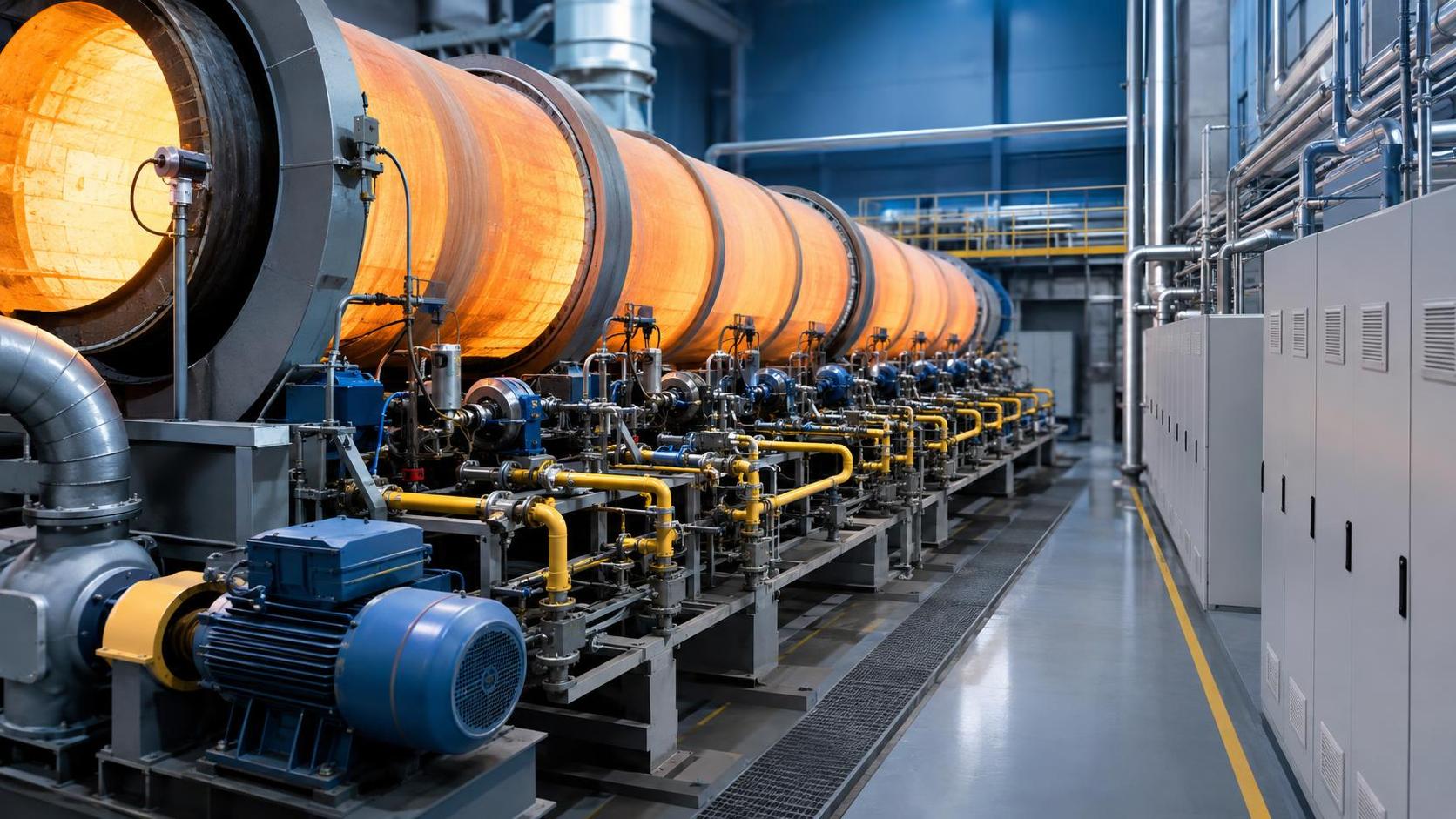
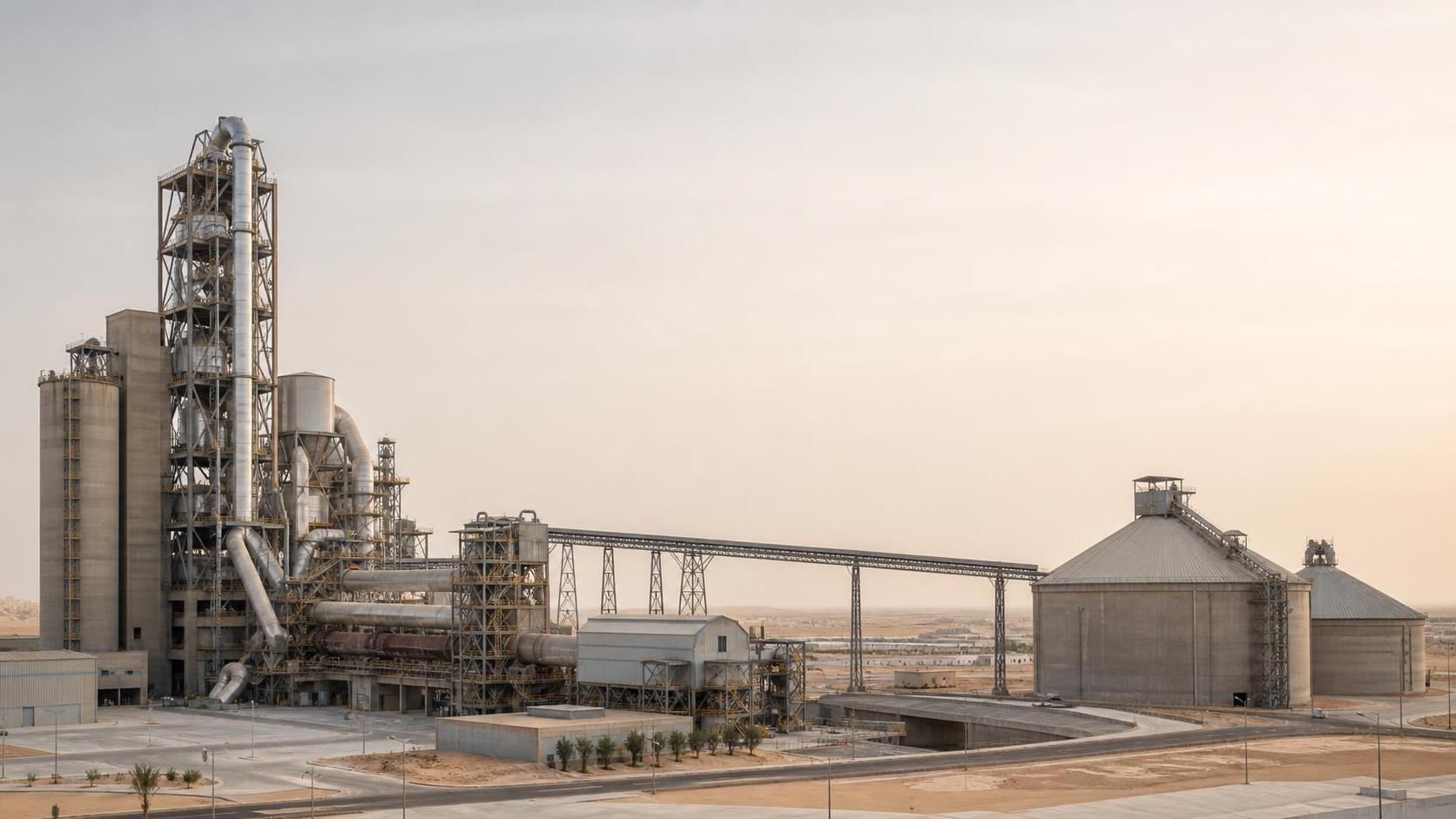
Because CF-Elite follows cement plants, glass manufacturing gear, industrial kilns, refractory production lines, and new building material extrusion, buyers gain a more realistic view of what sustainable construction materials can deliver in service life, efficiency, and supply stability.
You can consult CF-Elite for practical support on the points that matter most during sourcing and specification:
- Parameter confirmation for thermal, durability, and process-related performance indicators.
- Material and equipment selection guidance for cement, glass, refractory, and extruded green building systems.
- Delivery cycle assessment and supply chain risk review for long-cycle industrial or construction procurement.
- Customized sourcing strategies aligned with carbon reduction, energy efficiency, and project compliance goals.
- Documentation review for environmental declarations, technical files, and bid-stage qualification needs.
- Quote communication support when comparing alternatives with different lifecycle and operating cost profiles.
If your team is deciding which sustainable construction materials will truly save long term, a better outcome starts with clearer data, better process insight, and more disciplined comparison. That is where CF-Elite can help turn material selection into a stronger business decision.
Related News
 Optical Glass Tech FellowHow to Evaluate a Glass Annealing Equipment Manufacturer for Production StabilityChoose a glass annealing equipment manufacturer with proven thermal uniformity, reliable controls, lifecycle value, and responsive service for stable production.Sep 08, 2026
 Prof. Marcus ChenThermal Energy Architecture in North America: Strategies for Lower Building Energy UseThermal energy architecture North America helps project leaders cut building energy use through stronger envelopes, right-sized HVAC, storage, and smart commissioning.Sep 07, 2026
 Ms. Elena RodriguezHow Should Buyers Evaluate Building Material Industry Intelligence Pricing?Building material industry intelligence pricing: learn how to compare coverage, technical depth, and ROI to choose intelligence that reduces procurement risk.Sep 07, 2026
 Ms. Elena RodriguezHow to Use Building Material Intelligence Data for Market and Investment DecisionsBuilding material industry intelligence data helps leaders evaluate demand, costs, regulation, capacity, and technology to make smarter market and investment decisions.Sep 05, 2026
 Thermal Energy ArchitectHow PLC Control Improves Energy Efficiency and Temperature Stability in KilnsEnergy efficient kilns PLC control improves temperature stability, cuts fuel waste, and optimizes combustion, draft, and material flow. Explore proven strategies for smarter kiln modernization.Sep 04, 2026
 Optical Glass Tech FellowEuropean Glass Melting Processes: Furnace Choices, Energy Use, and Quality ControlGlass melting process Europe: explore furnace choices, energy efficiency, cullet strategy, and quality control to improve output, compliance, and long-term glass performance.Sep 03, 2026
 Thermal Energy ArchitectWhat Determines Refractory Lining Monitoring Price for Industrial Kilns?Refractory lining monitoring price depends on kiln size, sensor technology, installation, software, and support. Compare total lifecycle costs and choose the right solution.Sep 02, 2026
 Silicate Process EngineerCement Production System Costs: A Plant Buyer’s Guide to Budgeting and ROICement production systems cost planning made clear: compare CAPEX, operating costs, compliance, and ROI to build a resilient, profitable cement plant investment.Sep 01, 2026
 Dr. Alistair VaughnWhat Should a Process Technology Database Track for High-Temperature Plants?Process technology database essentials for high-temperature plants: track thermal profiles, feed chemistry, refractory wear, emissions, energy, and maintenance for safer, data-driven decisions.Aug 31, 2026
 Ms. Elena RodriguezHow to Evaluate a Silicate Processing Equipment Manufacturer for Plant ProjectsSilicate processing equipment manufacturer selection: assess process fit, guarantees, energy, compliance, delivery risk, and lifecycle support for dependable plant performance.Aug 30, 2026
 Dr. Alistair VaughnHow to Specify Custom Agricultural Processing Equipment for Throughput and HygieneEquipment customization services for agricultural processing: learn to specify hygienic, high-throughput lines that improve yield, reliability, and long-term efficiency.Aug 29, 2026
 Dr. Alistair VaughnHow to Select Process Plant Equipment for High-Temperature, Abrasive Production LinesProcess plant equipment selection for high-temperature, abrasive lines: reduce downtime, improve durability, and optimize lifecycle performance.Aug 28, 2026
 Silicate Process EngineerHow Kiln Heat Recovery Systems Cut Fuel Use in Cement and Lime ProductionKiln heat recovery helps cement and lime plants cut fuel use, improve thermal stability, and build practical, reliable decarbonization strategies.Aug 27, 2026
 Ms. Elena RodriguezProcess Equipment Comparison: Which Metrics Matter Most for Reliable Selection?Process equipment comparison made practical: discover which metrics truly drive reliable selection, from energy efficiency and control stability to wear life, maintainability, and uptime.Aug 26, 2026
 Ms. Elena RodriguezWhat Buyers Should Check Before Sourcing Precision Alloy Bars for Critical PartsPrecision Alloy Bars buyers should verify grade, chemistry, tolerances, surface quality, traceability, and lead time before sourcing for critical parts. Learn what prevents costly machining and reliability risks.Aug 27, 2026
 Ms. Elena RodriguezHow to Evaluate Thermal Management Solutions Insulation for High-Heat Industrial SystemsThermal management solutions insulation: learn how to assess high-heat industrial systems by thermal performance, durability, lifecycle cost, and supplier data for smarter decisions.Aug 25, 2026
 Ms. Elena RodriguezWhat Drives Waste Recycling Cost in Industrial Projects and How to Estimate It?Waste recycling cost in industrial projects depends on composition, moisture, transport, pre-treatment, and compliance. Learn how to estimate it accurately and compare suppliers with confidence.Aug 24, 2026
 Silicate Process EngineerHow to Evaluate Cement Production Plants in the Middle East for Capacity, Fuel Flexibility, and ROIcement production plants Middle East: Learn how to assess true capacity, fuel flexibility, and ROI risks to identify resilient assets and smarter investment opportunities.Aug 23, 2026
 Structural Material AnalystHow to Evaluate Lightweight Material Machinery for Output, Energy Use, and Product QualityLightweight material machinery evaluation guide: compare stable output, energy use, and product quality to choose equipment that cuts waste, lowers costs, and improves production confidence.Aug 22, 2026
 Material Heat-Resist ExpertWhat Determines Refractory Production Line Price in a Turnkey Plant Project?Refractory production line price depends on raw materials, forming method, kiln and drying design, automation, utilities, and scope. Learn what really drives turnkey plant cost before you invest.Aug 21, 2026
Related News
- 00
0000-00
How to Evaluate Lightweight Material Machinery for Output, Energy Use, and Product Quality - 00
0000-00
What Thermal Barrier Technology Works Best for Lightweight Industrial Panels? - 00
0000-00
Advanced Ceramic Processing for Honeycomb: Which Methods Improve Strength and Thermal Shock Resistance? - 00
0000-00
Building Material Extrusion Equipment Supplier Selection: 7 Parameters That Affect Line Performance - 00
0000-00
High Pressure Extruder Selection Guide: Output, Material Compatibility, and Wear
Weekly Insights
Stay ahead with our curated technology reports delivered every Monday.