
How sustainable material extrusion reduces waste on site




For project managers and engineering leaders under pressure to cut waste, control costs, and meet sustainability targets, sustainable material extrusion offers a practical path forward. By improving material precision, reducing offcuts, and supporting cleaner on-site workflows, this approach helps construction and industrial projects achieve higher efficiency without sacrificing output quality. Understanding its real-world impact is becoming essential for smarter project execution.
In sectors linked to cement, glass, refractory systems, kilns, incineration, and new building material production, waste reduction is no longer a secondary objective. It directly affects project budgets, commissioning timelines, carbon reporting, and material handling efficiency. For decision-makers overseeing installation, line upgrades, or new capacity planning, sustainable material extrusion has become a measurable lever for both operational control and environmental performance.
At the project level, the value is practical: fewer rejected profiles, lower dust exposure, tighter dimensional consistency, and better integration with automated production and site logistics. For organizations following the industrial intelligence direction championed by CF-Elite, extrusion is not only a shaping method. It is part of a broader strategy connecting material science, thermal management, energy efficiency, and resource circularity.
Why sustainable material extrusion matters in waste-sensitive projects
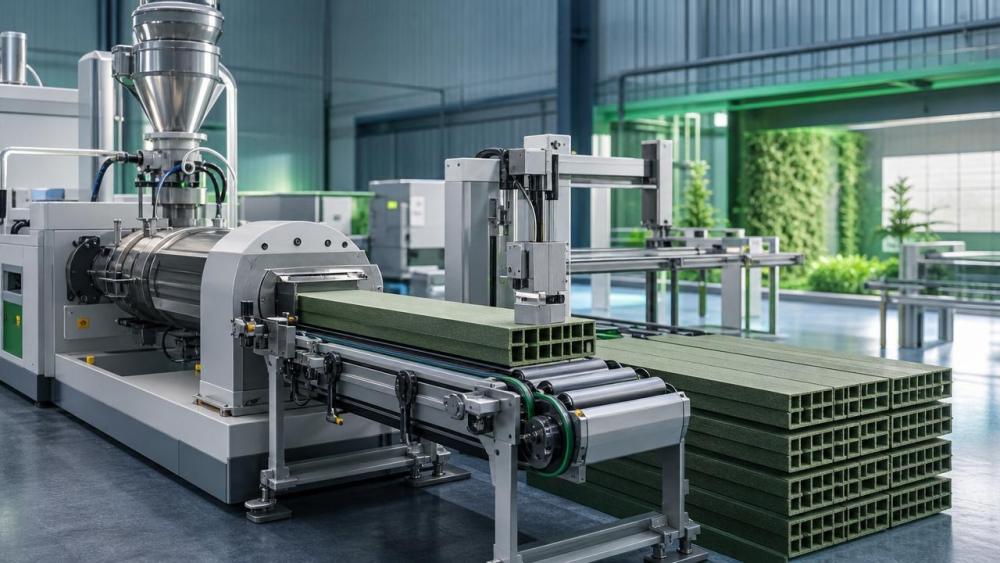
In conventional on-site forming or poorly controlled prefabrication, waste often appears in 4 forms: offcuts, cracked green bodies, dimensional mismatch, and contamination during handling. Even when each loss stream seems minor, a project running 8 to 12 hours per shift can accumulate significant material disposal costs within 2 to 6 weeks.
Sustainable material extrusion reduces this loss by controlling feed consistency, pressure stability, die accuracy, and downstream handling. In practical terms, many engineered extrusion workflows aim for dimensional tolerance in the range of ±0.5 mm to ±2.0 mm depending on material type, profile geometry, moisture level, and line speed.
The link between precision and lower waste
When extrusion output is more consistent, project teams spend less time trimming, sorting, reworking, or discarding units. This is especially relevant in green lightweight wall materials, refractory shapes, and silicate-based profiles where uncontrolled deformation in the first 24 to 72 hours can trigger downstream delays.
For project managers, the biggest benefit is predictability. More predictable output means cleaner material planning, more accurate labor scheduling, and fewer emergency procurement adjustments. A 3% to 8% reduction in scrap can materially influence budget performance on high-volume projects, especially when transport, storage, and disposal are included.
Where site waste usually comes from
Waste in extrusion-related projects rarely comes from one source alone. It usually develops across multiple control points, from raw material preparation to curing or thermal treatment. The table below highlights common waste points and the operational effect each one has on site execution.
The pattern is clear: waste is usually a process control issue before it becomes a disposal issue. Teams that assess extrusion quality at 5 to 6 checkpoints rather than only at final output can often prevent avoidable losses earlier and at lower cost.
Why this matters across CF-Elite focus sectors
In new building material extrusion, reduced waste supports green construction targets and lighter logistics loads. In refractory production, tighter extrusion quality lowers breakage before firing and protects downstream kiln scheduling. In thermal-intensive industries, every rejected unit also represents embedded energy loss from mixing, drying, transport, and heat treatment.
That is why sustainable material extrusion should be evaluated not only through material yield, but also through total system efficiency. For engineering leaders, the true metric is the combined effect on scrap rate, line uptime, energy use, and acceptance quality.
Core process factors that reduce on-site waste
Waste reduction starts long before the product reaches the site. It begins with feed preparation, equipment matching, die design, and downstream control. In most industrial extrusion projects, 5 process variables have the strongest influence on final material efficiency.
1. Feed uniformity
If moisture, particle size, or additive dispersion varies too widely, extrusion pressure becomes unstable. Typical operating teams try to keep moisture fluctuation within a controlled band, often around ±0.5% to ±1.5% depending on the formulation. This helps reduce internal cracking and profile distortion.
2. Extrusion pressure and screw stability
Unstable pressure leads to uneven density and poor surface formation. For project leaders comparing equipment options, pressure consistency over continuous runs of 4 to 8 hours can be more important than peak output claims. Stable throughput usually creates less waste than nominally faster but less controlled production.
3. Die design and wear management
Die condition directly affects profile shape, edge integrity, and trimming volume. In abrasive formulations often used in silicate and refractory applications, inspection intervals may need to be set every 150 to 300 operating hours. Delaying this check can quietly increase scrap without immediate operator visibility.
4. Cutting, stacking, and transfer control
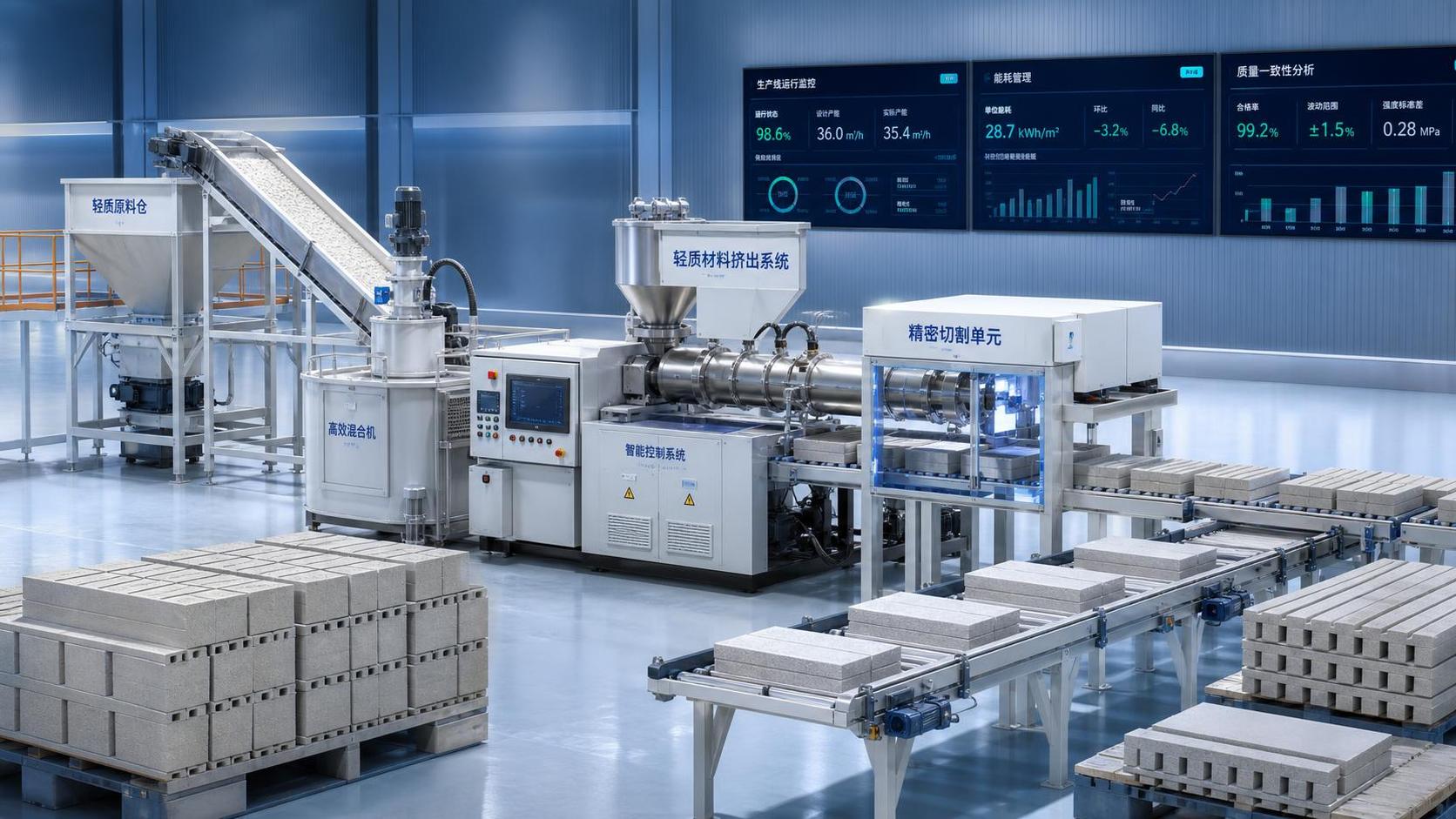
A well-extruded product can still be wasted through poor downstream handling. Automated cutting tolerances, synchronized conveyors, and controlled stacking reduce edge damage and shape deformation. On larger lines, even a 1% drop in handling damage can save meaningful labor and disposal effort over a monthly production cycle.
5. Drying or thermal preparation alignment
For materials entering drying chambers, kilns, or curing areas, process alignment is essential. If the extrusion stage produces variable density or moisture pockets, thermal steps become less predictable. This is especially important in facilities linked to CF-Elite’s thermal management focus, where material consistency influences energy performance as well as waste rates.
Practical checklist for project teams
- Define acceptable scrap rate before equipment selection, such as below 3%, 5%, or 8% by product category.
- Verify dimensional tolerance targets for both green and finished states.
- Review die maintenance intervals and replacement lead times, often 2 to 6 weeks.
- Check whether process data can be logged for pressure, moisture, temperature, and throughput.
- Confirm the handling design for cutting, stacking, and transfer to reduce secondary breakage.
How project managers can evaluate extrusion solutions before procurement
Selecting a sustainable material extrusion solution is not only about machine capacity. It is about matching project volume, material behavior, downstream thermal steps, and maintenance capability. A line that performs well in one plant may underperform in another if the feed recipe, dust conditions, or staffing model differ.
Before issuing a purchase decision, teams should compare suppliers and process concepts through a structured matrix. The following table summarizes key evaluation factors relevant to waste reduction and site execution.
The most reliable procurement decisions balance 4 dimensions: process fit, waste performance, service readiness, and lifecycle cost. Capacity alone is an incomplete metric. Engineering leaders should also estimate the cost of scrap, operator intervention time, and maintenance delays over 12 to 24 months.
Questions to ask suppliers and integrators
- What material range has the extrusion system been configured for in terms of moisture, particle size, and density?
- What tolerance band can be maintained during continuous production runs?
- How often do wear components typically require inspection or replacement?
- What process signals are available for digital monitoring and alarm setting?
- How is waste measured during commissioning: by weight, by unit rejection, or by downstream failure rate?
Common procurement mistakes
One common mistake is choosing a system on initial capex alone. Another is ignoring the relationship between extrusion quality and thermal processing efficiency. In material systems that later enter drying, calcination, or firing, unstable extrusion can multiply losses through cracking, fuel waste, and delayed line balancing.
A third mistake is failing to define acceptance criteria at the beginning. Teams should specify at least 3 categories of acceptance: output rate, dimensional consistency, and scrap threshold. Without these, handover disputes and performance gaps are more likely during startup.
Implementation roadmap for lower-waste extrusion projects
A sustainable material extrusion initiative delivers better results when introduced through a phased implementation model. For most industrial or construction material projects, a 5-step roadmap provides enough structure without slowing deployment.
Step 1: Baseline current waste performance
Measure current scrap by batch, shift, and defect type over at least 10 to 14 production days. Separate direct extrusion waste from handling damage and thermal-stage rejection. This gives project teams a credible starting point for improvement.
Step 2: Map process constraints
Document raw material variability, space limits, labor availability, utility conditions, and downstream equipment interfaces. In integrated plants, this often includes the connection between extrusion and dryers, tunnel kilns, curing zones, or storage lines.
Step 3: Pilot critical settings
Pilot runs should test at least 3 variables: feed consistency, throughput range, and cut-length control. A short pilot of 2 to 5 days can reveal whether waste originates in recipe design, mechanical control, or downstream handling rather than in the extruder itself.
Step 4: Train operators on control limits
Operator training should focus on response thresholds, not only routine operation. Teams need clear action points for pressure drift, moisture deviation, abnormal vibration, and surface defects. In many plants, small intervention delays during a single shift can create a disproportionate amount of reject material.
Step 5: Review performance monthly
Monthly reviews should track 6 indicators: scrap rate, dimensional pass rate, line uptime, energy use per unit, maintenance hours, and customer or installation rejection. This transforms sustainable material extrusion from a one-time equipment purchase into an ongoing operational discipline.
Risk control priorities during rollout
- Set alarm thresholds before production scaling.
- Maintain spare wear parts for the first 30 to 60 days of operation.
- Validate die condition after early production batches.
- Coordinate extrusion settings with drying or firing schedules.
- Track waste by root cause, not only by total volume.
Long-term value: cleaner workflows, better carbon outcomes, stronger project control
The long-term advantage of sustainable material extrusion is not limited to material savings. Cleaner workflows reduce dust handling, lower cleanup time, and improve site organization. This can support safer operations and more stable labor productivity, especially in plants running multiple shifts or mixed product lines.
There is also a carbon dimension. Every unit of avoided scrap reduces the need for reprocessing, replacement production, and additional transport. In thermal-intensive industries, the energy embedded in a rejected product is often substantial, even before final firing or use. Lower waste therefore supports decarbonization goals in a practical, measurable way.
Why intelligence-led decision making matters
This is where a platform such as CF-Elite becomes especially relevant. Project leaders need more than vendor claims. They need process intelligence that connects extrusion behavior with kiln efficiency, refractory durability, energy strategy, and global sustainability pressures. Better decisions come from understanding the full production chain, not isolated equipment data.
For companies navigating green building transitions, urban renewal demand, or plant modernization, sustainable material extrusion can become a high-impact improvement area. It supports waste reduction at the operational level while reinforcing broader goals around energy efficiency, quality consistency, and resource circularity.
Action-oriented closing for project leaders
For project managers and engineering decision-makers, the next step is to evaluate extrusion not as a standalone machine choice, but as a waste-control system tied to material behavior, thermal processes, and total project delivery. The most effective solutions are the ones that reduce scrap at source, stabilize downstream operations, and remain serviceable over the full equipment lifecycle.
If your team is assessing new building material lines, refractory shaping capacity, or process upgrades in high-temperature industries, now is the right time to review how sustainable material extrusion can reduce waste on site. Contact CF-Elite to discuss project requirements, compare solution paths, and get a more tailored view of efficient, lower-waste extrusion strategies.
Related News
 Optical Glass Tech FellowHow to Evaluate a Glass Annealing Equipment Manufacturer for Production StabilityChoose a glass annealing equipment manufacturer with proven thermal uniformity, reliable controls, lifecycle value, and responsive service for stable production.Sep 08, 2026
 Prof. Marcus ChenThermal Energy Architecture in North America: Strategies for Lower Building Energy UseThermal energy architecture North America helps project leaders cut building energy use through stronger envelopes, right-sized HVAC, storage, and smart commissioning.Sep 07, 2026
 Ms. Elena RodriguezHow Should Buyers Evaluate Building Material Industry Intelligence Pricing?Building material industry intelligence pricing: learn how to compare coverage, technical depth, and ROI to choose intelligence that reduces procurement risk.Sep 07, 2026
 Ms. Elena RodriguezHow to Use Building Material Intelligence Data for Market and Investment DecisionsBuilding material industry intelligence data helps leaders evaluate demand, costs, regulation, capacity, and technology to make smarter market and investment decisions.Sep 05, 2026
 Thermal Energy ArchitectHow PLC Control Improves Energy Efficiency and Temperature Stability in KilnsEnergy efficient kilns PLC control improves temperature stability, cuts fuel waste, and optimizes combustion, draft, and material flow. Explore proven strategies for smarter kiln modernization.Sep 04, 2026
 Optical Glass Tech FellowEuropean Glass Melting Processes: Furnace Choices, Energy Use, and Quality ControlGlass melting process Europe: explore furnace choices, energy efficiency, cullet strategy, and quality control to improve output, compliance, and long-term glass performance.Sep 03, 2026
 Thermal Energy ArchitectWhat Determines Refractory Lining Monitoring Price for Industrial Kilns?Refractory lining monitoring price depends on kiln size, sensor technology, installation, software, and support. Compare total lifecycle costs and choose the right solution.Sep 02, 2026
 Silicate Process EngineerCement Production System Costs: A Plant Buyer’s Guide to Budgeting and ROICement production systems cost planning made clear: compare CAPEX, operating costs, compliance, and ROI to build a resilient, profitable cement plant investment.Sep 01, 2026
 Dr. Alistair VaughnWhat Should a Process Technology Database Track for High-Temperature Plants?Process technology database essentials for high-temperature plants: track thermal profiles, feed chemistry, refractory wear, emissions, energy, and maintenance for safer, data-driven decisions.Aug 31, 2026
 Ms. Elena RodriguezHow to Evaluate a Silicate Processing Equipment Manufacturer for Plant ProjectsSilicate processing equipment manufacturer selection: assess process fit, guarantees, energy, compliance, delivery risk, and lifecycle support for dependable plant performance.Aug 30, 2026
 Dr. Alistair VaughnHow to Specify Custom Agricultural Processing Equipment for Throughput and HygieneEquipment customization services for agricultural processing: learn to specify hygienic, high-throughput lines that improve yield, reliability, and long-term efficiency.Aug 29, 2026
 Dr. Alistair VaughnHow to Select Process Plant Equipment for High-Temperature, Abrasive Production LinesProcess plant equipment selection for high-temperature, abrasive lines: reduce downtime, improve durability, and optimize lifecycle performance.Aug 28, 2026
 Silicate Process EngineerHow Kiln Heat Recovery Systems Cut Fuel Use in Cement and Lime ProductionKiln heat recovery helps cement and lime plants cut fuel use, improve thermal stability, and build practical, reliable decarbonization strategies.Aug 27, 2026
 Ms. Elena RodriguezProcess Equipment Comparison: Which Metrics Matter Most for Reliable Selection?Process equipment comparison made practical: discover which metrics truly drive reliable selection, from energy efficiency and control stability to wear life, maintainability, and uptime.Aug 26, 2026
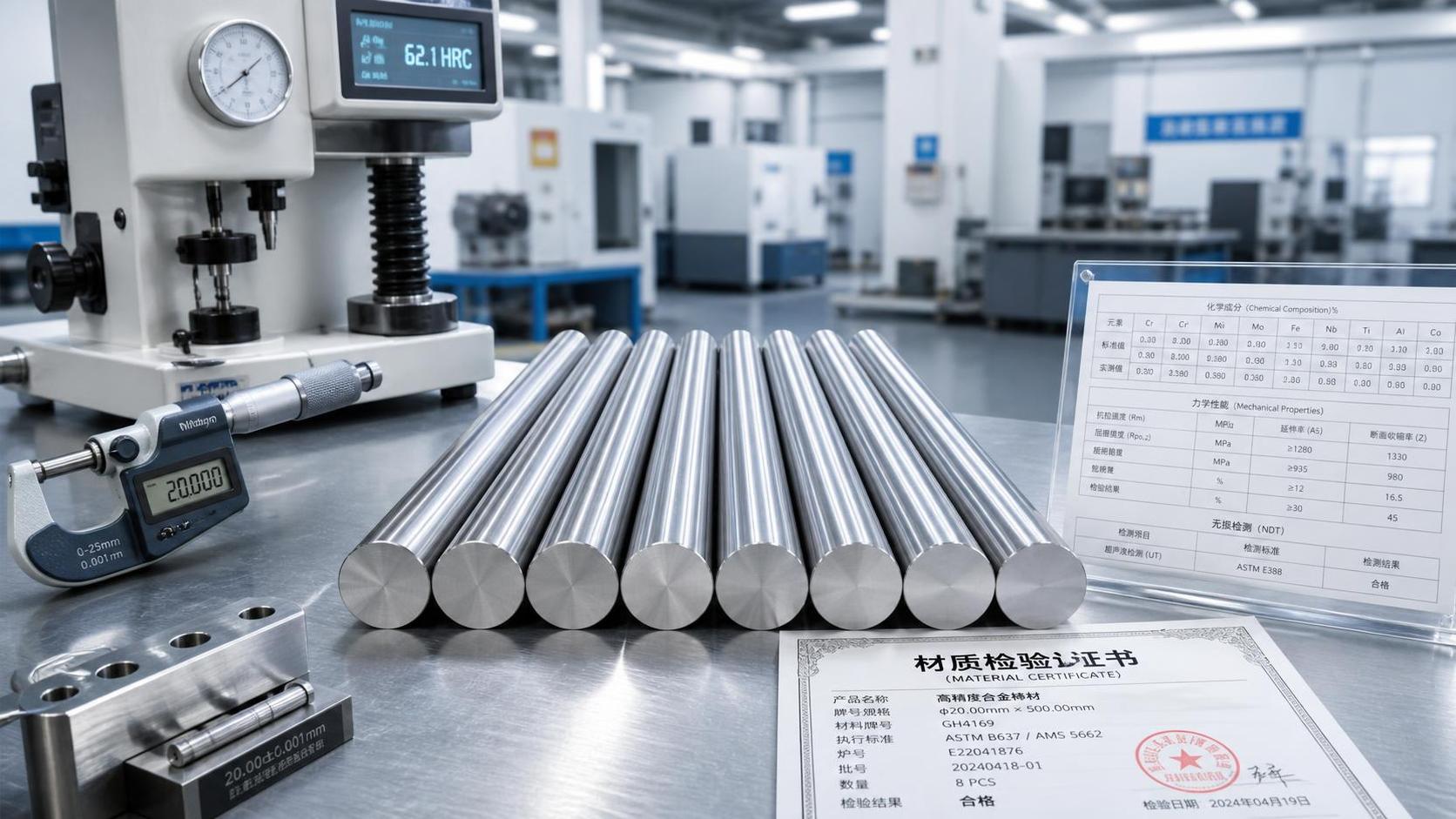
 Ms. Elena RodriguezWhat Buyers Should Check Before Sourcing Precision Alloy Bars for Critical PartsPrecision Alloy Bars buyers should verify grade, chemistry, tolerances, surface quality, traceability, and lead time before sourcing for critical parts. Learn what prevents costly machining and reliability risks.Aug 27, 2026
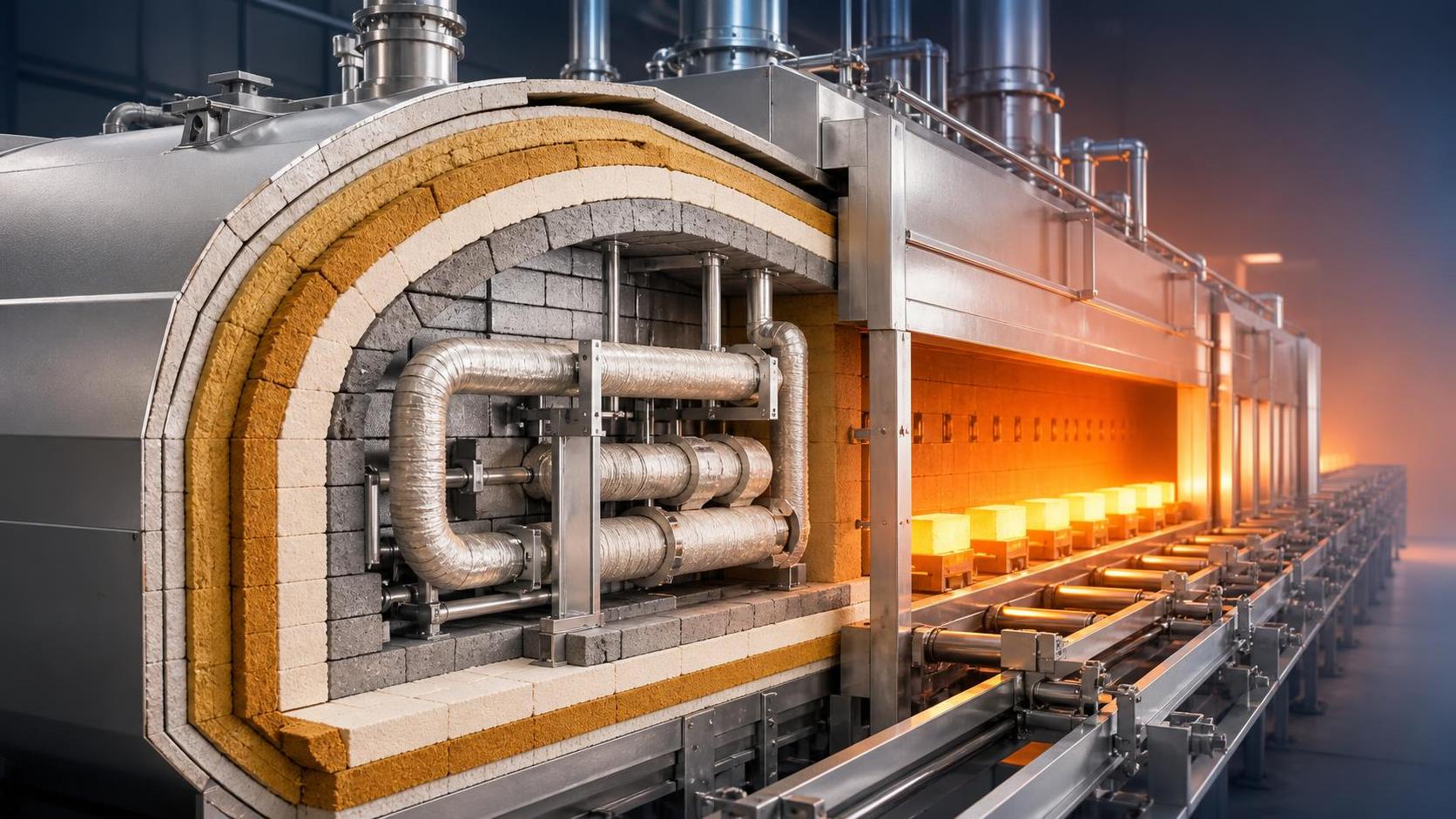
 Ms. Elena RodriguezHow to Evaluate Thermal Management Solutions Insulation for High-Heat Industrial SystemsThermal management solutions insulation: learn how to assess high-heat industrial systems by thermal performance, durability, lifecycle cost, and supplier data for smarter decisions.Aug 25, 2026
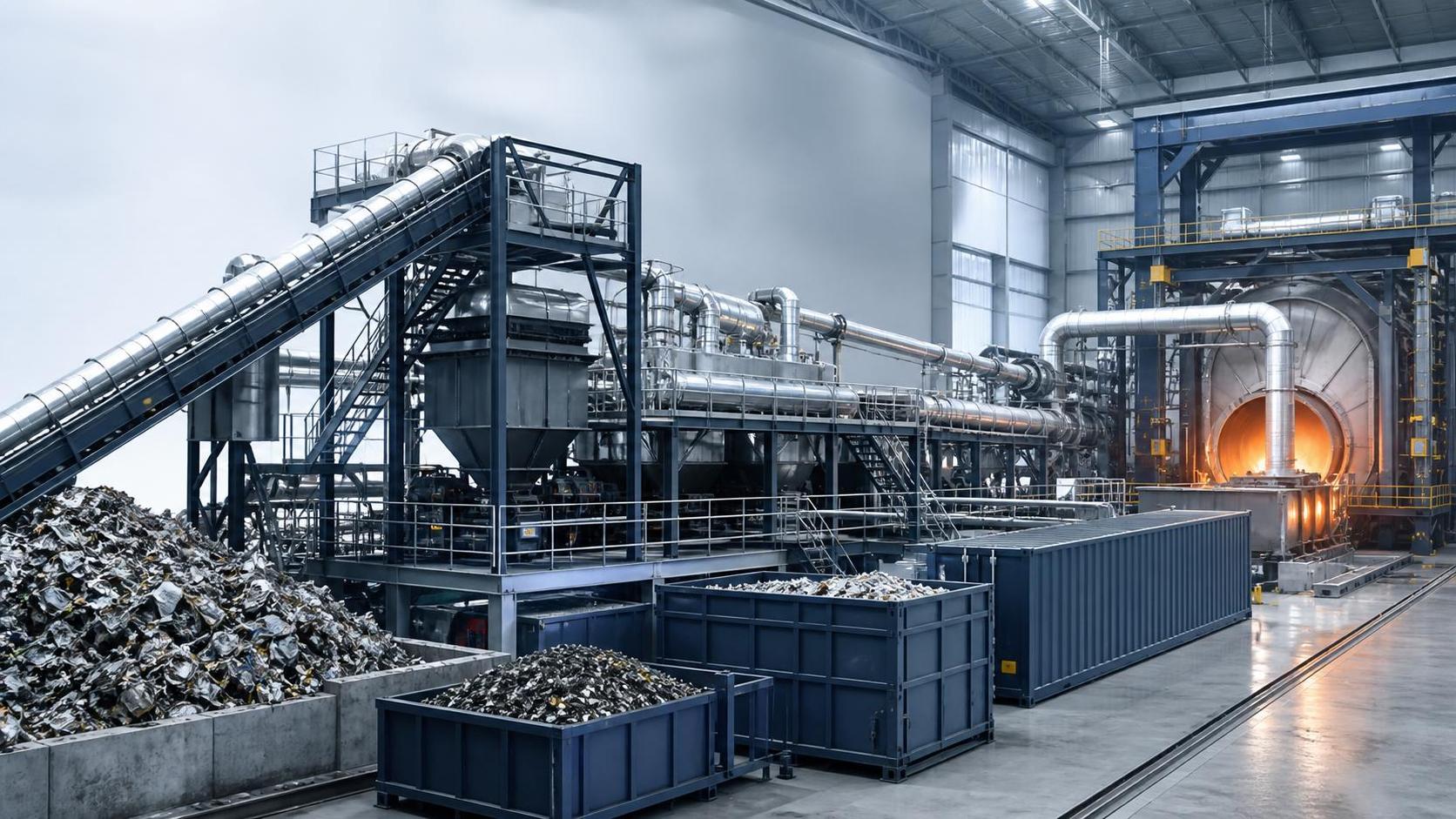
 Ms. Elena RodriguezWhat Drives Waste Recycling Cost in Industrial Projects and How to Estimate It?Waste recycling cost in industrial projects depends on composition, moisture, transport, pre-treatment, and compliance. Learn how to estimate it accurately and compare suppliers with confidence.Aug 24, 2026
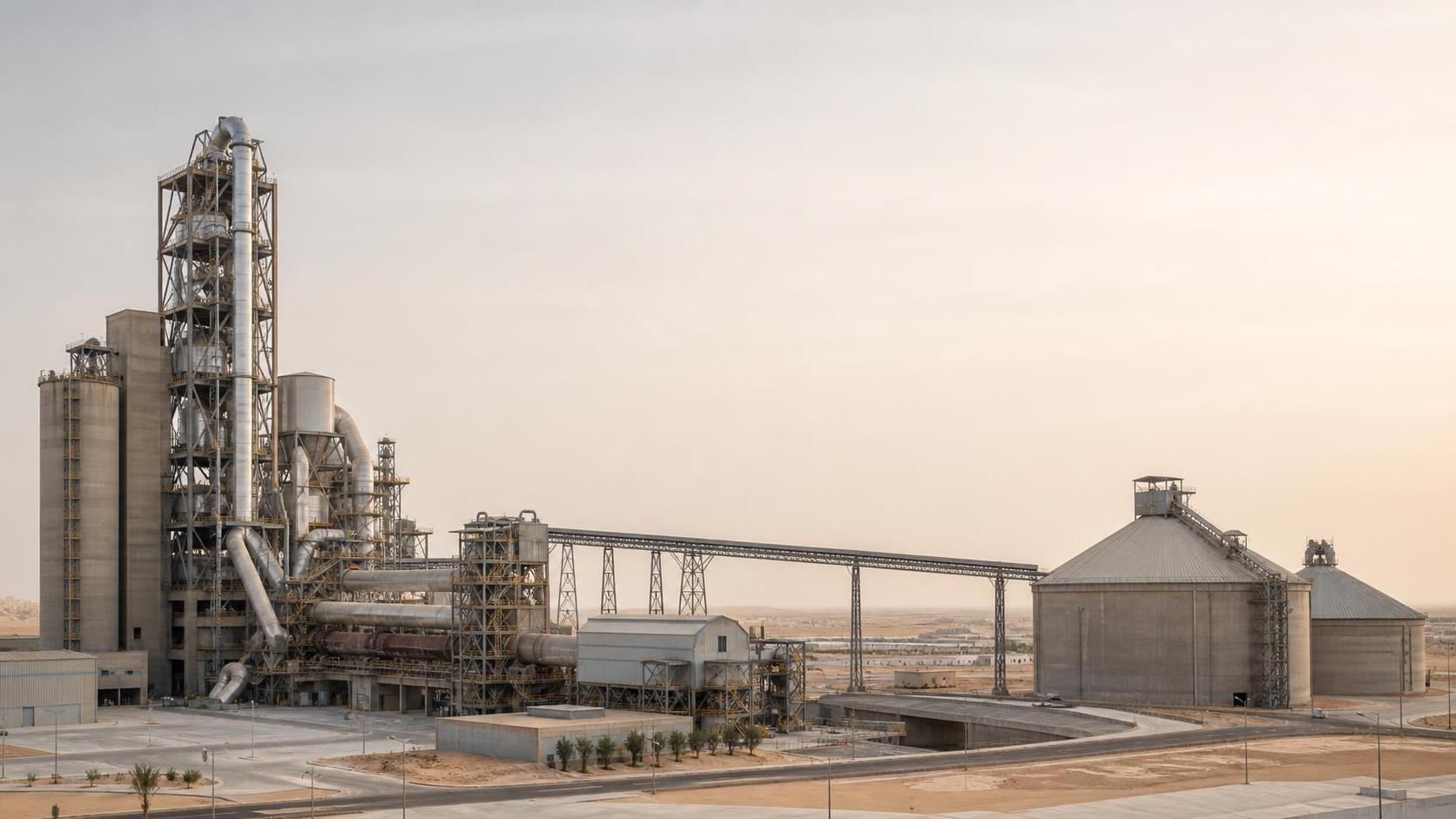
 Silicate Process EngineerHow to Evaluate Cement Production Plants in the Middle East for Capacity, Fuel Flexibility, and ROIcement production plants Middle East: Learn how to assess true capacity, fuel flexibility, and ROI risks to identify resilient assets and smarter investment opportunities.Aug 23, 2026
 Structural Material AnalystHow to Evaluate Lightweight Material Machinery for Output, Energy Use, and Product QualityLightweight material machinery evaluation guide: compare stable output, energy use, and product quality to choose equipment that cuts waste, lowers costs, and improves production confidence.Aug 22, 2026
 Material Heat-Resist ExpertWhat Determines Refractory Production Line Price in a Turnkey Plant Project?Refractory production line price depends on raw materials, forming method, kiln and drying design, automation, utilities, and scope. Learn what really drives turnkey plant cost before you invest.Aug 21, 2026







Related News
- 00
0000-00
How to Evaluate Lightweight Material Machinery for Output, Energy Use, and Product Quality - 00
0000-00
What Thermal Barrier Technology Works Best for Lightweight Industrial Panels? - 00
0000-00
Advanced Ceramic Processing for Honeycomb: Which Methods Improve Strength and Thermal Shock Resistance? - 00
0000-00
Building Material Extrusion Equipment Supplier Selection: 7 Parameters That Affect Line Performance - 00
0000-00
High Pressure Extruder Selection Guide: Output, Material Compatibility, and Wear
Weekly Insights
Stay ahead with our curated technology reports delivered every Monday.