
How material extrusion technology affects product consistency




In high-temperature manufacturing and green building materials production, material extrusion technology directly shapes product consistency. It affects dimensions, density, surface finish, and internal integrity across demanding continuous processes.
For silicate lines, refractory production, and lightweight panel manufacturing, consistency is not only a quality target. It is also a safety, energy, and cost-control requirement.
CF-Elite tracks how material extrusion technology performs under real industrial conditions. That includes pressure fluctuation, moisture variation, die wear, thermal drift, and line-speed instability.
The key question is practical: in which production scenarios does material extrusion technology most strongly affect output stability, and what control actions reduce variation fastest?
When production runs continuously, material extrusion technology becomes a consistency gate
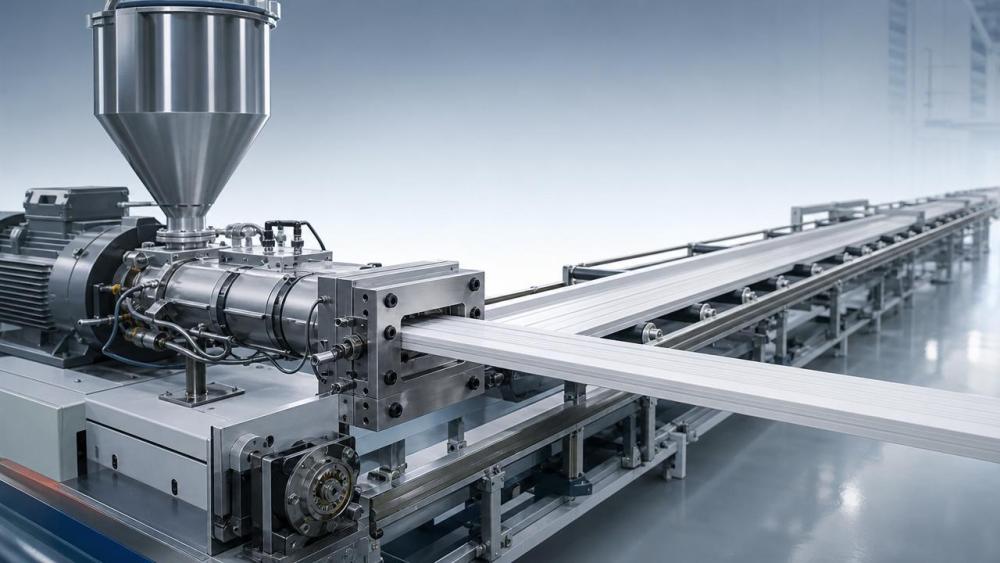
In batch operations, variation can be isolated more easily. In continuous lines, one unstable parameter can spread defects across large output volumes within minutes.
That is why material extrusion technology matters most where output is long, fast, and thermally sensitive. Small changes in feed, pressure, or temperature quickly become visible product differences.
Typical indicators include profile deformation, density gradients, cracking after drying, warped edges, or inconsistent green strength before firing or curing.
In CF-Elite’s industrial focus areas, consistency depends on three linked controls:
- Stable material rheology at the extruder inlet
- Uniform pressure and flow through the screw and die
- Predictable thermal behavior after shaping
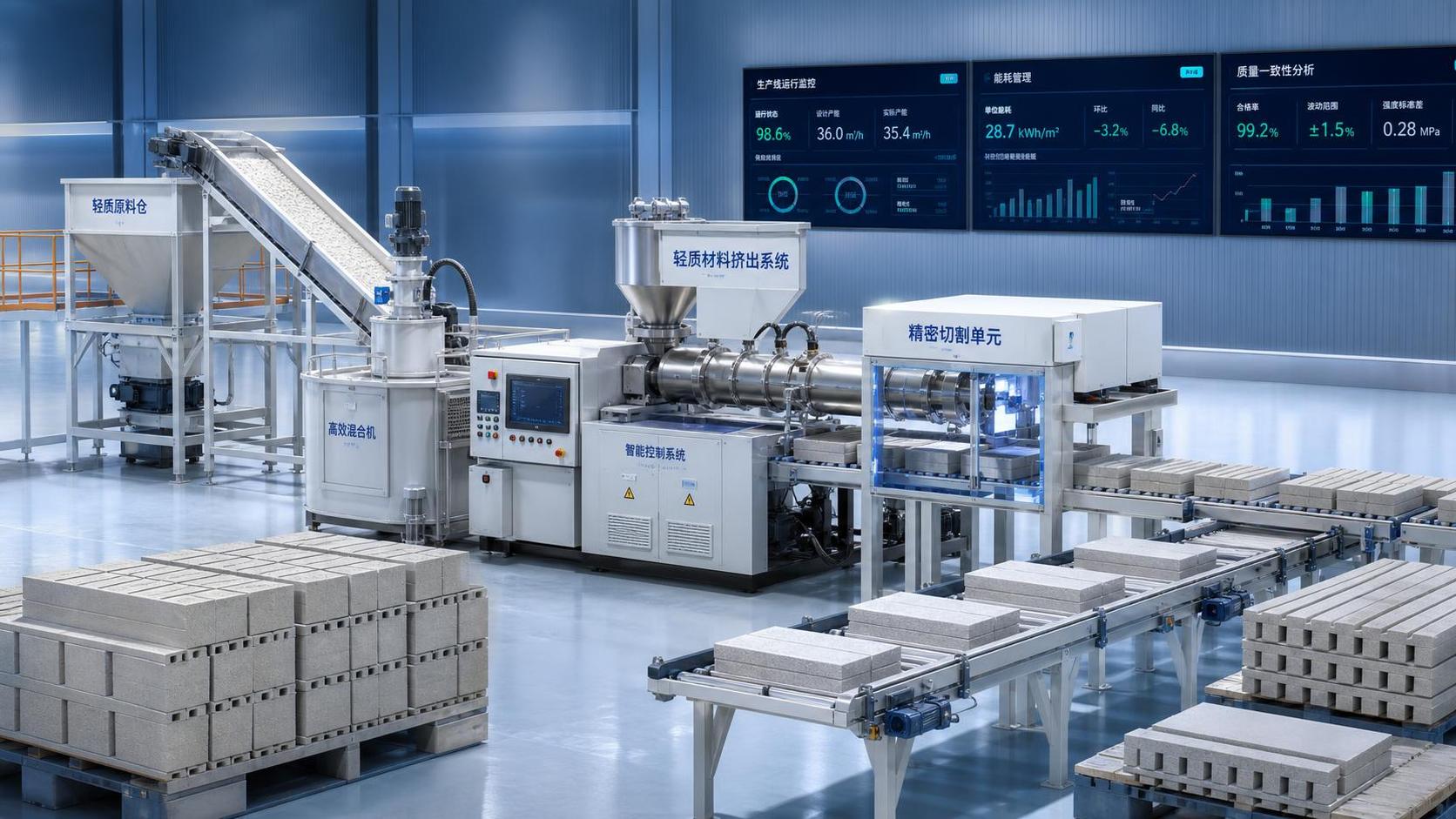
In green building material lines, consistency depends on moisture, pressure, and die balance
New building material extrusion often handles lightweight mixes, cementitious blends, or silicate-rich compounds. These materials can be highly sensitive to water ratio and particle distribution.
Here, material extrusion technology affects whether boards, blocks, or hollow profiles keep the same geometry from start to finish. A stable cross-section supports downstream stacking, curing, and transport.
Core judgment points in this scenario
First, inlet consistency must be controlled tightly. If feed moisture drifts, extrusion pressure changes, and dimensional repeatability declines immediately.
Second, die flow balance matters more than many lines expect. Uneven resistance inside the die creates edge swelling, center density differences, or asymmetric shrinkage later.
Third, line-speed matching must be verified. If the puller, cutter, or transfer section runs out of sync, even stable material extrusion technology cannot preserve consistency.
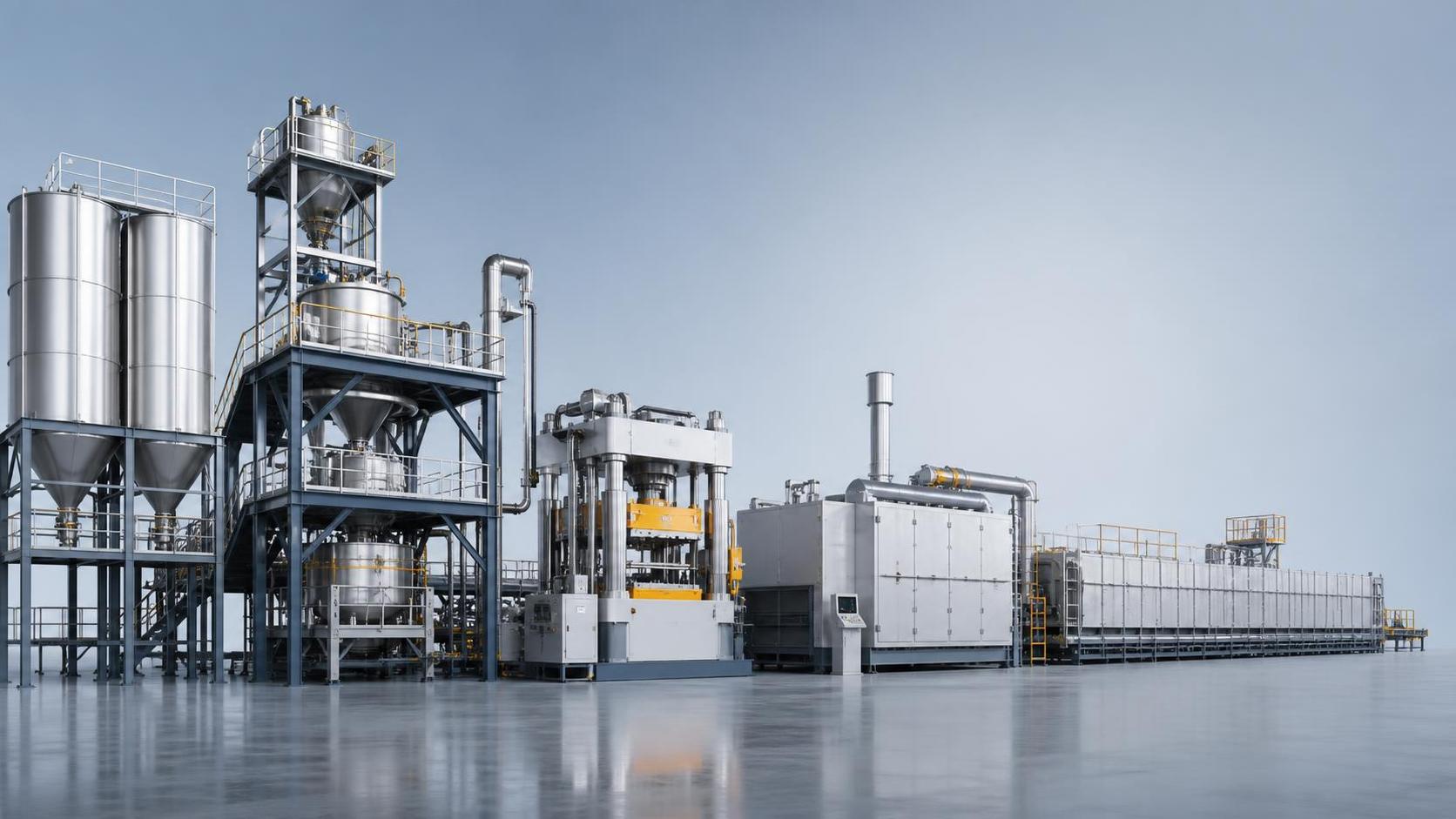
In refractory and high-density ceramic forming, material extrusion technology controls internal uniformity
Refractory bodies and dense ceramic shapes face stricter thermal and structural demands. Surface appearance matters, but internal homogeneity matters more.
In this scenario, material extrusion technology affects pore distribution, binder dispersion, and particle orientation. These hidden factors later influence drying behavior, firing shrinkage, and thermal shock resistance.
What should be checked first
- Vacuum efficiency before final extrusion
- Screw wear that changes pressure distribution
- Binder dosing stability across long runs
- Die corner build-up that alters local flow paths
If these points are ignored, defects may not appear immediately. They often emerge later during drying, kiln heating, or end-use thermal cycling.
In waste-derived and mixed-feed applications, material extrusion technology faces the highest variation risk
Circular production and decarbonization goals are pushing more lines toward recycled or variable raw materials. This raises a major consistency challenge.
When feed composition changes frequently, material extrusion technology must absorb wider rheological shifts. Particle size, ash content, plasticity, and moisture retention can vary sharply.
In this scenario, the best decision is not always maximum throughput. Often, stability windows should be defined first, then speed should be increased only inside those limits.
Key judgment signals
Watch for rising motor load, unstable vacuum, fluctuating die pressure, and frequent cutter correction. These signals usually appear before visible defects become widespread.
Online monitoring helps, but data only works when alarm thresholds reflect actual material behavior rather than generic machine settings.
Different production scenarios require different consistency priorities
Not every line defines “good consistency” in the same way. Material extrusion technology should be judged by the quality risk that matters most in each process.
How to match material extrusion technology to each operating scenario
A useful approach is to align equipment settings and quality checks with the dominant variation source. This makes material extrusion technology easier to optimize systematically.
- For moisture-sensitive products, tighten raw material conditioning before changing screw speed.
- For dense products, inspect vacuum seals and pressure profiles before adjusting formulations.
- For profile distortion, compare die wear maps with actual dimensional deviation data.
- For recycled feed use, define acceptable rheology bands and lock recipe correction rules.
- For thermal cracking after extrusion, check green density variation before blaming kiln settings.
This scenario-based method reduces guesswork. It also connects upstream preparation, shaping, and downstream heating into one control logic.
Common misjudgments that make material extrusion technology look unstable
Many lines assume the extruder alone causes inconsistency. In reality, several upstream and downstream errors can distort results.
Frequent blind spots
- Treating average moisture as sufficient, while local moisture pockets remain uncontrolled
- Focusing on output rate, while ignoring residence time changes inside the barrel
- Measuring final dimensions only, without checking green-state density variation
- Replacing recipes too often, instead of tracing wear, temperature drift, or vacuum loss
- Assuming defects begin in firing, when the real origin is unstable material extrusion technology
Avoiding these errors improves both product consistency and operational safety. It also lowers rework, scrap, dust generation, and thermal energy waste.
A practical next step for improving consistency across extrusion-based lines
Start with one production family and map where material extrusion technology has the strongest effect: feed preparation, vacuum stage, die shaping, transfer, drying, or firing.
Then build a short control sheet with five live variables. Typical choices are inlet moisture, motor load, vacuum level, die pressure, and green density.
Next, connect those variables to visible defects and downstream losses. This creates a fact-based consistency model instead of a trial-and-error response pattern.
For organizations following CF-Elite’s industrial intelligence, this approach supports stronger process reliability, better energy performance, and more confident scaling of green material production.
When material extrusion technology is evaluated by scenario rather than theory alone, product consistency becomes more predictable, more measurable, and far easier to improve.
Related News
 Optical Glass Tech FellowHow to Evaluate a Glass Annealing Equipment Manufacturer for Production StabilityChoose a glass annealing equipment manufacturer with proven thermal uniformity, reliable controls, lifecycle value, and responsive service for stable production.Sep 08, 2026
 Prof. Marcus ChenThermal Energy Architecture in North America: Strategies for Lower Building Energy UseThermal energy architecture North America helps project leaders cut building energy use through stronger envelopes, right-sized HVAC, storage, and smart commissioning.Sep 07, 2026
 Ms. Elena RodriguezHow Should Buyers Evaluate Building Material Industry Intelligence Pricing?Building material industry intelligence pricing: learn how to compare coverage, technical depth, and ROI to choose intelligence that reduces procurement risk.Sep 07, 2026
 Ms. Elena RodriguezHow to Use Building Material Intelligence Data for Market and Investment DecisionsBuilding material industry intelligence data helps leaders evaluate demand, costs, regulation, capacity, and technology to make smarter market and investment decisions.Sep 05, 2026
 Thermal Energy ArchitectHow PLC Control Improves Energy Efficiency and Temperature Stability in KilnsEnergy efficient kilns PLC control improves temperature stability, cuts fuel waste, and optimizes combustion, draft, and material flow. Explore proven strategies for smarter kiln modernization.Sep 04, 2026
 Optical Glass Tech FellowEuropean Glass Melting Processes: Furnace Choices, Energy Use, and Quality ControlGlass melting process Europe: explore furnace choices, energy efficiency, cullet strategy, and quality control to improve output, compliance, and long-term glass performance.Sep 03, 2026
 Thermal Energy ArchitectWhat Determines Refractory Lining Monitoring Price for Industrial Kilns?Refractory lining monitoring price depends on kiln size, sensor technology, installation, software, and support. Compare total lifecycle costs and choose the right solution.Sep 02, 2026
 Silicate Process EngineerCement Production System Costs: A Plant Buyer’s Guide to Budgeting and ROICement production systems cost planning made clear: compare CAPEX, operating costs, compliance, and ROI to build a resilient, profitable cement plant investment.Sep 01, 2026
 Dr. Alistair VaughnWhat Should a Process Technology Database Track for High-Temperature Plants?Process technology database essentials for high-temperature plants: track thermal profiles, feed chemistry, refractory wear, emissions, energy, and maintenance for safer, data-driven decisions.Aug 31, 2026
 Ms. Elena RodriguezHow to Evaluate a Silicate Processing Equipment Manufacturer for Plant ProjectsSilicate processing equipment manufacturer selection: assess process fit, guarantees, energy, compliance, delivery risk, and lifecycle support for dependable plant performance.Aug 30, 2026
 Dr. Alistair VaughnHow to Specify Custom Agricultural Processing Equipment for Throughput and HygieneEquipment customization services for agricultural processing: learn to specify hygienic, high-throughput lines that improve yield, reliability, and long-term efficiency.Aug 29, 2026
 Dr. Alistair VaughnHow to Select Process Plant Equipment for High-Temperature, Abrasive Production LinesProcess plant equipment selection for high-temperature, abrasive lines: reduce downtime, improve durability, and optimize lifecycle performance.Aug 28, 2026
 Silicate Process EngineerHow Kiln Heat Recovery Systems Cut Fuel Use in Cement and Lime ProductionKiln heat recovery helps cement and lime plants cut fuel use, improve thermal stability, and build practical, reliable decarbonization strategies.Aug 27, 2026
 Ms. Elena RodriguezProcess Equipment Comparison: Which Metrics Matter Most for Reliable Selection?Process equipment comparison made practical: discover which metrics truly drive reliable selection, from energy efficiency and control stability to wear life, maintainability, and uptime.Aug 26, 2026
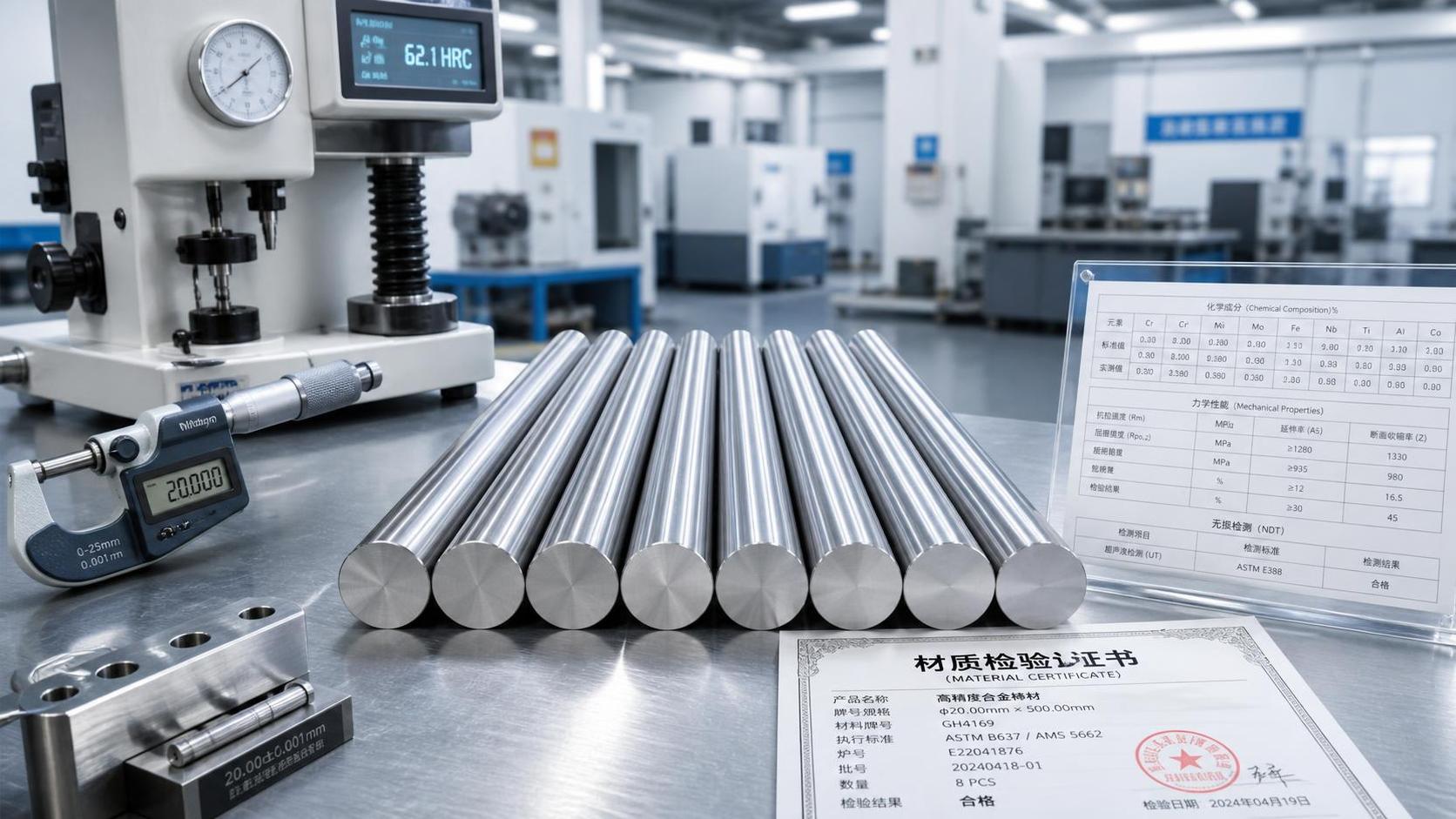
 Ms. Elena RodriguezWhat Buyers Should Check Before Sourcing Precision Alloy Bars for Critical PartsPrecision Alloy Bars buyers should verify grade, chemistry, tolerances, surface quality, traceability, and lead time before sourcing for critical parts. Learn what prevents costly machining and reliability risks.Aug 27, 2026
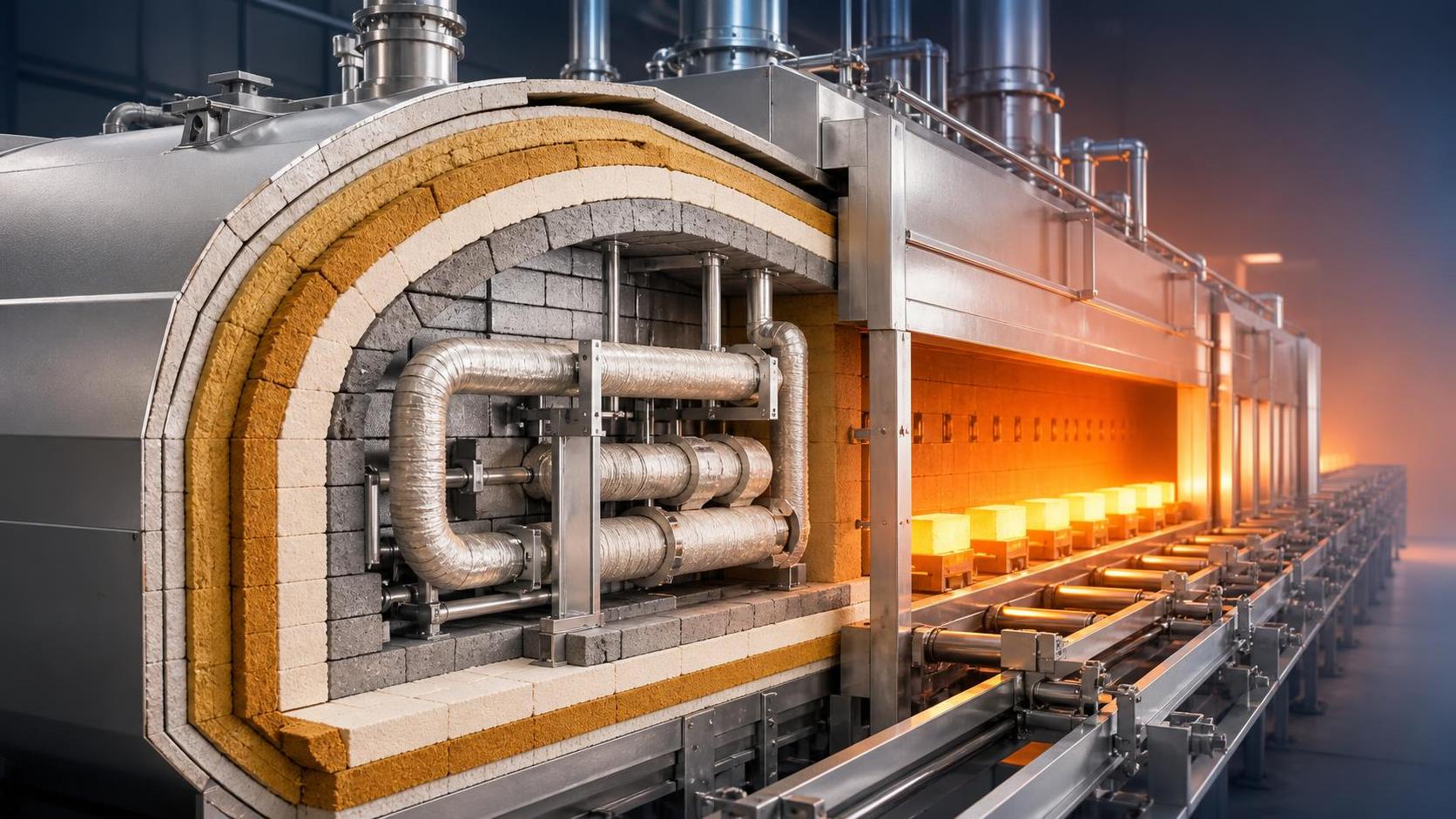
 Ms. Elena RodriguezHow to Evaluate Thermal Management Solutions Insulation for High-Heat Industrial SystemsThermal management solutions insulation: learn how to assess high-heat industrial systems by thermal performance, durability, lifecycle cost, and supplier data for smarter decisions.Aug 25, 2026
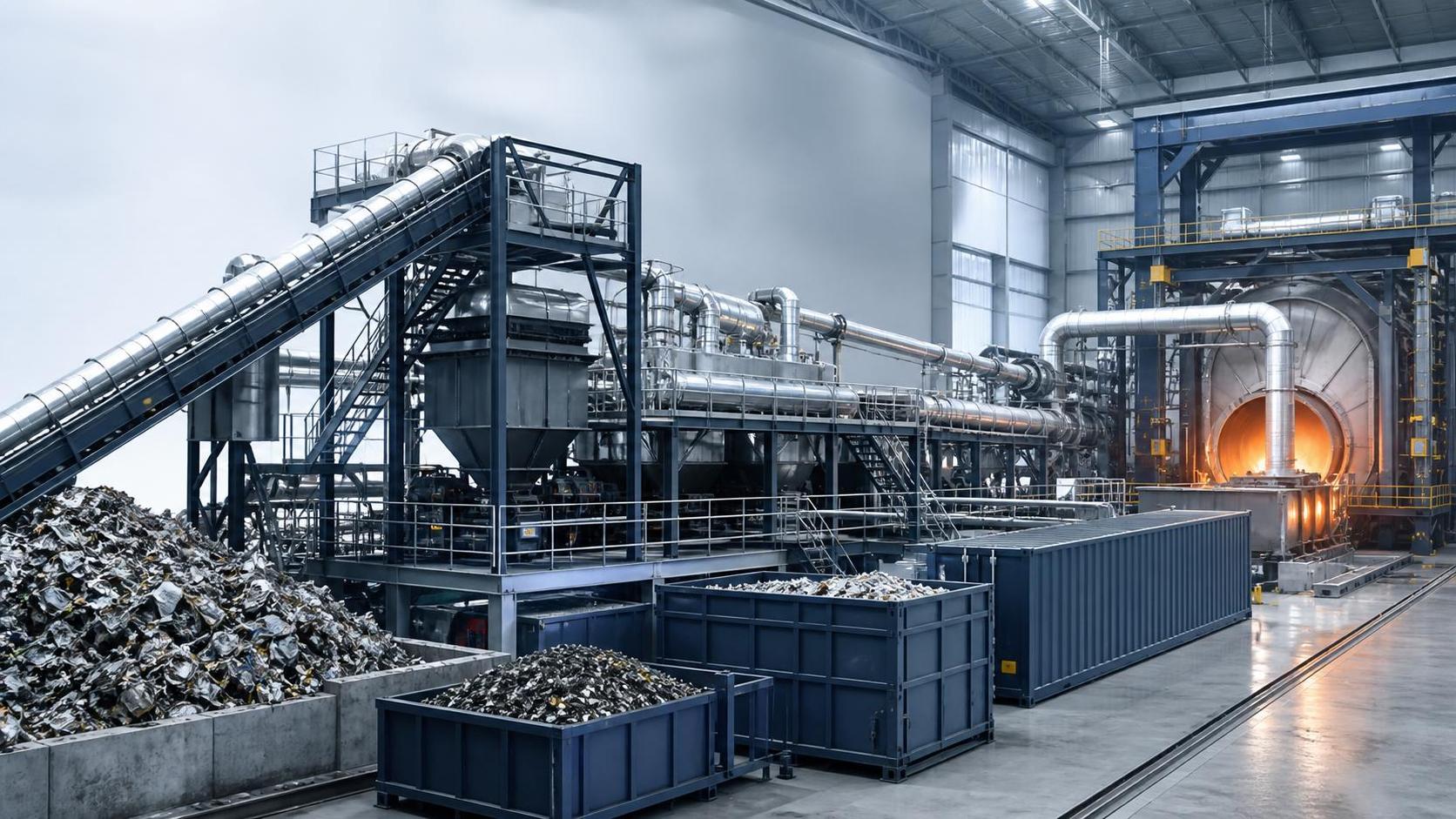
 Ms. Elena RodriguezWhat Drives Waste Recycling Cost in Industrial Projects and How to Estimate It?Waste recycling cost in industrial projects depends on composition, moisture, transport, pre-treatment, and compliance. Learn how to estimate it accurately and compare suppliers with confidence.Aug 24, 2026
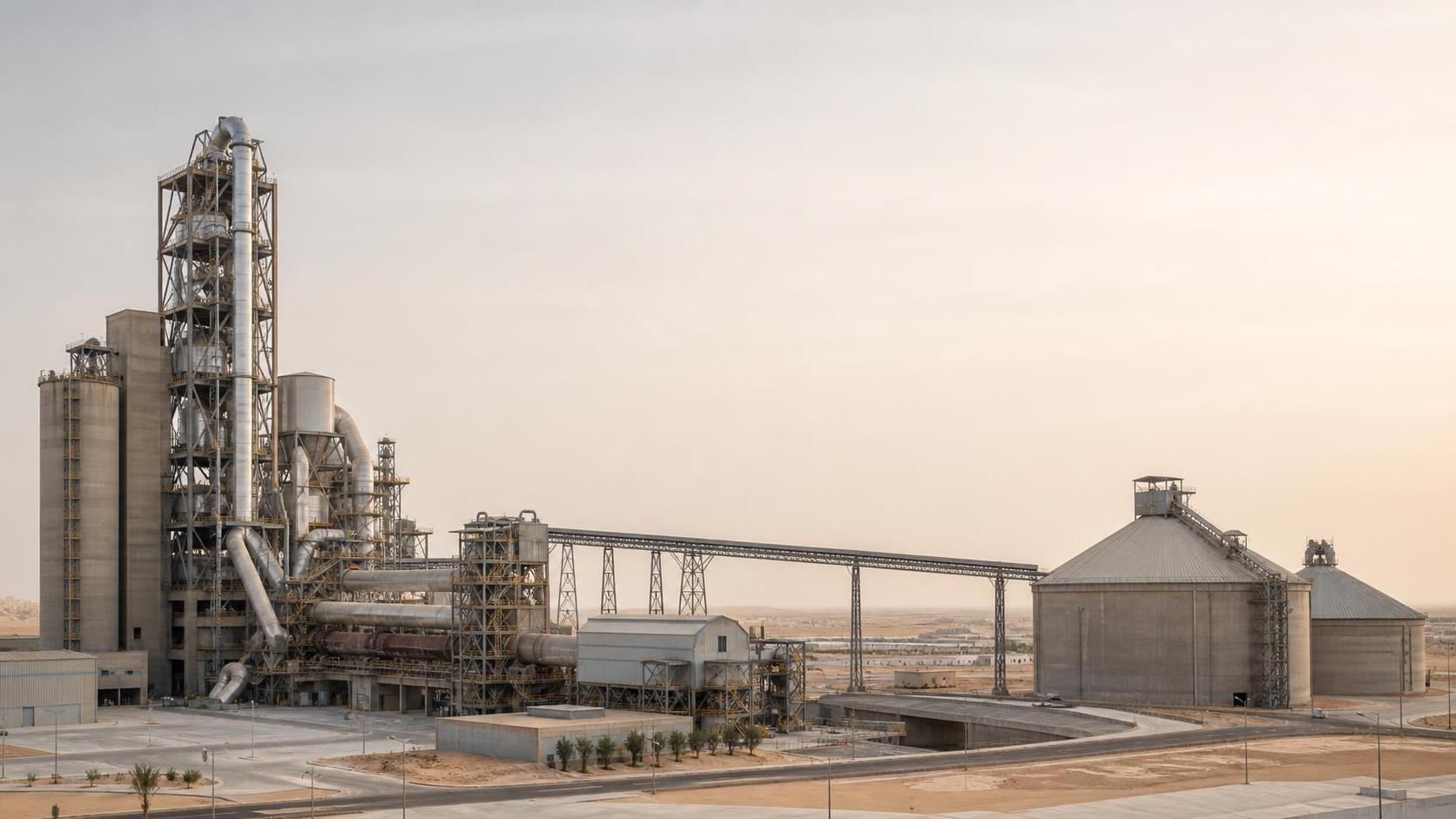
 Silicate Process EngineerHow to Evaluate Cement Production Plants in the Middle East for Capacity, Fuel Flexibility, and ROIcement production plants Middle East: Learn how to assess true capacity, fuel flexibility, and ROI risks to identify resilient assets and smarter investment opportunities.Aug 23, 2026
 Structural Material AnalystHow to Evaluate Lightweight Material Machinery for Output, Energy Use, and Product QualityLightweight material machinery evaluation guide: compare stable output, energy use, and product quality to choose equipment that cuts waste, lowers costs, and improves production confidence.Aug 22, 2026
 Material Heat-Resist ExpertWhat Determines Refractory Production Line Price in a Turnkey Plant Project?Refractory production line price depends on raw materials, forming method, kiln and drying design, automation, utilities, and scope. Learn what really drives turnkey plant cost before you invest.Aug 21, 2026



Related News
- 00
0000-00
How to Evaluate Lightweight Material Machinery for Output, Energy Use, and Product Quality - 00
0000-00
What Thermal Barrier Technology Works Best for Lightweight Industrial Panels? - 00
0000-00
Advanced Ceramic Processing for Honeycomb: Which Methods Improve Strength and Thermal Shock Resistance? - 00
0000-00
Building Material Extrusion Equipment Supplier Selection: 7 Parameters That Affect Line Performance - 00
0000-00
High Pressure Extruder Selection Guide: Output, Material Compatibility, and Wear
Weekly Insights
Stay ahead with our curated technology reports delivered every Monday.