
What Are Silicate Industrial Solutions Used for in High-Temperature Manufacturing?




Where do silicate industrial solutions matter most in high-temperature manufacturing?
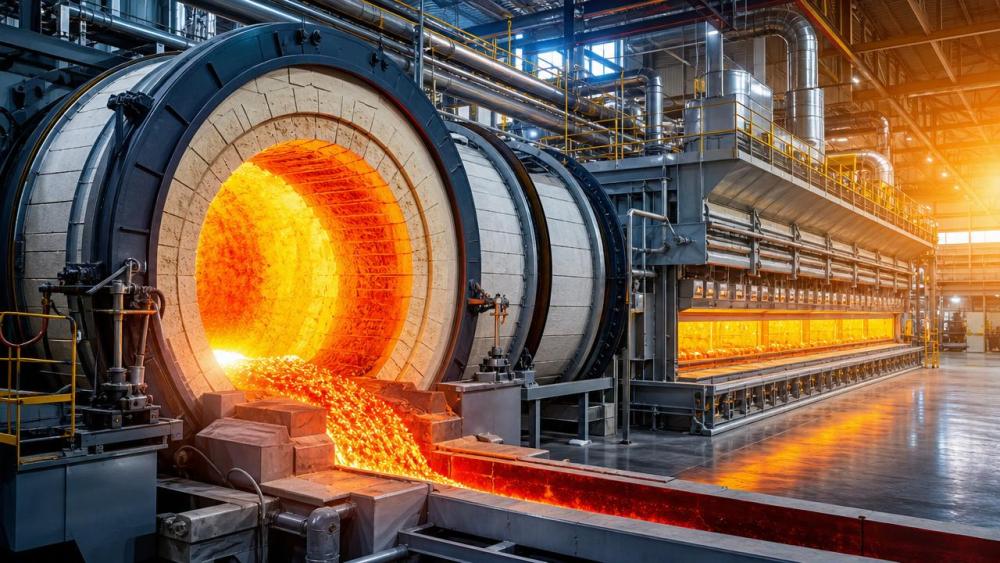
High-temperature manufacturing depends on controlled heat, stable chemistry, and durable process equipment.
That is where silicate industrial solutions become practical, not theoretical.
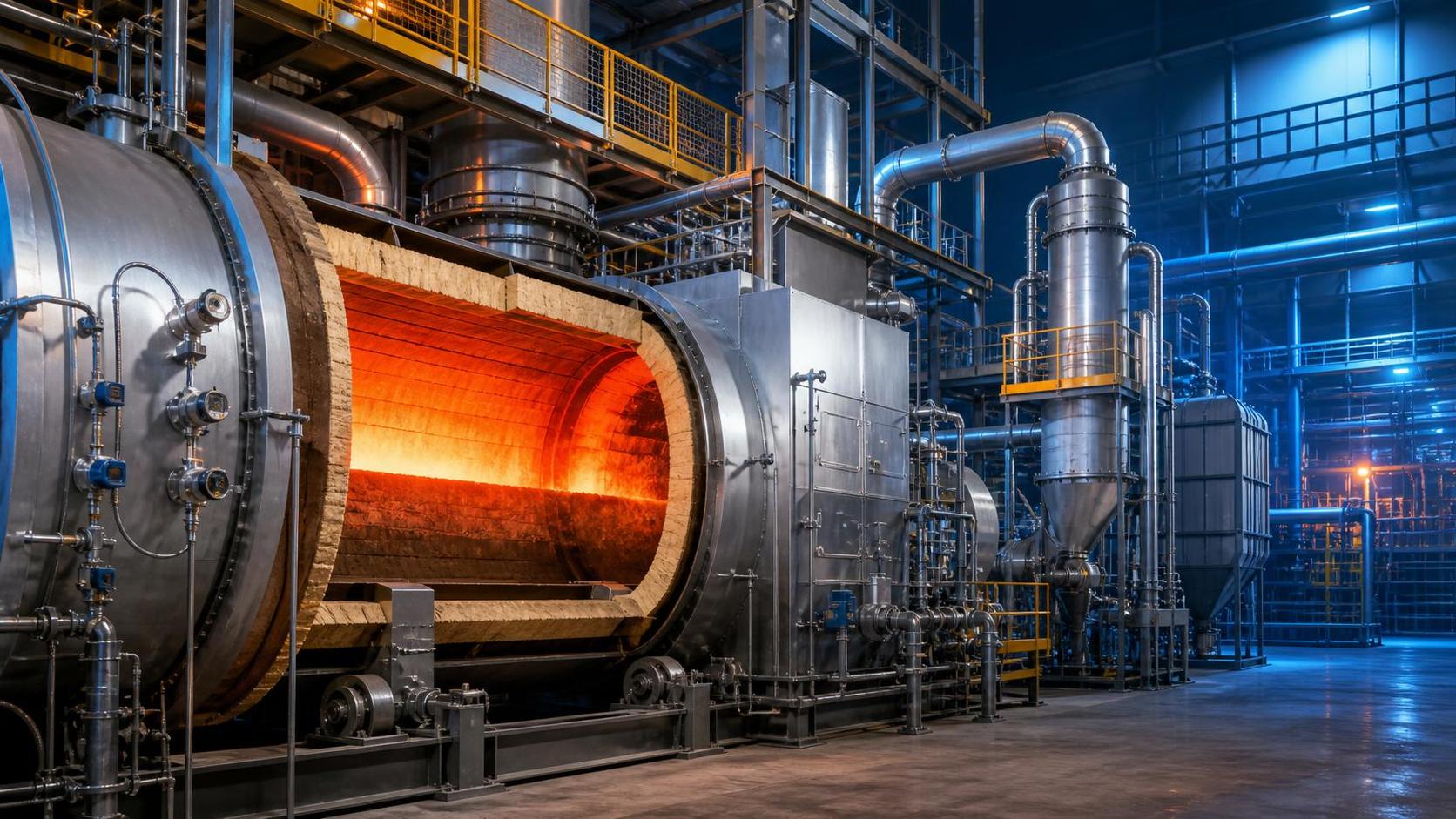
They support melting, calcining, sintering, insulation, lining protection, and material shaping across several heavy industries.
In simple terms, silicate industrial solutions help plants run hotter without losing control.
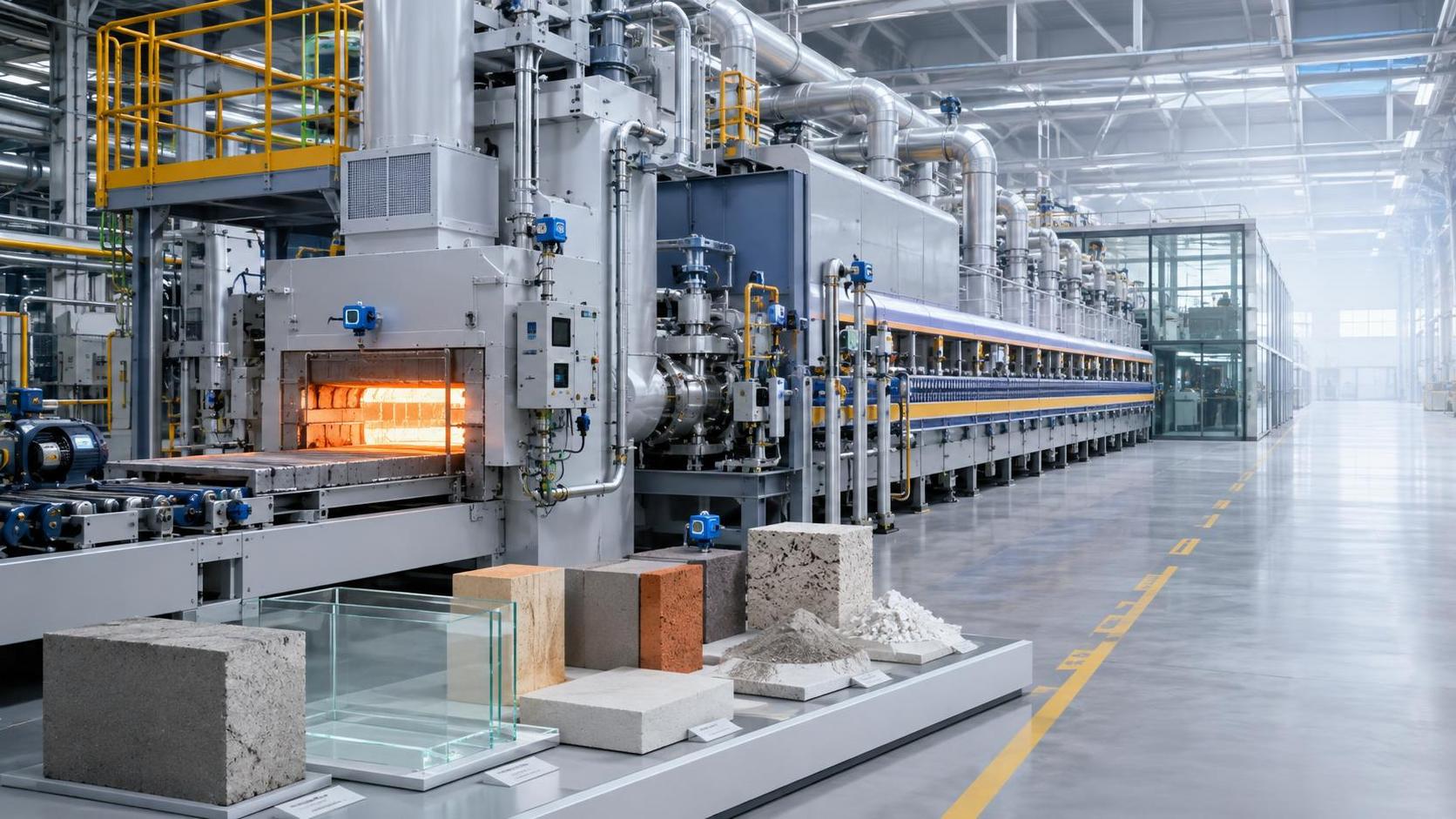
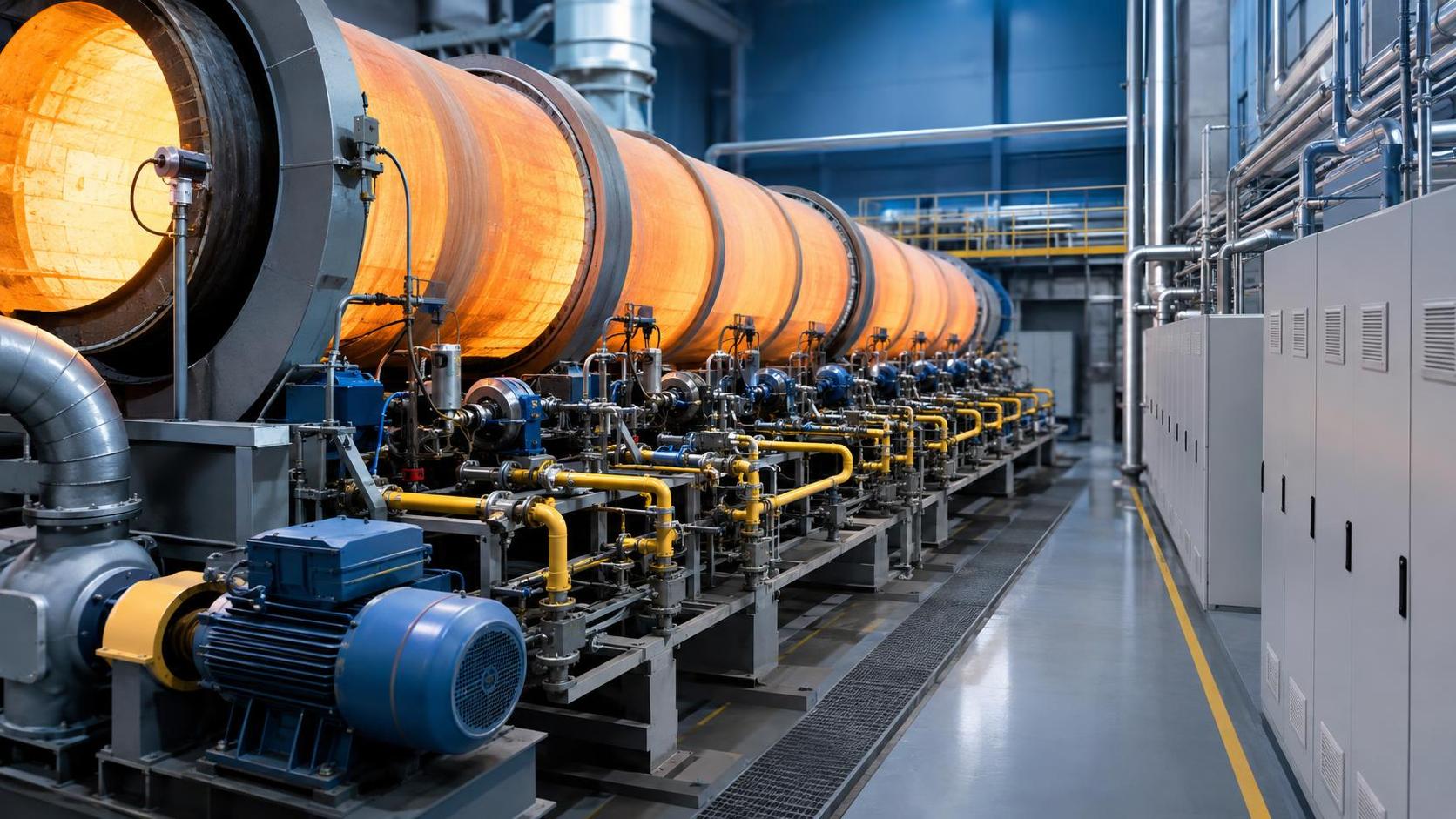
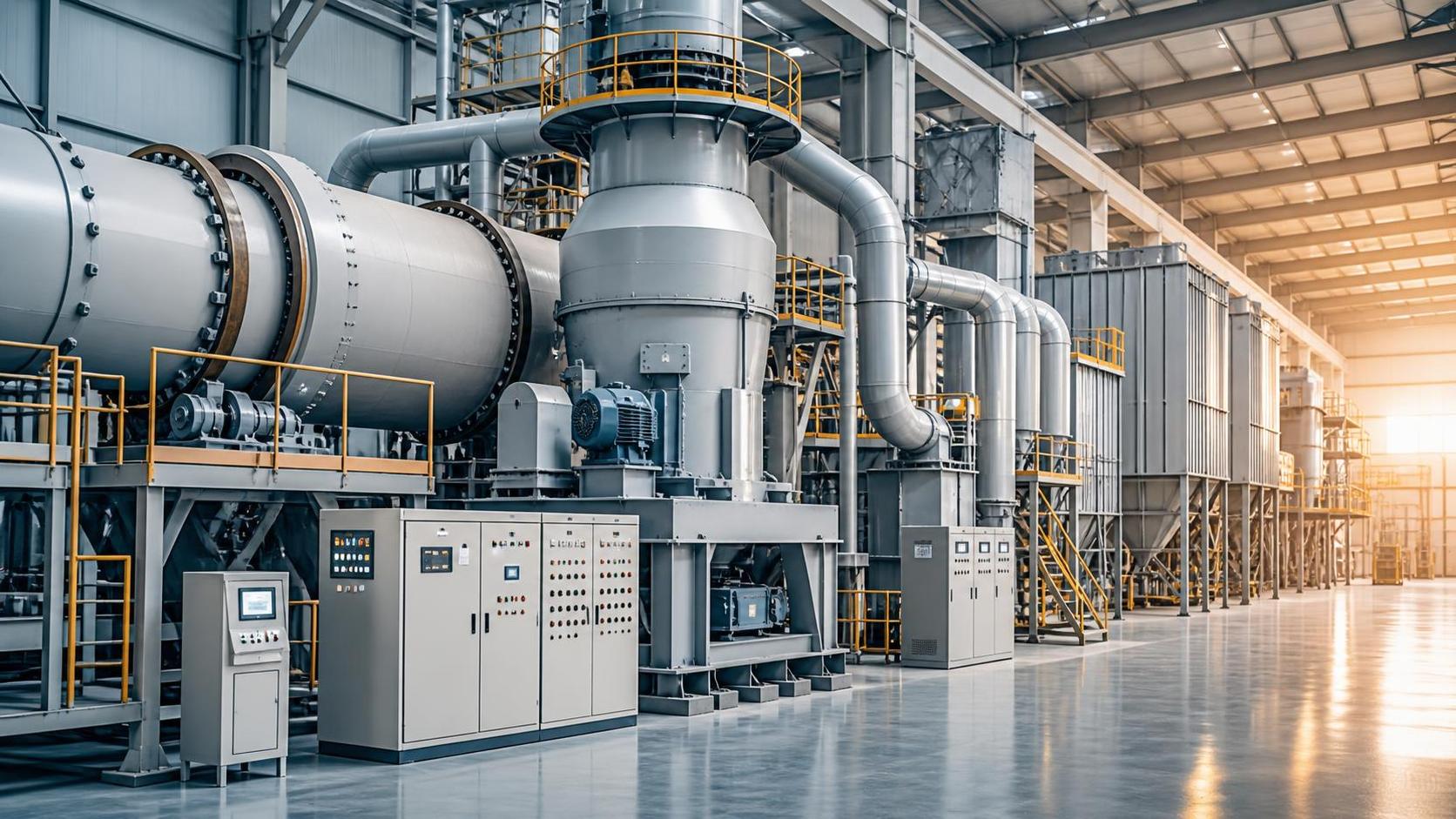
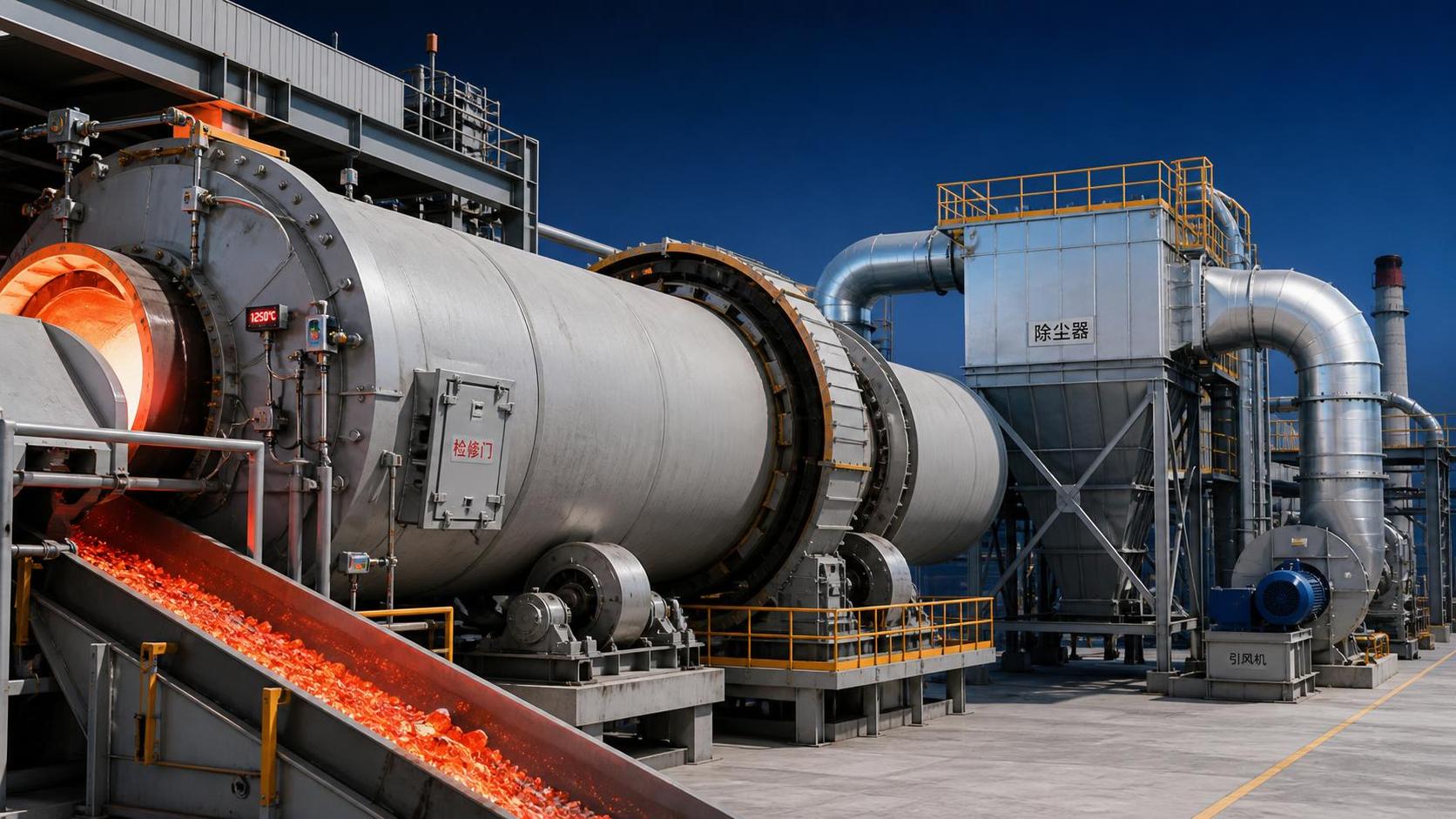
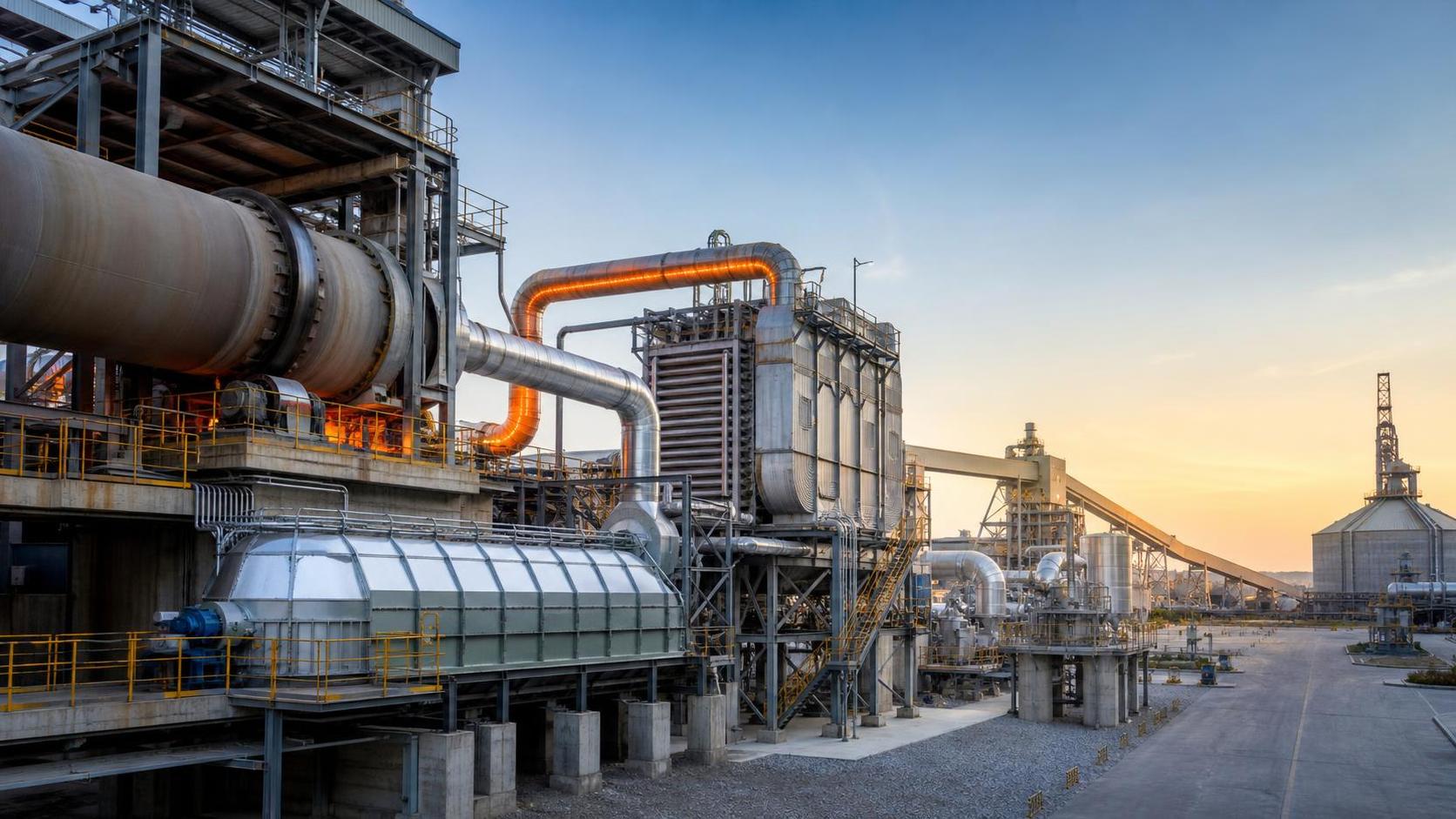
The most visible applications appear in cement plants, glass lines, industrial kilns, incineration systems, refractory production, and extrusion-based building materials.
Each setting uses silicate-based process logic differently, but the operational goal is similar.
Heat transfer must stay predictable, product quality must stay repeatable, and emissions must stay manageable.
CF-Elite often tracks these links through its focus on foundation materials and thermal management.
That perspective matters because the real value is rarely one material alone.
It usually comes from the interaction between lining life, fuel behavior, furnace atmosphere, and process data.
When people search for silicate industrial solutions, they are often asking a bigger question.
How can a high-temperature process remain efficient, compliant, and resilient under rising energy and carbon pressure?
What problems do silicate industrial solutions actually solve?
The short answer is heat stability, material durability, and process consistency.
The longer answer is more useful.
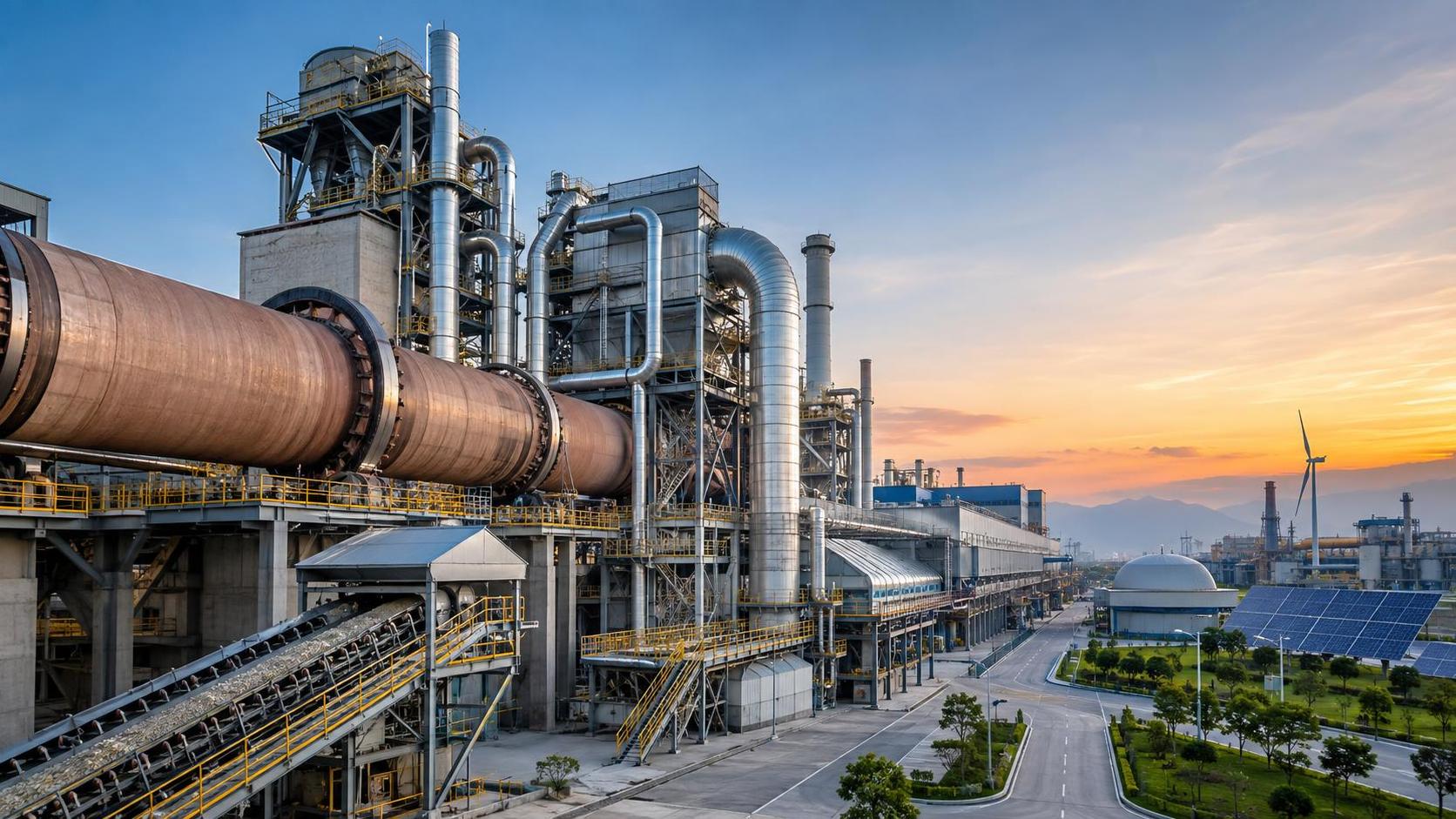
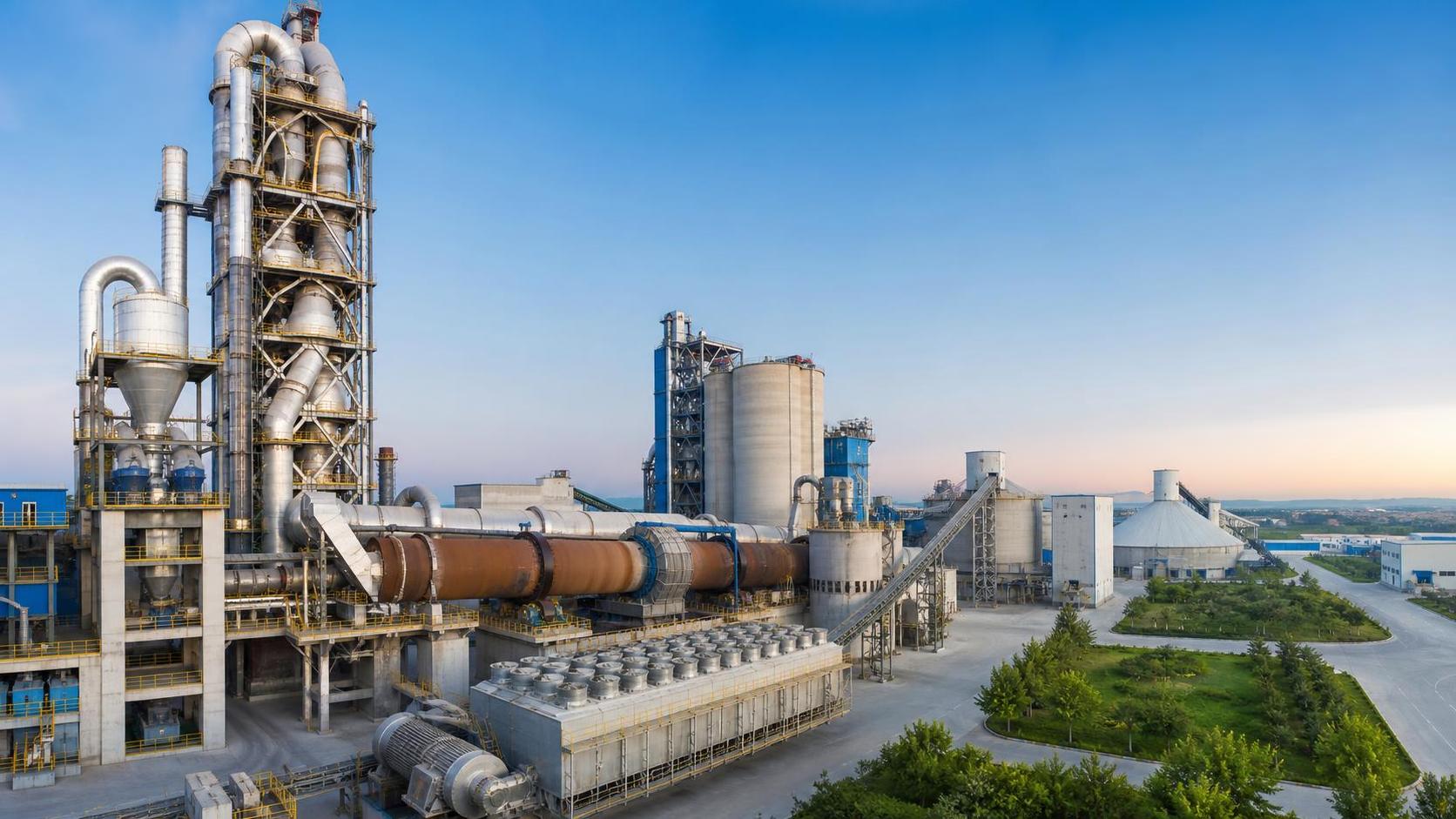
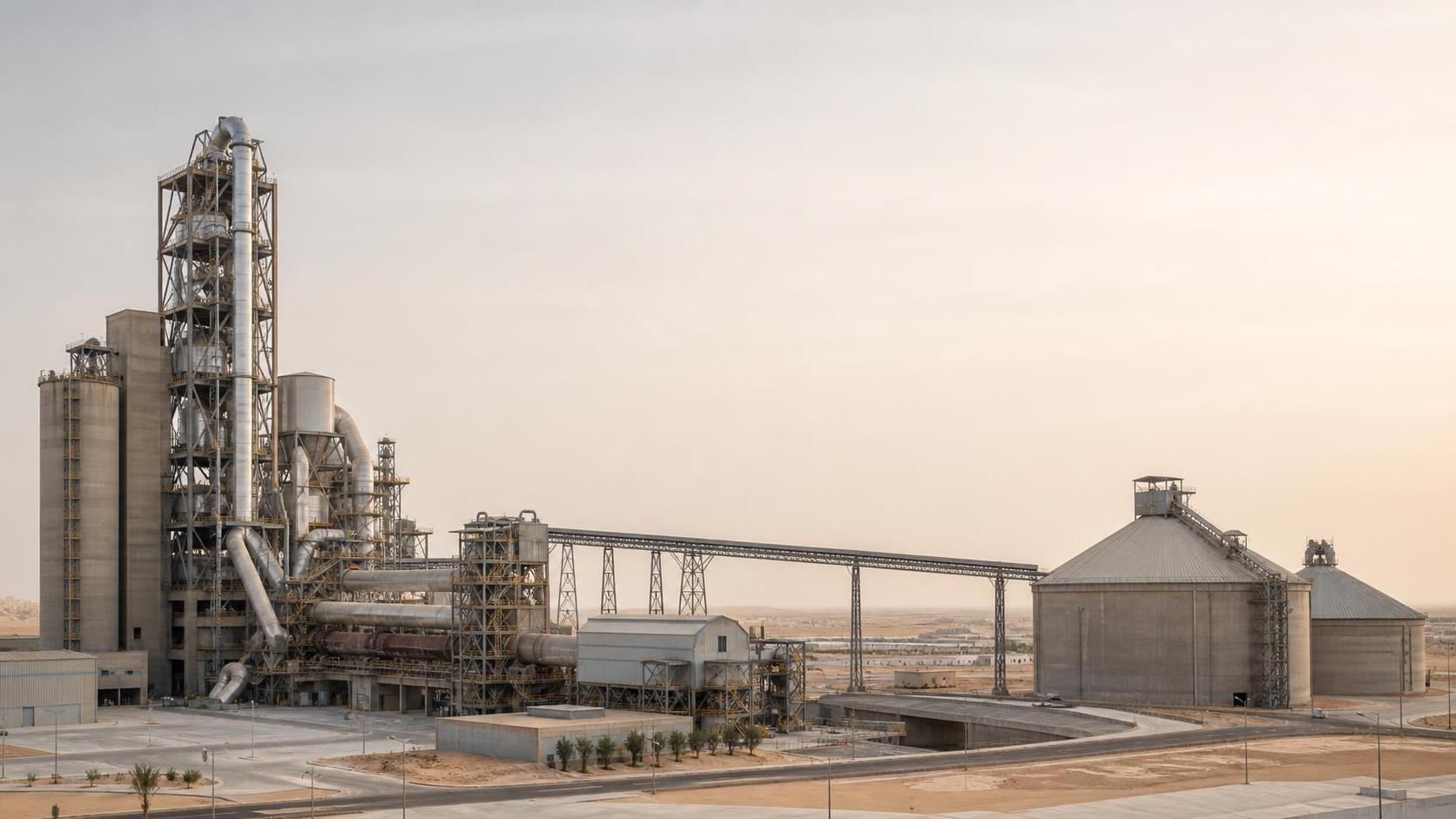
In cement production, they help manage kiln temperatures, coating behavior, clinker quality, and dust-related process losses.
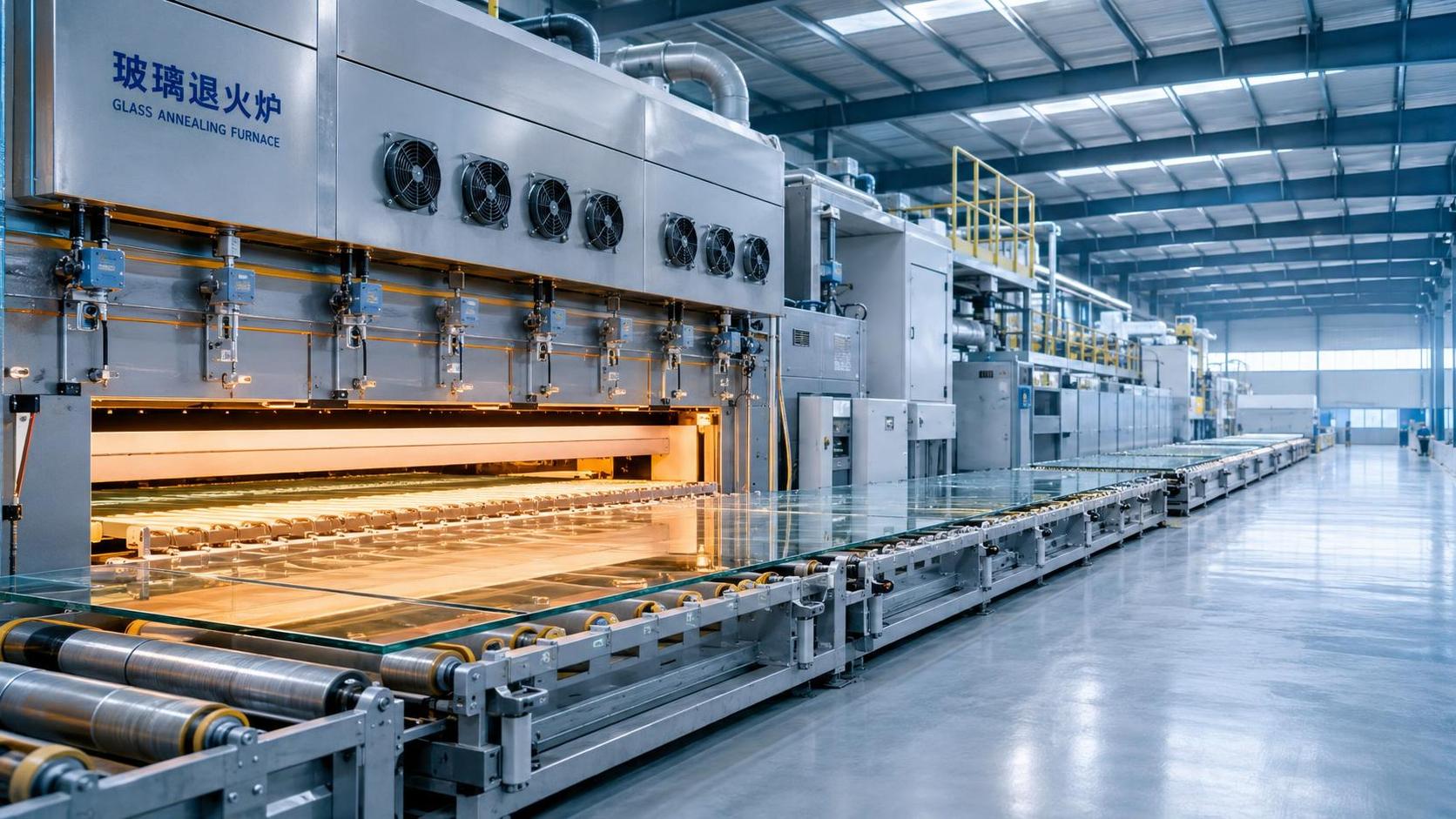
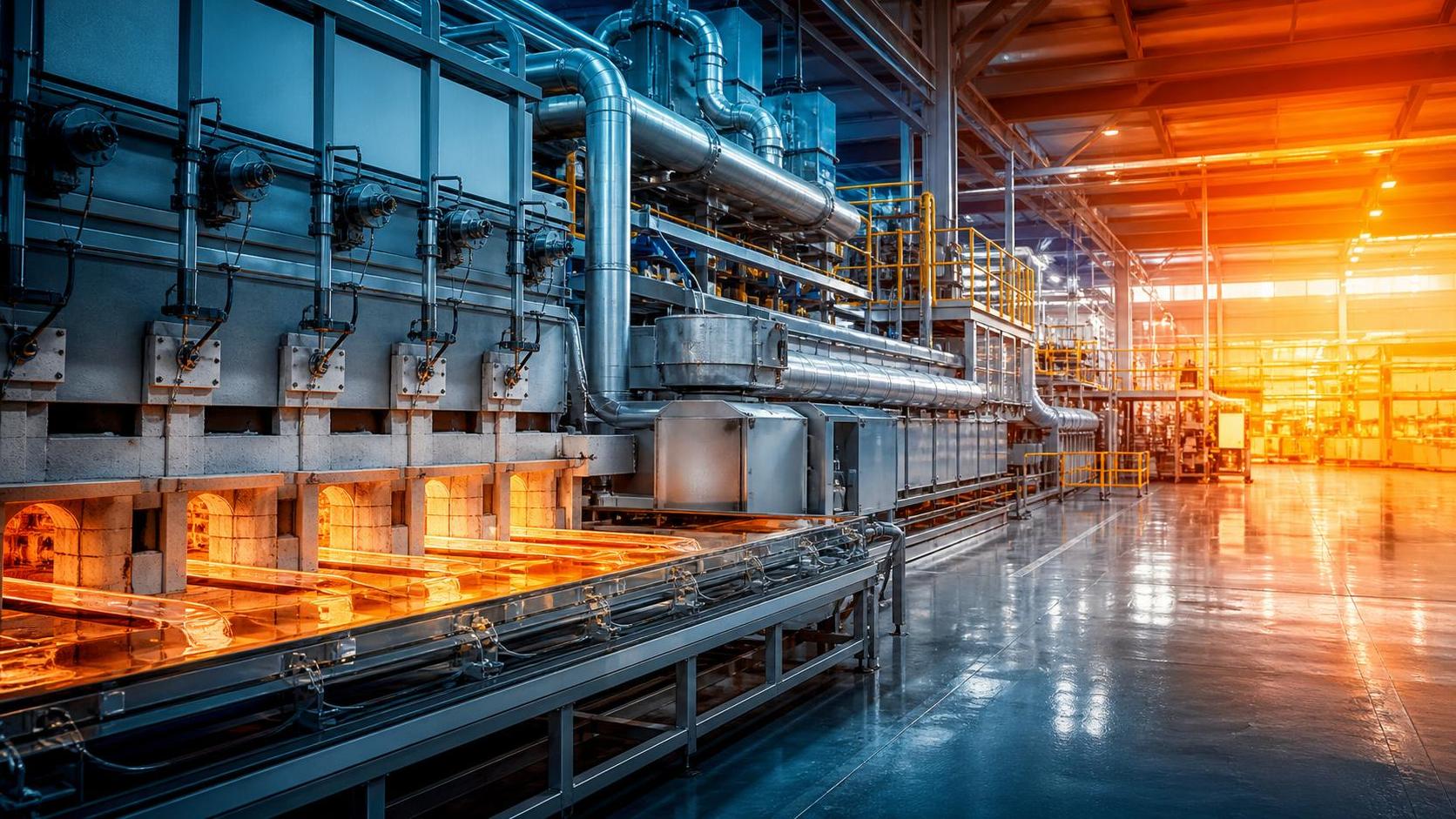
In glass manufacturing, silicate industrial solutions support melting uniformity, furnace insulation, batch behavior, and annealing precision.
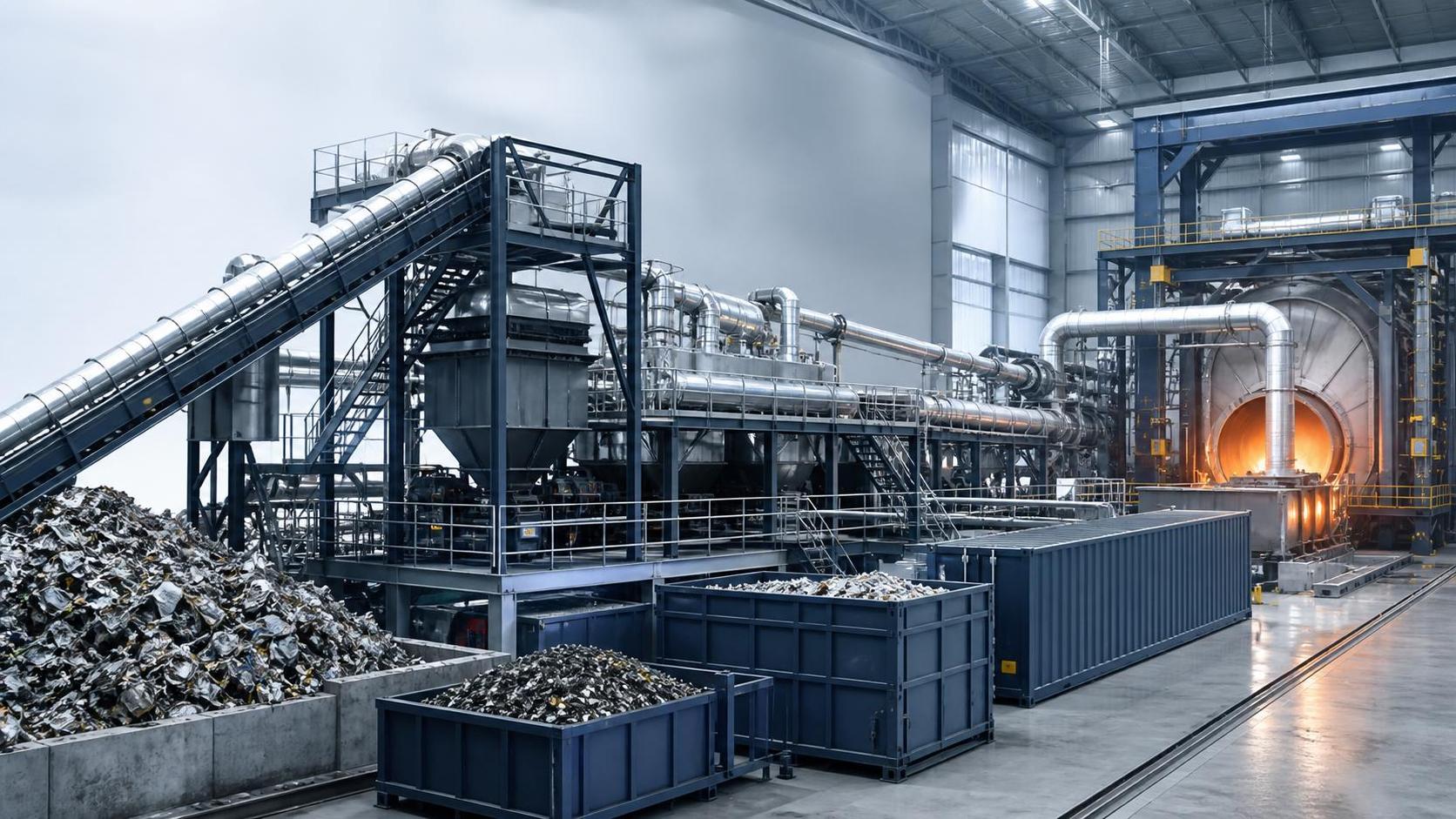
For industrial incineration, they contribute to thermal containment, corrosion resistance, and longer campaign life under chemically aggressive loads.
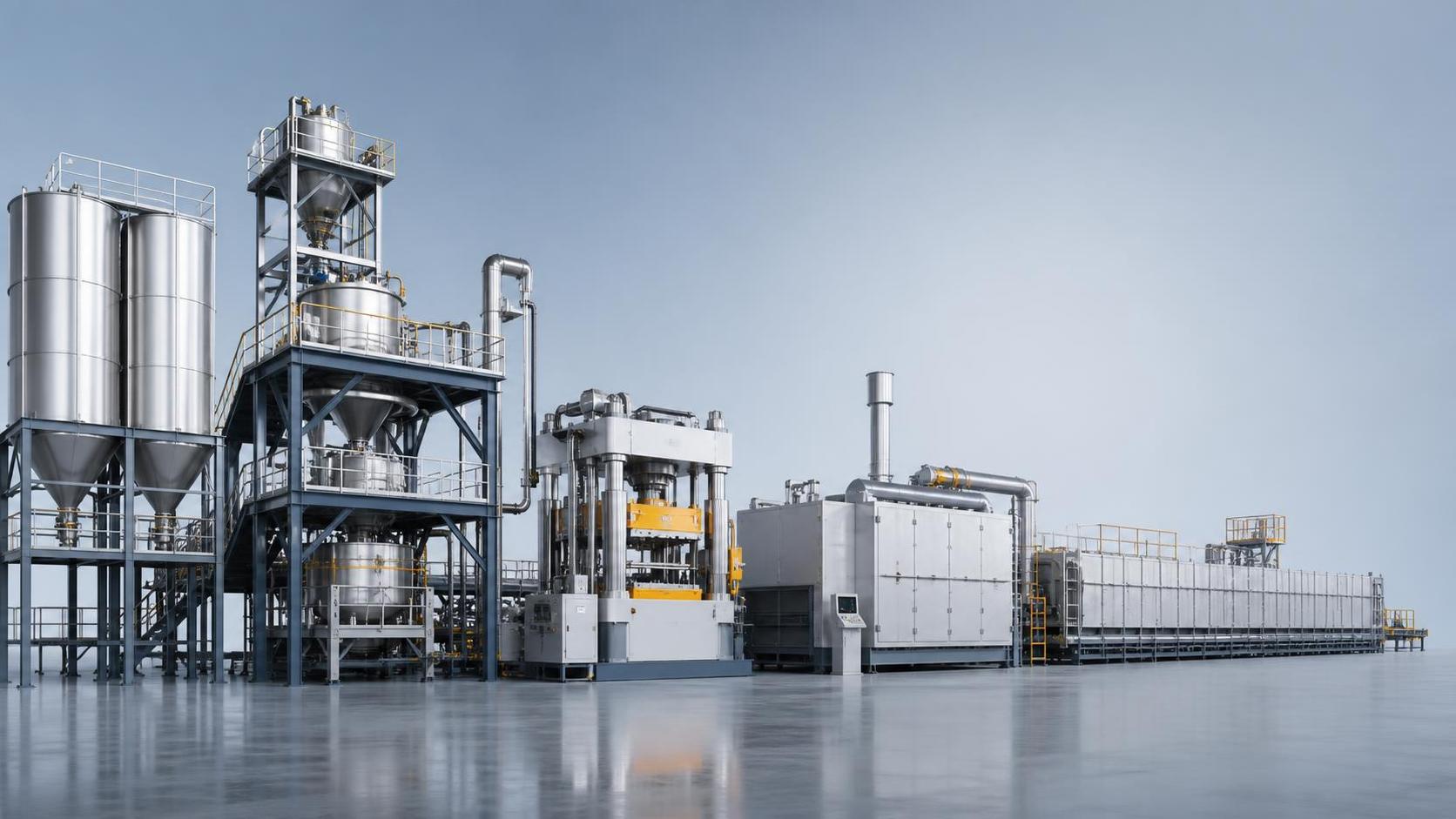
In refractory lines, they shape the production environment for materials that later protect steel, ceramics, and metallurgical systems.
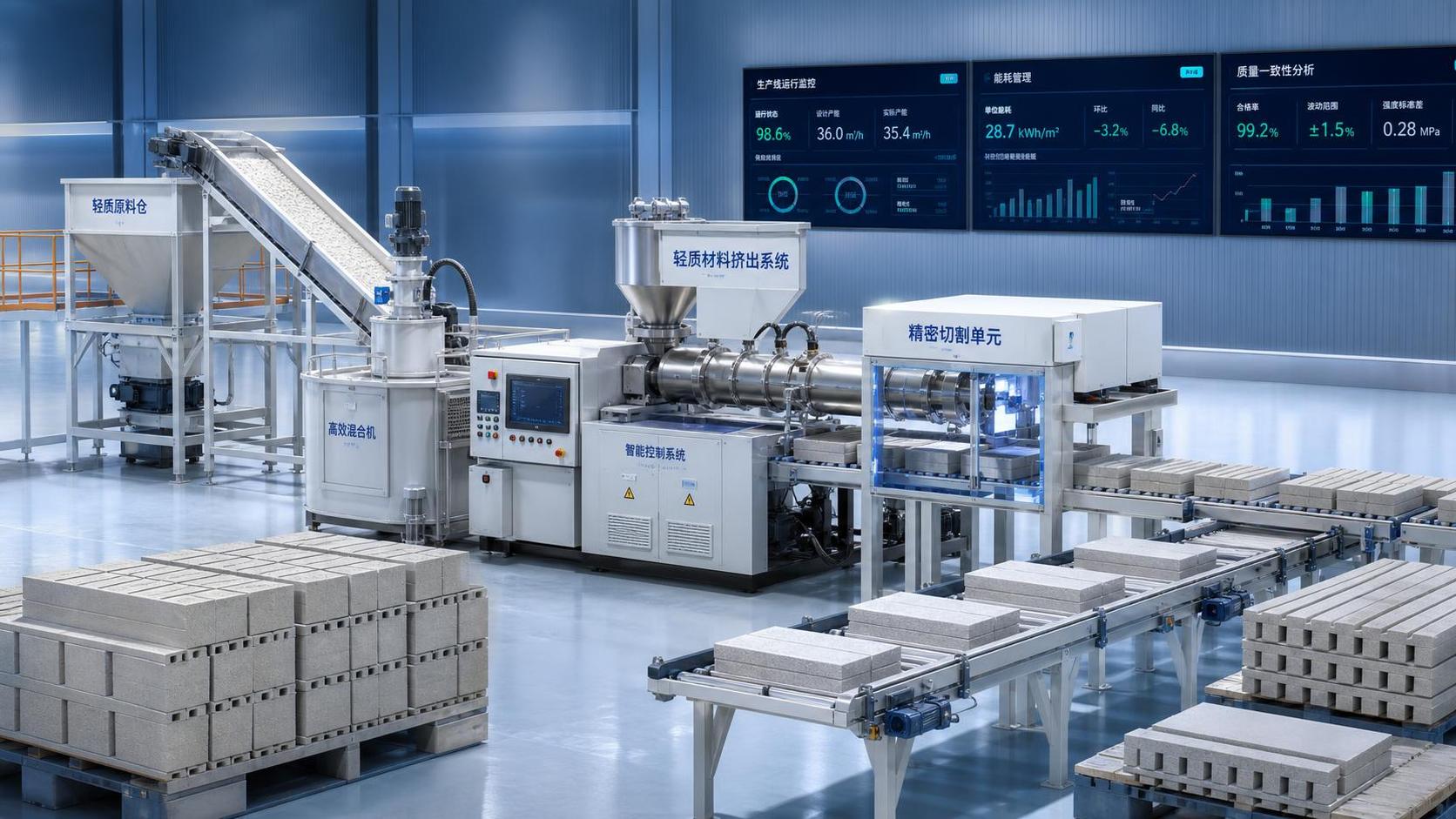
In extrusion for new building materials, they affect die stability, moisture response, density control, and curing behavior downstream.
A more practical way to view silicate industrial solutions is by the bottlenecks they reduce.
- Unexpected thermal shock that cracks linings or distorts process zones.
- Chemical attack from alkalis, chlorides, sulfur compounds, and ash.
- Heat loss that raises fuel use and weakens carbon reduction plans.
- Poor material flow that causes unstable output or variable finished quality.
- Short maintenance cycles that interrupt throughput and planning reliability.
So the topic is not limited to one product family.
It is a systems question involving process design, thermal barriers, energy use, and operating discipline.
Which applications show the clearest return from silicate industrial solutions?
Return usually becomes clearest where heat loads are intense and downtime is expensive.
That is why heavy continuous operations tend to benefit first.
The table below gives a practical comparison.
In practice, the strongest return often appears when several issues improve together.
A plant may not save energy only.
It may also reduce unplanned shutdowns, stabilize output, and simplify emissions control.
That combined impact is why silicate industrial solutions remain central in long-cycle heavy equipment decisions.
How do you judge whether one solution fits better than another?
This is where many evaluations become too narrow.
Comparing purchase price alone rarely explains lifetime value in a thermal process.
A better starting point is to match the solution to process stress.
That means asking how the system behaves during start-up, steady production, load swings, and shutdown.
It also means looking at feed variability, flame conditions, atmosphere chemistry, and maintenance access.
More often than not, suitable silicate industrial solutions are chosen through a mix of thermal data and failure history.
The most useful checkpoints include the following.
- Maximum working temperature is not enough; cycling frequency matters just as much.
- Chemical compatibility must cover real contaminants, not only ideal feedstock assumptions.
- Installation quality affects results as much as nominal material specification.
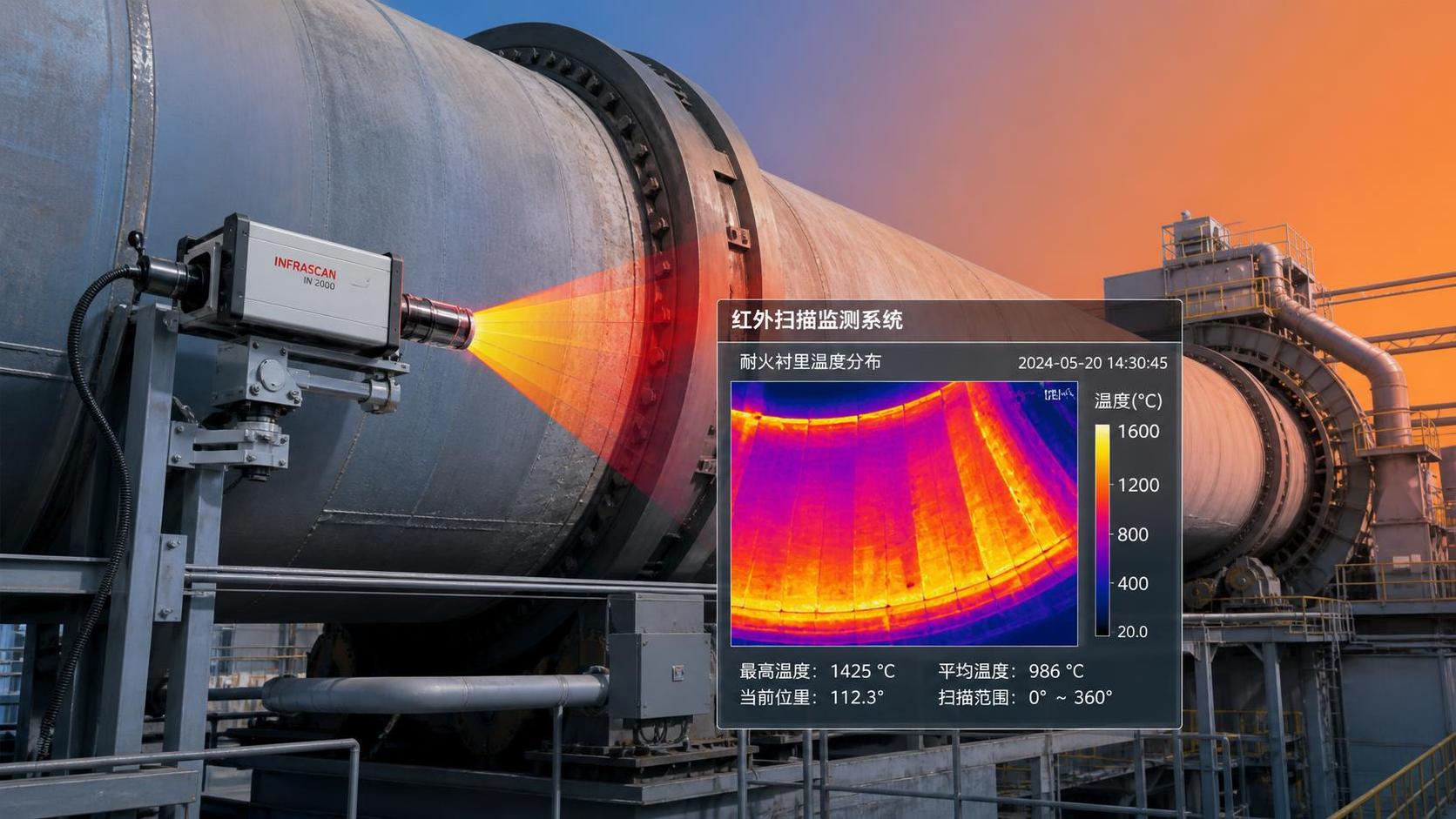
- Digital monitoring can reveal whether the issue is material failure or process imbalance.
- Carbon strategy should be included because efficiency gains now carry regulatory value.
This is also where CF-Elite’s intelligence-led perspective becomes relevant.
Tracking rotary kiln co-processing, glass digital twins, and online refractory monitoring creates better selection logic.
Instead of treating failures as isolated incidents, the process can be read as a connected system.
What mistakes cause silicate industrial solutions to underperform?
Underperformance usually comes from mismatch, not from the concept itself.
A common mistake is assuming one proven setup transfers directly across different thermal lines.
For example, a kiln handling alternative fuels may create very different alkali and chlorine stress.
Another mistake is separating thermal design from environmental compliance planning.
If a solution improves heat retention but worsens residue behavior, the result may be mixed.
There is also a recurring maintenance issue.
Plants often inspect after visible failure, when early temperature drift had already signaled trouble.
The following warning signs are worth treating seriously.
- Hot spots migrating across the shell or furnace envelope.
- Rising specific fuel consumption without clear throughput change.
- Batch inconsistency, melt defects, or unstable extrusion density.
- Frequent patch repairs replacing full root-cause review.
- Emission deviations linked to process instability rather than end-of-pipe equipment.
In real operations, silicate industrial solutions perform best when technical selection and operating discipline stay aligned.
That alignment matters more than marketing labels or isolated specification sheets.
What should be reviewed before implementation or upgrade?
Before moving ahead, it helps to turn the topic into a short decision checklist.
Not every plant needs a broad redesign.
Sometimes a targeted change in lining strategy, process control, or thermal monitoring creates the better result.
A grounded review should cover process reality, not ideal operating assumptions.
- Map the hottest zones, fastest wear points, and known chemistry disruptions.
- Compare actual operating cycles against original design conditions.
- Check whether fuel changes or recycled inputs altered reaction behavior.
- Review downtime cost against campaign life and maintenance windows.
- Include carbon, energy, and compliance targets in technical evaluation.
This is the point where industry intelligence adds value.
CF-Elite’s coverage of cement, glass, incineration, refractory lines, and extrusion systems reflects that broader view.
The question is no longer only which material survives heat.
It is which silicate industrial solutions support efficiency, resource circularity, and long-term operating confidence.
If the next step is an upgrade, start by organizing thermal data, failure records, and emissions trends.
Then compare options against application-specific stress, service life, and implementation timing.
That approach turns a broad industry term into a workable decision framework.
Related News
 Optical Glass Tech FellowHow to Evaluate a Glass Annealing Equipment Manufacturer for Production StabilityChoose a glass annealing equipment manufacturer with proven thermal uniformity, reliable controls, lifecycle value, and responsive service for stable production.Sep 08, 2026
 Prof. Marcus ChenThermal Energy Architecture in North America: Strategies for Lower Building Energy UseThermal energy architecture North America helps project leaders cut building energy use through stronger envelopes, right-sized HVAC, storage, and smart commissioning.Sep 07, 2026
 Ms. Elena RodriguezHow Should Buyers Evaluate Building Material Industry Intelligence Pricing?Building material industry intelligence pricing: learn how to compare coverage, technical depth, and ROI to choose intelligence that reduces procurement risk.Sep 07, 2026
 Ms. Elena RodriguezHow to Use Building Material Intelligence Data for Market and Investment DecisionsBuilding material industry intelligence data helps leaders evaluate demand, costs, regulation, capacity, and technology to make smarter market and investment decisions.Sep 05, 2026
 Thermal Energy ArchitectHow PLC Control Improves Energy Efficiency and Temperature Stability in KilnsEnergy efficient kilns PLC control improves temperature stability, cuts fuel waste, and optimizes combustion, draft, and material flow. Explore proven strategies for smarter kiln modernization.Sep 04, 2026
 Optical Glass Tech FellowEuropean Glass Melting Processes: Furnace Choices, Energy Use, and Quality ControlGlass melting process Europe: explore furnace choices, energy efficiency, cullet strategy, and quality control to improve output, compliance, and long-term glass performance.Sep 03, 2026
 Thermal Energy ArchitectWhat Determines Refractory Lining Monitoring Price for Industrial Kilns?Refractory lining monitoring price depends on kiln size, sensor technology, installation, software, and support. Compare total lifecycle costs and choose the right solution.Sep 02, 2026
 Silicate Process EngineerCement Production System Costs: A Plant Buyer’s Guide to Budgeting and ROICement production systems cost planning made clear: compare CAPEX, operating costs, compliance, and ROI to build a resilient, profitable cement plant investment.Sep 01, 2026
 Dr. Alistair VaughnWhat Should a Process Technology Database Track for High-Temperature Plants?Process technology database essentials for high-temperature plants: track thermal profiles, feed chemistry, refractory wear, emissions, energy, and maintenance for safer, data-driven decisions.Aug 31, 2026
 Ms. Elena RodriguezHow to Evaluate a Silicate Processing Equipment Manufacturer for Plant ProjectsSilicate processing equipment manufacturer selection: assess process fit, guarantees, energy, compliance, delivery risk, and lifecycle support for dependable plant performance.Aug 30, 2026
 Dr. Alistair VaughnHow to Specify Custom Agricultural Processing Equipment for Throughput and HygieneEquipment customization services for agricultural processing: learn to specify hygienic, high-throughput lines that improve yield, reliability, and long-term efficiency.Aug 29, 2026
 Dr. Alistair VaughnHow to Select Process Plant Equipment for High-Temperature, Abrasive Production LinesProcess plant equipment selection for high-temperature, abrasive lines: reduce downtime, improve durability, and optimize lifecycle performance.Aug 28, 2026
 Silicate Process EngineerHow Kiln Heat Recovery Systems Cut Fuel Use in Cement and Lime ProductionKiln heat recovery helps cement and lime plants cut fuel use, improve thermal stability, and build practical, reliable decarbonization strategies.Aug 27, 2026
 Ms. Elena RodriguezProcess Equipment Comparison: Which Metrics Matter Most for Reliable Selection?Process equipment comparison made practical: discover which metrics truly drive reliable selection, from energy efficiency and control stability to wear life, maintainability, and uptime.Aug 26, 2026
 Ms. Elena RodriguezWhat Buyers Should Check Before Sourcing Precision Alloy Bars for Critical PartsPrecision Alloy Bars buyers should verify grade, chemistry, tolerances, surface quality, traceability, and lead time before sourcing for critical parts. Learn what prevents costly machining and reliability risks.Aug 27, 2026
 Ms. Elena RodriguezHow to Evaluate Thermal Management Solutions Insulation for High-Heat Industrial SystemsThermal management solutions insulation: learn how to assess high-heat industrial systems by thermal performance, durability, lifecycle cost, and supplier data for smarter decisions.Aug 25, 2026
 Ms. Elena RodriguezWhat Drives Waste Recycling Cost in Industrial Projects and How to Estimate It?Waste recycling cost in industrial projects depends on composition, moisture, transport, pre-treatment, and compliance. Learn how to estimate it accurately and compare suppliers with confidence.Aug 24, 2026
 Silicate Process EngineerHow to Evaluate Cement Production Plants in the Middle East for Capacity, Fuel Flexibility, and ROIcement production plants Middle East: Learn how to assess true capacity, fuel flexibility, and ROI risks to identify resilient assets and smarter investment opportunities.Aug 23, 2026
 Structural Material AnalystHow to Evaluate Lightweight Material Machinery for Output, Energy Use, and Product QualityLightweight material machinery evaluation guide: compare stable output, energy use, and product quality to choose equipment that cuts waste, lowers costs, and improves production confidence.Aug 22, 2026
 Material Heat-Resist ExpertWhat Determines Refractory Production Line Price in a Turnkey Plant Project?Refractory production line price depends on raw materials, forming method, kiln and drying design, automation, utilities, and scope. Learn what really drives turnkey plant cost before you invest.Aug 21, 2026

Related News
- 00
0000-00
How to Evaluate Lightweight Material Machinery for Output, Energy Use, and Product Quality - 00
0000-00
What Thermal Barrier Technology Works Best for Lightweight Industrial Panels? - 00
0000-00
Advanced Ceramic Processing for Honeycomb: Which Methods Improve Strength and Thermal Shock Resistance? - 00
0000-00
Building Material Extrusion Equipment Supplier Selection: 7 Parameters That Affect Line Performance - 00
0000-00
High Pressure Extruder Selection Guide: Output, Material Compatibility, and Wear
Weekly Insights
Stay ahead with our curated technology reports delivered every Monday.