
How to Choose Sustainable Construction Materials for Cost, Durability, and LEED Goals




Why material choice now carries more project risk
Choosing sustainable construction materials now shapes far more than a green narrative. It influences capital cost, maintenance cycles, compliance exposure, construction speed, and the ability to secure LEED points without compromising buildability.

That shift matters because material decisions are no longer judged only at purchase. They are judged across sourcing, embodied carbon, thermal performance, service life, and end-of-life recovery.
In practice, the strongest specifications are rarely the cheapest line items. They are the ones that reduce rework, stabilize long-term operating cost, and fit the environmental expectations attached to modern assets.
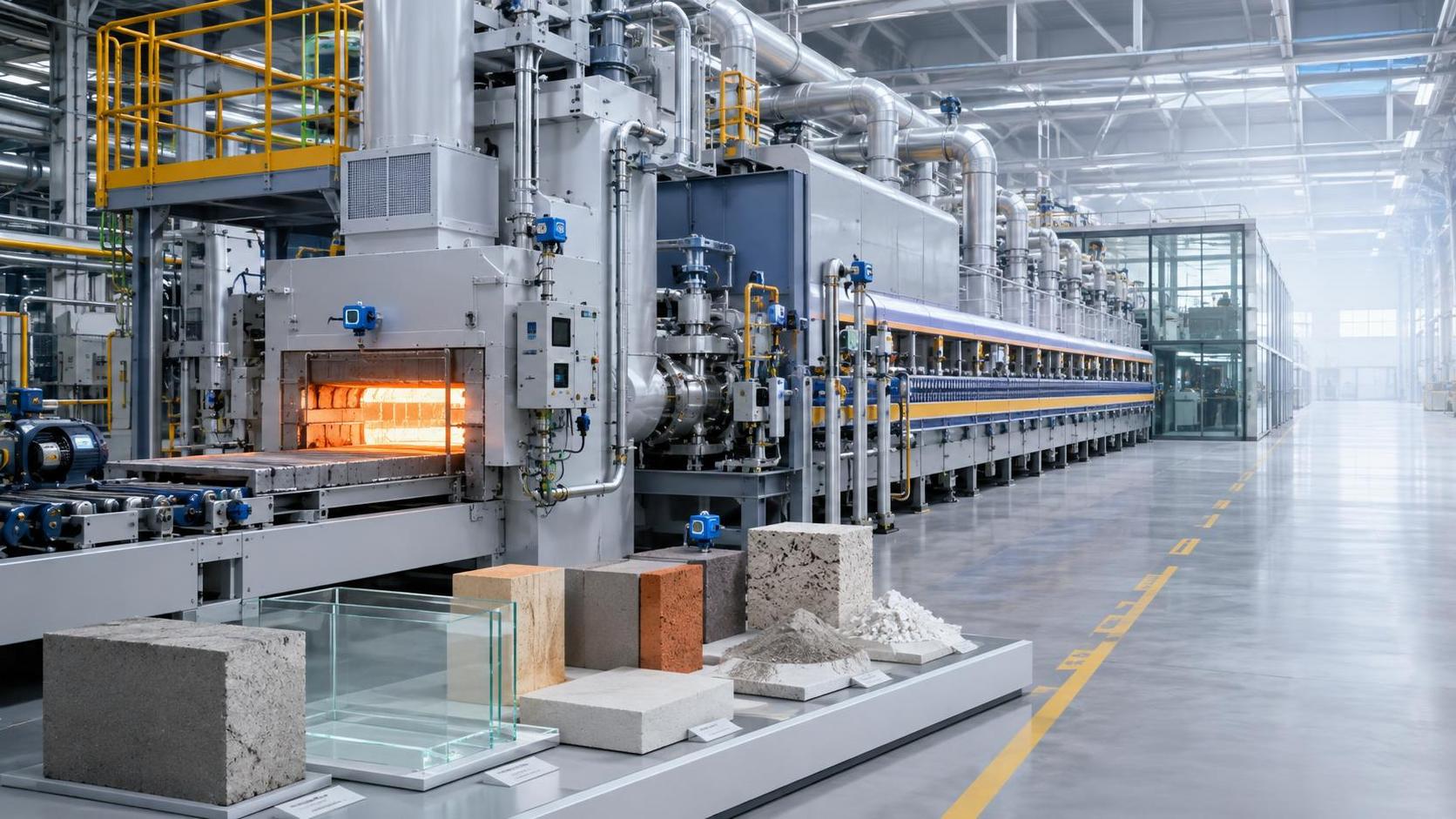
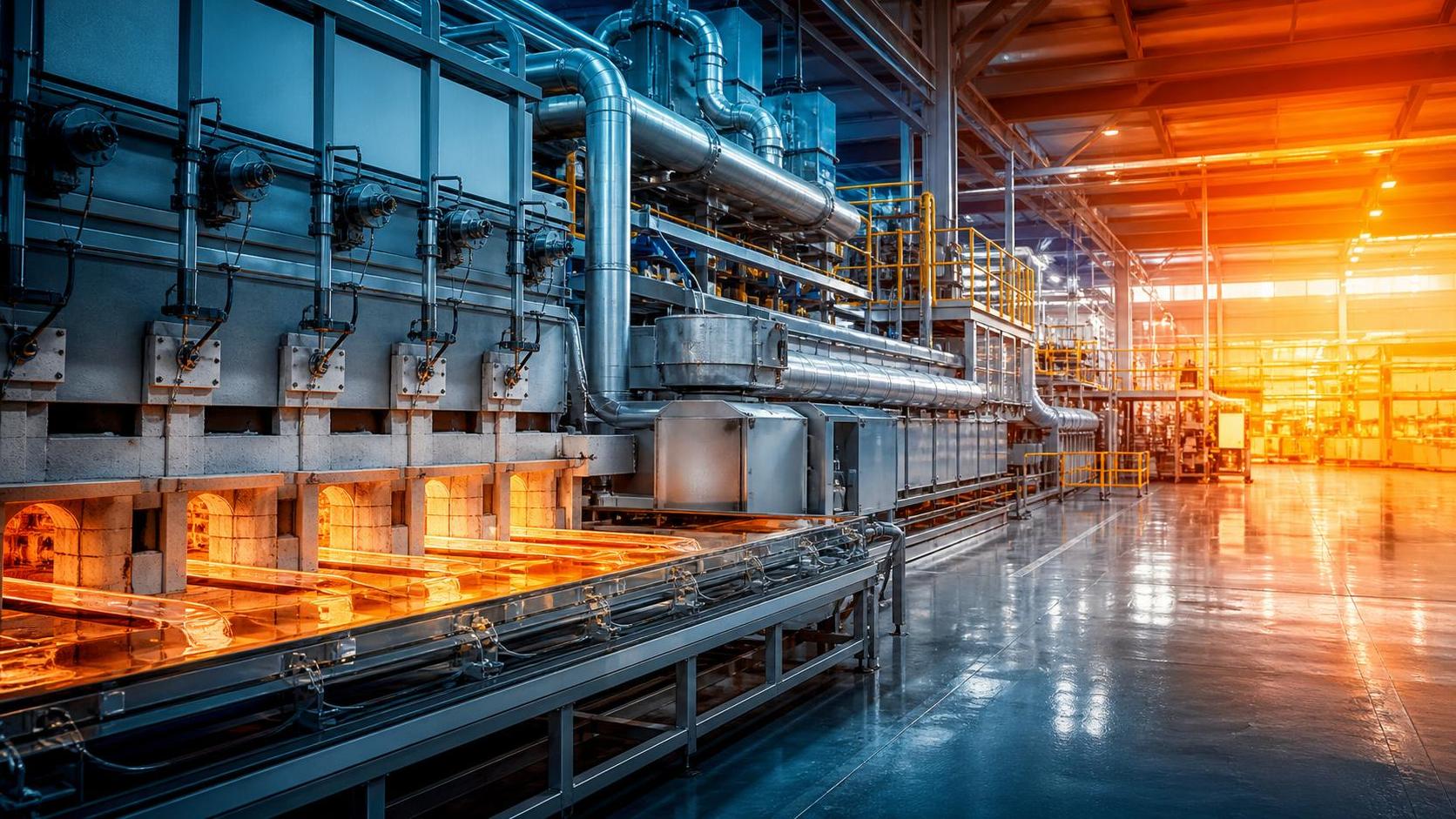
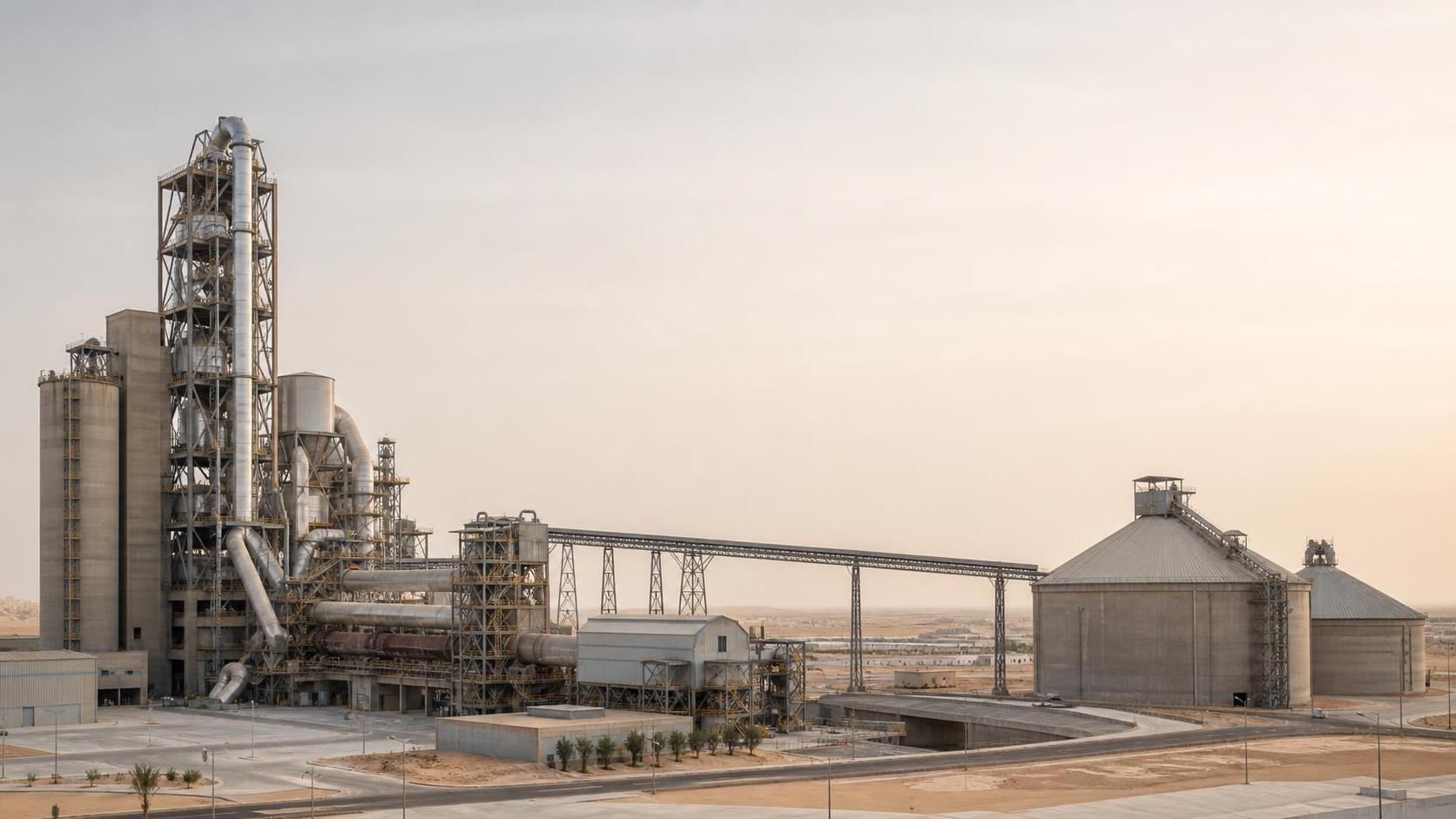
This is especially visible in sectors tied to cement, glass, thermal processing, refractory systems, and lightweight building products, where upstream manufacturing energy and process control directly affect downstream building value.
What sustainable construction materials really mean in project terms
The term covers more than recycled content or a low-carbon label. Sustainable construction materials are products selected for balanced environmental impact, technical reliability, and economic performance over the full project life cycle.
A useful evaluation lens includes five linked questions. How much energy does the material require to produce? How long will it last? How well does it support building efficiency? Can supply remain stable? Does documentation support certification?
Seen this way, concrete blends, high-performance glass, insulation, refractory-backed systems, facade panels, and extruded lightweight components all become strategic decisions rather than commodity purchases.
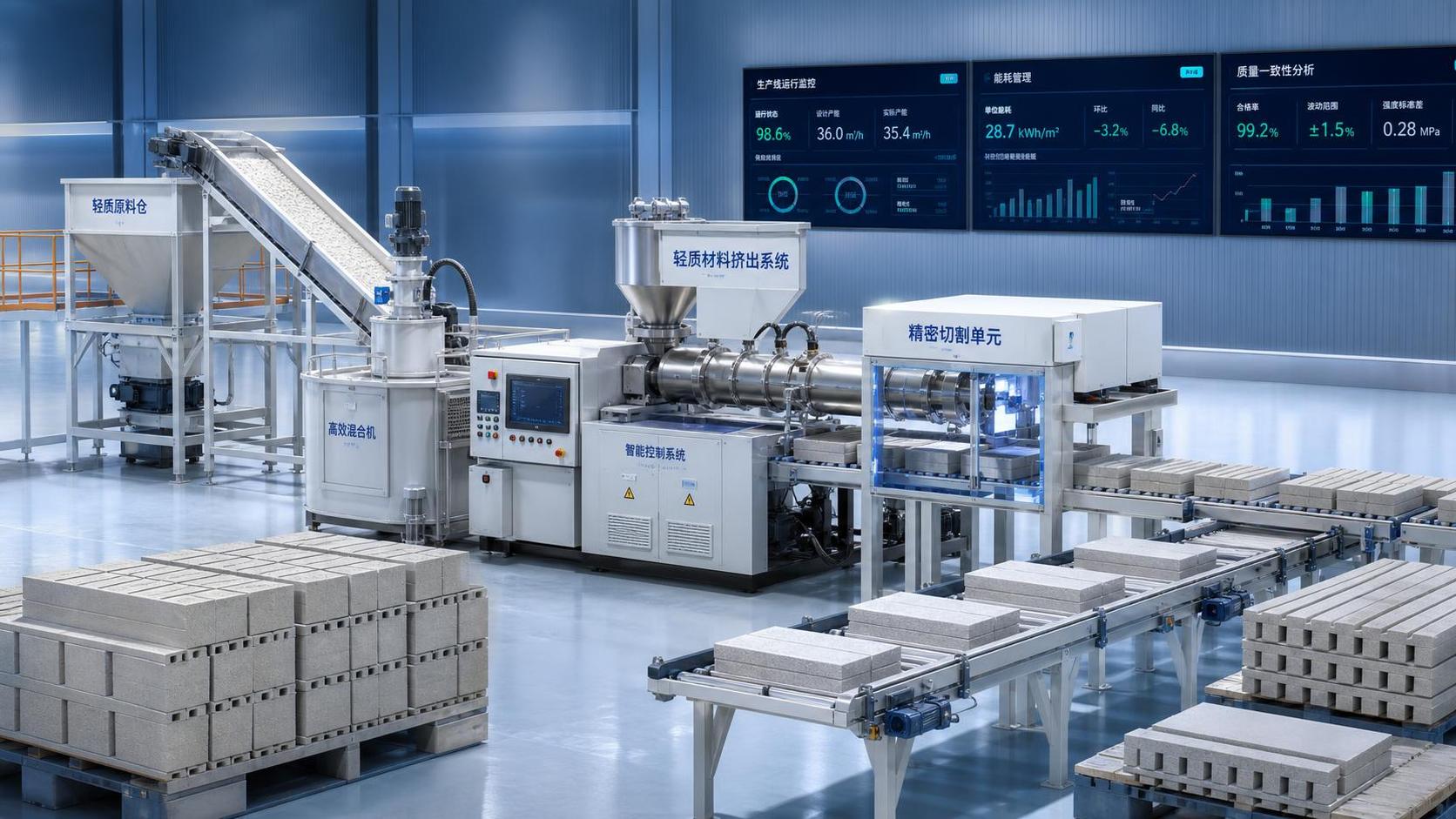
This is also where industrial intelligence becomes valuable. CF-Elite’s coverage of silicate production lines, thermal management, and green material extrusion reflects a simple truth: building sustainability starts long before a product reaches the jobsite.
Why cost cannot be separated from durability and LEED
Short-term procurement logic often treats these goals as competing. In reality, they overlap more than they conflict.
A lower-cost material with weak moisture resistance, unstable dimensions, or limited thermal performance can create replacement expense, schedule disruption, and lower operational efficiency. That weakens both financial returns and sustainability claims.
By contrast, sustainable construction materials with longer service life often reduce total installed cost over time. Fewer repairs, lower waste, and better energy outcomes frequently offset a higher initial bid.
LEED adds another layer. Credits depend not only on what is installed, but also on traceability, sourcing declarations, emissions data, and contribution to broader energy and indoor environmental goals.
That means material selection should connect commercial analysis with technical verification. Treating LEED as a late documentation task usually leads to missed points or costly substitutions.
The most practical selection criteria
A workable screening process should stay simple enough for procurement decisions, while still capturing long-term project consequences.
Using this framework makes sustainable construction materials easier to compare across very different categories, from low-carbon cementitious systems to advanced glazing and extruded lightweight panels.
Where upstream industrial processes affect downstream building performance
Material sustainability is heavily influenced by how products are made. A specification may look strong on paper, yet underperform if the production process lacks thermal efficiency, feedstock control, or stable quality assurance.
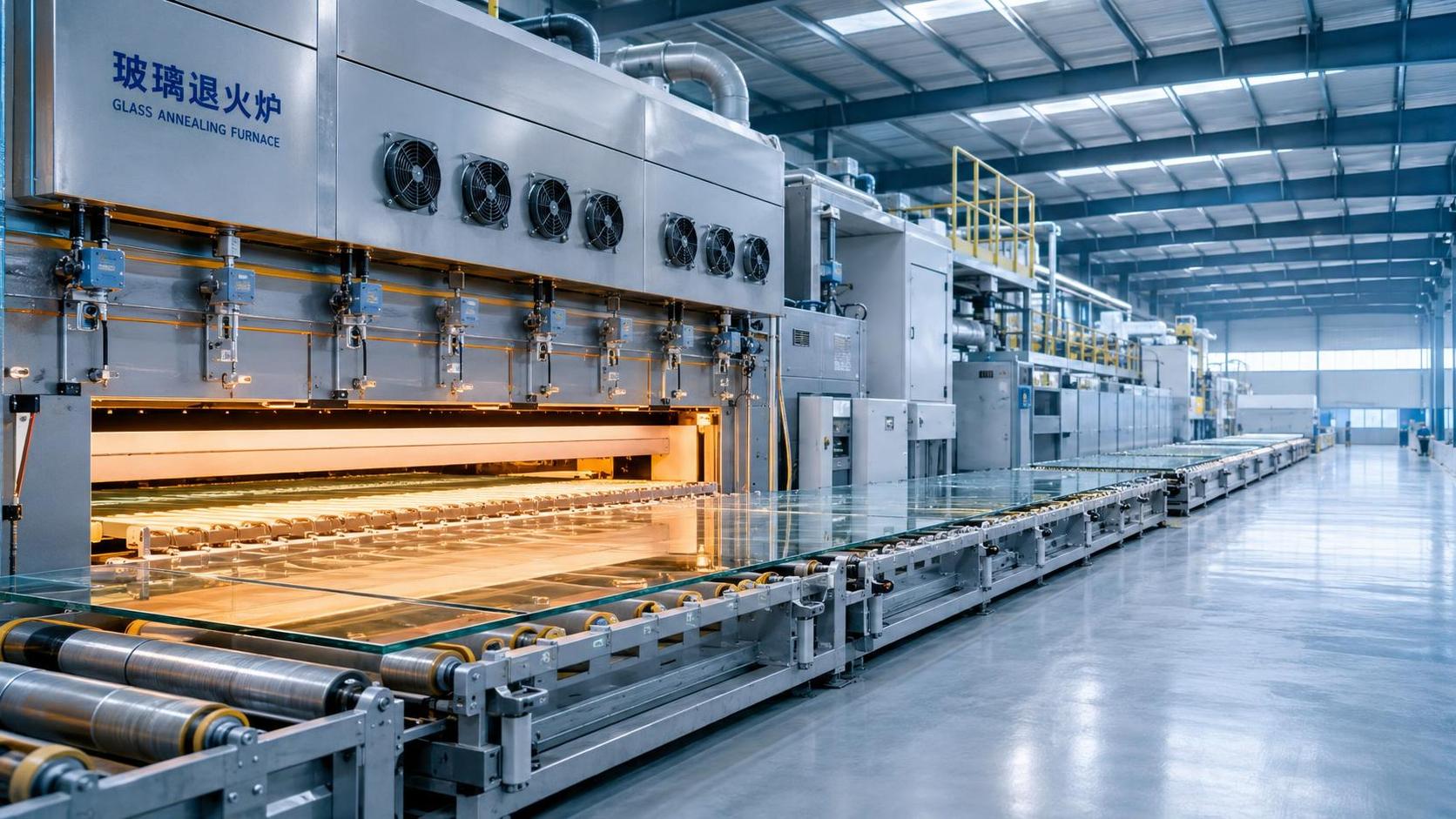
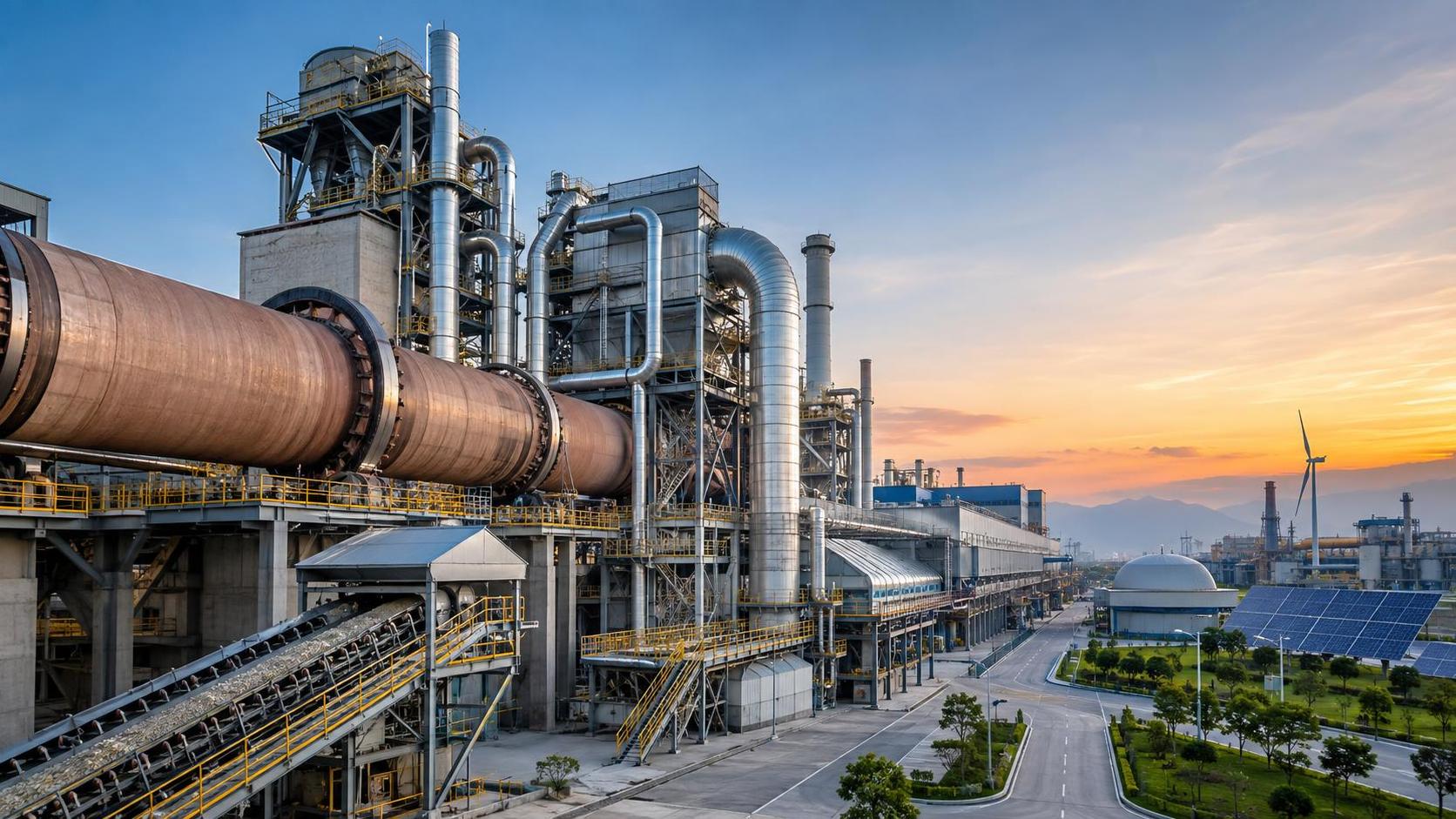
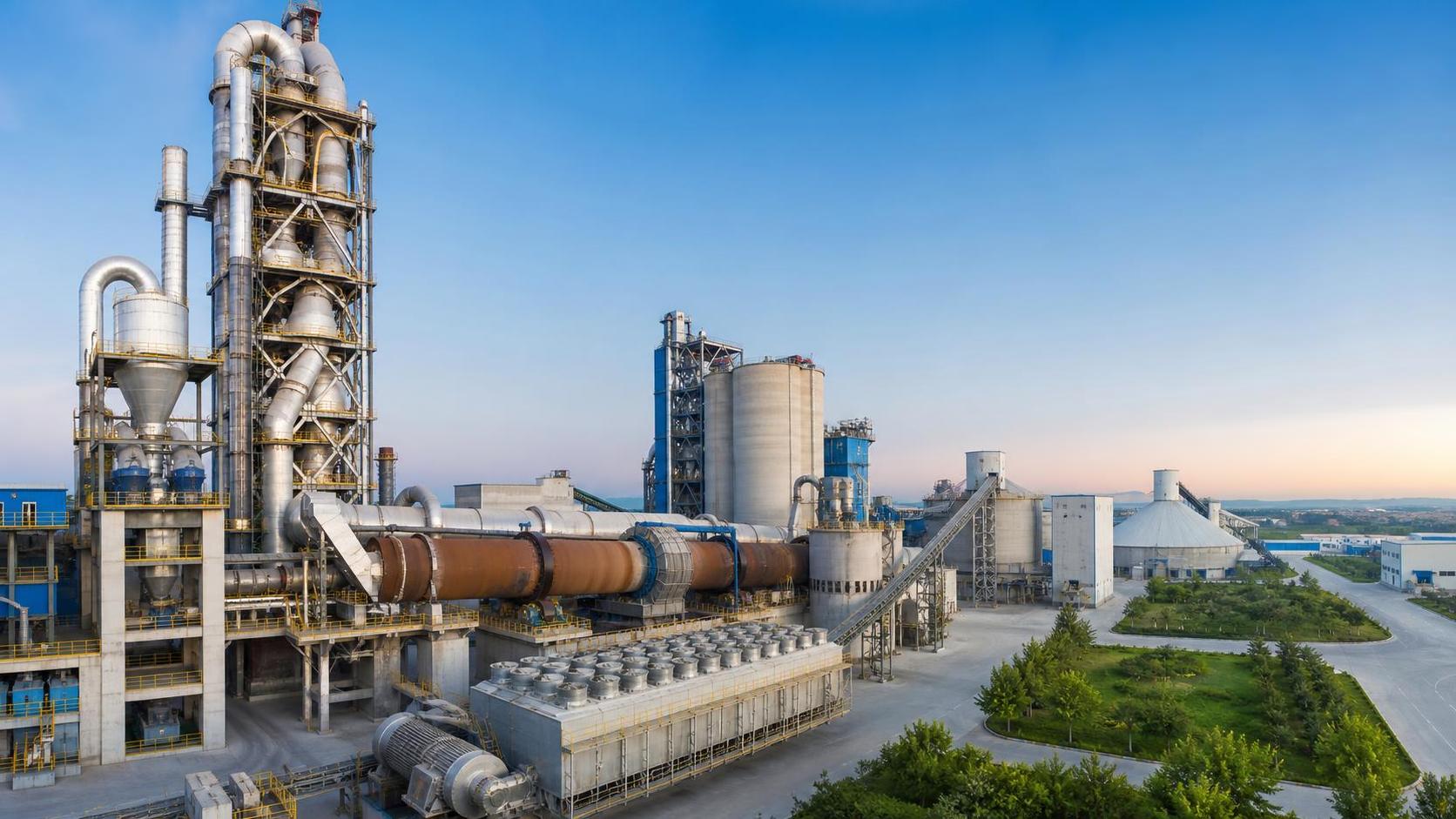
This matters in cement production, where clinker ratio, alternative fuels, and dust control affect embodied carbon. It matters in glass manufacturing, where furnace efficiency and annealing precision influence both energy profile and performance reliability.
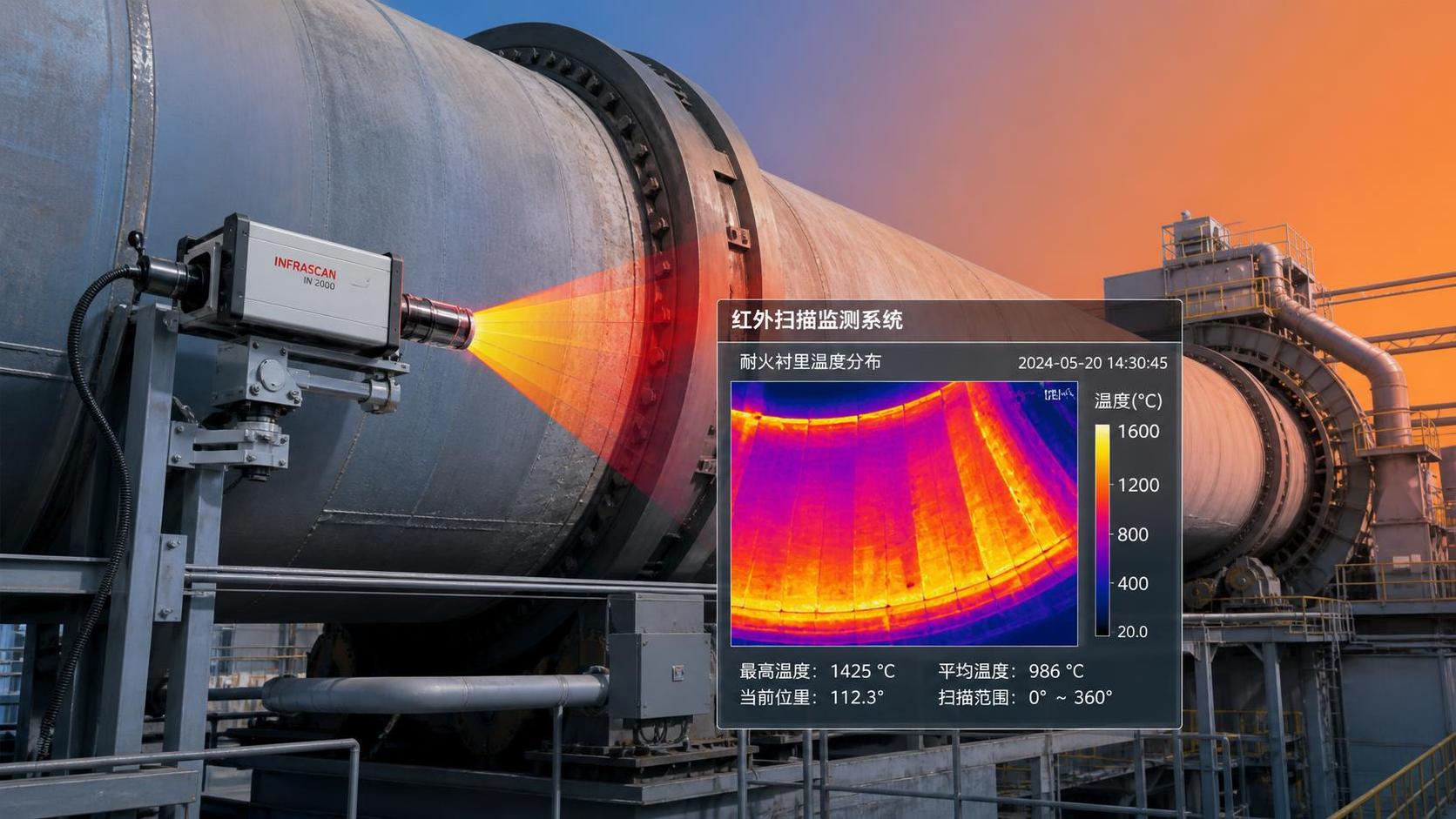
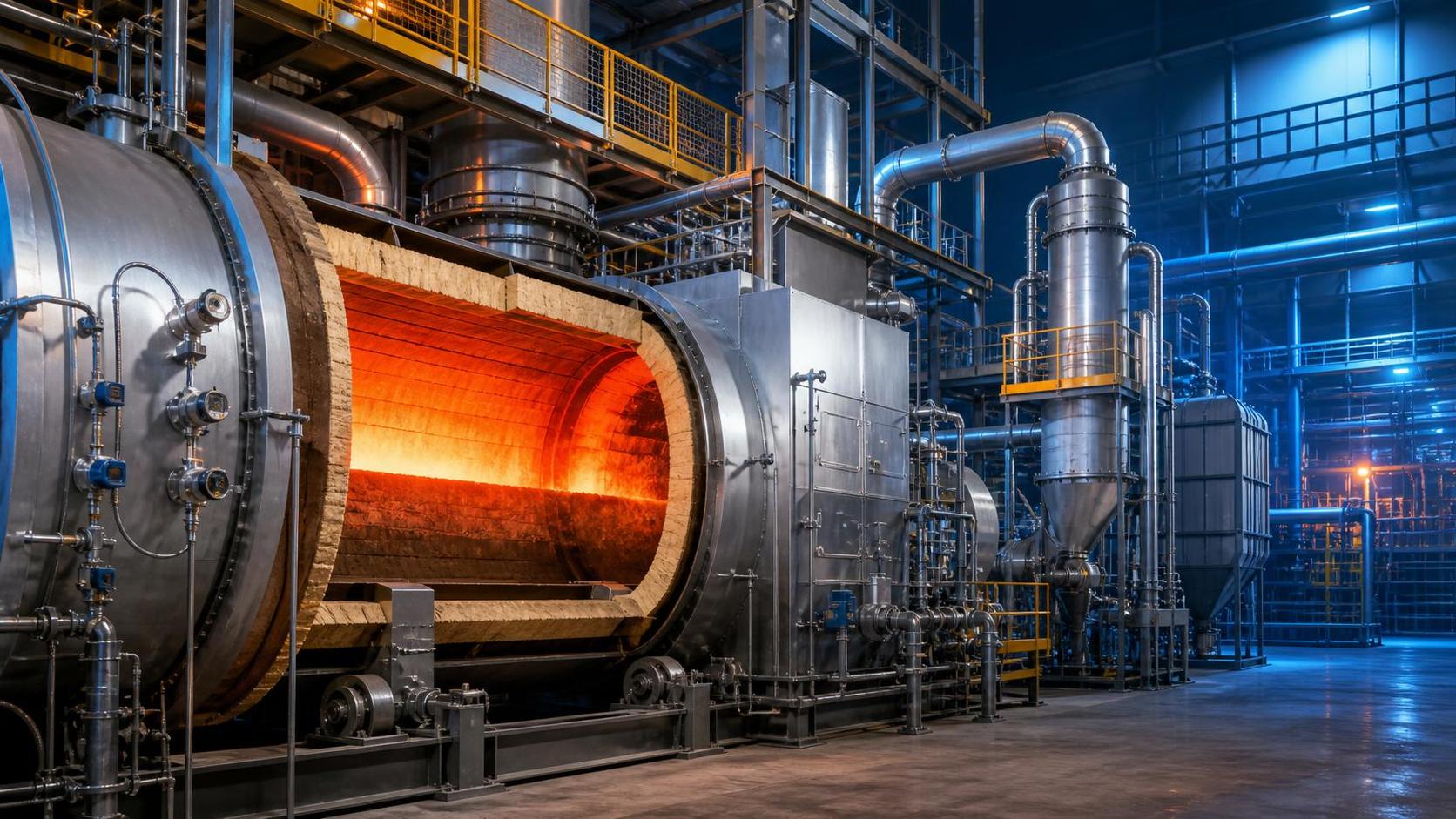
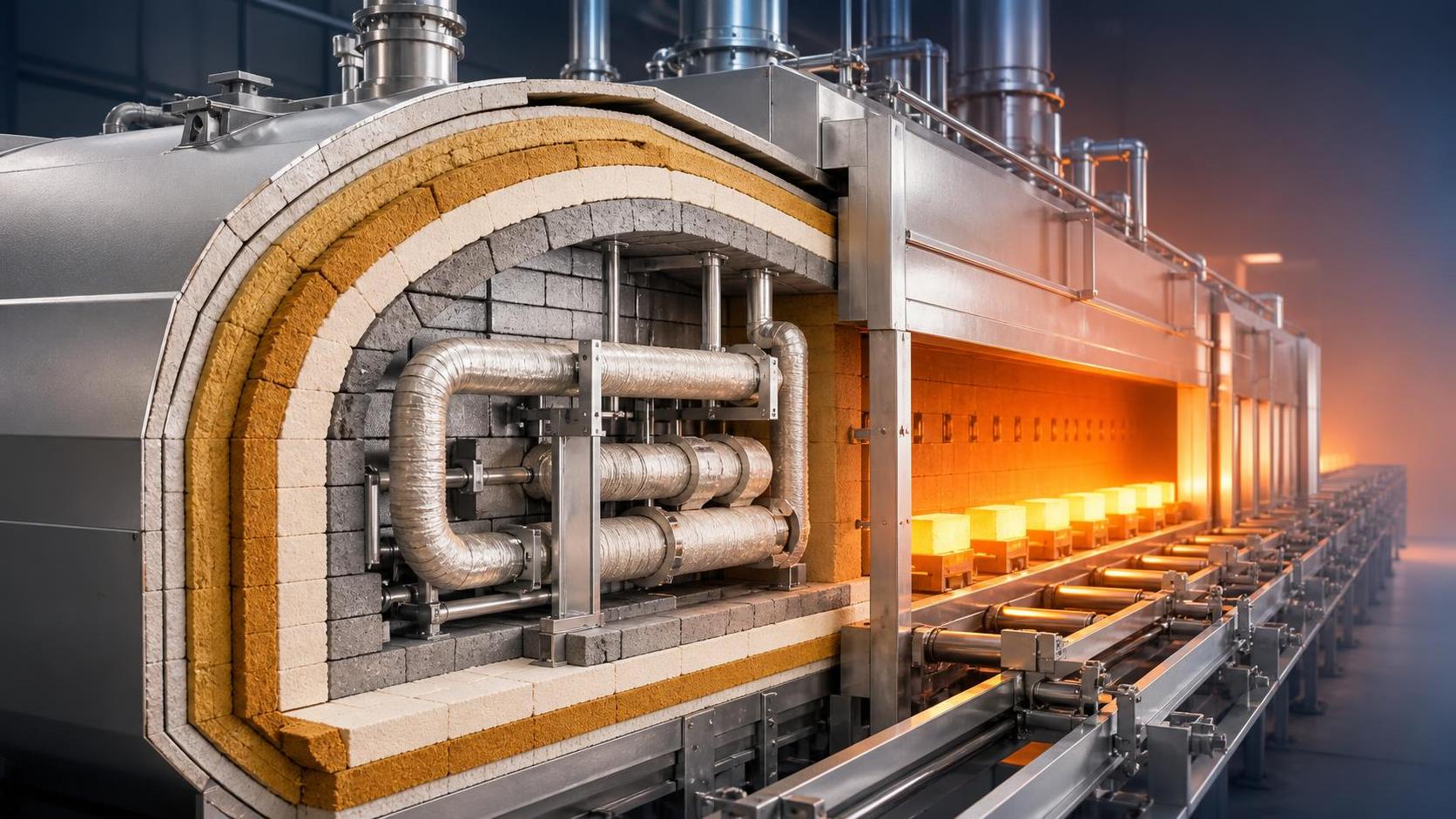
It also matters in refractory and kiln-linked industries. Better thermal barriers reduce process losses upstream, which can improve the environmental profile of finished building materials downstream.
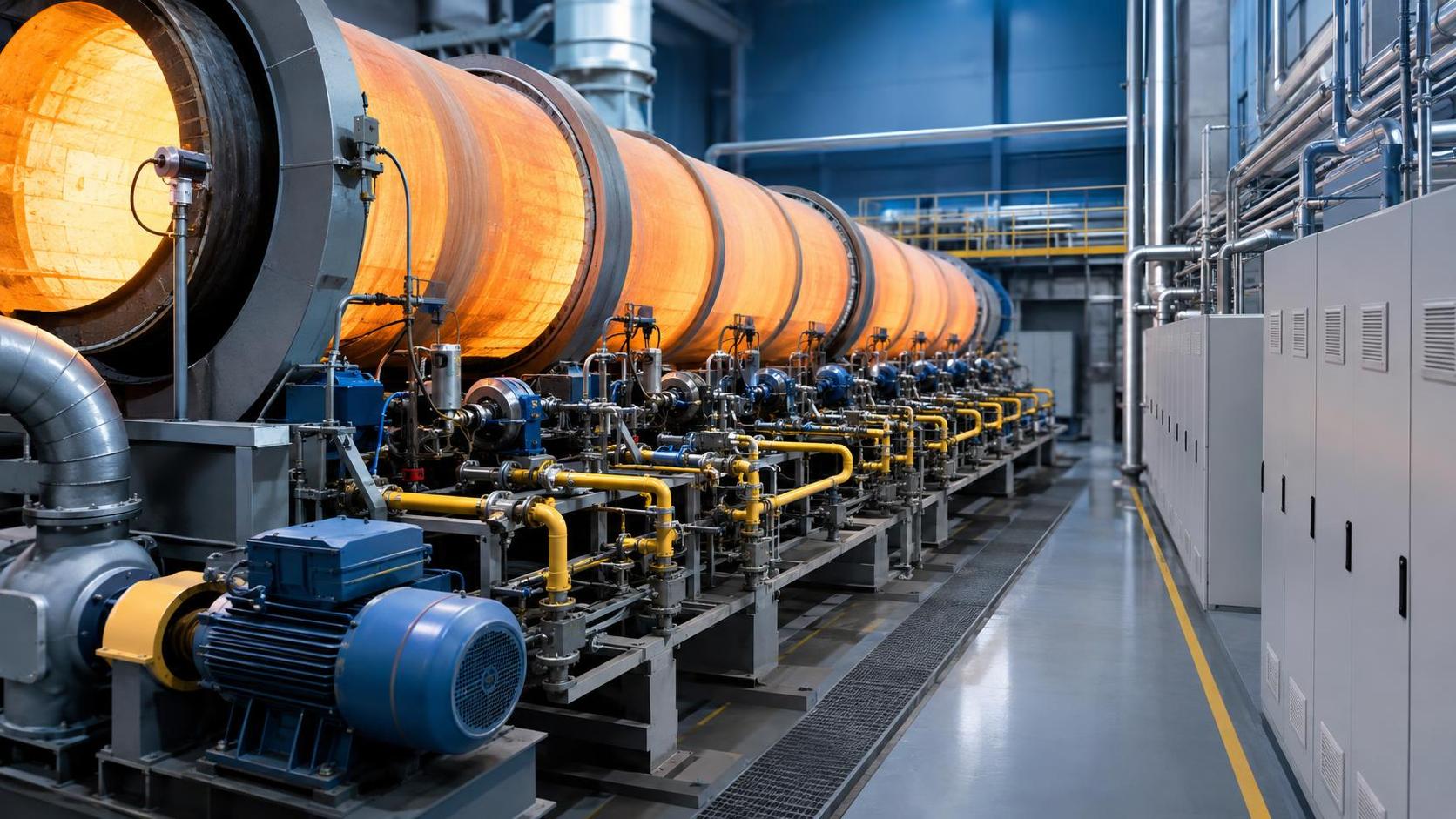
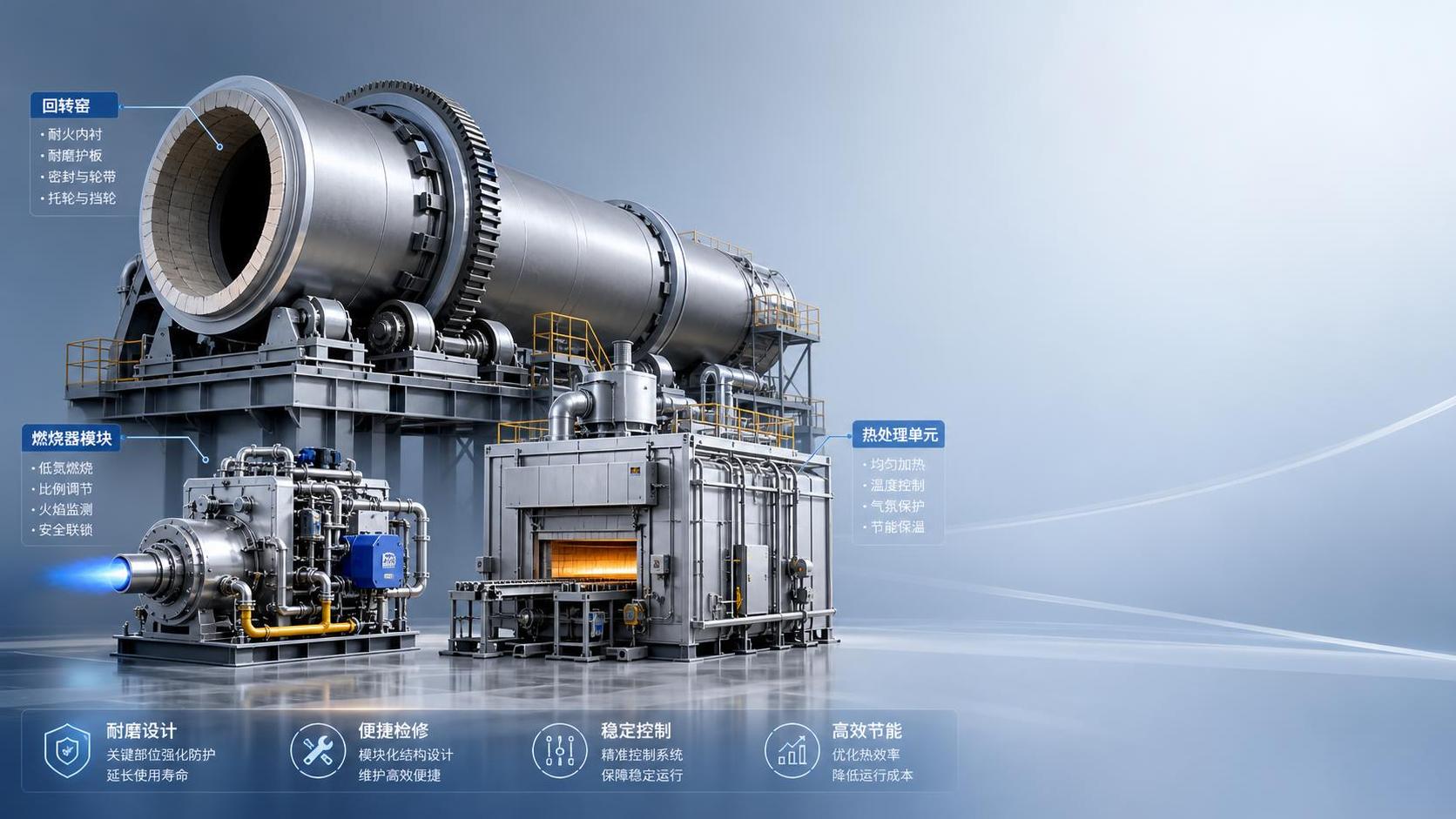
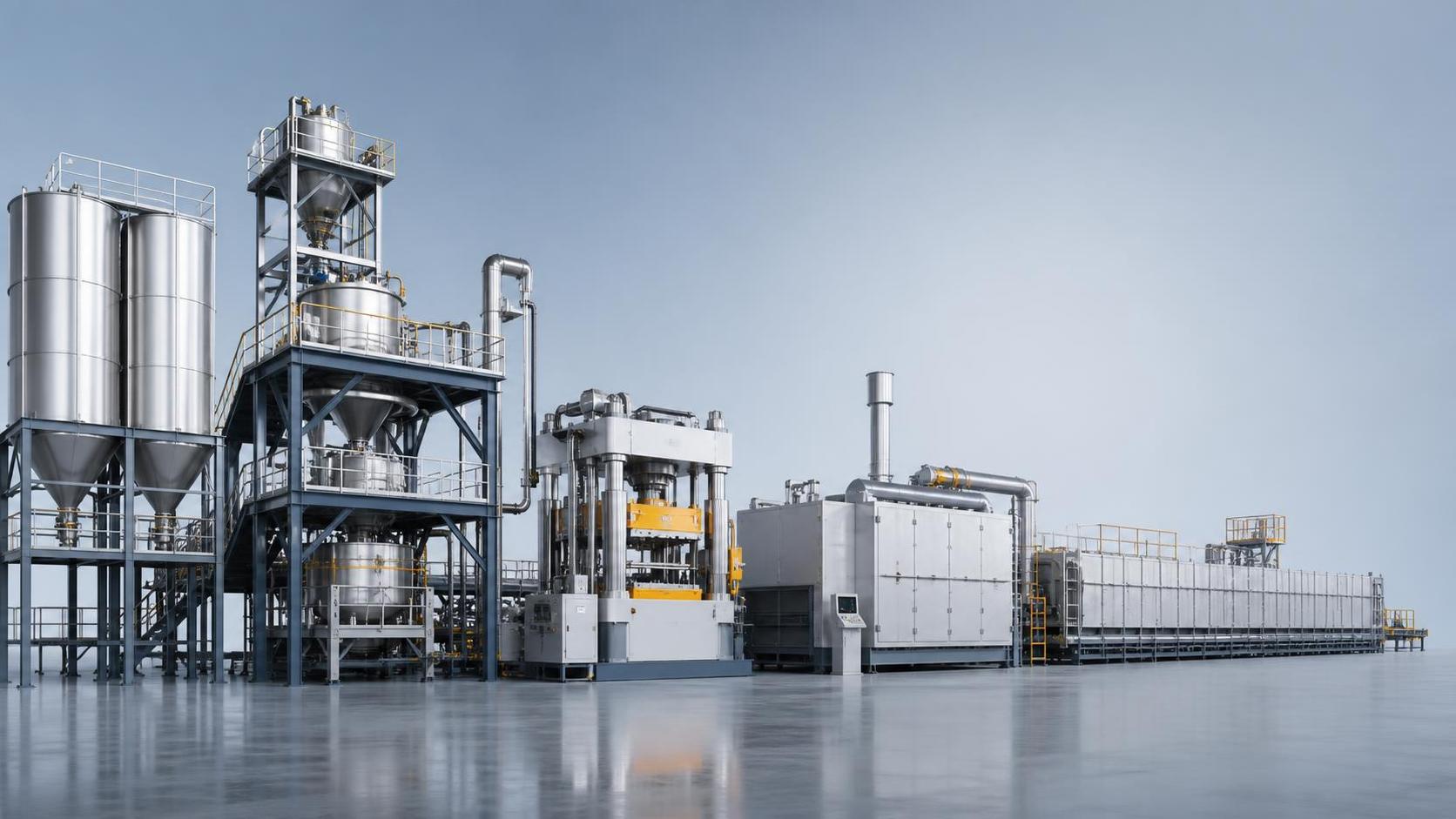
CF-Elite’s focus on rotary kilns, incineration systems, refractory production, and material extrusion helps clarify these connections. Sustainable construction materials are not isolated products. They are outputs of energy-intensive systems that can be optimized or poorly managed.
Typical material categories and what to watch
Concrete and cement-based systems
Look beyond compressive strength alone. Supplementary cementitious materials, curing behavior, regional transport distance, and durability under exposure conditions often matter more to lifecycle value.
Glass and facade assemblies
High-performance glazing can support energy goals, but only if solar heat gain, visible light balance, seal durability, and fabrication consistency align with the building envelope strategy.
Lightweight extruded materials
These products can lower dead load and improve installation speed. The key checks are structural suitability, fire performance, moisture behavior, and the stability of extrusion quality at scale.
Insulation and thermal barrier materials
The best option is not always the highest nominal R-value. Installation quality, aging performance, vapor control, and compatibility with adjacent systems often decide real energy results.
Common mistakes during evaluation
Several mistakes appear repeatedly when teams compare sustainable construction materials under schedule pressure.
- Treating recycled content as the only sustainability metric.
- Ignoring service conditions such as moisture, heat cycling, or chemical exposure.
- Assuming LEED documentation can be collected after procurement closes.
- Comparing material price without installation, maintenance, and replacement cost.
- Overlooking supplier consistency and regional logistics constraints.
Most of these issues are avoidable when selection criteria are established early and tied to actual building conditions rather than generic product claims.
A practical decision path for upcoming projects
Start with the building’s exposure profile and performance priorities. Then rank materials by lifecycle cost, durability risk, LEED contribution, and supply certainty.
After that, review upstream production credibility. For energy-intensive materials, manufacturing efficiency and process transparency often explain why similar products perform differently in cost and environmental reporting.
It also helps to build a short approved matrix before final specification. That matrix should include technical thresholds, required declarations, substitution rules, and fallback suppliers.
When sustainable construction materials are chosen this way, procurement becomes more predictable and certification goals become easier to defend.
The next step is not to chase the greenest label in isolation. It is to define which material attributes truly matter for the asset, then compare options with the same rigor used for cost and schedule control.
Related News
 Optical Glass Tech FellowHow to Evaluate a Glass Annealing Equipment Manufacturer for Production StabilityChoose a glass annealing equipment manufacturer with proven thermal uniformity, reliable controls, lifecycle value, and responsive service for stable production.Sep 08, 2026
 Prof. Marcus ChenThermal Energy Architecture in North America: Strategies for Lower Building Energy UseThermal energy architecture North America helps project leaders cut building energy use through stronger envelopes, right-sized HVAC, storage, and smart commissioning.Sep 07, 2026
 Ms. Elena RodriguezHow Should Buyers Evaluate Building Material Industry Intelligence Pricing?Building material industry intelligence pricing: learn how to compare coverage, technical depth, and ROI to choose intelligence that reduces procurement risk.Sep 07, 2026
 Ms. Elena RodriguezHow to Use Building Material Intelligence Data for Market and Investment DecisionsBuilding material industry intelligence data helps leaders evaluate demand, costs, regulation, capacity, and technology to make smarter market and investment decisions.Sep 05, 2026
 Thermal Energy ArchitectHow PLC Control Improves Energy Efficiency and Temperature Stability in KilnsEnergy efficient kilns PLC control improves temperature stability, cuts fuel waste, and optimizes combustion, draft, and material flow. Explore proven strategies for smarter kiln modernization.Sep 04, 2026
 Optical Glass Tech FellowEuropean Glass Melting Processes: Furnace Choices, Energy Use, and Quality ControlGlass melting process Europe: explore furnace choices, energy efficiency, cullet strategy, and quality control to improve output, compliance, and long-term glass performance.Sep 03, 2026
 Thermal Energy ArchitectWhat Determines Refractory Lining Monitoring Price for Industrial Kilns?Refractory lining monitoring price depends on kiln size, sensor technology, installation, software, and support. Compare total lifecycle costs and choose the right solution.Sep 02, 2026
 Silicate Process EngineerCement Production System Costs: A Plant Buyer’s Guide to Budgeting and ROICement production systems cost planning made clear: compare CAPEX, operating costs, compliance, and ROI to build a resilient, profitable cement plant investment.Sep 01, 2026
 Dr. Alistair VaughnWhat Should a Process Technology Database Track for High-Temperature Plants?Process technology database essentials for high-temperature plants: track thermal profiles, feed chemistry, refractory wear, emissions, energy, and maintenance for safer, data-driven decisions.Aug 31, 2026
 Ms. Elena RodriguezHow to Evaluate a Silicate Processing Equipment Manufacturer for Plant ProjectsSilicate processing equipment manufacturer selection: assess process fit, guarantees, energy, compliance, delivery risk, and lifecycle support for dependable plant performance.Aug 30, 2026
 Dr. Alistair VaughnHow to Specify Custom Agricultural Processing Equipment for Throughput and HygieneEquipment customization services for agricultural processing: learn to specify hygienic, high-throughput lines that improve yield, reliability, and long-term efficiency.Aug 29, 2026
 Dr. Alistair VaughnHow to Select Process Plant Equipment for High-Temperature, Abrasive Production LinesProcess plant equipment selection for high-temperature, abrasive lines: reduce downtime, improve durability, and optimize lifecycle performance.Aug 28, 2026
 Silicate Process EngineerHow Kiln Heat Recovery Systems Cut Fuel Use in Cement and Lime ProductionKiln heat recovery helps cement and lime plants cut fuel use, improve thermal stability, and build practical, reliable decarbonization strategies.Aug 27, 2026
 Ms. Elena RodriguezProcess Equipment Comparison: Which Metrics Matter Most for Reliable Selection?Process equipment comparison made practical: discover which metrics truly drive reliable selection, from energy efficiency and control stability to wear life, maintainability, and uptime.Aug 26, 2026
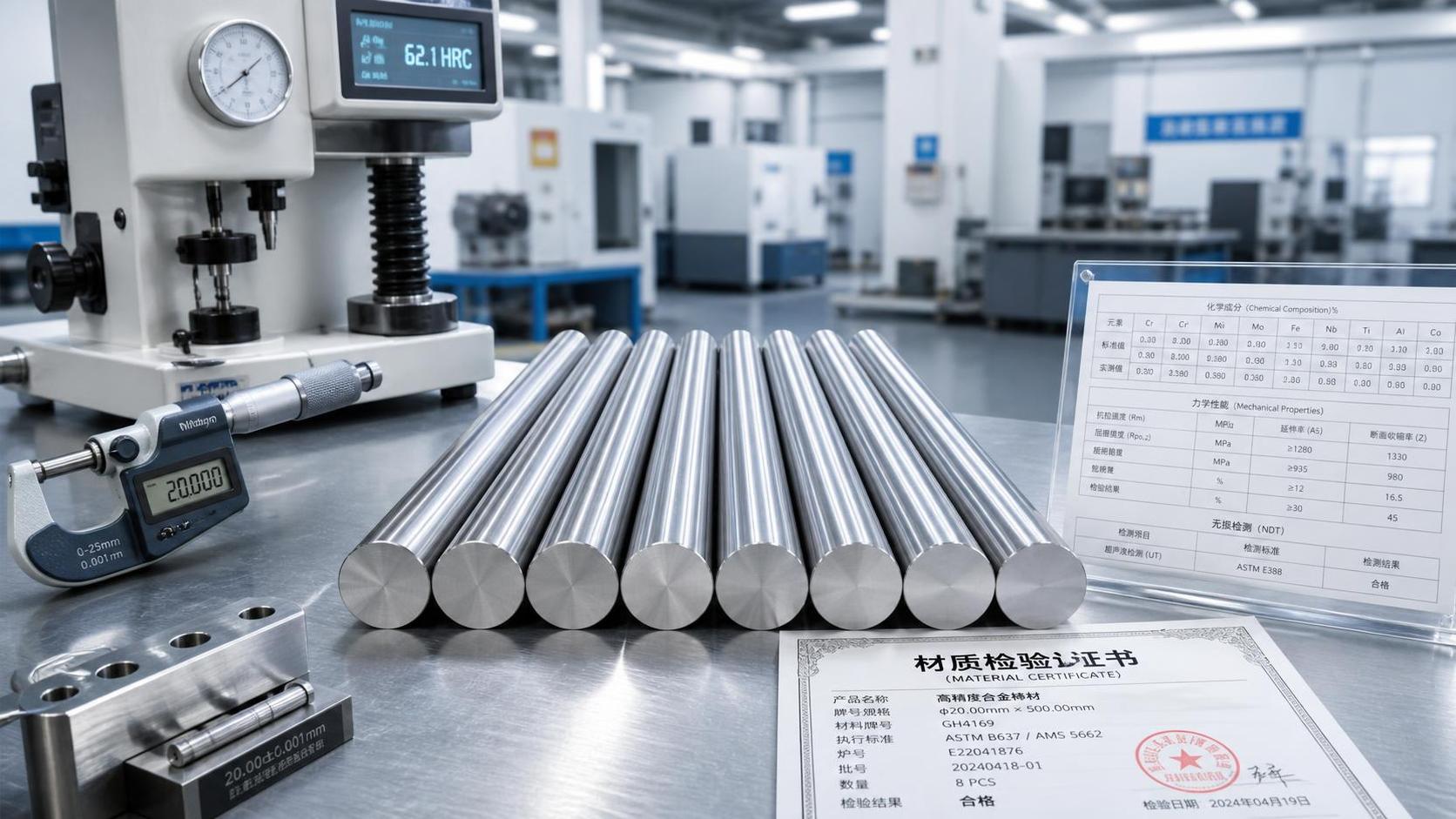
 Ms. Elena RodriguezWhat Buyers Should Check Before Sourcing Precision Alloy Bars for Critical PartsPrecision Alloy Bars buyers should verify grade, chemistry, tolerances, surface quality, traceability, and lead time before sourcing for critical parts. Learn what prevents costly machining and reliability risks.Aug 27, 2026
 Ms. Elena RodriguezHow to Evaluate Thermal Management Solutions Insulation for High-Heat Industrial SystemsThermal management solutions insulation: learn how to assess high-heat industrial systems by thermal performance, durability, lifecycle cost, and supplier data for smarter decisions.Aug 25, 2026
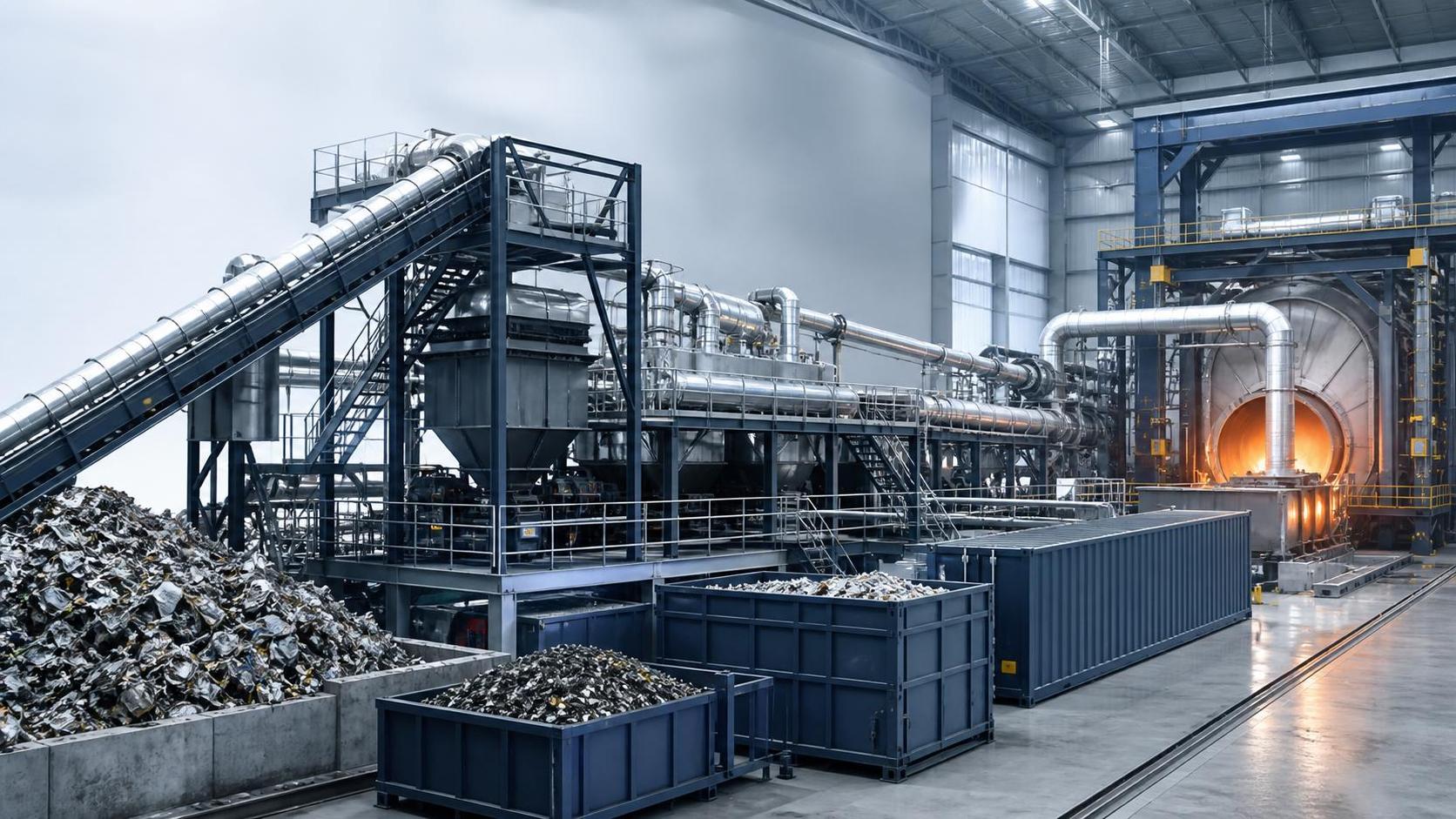
 Ms. Elena RodriguezWhat Drives Waste Recycling Cost in Industrial Projects and How to Estimate It?Waste recycling cost in industrial projects depends on composition, moisture, transport, pre-treatment, and compliance. Learn how to estimate it accurately and compare suppliers with confidence.Aug 24, 2026
 Silicate Process EngineerHow to Evaluate Cement Production Plants in the Middle East for Capacity, Fuel Flexibility, and ROIcement production plants Middle East: Learn how to assess true capacity, fuel flexibility, and ROI risks to identify resilient assets and smarter investment opportunities.Aug 23, 2026
 Structural Material AnalystHow to Evaluate Lightweight Material Machinery for Output, Energy Use, and Product QualityLightweight material machinery evaluation guide: compare stable output, energy use, and product quality to choose equipment that cuts waste, lowers costs, and improves production confidence.Aug 22, 2026
 Material Heat-Resist ExpertWhat Determines Refractory Production Line Price in a Turnkey Plant Project?Refractory production line price depends on raw materials, forming method, kiln and drying design, automation, utilities, and scope. Learn what really drives turnkey plant cost before you invest.Aug 21, 2026

Related News
- 00
0000-00
How to Evaluate Lightweight Material Machinery for Output, Energy Use, and Product Quality - 00
0000-00
What Thermal Barrier Technology Works Best for Lightweight Industrial Panels? - 00
0000-00
Advanced Ceramic Processing for Honeycomb: Which Methods Improve Strength and Thermal Shock Resistance? - 00
0000-00
Building Material Extrusion Equipment Supplier Selection: 7 Parameters That Affect Line Performance - 00
0000-00
High Pressure Extruder Selection Guide: Output, Material Compatibility, and Wear
Weekly Insights
Stay ahead with our curated technology reports delivered every Monday.