
Material Extrusion Technology for New Building Materials: Process and Limits




Material extrusion technology is reshaping how new building materials are evaluated, specified, and scaled for greener construction.
Its value now extends beyond forming speed, reaching feedstock design, energy control, curing stability, and predictable industrial quality.
For technical assessment, material extrusion technology must be judged as a full production logic, not a single molding step.
The central question is clear: where can extrusion support low-carbon construction, and where do limits still require caution?
Material Extrusion Technology Is Moving from Niche Forming to System-Level Evaluation
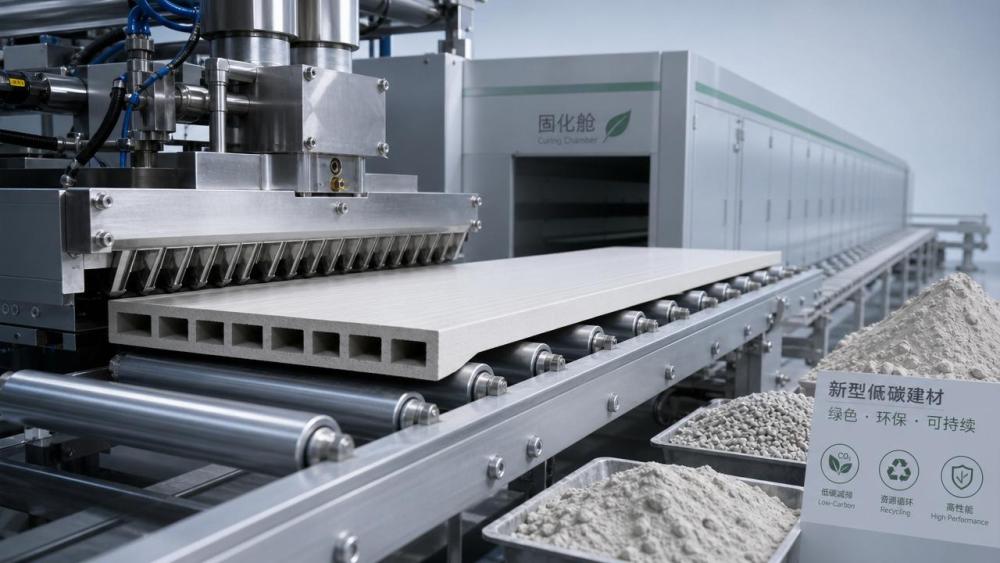
Across construction supply chains, material extrusion technology is gaining attention because it connects shaping, densification, and functional design.
Traditional forming often depends on molds, cutting, or batch pressing. Extrusion enables continuous profiles with repeatable geometry.
This shift matters for lightweight wall panels, insulation boards, fiber-reinforced elements, and cementitious or silicate-based components.
In high-temperature industries, the same logic also supports refractory shapes, thermal barriers, and hybrid mineral materials.
The trend is not only about faster output. It reflects tighter requirements for carbon accounting and material utilization.
Material extrusion technology therefore sits between process engineering, formulation science, and green building performance verification.
Trend Signals: Why Extrusion-Based Building Materials Are Receiving New Attention
Several market signals indicate that material extrusion technology is entering a more strategic evaluation phase.
Urban renewal demands faster construction components with stable quality, lower waste, and flexible section design.
Green building rules increasingly reward low-carbon binders, recycled minerals, and optimized density-performance ratios.
Equipment digitalization also makes extrusion easier to monitor through pressure, torque, temperature, moisture, and dimensional feedback.
These signals push material extrusion technology from workshop experience toward data-driven production governance.
Process Logic: Where Performance Is Created Before the Die
The performance of material extrusion technology begins before material reaches the die opening.
Feedstock preparation determines flow consistency, green strength, surface finish, and dimensional retention after exiting the die.
Moisture content, particle packing, binder chemistry, fiber dispersion, and additive dosage must remain within controlled windows.
If rheology fluctuates, extrusion pressure becomes unstable and downstream curing cannot fully correct defects.
Key Process Stages Needing Stable Control
- Raw material grading to reduce segregation and unexpected die wear.
- Mixing and kneading to balance plasticity, cohesion, and internal lubrication.
- Vacuum de-airing to prevent voids, cracks, and weak interfaces.
- High-pressure forming through a die matched to product geometry.
- Cutting, handling, curing, drying, or thermal treatment under controlled conditions.
Material extrusion technology succeeds when these stages operate as one controlled chain.
A strong extruder cannot compensate for poor formulation discipline or unstable moisture management.
Application Upgrade: From Simple Profiles to Functional Building Components
The most promising uses of material extrusion technology appear where geometry and material function are linked.
Extruded lightweight panels can include hollow channels that reduce weight while preserving stiffness.
Fiber-reinforced products can improve toughness, crack control, and handling resistance during prefabricated construction.
Mineral-based extruded products may also support fire resistance, acoustic control, and thermal insulation targets.
In silicate and refractory applications, extrusion supports repeatable thermal barrier forms and high-density technical sections.
This makes material extrusion technology relevant to both construction materials and high-temperature foundation industries.
Typical Product Directions
- Low-density cementitious boards for interior and envelope systems.
- Hollow wall panels designed for faster installation and lower embodied mass.
- Fiber-reinforced profiles for improved impact and crack resistance.
- Extruded refractory shapes for kilns, furnaces, and thermal equipment.
- Recycled mineral composites using fly ash, slag, ceramic waste, or stone powder.
Performance Advantages Are Strongest When Geometry, Energy, and Waste Align
Material extrusion technology offers clear advantages when products need constant cross-sections and scalable production.
Continuous forming reduces mold dependency and can improve material yield compared with some subtractive or batch methods.
The process also supports controlled density gradients, internal voids, and integrated surface textures.
Energy benefits depend on system design, not extrusion alone. Drying and curing often dominate total energy demand.
When low-temperature curing or waste heat recovery is possible, material extrusion technology becomes more attractive.
This is especially relevant for integrated plants connected to cement, ceramics, glass, or industrial kiln operations.
Limits Remain: Material Extrusion Technology Is Not a Universal Answer
The limits of material extrusion technology are practical, measurable, and often underestimated during early evaluation.
First, the material must flow under pressure while retaining shape immediately after extrusion.
This balance is difficult for mixes with poor particle packing, excessive fibers, or reactive binders.
Second, die design can restrict geometry. Complex three-dimensional forms may require secondary operations.
Third, dimensional stability depends on curing shrinkage, moisture migration, and thermal gradients.
Fourth, abrasive minerals can accelerate screw, barrel, and die wear, increasing maintenance costs.
Finally, material extrusion technology requires careful line matching between feeding, extrusion, cutting, handling, and curing.
Common Constraint Points
- Rheology sensitivity causing pressure fluctuation and surface tearing.
- Die swelling, edge deformation, or hollow-channel collapse.
- Long curing cycles that reduce apparent line productivity.
- Fiber orientation effects that create anisotropic performance.
- Wear from hard aggregates, recycled ceramics, or mineral fillers.
Impact Across the Production Chain: From Formula Choice to Quality Proof
Material extrusion technology changes how production lines define responsibility across formulation, equipment, and quality systems.
Formulation teams must quantify flow behavior, setting time, fiber compatibility, and recycled material variability.
Equipment planning must consider motor load, screw geometry, vacuum capacity, die pressure, and wear-resistant materials.
Quality control must move upstream, using online indicators before defects appear in cured products.
For commercial scaling, product certification also matters. Fire behavior, strength, water resistance, and durability must be demonstrated.
The strongest projects treat material extrusion technology as a verified manufacturing platform, not an experimental shortcut.
What to Watch: Decision Points Before Scaling an Extrusion Line
Before scaling material extrusion technology, several technical questions should be answered with pilot data.
Laboratory strength results alone are insufficient. Continuous production reveals thermal, mechanical, and operational instability.
Future Direction: Smarter Extrusion Lines Will Depend on Data and Thermal Integration
The next stage of material extrusion technology will likely combine digital control with energy-system integration.
Pressure curves, motor torque, die temperature, and product dimensions can become early warning signals.
Digital twins may help connect material recipes with expected line behavior and curing outcomes.
Thermal integration will also matter. Waste heat from kilns, dryers, or incineration systems can improve overall economics.
This aligns with CF-Elite’s broader focus on silicate production, thermal management, and resource circularity.
In this direction, material extrusion technology becomes part of a wider low-carbon industrial architecture.
Practical Next Steps for Evaluating Material Extrusion Technology
A disciplined evaluation path reduces the risk of overestimating extrusion benefits or overlooking downstream constraints.
- Define target product functions, including strength, density, fire rating, and durability.
- Build a formulation matrix covering binders, fillers, fibers, water, and additives.
- Run pilot extrusion tests with real pressure, torque, and dimensional data.
- Compare curing routes using energy use, cycle time, and final performance.
- Model full-line economics, including wear parts, labor, rejects, and maintenance.
- Establish online monitoring before moving to industrial-scale production.
Material extrusion technology deserves close attention because it can link green materials with scalable manufacturing.
Its best applications appear where product geometry, material rheology, energy strategy, and quality proof are jointly designed.
For deeper intelligence on extrusion lines, silicate processing, and thermal efficiency trends, follow CF-Elite’s technical updates.
The future of material extrusion technology will belong to systems that measure, verify, and improve every stage of production.
Related News
 Optical Glass Tech FellowRefractory Material Science for Glass Furnaces: Key Properties That Drive Furnace LifeRefractory material science for glass furnaces explains how corrosion resistance, thermal shock, creep, and microstructure shape furnace life, glass quality, and campaign reliability.Jul 25, 2026
![]() Silicate Process EngineerCement Plant Equipment Price Guide: What Drives Cost and How to Budget WiselyCement plant equipment price explained: discover what drives costs, compare quotes wisely, spot hidden expenses, and build a smarter budget for long-term plant value.Jul 24, 2026
Silicate Process EngineerCement Plant Equipment Price Guide: What Drives Cost and How to Budget WiselyCement plant equipment price explained: discover what drives costs, compare quotes wisely, spot hidden expenses, and build a smarter budget for long-term plant value.Jul 24, 2026![]() Dr. Alistair VaughnHow Digital Twin Simulations Improve Process Plant Design, Safety, and UptimeDigital twin simulations for process plants help teams improve plant design, reduce safety risks, and protect uptime by validating thermal, control, and retrofit decisions before costly failures occur.Jul 23, 2026
Dr. Alistair VaughnHow Digital Twin Simulations Improve Process Plant Design, Safety, and UptimeDigital twin simulations for process plants help teams improve plant design, reduce safety risks, and protect uptime by validating thermal, control, and retrofit decisions before costly failures occur.Jul 23, 2026![]() Thermal Energy ArchitectRotary Kilns Price Guide: What Determines Cost and How to Compare Quotes?Rotary kilns price varies by capacity, fuel, refractory, automation, and emissions scope. Learn what drives cost, what cheap quotes may miss, and how to compare suppliers wisely.Jul 22, 2026
Thermal Energy ArchitectRotary Kilns Price Guide: What Determines Cost and How to Compare Quotes?Rotary kilns price varies by capacity, fuel, refractory, automation, and emissions scope. Learn what drives cost, what cheap quotes may miss, and how to compare suppliers wisely.Jul 22, 2026 Ms. Elena RodriguezHow to Evaluate Green Building Material Equipment Suppliers in Europe?Green building material equipment Europe buyers: learn how to evaluate suppliers by technical fit, compliance, lifecycle cost, and after-sales support for smarter sourcing decisions.Jul 21, 2026
![]() Thermal Energy ArchitectHow to Evaluate an Energy Efficient Tunnel Kiln for Lower Fuel Costs and Stable OutputEnergy efficient tunnel kiln evaluation starts with fuel cost, but real value comes from thermal stability, heat recovery, and consistent output. Learn what truly lowers cost per qualified ton.Jul 20, 2026
Thermal Energy ArchitectHow to Evaluate an Energy Efficient Tunnel Kiln for Lower Fuel Costs and Stable OutputEnergy efficient tunnel kiln evaluation starts with fuel cost, but real value comes from thermal stability, heat recovery, and consistent output. Learn what truly lowers cost per qualified ton.Jul 20, 2026![]() Ms. Elena RodriguezSustainable Material Production Compliance: Key Standards, Risks, and Audit ChecksSustainable material production compliance explained: key standards, audit checks, and hidden plant risks across cement, glass, and thermal lines—learn how to spot gaps before audits fail.Jul 19, 2026
Ms. Elena RodriguezSustainable Material Production Compliance: Key Standards, Risks, and Audit ChecksSustainable material production compliance explained: key standards, audit checks, and hidden plant risks across cement, glass, and thermal lines—learn how to spot gaps before audits fail.Jul 19, 2026![]() Thermal Energy ArchitectProcess Monitoring for Incinerators: Key Parameters, Sensors, and Compliance ChecksProcess monitoring for incinerators covers key parameters, sensor selection, and compliance checks to improve combustion stability, emissions control, and plant performance.Jul 18, 2026
Thermal Energy ArchitectProcess Monitoring for Incinerators: Key Parameters, Sensors, and Compliance ChecksProcess monitoring for incinerators covers key parameters, sensor selection, and compliance checks to improve combustion stability, emissions control, and plant performance.Jul 18, 2026![]() Thermal Energy ArchitectWhat Is Industrial Co-Processing? Process, Acceptable Waste Types, and Kiln Use CasesIndustrial co-processing explained: learn the process, acceptable waste types, and kiln use cases in cement and thermal industries to improve efficiency, compliance, and resource recovery.Jul 17, 2026
Thermal Energy ArchitectWhat Is Industrial Co-Processing? Process, Acceptable Waste Types, and Kiln Use CasesIndustrial co-processing explained: learn the process, acceptable waste types, and kiln use cases in cement and thermal industries to improve efficiency, compliance, and resource recovery.Jul 17, 2026![]() Ms. Elena RodriguezGlass Industry Intelligence in Europe: Key Market Signals Buyers Should TrackGlass industry intelligence Europe reveals the key market signals buyers should track, from energy and carbon exposure to furnace upgrades and usable capacity for smarter sourcing decisions.Jul 16, 2026
Ms. Elena RodriguezGlass Industry Intelligence in Europe: Key Market Signals Buyers Should TrackGlass industry intelligence Europe reveals the key market signals buyers should track, from energy and carbon exposure to furnace upgrades and usable capacity for smarter sourcing decisions.Jul 16, 2026![]() Ms. Elena RodriguezIndustrial Market Intelligence in North America: What Buyers Should Track in Supply, Pricing, and DemandIndustrial market intelligence North America reveals what buyers must track in supply, pricing, demand, and compliance to reduce risk and time smarter industrial investments.Jul 15, 2026
Ms. Elena RodriguezIndustrial Market Intelligence in North America: What Buyers Should Track in Supply, Pricing, and DemandIndustrial market intelligence North America reveals what buyers must track in supply, pricing, demand, and compliance to reduce risk and time smarter industrial investments.Jul 15, 2026![]() Optical Glass Tech FellowCommon Problems in Glass Annealing Lehr Systems and How to Improve Temperature UniformityGlass annealing lehr systems often suffer from uneven cooling, stress, and defects. Learn common causes and practical fixes to improve temperature uniformity, quality, and line stability.Jul 15, 2026
Optical Glass Tech FellowCommon Problems in Glass Annealing Lehr Systems and How to Improve Temperature UniformityGlass annealing lehr systems often suffer from uneven cooling, stress, and defects. Learn common causes and practical fixes to improve temperature uniformity, quality, and line stability.Jul 15, 2026![]() Optical Glass Tech FellowOxy Fuel Glass Melting Furnace vs Air-Fuel Systems: Which Fits Your Glass Plant Better?Oxy fuel glass melting furnace or air-fuel system? Compare energy use, NOx, melt quality, oxygen cost, and ROI to choose the best-fit furnace for your glass plant.Jul 15, 2026
Optical Glass Tech FellowOxy Fuel Glass Melting Furnace vs Air-Fuel Systems: Which Fits Your Glass Plant Better?Oxy fuel glass melting furnace or air-fuel system? Compare energy use, NOx, melt quality, oxygen cost, and ROI to choose the best-fit furnace for your glass plant.Jul 15, 2026![]() Dr. Alistair VaughnSilicate Processing Equipment Production Line: Key Machines, Layout Options, and Output PlanningSilicate processing equipment production line guide covering key machines, layout models, output planning, and control strategies to help improve efficiency, stability, and project ROI.Jul 15, 2026
Dr. Alistair VaughnSilicate Processing Equipment Production Line: Key Machines, Layout Options, and Output PlanningSilicate processing equipment production line guide covering key machines, layout models, output planning, and control strategies to help improve efficiency, stability, and project ROI.Jul 15, 2026![]() Material Heat-Resist ExpertHow to Evaluate a Refractory Production Line in Southeast Asia: Capacity, Fuel, and Raw Material FactorsRefractory production Southeast Asia: learn how to assess capacity, fuel strategy, and raw material stability to reduce risk, improve efficiency, and build a scalable, compliant plant.Jul 15, 2026
Material Heat-Resist ExpertHow to Evaluate a Refractory Production Line in Southeast Asia: Capacity, Fuel, and Raw Material FactorsRefractory production Southeast Asia: learn how to assess capacity, fuel strategy, and raw material stability to reduce risk, improve efficiency, and build a scalable, compliant plant.Jul 15, 2026![]() Ms. Elena RodriguezIndustrial Solution Comparison for Procurement: How to Compare CAPEX, OPEX, and Delivery RiskIndustrial solution comparison procurement made practical: compare CAPEX, OPEX, and delivery risk with a lifecycle approach to reduce downtime, control cost, and choose suppliers with confidence.Jul 14, 2026
Ms. Elena RodriguezIndustrial Solution Comparison for Procurement: How to Compare CAPEX, OPEX, and Delivery RiskIndustrial solution comparison procurement made practical: compare CAPEX, OPEX, and delivery risk with a lifecycle approach to reduce downtime, control cost, and choose suppliers with confidence.Jul 14, 2026![]() Thermal Energy ArchitectRotary Kiln Technology Manufacturer Selection: Which Technical Capabilities Should You Verify?Rotary kiln technology manufacturer selection starts with verifying thermal design, process know-how, refractory strategy, and compliance support. Learn what to check before you shortlist suppliers.Jul 14, 2026
Thermal Energy ArchitectRotary Kiln Technology Manufacturer Selection: Which Technical Capabilities Should You Verify?Rotary kiln technology manufacturer selection starts with verifying thermal design, process know-how, refractory strategy, and compliance support. Learn what to check before you shortlist suppliers.Jul 14, 2026![]() Thermal Energy ArchitectIndustrial Co-Processing Solutions Turnkey: What Is Included From Design to Commissioning?Industrial co-processing solutions turnkey explained from design to commissioning. Learn scope, risks, compliance points, and how to choose a partner for stable, high-value plant performance.Jul 14, 2026
Thermal Energy ArchitectIndustrial Co-Processing Solutions Turnkey: What Is Included From Design to Commissioning?Industrial co-processing solutions turnkey explained from design to commissioning. Learn scope, risks, compliance points, and how to choose a partner for stable, high-value plant performance.Jul 14, 2026![]() Ms. Elena RodriguezHow to Choose a Thermal Management Solutions Supplier for High-Temperature Industrial LinesThermal management solutions supplier selection starts with process fit, lifecycle cost, and service strength. Learn how to compare partners for safer, more efficient high-temperature lines.Jul 14, 2026
Ms. Elena RodriguezHow to Choose a Thermal Management Solutions Supplier for High-Temperature Industrial LinesThermal management solutions supplier selection starts with process fit, lifecycle cost, and service strength. Learn how to compare partners for safer, more efficient high-temperature lines.Jul 14, 2026![]() Prof. Marcus ChenSilicate Technology Trends: What New Process Upgrades Matter for Refractory and Cement Plants?Silicate technology trends are reshaping refractory and cement plants through smarter kiln control, refractory monitoring, digital tools, and fuel-flexible upgrades that cut risk and boost performance.Jul 14, 2026
Prof. Marcus ChenSilicate Technology Trends: What New Process Upgrades Matter for Refractory and Cement Plants?Silicate technology trends are reshaping refractory and cement plants through smarter kiln control, refractory monitoring, digital tools, and fuel-flexible upgrades that cut risk and boost performance.Jul 14, 2026

Related News
- 00
0000-00
Building Material Extrusion Equipment Supplier Selection: 7 Parameters That Affect Line Performance - 00
0000-00
High Pressure Extruder Selection Guide: Output, Material Compatibility, and Wear - 00
0000-00
How to Choose Lightweight Building Material Machinery for Output, Density, and Energy Use - 00
0000-00
Silicate Sourcing Guide: How to Compare Purity, Particle Size, and Supply Consistency - 00
0000-00
Ceramic Extrusion Machinery Maintenance Checklist for Die Wear, Moisture, and Output Issues
Weekly Insights
Stay ahead with our curated technology reports delivered every Monday.