
Are green building materials worth the higher bid?




Are green building materials worth the higher bid? The answer depends on the project scenario, not only the invoice.
As carbon rules reshape construction supply chains, the premium must be tested against lifecycle value, durability, energy savings, compliance, and supplier credibility.
For high-temperature industries, this question also connects to cement plants, glass lines, kilns, refractory systems, and extrusion-based material production.
When green building materials become a scenario-based investment
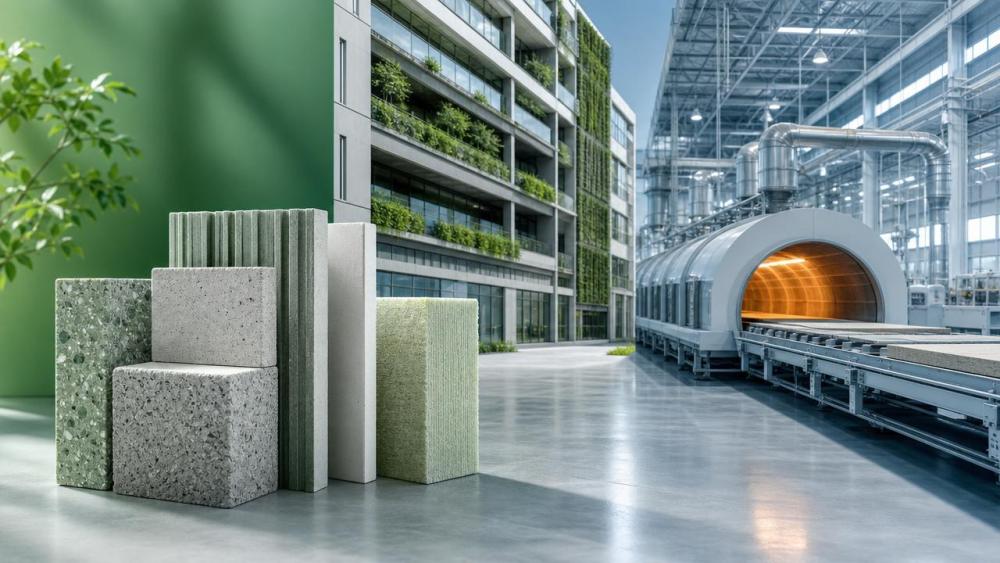
Green building materials are not automatically cost-effective. Their value rises when performance, regulation, and operating savings matter more than lowest upfront price.
In dense urban projects, low-carbon concrete, recycled aggregates, and advanced insulation can reduce environmental exposure and strengthen approval resilience.
In industrial facilities, green building materials may support heat management, dust control, fire resistance, and energy efficiency across long operating cycles.
The decision should begin with project context. A hospital, warehouse, data center, and kiln workshop do not share the same value equation.
CF-Elite views this question through “Foundation Materials and Thermal Management,” where material performance links directly to carbon strategy and production stability.
Scenario background: why the same bid can mean different value
A higher bid is not a problem by itself. The problem is paying a premium without measurable performance evidence.
Green building materials should be assessed through service life, embodied carbon, maintenance cost, local regulation, and supply consistency.
A façade material with longer durability may beat a cheaper alternative if replacement requires scaffolding, downtime, and waste handling.
A low-carbon cement blend may justify its price where carbon reporting, public funding, or green building certification affects project value.
However, green building materials can disappoint when selected only for marketing language, without testing, documentation, or installation compatibility.
The real question is whether the material solves a scenario-specific risk better than conventional options.
Scenario 1: public infrastructure with carbon and durability pressure
Public infrastructure often faces strict durability expectations, carbon disclosure, and community scrutiny. Here, green building materials can create strategic value.
Low-clinker cement, supplementary cementitious materials, and recycled-content products may reduce embodied carbon while preserving structural performance.
The core judgment point is verification. Environmental product declarations, test reports, and local standard alignment matter more than broad sustainability claims.
If lifecycle maintenance is reduced, green building materials may justify higher bids through fewer repairs, lower waste, and stronger compliance positioning.
Scenario 2: commercial buildings focused on operating savings
Commercial buildings often evaluate value through occupancy comfort, energy consumption, asset rating, and leasing competitiveness.
Insulation panels, high-performance glazing, cool roof systems, and low-emission interiors can produce savings beyond construction completion.
In this scenario, green building materials must connect to energy modeling, HVAC load reduction, indoor air quality, and maintenance access.
A premium is stronger when savings are predictable, monitored, and linked to measurable building performance.
A weak case emerges when premium materials are installed without design coordination, causing gaps, thermal bridges, or underperforming assemblies.
Scenario 3: industrial plants where heat, dust, and uptime dominate
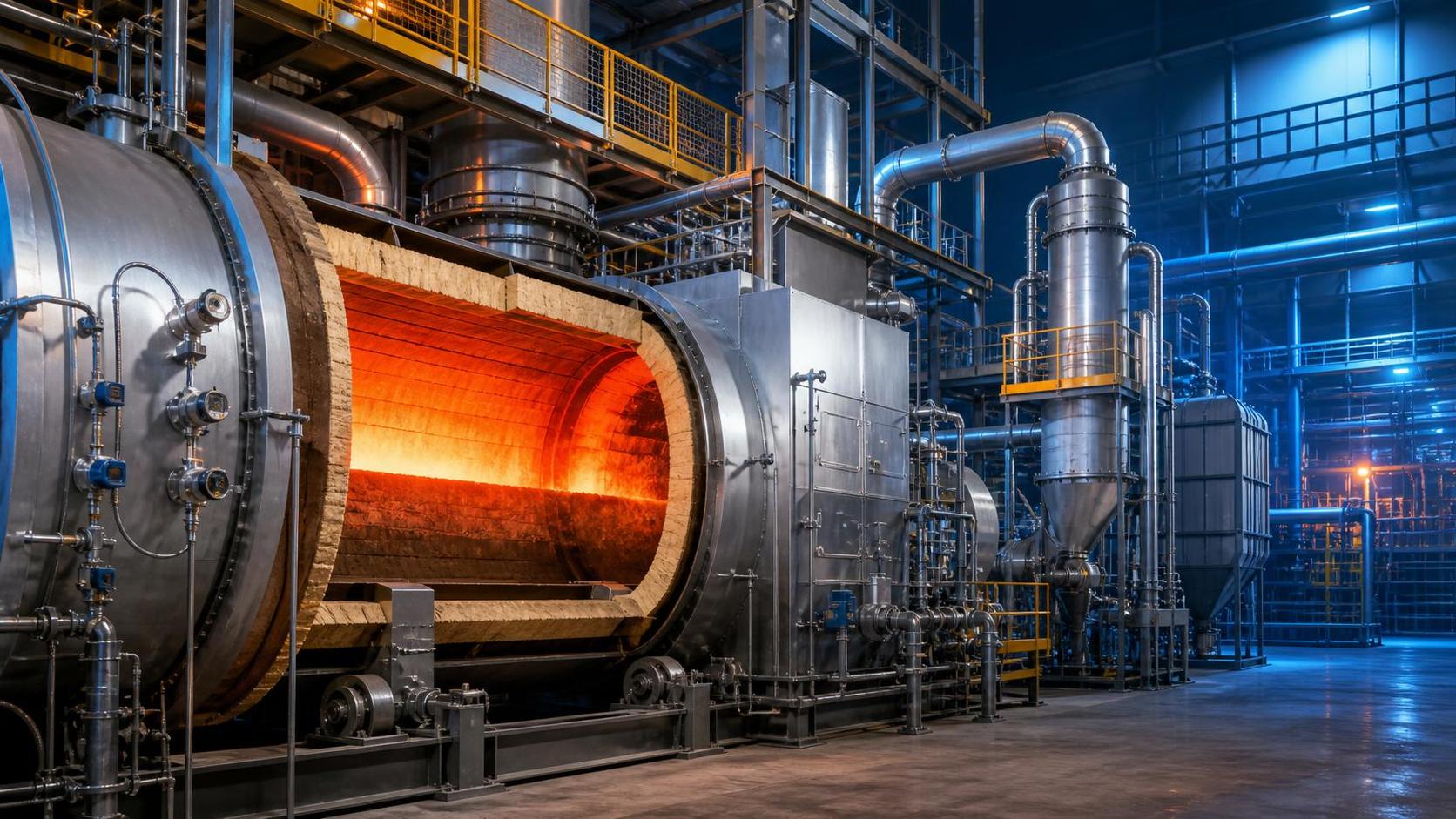
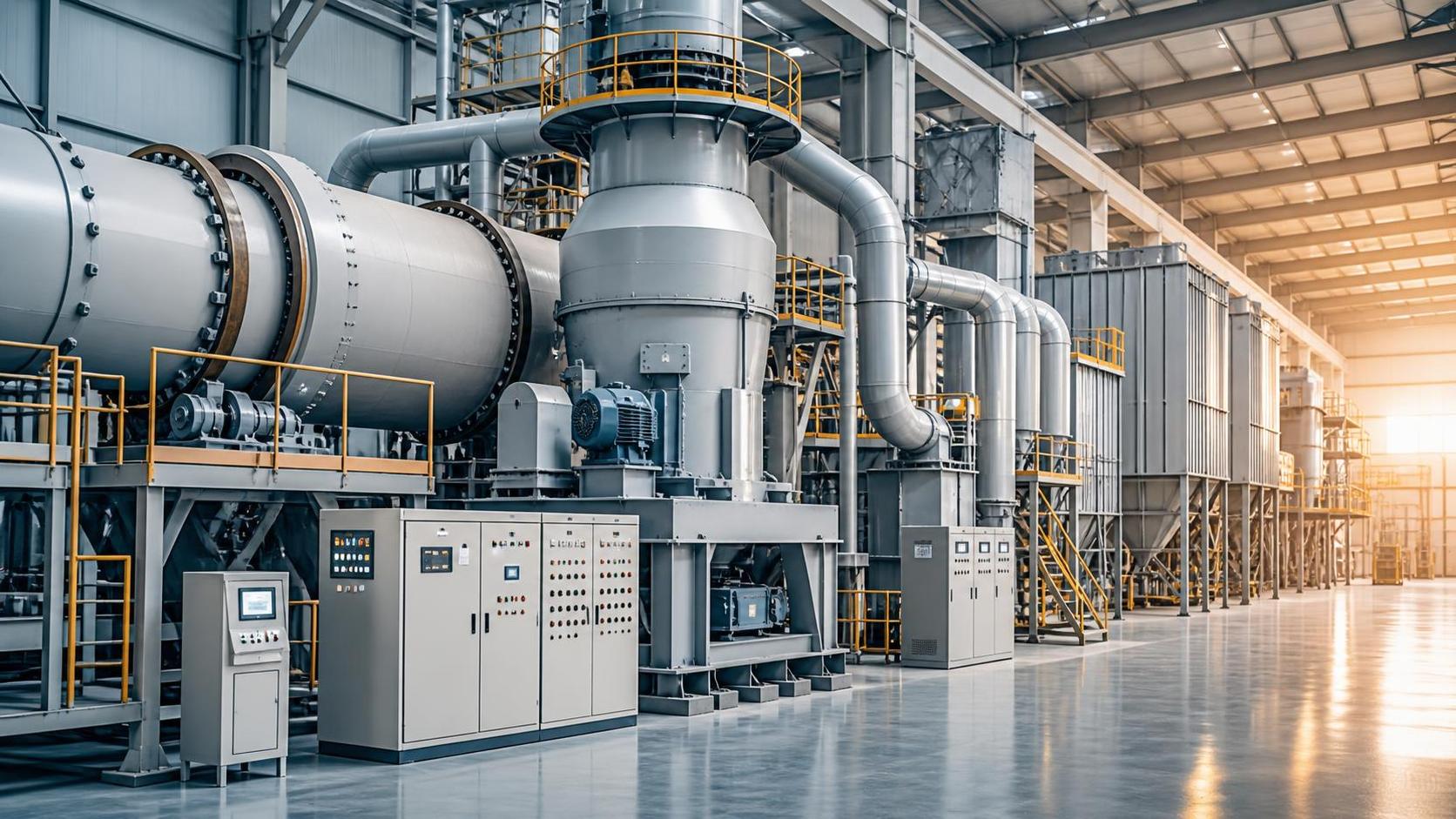
Industrial facilities demand another lens. Material choices influence thermal stability, contamination control, fire behavior, and maintenance frequency.
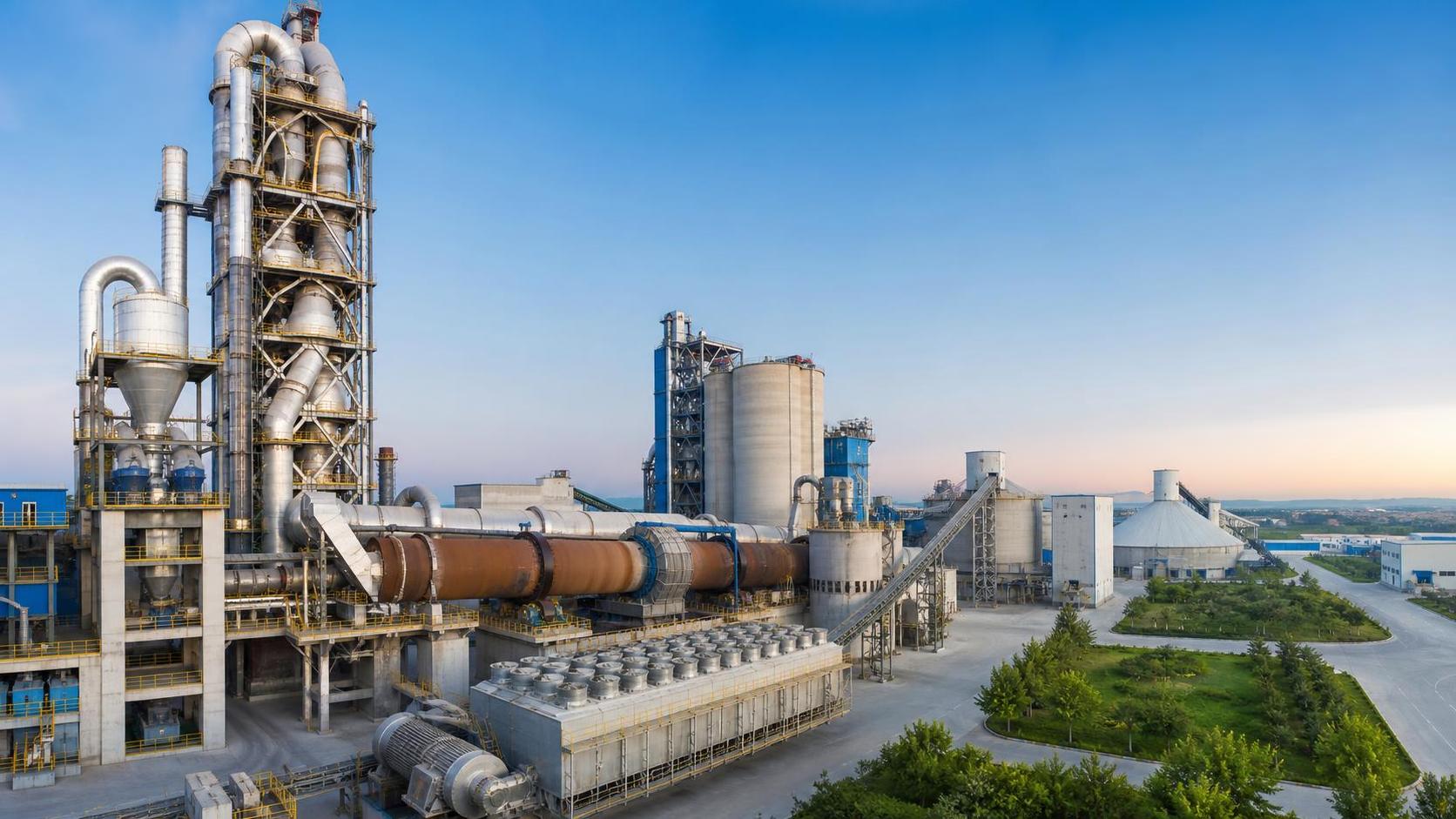
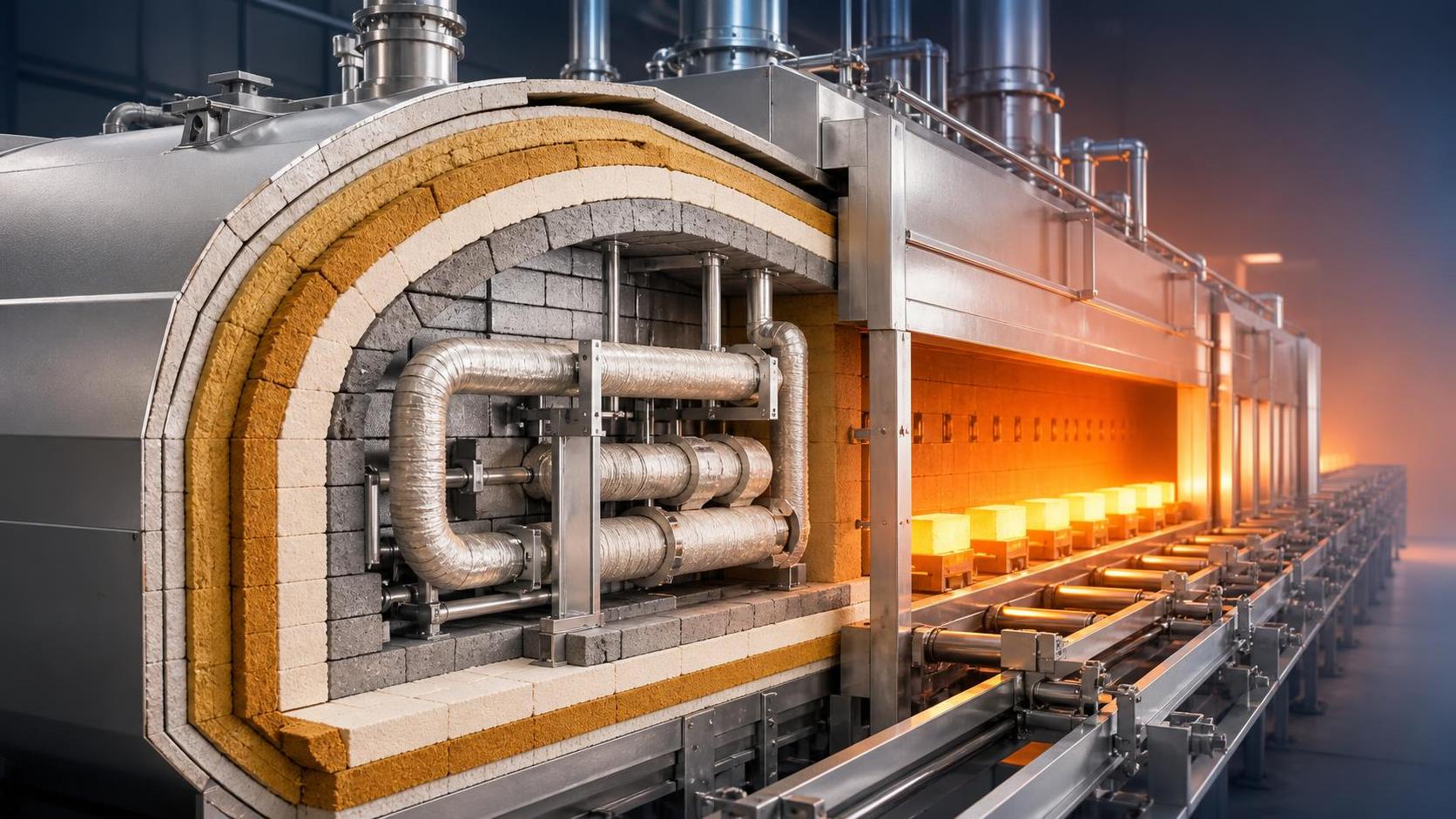
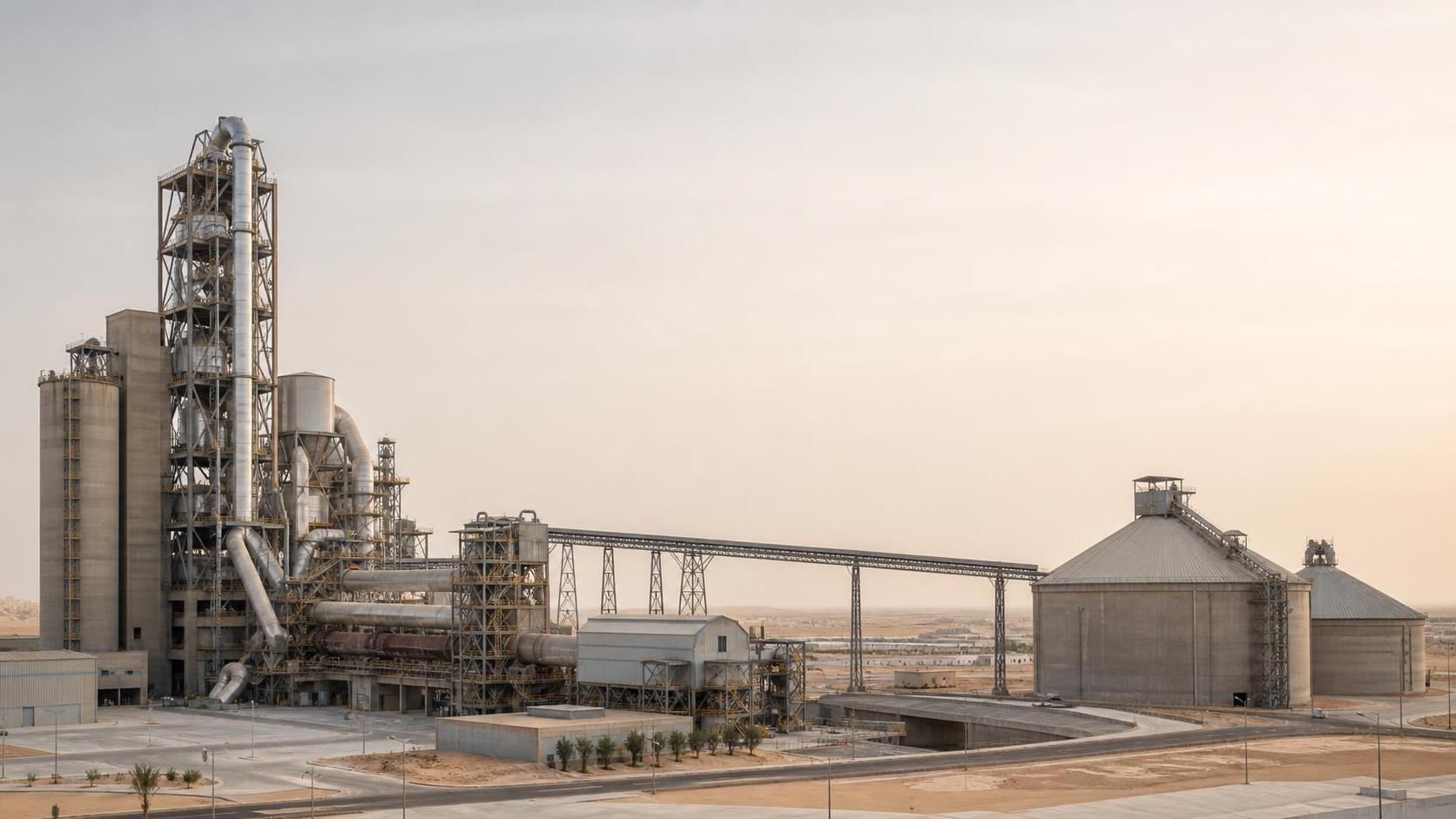
For cement plants, glass manufacturing gear, incineration systems, and refractory production lines, green building materials are useful when they protect uptime.
Examples include lightweight wall systems, heat-resistant panels, low-dust construction products, and recycled mineral-based boards.
The key is compatibility with temperature exposure, vibration, chemical attack, and cleaning routines.
CF-Elite’s intelligence focus is relevant here because thermal management and silicate process knowledge help distinguish practical upgrades from superficial labels.
Scenario 4: residential projects where affordability remains decisive
Residential projects can benefit from green building materials, but price sensitivity is usually higher.
The strongest cases include insulation, moisture-resistant boards, low-VOC finishes, and durable exterior systems.
These materials support comfort, lower energy bills, healthier interiors, and longer replacement intervals.
The premium becomes harder to justify when benefits are invisible, unmeasured, or unsupported by warranty strength.
For cost-sensitive housing, green building materials should be prioritized where they deliver direct comfort or reduce predictable maintenance.
Different scenario needs: compare the decision factors
This comparison shows why green building materials require scenario mapping before bid evaluation.
A product that is excellent for a certified office tower may be excessive for a temporary structure.
How to judge whether the premium is justified
A practical decision framework should convert sustainability into financial and operational evidence.
- Define the project risk that green building materials are expected to reduce.
- Request third-party data, not only supplier brochures or generic certificates.
- Compare lifecycle cost, including installation, maintenance, replacement, and disposal.
- Check whether local codes or future carbon rules may raise conventional material costs.
- Confirm supply reliability, batch consistency, and technical support availability.
Green building materials are worth more when they reduce known risks across the full service life.
They are worth less when the bid premium depends on vague environmental positioning.
Scenario-fit recommendations for stronger material selection
For infrastructure, prioritize proven durability, local standards compliance, and embodied carbon documentation.
For commercial buildings, connect green building materials to energy modeling, certification goals, and operational monitoring.
For industrial sites, test material behavior under heat, abrasion, dust, vibration, and chemical exposure.
For residential projects, select upgrades that residents can feel through comfort, air quality, and lower maintenance.
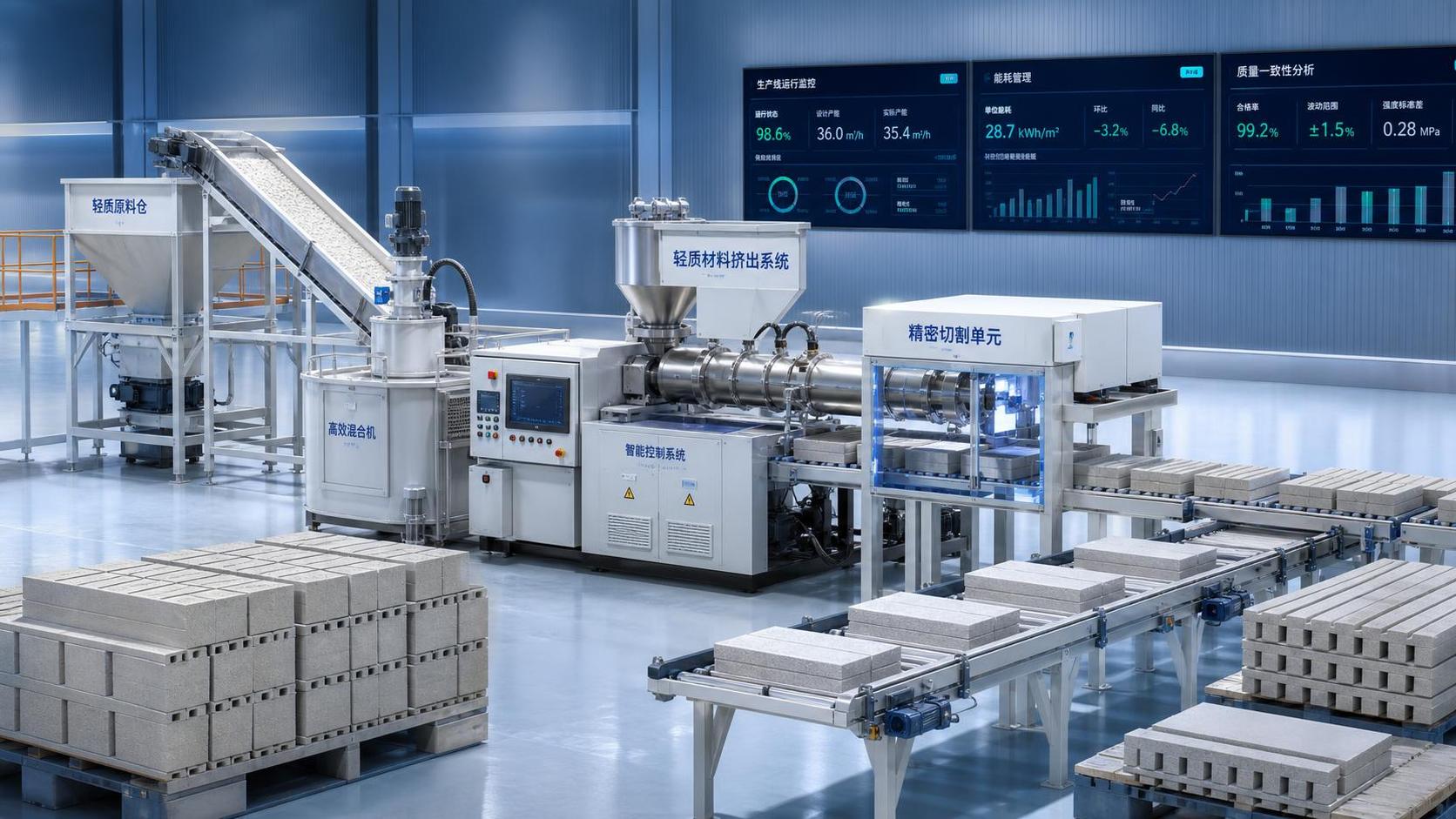
For extrusion-based new building materials, evaluate molding consistency, density control, curing behavior, and long-term dimensional stability.
This is especially important as lightweight, resource-efficient materials move from niche demand into broader construction use.
Common misjudgments that turn green premiums into wasted cost
The first mistake is comparing only unit prices. A cheap product may create higher labor, energy, or replacement costs.
The second mistake is ignoring installation capability. Some green building materials require tighter workmanship or different curing conditions.
The third mistake is accepting unsupported carbon claims. Real value needs traceable data, boundaries, and comparable measurement methods.
The fourth mistake is overlooking regional availability. Long transport distances can weaken the carbon benefit and raise schedule risk.
The fifth mistake is separating material choices from equipment realities in high-temperature sectors.
A material may be sustainable in theory but unsuitable near kilns, furnaces, or incineration environments.
Where CF-Elite intelligence supports better decisions
CF-Elite connects material decisions with industrial process intelligence across cement, glass, kilns, refractory lines, and extrusion equipment.
Its Strategic Intelligence Center tracks environmental regulation, market fluctuations, equipment evolution, and carbon reduction strategies.
This matters because green building materials depend on upstream production quality and downstream application conditions.
A low-carbon board, cement blend, or insulation system is only as reliable as its process control and material verification.
By linking thermal parameters, reaction kinetics, and carbon goals, CF-Elite helps clarify when a premium supports true resilience.
Action guide: decide before the bid becomes a commitment
Before approving higher bids, build a short decision file for each candidate material.
- State the scenario and the problem the material must solve.
- Collect technical data, environmental documentation, and warranty terms.
- Compare lifecycle cost against at least one conventional alternative.
- Check installation requirements and supply-chain reliability.
- Decide whether the premium reduces measurable risk or only improves appearance.
Green building materials are worth the higher bid when they improve lifecycle performance, compliance resilience, and operational certainty.
They are not worth it when the premium lacks evidence, scenario fit, or long-term measurable return.
The best next step is a scenario-based comparison that treats sustainability as engineering value, not decoration.
With disciplined evaluation, green building materials can become a strategic investment in lower carbon, stronger assets, and more resilient supply chains.
Related News
 Optical Glass Tech FellowHow to Evaluate a Glass Annealing Equipment Manufacturer for Production StabilityChoose a glass annealing equipment manufacturer with proven thermal uniformity, reliable controls, lifecycle value, and responsive service for stable production.Sep 08, 2026
 Prof. Marcus ChenThermal Energy Architecture in North America: Strategies for Lower Building Energy UseThermal energy architecture North America helps project leaders cut building energy use through stronger envelopes, right-sized HVAC, storage, and smart commissioning.Sep 07, 2026
 Ms. Elena RodriguezHow Should Buyers Evaluate Building Material Industry Intelligence Pricing?Building material industry intelligence pricing: learn how to compare coverage, technical depth, and ROI to choose intelligence that reduces procurement risk.Sep 07, 2026
 Ms. Elena RodriguezHow to Use Building Material Intelligence Data for Market and Investment DecisionsBuilding material industry intelligence data helps leaders evaluate demand, costs, regulation, capacity, and technology to make smarter market and investment decisions.Sep 05, 2026
 Thermal Energy ArchitectHow PLC Control Improves Energy Efficiency and Temperature Stability in KilnsEnergy efficient kilns PLC control improves temperature stability, cuts fuel waste, and optimizes combustion, draft, and material flow. Explore proven strategies for smarter kiln modernization.Sep 04, 2026
 Optical Glass Tech FellowEuropean Glass Melting Processes: Furnace Choices, Energy Use, and Quality ControlGlass melting process Europe: explore furnace choices, energy efficiency, cullet strategy, and quality control to improve output, compliance, and long-term glass performance.Sep 03, 2026
 Thermal Energy ArchitectWhat Determines Refractory Lining Monitoring Price for Industrial Kilns?Refractory lining monitoring price depends on kiln size, sensor technology, installation, software, and support. Compare total lifecycle costs and choose the right solution.Sep 02, 2026
 Silicate Process EngineerCement Production System Costs: A Plant Buyer’s Guide to Budgeting and ROICement production systems cost planning made clear: compare CAPEX, operating costs, compliance, and ROI to build a resilient, profitable cement plant investment.Sep 01, 2026
 Dr. Alistair VaughnWhat Should a Process Technology Database Track for High-Temperature Plants?Process technology database essentials for high-temperature plants: track thermal profiles, feed chemistry, refractory wear, emissions, energy, and maintenance for safer, data-driven decisions.Aug 31, 2026
 Ms. Elena RodriguezHow to Evaluate a Silicate Processing Equipment Manufacturer for Plant ProjectsSilicate processing equipment manufacturer selection: assess process fit, guarantees, energy, compliance, delivery risk, and lifecycle support for dependable plant performance.Aug 30, 2026
 Dr. Alistair VaughnHow to Specify Custom Agricultural Processing Equipment for Throughput and HygieneEquipment customization services for agricultural processing: learn to specify hygienic, high-throughput lines that improve yield, reliability, and long-term efficiency.Aug 29, 2026
 Dr. Alistair VaughnHow to Select Process Plant Equipment for High-Temperature, Abrasive Production LinesProcess plant equipment selection for high-temperature, abrasive lines: reduce downtime, improve durability, and optimize lifecycle performance.Aug 28, 2026
 Silicate Process EngineerHow Kiln Heat Recovery Systems Cut Fuel Use in Cement and Lime ProductionKiln heat recovery helps cement and lime plants cut fuel use, improve thermal stability, and build practical, reliable decarbonization strategies.Aug 27, 2026
 Ms. Elena RodriguezProcess Equipment Comparison: Which Metrics Matter Most for Reliable Selection?Process equipment comparison made practical: discover which metrics truly drive reliable selection, from energy efficiency and control stability to wear life, maintainability, and uptime.Aug 26, 2026
 Ms. Elena RodriguezWhat Buyers Should Check Before Sourcing Precision Alloy Bars for Critical PartsPrecision Alloy Bars buyers should verify grade, chemistry, tolerances, surface quality, traceability, and lead time before sourcing for critical parts. Learn what prevents costly machining and reliability risks.Aug 27, 2026
 Ms. Elena RodriguezHow to Evaluate Thermal Management Solutions Insulation for High-Heat Industrial SystemsThermal management solutions insulation: learn how to assess high-heat industrial systems by thermal performance, durability, lifecycle cost, and supplier data for smarter decisions.Aug 25, 2026
 Ms. Elena RodriguezWhat Drives Waste Recycling Cost in Industrial Projects and How to Estimate It?Waste recycling cost in industrial projects depends on composition, moisture, transport, pre-treatment, and compliance. Learn how to estimate it accurately and compare suppliers with confidence.Aug 24, 2026
 Silicate Process EngineerHow to Evaluate Cement Production Plants in the Middle East for Capacity, Fuel Flexibility, and ROIcement production plants Middle East: Learn how to assess true capacity, fuel flexibility, and ROI risks to identify resilient assets and smarter investment opportunities.Aug 23, 2026
 Structural Material AnalystHow to Evaluate Lightweight Material Machinery for Output, Energy Use, and Product QualityLightweight material machinery evaluation guide: compare stable output, energy use, and product quality to choose equipment that cuts waste, lowers costs, and improves production confidence.Aug 22, 2026
 Material Heat-Resist ExpertWhat Determines Refractory Production Line Price in a Turnkey Plant Project?Refractory production line price depends on raw materials, forming method, kiln and drying design, automation, utilities, and scope. Learn what really drives turnkey plant cost before you invest.Aug 21, 2026
Related News
- 00
0000-00
How to Evaluate Lightweight Material Machinery for Output, Energy Use, and Product Quality - 00
0000-00
What Thermal Barrier Technology Works Best for Lightweight Industrial Panels? - 00
0000-00
Advanced Ceramic Processing for Honeycomb: Which Methods Improve Strength and Thermal Shock Resistance? - 00
0000-00
Building Material Extrusion Equipment Supplier Selection: 7 Parameters That Affect Line Performance - 00
0000-00
High Pressure Extruder Selection Guide: Output, Material Compatibility, and Wear
Weekly Insights
Stay ahead with our curated technology reports delivered every Monday.