
Sustainable Industrial Materials: How to Compare Durability, Compliance, and ROI




Choosing sustainable industrial materials has moved far beyond unit price comparisons. In process-heavy operations, material selection influences uptime, maintenance cycles, emissions exposure, and capital efficiency. For sectors shaped by heat, abrasion, chemicals, and strict environmental scrutiny, the real question is not whether a material is greener on paper, but whether it performs reliably, complies consistently, and pays back across its service life.
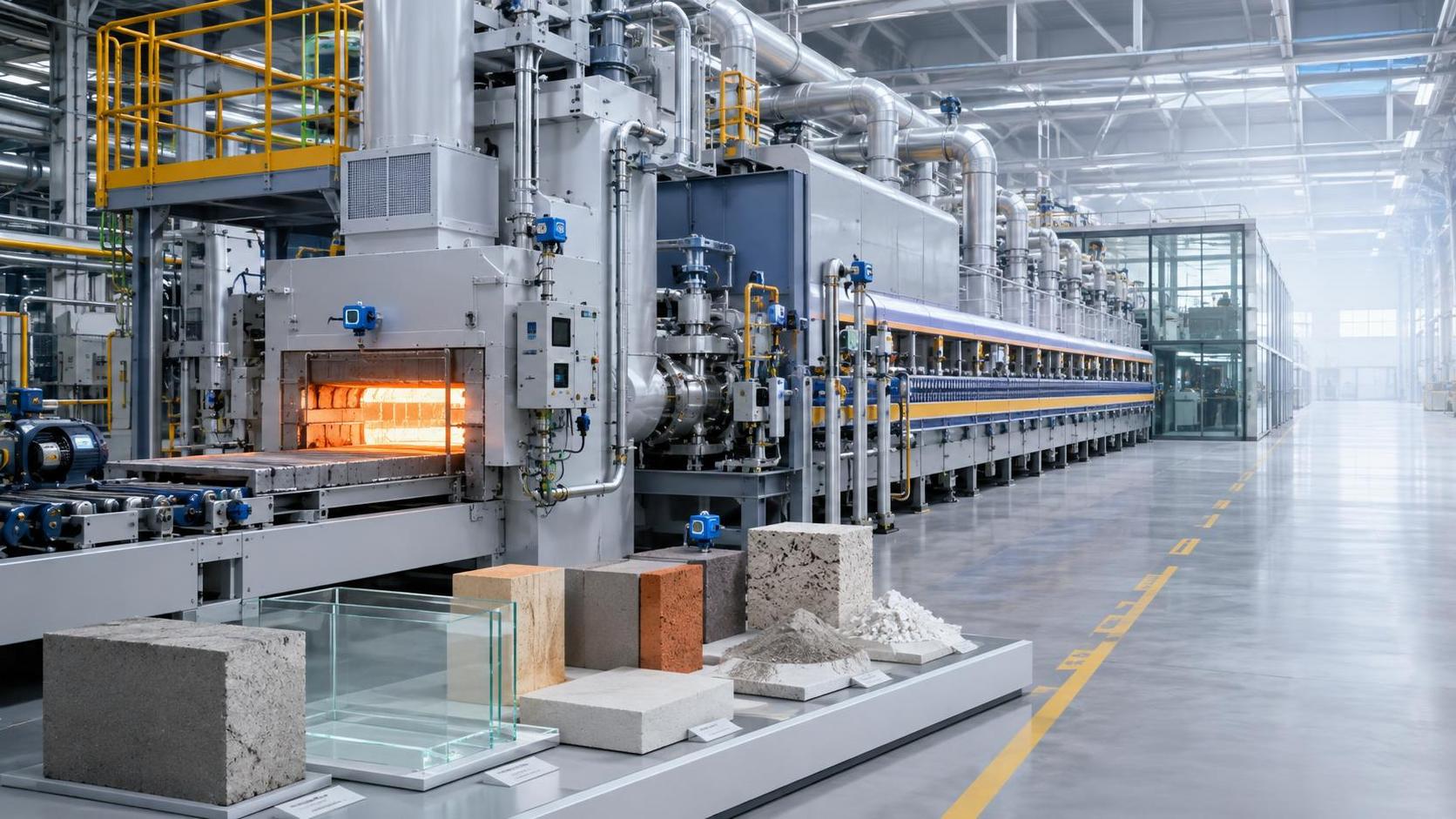
That is especially true in cement, glass, refractory, incineration, and advanced building material systems, where thermal stability and operational continuity are tightly linked. A sustainable choice must survive harsh duty conditions while supporting energy efficiency, circularity, and regulatory confidence. In practice, comparing durability, compliance, and ROI means looking at the full operating context, not just the purchase order.
Why material selection now carries more strategic weight
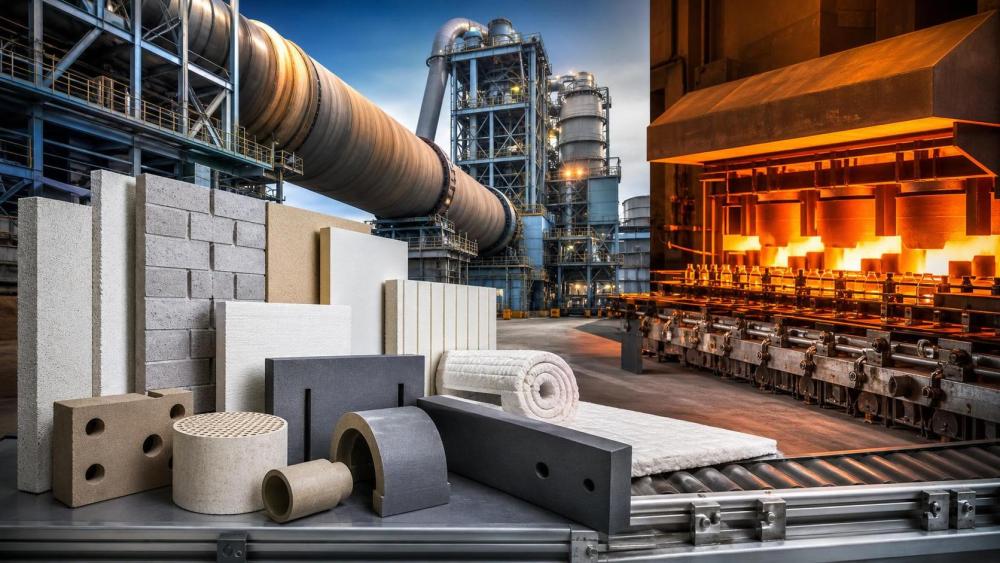
Industrial plants are under pressure from several directions at once. Energy costs remain volatile. Carbon policies are tightening. Downtime has become more expensive as supply chains and project schedules grow less forgiving.
In that setting, sustainable industrial materials are no longer viewed as niche alternatives. They are part of broader risk control. A lining, insulation layer, wear surface, binder, or extrusion component now affects fuel consumption, waste generation, repair frequency, and audit readiness.
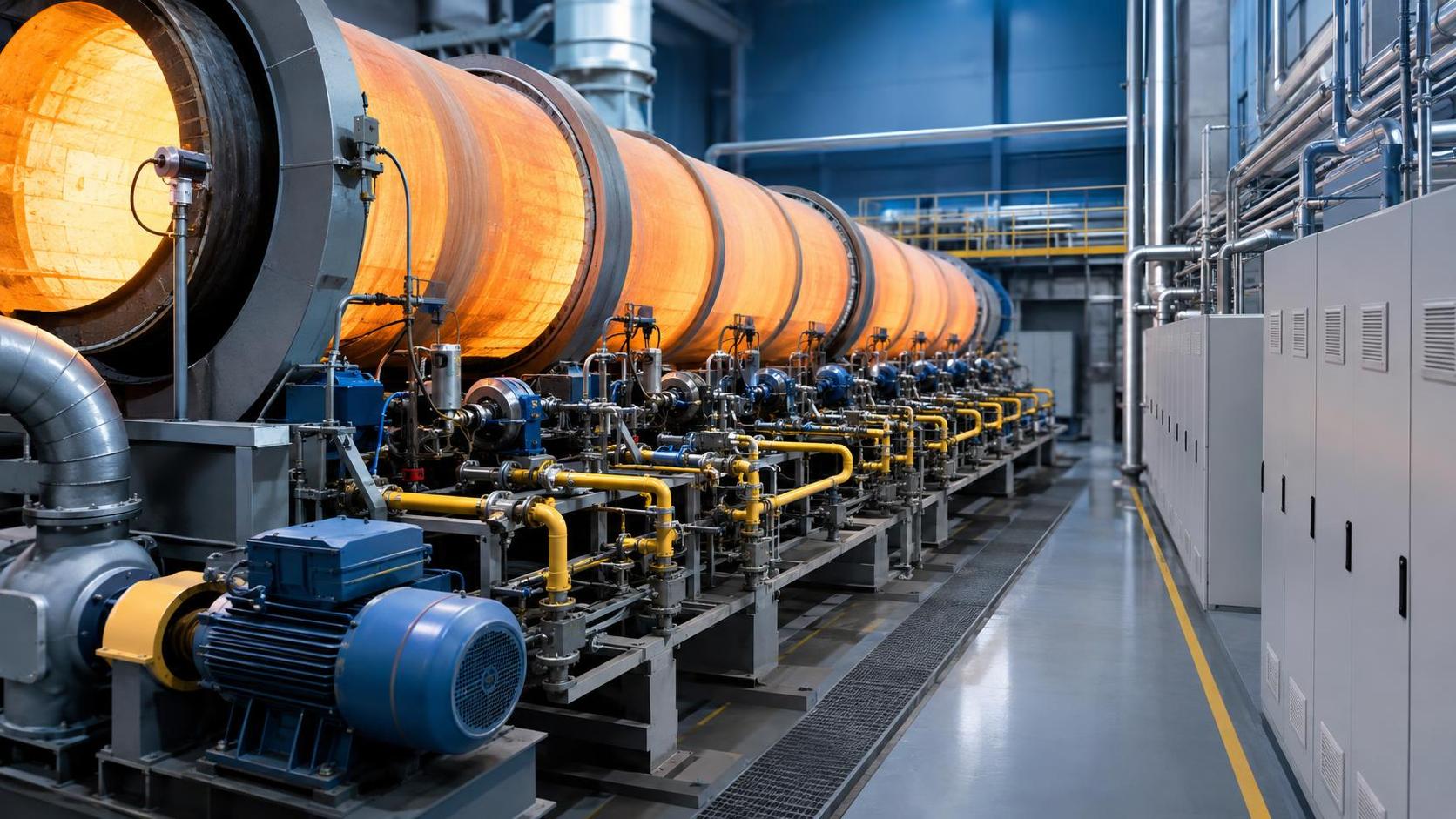
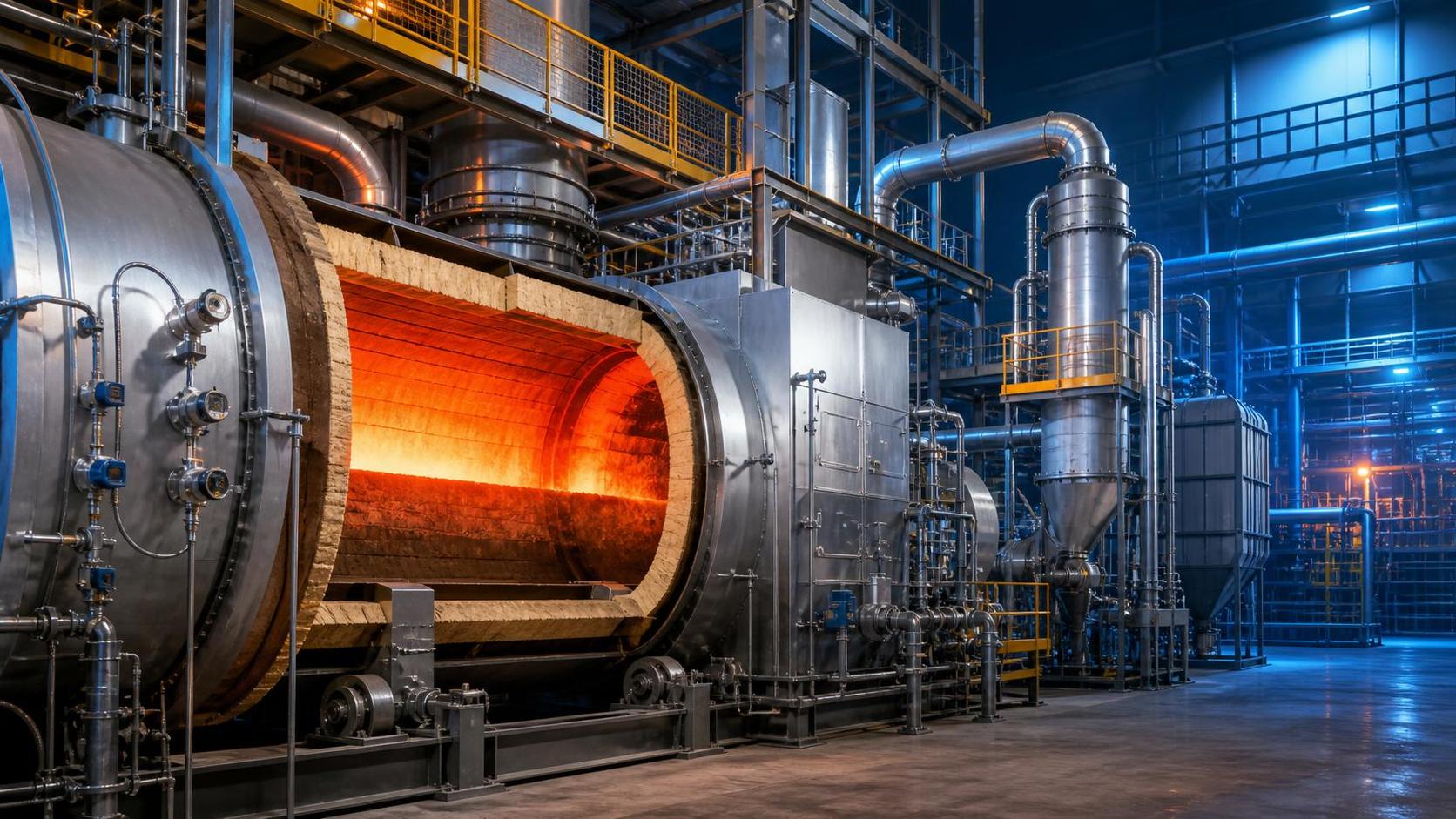
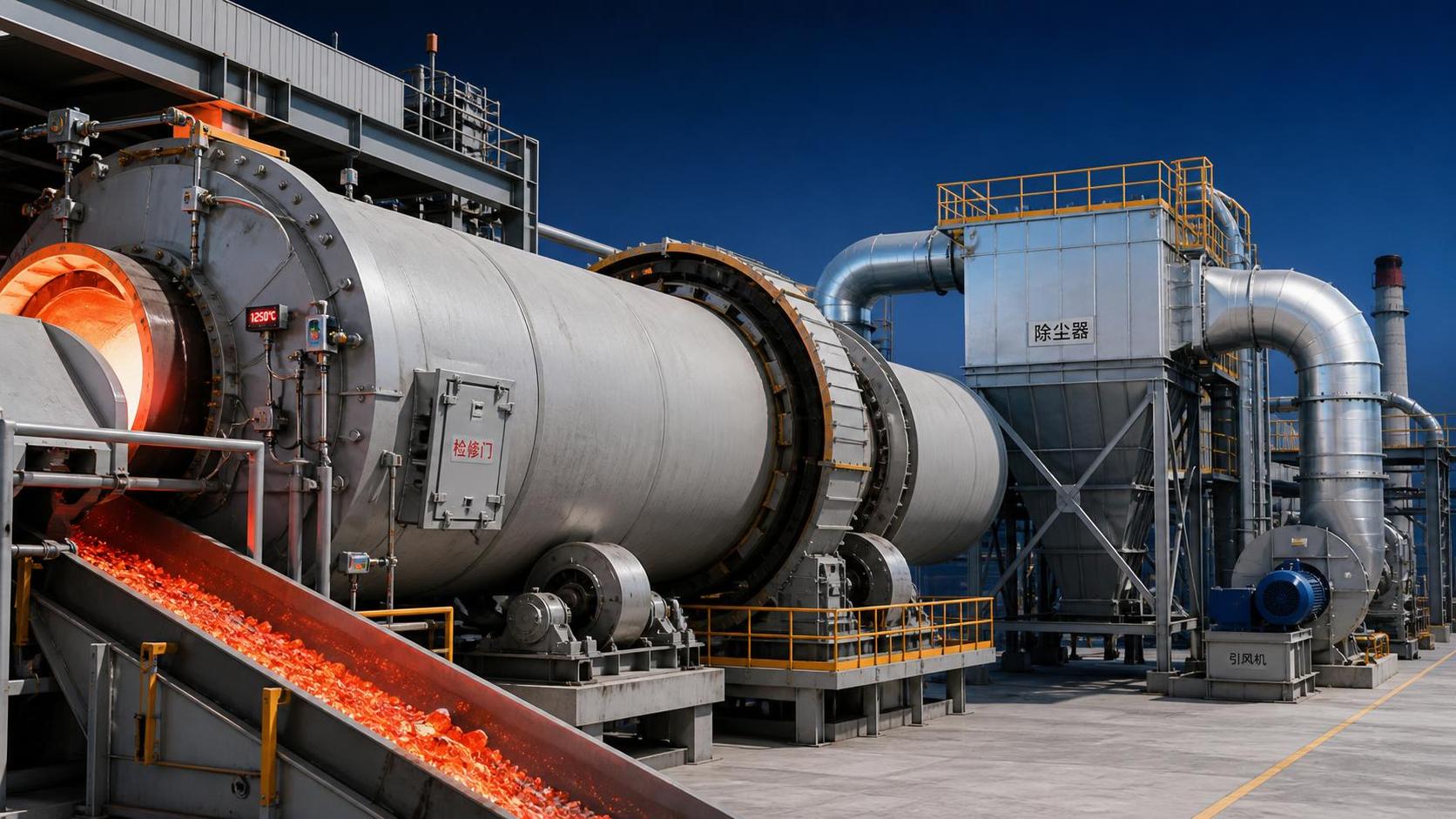
CF-Elite’s industry focus makes this shift easy to see. In high-temperature systems, small material failures can trigger major losses. A refractory mismatch in a rotary kiln, for example, may shorten campaign life, increase heat loss, and create unplanned shutdowns that far outweigh any upfront savings.
What sustainable industrial materials really mean in business terms
The term often gets reduced to recycled content or low-carbon branding. That is too narrow for industrial decision-making. Sustainable industrial materials should be understood through operational impact.
A material is more credible when it supports longer service life, lower energy demand, safer handling, easier compliance documentation, and reduced total waste. In some applications, recyclability matters most. In others, resistance to thermal shock or alkali attack matters more because lifespan drives sustainability.
Simple claims are rarely enough. A material may advertise lower embodied carbon, yet fail early under severe process conditions. That can create more waste, more transport, and more replacement labor than a higher-spec option with longer stable performance.
A practical definition
For industrial use, sustainable industrial materials are those that balance environmental responsibility with measurable process reliability. They reduce lifecycle burden without creating hidden operating penalties.
Durability should be measured in operating conditions, not brochures
Durability is often the first filter because it directly shapes maintenance cost and production continuity. Yet durability cannot be assessed in abstract terms. It must match the real stress profile of the line.
A material that performs well in moderate thermal cycling may fail in a kiln hood, a glass forehearth, or a waste-to-energy chamber. The comparison should include temperature peaks, cycling frequency, corrosive loads, abrasion, mechanical impact, and installation quality sensitivity.
- Thermal stability under peak and fluctuating temperatures
- Resistance to chemical attack from ash, slag, alkalis, or volatile compounds
- Mechanical strength during handling, startup, and sustained load
- Wear rate in contact zones, conveying systems, or extrusion paths
- Expected maintenance interval under actual plant conditions
This is where intelligence-led comparison becomes useful. CF-Elite’s coverage of refractory monitoring, thermal management, and process evolution highlights a basic truth: durability data is most valuable when tied to application context, not generic test labels.
Compliance is broader than certification paperwork
Compliance matters because industrial materials now sit inside a wider framework of emissions control, worker safety, traceability, and environmental accountability. The question is not only whether a material has a certificate, but whether it supports consistent compliance through operation.
For some facilities, the focus may be dust, volatile compounds, or waste classification. For others, it may involve energy reporting, chemical disclosure, or rules affecting recycled inputs and end-of-life handling.
In many cases, the risk lies in weak documentation rather than obvious nonconformity. A promising material without reliable traceability can create delays during qualification, customer review, or regulatory inspection.
ROI depends on lifecycle value, not acquisition cost
Return on investment is where many material decisions become distorted. Lower upfront pricing can look attractive until maintenance, energy loss, scrap, and shutdown exposure are included.
A more accurate ROI model for sustainable industrial materials should capture both direct and indirect effects. That is particularly important in large thermal systems, where process interruption carries a high financial penalty.
Key ROI variables to compare
- Installation cost and commissioning time
- Expected service life before replacement
- Impact on fuel use or thermal efficiency
- Maintenance labor and spare inventory needs
- Downtime risk from premature failure
- Waste disposal, recycling, or reclamation costs
Sometimes the best-performing option will not have the lowest carbon footprint at the point of manufacture. Even so, superior campaign life may produce better lifecycle ROI and better sustainability outcomes overall.
Where comparison becomes most critical
The importance of sustainable industrial materials varies by process zone. In some operations, the priority is thermal containment. In others, wear resistance, chemical neutrality, or dimensional stability becomes decisive.
Typical high-impact scenarios
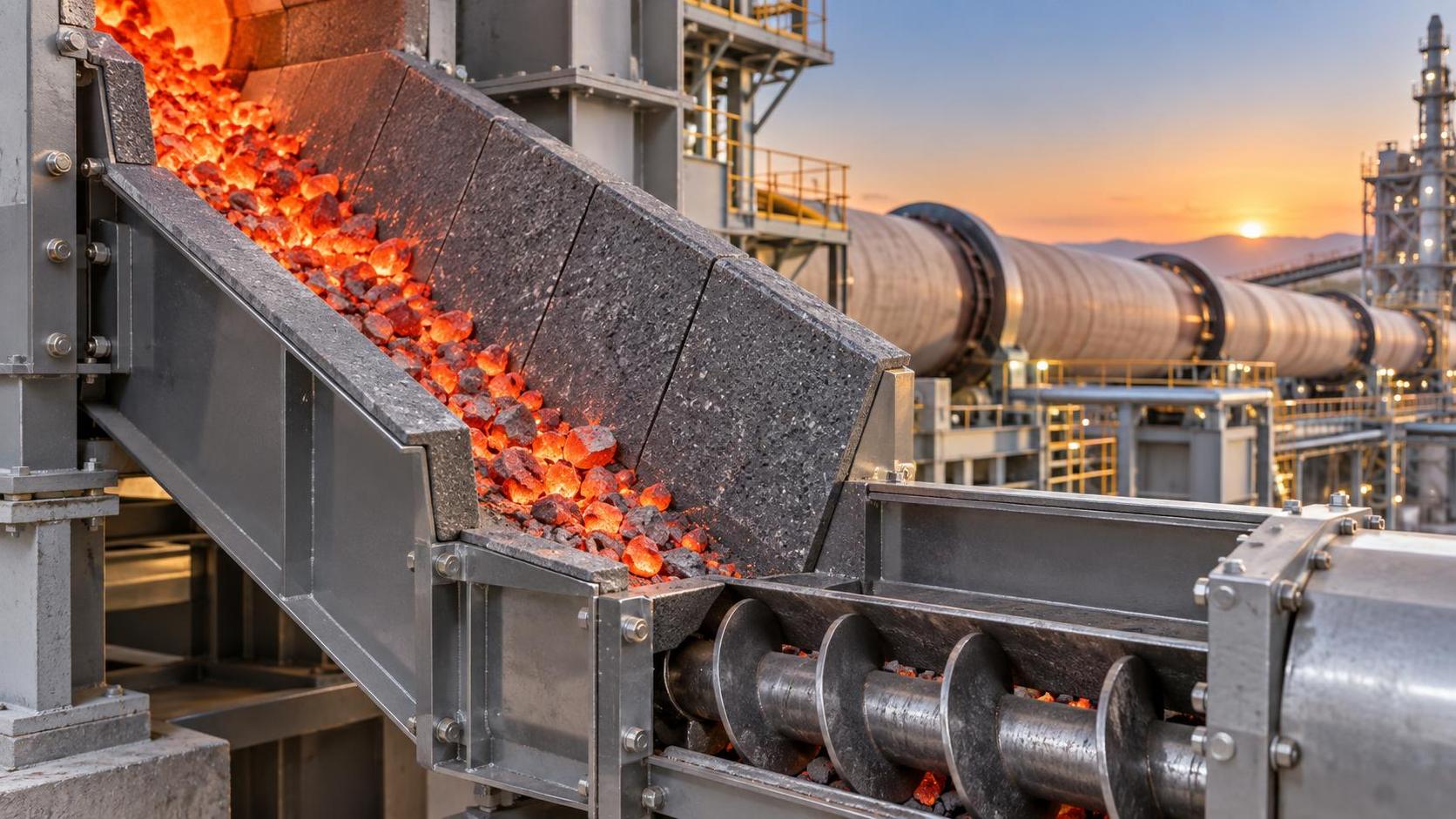
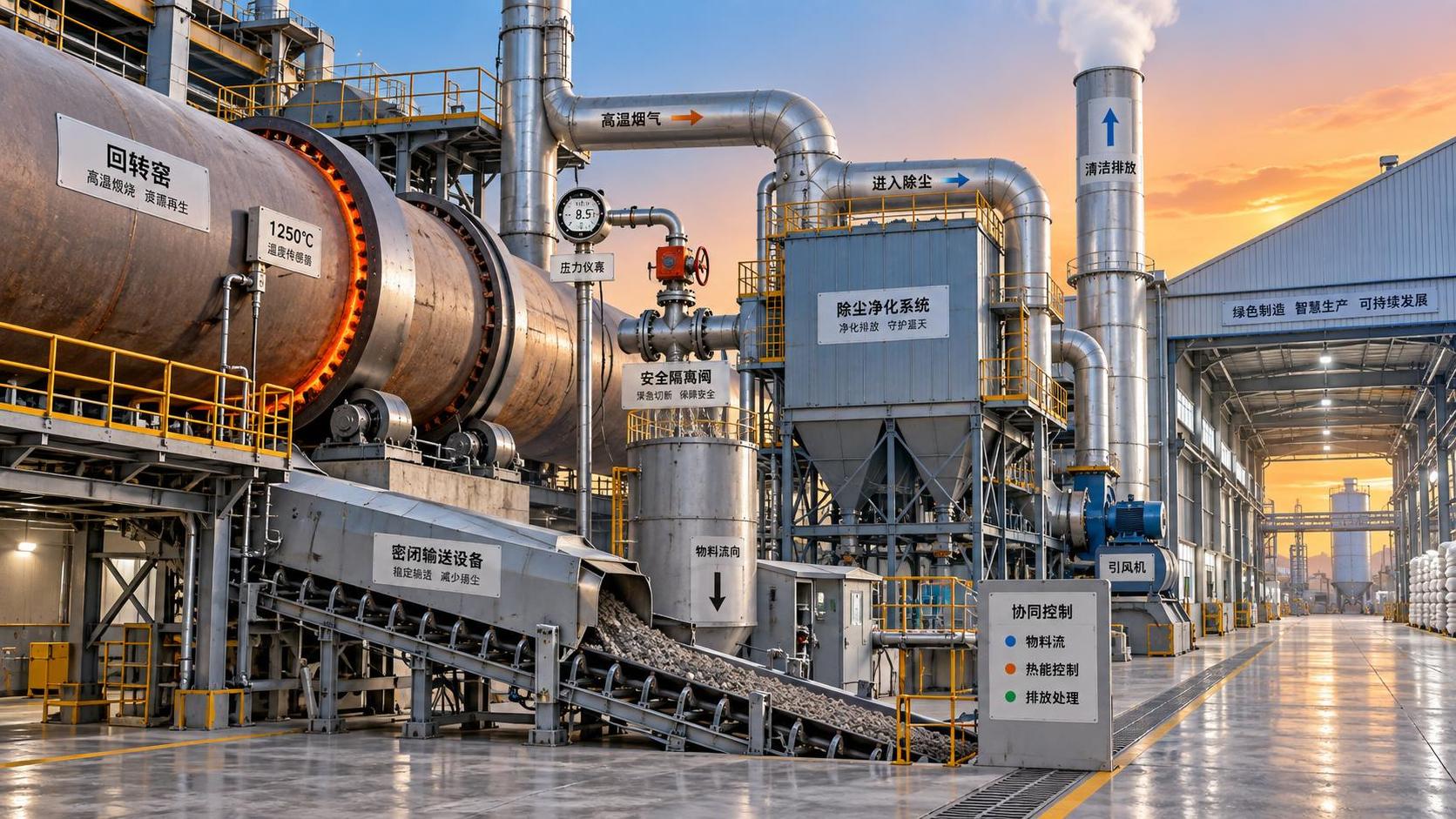
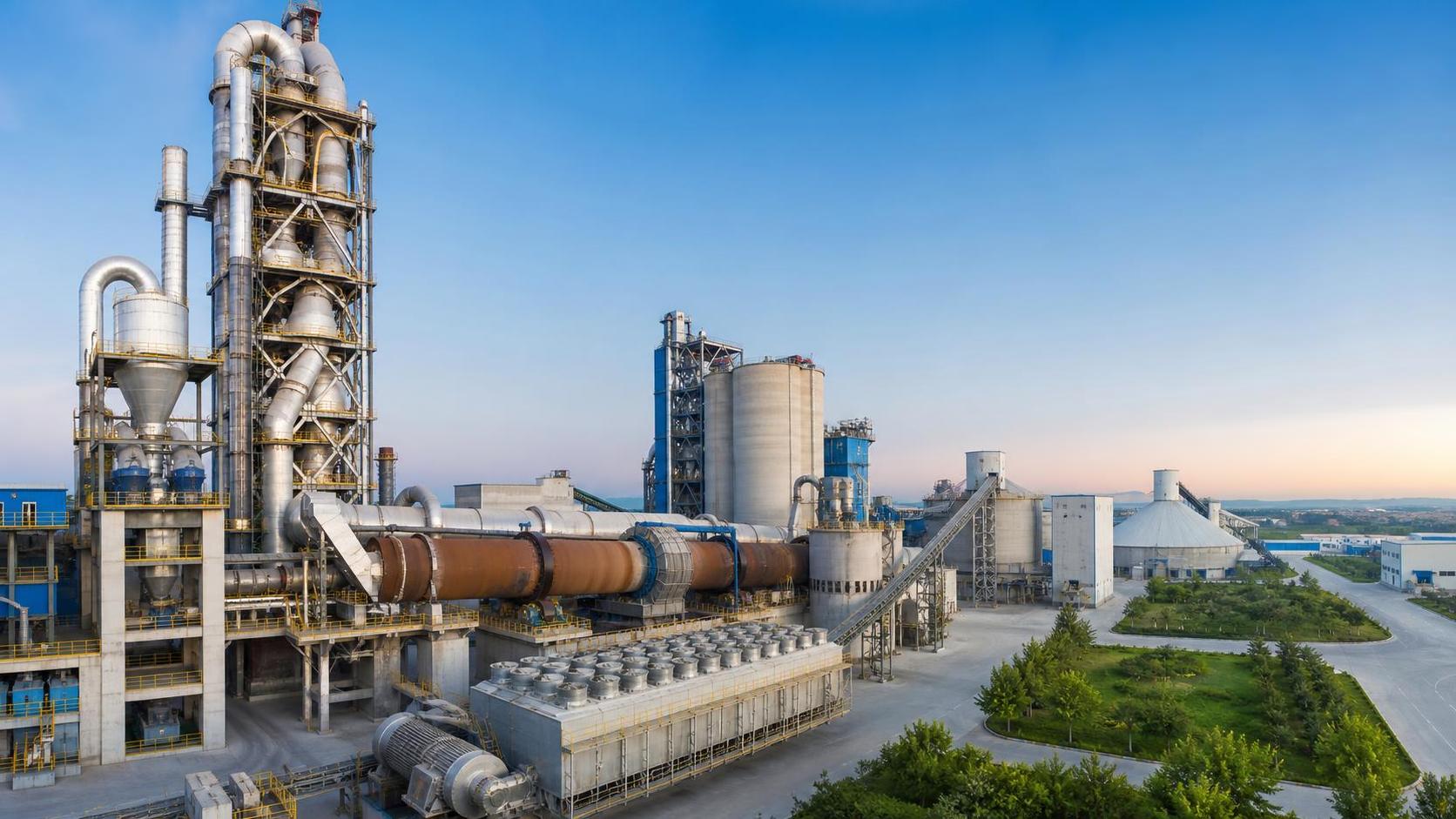
In cement production, kiln linings, calciner zones, and dust-intensive systems need materials that can withstand heat, alkalis, and abrasive flow while supporting energy efficiency.
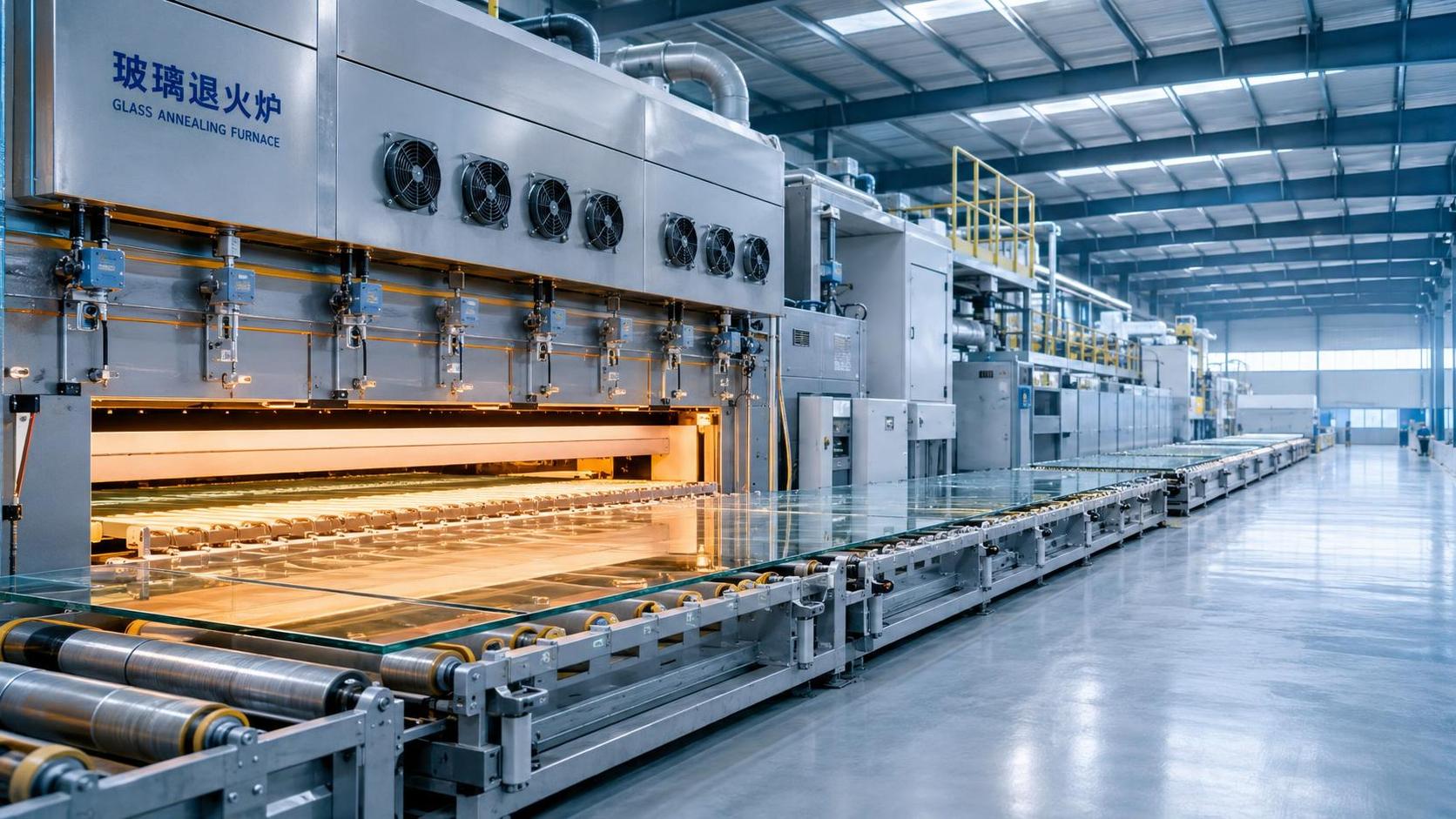
In glass manufacturing, materials must protect thermal consistency, avoid contamination, and maintain dimensional reliability through long operating campaigns.
In industrial incineration, sustainable industrial materials face corrosive atmospheres, ash chemistry, and high cycling stress, making durability and compliance inseparable.
In refractory production and extrusion equipment, material choice affects both process stability and the quality of the output itself, especially where green building products and lightweight materials are concerned.
Across these sectors, CF-Elite’s intelligence model is relevant because it connects process engineering, thermal data, and market regulation rather than treating them as separate decisions.
A workable evaluation framework for real projects
A useful comparison process starts by defining the failure cost, not just the material category. Once the consequence of failure is clear, durability, compliance, and ROI can be weighted more realistically.
- Map each material to the exact temperature, pressure, and chemical exposure window
- Request verified performance data from similar operating environments
- Check whether compliance records are current, complete, and traceable
- Model lifecycle cost using expected shutdown and maintenance patterns
- Review whether the material supports broader decarbonization goals
This approach avoids two common mistakes. One is overpaying for performance that the application does not need. The other is under-specifying materials in areas where failure cost is exceptionally high.
What deserves closer attention before the next decision
The most effective evaluations usually combine plant data, supplier evidence, and external market intelligence. That is increasingly important as environmental regulations evolve and as new material formulations enter industrial use.
A strong next step is to build a comparison matrix for the most critical process zones. Include service life assumptions, compliance evidence, thermal impact, replacement logistics, and failure consequences. That creates a more disciplined basis for selecting sustainable industrial materials.
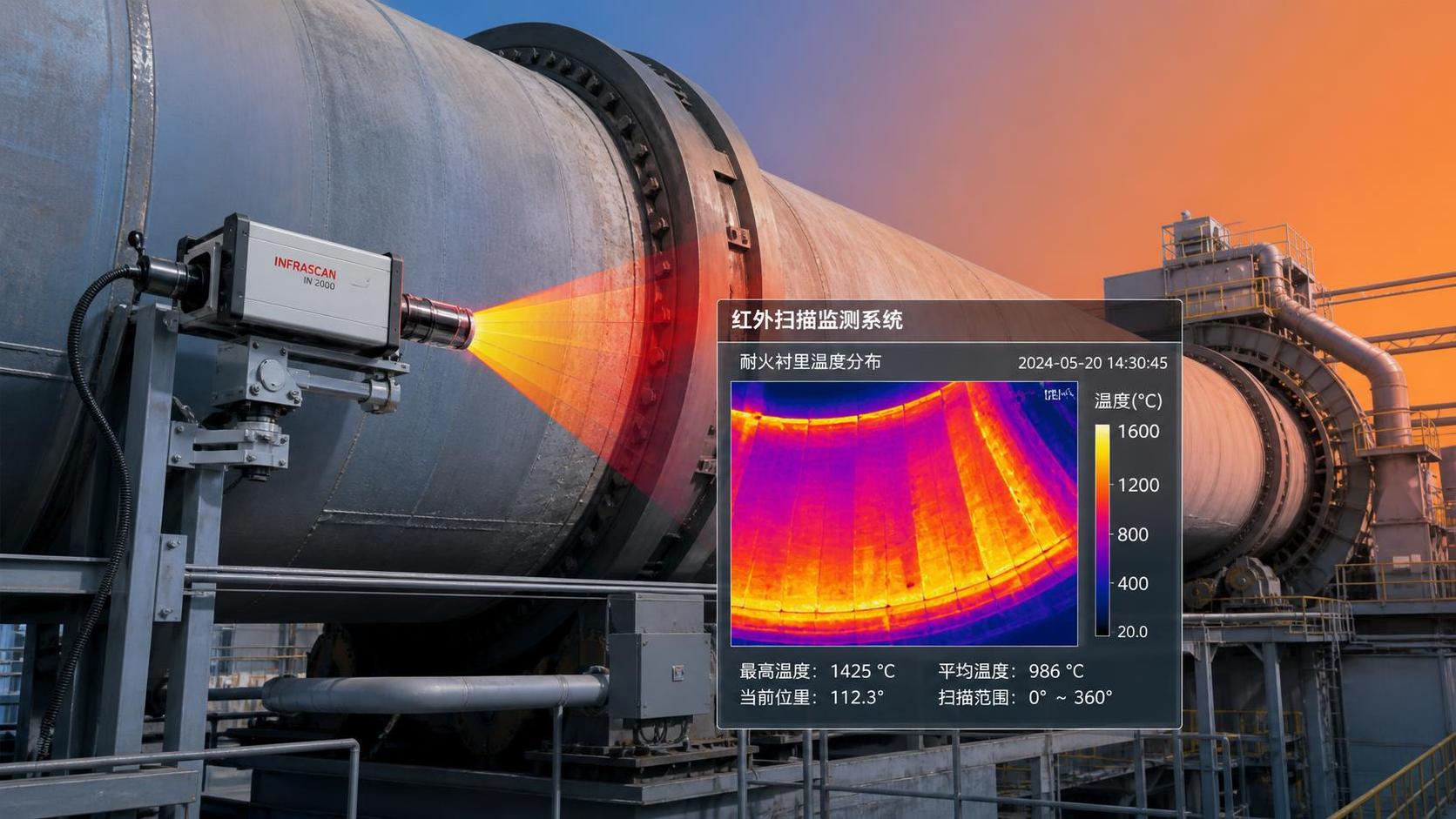
Where operating conditions are complex, it also helps to track developments in kiln co-processing, digital process simulation, and lining monitoring. Those insights can sharpen material decisions long before procurement begins.
The best material choice is rarely the cheapest or the most fashionable. It is the option that performs under real process stress, stands up to compliance review, and improves lifecycle economics with measurable confidence.
Related News
 Thermal Energy ArchitectHow to Evaluate a Thermal Energy Optimization Company for High-Temperature PlantsChoose a thermal energy optimization company with proven process expertise, measurable savings, and reliable delivery for high-temperature plants. Learn what to assess.Sep 15, 2026
 Thermal Energy ArchitectRotary Kiln Efficiency: How Feed Rate, Fuel Use, and Heat Loss Affect OutputRotary kiln efficiency explained: discover how feed rate, fuel use, heat loss, combustion, and cooling performance shape output, quality, and energy costs.Sep 14, 2026
 Thermal Energy ArchitectHow to Select Heat-Resistant Materials That Maintain Abrasion Resistance in KilnsHeat-resistant materials abrasion resistance: learn how to select kiln linings that withstand heat, wear, thermal cycling, and chemical attack for longer service life.Sep 13, 2026
 Thermal Energy ArchitectHow Rotary Kiln Automation Improves Temperature Control and Fuel EfficiencyRotary kiln technology automation enhances temperature control, stabilizes combustion, and improves fuel efficiency with smarter data, predictive control, and safer operations.Sep 12, 2026
 Silicate Process EngineerCement Plant Emission Control: Selecting Systems for Dust, NOx, and SO2 LimitsCement plant emission control guide: compare dust collectors, NOx reduction, and SO2 systems for reliable compliance across kiln modes, fuel changes, and operating upsets.Sep 11, 2026
 Thermal Energy ArchitectSelecting Abrasion-Resistant High-Temperature Materials for Kiln and Conveyor Wear ZonesHigh-temp material engineering guide to abrasion-resistant kiln and conveyor solutions—match wear, heat, chemistry, and installation design for longer service life.Sep 10, 2026
 Dr. Alistair VaughnIndustrial Process Engineering: How to Map Processes for Safer, More Efficient PlantsIndustrial process engineering reveals bottlenecks, safety risks, and energy losses through practical process mapping for safer, more efficient plants.Sep 09, 2026
 Optical Glass Tech FellowHow to Evaluate a Glass Annealing Equipment Manufacturer for Production StabilityChoose a glass annealing equipment manufacturer with proven thermal uniformity, reliable controls, lifecycle value, and responsive service for stable production.Sep 08, 2026
 Prof. Marcus ChenThermal Energy Architecture in North America: Strategies for Lower Building Energy UseThermal energy architecture North America helps project leaders cut building energy use through stronger envelopes, right-sized HVAC, storage, and smart commissioning.Sep 07, 2026
 Ms. Elena RodriguezHow Should Buyers Evaluate Building Material Industry Intelligence Pricing?Building material industry intelligence pricing: learn how to compare coverage, technical depth, and ROI to choose intelligence that reduces procurement risk.Sep 07, 2026
 Ms. Elena RodriguezHow to Use Building Material Intelligence Data for Market and Investment DecisionsBuilding material industry intelligence data helps leaders evaluate demand, costs, regulation, capacity, and technology to make smarter market and investment decisions.Sep 05, 2026
 Thermal Energy ArchitectHow PLC Control Improves Energy Efficiency and Temperature Stability in KilnsEnergy efficient kilns PLC control improves temperature stability, cuts fuel waste, and optimizes combustion, draft, and material flow. Explore proven strategies for smarter kiln modernization.Sep 04, 2026
 Optical Glass Tech FellowEuropean Glass Melting Processes: Furnace Choices, Energy Use, and Quality ControlGlass melting process Europe: explore furnace choices, energy efficiency, cullet strategy, and quality control to improve output, compliance, and long-term glass performance.Sep 03, 2026
 Thermal Energy ArchitectWhat Determines Refractory Lining Monitoring Price for Industrial Kilns?Refractory lining monitoring price depends on kiln size, sensor technology, installation, software, and support. Compare total lifecycle costs and choose the right solution.Sep 02, 2026
 Silicate Process EngineerCement Production System Costs: A Plant Buyer’s Guide to Budgeting and ROICement production systems cost planning made clear: compare CAPEX, operating costs, compliance, and ROI to build a resilient, profitable cement plant investment.Sep 01, 2026
 Dr. Alistair VaughnWhat Should a Process Technology Database Track for High-Temperature Plants?Process technology database essentials for high-temperature plants: track thermal profiles, feed chemistry, refractory wear, emissions, energy, and maintenance for safer, data-driven decisions.Aug 31, 2026
 Ms. Elena RodriguezHow to Evaluate a Silicate Processing Equipment Manufacturer for Plant ProjectsSilicate processing equipment manufacturer selection: assess process fit, guarantees, energy, compliance, delivery risk, and lifecycle support for dependable plant performance.Aug 30, 2026
 Dr. Alistair VaughnHow to Specify Custom Agricultural Processing Equipment for Throughput and HygieneEquipment customization services for agricultural processing: learn to specify hygienic, high-throughput lines that improve yield, reliability, and long-term efficiency.Aug 29, 2026
 Dr. Alistair VaughnHow to Select Process Plant Equipment for High-Temperature, Abrasive Production LinesProcess plant equipment selection for high-temperature, abrasive lines: reduce downtime, improve durability, and optimize lifecycle performance.Aug 28, 2026
 Silicate Process EngineerHow Kiln Heat Recovery Systems Cut Fuel Use in Cement and Lime ProductionKiln heat recovery helps cement and lime plants cut fuel use, improve thermal stability, and build practical, reliable decarbonization strategies.Aug 27, 2026



Related News
- 00
0000-00
How to Evaluate Lightweight Material Machinery for Output, Energy Use, and Product Quality - 00
0000-00
What Thermal Barrier Technology Works Best for Lightweight Industrial Panels? - 00
0000-00
Advanced Ceramic Processing for Honeycomb: Which Methods Improve Strength and Thermal Shock Resistance? - 00
0000-00
Building Material Extrusion Equipment Supplier Selection: 7 Parameters That Affect Line Performance - 00
0000-00
High Pressure Extruder Selection Guide: Output, Material Compatibility, and Wear
Weekly Insights
Stay ahead with our curated technology reports delivered every Monday.