
Industrial Waste Conversion Methods: Which Routes Create Value from Byproducts?




Industrial Waste Conversion Methods: Which Routes Create Value from Byproducts?
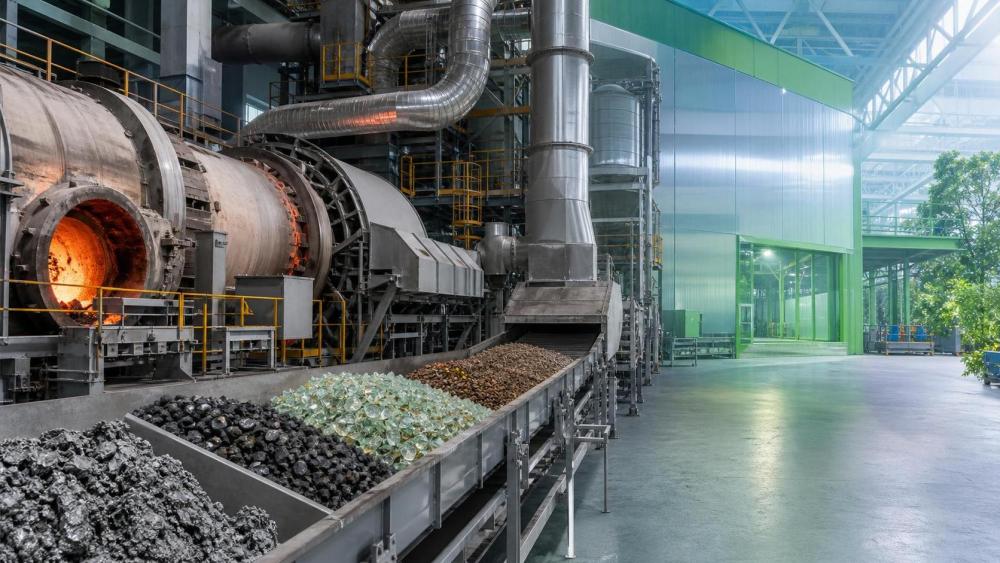
Industrial waste conversion is no longer only about permits, landfill reduction, or avoiding penalties.
It now sits much closer to energy strategy, plant economics, and carbon performance.
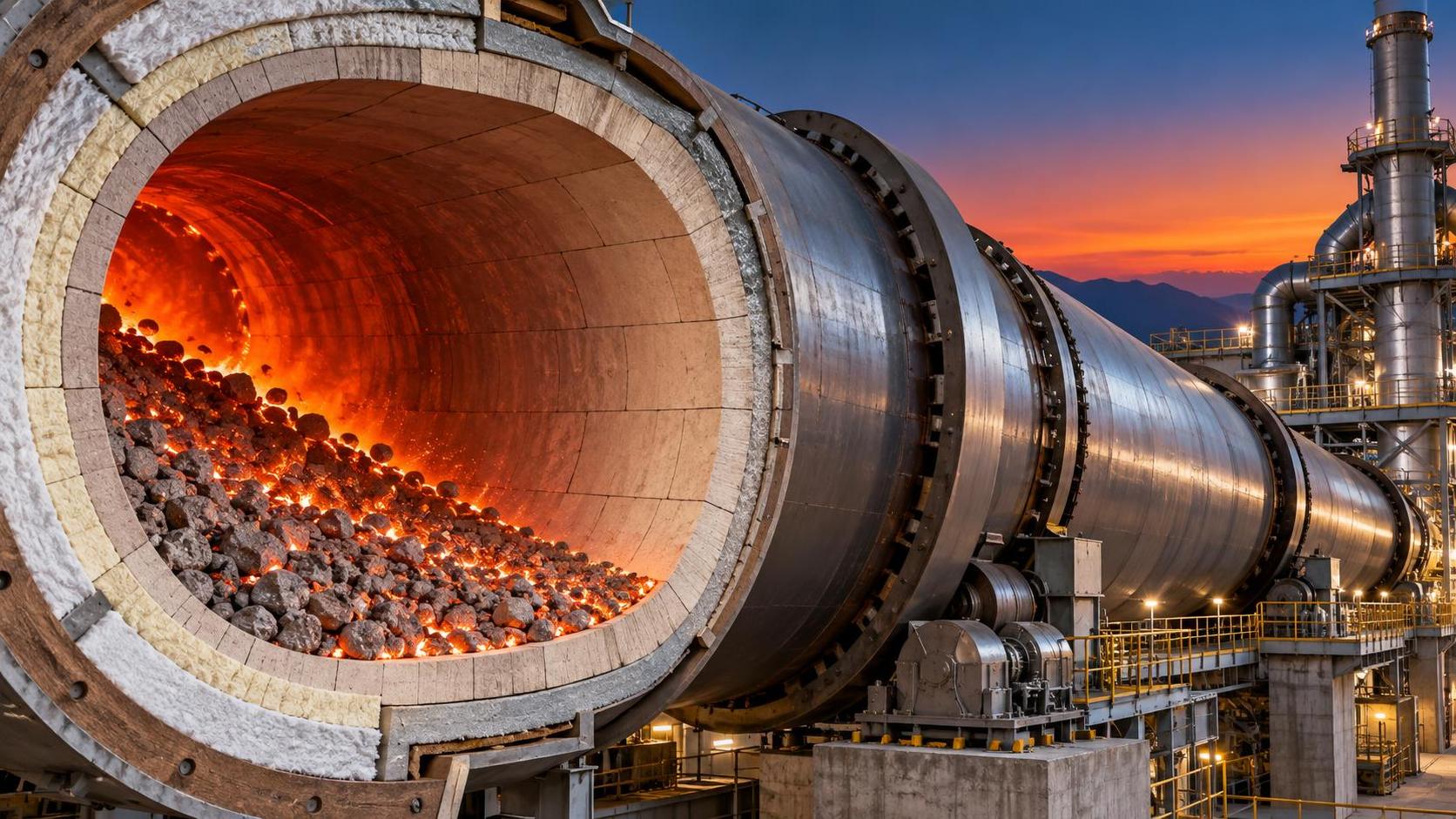
For manufacturers running kilns, furnaces, melting lines, and thermal systems, byproducts can become feedstock, fuel, or even a sellable secondary material.
That shift changes the conversation from disposal cost to value creation.
The real question is not whether industrial waste conversion matters.
The question is which route matches plant chemistry, heat balance, compliance pressure, and market demand.
Some routes produce fast savings.
Others need more engineering, but unlock stronger margins and long-term resilience.
Why industrial waste conversion has moved into core strategy
Three changes are driving this trend.
First, energy prices remain volatile across many industrial regions.
Second, carbon reporting is becoming more visible in procurement and financing.
Third, landfill and hazardous handling costs keep rising.
This means industrial waste conversion often improves several metrics at once.
It can reduce fuel purchases, lower raw material intake, cut transport fees, and support environmental targets.
In high-temperature sectors, this matters even more.
Plants already manage complex thermal flows and mineral reactions.
That creates opportunities to absorb wastes that other industries cannot process economically.
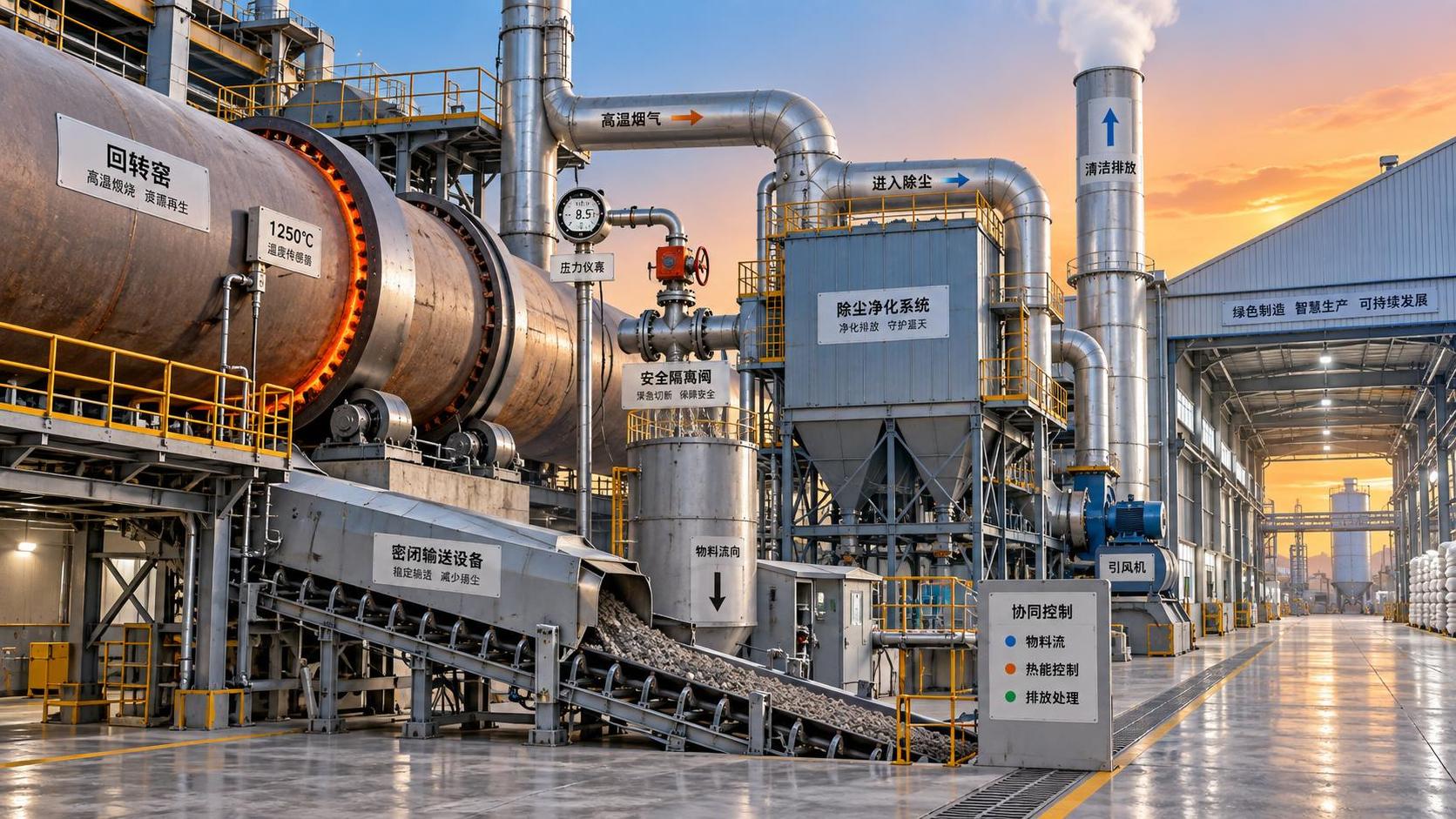
A cement kiln, glass furnace, or specialized incineration line can become a circularity engine when the route is selected carefully.
Route 1: Convert byproducts into alternative fuels
The most visible industrial waste conversion route is fuel substitution.
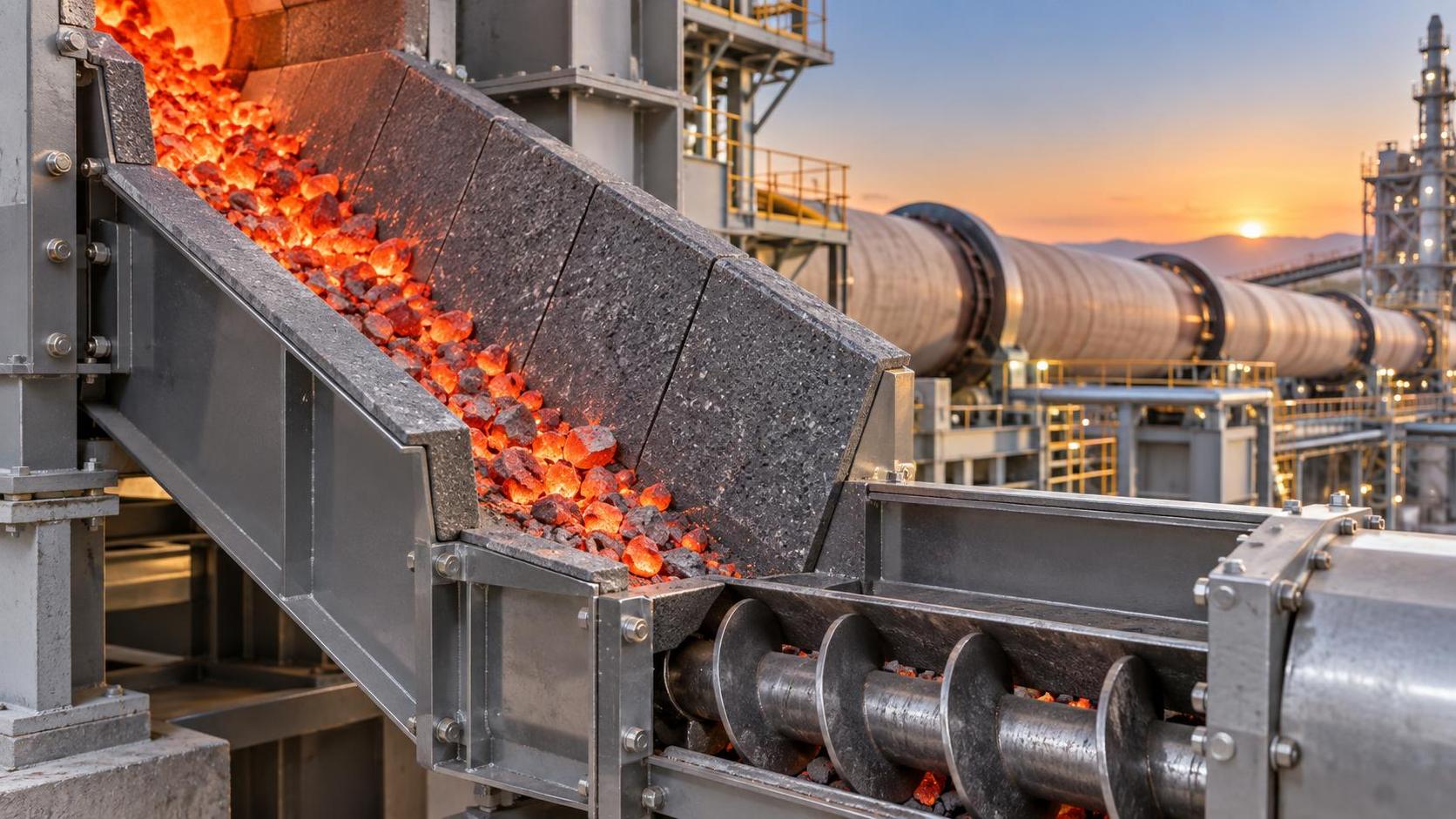
Here, combustible waste streams replace part of coal, petcoke, gas, or oil demand.
Typical inputs include sludge, refuse-derived fuel, solvent residues, packaging rejects, biomass residues, and certain industrial organics.
This route usually creates value fastest when the plant already has stable thermal demand.
The business logic is simple.
Waste suppliers pay gate fees, while the plant reduces purchased fuel.
That double benefit can be attractive.
Still, industrial waste conversion through fuels works only when feed consistency is managed tightly.
Moisture swings, chlorine load, ash content, and calorific value can destabilize operations.
In actual operations, the winning plants invest in preprocessing, storage control, and continuous emissions monitoring.
- Best fit: cement kilns, industrial incineration systems, and large thermal process lines.
- Main value: fuel savings, gate fee income, and lower fossil carbon intensity.
- Main risk: unstable combustion, corrosion, deposit formation, and compliance failures.
Route 2: Use mineral byproducts as secondary raw materials
Another high-value industrial waste conversion route is material substitution.
Instead of burning wastes, plants feed mineral byproducts back into production.
Common examples include fly ash, slag, foundry sand, glass cullet, ceramic rejects, and selected metal-processing residues.
This pathway often creates stronger long-term value than fuel substitution.
Why?
Because it reduces virgin raw material dependence and can improve process efficiency at the same time.
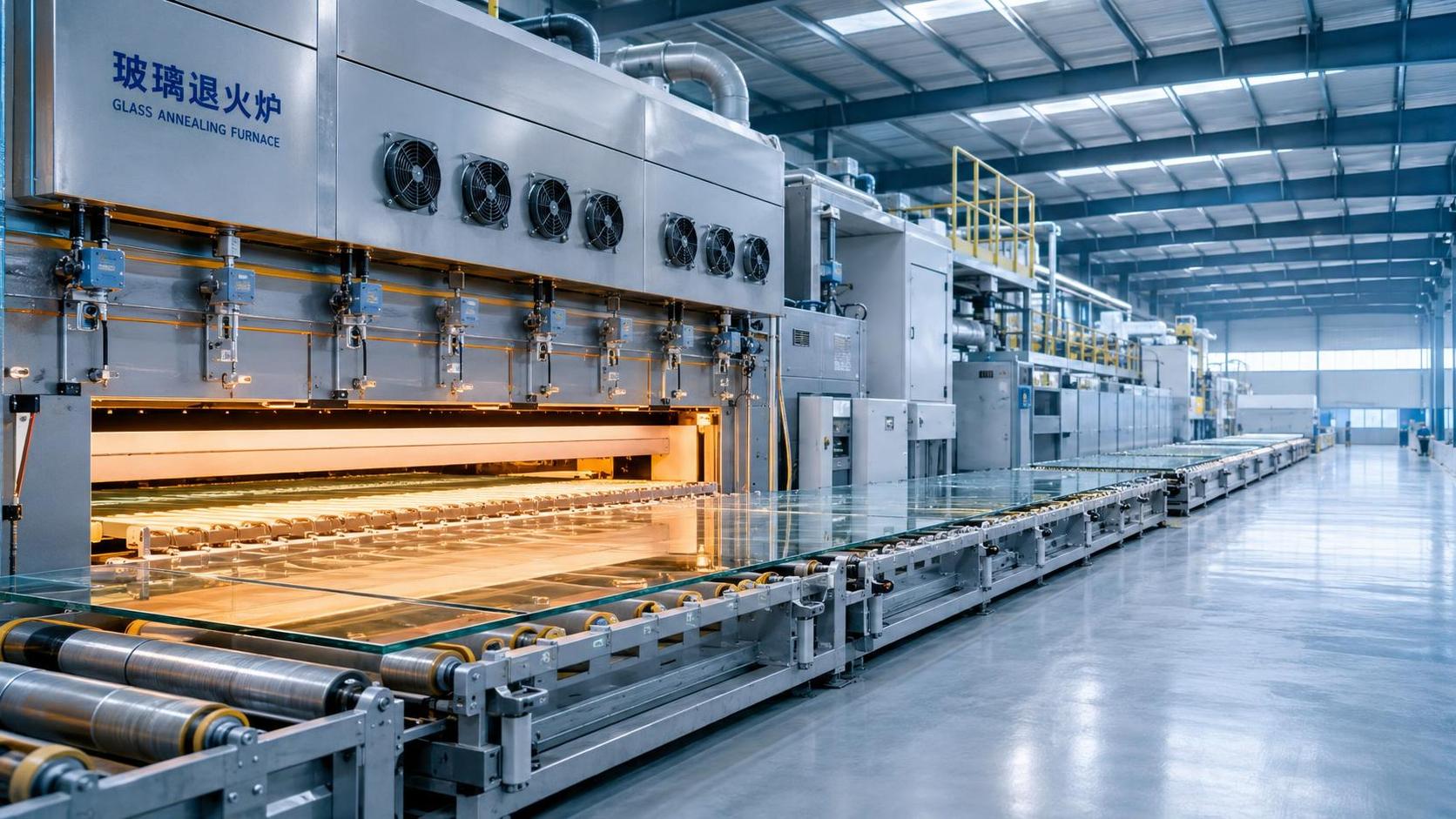
For glass, cullet lowers melting energy.
For cement and building materials, suitable mineral additions can enhance product economics and support lower-clinker or lower-impact formulations.
That said, chemistry decides everything.
An industrial waste conversion plan fails quickly if alkalis, heavy metals, sulfates, or particle size distribution are ignored.
This is where process intelligence matters more than procurement volume.
- Best fit: cement plants, glass manufacturing, refractory lines, and extrusion-based building materials.
- Main value: lower raw material costs, lower energy demand, and stronger circular product claims.
- Main risk: quality drift, product certification barriers, and hidden contamination.
Route 3: Recover metals, salts, and high-value fractions
Not every industrial waste conversion project should end inside the host plant.
Some byproducts are worth separating first.
Dusts, sludges, ash streams, spent refractories, and chemical residues may contain metals or salts with resale value.
Recovery routes can involve screening, washing, leaching, magnetic separation, thermal treatment, or hydrometallurgical steps.
This route is more selective, but often more profitable per ton.
It is especially relevant when disposal costs are high and commodity prices support extraction.
A good example is recovering usable metals from incineration ash or process dust before final mineral reuse.
More recently, spent refractory materials are also being evaluated for selective reuse after sorting and conditioning.
The catch is scale.
Industrial waste conversion through recovery needs reliable composition data and enough throughput to justify specialized equipment.
Route 4: Turn waste into engineered products
One of the most promising industrial waste conversion strategies is productization.
Instead of treating byproducts as a substitution input, companies redesign them as a marketable product.
This may include lightweight aggregates, blended binders, insulating blocks, filler materials, ceramic components, or road base products.
For extrusion-based building materials, this route can be especially attractive.
Stable waste fractions can be engineered into new green construction materials with a clear cost and carbon story.
This route creates the highest perceived value when customers accept performance-backed circular materials.
But it also requires the most commercial discipline.
Certification, consistency, branding, and application testing all matter.
In other words, industrial waste conversion becomes a market-entry project, not just an engineering task.
How to choose the right route
A practical decision framework helps avoid expensive detours.
The best industrial waste conversion route is rarely the most fashionable one.
It is the route that fits plant reality.
- Map the waste stream first: volume, variability, moisture, particle size, and hazardous traits.
- Test chemistry and thermal behavior before discussing equipment.
- Compare value pools: avoided disposal, fuel savings, material savings, and external sales potential.
- Check permit implications early, especially emissions, handling, and product compliance rules.
- Model operational impact, including maintenance, downtime, and quality control burden.
- Secure end-market demand before scaling product-based industrial waste conversion.
From recent market shifts, the stronger signal is clear.
Projects that combine technical validation with commercial offtake planning move faster and fail less often.
What separates successful projects from costly pilots
Many industrial waste conversion programs start with good intentions and weak data.
That is usually where value leaks away.
The better approach is staged execution.
- Start with lab characterization and short-cycle feasibility tests.
- Move to pilot validation under realistic thermal and feed conditions.
- Build mass and energy balances before committing capital.
- Use online monitoring to control feed variability and emissions risk.
- Track value using plant KPIs, not sustainability slogans alone.
This is where strategic intelligence becomes useful.
Cross-market data on regulations, feedstock availability, kiln co-processing, furnace behavior, and material demand can sharply improve route selection.
For sectors covered by CF-Elite, that includes cement production, glass manufacturing, industrial incineration, refractory systems, and new building material extrusion.
In these sectors, industrial waste conversion works best when thermal engineering and market intelligence are linked from the start.
The value route is the one you can scale
There is no single best industrial waste conversion method for every plant.
Alternative fuels deliver speed.
Secondary raw materials deliver resilience.
Recovery routes deliver selective margin.
Engineered products deliver the strongest differentiation when the market is ready.
The route that creates value is the one that aligns chemistry, heat, compliance, and demand.
In practical terms, industrial waste conversion should be evaluated like any capital project.
Measure input stability, conversion efficiency, operational risk, and monetization path.
Then scale the route that keeps working outside the pilot window.
That is how byproducts stop being a burden and start becoming industrial advantage.
Related News
 Thermal Energy ArchitectWhy Heat-Resistant Materials Lose Abrasion Resistance at High TemperaturesHeat-resistant materials abrasion resistance can decline at high temperatures. Discover the thermal, chemical, and mechanical causes of wear—and how to choose longer-lasting linings.Sep 16, 2026
 Thermal Energy ArchitectHow to Evaluate a Thermal Energy Optimization Company for High-Temperature PlantsChoose a thermal energy optimization company with proven process expertise, measurable savings, and reliable delivery for high-temperature plants. Learn what to assess.Sep 15, 2026
 Thermal Energy ArchitectRotary Kiln Efficiency: How Feed Rate, Fuel Use, and Heat Loss Affect OutputRotary kiln efficiency explained: discover how feed rate, fuel use, heat loss, combustion, and cooling performance shape output, quality, and energy costs.Sep 14, 2026
 Thermal Energy ArchitectHow to Select Heat-Resistant Materials That Maintain Abrasion Resistance in KilnsHeat-resistant materials abrasion resistance: learn how to select kiln linings that withstand heat, wear, thermal cycling, and chemical attack for longer service life.Sep 13, 2026
 Thermal Energy ArchitectHow Rotary Kiln Automation Improves Temperature Control and Fuel EfficiencyRotary kiln technology automation enhances temperature control, stabilizes combustion, and improves fuel efficiency with smarter data, predictive control, and safer operations.Sep 12, 2026
 Silicate Process EngineerCement Plant Emission Control: Selecting Systems for Dust, NOx, and SO2 LimitsCement plant emission control guide: compare dust collectors, NOx reduction, and SO2 systems for reliable compliance across kiln modes, fuel changes, and operating upsets.Sep 11, 2026
 Thermal Energy ArchitectSelecting Abrasion-Resistant High-Temperature Materials for Kiln and Conveyor Wear ZonesHigh-temp material engineering guide to abrasion-resistant kiln and conveyor solutions—match wear, heat, chemistry, and installation design for longer service life.Sep 10, 2026
 Dr. Alistair VaughnIndustrial Process Engineering: How to Map Processes for Safer, More Efficient PlantsIndustrial process engineering reveals bottlenecks, safety risks, and energy losses through practical process mapping for safer, more efficient plants.Sep 09, 2026
 Optical Glass Tech FellowHow to Evaluate a Glass Annealing Equipment Manufacturer for Production StabilityChoose a glass annealing equipment manufacturer with proven thermal uniformity, reliable controls, lifecycle value, and responsive service for stable production.Sep 08, 2026
 Prof. Marcus ChenThermal Energy Architecture in North America: Strategies for Lower Building Energy UseThermal energy architecture North America helps project leaders cut building energy use through stronger envelopes, right-sized HVAC, storage, and smart commissioning.Sep 07, 2026
 Ms. Elena RodriguezHow Should Buyers Evaluate Building Material Industry Intelligence Pricing?Building material industry intelligence pricing: learn how to compare coverage, technical depth, and ROI to choose intelligence that reduces procurement risk.Sep 07, 2026
 Ms. Elena RodriguezHow to Use Building Material Intelligence Data for Market and Investment DecisionsBuilding material industry intelligence data helps leaders evaluate demand, costs, regulation, capacity, and technology to make smarter market and investment decisions.Sep 05, 2026
 Thermal Energy ArchitectHow PLC Control Improves Energy Efficiency and Temperature Stability in KilnsEnergy efficient kilns PLC control improves temperature stability, cuts fuel waste, and optimizes combustion, draft, and material flow. Explore proven strategies for smarter kiln modernization.Sep 04, 2026
 Optical Glass Tech FellowEuropean Glass Melting Processes: Furnace Choices, Energy Use, and Quality ControlGlass melting process Europe: explore furnace choices, energy efficiency, cullet strategy, and quality control to improve output, compliance, and long-term glass performance.Sep 03, 2026
 Thermal Energy ArchitectWhat Determines Refractory Lining Monitoring Price for Industrial Kilns?Refractory lining monitoring price depends on kiln size, sensor technology, installation, software, and support. Compare total lifecycle costs and choose the right solution.Sep 02, 2026
 Silicate Process EngineerCement Production System Costs: A Plant Buyer’s Guide to Budgeting and ROICement production systems cost planning made clear: compare CAPEX, operating costs, compliance, and ROI to build a resilient, profitable cement plant investment.Sep 01, 2026
 Dr. Alistair VaughnWhat Should a Process Technology Database Track for High-Temperature Plants?Process technology database essentials for high-temperature plants: track thermal profiles, feed chemistry, refractory wear, emissions, energy, and maintenance for safer, data-driven decisions.Aug 31, 2026
 Ms. Elena RodriguezHow to Evaluate a Silicate Processing Equipment Manufacturer for Plant ProjectsSilicate processing equipment manufacturer selection: assess process fit, guarantees, energy, compliance, delivery risk, and lifecycle support for dependable plant performance.Aug 30, 2026
 Dr. Alistair VaughnHow to Specify Custom Agricultural Processing Equipment for Throughput and HygieneEquipment customization services for agricultural processing: learn to specify hygienic, high-throughput lines that improve yield, reliability, and long-term efficiency.Aug 29, 2026
 Dr. Alistair VaughnHow to Select Process Plant Equipment for High-Temperature, Abrasive Production LinesProcess plant equipment selection for high-temperature, abrasive lines: reduce downtime, improve durability, and optimize lifecycle performance.Aug 28, 2026


Related News
- 00
0000-00
Industrial Process Engineering: How to Map Processes for Safer, More Efficient Plants - 00
0000-00
What Should a Process Technology Database Track for High-Temperature Plants? - 00
0000-00
How to Specify Custom Agricultural Processing Equipment for Throughput and Hygiene - 00
0000-00
How to Select Process Plant Equipment for High-Temperature, Abrasive Production Lines - 00
0000-00
What Causes Thermal Shock Failure in Heat-Resistant Materials During Development?
Weekly Insights
Stay ahead with our curated technology reports delivered every Monday.