
Industrial Waste Conversion Methods Compared: Which Route Fits Your Plant Best?




Industrial Waste Conversion Methods Compared: Which Route Fits Your Plant Best?
Choosing among industrial waste conversion routes is rarely simple. The right answer depends on chemistry, moisture, calorific value, emissions limits, and existing process conditions.
That is why industrial waste conversion should be treated as a plant-level design decision, not only a disposal choice. A technically sound route must fit operations, compliance, and long-term cost control.
For plants working with kilns, furnaces, thermal systems, or material processing lines, the comparison usually comes down to three questions. Can the waste release usable energy, recover usable material, or do both?
This guide compares major industrial waste conversion methods in practical terms. The goal is to help narrow the best-fit route before deeper pilot trials or capital approval.
Start With Feedstock Reality, Not Technology Preference
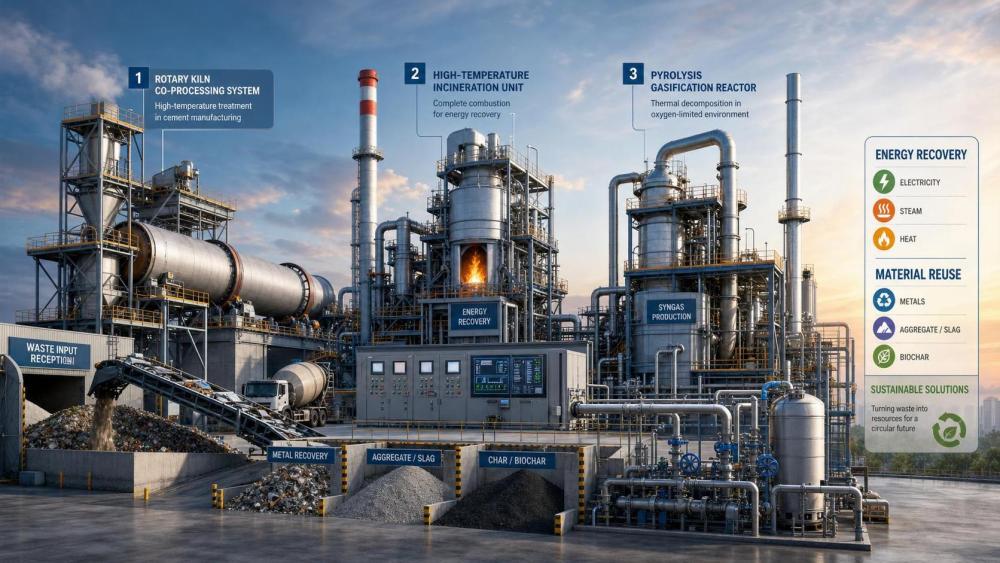
A strong industrial waste conversion plan starts with waste mapping. Plants often overfocus on equipment type before confirming what the waste can actually support.
At minimum, evaluate particle size, ash content, chlorine, sulfur, alkalis, metals, water content, and heating value. Variability matters as much as average composition.
In real operations, unstable feedstock can break an otherwise attractive industrial waste conversion model. Feeding consistency often decides whether a route remains efficient after commissioning.
- High calorific waste favors thermal recovery routes.
- Mineral-rich residue may suit material recovery or co-processing.
- Wet sludge often needs drying, blending, or indirect treatment.
- Hazardous fractions raise permitting and emissions control complexity.
This early screening saves time. It also prevents expensive mismatches between industrial waste conversion equipment and actual plant waste streams.
Method 1: Direct Incineration for Volume Reduction and Energy Recovery
Direct incineration remains one of the most established industrial waste conversion methods. It is usually selected when destruction efficiency and rapid mass reduction are top priorities.
This route works best for mixed combustible waste, contaminated organics, and difficult residues that cannot be easily recycled. It can also integrate heat recovery through steam or hot gas systems.
Where incineration fits well
- Waste has moderate to high calorific value.
- Landfill diversion is urgent.
- Hazard destruction is a major target.
- Steam demand already exists on site.
Main trade-offs
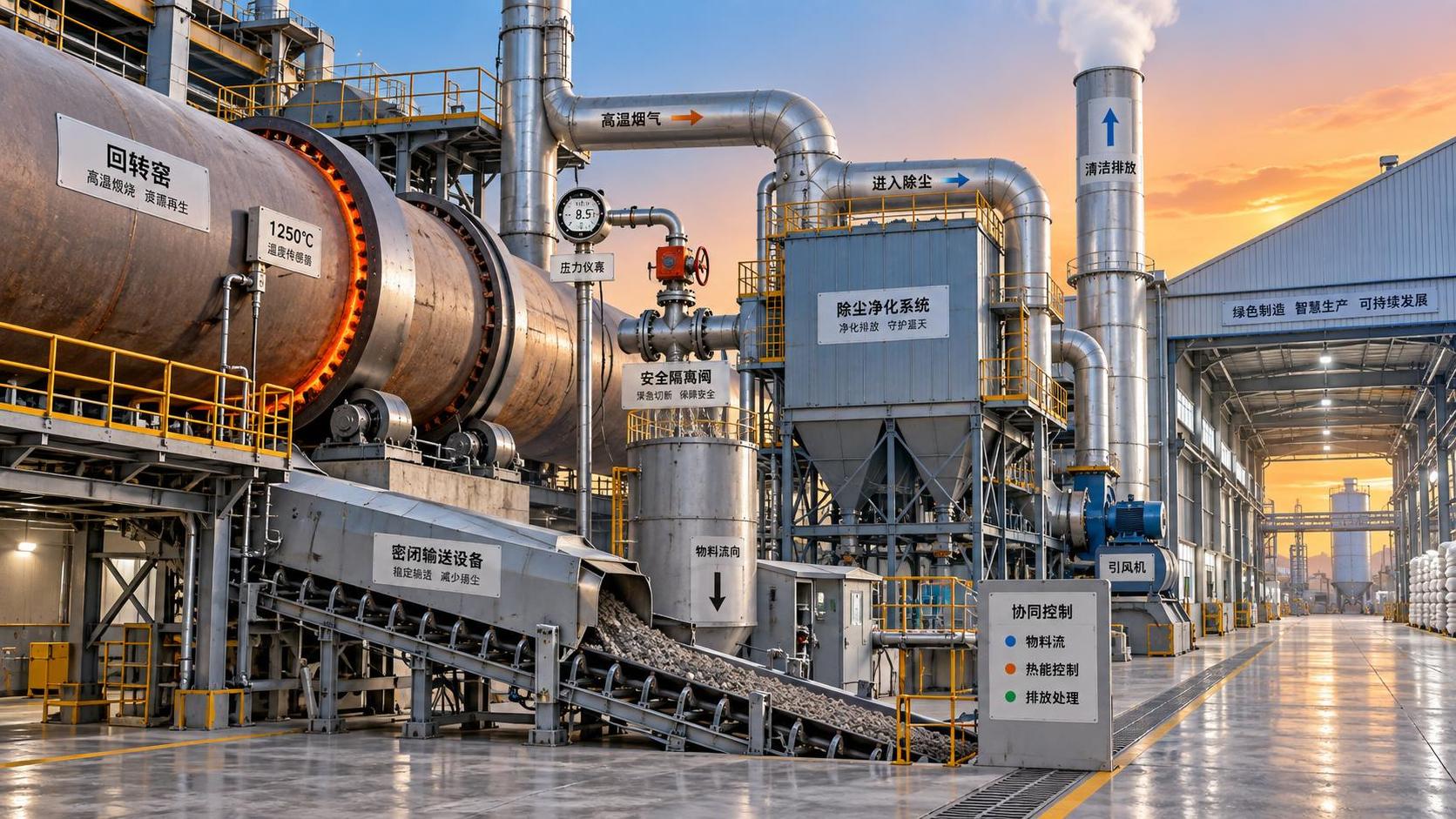
The challenge is emissions control. Acid gases, particulates, dioxins, NOx, and heavy metals require a robust air pollution control train.
Ash handling also matters. Some residues can be stabilized or reused, but others require controlled disposal.
From a selection view, incineration is strong when regulatory certainty and destruction performance outweigh the limits of material recovery. It is less attractive when feed moisture is high and fuel support becomes excessive.
Method 2: Co-Processing in Cement Kilns
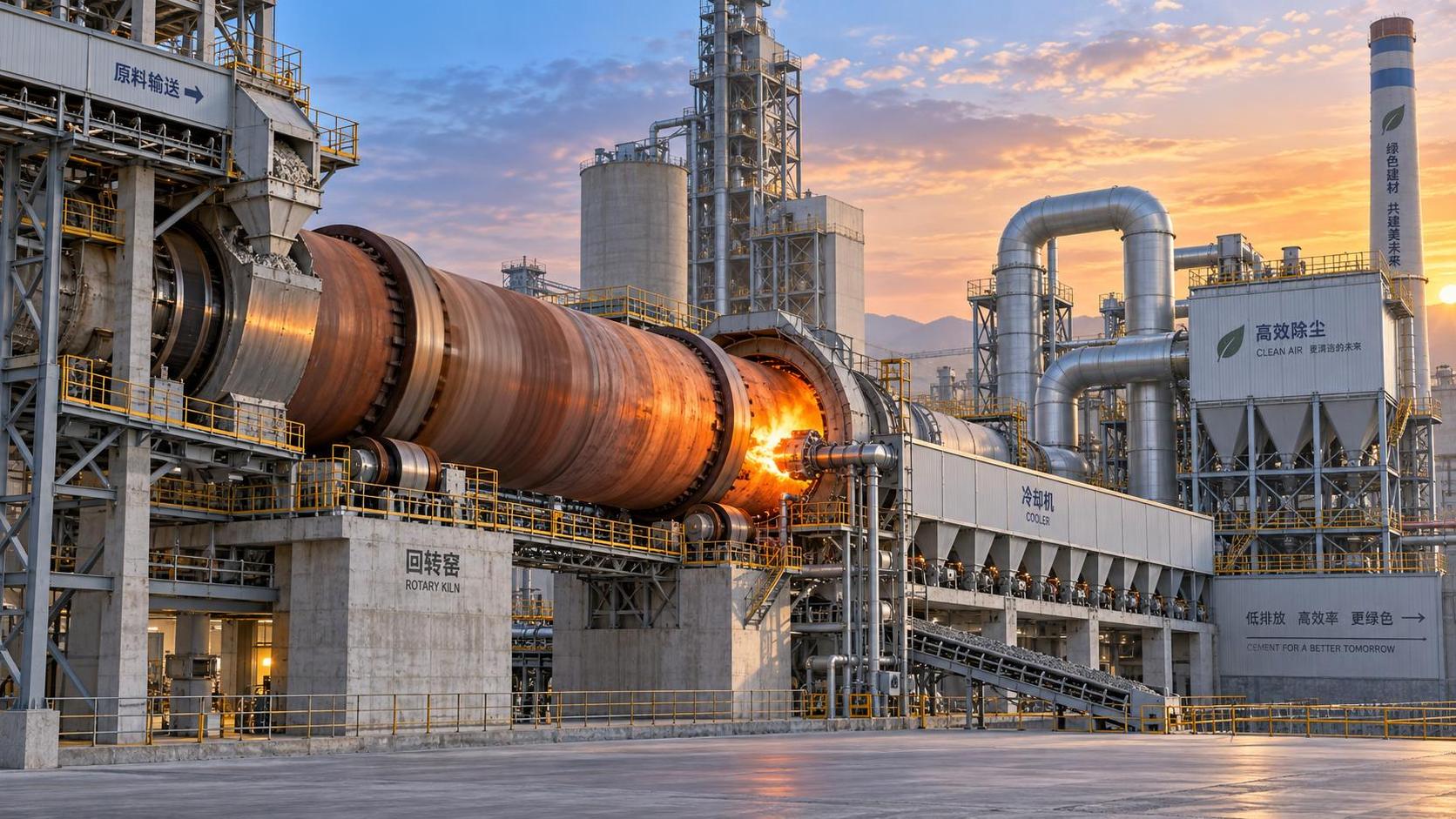
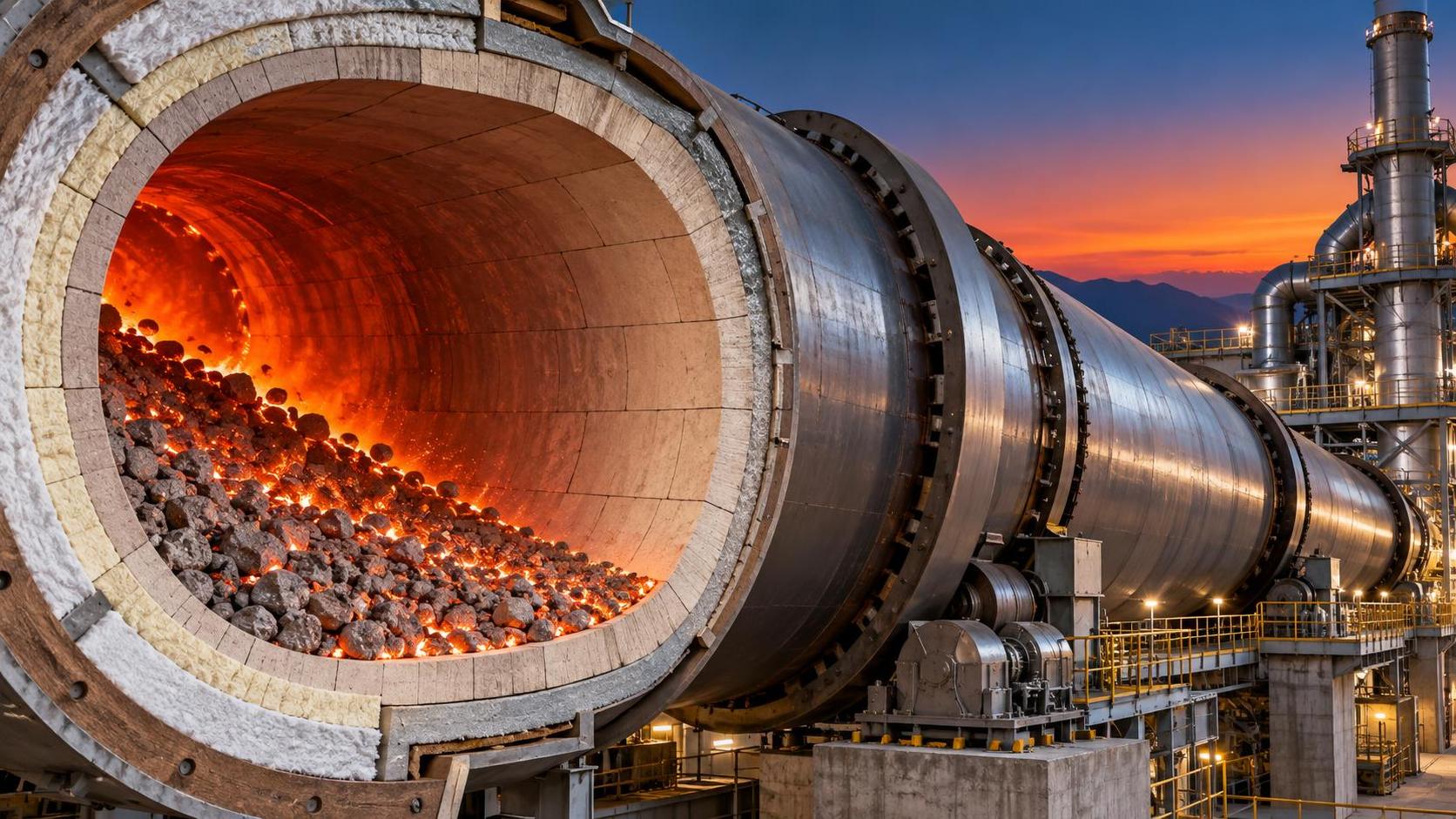
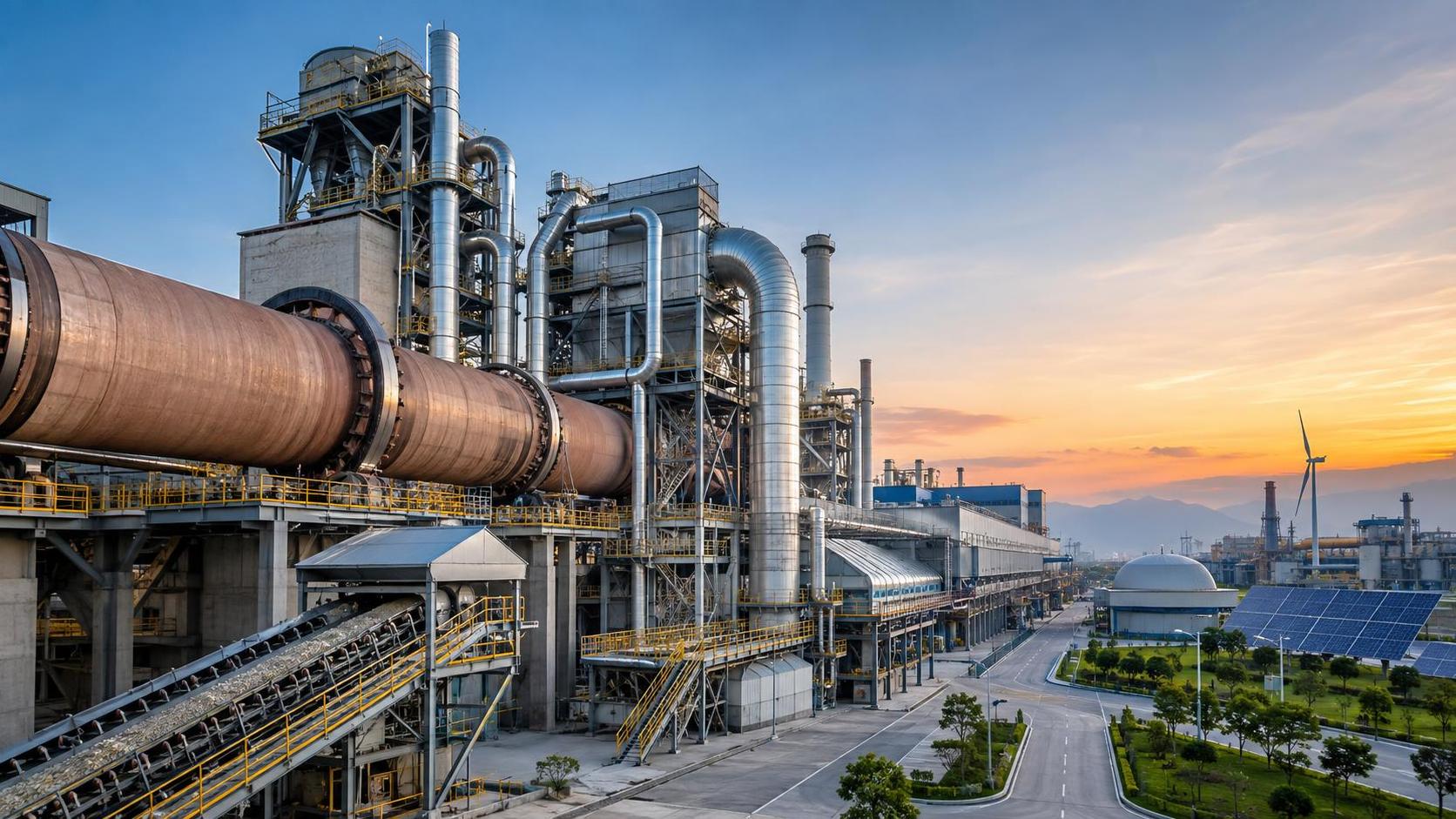
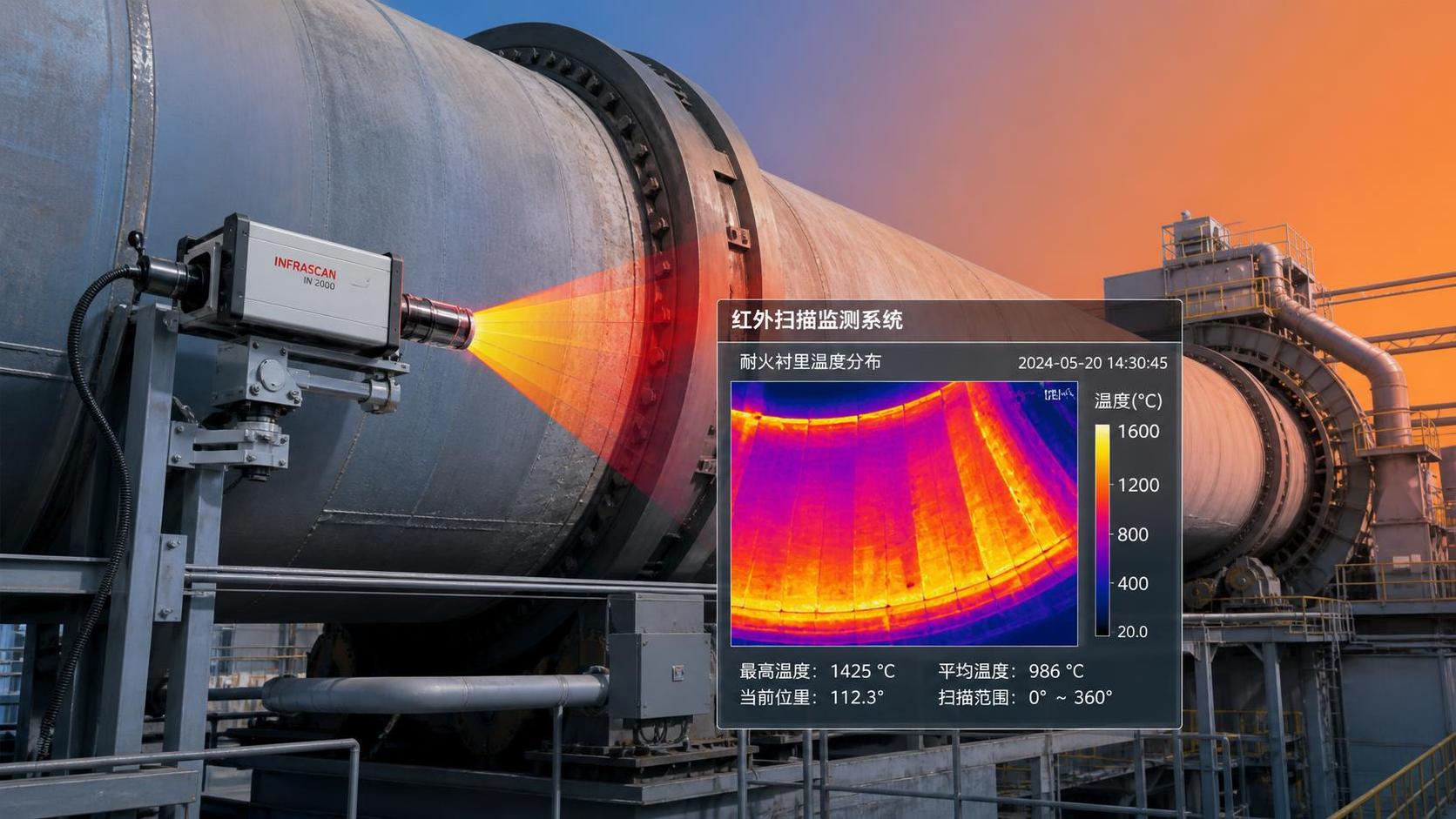
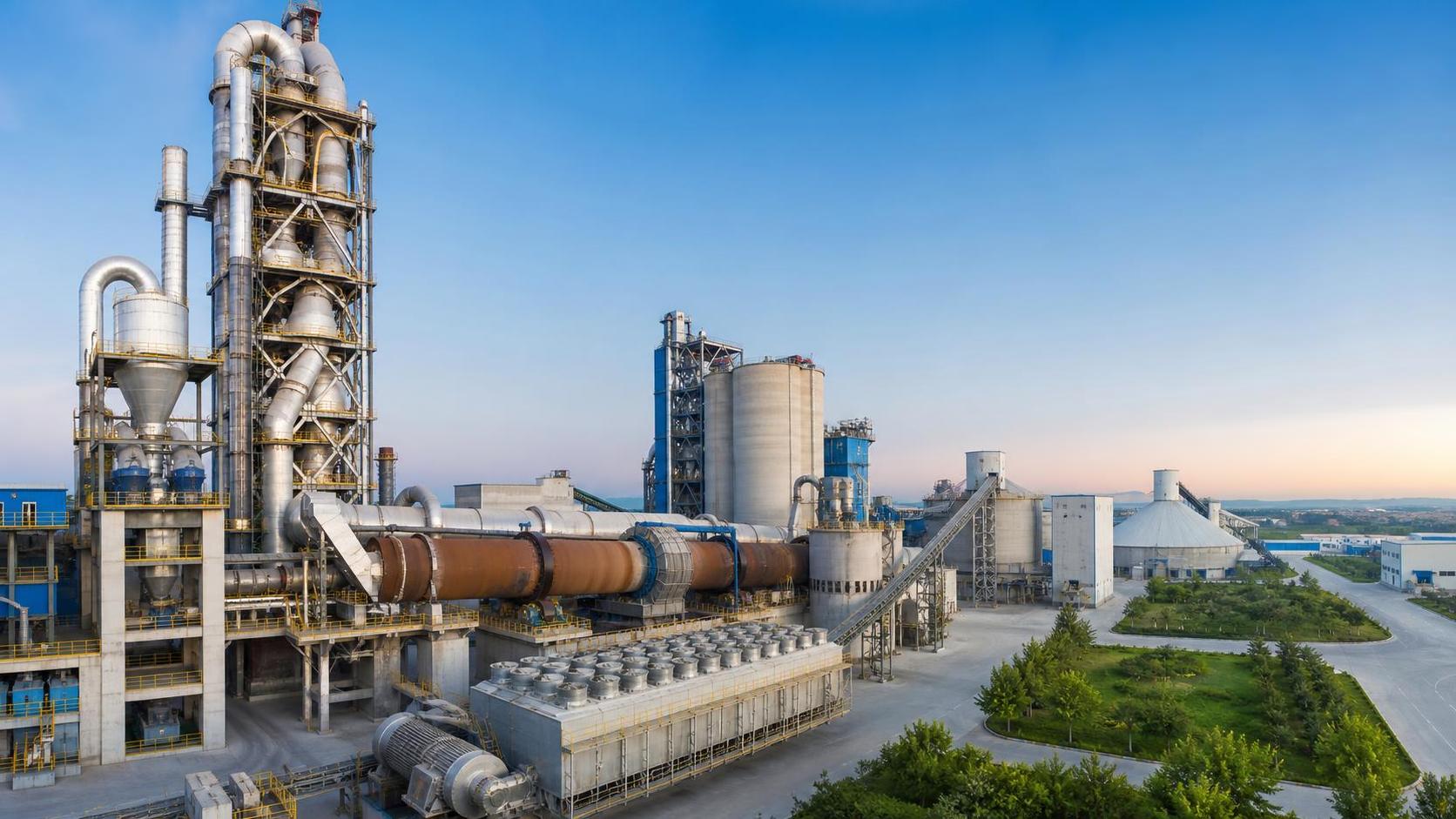
For mineral-heavy or combustible industrial residues, kiln co-processing is often one of the most efficient industrial waste conversion routes available.
The advantage is dual recovery. Organic content contributes thermal energy, while mineral content can enter clinker formation with little secondary residue.
This route is especially relevant in high-temperature systems where long residence time and alkaline conditions help manage specific waste categories.
Why plants choose it
- High thermal substitution can reduce fossil fuel dependence.
- Mineral ash may become part of the final product matrix.
- Separate ash disposal can be reduced or avoided.
- Existing kiln assets improve project economics.
What must be checked carefully
Not every waste stream is kiln-friendly. Chlorine, sulfur, mercury, volatile metals, and unstable moisture can upset kiln balance and bypass performance.
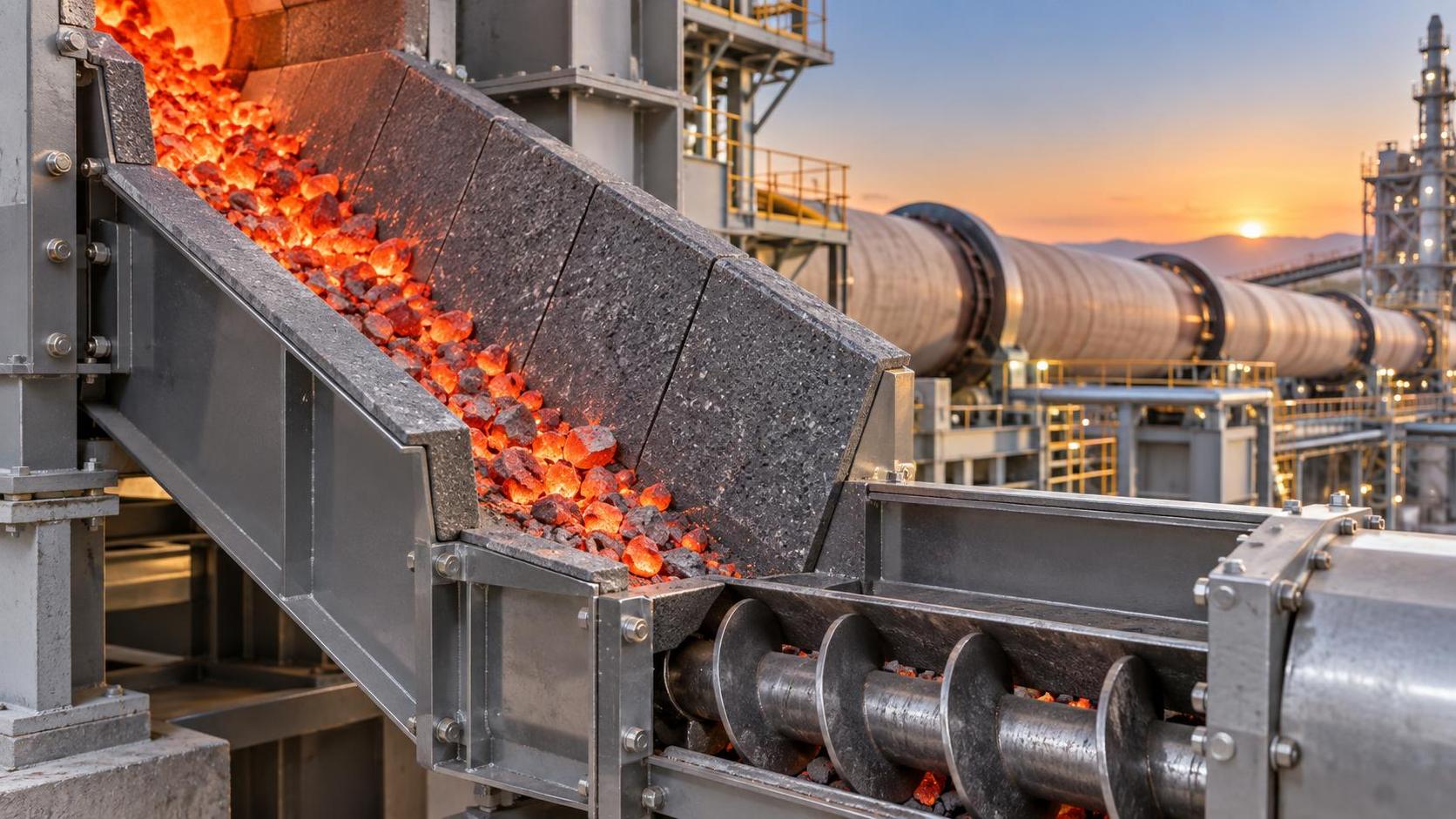
Preprocessing is often the hidden success factor. Shredding, homogenization, drying, dosing, and quality control determine whether industrial waste conversion through co-processing stays stable.
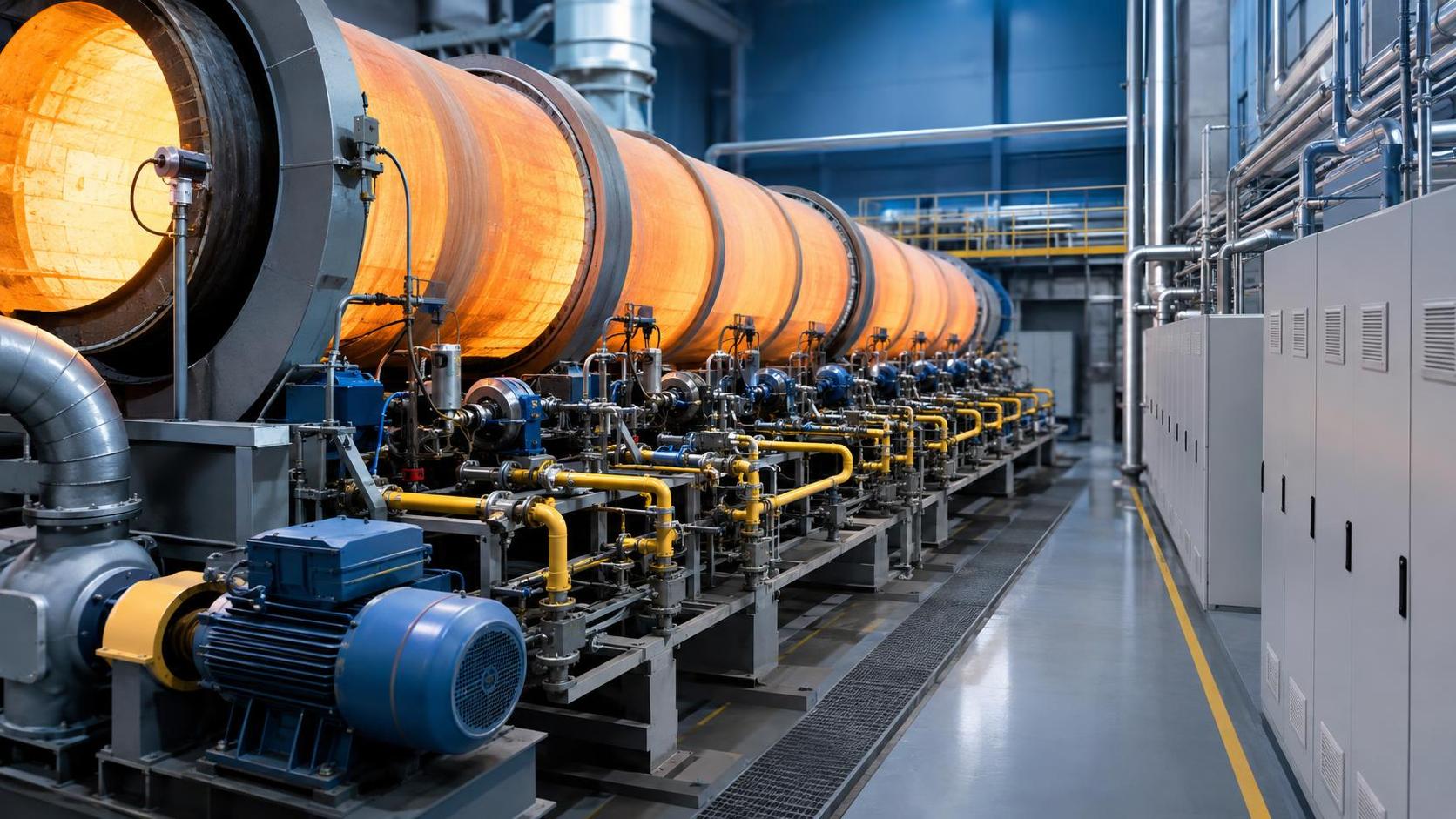
For plants already operating rotary kilns, this method often ranks high because it combines carbon, energy, and residue advantages in one system.
Method 3: Pyrolysis and Gasification for Controlled Thermal Conversion
Pyrolysis and gasification are often discussed together, but they solve different problems. Both are advanced industrial waste conversion routes using limited or no oxygen conditions.
Pyrolysis mainly produces char, oil, and gas fractions. Gasification pushes further toward syngas generation for combustion, heat use, or downstream chemical applications.
Best-fit scenarios
- Waste streams are relatively sorted and consistent.
- Plants want more controlled energy products.
- Footprint and modular deployment matter.
- Material upgrading potential has business value.
Limits to keep in mind
These systems are sensitive to feed quality. Tar management, gas cleanup, reactor stability, and product market certainty can all affect project viability.
In other words, pyrolysis or gasification can be a smart industrial waste conversion choice, but only when waste preparation and off-take logic are already clear.
They are usually less forgiving than kiln co-processing or conventional incineration. That does not make them weaker, only more dependent on disciplined system integration.
Method 4: Mechanical and Chemical Material Recovery
Not every industrial waste conversion route needs high heat. In some plants, the better answer is direct recovery of useful fractions before thermal treatment.
This includes metal separation, solvent recovery, mineral extraction, washing, stabilization, and reuse in alternative building materials or process inputs.
The upside is lower energy use and stronger circularity when clean secondary materials can replace virgin inputs.
When recovery-first works
- Waste contains valuable recoverable fractions.
- Thermal destruction would waste usable material.
- End-market demand for recovered products is stable.
- Contamination levels are technically manageable.
The risk is purity. If recovered output cannot meet market or internal specification, the industrial waste conversion chain may still need thermal backup.
That is why many plants now combine recovery-first with a second-stage thermal route for rejects, fines, or hazardous leftovers.
How to Compare Industrial Waste Conversion Routes Side by Side
A practical selection framework should compare industrial waste conversion methods on plant-specific criteria, not generic vendor promises.
This kind of matrix makes industrial waste conversion decisions more transparent. It also helps teams align process, environmental, and commercial priorities early.
Best-Fit Guidance by Plant Situation
If your plant runs a cement kiln, co-processing often deserves first review. It can offer strong industrial waste conversion economics when feed chemistry is controlled.
If the waste is hazardous, mixed, and difficult to recycle, direct incineration may be the safer route. It is usually chosen for destruction certainty and compliance control.
If the waste is sorted and product upgrading matters, pyrolysis or gasification may create more value. The catch is that feed discipline must be much tighter.
If valuable fractions are present, recovery-first strategies should be screened before any thermal route. That is often the most resource-efficient industrial waste conversion path.
A Smarter Selection Process
The best industrial waste conversion route is usually the one that balances technical fit, emissions confidence, and integration simplicity over time.
In practice, that means starting with characterization, then pilot validation, then a realistic review of permitting, utilities, residue handling, and operator burden.
For industrial plants navigating thermal systems, carbon pressure, and circularity targets, industrial waste conversion is no longer only about disposal. It is a strategic process decision.
If the next step is route screening, build a shortlist around your actual waste profile and plant constraints first. The right answer usually becomes clearer from there.
Related News
 Thermal Energy ArchitectHow European Plants Can Evaluate Energy Recovery Equipment for High-Temperature ProcessesIndustrial energy recovery equipment Europe: learn how high-temperature plants can assess waste-heat sources, integration risks, lifecycle value, and reliable recovery routes.Sep 20, 2026
 Thermal Energy ArchitectIndustrial Furnace Process Optimization: Reducing Fuel Use Without Sacrificing ThroughputIndustrial process optimization furnace strategies that cut fuel use while protecting throughput. Explore combustion control, heat recovery, refractory performance, and data-driven efficiency gains.Sep 19, 2026
 Ms. Elena RodriguezWhat Drives High-Pressure Extrusion Equipment Cost in Industrial Projects?High pressure extrusion equipment cost explained: compare pressure, die design, automation, wear, energy, and installation factors for smarter industrial investments.Sep 18, 2026
 Thermal Energy ArchitectHow to Size a Waste Heat Recovery Exchanger for High-Temperature Kiln Exhaust?Waste heat recovery exchanger sizing for high-temperature kiln exhaust: balance recoverable duty, fouling, corrosion limits, pressure drop, and reliable heat use.Sep 17, 2026
 Thermal Energy ArchitectWhy Heat-Resistant Materials Lose Abrasion Resistance at High TemperaturesHeat-resistant materials abrasion resistance can decline at high temperatures. Discover the thermal, chemical, and mechanical causes of wear—and how to choose longer-lasting linings.Sep 16, 2026
 Thermal Energy ArchitectHow to Evaluate a Thermal Energy Optimization Company for High-Temperature PlantsChoose a thermal energy optimization company with proven process expertise, measurable savings, and reliable delivery for high-temperature plants. Learn what to assess.Sep 15, 2026
 Thermal Energy ArchitectRotary Kiln Efficiency: How Feed Rate, Fuel Use, and Heat Loss Affect OutputRotary kiln efficiency explained: discover how feed rate, fuel use, heat loss, combustion, and cooling performance shape output, quality, and energy costs.Sep 14, 2026
 Thermal Energy ArchitectHow to Select Heat-Resistant Materials That Maintain Abrasion Resistance in KilnsHeat-resistant materials abrasion resistance: learn how to select kiln linings that withstand heat, wear, thermal cycling, and chemical attack for longer service life.Sep 13, 2026
 Thermal Energy ArchitectHow Rotary Kiln Automation Improves Temperature Control and Fuel EfficiencyRotary kiln technology automation enhances temperature control, stabilizes combustion, and improves fuel efficiency with smarter data, predictive control, and safer operations.Sep 12, 2026
 Silicate Process EngineerCement Plant Emission Control: Selecting Systems for Dust, NOx, and SO2 LimitsCement plant emission control guide: compare dust collectors, NOx reduction, and SO2 systems for reliable compliance across kiln modes, fuel changes, and operating upsets.Sep 11, 2026
 Thermal Energy ArchitectSelecting Abrasion-Resistant High-Temperature Materials for Kiln and Conveyor Wear ZonesHigh-temp material engineering guide to abrasion-resistant kiln and conveyor solutions—match wear, heat, chemistry, and installation design for longer service life.Sep 10, 2026
 Dr. Alistair VaughnIndustrial Process Engineering: How to Map Processes for Safer, More Efficient PlantsIndustrial process engineering reveals bottlenecks, safety risks, and energy losses through practical process mapping for safer, more efficient plants.Sep 09, 2026
 Optical Glass Tech FellowHow to Evaluate a Glass Annealing Equipment Manufacturer for Production StabilityChoose a glass annealing equipment manufacturer with proven thermal uniformity, reliable controls, lifecycle value, and responsive service for stable production.Sep 08, 2026
 Prof. Marcus ChenThermal Energy Architecture in North America: Strategies for Lower Building Energy UseThermal energy architecture North America helps project leaders cut building energy use through stronger envelopes, right-sized HVAC, storage, and smart commissioning.Sep 07, 2026
 Ms. Elena RodriguezHow Should Buyers Evaluate Building Material Industry Intelligence Pricing?Building material industry intelligence pricing: learn how to compare coverage, technical depth, and ROI to choose intelligence that reduces procurement risk.Sep 07, 2026
 Ms. Elena RodriguezHow to Use Building Material Intelligence Data for Market and Investment DecisionsBuilding material industry intelligence data helps leaders evaluate demand, costs, regulation, capacity, and technology to make smarter market and investment decisions.Sep 05, 2026
 Thermal Energy ArchitectHow PLC Control Improves Energy Efficiency and Temperature Stability in KilnsEnergy efficient kilns PLC control improves temperature stability, cuts fuel waste, and optimizes combustion, draft, and material flow. Explore proven strategies for smarter kiln modernization.Sep 04, 2026
 Optical Glass Tech FellowEuropean Glass Melting Processes: Furnace Choices, Energy Use, and Quality ControlGlass melting process Europe: explore furnace choices, energy efficiency, cullet strategy, and quality control to improve output, compliance, and long-term glass performance.Sep 03, 2026
 Thermal Energy ArchitectWhat Determines Refractory Lining Monitoring Price for Industrial Kilns?Refractory lining monitoring price depends on kiln size, sensor technology, installation, software, and support. Compare total lifecycle costs and choose the right solution.Sep 02, 2026
 Silicate Process EngineerCement Production System Costs: A Plant Buyer’s Guide to Budgeting and ROICement production systems cost planning made clear: compare CAPEX, operating costs, compliance, and ROI to build a resilient, profitable cement plant investment.Sep 01, 2026



Related News
- 00
0000-00
Industrial Process Engineering: How to Map Processes for Safer, More Efficient Plants - 00
0000-00
What Should a Process Technology Database Track for High-Temperature Plants? - 00
0000-00
How to Specify Custom Agricultural Processing Equipment for Throughput and Hygiene - 00
0000-00
How to Select Process Plant Equipment for High-Temperature, Abrasive Production Lines - 00
0000-00
What Causes Thermal Shock Failure in Heat-Resistant Materials During Development?
Weekly Insights
Stay ahead with our curated technology reports delivered every Monday.