
Thermal Barrier Coatings vs Hard Chrome: Which Surface Solution Fits High-Heat Equipment?




Thermal Barrier Coatings vs Hard Chrome: Which Surface Solution Fits High-Heat Equipment?
For high-heat equipment, surface selection is rarely a simple materials question.
It shapes uptime, maintenance budgets, energy loss, and even regulatory exposure.
That is why the debate around thermal barrier coatings and hard chrome remains highly relevant.
In kilns, incinerators, glass lines, and extrusion systems, conditions change fast.
Surfaces face heat cycling, oxidation, abrasion, corrosive dust, and unstable operating windows.
So the better choice depends on the dominant failure mode, not on habit.
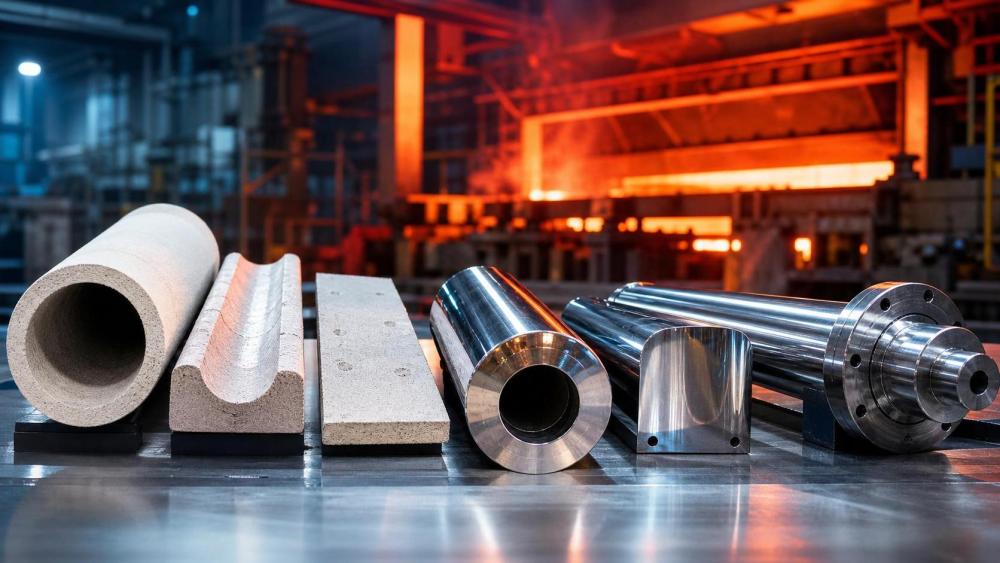
Thermal barrier coatings are designed to reduce heat transfer and protect substrates at elevated temperatures.
Hard chrome, by contrast, is often selected for hardness, sliding wear control, and dimensional recovery.
Both have value, but they solve different business problems.
From a decision standpoint, the real question is where each one creates measurable plant value.
What thermal barrier coatings actually do in hot equipment
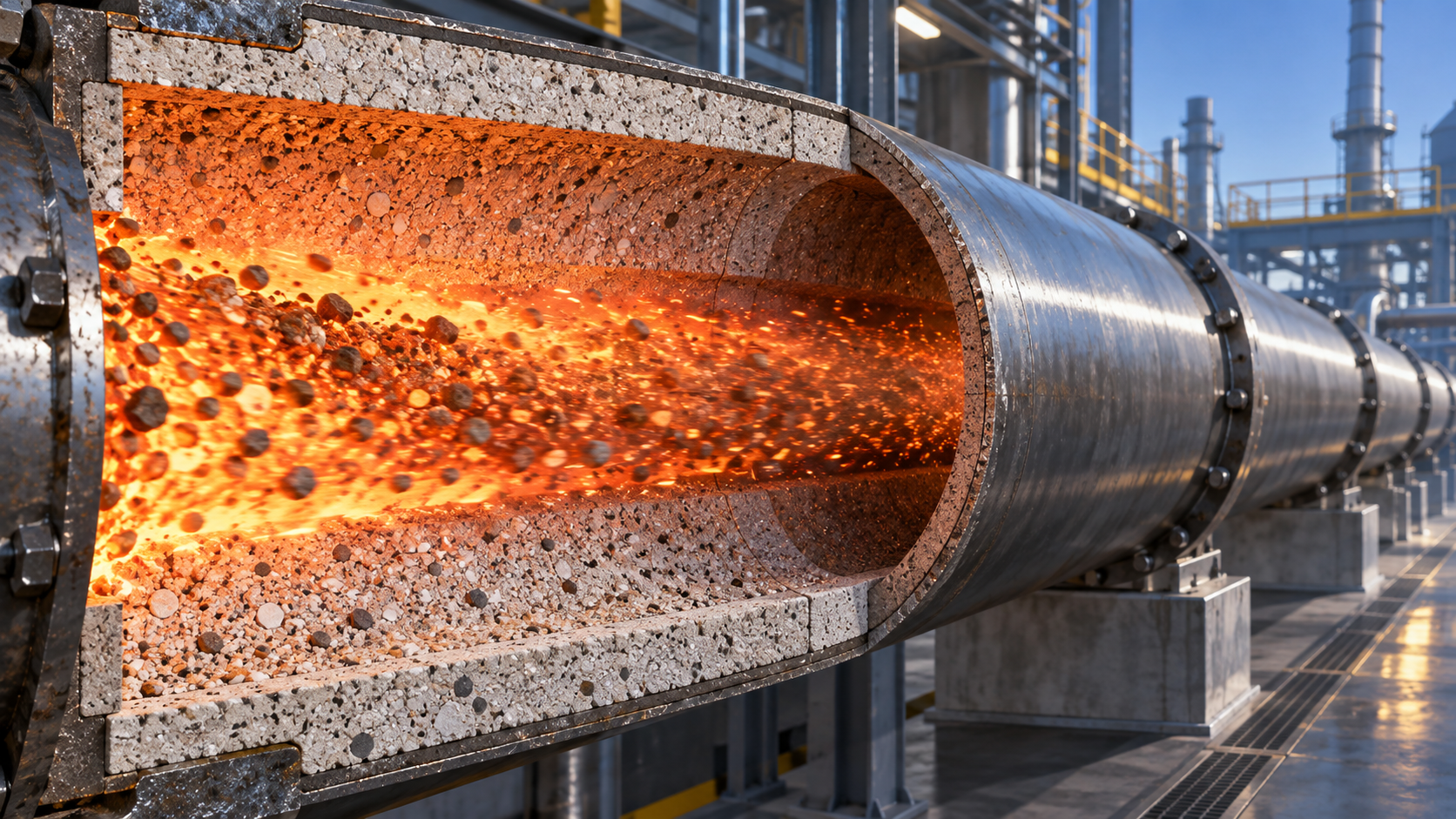
Thermal barrier coatings create an insulating layer between the hot process and the base metal.
This lowers substrate temperature and slows thermal fatigue in repeated high-heat cycles.
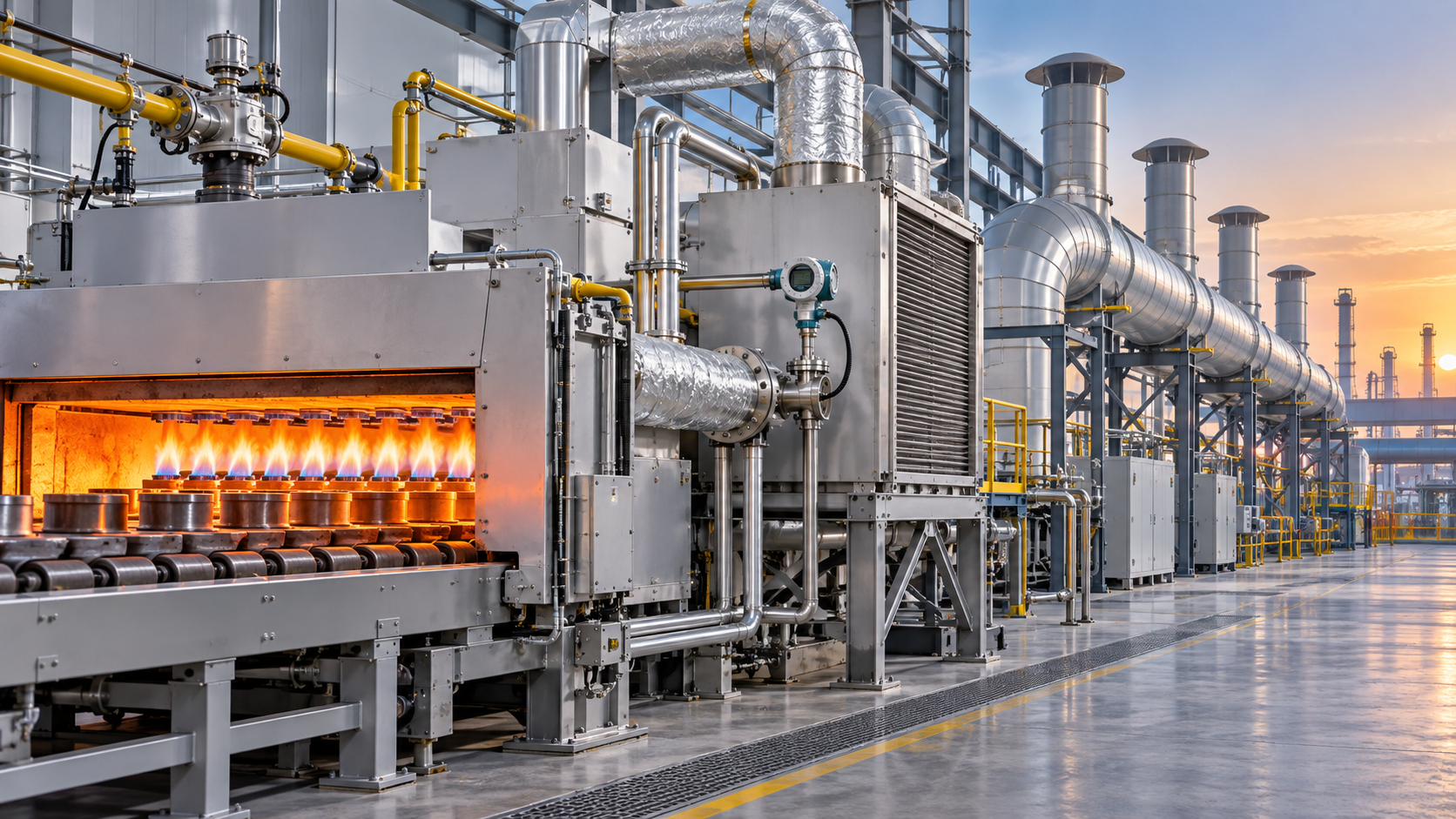
In practical terms, that can extend service life for burners, furnace parts, kiln hardware, and heat-facing shields.
More importantly, thermal barrier coatings support process stability when heat loads remain aggressive for long periods.
That matters in sectors tracked by CF-Elite, where line interruptions carry very high downstream costs.
- Reduce heat penetration into metal components
- Lower risk of thermal cracking and distortion
- Improve performance in oxidizing hot zones
- Support energy efficiency targets in continuous operations
From a recent market view, this is becoming more important as plants push for lower fuel intensity.
The clearer signal is that thermal management is now tied to decarbonization, not only asset protection.
That makes thermal barrier coatings more strategic than they were a decade ago.
Where hard chrome still makes sense
Hard chrome remains useful because many industrial surfaces fail from wear before they fail from heat.
It offers high hardness, good lubricity, and reliable dimensional control on shafts, rods, rollers, and sealing interfaces.
If the equipment sees moderate temperatures and heavy friction, hard chrome may remain the simpler answer.
This is common in hydraulic systems, guide surfaces, transfer rollers, and some extrusion support components.
In those cases, thermal barrier coatings can be unnecessary or even misaligned with the actual failure pattern.
- Strong choice for sliding wear and abrasion
- Useful for restoring tolerances on worn parts
- Often easier to specify for legacy equipment
- Can be cost-effective in lower thermal environments
Still, hard chrome has clear limits in sustained high-temperature service.
Once heat becomes the main source of degradation, its value starts to narrow.
Thermal barrier coatings vs hard chrome: key selection factors
For business evaluation, the comparison should focus on operational economics, not coating labels.
A smart review starts with five practical questions.
- Is heat or wear the primary failure driver?
- Are thermal cycles frequent or relatively stable?
- Does the part affect energy consumption or process yield?
- How expensive is unplanned shutdown for that line section?
- Will environmental compliance change coating acceptance over time?
When the answer points to constant radiant heat, oxidation, and thermal shock, thermal barrier coatings usually gain the edge.
When the answer points to contact wear, surface finish, and dimensional precision, hard chrome often stays competitive.
This also means a single plant may need both solutions on different components.
That mixed strategy is often the most realistic one.
Quick decision table
Application fit across kilns, glass lines, incinerators, and extrusion
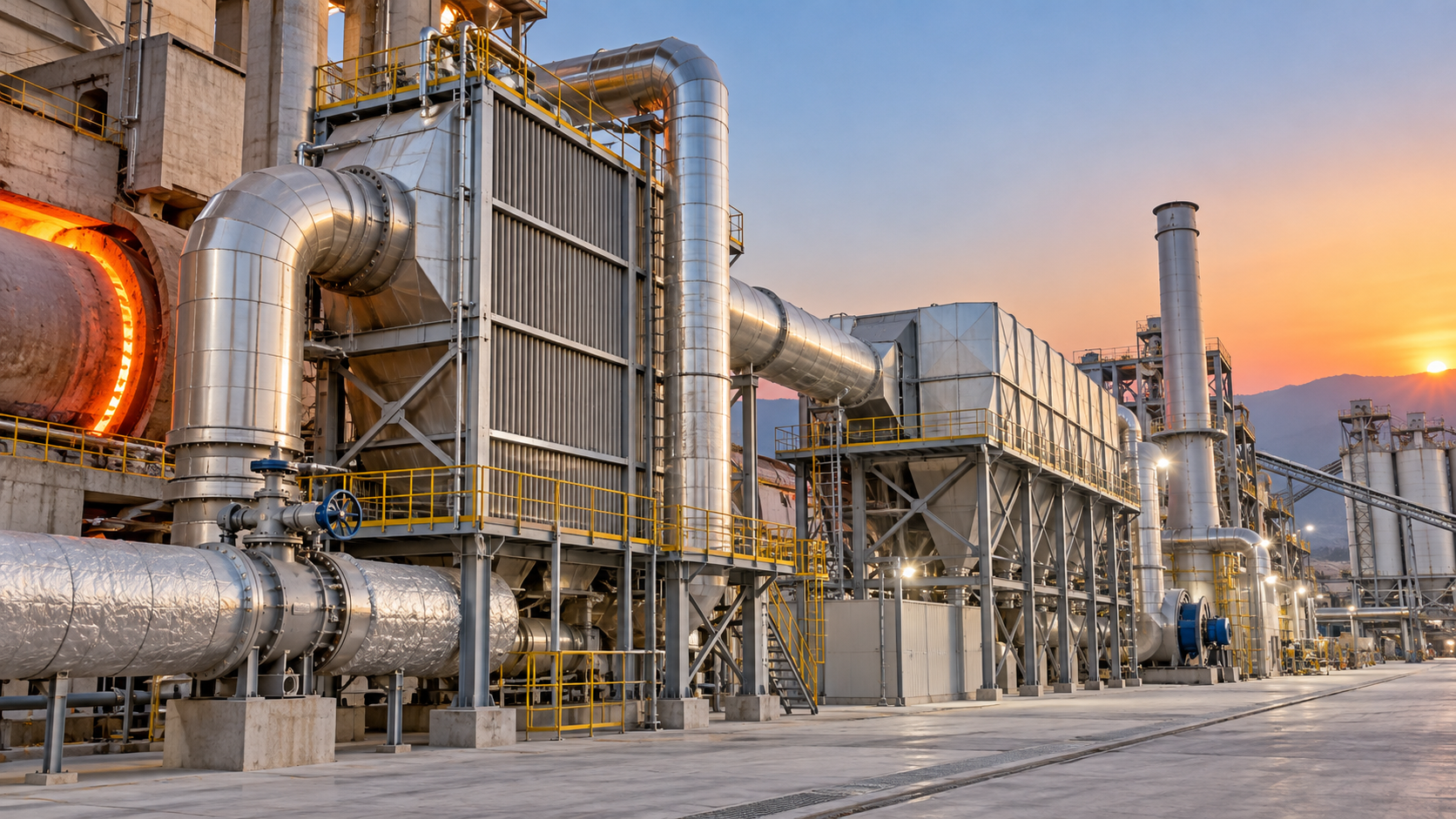
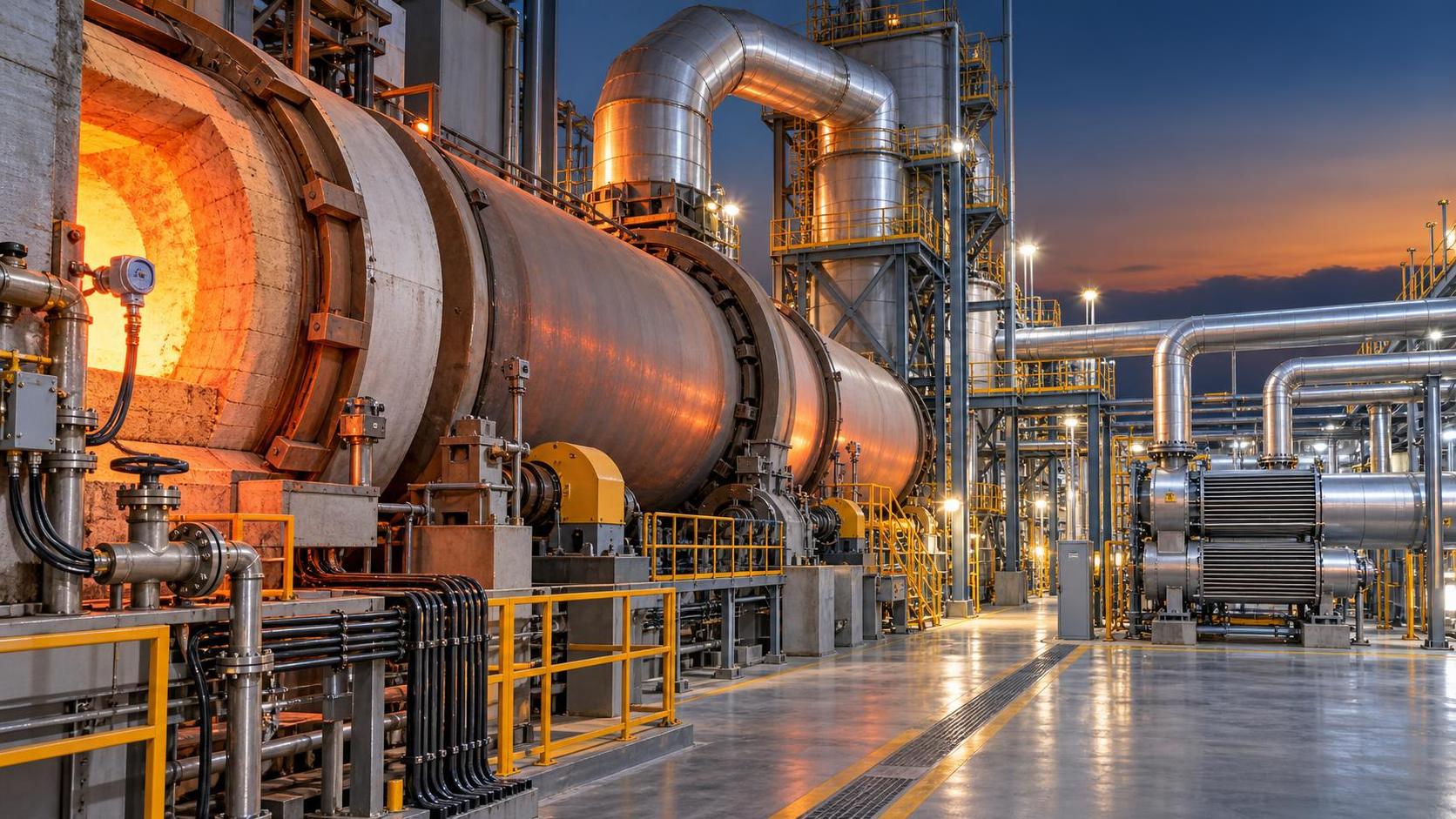
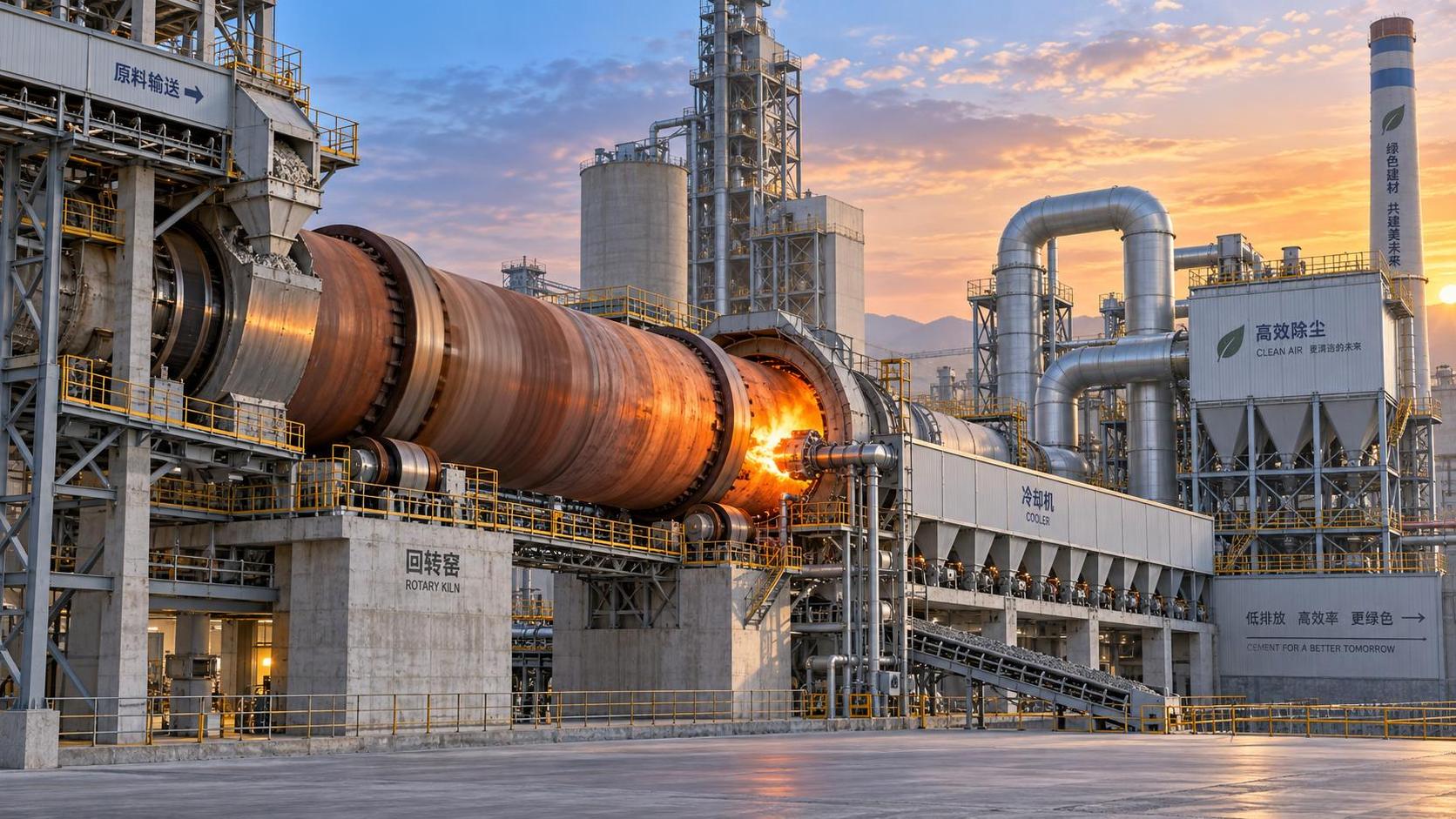
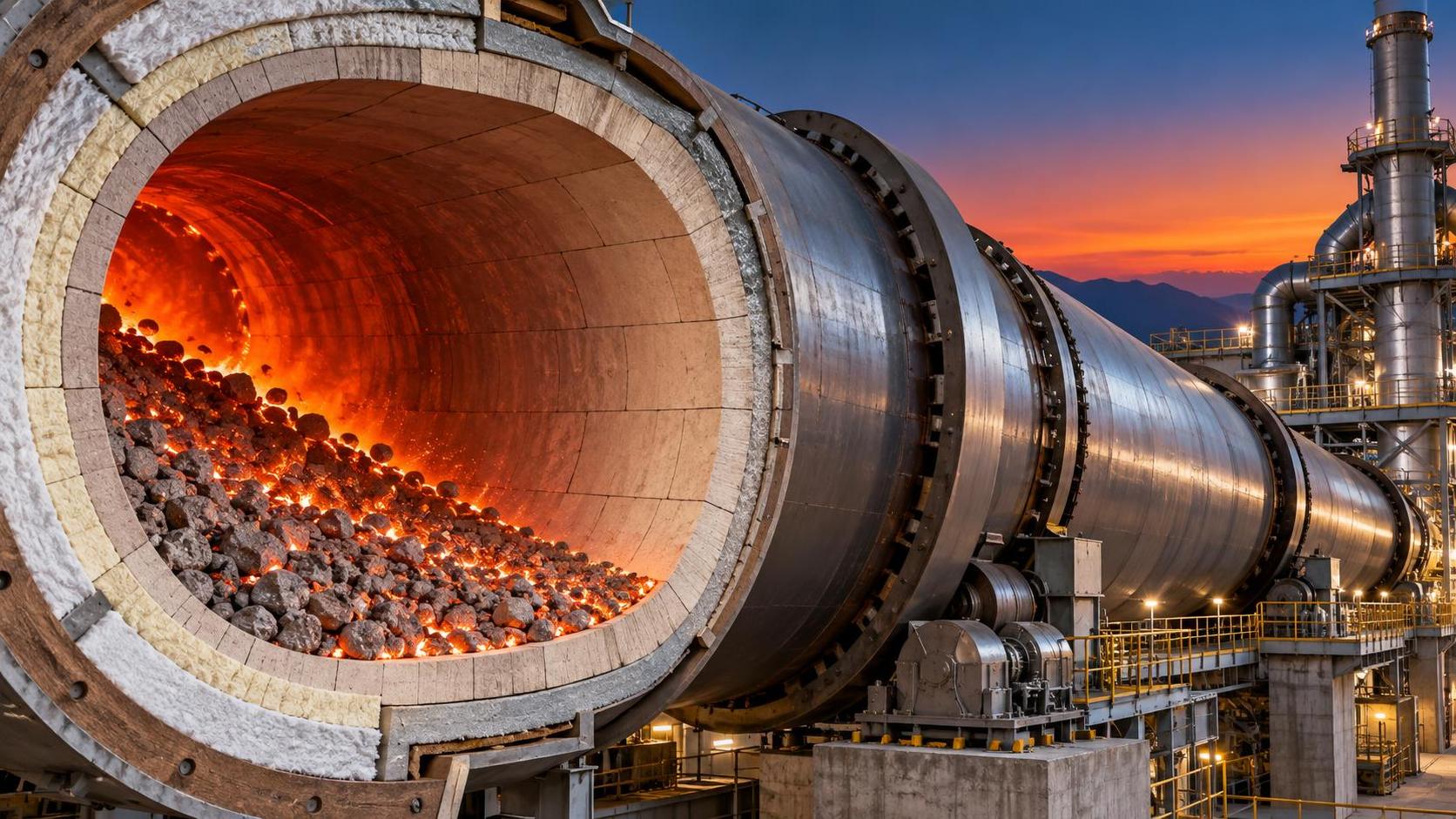
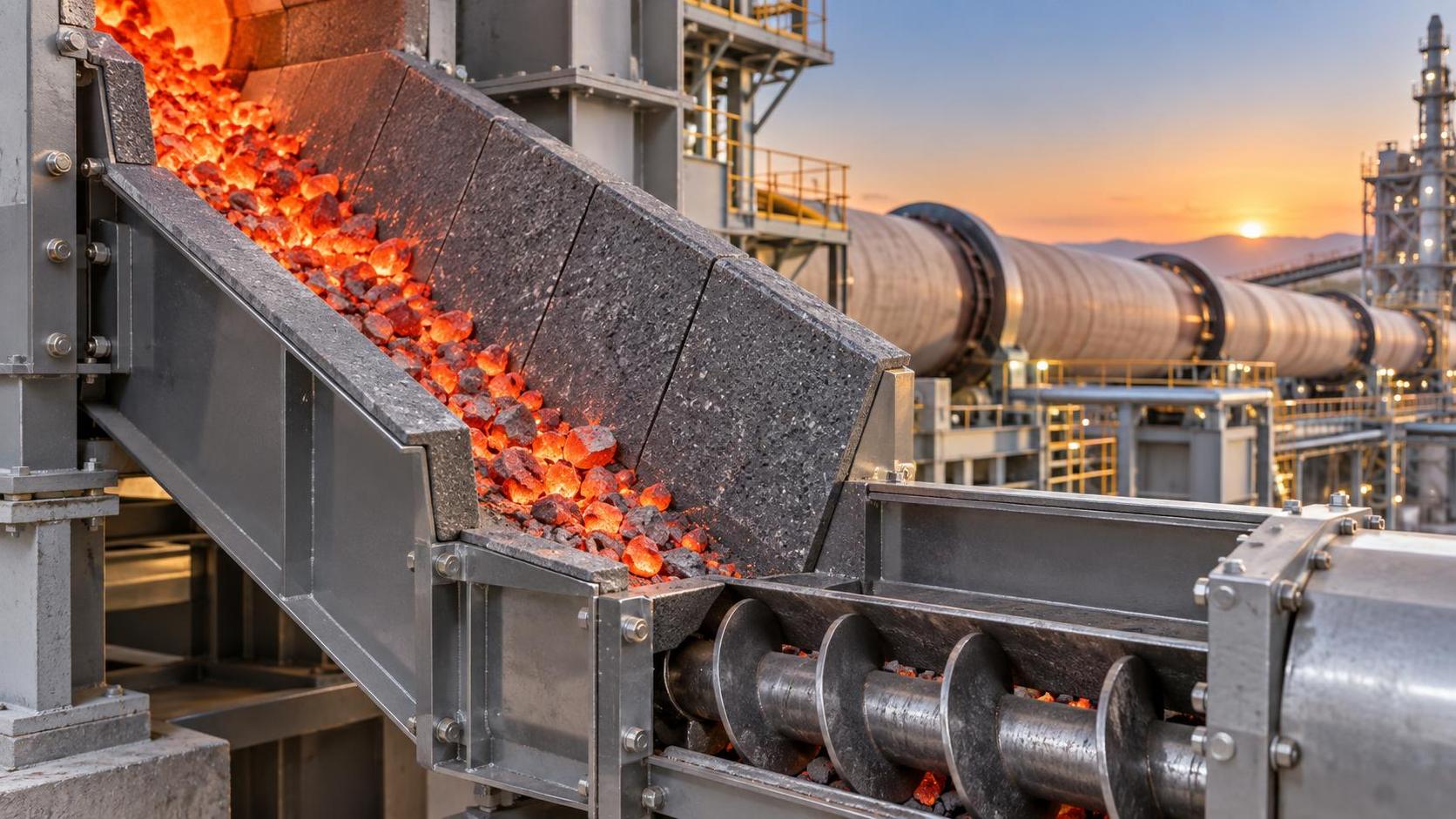
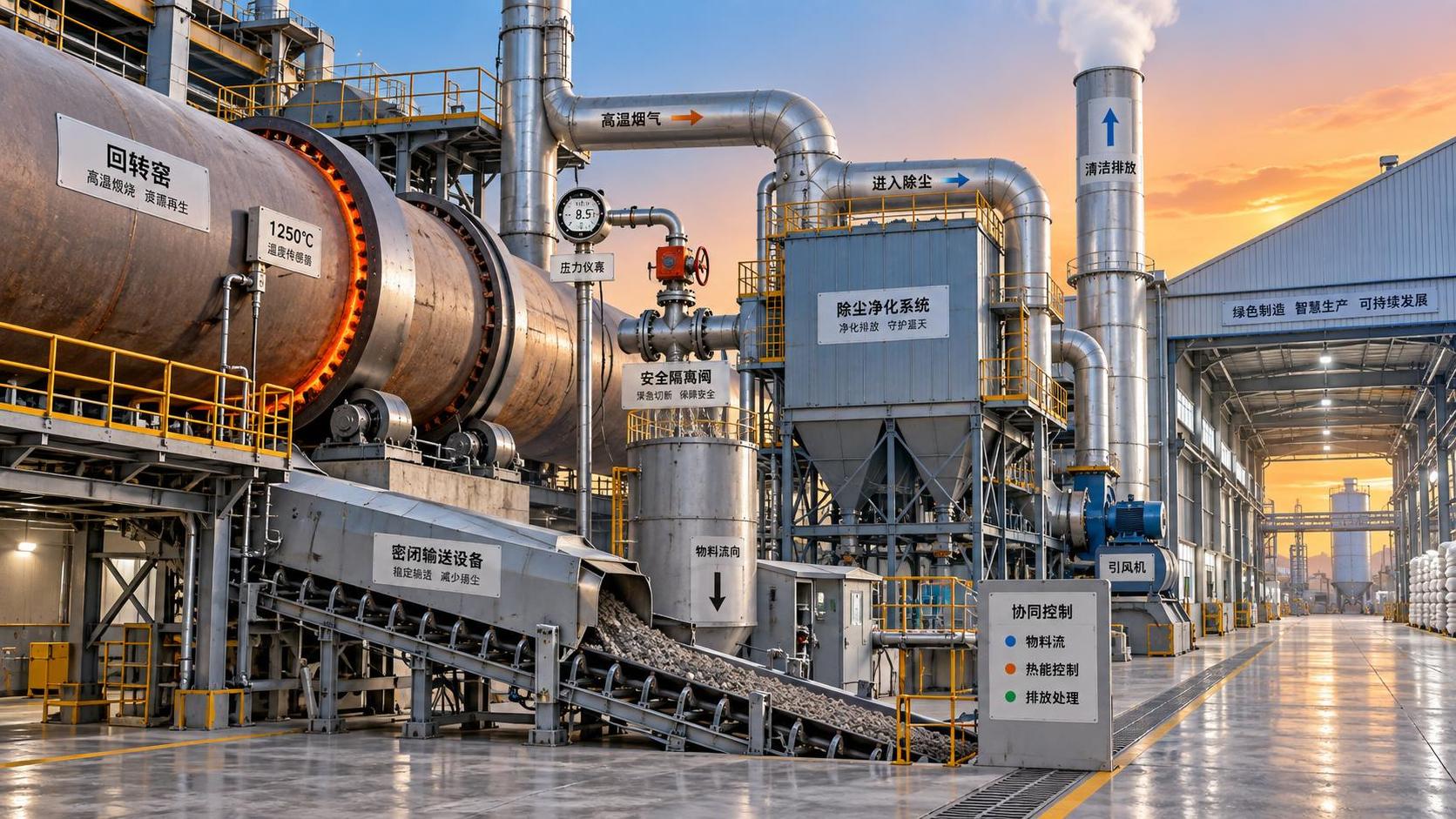
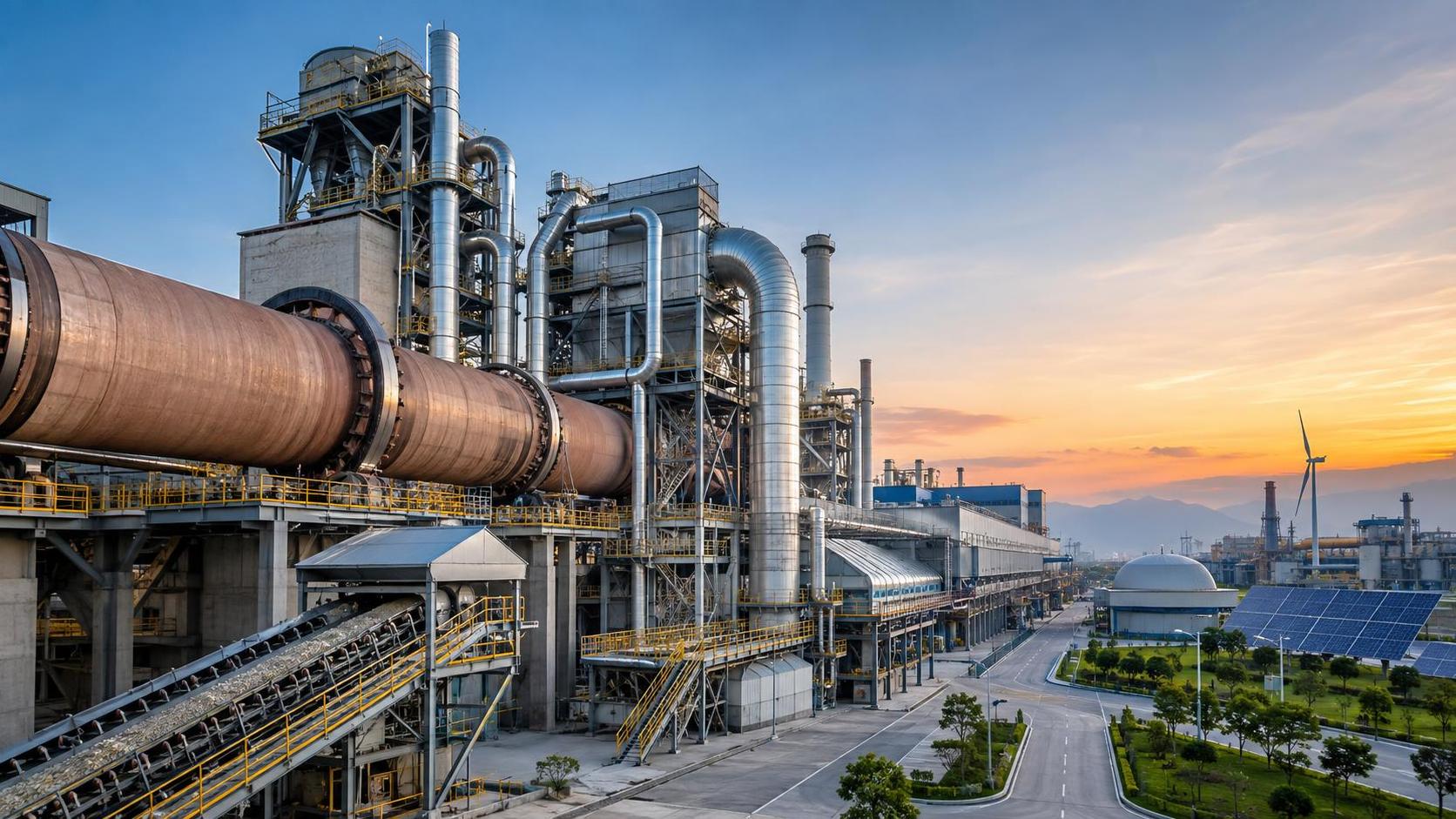
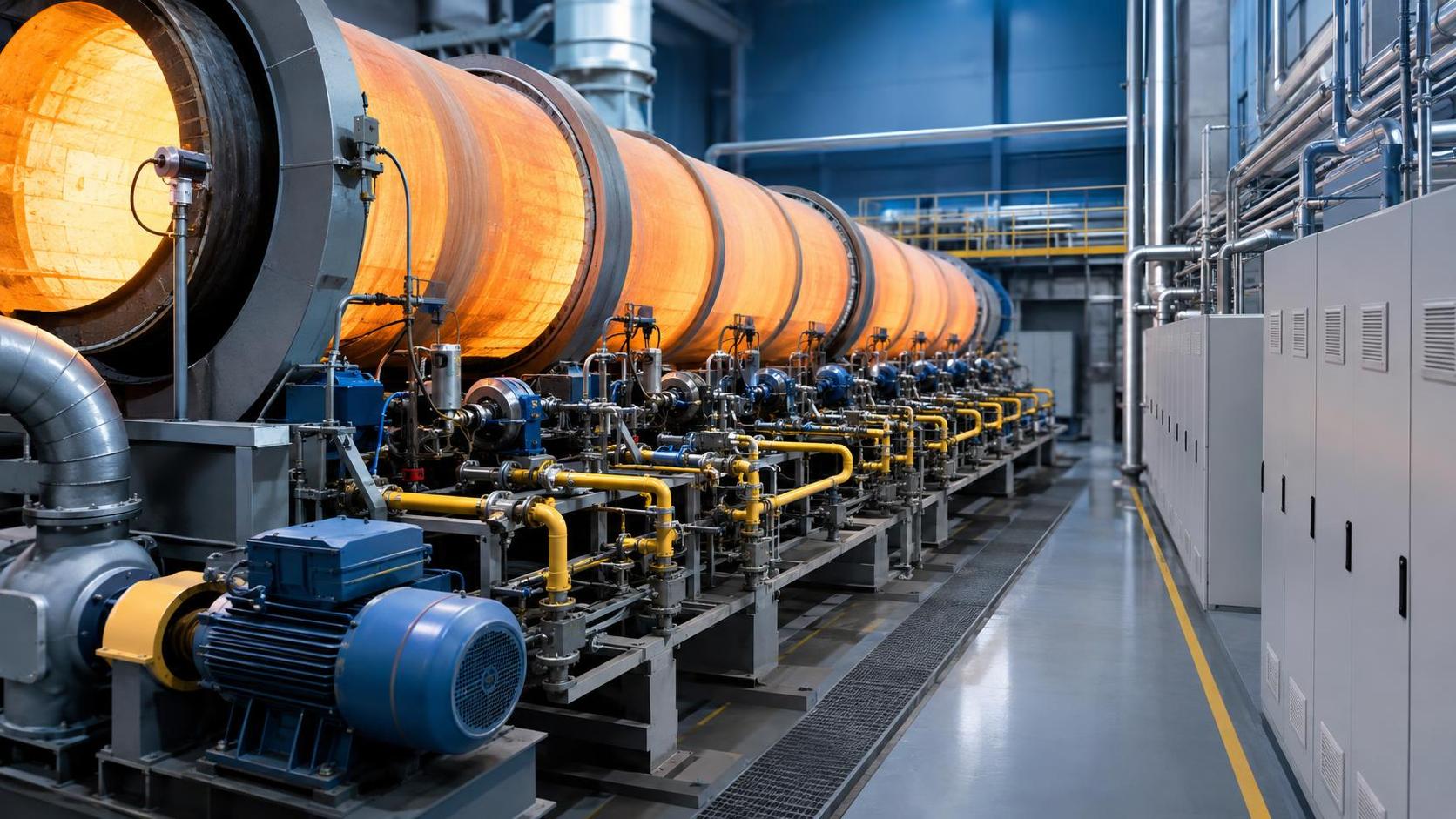
In rotary kilns, thermal barrier coatings are often more relevant on heat-exposed hardware and adjacent protection surfaces.
The goal is not cosmetic durability.
The goal is slowing heat-driven degradation and improving operating consistency.
In industrial incineration, the same logic applies where thermal shock and corrosive combustion conditions work together.
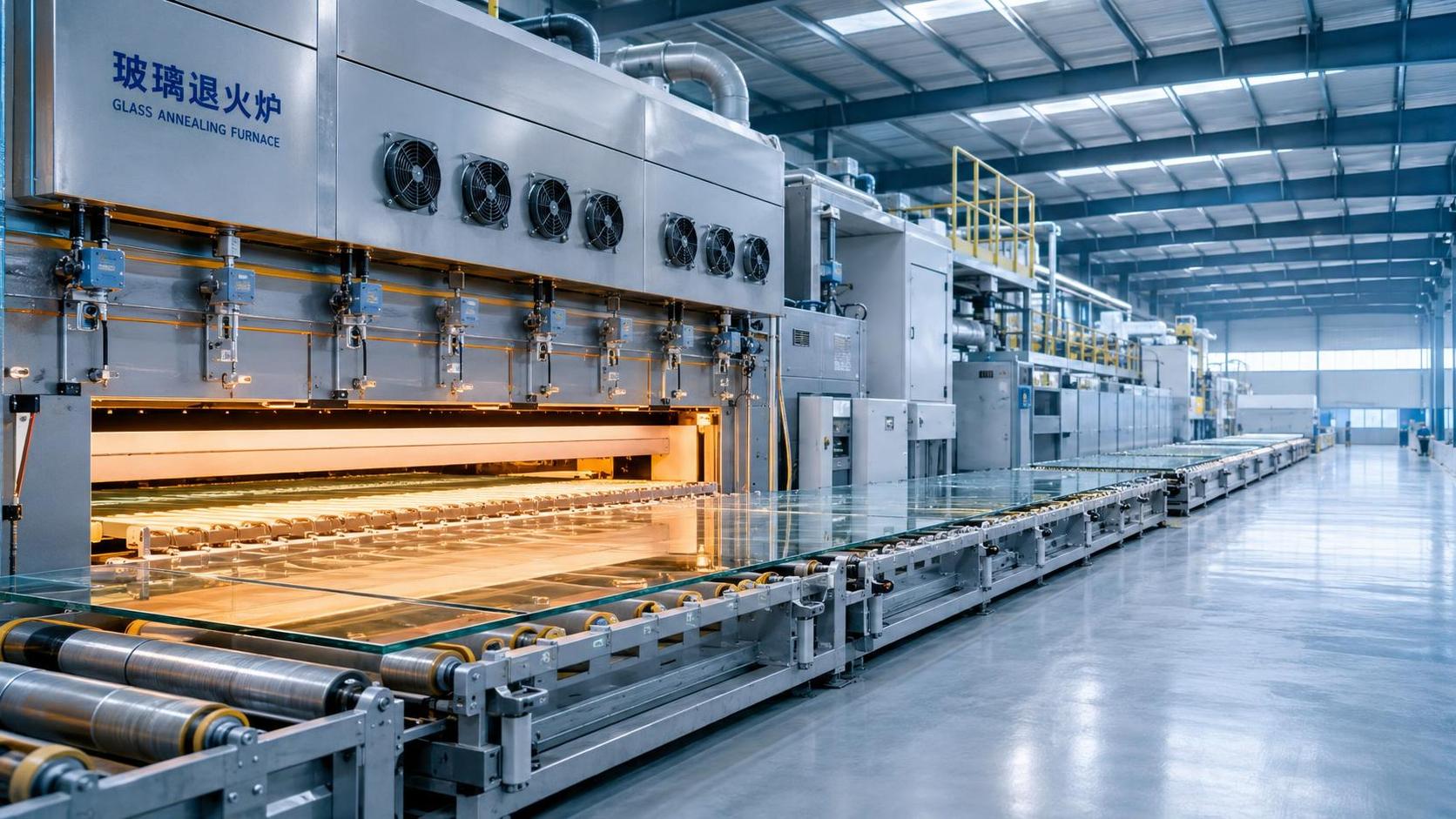
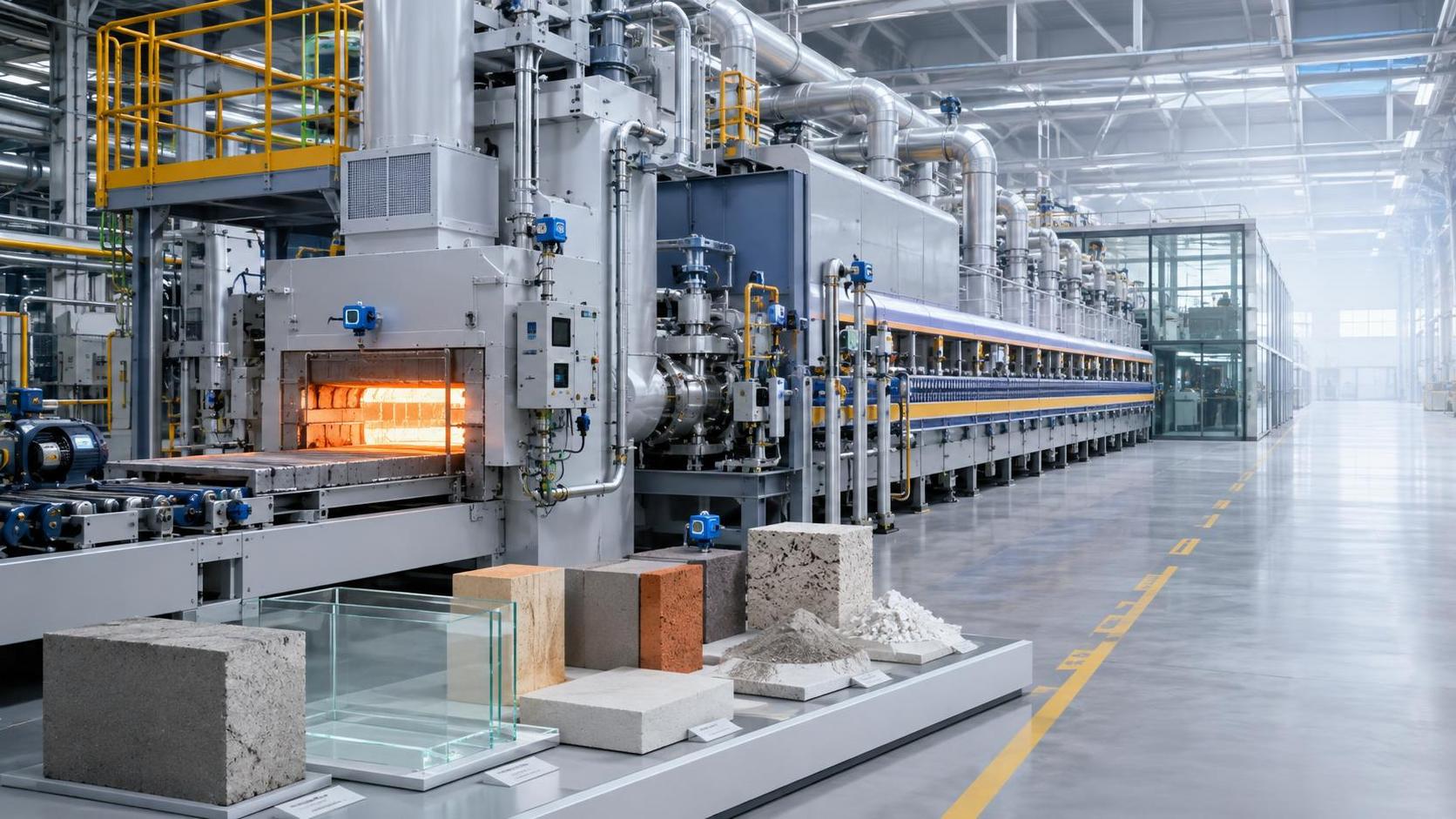
For glass manufacturing gear, thermal barrier coatings can help on components near melting or hot handling zones.
That said, rollers and contact parts outside extreme heat may still favor hard chrome.
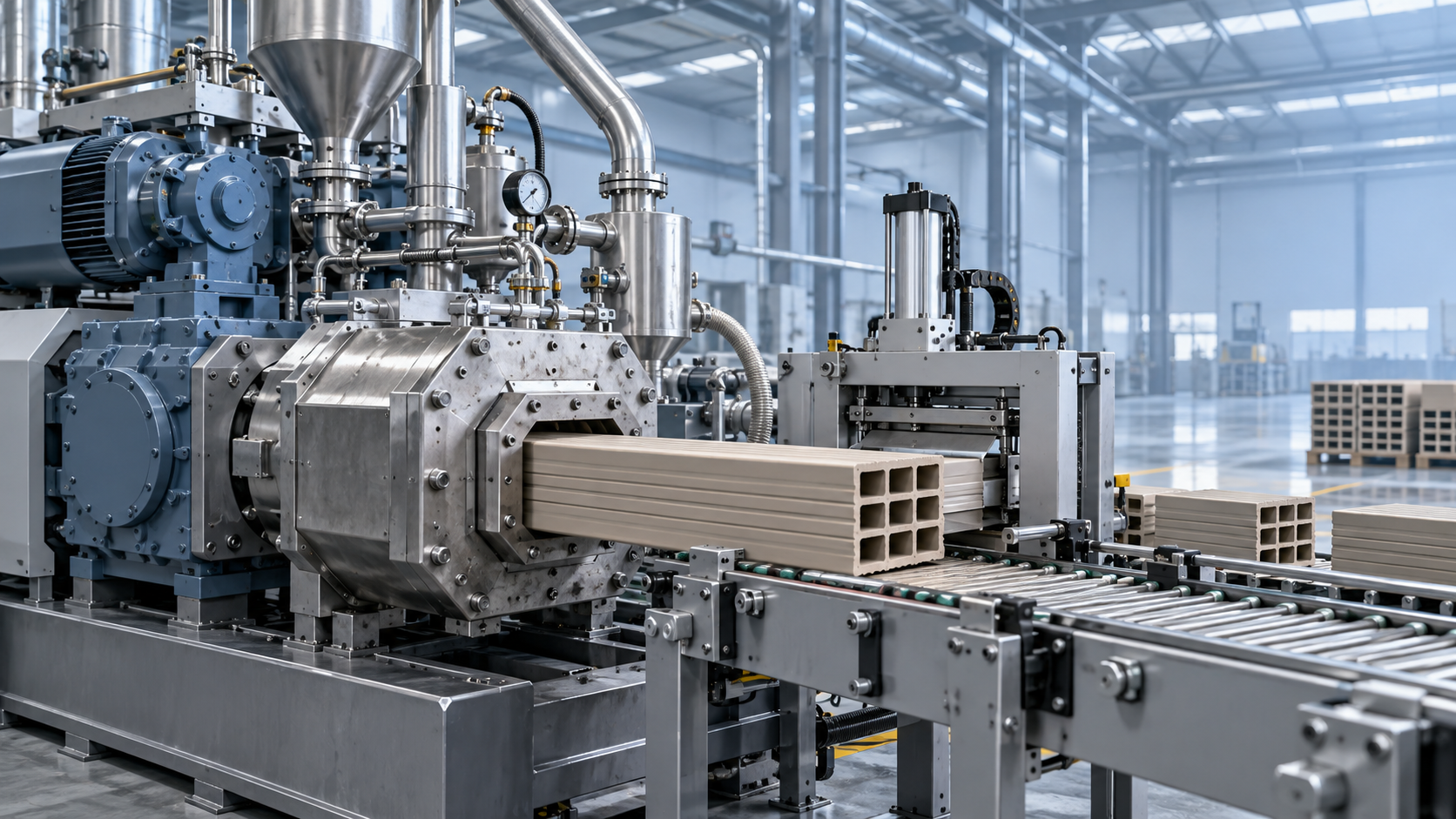
In new building material extrusion, the split is often clearer.
Barrels, dies, and hot transition areas may justify thermal barrier coatings.
Guide rods, support shafts, and wear-focused interfaces may still fit hard chrome.
In actual business reviews, mapping the coating to each component family is far better than making one plant-wide choice.
Cost, risk, and lifecycle value
Upfront price alone can distort the comparison.
Thermal barrier coatings may cost more initially, yet deliver better lifecycle returns in heat-critical equipment.
Those returns come from fewer shutdowns, slower substrate damage, and possible energy savings.
Hard chrome can still win where replacement intervals are predictable and thermal exposure stays limited.
The bigger risk is choosing based on procurement familiarity instead of failure data.
- Check maintenance logs for real failure causes
- Review thermal maps and temperature peaks
- Estimate downtime cost by production stage
- Compare environmental and worker-safety implications
- Model replacement cycles over three to five years
This is where a strategic intelligence approach becomes useful.
CF-Elite’s focus on high-temperature industries highlights a simple pattern.
The best-performing plants treat thermal barrier coatings as part of broader energy and reliability planning.
They do not treat them as isolated consumables.
How to make the final decision
If the equipment lives in sustained high heat, thermal barrier coatings usually deserve first consideration.
If the equipment mainly suffers from friction, impact, or dimensional wear, hard chrome may remain practical.
The better decision comes from matching the coating to the thermal and mechanical reality of each asset.
For many high-heat operations, thermal barrier coatings offer stronger long-term value because they address both protection and efficiency.
That advantage becomes more visible as carbon pressure, uptime expectations, and maintenance costs keep rising.
A practical next step is to rank components by temperature, failure mode, and downtime cost.
Then compare thermal barrier coatings and hard chrome on that shortlist, not in the abstract.
That is usually where the right surface solution becomes obvious.
Related News
 Optical Glass Tech FellowHow to Specify Glass Annealing Equipment for European Quality and Energy RequirementsGlass annealing equipment Europe: learn how to specify lehrs for consistent glass quality, energy efficiency, compliance, automation, and reliable long-term performance.Sep 23, 2026
 Optical Glass Tech FellowSilicate Process Automation: Improving Batch Consistency and Energy ControlSilicate process automation improves batch consistency, energy control, traceability, and operator confidence across high-temperature manufacturing operations.Sep 22, 2026
 Optical Glass Tech FellowHow Silicate Industrial Processes Control Viscosity, Energy Use, and Product QualitySilicate industrial processes: learn how viscosity, chemistry, heat transfer, and atmosphere control reduce energy use, improve stability, and protect product quality.Sep 21, 2026
 Thermal Energy ArchitectHow European Plants Can Evaluate Energy Recovery Equipment for High-Temperature ProcessesIndustrial energy recovery equipment Europe: learn how high-temperature plants can assess waste-heat sources, integration risks, lifecycle value, and reliable recovery routes.Sep 20, 2026
 Thermal Energy ArchitectIndustrial Furnace Process Optimization: Reducing Fuel Use Without Sacrificing ThroughputIndustrial process optimization furnace strategies that cut fuel use while protecting throughput. Explore combustion control, heat recovery, refractory performance, and data-driven efficiency gains.Sep 19, 2026
 Ms. Elena RodriguezWhat Drives High-Pressure Extrusion Equipment Cost in Industrial Projects?High pressure extrusion equipment cost explained: compare pressure, die design, automation, wear, energy, and installation factors for smarter industrial investments.Sep 18, 2026
 Thermal Energy ArchitectHow to Size a Waste Heat Recovery Exchanger for High-Temperature Kiln Exhaust?Waste heat recovery exchanger sizing for high-temperature kiln exhaust: balance recoverable duty, fouling, corrosion limits, pressure drop, and reliable heat use.Sep 17, 2026
 Thermal Energy ArchitectWhy Heat-Resistant Materials Lose Abrasion Resistance at High TemperaturesHeat-resistant materials abrasion resistance can decline at high temperatures. Discover the thermal, chemical, and mechanical causes of wear—and how to choose longer-lasting linings.Sep 16, 2026
 Thermal Energy ArchitectHow to Evaluate a Thermal Energy Optimization Company for High-Temperature PlantsChoose a thermal energy optimization company with proven process expertise, measurable savings, and reliable delivery for high-temperature plants. Learn what to assess.Sep 15, 2026
 Thermal Energy ArchitectRotary Kiln Efficiency: How Feed Rate, Fuel Use, and Heat Loss Affect OutputRotary kiln efficiency explained: discover how feed rate, fuel use, heat loss, combustion, and cooling performance shape output, quality, and energy costs.Sep 14, 2026
 Thermal Energy ArchitectHow to Select Heat-Resistant Materials That Maintain Abrasion Resistance in KilnsHeat-resistant materials abrasion resistance: learn how to select kiln linings that withstand heat, wear, thermal cycling, and chemical attack for longer service life.Sep 13, 2026
 Thermal Energy ArchitectHow Rotary Kiln Automation Improves Temperature Control and Fuel EfficiencyRotary kiln technology automation enhances temperature control, stabilizes combustion, and improves fuel efficiency with smarter data, predictive control, and safer operations.Sep 12, 2026
 Silicate Process EngineerCement Plant Emission Control: Selecting Systems for Dust, NOx, and SO2 LimitsCement plant emission control guide: compare dust collectors, NOx reduction, and SO2 systems for reliable compliance across kiln modes, fuel changes, and operating upsets.Sep 11, 2026
 Thermal Energy ArchitectSelecting Abrasion-Resistant High-Temperature Materials for Kiln and Conveyor Wear ZonesHigh-temp material engineering guide to abrasion-resistant kiln and conveyor solutions—match wear, heat, chemistry, and installation design for longer service life.Sep 10, 2026
 Dr. Alistair VaughnIndustrial Process Engineering: How to Map Processes for Safer, More Efficient PlantsIndustrial process engineering reveals bottlenecks, safety risks, and energy losses through practical process mapping for safer, more efficient plants.Sep 09, 2026
 Optical Glass Tech FellowHow to Evaluate a Glass Annealing Equipment Manufacturer for Production StabilityChoose a glass annealing equipment manufacturer with proven thermal uniformity, reliable controls, lifecycle value, and responsive service for stable production.Sep 08, 2026
 Prof. Marcus ChenThermal Energy Architecture in North America: Strategies for Lower Building Energy UseThermal energy architecture North America helps project leaders cut building energy use through stronger envelopes, right-sized HVAC, storage, and smart commissioning.Sep 07, 2026
 Ms. Elena RodriguezHow Should Buyers Evaluate Building Material Industry Intelligence Pricing?Building material industry intelligence pricing: learn how to compare coverage, technical depth, and ROI to choose intelligence that reduces procurement risk.Sep 07, 2026
 Ms. Elena RodriguezHow to Use Building Material Intelligence Data for Market and Investment DecisionsBuilding material industry intelligence data helps leaders evaluate demand, costs, regulation, capacity, and technology to make smarter market and investment decisions.Sep 05, 2026
 Thermal Energy ArchitectHow PLC Control Improves Energy Efficiency and Temperature Stability in KilnsEnergy efficient kilns PLC control improves temperature stability, cuts fuel waste, and optimizes combustion, draft, and material flow. Explore proven strategies for smarter kiln modernization.Sep 04, 2026


Related News
- 00
0000-00
Industrial Process Engineering: How to Map Processes for Safer, More Efficient Plants - 00
0000-00
What Should a Process Technology Database Track for High-Temperature Plants? - 00
0000-00
How to Specify Custom Agricultural Processing Equipment for Throughput and Hygiene - 00
0000-00
How to Select Process Plant Equipment for High-Temperature, Abrasive Production Lines - 00
0000-00
What Causes Thermal Shock Failure in Heat-Resistant Materials During Development?
Weekly Insights
Stay ahead with our curated technology reports delivered every Monday.