
Silicate Industrial Solutions for Multi-Line Plants: How to Compare Process Fit and ROI




How should multi-line plants define the right silicate industrial solutions?
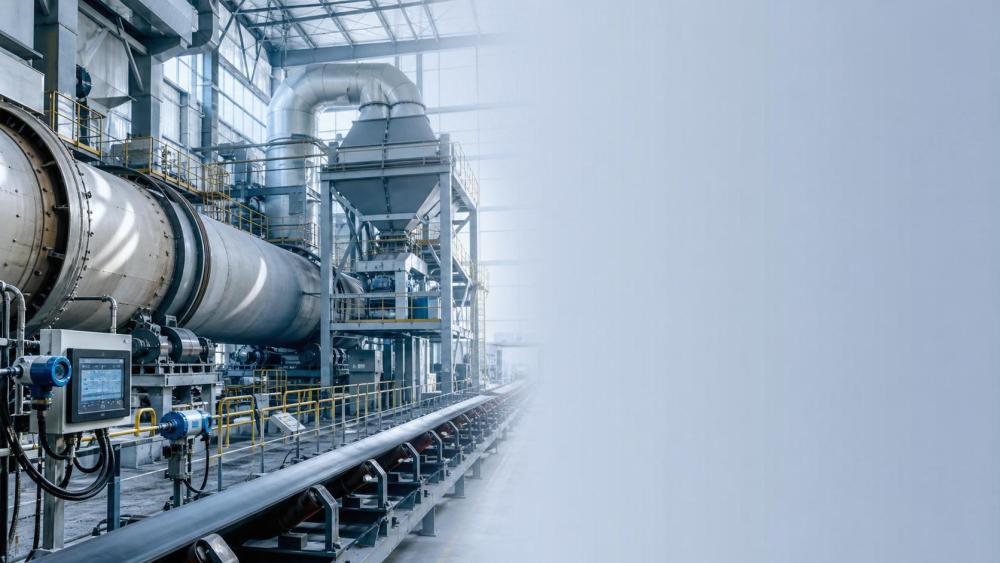
Choosing silicate industrial solutions rarely starts with equipment brochures. It starts with the plant map, fuel reality, product mix, and the limits of each line.
In a multi-line site, one wrong assumption spreads quickly. A kiln upgrade can affect dust handling, refractory wear, power demand, and dispatch timing across other units.
That is why process fit matters before price. The best-looking proposal on paper may underperform if raw material variability, thermal profile, or line balancing were ignored.
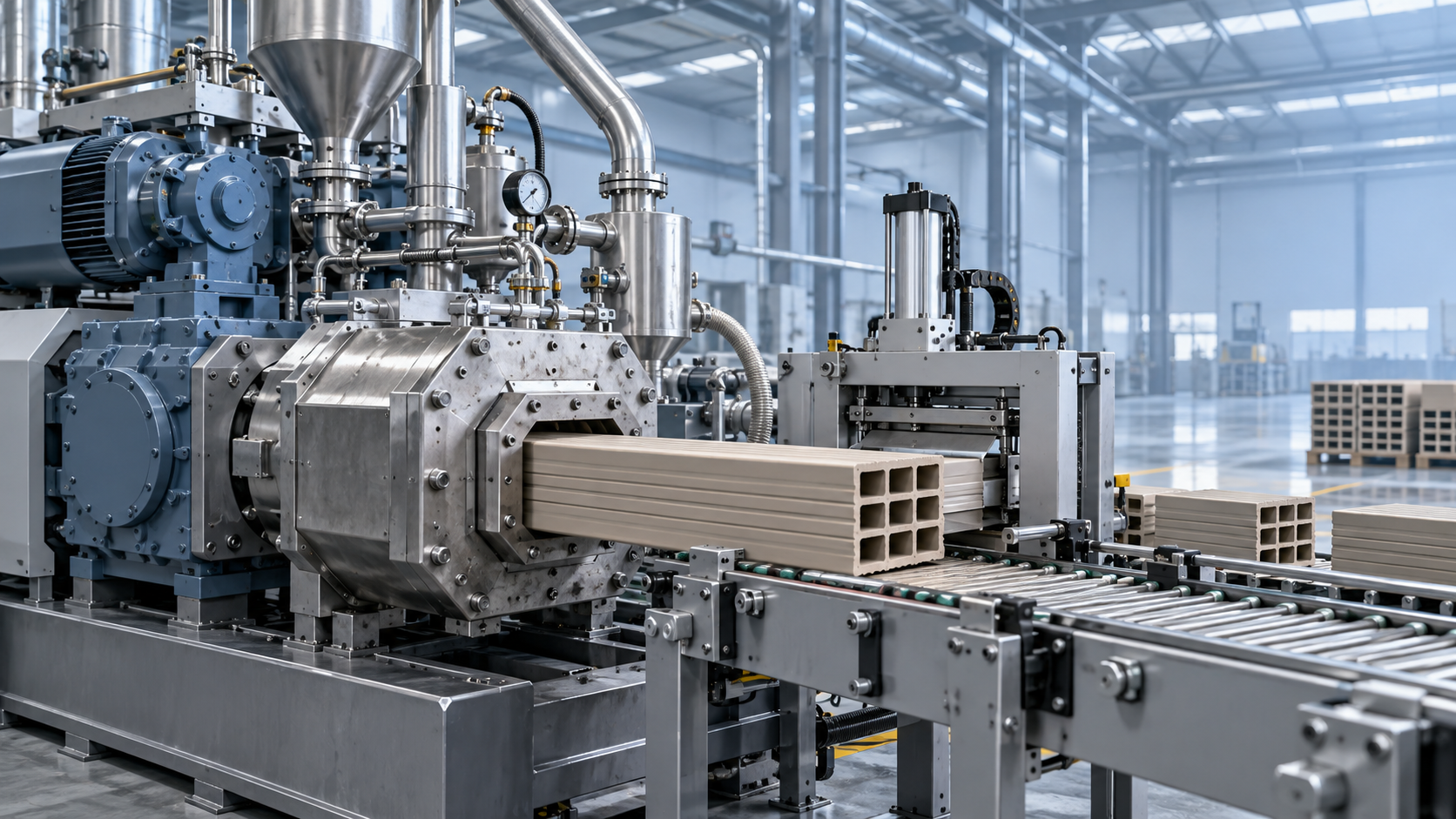
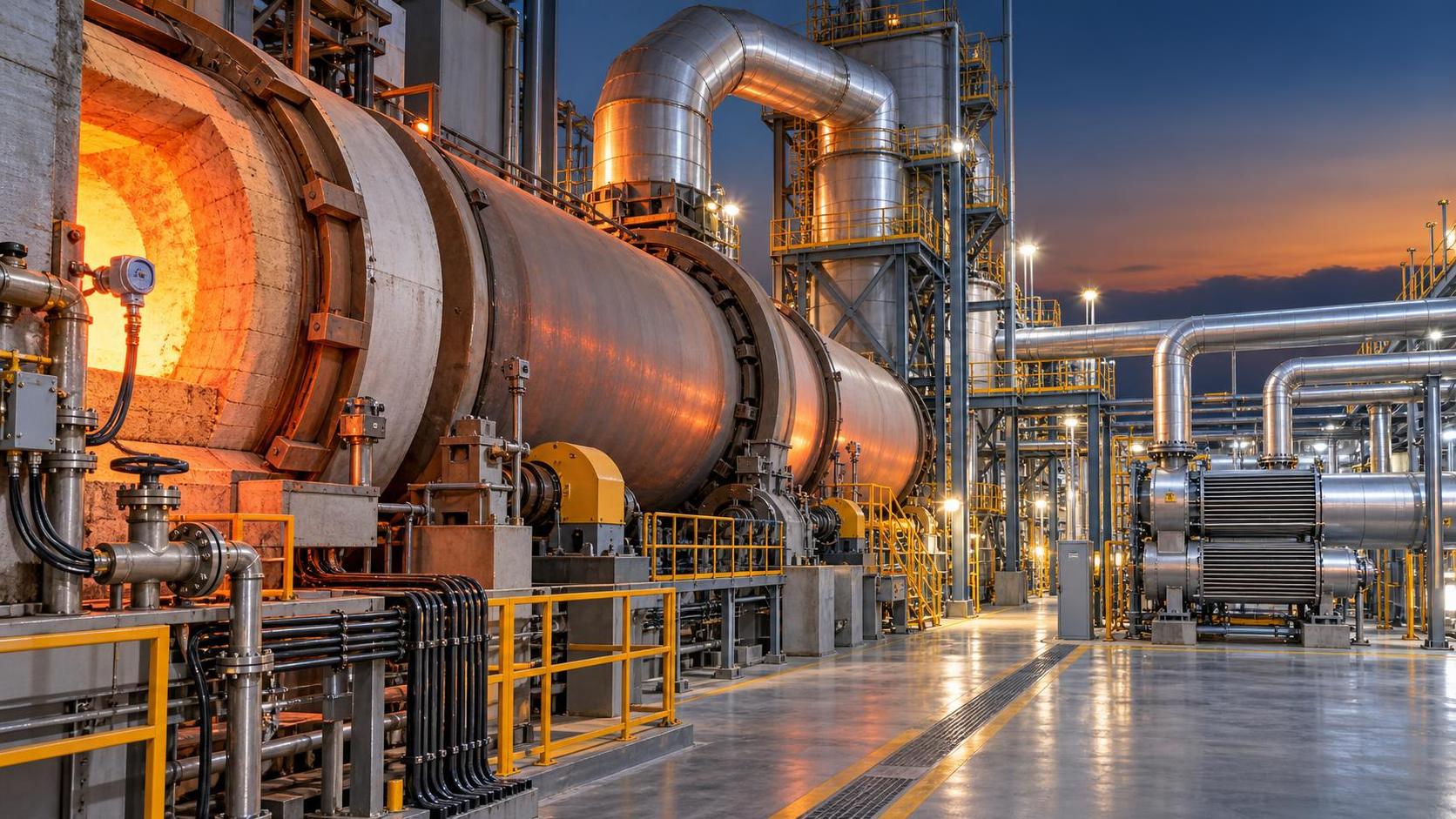
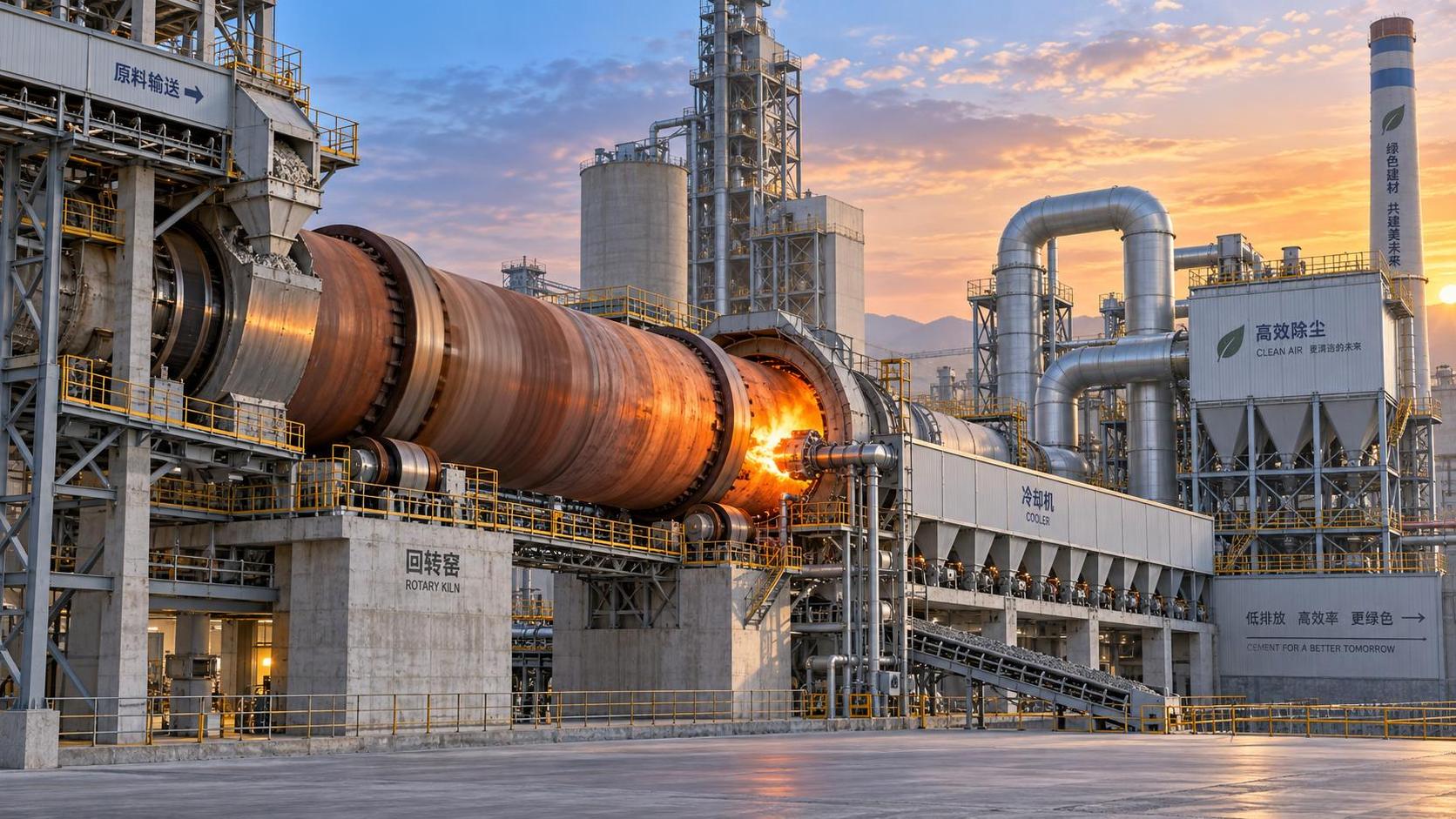
In practice, silicate industrial solutions cover more than a single machine. They usually combine thermal equipment, controls, lining systems, emissions treatment, material handling, and operating logic.
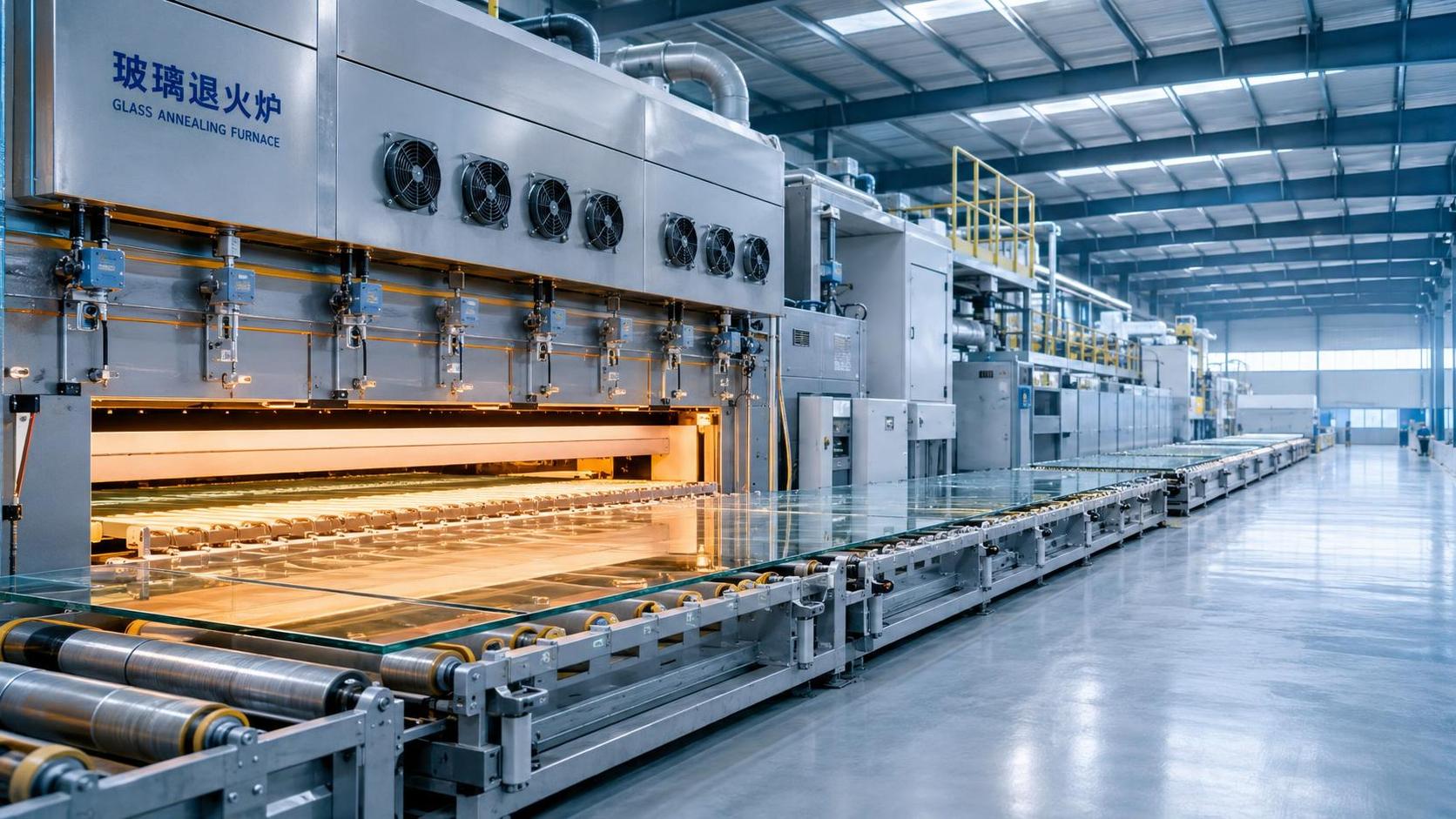
For cement, glass, incineration, refractory, and extrusion assets, the selection question is similar. Can the solution stabilize output while lowering energy intensity and future compliance exposure?
CF-Elite often frames this as a linked decision. Ultra-high-temperature physics, chemical kinetics, and carbon reduction targets should be reviewed together, not as separate procurement boxes.
That broader view is useful because multi-line plants do not win from isolated optimization. They win when process fit supports uptime, controllability, and a defendable return profile.
What does “process fit” actually mean in a silicate plant?
A practical definition is simple. Process fit means the proposed solution matches the plant’s material behavior, thermal duty, operating rhythm, and downstream constraints.
For example, a glass line may need tighter temperature uniformity than a waste co-processing unit. An extrusion line may care more about pressure stability and die wear than flame geometry.
This is where many comparisons go wrong. Two silicate industrial solutions can share similar capacity ratings, yet deliver very different results once raw mix moisture or alternative fuel ratios shift.
A better comparison asks four direct questions.
- How stable is feed chemistry and particle size across seasons?
- What thermal window is acceptable before yield or quality drops?
- Which line becomes the bottleneck after the upgrade?
- How much operator intervention is still needed during upset conditions?
When these answers are clear, process fit stops being abstract. It becomes a measurable filter for comparing proposed burners, kilns, incineration modules, control packages, or lining systems.
CF-Elite’s industry coverage is useful here because cross-sector lessons matter. Rotary kiln co-processing logic, digital twin modeling, and online refractory monitoring often reveal hidden fit issues early.
Which comparison points matter most when several lines share utilities and risk?
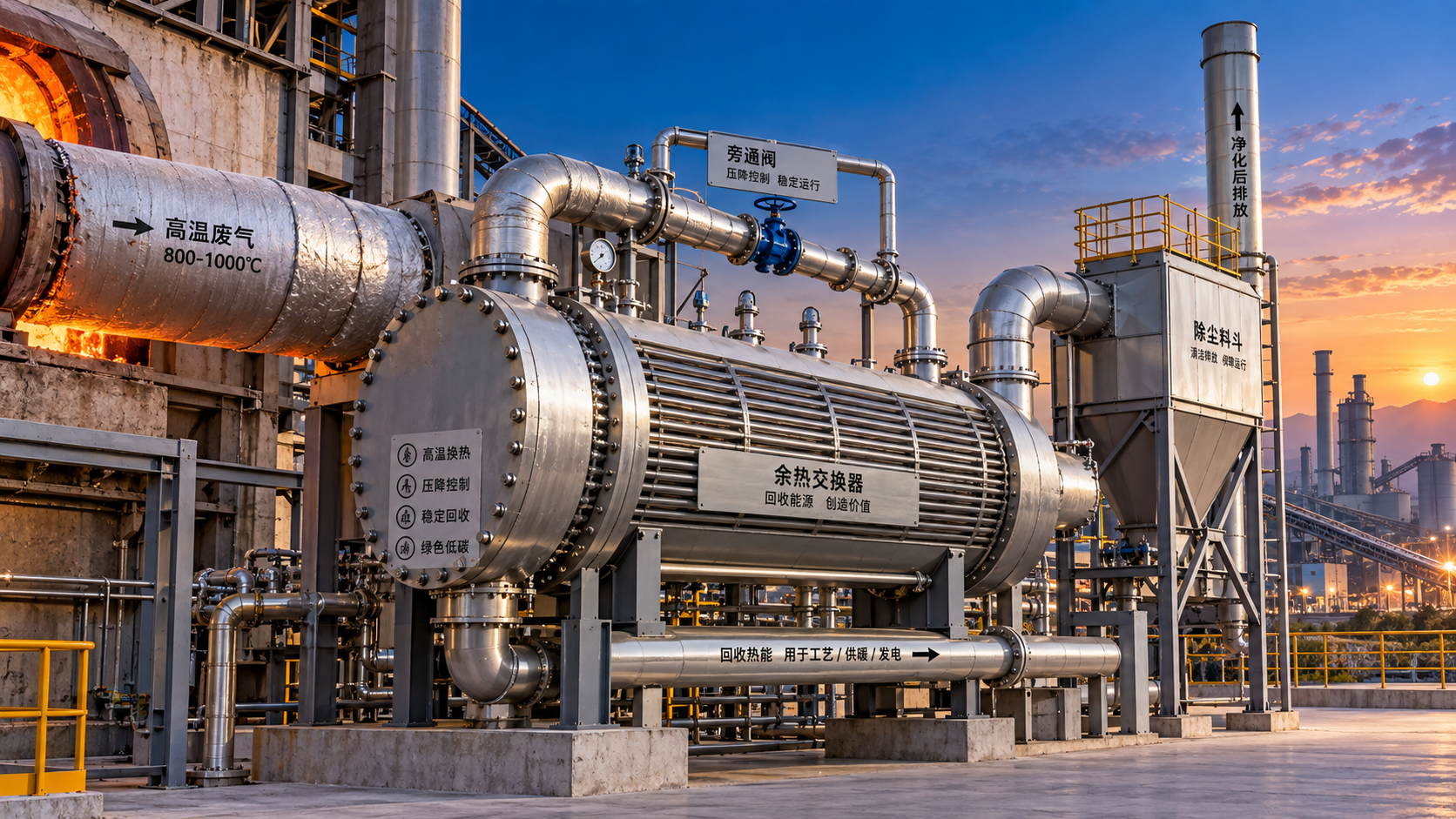
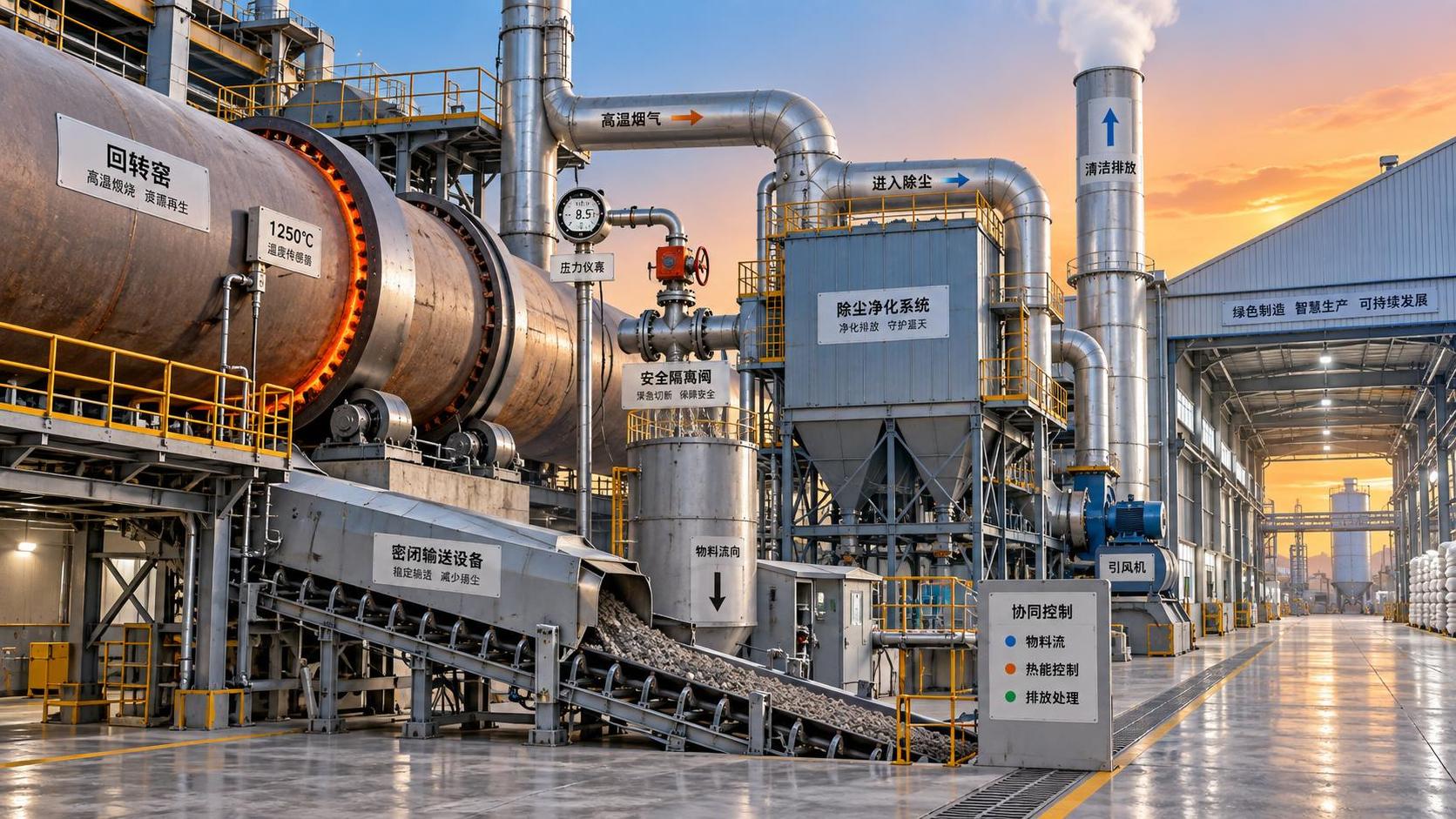
Shared utilities change the decision. Steam, compressed air, fuel trains, cooling systems, and baghouse capacity can turn one line-level upgrade into a site-wide operational constraint.
So the comparison should move beyond nameplate performance. The more useful view is operational interaction: what improves locally, what shifts elsewhere, and what new failure modes appear.
The table below helps structure that review.
A comparison built around these points is usually stronger than vendor scorecards alone. It also makes internal review easier because tradeoffs become visible in operating terms.
Is ROI only about energy savings, or is that too narrow?
It is too narrow for most silicate industrial solutions. Energy matters, but multi-line plants usually gain or lose more from uptime, quality consistency, maintenance intervals, and compliance stability.
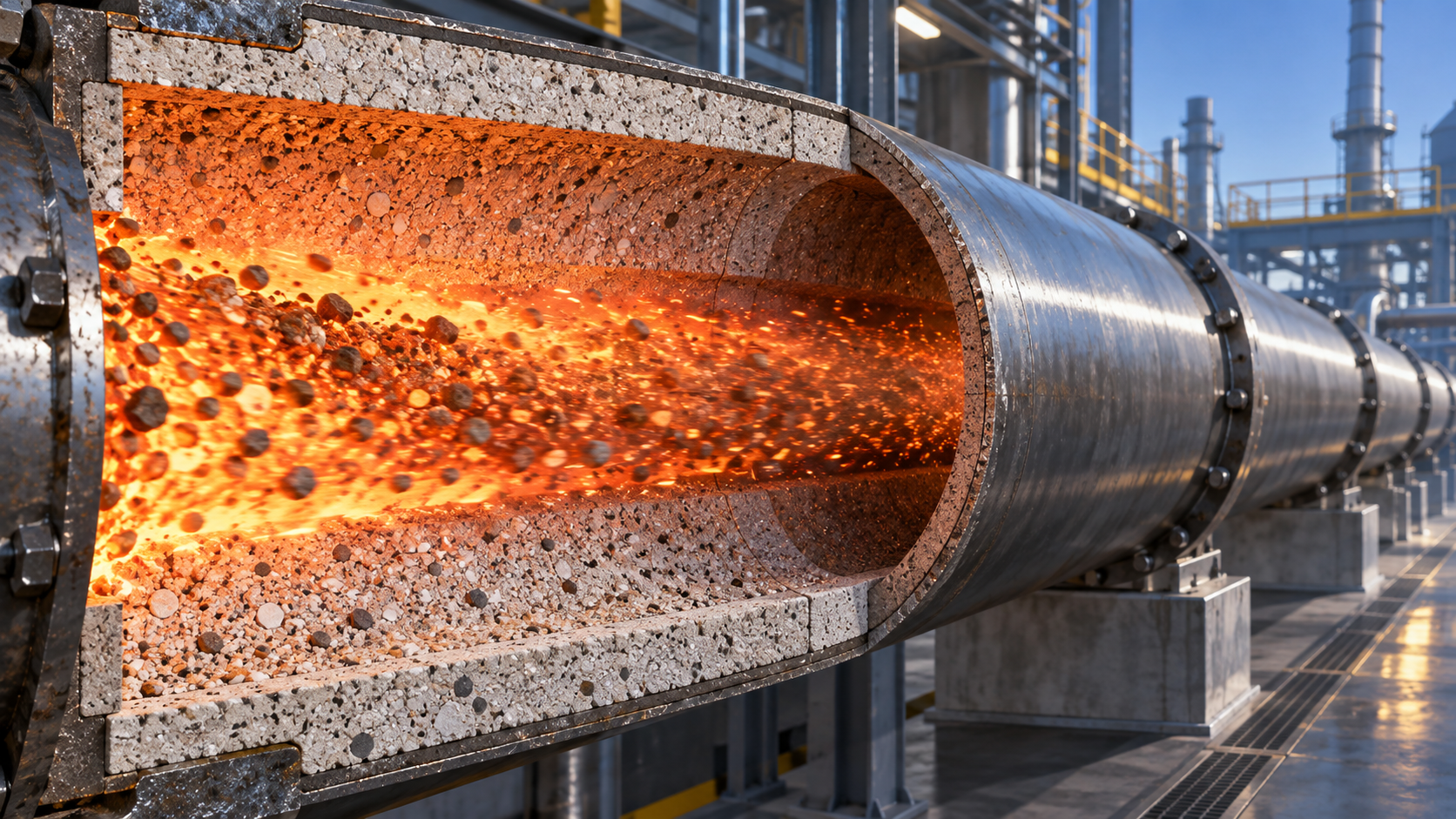
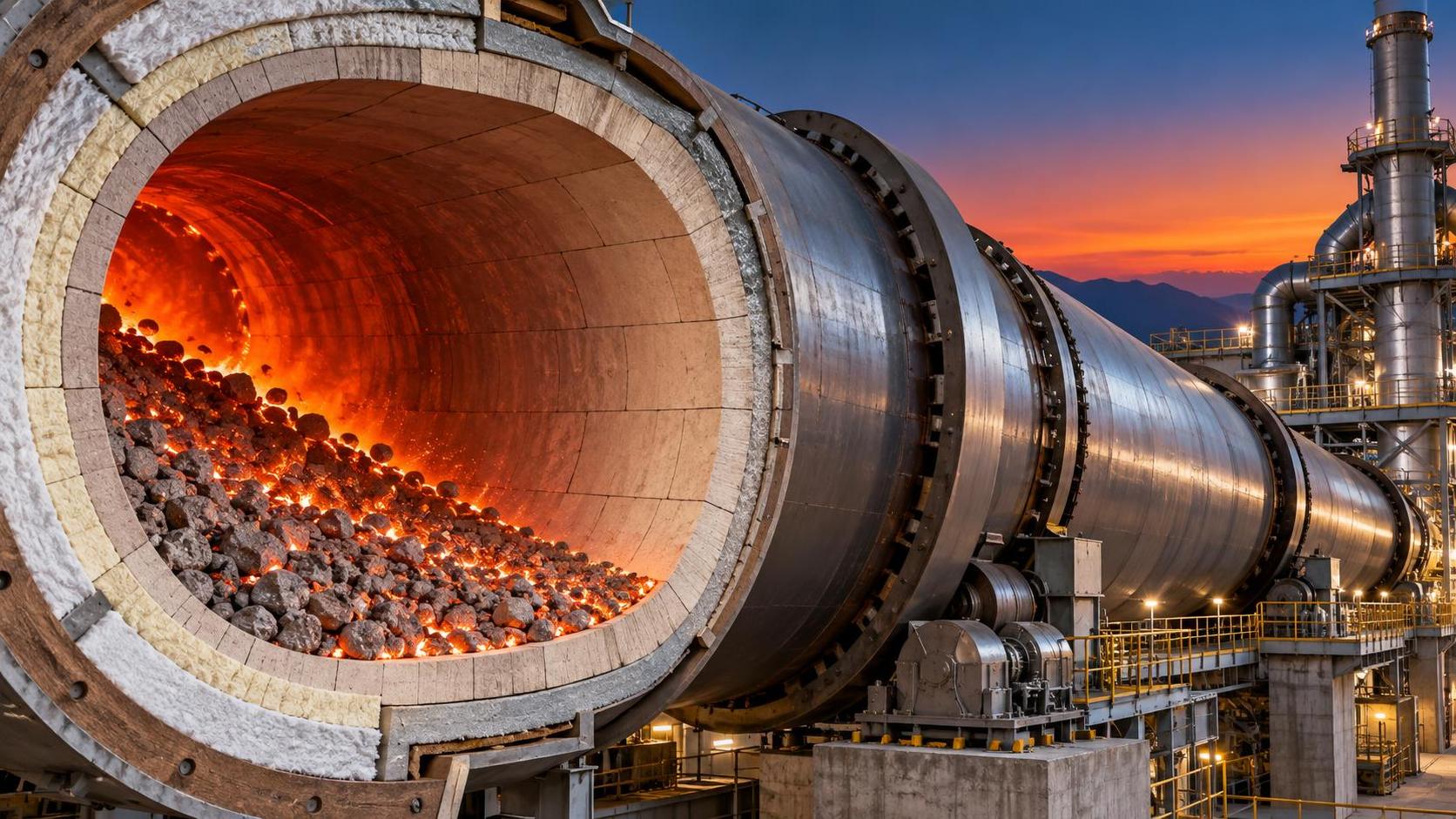
A burner retrofit with modest fuel savings can still outperform a cheaper option if it cuts thermal shock events and extends refractory campaigns by several months.
The same applies in incineration and extrusion. Better control can reduce off-spec output, unplanned stoppages, and manual intervention. Those effects often carry more financial weight than headline efficiency.
A practical ROI model should include both direct and avoided costs.
- Fuel and electricity consumption per ton
- Output gain from debottlenecking
- Reduced refractory, filter, or wear-part replacement
- Lower downtime during planned and unplanned shutdowns
- Emission-related penalties or retrofit deferral
- Working capital effects from more stable production
Needless optimism usually comes from one mistake. Benefits are annualized, but commissioning losses, learning curves, and utility upgrades are understated or excluded.
More reliable silicate industrial solutions are evaluated with sensitivity bands. Base case, stressed fuel case, lower-throughput case, and delayed-ramp case tell a far more honest story.
Where do plants misjudge silicate industrial solutions during selection?
The first mistake is buying for peak design conditions only. Real plants run through unstable feed lots, variable fuels, staffing gaps, and maintenance windows.
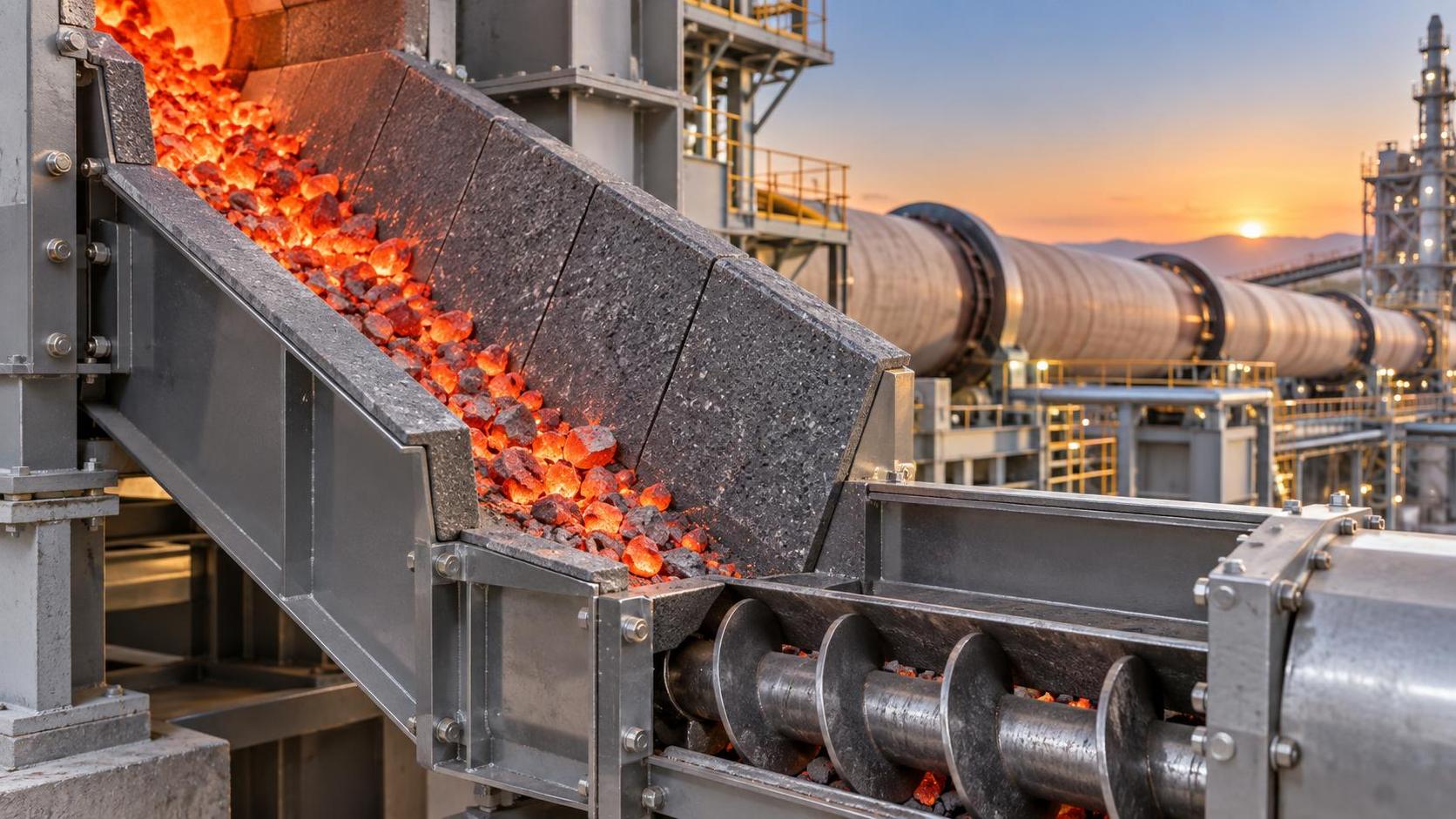
Another common problem is underestimating system boundaries. A high-performance thermal unit may still disappoint if dust collection, conveying, or cooling capacity stays unchanged.
There is also a data problem. Some decisions rely on short test runs without enough seasonal variation, refractory history, or line interaction analysis.
In actual reviews, the following checks reduce selection risk.
- Verify performance using plant-specific feed and fuel envelopes.
- Ask how the solution behaves during startup, upset, and partial load.
- Map every dependency on utilities, controls, and spare parts.
- Review compliance under future, not only current, thresholds.
- Test ROI against slower commissioning and lower operator availability.
This is where intelligence platforms like CF-Elite add value without becoming sales material. Market signals, policy shifts, and technology case patterns help screen out options that may age poorly.
That matters in long-cycle capital decisions. A line can live with a moderate premium if it buys stronger resilience across carbon policy, spare parts access, and digital monitoring requirements.
How can a plant compare options quickly without oversimplifying the decision?
A shortlisting method works best when it combines engineering fit and economic fit. One without the other produces false confidence.
Start by separating non-negotiables from value drivers. Emissions limits, line geometry, and safety requirements are gate checks. Energy, uptime, flexibility, and digital visibility are ranking factors.
Then score each proposal against a weighted matrix. Keep the model simple enough to use, but detailed enough to expose tradeoffs.
That approach keeps silicate industrial solutions comparable across different line types. It also prevents attractive but shallow offers from winning purely on upfront price.
What should happen next once a preferred solution looks promising?
The next step is not immediate commitment. It is structured validation. Shortlisted silicate industrial solutions should move into a tighter review of assumptions, interfaces, and execution timing.
Usually that means building a decision file with process data, utility impacts, maintenance scenarios, and a staged ROI model. It should be detailed enough for challenge, not just approval.
It also helps to align the choice with broader transition goals. CF-Elite’s focus on decarbonization, resource circularity, and intelligent thermal management reflects where many capital decisions are now headed.
So the best decision is rarely the cheapest line item. It is the option that fits the process, protects uptime, supports future compliance, and pays back under realistic operating pressure.
Before moving forward, confirm five things: site constraints, thermal logic, lifecycle cost, data visibility, and commissioning risk. That checklist usually reveals whether the expected ROI is durable or only theoretical.
When those answers are documented clearly, silicate industrial solutions become easier to compare, easier to defend internally, and much more likely to deliver value after startup.
Related News
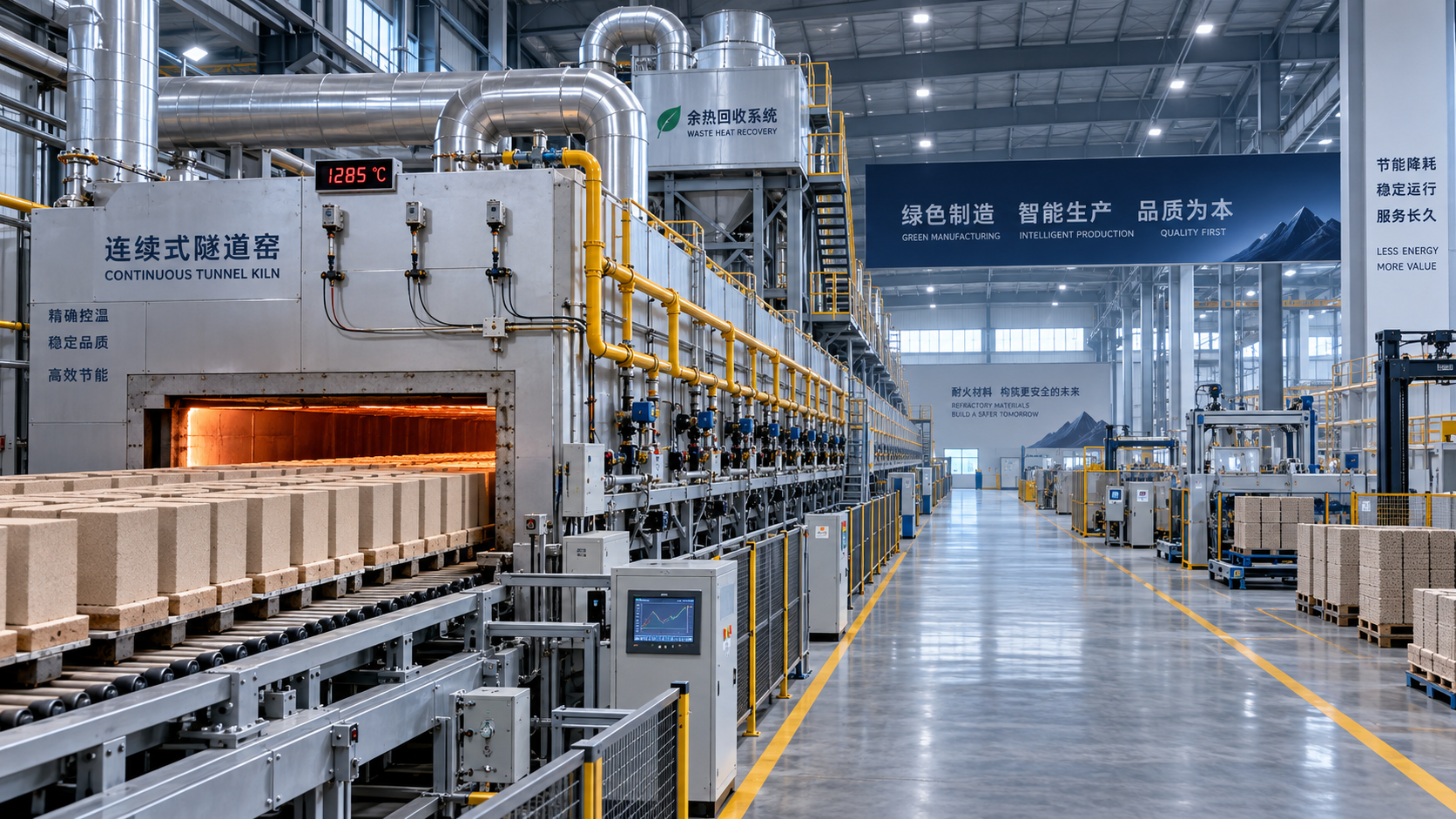
 Material Heat-Resist ExpertHow to Evaluate Refractory Production Lines for Output, Quality, and Energy UseRefractory production lines: learn how to assess qualified output, consistent quality, and total energy use for smarter, lower-risk investment decisions.Sep 25, 2026
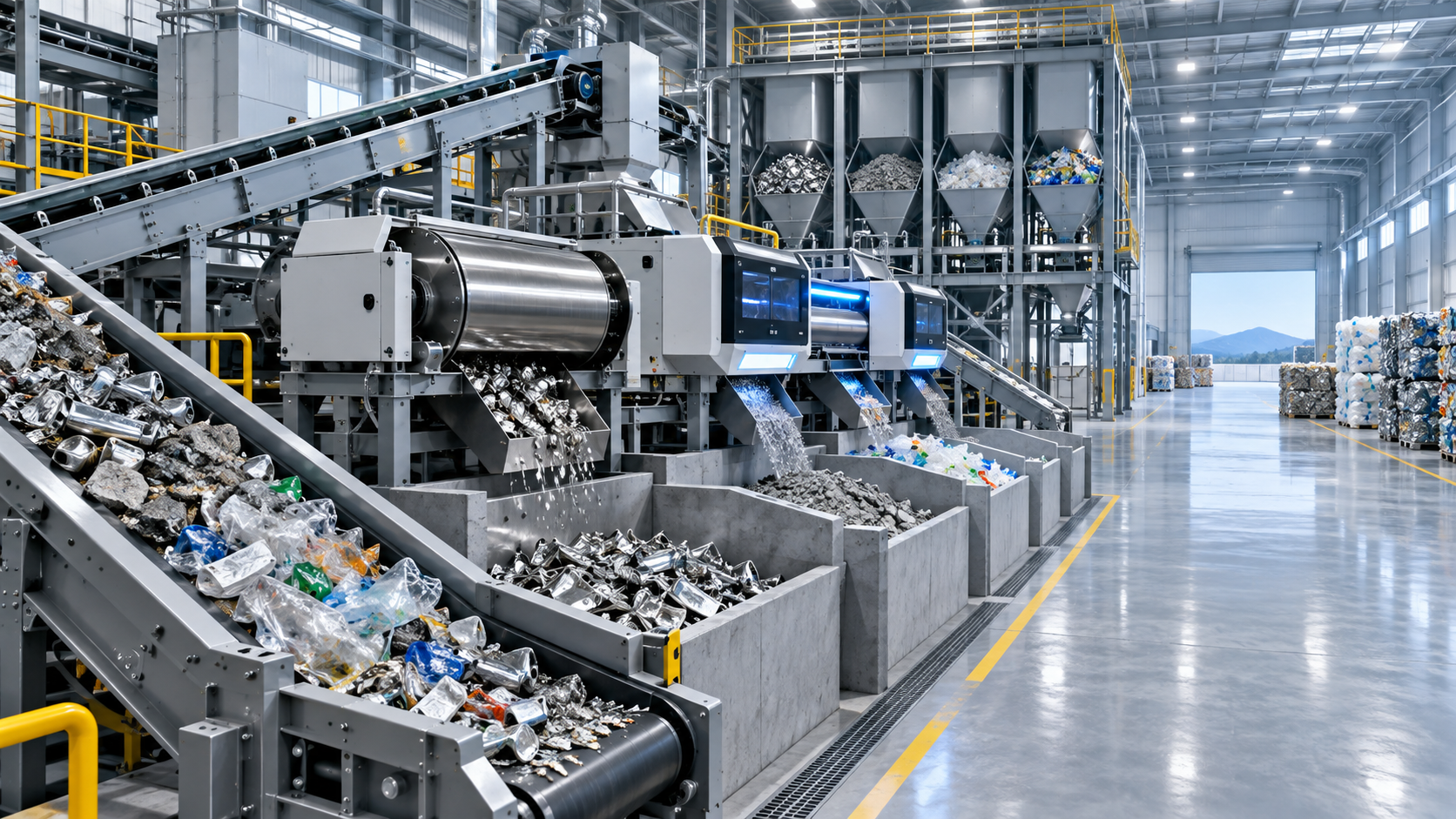
 Dr. Alistair VaughnHow Waste Recycling Technology Improves Material Recovery in Industrial PlantsWaste recycling technology improves material recovery through source segregation, smart separation, thermal treatment, and quality control for industrial plants.Sep 24, 2026
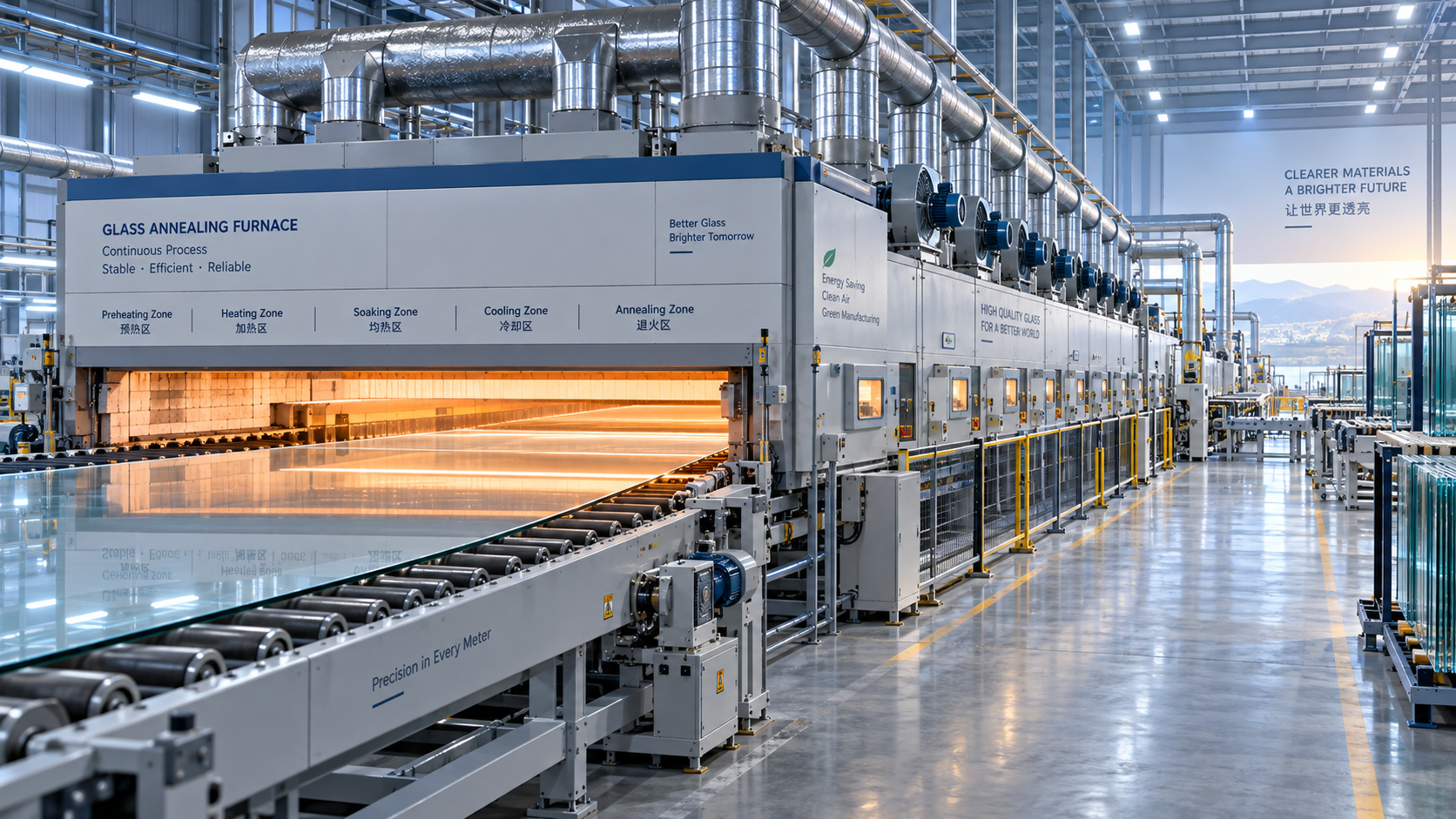
 Optical Glass Tech FellowHow to Specify Glass Annealing Equipment for European Quality and Energy RequirementsGlass annealing equipment Europe: learn how to specify lehrs for consistent glass quality, energy efficiency, compliance, automation, and reliable long-term performance.Sep 23, 2026
 Optical Glass Tech FellowSilicate Process Automation: Improving Batch Consistency and Energy ControlSilicate process automation improves batch consistency, energy control, traceability, and operator confidence across high-temperature manufacturing operations.Sep 22, 2026
 Optical Glass Tech FellowHow Silicate Industrial Processes Control Viscosity, Energy Use, and Product QualitySilicate industrial processes: learn how viscosity, chemistry, heat transfer, and atmosphere control reduce energy use, improve stability, and protect product quality.Sep 21, 2026
 Thermal Energy ArchitectHow European Plants Can Evaluate Energy Recovery Equipment for High-Temperature ProcessesIndustrial energy recovery equipment Europe: learn how high-temperature plants can assess waste-heat sources, integration risks, lifecycle value, and reliable recovery routes.Sep 20, 2026
 Thermal Energy ArchitectIndustrial Furnace Process Optimization: Reducing Fuel Use Without Sacrificing ThroughputIndustrial process optimization furnace strategies that cut fuel use while protecting throughput. Explore combustion control, heat recovery, refractory performance, and data-driven efficiency gains.Sep 19, 2026
 Ms. Elena RodriguezWhat Drives High-Pressure Extrusion Equipment Cost in Industrial Projects?High pressure extrusion equipment cost explained: compare pressure, die design, automation, wear, energy, and installation factors for smarter industrial investments.Sep 18, 2026
 Thermal Energy ArchitectHow to Size a Waste Heat Recovery Exchanger for High-Temperature Kiln Exhaust?Waste heat recovery exchanger sizing for high-temperature kiln exhaust: balance recoverable duty, fouling, corrosion limits, pressure drop, and reliable heat use.Sep 17, 2026
 Thermal Energy ArchitectWhy Heat-Resistant Materials Lose Abrasion Resistance at High TemperaturesHeat-resistant materials abrasion resistance can decline at high temperatures. Discover the thermal, chemical, and mechanical causes of wear—and how to choose longer-lasting linings.Sep 16, 2026
 Thermal Energy ArchitectHow to Evaluate a Thermal Energy Optimization Company for High-Temperature PlantsChoose a thermal energy optimization company with proven process expertise, measurable savings, and reliable delivery for high-temperature plants. Learn what to assess.Sep 15, 2026
 Thermal Energy ArchitectRotary Kiln Efficiency: How Feed Rate, Fuel Use, and Heat Loss Affect OutputRotary kiln efficiency explained: discover how feed rate, fuel use, heat loss, combustion, and cooling performance shape output, quality, and energy costs.Sep 14, 2026
 Thermal Energy ArchitectHow to Select Heat-Resistant Materials That Maintain Abrasion Resistance in KilnsHeat-resistant materials abrasion resistance: learn how to select kiln linings that withstand heat, wear, thermal cycling, and chemical attack for longer service life.Sep 13, 2026
 Thermal Energy ArchitectHow Rotary Kiln Automation Improves Temperature Control and Fuel EfficiencyRotary kiln technology automation enhances temperature control, stabilizes combustion, and improves fuel efficiency with smarter data, predictive control, and safer operations.Sep 12, 2026
 Silicate Process EngineerCement Plant Emission Control: Selecting Systems for Dust, NOx, and SO2 LimitsCement plant emission control guide: compare dust collectors, NOx reduction, and SO2 systems for reliable compliance across kiln modes, fuel changes, and operating upsets.Sep 11, 2026
 Thermal Energy ArchitectSelecting Abrasion-Resistant High-Temperature Materials for Kiln and Conveyor Wear ZonesHigh-temp material engineering guide to abrasion-resistant kiln and conveyor solutions—match wear, heat, chemistry, and installation design for longer service life.Sep 10, 2026
 Dr. Alistair VaughnIndustrial Process Engineering: How to Map Processes for Safer, More Efficient PlantsIndustrial process engineering reveals bottlenecks, safety risks, and energy losses through practical process mapping for safer, more efficient plants.Sep 09, 2026
 Optical Glass Tech FellowHow to Evaluate a Glass Annealing Equipment Manufacturer for Production StabilityChoose a glass annealing equipment manufacturer with proven thermal uniformity, reliable controls, lifecycle value, and responsive service for stable production.Sep 08, 2026
 Prof. Marcus ChenThermal Energy Architecture in North America: Strategies for Lower Building Energy UseThermal energy architecture North America helps project leaders cut building energy use through stronger envelopes, right-sized HVAC, storage, and smart commissioning.Sep 07, 2026
 Ms. Elena RodriguezHow Should Buyers Evaluate Building Material Industry Intelligence Pricing?Building material industry intelligence pricing: learn how to compare coverage, technical depth, and ROI to choose intelligence that reduces procurement risk.Sep 07, 2026



Related News
- 00
0000-00
How Waste Recycling Technology Improves Material Recovery in Industrial Plants - 00
0000-00
Industrial Process Engineering: How to Map Processes for Safer, More Efficient Plants - 00
0000-00
What Should a Process Technology Database Track for High-Temperature Plants? - 00
0000-00
How to Specify Custom Agricultural Processing Equipment for Throughput and Hygiene - 00
0000-00
How to Select Process Plant Equipment for High-Temperature, Abrasive Production Lines
Weekly Insights
Stay ahead with our curated technology reports delivered every Monday.