
Global Material Supply Risks in 2025: What Industrial Buyers Should Track




Global Material Supply Has Moved From Cost Issue to Strategic Risk

In 2025, global material supply is shaping boardroom decisions more directly than many expected two years ago.
Price still matters, but volatility now travels with lead times, compliance exposure, and operating continuity.
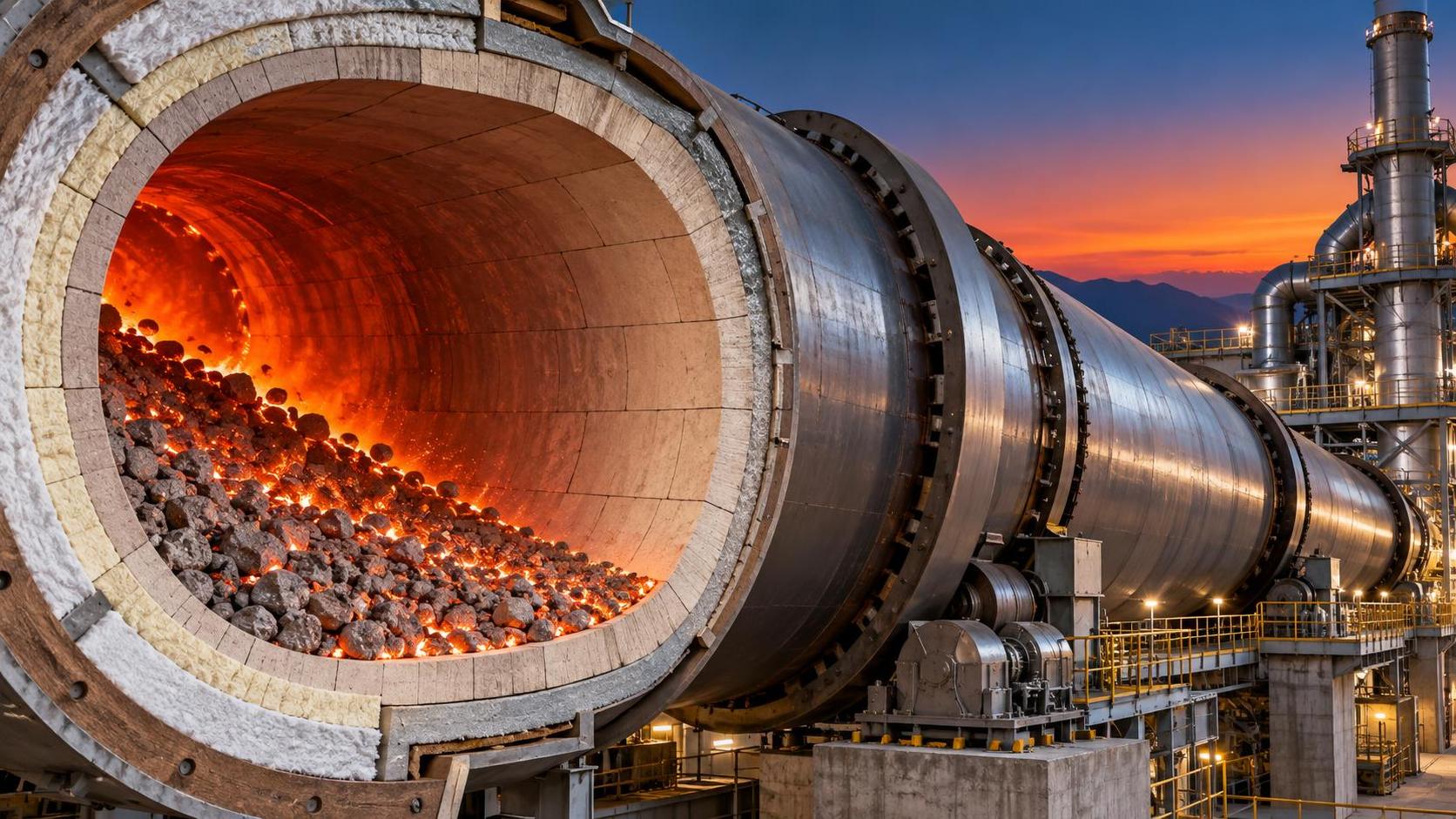
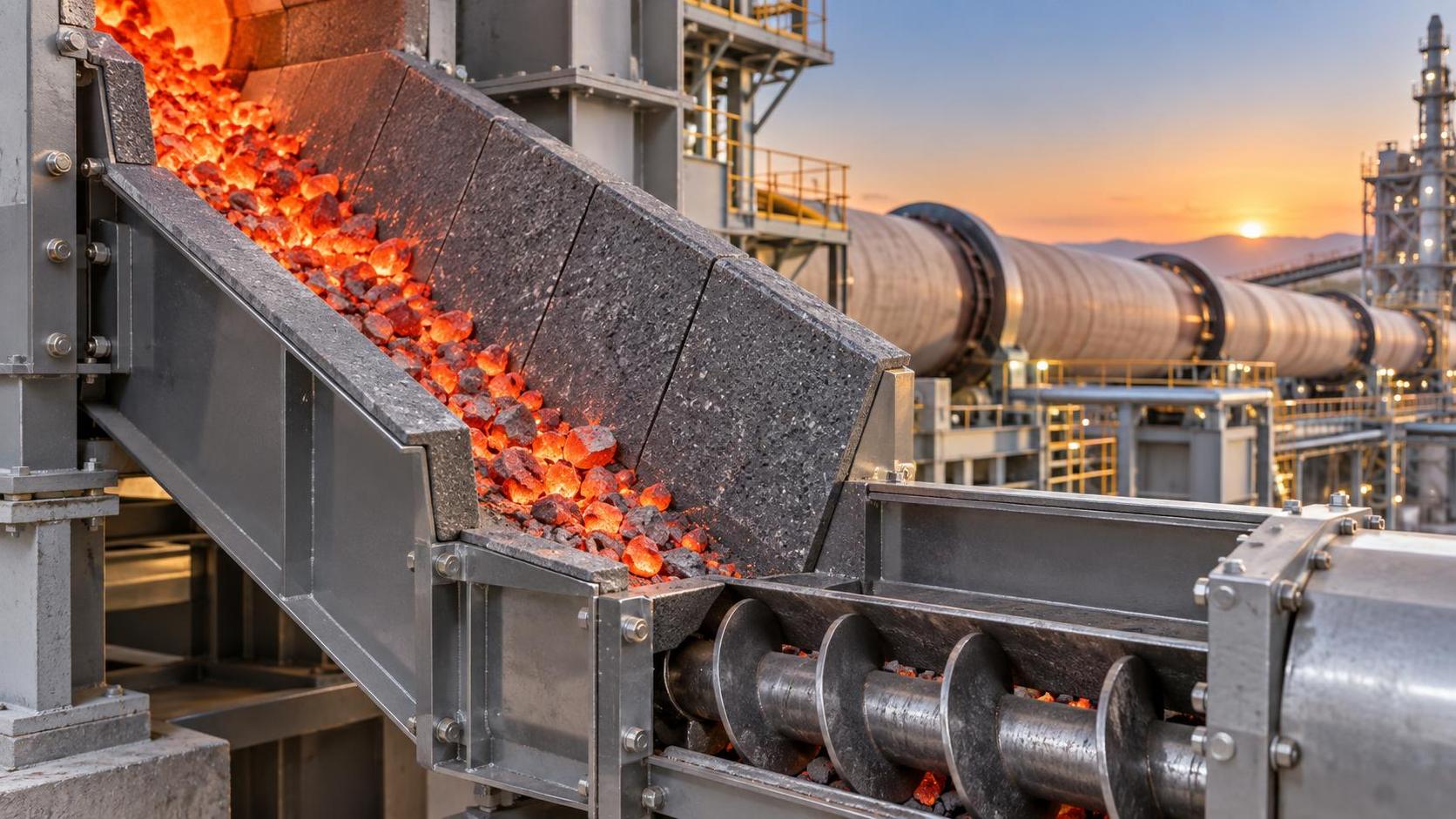
That shift is especially visible in energy-intensive industries linked to cement, glass, refractory systems, incineration, and advanced extrusion.
These sectors sit close to the physical core of industrial production, where raw materials, heat balance, and equipment uptime interact tightly.
For businesses following global material supply, the key challenge is no longer a single shortage event.
The challenge is managing several moderate disruptions that compound across sourcing, freight, regulation, and plant performance.
From the recent market rhythm, the more important signal is not panic buying.
It is the steady normalization of uncertainty.
That reality is why industrial intelligence platforms such as CF-Elite have become more relevant.
Their value is not limited to reporting market movement.
It lies in connecting raw material risk, thermal process constraints, carbon policy, and equipment decisions into one workable picture.
Why the Risk Picture Looks Different in 2025
Several forces are reshaping global material supply at the same time, and they are interacting rather than arriving separately.
Energy markets remain unstable in many regions, even when headline fuel prices appear calmer.
For high-temperature production, short-lived energy spikes can still alter material costs fast.
Export controls are also becoming more targeted.
Instead of broad restrictions alone, markets are seeing selective measures on minerals, engineered compounds, and process-critical components.
Logistics adds another layer.
Transit routes may stay open, yet insurance costs, rerouting delays, and vessel availability still shift landed cost assumptions.
Then comes decarbonization.
Carbon border mechanisms, emissions reporting, and fuel-switching programs are changing how global material supply should be evaluated.
A low sticker price can hide future compliance or retrofit expense.
What stands out is that these pressures no longer sit outside procurement.
They are influencing technical standards, maintenance planning, and capital timing.
The Pressure Is Strongest Where Materials and Heat Meet
Not every industrial segment experiences global material supply risk in the same way.
The exposure is sharper where production depends on stable thermal conditions and narrow material tolerances.
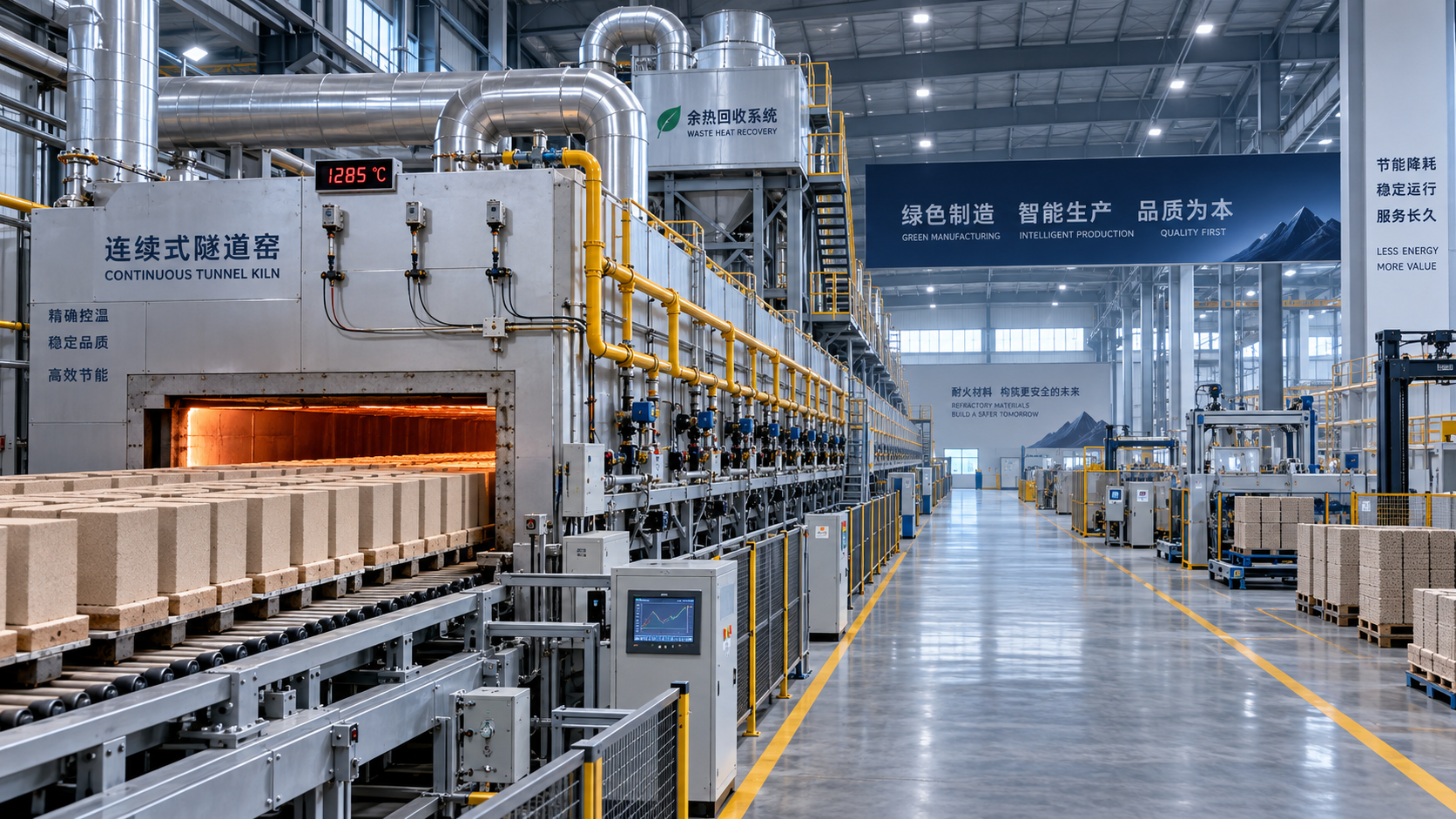
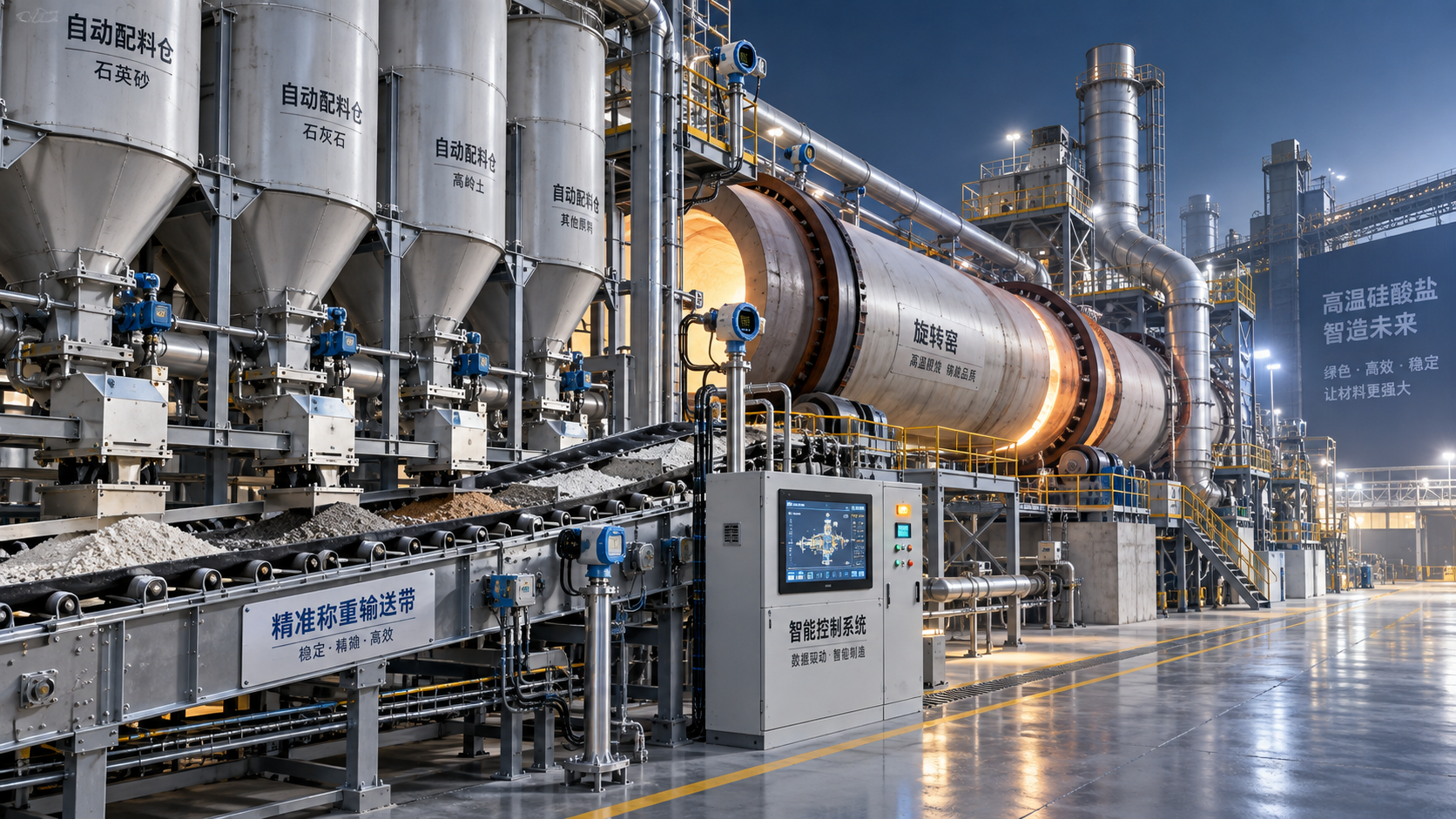
In cement production, alternative fuels and emissions targets are changing feedstock planning.
That makes raw mix consistency and refractory life more strategically important.
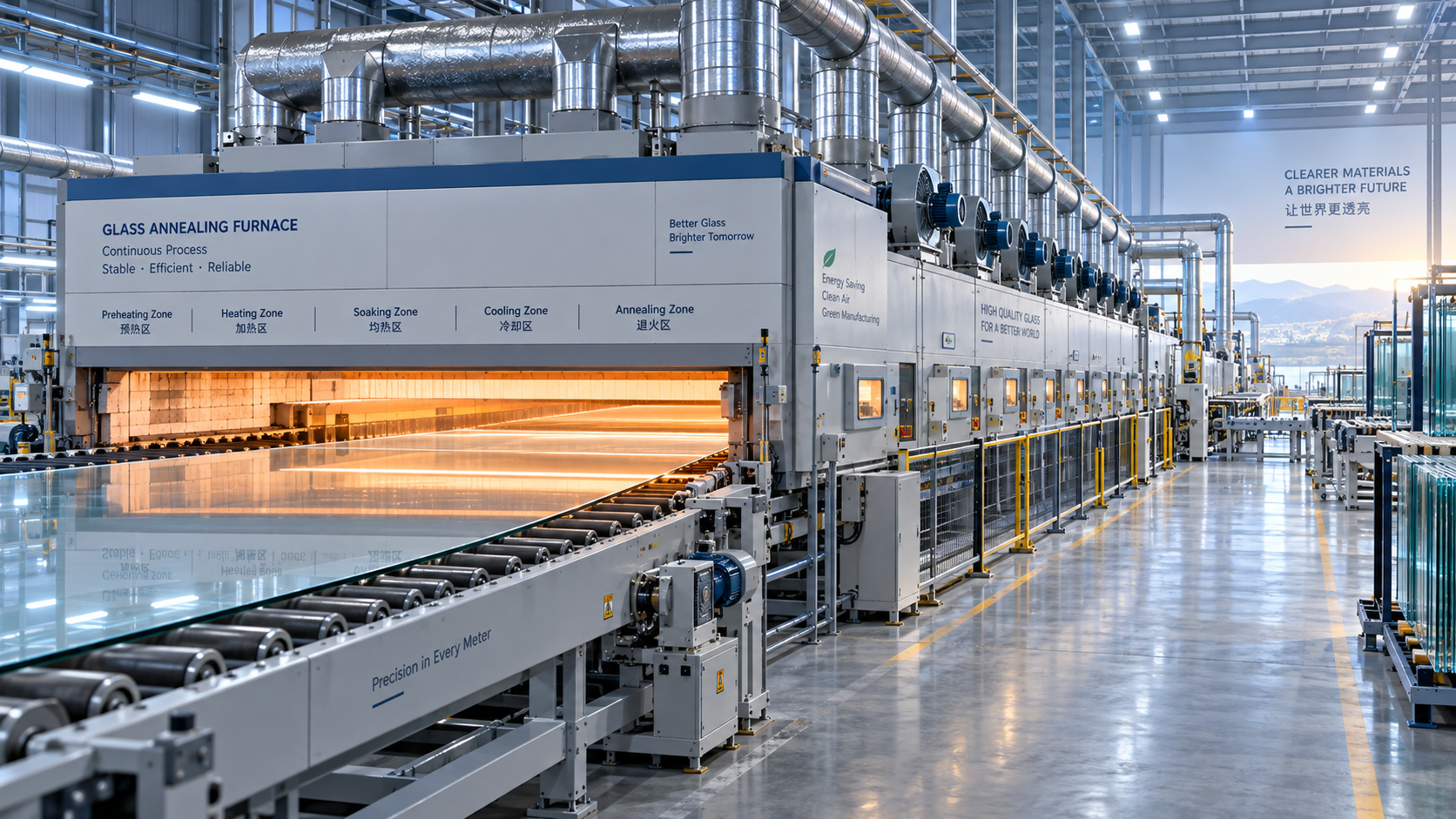
In glass manufacturing, energy cost, cullet availability, and furnace reliability increasingly move together.
A disruption in one layer can weaken the economic case for the entire melt schedule.
For industrial kilns and incineration systems, the issue is often input variability.
Waste-derived feed, fuel blending, and emissions control all rely on material predictability.
Refractory production and installation face another pattern.
Mineral sourcing, binder chemistry, and shipping conditions can directly affect lining performance and shutdown timing.
New building material extrusion adds pressure through equipment precision.
When material quality drifts, extrusion stability, density control, and finished product consistency can deteriorate fast.
This is where CF-Elite’s sector perspective matters.
Its coverage of silicate lines, thermal management, and process intelligence reflects how global material supply risk actually shows up on the plant floor.
The Most Useful Signals Are Often Operational, Not Headline-Level
A common mistake is watching only macro indicators.
Broader market data matters, but plant-relevant signals often emerge earlier in technical and regional details.
More useful tracking usually includes the following:
- Changes in furnace, kiln, or line energy intensity after material substitutions.
- Supplier notices on mineral purity, moisture range, particle size, or binder reformulation.
- Port congestion that affects specialized cargo, not just container freight averages.
- Policy updates tied to carbon accounting, waste co-processing, and industrial emissions permits.
- Longer maintenance intervals caused by delayed spares or altered refractory performance.
These are not isolated technical notes.
They are early warnings that global material supply conditions may be changing underneath standard forecasts.
In actual operations, these smaller signals often appear before a major pricing event becomes visible in quarterly reports.
What This Means for Investment Timing and Equipment Strategy
The impact of global material supply is extending well beyond annual sourcing negotiations.
It now affects when to upgrade lines, how to structure maintenance windows, and which process technologies deserve priority.
One clear shift is the growing value of flexibility.
Equipment that can tolerate input variation, improve thermal efficiency, or support better online monitoring is gaining strategic weight.
Digital twin simulation, advanced combustion control, and refractory monitoring fit this pattern.
They reduce the blind spots between material quality, process behavior, and asset life.
That is also why technical intelligence is becoming a risk tool, not just a planning reference.
When CF-Elite tracks co-processing trends, glass line simulation, or refractory lining data, it is effectively mapping where global material supply pressure will hit next.
The practical implication is straightforward.
Capital decisions should be tested against material resilience, not only throughput or nameplate efficiency.
Questions worth putting into current planning cycles
- Which inputs have a single-region dependency that could tighten without much warning?
- How much process efficiency is lost when substitute materials are introduced?
- Which assets are most exposed to delayed spares, altered chemistry, or unstable thermal loads?
- Where would better monitoring reduce the cost of uncertain global material supply conditions?
The Smarter Response Is Structured Vigilance, Not Overreaction
By now, the lesson from recent disruptions is fairly clear.
Overstocking everything is expensive, while relying on historical sourcing patterns is increasingly fragile.
A stronger response to global material supply risk is staged and evidence-based.
That usually starts with separating strategic materials from routine items.
After that, the focus should move to lead time sensitivity, substitution feasibility, and energy or carbon consequences.
Short-cycle review mechanisms are also useful.
Monthly signal checks often work better than annual assumptions in a market where regulations and freight conditions shift quickly.
For sectors tied to foundation materials and thermal management, cross-functional visibility is essential.
Material sourcing cannot be evaluated separately from combustion design, lining performance, emissions exposure, or uptime planning.
That integrated view is exactly where specialized industrial intelligence earns its place.
The next step is not dramatic.
It is disciplined.
Track the material signals that affect thermal performance, compare regional policy changes, test substitute scenarios, and build a phased response plan around the most exposed assets.
In 2025, global material supply should be watched less as a commodity headline and more as a live operating condition.
That shift in perspective will shape better decisions than price alone ever could.
Related News
 Ms. Elena RodriguezHow to Structure Global Specification Data for Faster Industrial Product EvaluationGlobal specification-oriented product information helps industrial teams compare capacity, energy, emissions, automation, and lifecycle data on a like-for-like basis for faster, confident equipment decisions.Sep 29, 2026
 Thermal Energy ArchitectHow to Specify High-Temperature Process Systems for Continuous Thermal OperationsHigh-temperature process engineering systems: learn how to specify resilient continuous thermal operations for efficiency, compliance, reliable uptime, and long-term performance.Sep 28, 2026
 Thermal Energy ArchitectHow to Evaluate a Thermal Engineering Contractor for High-Temperature Plant ProjectsChoose a thermal engineering contractor with proven process expertise, lifecycle value, emissions control, and delivery discipline for reliable high-temperature plant performance.Sep 27, 2026
 Silicate Process EngineerHow Latin American Cement Plants Can Reduce Dust Emissions in Kilns and Transfer PointsCement plant dust control Latin America: reduce kiln and transfer-point emissions with practical airflow, filtration, monitoring, and maintenance strategies.Sep 26, 2026
 Material Heat-Resist ExpertHow to Evaluate Refractory Production Lines for Output, Quality, and Energy UseRefractory production lines: learn how to assess qualified output, consistent quality, and total energy use for smarter, lower-risk investment decisions.Sep 25, 2026
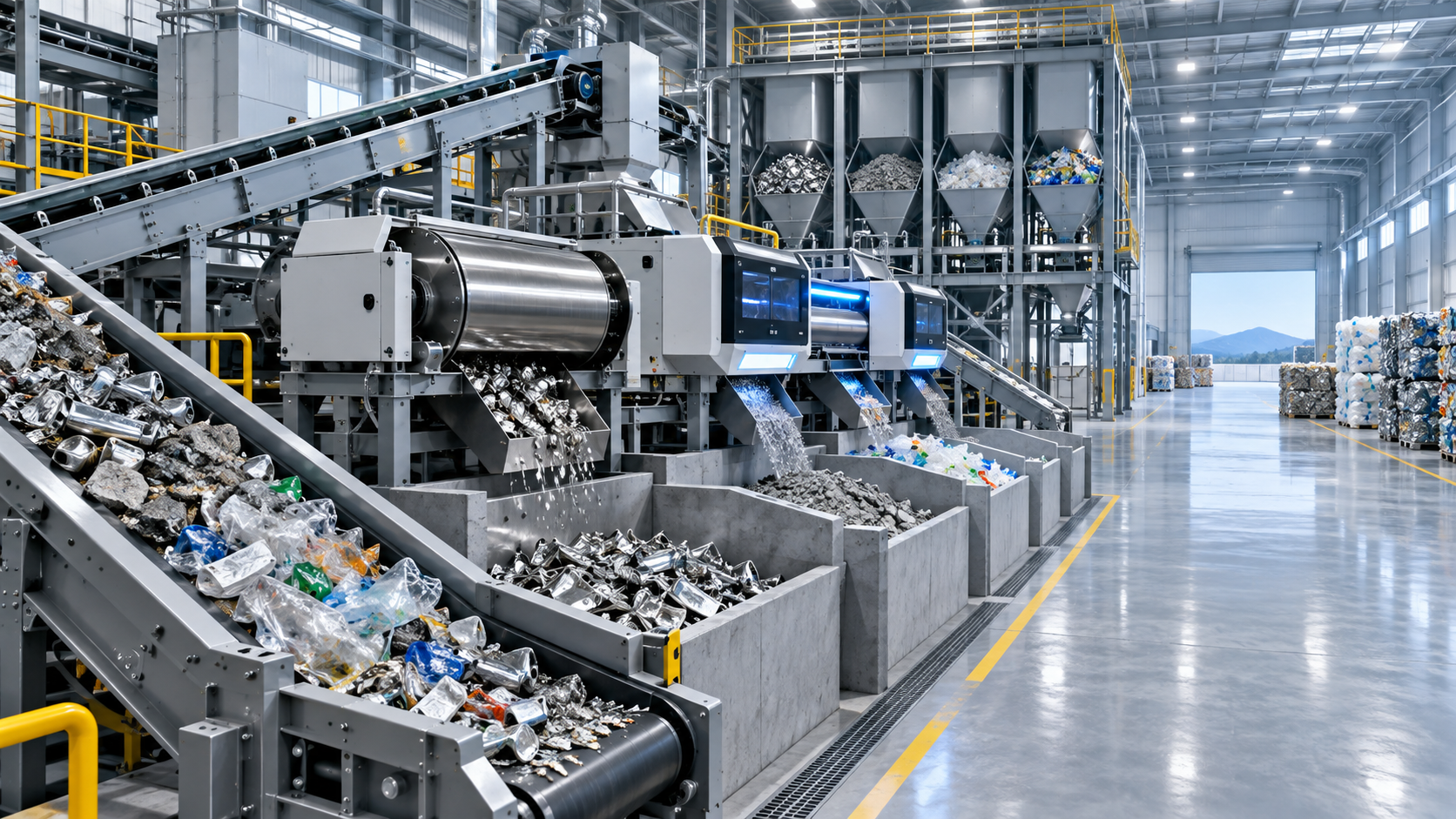
 Dr. Alistair VaughnHow Waste Recycling Technology Improves Material Recovery in Industrial PlantsWaste recycling technology improves material recovery through source segregation, smart separation, thermal treatment, and quality control for industrial plants.Sep 24, 2026
 Optical Glass Tech FellowHow to Specify Glass Annealing Equipment for European Quality and Energy RequirementsGlass annealing equipment Europe: learn how to specify lehrs for consistent glass quality, energy efficiency, compliance, automation, and reliable long-term performance.Sep 23, 2026
 Optical Glass Tech FellowSilicate Process Automation: Improving Batch Consistency and Energy ControlSilicate process automation improves batch consistency, energy control, traceability, and operator confidence across high-temperature manufacturing operations.Sep 22, 2026
 Optical Glass Tech FellowHow Silicate Industrial Processes Control Viscosity, Energy Use, and Product QualitySilicate industrial processes: learn how viscosity, chemistry, heat transfer, and atmosphere control reduce energy use, improve stability, and protect product quality.Sep 21, 2026
 Thermal Energy ArchitectHow European Plants Can Evaluate Energy Recovery Equipment for High-Temperature ProcessesIndustrial energy recovery equipment Europe: learn how high-temperature plants can assess waste-heat sources, integration risks, lifecycle value, and reliable recovery routes.Sep 20, 2026
 Thermal Energy ArchitectIndustrial Furnace Process Optimization: Reducing Fuel Use Without Sacrificing ThroughputIndustrial process optimization furnace strategies that cut fuel use while protecting throughput. Explore combustion control, heat recovery, refractory performance, and data-driven efficiency gains.Sep 19, 2026
 Ms. Elena RodriguezWhat Drives High-Pressure Extrusion Equipment Cost in Industrial Projects?High pressure extrusion equipment cost explained: compare pressure, die design, automation, wear, energy, and installation factors for smarter industrial investments.Sep 18, 2026
 Thermal Energy ArchitectHow to Size a Waste Heat Recovery Exchanger for High-Temperature Kiln Exhaust?Waste heat recovery exchanger sizing for high-temperature kiln exhaust: balance recoverable duty, fouling, corrosion limits, pressure drop, and reliable heat use.Sep 17, 2026
 Thermal Energy ArchitectWhy Heat-Resistant Materials Lose Abrasion Resistance at High TemperaturesHeat-resistant materials abrasion resistance can decline at high temperatures. Discover the thermal, chemical, and mechanical causes of wear—and how to choose longer-lasting linings.Sep 16, 2026
 Thermal Energy ArchitectHow to Evaluate a Thermal Energy Optimization Company for High-Temperature PlantsChoose a thermal energy optimization company with proven process expertise, measurable savings, and reliable delivery for high-temperature plants. Learn what to assess.Sep 15, 2026
 Thermal Energy ArchitectRotary Kiln Efficiency: How Feed Rate, Fuel Use, and Heat Loss Affect OutputRotary kiln efficiency explained: discover how feed rate, fuel use, heat loss, combustion, and cooling performance shape output, quality, and energy costs.Sep 14, 2026
 Thermal Energy ArchitectHow to Select Heat-Resistant Materials That Maintain Abrasion Resistance in KilnsHeat-resistant materials abrasion resistance: learn how to select kiln linings that withstand heat, wear, thermal cycling, and chemical attack for longer service life.Sep 13, 2026
 Thermal Energy ArchitectHow Rotary Kiln Automation Improves Temperature Control and Fuel EfficiencyRotary kiln technology automation enhances temperature control, stabilizes combustion, and improves fuel efficiency with smarter data, predictive control, and safer operations.Sep 12, 2026
 Silicate Process EngineerCement Plant Emission Control: Selecting Systems for Dust, NOx, and SO2 LimitsCement plant emission control guide: compare dust collectors, NOx reduction, and SO2 systems for reliable compliance across kiln modes, fuel changes, and operating upsets.Sep 11, 2026
 Thermal Energy ArchitectSelecting Abrasion-Resistant High-Temperature Materials for Kiln and Conveyor Wear ZonesHigh-temp material engineering guide to abrasion-resistant kiln and conveyor solutions—match wear, heat, chemistry, and installation design for longer service life.Sep 10, 2026


Related News
- 00
0000-00
How Waste Recycling Technology Improves Material Recovery in Industrial Plants - 00
0000-00
Industrial Process Engineering: How to Map Processes for Safer, More Efficient Plants - 00
0000-00
What Should a Process Technology Database Track for High-Temperature Plants? - 00
0000-00
How to Specify Custom Agricultural Processing Equipment for Throughput and Hygiene - 00
0000-00
How to Select Process Plant Equipment for High-Temperature, Abrasive Production Lines
Weekly Insights
Stay ahead with our curated technology reports delivered every Monday.