
Industrial Thermal Management Problems: How to Reduce Heat Loss and Temperature Drift




Why does industrial thermal management become a hidden cost issue so quickly?
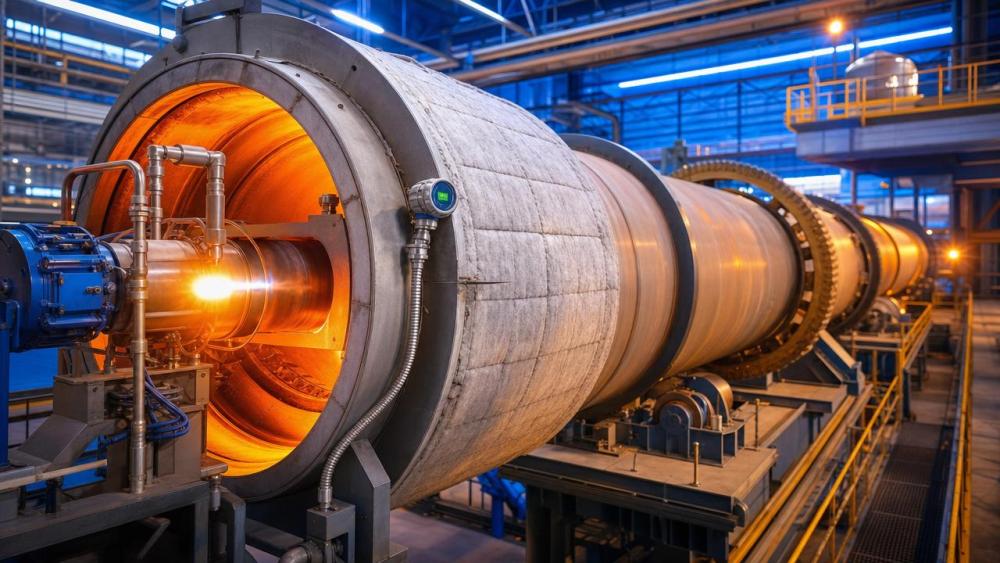
In high-temperature processing, heat rarely disappears in one obvious place. It leaks through joints, shells, burners, doors, ducts, and timing errors.
That is why industrial thermal management is not only an insulation topic. It is a full-system discipline linking heat balance, control response, material behavior, and operating stability.
When temperature drift starts, the first visible symptom may be fuel consumption. Soon after, product uniformity, refractory wear, emissions, and shutdown frequency often follow.
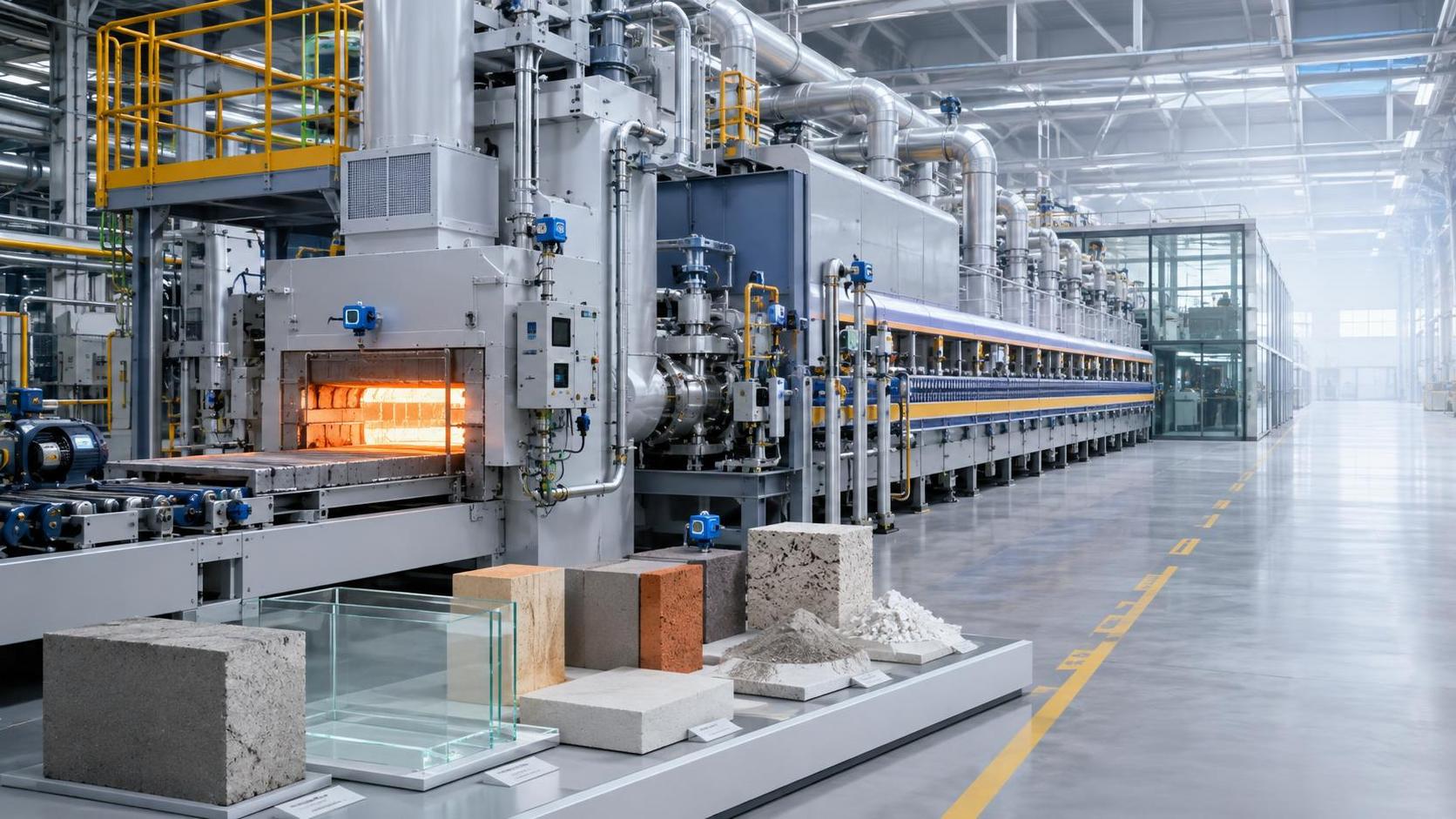
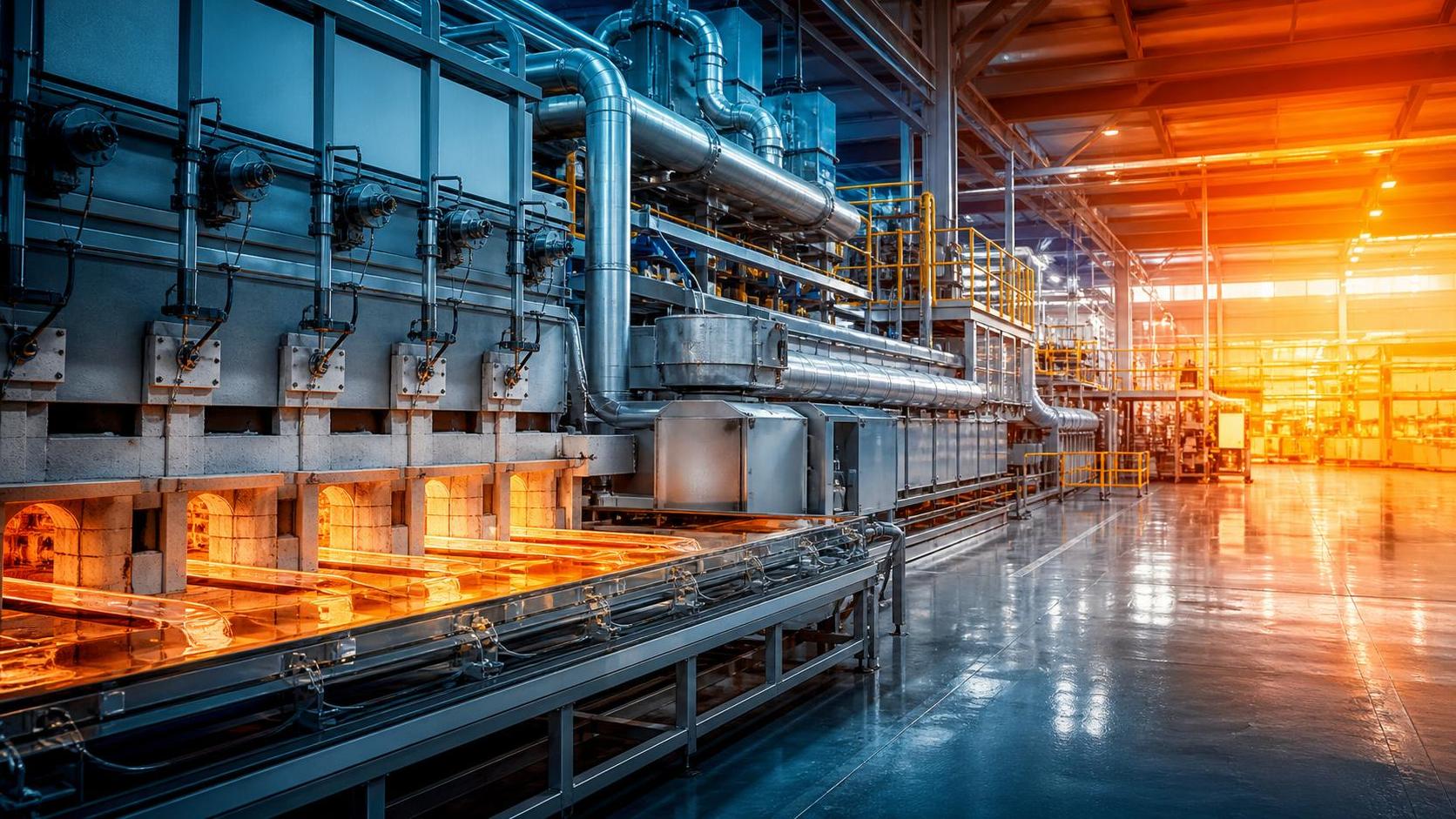
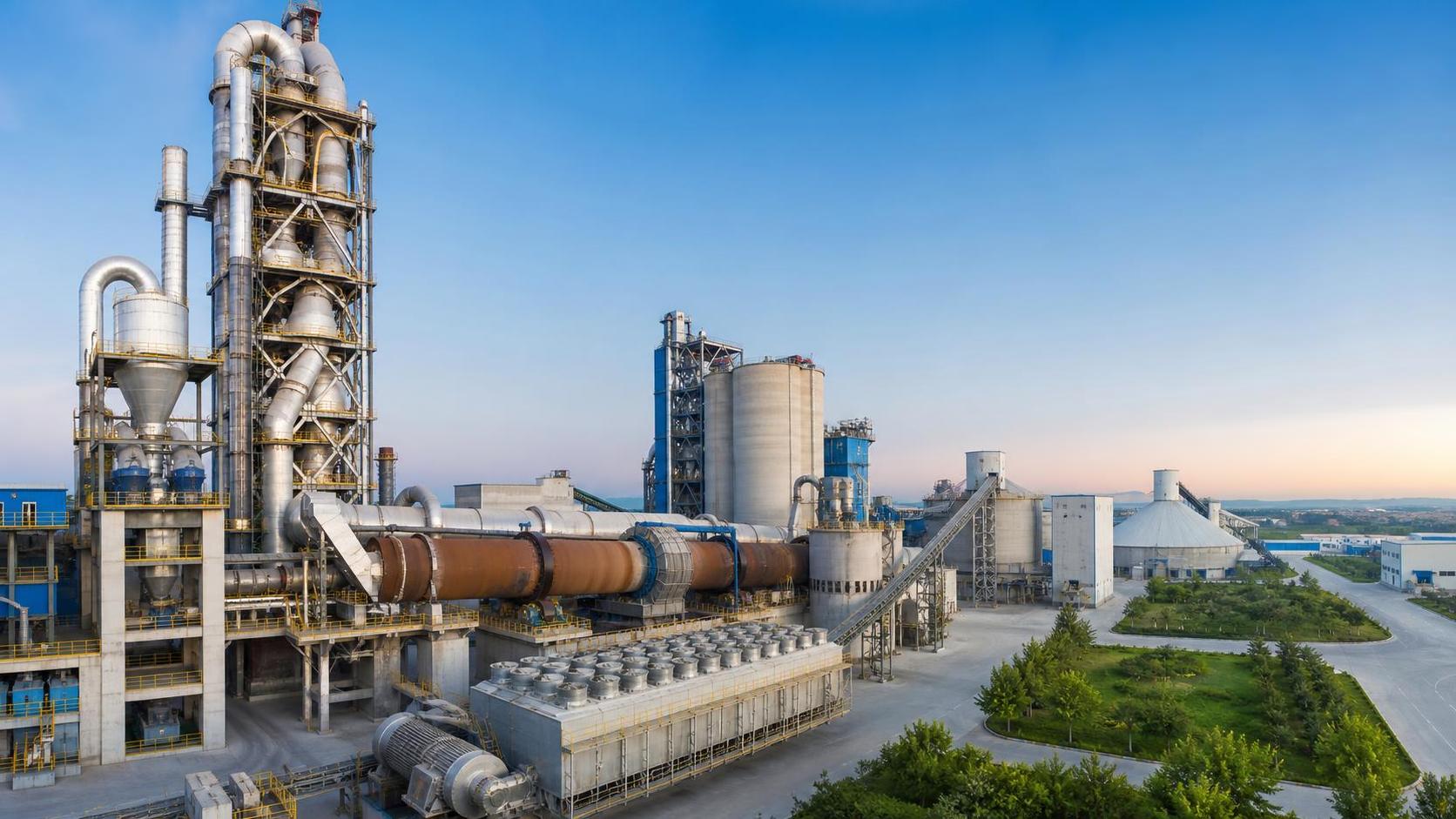
This matters across cement lines, glass furnaces, industrial kilns, incineration systems, refractory production, and material extrusion equipment.
CF-Elite often frames the issue this way: thermal losses are easier to tolerate than to measure, but far more expensive once they distort the process window.
In practical terms, good industrial thermal management reduces wasted energy, keeps reactions or forming steps predictable, and protects the thermal barriers that keep plants running safely.
What usually causes heat loss and temperature drift in real operations?
The common assumption is that poor insulation causes everything. In reality, heat loss and temperature drift usually come from several small failures working together.
More often, the problem sits at the interface between equipment, controls, and materials.
- Worn refractory or insulation creates hot spots and changing thermal resistance.
- Air leakage around doors, seals, or ductwork cools the system unevenly.
- Sensor drift or poor placement feeds the control loop inaccurate temperature data.
- Burner imbalance changes flame shape, heat distribution, and local peak temperatures.
- Irregular feed moisture or particle size shifts the actual heat demand.
- Unstable production rates force the system to chase changing setpoints.
In glass and ceramic applications, even a narrow thermal deviation can affect viscosity, annealing behavior, and dimensional consistency.
In incineration or co-processing, drift can reduce combustion efficiency and make emissions control harder.
For extrusion lines, unstable barrel or die temperatures often show up as density variation, cracking, or weak surface finish rather than an obvious thermal alarm.
How can you tell whether industrial thermal management is actually the root problem?
A useful check is to compare energy input, surface temperatures, product consistency, and control behavior at the same time.
If only one indicator moves, the issue may be local. If several move together, industrial thermal management is likely involved.
The table below helps separate common warning signs from their likely thermal meaning.
In actual plants, a thermal audit works best when paired with process data, not treated as a separate maintenance exercise.
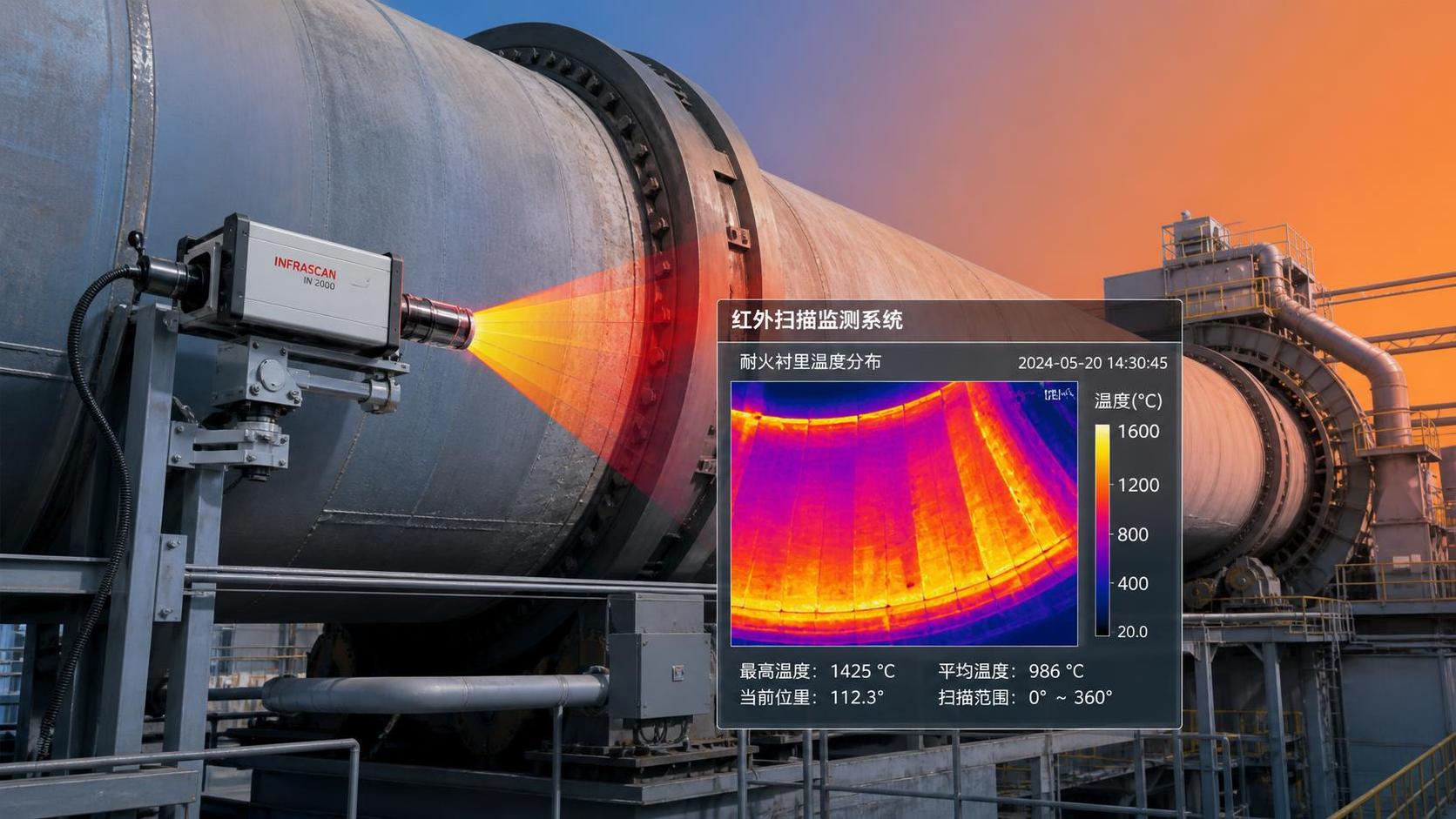
That is also why digital twin studies and online lining monitoring are gaining attention in high-temperature sectors tracked by CF-Elite.
Which fixes usually deliver the fastest reduction in heat loss?
Quick wins usually come from stopping avoidable losses before redesigning the whole system.
The most effective sequence is to stabilize containment, then improve measurement, then refine control.
Start with thermal containment
Check expansion joints, burner blocks, access doors, peepholes, dampers, and transfer points. Small leak paths often create outsized thermal penalties.
If casing temperatures vary sharply by zone, insulation integrity should move to the top of the list.
Then verify the temperature truth
Many systems chase the wrong target because thermocouples age, shielding changes, or sensors read a convenient point instead of the critical one.
Cross-check instrument readings with infrared surveys, portable probes, or process outcomes such as melt quality, clinker condition, or extrusion density.
Only after that should controls be retuned
Retuning a loop without fixing physical heat loss may mask symptoms for a short time, then create oscillation under changing loads.
Solid industrial thermal management depends on both stable hardware and responsive logic.
Is better insulation enough, or do controls and process design matter just as much?
Better insulation helps, but it is rarely enough by itself.
A high-temperature line can still drift if burners are uneven, material feed changes too fast, or the control system reacts after the process has already shifted.
This is especially true in sectors with coupled thermal and chemical behavior, such as calcination, waste co-processing, glass melting, or advanced refractory firing.
A more reliable approach is to treat industrial thermal management as a balance of four layers.
- Thermal barriers that reduce outward losses.
- Combustion or heating design that distributes energy correctly.
- Instrumentation that reflects real process temperature.
- Control strategy that responds at the right speed.
When one layer is weak, the others are forced to compensate. That is usually where efficiency falls and maintenance demand rises.
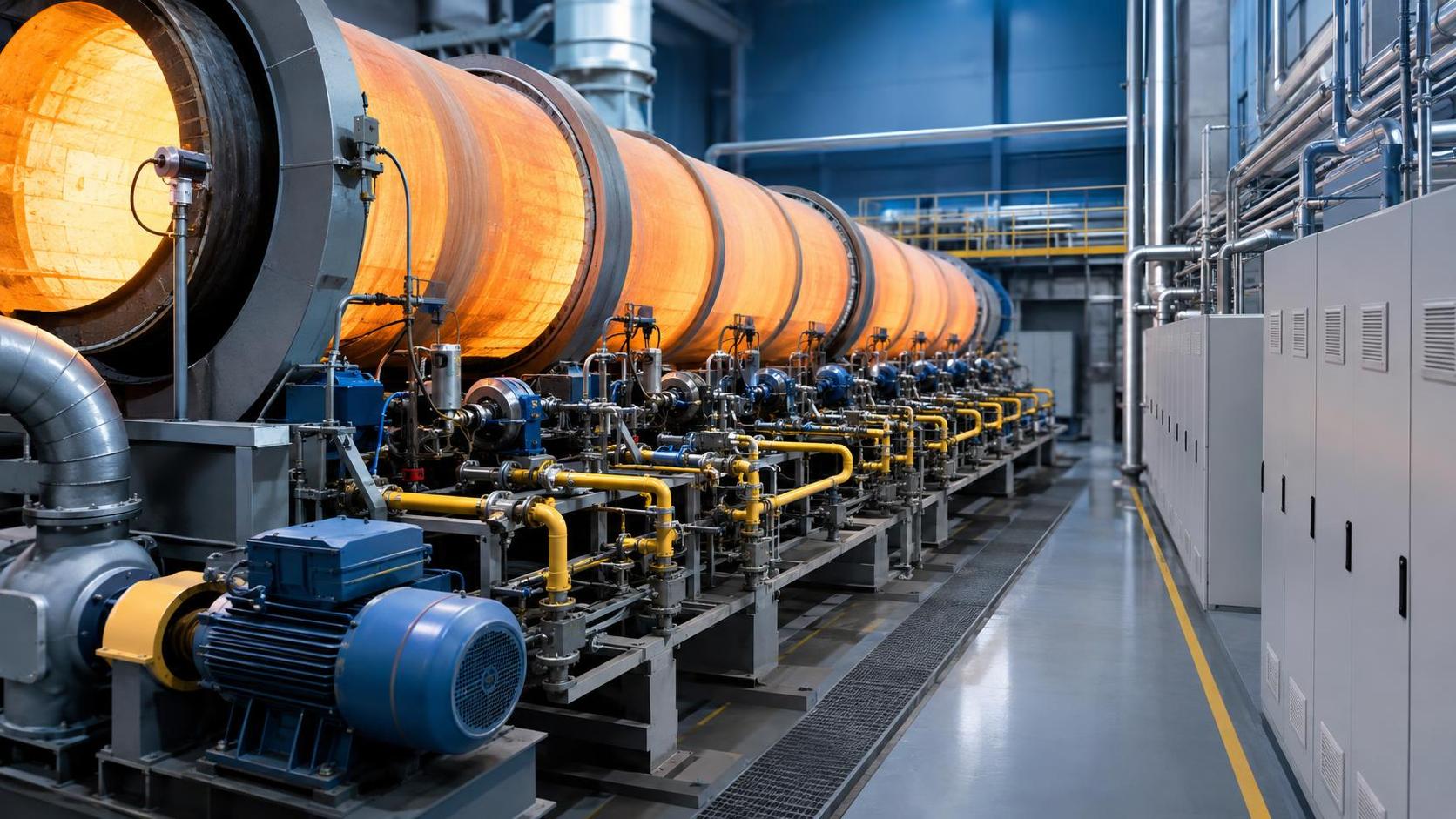
CF-Elite’s coverage of rotary kilns, float lines, and extrusion systems consistently shows the same pattern: thermal efficiency improves fastest when data, lining health, and process logic are reviewed together.
What mistakes make industrial thermal management upgrades disappoint?
The biggest mistake is treating heat loss as a single-component problem.
Another common mistake is using average temperature values to judge a process that fails because of local peaks or cold pockets.
Several upgrade decisions deserve extra caution.
- Selecting lining materials by nominal temperature only, while ignoring thermal shock, chemical attack, and mechanical stress.
- Adding insulation thickness without checking expansion space, anchoring, or shell load.
- Installing more sensors without validating where the true control point should be.
- Expecting instant energy savings while production rates and feed conditions remain unstable.
- Skipping baseline data, which makes post-upgrade results hard to prove.
In practice, temperature drift often returns when implementation focuses on components, not on the thermal behavior of the full line.
That is why benchmarking matters. A kiln, furnace, or extrusion train should be judged against its own heat profile, residence time, and operating rhythm.
How should the next step be planned if the goal is stable temperature, not just lower fuel use?
A practical roadmap begins with evidence, not assumptions.
Start by mapping where temperature instability appears, when it appears, and whether it tracks load, feed, atmosphere, or equipment condition.
Then build a short review list for industrial thermal management decisions.
- Identify the zones with the highest thermal loss or highest control variation.
- Separate structural losses from control-loop problems.
- Confirm whether measurement points match the real process constraint.
- Review refractory life, leakage history, and maintenance timing together.
- Compare savings potential with shutdown window and implementation risk.
For high-temperature industries under carbon pressure, stable thermal performance is becoming a strategic metric, not just an operating detail.
That broader view is central to CF-Elite’s intelligence work across silicate production, incineration, and advanced thermal equipment.
If the current system shows recurring heat loss, drifting temperature zones, or unexplained energy intensity, the next useful move is to organize a thermal baseline.
From there, it becomes much easier to compare insulation upgrades, sensor corrections, burner adjustments, and digital monitoring options on real operating value.
The goal is not simply to run hotter or tighter. It is to make industrial thermal management predictable enough that quality, efficiency, equipment life, and compliance improve together.
Related News
 Thermal Energy ArchitectHow to Evaluate a Thermal Energy Optimization Company for High-Temperature PlantsChoose a thermal energy optimization company with proven process expertise, measurable savings, and reliable delivery for high-temperature plants. Learn what to assess.Sep 15, 2026
 Thermal Energy ArchitectRotary Kiln Efficiency: How Feed Rate, Fuel Use, and Heat Loss Affect OutputRotary kiln efficiency explained: discover how feed rate, fuel use, heat loss, combustion, and cooling performance shape output, quality, and energy costs.Sep 14, 2026
 Thermal Energy ArchitectHow to Select Heat-Resistant Materials That Maintain Abrasion Resistance in KilnsHeat-resistant materials abrasion resistance: learn how to select kiln linings that withstand heat, wear, thermal cycling, and chemical attack for longer service life.Sep 13, 2026
 Thermal Energy ArchitectHow Rotary Kiln Automation Improves Temperature Control and Fuel EfficiencyRotary kiln technology automation enhances temperature control, stabilizes combustion, and improves fuel efficiency with smarter data, predictive control, and safer operations.Sep 12, 2026
 Silicate Process EngineerCement Plant Emission Control: Selecting Systems for Dust, NOx, and SO2 LimitsCement plant emission control guide: compare dust collectors, NOx reduction, and SO2 systems for reliable compliance across kiln modes, fuel changes, and operating upsets.Sep 11, 2026
 Thermal Energy ArchitectSelecting Abrasion-Resistant High-Temperature Materials for Kiln and Conveyor Wear ZonesHigh-temp material engineering guide to abrasion-resistant kiln and conveyor solutions—match wear, heat, chemistry, and installation design for longer service life.Sep 10, 2026
 Dr. Alistair VaughnIndustrial Process Engineering: How to Map Processes for Safer, More Efficient PlantsIndustrial process engineering reveals bottlenecks, safety risks, and energy losses through practical process mapping for safer, more efficient plants.Sep 09, 2026
 Optical Glass Tech FellowHow to Evaluate a Glass Annealing Equipment Manufacturer for Production StabilityChoose a glass annealing equipment manufacturer with proven thermal uniformity, reliable controls, lifecycle value, and responsive service for stable production.Sep 08, 2026
 Prof. Marcus ChenThermal Energy Architecture in North America: Strategies for Lower Building Energy UseThermal energy architecture North America helps project leaders cut building energy use through stronger envelopes, right-sized HVAC, storage, and smart commissioning.Sep 07, 2026
 Ms. Elena RodriguezHow Should Buyers Evaluate Building Material Industry Intelligence Pricing?Building material industry intelligence pricing: learn how to compare coverage, technical depth, and ROI to choose intelligence that reduces procurement risk.Sep 07, 2026
 Ms. Elena RodriguezHow to Use Building Material Intelligence Data for Market and Investment DecisionsBuilding material industry intelligence data helps leaders evaluate demand, costs, regulation, capacity, and technology to make smarter market and investment decisions.Sep 05, 2026
 Thermal Energy ArchitectHow PLC Control Improves Energy Efficiency and Temperature Stability in KilnsEnergy efficient kilns PLC control improves temperature stability, cuts fuel waste, and optimizes combustion, draft, and material flow. Explore proven strategies for smarter kiln modernization.Sep 04, 2026
 Optical Glass Tech FellowEuropean Glass Melting Processes: Furnace Choices, Energy Use, and Quality ControlGlass melting process Europe: explore furnace choices, energy efficiency, cullet strategy, and quality control to improve output, compliance, and long-term glass performance.Sep 03, 2026
 Thermal Energy ArchitectWhat Determines Refractory Lining Monitoring Price for Industrial Kilns?Refractory lining monitoring price depends on kiln size, sensor technology, installation, software, and support. Compare total lifecycle costs and choose the right solution.Sep 02, 2026
 Silicate Process EngineerCement Production System Costs: A Plant Buyer’s Guide to Budgeting and ROICement production systems cost planning made clear: compare CAPEX, operating costs, compliance, and ROI to build a resilient, profitable cement plant investment.Sep 01, 2026
 Dr. Alistair VaughnWhat Should a Process Technology Database Track for High-Temperature Plants?Process technology database essentials for high-temperature plants: track thermal profiles, feed chemistry, refractory wear, emissions, energy, and maintenance for safer, data-driven decisions.Aug 31, 2026
 Ms. Elena RodriguezHow to Evaluate a Silicate Processing Equipment Manufacturer for Plant ProjectsSilicate processing equipment manufacturer selection: assess process fit, guarantees, energy, compliance, delivery risk, and lifecycle support for dependable plant performance.Aug 30, 2026
 Dr. Alistair VaughnHow to Specify Custom Agricultural Processing Equipment for Throughput and HygieneEquipment customization services for agricultural processing: learn to specify hygienic, high-throughput lines that improve yield, reliability, and long-term efficiency.Aug 29, 2026
 Dr. Alistair VaughnHow to Select Process Plant Equipment for High-Temperature, Abrasive Production LinesProcess plant equipment selection for high-temperature, abrasive lines: reduce downtime, improve durability, and optimize lifecycle performance.Aug 28, 2026
 Silicate Process EngineerHow Kiln Heat Recovery Systems Cut Fuel Use in Cement and Lime ProductionKiln heat recovery helps cement and lime plants cut fuel use, improve thermal stability, and build practical, reliable decarbonization strategies.Aug 27, 2026



Related News
- 00
0000-00
Industrial Process Engineering: How to Map Processes for Safer, More Efficient Plants - 00
0000-00
What Should a Process Technology Database Track for High-Temperature Plants? - 00
0000-00
How to Specify Custom Agricultural Processing Equipment for Throughput and Hygiene - 00
0000-00
How to Select Process Plant Equipment for High-Temperature, Abrasive Production Lines - 00
0000-00
What Causes Thermal Shock Failure in Heat-Resistant Materials During Development?
Weekly Insights
Stay ahead with our curated technology reports delivered every Monday.