
What Are Digital Twin Simulations Used for in Industrial Plants?




Why are digital twin simulations getting so much attention in industrial plants?
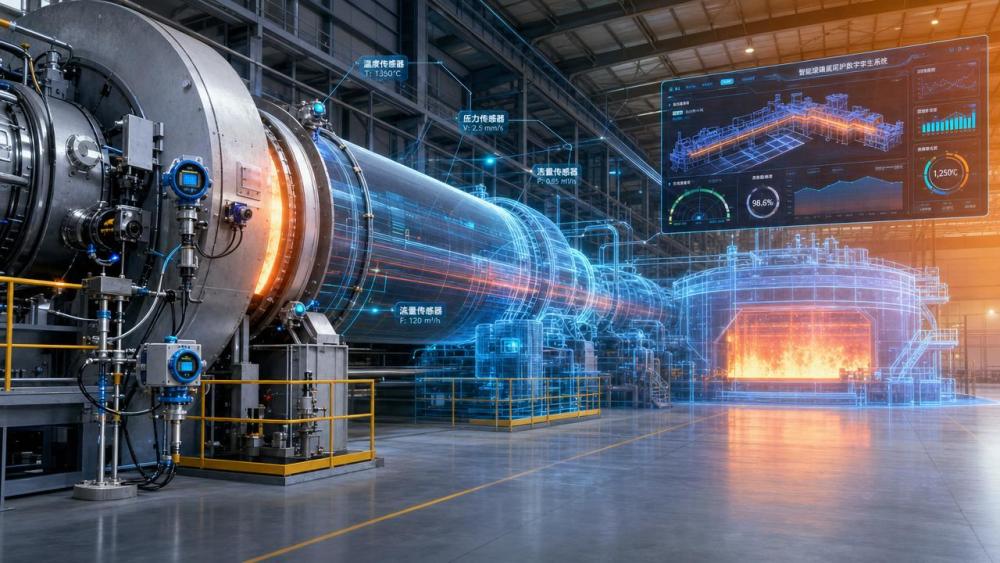
In industrial plants, digital twin simulations have moved from a niche engineering tool to a practical decision system.
The reason is simple. High-temperature processes are expensive, tightly coupled, and difficult to adjust without risk.
A change in airflow, fuel mix, moisture, or refractory condition can shift output quality and energy use very quickly.
Digital twin simulations create a living virtual model of equipment, process behavior, and operating conditions.
That model can test scenarios before operators change anything on the real line.
This is especially relevant in cement plants, glass furnaces, incineration systems, refractory production, and extrusion lines.
These sectors depend on thermal balance, chemical kinetics, equipment durability, and emission control at the same time.
In practice, digital twin simulations help teams understand not only what is happening, but what is likely to happen next.
That predictive value explains why intelligence platforms such as CF-Elite keep tracking this field closely.
For industries built on thermal management, the real advantage is not digital visibility alone. It is safer optimization.
What are digital twin simulations actually used for on the plant floor?
The most common use is process optimization under real operating constraints.
Instead of relying only on historical trends, engineers can simulate production changes with current plant conditions included.
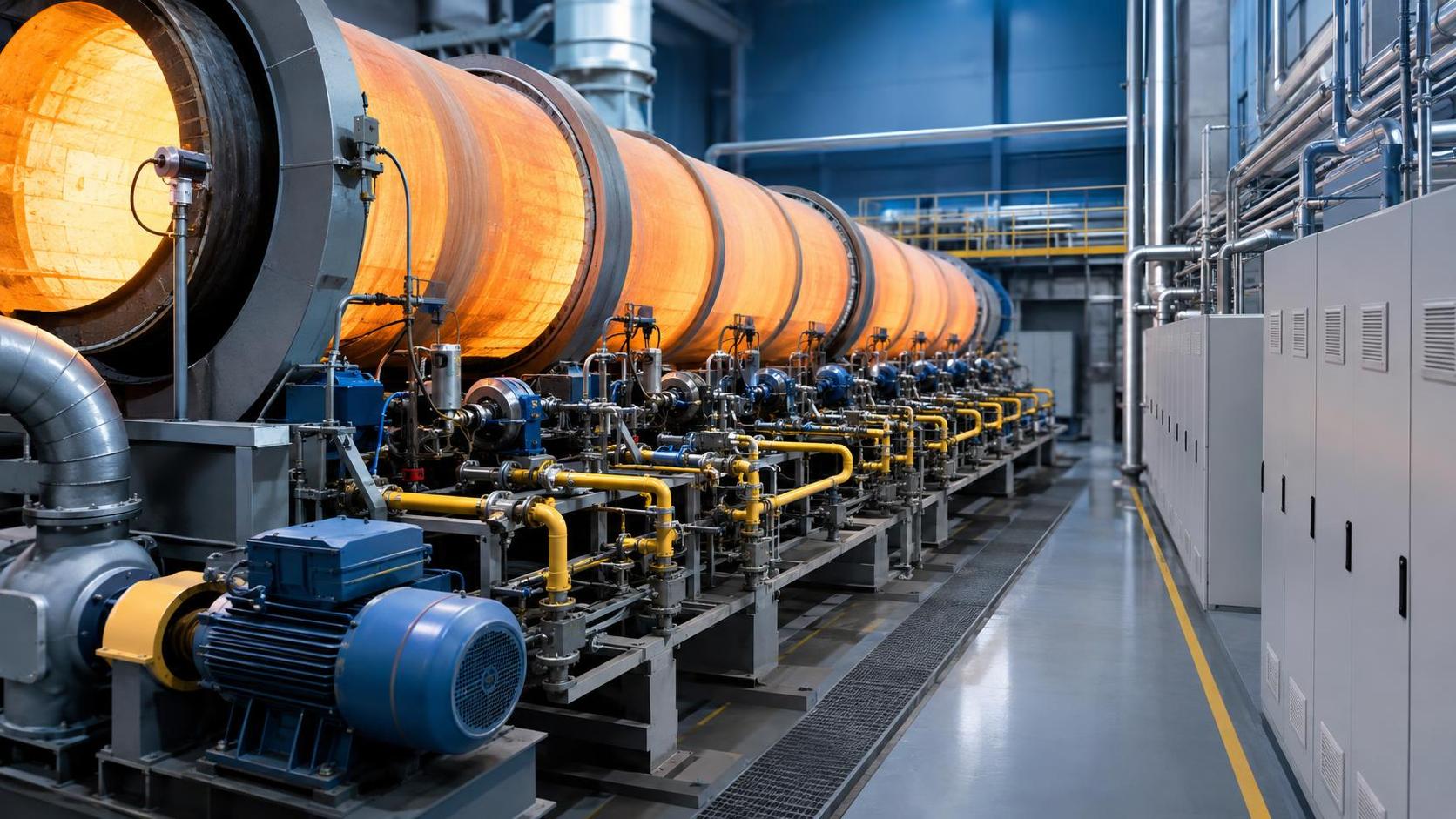
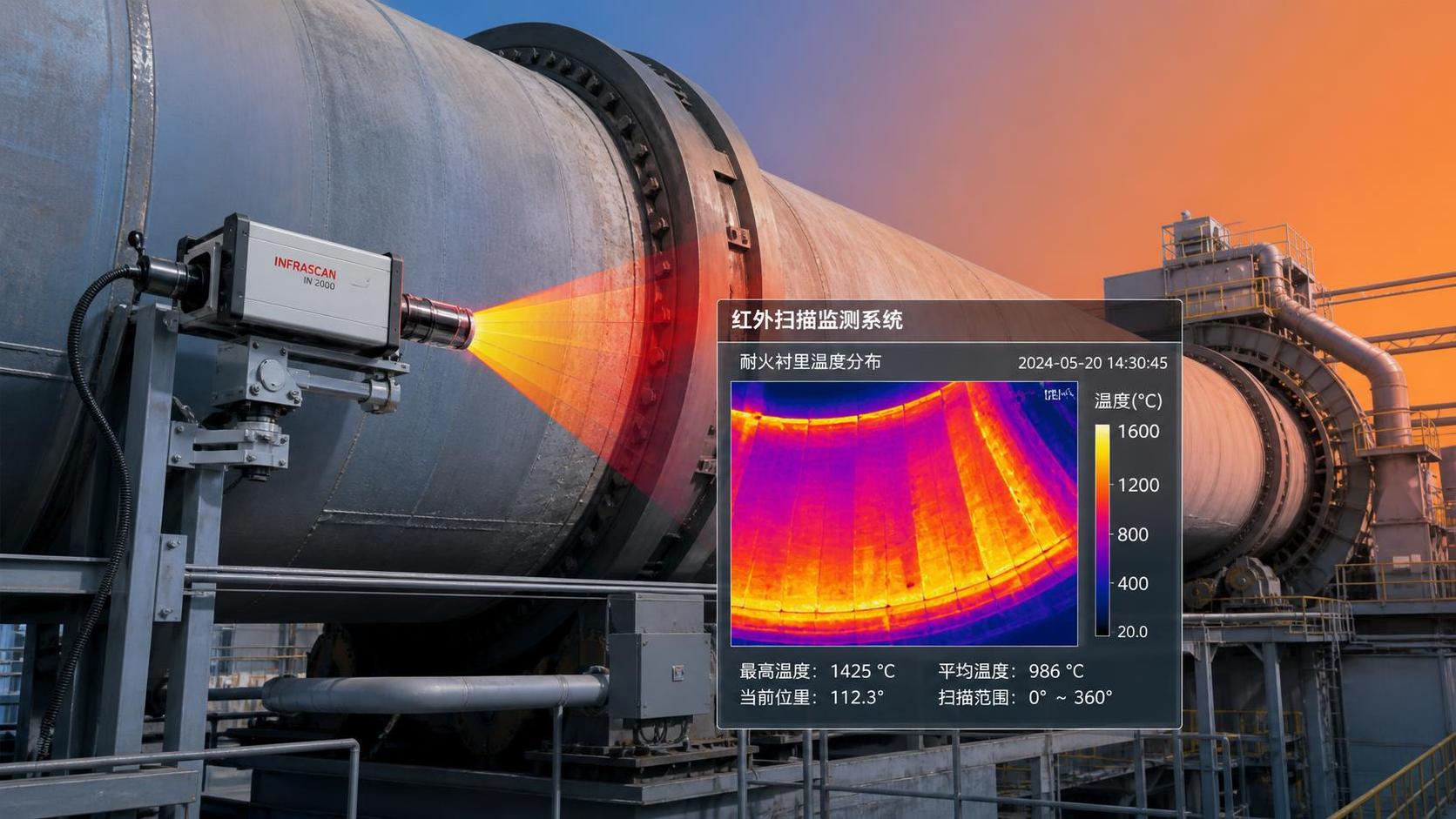
For a cement kiln, that may mean checking flame shape, heat transfer, clinker quality, and alternative fuel effects.
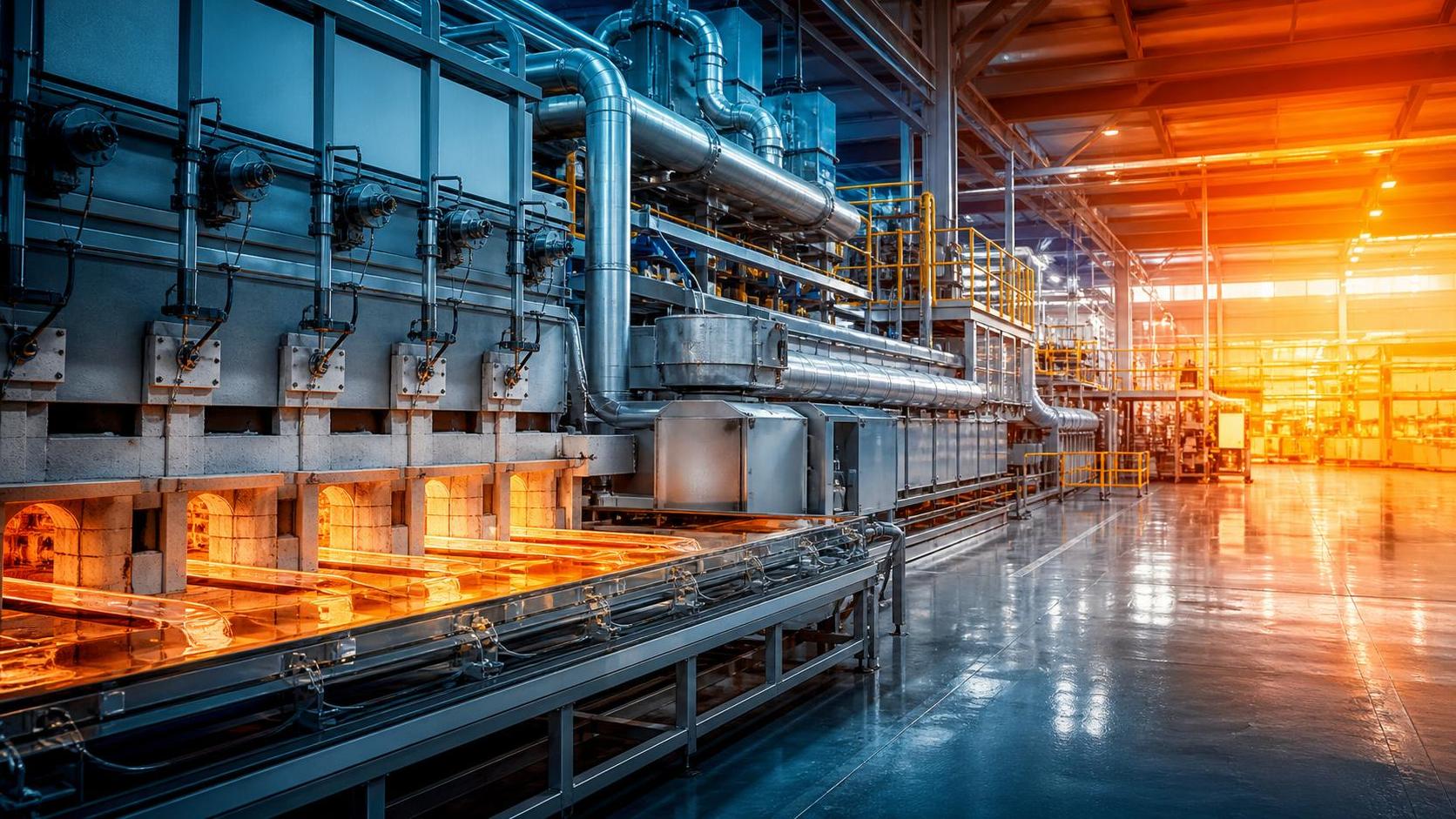
For a glass furnace, the twin may test melting uniformity, pull-rate stability, and the impact of temperature drift on defects.
In industrial incineration, digital twin simulations are often used to compare waste feed variability against combustion stability and emissions.
Refractory lines use them to understand thermal shock, lining wear, and curing or firing consistency.
Extrusion systems benefit when pressure, moisture, temperature, and die behavior need to stay synchronized.
Another major use is maintenance planning. A good model can flag conditions that lead to unstable operation or premature failure.
That matters when shutdowns are expensive and spare-part lead times are long.
Digital twin simulations are also used for operator training. Teams can rehearse abnormal events without exposing the plant to danger.
More advanced programs link the twin to decarbonization goals, such as fuel substitution, heat recovery, and emissions reduction pathways.
A quick way to see where value usually appears
The table below summarizes how digital twin simulations are typically applied across several high-temperature industrial settings.
Which industrial plants benefit most from digital twin simulations?
Not every plant gets the same return, and that is an important distinction.
Digital twin simulations are most valuable when three conditions exist together.
- The process is thermally complex and hard to observe directly.
- Small process shifts create large cost, quality, or compliance effects.
- The line already generates enough operational data to support model calibration.
That is why high-temperature sectors appear so often in industry reports and technology roadmaps.
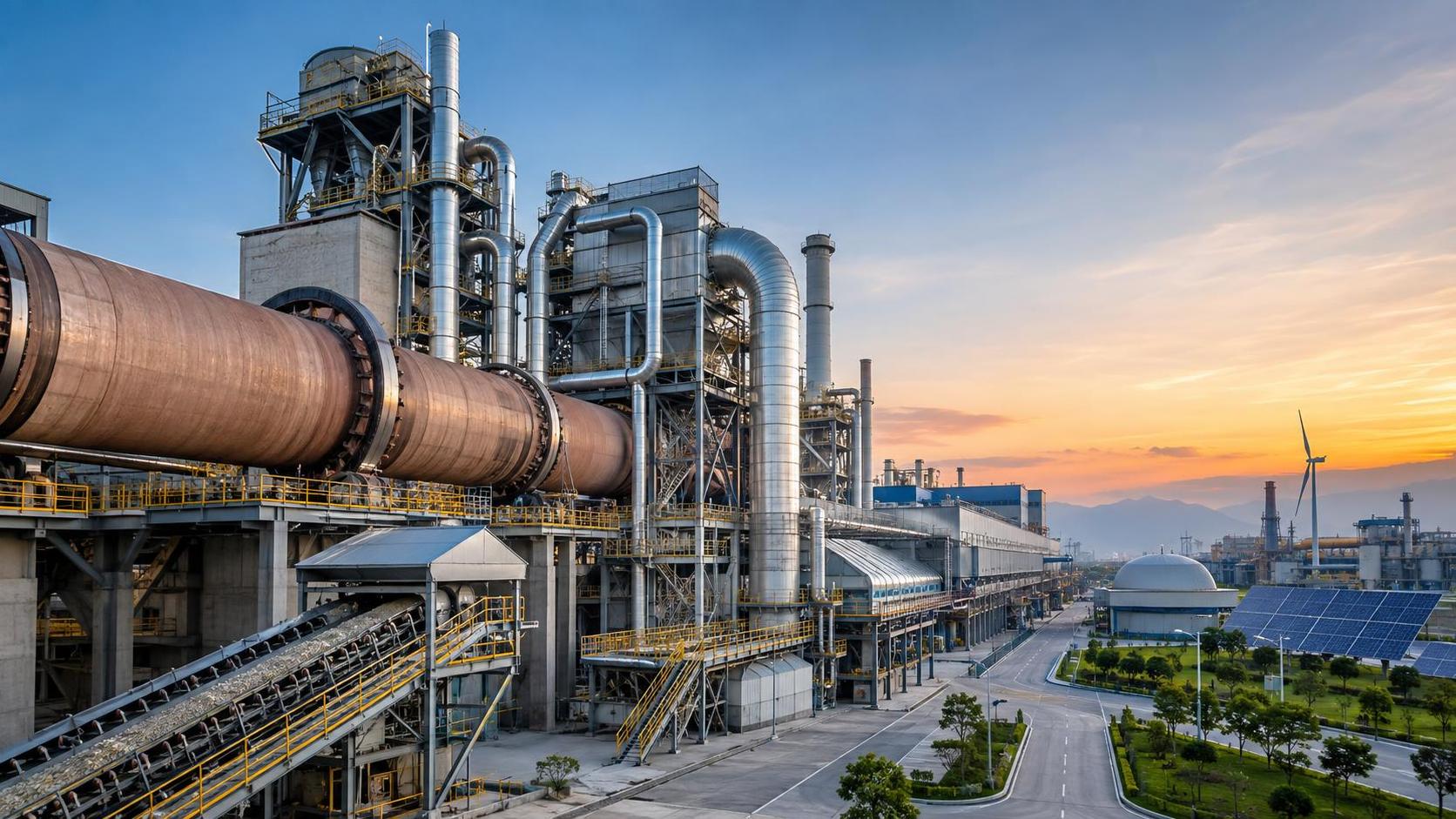
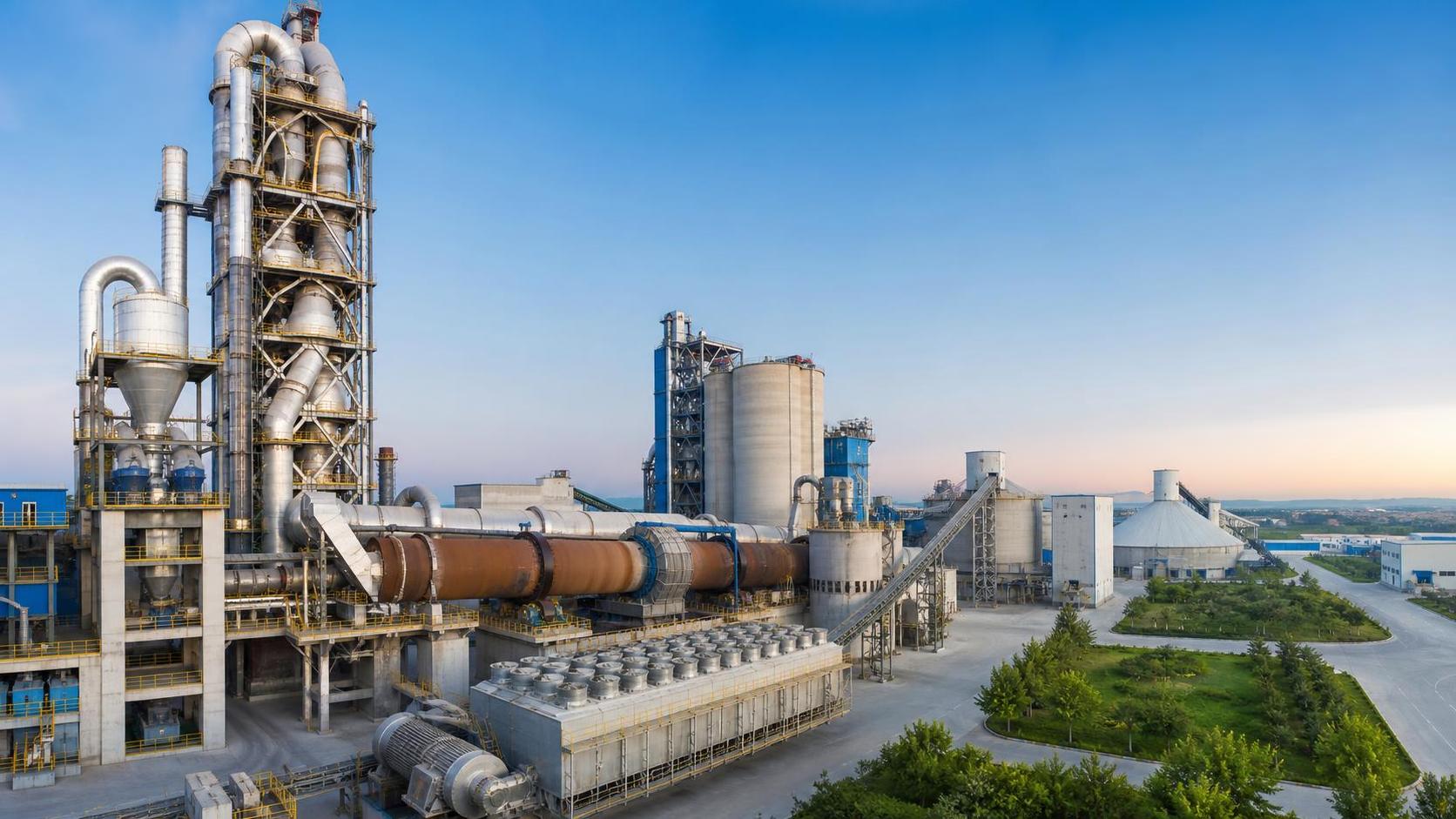
Cement production is a clear fit because kiln stability, raw meal variability, and carbon intensity are closely linked.
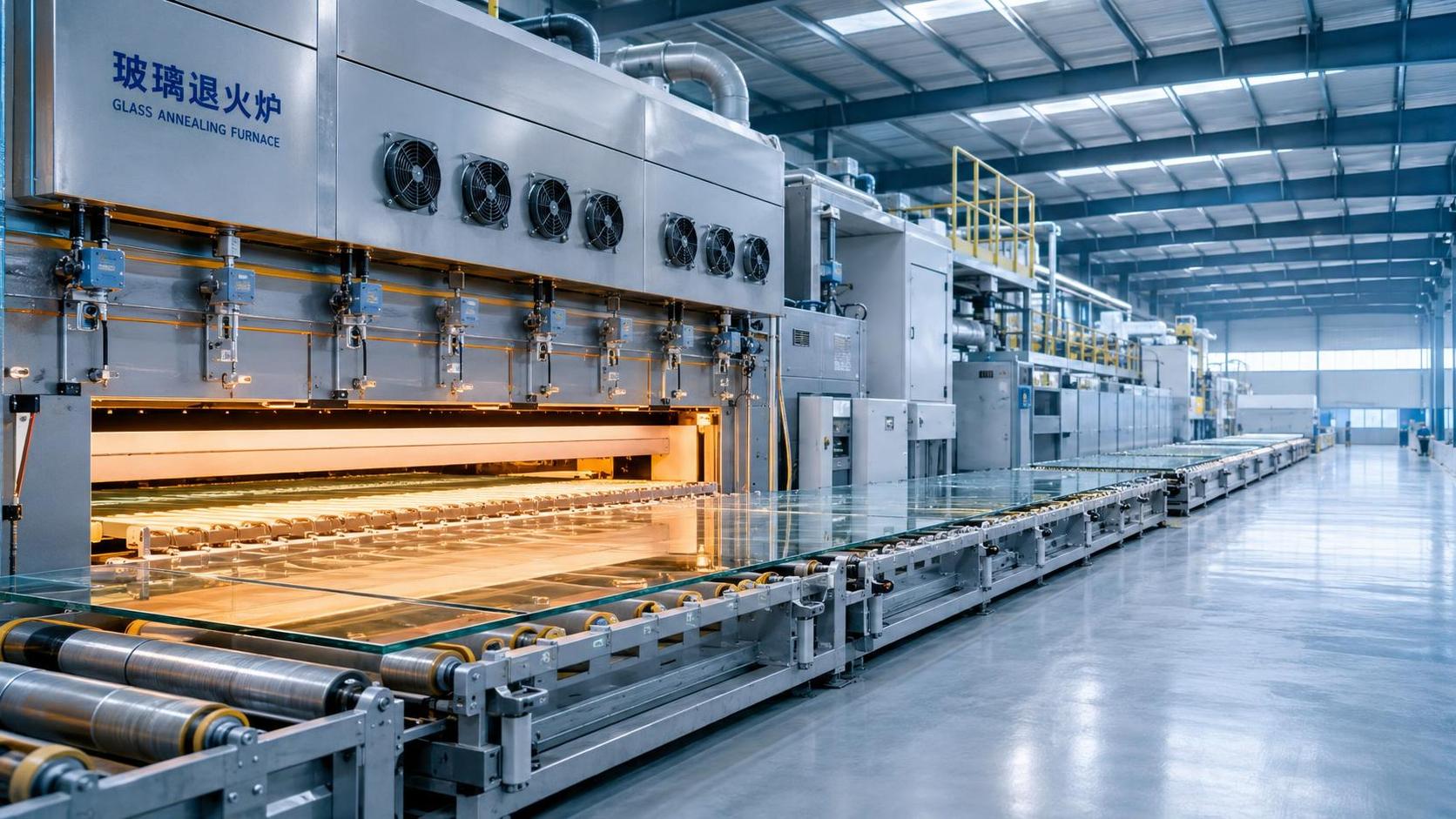
Glass manufacturing is another strong case because furnace behavior changes slowly, but the cost of mistakes is very high.
Incineration plants benefit when waste composition changes frequently and combustion control must still meet environmental limits.
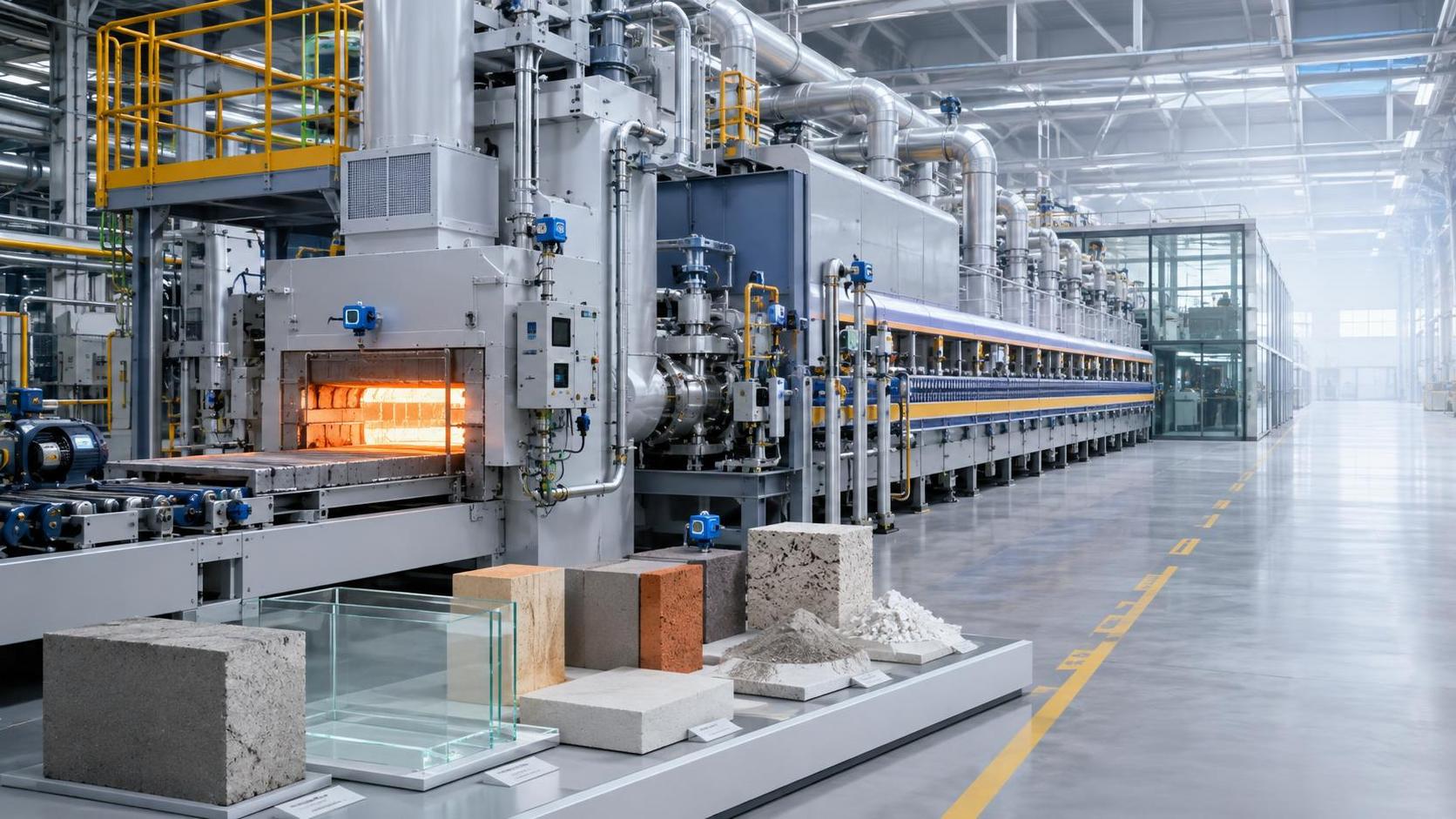
Refractory and advanced building material lines gain value when heat history affects final strength, shape, or service life.
This broader pattern matches the focus areas followed by CF-Elite.
Its coverage of thermal management, silicate processes, and equipment intelligence reflects where digital twin simulations can create measurable gains.
How do digital twin simulations differ from ordinary monitoring or SCADA trends?
This is one of the most common points of confusion.
Monitoring systems show what sensors are reporting. Digital twin simulations go further by modeling relationships inside the process.
A dashboard may show rising temperature, falling draft, or changing power load.
A digital twin can estimate what those combined signals mean for melt quality, combustion completeness, or lining stress.
In other words, ordinary monitoring is descriptive. A digital twin is descriptive, predictive, and often prescriptive.
It can answer “what is happening,” but also “what if we change this parameter now?”
That difference matters when plants are balancing throughput, emissions, energy cost, and asset life at the same time.
The best implementations combine both layers. Sensor data feeds the twin, and the twin gives context back to operations.
Without reliable plant data, even strong simulation logic becomes less useful. Without process modeling, data alone stays reactive.
What should be checked before investing in digital twin simulations?
The technology sounds attractive, but value depends on fit, not fashion.
A practical evaluation usually starts with plant constraints rather than software features.
It helps to ask whether the target problem is operationally important and physically modelable.
For example, unstable kiln operation, uneven furnace temperature, or recurring refractory damage are strong starting points.
By contrast, a vague goal such as “becoming smarter” rarely produces a useful deployment plan.
The next check is data quality. Missing tags, uncalibrated sensors, and inconsistent sampling intervals weaken model confidence.
Implementation also depends on engineering ownership. Someone must connect process knowledge with model updates and operating decisions.
A short checklist can keep the discussion grounded.
- Define one or two business-critical use cases first.
- Verify sensor coverage for mass, heat, and quality variables.
- Check whether historical events exist for model training or validation.
- Set success metrics such as fuel rate, defect rate, or unplanned downtime.
- Confirm who will maintain the twin after the pilot phase.
When those basics are clear, digital twin simulations become easier to compare on value, cost, and implementation effort.
Where do projects usually struggle, and how can that risk be reduced?
Most failures do not come from the idea itself. They come from poor scope and weak process alignment.
One common mistake is trying to model the entire plant at once.
A narrower pilot around one furnace zone, one kiln section, or one recurring instability issue often performs better.
Another problem is assuming the model stays accurate forever.
In reality, feedstock, fuels, wear patterns, and operating logic change over time.
Digital twin simulations need recalibration, especially in plants with variable raw materials or changing environmental targets.
There is also a people-side risk. If the twin is treated as a black box, adoption tends to stall.
More durable results appear when process engineers can explain why the model recommends a certain adjustment.
That is why trusted industrial intelligence matters.
CF-Elite’s approach to thermal industries is useful here because it links operating data with process physics, market pressure, and carbon strategy.
That wider context helps separate real industrial value from short-lived digital enthusiasm.
A realistic final question: what is the next step if the technology looks relevant?
Start with one process question that already affects cost, stability, or compliance.
Then map the physics, the available data, and the business metric that would prove improvement.
For many plants, the best entry point is not a full digital overhaul.
It is a focused use case around energy efficiency, failure prediction, fuel flexibility, or quality consistency.
Digital twin simulations are most useful when they turn complex thermal behavior into better daily decisions.
If that goal is clear, the technology becomes far easier to assess, phase, and scale with confidence.
Related News
 Optical Glass Tech FellowHow to Evaluate a Glass Annealing Equipment Manufacturer for Production StabilityChoose a glass annealing equipment manufacturer with proven thermal uniformity, reliable controls, lifecycle value, and responsive service for stable production.Sep 08, 2026
 Prof. Marcus ChenThermal Energy Architecture in North America: Strategies for Lower Building Energy UseThermal energy architecture North America helps project leaders cut building energy use through stronger envelopes, right-sized HVAC, storage, and smart commissioning.Sep 07, 2026
 Ms. Elena RodriguezHow Should Buyers Evaluate Building Material Industry Intelligence Pricing?Building material industry intelligence pricing: learn how to compare coverage, technical depth, and ROI to choose intelligence that reduces procurement risk.Sep 07, 2026
 Ms. Elena RodriguezHow to Use Building Material Intelligence Data for Market and Investment DecisionsBuilding material industry intelligence data helps leaders evaluate demand, costs, regulation, capacity, and technology to make smarter market and investment decisions.Sep 05, 2026
 Thermal Energy ArchitectHow PLC Control Improves Energy Efficiency and Temperature Stability in KilnsEnergy efficient kilns PLC control improves temperature stability, cuts fuel waste, and optimizes combustion, draft, and material flow. Explore proven strategies for smarter kiln modernization.Sep 04, 2026
 Optical Glass Tech FellowEuropean Glass Melting Processes: Furnace Choices, Energy Use, and Quality ControlGlass melting process Europe: explore furnace choices, energy efficiency, cullet strategy, and quality control to improve output, compliance, and long-term glass performance.Sep 03, 2026
 Thermal Energy ArchitectWhat Determines Refractory Lining Monitoring Price for Industrial Kilns?Refractory lining monitoring price depends on kiln size, sensor technology, installation, software, and support. Compare total lifecycle costs and choose the right solution.Sep 02, 2026
 Silicate Process EngineerCement Production System Costs: A Plant Buyer’s Guide to Budgeting and ROICement production systems cost planning made clear: compare CAPEX, operating costs, compliance, and ROI to build a resilient, profitable cement plant investment.Sep 01, 2026
 Dr. Alistair VaughnWhat Should a Process Technology Database Track for High-Temperature Plants?Process technology database essentials for high-temperature plants: track thermal profiles, feed chemistry, refractory wear, emissions, energy, and maintenance for safer, data-driven decisions.Aug 31, 2026
 Ms. Elena RodriguezHow to Evaluate a Silicate Processing Equipment Manufacturer for Plant ProjectsSilicate processing equipment manufacturer selection: assess process fit, guarantees, energy, compliance, delivery risk, and lifecycle support for dependable plant performance.Aug 30, 2026
 Dr. Alistair VaughnHow to Specify Custom Agricultural Processing Equipment for Throughput and HygieneEquipment customization services for agricultural processing: learn to specify hygienic, high-throughput lines that improve yield, reliability, and long-term efficiency.Aug 29, 2026
 Dr. Alistair VaughnHow to Select Process Plant Equipment for High-Temperature, Abrasive Production LinesProcess plant equipment selection for high-temperature, abrasive lines: reduce downtime, improve durability, and optimize lifecycle performance.Aug 28, 2026
 Silicate Process EngineerHow Kiln Heat Recovery Systems Cut Fuel Use in Cement and Lime ProductionKiln heat recovery helps cement and lime plants cut fuel use, improve thermal stability, and build practical, reliable decarbonization strategies.Aug 27, 2026
 Ms. Elena RodriguezProcess Equipment Comparison: Which Metrics Matter Most for Reliable Selection?Process equipment comparison made practical: discover which metrics truly drive reliable selection, from energy efficiency and control stability to wear life, maintainability, and uptime.Aug 26, 2026
 Ms. Elena RodriguezWhat Buyers Should Check Before Sourcing Precision Alloy Bars for Critical PartsPrecision Alloy Bars buyers should verify grade, chemistry, tolerances, surface quality, traceability, and lead time before sourcing for critical parts. Learn what prevents costly machining and reliability risks.Aug 27, 2026
 Ms. Elena RodriguezHow to Evaluate Thermal Management Solutions Insulation for High-Heat Industrial SystemsThermal management solutions insulation: learn how to assess high-heat industrial systems by thermal performance, durability, lifecycle cost, and supplier data for smarter decisions.Aug 25, 2026
 Ms. Elena RodriguezWhat Drives Waste Recycling Cost in Industrial Projects and How to Estimate It?Waste recycling cost in industrial projects depends on composition, moisture, transport, pre-treatment, and compliance. Learn how to estimate it accurately and compare suppliers with confidence.Aug 24, 2026
 Silicate Process EngineerHow to Evaluate Cement Production Plants in the Middle East for Capacity, Fuel Flexibility, and ROIcement production plants Middle East: Learn how to assess true capacity, fuel flexibility, and ROI risks to identify resilient assets and smarter investment opportunities.Aug 23, 2026
 Structural Material AnalystHow to Evaluate Lightweight Material Machinery for Output, Energy Use, and Product QualityLightweight material machinery evaluation guide: compare stable output, energy use, and product quality to choose equipment that cuts waste, lowers costs, and improves production confidence.Aug 22, 2026
 Material Heat-Resist ExpertWhat Determines Refractory Production Line Price in a Turnkey Plant Project?Refractory production line price depends on raw materials, forming method, kiln and drying design, automation, utilities, and scope. Learn what really drives turnkey plant cost before you invest.Aug 21, 2026

Related News
- 00
0000-00
What Should a Process Technology Database Track for High-Temperature Plants? - 00
0000-00
How to Specify Custom Agricultural Processing Equipment for Throughput and Hygiene - 00
0000-00
How to Select Process Plant Equipment for High-Temperature, Abrasive Production Lines - 00
0000-00
What Causes Thermal Shock Failure in Heat-Resistant Materials During Development? - 00
0000-00
How Digital Twin Simulations Improve Process Plant Design, Safety, and Uptime
Weekly Insights
Stay ahead with our curated technology reports delivered every Monday.