
Which industrial material trends are worth tracking in 2026




As manufacturers face tighter carbon targets, supply volatility, and faster process innovation, industrial material trends are becoming a critical lens for strategic planning in 2026. For researchers tracking heavy industry, thermal systems, and advanced production equipment, the most valuable signals lie where energy efficiency, refractory performance, circular resource use, and digital process control begin to reshape global material value chains.
Which industrial material trends matter most in 2026?
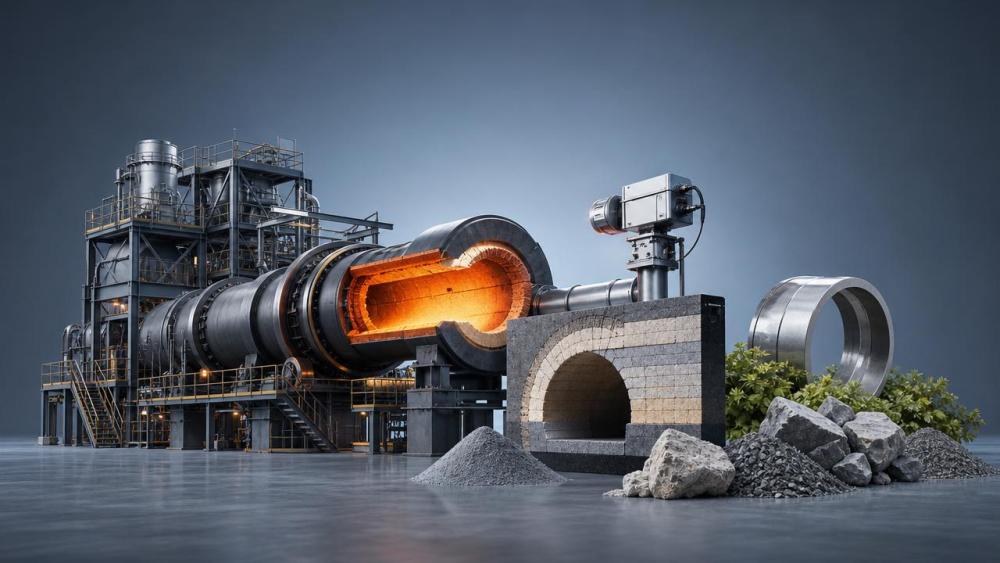
For information researchers, the challenge is not finding more headlines. It is separating durable industrial material trends from short-cycle market noise. In high-temperature sectors such as cement, glass, incineration, refractory manufacturing, and building material extrusion, the most important shifts are now tied to energy intensity, emissions compliance, process stability, and material life-cycle value.
In 2026, the strongest signals are appearing where production lines must do more with less fuel, less waste, and tighter maintenance windows. This is why industrial material trends should be read together with kiln design, thermal insulation, combustion logic, waste heat utilization, and online monitoring capabilities rather than as isolated raw material stories.
CF-Elite follows these shifts from the perspective of foundation materials and thermal management. That matters because many material decisions in heavy industry are constrained by heat transfer, refractory wear, chemical attack, residence time, and regulatory pressure. A trend only becomes commercially useful when it can be linked to process conditions and equipment investment logic.
- Decarbonization is changing purchasing criteria, pushing buyers to compare material performance not only by strength or purity, but by energy demand, emissions implications, and compatibility with alternative fuels.
- Resource circularity is moving from policy language into plant-level decisions, especially in kiln co-processing, cullet use, recycled feedstocks, and industrial waste utilization.
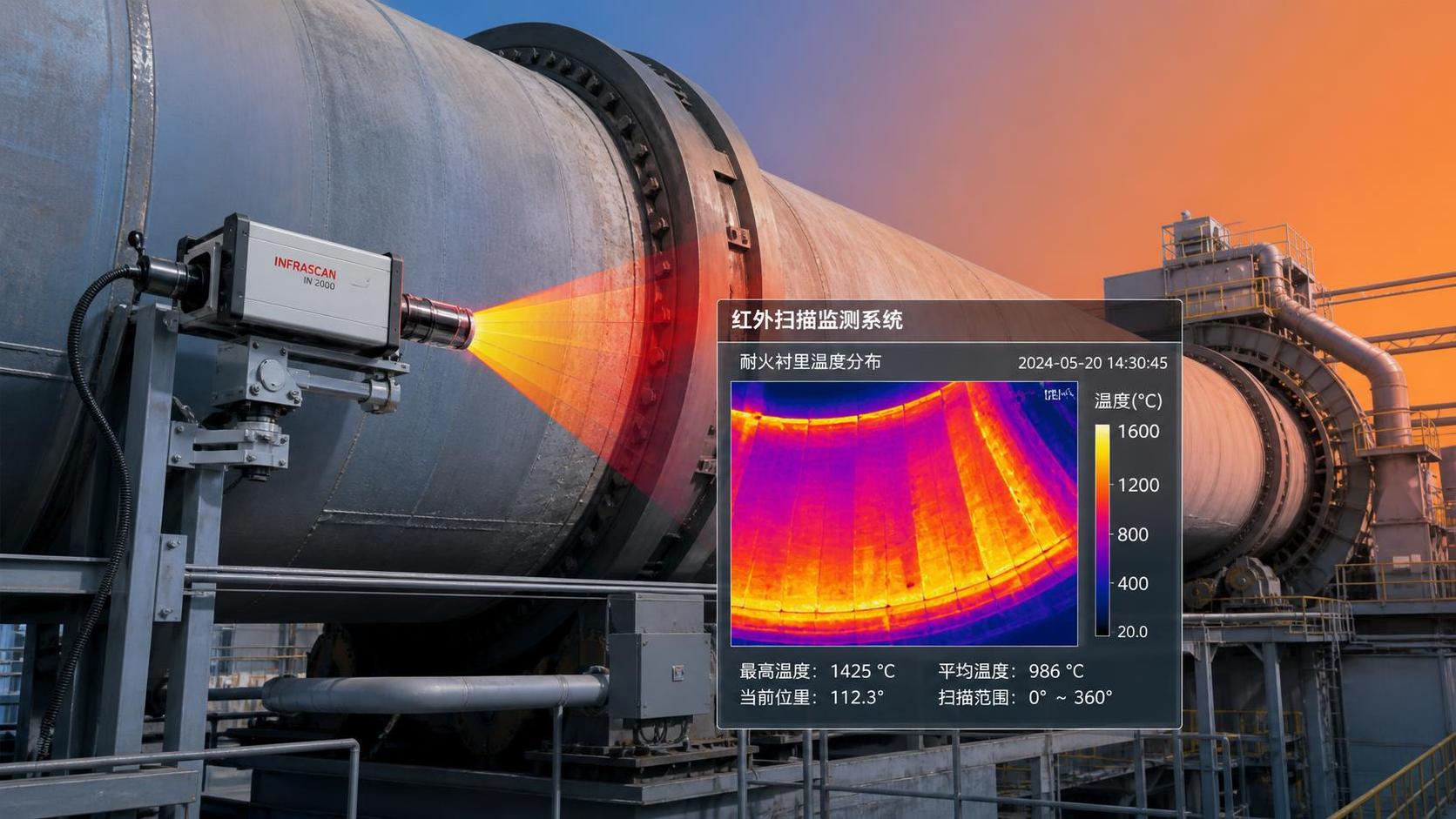
- Digital supervision is becoming part of the material conversation, since sensors, digital twins, and predictive maintenance are changing how operators judge lining wear, thermal losses, and process deviations.
How are industrial material trends changing heavy industry priorities?
The value of industrial material trends becomes clearer when mapped against real operating priorities. Researchers evaluating suppliers, technologies, or regional opportunities need to know which trends influence capex decisions, maintenance planning, and long-term competitiveness. The table below highlights the trend clusters with the strongest practical effect in 2026.
These industrial material trends are not isolated. In practice, a plant adopting alternative fuels may also need different refractory chemistry, tighter online temperature control, and a revised maintenance strategy. That systems-level view is where sector intelligence becomes more useful than generic market commentary.
Why carbon pressure is reshaping material decisions
Carbon reduction targets are influencing material choices upstream and downstream. In cement and glass, this includes evaluating raw mix design, supplementary inputs, melting efficiency, and insulation performance. In incineration and co-processing systems, it includes balancing waste-derived energy recovery with corrosion control, flue gas treatment, and ash-related material impacts.
For information researchers, this means trend tracking should include not just emission headlines, but also how plants are redesigning line stability around lower-carbon operating windows. A decarbonization claim without process compatibility data often has limited practical value.
Why material durability now matters more than nominal price
Another major feature of industrial material trends in 2026 is the move from simple purchase price comparison to total operating effect. A refractory that lasts longer under alkali attack, or an insulation solution that reduces shell temperature, can influence energy use, shutdown frequency, labor planning, and spare stock exposure.
This is especially relevant in long-cycle heavy equipment trade, where distributors and buyers need credible technical intelligence to justify premium selections. CF-Elite’s process-centered tracking is useful here because the real question is not which material is cheapest, but which material aligns best with specific thermal duty and process chemistry.
Which application scenarios best reveal future industrial material trends?
Industrial material trends become easier to evaluate when they are tied to application scenarios. Different sectors face different temperature regimes, mechanical stress patterns, feedstock variability, and compliance thresholds. Researchers who compare trends by scenario often reach faster and more reliable conclusions.
Cement production plants
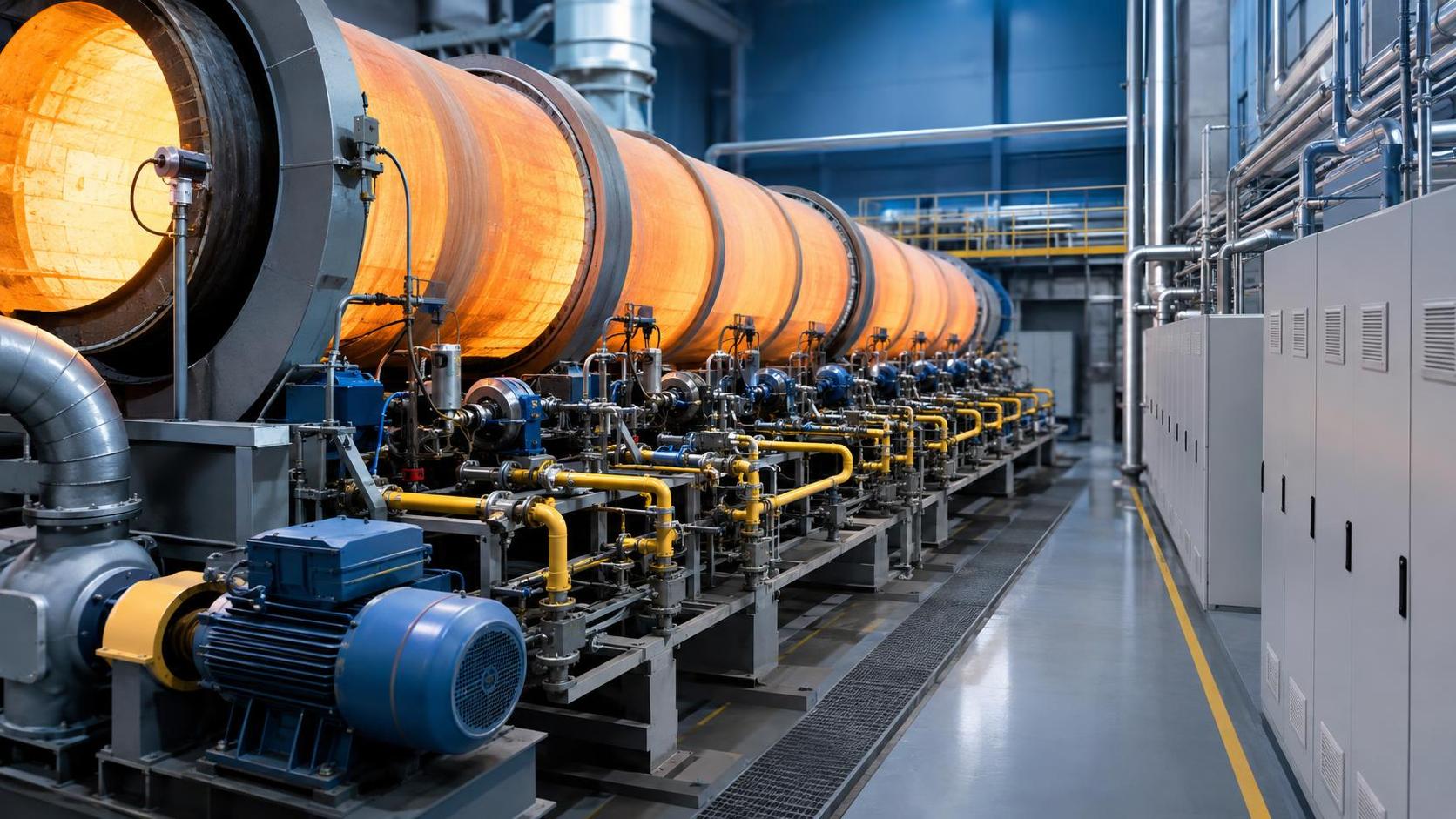
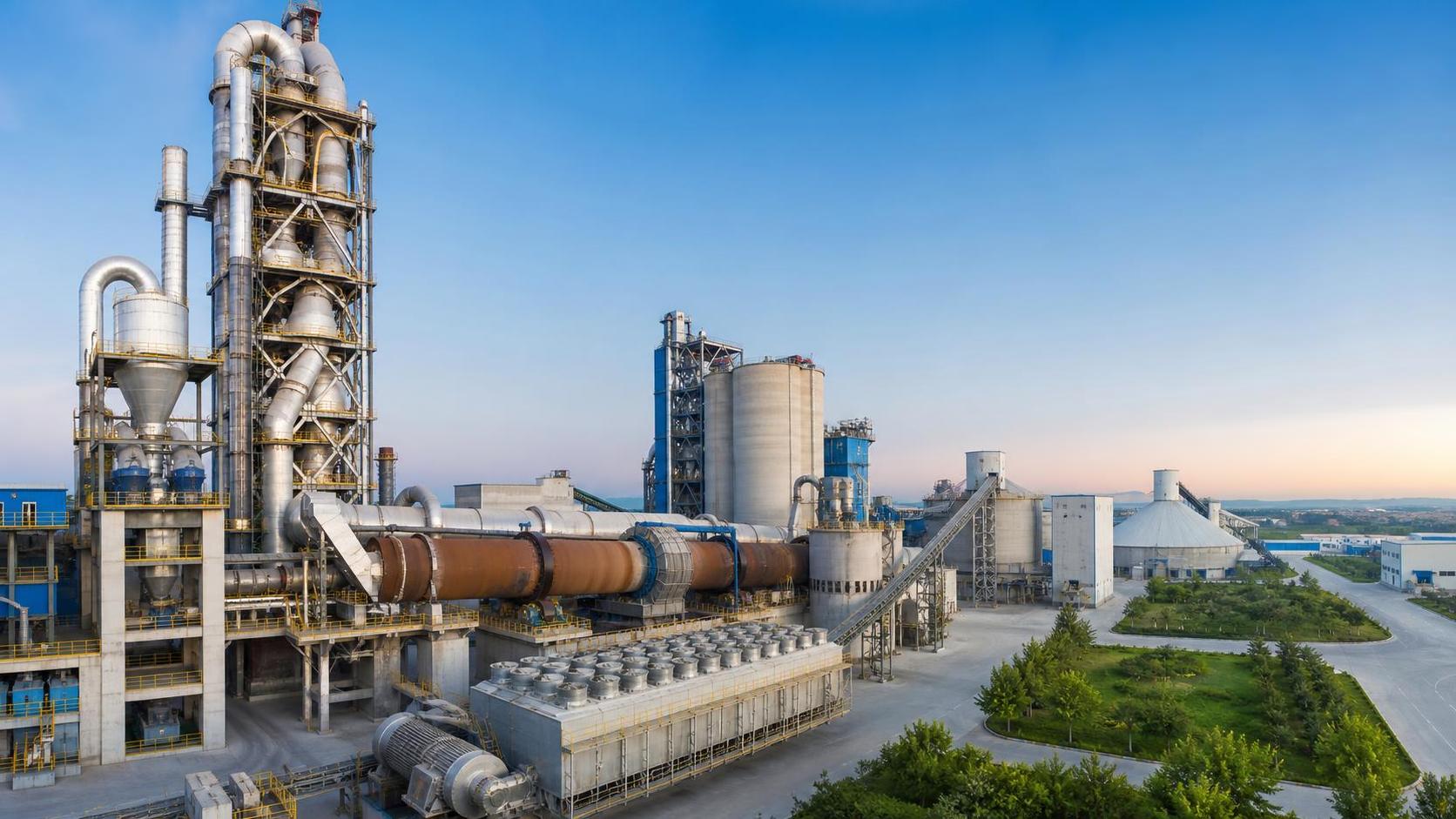
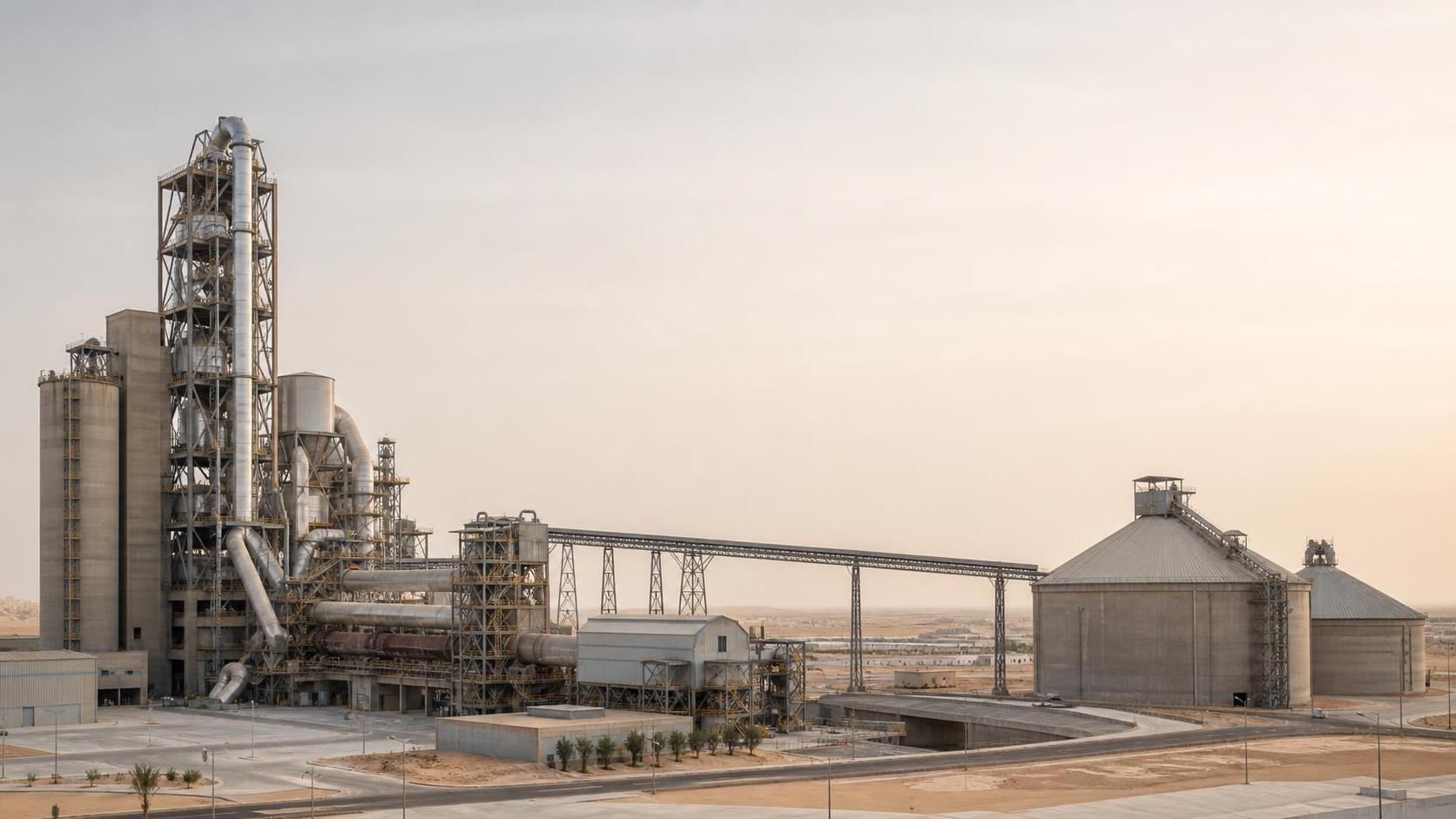
In cement, the strongest signals include blended materials, kiln co-processing, high-performance refractory zones, and dust control systems linked to stricter environmental expectations. The sector is under dual pressure: lowering clinker-related emissions while maintaining line availability and fuel flexibility.
Glass manufacturing gear
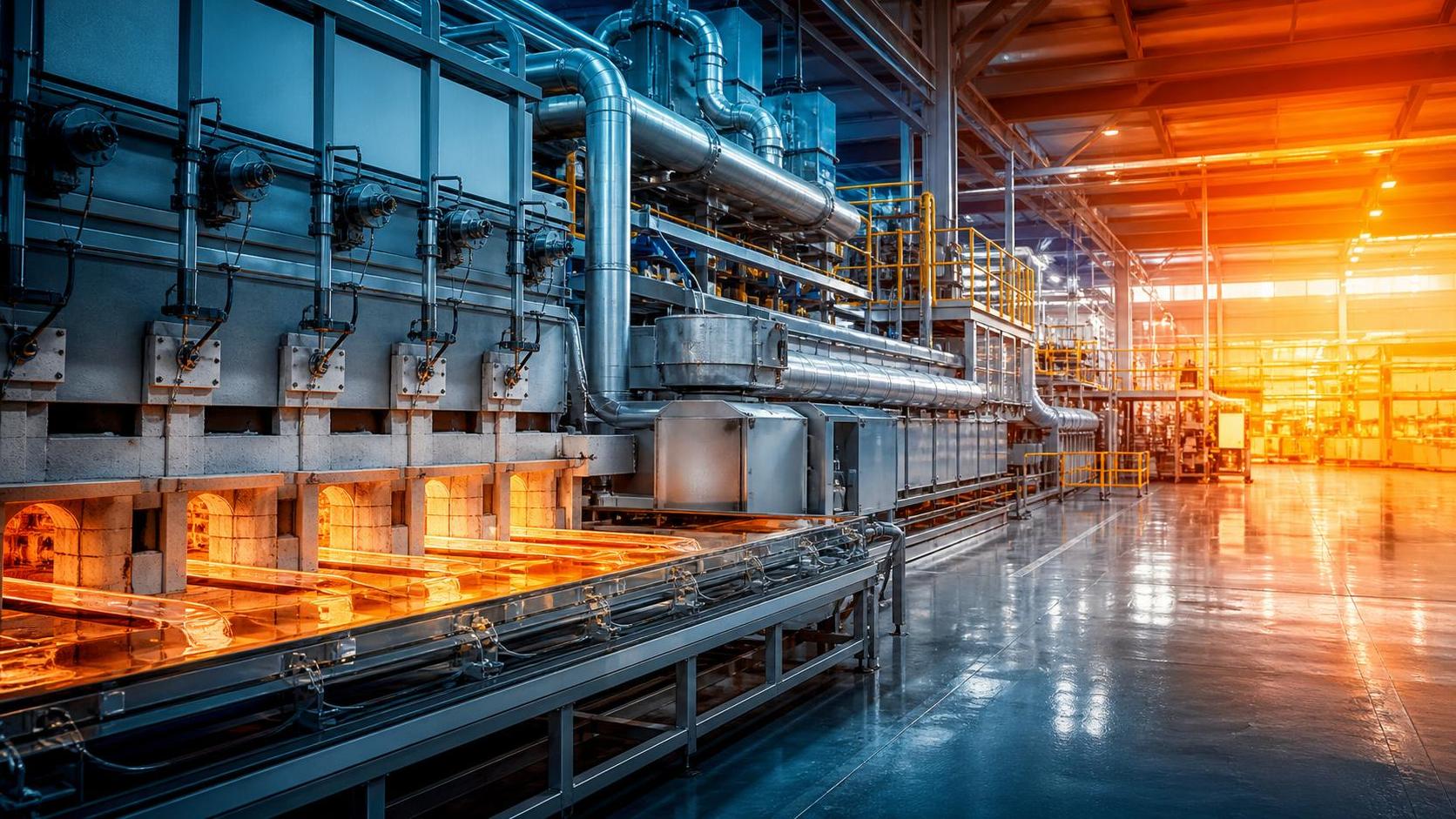
In glass, researchers should watch cullet integration, furnace insulation, melting homogeneity, and digital simulation tools. The rise of PV glass, display glass, and lightweight formats is increasing the importance of thermal precision and defect control, making material behavior inside the furnace more commercially sensitive.
Industrial kilns and incineration
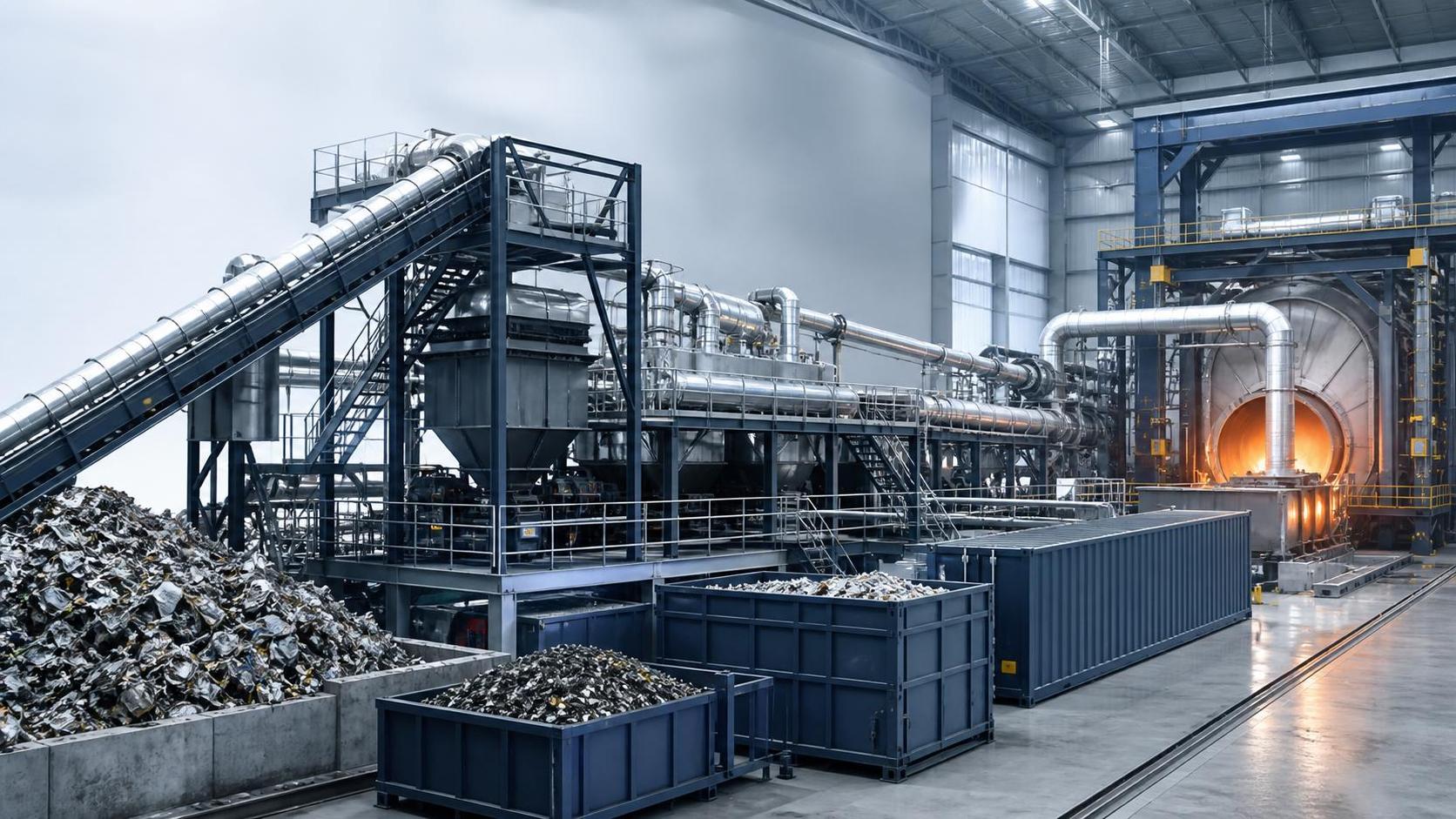
For kilns and incineration systems, circular resource use is a primary theme. Waste-to-energy logic, residue stability, corrosion resistance, and refractory longevity are tightly linked. Changes in waste composition can trigger large shifts in lining wear and combustion efficiency, so material trends here must always be read with operating data.
Refractory production and new building material extrusion
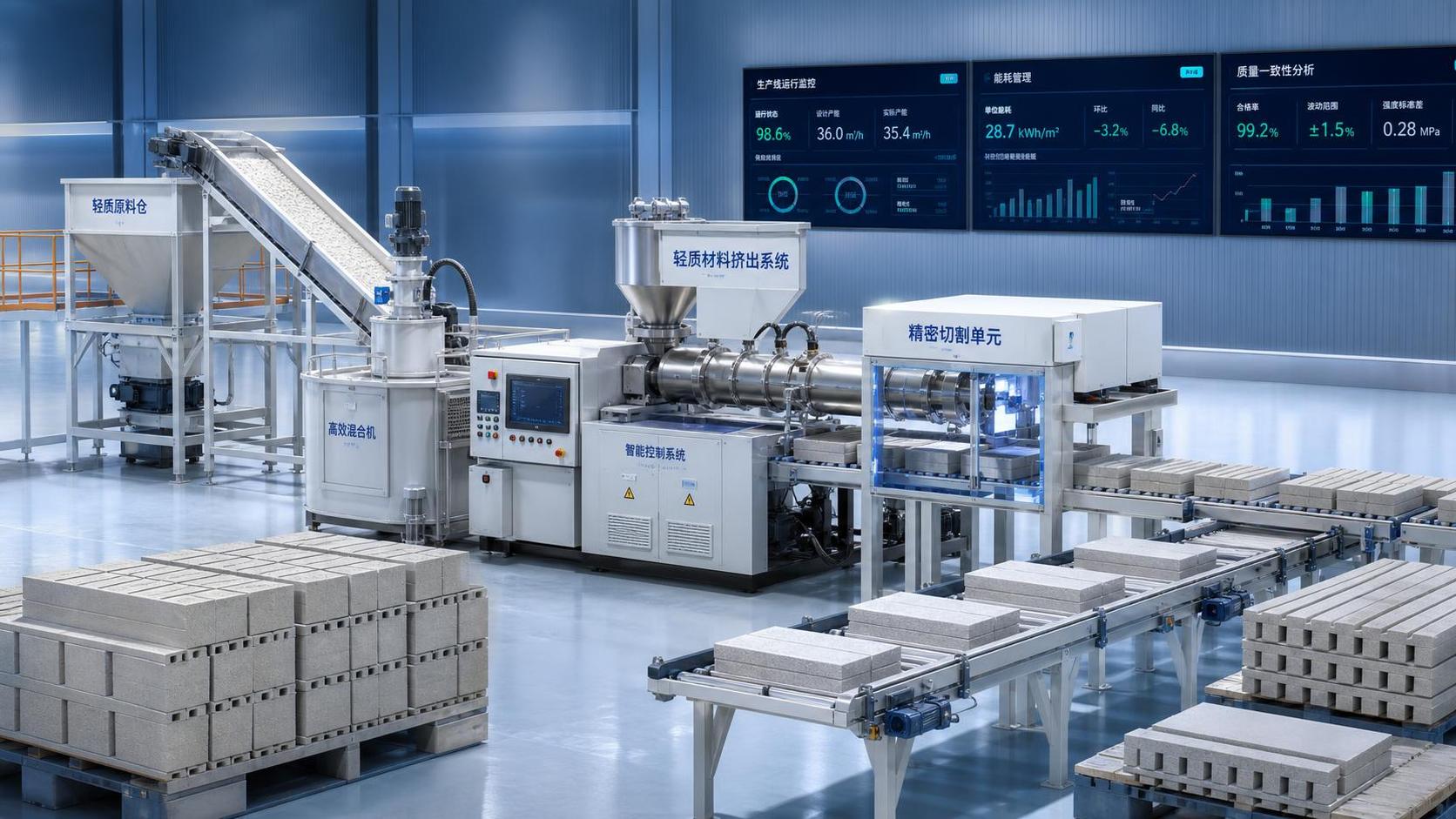
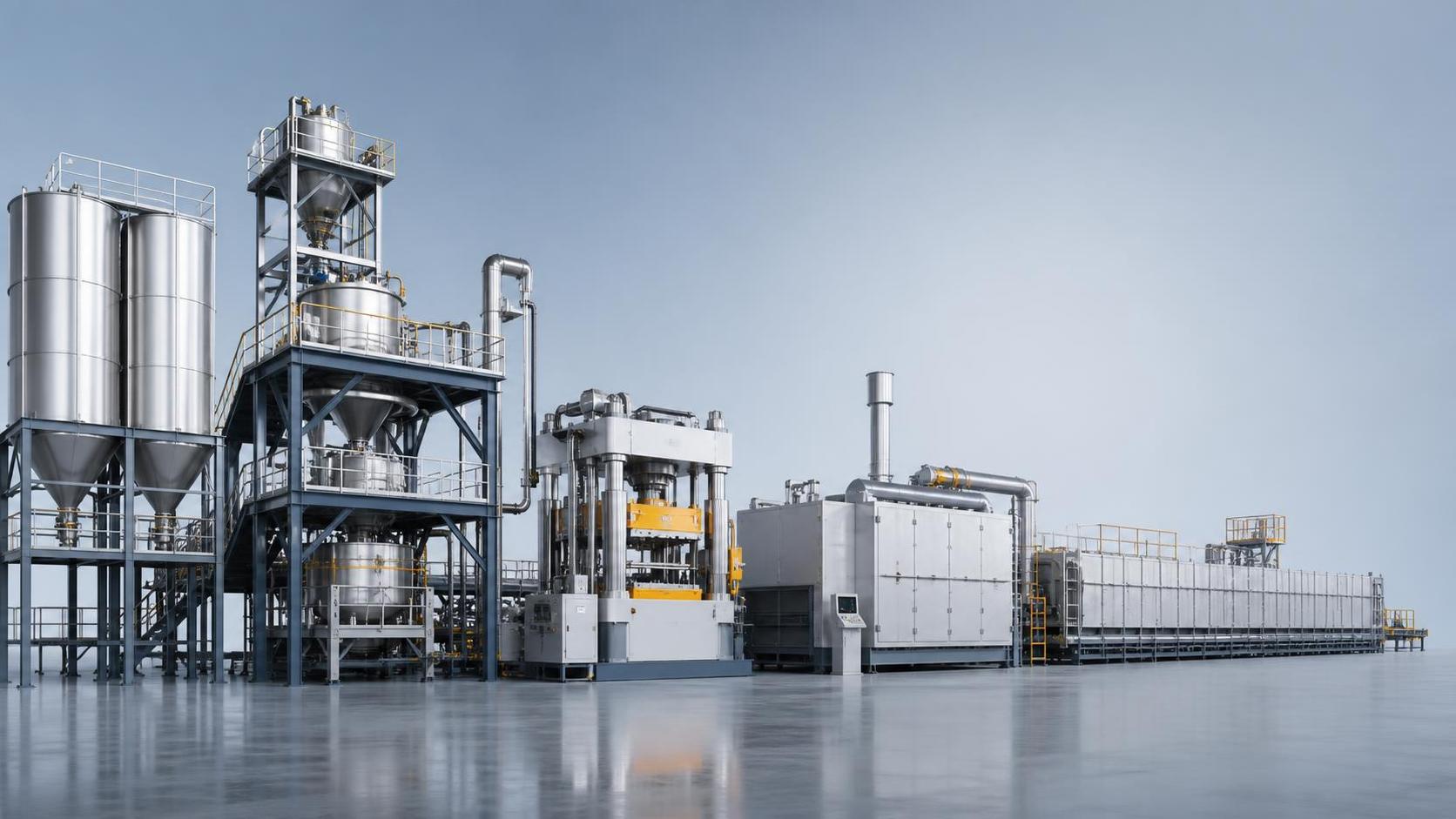
In refractory lines, the market is moving toward more specialized formulations matched to thermal shock, slag contact, abrasion, or insulation performance. In extrusion of green building materials, lightweight design, dimensional stability, moisture control, and throughput efficiency are central. Both segments show how industrial material trends are converging around performance under real process conditions, not abstract specification sheets.
- Track where material innovation changes line energy balance, not just product composition.
- Watch sectors where feedstock variability is rising, because these create stronger demand for adaptive process control and more resilient materials.
- Prioritize applications where downtime carries high financial loss, since these markets are more willing to adopt advanced materials with measurable life-cycle returns.
How should researchers compare materials, technologies, and sourcing options?
A common problem in analyzing industrial material trends is comparing options on incomplete criteria. Technical data alone is not enough. Price alone is misleading. The better approach is to combine process suitability, compliance exposure, service life, and operational risk into one evaluation framework.
The following table offers a practical comparison structure for researchers and procurement teams working across high-temperature industries.
This comparison method helps researchers avoid a frequent mistake: treating industrial material trends as procurement news only. In reality, the most decisive variables often sit at the intersection of process engineering, maintenance economics, and compliance planning.
What to look for in supplier and solution research
- Ask for operating-condition relevance, not only brochure values. Temperature peaks, cycling frequency, atmosphere composition, and mechanical load all change material performance.
- Check whether the solution is compatible with future process shifts, such as higher alternative fuel ratios, stricter dust limits, or digital inspection tools.
- Evaluate support depth. In technically demanding sectors, intelligence around installation, monitoring, and replacement windows can be as valuable as the material itself.
What risks and misconceptions often distort industrial material trend analysis?
Researchers and sourcing teams often face a noisy information environment. Some industrial material trends are overestimated because they sound innovative but lack operational fit. Others are underestimated because they sit in maintenance, thermal loss, or feedstock adaptation rather than in headline product categories.
Common misconceptions
- A lower-carbon input is automatically better. In fact, if it destabilizes combustion, accelerates corrosion, or raises rejection rates, the total environmental gain may weaken.
- The highest specification always delivers the best return. Overengineering can increase cost without matching the actual stress profile of the line.
- Digital tools replace process expertise. They do not. Monitoring data only creates value when linked to thermal design, chemistry, and maintenance interpretation.
Risk reminders for 2026 research
Supply origin concentration remains a serious risk. So does overreliance on short-term cost signals during periods of energy price fluctuation. Another recurring issue is evaluating materials without considering local regulation on emissions, waste utilization, or industrial safety. Trend analysis gains value when these constraints are built into the assessment from the start.
This is where CF-Elite’s strategic intelligence approach is useful. By connecting market movement, thermal process behavior, and equipment evolution, researchers can compare opportunities with greater realism and less noise.
FAQ: practical questions researchers ask about industrial material trends
How do I judge whether an industrial material trend is commercially meaningful?
Start with three filters: process impact, scaling potential, and compliance relevance. If a trend cannot improve thermal efficiency, durability, circularity, or quality consistency in a measurable way, its commercial significance may be limited. Also check whether the trend fits existing equipment architecture or requires major retrofits.
Which industrial material trends are most relevant for high-temperature industries?
The leading themes are low-carbon material systems, advanced refractory solutions, circular resource integration, and digitally managed thermal operations. These matter because they affect fuel use, emissions compliance, campaign life, and process resilience across cement, glass, incineration, and extrusion applications.
What should procurement teams ask before shortlisting a material solution?
They should confirm temperature range, chemical exposure profile, expected service interval, installation requirements, delivery lead time, and replacement risk. They should also ask whether the material remains suitable if the plant increases alternative fuels, recycled inputs, or automation intensity over the next two to three years.
Are standards and compliance factors important in trend research?
Yes. Even when a material looks technically promising, it still needs to fit broader requirements such as industrial safety, emissions management, traceability expectations, and customer documentation practices. Researchers should pay attention to whether suppliers can support technical files, operating guidance, and quality consistency over time.
Why choose us when tracking industrial material trends for 2026?
CF-Elite is built for decision-makers who need more than fragmented updates. Our focus on large-scale silicate production lines, industrial incineration, refractory systems, and new building material extrusion allows us to interpret industrial material trends through the logic that actually drives investment and plant performance: heat balance, reaction kinetics, durability, carbon pressure, and equipment evolution.
For information researchers, distributors, and technical sourcing teams, we can support deeper evaluation across several practical areas:
- Parameter confirmation for high-temperature materials, linings, thermal systems, and process-adjacent equipment.
- Shortlist support for product selection based on application scenario, temperature duty, chemical exposure, and maintenance targets.
- Guidance on delivery-cycle expectations, sourcing risk points, and substitution pathways during supply uncertainty.
- Discussion of customized solution directions for kiln co-processing, glass thermal optimization, refractory monitoring, and green building material extrusion lines.
- Support in reviewing certification expectations, technical documentation needs, and quotation communication for long-cycle industrial projects.
If your team is mapping 2026 industrial material trends and needs clearer technical context, supplier comparison logic, or application-based intelligence, contact CF-Elite with your target sector, operating conditions, and research objective. That allows a more focused discussion around material selection, process fit, reporting needs, and project timing rather than generic market talk.
Related News
 Optical Glass Tech FellowHow to Evaluate a Glass Annealing Equipment Manufacturer for Production StabilityChoose a glass annealing equipment manufacturer with proven thermal uniformity, reliable controls, lifecycle value, and responsive service for stable production.Sep 08, 2026
 Prof. Marcus ChenThermal Energy Architecture in North America: Strategies for Lower Building Energy UseThermal energy architecture North America helps project leaders cut building energy use through stronger envelopes, right-sized HVAC, storage, and smart commissioning.Sep 07, 2026
 Ms. Elena RodriguezHow Should Buyers Evaluate Building Material Industry Intelligence Pricing?Building material industry intelligence pricing: learn how to compare coverage, technical depth, and ROI to choose intelligence that reduces procurement risk.Sep 07, 2026
 Ms. Elena RodriguezHow to Use Building Material Intelligence Data for Market and Investment DecisionsBuilding material industry intelligence data helps leaders evaluate demand, costs, regulation, capacity, and technology to make smarter market and investment decisions.Sep 05, 2026
 Thermal Energy ArchitectHow PLC Control Improves Energy Efficiency and Temperature Stability in KilnsEnergy efficient kilns PLC control improves temperature stability, cuts fuel waste, and optimizes combustion, draft, and material flow. Explore proven strategies for smarter kiln modernization.Sep 04, 2026
 Optical Glass Tech FellowEuropean Glass Melting Processes: Furnace Choices, Energy Use, and Quality ControlGlass melting process Europe: explore furnace choices, energy efficiency, cullet strategy, and quality control to improve output, compliance, and long-term glass performance.Sep 03, 2026
 Thermal Energy ArchitectWhat Determines Refractory Lining Monitoring Price for Industrial Kilns?Refractory lining monitoring price depends on kiln size, sensor technology, installation, software, and support. Compare total lifecycle costs and choose the right solution.Sep 02, 2026
 Silicate Process EngineerCement Production System Costs: A Plant Buyer’s Guide to Budgeting and ROICement production systems cost planning made clear: compare CAPEX, operating costs, compliance, and ROI to build a resilient, profitable cement plant investment.Sep 01, 2026
 Dr. Alistair VaughnWhat Should a Process Technology Database Track for High-Temperature Plants?Process technology database essentials for high-temperature plants: track thermal profiles, feed chemistry, refractory wear, emissions, energy, and maintenance for safer, data-driven decisions.Aug 31, 2026
 Ms. Elena RodriguezHow to Evaluate a Silicate Processing Equipment Manufacturer for Plant ProjectsSilicate processing equipment manufacturer selection: assess process fit, guarantees, energy, compliance, delivery risk, and lifecycle support for dependable plant performance.Aug 30, 2026
 Dr. Alistair VaughnHow to Specify Custom Agricultural Processing Equipment for Throughput and HygieneEquipment customization services for agricultural processing: learn to specify hygienic, high-throughput lines that improve yield, reliability, and long-term efficiency.Aug 29, 2026
 Dr. Alistair VaughnHow to Select Process Plant Equipment for High-Temperature, Abrasive Production LinesProcess plant equipment selection for high-temperature, abrasive lines: reduce downtime, improve durability, and optimize lifecycle performance.Aug 28, 2026
 Silicate Process EngineerHow Kiln Heat Recovery Systems Cut Fuel Use in Cement and Lime ProductionKiln heat recovery helps cement and lime plants cut fuel use, improve thermal stability, and build practical, reliable decarbonization strategies.Aug 27, 2026
 Ms. Elena RodriguezProcess Equipment Comparison: Which Metrics Matter Most for Reliable Selection?Process equipment comparison made practical: discover which metrics truly drive reliable selection, from energy efficiency and control stability to wear life, maintainability, and uptime.Aug 26, 2026
 Ms. Elena RodriguezWhat Buyers Should Check Before Sourcing Precision Alloy Bars for Critical PartsPrecision Alloy Bars buyers should verify grade, chemistry, tolerances, surface quality, traceability, and lead time before sourcing for critical parts. Learn what prevents costly machining and reliability risks.Aug 27, 2026
 Ms. Elena RodriguezHow to Evaluate Thermal Management Solutions Insulation for High-Heat Industrial SystemsThermal management solutions insulation: learn how to assess high-heat industrial systems by thermal performance, durability, lifecycle cost, and supplier data for smarter decisions.Aug 25, 2026
 Ms. Elena RodriguezWhat Drives Waste Recycling Cost in Industrial Projects and How to Estimate It?Waste recycling cost in industrial projects depends on composition, moisture, transport, pre-treatment, and compliance. Learn how to estimate it accurately and compare suppliers with confidence.Aug 24, 2026
 Silicate Process EngineerHow to Evaluate Cement Production Plants in the Middle East for Capacity, Fuel Flexibility, and ROIcement production plants Middle East: Learn how to assess true capacity, fuel flexibility, and ROI risks to identify resilient assets and smarter investment opportunities.Aug 23, 2026
 Structural Material AnalystHow to Evaluate Lightweight Material Machinery for Output, Energy Use, and Product QualityLightweight material machinery evaluation guide: compare stable output, energy use, and product quality to choose equipment that cuts waste, lowers costs, and improves production confidence.Aug 22, 2026
 Material Heat-Resist ExpertWhat Determines Refractory Production Line Price in a Turnkey Plant Project?Refractory production line price depends on raw materials, forming method, kiln and drying design, automation, utilities, and scope. Learn what really drives turnkey plant cost before you invest.Aug 21, 2026

Related News
- 00
0000-00
Thermal Energy Architecture in North America: Strategies for Lower Building Energy Use - 00
0000-00
How to Evaluate a Green Material Production Line for Energy Use, Output, and Product Quality - 00
0000-00
Silicate Technology Trends: What New Process Upgrades Matter for Refractory and Cement Plants? - 00
0000-00
Thermal Engineering Optimization: Which Process Parameters Most Affect Energy Use? - 00
0000-00
Material Extrusion Technology in Europe: Which Materials and Production Goals Fit Best?
Weekly Insights
Stay ahead with our curated technology reports delivered every Monday.